Podcast
The TWIML AI Podcast (formerly This Week in Machine Learning & Artificial Intelligence)
Hosted by Sam Charrington · EN
Machine learning and artificial intelligence are dramatically changing the way businesses operate and people live. The TWIML AI Podcast brings the top minds and ideas from the world of ML and AI to a broad and influential community of ML/AI researchers, data scientists, engineers and tech-savvy business and IT leaders. Hosted by Sam Charrington, a sought after industry analyst, speaker, commentator and thought leader. Technologies covered include machine learning, artificial intelligence, deep learning, natural language processing, neural networks, analytics, computer science, data science and more.
72episodes
Episodes
Newest firstAll episodes
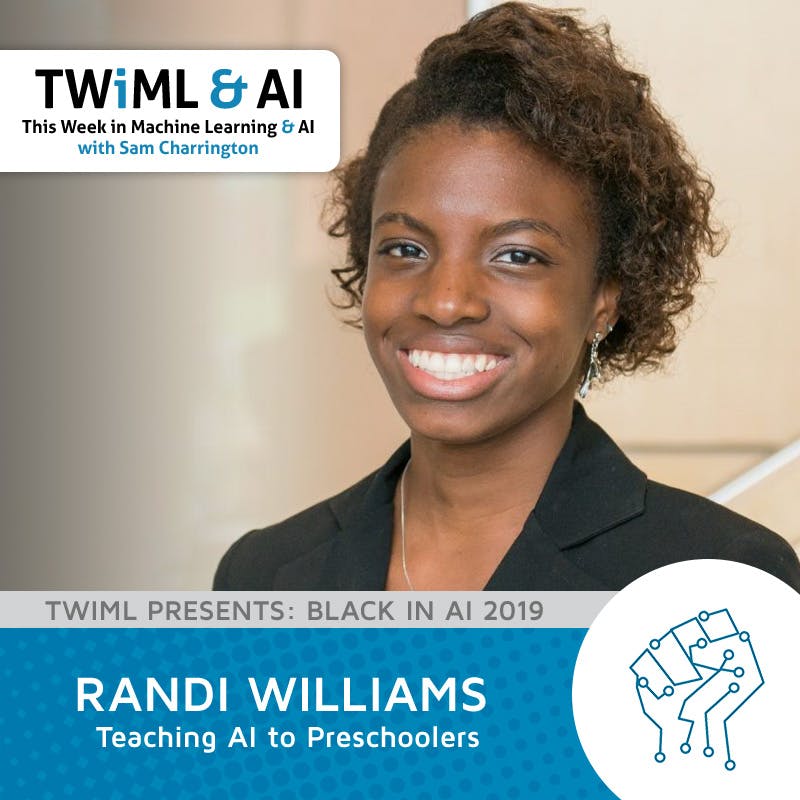
Teaching AI to Preschoolers with Randi Williams - TWiML Talk #225
Jan 31, 2019Tap to summarizeToday, in the first episode of our Black in AI series, we’re joined by Randi Williams, PhD student at the MIT Media Lab. At the Black in AI workshop Randi presented her research on Popbots: A Early Childhood AI Curriculum, which is geared towards teaching preschoolers the fundamentals of artificial intelligence. In our conversation, we discuss the origins of the project, the three AI concepts that are taught in the program, and the goals that Randi hopes to accomplish with her work.
Transcribe →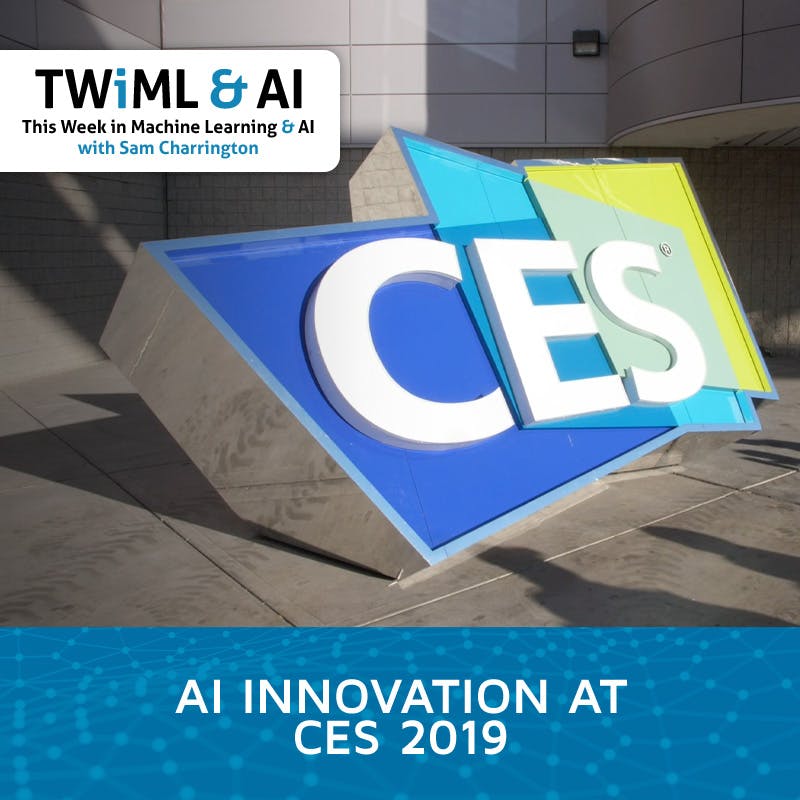
AI Innovation at CES - TWiML Talk #222
Jan 21, 2019Tap to summarizeA few weeks ago, I made the trek to Las Vegas for the world’s biggest electronics conference, CES. In this special visual only episode, we’re going to check out some of the interesting examples of machine learning and AI that I found at the event. Check out the video at https://twimlai.com/ces2019, and be sure to hit the like and subscribe buttons and let us know how you like the show via a comment! For the show notes, visit https://twimlai.com/talk/222.
Transcribe →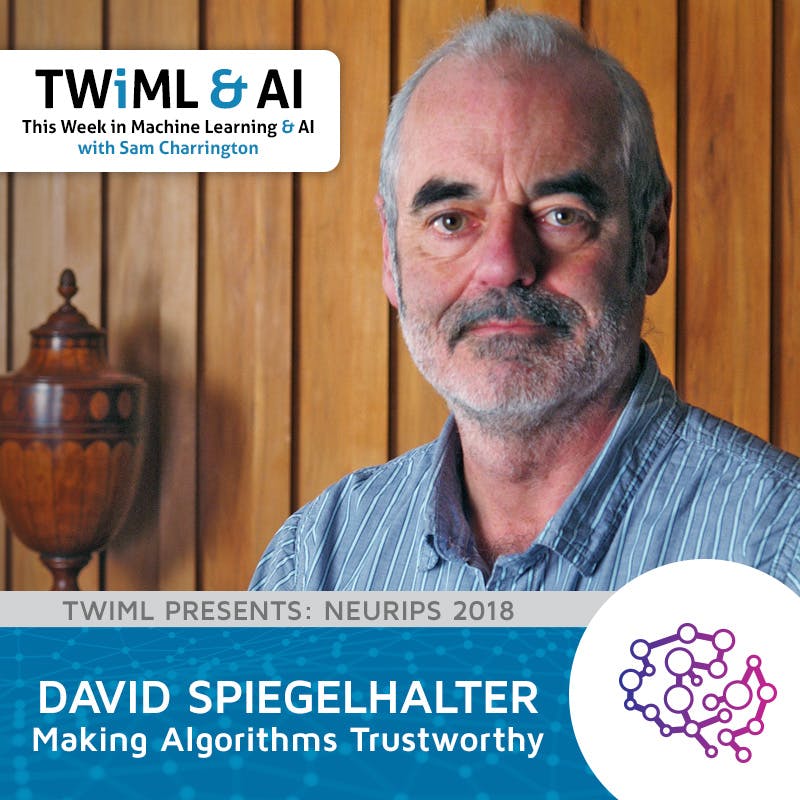
Making Algorithms Trustworthy with David Spiegelhalter - TWiML Talk #212
Dec 20, 2018Tap to summarizeToday we’re joined by David Spiegelhalter, Chair of Winton Center for Risk and Evidence Communication at Cambridge University and President of the Royal Statistical Society. David, an invited speaker at NeurIPS, presented on “Making Algorithms Trustworthy: What Can Statistical Science Contribute to Transparency, Explanation and Validation?”. In our conversation, we explore the nuanced difference between being trusted and being trustworthy, and its implications for those building AI systems.
Transcribe →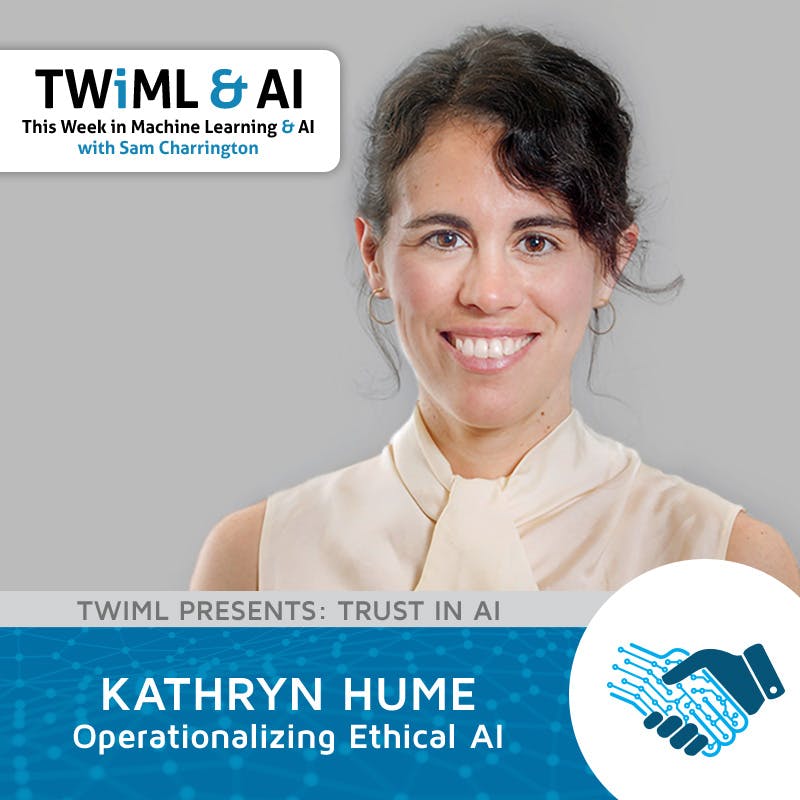
Operationalizing Ethical AI with Kathryn Hume - TWiML Talk #210
Dec 14, 2018Tap to summarizeToday we conclude our Trust in AI series with this conversation with Kathryn Hume, VP of Strategy at Integrate AI. We discuss her newly released white paper “Responsible AI in the Consumer Enterprise,” which details a framework for ethical AI deployment in e-commerce companies and other consumer-facing enterprises. We look at the structure of the ethical framework she proposes, and some of the many questions that need to be considered when deploying AI in an ethical manner.
Transcribe →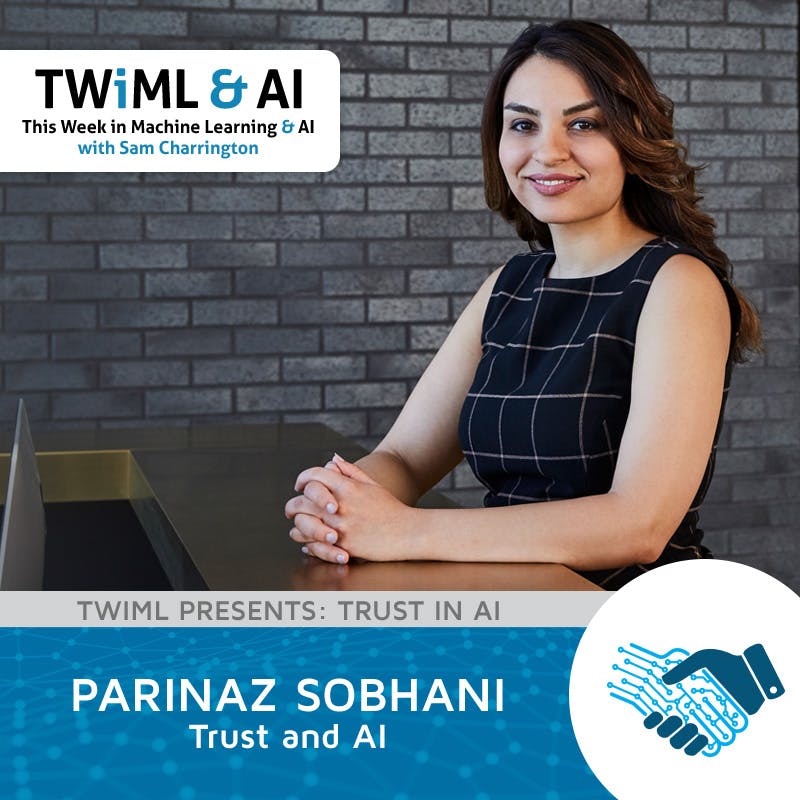
Trust and AI with Parinaz Sobhani - TWiML Talk #208
Dec 11, 2018Tap to summarizeIn today’s episode we’re joined by Parinaz Sobhani, Director of Machine Learning at Georgian Partners. In our conversation, Parinaz and I discuss some of the main issues falling under the “trust” umbrella, such as transparency, fairness and accountability. We also explore some of the trust-related projects she and her team at Georgian are working on, as well as some of the interesting trust and privacy papers coming out of the NeurIPS conference.
Transcribe →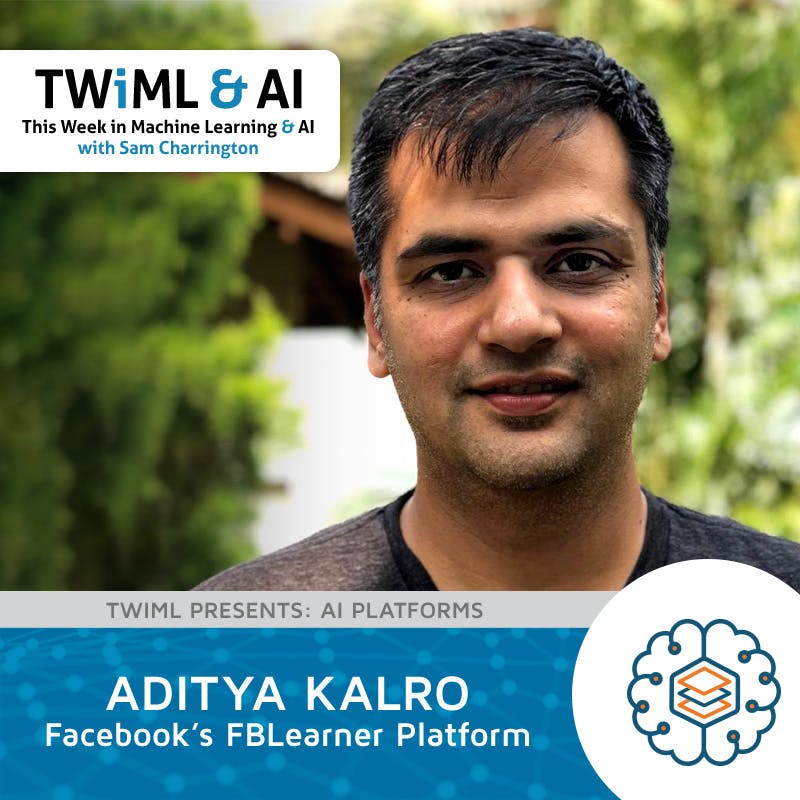
Facebook's FBLearner Platform with Aditya Kalro - TWiML Talk #197
Nov 6, 2018Tap to summarizeIn the kickoff episode of our AI Platforms series, we’re joined by Aditya Kalro, Engineering Manager at Facebook, to discuss their internal machine learning platform FBLearner Flow. FBLearner Flow is the workflow management platform at the heart of the Facebook ML engineering ecosystem. We discuss the history and development of the platform, as well as its functionality and its evolution from an initial focus on model training to supporting the entire ML lifecycle at Facebook.
Transcribe →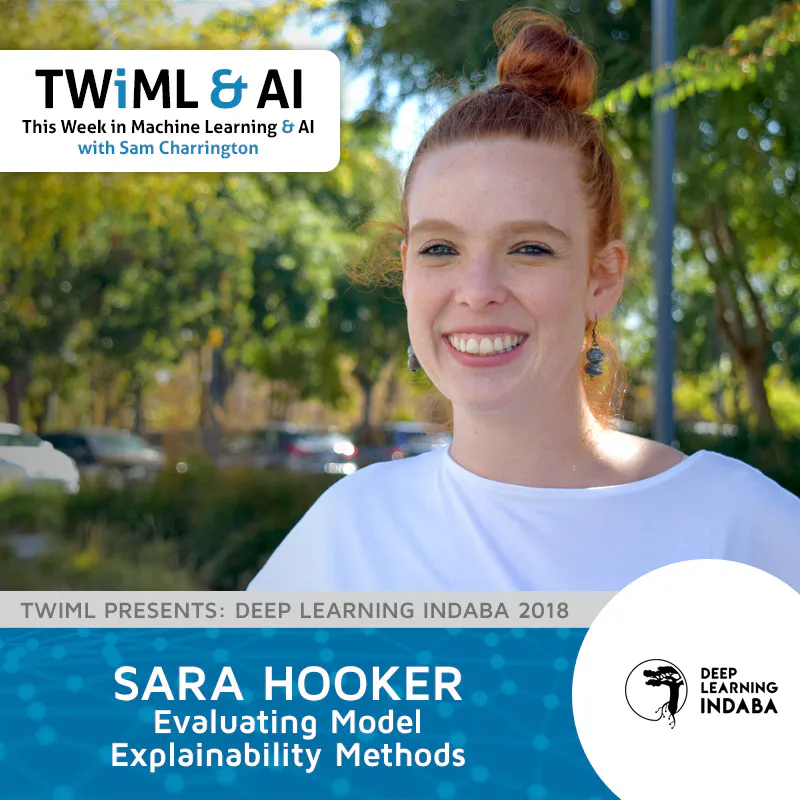
Evaluating Model Explainability Methods with Sara Hooker - TWiML Talk #189
Oct 10, 2018Tap to summarizeIn this, the first episode of the Deep Learning Indaba series, we’re joined by Sara Hooker, AI Resident at Google Brain. I spoke with Sara in the run-up to the Indaba about her work on interpretability in deep neural networks. We discuss what interpretability means and nuances like the distinction between interpreting model decisions vs model function. We also talk about the relationship between Google Brain and the rest of the Google AI landscape and the significance of the Google AI Lab in Accra, Ghana.
Transcribe →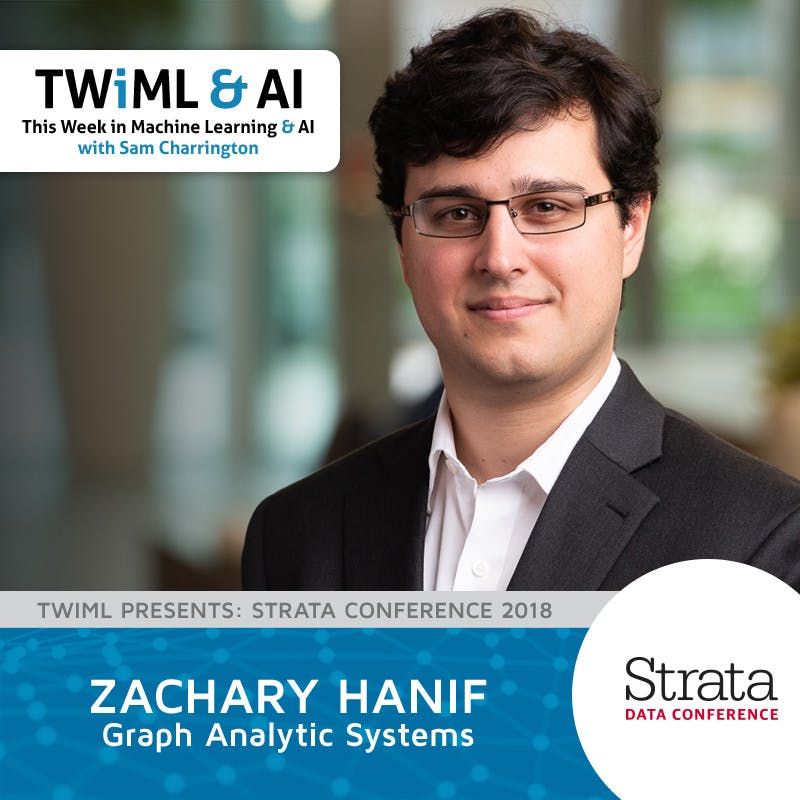
Graph Analytic Systems with Zachary Hanif - TWiML Talk #188
Oct 8, 2018Tap to summarizeIn this, the final episode of our Strata Data Conference series, we’re joined by Zachary Hanif, Director of Machine Learning at Capital One’s Center for Machine Learning. We start our discussion with a look at the role of graph analytics in the ML toolkit, including some important application areas for graph-based systems. Zach gives us an overview of the different ways to implement graph analytics, including what he calls graphical processing engines which excel at handling large datasets, & much m
Transcribe →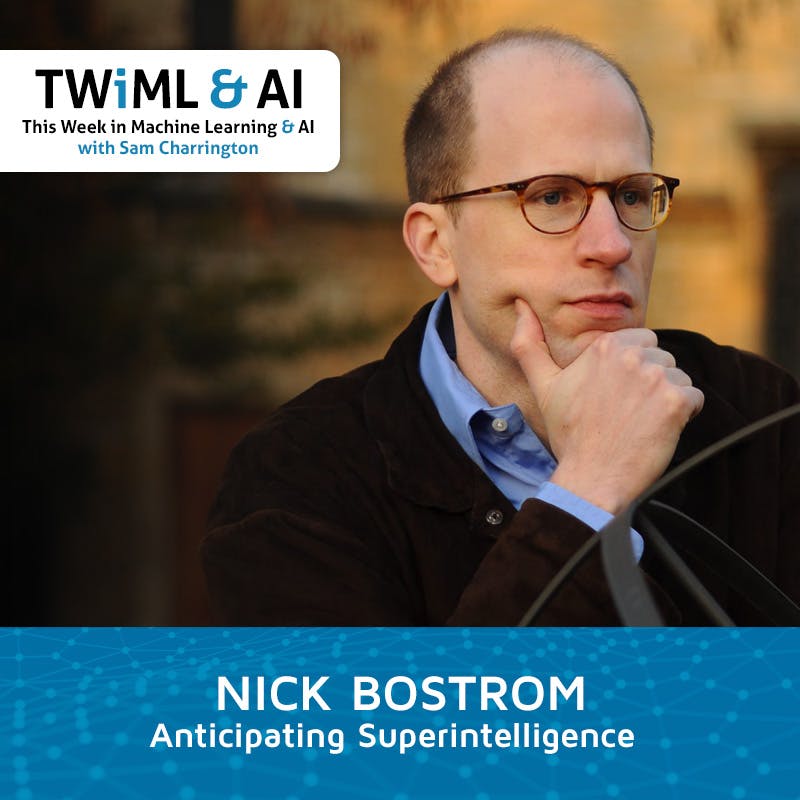
Anticipating Superintelligence with Nick Bostrom - TWiML Talk #181
Sep 17, 2018Tap to summarizeIn this episode, we’re joined by Nick Bostrom, professor at the University of Oxford and head of the Future of Humanity Institute, a multidisciplinary institute focused on answering big-picture questions for humanity with regards to AI safety and ethics. In our conversation, we discuss the risks associated with Artificial General Intelligence, advanced AI systems Nick refers to as superintelligence, openness in AI development and more! The notes for this episode can be found at https://twimlai.com/talk/18
Transcribe →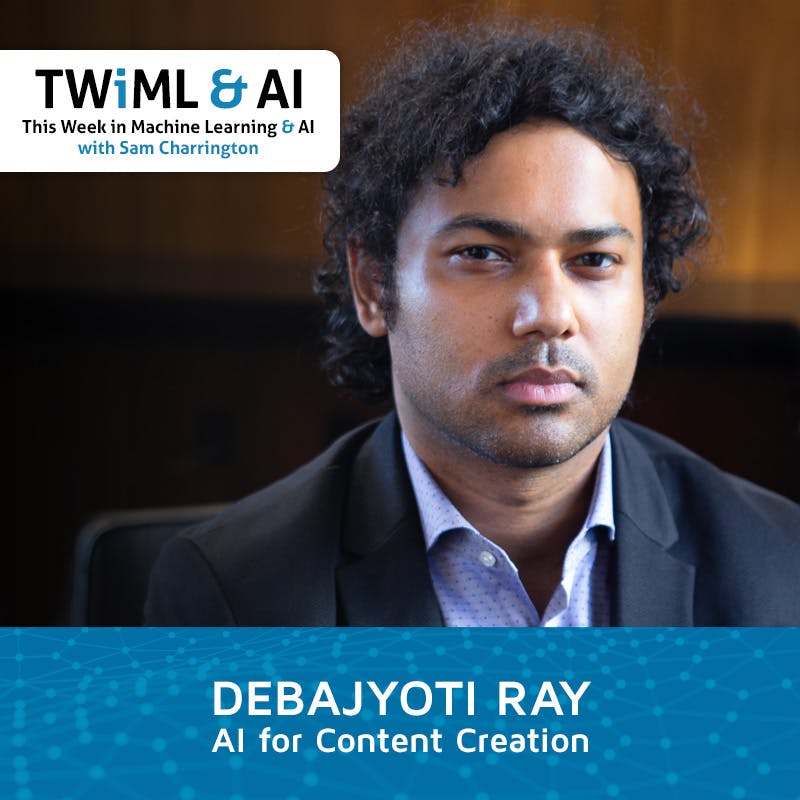
AI for Content Creation with Debajyoti Ray - TWiML Talk #178
Sep 6, 2018Tap to summarizeIn today’s episode we’re joined by Debajyoti Ray, Founder and CEO of RivetAI, a startup producing AI-powered tools for storytellers and filmmakers. Deb and I discuss some of what he’s learned in the journey to apply AI to content creation, including how Rivet approaches the use of machine learning to automate creative processes, the company’s use hierarchical LSTM models and autoencoders, and the tech stack that they’ve put in place to support the business.
Transcribe →