← The Underworld Podcast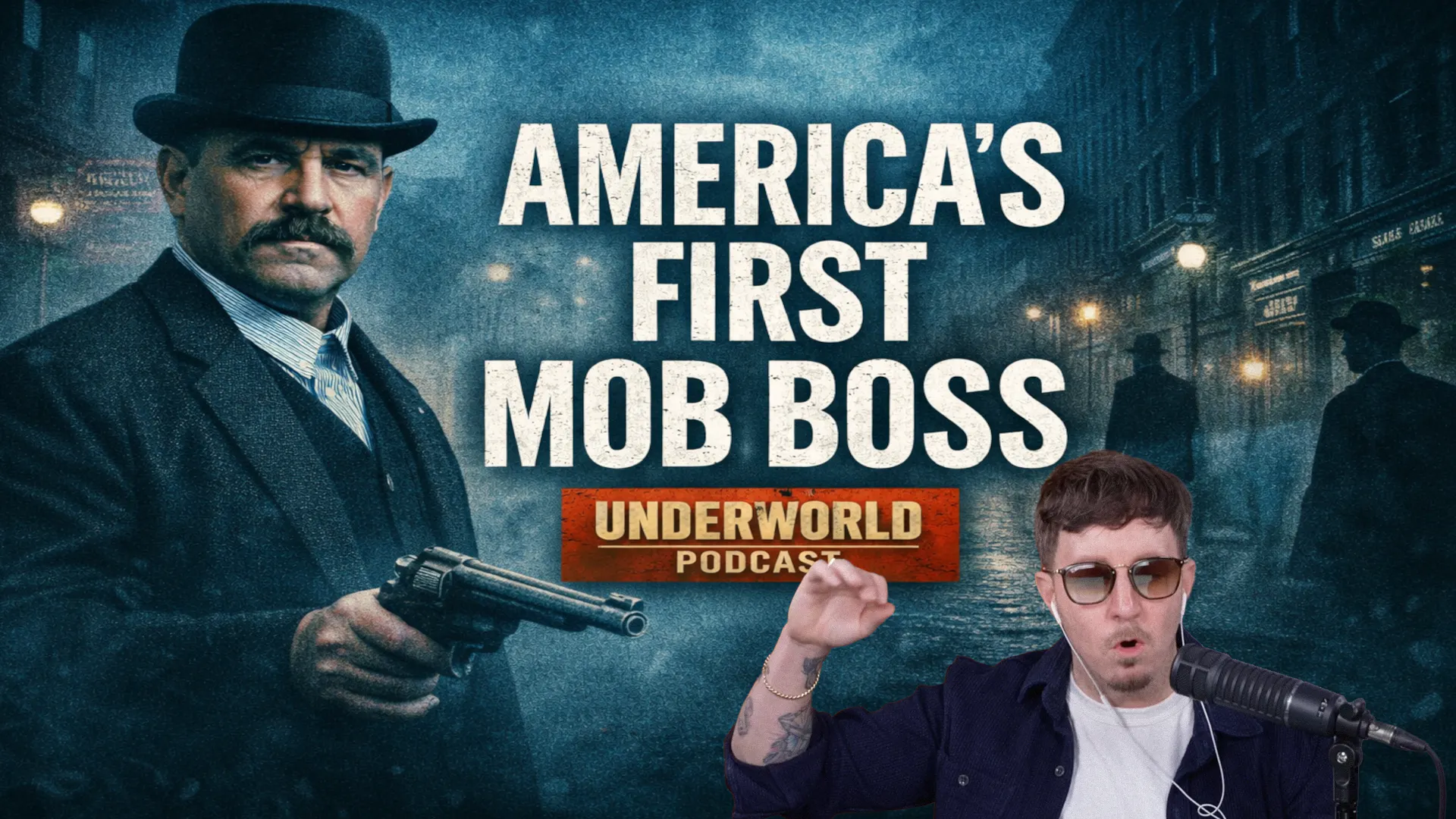
Loading summary
Transcript156 lines
- [00:01]
A
Reggie, I just sold my car online. Let's go, Grandpa. Wait, you did?
- [00:06]
B
Yep.
- [00:06]
A
On Carvana. Just put in the license plate, answered a few questions, got an offer in minutes. Easier than setting up that new digital picture frame. You don't say. Yeah, they're even picking it up tomorrow. Talk about fast.
- [00:18]
B
Wow.
- [00:18]
A
Way to go. So, about that picture frame. Ah, forget about it. Until Carvana makes one, I'm not interested. Car selling made easy on Carvana. Pickup fees may apply. I'm Richard Sarett. Join me on Strange Planet for in depth conversations with the world's top paranormal investigators, alien abductees, Bigfoot trackers, monster hunters, time travelers, and more. The handler one day told her this whole thing about how they've been terraforming on Mars and they're building a colony, and they're recruiting specific people of specific bloodlines and specific talents and skill sets to go onto the planet. On Richard Sarrit's Strange Planet, we're redefining reality. Listen now, wherever you get your podcasts.
- [01:05]
C
November 1903. In an abandoned barn on the outskirts of the Bronx, a gang war is brewing on the streets of downtown Manhattan between the two most powerful men in New York City. It's actually almost like a real war, because both men have thousands of soldiers underneath them, and when they clash on the streets, there are pitch battles that can last all night. What's happening here, though, is actually an attempt to stave off those battles. Cause election season, when the two men put aside their differences and use their street soldiers to help get the corrupt politicians that protect them elected, has just ended. And there's trouble brewing over some territory. Very profitable territory. You see, there's about to be a boxing match in this barn, one that all the politicians and higher police officials have basically begged the two men to hat. Because the two men in the center of this dirt ring in the middle of nowhere, surrounded by hay bales, are Monk Eastman and Paul Kelly. And instead of sending their two gangs to battle it out all over the streets of New York, they've agreed to settle it man to man, kingpin to kingpin in the ring, the victor claiming the disputed territory they've been fighting over for years. That territory has New York City's barrier as its center point, the city's red light district. This is the days of the east and West Village being depraved like none other. It makes the 1970s and 1990s look like Switzerland. It's a time of unimaginable poverty in New York and the violence and pain and crime that go with it, brothels on every corner, drunks laying dead in the gutter. Thieves, hustles, cons, opium dens, bar brawls every night that end with corpses. Tenement buildings packed with entire families living in a single room. Rampant diseases, rat and dogfight pits. It's a place where life is cheap and only the strong survive. And Monk Eastman is perhaps the strongest and the most feared. Before him, the gangs in New York were mostly violent street brawlers who did some crime on the side. There was no organization, no organized crime. Monk changed that, professionalized it in a way. He took over territory, ran the rackets, got in bed with politicians and police, consolidated other small gangs. You own a business in his territory, pay up. You want to do crimes in downtown New York, he needs a taste. Only after him, when prohibition hits, do the real mafias really emerge in New York. He represents this powerful transition period in the evolution of New York City's underworld. By the early 1900s, his Eastman gang had become more than a gang. It's a brutal empire. Eastman himself was a walking mystery. Read a biography of him. Quote. He was undoubtedly a gangster, a bruiser, a burglar, a thief, a liar, a thug for hire, pimp, an opium peddler. But he covered his track so well that even the most basic facts of his existence were open to question. Which brings us to the boxing match. Each man is allowed to bring 50 of his own guys in the crowd. And every gambler and respectable criminal in New York worth the money in his pocket came to watch. Drinking bottles of wine, smoking cigars, and betting heavily. A referee from a neutral gang oversees the rules. Rounds don't end on a timer. Only when someone goes down. Only if you can't make it back to the center of the ring, it's over. Monk is a real brawler who earned his name knocking out anyone who came his way. Kelly's smaller, but he had been a professional boxer and had recently beaten the hell out of Monk's right hand man, a monster heavyweight. In a different one on one brawl, the men end up fighting for over an hour, each one going down a few times, but no winner is declared. A noble effort, but the war continues on. This is the Underworld podcast.
- [05:10]
A
Welcome back to the underworld podcast, an audio visual experience where every week two journalists that have reported on this stuff all across the world on the ground take you on a journey through international organized crime. Past, present and sometimes future. I'm one of your host, Danny Gold recording here at Spotify studios in New York. I trade off hosting duties every other week. With magazine writer and reformed Berlin party boy Sean Williams, who is joining us from his living room in New Zealand. Lots of new listeners this week, and, you know, hang out, listen to a few episodes, write nice things about us in the comments. Look past the fact that I'm wearing sunglasses indoors. It's bright lights, big city over here, isn't it?
- [05:50]
B
The depths of winter over there? Is that. Is that sunglasses?
- [05:53]
A
Yeah, but that's like a book. I was making a literary reference so people know that, you know.
- [05:57]
B
Oh, my God.
- [05:58]
A
Sorry, but no, it is the depths of win.
- [05:59]
B
We read books, dude.
- [06:00]
A
It's like. It's like 12 degrees and snow. It's just. It's very depressing. And anyway, moving on. As always, you can get bonus episodes@patreon.com interworldpodcast and ad free. You can also sign up directly on Spotify or itunes. Help us keep the show going and pay for Sean's impending move to Latin America, where he'll be trying to figure out how we can help launder money for import export companies through said Patreon. Yes, what else? Merchunderworldpod.com Email us tips or whatever else at the underworld podcast@gmail.com. and oh, yeah, shout out to righteous felons. Beef jerky. They heard me talking about biltong and beef jerky last week, and they just sent me a whole bunch, so I don't know. What else, Sean, what should we talk about? Japanese denim, expensive jackets. Anything else?
- [06:52]
B
I don't know. Fast cars, Like a good mortgage? Yeah, I don't know. Yeah, reach out.
- [06:59]
A
Okay, so to really understand Monk Eastman, we need to dive into the world he operated in and came from. It's actually really fascinating.
- [07:07]
C
I.
- [07:07]
A
You know, I love reading and learning about the New York city of that era. 1880s, 1890s, 1900s. It's a wild, wild time. I mean, I love the gritty New York City crime history stuff. We've done so many episodes on various time periods and eras and the crime organizations that went with them, but this one, I mean, this is like. I think the first place I heard of Monkees Men was reading Herbert Asbury's Gangs in New York, which actually came out in 1928, and details that period. And it is just dark. Like, if you think things were grim in the 70s or the crack era, it's kind of nothing compared to how violent and degenerate things were back then. Anyway, fantastic read. Read that and Lowlife by Luke Sante about early New York crime days. They're just both fascinating books in Gangs in New York. There's a few pages that dive into Monkees men, and they talk about him being the first real gang boss and. And having thousands of soldiers at his disposal. And the main book for this episode, the main source, is called the Heroic Gangster by Neil Hansen, which is a biography of Eastman. Okay. New York of the 1890s, early 1900s. It's a city in the throes of massive transformation. It's experiencing immigration on a scale that's really hard for us to understand today. Between 1880 and 1920, over 23 million immigrants come to the US and a huge proportion of them pass through New York City, and many of them stay. Yeah.
- [08:29]
B
Every time you do a New York episode from this era, I think, I don't know, maybe the folks who skipped on and got their, like, thousand acres in Kansas or Iowa did pretty. Did pretty well, actually. It's going to be deprivation. Right. This is going to be the hallmark of this one.
- [08:43]
A
Like, Dickensian is, like, not even close. Does not capture, like, what downtown Manhattan was like in those days, as we're about to learn. So the ethnic makeup of the Lower east side, which Monk rules over at this time, was incredibly diverse and constantly shifting. There'd been a lot of Irish that settled in there before. You know, that was when, I think, when was the potato famine? Around that period? No.
- [09:08]
B
Yeah, yeah, yeah.
- [09:10]
A
So they'd come over earlier and they were a bit more established. But during that time period, 1870s, 1880s, 1890s, you had a whole lot of Jewish immigrants from Eastern Europe, Russia, that were arriving fleeing pogroms and persecution. And you had a whole lot of Southern Italians, a lot of Sicilians fleeing poverty and the Lower east side of Manhattan. For those who don't know, that's like, you know, the East Village, Tompkins Square park, in later years, punk rock, everything cool in New York that comes out of there. Any gangster movie based in the 20s and 30s talks about it. That's where, like, you get the Yiddish and the Italian accents. Clothes hanging from a clothesline between apartment buildings. Push cat, push cart peddlers, kids in newsboy caps. You guys know what I'm about.
- [09:51]
B
Yeah. Imagine, if you will, a young Williams, too, in a Sonic Youth T shirt heading across Tonkin Square park to get chili sauce for the Puerto Rican abuelas. For some reason, living in, living within, in Alphabet City. It was a. It's great times, and I'm sure, like, quite the image of coolness just to just kind of ram home this idea that it is a really great part of town.
- [10:15]
A
Did you have someone take a photo of you posing in front of the Joe Strummer mural that was right there?
- [10:22]
B
I mean, I'm sure I did that like 10,000 times. Yeah. But nothing survives from that era, thank God. There are almost no pictures of me in New York, which is great, actually. I would recommend that for any young children thinking of spending their entire lives in front of a camera.
- [10:36]
A
Yeah, don't, don't, don't, don't die.
- [10:39]
B
Don't do any of that.
- [10:40]
A
Okay. So during this period, it's one of, if not the most densely populated places on earth and it's just incredibly poor. I mean, you know the jokes about Manhattan apartments being the size of closets. Back then it's whole families with like 10 children living in them. In these squalid tenement buildings, barely any sanitation, diseases are running rampant, very little running water, coal burning fires and these things like regularly burnt down. You had people who barely saw sunlight. Sweatshops where people are working 16 hour days, six days a week. And not just men, but like women and children in these death trap factories. And there's basically no social services or anything provided by the government. You had do gooders soup kitchens, churches and things like that, but it was mostly everyone for themselves. And it was vicious. So you had crushing poverty, no safety net, no police really. And I mean, I mean there were police, but they were really inept, understaffed and horribly corrupt.
- [11:34]
B
Sounds like it's changed a lot.
- [11:36]
A
I mean, you joke, but like, compared to what it was, it's just, it's, it's insane. So these places, they're chock full of crime and just vicious violence everywhere. Gambling dens, brothels, preteen prostitution, the seediest saloons and dance halls. The kind of places that had like rat pits where men would bet on rat fights or dog versus rat fights.
- [11:56]
B
Or dog fights or dog and matt, like on rat on matt. Oh, wait a minute, hear me out. Rat on, rat on, rat on dog. That would be a big one.
- [12:04]
A
I mean, I think that's what they were. It was like multiple rats versus like a terrier, like a rat terrier. And they would, dude, it's, it's very unpleasant downtown.
- [12:13]
B
It sounds great.
- [12:14]
A
It's so garbage. Like you had garbage lining the streets even worse than it is now where it's just garbage bags piled up in New York because, you know, but then you had to like wade through it. Rats everywhere, smell the trains were overhead, you know, so the noise, push carts, rotting food, drunks passed out, being robbed, being Murdered. It was just ruthless. Everyone's a predator. Crime and corruption everywhere. Okay, so I think. Am I overdoing it? I think we can. Yeah.
- [12:40]
B
I mean, yeah, I think it's quite bad, right, is what you're trying to say?
- [12:43]
A
Yeah, yeah, yeah, that's what I'm saying. Was an un. Very unpleasant place. So this is the word. This is the world Monk Eastman is born into in 1873 or 1875. And his real name is Edward Eastman. I think there were a couple of things that they said maybe his name was. Was Edward Osterman or whatever it was, but. But East Edward Easterman is his name, and you'll see that a lot of details with him are murky. He later gets the nickname Monk, short for monkey, and it was because he climbed everywhere when he was doing burglaries, up drain pipes, fire escapes, walls, fences, all that stuff. Like I said, details with him are murky. He has like 12 aliases. The cops don't even know his real name or his age at most situations. Most points when they arrest him, no one is sure of how many kids he has, or wives for that matter. The guy liked to tell a tale. And not only that, the newspapers back then, they weren't big on fact checking, so a lot of competing info on this guy, even his background. Most reports put him as Jewish, the son of recent immigrants, which makes sense considering he operated in the very Jewish Lower east side and his Eastman gang was predominantly Jewish. There was a report or two that has him as Irish as well. But according to Heroic Gangster, which looks to be the most solid info on him, he was neither. And his heritage was most likely English generations back.
- [13:59]
B
I guess, like Eastman could be a Jewish name, right? It sounds like it would be. I don't know.
- [14:04]
A
Like, that's really interesting. He kind of predates the period, but it's the rise of Italian and Jewish organized crime. And Eastman definitely sounds more Jewish than. Than Italian. But you'll see people change their names. Like the. The main Italian gangster at that time gives himself an Irish name to. To avoid the stigmatism that comes with. With being Italian, which if you're. If you're Italian, you give yourself an Irish name. That's got to be like ultimate betrayal right there, dude.
- [14:28]
B
Yeah.
- [14:29]
A
Also according to. To many reports, contrary to what people say, he's not born into poverty, but a lower middle class family. His father is a wallpaper hanger, which I guess is the job back then, and his parents split up when he's young, and he spends most of his youth or some of his youth on the Upper east side, eventually ending up across the river in Williamsburg, Brooklyn in the late 1880s. He's not one for school, but he's a wealthy relative who sets him up with a pet store when he turns 17. Monk is big with animals. He likes to walk around holding a kid in. And he also had a trained blue pigeon that sat on his shoulder.
- [15:02]
B
Oh, so he's just like a late 90s Coen brothers character then? Yeah, I got.
- [15:06]
A
I mean, in the Q moments, he kind of is like, he could be a gangster. One of their movies. When he's not like, viciously beating the crap out of people. Big bird guy. Big bird guy. Especially pigeons, which also Mike Tyson, another New York City brawler. Legend has it that Tyson first got into a fight or first got noted for his fighting abilities because somebody in Brownsville killed one of his pigeons on purpose. And then Tyson just like, absolutely wrecked the guy who was like, older and bigger than him and Monk by. By this age 16, 17. He is Tyson, like, guy has a gift for beating the hell out of people. And he's short like tyson. He's only 5 foot 7, though apparently most gangsters back then are like 5, 4, I guess, because of like, I assume, malnutrition.
- [15:46]
C
Right.
- [15:47]
A
Monk, though, he's like, he's stout. He's built like a brick. He's built for violence. He's got pug face, cauliflower ears. Like only a brawling 1890s gangsters could have his face. His face is eventually, like, marked by scars and just batterings. He'll have gold front teeth, but not cause he has a sick grill, but cause his teeth had been broken in fights. Did you guys actually know that Sean used to always wear a grill out back in like the little John days. Diamonds, everything. This is. I mean, Sean had a really wild twenties that we don't talk about enough.
- [16:16]
B
Yeah, that's right. That's right. It's sad but true. I mean, Sonic Youth, tea, chili sauce, leather harness grills. Am I doing it right? Is there any. Am I missing anything? Do I need, like, hard drugs as well or something like that?
- [16:26]
A
Do you still have it? I mean, you could put it on for one of the episodes. It would look good.
- [16:30]
B
Oh, my God. Well, yeah, okay, let's go for it then. I'll just get grills. Why not?
- [16:36]
A
That's another. That's another thing. You could sponsor the show like any of Those guys on 47th street who have the Instagram account.
- [16:40]
B
Grills company.
- [16:41]
A
Send us. Send us Grills if you're in, you. Wait, what do they sell? Grills, though. Houston send us grills. Sean will wear them on an episode. You could put your company name across the.
- [16:51]
B
Anyway, you get the build song and I'm gonna wear grills.
- [16:55]
A
It is going on too long. I'm not. Not doing good work. Monk is just. He's a rough looking guy. And actually apparently a lot TV shows and movies over the next few decades. The gangsters and hoodlums for a lot of them are based on Monk Eastman, down to the way they talk and they look. And if you look at a photo of him, you will see why.
- [17:12]
B
Yeah, the guy, that guy is not a looker. I'm definitely sticking with the Coen brothers figure.
- [17:16]
A
Rude.
- [17:17]
B
He's. He's striking. Like, he's scary looking.
- [17:20]
A
Yeah, yeah, yeah. Breed of a brawler, dude. No stranger to the street. He opens up this pet shop and he uses it as a front to sell stolen pigeons. I guess back in those days, young kids in poor neighborhoods would catch or steal them to sell, which I, now that I think about it, there's like a little minor plot point in the wire with that when I'm catching pigeons.
- [17:37]
C
Right.
- [17:37]
A
You know, people kept flocks back then. Was it for messaging? I don't really know. Either way, he has his hustle. He's also always stealing, doing some breaking, enterings, brawling. It sounds a bit like the early scenes in Once upon a Time in America. I don't know if you've seen that, but like 30 years earlier. He chooses the life, though, which again, major misconception. I always assumed he was a slum kid. At some point around 1892, he realizes the money is in Manhattan and he moves back over the bridge. At the age of 18, he settles in the Lower east side. And you know, well, I describe the neighborhood up top. But to add to that, quoting the book, the poor lived and died in crowded, festering tenements. And the most basic human needs, fresh air, clean water, even daylight, were hard to come by.
- [18:22]
B
It sounds like these guys just need a Whole Foods in the hipster burger joint. They're going to be fine.
- [18:27]
A
Little sunlight, little sunlight never hurt anyone. And as soon as Munk gets there, a depression hits and it gets worse. Quote, for many inhabitants of the Lower east side, the only employment was rag picking, begging, theft, or prostitution. So this is the world that he becomes an adult in, right? And he takes to it very well. He's well known to the police. Soon enough, his first arrest is for stealing pigeons, which you know that was his hustle. He spends nights in jail here or there. But in 1898, he's bagged for carrying burglary tools and. And spends three months locked up. He finds work when he gets out as a bouncer at the infamous Silver Dollar Saloon, where the owner was connected to Tammany Hall. Do we know, like, is Tammany Hall? The people know what that is, especially non Americans.
- [19:09]
B
I don't know. I don't know. I mean, I'm thinking of Jim Broadbent with the big sideburns from the movie. But I don't. I don't really know it beyond that.
- [19:15]
A
It's basically a byword for political corruption.
- [19:17]
C
But I'll.
- [19:17]
A
I'll go into it a little bit more later in this episode. So that bar, it's across from the courthouse, which I used to hang out in a courthouse bar when I was reporting. They are cool places. Not as cool as they were back then. Yeah, this is a headquarters for, like, scumbag lawyers, corrupt judges, bail bondsmen, fake witnesses, corrupt cops, where you could arrange things to pull one over on the legal system. There was influence to be had there, and Monk, he starts getting it right, and this is when he starts to understand the organized part of organized crime, how to work the system and how to get it to work for you. I kind of like the old days, right, when there's, like, bars were headquarters for things like that, right, that you had this gang there. There was a bar of, like, all guys who did arson, stuff like that. So he soon moves on to another bar where he beats up the bouncers to get his job. And this bar is famous for robberies and rapes, which is way less fun than being the headquarters of scammers. This is a dance hall, which they had back then. And during that period in that neighborhood. Most dance halls are basically brothels. There were live sex at stage. There were drunken brawls, and the women often pickpocket the male customers. Criminals, pimps, prostitutes, thieves. Basically, like the apartment of a young Sean Williams in Berlin. Some of these dance. That's. That's 1, 2, 1.
- [20:33]
B
Oh, he's a bit. He's a bit late on this one. He hasn't mentioned it so far.
- [20:37]
A
We got. There's more time. Some of these dances they throw, they're. They're massive, and, you know, it's a seedy, seedy criminal element. So Monk needs to keep watch with a crew of hooligans. He carries a weighted club, brass knuckles, and a blackjack for just knocking people out. I mean, this is like. It's like the Deadwood era, but for New York City, you know, that's essentially what it was. It was Deadwood, but, like, in the most packed environment you could think of. He's what they call the dance hall sheriff, and he beat enough people up that it really establishes his rep on the lower side. Bouncers were like a very. Like, everyone needed them. All the bars, the dance halls, the gambling dens, they all need protection. And being a bouncer, it's like a really heralded thing back then. Necessary for all businesses. And the people who get noticed are basically like superhuman brawlers. See, there's a lot of gangs back then, but there aren't really any, like. Like, mafias. Nothing's organized. Like, there's no organized organized crime. It's very Wild West. It's definitely nothing like you're gonna see 25 years later when prohibition hits. These gangs are fluid. They're chaotic, sometimes forming alliances, sometimes warring over territory. But they're basically like guys who, like fighting the streets, like, have rumbles out there with all sorts of, like, melee weapons. Right? They're part army, part thieves guild, part community enforcers. They sell a little bit of protection, they collect debts, and sometimes they commit acts of theft or violence simply to kind of like, establish or maintain their reputation. And reputation then is everything. A name carries weight. And Monk Eastman, he's beginning to carry enormous weight.
- [22:04]
B
Oh, man, great writing. You went on Don Winslow. Then it's like, is this. So is this the era when the Sicilian Moustache Pete's are coming over from the Costa Nostra? Like, we did that episode. It was last week, right? Are they coming over, like, formalizing stuff, turning things into a proper Mafia? Is this. Is that. Does that come slightly after this? Then? Where are we in that? Kind of.
- [22:24]
A
I mean, the Italians definitely had that in their neighborhood, but that comes, like, 10 or 15 years later. Monk is really like this. I'll get into it. But he's like this. This transition in. In. In crime, going from, like, these, like, brawler gangs to more organized. He's like the. The middle step in the evolution. So those guys will come around 1915, something like that. Arnold Rothstein's around then, too. He's like, you know, obviously a big step up in terms of organization. He's generally gets the credit, I think, for being, like, the real first organized organized crime guy in New York. But then, of course, Prohibition is, what, 1920? And that's when everything changes. All right, guys, a quick break from smugglers, kingpins, and highly organized crime. To tell you about a different type of underground operation. The culinary contraband of Righteous Felon craft jerky. You guys may have remembered a couple weeks ago on the show I was talking about how much, how much I love like biltong, which is dried meat and beef jerky and all that. These guys reached out. I don't know how we weren't dealing with them earlier. The stuff is amazing. The stuff they've sent me. And they are criminal kindred spirits with Underworld Pod. This is jerky and meat sticks for people who prefer their snacks paired with a bit of rebellion. High protein, low sugar, gluten free and legendary flavor so you can make a clean getaway while channeling your inner outlaw. We are talking 17 different flavors with a cast of outlaw characters. We got the, the anchovia biltong, which is pretty dope. There's a one named after Nelson Mandela I had before. We got the beef jerky Soul Survivor Korean barbecue inspired OG Hickory. And they got all these really great meat sticks too. We got the OG Hickory here. There's a honey heist barbecue one right here. There's a beef and cheese one that I've been eating. That's fantastic. Their flavor lineup reads like a wanted poster of your favorite felons and criminal masterminds. Habanero, Escobar, Teriyaki, Balboa, the turkey jerky. Like I said, fal, Capone. They got something for any crime junkie that's jonesing for a hit of the good stuff. And like I said, I've been. I've been eating this since they sent me a large amount after I just talked about on the show. If you want to get in on the heist, throw on your ski mask and head over to Righteous Felon.com to grab a sampler pack with code Underworld25 for 25% off. That's code Underworld25 for 25 percent off. Follow them on Instagram at Righteous Felon. No. So Monk, though, he is this transition period and he starts building slowly, right? Some fights, some rumbles, establishing his territory. He's a natural born leader. People throughout his career as a boss, they're not only drawn to him, but they're loyal to him. People, people like him, people start joining up under him. And he's sharp, right? He starts recruiting a lot of youngsters from the poor Russian and Polish Jews that had recently settled in the neighborhood. Immigrant parents kind of lament at what their children are turning into. But it also creates a form of protection, writes Hanson. Quote, Monk's gang also provided what might be described as a public service by protecting the Jewish population of the east side from the depredations of attacks of Italian and Irish gangs, often operating with a tacit consent, encouragement and sometimes active participation of New York's predominantly Irish police force. Like I said, this is like a turning point in New York's gangland scene, which up until then had been dominated by the Irish who came over in prior waves. Now you've got Italians and Jews coming in at higher rates, moving into the salons. And this is when the first the Italians and then Jewish organized crime start to take over in the lead up to prohibition, which is when they explode. And when organized crime becomes organized crime, there's still Irish crime, like organized crime for certain. You know, these guys are active during Prohibition, even up until like the Westies and the seventies. But this is when you have Lucky Luciano and Frank Costello teaming up with Meyer Lansky and Buggy Bugsy Siegel, the Purple Gang, all that. Monk is like a transition piece on the way there.
- [26:12]
B
So how kind of deep Mafia core is this guy exactly? Like, would most folks in NYC recognize the name or is his history kind of been buried somewhat over the years? Because I don't, I don't know much about, I mean I'd never really heard about him at all. And what I guess I'm really asking you is how many conversations can we have off the back of this show with like L. A Film guys that go nowhere? That's the real question.
- [26:34]
A
First of all, calling something Mafia corps is very, it's going to appeal to our, to our Gen Z audience that we need to grow. I don't, I don't think too many people know about him unless they read gangs in New York or like have really looked into early crime days. He's not a well known, I mean definitely not like Lansky or Costello or Bugsy Siege. He's not, he's, I wouldn't say he's under the radar, but he's not well known at all from like your sort of average listener, I would say, or average, average person who, who looks into this sort of stuff. So Monk is getting together a gang of young pickpockets who he sends all over the city into rich neighborhoods. He's basically codifying the extortion protection racket for businesses. And he's also making any criminal trying to operate in his territory pay tribute. He's got big time thieves going out, lock pickers, safecrackers, people running brothels, all that he's taking in Cash and his gang starts growing in wealth, power, and influence. He's got lieutenants by his side he delegates to. Though he's not against getting into a scrap himself to remind everyone who he is or doing some dirty work. Most gang leaders of that era, they're just kind of like the toughest guy in a group of tough guys. Monk is that, but he's also, like an organizational genius. His gang becomes known as the Eastmans, and they hurt so many people that the local ambulance drivers refer to the nearby Bellevue Hospital as the Eastman Pavilion.
- [27:52]
B
Yeah, I mean, if you look at the guy, he just looks like a thumb. So you wouldn't. I mean, I wouldn't want to go in anywhere near a fight with the guy, especially if he's holding, what, a weight. A weighted club and brass knuckles. Jesus Christ.
- [28:04]
A
Yeah. The old school melee weapons they fought with were definitely, definitely interesting at this point. Right. He's gathering up all the other small gangs on the east side and putting them under his umbrella, forming a massive organization. Unlike the small improvised crews of his youth. This is like a formidable organization. Right. They control territory, a lot of it. In New York City. Hundreds of thousands of people live under the area. They do the usual rackets I've talked about. They also get big on doing violence for commission, like an earlier iteration of Murder, Inc. But a lot more beatdowns instead of murders. Even politicians start commissioning them for violence, and they start taking notice that Monk is a guy you both need and want on your side. And that means he soon links up with Tammany Hall. So Tammany hall is also known as the Society of St. Tammany. It's the Democratic Party political machine that controls New York City politics from the 1790s through, like, the 1960s with varying degrees of power. But its golden age is, like, the 1850s up until the 1920s, 1930s, right? When, kind of Monk's reign is smack in the middle. And Tammany hall, like I said, it's a byword for political corruption. And what it means is that really what they did is they understand that political power comes from controlling votes. And controlling votes doesn't mean doing policies that people like. It means using whatever means necessary to get those votes at the poll and make sure that your opponent doesn't get their votes. So that means, first off, with New York City and the massive immigrant population coming in, you provide services to them, help them with problems, get jobs, navigate the bureaucracy, even getting soup kitchens going, all with the understanding that their vote is now yours. And so all wood and good right there. That's, you know, politics. That's sort of the nice part, right?
- [29:47]
B
Yeah, that is the nice part. It sounds like democracy in action. That's good.
- [29:50]
A
Yeah. But the other side of that, like the gangster side, is violence to get those votes out, right? Violence to stop the other side from getting their votes out. Massive election fraud from stuffing ballot boxes, getting people to vote five times in the same election, intimidation to prevent opposition voters. I mean, these are the days of a guy voting, then going to a barber to shave his beard off and leave a mustache, then voting again, then going back to the barber to shave the stash, then voting again.
- [30:13]
B
This is what you do at craps tables right after I get banned?
- [30:17]
A
Yeah, I don't. You don't get banned for losing all the time. So it's misconception there. You only get banned from winning. So I've never had to deal with actually getting banned from any sort of gambling. They actually like it when you. When you lose lot. That's their goal.
- [30:30]
B
Damn.
- [30:31]
A
You know, so, okay, so, yeah, never gonna. Never gonna get banned over here. I do have a couchy bet right now on.
- [30:36]
B
Oh, God. Go on.
- [30:38]
A
No, you know what? We're not gonna. I'm not giving free advertising anymore. We're done.
- [30:40]
B
Come on, come on, come on.
- [30:41]
A
Give us a hint. No, no more, dude. It's on whether a politician says something at a press conference. I gotta stop doing that.
- [30:47]
B
Oh, my God.
- [30:49]
A
I gotta stop. Anyway, there is massive, massive corruption. Outright stealing and embezzling, too. Political favors, you know, they're buying votes to maintain that power, which they then use to enrich themselves through, like, the normal graphs, graft, kickbacks, patronage, and just stealing, like, blade up stealing from the city treasury. Everything's cash back. Then you just take it. The police are controlled by Tammany Hall. The firemen are controlled. The judges are appointed by Tammany Hall. The district attorneys, hell, the juries are. Most of the time, they control everything. So if you're with them, you're untouchable and you'll win your election too. And they need gangsters like Monk. Not just to get the votes out of the people they control in their territory, but also for the dirty work I just talked about. RIP Norm, we. We miss you. Anytime I see dirty work, I just think of. Think of Norm, man, um, they get paid and they get political protection. Monk does. Charges dropped. Police looking the other way, just complete immunity. Monk and his gang are their muscle. And Monk understands the importance of their patronage like no other gangster before him had. Him and his higher ups at this point, like I said, they can do what they want. They're arrested dozens of times, often like serious stuff, right? Assault once for murder, but he nearly always gets off by the time the 1900s arrive, right? 1901, 1902. Monk has 1200 men in his gang, with some reports saying 2000. He even has junior gangs, right? Like the Junior Eastmans, like the farm team. They start as young as 8, and he can recruit from them. You know, they're like, going out doing their little pickpocket schemes. He's got all sorts of people employed under him. Every sort of criminal you could think of. Leg breakers, killers, pimps, hookers, thieves, pickpockets. They basically control the entire east side of downtown Manhattan, including at that time, New York's red light district, which. Which it had. Which doesn't have anymore. His headquarters is at a dive bar right there.
- [32:34]
B
I mean, this is like. This is just better than Instagram Drill kids and scammers, isn't it? It's cool, like just hanging out a bar. Not on Instagram, just. I don't know, man. Not a care in the world. Not online. Just violence up close and personal like it's supposed to be.
- [32:51]
A
It's a glory days, man. We really missed him.
- [32:53]
B
It really is.
- [32:54]
A
Yeah. Monk and his crew are living quite good, too. Quote, Monk's rise heralded the emergence of large scale organized crime and of federations of criminal gangs uniting to further their interest or defend their territories. He was the bridge between the era when the Irish gangs have been dominant and the emergence of the mafia and organized crime as we know it today. And he's professionalizing too, as this goes on, right? He's got the lawyers on retainer, constant meetings with politicians. He's the preeminent gangster in New York City at this point. The prince of thugs is what they.
- [33:25]
C
Call him, which is great nickname, nice.
- [33:27]
A
It's also said that Monk is one of the first gangsters to get involved in the labor rackets, starting in 1897, when he beats up two leaders of a protest ring. And he soon starts getting work both from the unions to beat up scabs and the bosses to beat up the strikers. This is the days of, like, the garment industry operating all over Manhattan, sweatshops and whatnot. I think we actually went into the way gangsters got involved with unions and laborers in an episode I can't remember which was The Murder Inc. 1. It's a good one.
- [33:54]
B
Yeah, I think so. Yeah. And my next one on Japan is going to get deep into that as well. It's like. It's like the bread and butter, right. For loads of organized crime back then.
- [34:02]
A
Dude, that Japan one is so good. Guys, tune in for that. I think it's might have happened before this.
- [34:06]
B
Interesting.
- [34:07]
A
So if you didn't listen to it, go back. Oh, it hasn't yet. Yeah, we're doing it all backwards. But it's. It's a. It's. Yeah, definitely do it and go back and listen to the murder rink one. If you want more in depth stuff on the labor union rackets and all that. Soon enough Monk is doing work for the upper class, for the big deal private citizens. Right. He even links up with an up and coming 18 year old gangster by the name of Arnold Rothstein to help with his loan sharking business. One of his lieutenants is also Big Jack Zelig, who I might need to do an episode on. He is a very famous gangster. He has a menu at this point for hurting people like Murder Inc. Did you shoot someone in the leg? It's 1 to $25. Arm, 5 to 25. Throwing a bomb, 5 to $50. Murder, 10 to $100.
- [34:48]
B
High quality scripted podcast.
- [34:49]
A
How much did that cost? Probably around the same price, to be honest with you.
- [34:53]
B
Yeah, probably the same price as I'd like.
- [34:55]
A
Monk is not uncontested. Right. He does have a rival. Someone competing over the barrier with him. That's the big area where the red light district is. His name is Paul Kelly, who despite the Irish name, is actually an Italian guy who leads a predominantly Italian gang known as the Five Pointers, who operate at the five points of the Bowery, which is where these five main streets come together in downtown New York. Was basically America's biggest red light district at the time. And it also becomes like a very famous area. The Five Points. In that period and later on the Bowery too, it gets known for like just, you know, I think poverty and degradation and punk rock and all that in the 60s and the 70s and 80s and everything. But at this point and for decades later, it's an infamous gangster area in New York City for generations. That's when the Bowery gains its rep as like some sort of combination of Bourbon street, the Las Vegas strip and Amsterdam's red light district. Except for very, very poor people, women, girls, gross dive bars, cocaine bars apparently at the time, and definitely in the 90s, opium density, psychics, carny type circus stuff, cockfights, rat fights, dog pits, gambling dens, tattoo parlors, shooting galleries. Everyone on a hustle and a scam. Beggars, peddlers, con men. The days of, like, rolling drunks, picking pockets, robbing tourists, shanghaiing people. Fresh bodies in the gutter every night. Just a modern day grimoire is what they call it and what it sounds like. Kelly is born in Italy in 1876. His name is Paolo Antonini Vaccarelli, which honestly sounds a lot better than Paul Kelly. I don't know why he changed it. If he was alive right now, he would most likely have like a Yankees tattoo on his calf, maybe earn a good living as an influencer. Talking in an exaggerated Bronx accent while making the same joke over and over again, talking about sandwiches. But he lived in different times, right? He starts off working in an Italian bank. Actually. He's a bit of a lothario, which actually earns him a few beatings because he, you know, sleeps with other guys, girls, which makes him learn how to fight. And he becomes a professional boxer. He links up with some other young. By the way, great, great narrative to tell if you're a professional boxer. Like, you're being interviewed at a fight and they're like, what's your, you know, origin story? Sort of like, I was just. I was getting with too many guys, girls, and they kept beating me up. So I had, I'm gonna imagine, be great thing to say, even make that up if you're a professional boxer right now. So he links up with some other boxers and he starts Kelly's Five Points gang. They take over the Five Points area from the Iris Dead Rabbits gang made famous by the gangs in New York movie. Well famous now. They were also very famous a hundred years ago.
- [37:24]
B
So was the movie based on like a. Completely. Like the narrative was true or were the names of the gangs true, but the story completely made up?
- [37:31]
A
The story's completely made up, but, like, the. The atmosphere, the name of the gangs, the sort of back and forth, I think is all very true. It's based on the book, but the book doesn't have, like. It has narratives, but not really like that, you know, I think there was.
- [37:43]
B
A Daniel Day Lewis, his character real, like that guy.
- [37:47]
A
I believe he was. I believe the barber character I haven't seen in a long time. I believe the Barber character was real as well. I don't know. Like, obviously the details and narrative are like fiction, but I know it's like historical fiction.
- [37:58]
B
Such a good film.
- [37:59]
A
Yeah, good movie. Kelly's different than Monk, right? Monk looks like a thug, dresses like one. And Kelly is like, slick, suave, handsome. He's A dandy. Very opposite of the roughneck monkeys. Man, he speaks four languages, could talk about fine art. Charming. He runs a flashy dance hall where actually some of the uptown elite come to get their kicks and go slumming. Interestingly, in his gang, there's a couple of youngsters coming up under him that go on to be the most powerful gangsters in America, like Charles Lucky Luciano, who sold heroin and morphine under his protection, and briefly, Al Capone, because Al Capone was from New York first. So Kelly and Monk are the most powerful gang leaders in New York, probably the country. And they fight a bitter rivalry over the areas in central downtown Manhattan where their territories sort of come up against each other. Kelly's got the west side, Eastman the east side, and they're fighting over the Bowery and the spoils from all that degen stuff. Though, during election season, they actually work together because they both support and benefit from the same politicians with Tammany. So they regular fight over territory. But things kick off for real In April of 1901, when two Five Points gang members stroll into a bar where Monk is drinking and shoot at him. They miss him, but they chase him into the street where they yell that he's a thief. So a crowd kind of converges on him. Then they run up and shoot him in the stomach.
- [39:10]
C
Twice.
- [39:10]
A
He gets up, plug the holes with his fingers. Plugs the hole with his fingers and walks to a nearby hospital. He's not expected to make it, right? The lying New York Times even reports that he's dead. But after being in critical condition for weeks, he pulls through. At first thinking he was gonna die, he actually names his attackers. But once he realizes he's gonna live, he. He recants and refuses to testify because, you know, gangsters code. But also, what's the thing? Like, during this period, it seems like everyone's getting shot all the time and surviving, even though the hospitals must have been terrible. Like, were the bullets just a lot weaker? I mean, I assume they had to have been, right? Just the guns were weaker. The calibers, I think they were all.
- [39:48]
B
Like massive cannons, weren't they? They were just inaccurate. People getting shot in the leg and the arm and shit. But I don't know. Let us know in the emails.
- [39:55]
A
Yeah, there's got to be gun guys out there who know this stuff, because I do not. He gets outta the hospital, and a week later, a woman lures a five Pints member out of a bar, only for him to be killed in the street. No one is charged, but the police End up telling everyone that Monk got his man, one of the men who targeted him. Now, both Monk and Kelly at this time, they're basically sending out roving packs of their hooligans with the instructions to attack any rival they saw on site. In September of 1902, there are full scale battles on the street as it spirals out of control. Packs of like 60 armed men hunting gang members. I mean, these guys are going out by the dozens, like rolling deep, looking for fights. Monk is also fighting a war against the Irish. Yakey yakes. Another small gang. There are nightly pitched battles. Police are much. Are pretty much powerless to stop it. They're usually outnumbered. They don't even have the same weapons that these guys do. And even when they arrest them, no one is willing to testify. Only when things really spiral, do the bosses at Tammany hall summon both Monk and Kelly to them to tell them to knock it off for a bit and make them sign a peace treaty. And then they have some sort of party for the communities Down Island. But it only lasts for a little while and then they're both back to doing raids. They go into each other's bars and dance halls. They bust them up. One night they have something called a battle of Rivington street, where a hundred gang members are shooting at each other for hours and hours, chasing the cops away, while guys on rooftops are doing air mail, throwing down bricks onto whoever's down there. After the Rivington battle, things get so bad they organize another treaty. But the police commissioner actually steps in and does a bunch of raids, even claiming to have shut down the Paul Kelly Association. Although at the funeral the next day for one of his men killed in the battle of Rivington, he shows up with a parade of 2,000 soldiers. The Commissioner then goes after the Eastmans too. He arrests a noted 15 year old Sicilian girl known as the Bride, who was so violent she had risen near the top of the Eastmans. This all happens, of course, during elections. Oh, that's right. The woman with the teeth in gangs in New York. She's based on a real person too. You know, the one who had filed her.
- [41:53]
B
Was that Cameron Diaz or something in the show.
- [41:56]
A
Is she the one who. I think.
- [41:57]
C
I don't know if she.
- [41:57]
A
I think she's. There's a gang. There's a female gang I haven't seen in so long. Oh, I know.
- [42:02]
B
You mean. I know exactly you mean. Yeah, yeah, yeah, yeah, yeah, yeah.
- [42:06]
A
Based on a real person. Like that's the kind of characters they had back then.
- [42:10]
C
Guys, let's talk about what happens as you get older. You know, with testosterone, it gets lower, you get tired, you're low energy. Like your muscles fade, you can't go to the gym, you have no energy to do that. You can't bounce back, you just feel weaker, even like your thinking gets clouded.
- [42:27]
A
Right?
- [42:28]
C
I know my co host Sean Williams who is not doing this adery with me, very low T had these issues until he started using Mars Man. And right away, you know, this really helps get you healthy T levels, energy and stamina. It's going to get you back in the gym, it's going to get you more consistent natural energy. Not like drinking a cup of coffee, right? It's like a steadier drive through the day. You actually want to go out there and get things done, make things happen, lift weights, just like live your life as best as you possibly can. It's got eight natural, clinically dosed ingredients. Tongkat Ali, shilajit, vitamin D, zinc boron and more. It's made in the us, made in the usa, third party tested, right. This is legit. It's not just some stuff you're seeing on the Internet, right? 90 day money back guarantee so there's no risk. Worst case, you don't absolutely love it and you get your money back. But over 91% of users report higher energy levels and that's really what matters. Thousands of guys out there, they're feeling incredible, they're feeling a lot better with those results. I know Sean is just check out the reviews on the website to see for yourself. For a limited time, our listeners get 50% off for life for life plus free shipping and three free gifts@men gotomars.com it's a perfect way to kick off the new year strong. That's mengotomars.com m e n g o t o m a r s.com for 50% off. That's 50 50% off and free gifts at checkout. After you purchase they will ask you where you heard about them. Please support our show and tell them our show sent you.
- [44:04]
A
Underworld.
- [44:05]
C
Make it happen guys. You know me, I'm a man of luxury, a man of taste. A man with a well built wardrobe who likes to look good and a well built wardrobe. It's about having pieces that work together and hold up over time and that's what Quince does best. You guys have heard me talk about them before. I've worn their sweaters. They feel amazing, right? We're talking premium materials, thoughtful design, everyday staples that feel easy to Wear and easy to rely on even as the weather shifts freezing. Now they've got great stuff for that, but it's going to be spring soon. It's going to be summer, you know, They've got everyday essentials that I love with quality at last. Organic cotton sweaters for when it's cold out. Polos for every occasion. I definitely have bought their linen for the summer. They've got lighter jackets for the spring that keep you warm in the changing seasons. The list goes on. Like if you go to their website, you're going to find stuff you like. And they work with top factories and cut out the middlemen. So everything is a lot cheaper. You're not paying for brand markup, just quality clothing. And everything is built to last, you know. Plus they only partner with factories that meet rigorous standards for craftsmanship and all that sort of stuff, you know, I, I wear what is their cashmere sweater. Anytime I've got to go somewhere nice, it just. It actually like you can feel the difference. And I get compliments on it. It looks great. It's ridiculously soft. It doesn't cost a fortune like lots of other cashmere sweaters you're gonna see. Refresh your wardrobe with quince. Go to quince.comworld for free shipping on your order and 365 day returns. Now available in Canada too. That's Q-U-I-N C E.com Underworld free shipping and 365 day returns. Quince.com Underworld don't forget the underworld. Let's support these guys. Have a good one.
- [45:48]
A
This all happens, of course, during the election season. October, November of 1903. As soon as the election season ends, though, they get right back to attacking each other. And that's when we get that brawl in the cold open that does not end with a declared Victor. But in 1904, Monk runs into some bad luck. First he gets locked up in Jersey. He'd actually. This guy who was called the Wolf of Wall street back then. Maybe, maybe the first. He hires Monk to threaten some guy who was going to testify against him in an assault case. Monk beats the hell out of the guy in front of a police station.
- [46:16]
B
Who?
- [46:16]
A
No idea. You know why? If he's the boss, he's doing these sort of jobs. But maybe the payday was solid. But he gets arrested and the victim says he's willing to testify. The police are desperate to get him on anything. He actually gets picked up in New York City. There's a whole big extradition thing with having him sent out to Jersey to face trial. It's a big circus. Monk's politicians are attacking the guy, testifying, and the police are so scared to keep holding him in New York City, they eventually transfer him over to the county jail in Jersey where they hire a ton of extra security. Meanwhile, Monk does the, you know, Goodfellas cooking scene in jail. He's only held for 10 days and let out on bail by the time the trial rolls around. He had state senators testifying for him. Eventually he gets found not guilty, goes back to Lowery's side, throws a big party, actually leaves the city for a bit for things to cool off. But alas, he could not stop doing penny ante stuff. Maybe he just loved the game too much, you know. A few months later, it's three in the morning one night, and Monk and a pal are in the fancier part of Manhattan when they see a guy come out of the bar looking rich looking, drunk, looking like a target, flashing a wad of cash. They also see two thug looking guys near him figuring, you know, these guys are thieves like us, they're waiting to make their move, but let's move on this guy first, you know, sort of like moving on the Vipers when they're, when they're heisting wine. So they step up to the guy to rob him. But it turns out the guys lurking, they're not thieves. They're Pinkertons, private detectives. Almost like mercenaries in America at this point. They're actually there to protect the drunk who happens to be the wayward son of a very wealthy and powerful guy who hired them to protect his Sean Williams esque son.
- [47:47]
B
Look, I mean, I'll take a lot of abuse, but you really going to start a fight with a guy in a leather harness with grills holding chili sauce like, you know, there's no security required there, son.
- [47:56]
A
They, I mean, they did. It was a huge mistake because the Pinkerman Pinkerton men, they immediately open fire, shooting at Monk and his partner, who fire back, run out of ammo, take off running. A nearby cop sees the commotion. Monk doesn't see him. He ends up catching him blindside with a nightstick. Like, you know, that sort of.
- [48:12]
B
Wow, that's like a fully out of the movie.
- [48:14]
A
Yeah, yeah, that's what I'm saying. I mean, that's how it's described in the, in the papers. So they arrest him, they throw him in jail. This time though, he's kind of screwed, right? The Pinkertons can't be bought. Although I guess they kind of can be bought. Right. That's their whole thing in this case. They can't be bought or messed with by corrupt officials like a regular cop. Apparently, they're seen as incorruptible. Even Tamney hall cannot help at this point. Monk ends up staying locked up in the city jail for a month until trial, where he gets found not guilty for attempted murder, but guilty of assault and sentenced to 10 years. Everyone in the city is shocked. The Lower east side is in tatters.
- [48:47]
B
Is that the longest sentence ever in this point? Like, I feel like you get six weeks for stabbing people to death in this era.
- [48:53]
A
Yeah. I mean, for him, it sounds very, very long. Like, it does sound like they really had. No, no. Like, sounds like European sentences right now. You know, like how it works in Sweden. When it comes time for him to get sent up on a train to Sing Sing prison in upstate New York, Ossining, where Don Draper lives, there's a giant crowd waiting for him at Grand Central and a ton of reporters to send off the city's number one public enemy. When he gets to Sing Sing, he is not in for a good time. Whatever you've seen about the American prison system right now, back then, it is insanely worse. And Sing Sing at that time is the most notorious prison in America, known for its brutality and corruption. Prisoners are leaving, like, permanently crippled just from malnutrition and diseases. They straight up torture inmates all the time. There's no oversight, no lawyers, no one looking out for prisoner rights. And back in the city with Montgomery, the Eastman gang. It's just too big and too wild. It can't be managed. Too many factions, too many people, too much violence. Two aspiring young leaders, Otto Bennett and Morris Rothschild, they fight at brawl for control, but neither one establishes dominance. Another young leader named Kid Twist, not the wand of Murder Ink fame, who came 30 years later. He has six members of a rival faction kill within a week. It's also kind of weird. These guys are gangsters with tons of rackets. But one of the things mentioned that Kid Twist does is he forces every small food store to buy a celery tonic from him at an inflated price. I mean, I don't like the Dr. Brown's kind of hits, but I just don't know as, like, a criminal hustle. Like, we often mention how the best crime moneymakers are simple things. But this seems, like a little quaint, you know?
- [50:27]
B
Yeah, yeah, yeah, yeah.
- [50:29]
A
Twist is in control for four years until 1908, when he's gunned down by a five pointer. Tammany hall tries To spring Monk every so often because they need him to get out the vote. But he ends up serving five years until a new law is passed that says first time offenders could be eligible for parole after half their sentence is served. Wouldn't you know it? Monk passes the parole board review his first time up. And June of 1909, he's released. He's forced to stay in Albany for a year, which is a crime that no one should actually suffer. I kind of like Albany, but, you know, not a good place to get stuck. But he returns to New York in 1910. But my friends, as they say, you can never enter the same river twice.
- [51:08]
B
Time must be getting old because that's the second time I've heard that phrase in a day.
- [51:14]
A
Is that Confucius? Who's that? That's like definitely not Confucius. Who said that?
- [51:17]
B
It's, it's. Is it the Buddha? I don't know. One of those guys. Yeah, I don't know.
- [51:22]
A
I feel like it's someone more modern. But let us know in the comments. Let's get some. Let's get some algorithm action going because of that. Because I don't know things. New York is a chain city, right? His neighborhoods have been taken over by hipsters opening up barbershops that cost $47 and vegan cafes. I'm just kidding. That doesn't happen till like 100 years later. But the city is different, right? His gang has broken up. Many of his partners are gone. The police are actually in much more firm control. There'd been a sort of reform within the department. Politicians had to be less overtly corrupt. Some of the slums are being cleaned up a little bit. The police thing is interesting because it really seems from reading like they get things somewhat of a handle on things, right? Only to have it blown wide open and worse than ever in a decade or so because of Prohibition. Monk's also 37, which is ancient for a gangster. In those days, though, it is prime age to get a side hustle as a podcaster going. His body is breaking down after so much violence. And five years in Sing Sing, he's weakened, rumored to have an opium problem. There's also a lot more Sicilians coming to the neighborhood who had their own gangs and don't know of Monk.
- [52:24]
B
You know, I'm thinking now for some reason of a primetime sitcom. It's called you don't know Monk and it's like a washed up gangster at home with his illegitimate kids or something. It sounds great.
- [52:32]
A
You know, there was a reality show in. I think we talked about it in our episode on like, the. The Israeli Organized crime, where they. It was like a show where you live with someone opposite from you for like a vegan would live with a meat eater. Like a family of, like, butchers. I don't know, something like that. But there is one where they have a model live with a family of. Of. Of like, of. Of gangsters, basically. Like a gang. Well, the husband, the gangster, like you run sanitation stuff. I think there's. Well, I guess now there's so many podcast former mafia guys that were. Oh, no, we had.
- [53:03]
C
We had.
- [53:04]
A
What am I talking about? We had growing up Gotti dude, right?
- [53:06]
B
Yeah.
- [53:07]
A
That was like 15 years ago. Yeah, yeah, yeah. So, yeah, there. That. I guess there's. There's a ton. There's a lot of that. I don't know if it's as fun as. You don't know Monk is in your head, but those shows exist, you know, and Mob Boys. Mob Boys was a big thing too, right?
- [53:23]
B
Yeah, yeah, yeah. Okay. All right. Yeah, I just got to watch him. That's what I'm saying. Yeah.
- [53:27]
A
I don't. I don't think you need to watch him. So he's sort of an outcast, not getting the respect that he had earned. The police harass him, they beat him, others inform on him. He's basically a marked man. He can't get anything going. He's doing small time stuff, moving a little opium. There's actually an opium gang war of sorts being waged, and he gets caught up in it, charged and convicted with manufacturing opium, and he has to do eight months of jail time again. When he gets out, the police tell him he's got to leave New York or they'll be on him every day. He moves back to Albany. He gets busted, then again, I think arrested upstate for burglary. He gets off. He gets arrested again in New York in 1915. He ends up getting sentenced to three years in jail that gets released in September of 1917 after having done two thirds of his sentence. It's now September 1917, six months after America enters World War I to save Shawn's ancestors. Eastman.
- [54:16]
B
Okay.
- [54:16]
A
Eastman is 43 years old, and he decides his purpose and path to redemption is signing up to go fight in the war. He shows up to the Brooklyn armory, and the sergeant examining him, noticing how beat up his face and how many scars he has on his body, asks him what battles he's fought in, and he replies, a lot of little wars around New York. He's got that Purple Heart for war. Even though he's never left the city, he joins the New York National Guard as an Infantryman and his 20 years younger cohorts, they nickname him Pops, right? He goes through training and In May of 1918, he's shipped out to France. He's kind of doing the reverse Tommy Shelby thing, right? He's using the skills he picked up on the streets to fight in the trenches in World War I. I think there's actually a Christopher De Stefano bit about this. Like his grandfather in World War II with like a switchblade, wearing a tank top. It's very funny, find it if you can. But it's not just ze Germans in France the boys need to watch out for. To quote from the book Heroic Gangster, the troops of the 27th Division bivouacked for miles around the Somme estuary. But on General Pershing's orders, they were kept as far away from towns as possible to minimize the VD rate, which if only someone had been around to give that advice to a young Sean Williams in terms of avoiding Berlin back in his 20s.
- [55:27]
B
Don't, don't bring me into some French anecdote, right? This is on them. I'm not getting involved in that, man.
- [55:33]
A
Lost a lot of good men that way. Monk Is with that 27th Division and they march right into the insane front lines. This is that kind of grueling trench warfare, you know, heavy artillery shell shock type stuff. Go watch 1917. That movie absolutely rules. Monk impresses all his fellow soldiers, right? He's cool and collected under fire, fearless, always volunteers for the worst of the worst. Saves his soldiers lives and is deadly with everything from bombs to his bare hands. He sees a lot of action, right? Artillery shells raining down like Niagara Falls. He gets a reputation for bravery. He says stuff later on, like, quote, there are a lot of dance halls in the Bowery tougher than that so called great war of theirs. A lot of his fellow entrymen in his division are killed and wounded. Monk, though, he stays on the front even when his fellow soldiers are allowed to step back. Some men just love the thrill. Sean, I gotta tell you, sounds a lot like a lot of photographers that I used to work with.
- [56:25]
B
Yeah, me too. Some of them just want to run up bullets, man. They're insane.
- [56:29]
A
They want to wear scarves in weather that they don't need scarves in and they want to run towards bullets, each one to a T. He's running straight into a machine gun nest as people around him lose their minds, crawling through mud and lobbing grenades following it up with like bayonet stabbings. He takes a couple wounds, he even gets chlorine gassed at one point. He even leads his fellow soldiers into battle as shock troops at the Hindenburg line, which is apparently one of the most, if not the most formidable German defense areas. In March of 1919, Monk finally returns home with his fellow soldiers after the war is won, eventually parading through Brooklyn to cheer in crowds. And then an even bigger parade in Manhattan through fifth Avenue. Monk has a contingency of street types cheering for him at this point, and only then did some of his army buddies realize that he was the Monk Eastman. He's formally discharged in April, and all his army superiors and politicians petitioned the governor to get Monk's rights that he lost for his felony convictions, reinstated because he's a war hero and it actually works. Quote, monk Eastman wins new soul. Reads the headline of one of the local papers. One time bad man of the east side, survivor of 100 gunfights, political world, ward healer, repeater at the polls, and finally convict. Because of his exceptional record in the army overseas, even the New York Times reports on it. That's how big a deal it is. Yeah.
- [57:43]
B
I mean the guy, he was a bulletproof, like murderer. They should have just stuck all of these guys on the front lines, the war being over in days.
- [57:51]
A
I mean, some of them. Some of them did now. Yeah. There's speculation about what Monk ends up to after this. A lot of it because of what happens next. Some say he was living on the straight and narrow, others that he was back as like a small time gangster, others that he was in the opium dens. Seems most likely he was sort of living legit, I think. Whatever the case, Christmas Eve 1920, he ends up at an all night restaurant with some former gang members. Drunk, singing, with a few groups joining together. According to some, there's an argument, an altercation, and everyone splits up. Monk staggers out at 4am heading to the subway station. Somebody rolls up on him and shoots him five times. And his body, after so many other wounds, finally gives in.
- [58:33]
B
This is a movie now, right? I mean this must be in a movie. I can't believe that this is only in books. This is so perfectly wrapped up.
- [58:40]
A
Yeah, yeah. I mean it's kind of got that. What's that thing where like every man just wants to die bleeding out in the snow, you know, but that. Except in the snow. In is. It doesn't say it's Christmas Eve, Whatever. We're going to assume it was snowing, right? And he's bleeding out. Like with the. Because the trains were over. Well, in that area, they were overhead back then. And just bleeding out on the ground after he returns a war hero and he got his life together. I mean, it's.
- [59:04]
B
Yeah, there you go. Yeah.
- [59:05]
A
Perfect. Poetic.
- [59:06]
B
You've written it.
- [59:07]
A
Yeah. There's a massive funeral procession on the Lower east side full of gang members and soldiers. Six stretch limos, 20 horse drawn carriages, thousands lining the streets. His army buddies giving him the honor guard. One gives a speech about how Monk saved his life during the war. And at first no one has any idea who killed Monk. But a whole lot of theories fly around. Until a week later when a prohibition agent turns himself in and claims he acted in self defense. Most seem to think this is nonsense. The agent had actually been a gangster before. He pleads guilty to manslaughter and gets sentenced to three to 10 years, but is paroled after only 17 months. And this to friends of Monk, looks pretty suspicious. Monk's death, it symbolizes the death of an error, right? And it's no coincidence. It happens right at the start of Prohibition. The Lower east side of Manhattan criminal element, they transition from like this wild west gang, shoot him up brawlers into something more organized thanks to him. But it's nothing like what is going to come over the next decade with Prohibition. The organization, the sophistication, the money and the murders. The businessman gangster. No more cauliflower ears and dirt dive bars. Monk Eastman, he represents this crucial moment in the evolution of organized crime in America. The gangs that have come before him, like I said, they're like these street fighting clubs that do crime on the side. The ones that come after him, that's Lucky Luciano, Arnold Rothstein, Lansky, they build these criminal monopolies that take over entire systems, entire industries across city and state lines. So yeah, that's the life of war hero gangster leader Monk Eastman. Patreon.com the World Podcast Support us if this is your first episode. Listen to others, enjoy yourself. Let us know what you think of Sean's living room. And Spotify itunes. You can sign up ad free for most of them. I think for all of them, except for maybe itunes is hard to do that. And thank you for tuning in until next week.
- [61:01]
B
Sam. Sa.