Podcast
The Unspeakeasy With Meghan Daum
Hosted by Meghan Daum · EN
Author, essayist and journalist Meghan Daum has spent decades giving voice—and bringing nuance, humor and surprising perspectives—to things that lots of people are thinking but are afraid to say out loud. Now, she brings her observations to the realm of conversation. In candid, free-ranging interviews, Meghan talks with artists, entertainers, journalists, scientists, scholars, and anyone else who's willing to do the "unspeakable" and question prevailing cultural and moral assumptions.
35episodes
Episodes
Newest firstAll episodes
It's Bari Weiss's World! with Mike Pesca
Jan 601:12:43Tap to summarizeWe're back from the holiday break! (Sort of.) This interview with the inimitable Mike Pesca was recorded on Boxing Day and released right away to paying subscribers. Now it's available to everyone. Host of The Gist and author of the newsletters Pesca Profundities and The Gist List, Mike has turned the humble "bonus segment" into a multi-level rmarketing scheme multi-tiered pricing philosophy. How does he do it? We'll find out! We also talk about the hardest part of the creator economy (discovery), the incentives that reward martyrdom and outrage, and, most of all, Mike's December 26 Substack post No One's Nice To Bari Weiss. The CBS News editor-in-chief has been all over the headlines this past week after spiking delaying a 60 Minutes segment on CECOT, the notorious El Salvador terrorist prison, that was on the cusp of airing. Is it because the segment needed to "move beyond the forty-yard lines?" Or is something else going on? Also: a discussion on a mega-viral Compact article about systemic discrimination against white millennial men, a cry against Hamilton erasure, and why my lack of grip strength is more than made up for by my alarmingly hyperextensive fingers.
Transcribe →
The Secrets of Joan Didion. The Secret of Eve Babitz, with Lili Anolik
Dec 1701:11:37Tap to summarizeThis week, I talk with author Lili Anolik about her book on two writers whose lives overlapped in ways that were both unlikely and (in retrospect) inevitable. One is Eve Babitz, the exuberant chronicler of 1970s Hollywood. The other is Joan Didion, whose notoriously "cool," exacting style defined a particular vision of Los Angeles and helped make her one of the most influential writers of the last century. The two writers are often framed as opposites, but in Didion & Babitz, Lili explores how they shared similar burdens of the times–burdens around creativity, ambition, and modern womanhood. If you enjoy literary gossip, this interview is for you. Our conversation includes some surprising and, at times, uncomfortable details about Didion's marriage, her relationship with her daughter, and her lingering feelings from an early romance with Noel Parmentel, a roguish figure who helped her start her career and introduced her to her husband, John Gregory Dunne. If you're among the devoted Didion faithful, you may hear things you didn't expect. If you're new to Eve Babitz, consider this your introduction to one of the great hidden figures of American literary life. Guest Bio: Lili Anolik is a contributing editor at Vanity Fair and a writer at large for Air Mail. Her work has also appeared in Harper's, Esquire, and The Paris Review, among other publications. She is the creator of the podcast Once Upon a Time… at Bennington College. Her latest book is Didion & Babitz, published by Scribner.
Transcribe →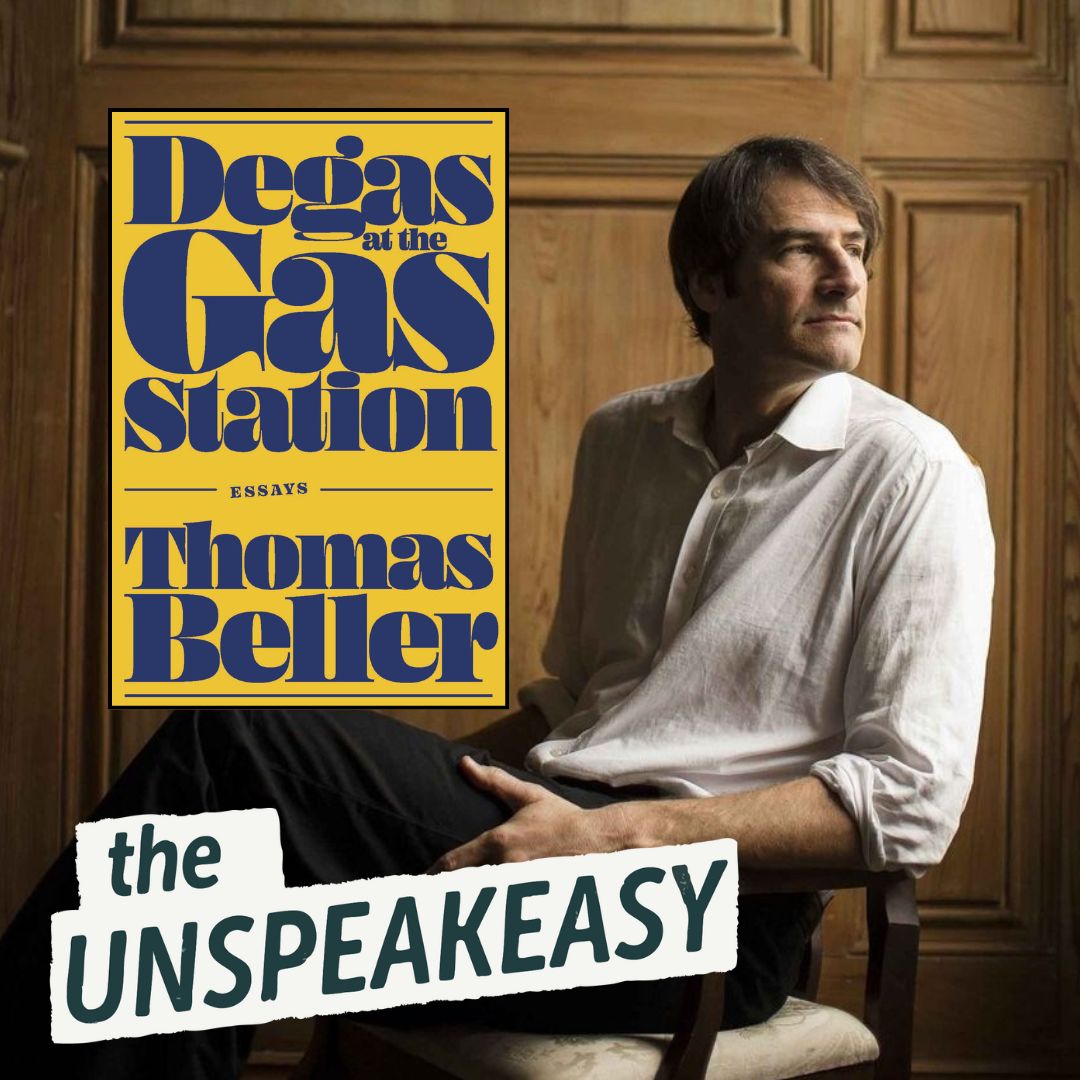
Fatherhood As Literary Art, with Thomas Beller
Dec 101:12:36Tap to summarizeWriter and editor Thomas Beller joins me to discuss his new essay collection Degas at the Gas Station. The essays trace his experience of fatherhood through the landscapes of his own childhood, including the early death of his psychoanalyst father and Tom's later return—wife and children in tow—to the very Manhattan apartment where he was raised. We talk about some of the fundamental conflicts of personal writing, including the ethics of writing about your children and even your ambivalence about parenthood. We also discuss why some writers feel trapped inside the genres that come most naturally to them, how the literary sensibility of The New Yorker shaped the styles of generations of writers, and how Tom is feeling about New York City these days. The episode was recorded on the morning of November 4, Election Day, and Tom talks about why he's voting for Zohran Mamdani—and why he thinks some of my early writing relates directly to Mamdani's platform. Guest Bio: Thomas Beller is a long time contributor to the New Yorker and the author of several books including Lost in the Game: A Book about Basketball, also published by Duke University Press; J.D. Salinger: The Escape Artist; and The Sleep-Over Artist. A 2024-25 Guggenheim fellow, he is a founding editor of Open City Magazine and Books and Mrbellersneighborhood.com, and Professor and Director of creative writing at Tulane University.
Transcribe →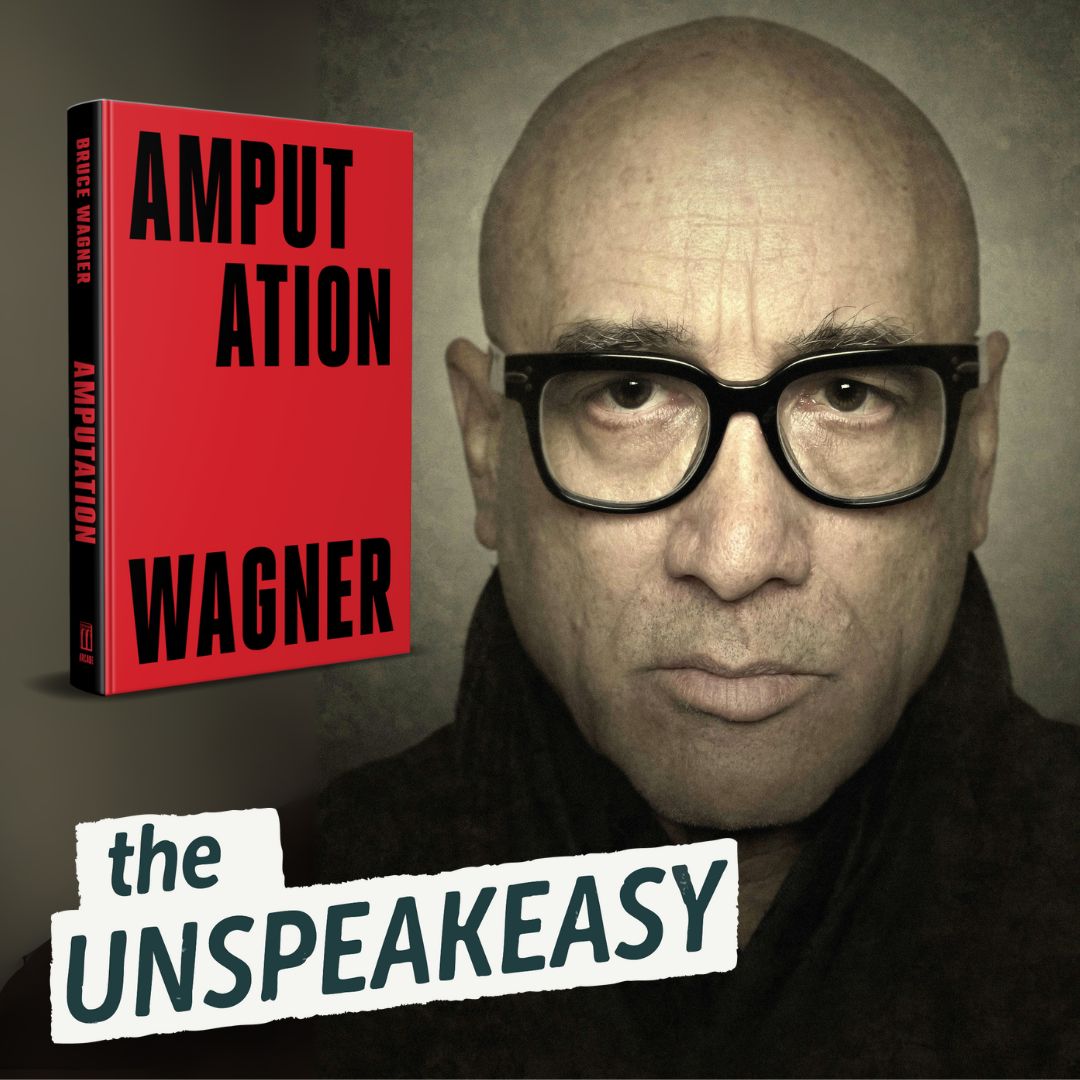
The Los Angeles Wildfires In Fiction
Oct 1401:06:33Tap to summarizeNovelist and screenwriter Bruce Wagner returns to discuss his exceptionally timely new novel Amputation—a strange, exuberant, and ultra meta work set against a topic I’ve talked about a lot this year, the January LA wildfires. Bruce, an L.A. native and prominent literary figure in the city, explains how the book came together in less than two months, why he resists “political novels” even when writing inside a political moment, and how language (not legacy) keeps him making art. We also talk about real-life figures who appear as characters (Stephen Colbert, Mayor Karen Bass, Debra Winger, and a Timothée Chalamet student double, among others), the surrealism of driving through miles of leveled neighborhoods, and the deranged comic-tragic chorus of the Nextdoor app. Bruce also reflects on being an L.A. “outsider who outsided his way inside,” why the book is opera, not noir, and what it means to keep walking the “narrow, burning road to the palace.” Guest Bio: Bruce Wagner is the author of fifteen novels, including the “cell phone” trilogy, The Marvel Universe, The Met Gala and Tales of Saints and Seekers, Roar: American Master, and now Amputation. A longtime Hollywood insider/outsider, he has written for film and television and is currently published by Arcade.
Transcribe →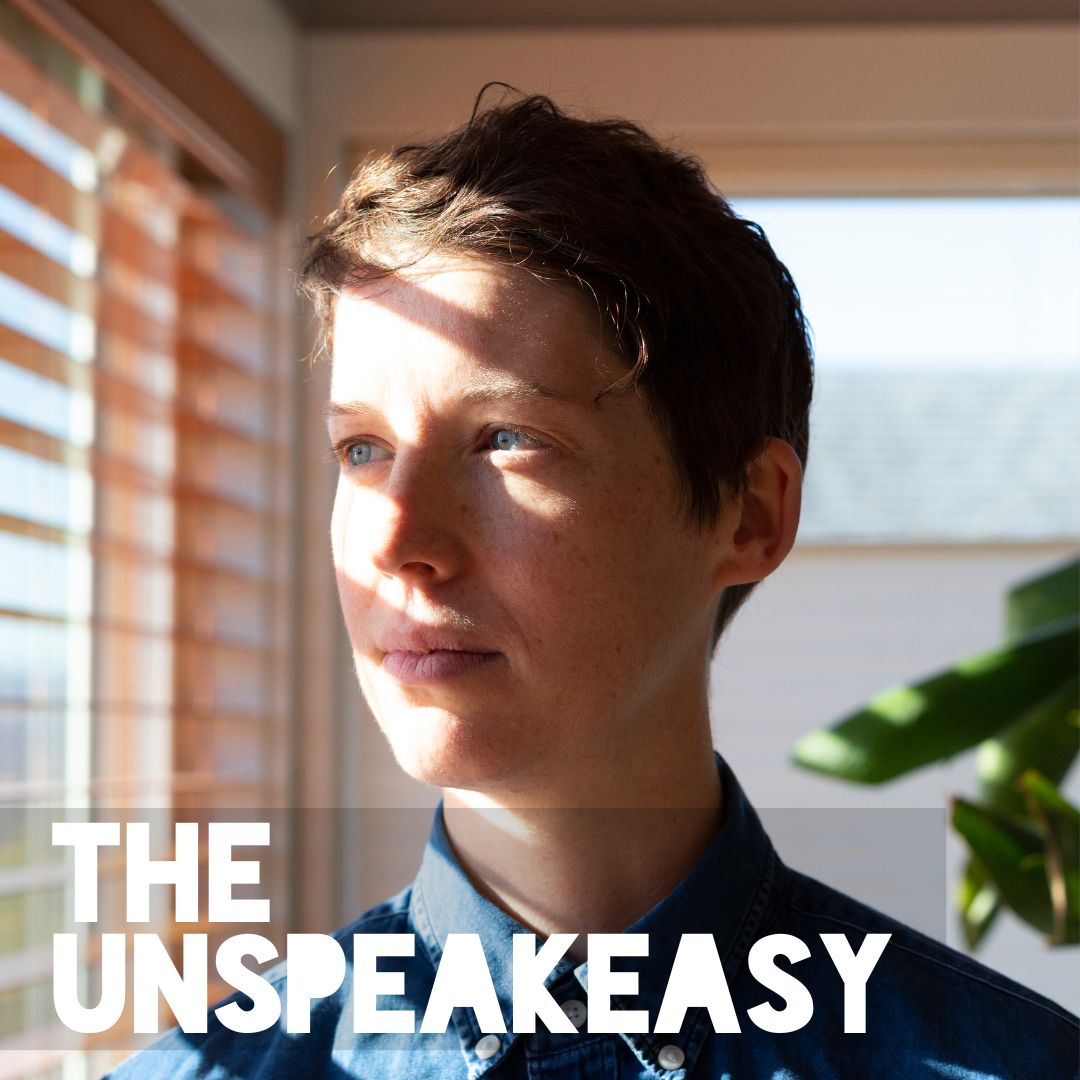
How To Quit Drinking Without Quitting Drinking
Oct 801:14:26Tap to summarizeKatie Herzog, co-host of the Blocked and Reported podcast (BarPod), is best known as an anthropologist of, as she puts it, “internet bullshit.” But she’s swerved far out of her lane for her latest project. In her brand new book, Drink Your Way Sober, Katie combines personal history with deep reporting to chronicle a lifetime of drinking and explain how a little-known drug called naltrexone, combined with an approach called The Sinclair Method, finally allowed her to quit for good. They also get into why young people are drinking less, what the “California sober” trend actually means, and how Katie’s own story fits into the larger debate about moderation versus abstinence. Plus: real estate, dogs, and how we’re feeling about the state of independent journalism and their own longterm survival. Guest Bio: Katie Herzog is a journalist living in the Pacific Northwest. She is the host of the podcast Blocked and Reported.
Transcribe →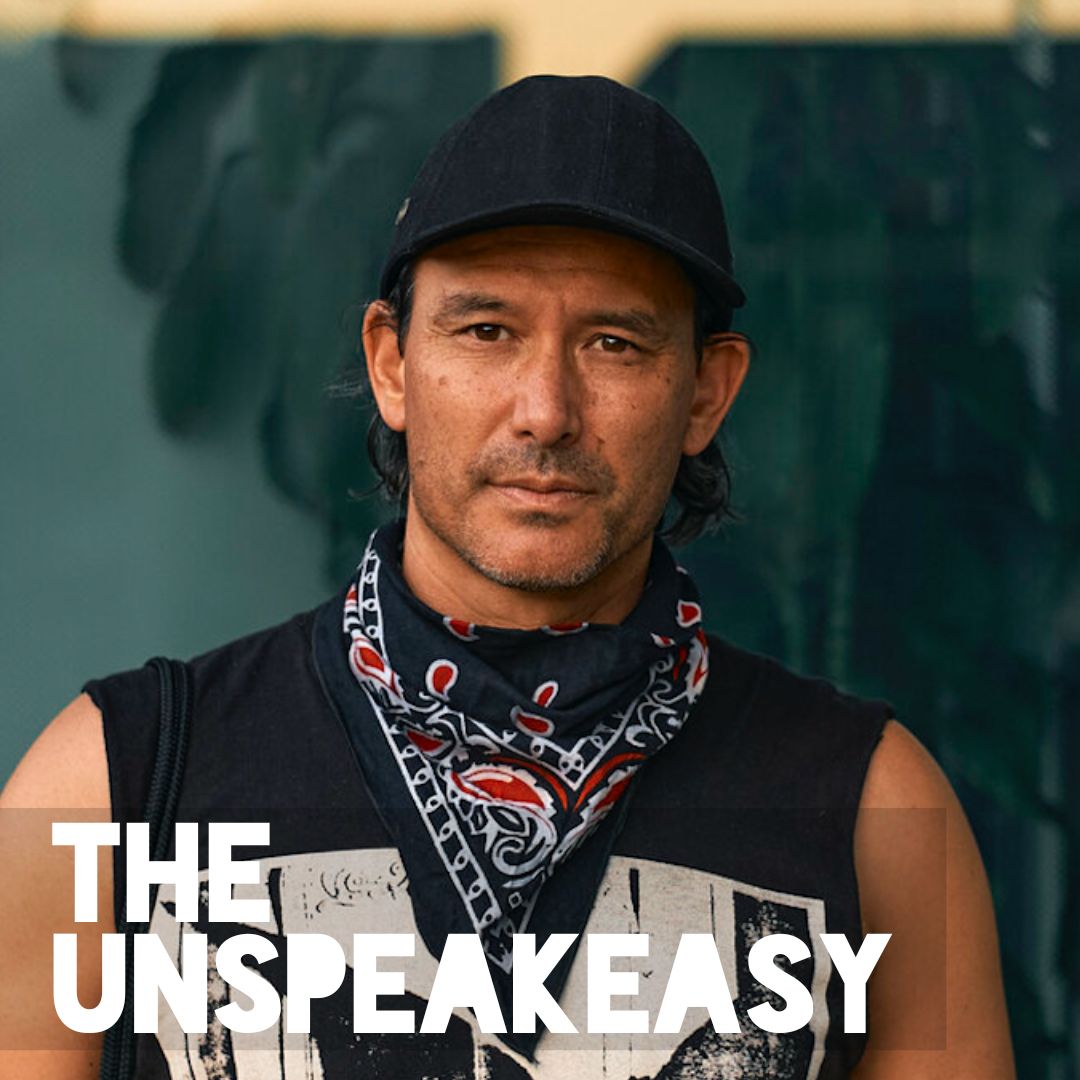
Street Protesters: Who Are They, Really? with Jeremy Lee Quinn
Oct 101:23:54Tap to summarizePhotojournalist Jeremy Lee Quinn has spent years documenting protests, rallies, and moments of public unrest that often look very different on the ground than they do on the evening news. In this conversation, he talks with Meghan about what really happens when a “mostly peaceful protest” turns chaotic, how viral clips can erase context, and why the incentives of freelance journalism can skew coverage. They also discuss what it takes to build trust with sources across ideological divides, the ethics of filming in volatile environments, and how ordinary viewers can tell when the narrative doesn’t match reality. Topics include: • The gap between local experience and national headlines • “Mostly peaceful” framing vs. street-level truth • Freelance journalism, safety, and incentives • Crossing lines without becoming the story • Why viral video is a poor substitute for context • What citizens should know about media literacy About the guest Jeremy Lee Quinn is a photojournalist and reporter who has covered protests and political unrest since 2020. His forthcoming book is Culture of Confusion. He posts most actively as @JeremyReporter (Instagram, Facebook) and also writes on Substack and X/Twitter.
Transcribe →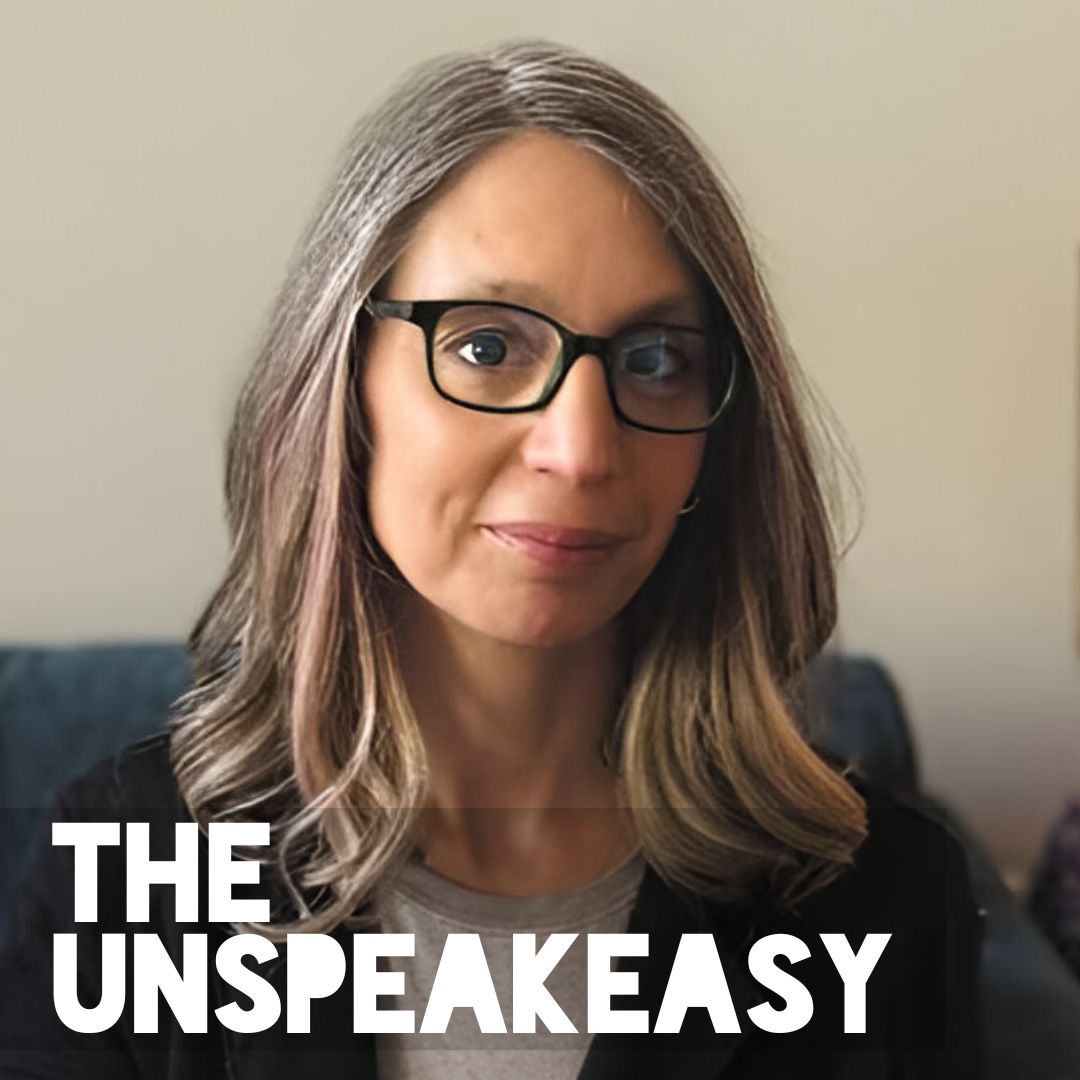
Can Democrats Admit They Were Wrong On Gender? with Lisa Selin Davis
Sep 2501:13:45Tap to summarizeAfter years of institutional groupthink and policy whiplash, what have we actually learned—and what are we still not allowed to ask? Lisa Selin Davis returns to discuss the evidence (and non-evidence) around youth gender medicine, talk about the ongoing taboo and confusion around AGP (autogynephilia), and consider how to hold two truths at once: some people report thriving post-transition while others were clearly harmed. In this episode, we discuss / talk about: How “don’t question it” became a default and why that stalled real inquiry What the evidence actually says (and doesn’t) about pediatric interventions Thriving vs. harm: talking about real outcomes without slogans Gender clinics closing under political pressure—who might be quietly relieved, and why AGP: why it’s still taboo and how that affects research and discourse The NFL cheerleader controversy and what it revealed about intellectual consistency “Stopping” vs. “ending”: Lisa’s framework for irreversible choices and life after medicalization About the guest Lisa Selin Davis is the author of two novels and two nonfiction books, with a forthcoming book on the culture of trans kids and gender identity. She writes the Substack BROADview.
Transcribe →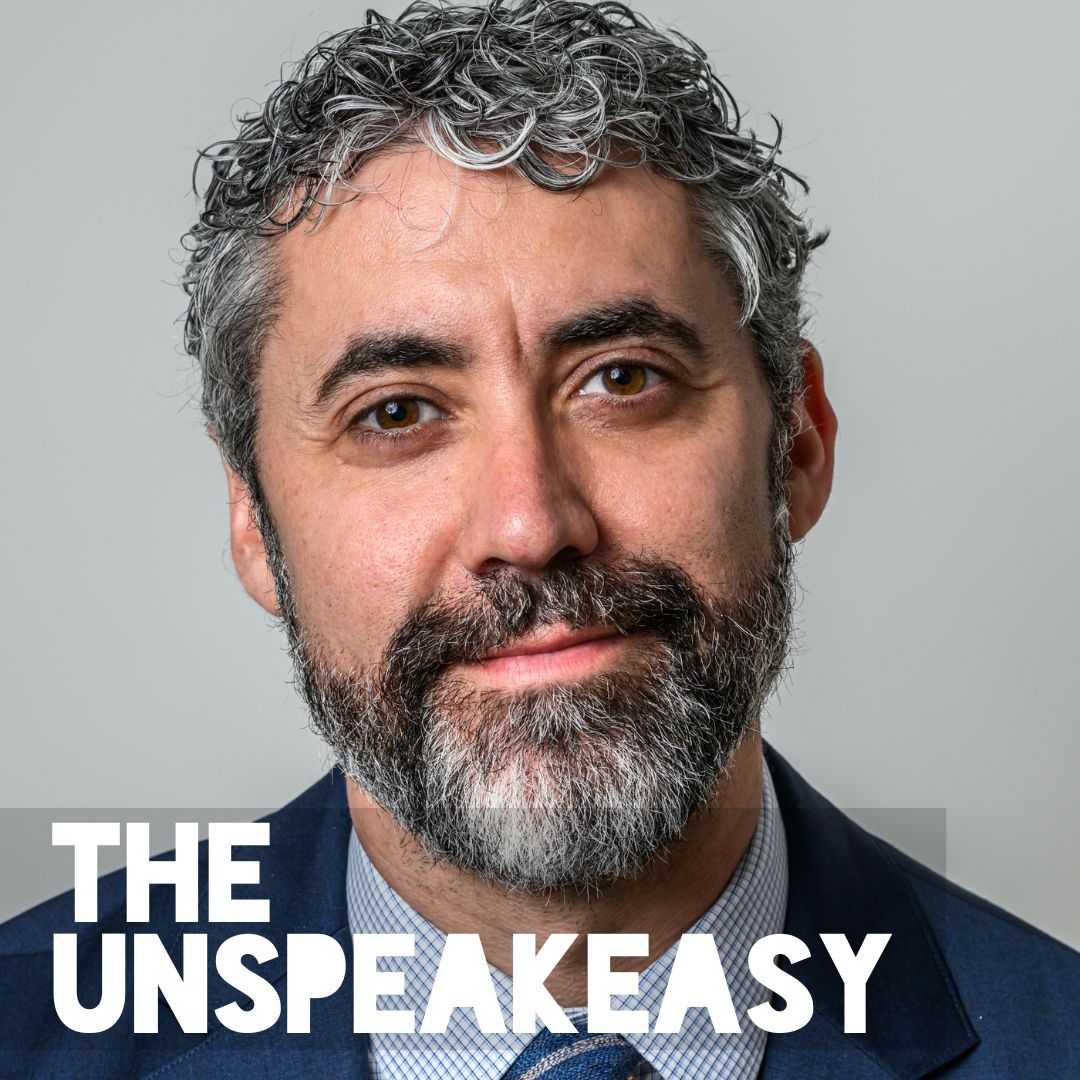
Are Therapists Crazy? Andrew Hartz's quest for sanity in clinical psychology
Sep 1801:13:27Tap to summarizeDr. Andrew Hartz is a practicing clinical psychologist and the founder of the Open Therapy Institute, an organization dedicated to overcoming sociopolitical bias in the mental health field. He was last here in 2023 and returns now to talk about what’s changed—and what hasn’t—in the mental-health landscape since then. We discuss the rise of “everyday dissociation,” how screens and Zoom relationships dull presence and feeling, and why talk therapy can miss the mark when the problem is disconnection from the body. Andrew also explains how anxiety became a form of social currency (from dating to testing accommodations), the overuse of diagnostic labels online, and why Acceptance and Commitment Therapy (ACT) offers a saner path than endless self-rumination. Guest Bio: Andrew Hartz is the Founder, President, and Executive Director of the Open Therapy Institute. He's also a practicing clinical psychologist and was formerly a professor in the clinical psychology doctoral program at Long Island University, where he also completed his Ph.D. He's been featured in the New York Times, on The Dr. Drew Podcast, on Dr. Phil Primetime, and in The Free Press and has written about political issues and mental health for outlets such as the Wall Street Journal, City Journal, Discourse, Heterodox Academy, the New York Post, and Quillette.
Transcribe →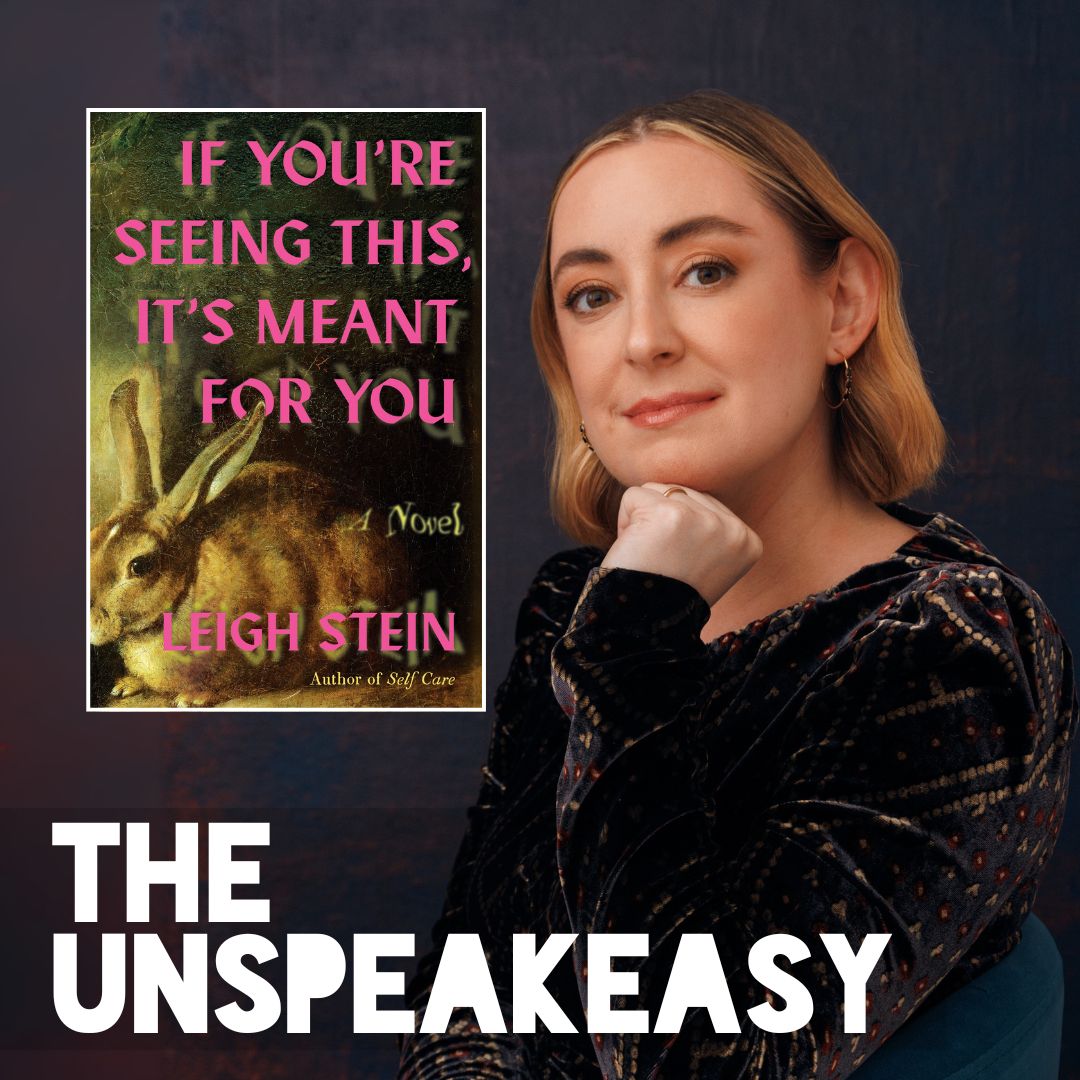
All The World’s A Hype House: What Leigh Stein's TikTok novel reveals about the way we live now
Sep 1601:10:14Tap to summarizeNovelist, essayist, and publishing coach Leigh Stein returns to the show to discuss her new gothic-inspired novel, If You’re Seeing This, It’s Meant for You. Set in a Los Angeles “hype house,” the book follows a 39-year-old woman managing a mansion full of TikTok influencers—and confronting the realities of aging out of digital media. Leigh talks about the inspirations behind the novel, from a Frank Lloyd Wright house to parasocial relationships to the controversies around Joan Didion’s private papers. We also explore bigger questions: the future of Substack, fandom as a cultural force, the blurred line between art and content, and how young writers can navigate the creator economy. Along the way we get into Coldplay-Gate, public shaming as a modern scarlet letter, and what it really means to make a living while making art. About the Guest: Leigh Stein is the author of six books, including the satirical novel Self Care and her latest gothic novel, If You’re Seeing This, It’s Meant for You. Her writing has appeared in The New York Times, The Washington Post, The New Yorker online, Airmail, Allure, ELLE, BuzzFeed, The Cut, Salon, and Slate.
Transcribe →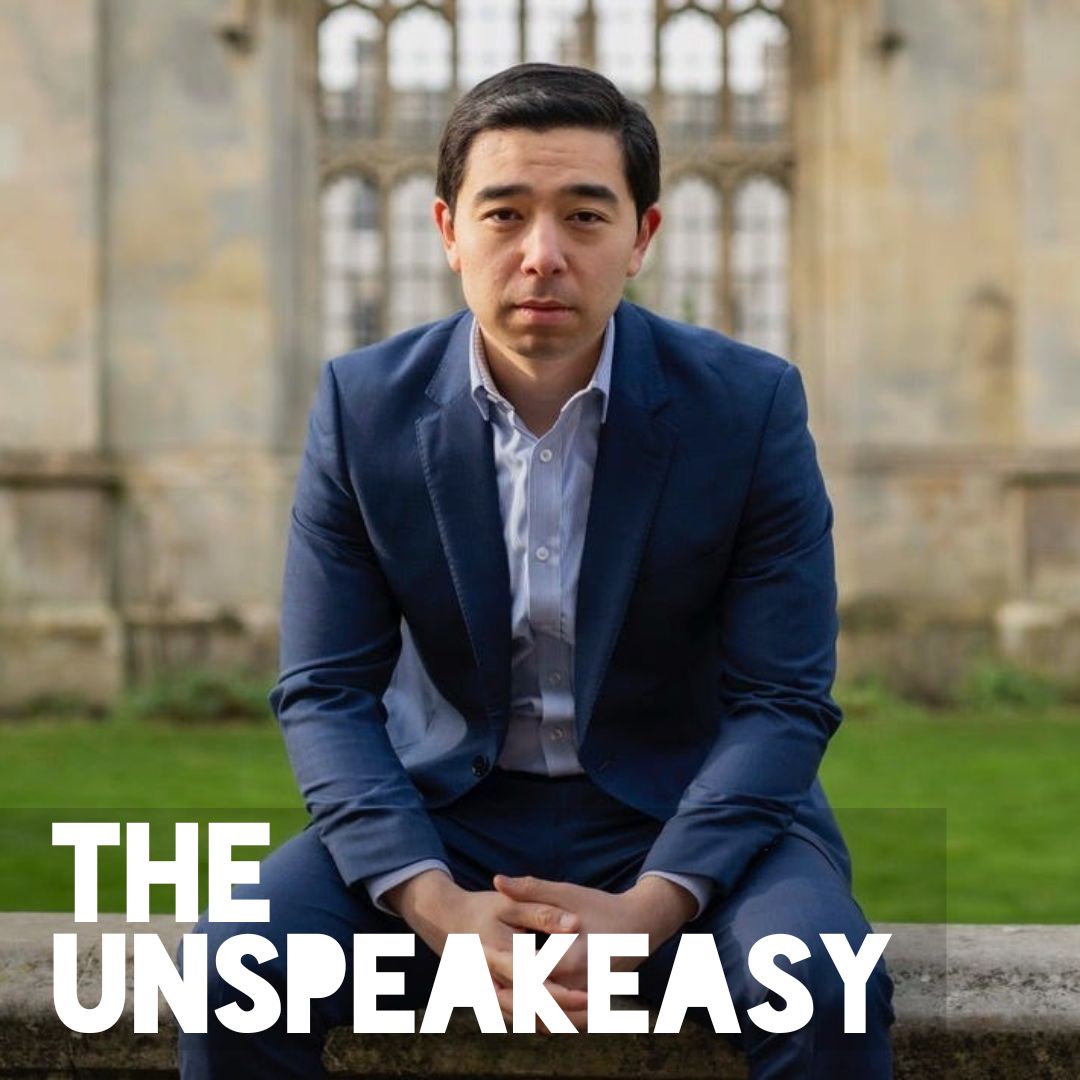
How Are Those Luxury Beliefs Working Out? Rob Henderson and the coinage that keeps on giving (FULL INTERVIEW)
Aug 2601:05:38Tap to summarizeThis week, I welcome back Rob Henderson, the social psychologist, author, and commentator who coined the concept of luxury beliefs: ideas that confer status on the upper class while inflicting real costs on lower-income communities. Rob was last here in early 2024 discussing his memoir, Troubled: A Memoir of Foster Care, Family, and Social Class, which chronicles his journey through California’s foster system to the Air Force, and onward to Yale and Cambridge. In this conversation, we explore what he’s been thinking about since the book’s release—particularly the so-called “mating crisis,” why many young people delay or avoid partnerships and family, and what that means for the future. We also dissect the emergence of Zohran Mamdani, the New York City mayoral hopeful who, according to Rob (and I would concur), embodies luxury beliefs in action. Finally, Rob answers questions from Substack readers. Rob will be a speaker at our Unspeakeasy Small Gathering for Big Ideas weekend, October 11-12 in New York City. Programming and ticketing info here. GUEST BIO Rob Henderson is the author of Troubled: A Memoir of Foster Care, Family, and Social Class. He grew up in foster homes in Los Angeles and in the rural town of Red Bluff, California. After enlisting in the U.S. Air Force at the age of seventeen, he subsequently attended Yale on the GI Bill and was then awarded the Gates Cambridge Scholarship to study at the University of Cambridge, where he obtained a PhD in psychology in 2022. He is currently a Senior Fellow at the Manhattan Institute, and his Substack newsletter is sent each week to more than 70 thousand subscribers. HOUSEKEEPING 📖 Order my new book, The Catastrophe Hour: Selected Essays, on Amazon or directly from the publisher here. 📘 The Catastrophe Hour book club for yearly paying subscribers starts June 11 and will run for 14 consecutive Wednesdays, 3-4 pm ET. We will meet on Zoom. Stuff to read and listen to: New York Times, Jan 31, 2025: The L.A. Fires Taught Me To Accept Help Recent(ish) solo episodes: January 9: The First 24 Hours January 16: The Immaterial World January 27: Housing Wars February 5: Remembrance Of Things Past February 13: What Is A "Catastrophe?" March 2: A Mental Infection March 31: Dignity Is Out Of Style 📺 Visit The Unspeakable on YouTube. ✈️ The Unspeakeasy’s 2025 retreat season is underway. It includes a COED retreat with more attendees and multiple speakers. October 11-12 in New York City. Programming and ticketing info here.
Transcribe →