Podcast
The Vida Podcast
Hosted by Vida Church · EN
Teachings that will forever change your life! Ensenanzas que cambiaran tu vida para siempre!
56episodes
Episodes
Newest firstAll episodes
Por qué necesitamos entender el Nuevo Pacto? | Pastor Ben Diaz
Mar 901:00:06Tap to summarize03/08/25 | Vida Church Construyendo un lugar donde las personas puedan encontrar a Dios, Pertenece a una familia y ser transformadas por la palabra de Dios.
Transcribe →
Es La Voluntad de Dios Que Pasemos Por Pruebas? | Pastor Benjamin Díaz
Mar 200:54:24Tap to summarizeUna de las verdades más importantes de las Escrituras es que Dios nunca nos tienta ni nos trae maldad para enseñarnos una lección o cumplir su propósito. Mucha gente cree erróneamente que Dios causa calamidades o sufrimiento, pero las Escrituras son claras: Dios no tienta a nadie ni orquesta dificultades para enseñarnos. Al usar la historia de José, quien a pesar de la traición y la injusticia se mantuvo firme en la fe, vemos que conocer nuestra identidad como hijos predilectos de Dios nos ayuda a enfrentar las mentiras y la mentalidad de víctima. Si bien Dios nos permite experimentar pruebas, estos desafíos no provienen de Él; más bien, Él nos libera, nos protege y nos guía a través de ellas, a veces eliminando obstáculos y otras veces caminando con nosotros. Como afirman Santiago 1:2 y Juan 10:10, estamos llamados a confiar en Dios, aprender de los desafíos y tenerlo por sumo gozo, sabiendo que Dios siempre está con nosotros en las pruebas, pero nunca es la causa de ellas. 2/8/25 | Vida Church Construyendo un lugar donde las personas puedan encontrar a Dios, Pertenence a una familia y ser transformadas por la palabra de Dios.
Transcribe →
What Does God Have To Say About Masculinity? | Martin Sedra
Mar 200:57:09Tap to summarize3/1/2026 Vida Church
Transcribe →
Is It God's Will For Us To Go Through Trials? | Pastor Ben Diaz
Mar 100:40:29Tap to summarizeOne of the most important truths in Scripture is that God never tempts us or brings evil on us to teach us a lesson or accomplish His purpose. Many people mistakenly believe that God causes calamity or suffering, but Scripture is clear—God does not tempt anyone or orchestrate hardships to teach us. Using the story of Joseph, who despite betrayal and injustice held fast to faith, we see that knowing our identity as favored children of God helps us stand against lies and victim mentality. While God allows us to experience trials, these challenges are not from Him; rather, He delivers, protects, and guides us through them, sometimes removing obstacles and other times walking with us. As James 1:2 and John 10:10 affirm, we are called to trust God, learn from challenges, and count it all joy, knowing that God is always with us in trials but never the cause of them. 2/8/2026 Vida Church
Transcribe →
Unlocking the Book of James: How Is It Possible to Have Joy in Hardship? | Rick Renner
Feb 2700:41:51Tap to summarizePART TWO On Sunday, Rick delivered a three-part message from the book of James, beginning with the backstory of James — the first son born to Mary and Joseph after Jesus’ virgin birth, who despised his “perfect” brother but was transformed after Jesus’ resurrection appeared to him. Rick shared that James was the first to pen the name “Lord Jesus Christ,” unpacking the depth of this divine title — Lord (Jehovah), Jesus (Yahweh who saves), and Christ (the Anointed One) — describing Him as “the healing balm and the answer to every ache and pain.” He then unpacked James 1:2–3, explaining that the “trying” of our faith is better understood as its proving, and “patience” as endurance: the enemy brings evil, not God, and as we resist the devil and stand on God’s promises, God supplies supernatural endurance to outlast the attack. Rick called patience “the queen of all virtues,” warned against being double-minded, and challenged us to “play catch with God” by catching His gifts through faith, reminding us it’s not if we win, but when — if we don’t quit. 2/1/2025 Vida Church
Transcribe →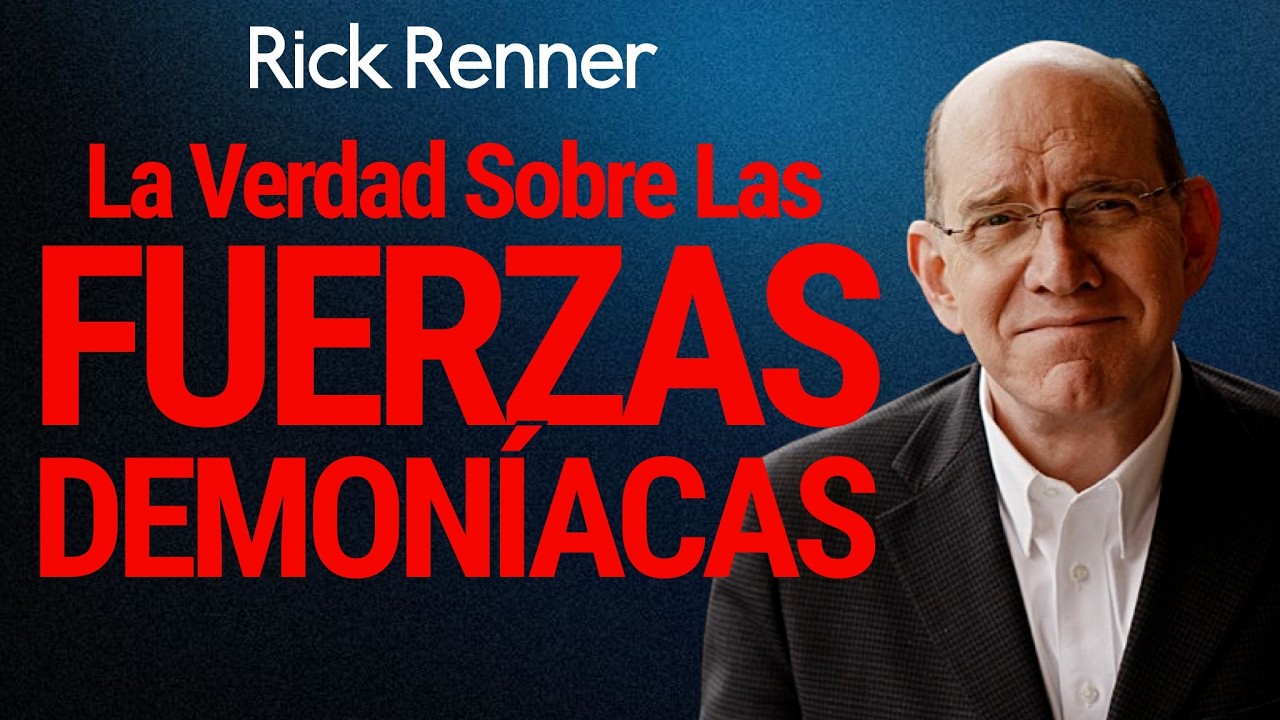
Cómo Se Libran Las Batallas Espirituales? | Rick Renner
Feb 2500:34:45Tap to summarize2/1/25 | Vida Church Construyendo un lugar donde las personas puedan encontrar a Dios, Pertenence a una familia y ser transformadas por la palabra de Dios.
Transcribe →
How Does the Holy Spirit Impact Our Lives? | Rick Renner
Feb 2401:07:46Tap to summarizePart one of Rick Renner's messages at Vida Church.
Transcribe →
Por Qué Diría Jesús Que El Amor Es El Mandamiento Más Importante? | Pastor Benjamin Díaz
Jan 2600:54:39Tap to summarizeMarcos 12:30-32 nos enseña a amar a Dios con todo nuestro corazón, alma, mente y fuerzas, y a amar a nuestro prójimo como a nosotros mismos. El pastor explicó que solo podemos amar verdaderamente a los demás cuando experimentamos primero el amor incondicional de Dios por nosotros, actuando con el amor del Espíritu Santo en lugar de con nuestro propio amor. Lo opuesto al amor no es el odio, sino el miedo, que está ligado al castigo y a una concepción errónea de Dios. Comprender que vivimos en el Nuevo Pacto significa reconocer que el amor de Dios es incondicional, no basado en nuestras acciones, tal como el Padre declaró sobre Jesús: "Este es mi Hijo amado, en quien tengo complacencia". Una vez que recibimos este amor profundo e incondicional, podemos amar a Dios plenamente y amar a nuestro prójimo sin condiciones, tal como Jesús amó a los pecadores, a Judas e incluso a los soldados romanos. No podemos amar a los demás hasta que nos amemos a nosotros mismos, y cuando no nos amamos a nosotros mismos, nos exigimos un estándar más alto que el que Dios nos exige. Somos dignos de amor simplemente porque Dios nos creó, nos redimió al precio más alto y nos declaró "muy buenos"; por lo tanto, aceptemos la realidad de que Dios nos ama plenamente sin ninguna condición. 1/25/25 | Vida Church
Transcribe →Why Would Jesus Say That Love is The Greatest Commandment? | Pastor Ben Diaz
Jan 2600:39:58Tap to summarizeMark 12:30-32 teaches us to love God with all our heart, soul, mind, and strength, and to love our neighbor as ourselves. Pastor explained that we can only truly love others when we first experience God’s unconditional love for us, operating in the Holy Spirit’s love rather than our own. The opposite of love isn’t hate—it’s fear, which is tied to punishment and a wrong concept of God. Understanding that we live in the New Covenant means recognizing that God’s love is unconditional, not based on performance, just as the Father declared over Jesus, "This is my beloved Son in whom I am well pleased." Once we receive this deep, unconditional love, we can love God fully and love our neighbors without conditions, just as Jesus loved sinners, Judas, and even the Roman soldiers. We cannot love others until we love ourselves, and when you don’t love yourself, you’re holding yourself to a higher standard than God does. You are worthy of love simply because God created you, purchased you at the highest price, and declared you "very good"—so receive the reality that God fully loves you without a single condition. 1/25/2025 Vida Church
Transcribe →
Fuiste Creado Para Escuchar La Voz de Dios! | Pastora Kara Díaz
Jan 1901:05:33Tap to summarize1/18/25 | Vida Church
Transcribe →