Podcast
The Virtual Memories Show
Hosted by Gil Roth · EN
A weekly conversation about books and life, not necessarily in that order.
26episodes
Episodes
Newest firstAll episodes
Episode 667 - Jonathan Sandler
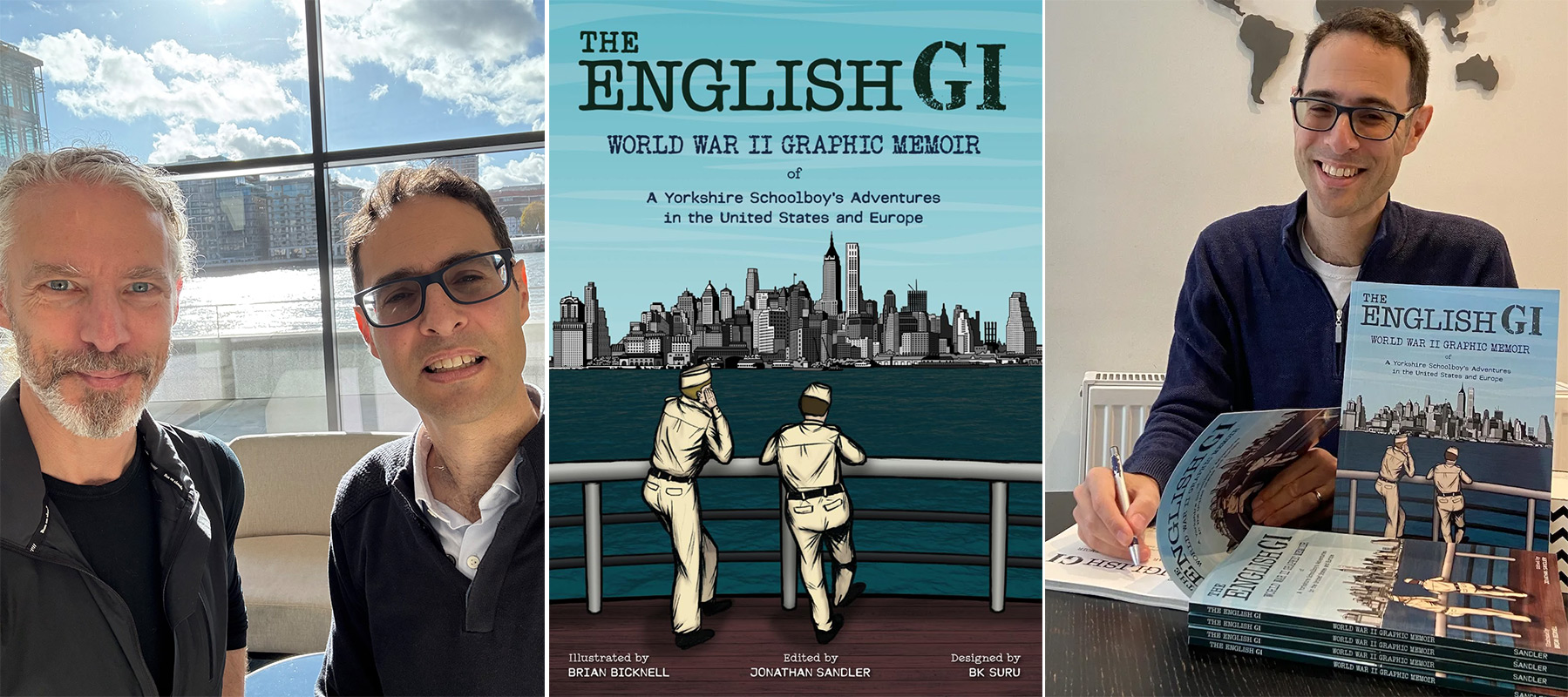
Dec 1601:36:57Tap to summarizeLet's close out 2025 with graphic memoirist and comics journalist Jonathan Sandler! We talk about his childhood secret origin in comics, the comics course in 2017 that brought him back to the form, the process of turning his grandfather's WWII memoir into a comic, THE ENGLISH GI (with art by Brian Bicknell), and how he really became a comics aficionado after publishing his first graphic novel. We get into how he started the Graphic Memoir blog and began reviewing comics, interviewing cartoonists, visiting exhibitions, and spreading the comics gospel, and why this very podcast has provided him with a ton of inspiration. We also discuss what he's learned from and about interviewing, why he's started drawing his own comics, why he's glad he dived into making The English GI instead of researching all the other WWII graphic novels out there, what the late Tom Spurgeon meant to me and everyone else he met, why the most difficult thing about making comics is choosing what to put in the panels, and more. Follow Jonathan on Instagram and subscribe to his Graphic Memoir blog • More info at our site • Support The Virtual Memories Show via Stripe, Patreon, or Paypal, and subscribe to our e-newsletter
Transcribe →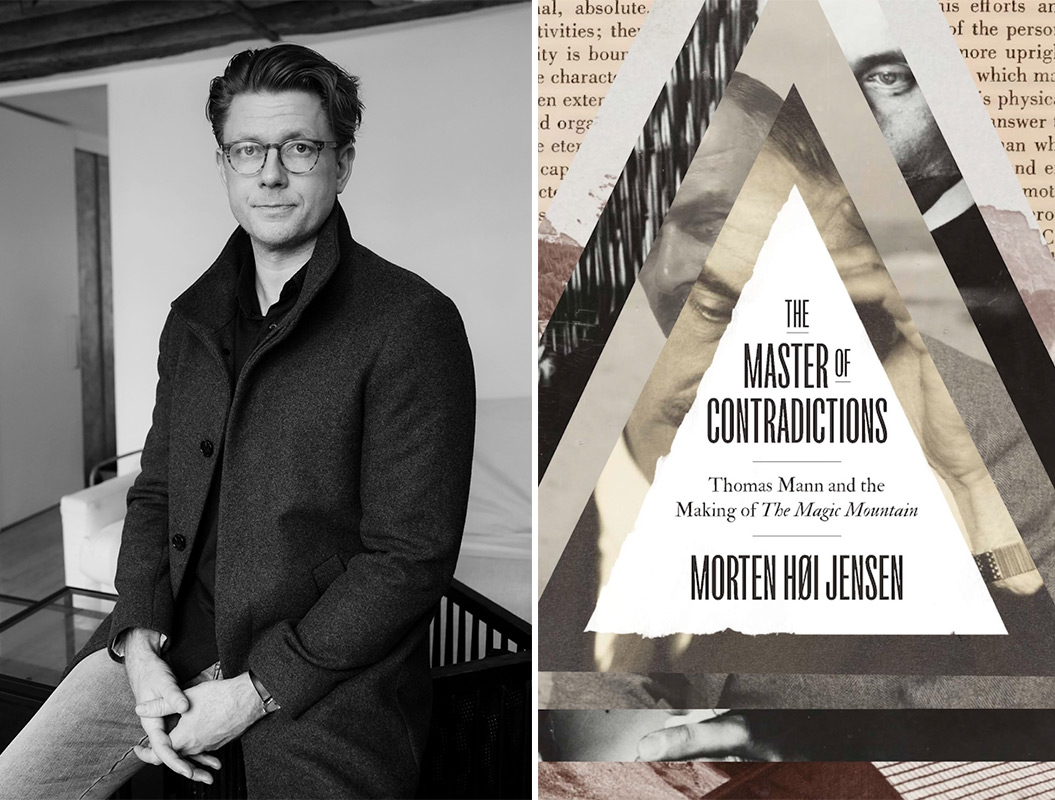
Episode 666 - Morten Hoi Jensen
Dec 901:17:46Tap to summarizeWith THE MASTER OF CONTRADICTIONS: Thomas Mann and the Making of The Magic Mountain (Yale University Press), Morten Høi Jensen brings us a masterful biography of one of the great novels of the 20th century and shows how it and its author speak to our present moment. We talk about Morten's history with Mann's novel, his weeks of research in the sanatoria of Davos and his discovery of how much of The Magic Mountain's world is intact a century later, and how Mann's novel changed for him in the process of writing this book. We get into Mann's political transformation from a nationalist into an antifascist, how art & politics can make for a disastrous mix, Mann's rivalry with his novelist brother Heinrich, and what it was like to write about a novel about life in a TB clinic while in the middle of a pandemic. We also discuss the weird connection I draw between Mann and Thomas Pynchon, how Morten became a literary biographer via the biography of another novel, spiritualism before and after WWI, how he came around on the chapter of The Magic Mountain that bored him in his earlier readings, why Robert Musil resented Mann, whether it's okay to write margin notes and never look at them, and more. Follow Morten on Instagram and Bluesky • More info at our site • Support The Virtual Memories Show via Stripe, Patreon, or Paypal, and subscribe to our e-newsletter
Transcribe →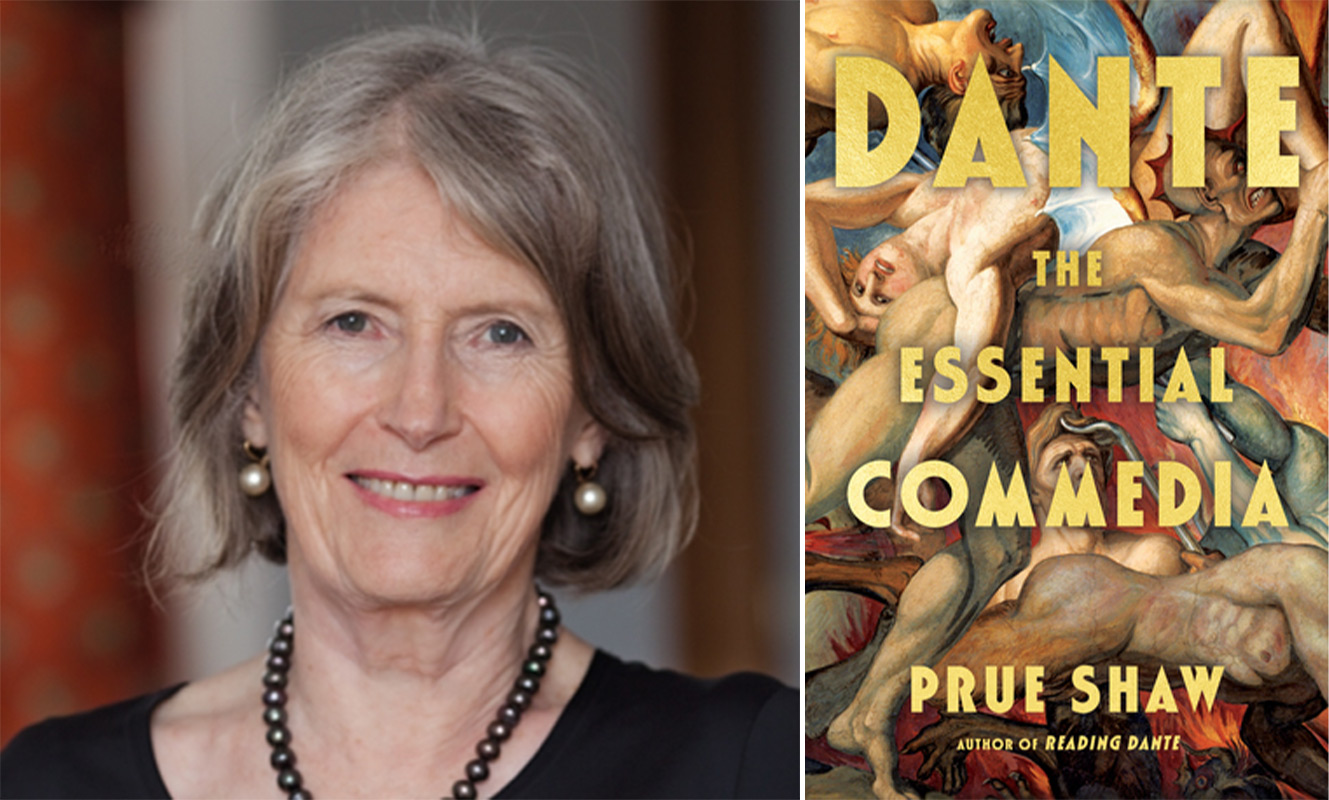
Episode 665 - Prue Shaw
Dec 201:39:16Tap to summarizeWith her amazing new book, DANTE: THE ESSENTIAL COMMEDIA (Liveright), scholar Prue Shaw brings us a canto-by-canto journey through Dante's masterwork, interweaving translated verses with her commentary, and serving as a Virgil-like guide to the poem. We talk about how she was inspired by John Carey's The Essential Paradise Lost, why the Paradiso was her biggest challenge, how the poem has changed for her over the course of her life, and why she went with prose translations of Dante rather than verse. We get into Dante's balance of pride in his art and his humility before God, the modern sound of Dante's verse and the challenge of translating Italian into English, what she's learning from helping translate Shelley into Italian, why she wants The Essential Commedia to serve as a gateway drug into Dante, and the nature of language & why the Tower of Babel plays a big role in the Commedia. We also discuss her incredible work on third edition of the Digital Commedia, life after the death of her husband, Clive James, and putting a collection of his final poems together, how an issue of the X-Men turned me on to Dante as a kid, my changing views on Ulysses in the Commedia, why sloth is my fave of the deadly sins, and more. More info at our site • Support The Virtual Memories Show via Stripe, Patreon, or Paypal, and subscribe to our e-newsletter
Transcribe →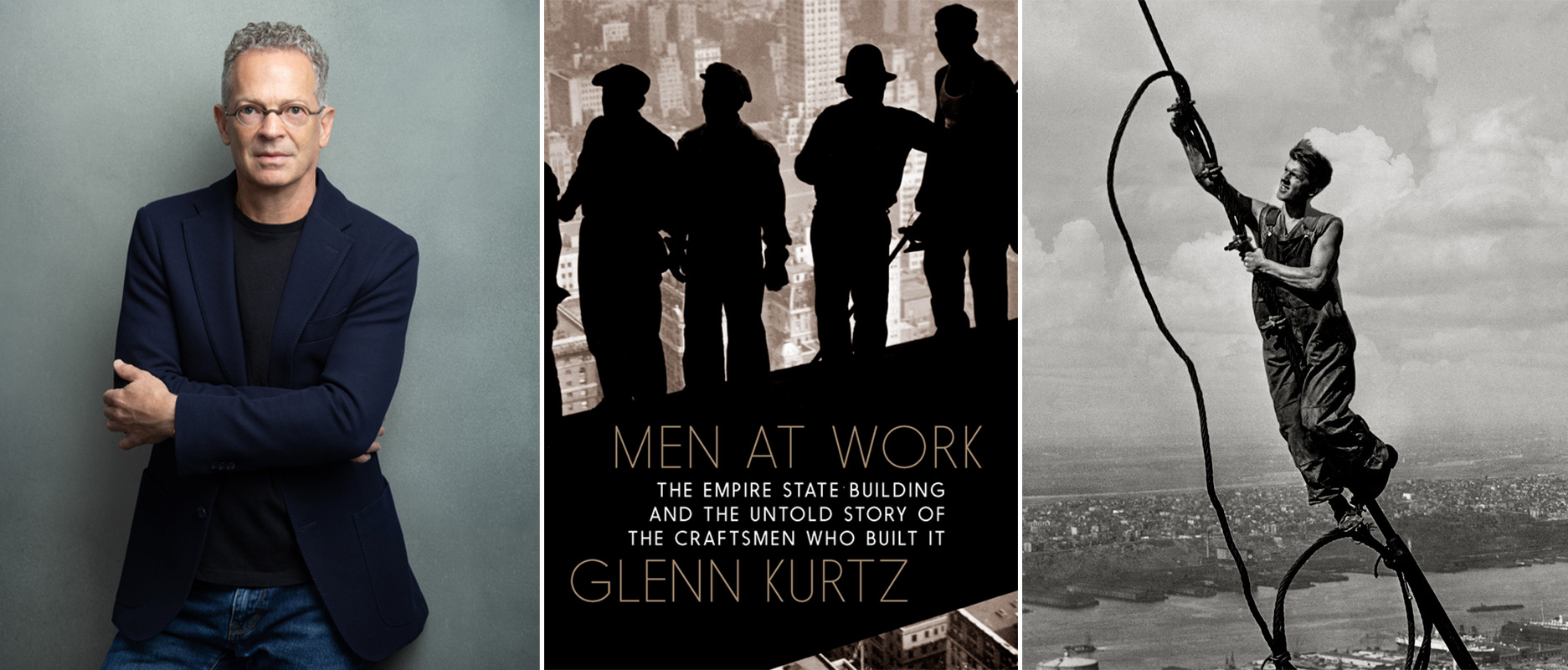
Episode 664 - Glenn Kurtz
Nov 1801:40:41Tap to summarizeWho were the men who built the Empire State Building? Glenn Kurtz returns to the show to tell their story with MEN AT WORK: The Empire State Building and the Untold Story of the Craftsmen who Built It (Seven Stories Press). We talk about how he accidentally fell into this project, how "turn every page" led him to a key discovery about Lewis Hine's photos of the Empire State construction, how his experience researching and writing THREE MINUTES IN POLAND helped him with this book, his childhood connection with the Empire State, and how identifying their subjects affects the mythic aura of Hine's photographs. We get into the corporate perspective of the building and how it dehumanizes the workers who built it, and similarly how that heroic collectivist notion of The Worker devalues workers as people, whether craftsmanship and artisanship survived the transition into mass production during the skyscraper era, Hine's authorial fallacy and the genius of his portraits, and what the Empire State says about the immigration-dynamics of the workforce and the role of unions, We also discuss the question of context and how the question, "What are we looking at?" can reveal the world, the resonance of Hine's Icarus/Sky Boy pic, the messiness of history, the joy of Virginia Woolf's diaries, why Glenn just wants to write a novel without it inspiring a nonfiction project, and more. Follow Glenn on Instagram and Facebook • More info at our site • Support The Virtual Memories Show via Stripe, Patreon, or Paypal, and subscribe to our e-newsletter
Transcribe →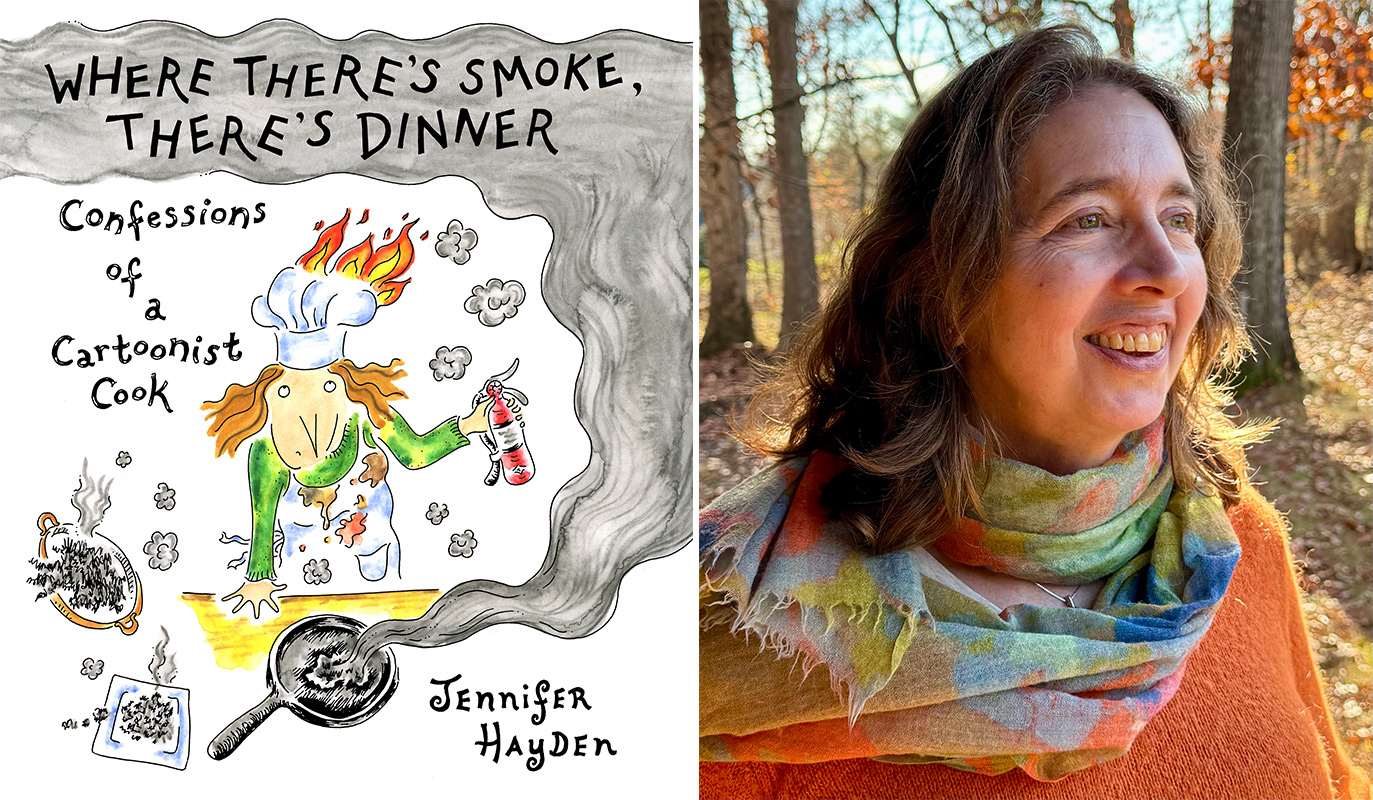
Episode 663 - Jennifer Hayden
Nov 1101:27:42Tap to summarizeWho knew that olive oil makes head lice sleepy? Jennifer Hayden rejoins the show to celebrate her new graphic memoir/anti-cookbook, WHERE THERE'S SMOKE, THERE'S DINNER: Confessions of a Cartoonist Cook (Top Shelf), share comedic tales of domestic mess, and rebel against the expectations of wife/motherhood. We talk about the lifetime of bad cooking that led to this new book, the revenge of turning her bad experiences into comedy, how she found a unique form to tell her story, and how a youthful reading of Babar left her with a lifelong phobia of mushrooms. We get into how she was reverse-inspired by Lucy Knisley's Relish, how watercolors gave her a color toolbox for her comics, what this book taught her about storytelling, and how her daughter diagnosed her as "expectation-allergic." We also discuss how she's been cheating on comics with spoken word storytelling, what life after memoir is like, how her breast-cancer memoir doubled as a last will & testament for her family, the process of finding a new creative process and narrative voice, her shamanic experience attending The Moth, the significance of the tarot card she repeatedly draws when she's hard at work on a book, why the folk names of herbs are like edible emotion, and more. Follow Jennifer on Instagram and Facebook, and subscribe to her Substack • More info at our site • Support The Virtual Memories Show via Stripe, Patreon, or Paypal, and subscribe to our e-newsletter
Transcribe →
COVID Check-In with Michael Gerber
Apr 30, 2020Tap to summarizeMichael Gerber, editor/publisher of The American Bystander, a.k.a., the last great humor magazine, checks in from Santa Monica, where he's busier than ever. We talk about finding humor and sharing laughs during the pandemic, the Bystander's viability and how its distribution model is built to survive this sort of situation, his background in history and how it helps and hurts right now (including the lesson of the Rome's Gracchi brothers), his upcoming binge of I, Claudius and the novel of ancient Rome he's threatening to write, Dan Savage's (non-sexual) advice about keeping perspective during the pandemic, and his realization that making The American Bystander may just be his calling (as opposed to CIA analyst, which he considered once upon a time). • Support The American Bystander by subscribing to the Last Great Humor Magazine, and check out samples at their site • Follow Michael on Twitter, follow The American Bystander on Twitter and Instagram, and subscribe to their free daily e-mail, Quarantine Cavalcade • Listen to our full-length podcast • More info at our site • Find all our COVID Check-In episodes • Support The Virtual Memories Show via Patreon or Paypal
Transcribe →