
Podcast
The Wonder Tooth Podcast
Hosted by Dr. Radwa Saad DMD · EN
The Wonder Tooth Podcast – Where Dentistry Meets Confidence, Beauty, and Total Wellness
Subscribe today! https://blog.dentblanchedental.com/
Welcome to The Wonder Tooth Podcast, your go-to dental podcast hosted by award-winning cosmetic dentist Dr. Radwa Saad, founder of Dent Blanche Dental—one of the most luxurious and advanced dental offices in the U.S., located in the heart of Princeton, New Jersey.
Each episode of The Wonder Tooth dives deep into the incredible, transformative power of dentistry—from smile makeovers and digital dentistry to oral-systemic health, emergency dental care, and debunking common dental myths. This is not just a podcast for those in the dental field—it’s for anyone who wants to feel better, look younger, and live more confidently, starting with their smile.
Dr. Saad brings over two decades of experience and a warm, relatable tone to each episode. As a national speaker, Key Opinion Leader (KOL) for Dentsply Sirona and SureSmile clear aligners, and a recognized expert in cosmetic dentistry, she explains advanced dental concepts in a way that’s easy to understand—while also inspiring listeners to take charge of their oral health.
What You’ll Hear on The Wonder Tooth:
- Secrets to finding the best dentist near you
- Real stories from patients who overcame dental anxiety
- How your gum health affects your heart and brain
- The truth about fluoride, oil pulling, and teeth whitening
- What to do in a dental emergency (cracked tooth, chipped veneers, etc.)
- Cosmetic dentistry options: veneers, crowns, implants, and more
- Same-day smile makeovers using CAD/CAM & 3D imaging
- How fixing your smile can help you advance your career, relationships, and confidence
🎙️ With new episodes released regularly, The Wonder Tooth Podcast is available on all major platforms:
- Apple Podcasts
- Spotify
- Audible
- Amazon Music
- iHeartRadio
and more!
This podcast is an extension of the elite care provided at Dent Blanche Dental, a luxury dental office in Princeton, NJ. Dr. Saad and her team combine digital dentistry, cosmetic artistry, and personalized wellness-based care in a calming, spa-like environment surrounded by nature and koi ponds. It’s not just dentistry—it’s Elevated Dentistry™.
🔗 Want to learn more or see if you're a candidate for a smile transformation? Visit: https://dentblanchedental.com/
Follow The Wonder Tooth Podcast on Instagram, YouTube, and TikTok for behind-the-scenes clips, before-and-after, and listener Q&As.
28episodes
Episodes
Newest firstAll episodes
4-Year-Old Dies During Tongue-Tie Procedure: What All Parents must know
3w ago00:21:59Tap to summarize4-Year-Old Dies During Tongue-Tie Procedure: What All Parents must knowA routine dental procedure became national news after the tragic death of a 4-year-old child during a tongue-tie release. The incident has left parents asking difficult but important questions:Are tongue-tie procedures safe?What are the risks of anesthesia and sedation?Who should perform these procedures?How can parents know if treatment is truly necessary?What questions should families ask before scheduling treatment?In this important episode of The Wonder Tooth Podcast, Dr. Radwa Saad is joined by Dr. Elisa Velasquez, a Board-Certified Pediatric Dentist and Past President of the American Academy of Pediatric Dentistry, for an evidence-based discussion about pediatric dental safety.Together, they explain:What tongue-tie (ankyloglossia) isWhen treatment is recommendedHow pediatric dentists evaluate infants and childrenSafety protocols before, during, and after surgeryThe role of anesthesia and sedationWarning signs parents should monitor after any procedureHow multidisciplinary care improves outcomesLessons the dental community can learn from this heartbreaking eventThis conversation is intended to educate—not speculate. While investigations into this case continue, our goal is to help families understand current standards of care and make informed healthcare decisions with qualified professionals.If you are a parent, healthcare provider, or dental professional, this episode offers valuable insight into pediatric dentistry, patient safety, and informed consent.Learn more about Pediatric DentistryListen now on:• Apple Podcasts • Spotify • Audible • Amazon Music • Pandora • iHeartRadio • YouTubeLearn more at: https://dentblanchedental.comRead more episodes: https://blog.dentblanchedental.com
Transcribe →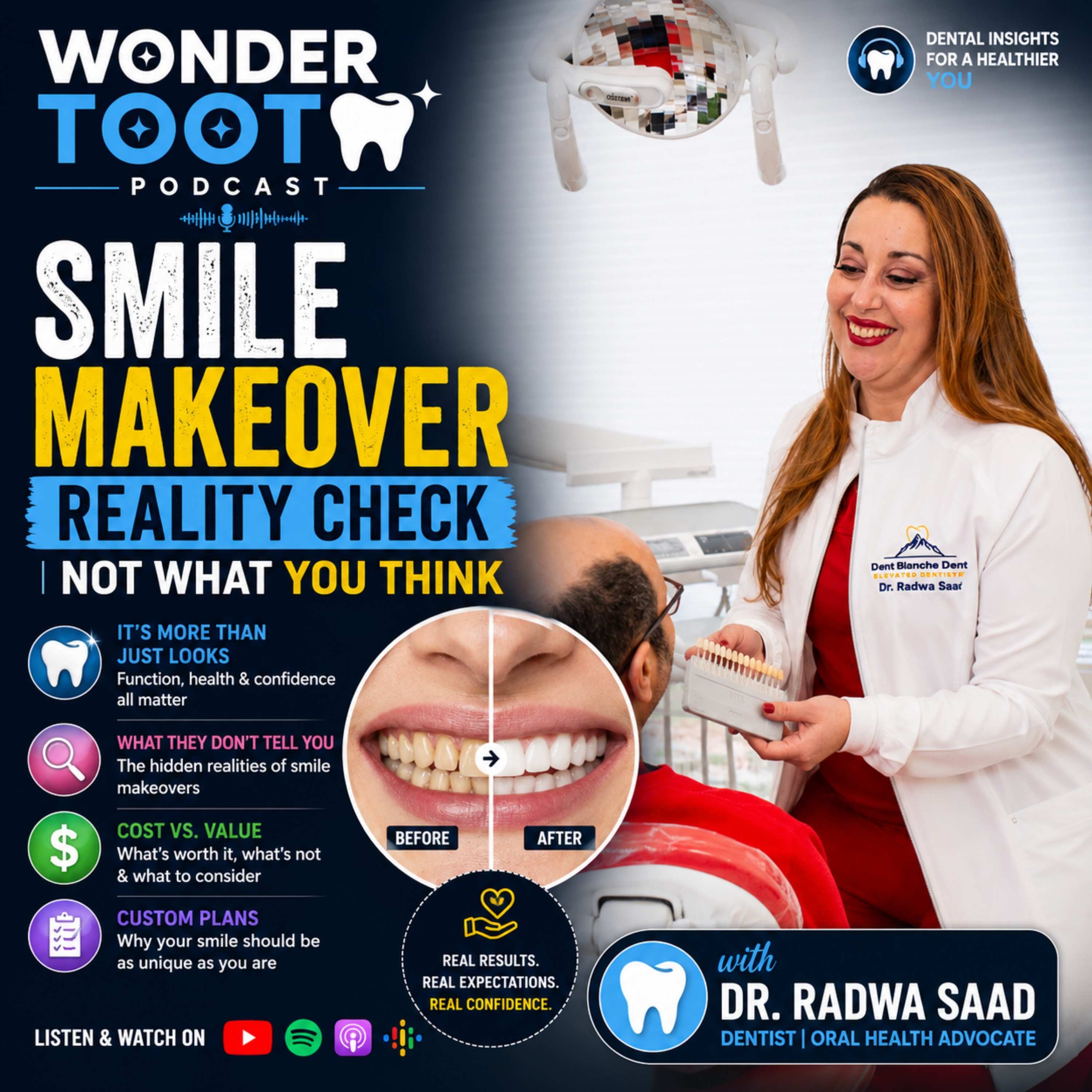
Smile Makeover Cost & What to Expect
May 2700:28:54Tap to summarizeSmile Makeover Reality: What It Actually Costs and What to ExpectThinking About a Smile Makeover? Read This First.A beautiful smile can completely transform your confidence.But if you’ve searched online for a “smile makeover,” you’ve probably seen everything from:“Perfect teeth in one day”“Celebrity smile specials”“Instant veneers”The reality is very different.A true Smile Makeover is a carefully planned combination of cosmetic and restorative treatments tailored specifically to your face, smile, bite, and long-term oral health.And understanding the process before starting is essential.At Dent Blanche Dental, we believe patients deserve transparency—not marketing hype.This guide explains:What a smile makeover actually includesReal costs explained line-by-lineWhat to expect during the processHow to avoid “Instagram dentistry” mistakesWhat Is a Smile Makeover?A smile makeover is not one treatment.It is a customized treatment plan designed to improve:Tooth colorTooth shapeSmile symmetryGum appearanceBite functionMissing teethDepending on your goals, your treatment may include:Porcelain veneersCrownsTeeth whiteningGum contouringClear alignersDental implantsEvery smile makeover is unique.Real Smile Makeover Case StudyOne of our patients came to Dent Blanche Dental unhappy with:Worn front teethYellow discolorationUneven gum lineMissing back toothThey wanted a smile that looked:YoungerNaturalHealthy—not fakeStep 1 — Digital Smile DesignWe began with:3D digital scansFacial analysisSmile simulationThis allowed the patient to preview their future smile before treatment began.Step 2 — WhiteningProfessional whitening brightened the natural teeth first, allowing veneers to match a cleaner base shade.Step 3 — Gum ContouringThe gum line was uneven, causing the smile to appear asymmetrical.Laser contouring reshaped the gums conservatively.Step 4 — Porcelain VeneersDental VeneersCustom porcelain veneers restored:ShapeProportionBrightnessSymmetryThe key was preserving a natural appearance. Learn more about mistakes that can cause veneer regrets.Step 5 — Dental ImplantDental ImplantA missing molar was replaced using guided implant surgery and a custom porcelain crown.Final ResultThe smile looked:Bright—but naturalRefined—but not overdoneYouthful and balancedMost importantly, it functioned beautifully.The Real Cost of a Smile MakeoverThis is the question everyone asks.And the answer depends entirely on:ComplexityMaterialsTechnology usedExperience of the dentistNumber of teeth involvedVeneers CostPorcelain Veneers:$1,500–$3,500 per toothTypical cosmetic cases:6–10 veneersEstimated total:$9,000–$30,000+Dental Crowns CostDental Crown$1,200–$2,500 per toothCrowns are used when teeth require structural reinforcement.Teeth Whitening Cost$400–$1,000Professional whitening produces dramatically better and safer results than over-the-counter kits.Gum Contouring Cost$500–$3,000This often makes one of the biggest visual differences in a smile makeover.Dental Implants Cost$3,000–$6,000 per toothThis includes:Implant placementAbutmentFinal crownTotal Smile Makeover CostA complete smile makeover may range from:$10,000–$50,000+The final investment depends on your specific needs and goals.Why Some Smile Makeovers Look FakeThis is one of the biggest patient fears.Why do some cosmetic results look unnatural?Because cosmetic dentistry is both:ScienceArtPoor cosmetic work often results in:Teeth that are too whiteBulky restorationsFlat, opaque appearancePoor proportionsAt Dent Blanche Dental, our goal is not “perfect teeth.”It’s a smile that fits your:FaceLipsPersonalityNatural beautyWhat Social Media Doesn’t Tell YouSocial media often promotes “instant smile makeovers.”But real cosmetic dentistry requires:PlanningPrecisionConservative preparationLong-term thinkingThe best results are not rushed.Veneers vs CrownsPatients are often confused about the difference.VeneersCover the front surface onlyMore conservativePrimarily cosmeticCrownsCover the entire toothMore structuralRequire greater tooth reductionUnderstanding the difference is critical before treatment.What to Expect During the ProcessConsultationWe evaluate:BiteJaw functionFacial balanceSmile lineGum healthDigital Smile PlanningUsing advanced technology, we create a digital preview of your future smile.Trial SmilePatients can preview their smile before finalizing treatment.Preparation & PlacementTreatment is completed carefully and conservatively.ProtectionMany patients receive custom night guards to protect their investment.Dental Night GuardAre You a Good Candidate?You may be a great candidate if you have:Chipped teethWorn enamelDiscolorationGapsMissing teethHowever, some patients may need:Orthodontics firstGum treatmentBite correctionThis is why a full evaluation matters.Why Patients Choose Dent Blanche DentalAt Dent Blanche Dental, we combine:Luxury experienceDigital dentistryArtistic smile designSame-day technologyConservative cosmetic philosophy📍 Princeton, NJ & Fifth Avenue, NYC🌐 https://dentblanchedental.com📞 609-890-1888Frequently Asked QuestionsHow long does a smile makeover last?With proper care, many restorations last 10–20 years or more.Does a smile makeover hurt?Most procedures are minimally invasive and very comfortable.Can I finance my smile makeover?Yes. Financing options are available.Are veneers permanent?Yes. Veneers are considered irreversible because enamel is reshaped.Final ThoughtsA smile makeover can be life-changing.But the best cosmetic dentistry is not about trends.It’s about:FunctionHealthLongevityNatural beautyChoose a dentist who prioritizes preserving your smile—not just changing it.
Transcribe →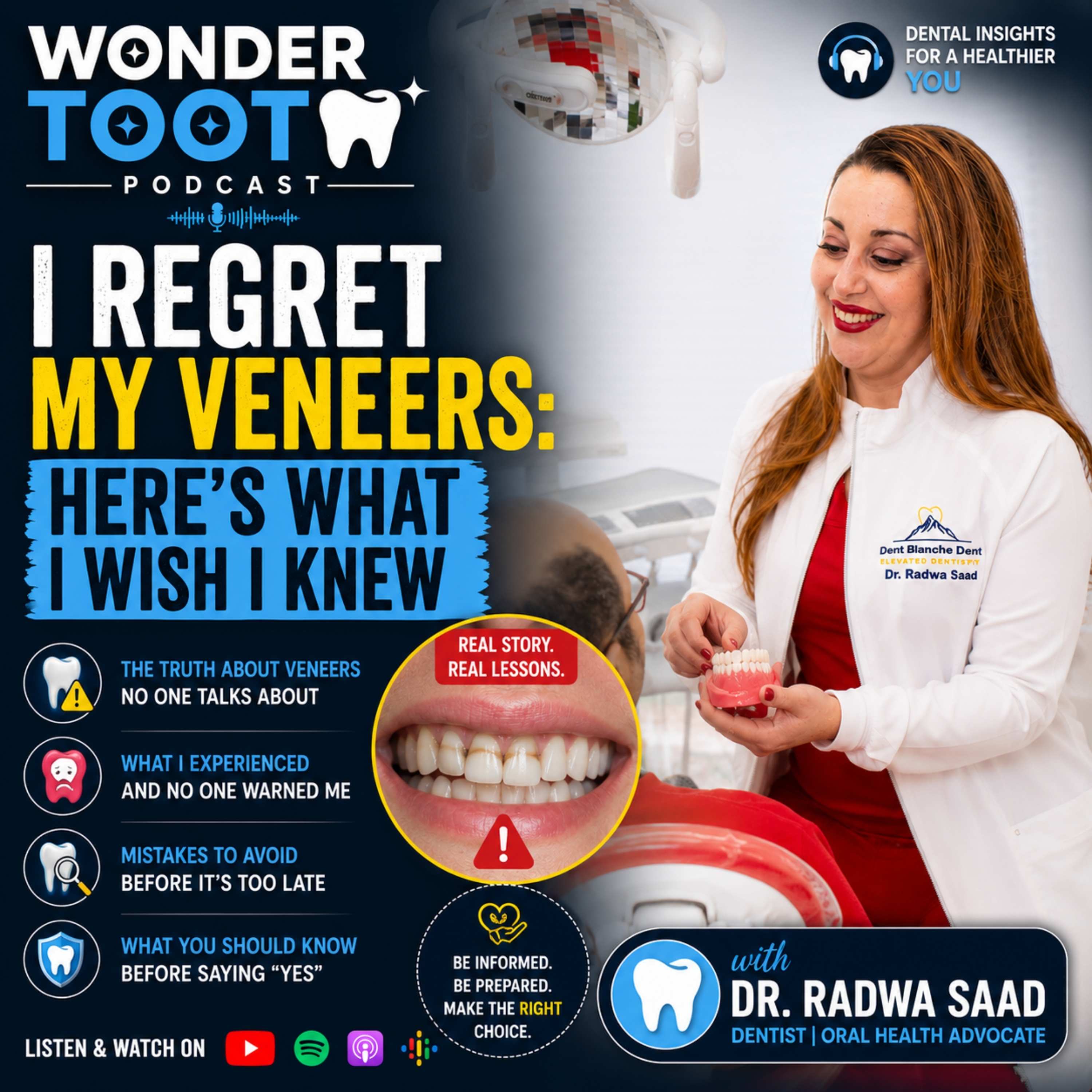
I Regret My Veneers: What Nobody Tells You Before Getting Them
May 2000:30:03Tap to summarizeI Regret My Veneers: What Nobody Tells You Before Getting Them Why So Many Patients Regret Veneers “I regret my veneers.” This is no longer rare—it’s trending across forums and patient discussions. Many people invest thousands into a smile makeover, only to feel disappointed months or years later. The problem isn’t veneers themselves—it’s poor planning, over-preparation, and wrong candidacy. Dental Veneers When done correctly, veneers are one of the most beautiful and natural-looking cosmetic solutions available. When done wrong… they can lead to long-term regret. What Veneers Actually Do to Your Natural Teeth Before you decide, you need to understand this clearly: Dental Veneers are not reversible. To place them, your dentist typically: Removes a thin layer of enamelReshapes the front surfaceBonds porcelain permanently The Key Issue: If too much enamel is removed: Teeth become sensitiveYou lose natural strengthYou are committed to restorations for life This is where most regret begins. The Biggest Reasons Patients Regret Veneers 1. They Look Fake Too whiteToo bulkyToo uniform A beautiful smile should look natural—not obvious. 2. Poor Bite Design If your bite is not properly balanced: Veneers can chip or breakJaw pain can developLong-term damage occurs 3. Over-Preparation of Teeth Aggressive shaving leads to: SensitivityWeak teethDependence on crowns later 4. Wrong Candidate Selection Not everyone needs veneers. Some patients could have achieved better results with: Teeth WhiteningBondingOrthodontics Veneers vs Crowns: What You MUST Know Many patients don’t realize the difference between: Dental Crown Veneers: Cover front surface onlyMinimal reduction (when done properly)Cosmetic-focused Crowns: Dental crownsCover the entire toothRequire significant shapingStructural restoration ⚠️ The danger: Some “veneers” are actually full crowns in disguise. This dramatically changes the long-term outcome. The “Fake Smile” Problem Explained Why do some veneer smiles look unnatural? Because cosmetic dentistry is both science and art. Poorly designed veneers: Ignore facial proportionsLack translucencyAre overly opaqueDo not match lip dynamics At Dent Blanche Dental, we use: Digital smile designFacial analysisCustom shadingArtistic layering The goal is not “perfect teeth.” It’s a natural, confident smile. Who Is Actually a Good Candidate for Veneers? Veneers are ideal if you have: Severe discolorationChipped or worn teethGaps between teethMinor misalignment But veneers may NOT be ideal if you: Grind your teethHave healthy enamel with minor issuesWant a reversible option In these cases, conservative treatments are often better. Better Alternatives Most Dentists Don’t Emphasize Here’s the truth most patients never hear: You don’t always need veneers. Teeth Whitening Professional whitening can dramatically enhance your smile safely. Composite Bonding Fix chips and gaps with no enamel removal. Clear Aligners (SureSmile) Straighten teeth first—often eliminating the need for veneers. Conservative Smile Makeover Smile Makeover A combination of treatments that preserves your natural teeth while enhancing aesthetics. Real Patient Story: From Regret to Confidence A patient came to us unhappy with their veneers: Bulky appearanceArtificial colorBite discomfort We performed: Digital smile redesignConservative veneer replacementBite correction Results: Natural appearance restoredJaw comfort improvedConfidence regained Because great dentistry is not about replacing teeth… It’s about enhancing what you already have. Long-Term Risks of Poor Veneers If done incorrectly, veneers can lead to: Chronic sensitivityGum recessionRepeated replacementsExpensivefull-mouth reconstruction This is why choosing the right dentist is everything. Why Patients Trust Dent Blanche Dental At Dent Blanche Dental, we specialize in: Ultra-natural cosmetic dentistryDigital smile designSame-day porcelain restorationsConservative techniques 📍 Princeton, NJ & Fifth Avenue, NYC 🌐 https://dentblanchedental.com 📞 609-890-1888 Frequently Asked Questions Do veneers ruin your natural teeth? Not when done conservatively by an expert. Over-preparation causes damage. How long do veneers last? Typically 10–15 years with proper care. Can veneers be reversed? No. Once enamel is removed, veneers are permanent. Are there better alternatives? Yes—whitening, bonding, and aligners are often excellent options. Final Thoughts Veneers can be life-changing… But only when done correctly. The biggest mistake patients make is rushing into treatment without understanding the long-term impact. Take your time. Ask questions. Choose expertise.
Transcribe →
Grinding Teeth at Night: 10-Year Jaw Damage
May 1300:37:46Tap to summarizeGrinding Teeth at Night: 10-Year Jaw Damage You Can’t IgnoreWhat Happens If You Grind Your Teeth at Night?Grinding your teeth at night—known as Bruxism—is one of the most destructive habits affecting your oral health today.Most patients don’t even realize they’re doing it… until the damage is advanced.If left untreated, nighttime grinding can permanently affect:Your teethYour jaw jointsYour facial structureYour overall healthAnd over a 10-year period, the consequences can be severe, expensive, and sometimes irreversible.The Hidden Force Behind Teeth GrindingWhen you sleep, your body should be resting.But in patients with bruxism, the jaw becomes highly active—generating forces far beyond normal chewing.These forces:Wear down enamelCrack teethStress the jaw jointsTrigger muscle inflammationOver time, this leads to a breakdown of your entire oral system.The 10-Year Timeline of Teeth Grinding DamageYears 1–2: Early Warning SignsMild tooth sensitivityOccasional jaw sorenessMorning headachesAt this stage, damage is subtle—but already beginning.Years 3–5: Structural Changes BeginFlattened teethSmall enamel cracksJaw clicking or poppingPatients often ignore these signs… which allows progression.Years 5–7: Noticeable DamageTeeth appear shorterIncreased sensitivityGum recessionJaw discomfort becomes frequentNow your smile begins to visibly change.Years 7–10: Severe BreakdownTooth fracturesFailed crowns and fillingsChronic TMJ painFacial shape changesAt this stage, treatment becomes complex and costly.How Grinding Affects Your Jaw (TMJ)Your jaw joint—called the Temporomandibular Joint—is one of the most delicate joints in your body.When you grind your teeth:The joint becomes compressedCartilage can wear downInflammation buildsCommon TMJ Symptoms:Clicking or popping soundsJaw lockingEar pain or pressureChronic headachesNeck tensionIf untreated, this can evolve into long-term TMJ disorder.Signs You Are Grinding Your TeethMany patients are shocked when we diagnose them.Here are the most common signs:Flattened or worn teethCracked enamelTooth sensitivityTight jaw musclesScalloped tongueGum recessionIf you notice even one of these, it’s time for an evaluation.Why a Night Guard Is CriticalA custom Dental Night Guard is the first line of defense.Benefits of a Custom Night Guard:Protects enamel from wearAbsorbs grinding forcesReduces jaw pressurePrevents fracturesPreserves dental workImportant:Over-the-counter guards can actually worsen your bite and increase grinding.At Dent Blanche Dental, we use digital scanning technology to create precise, comfortable guards tailored to your bite.Advanced Bruxism Treatment OptionsBruxism is not just a dental issue—it’s multifactorial.That’s why we take a comprehensive approach:1. Custom Night GuardsPrecision-designed for protection and comfort2. Bite AdjustmentCorrecting uneven pressure points3. Botox for Jaw MusclesRelaxes overactive muscles and reduces grinding intensity4. Orthodontic AlignmentUsing clear aligners like SureSmile to correct bite issues5. Stress ManagementAddressing underlying triggersReal Patient TransformationOne of our patients came in with:Severe tooth wearChronic jaw painRepeated crown fracturesWe performed:Full digital smile designBite reconstructionCustom restorationsNight guard protectionResults:Pain eliminatedTeeth restoredFacial balance improvedConfidence regainedThis is what happens when you treat the cause—not just the symptoms.Long-Term Risks of Ignoring Teeth GrindingIf untreated, bruxism can lead to:Tooth lossGum recessionTMJ disorderExpensivefull-mouth reconstructionFacial aging and collapseEarly intervention is always simpler—and more affordable.Why Choose Dent Blanche Dental?At Dent Blanche Dental, we provide elevated dentistry using:Digital scanning & CAD/CAM technologySame-day restorationsCustomized treatment plansLuxury, spa-like environment📍 Princeton, NJ & Fifth Avenue, NYC🌐 https://dentblanchedental.com📞 609-890-1888Frequently Asked QuestionsIs teeth grinding dangerous?Yes. Over time, it can cause permanent damage to teeth and jaw joints.Can grinding change my face?Yes. Chronic grinding can enlarge jaw muscles and alter facial shape.Do I need a night guard?If you grind your teeth—even mildly—a custom night guard is essential.Can TMJ go away on its own?Sometimes symptoms improve, but underlying damage often progresses without treatment.Final ThoughtsGrinding your teeth at night is not harmless.It’s a silent, progressive condition that can reshape your smile, damage your jaw, and impact your quality of life.The earlier you act… the better your outcome.
Transcribe →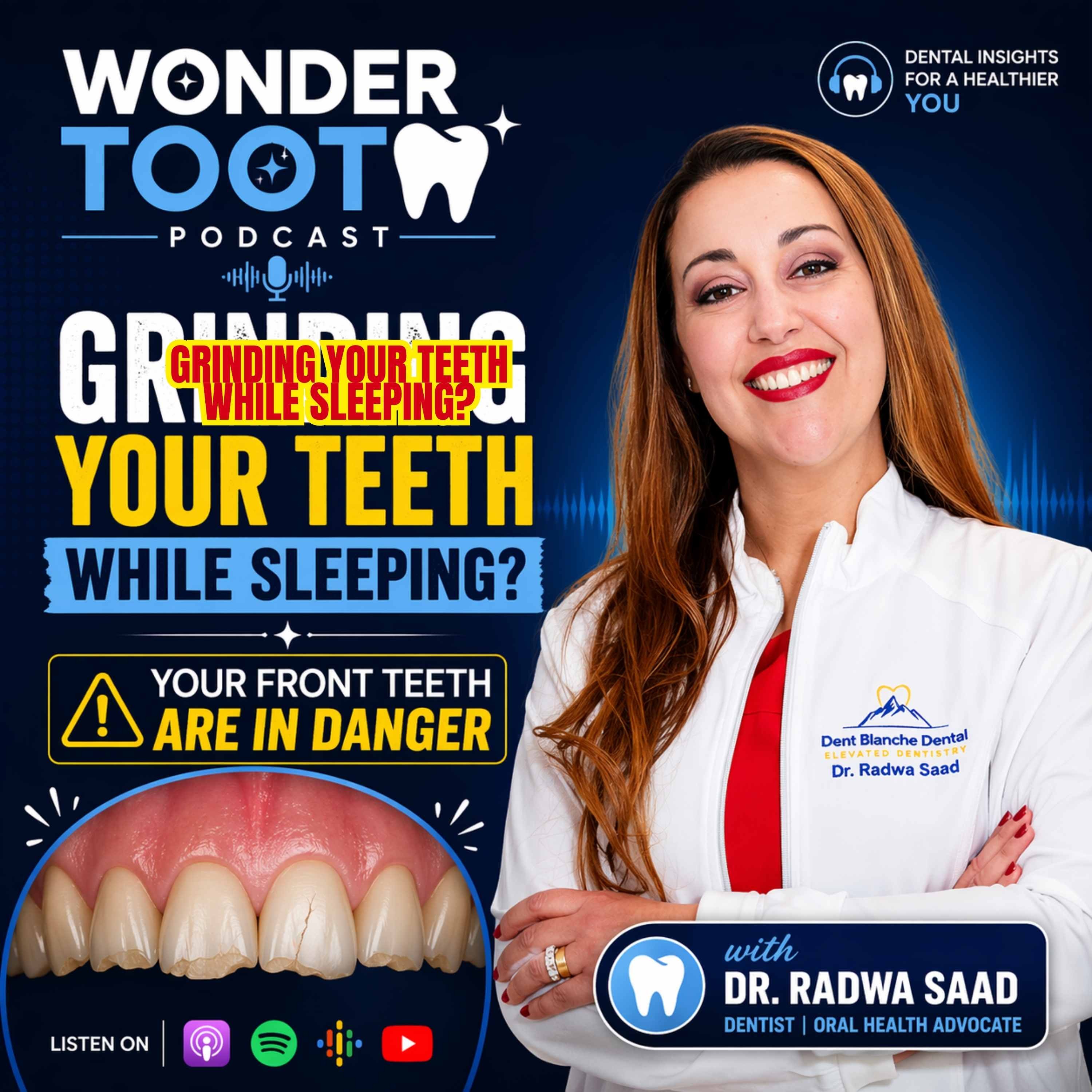
Why Are Front Teeth Fracturing? The Hidden Link to Sleep Apnea
Apr 2200:14:46Tap to summarizeFront Tooth Fracture and Sleep Apnea: The Hidden Connection | The Wonder Tooth PodcastMost people never imagine that a fractured front tooth could be connected to sleep apnea.When patients break or chip front teeth, they often assume the cause was simple trauma, biting something hard, or an accident. While trauma certainly plays a role in many cases, there is another hidden factor that many people overlook:Sleep-disordered breathing and nighttime grinding.The connection between sleep apnea, clenching, grinding, and tooth fractures is becoming increasingly important in modern dentistry. Many patients damage teeth during sleep without even realizing it.A fractured front tooth may sometimes be more than a cosmetic problem. It may be a warning sign.In this episode of The Wonder Tooth Podcast, Dr. Radwa Saad explains the surprising relationship between front tooth fractures and sleep apnea, how nighttime grinding affects oral health, and what patients should know before damage becomes more severe.Watch the full episode here:https://youtu.be/Ujux7Z3TFX4Read the episode:https://blog.dentblanchedental.com/episodes/front-tooth-fracture-sleep-apnea/Listen on Apple Podcasts, Spotify, iHeartRadio, Audible, Pandora, and all major podcast platforms.Subscribe to The Wonder Tooth Podcast for weekly educational episodes designed to help patients understand the powerful connection between oral health, sleep, and overall wellness.Why Front Teeth FractureFront teeth experience tremendous stress over time.Several factors may increase fracture risk.Common causes include:TraumaSports injuriesFallsBiting hard objectsTeeth grindingBite imbalanceWeakened enamelSleep-related clenchingSometimes fractures happen suddenly.Other times, damage develops gradually over years.What Is Sleep Apnea?Sleep apnea is a condition involving repeated interruptions in breathing during sleep.These interruptions may reduce oxygen levels and disturb normal sleep cycles.Common symptoms may include:Loud snoringDaytime fatigueMorning headachesDry mouthPoor sleep qualityTeeth grindingJaw tensionMany patients remain undiagnosed for years.Learn more:Sleep Apnea Treatment InformationThe Link Between Sleep Apnea and Teeth GrindingResearch continues exploring the relationship between airway issues and grinding habits.Some patients unconsciously clench or grind during sleep as the body responds to breathing disturbances.This pressure may create:Tooth wearFracturesChipped teethJaw painHeadachesBite problemsFront teeth often absorb tremendous force.Why Front Teeth Become VulnerableFront teeth are thinner than back teeth.Repeated grinding pressure may weaken enamel over time.Patients may notice:ChippingCracksShortened teethSensitivitySudden fracturesThe damage may happen slowly until one day the tooth suddenly breaks.Signs You May Be Grinding Your Teeth at NightMany people grind without realizing it.Warning signs may include:Morning jaw sorenessHeadachesTooth wearCracked teethTooth sensitivityTight jaw musclesSleep disruptionLearn more:Teeth Grinding InformationWhy Tooth Fractures Should Never Be IgnoredEven small fractures may worsen over time.Untreated cracks may lead to:Larger fracturesSensitivityInfectionRoot canal treatmentTooth lossEarly treatment often creates better outcomes.Schedule an evaluation:Request an AppointmentModern Dentistry Offers Several Treatment OptionsTreatment depends on fracture severity.Possible options may include:Dental bondingSmall chips may receive cosmetic repair.Porcelain veneersVeneers may restore aesthetics and strength.Learn more:Porcelain Veneers InformationDental crownsLarger fractures sometimes require crowns.Learn more:Same-Day Dental Crowns InformationRoot canal treatmentDeep fractures affecting nerves may require treatment.Dental implantsSeverely damaged teeth may occasionally need replacement.Learn more:Dental Implant InformationDigital Dentistry Improves Diagnosis and TreatmentModern technology helps dentists evaluate fractures more accurately.Advanced tools may include:Digital X-rays3D CBCT imagingDigital scanningBite analysisSmile design technologyTechnology improves precision and treatment planning.Dent Blanche Dental combines advanced digital dentistry with elevated patient-centered care.Learn more:Dent Blanche Dental Official WebsiteCan Night Guards Help?For some patients, night guards may help reduce grinding-related damage.Custom appliances may help:Protect teethReduce pressureLimit wearImprove comfortTreatment recommendations vary based on individual diagnosis.Why Sleep Quality Matters for Oral HealthSleep affects more than energy levels.Poor sleep quality may contribute to:Teeth grindingDry mouthInflammationJaw tensionFatigueOral health and overall wellness remain deeply connected.Frequently Asked QuestionsCan sleep apnea cause tooth fractures?Sleep-related grinding associated with airway issues may contribute to fractures.Why did my front tooth suddenly crack?Teeth often weaken gradually before fractures become visible.Is teeth grinding dangerous?Grinding may damage teeth, restorations, and jaw structures over time.Can fractured teeth be saved?Many fractured teeth remain treatable depending on severity.Can dentists help identify sleep apnea?Dentists may recognize oral signs associated with sleep-disordered breathing.Final ThoughtsA fractured front tooth may be more than an isolated dental problem.Sometimes it reveals deeper issues involving sleep, grinding, and airway health.Modern dentistry now focuses not only on repairing teeth, but also on understanding why damage happens in the first place.Early diagnosis and personalized treatment can help preserve your smile and protect your long-term health.If you have cracked teeth, grinding symptoms, or concerns about sleep apnea, schedule a consultation.Schedule Your Appointment TodayDent Blanche Dental proudly serves Princeton, NJ and Fifth Avenue NYC with advanced digital dentistry, airway-focused care, and elevated patient-centered treatment.Support The Wonder Tooth PodcastIf you enjoy The Wonder Tooth Podcast, please support our mission to educate patients around the world about oral health, wellness, sleep apnea, cosmetic dentistry, and modern dental innovations.Your support helps us continue creating educational episodes for YouTube, Apple Podcasts, Spotify, Audible, Pandora, and iHeartRadio.Please:Subscribe to the podcastLeave a 5-star reviewShare episodes with family and friendsFollow our YouTube channelSupport patient education by spreading awarenessEvery share, review, comment, and subscription helps us grow and continue producing valuable educational content.Experiencing cracked teeth, front tooth fractures, grinding, jaw pain, snoring, or sleep apnea symptoms?Do not wait until the damage becomes more serious.Schedule your comprehensive consultation today with Dr. Radwa Saad and the team at Dent Blanche Dental.Request Your AppointmentDiscover advanced digital dentistry, personalized treatment planning, cosmetic smile restoration, and airway-focused care in Princeton, NJ and Fifth Avenue NYC.Like, Share, Follow and SubscribeEnjoyed this episode of The Wonder Tooth Podcast?Please Like, Share, Follow, and Subscribe on YouTube, Apple Podcasts, Spotify, Audible, Pandora, and iHeartRadio.Help us educate more patients and b...
Transcribe →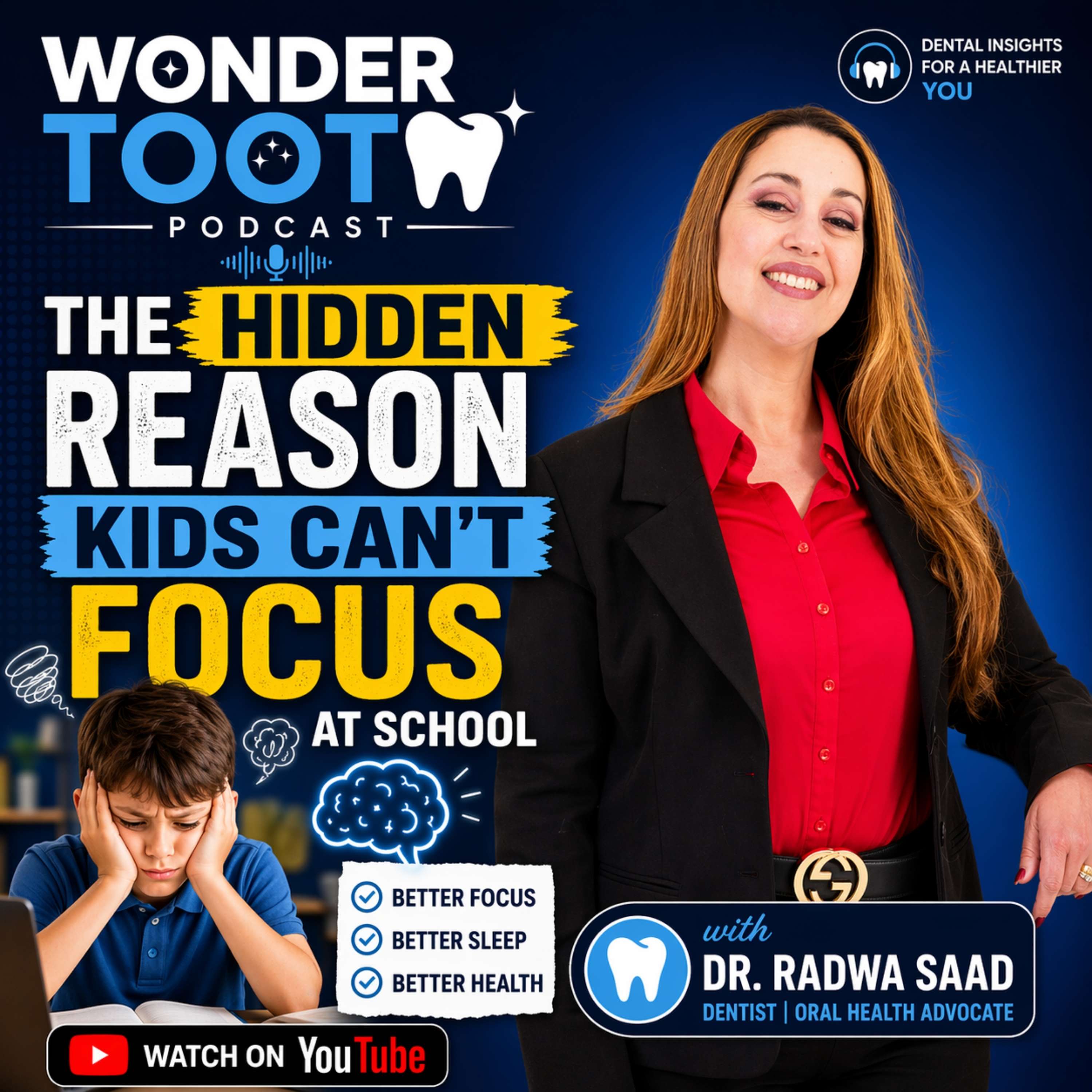
The Hidden Reason Kids Can’t Focus at School may not be what you think.
Apr 1500:26:13Tap to summarizeThe Hidden Reason Kids Can't Focus at School:Sleep Apnea, Teeth Grinding & Misdiagnosed ADHDIs your child struggling to focus in school, showing signs of ADHD, grinding their teeth at night, or becoming easily agitated?In this powerful episode of The Wonder Tooth Podcast, Dr. Radwa Saad sits down with Dr. Grace Simco to uncover the hidden reason kids can’t focus at school—and why many children are misdiagnosed with ADHD when the real issue is sleep apnea and sleep-disordered breathing.Poor sleep quality can affect your child’s brain, behavior, mood, and academic performance. Identifying the root cause early can change your child’s future.Why Kids Struggle to Focus in SchoolMany children experience focus issues in school. Parents often assume ADHD or behavioral problems. However, the underlying cause may be sleep deprivation and disrupted breathing at night.When children do not reach deep, restorative sleep, their ability to concentrate, learn, and regulate emotions suffers.The Link Between Sleep Apnea and ADHD in ChildrenSleep apnea in children often mimics ADHD symptoms. These include:HyperactivityShort attention spanImpulsivityPoor school performanceInstead of appearing tired, many children become overactive and agitated. This leads to frequent misdiagnosis.Understanding the connection between child sleep apnea and ADHD symptoms is critical for proper treatment.Teeth Grinding (Bruxism) as a Warning SignTeeth grinding in children, also known as bruxism, is one of the most overlooked warning signs.Children grind their teeth when their airway is compromised during sleep. The body attempts to reopen the airway by activating jaw muscles.If your child grinds their teeth at night, it may signal:Airway obstructionPoor oxygen flowSleep-disordered breathingHow Poor Sleep Impacts Behavior, Mood, and Academic PerformanceSleep plays a vital role in brain development. When sleep is disrupted, children may experience:Difficulty focusing in schoolMemory and learning challengesMood swings and irritabilityAnxiety and behavioral issuesLack of oxygen during sleep can directly impact cognitive function and emotional regulation.Signs Your Child May Have Sleep-Disordered BreathingParents should watch for these key symptoms:Mouth breathingSnoring or noisy sleepTeeth grinding (bruxism)Daytime fatigue or hyperactivityDifficulty focusing in schoolPoor academic performanceAgitation or behavioral issuesEarly detection is essential.Treatment Options That Can Transform Your Child’s LifeModern dentistry offers advanced solutions for children with sleep apnea, including:Airway-focused dental treatmentsOral appliancesGrowth and development guidanceCollaboration with sleep specialistsThese treatments can improve:Sleep qualityFocus and attentionBehavior and moodAcademic performanceWhen to Seek Help from a Pediatric Dental ExpertIf your child shows signs of sleep-disordered breathing or ADHD-like symptoms, do not wait.Early diagnosis can prevent long-term health and developmental issues.A comprehensive evaluation can identify the root cause and guide proper treatment.Connect with Dr. Grace Simco:Orthodontist in Levittown |Grace's BracesAirway Orthodontist in Bucks County, PA | Dr. Grace OrthodonticsSchedule a Consultation for Your Child TodayTake action now to improve your child’s health and future.👉 Schedule an evaluation:https://dentblanchedental.com📞 Call: 609-890-1888If you found this video helpful, please give it a thumbs up, subscribe to my channel, and hit the notification bell for more dental tips and advice.Schedule an appointment today👉 https://dentblanchedental.com✅ Follow Me on Instagram:👉 https://www.instagram.com/radwasaad_dmd/Dent Blanche Dental3640 Lawrenceville Rd, Princeton, NJ, 08540950 Fifth Ave, Manhattan, NYC, New York, 10075www.DentBlancheDental.comOffice# 609-890-1888#TheWonderToothPodcast #ChildSleepApnea #ADHDinKids #KidsHealth #ParentingTips #Bruxism #SleepDisorders #AirwayDentistry #FocusInSchool
Transcribe →
Chronic Inflammation Starts Where You Think It Doesn’t
Mar 2500:12:03Tap to summarizeThe Oral–Systemic Link: How Oxidative Stress and Inflammation Affect Your Teeth and Overall HealthUnderstanding the Connection Between Oral Health and Whole-Body HealthIn this powerful episode of The Wonder Tooth Podcast, Dr. Radwa Saad explores the science behind the oral-systemic link—the connection between oral health and overall health.Many people struggle with chronic conditions such as gum disease, diabetes, cardiovascular disease, or unexplained inflammation. Increasingly, research suggests that oxidative stress and chronic inflammation may play a major role in these conditions.In this episode, Dr. Saad speaks with biotechnology entrepreneur François Vix about emerging research on antioxidant defenses and how oxidative stress may affect:Gum disease and periodontal inflammationCardiovascular health and arterial plaqueDiabetes and metabolic syndromeSkin conditions and immune functionAging and tissue regenerationUnderstanding these mechanisms can help patients better appreciate why oral health is a key part of overall wellness and preventive medicine.What Is Oxidative Stress?Oxidative stress occurs when the body produces more free radicals than its antioxidant systems can neutralize. Over time, this imbalance can damage cells, accelerate aging, and contribute to chronic disease.Common sources of oxidative stress include:Chronic inflammationEnvironmental toxinsPoor diet and lifestyleUV radiationMetabolic disordersResearch suggests oxidative stress may contribute to diseases such as heart disease, diabetes, autoimmune disorders, and periodontal disease.How Inflammation Impacts Oral and Systemic HealthInflammation is the body’s natural defense system, but chronic inflammation can damage tissues throughout the body.In dentistry, long-term gum inflammation may:Destroy bone supporting teethAllow oral bacteria to enter the bloodstreamIncrease systemic inflammatory burdenStudies increasingly suggest a connection between periodontal inflammation and conditions such as cardiovascular disease and diabetes.Preventive dental care therefore plays an important role not only in protecting teeth but also in supporting overall health.Why the Oral–Systemic Link MattersThe concept of the oral-systemic link emphasizes that oral health is not isolated from the rest of the body.Maintaining healthy gums and teeth may help:Reduce systemic inflammationImprove metabolic healthSupport immune balanceProtect cardiovascular healthThis integrated approach to healthcare is becoming increasingly important in modern preventive dentistry.Key Insights From This Episode• Chronic inflammation may contribute to many diseases• Oxidative stress damages tissues and accelerates aging• Gum disease may increase systemic inflammatory burden• Antioxidant defenses play an important role in immune health• Preventive dentistry is essential for long-term wellnessLearn more about Glisodin:Website:glisodin.comIG:@glisodinskinAmazon:GliSODin Skin Nutrients StoreIf you found this video helpful, please give it a thumbs up, subscribe to my channel, and hit the notification bell for more dental tips and advice.Schedule an appointment today👉 https://dentblanchedental.comDent Blanche Dental3640 Lawrenceville Rd, Princeton, NJ, 08540950 Fifth Ave, Manhattan, NYC, New York, 10075www.DentBlancheDental.comOffice# 609-890-1888
Transcribe →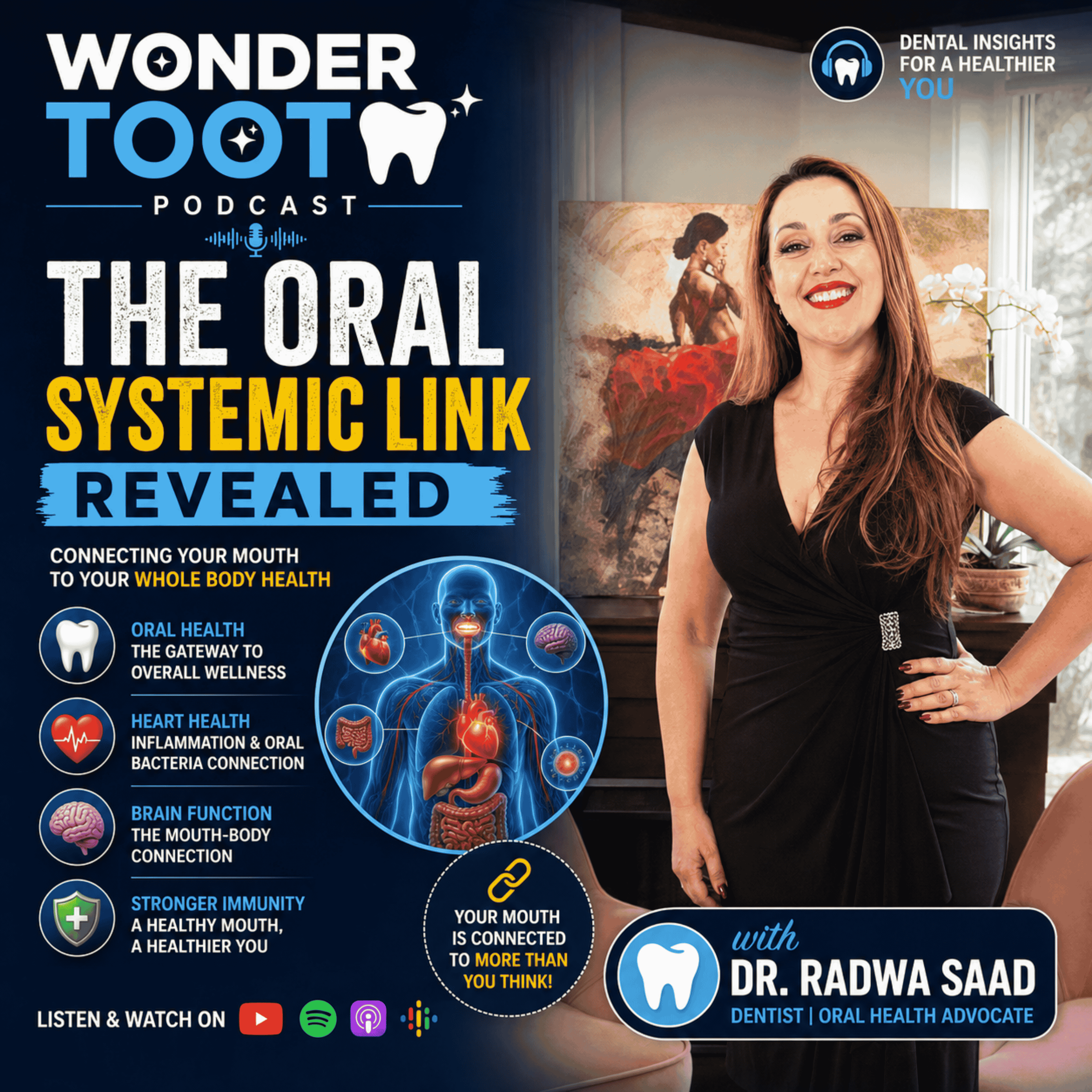
The One Inflammation Marker Connecting Your Mouth to Disease
Mar 1800:29:50Tap to summarizeThe Oral–Systemic Link Revealed: How Oxidative Stress and Inflammation Affect Your Teeth, Skin, and Overall HealthThe oral-systemic link refers to the scientific connection between oral health and overall body health. Chronic gum inflammation can increase systemic inflammation and oxidative stress, which are associated with conditions such as cardiovascular disease, diabetes, and immune dysfunction. Modern dentistry increasingly focuses on preventive strategies that reduce inflammation and support whole-body health.Why Chronic Inflammation and Oxidative Stress Matter for Your HealthIn this powerful episode of The Wonder Tooth Podcast, cosmetic dentist Dr. Radwa Saad explores the deep connection between oral health, systemic inflammation, and chronic disease with special guest François Vix, founder of the French biotechnology company Isocell.The conversation uncovers how oxidative stress—an imbalance between free radicals and antioxidants in the body—can contribute to many health conditions, including:Gum disease (periodontitis)DiabetesCardiovascular diseaseAtherosclerosisSkin agingImmune system imbalanceThis episode explains how reducing oxidative stress may help support better oral health, healthier skin, improved immune function, and long-term disease prevention.The Science Behind Superoxide Dismutase (SOD)François Vix shares the scientific background behind SOD (superoxide dismutase)—a powerful antioxidant enzyme researched for its potential to help the body combat oxidative stress.Research discussed in the episode includes:Clinical studies onmetabolic syndrome and inflammationResearch oncardiovascular plaque stabilizationStudies onskin conditions such as vitiligo and melasmaPotential applications inimmune health and dermatologyOver 40 scientific publications worldwide have explored the impact of SOD-based technologies on inflammation and oxidative stress pathways.How Oral Health Connects to Whole-Body HealthDr. Saad explains the oral-systemic link, a concept widely recognized in modern dentistry.Chronic gum inflammation may be associated with conditions such as:Heart diseaseDiabetesStroke riskSystemic inflammatory disordersWhen inflammation persists in the body, oxidative stress increases, creating a cycle that can worsen both oral disease and systemic disease.Understanding and addressing these biological mechanisms may help patients improve both oral and overall health outcomes.Can Antioxidant Support Improve Skin and Immune Health?The episode also explores how antioxidant support may assist with:Skin clarity and texturePhoto-protection against sun damageImmune system regulationSkin conditions like melasma and vitiligoWhile supplements cannot replace medical treatments, emerging research suggests they may serve as supportive therapies alongside medical or dermatologic care.Key Takeaways from This EpisodeListeners will learn:• What oxidative stress is and how it affects the body• The connection between oral health and systemic inflammation• How antioxidants support immune defense• Why gum disease may signal broader health issues• The role of lifestyle, nutrition, and dental care in reducing inflammationLearn more about Glisodin:Website:glisodin.comIG:@glisodinskinAmazon:GliSODin Skin Nutrients Store👉 Learn more or schedule a consultation:🔗 https://dentblanchedental.com/📅Schedule your appointment today hereWe’re thrilled to bring you the latest innovations and help you understand how dentistry is evolving. So tune in to *The Wonder Tooth Podcast* for this full episode, where Dr. Saad answers your questions, shares real-life stories, and explains how we can help you achieve a perfect smile—on the same day!Stay tuned for more insights, and remember, your dream smile is closer than you think!Subscribe for More:Don’t miss out on future episodes of *The Wonder Tooth*! Subscribe, hit the notification bell, and drop a comment below to let us know how often you change your toothbrush. Dr. Saad might feature your question in an upcoming episode!Make sure to tune in to this eye-opening episode, and remember, great oral health starts with the right information. We're here to help you smile with confidence!If you found this video helpful, please give it a thumbs up, subscribe to my channel, and hit the notification bell for more dental tips and advice.Schedule an appointment today👉 https://dentblanchedental.comDent Blanche Dental3640 Lawrenceville Rd, Princeton, NJ, 08540950 Fiftrh Ave, Manhattan, NYC, New York, 10075www.DentBlancheDental.comOffice# 609-890-1888
Transcribe →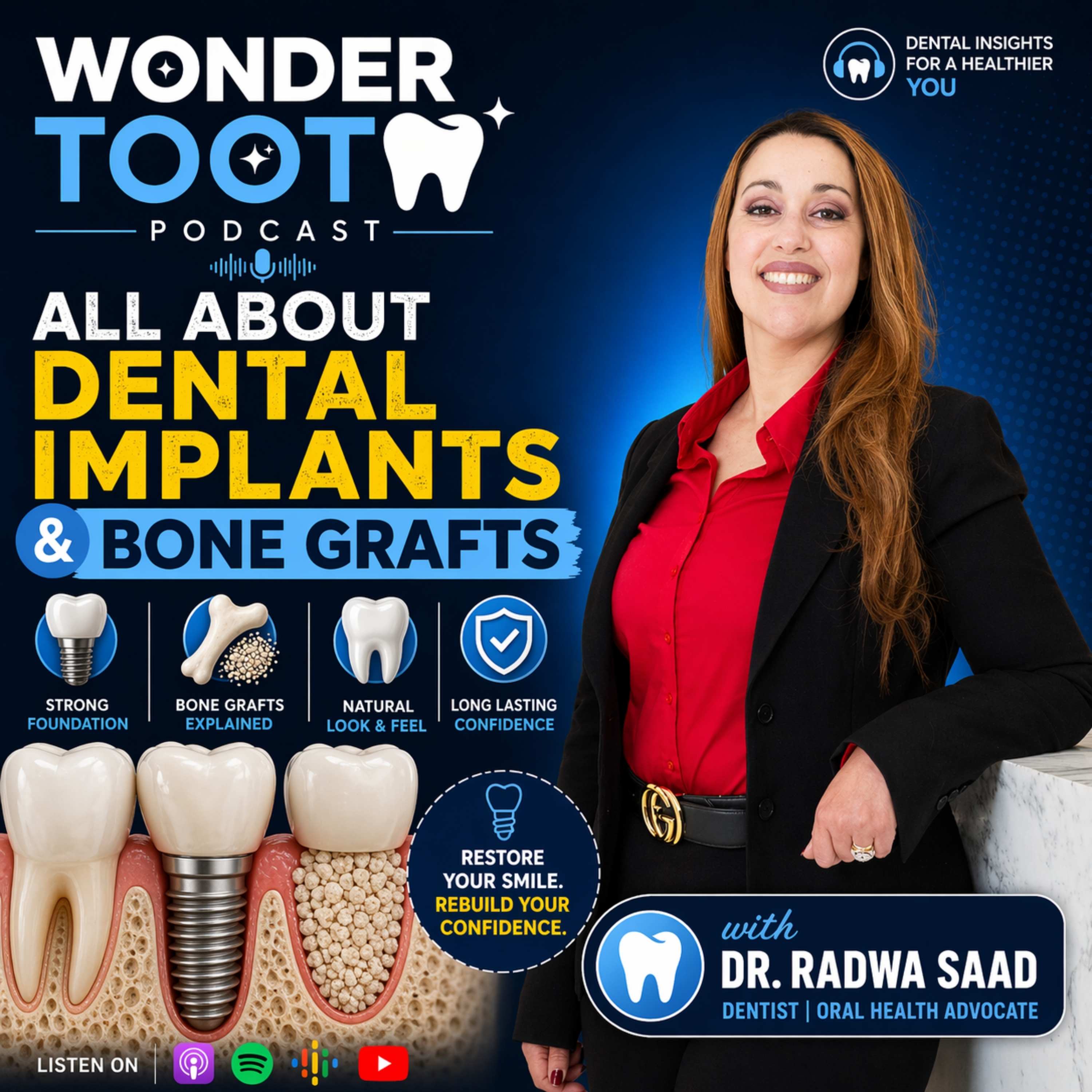
Dental Implants & Bone Grafting: How to Maintain Implants Long-Term
Feb 1100:26:53Tap to summarizeDental Implants and Bone Grafting: Why Bone Matters More Than You Think | The Wonder Tooth PodcastMany patients become excited about dental implants until they hear two unexpected words during their consultation:“Bone grafting.”For some people, that phrase sounds intimidating or confusing. Patients often wonder:Why do I need a bone graft? Does this mean I cannot get implants? Is bone loss serious?The truth is that bone plays a critical role in dental implant success. Healthy jawbone provides the support implants need for long-term stability and function. When bone volume becomes limited, modern dentistry often offers solutions that help rebuild and strengthen the area.Bone grafting has transformed implant dentistry and expanded treatment possibilities for many patients who once had limited options.In this episode of The Wonder Tooth Podcast, Dr. Radwa Saad explains the connection between dental implants and bone grafting, why bone loss happens, and how advanced technology helps restore smiles with precision and confidence.Watch the full episode here:https://youtu.be/15VNc79sisARead the episode:https://blog.dentblanchedental.com/episodes/dental-implants-bone-graft/Listen on Apple Podcasts, Spotify, iHeartRadio, Audible, Pandora, and all major podcast platforms.Subscribe to The Wonder Tooth Podcast for weekly educational episodes designed to help patients understand modern implant dentistry and advanced smile restoration.Why Bone Matters for Dental ImplantsDental implants function as artificial tooth roots.For implants to remain stable, they require strong surrounding bone support.Healthy bone helps support:Implant stabilityChewing functionLong-term integrationSmile aestheticsStructural supportWithout adequate bone, implant placement may become more challenging.Why Bone Loss Happens After Tooth LossMany patients do not realize how quickly bone changes can occur after losing teeth.Teeth naturally stimulate the jawbone during chewing.When a tooth disappears:Stimulation decreasesBone begins shrinkingJaw structure gradually changesBone loss may continue over time if missing teeth remain untreated.Other Causes of Bone LossSeveral factors may affect jawbone volume.Examples include:Gum diseaseLong-term missing teethTooth infectionsTraumaDenture useSmokingChronic inflammationHealthy bone remains essential for oral health and implant planning.Learn more:Dental Implant InformationWhat Is Bone Grafting?Bone grafting is a procedure designed to help rebuild or preserve bone volume.Bone grafting may help support:Future implantsBone preservationStructural supportTreatment stabilityThe procedure encourages the body to develop additional bone in the area.When Bone Grafting May Be RecommendedNot every implant patient requires grafting.However, bone grafting may become beneficial after:Tooth extractionPreserving bone early may help future implant planning.Long-term tooth lossBone may shrink over time.Advanced gum diseasePeriodontal disease sometimes damages supporting bone.Trauma or infectionInjuries and infections may affect jaw structure.Bone Grafting and Tooth ExtractionsMany patients lose bone shortly after extractions.In some situations, grafting may help preserve the socket area.This process may support:Future implant placementJaw contoursBone stabilityEarly planning matters.Does Bone Grafting Hurt?This remains one of the most common questions.Modern dentistry focuses heavily on patient comfort.Experiences vary individually, but many patients report manageable recovery with proper care and guidance.Advanced technology and careful planning continue improving treatment experiences.Technology Improves Implant and Bone Grafting PlanningModern dentistry increasingly relies on digital technology.Advanced tools may include:3D CBCT imagingDigital scanningGuided surgeryDigital treatment planningBone analysis softwareTechnology improves visualization and precision.Dent Blanche Dental combines advanced digital dentistry with elevated patient-centered care.Learn more:Dent Blanche Dental Official WebsiteWhy 3D CBCT Imaging MattersThree-dimensional imaging allows dentists to evaluate:Bone thicknessBone heightSinus positionNerve pathwaysImplant positioningThis information supports more precise planning and safer treatment.Can Patients Still Get Implants After Bone Loss?In many situations, yes.Modern dentistry has dramatically expanded possibilities for patients with reduced bone volume.Treatment recommendations depend on:Bone conditionOral healthMedical historyIndividual goalsPersonalized evaluation remains essential.Schedule a consultation:Request an AppointmentBone Grafting Helps Support Long-Term SuccessImplant dentistry focuses on more than simply placing implants.Long-term success depends on:Healthy gumsStrong bone supportBite balanceProper maintenancePersonalized treatment planningBone grafting may help create stronger foundations for future restorations.Caring for Dental Implants After TreatmentLong-term maintenance remains important.Helpful habits include:Brush consistentlyHealthy tissues matter.Floss dailyPlaque control supports implant health.Attend maintenance visitsRoutine monitoring helps identify concerns early.Avoid smoking if possibleSmoking may affect healing and long-term outcomes.Frequently Asked QuestionsDoes everyone need bone grafting before implants?No.Recommendations depend on bone levels and individual anatomy.Can bone grow back naturally after tooth loss?Bone typically shrinks after tooth loss without stimulation.How long does bone graft healing take?Healing times vary depending on treatment and patient factors.Is bone grafting safe?Modern grafting procedures remain widely used in implant dentistry.Can gum disease affect bone support?Yes.Advanced periodontal disease may damage supporting structures.Final ThoughtsBone health plays a critical role in implant dentistry.Understanding bone loss and treatment options helps patients make informed decisions about restoring their smile.Modern dentistry now offers advanced techniques and technology that make implant treatment possible for more patients than ever before.If you are missing teeth, considering dental implants, or have been told you may need bone grafting, schedule a consultation.Schedule Your Appointment TodayDent Blanche Dental proudly serves Princeton, NJ and Fifth Avenue NYC with advanced implant dentistry, digital technology, and elevated patient-centered care.Support The Wonder Tooth PodcastIf you enjoy The Wonder Tooth Podcast, please support our mission to educate patients around the world about oral health, dental implants, cosmetic dentistry, sleep health, and modern dental innovations.You can support the podcast by:Subscribing on YouTubeFollowing on Apple Podcasts and SpotifyLeaving a 5-star reviewSharing episodes with family and friendsSupporting patient education through social sharingEvery review, subscription, and share helps us continue creating educational dental content for patients everywhere.Missing teeth? Bone loss? Loose dentures? Wondering if dental implants are possible for you?Take the first step toward restoring your smile and confidence today.Schedule your advanced implant consultation with Dr. Radwa Saad and the team at Dent Blanche Dental.Request Your Consultation TodayDiscover advanced digital implant dentistry, 3D technology, personalized treatment planning, and elevated patient care in Princeton, NJ and Fifth Avenue NYC.Like, Share, Follow and SubscribeEnjoyed this episode of The Wonder Tooth Podcast?P...
Transcribe →
How Gum Disease destroys your Heart and Brain
Feb 400:28:28Tap to summarizeHow Gum Disease Destroys Your Health | The Wonder Tooth PodcastMost people think gum disease only affects the mouth. They assume bleeding gums or bad breath are minor dental issues. The truth is much bigger. Your gums may be sending warning signals about your overall health.Research continues to show a strong connection between oral health and systemic health. Gum disease has been linked to heart disease, diabetes, inflammation, pregnancy complications, respiratory issues, and many other conditions. What happens in your mouth does not stay in your mouth.In this episode of The Wonder Tooth Podcast, Dr. Radwa Saad explores the hidden dangers of gum disease and explains why protecting your gums may help protect your entire body.Watch the full episode here:https://youtu.be/qyPggUVVulQListen on Apple Podcasts, Spotify, iHeartRadio, Audible, Pandora, and all major podcast platforms.Subscribe to The Wonder Tooth Podcast for educational episodes designed to help you understand the powerful connection between oral health and overall wellness.What Is Gum Disease?Gum disease, also called periodontal disease, is an infection and inflammation affecting the tissues that support your teeth.It begins with plaque.Plaque is a sticky film filled with bacteria that constantly forms on teeth.When plaque remains on teeth for too long, bacteria trigger inflammation around the gums.Without treatment, the problem gradually worsens.The progression usually follows these stages:GingivitisThis is the earliest stage.Symptoms may include:Bleeding gumsRed gumsPuffy gumsMild tendernessBad breathAt this stage, damage may still be reversible.PeriodontitisUntreated gingivitis can progress into periodontitis.The infection begins affecting:Gum tissueBone supportLigaments around teethOnce bone loss starts, permanent damage may occur.Learn more:Gum Disease InformationWarning Signs of Gum DiseaseMany people have gum disease without realizing it.Symptoms may include:Bleeding when brushingPersistent bad breathReceding gumsLoose teethSwollen gumsPainful chewingTooth sensitivityChanges in bitePus around teethMany patients ignore early signs because symptoms often develop slowly.Routine exams remain essential.Schedule an evaluation:Request an AppointmentWhy Gum Disease Is More Than a Mouth ProblemYour mouth acts as an entrance to the rest of your body.Inflammation and harmful bacteria can travel through the bloodstream.Scientists continue studying how oral bacteria affect overall health.This connection is called the oral-systemic link.Gum Disease and Heart DiseaseResearch suggests chronic inflammation from gum disease may increase cardiovascular risks.Oral bacteria may contribute to:Artery inflammationPlaque buildupIncreased inflammation markersCardiovascular stressProtecting gum health may help support heart health.Gum Disease and DiabetesThe relationship between diabetes and gum disease works both ways.High blood sugar levels may increase infection risk.At the same time, gum inflammation may make blood sugar harder to control.People with diabetes often require especially close periodontal monitoring.Gum Disease and PregnancyPregnancy changes hormone levels.These changes can increase gum sensitivity.Studies suggest severe gum disease may be associated with:Premature birthLow birth weightIncreased inflammationRegular dental care during pregnancy matters.Gum Disease and Respiratory HealthOral bacteria can travel beyond the mouth.Some research suggests inhaled bacteria may contribute to respiratory complications in vulnerable individuals.Maintaining oral hygiene supports overall wellness.Gum Disease and Chronic InflammationInflammation remains one of the most discussed topics in medicine today.Chronic inflammation may contribute to:Heart diseaseAutoimmune issuesDiabetesJoint diseaseOverall health declineInflamed gums create another source of chronic inflammation.Risk Factors for Gum DiseaseSeveral factors increase risk:SmokingSmoking significantly increases periodontal problems.Poor Oral HygieneInadequate brushing and flossing allow plaque buildup.GeneticsSome individuals naturally carry higher risk.DiabetesUncontrolled diabetes affects healing.StressStress may weaken immune function.Teeth GrindingGrinding can create additional stress on supporting structures.Read more:Bruxism and Tooth DamageHow Dentists Diagnose Gum DiseaseModern diagnostics allow earlier detection.Dentists evaluate:Pocket depthsBone levelsGum inflammationTooth mobilityDigital X-raysClinical examination findingsAdvanced practices may use 3D imaging and digital technologies.Learn more:Dent Blanche Dental Official WebsiteTreatment Options for Gum DiseaseTreatment depends on severity.Professional Dental CleaningsRoutine cleanings remove plaque and tartar.Scaling and Root PlaningDeep cleanings remove bacteria below the gums.Laser DentistryModern dental lasers can improve precision and comfort.Learn more:Dental Laser DentistrySurgical TreatmentAdvanced cases sometimes require periodontal surgery.Maintenance CareOngoing care remains essential.Three-month cleanings may help prevent progression.How to Protect Your GumsDaily habits make a major difference.Protect your gums by:Brushing twice dailyFlossing every dayUsing fluoride toothpasteDrinking waterLimiting sugary foodsAvoiding smokingScheduling dental visitsTreating symptoms earlySmall actions create long-term health benefits.Frequently Asked QuestionsCan gum disease be reversed?Early gingivitis can often be reversed with treatment and proper home care.Advanced periodontitis usually requires ongoing management.Does gum disease cause bad breath?Yes.Bacteria associated with gum disease frequently contribute to chronic bad breath.Can gum disease cause tooth loss?Yes.Advanced periodontal disease remains one of the leading causes of tooth loss in adults.Does bleeding while brushing mean gum disease?Bleeding gums should never be ignored.Professional evaluation is important.Can healthy people still get gum disease?Yes.Genetics and other risk factors may contribute.Final ThoughtsHealthy gums do far more than hold teeth in place.They may influence your overall health, wellness, and quality of life.Bleeding gums are not normal.Swollen gums are not normal.Persistent bad breath is not normal.Early treatment may prevent serious complications.If you notice signs of gum disease, schedule an evaluation today.Schedule Your Appointment TodayDent Blanche Dental proudly serves Princeton, NJ and Fifth Avenue NYC with advanced digital dentistry and elevated patient care.Website ExcerptCan gum disease affect your heart, diabetes, and overall health? Learn how periodontal disease may impact the body and why healthy gums matter.Like, Share, Follow and SubscribeEnjoyed this episode of The Wonder Tooth Podcast?Please Like, Share, Follow and Subscribe on YouTube, Apple Podcasts, Spotify, Audible, Pandora, and iHeartRadio.Help us fight dental myths and educate more people.Need a consultation?Request an Appointment at Dent Blanche DentalCall: (609) 890-1888How Gum Disease destroys your Heart and BrainIn this powerful episode of The Wonder Tooth Podcast, Dr. Radwa Saad interviews Board-Certified Periodontist Dr. Ilhan Uzel to uncover the hidden dangers of gum disease and its direct impact on your overall health. This episode explains how untreated periodontal disease doesn’t just affect your gums—it can influence heart health, diabetes control, inflammation, immune function, pregnancy outcomes, and more.In this episode, we cover:What gum disease (periodontitis) really is and how it startsEarly warning signs of gingivitis and periodontitisHow oral bacteria enter the bloodstream and affect systemic healthThe link ...
Transcribe →