Podcast
The Wreckage
Hosted by American Jewish Historical Society · EN
The Wreckage is a narrative podcast from the American Jewish Historical Society chronicling the unique stories of Jewish Americans during the Cold War. Follow aid workers across the globe in the aftermath of World War II, listen in on Red Scare-era testimonies before Congress, and hear first-hand accounts of traveling to the Soviet Union at the height of Iron Curtain tensions. The full series is now available!
The Wreckage is hosted by acclaimed singer and actress Rebecca Naomi Jones. Jones received a Drama Desk nomination for her portrayal of Laurey in Daniel Fish's Tony Award winning revival of Oklahoma. Additional Broadway includes Significant Other, Hedwig and The Angry Inch, American Idiot, Passing Strange. Off-Broadway: I Can Get It For You Wholesale, Big Love (Drama League nomination), Murder Ballad (Lilly award, Lucille Lortel nomination), As You Like It, Describe the Night, Marie and Rosetta, Fire In Dreamland, The Fortress of Solitude, Love's Labour's Lost, Wig Out! Television: Genius: Aretha (series regular); Power Book III: Raising Kanan (recurring); Your Friends & Neighbors (recurring); Black Cake (recurring), High Maintenance (recurring), Sex&Drugs&Rock&Roll (recurring), The Pradeeps of Pittsburgh, And Just Like That, Strangers, Inside Amy Schumer, Limitless, Difficult People, Law & Order: SVU. Films: Someone Great, The Outside Story, French Fries, Most Likely To Murder, The Big Sick, Ratter, Ordinary World, Passing Strange, Broadway Idiot. Solo concerts: Lincoln Center American Songbook, Apollo Cafe. Rebecca holds a BFA in Drama from the University of North Carolina: School of the Arts.
10episodes
Episodes
Newest firstAll episodes

The World in Front of Me: The Soviet Union
Feb 1000:22:59Tap to summarizeFrom the American Jewish Historical Society comes a new series, The World in Front of Me, hosted by Ruth Andrew Ellenson in conversation with her lifelong friend, renowned photographer of Jewish life, Bill Aron. In this incredible episode, Bill travels to the USSR to document the lives of Refuseniks -- and encounters some KGB opposition along the way. Featuring expert commentary from The Wreckage: Open Up the Gates co-writer Shaul Kelner. Please enjoy this very special episode, and head over to The World in Front of Me, now available on all podcast platforms, to hear more incredible stories from Bill Aron. On Apple Podcasts: https://podcasts.apple.com/us/podcast/the-wreckage/id1743434835 On Spotify: https://open.spotify.com/show/7LeJU4dPEqlMuncZcuLNtJ The World in Front of Me is presented by Jay and Gretchen Stein, with generous support from the Knapp Family Foundation, the Philip and Muriel Berman Foundation in Honor of Alan Bloch, Scott and Dianne Einhorn, The Karetsky Family, and Michael and Corie Koss.
Transcribe →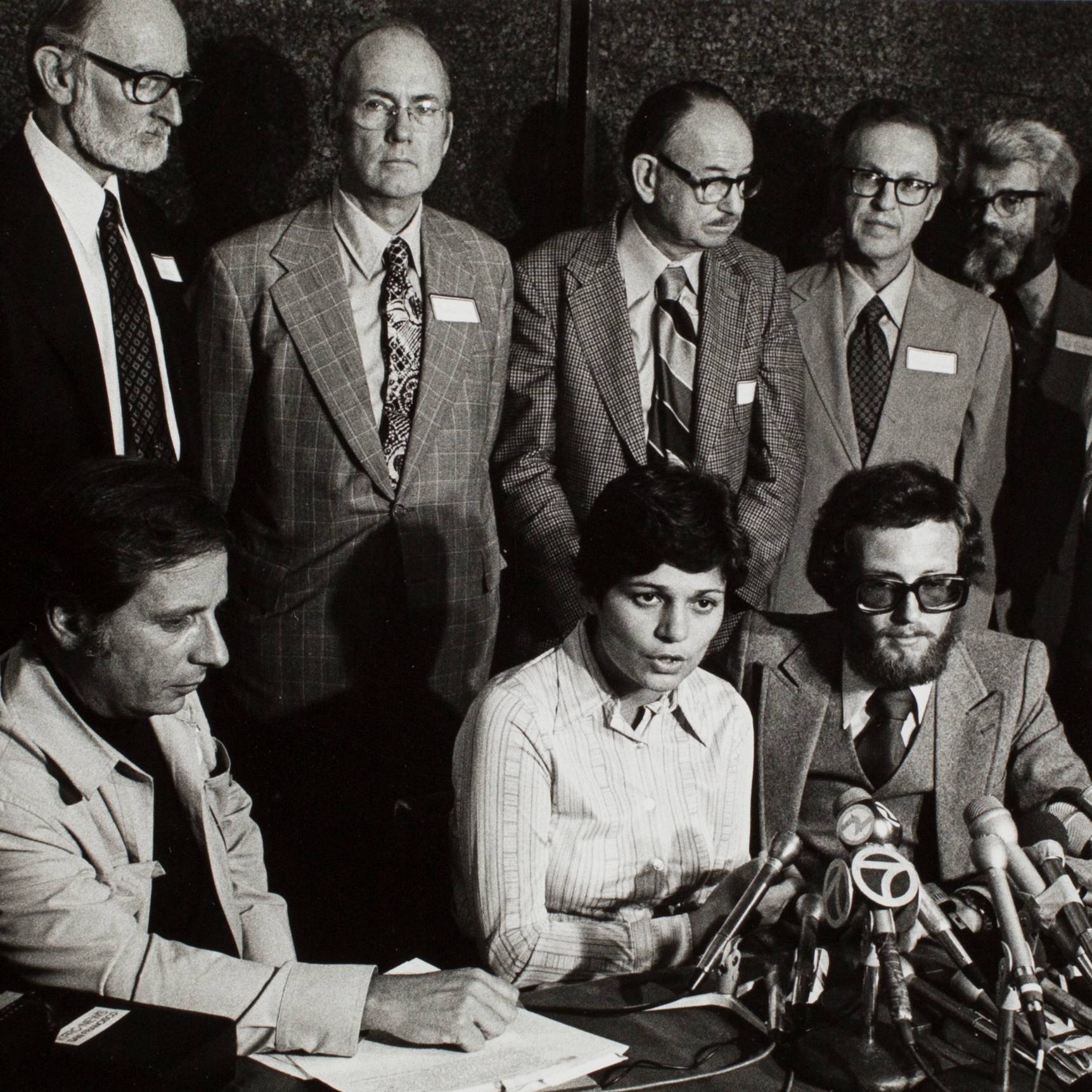
The Dissolution: Bonus Episode
Dec 1600:52:37Tap to summarizeTaped live in front of a limited studio audience at Sound Lounge in NYC, our series finale welcomes back author and critic Julie Salamon to host special guests Gal Beckerman, staff writer at The Atlantic and author of "When They Come for Us, We'll Be Gone: The Epic Struggle to Save Soviet Jewry," Shaul Kelner, professor of of Jewish Studies and sociology at Vanderbilt University and author of "A Cold War Exodus: How American Activists Mobilized to Free Soviet Jews," and Gemma R. Birnbaum, executive director of the American Jewish Historical Society and creator/producer of The Wreckage. Image: Scholars discuss cultural genocide in the USSR, from the collection of the Bay Area Council for Soviet Jews at AJHS, I-505. The Wreckage is made possible by funding from the Ford Foundation. Additional funding is provided through the American Jewish Education Program, generously supported by Sid and Ruth Lapidus.
Transcribe →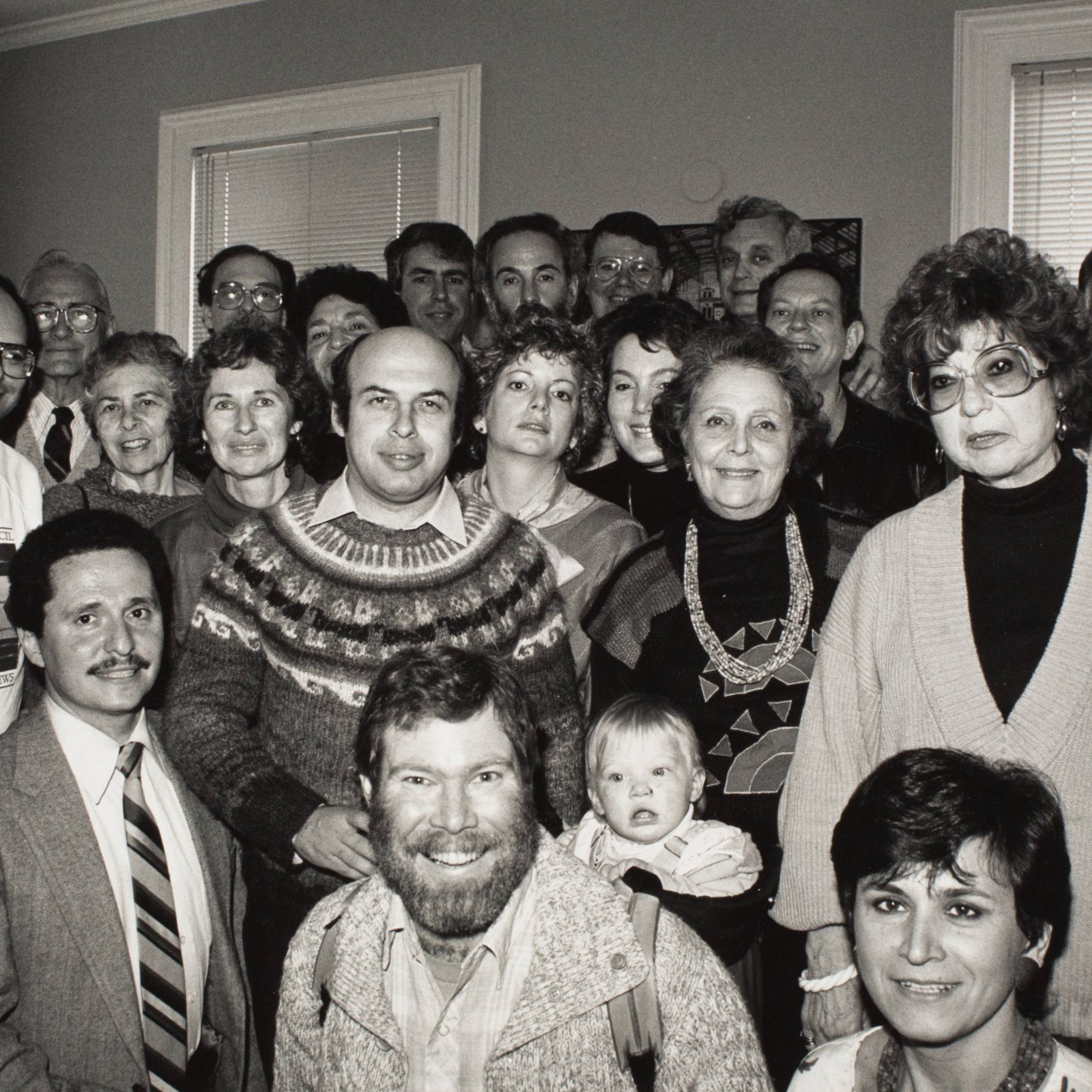
The New Americans
Dec 900:23:06Tap to summarizeOver the course of four decades, over 500,000 Soviet Jews emigrated to the United States. Soviet Jewish families settled throughout the country, from small towns to big cities, with many joining synagogues, enrolling their children in Jewish day schools and summer camps, and celebrating milestones like bar and bat mitzvahs. For these families, life in the United States came with its own set of challenges. Narrated by Rebecca Naomi Jones and featuring Dr. Andrew Sperling, Historian & Director of Academic Initiatives at the American Jewish Historical Society. Image: Natan Sharansky with Morey Schapira, Selma Light, Lillian Foreman and others. From the Bay Area Council for Soviet Jews Records at AJHS, I-505. The Wreckage is made possible by funding from the Ford Foundation. Additional funding is provided through the American Jewish Education Program, generously supported by Sid and Ruth Lapidus.
Transcribe →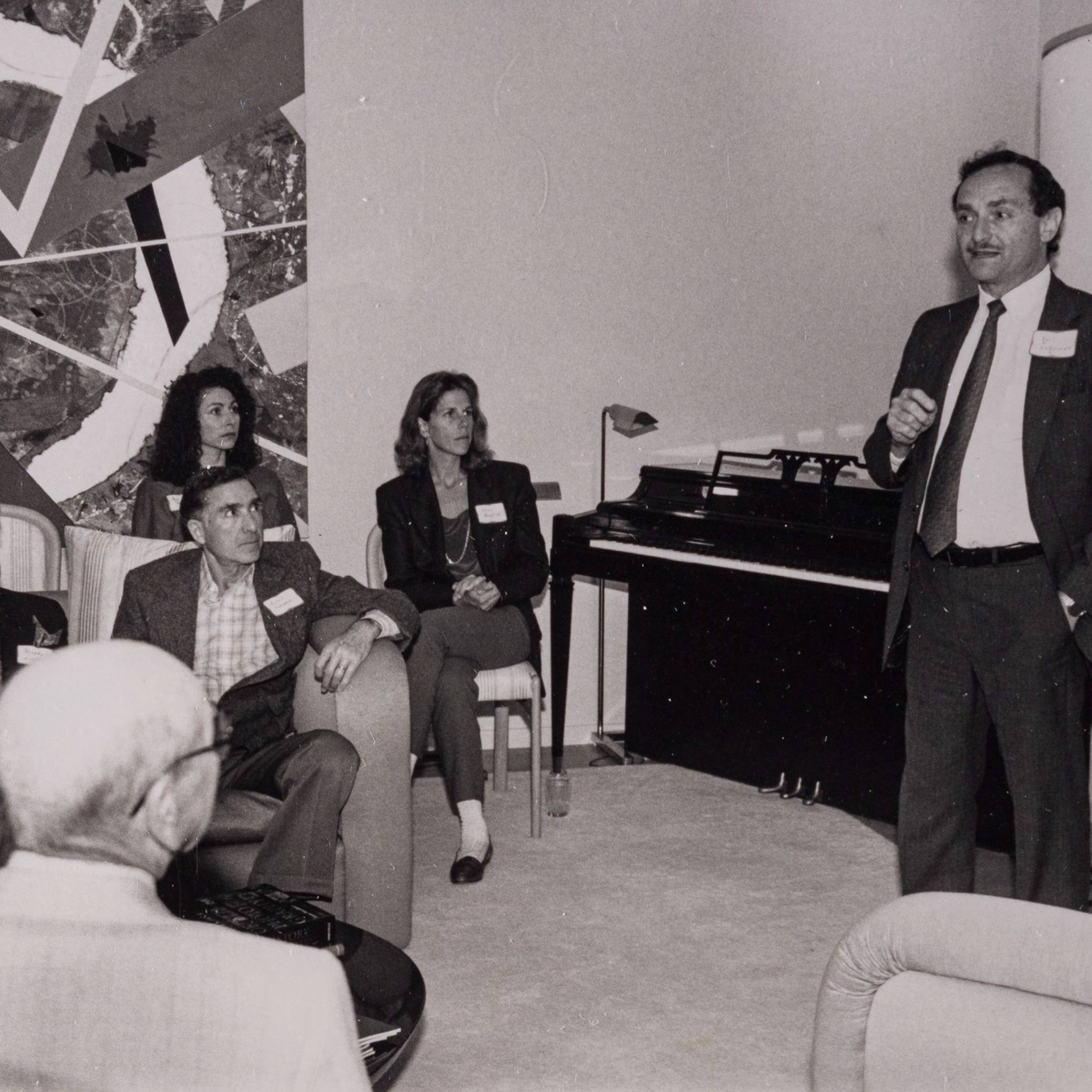
The Stateless
Nov 2500:22:56Tap to summarizeThroughout the movement to free Soviet Jews, American Jewish aid organizations deployed caseworkers around the world to help resettle Jewish emigres. Beginning in the 1960s, NGOs like HIAS (the Hebrew Immigrant Aid Society) helped hundreds of thousands of Soviet Jews find new homes in the United States, Israel, Canada, and other nations, just as they had done after World War II. By the late 1980s, tensions emerged far beyond Cold War politics, as American Jewish organizations and the Israeli government came to proverbial blows over where Refuseniks who obtained exit visas would go. Narrated by Rebecca Naomi Jones, featuring Jonathan Dekel-Chen, the Rabbi Edward Sandrow Chair in Soviet & East European Jewry at the Hebrew University; and Mark Hetfield, former caseworker and current President of HIAS. Image: Meeting of the Hebrew Immigrant Aid Society in Winter 1993, from the Hebrew Immigrant Aid Society (HIAS Collections), I-363. The Wreckage is made possible by funding from the Ford Foundation. Additional funding is provided through the American Jewish Education Program, generously supported by Sid and Ruth Lapidus.
Transcribe →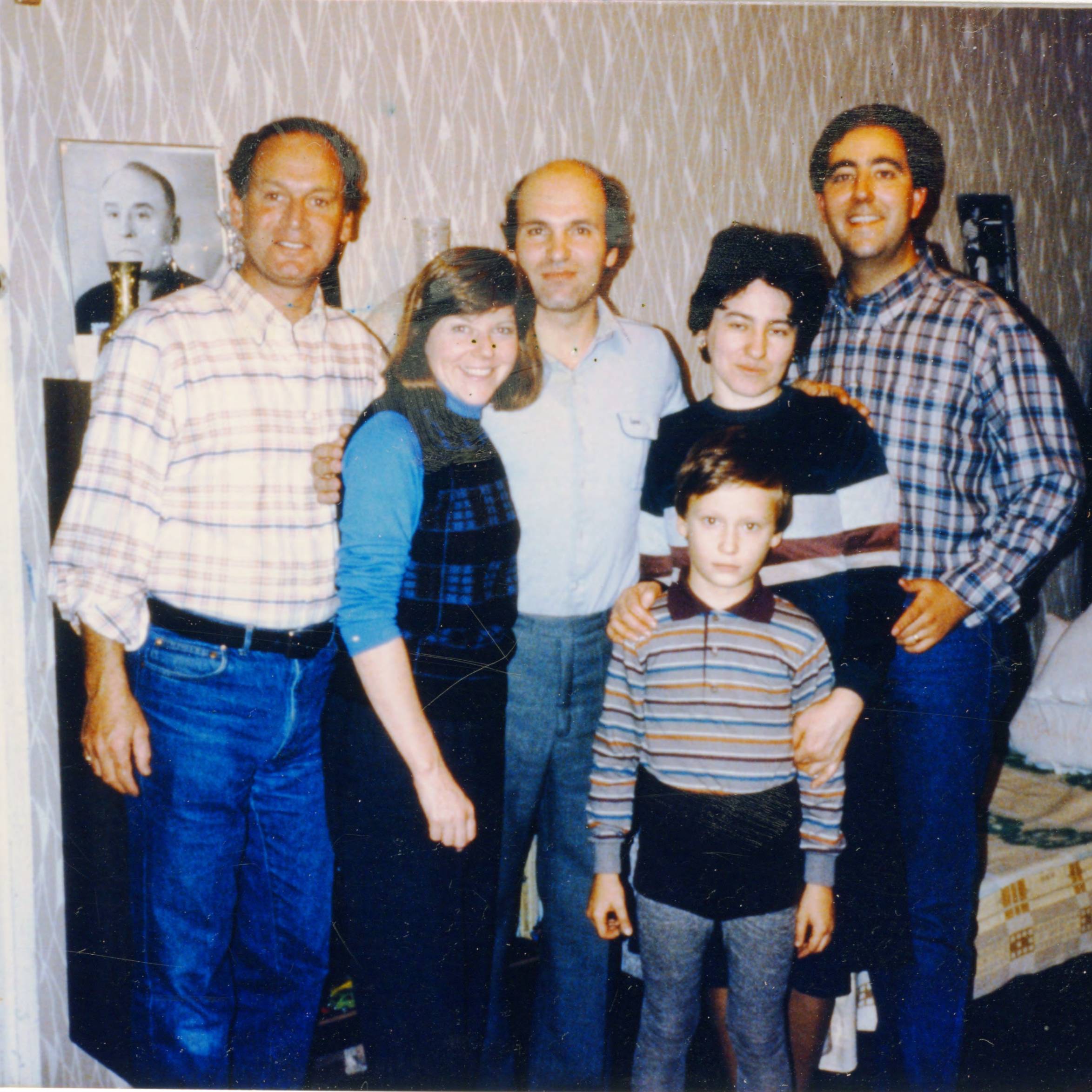
The Travelers
Nov 1100:24:04Tap to summarizeIn addition to advocacy at home, including through efforts like the twinning program, a number of activists working on behalf of Soviet Jewry traveled to the USSR, arranging meetings with Jews living behind the Iron Curtain in an effort to provide support and gain access to information to bring back to the United States. The journey was dangerous, and entailed a great deal of risk as the KGB enacted tighter and tighter restrictions on foreign visitors, and looked at each traveler with intense suspicion. Narrated by Rebecca Naomi Jones and featuring Dr. Shaul Kelner, author of A Cold War Exodus: How American Activists Mobilized to Free Soviet Jews. Image: In October of 1985, American travelers Cheryl Pollman and Mark Werbner meet with the Pevzner family in Odessa, from the National Conference on Soviet Jewry Records, I-181. The Wreckage is made possible by funding from the Ford Foundation. Additional funding is provided through the American Jewish Education Program, generously supported by Sid and Ruth Lapidus.
Transcribe →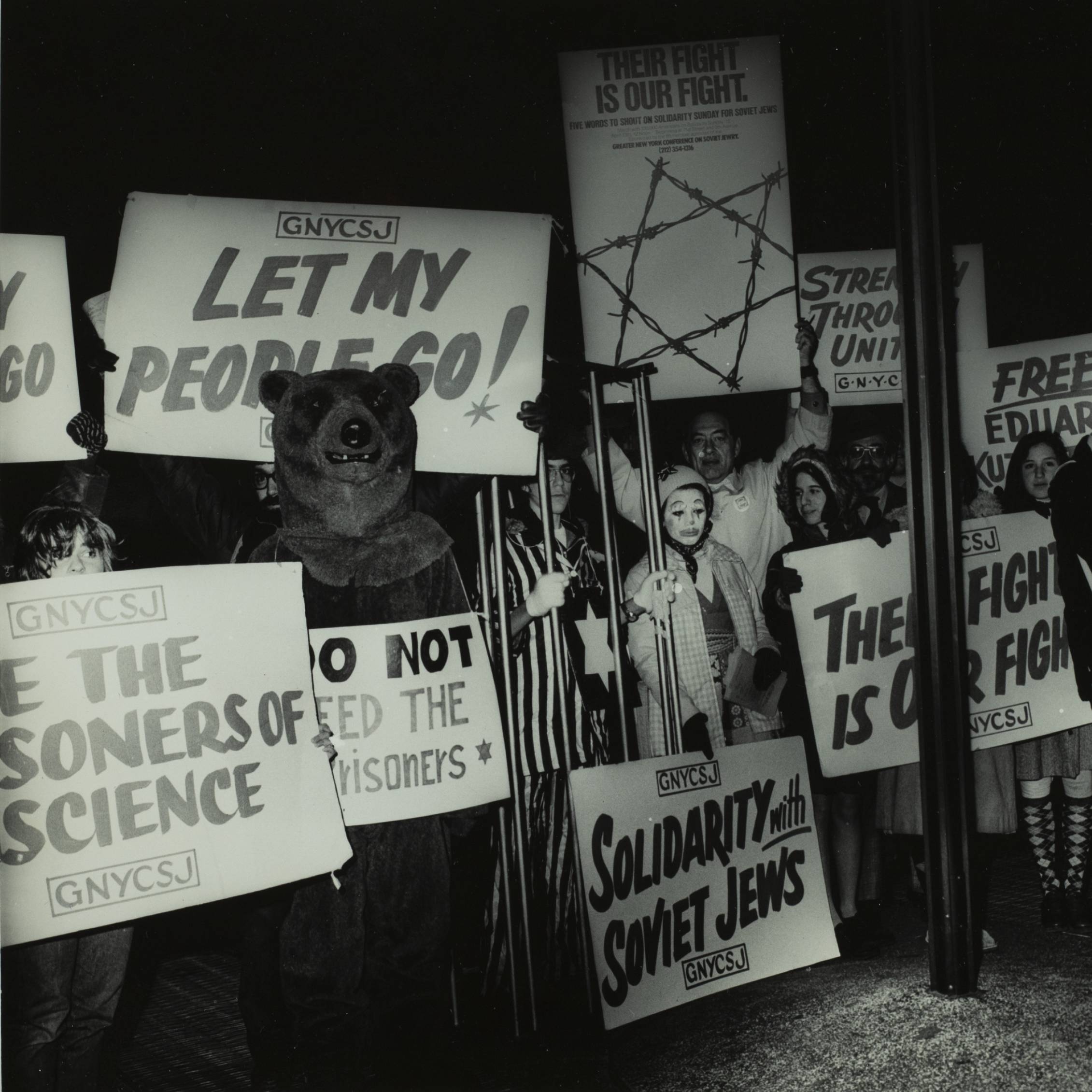
The Coalitions
Oct 2800:25:28Tap to summarizeThe American movement for Soviet Jewry was composed of a number of organizations, both Jewish and non-Jewish, and ranging from grassroots organizations to larger, internationally established nonprofits. Established Jewish organizations dedicated significant staff time and effort to the cause, and worked to coordinate with both regional and national grassroots organizations that quickly became instrumental in the fight for freedom. While tensions over methods and priorities would arise, coalition-building between the various organizations was critical to saving hundreds of thousands of Soviet Jewish lives. Narrated by Rebecca Naomi Jones and featuring Dr. Shaul Kelner, professor of Jewish Studies and sociology at Vanderbilt University and author of A Cold War Exodus: How American Activists Mobilized to Free Soviet Jews. Image: from the Greater New York Conference on Soviet Jewry Collection (I-362), Box 118 The Wreckage is made possible by funding from the Ford Foundation. Additional funding is provided through the American Jewish Education Program, generously supported by Sid and Ruth Lapidus.
Transcribe →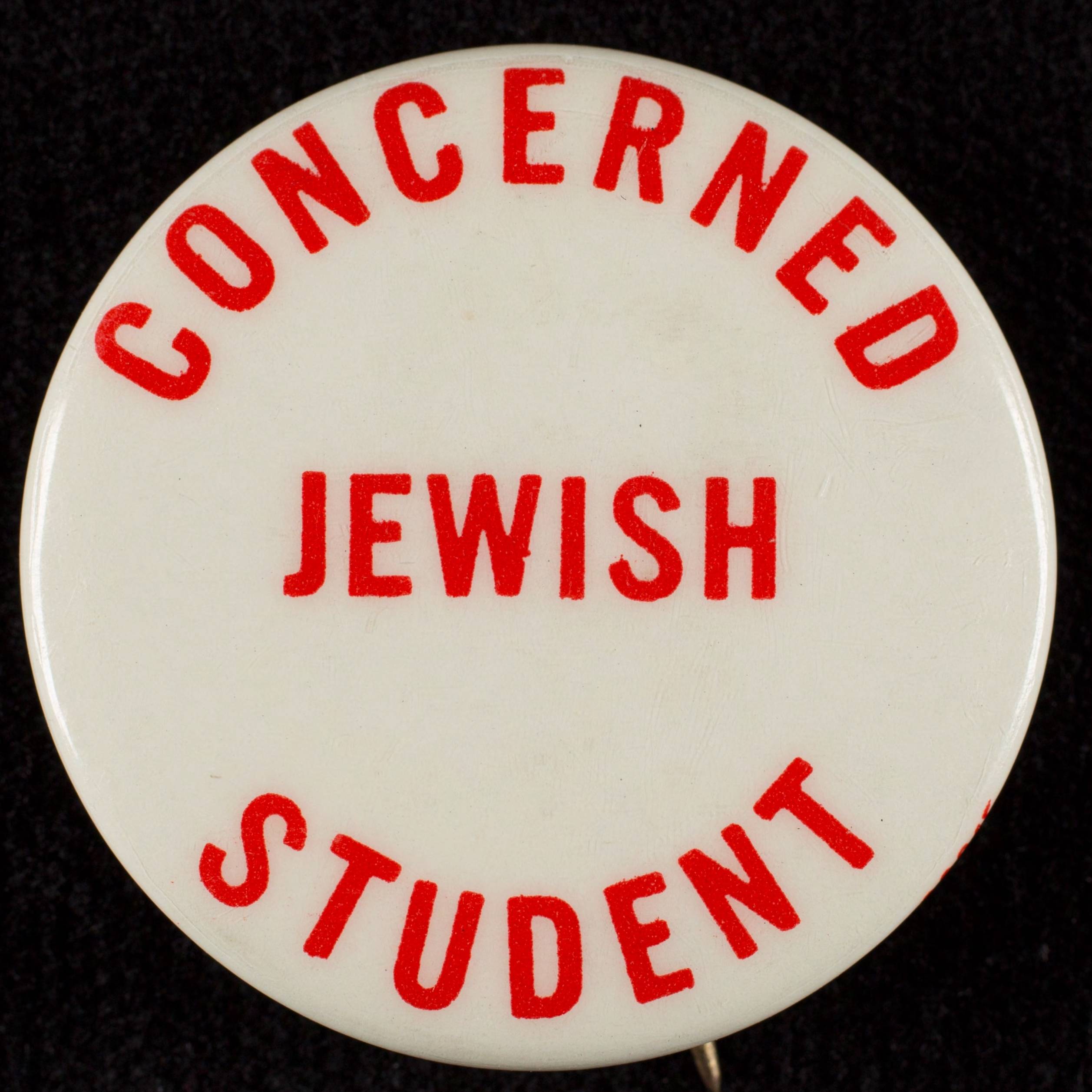
The Students
Oct 1400:22:11Tap to summarizeOne of the driving forces behind the American Soviet Jewry freedom movement were college students. In 1964, the activist Jacob Birnbaum arrived in New York City, and soon became inspired by the Student Nonviolent Coordinating Committee to start his own student group dedicated to the plight of Soviet Jews. Birnbaum, who had himself fled persecution as a child when the Nazis rose to power in his native Germany, convened a group of concerned students from Columbia University, Queens College, Yeshiva University, and the Jewish Theological Seminary to help organize a rally in support of the refuseniks. He named the group the Student Struggle for Soviet Jewry, which became instrumental in igniting a nationwide movement. Narrated by Rebecca Naomi Jones and featuring Dr. Amy Fedeski. Image: Union of Councils for Soviet Jews Bumper Stickers, Buttons, Prisoner of Conscience Medals, P-906. The Wreckage is made possible by funding from the Ford Foundation. Additional funding is provided through the American Jewish Education Program, generously supported by Sid and Ruth Lapidus.
Transcribe →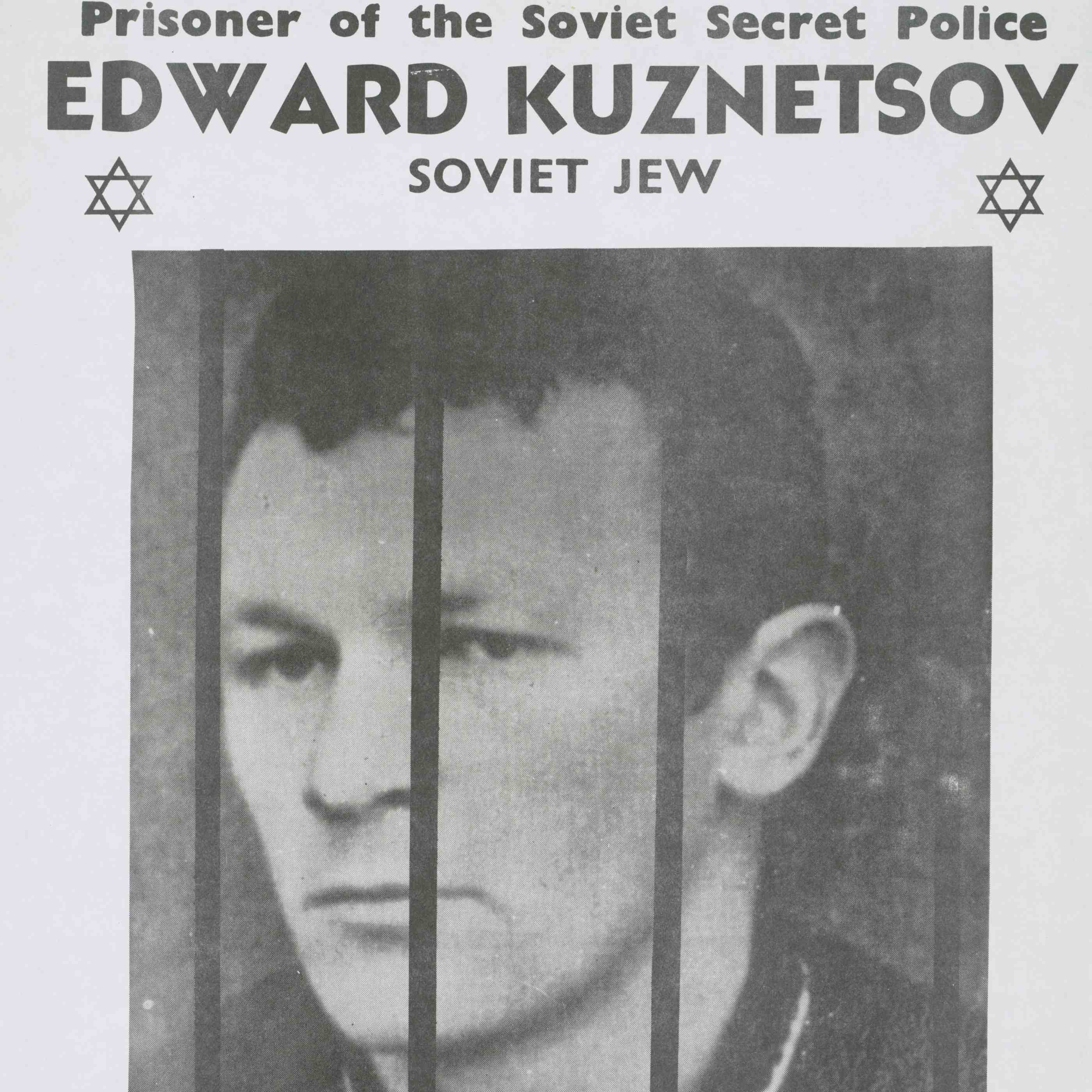
The Hijackers
Sep 3000:24:18Tap to summarizeIn the summer of 1970, Soviet Jewish dissidents Eduard Kuznetsov and Mark Dymshits organized a group of 16 refuseniks to take over a small, 12-seater airplane and escape from the USSR. Dubbed "Operation Wedding," the group booked their tickets on the small civilian aircraft under the guise of attending a wedding. Their plan: to board the flight, forcibly remove the pilots during a stop, and continue on to Israel. But on the morning of June 15, as they arrived to board their flight, KGB agents intercepted the group. The accused were charged with high treason, and the trial drew international attention - and shined a light on the human rights violations the Soviet government was committing, igniting the Soviet Jewry movement as we know it. Narrated by Rebecca Naomi Jones and featuring Anat Zalmanson-Kuznetsov. Image: Prisoner of the Soviet Secret Police Eduard Kuznetsov poster produced by the Student Struggle for Soviet Jewry, from the Records of Action for Soviet Jewry at the American Jewish Historical Society, I-487. The Wreckage is made possible by funding from the Ford Foundation. Additional funding is provided through the American Jewish Education Program, generously supported by Sid and Ruth Lapidus.
Transcribe →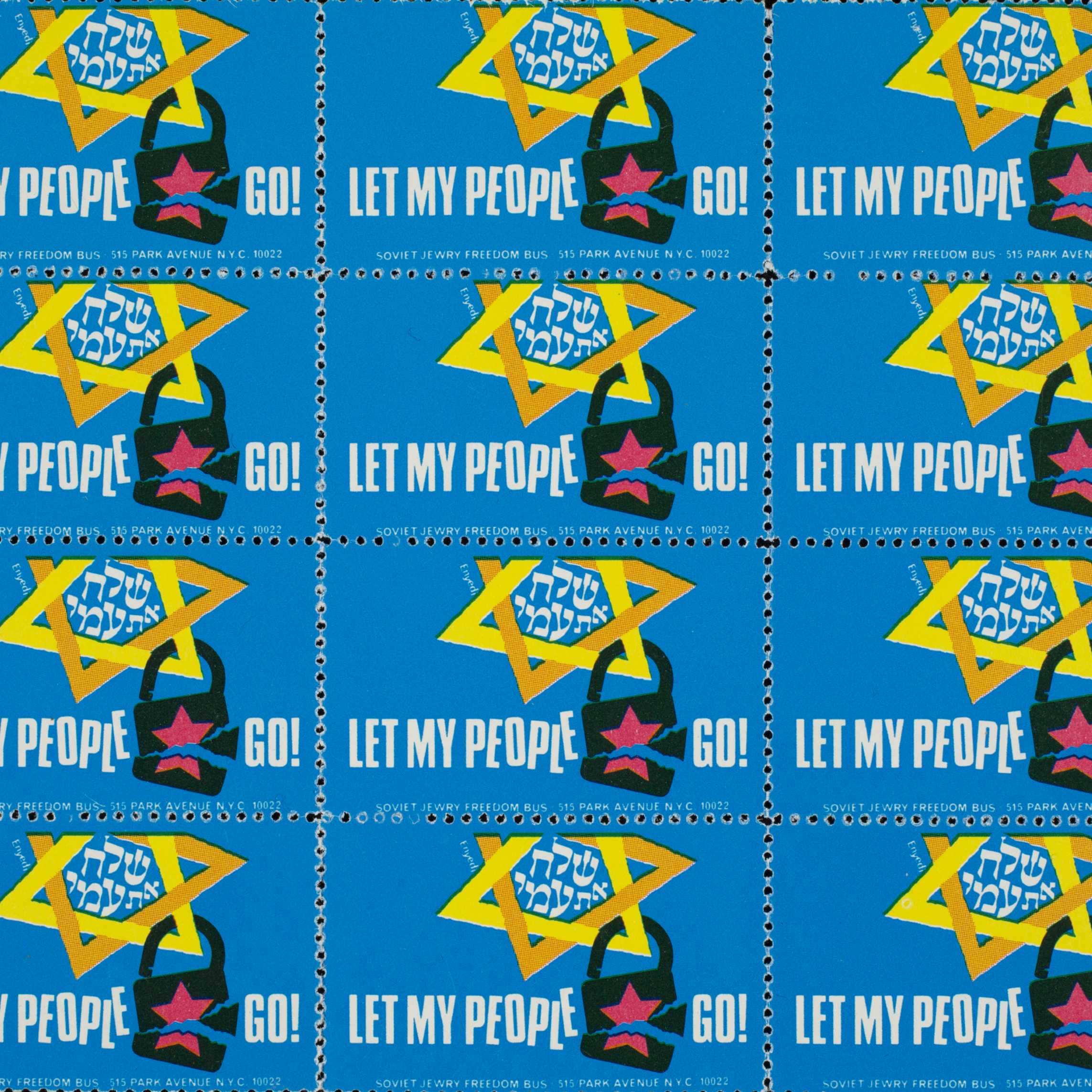
The Refuseniks
Sep 1600:19:35Tap to summarizeAs hostilities behind the Iron Curtain worsened, a large number of Soviet Jews began to apply for exit visas, most commonly to Israel. Most of these applications came from Jews living in territories in the Western part of the Soviet Union, including regions annexed during World War II. The vast majority of these applications were denied, giving rise to the plight of the Refuseniks. Narrated by Rebecca Naomi Jones and featuring Gemma R. Birnbaum, executive director of the American Jewish Historical Society. Image: From the Union of Councils for Soviet Jews collection at AJHS, P-906. The Wreckage is made possible by funding from the Ford Foundation. Additional funding is provided through the American Jewish Education Program, generously supported by Sid and Ruth Lapidus.
Transcribe →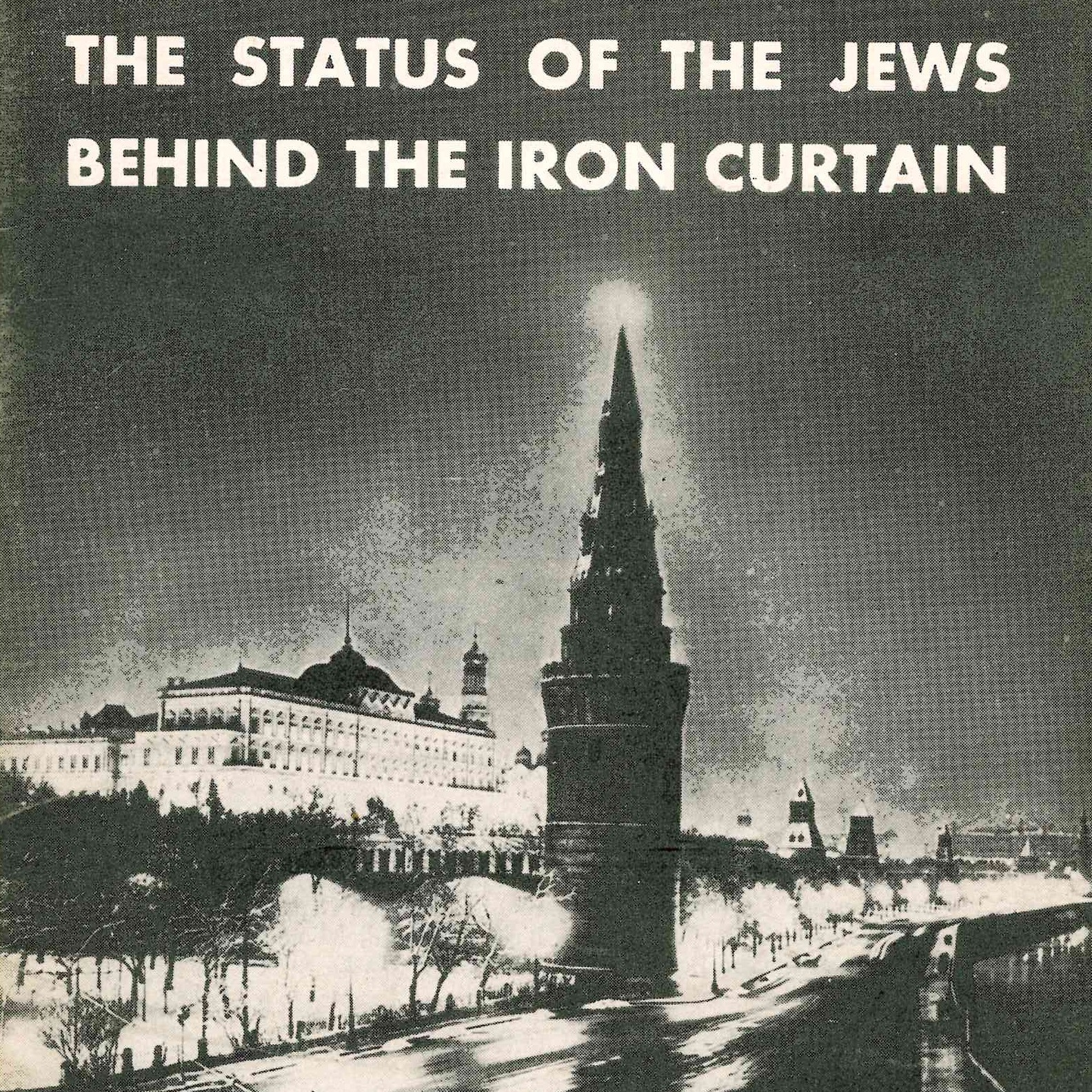
The Delegation
Sep 200:23:24Tap to summarizeIn June 1956, a delegation of American Orthodox rabbis traveled to the Soviet Union, marking the first significant contact between U.S. Jews and the Soviet Jewish community in nearly four decades. The rabbis' mission was to bring hope to Soviet Jewry and learn first-hand of their oppression. Among the five travelers was Rabbi Herschel Schacter, a former U.S. Army chaplain who had ministered to the survivors in Buchenwald. Narrated by Rebecca Naomi Jones and featuring Dr. Rafael Medoff, founding Director of the David Wyman Institute for Holocaust Studies, and author of The Rabbi of Buchenwald: The Life and Times of Herschel Schacter. Episode Image: Pamphlet published by the Journal American containing trip reports from the delegation of American Orthodox Rabbis in 1956. From the Subject Files Collection in the Archive of the American Soviet Jewry Movement at AJHS, I-424. The Wreckage is made possible by funding from the Ford Foundation. Additional funding is provided through the American Jewish Education Program, generously supported by Sid and Ruth Lapidus.
Transcribe →