Podcast
Theology Lab: Courage & Curiosity for Everyday Faith
Hosted by Scott Rice · EN
Theology Lab is a podcast that supports courage and curiosity for everyday faith. We focus on connecting questions of faith with approachable conversations in theology, interpreting the Bible (Scripture), life in the church. It's a podcast, with different offerings (series, like Beyond Simple Answers), that explores a working theological vision (key beliefs) for folks who consider themselves as curious, as asking questions about their faith (e.g., deconstruction, evangelicalism and post-evangelicalism), and looking for helpful ways forward.
In our Beyond Simple Answers podcast (a Theology Lab series), we explore a theological vision for faith, in the form conversations, that responds to simple answers to important questions that often fall short -- and what different responses to questions can look like.
Episodes on Theology Lab consist of conversational interviews with a range of guests, from public figures like David Brooks and Russell Moore, to biblical scholars, church leaders, theologians, and more.
Theology Lab values an approach to faith that is open to questions and comfortable with nuance. It's a place for those who see themselves as theologically curious. How can we be both grounded while pursuing a vibrant, expansive kind of faith? Theology Lab is offered by Highrock church.
These discussions (available here and on YouTube as free resources) focus on important issues of our time – past topics include the state of American evangelicalism, God and money, interpreting Scripture, and theology through the lens of different cultural and ethnic experiences (Black theology, Asian American theology), evil (theodicy), and more.
Our website is www.theologylab.org, and you can Scott for more info: theologylab@highrock.org
18episodes
Episodes
Newest firstAll episodes
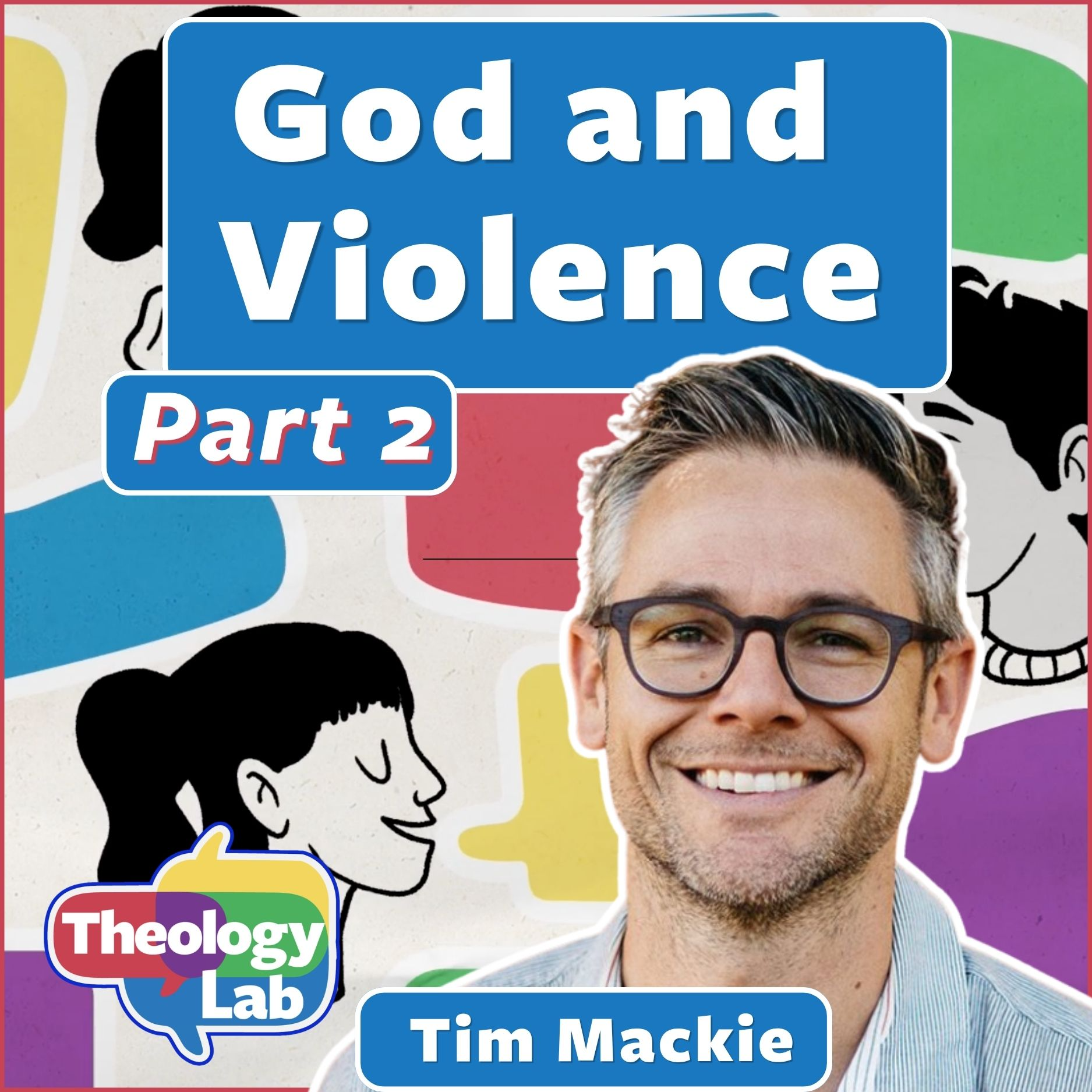
What's Tim Mackie's Take on Divine Violence in the Bible and Jesus?
Jul 100:24:22Tap to summarizeThe BibleProject's Tim Mackie gives his take of divine violence in the Bible and the way of Jesus, including his death for enemies. How does he hold a "mosaic" of images that come from Scripture together? In this Theology Lab conversation, Tim Mackie of The BibleProject (the Bible Project) joins us for the second part of our interview. The first part looked at the origins of evil and key patterns in Genesis 1–11. This episode focuses on the challenge of violence in Scripture, especially passages where God commands violence and how those passages might be understood in light of the revelation of God in Jesus. These are difficult questions, and Tim shares how he is continually thinking through them. Scott notes at the beginning how he's struck by Tim Mackie's ongoing reflections on this topic (and his willingness to rethink previously held positions), while Greg gets the conversation started by asking Tim to walk us through certain parts of Scripture that look at violence in the Bible, like Noah and the flood, the book of Joshua, and the death of Jesus. Theology Lab is about encouraging curiosity and courage for an everyday faith. The follow up episode will look at a topic related to our Beyond Simpe Answer series which focuses on pursuing a theological vision when simple answers aren't enough. Learn more about the BibleProject at: bibleproject.com Theology Lab's website is: theologylab.org #TimMackie #BibleProject #ProblemOfEvil
Transcribe →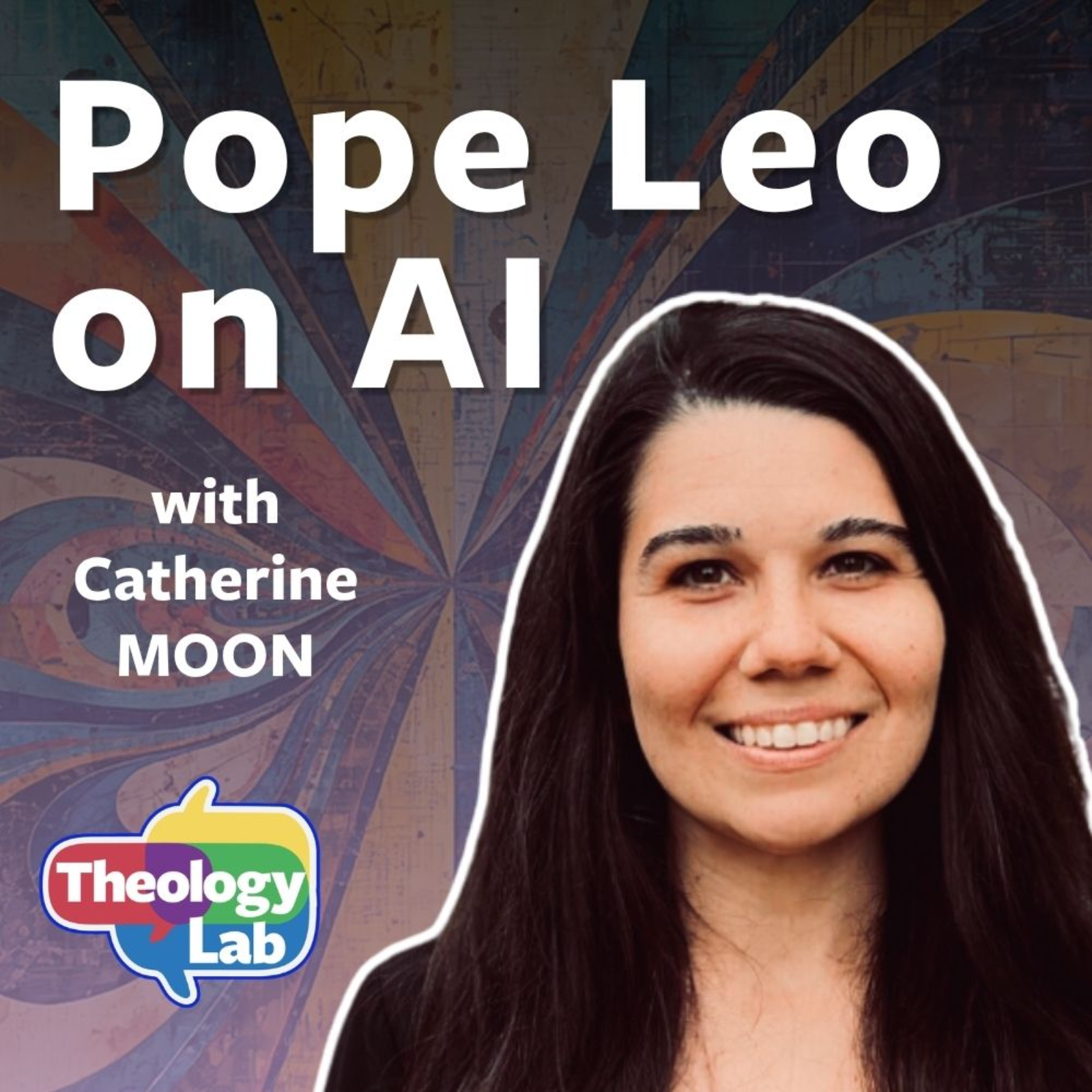
AI - Are We Building Something Worthwhile, or a New Tower of Babel?
Jun 1800:47:46Tap to summarizeIn this episode of Theology Lab, we explore one of the most pressing questions facing Christians today: How should we think about artificial intelligence? Drawing from Pope Leo's groundbreaking encyclical on AI, theologian Catherine Moon unpacks the promises, dangers, and spiritual implications of technologies like ChatGPT, Claude, Gemini, and other large language models.Together, we discuss AI ethics, human flourishing, cognitive de-skilling, moral decision-making, technology and the common good, and whether AI is helping build the "walls of Jerusalem" or a modern "Tower of Babel." We also examine concerns about automation, job displacement, digital companionship, and the growing pressure to adopt AI at all costs.If you're interested in faith and technology, Christian ethics, artificial intelligence, ChatGPT, Pope Leo, theology, human dignity, digital culture, and the future of work, this conversation offers a thoughtful and challenging framework for navigating the AI age with wisdom and discernment.Dr. Catherine Moon is the Arthur J. Ennis teaching scholar at Villanova University. Check out her bio here.Learn more about Theology Lab www.theologylab.orgHere are two resources for learning more about the discussion that Dr. Moon shared with us:https://jmt.scholasticahq.com/article/91230-encountering-artificial-intelligence-ethical-and-anthropological-investigationshttps://jmt.scholasticahq.com/article/154545-reclaiming-human-agency-in-the-age-of-artificial-intelligence
Transcribe →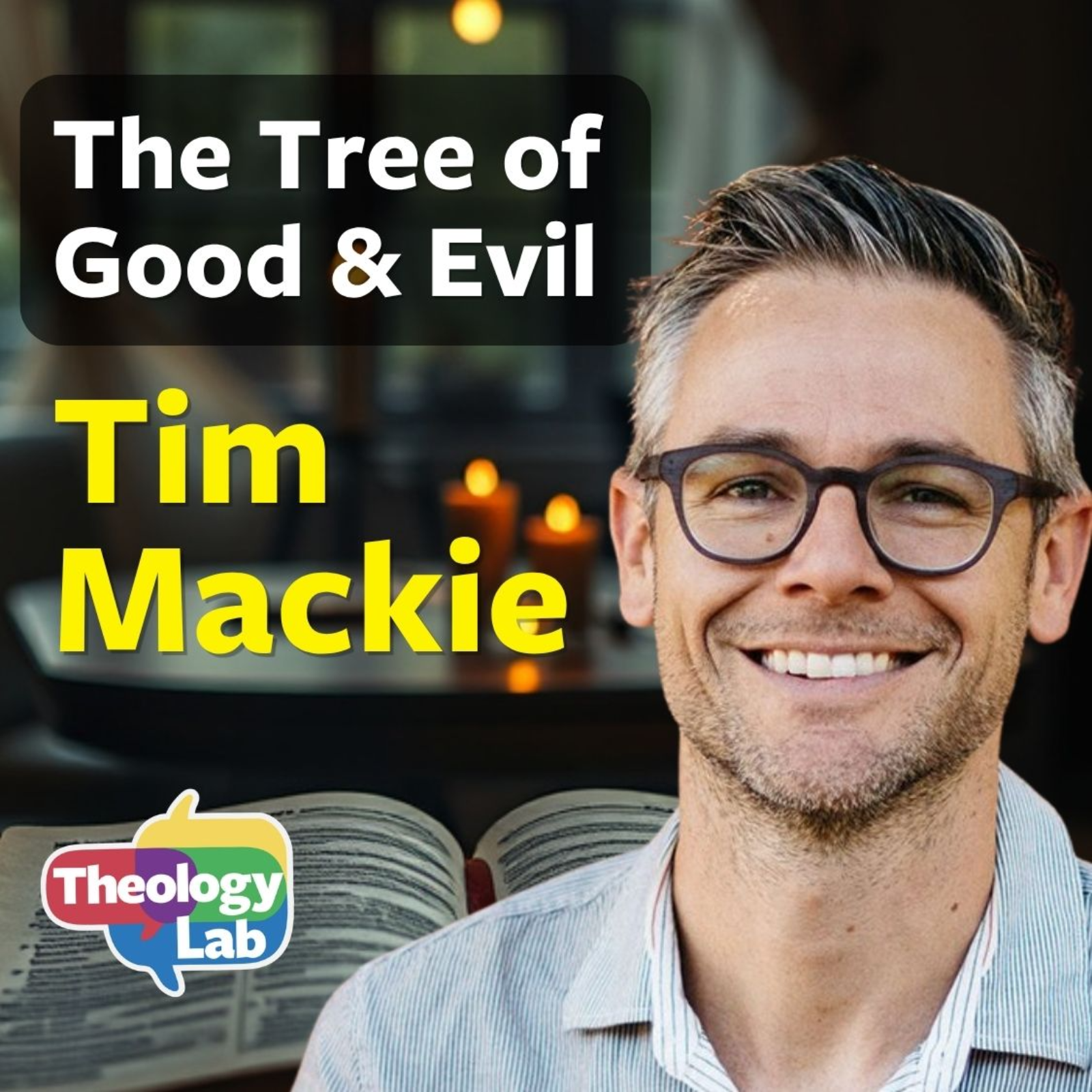
Tim Mackie on Genesis 1-11 and Evil as Non-being
Jun 100:26:38Tap to summarizeIn this Theology Lab conversation, Tim Mackie of The BibleProject (the Bible Project) explores one of humanity's oldest questions: Where does evil come from? Drawing from Genesis 1–11, Tim Mackie unpacks the Bible's foundational stories of good, evil, sin, suffering, violence, and human nature, showing how these themes shape the entire biblical narrative and ultimately point to Jesus. The interivew looks at stories Adam and Eve, Genesis 1-3, the Tree of the Knowledge of Good and Evil, and then moving on in Genesus, Cain and Abel, the Flood, and the Tower of Babel, tracing how human choices, disordered desires, and mistrust of God lead to the spread of violence and brokenness throughout the world. Tim also explains why the Bible presents goodness—not evil—as the most fundamental reality, and why evil is best understood as a distortion of God's good creation. This conversation explores key Christian theological ideas as well, including the problem of evil, freedom, biblical theology, wisdom, and the role Jesus plays in the vocation of humanity in the eyes of God. Theology Lab is about encouraging curiosity and courage for an everyday faith. The follow up episode will look at a topic related to our Beyond Simpe Answer series which focuses on pursuing a theological vision when simple answers aren't enough. Learn more about the BibleProject at: bibleproject.com Theology Lab's website is: theologylab.org #TimMackie #BibleProject #Genesis #ProblemOfEvil 00:00 Evil is a parasite 00:53 Why turn to the Bible? 5:40 How does Genesis 1-11 illuminate evil's origins? 14:55: C.S. Lewis: Evil is a parasite 21:40 Jesus and Paul
Transcribe →
Our Mini-Debate 😯 How Does Christianity Explain Evil For You?
May 2800:14:17Tap to summarizeIn this episode of Beyond Simple Answers, hosts Scott Rice, Greg Fung, and Kristin T. Lee dive into one of Christianity’s oldest and most difficult questions: the problem of evil. Can Christian theology truly explain suffering, injustice, and pain in the world? Or does every answer eventually fall short?The conversation explores the tension between classical theodicy, protest theology, liberation theology, and process theology, as the hosts debate whether these approaches genuinely answer the intellectual challenge of evil or simply shape how believers respond to it. Greg argues that liberation and protest theology are responses rather than full theodicies, while Scott defends their power to preserve hope in God’s goodness amid suffering. Kristin raises hard questions about whether any framework can fully satisfy the human longing for answers.Along the way, the discussion wrestles with God’s power, human freedom, divine love, faith during suffering, and the hope of justice and resurrection. Drawing on themes from Job, liberation theology, and the teachings of Jesus, this episode offers a candid and nuanced Christian conversation about doubt, faith, suffering, justice, and the mystery of God’s presence in a broken world.Learn more about Theology Lab at www.theologylab.org
Transcribe →
Where is God in Death and Dying? - Beyond Simple Answers Q&A
May 2500:21:18Tap to summarizeThe thumbnail title of this episode is inspired by theologian and pastor Dietrich Bonhoeffer's claim, only a suffering God can help. In this Q&A episode of Theology Lab's Beyond Simple Answers, Scott Rice, Greg Fung, and Kristin T. Lee explore some of the deepest questions in Christian theology: Can protest be a faithful form of prayer? Why does it matter that Christ suffers with us? And can Christianity truly explain evil and suffering? Drawing from the Bible, the book of Job, the Psalms, liberation theology, process theology, and personal stories of grief and loss, this conversation wrestles honestly with the problem of evil, the goodness of God, and the meaning of suffering. The discussion explores whether lament, anger, and even protest toward God can be authentic expressions of faith. Kristin T. Lee reflects on protest prayer, grief, racial trauma, and the role of lament in Christian spirituality, drawing on authors like Cole Arthur Riley and Tasha Jun. Greg Fung discusses process theology, divine power, and why the presence of God in suffering raises difficult questions about evil and theodicy. Scott Rice explores what it means for Jesus Christ to suffer with humanity and what hope Christians can hold onto in the face of pain, death, injustice, and unanswered questions. This episode also dives into: The problem of evil and suffering Protest theology and liberation theology Faith and doubt Theodicy and God’s goodness Jesus’ suffering and the cross Prayer, lament, and grief Heaven, hell, forgiveness, and judgment Can Christians question God? Why suffering challenges faith If you’ve ever struggled with suffering, questioned God, or wondered whether Christianity has satisfying answers to evil, this conversation is for you. #Christianity #Theology #ProblemOfEvil #Jesus #Prayer #Theodicy #LiberationTheology #ProcessTheology #Bible #God #ChristianPodcastwww.theologylab.orghttps://colearthurriley.com/writing/project-one-64g3thttps://www.goodreads.com/book/show/63009311-tell-me-the-dream-again
Transcribe →
Why Do A Mother & Son See Evil Differently? Part 2 BSA 8
May 2000:15:48Tap to summarizeIn this episode of Theology Lab's Beyond Simple Answers, Scott Rice sits down with Jasper Su and his mother, Vivian Su, for an honest conversation about faith, doubt, suffering, theology, and the beauty of asking hard questions. What happens when a lifelong Christian wrestles with uncertainty? Can questioning God actually deepen faith instead of destroying it? Jasper shares his journey through doubt, intellectual struggle, and spiritual curiosity, while Vivian reflects on parenting with grace, openness, and unconditional love. Together, they explore: Christian doubt and deconstruction Faith and uncertainty Parenting adult children in faith The problem of suffering and God’s presence Why questioning can lead to deeper belief This episode might speak to folks who have ever felt like a “bad Christian” for asking difficult questions, and for parents, pastors, and faith communities trying to create safer spaces for authentic spiritual conversations. #Christianity #FaithAndDoubt #Deconstruction #theologypodcasts #BeyondSimpleAnswers #ChristianFaith
Transcribe →
(Part 1) Why a Mother & Son See Evil Differently (BSA 7)
May 1400:22:23Tap to summarizeWhat happens when a mother and son publicly wrestle with one of Christianity’s hardest questions? In this bonus episode of Theology Lab’s Beyond Simple Answers series, Scott Rice sits down with Vivian Su and Jasper Su for an honest conversation about God, suffering, faith, doubt, and the problem of evil. Vivian shares how trust in God’s sovereignty and goodness has sustained her through life’s hardest realities, while Jasper opens up about his struggle to reconcile an all-loving, all-powerful God with the suffering he sees in the world. Together, they explore: Why suffering exists Whether good must come through pain The emotional tension between trust and understanding The Book of Job and unanswered questions How family members can disagree deeply without losing love and respect This isn’t a debate. It’s a vulnerable, thoughtful conversation about faith, doubt, and what it means to wrestle honestly with God. Learn more about Theology Lab here: www.theologylab.org #TheologyLab #ProblemOfEvil #FaithAndDoubt #Christianity #Theology #Job #Suffering #FaithJourney
Transcribe →
Faith & the Problem of Evil (BSA 6) - What's Changed For Us
May 600:18:24Tap to summarizeWhy does God allow suffering? Is it okay if we don’t have a complete answer? In this final episode of Theology Lab's first Beyond Simple Answers, we reflect on one of Christianity’s hardest questions: why did God create a world with evil and pain? We explore different Christian responses to suffering—including protest theology, liberation theology, and process theology—and ask whether faith requires certainty. Can you wrestle with God and still trust God? Does God need to explain suffering, or is God's presence enough? This conversation challenges simple answers and offers a more honest, nuanced approach to faith, doubt, and theology. If you’ve ever questioned God in the face of suffering, this episode is for you. Learn more about Theology Lab: www.theologylab.org
Transcribe →
Faith & the Problem of Evil (BSA 5) - The Bible, Or: Do You Ever Argue With God?
Apr 2800:18:13Tap to summarizeYouTube/Video version of this episode: https://youtu.be/-t6ZGuFwMi8In this Beyond Simple Answers episode Scott, Greg, and Kristin explore the Bible, suffering, creation, and the problem of evil in passages like Philippians 2, the book of Job, Lamentations, and the stories of Hagar and Gethsemane. Returning to previous discussions, they look back at Process and Liberation theology's themes of justice and noncoercive love, as well aa prayer. Why does Job accept God's response? How do believers hold together anger and faith? It's a human conversation, animated by a desire to believe, that looks at suffering, divine power, and faith -- and the many complexities that arise in between in these topics. Beyond Simple Answers episodes are part of Theology Lab. We aim at seeking out a theological vision when simple answers fall aren't enough. And the conversations are geared towards anyone who might be amidst processes like deconstruction and reconstruction of faith, or who just wants curiosity and thinking to play a more important part of your faith life. Thanks for giving some of your time to engage this. We really do appreciate that and hope it might be helpful in some way.📚 Check out Kristin's new book! We Mend With Goldwww.theologylab.orgMusic Copyright code: US9BWVXXM3PYATAZ Highrock Media License Number - uB6aGE00:00 Introduction01:15: Power Via Weakness? Philippians 2 06:30 Job! 11:05 Does God play 'the God card'? 15:00 Jesus prays in anguish, the cross
Transcribe →
Is Jesus an Exorcist—and What Does That Mean Now?
Apr 2100:13:03Tap to summarizeIn this Theology Lab episode with Brad East, we explore how the Bible speaks about spiritual warfare, sin, Satan, and cosmic forces—and how Brad understands the ongoing meaning of these ideas today. Brad brings in perspective from the charismatic and pentecostal tradition of Christianity. This episodes looks at topics like exorcism, the authority of Jesus in the Gospels, and how Scripture frames both personal sin and systemic evil.As cultural trends show a renewed interest in spiritual realities, this conversation asks what Christians should take seriously without falling into fear or caricature. What does it mean to live in light of spiritual warfare in daily life? Check out Brad's most recent book, and the article mentioned in the episode from Christianity Today:📚 Letters to a Future Saint: Foundations of Faith for the Spiritually Hungry 📰 The Way We Debate Atonement Is a MessTheology Lab discussion with Brad East on Penal Substitution: Apple PodcastsSpotifywww.theologylab.orgMusic Copyright code: US9BWVXXM3PYATAZ Highrock Media License Number - uB6aGE
Transcribe →