← Therapy for Black Girls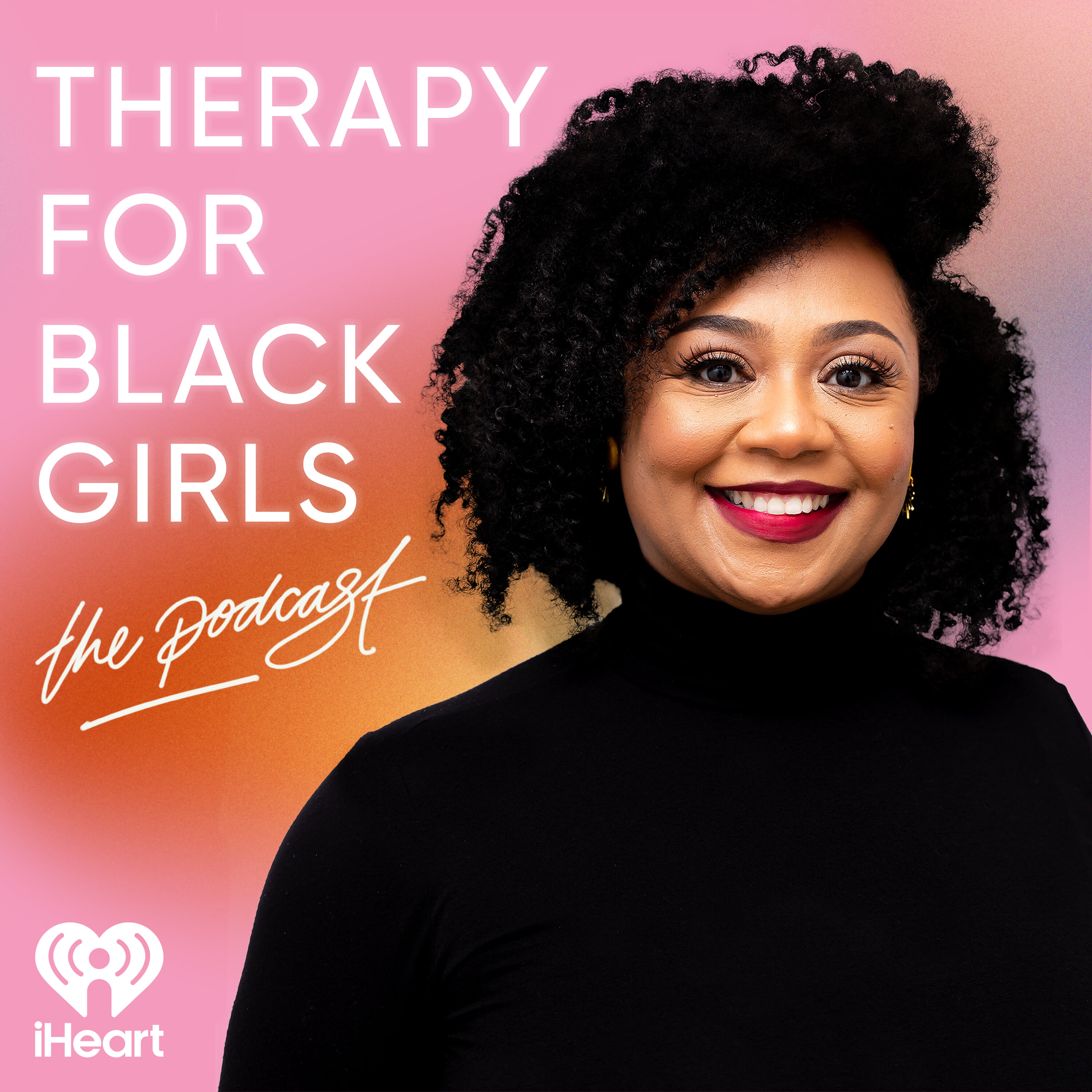
Therapy for Black Girls
Session 402: Flipping the Tables & Owning Our Futures with Alencia Johnson
00:56:44
Loading summary
Transcript72 lines
- [00:11]
Dr. Joy Hardin Bradford
Welcome to the Therapy for Black Girls Podcast, a weekly conversation about mental health, personal development, and all the small decisions we can make to become the best possible versions of ourselves. I'm your host, Dr. Joy Hardin Bradford, a licensed psychologist in Atlanta, Georgia. For more or to find a therapist in your area, visit our website@therapyforblackgirls.com while I hope you love listening to and learning from the podcast, it is not meant to be a substitute for a relationship with a licensed mental health professional. Hey y', all, thanks so much for joining Me for session 402 of the therapy for Black Girls Podcast.
- [01:02]
We'll get right into our conversation after.
- [01:04]
A word from our sponsors. This is an iHeart podcast.
- [01:15]
AT&T Sponsor Voice
The best kind of help is the kind you don't even have to ask for. Like your friend pulling up on moving day with a truck, a speaker and snacks ready to go. Well, that's the energy you get with AT&T's new guarantee. If there's ever a network interruption, they make it right by giving you credit for a full day of service. Proactively credit for fiber downtime lasting 20 minutes or more or wireless downtime lasting 60 minutes or more caused by a single incident impacting 10 or more towers. Restrictions and exclusions apply. Learn more@att.com guarantee for full details at and T Connecting Changes Everything.
- [01:50]
Dr. Joy Hardin Bradford
Many of us play lots of different roles in life partner, employee, caregiver. And many of us also think about another role that could take our life where we want it to be. Degree Holder. That's where National University comes in. They've been busy since 1971 creating more ways for you to work earning a degree into your hectic life. NU confers more graduate degrees to diverse populations than any other institution in the country, with more than half being earned by women. With flexible online formats, NU makes higher education possible and achievable for busy working adults. Learn more today at nu.edu. this episode of Therapy for Black Girls is brought to you by Chase Sapphire Reserve. Whether you are booking your next trip or a weekend escape, Chase Sapphire Reserve is your gateway to the world's most captivating destinations. When you use your Chase Sapphire Reserve card, you get eight times points on all purchases made through Chase Travel and even access to one of a kind experiences like music festivals and sports events. And that's not even mentioning how the card gets you into the Sapphire Lounge by the club at select airports nationwide. Travel is more rewarding with Chase Sapphire Reserve. Trust me. Discover more@chase.com Sapphire Reserve cards issued by JP Morgan Chase Bank NA member FDIC subject to credit approval terms apply.
- [03:08]
HPV Vaccination PSA Male Voice
Parents of twins if you're familiar with far off drop offs dad, stop.
- [03:12]
Alencia Johnson
Stop.
- [03:12]
HPV Vaccination PSA Female Voice
Stop right here or get DMs about what's for dinner? You may be experiencing tween milestones for your son or daughter. These can start at age 9. HPV vaccination, a type of cancer prevention against certain HPV related cancers, can start then too.
- [03:26]
HPV Vaccination PSA Male Voice
For most, HPV clears on its own, but for you don't clear the virus. It can cause certain cancers later in life.
- [03:32]
HPV Vaccination PSA Female Voice
Embrace this phase, help protect them in the next.
- [03:34]
Alencia Johnson
Ask their doctor today about HPV vaccination brought to you by Merck.
- [03:42]
Dr. Joy Hardin Bradford
It goes.
- [03:43]
Without saying that the 92% understood the assignment during the 2024 election. But what are we to make of it when we still end up exactly where we are today, struggling to make sense of our place in the world with leaders and legislation increasingly being utilized against us. You can't deny the tables have turned. But how can you resist? Joining me fresh off the release of her new book, Flip the the Everyday Disruptor's Guide to Finding Courage and Making Change is Alencia Johnson. She's the founder of 1063 West Broad, a consultancy and media company that connects organizations to purpose driven solutions. Serving as a political advisor and strategist for President Biden, VP Harris, Senator Elizabeth Warren and Planned Parenthood, where she created the Stand with Black Women initiative. She's uniquely equipped to dissect exactly how we got here and what we can do about it. During our conversation, we explore what it means to be a disruptor and how nuanced Black women's roles are as we prepare for a trying four years. From DEI bands at the supermarket to understanding authenticity in a political campaign, Valencia is sharing it all. This conversation is a continuation of our reflection on the past, present and future of Black girlhood and womanhood in celebration of 400 episodes of therapy for Black Girls. I'm so excited for you to dig into this conversation. If something resonates with you while enjoying our conversation, please share with us on social media using the hashtag TBG in session. Here's our conversation.
- [05:25]
Well, thank you so much for joining me today, Alencia.
- [05:28]
Alencia Johnson
Thanks for having me. I'm so glad to be here.
- [05:30]
Dr. Joy Hardin Bradford
Yeah, so before we jump into the conversation, I'd love to hear a little bit more about your background. Can you tell me a little bit about 1063 West Broad and what got you into consulting?
- [05:40]
Alencia Johnson
Yeah, you know, it's funny because my background is political and there's always this, like, joke about how every person who's in politics ends up being a political consultant. But for me, it actually was just kind of a natural next step to own some more of my time and my space in my head. But before I founded 1063 West Broad, I actually started my career in corporate communications at GEICO and did a lot of work around their internal work and then some of their government relationship stuff. I helped the communications around it. And then I got what felt like the opportunity that propelled my entire career, which was when I worked for President Obama's reelection campaign in 2012 in Chicago. And that was such a transformative experience, especially because I did a lot of work with different surrogates, from CBC members to your favorite entertainers, understanding how messaging really works because of who the messenger is. And then I went to Planned Parenthood for six years, their national office. I had several different roles. I think a lot of people may be familiar with a framework that I helped found there, the stand with black women. People see those T shirts and bags everywhere. And so I really spent a lot of time getting Planned Parenthood in spaces where we could have honest conversations about what reproductive freedom looked like for women who look like me, for people who are not white, cisgender, heterosexual women, and all of our intersections, how that works. And so from advocacy, entertainment, politics was doing all of that there. And then I went to work for Senator Elizabeth Warren and was her national director of Public engagement for her presidential. And then after that, I was like, what do I do? It's the pandemic. And I don't know if I want to get on the hamster wheel of a campaign. The general election of Biden's campaign in 2020. I really like this. Some of this, like, entertainment, cultural, corporate stuff I'm doing to get these institutions to really show up for not only their consumers, but literally, like, explain what their values are. And so I became kind of an accidental entrepreneur. I had my LLC because as black women were always ready, right? And so I said, oh, okay, well, I guess I'm consulting now. This is what I'm doing. And that's how I started 1063 West Broad, which is named after the street that my grandmother, my late grandmother, the last address that she had. And so that's what 1063 West Broad is. And then under that umbrella, I also was a senior advisor to President Biden's 2020 campaign when he was vice president. And then fast forward 2024, also did some work for VI President Harris's campaign as well. And so have done a lot of projects. That's a little bit of my bio.
- [08:22]
Dr. Joy Hardin Bradford
Yeah, I love that. So many different, interesting, but also intersecting kinds of areas that you're really been operating in. So I'm really excited to have this conversation with you because I'm really fascinated by, like, the psychology of voting and, like, messaging, which it sounds like you have a lot of expertise in. So can you say a little bit like a 101 when you're working on a campaign and like, serving as an advisor for a campaign? Like, what kinds of things are you trying to think about in terms of voting and getting your message to the people that you hope to get to vote for you?
- [08:55]
Alencia Johnson
I love that question. Because I don't work for any elected official right now. We're going to have some real talk, you know, because as a black political strategist in this work, sometimes we also get frustrated that our ideas of reaching voters isn't the one that the campaign manager decides to approve and go forward with. I think for me, as I'm looking to engage voters, I first want to build trust with them. And that actually starts by listening. Sure, there are policy positions that obviously have, like, the research and the background and the understanding of knowing how a community can actually advance towards equity, opportunity, justice, all of that. But if you roll into a community that isn't ready to embrace you without really understanding their concerns or how they even show up around an issue, they're going to put you on mute. Not even that. They're going to slam the door in your face. Right. And so the best part, strategy is to do some research and do some polling and do some. I actually prefer focus groups instead of polling. People talk about polling a lot, but think about it. I know these phone numbers that are calling me are probably some pollster, and I sometimes don't answer it. I'm in the middle of this. So imagine other people who, you know, we talk about these spam text messages and phone calls that people don't answer. You're not gathering them there, but you can gather folks in focus groups, working with community organizations and getting people around the table to listen to them on how they're thinking about certain issues, what they know about an election coming up. And then often you find that the awareness and the literacy around government and civics is very low in this country. Literacy is low in this country, unfortunately. And so a lot of times it's a matter of, okay, how do I inform them about not only election day, but, let me step back, what they're voting for. And what this elected official, not just the president, but their council member, school board member, states attorneys general, like, what are these positions? What do they mean? What does this ballot initiative mean? And those are some of the things that I look for before I even start crafting the message. And then I also want to know who they listen to. There's a saying I have of most of the time it's not the message, it's the messenger. And it's really hard to tell a politician that they're not the best messenger for a lot of communities. But I know my community, right? I know when, okay, they've been talking about this random hairdresser that like everybody listens to, or this person that everyone watches in this television show, or this community voice, if they're actually going to move people to action. You gotta check your ego, Mr. Or Ms. Politician, and really get the messenger out there that people already trust. And that is something that I'm constantly looking for as well.
- [11:52]
Dr. Joy Hardin Bradford
So tell me a little bit about the battle to kind of get the person that you're working for to hear your side. Right? Because in, in the. They hire you because you have this expertise with this community, but then sometimes there is a difficulty with them listening. So what kinds of things help you to kind of really argue your point and kind of make them see your case?
- [12:11]
Alencia Johnson
Is it, I don't know if it's 48 laws of power, but somewhere in like those lists of things that you can do to win people's arguments, I think for me, you learn to play to people's ego and their strengths, right? You know what makes them light up, right. And if I need to ask you to step back from being the public face of this, what am I giving you on the other end to occupy your time or also elevate your voice around this issue. But maybe in a different setting, right? There's always some trade offs and then there's the very honest and frank conversation about what the community needs. And when you're working for elected officials or advocacy organizations and their leaders, you kind of remind them that the end goal is to actually get these services or get the win for these communities. And if we have the research and data to show, or we even have direct conversations that have told us this is what people need, you have to have that tough conversation. But it takes a lot of courage and sureness of yourself, which I write a little bit about in my book, Flip the Tables and understanding that it's going to be an uncomfortable conversation sometimes to tell someone that they are not the best messenger. But we have to have those just uncomfortable conversations in order to get to the win. And I would rather sit in my discomfort with my boss or decision maker if that means that the greater community, my community especially, is going to benefit from that. And so you also have to be okay with getting uncomfortable. And I, I talk about it actually a little bit in my book when I work for Elizabeth Warren and when I was at Planned Parenthood, when Cecile Richards, God rest her soul, I worked for her too, at Planned Parenthood. We had very frank and difficult conversations about race. And I had to tell two white women, at times, you're not the best messenger here, or we should have a woman of color making this decision instead. And thankfully, they are white women that listened. But, you know, you have to be comfortable being uncomfortable in those courageous conversations.
- [14:20]
Dr. Joy Hardin Bradford
So I think that we find ourselves at a very. I don't even know what the best adjectives to use about where we find ourselves in this moment in history as black women in particular. And so when we think about VP.
- [14:32]
Harris's run recently, what do you think.
- [14:36]
Her campaign and just who she was represents for black women, both politically and beyond?
- [14:44]
Alencia Johnson
I have so many thoughts on that question. But the one that really comes to mind is there are a lot of reasons our culture may not have been ready for her, because she not only represented a black woman or she is a black woman who is extremely qualified, she's also a black woman who shows all the sides of herself. Right? The fact that people were attacking her for laughing or that she cooks and that she dances, and those are actually amazing qualities. And the reality is our society doesn't want women, doesn't want people of color, and it definitely doesn't want black women to be multifaceted. Right? They tell us that you can't be taken serious if you have all of these other parts of you. And they make us hide them. Right? They make us conform and hide all parts of ourselves. But she didn't do that. And I think that was very disruptive and, and something that I feel. And I've heard from a lot of black women, have identified with, and I've heard from non black women, they've identified with her on that part, too. The hard part for me, and I actually asked people in the party, for years since she became the President Biden's vice president, actually, when he selected her as his vice presidential running mate, is this party fully ready to support and protect a black woman in this position? Right. We saw the attacks on President Obama. We saw the attacks on Secretary Clinton. Are you ready for that intersection? Do we have the apparatus that is going toe to toe with these outlets, these conservative right wing creators and influencers that have these platforms? Like we have to really build a protective apparatus for a black woman in this position? And the reflection of that is so many of us as black women have been in these positions, these very visible positions. They've propped us up as leaders, but then no one is ready to actually have the difficult conversations of ensuring that there's protection there. Right. And some of that is also ensuring that the white people who say that they support us are checking their own biases. Right. Are okay with being. Having to answer to a black woman. Right. Those microaggressions that come up. And so I don't believe that the party, beyond the Democratic Party, our society, our culture, has fully embraced that just yet. But I do think that her candidacy has disrupted the notion of what a black woman is supposed to be. And it has given us so much hope. And I believe that all of us are proud of her. And we don't blame what happened on the election on her. I don't blame it on her. I mean, we. It was a billion dollars. I think there were other decision makers. I don't blame it on her.
- [17:44]
Dr. Joy Hardin Bradford
And how do you feel like the results of the election, how did that impact you both personally and professionally coming into 2025? I imagine, you know, you had maybe different plans if the election, if she had been elected. How did that shape and impact you for 2025 and beyond?
- [18:02]
Alencia Johnson
All right, Dr. Joy, I am now thinking about the night election night was at Howard, and we were so excited. And then the returns weren't looking the way that we wanted them to. And I started to get the same feeling I had in 2016 at the Javits center in New York watching Hillary Clinton's returns. And we were hopeful. We were so hopeful. We all then went out to the lawn. We were just. We were very, very hopeful. But it was a long drive home. Even though from my house to Howard is 18 minutes, it felt like an hour. And I was sad. And I could not get out of bed for two days. Literally could not get out of bed for two days. I turned off the news. Even though I'm on cable news often, I turned off the news. I cried. I just. If I got out of my bed, I was on the couch, but otherwise I hadn't seen sunlight or anything. And I finally pulled myself together that Thursday, and I went for a long walk in my neighborhood and I had this very clear feeling or very clear message from God that it is time to take care of yourself as a black woman. You have taken care of everyone else as Black women, the 92% has taken care of everyone else and told people what. What is true and told people the path forward, and no one continues to listen. And so you are going to be the only person that saves yourself. And I had already been in this mindset of taking care of myself above all, because in order for me to do this good work, in order for me to show up for my friends and family and loved ones, I have to be whole. But there was a very clear, oh, no, no, no, no, no. This resistance requires your rest. It requires your health. It requires you to get your finances in order. It requires for you to be so taken care of that you are able to take care of other people. And then professionally, you know, I. I have a book coming out in March, so there were a lot of conversations people were having had she won that. I was like, I want to put this book out in the world because I think it really frames how we can be disruptors of our own life, but then also in the world around us, that gets us to a place where we are actually voting around our values, that we are showing up around our values, and we wouldn't have outcomes in the way that we did. And so professionally, to be honest, things haven't changed too much, except for I do a lot of political commentary, and I ended up in October disclosing my sexual assault story on national television on cnn. And it was in the heat of an argument around Donald Trump's latest accuser and the hundreds of survivors who had endorsed Vice President Harris. And I just ended up disclosing that I, too, am a survivor. And I didn't realize until I got home, like, the magnitude of that on myself personally. Right. I was getting all these thank you notes. The producers in my ears were asking if I was okay. One of the camera guys, when I walked out the studio, he said, thank you for my sister. And I was in this adrenaline high. But by the time I got home, I felt the emotional weight of that, and I felt that this space isn't as safe for me as it used to be. This space of political commentary that, you know, ratings come from entertainment. You need people to be entertained, to stay in television, to stay tuned in. And I had to really think about, what does that look like for me? So I'll still do it, but am I going to do it as much as I did before? And be in this heightened sense of like it felt like fight or flight all the time. Like I'm fighting for my life. And to be honest, Dr. Joy, I was by myself. It was Whooplitzer, and I don't know if he identifies as a man of color, but he was a man who was there representing the Donald Trump campaign. There was another man reporter, and I was there by myself. By myself. Nobody stepped in to acknowledge what I said. No one stepped in and said, hey, this argument has taken a turn. And I said, I'm not putting myself in that position ever again. And so I am reimagining the conversations that I want to have with the public about our values, how we show up, because politics is just an extension of our values. Right. And so how do we have those conversations? And that's something that I am looking at in this current climate because again, no one's coming to save black women. So I have to think about myself, my own health, my own spiritual protection, my own physical protection. And so those are some of the things that I thought about.
- [22:53]
Dr. Joy Hardin Bradford
Yeah. More from our conversation after the break.
- [22:59]
Alencia Johnson
Foreign.
- [23:03]
AT&T Sponsor Voice Alternate
There'S something special about folks who come through without being asked. Like your co worker surprising you with your favorite coffee just because. Or your friend handing you the ox cord the moment you get in the car. No debate, no fight, just positive vibes. That kind of love. It just hits different. And that's exactly the energy. AT&T is on with their new guarantee. If there's ever a network interruption, AT&T will proactively credit you for a full, full day of service. No calls, no emails, no jumping through hoops. It's just handled. It's like the universe saying, I got you. Except this time it's not the stars aligning, it's your network. And let's be real, that connection is everything. Whether you're holding down the group chat, checking in on your parents scrolling TikTok, your network's gotta come through. And if there's a problem, AT&T is on the case. No stress, no drama, just real backup when it counts. Credit for Fiber downtime lasting 20 minutes or more or wireless downtime lasting 60 minutes or more caused by a single incident impacting 10 or more towers. Restrictions and exclusions apply. See att.com guarantee for full details. AT&T connecting changes everything.
- [24:14]
Dr. Joy Hardin Bradford
Many of us play lots of different roles in life. Partner, employee, caregiver. And many of us also think about another role that could take our life where we want it to be. Degree holder. That's where National University comes in. They've been busy since 1971 creating more ways for you to work earning a degree into your hectic life. NU confers more graduate degrees to diverse populations than any other institution in the country, with more than half being earned by women. With flexible online formats, NU makes higher education possible and achievable for busy working adults. Learn more today at nu.edu. this episode of therapy for Black girls is brought to you by Chase Sapphire Reserve. Whether you're booking your next trip or a weekend escape, Chase Sapphire Reserve is your gateway to the world's most captivating destinations. When I travel somewhere, I'm typically determined to try the best local pizza and find the best spa experience. With Chase Sapphire Reserve you have access to everything from private dinners hosted by award winning chefs to VIP treatment at the most sought after events. Chase Sapphire Reserve allows you to take advantage of one of a kind experiences while earning three times points on dining worldwide. No matter your destination, travel is more rewarding with Chase Sapphire Reserve. Discover more with Chase sapphire reserve@chase.com Sapphire Reserve cards issued by JPMorgan Chase Bank NA member FDIC subject to credit approval.
- [25:45]
Alencia Johnson
Terms apply Parents of Tweens if you're.
- [25:48]
HPV Vaccination PSA Male Voice
Familiar with far off drop offs dad, stop.
- [25:50]
Alencia Johnson
Stop.
- [25:50]
HPV Vaccination PSA Female Voice
Stop right here or get DMs about what's for dinner. You may be experiencing tween milestones for your son or daughter. These can start at age 9. HPV vaccination, a type of cancer prevention against certain HPV related cancers, can start then too.
- [26:04]
HPV Vaccination PSA Male Voice
For most, HPV clears on its own, but for those who don't clear the virus, it can cause certain cancers later in life.
- [26:10]
HPV Vaccination PSA Female Voice
Embrace this phase. Help protect them in the next.
- [26:13]
Alencia Johnson
Ask their doctor today about HPV vaccination brought to you by Merck.
- [26:19]
Dr. Joy Hardin Bradford
You know Alicia, you have so beautifully described, I think what has felt like a collective experience for black women. Like it feels like many of us arrived at that same place and there was no zoom meeting that we got on right. Like it just does feel like something switched for a lot of Black women after the election result and this 92% has almost become this like rallying cry in some ways. And I'd love to hear kind of your thoughts about like how do we actually make that useful and impactful.
- [26:47]
Alencia Johnson
But what do you think?
- [26:48]
Dr. Joy Hardin Bradford
Like what are you making of this collective experience of black women feeling a need to step back? Like I really got a prior, reprioritize myself so that I can kind of be ready to resist.
- [26:59]
Alencia Johnson
It literally was like the 92% we were all saying the same thing. It's like our souls had a meeting, right? Or like our ancestors gave us the language, right? And I think it kind of started. It probably started well before this. But I think the outcome of the 2016 election, there was a very clear black woman. We good. Like, y' all don't need to come talk to us. We know what we're doing. We see the future. We will vote in ways and for people that we necessarily may not love, but we know how the rest of y' all in America will show up. So we need to figure out the best way to reduce harm, right? And I love that collective. I'm tapping out, and I talked to a lot of girlfriends who are still directly in political movements, and they're like, well, we can't tap out. And I said, but I can step back and take care of myself. Because, you know, Audre Lorde told us about self care. It is literally political warfare. But it is important, right? There's a reason that the book Rest is Resistance is a New York Times bestseller. Because there is this reality that we are worthy of taking care of ourselves, for not to labor more, but just to take care of ourselves. Like, that is our divine right to rest, to have joy. And at the same time, it is such resistance under capitalism to say, I'm tapping out, right? I'm not going to continue to labor myself in this structure that that doesn't actually work for me. That actually does more harm to me. And so most of the trends I did see, there were a lot of black women who said, I'm not tapping in at all. And I was like, but as Black women, we kind of just always do, like, we'll show back up, right? And I do believe that it started the important, courageous conversation for us to say publicly that we are going to take care of ourselves first because no one else will. And then I feel like it reminded us of how important community is. It reminded us of how important it is to get offline. It reminded us of how important it is to maybe dive a little bit deeper in our connections with other black women, right? To expand our circle of black women. Most of my closest girlfriends are black women, but what are the conversations that I'm having with them? Are we bringing more people to the table? And how are we talking about protection and navigating the way forward? I also believe that that was an opportunity for us to realize that we have to go offline. One go offline to protect ourselves and our souls and recharge. But also we can't talk about the strategy in public all the time. I mean, now we're seeing that with the whole response to particularly Target. Target. And they're di. It's like black women are having. We've been knocked off of our equilibrium a little bit because we have such a relationship with Target. And then they have so many black women brands. And this conversation has been interesting to follow, but the 92% have said over history, we have carried this country. We have literally birthed this nation, even if we didn't want to. We have literally given birth to this nation. And we know America sins. And we know that at the intersection of all of our identities, the harm will be the hardest on us. And so we understand how to reduce harm. So now we have to go into community and we have to find that and do it in ways that are underground and offline.
- [30:33]
Dr. Joy Hardin Bradford
So as someone with a background in corporate communications, I can imagine all kinds of light bulbs have been going on for you around specifically. Right. Because Target is the most recent example of this. Like all of these companies coming out talking about rolling back DEI and all of those things. How can you help us to make sense of that?
- [30:51]
Alencia Johnson
You said it so right, Dr. Jo. Target got us fighting each other. And also it's like mind boggling because so often we yell, well, you should listen to a black business owner. You should listen to the black person who's going to be harmed the most. And then you have all these black women, particularly black women brands, their CEOs and founders are talking about the nuance here. And folks are like, no, no, no, no, no, that's a cop out. You're trying to save a corporation. My analysis here, given my corporate background, given the fact that I actually do still work with corporations, is that we clearly haven't been paying attention to their values. Folks think that what I have gathered in the online conversation, I know that this is not what most people mean, but we're reducing DEI to just a response to George Floyd's murder in 2020. DEI has been around well before then. We know that DEI has also never really been invested in. In the way that it should be. Right. Like it was always the, let me give this black person this title. They can go do some panels and then they'll be happy. And we don't actually have to really do this inclusion work. And there were ways to. And not saying that all companies have been that way, but there are some companies who you could tell quickly that they didn't care about it. They just wanted to do stuff on the surface to do their annual report, their stakeholders, their shareholders report to say that they met these numbers. And so we actually have to be better at understanding the values of these companies. Right. And if they have been able to maneuver through a society and culture that's changing and kept up with the times, the reality is dei, well, as they're using it is, to be honest, I think it's just these white conservatives way of getting away with not saying the N word with a hard er. They are gaslighting us, right? Like these are dog whistles. What they are really talking about is black people. But we know that a lot of DEI practices, whether in corporations or even if we think about affirmative action, benefited white women. Right? Benefits other people who are not white men. And so there's going to be a rude awakening here. I think we'll see companies double down, some get innovative in the way that they talk about inclusion, and then we'll see companies show their true colors. Like, I was really kind of surprised about the energy around Target when I'm like, we should have been rallying against Walmart like a decade ago. Again, as someone who has family, who has to rely on Walmart, because that's literally the only big box store where they live, even though they wouldn't want to. But we got to talk about the harms that some of these other corporations have done. And so it was interesting to see that fight. And I said a few things, I just uplifted a few statements on social media. But I really want people in this moment with all of the things that are coming from Donald Trump. Take a breath. Literally go outside, see some sun, touch some grass, take a breath and realize we don't have to respond to everything. That's a lesson that our black mamas gave us. You don't have to respond to everything because a tool of the oppressor is to distract us and overwhelm us. And that is literally what they are doing. Literally. One of the authors of Project 2025 says that they want to inflict trauma, that they do want this to be a traumatic experience. So we have to protect how we're going to show up. And I say this in the book, but I also say this to other people. Pick a couple of issues that you care about and focus on those, but do not get caught up in a tizzy about every little thing that Donald Trump says, because it is going to be horrific. And that anxiety, you know better than I do what anxiety does to us and stress does to us. It throws us off of the course to be Focused on what we can do.
- [34:52]
Dr. Joy Hardin Bradford
Right, Right. So, you know, your book is certainly relevant in this political moment, but you started writing the book even before this most current election. What were you seeing and observing that made you feel like you needed to write this guidepost to how we can flip the tables?
- [35:09]
Alencia Johnson
This is also part of why I work for myself, so I can say whatever. And also, I'm talking to black women. So, like, I'm with my sisters. This is a safe space. So there were a couple of things. One, I love me some Jesus. My dad's a pastor. And Jesus flipping over tables in the temple like, that crump Jesus, I love him like, that is not the benevolent white man with blonde hair, blue eyes that they like to tell us who he is. No, I like that man who, like, cares about the least of these. And so there's that spirituality, right? And my spiritual practice. And then at the beginning of the pandemic, this is where this concept came from. In between working for Senator Warren, taking some time off, but I was at home with my family, and then starting working, I was just like, God, what is it that I am trying to do? Why haven't I gotten out of my own way? And yes, I've done a lot of amazing things, but 32 at the time, I had done a lot of amazing things, but I still felt as though I wasn't going after my dreams for my life. And then I realized the connection to me being courageously myself is connected to my purpose to show up and disrupt in my community. And so I had to disrupt myself as someone who. I was diagnosed with OCD at 15 years old, and I had a couple of panic attacks. One that led me into a very intensive outpatient therapy one summer for, like, over a month. I had to step back and say, wait a minute, I've been in therapy. I've got all these tools. Maybe I gotta start leaning on myself a little bit more. Maybe I need to. And this is not, you know, pushing or saying that we don't need that support, because I do believe we constantly need that support. But at some point, I have to actually take responsibility for the actions. I can't sit here and say, oh, I can't wait till I talk to my therapist next week. Alencia, you change, face the mirror and actually do the thing that you all have been talking about for the past year. Like, you need to do the thing. And it's hard and it's uncomfortable, but you can do it. And so once I realized that I could get out of my own way. Then I realized I needed a bold vision for who I could be. When I started my consultancy, people wanted me to build a big agency and I felt that pressure, right? I immediately thought that I had to be on this hamster wheel again. And I was like, that's actually not what I want to do. I would like to have a certain lifestyle and I want to lean into my creativity and I want to do all of these other things. And then people would say that I sometimes dress too flashy or a certain way that didn't look like a political black woman. And I said, but there's room for all of that. So, like, how can I help us disrupt our vision? And then all of that courage and vulnerability can lead us to being who God has designed us to be, to disrupt the communities around us in ways that don't require people to quit their jobs and become activists or elected officials. You can disrupt right where you are, but that starts with healing yourself. And I had to really heal some things in my life, from some childhood trauma to some relationships and seeing those patterns in order to show up better in my community. And then it also made me realize that so many of the people that I've worked with in politics are very broken people and unhealed people. And they inflict so much harm on one another. And they'll say, oh, well, you know, I'm doing this for the good of the world. I don't have time to take care of myself. I'm doing this for the good of the world. Right? There's this self righteous, like ego tied to it, so they never really heal themselves. And then so they continue to like, cause harm on other people who are trying to do good in the world. And I was just tired of that, of seeing so many people like all of us are broken, but yet we're trying to fix the problems in the world, but we can't even treat each other well. And so that is the ethos of how Flip the Tables came about. I needed the book. And as I started writing it, it felt just very divine. God was like, this works whether Vice President Harris wins or not. This especially works given where we are right now. And it gives people the courage to really heal themselves and understand that the work that we have to do, it's a lifetime of work. I've always understood that. But I think people get very cyclical. They're like, oh, this election cycle and this president supposed to change everything. None of these politicians are actually going to save us. But how can you build yourself up to be A disruptor for the rest of life and what that looks like. And sometimes it is taking a little bit of a break. Like, I took a little bit of break one time and was vacationing all year and was hanging out and doing less political and advocacy work. And that's okay because it. It helped me to come back to where I am. And so that's the ethos of flip the tables. It's the book that I needed. I just finished the audiobook last week, and I was crying as I was reading it and realizing that, wow, you really do have these tools for yourself that this is really what Alencia needed at 30 years old in the career transition. And even now when I'm questioning myself about certain things, you know, there really.
- [40:02]
Dr. Joy Hardin Bradford
Is something about reading your audiobook that is such an emotional experience. I had that too. And so many friends, like, read the audiobook, and it's like, I guess hearing your words aloud and, like, imagining other people hear it, like, really makes it very real.
- [40:15]
Alencia Johnson
I think it did. I mean, Dr. Joy, I was crying through some of the stories I was reading, and I'm like, but I wrote it. I worked through it. But, like, it is beautiful, right? And I hope the book gives people the courage to embrace the going through that discomfort. Like, it's okay that we're messy and complicated. And I really had to. You will appreciate this that as a virgo in four houses, an only child, black woman conditioned by this world, of course I've been hard on myself, but I have learned to really, like, accept myself for who I am. And I hope this book gives people that permission to accept themselves and it meets them right where they are.
- [41:07]
Dr. Joy Hardin Bradford
So in the book, you identify three critical areas that you think are important for disruption, self vision and community. Can you say a little bit more about how those all come together to disrupt?
- [41:18]
Alencia Johnson
Yeah. So as I was talking about understanding, really my purpose and role in the world, I just realized that there were some things I hadn't fully worked through. And particularly in relationships, and not just romantic relationships, but, like, friendships and also thinking about, like, God, why am I self sabotaging all my goals? My brain is wired differently with OCD and anxiety. And also there's some other things going on here that are hindering me from moving forward. And, like, why do I keep coming back to certain things? And the reality is, the longer that I am running away from what it is that I am called to do, the further I am from showing up in my community the way I'm supposed to show up and facing ourselves. What I also realize, in all my work, facing myself has been the hardest thing ever. I can stand up in front of international stages, on national television and talk about how the world's supposed to be, but you want me to be vulnerable about my feelings and about what I've been through. That's hard, but it's necessary. And I believe that that is a critical part of it. Because, again, I don't want us inflicting more harm on other people. And I want all of us to be shining so brightly in our light. We are only able to light everyone else, right? We are only able to light the path behind us, in front of us. And so that is why we started with disruption of self. So that's the healing of your unyucking some things and facing some things also, like alleviating that pressure that we put on ourselves and then disruption of vision. You know, we often talk, particularly in movement spaces. There's always this conversation of, like, radical imagination. You have to be able to envision something before you can even go towards it. And I believe in dreaming and all of that, but I had to really think about dismantling the positions that people put us in as black women, as professional black women, and who we are in society. Some of it is career advice, but it gets to, you know, it starts with death to the boss bitch. Like, having a very real conversation with one of my girlfriends. I'm like, I'm tired of achieving. I'm done. Like, how can I, like, rest more and have joy? And you know how that's been related to suicide rates and all of these things? And how being booked and busy, everybody wanted to be booked and busy. What was that saying? You know, people wanted to catch flights and not feelings. And I'm like, no, actually, I want to catch all these feelings. I want to feel those. And you know what? If I don't make Delta diamond status again next year, that's fine. Like, that is actually fine. And I then went through this chapter of being okay with being good enough in some areas of life. I don't have to be great at everything. I can actually be horrible at certain things, right? Those things are okay. And, like, getting back to our childhood and that, again, gives us the courage to be who we're supposed to be and also allows for us to imagine something different, expand the table. And then once we just develop all of this courage, then, of course, we can disrupt our community. Of course, we can show up in ways and understanding how we can spend our privilege. And yes, we use that often to talk to white people about spending their white privilege and white women especially. But all of us depending on our settings, we have some sort of privilege and we can use that for good. There's an importance in exploring and expanding our capacity for empathy and humanity. There's importance in our stories, right? I shared how told my story on CNN and the amount of people that that helped, right? Like why it's so important for the Ava duvernays to tell certain stories. Storytelling is so important whether it's to 1 person or 1 million people. And it also reminds us that we have to just be the salt and be the light in the world as we are commanded in the good book. And so I thought that journey is how it's supposed to be. So often we start in the community, but I can't show up in community well if I'm not well.
- [45:15]
Dr. Joy Hardin Bradford
More from our conversation after the break. Many of us play lots of different roles in life partner, employee, caregiver. And many of us also think about another role that could take our life where we want it to be. Degree Holder that's where National University comes in. They've been busy since 1971 creating more ways for you to work earning a degree into your hectic life. NU confers more graduate degrees to diverse populations than any other institution in the country, with more than half being earned by women. With flexible online formats, NU makes higher education possible and achievable for busy working adults. Learn more today at nu.edu. this episode of therapy for Black girls is brought to you by Chase Sapphire Reserve. Whether you're booking your next trip or a weekend escape, Chase Sapphire Reserve is your gateway to the world's most captivating destinations. When I travel somewhere, I'm typically determined to try the best local pizza and find the best spa experience. With Chase Sapphire Reserve, you have access to everything from private dinners hosted by award winning chefs to VIP treatment at the most sought after events. Chase Sapphire Reserve allows you to take advantage of one of a kind experiences while earning three times points on dining worldwide. No matter your destination, travel is more rewarding with Chase Sapphire Reserve. Discover more with Chase sapphire reserve@chase.com Sapphire Reserve cards issued by JP Morgan Chase Bank NA member FDIC subject to credit approval terms apply.
- [46:54]
HPV Vaccination PSA Male Voice
Parents of Tweens if you're familiar with far off drop offs dad, stop.
- [46:58]
Alencia Johnson
Stop.
- [46:58]
HPV Vaccination PSA Female Voice
Stop right here or get DMs about what's for dinner. You may be experiencing tween milestones for your son or daughter. These can start at age 9. HPV vaccination, a type of cancer prevention against certain HPV related cancers can start then too.
- [47:12]
HPV Vaccination PSA Male Voice
For most, HPV clears on its own. But for those who don't clear the virus, it can cause certain cancers later in life.
- [47:18]
HPV Vaccination PSA Female Voice
Embrace this phase. Help protect them in the next.
- [47:20]
Alencia Johnson
Ask their doctor today about HPV vaccination brought to you by Merck.
- [47:29]
Dr. Joy Hardin Bradford
So Alencia, it is very clear that you have been very committed to therapy. Like, you are talking as if you are definitely like on the other side of like a lot of these things that you have been challenged by. But I can't imagine that it was easy, easy to get there. As a matter of fact, I know it was not. So what would you say to maybe other sisters who find themselves kind of feeling like, okay, achievement is what is equal to worthiness and I'm not good enough or I'm not doing enough to kind of be in some of these spaces?
- [47:57]
Alencia Johnson
Oh, that's a great question. And it makes me think about. I also wrote a little bit about in the book. So up until I moved back to the D.C. area, I never had a therapist who looked like me. But I knew I needed a black woman therapist who could just understand the things that we deal with uniquely in the United States. And that really helped me understand that my hyper independence was a trauma response. A trauma response that sometimes, and I hear a lot of people say that, but I want us to remind ourselves that the trauma that we have, we are experiencing. Yes, we have personal stories, but we are experiencing systemic trauma as well as a people. And so like there's only but so much that we can solve for it ourselves. Right. But the things that are in our control, we have to tend to. And I had a therapist just asking me and actually I found her on your website. She would remind me that every time something was really hard or something in my personal life wasn't working out, I was going to achieve something else. And I was like, okay, I actually really don't want to get another degree, although I do want to go study religion just for like my own personal edification. Like, I want to go study more. Right. But I don't need to achieve anything else. And it made me really sit with myself and it made me realize that I actually don't know how to connect with my emotions in the way that I would want to. I can theorize about my emotions a lot, but now I need to pay attention to how my body's feeling and being mindful and really focusing on that. And it really challenged me in this iteration of where I'm at right now that black women. We do not have to achieve anything else. And I was sitting in my apartment one time. The consultancy was doing really well. You know, I was traveling. I could buy things that I wanted. I was dating. Like, it felt like things were aligned, but I actually was sitting there, and I was like, are you really happy? Like, are you content? What else do you need? And I had to answer that question and interrogate where it came from. And. And saying no to people who are offering opportunities was really hard because of people. Why? You'd be so good at it. Yeah, of course I'd be so good at it. But who do I have to prove myself to? Because if I continue to achieve. What do they say? New levels, new devils, like, it's still not a safe space for me. And so what am I running from? And why am I running from that? Right. And why do I feel as though it's. As a black woman, I can't say I want love As a black woman, I can't say that I want to not have to work 40 hours a week as a black woman, I can't. Why do I feel like I can't do all of that? Yeah, that's because of trauma, and that's the space that I had to get to. And now I'm on this journey of, okay, you don't feel your emotions in the way that other people do. I know some of that's because I'm a Virgo, and I'm always going to sit here and, like, think about my emotions and not be super excited or not be super sad. But actually, I want to sit with this. And if I start crying, I'm gonna sit with these tears, let them come. Right. And we've never been given that opportunity. Right. I'm very sensitive to that. Like, this is very new for us. Our mothers didn't have that opportunity. Right. Our grandmothers definitely didn't have that. And so that's also allowed for me to have grace with my mom and the other matriarchs in my family, my great aunts, as we talk through things that I. I, you know, am learning. And you have grace with your family for the decisions that they made, because black families make decisions that, you know, a lot of us will be talking about online of. This was some trauma in my childhood, but I. I view it from a lens of they are trying to protect us from the trauma of the world. Right. Respectability, politics was protection. Right. The decisions that they made were protection. And so having that grace, like, having that capacity for that has Been really helpful, too. And being an entrepreneur in control of my schedule so that I have the time and space is extremely important. And so Black women, we have to create this time and space for ourselves, and we can't fill it with just any and everything, achieving anything else. Like, we have got to sit with ourselves and it's okay that we discover that I've been harmed. Right. It is unfair and don't immediately get over it. You don't have to get over it. Right. And so that gentleness with myself has been really important. And I hope other Black women I know through your podcast, Black women are feeling as though they can be free and that too, and don't have to achieve as much.
- [52:34]
Dr. Joy Hardin Bradford
More so on this, what would you say, like, what does disruption look like when you are working as a part of a larger system? Right. So I think there is some privilege to, of course, with entrepreneurship, that you can kind of make your own schedule and take the clients you want or don't. But a lot of people are working inside of larger corporate structures or government structures. What can disruption look like in those spaces?
- [52:55]
Alencia Johnson
Yeah, that's a great question. And I had to really reflect on what did it look like when you were at these rooms and you may have been the youngest person there, the only black person there, the only woman there. And some of that is asking questions and coming from a place with, like, some grace, but asking questions that provoke other people to have to answer. Some of that, too, is as they are dismantling DEI and coming after employee resource groups, which have been amazing spaces for employees to just advocate for their needs, have to figure out how to build community with one another so that you can make some demands and ask of leadership. But there's strength in numbers, right? There's also, I say this all the time. We are hired for our job descriptions. So often we get. And I've gotten caught up there. So often we get sold by the, oh, we could see you growing here. We could see you doing X, Y and Z. We love to embrace your creativity. At the end of the day, they've hired you for your job description. And to be honest, it's okay to stick to that job description. And that will disrupt the notion that, oh, the black people, we can underpay them, keep them at a certain level, and they're going to go above and beyond. Yes, it is appropriate to go further at times, obviously, when you're trying to get promoted or whatever it may be, but sometimes you literally have to say, hey, I get off at 5pm I'm leaving today. And that will make them reorient their minds of like, wait a minute, this person is extremely valuable. Or, you know what, we had different expectations of them, and maybe this isn't the right role. Maybe we should shift things for them, right? Or maybe we should actually look at the reason that we hired these people or hired someone and give them the opportunity and the support that they need to be successful where they are. Right? There have been tons of times where I didn't feel supported and asked to do 500 things. Why Sally was asked to only do 10 things, but yet Sally was a director and I wasn't even an assistant director, right? And so being in these positions, to courageously share these truths, right? To. To bring. Bring truth to light are really important. I am a big believer in labor unions. If you are able to join a union, the labor movement is the reason that we have actual laws to protect us as workers. Now, granted, they need to be updated from the wages, like all of them need to be updated. But there is, like a resurgence of the labor movement. And the other thing, too, I would advise people, and this is what I did when I worked at geico. I actually hated the job and I was ready to get into politics. I spent time every single day thinking about, okay, what skill set is transferable to the ones that I want and to the jobs that I want. And I had to carve out time for myself to actually go find those other opportunities. So often we get in this position of, I've been here for 10 years and I owe it to this company. No, we don't owe anything to these corporations, and we have to have that mindset. The other thing, too is, you know, I'm sure there are a lot of women that are listening who are in positions of leadership and who are actually the ones calling the meetings. Think about who's at the table at that meeting. Or think about when you're invited into a meeting, who else is at the table? Whose voices are there? It is so powerful to say, oh, well, Jasmine is new to this meeting. Jasmine, what are you thinking? Even if she's the intern. Jasmine, what are you thinking? That in itself, those little acts of disruption are so powerful, and I know they seem so simple, but they're actually incredibly important. The last piece, as it pertains to what is happening in this world. These attacks on black people. I'm going to stop calling it attacks on dei, the attacks on black people. We've got to learn to speak their language. And those in power speak the language. Of money and white power. I'm never going to speak the language of white power, but I will speak the language of money. And we have to continuously show the value of our dollar. There's a lot of research out there, and there's a lot of ability, and I do this with some of my clients, of showing them their consumer base. This is why you actually have to invest in this community, because this is how women buy. This is how black people buy. This is how they consume. I would want them to invest because it's their values. But these are corporations. We got to remove the desire for these corporations to show up related to values. They show up because of dollars and cents. And once I figured that out, I said, okay, so long as I get to my end goal, we can get there however we need to get there. But as long as I get to my end goal, and that's more resources for my community, I will speak your language of dollars and cents so that we can get the resources that we need.
- [57:43]
Dr. Joy Hardin Bradford
So many more questions. Alencia, I have a ton of things that I want to talk with you about, but I know you don't have all day to spend with me, but I would love for you to talk a little bit about, like, where you see the role of black women in the future of American politics.
- [57:58]
Alencia Johnson
Well, honestly, I think a lot of the issues that we're having in politics, particularly on the left, on the side of progress, because there are a lot of black women who don't necessarily identify as Democrats, but are on the side of progress. There are a lot of conversations about what went wrong. And I'm like, what went wrong is you all don't listen to black women. And I think that black women in this moment continue to realize our power so that we don't stop participating. Right. And I do think our role is to be those community educators, right? To talk to our family and our friends. And I have to remind myself and my friends and I who do this work all the time. We talk on television, we talk on stages. But did we really talk about this at our family reunion? Did we really talk about this in our group chat? And for us to be that community voice that we always are and that, yes, it is labor, but that's a labor of love, of taking care of our community. I'm all for us taking care of our community. And I do see us continuing to make so many wins. We have two black women in the United States Senate. That's amazing. That is amazing. I know the Senate is. The Republicans have control of The Senate and quite frankly, the maps in 2026 do not look good for us either. But those two Black women there so powerful. We can't give up with those two women in those positions. We've got black women who are winning state's attorneys races. We have black women just doing historic things. And so I think there's so many of us who want to continue to see those wins that we have to pay attention to them and we have to get invested in those campaigns. I will say this, black women who run for office usually don't raise the same amount of money as a white man does. And so as we are figuring out our budgets, especially over the next few years, we should think through what is my political investment. Because also as you invest in these politicians, you have a say too. What's my political investment? I tithe I also, I mean I have the budget for my taxes. I also budget for who I'm going to support. But really we are going to be those community voices and those real life examples of what it looks like to continue to participate because so many of the 92%, we know that we're not going to win all the time, but we have to continue to show up and participate, but we will not have our labor be exploited. I think we are over that. And we have to also continue to talk about frame Vice President Harris's campaign and that it was not her. There's a whole system around her. Because what I don't want is for people to get comfortable with not propping up another black woman to potentially be president. Right. It shouldn't be that far of a gap between Shirley Chisholm and Vice President Harris. I do believe that a black woman can be president and will be president. And you know what? This country will be better. And so before we do all that again, have a little bit of rest. Enjoy. It's actually okay because we, we know what to do and we will show up. But like the rest and joy is important for us to continue to do our political work.
- [61:05]
Dr. Joy Hardin Bradford
Beautifully stated. So where can we stay connected with you, Valencia? Where can we find you online? Where can we grab our copy of the book? Please share the details.
- [61:14]
Alencia Johnson
Yes, yes, you can find me online at Alencia Johnson on I believe all my platforms are that. Or if not at Alencia J. But I'm mostly on Instagram. So at Alencia Johnson I'm there in threads. And then the book you can find@fliphetables book.com that's tables with an S. So flipthetables book.com and I ask that you just join us on this journey of being disruptors.
- [61:38]
Dr. Joy Hardin Bradford
Absolutely. Include that in the show. Notes thank you so much for spending some time with me today. I really appreciate it.
- [61:44]
Alencia Johnson
Thank you for having me. Dr. Joy.
- [61:50]
Dr. Joy Hardin Bradford
So glad Alencia was able to join me for this conversation. Her insight in times like these is so important. To learn more about her or to grab a copy of Flip the tables, go to therapyforblackgirls.com session402 and don't forget to text this episode to two of your girls right now and tell them.
- [62:07]
To check it out.
- [62:09]
Did you know you can leave us a voicemail with your questions for the podcast? If you want to suggest movies or books for us to review or even give thoughts around topics you'd like to hear discussed, drop us a message at Memo FM Therapy for Black Girls and let us know what's on your mind. We just might highlight it on the podcast. If you're looking for a therapist in your area, visit our therapist directory at therapyforblackgirls.com directory and to round out today's episode, I have some huge news for you. For the past five years, the Sister Circle has been our space to connect, grow and show up as our full selves. And now we're expanding that space to bring you even more of what you love. Drumroll, please. Introducing the Therapy for Black Girls community on Patreon. Your space to be seen, heard and understood in an even more connected way. So what's new? New content segments like so My Therapist Said where we break down viral therapy hot takes with real mental health professionals ad free podcast listening because uninterrupted conversations just hit different TBG community chats where we unpack trending pop culture topics that have us all in our feelings. Exclusive community events and office hours with past podcast guests. Your chance to ask the questions that that matter most to you and much more. This space is your space where you can be in community with other sisters.
- [63:44]
Our digital home is moving, but our.
- [63:46]
Mission stays the same to create a space where Black women are centered, valued and uplifted. Make sure you're following us on Instagram at Therapy for Black Girls and sign up now at therapy for black girls.com join patreon to get exclusive updates and be the first to know when we launch. We can't wait to see you inside. This episode was produced by Elise Ellis, Inde Chubu and Tyre Rush. Editing was done by Dennison Bradford. Thank y' all so much for joining me again this week. I look forward to continuing this conversation with you all real soon. Take good care. Many of us play lots of different roles in life partner, employee, caregiver. And many of us also think about another role that could take our life where we want it to be. Degree Holder that's where National University comes in. They've been busy since 1971 creating more ways for you to work earning a degree into your hectic life. NU confers more graduate degrees to diverse populations than any other institution in the country, with more than half being earned by women. With flexible online formats, NU makes higher education possible and achievable for busy working adults. Learn more today at nu.edu this episode of therapy for Black Girls is brought to you by Chase Sapphire Reserve. Whether you are booking your next trip or a weekend escape, Chase Sapphire Reserve is your gateway to the world's most captivating destinations. When you use your Chase Sapphire Reserve card, you get eight times points on all purchases made through Chase Travel and even access to one of a kind experiences like music festivals and sports events. And that's not even mentioning how the card gets you into the Sapphire Lounge by the club at select airports nationwide. Travel is more rewarding with Chase Sapphire Reserve. Trust me. Discover more@chase.com Sapphire Reserve cards issued by JP Morgan Chase Bank NA member FDIC subject to credit approval terms apply. This is an iHeart podcast.