Podcast
Think Neuro
Hosted by Think Neuro · EN
The Think Neuro podcast from Pacific Neuroscience Institute takes you into the clinic, operating room and laboratory with doctors and surgeons who are tackling the most challenging brain diseases and disorders. You’ll go deep into the brain and beyond, exploring the neurological processes and structures that control our health, hormones, behaviors, movements, moods, and emotions. You’ll learn about new therapies that are giving hope for sufferers of the most challenging diseases, and you’ll hear about some habits you can develop to keep your brain in good working order for years to come. We’ll show you why patients from around the world are coming to Pacific Neuroscience Institute for novel treatments that are in many instances, available at few other institutions.
pacificneuro.org | (310) 582-7640
Think Neuro’s has two co-hosts, Anthony Effinger and Dan Fost.
Anthony Effinger is an award-winning journalist who is fascinated with neuroscience and the workings of the brain. Anthony spent 24 years at Bloomberg News, where he covered money and finance, with deep forays into science and health. In 2006, the Association of Health Care Journalists awarded him first prize for Playing the Odds, an in-depth piece on the changing strategies used to treat prostate cancer. These days, he is a staff writer at Willamette Week, a Pulitzer Prize-winning newspaper in Portland, Oregon, where he lives with his wife and two children. He won the 2022 award for health care journalism from the Association of Alternative Newsmedia for his piece on the disproven Covid remedy ivermectin and the anti-vaxx Portland biologist who was its biggest booster.
Dan Fost is a veteran journalist who has written for the New York Times, Los Angeles Times, and the Washington Post. A former staff writer for the San Francisco Chronicle, he covers health, science, and technology, making complex subjects accessible to a broad audience. Dan has written extensively for the University of California, San Francisco, one of the nation’s leading health science universities, where he’s reported on leading scientists (including Nobel Prize winners), global health, and biotechnology innovations that have led to the launch of new companies. Dan is the author of “Giants Past and Present,” a book about the San Francisco baseball team. A native of New Jersey and a graduate of Boston University, Dan lives in Marin County, Calif., with his wife. They have one adult son.
37episodes
Episodes
Newest firstAll episodes
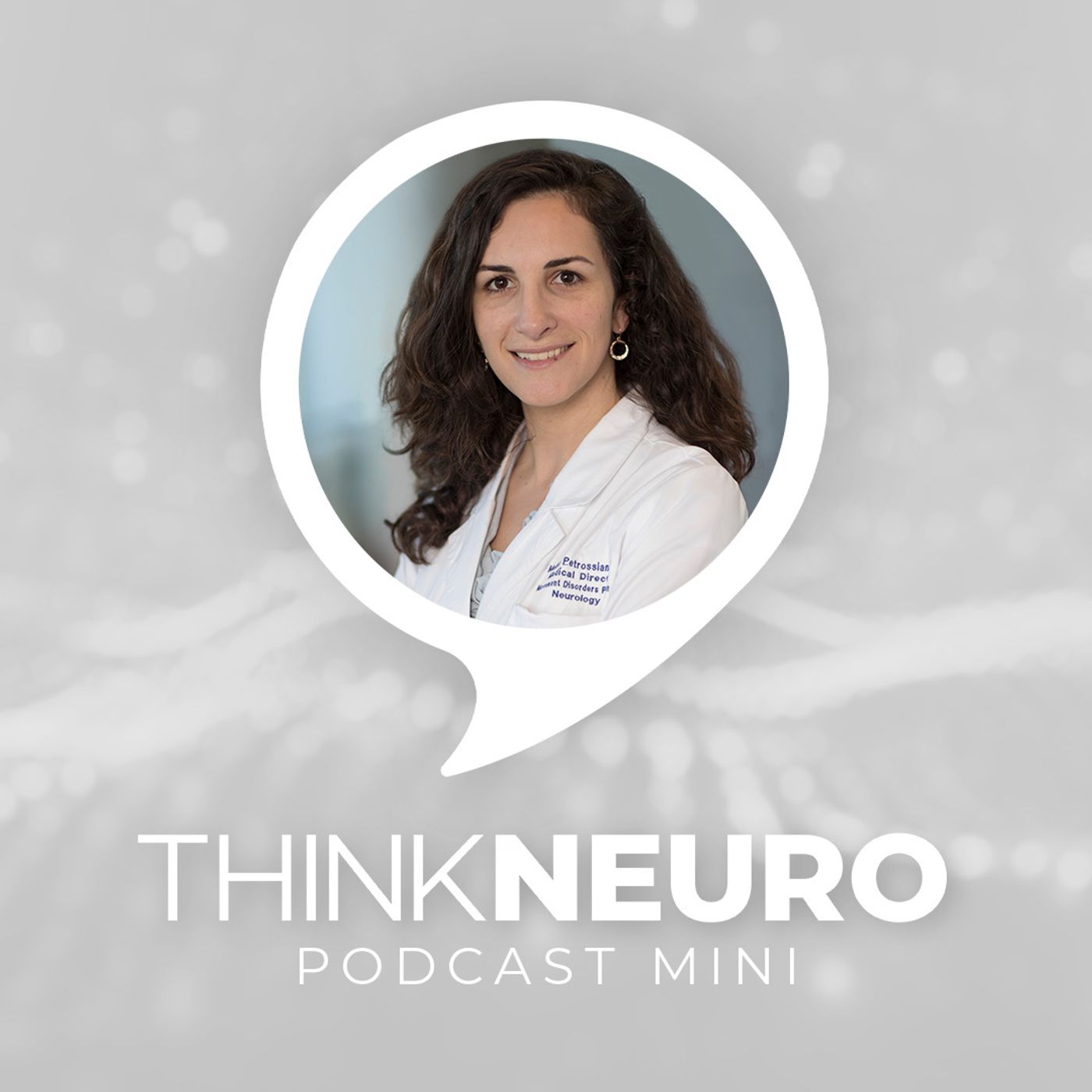
Dopamine Neuron Cell Replacement Therapy for Parkinson's Disease with Melita Petrossian, MD
2w ago00:05:13Tap to summarizeParkinson's disease begins with the quiet loss of the brain cells that make dopamine, and dopamine is what carries your movement, your mood and the drive that gets you through the day. As those cells disappear, so does everything they were holding up, which is why the disease eventually shows itself in so many different ways at once. For years the central question in Parkinson's research has been whether any of that can be given back, and stem cells offer one of the more hopeful answers, since they can be turned into the very dopamine neurons the brain can no longer make on its own.
Transcribe →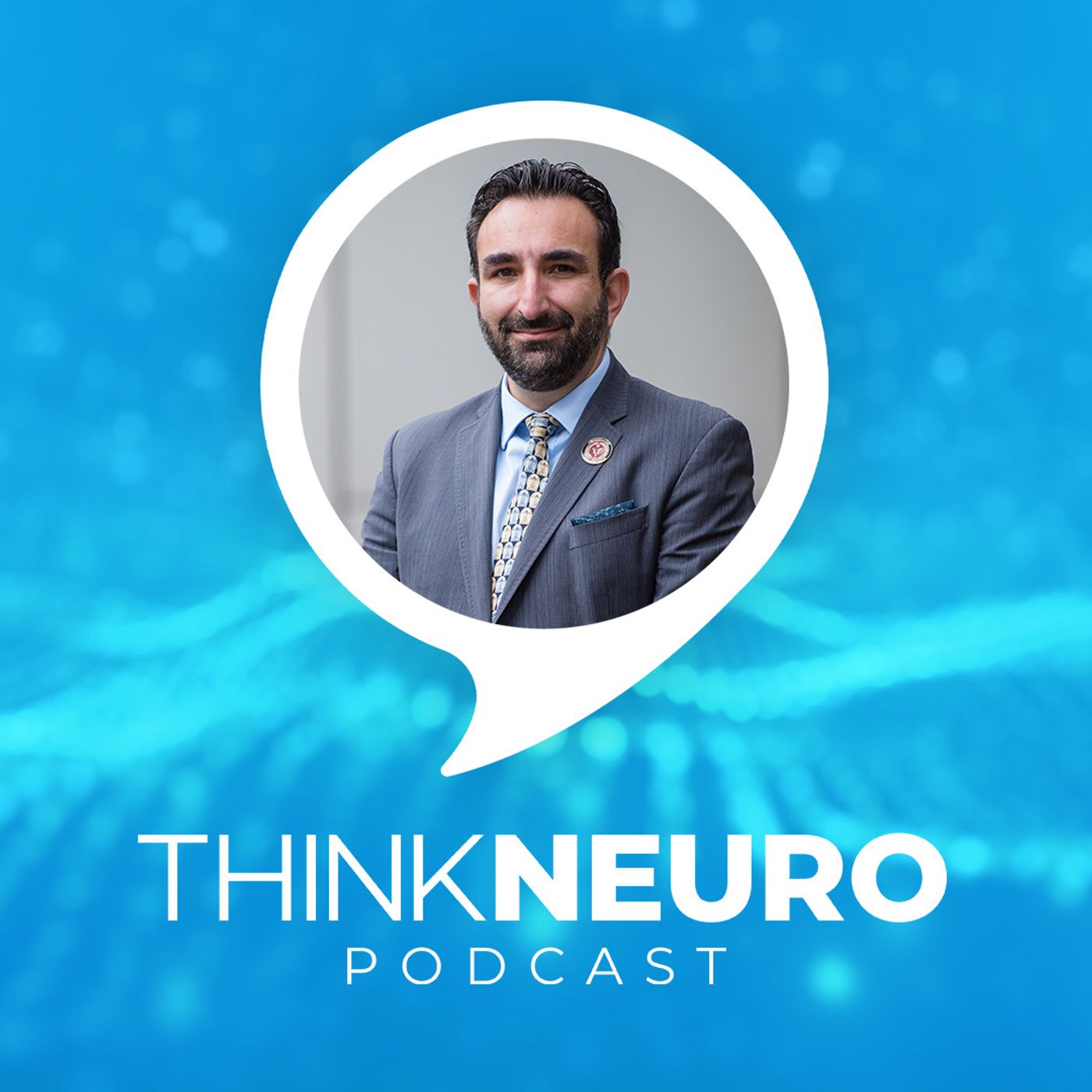
77. The Little Gland with a Very Big Job with Garni Barkhoudarian, MD
Jul 1500:58:34Tap to summarizeFor a tiny organ, the pituitary gland carries outsized responsibilities in the human body. The size of a pea, the so-called “master gland” produces vital hormones that regulate many important bodily functions, including growth, stress, thirst, and even reproductive development. So it only follows that when things go awry with the pituitary gland, the body can suffer many other problems. Dr. Garni Barkhoudarian is a director of the Pacific Pituitary Disorders Center at Pacific Neuroscience Institute and he joins us today to discuss the positive parts—and the pitfalls—of the pituitary gland. Christine, one of Dr. Barkhoudarian’s patients, also joins us to share her story of the long and arduous road to get her pituitary tumor diagnosed—and the happy ending she experienced when Dr. Barkhoudarian finally removed the tumor. For more information, visit: PacificNeuro.org
Transcribe →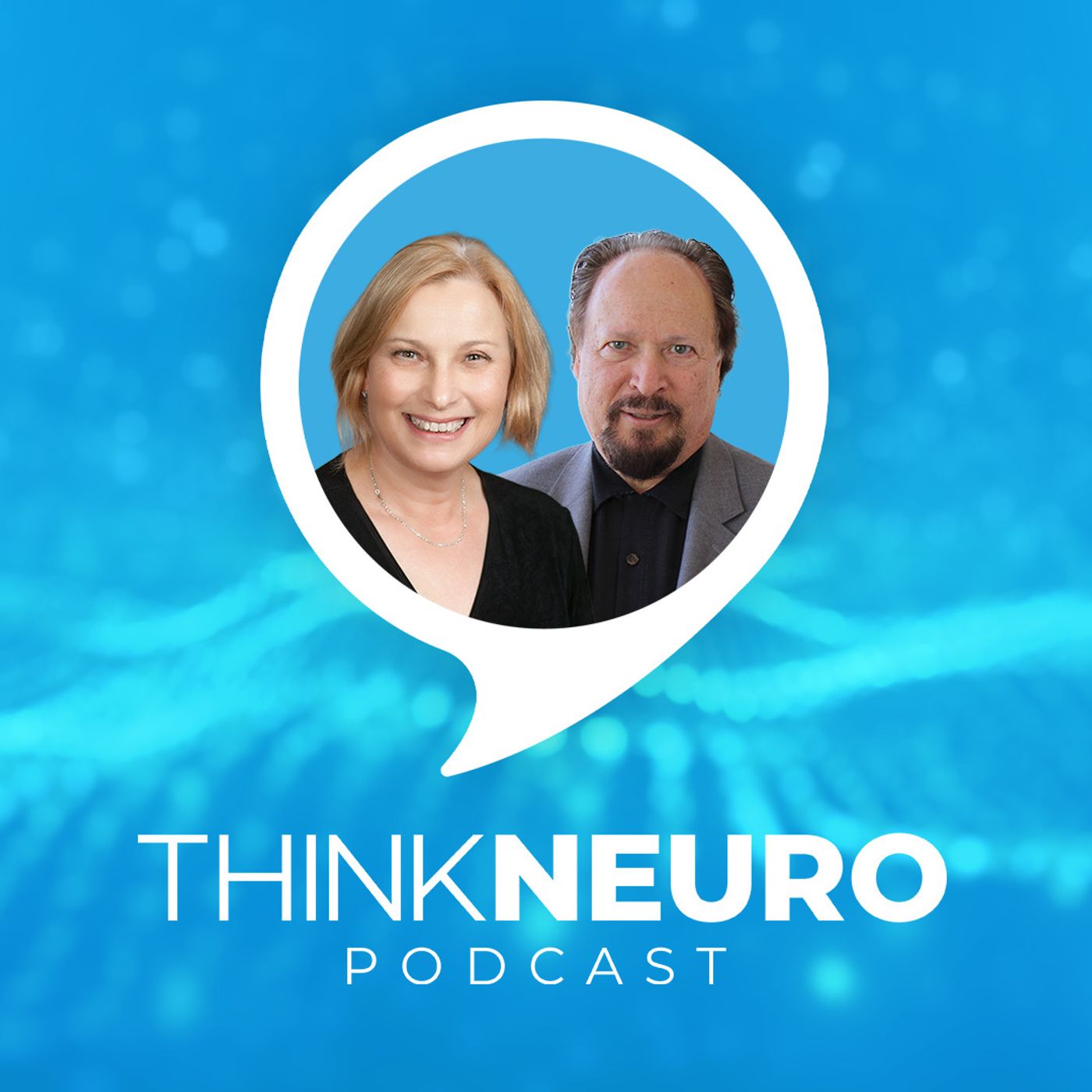
Spotlight Replay - Episode 23: Scanning the Eye for Signs of Multiple Sclerosis | Dr. Barbara Giesser and Dr. Howard Krauss
Jul 100:39:04Tap to summarizeJuly is Healthy Vision Month, and the National Eye Institute—part of the National Institutes of Health—reminds us to take care of our eyes, by eating a healthy diet and exercising, and also by understanding the connection between our vision and other diseases. Multiple sclerosis, or MS, is one of those diseases. Dr. Barbara Giesser, who specializes in treating patients with MS at Pacific Neuroscience Institute, says that often times, a sudden loss of vision is the first indication that a person might have MS. Dr. Howard Krauss, one of the founders of Pacific Neuroscience Institute and a neuro ophthalmologist, notes that 40 percent of the brain’s activity is related to vision—so it makes sense that a disease of the brain like MS would have such a big impact on vision. We’re revisiting this conversation between these two doctors who have partnered in ways that can detect MS very early in the process, and to monitor the optic nerve to see how well MS treatments are working. Let’s listen in!
Transcribe →
76. Getting the Right Diagnosis for Facial Paralysis with Dr. Amit Kochhar
Jun 1700:33:04Tap to summarizeEvery medical treatment needs to start with a diagnosis, but sometimes that diagnosis proves elusive. Sometimes it may appear that a person has one thing needing treatment, and after that treatment doesn’t work, doctors have to consider other possibilities. Dr. Amit Kochhar at Pacific Neuroscience Institute sees patients with facial paralysis, which is often diagnosed as Bell’s Palsy or Ramsey Hunt Syndrome—but sometimes turns out to be a cancerous tumor on a facial nerve. Doctors try to figure that out as quickly as possible, so they can remove the tumor and begin the work of restoring the patient’s appearance. In today’s episode, Dr. Kochhar describes these various symptoms and explains how he reaches the right diagnosis and treatment for his patients.
Transcribe →
Spotlight Replay - Episode 56: Dr. Michael Yong on Seasonal Allergies
Jun 1000:39:00Tap to summarizeIf you suffer from seasonal allergies, you probably kept a close eye on the pollen count this spring—and you may have felt those all-too-familiar symptoms that affect one in five people: Congestion, sneezing, runny nose, stuffy nose. That’s known as allergic rhinitis or, more commonly, hay fever. And that’s why now is a good time to revisit this Think Neuro podcast with Pacific Neuroscience Institute’s Dr. Michael Yong, an otolaryngologist with focused training in neuro-rhinology who specializes in treating these seasonal allergies. We’ll learn about what causes allergies and what the different treatment options are. Let’s listen in!
Transcribe →
Chronic Subdural Hematoma with Ashkan Mowla, MD
May 2700:01:30Tap to summarizeWhen blood collects in the skull outside the brain and below the outermost layer of tissue surrounding the brain (dura), a subdural hematoma results. This may occur due to head trauma when it is called an acute subdural hematoma. Chronic subdural hematomas may occur due to aging and the increased fragility of blood vessels. The pooled blood may resolve on its own or may require surgical intervention as development of a subdural hematoma can be a life-threatening condition. Symptoms of subdural hematoma can include headache, confusion, change in behavior, dizziness, nausea and vomiting, lethargy or excessive drowsiness, weakness, apathy, and seizures. Subdural hematomas are generally diagnosed by CT scan or MRI imaging. Ashkan Mowla, MD, FAHA, FAAN, is neuro-interventional surgeon at the Pacific Neuroscience Institute® (PNI). He specializes in minimally invasive endovascular procedures to treat conditions and diseases of the brain and spine, including stroke, brain aneurysm, brain and spine arteriovenous malformation and fistula and carotid and intracranial disease. Accepting new patients: 424-212-5361
Transcribe →
75. Finding Relief and Healing with Back Pain and Spinal Issues with Dr. Marcus Mazur
May 2000:59:01Tap to summarizeIf you have back pain, you are not alone. According to Georgetown University’s Health Policy Institute, nearly 65 million Americans report a recent episode of back pain, and 16 million adults — 8 percent of all adults — experience persistent or chronic back pain and are limited in everyday activities. Dr. Marcus Mazur at Pacific Neuroscience Institute sees people living with back pain and works to find a solution, whether that’s through surgery or through some of the many other available options, including medication, physical therapy, chiropractors and, interestingly, exercises in a swimming pool. In today’s episode, Dr. Mazur discusses all the options, when surgery can help, and things you can do to prevent back pain from affecting you in the first place.
Transcribe →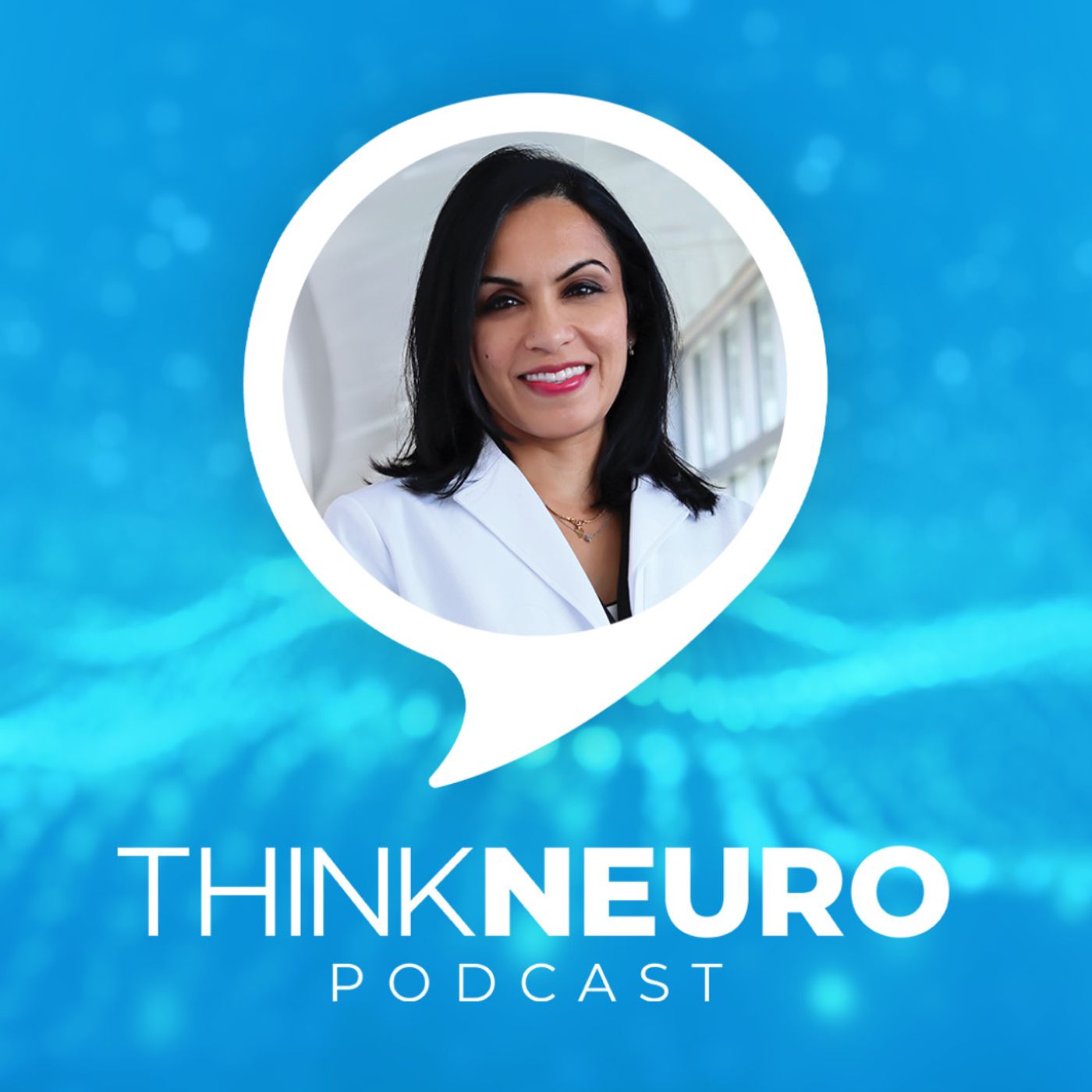
Spotlight Replay: Episode 44. Preventing Stroke and Getting the Best Treatment if One Occurs with Dr. Sandra Narayanan
May 1300:39:27Tap to summarizeNational Stroke Awareness Month is observed in May to promote public awareness about stroke symptoms and prevention. While 800,000 Americans have a stroke every year, many of these can be prevented. It’s particularly critical to recognize when a stroke is happening, because fast treatment can prevent the worst effects. In this Spotlight Replay, Dr. Sandra Narayanan, a neurointerventional surgeon at Pacific Neuroscience Institute who treats people who’ve had strokes, tells us how a healthy lifestyle can help most people avoid a stroke. And she gives an important update to the F.A.S.T. acronym for helping recognize when someone has had a stroke—it’s now BE FAST. Let’s listen in and learn what BE FAST stands for—and keep a stroke from knocking us down!
Transcribe →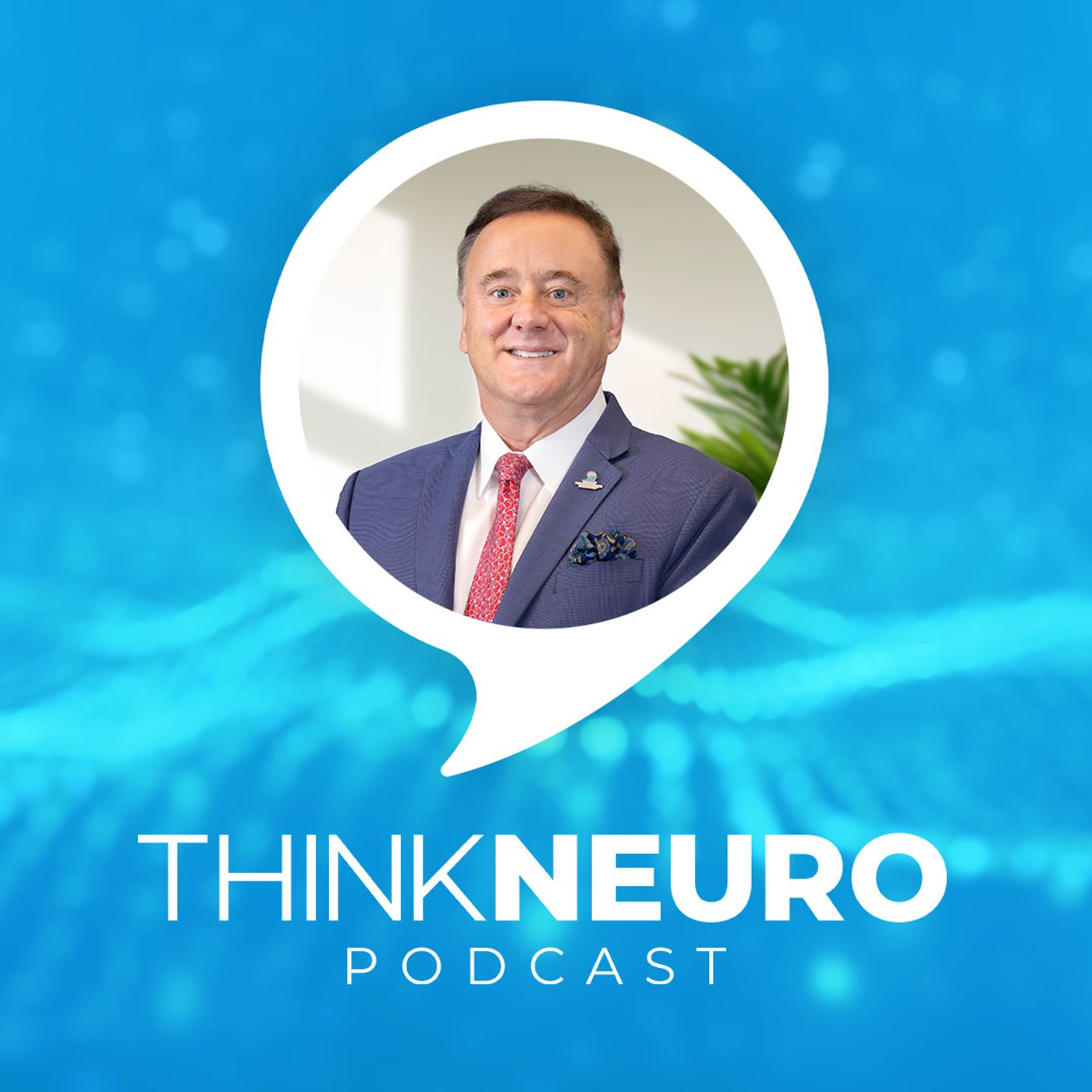
Spotlight Replay: Episode 06. Meet Minimally Invasive Brain Surgery’s Pathfinder: Dr. Chester Griffiths
May 600:52:08Tap to summarizeMay is Brain Tumor Awareness Month, which the National Brain Tumor Society calls “a time dedicated to supporting, empowering, and amplifying the voice of the brain tumor community.” The NBTS estimates that more than 1.3 million Americans are living with a brain tumor and, while 73 percent of these are benign, an estimate 18,350 Americans will die of a brain tumor this year. In this Spotlight Replay, we revisit a conversation with Dr. Chester Griffiths, one of the founders of Pacific Neuroscience Institute and a pioneer in the minimally invasive brain surgery that has become one of PNI’s hallmarks. Dr. Griffiths tells how he helps find the path through the brain to the tumor, helps the neurosurgeon remove the disease, and then leads their tiny instruments out again. Let’s listen in!
Transcribe →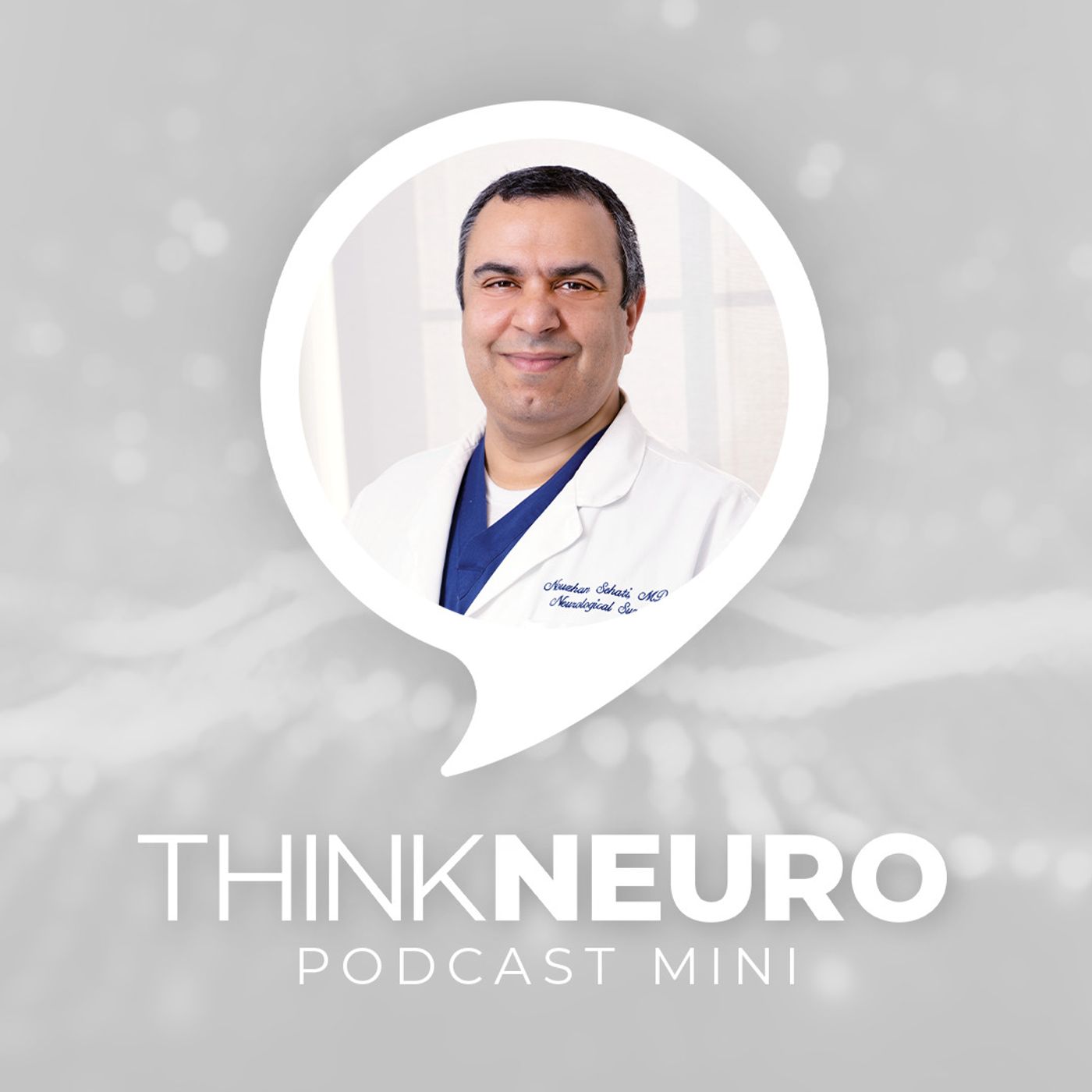
What Are Meningiomas? with Nouzhan Sehati, MD
Apr 2900:03:49Tap to summarizeDr. Nouzhan Sehati, is a board-certified neurosurgeon who specializes the treatment of a wide variety of brain, spine and spinal cord disorders at Pacific Neuroscience Institute. His expertise is in surgical and nonsurgical management of degenerative, traumatic and neoplastic (tumor) diseases of the brain and spine with a focus on minimally invasive techniques. Dr. Sehati believes in clinical excellence and comprehensive care for all of his patients. His compassionate approach involves working as a partner with his patients, honoring patient individuality and dignity, understanding the patient’s needs and preferences, discussing all aspects and options of treatment available, and implementing advanced, state-of-the art techniques for optimal outcomes.
Transcribe →