Loading summary
Transcript211 lines
- [00:00]
A
A list of sensitive themes and topics covered in this episode can be found in the episode description. Welcome to this Guy Sucked, the show where we prove that it's never too late to have haters and you can't libel the dead. I'm your host, Dr. Claire Aubin, and I'm a historian, writer, and most importantly, certified hater. On this show, we talk about people from throughout history with legacies that need a little updating. Whether it's because of their politics, their behavior, or their impact on society and culture, these guys actually kind of sucked. And we bring in a new scholar every week to tell us why. With me today is Greg Jenner, who is perhaps the most prolific person that we've had on the show so far. So I'm just going to list some stuff. He's the creator and host of the smash hit BBC history comedy podcast, you're Dead to Me. He's a consultant for the also smash hit book slash TV series Horrible Histories. He has a whole load of books out, including Dead Famous, Ask a Historian, A Million Years in a Day and the totally Chaotic history series. He's been on a bunch of TV shows and podcasts and. Okay, I'm gonna stop here before everyone gets jealous and decides that you're the guy who sat sucked. Welcome to the show.
- [01:26]
B
I definitely suck, but thank you for having me, Claire. It's lovely to be here. I enjoy the show very much and I really like seeing how it's been an instant smash hit.
- [01:34]
A
Thank you so much. I mean, from coming from you, that that actually is meaningful. I like to start with a question so that people see you as like a person instead of just a scholar. Although you've got plenty of personalities, so I don't think that's going to be an issue. But I have an either or question here for. For you. What is the craziest place that you've been for work or research or what was the moment that you were most recently like, what the hell? How is this my job? I have that a lot.
- [02:03]
B
Okay. The thing that went through my brain immediately, I used to work in the TV industry making. I did historical documentaries and then I did historical dramas and one of those rare, lovely, strange moments in documentary. I was part of a very small two person crew, three person crew where we got to film Westminster Abbey by candlelight, completely empty. Whoa. And I got to walk on the cosmati pavement, which is the unbelievably beautiful 13th century, I think maybe 14th century mosaic floor upon which all the kings and queens of England have Been crowned since Henry iii, I think. And no one else is allowed to stand on the ever. So I am one of, like, I don't know, 500 people in history who've stood in it, let's say, you know, and that was, that was fun. That was a fun day at the office.
- [02:50]
A
So, yeah, that is wild with me. Today on the show, I have King.
- [02:53]
B
Greg Chandler, the official King of Great Britain. Hello. That was a nice day at the office. Very funnily. Our presenter, who is presenting the show in the middle of the cathedral, messed up a line and swore unbelievably, profusely in a house of God. And it echoed through this enormous, empty, cavernous cathedral. And it was the. The biggest of swears you can say. The C swear.
- [03:18]
A
Oh, yeah.
- [03:18]
B
And I've never laughed harder at a sort of inappropriate moment. Because, you know, if you're gonna swear, do it in God's church, by candlelight, in the seat of kings. So that was a fun moment for my career and very much a how am I here? Moment, I think.
- [03:34]
A
Yeah, it sounds like that's both of those where you're like, I'm somewhere that feels insane for me to be. And also, how is this the job that I have? Like, I think about that a lot where people will say, well, how did you get this job? And I have to say, great question. So I did a PhD and then somewhere something went off the rails and then now I get to talk about. I just get to be mean to people.
- [03:56]
B
You get to be a mean girl.
- [03:58]
A
I get to be a mean girl, but like, in a way that feels righteous.
- [04:01]
B
Exactly. A mean girl, but targeted towards, you know, legitimate targets. Yes. I'm very lucky. I mean, the thing, I suppose the pinch me moment from my podcast from youm Dead to Me, we've done like 140 episodes or whatever, and they're always amazing because I get to work with amazing historians whose work I admire hugely, and also brilliant comedians who I've loved, you know, for a long time. But we did a live episode with a 55 piece orchestra for the Mozart episode. And so that was a kind of pinch yourself kind of. Is this happening for real? Because, you know, there I was doing silly jokes about Wolfgang Amadeus Mozart and then I'd say, and now here is the BBC Concert Orchestra to play one of his great works. And it was just like, how is this my job? You know, amazing, incredible. And that was a sort of giddy delight.
- [04:48]
A
So, yeah, that's amazing. Like, that is like one of those things that you could Wouldn't be something you had dreamed of doing, but when you're doing it, you're like, yeah, this is unbelievable that I get to do this and that people, like, pay to me to do this or that people are interested in even hearing me do this.
- [05:05]
B
Yes. I'm still waiting to be found out.
- [05:07]
A
Yeah, well, I mean, at this point, I think you've succeeded. You've snuck in properly. The thing also I was thinking about is. So we haven't officially announced this yet, so maybe this will be the announcement, but I'll probably put it online before then. But we just booked our first live show for the show, which feels so wild and exciting and crazy, and I can't believe that, like, I'm, you know, looking at draft versions of the poster and being like, yeah, let's move this here. And being like, I'm an academic. What do you mean? I have to, like, look at a poster and say, I want my face here. And someone, like, it just.
- [05:44]
B
Oh, well, I mean, that's the other thing is you are the face of the show, which is a good thing, because you look great. Whereas I really didn't want to be the face of the show because I look like a kind of human weasel. For the listeners who don't know what I look like, I'm sort of like a small, bearded, furry man creature. And I hate sort of appearing in photos and on TV and whatever. So when they were like, what do you want? The artwork? I was like, anything but me.
- [06:06]
A
Literally. Anything else I will say. It's very kind of you to say that, because right now I have my. For people at home, I have my hair in a ponytail and have these giant headphones on. So I do look bald. Right? Right now.
- [06:18]
B
It's a good look. I think you're rocking it. Yeah.
- [06:21]
A
A bald woman with a pea head and giant headphones on. I had to change out the headphones I was getting because every pair of headphones I was finding were way too big for me. So I had to Google good podcasting headphones for children, basically.
- [06:39]
B
My wife has the same problem. My daughter is 6. My W is not 6. They share the same hat when they go to the beach.
- [06:47]
A
You know, I buy my hats in the little boys section. Like, when I buy libinies and stuff that have to go to the, like, teenage boy section.
- [06:55]
B
Yeah. Okay. Okay.
- [06:57]
A
So I'm glad someone else is similarly afflicted with this. Okay. Should we, like, talk about someone for the show?
- [07:04]
B
Come on, let's do it.
- [07:06]
A
Okay, so let's just start by saying, who do you want to talk to me about today?
- [07:10]
B
Who do I want to trash? Yes, I want to trash, but also simultaneously rehabilitate emotionally a man who I kind of love and hate in equal measure because he was a genius. And I mean that in a kind of proper, proper like one of the all time greats in what he did. But he was also a monster. And I would have hated to have known him. I'd have hated to be a friend of his or a colleague or his lover or his child or his partner. But I'm kind of, from a kind of 200 year vantage point, I sort of feel bad for him and I desperately. Even though he's dead by like a long time now, Claire, I kind of feel like I want him to just like sort his life out and just get it back together. And I keep like rooting for him, but he was the worst.
- [08:00]
A
I will also say this. We still haven't even said his name, but this is the first guy that I've had, I've done the research for, for the show and I've been a bit like, I feel a bit bad for him, like it. Which is so interesting because I think this is the first guy we're talking about where all these guys that we've discussed have kind of sucked on for the most part. Like even a world historical level. Right.
- [08:22]
B
Like they've done great and all that. Yeah, yeah.
- [08:25]
A
And people, even people who are like not famous necessarily, but did something that set something else terrible in motion. Like these people all have some enormous impact. But what's interesting is I think this is a guy who. What did I write down here? Because I wrot something down about this because I was so like, I don't know how we're even going to do this. I think this is a bit of a this guy sucked asterisk. Like on an interpersonal level, terrible, shitty person.
- [08:49]
B
Yeah.
- [08:49]
A
But also the people who think he sucked also kind of suck kind of episode where he's. His life gets really impacted negatively because of people's conception of his personal life and his individual life. So it's a, it's a really, I'm really excited to talk about this guy because he has such an interesting thing here. So we're going into this with a little bit of an asterisk where we say, yeah, he sucks as a person, but he's also part of this broader context that matters here too. So I'm glad because we do also get people saying, well, they just take such a narrow view of these People and everything is about hating them. And it's like, yeah, but we're still people.
- [09:31]
B
Yeah. I'm not here to hate him. I'm here to explain him.
- [09:36]
A
Yeah, this guy needs explaining. Is our. Is our sister.
- [09:42]
B
Yeah. This guy was. Was complicated. Yeah, it's not quite good.
- [09:47]
A
This guy was complicated.
- [09:48]
B
Yeah. Yeah.
- [09:49]
A
We. We do sometimes have people ask to come on the show and say, well, I'd like to talk about how complicated this person was. And I'm like, yeah, but like, we. You have to. Also, there needs to be a problem here. Like, there is a framing.
- [10:01]
B
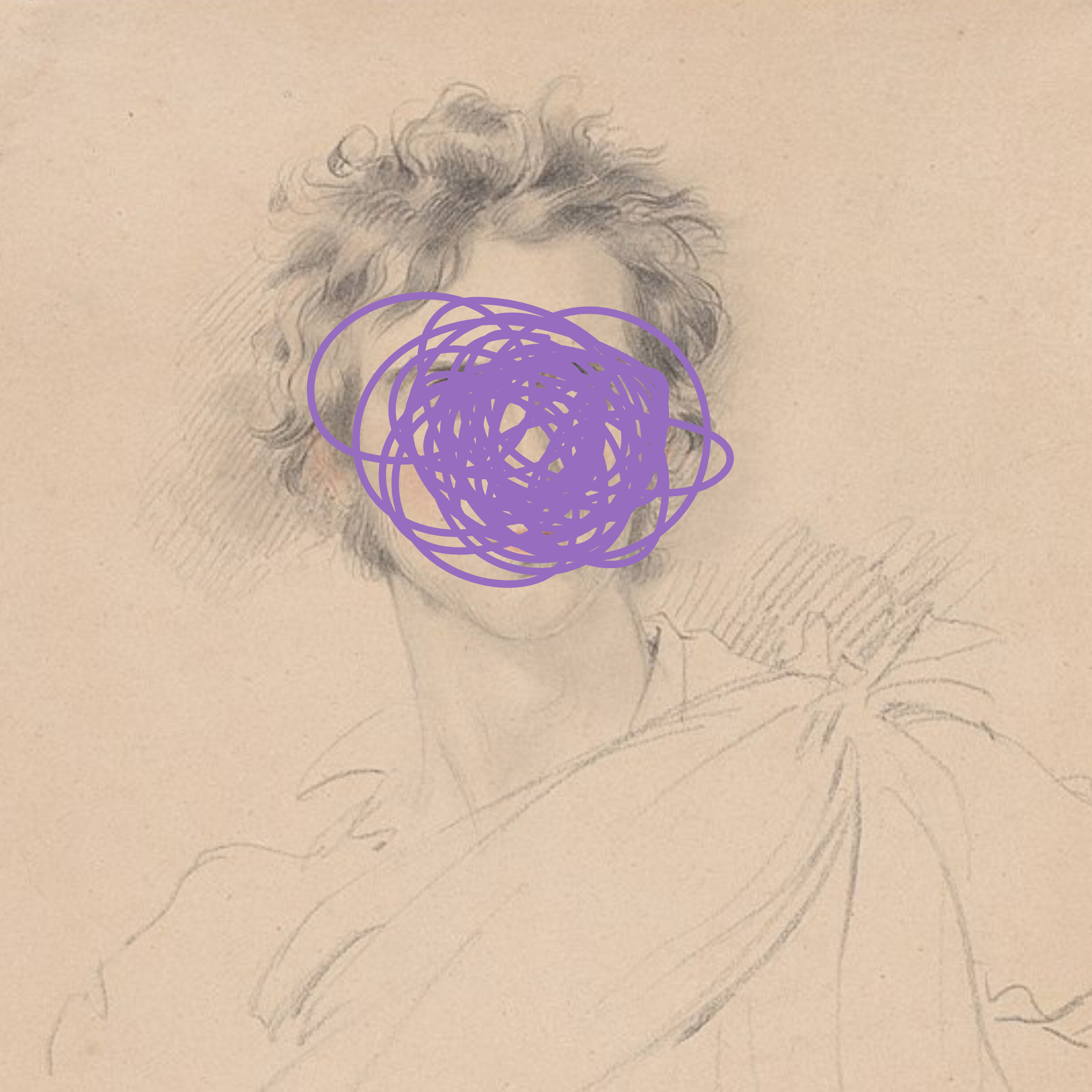
I have got plenty of problems for you. I mean, honestly, as I said to you just before in the pre chat, I have 4,000 words of notes. I have 32 pages of A4. And you're going to have to just shut me up because I will I will just like fire information at you because this guy is my favorite person to talk about. And we should probably name him. I mean, I guess listeners probably want to know who we're talking about. Okay, I'm going to name him for you now, please. His name was Edmund Kean. He was a superstar actor at a time where celebrity was a thing. You know, a lot of us assume that celebrity was invented in 20th century. It absolutely was not. I wrote a book on celebrity culture and when it was invented, and I would argue for easily early 1700s, some scholars would go earlier, he was a celebrity, he was a superstar, he was a genius. And I mean that in a proper, like stands the test of time kind of way. And he was the worst. And his name was Edmund Keane. And his story is extraordinary because he should never have become famous in the first place. And then when he did become famous, he squandered it in such an upsetting way, and everyone around him was kind of rooting for him and he fucked it up. And I feel bad, but at the same time, those are the facts. And I'll let you kind of guide me in terms of where you want to start the story. But, like, that's the kind of outline of him.
- [11:25]
A
Yeah. I also want to start by saying that you have talked about Keene before, by the way, everyone go get a copy of Dead Famous. It's really incredible. And you do talk about him in this. And that's the book that you reference when you say you wrote a book on the history of celebrity culture. And we'll link that and all the other books in our episode description. But you have talked about Keane before and are on record as calling him. I have some Quotes from you for you, which I always think is funny to do to guests. You've called him, quote, an absolute bellend in the New Statesman and quote, a toxic douchebag on a Reddit ama. So we know where you stand on.
- [12:03]
B
I mean, that's the headline, right? That is the headline. He was a toxic personality. He was absolute douchebag material. He. You know, I don't know if Belen translates for your American listeners. I mean, what would you call.
- [12:15]
A
He's a dick.
- [12:16]
B
He's a dick. Okay, he's a bit of a dick. And he's a bit of a dick. Yeah, he was all those things and more. And I want to give him his airtime so that we understand the psychology of the man, the context in which he became famous, the way in which he shaped what came after him. And also I want to maybe make sort of special pleading for saying, look, some of this wasn't his fault, perhaps, but absolute bellend and toxic douchebag.
- [12:43]
A
Absolutely. You're so right. And past you is right and current you is right. I think the best way to do this one, actually, because normally I would say, what's he famous for? What's bad about him? But I think even going chronologically through his life also kind of unveils it that way because you have to understand his early life and then you get into the height of his fame and then that's when the really bad stuff starts appearing. So it actually makes sense if we just kind of go through his life from start. Does that make sense to you as a way of viewing this?
- [13:12]
B
I think so. I think the biography will reveal him slowly, piece by piece, and we may find us. We'll root for him early on and then we'll be like, no, Edmund, why? And then we'll hate him by the end, I'm sure. So, yeah, so our starting point would be slightly loose. Right. We tend to put his birth at roughly 1787, question mark. Some scholars would go 1789, some would go slightly earlier. I think 1787 is about right. And he was born in sort of London. He was a kind of relatively lower class, kind of cockney kid. This is a very tumultuous time in British history. And, you know, we're in what's called the, the Georgian era, the 18th century, late 18th century. Obviously, there's a time of tumultuous politics in, in the usa, in France, of course, you know, you're too famous. The French Revolution, I mean, it's a sort of revolutionary fervor has happened and it's happening in Britain too. You know, people often don't quite understand the revolutionary radicalism of the French Revolution, of the American Revolution, of what was happening in other kind of philosophical and sociological context was also being discussed and debated in the uk. In it wasn't the UK yet, but in Britain we just didn't fully tip into revolution, but we got pretty close. So he's born in 1787 and first special pleading on his behalf. Pretty sad childhood. So his dad, as far as we know, we're not entirely sure who his dad is, There's a couple of candidates, but we think his dad probably had severe depression, probably alcoholism, probably died by suicide while Edmund was a baby or a toddler. Very sad. Mum was an actress called Anne Carey. Not the best mum, probably seems to have been quite flighty, quite unreliable. She was a part time actress. She was also a kind of street vendor or hawker. She may have done sex work, we're not sure, but that was a fairly common route for women in that sort of slightly unstable or insecure economic place. And so the boy Edmund was raised by his uncle Moses and his uncle's girlfriend, Charlotte Tidswell, was a kind of glamorous, beautiful lady who had previously been the mistress of the Duke of Norfolk, one of the kind of great aristocratic men of like, well, English history. Right. You know, the Dukes of Norfolk are incredibly powerful. She had been his sort of, you know, bit on the side, his glamorous actress girlfriend. And so she was an actress, but she'd obviously had a bit of a career before as a, you know, a lady who had fun times at parties. And Edmund spent a lot of time with her and with Moses and kind of grew up. I think there's no evidence for this, like written down, but I think there's a certain proxy relationship where he's almost treating her like a mum. And his real mum, Anne, sort of comes and goes and sort of. We know that he would have been acting when he was very, very young, like 4 or 5. And he later on acted as a teenage boy, but playing way younger. He was very small. He was a very small guy. And I'm a small dude. I'm 5 foot 9 and very skinny, sort of weaselly, as I, as I.
- [16:15]
A
Was gonna say the weasel thing comes.
- [16:18]
B
The weasel thing, you know. Yeah. So he was 5, 6 and he was a kind of a short guy, a very small child. And so he was able to play much younger. Which meant we've got this kind of record of basically a kind of advertising bill of Saying, you know, come see our play, where he's kind of promoted as this boy genius, Edmund Carey, who's like, you know, he's a little kid. He's kind of Macaulay Culkin, whatever. He's actually 14, but he's. So he's kind of. He's pretending to play a kid. He's actually a teenager. He just hasn't really hit puberty and he hasn't really kind of put on the growth spurt. So he's a small kid and he seems to have quite a difficult childhood. He seems to respond to failure by running away. That's his go to move. So he'd go missing, be found up a tree. He'd be found in someone's house. He'd be found. You know, he'd go missing for two, three days. So it's not a very stable childhood. And alcoholism seems to be in the family. We think he has older brothers. They seem to also be big drinkers, sadly. So there's a sort of early, early issue there for him. And he also, later, when Famous rewrites his own biography, he does that thing that lots of famous people do.
- [17:27]
A
Yeah.
- [17:28]
B
Of telling fibs about their own origin story in order to sell their fame. And so he does what Sarah Bernhardt did, he does what PC Barnum did, he does what was done to George Washington and the Cherry Tree, Right. You rewrite your start so that your eventual fame is more powerful and more alluring and more exciting. You know, it was done with movie stars in the 1930s and 40s. It was done with, you know, boy bands in the 90s. You basically rebrand yourself. And so there is a story that he supposedly told that he was the illegitimate offspring of the Duke of Norfolk. So he was like, I am the love child. I'm the bastard love child of the Duke of Norfolk. Charlotte Tidswell is my mum. I have noble blood coursing through my veins. Yes. I may have been born in a kind of Cockney house, but actually I'm, you know, one of the greats.
- [18:21]
A
Yeah.
- [18:21]
B
And he also supposedly tells a story of running away to go to sea aged 11, to go and be what he thinks is gonna be like the life of a pirate, you know, he wants to be a kind of a cabin boy on a pirate ship, and he's very excited and he gets there and it's boring and it's horrible. And they're sailing to Madeira on a kind of merchant ship and it's drudgery. And so he fakes being mute and deaf.
- [18:42]
A
Does he actually go to sea or is this a thing he says he did?
- [18:47]
B
We do not know. I found no records of anyone called Edmund Carey going to sea. He may have gone by a different name, but I've not found any records. So we don't know.
- [18:55]
A
But it imbues his. Yeah, his childhood has this adventure to it, if he says that. Interesting.
- [19:01]
B
Exactly. A romantic, piratical thing of like at 11. But he goes to sea and he's like, hang on a minute, where's the cutlasses? Where are the, you know, where are the yo ho hos in the bottle of rum. This is very boring. I'm having to swab the deck. So he apparently fakes being mutant deaf, convinces the ship's doctor that he's got some sort of condition whereby he has lost the power to communicate and therefore must be returned to shore. And, you know, so basically he kind of. He acts his way out of his problem. So there we go. That's your first clue to what he's going to end up doing. And in his teens, yeah, he's a traveling actor and he travels around the country and, you know, he sort of knows some parts better than others. The thing that's really interesting about him, he's a highly skilled tumbler and acrobat and he's really good at the comedy parts. He is a natural pratfaller. He's good at the slapstick. He's kind of got a kind of buffoonish, cartoonish. I'm trying to think of who a modern parallel would be. I don't know, Chris Pratt kind of thing. He's got a kind of bumbling, slightly likable small guy energy in Parks and Rec, that kind of thing. But he hates that those are the roles he keeps being given because he believes, or he's telling everyone that he's the Duke of Norfolk's son and he believes he's bound for greater things. So he spends a lot of his time with Charlotte Tid. Well, his aunt Slash, maybe mum, practicing Shakespeare, practicing the tragic parts. He is studying Othello. He's studying Iago. He's doing Macbeth. He's doing Richard iii. He's doing Shylock. He is like, this is my destiny. This is who I am. The problem is no one else sees that. Yeah, everyone else sees this little weird, angry, intense kid who I describe him as looking like a furious owl. He's kind of like, you know, if I'm a weaselly, he's kind of like a falcon or a hawk or something. He's kind of bird of prey. Like, he's small. He's got this sharp nose. He's got this feathery shaggy hair. He's got these weird, big, black, deep, intense eyes like a. Like a bird of prey. And his voice is raspy and tragic. Actors of the time are tall and they look like Roman statues. They look like a bust of Julius Caesar. So the great actor of the time is John Philip Kemble, who is part of this dynasty of famous actors, this family of famous actors. His sister is Sarah Siddons, the great actress of her age. He's the great tragic actor. Their brothers and sisters are also. They're kind of the Baldwins of the 1790s. You know, they are. They're like a family who acts. And he's the best of them, and Sarah Siddons is the best of the women. And Edmund is like, that's who I want to be. And everyone's like, but you look nothing like him. Yeah, he's tall, he's handsome. He's got a beautiful rounded voice. He's classically educated. He speaks like this. Edmund is short and weird and angry. He's kind of like a Steve Buscemi. You know, it's like. It's like everyone's like, yes, no, you're Steve Buscemi. You're a character actor. And he's like, no, no, I want to be Macbeth. So it's just not working.
- [22:06]
A
Hi, it's Claire. Thank you for listening to the show. You're currently hearing the free version of this guy sucked. So I'm here to tell you about our Patreon. In order to make the show sustainably and independently, episodes switch off between free weeks and Patreon weeks. So if you're a fan of good, accurate public history made by actual experts, consider supporting us and joining our honorary haters club. It's only one tier, which means everyone who subscribes gets access to the same perks across the board. For the price of a pastry at your local hip coffee shop, you'll get to listen to a new episode every week instead of just the bi weekly free ones. And they'll all be ad free for you. You'll also get access to the full episode archive, bonus content, early access to merch, and lots of other fun Patreon exclusives. To sweeten the deal, just head over to patreon.com thisguysucked or follow the link in the episode description to sign up. It's funny that we're here. Like, what, almost? Well, a little over a little under 200 years later being like, and he's just this short, weird guy. Like, we still can't help ourselves.
- [23:11]
B
Even now, on behalf of short, weird guys, I'm just, I'm, I'm saying it's not a bad thing that he's a short weird guy, but that's how people saw him, okay? I'm a short weird guy. So this is the problem he faces, okay? He wants to be taken seriously. And everyone's like, no, no, no, you're the clown. You do the prattfuls and whatever. We think he breaks his legs doing a pratfall. He thinks he basically has an accident and it looks like he maybe breaks one or maybe both his legs. And during that time he is recuperating and studying Shakespeare and he will have lifelong pain in his leg after that. So again, this is a guy who's going to be in chronic pain. So, you know, another mark in the sympathy column. He, you know, he's touring, he's touring. He sort of grows up a bit. He's this kind of young guy. He meets a young lady, she's Irish, she's called Mary Chambers. He woos her. She is smarter than him. She is a middle class, upper middle class girl, classically educated, speaks Latin and Greek. Her parents want her to be a governess to posh children, so they want her to be a private tutor. And she does that classic rebellion thing of running away to join the circus or join the acting troupe. She falls for this impoverished, already quite hard drinking actor, but he's got a sparkle. He's got something about him. There's charisma, there's a kind of intensity. There's a kind of, I don't know, I don't know what the magnetism is, but, you know, they get, they get hitched.
- [24:29]
A
We've all fallen for a short king with Riz, let's be clear. I actually literally had a conversation about this yesterday with one of my friends that, you know what a man could be anything. You could have 6, 5 on his Tinder profile, whatever. But like, if you meet a man who's under 5, 8 and has so much charisma, it's. I, you know what, Mary? I get it, I get it.
- [24:51]
B
Okay, well, you know, it's nice to hear that that's still possible because, you know, here I am in a world of Jacob Elordi's where everyone's going to be tall and, you know, so I'm happily married. I'm not looking, but yeah, I'm just, just saying on behalf of small guys, you know, we are here and we have feelings too. So Edmund Keane, he hooks up with Mary, they get married. I don't think anyone's very pleased about it, but that's the thing. But he is a problem. He is a problem, Claire. He is unreliable. And because he wants these sort of tragic roles, he's allowed to do them in the kind of small provincial theaters. But whenever the touring company gets into the kind of bigger cities, your Birminghams, your Manchesters, your London's, Dublins, whatever, they relegate him. They kind of like go, no, no, no, sorry. Come on, come on, let's be serious here. Have you looked in a mirror recently? You look like a furious kestrel. No, we're gonna have the handsome guy at the front and you can play, I don't know, bumbling kid number three, or you can play the backup guy or whatever, you know, and he's like, no, no, no, no, no, I'm, I'm the lead, I'm the man, I have the talent. And they're like, no, you don't. And so he responds the same way he did as a kid, he runs away. His standard move is he vanishes. And unfortunately this time he's now vanishing to the pub. So he's going to the tavern and he is getting shit face drunk for days on end. He is having lock in sessions for three, four, five days. So poor Mary, pregnant, you know, young, late teens, has married this 21 year old, 22 year old, and he is an unreliable partner. He is already proving to be difficult. And he gets into debt, he gets into big debt, he's drinking his way through his wages, he gets into huge debts, he gets into fights with his managers because he's like, I should be the star. And they're like, no. And the classic story, the story I began my book with the dead, famous book, it's my favorite story in the book because it's sort of quintessential, as I say in the book, in the Hollywood movie that someone should make about Edmund Kean. Please call me if you do, because this guy would one hell of a story. In the Hollywood movie you would normally make, this story would be his low point, his rock bottom. And then you'd get fame. But that's not what happened. It's a rock bottom that's followed by several more rock bottoms. But this moment is he gets a job in Swansea in Wales, which is 180 miles away from where he is in Birmingham, and he can't afford to get there. And his Wife is six months pregnant and it's high in the summer and sweltering temperatures, and he's like, I'm sorry, darling, we can't go by cart, we're not going to take a carriage, we're not going to go by horse, we're going to walk.
- [27:22]
A
Oh, no. I knew you were gonna say that.
- [27:24]
B
Oh, yeah, yeah.
- [27:26]
A
So not great.
- [27:28]
B
His pregnant wife is sort of dragged across the country 180 miles, and they are sleeping in ditches and bushes. You know, they're not staying in taverns. They can't afford that. He writes ahead to his new manager in Swansea, asking for advance of his wages, but it's not quite enough and yada, yada, yada. Anyway, he gets the Swansea and he sort of soon after loses his job again. Because this is Ed McKean. This is what he does. It's a repeating pattern that's going to now establish. And so he is this really unreliable person, unreliable actor, unreliable partner. There are stories about him that are clearly inflected through his alcoholism that you can read them as funny and you can read them as tragic. And I, you know, I work in comedy. I host a comedy podcast. My instinct is always to look for the joke, so I sort of read them as funny. But then I think about Mary and then I go, oh, no. Oh, no, that's not funny. One of the stories I think you can hopefully cling to is a funny one. I'm going to try it on you, Claire.
- [28:24]
A
Go for it.
- [28:24]
B
He doesn't show up one night for one of his performances, and the stage manager is like, where the hell is Edmund Keane? And he isn't anywhere to be seen. And so the theater manager has to go on in his role. He has to sort of step in and play the part. And he doesn't really know the part. So he's on stage, kind of fumbling his way through the lines, half reading the scripts, you know, looking down, going like, oh, yes, good sir, I. What? What's this? You know, he just. He's. He's not. He's not nailing it. And a voice calls out from the kind of royal box at the back of the theatre, and the voice calls out and says, keep going, lad, you're doing really well. And it's Edmund Keane. And he has drunkenly barreled into the theater with the genius idea of watching his own play. The problem is he's meant to be in it. And so that, for me, is like. It's toxic behavior, but it's kind of charming from afar, from 200 years from afar, I'm kind of laughing.
- [29:16]
A
Sure.
- [29:17]
B
In later life he will forget that he's bought a yacht in a pub from a man in a pub. He's agreed to buy a yacht from a guy and he gets home, forgets about it because he's drunk and hungover. And the guy will show up at the door the next day saying, here's your yacht. And Edmund's like, what? And the guy's like, you bought the yacht from me in a pub, remember? And he's like, I have no recollection of that, sorry. And you know the funny thing, a horrible thing, I feel for Mary. But the funny thing is he turns to Mary and goes, do you want to live on a yacht? You know, he's trying to, he's trying to like make it work.
- [29:47]
A
He's like, the thing is like, we know this guy. We all know this guy, right? Like this person. And at least for me it's like, okay, I also know the girlfriend of this guy so I can know this guy and be like, he's funny. And like this is, these are objectively funny things to do, right? Like yeah, if we don't know like what happens to Mary when he goes to the play and watches someone else do his part poorly, like yeah, like we don't know, maybe she's at home sad, maybe, whatever. But that is, we know just from him, that's funny. The other things were like, yeah, he buys a yacht and that's this sort of slapstick comedy thing to do. He asked if she wants to move live on a yacht. If this is a sitcom, we're like, haha, what a silly guy. Yeah, what a buffoon.
- [30:30]
B
That's the thing. It reminds me of those sitcoms where the husband is like awful and the long suffering wife and you're like, why are you with him? Why are you with this man? And it's, it's that sort of thing. So anyway, he turns to Mary, you know, this is when he's famous and rich and later on he says, do you want to live in a yacht? She's like, no, we've got a really nice house that we bought with our money. And he's like, oh, okay. And he has to pay the guy to go away again. So he sort of has to pay him £30 to sort of leave. And so there is an element to keen that I really like on a personal level. There is a charm to him, there is a sort of naturalness to him and there is a tragic element to him whereby I'M rooting for him to sort himself out and just, just get himself back on an even keel because there are times in his life and career where he's like, sober for a year or two and you, like, you're like, yes, come on, Edmund, you've got this. You're nailing. And then he falls off the wagon again. So the tragedy of his poverty is, yes, he walks his wife to Swansea and it doesn't work. So then he's walking her again to other places and they're, you know, they're scrabbling by. They are touring Scotland, Ireland, England, Wales. It is not working. It is not working. He is, he's a screw up. He's, he's, he's getting gigs, but he's a screw up. He's always finding a way to ruin them. And Mary has a child. They have a second child. The first child is very sickly Howard. He is named after the Duke of Norfolk already, Edmund. He's like role playing some sort of daddy issues with his son. He's calling his son after his supposed father. And little Howard is going to die. It's very tragic. They're going to lose their firstborn. And that is horrific and devastating for him. And it clearly wounds him, it clearly devastates Mary. Clearly. We see it in their kind of letters and in, in their emotions. So that grief is real. And I feel for him immensely. But what's extraordinary is that it's during this period of grief that he gets his huge break. The break is such a weird left field. What on earth are you talking about? Kind of break? It should not have worked. He should not have been famous. He is the definitive case study, the exception that proves the rule. As a historian of celebrity, I spent a lot of my kind of early part of the book saying, look, when people talk about overnight fame, that doesn't happen. That is not real. Overnight fame takes years to incubate. You have to, like, work it quietly in the shadows. You're developing your craft, your trade, you're building networks, et cetera, et cetera, et cetera. You're waiting for that moment where you break through. And famously, Lord Byron, you know, had sort of like said, I, you know, I woke to find myself famous. He was on his third book by that point. His second book is him attacking his critics. It's a book called Scotch Bards and English Reviewers, where he's literally attacking his haters because his first book had already received kind of backlash. So in his third book, you can't say I woke up to be famous. It's like, no, no, no, no. Come on, you're on book three. So there is this sort of myth that people have overnight fame, stardom. It happens now because of the Internet sometimes, you know, it can happen to the hawk, to a girl or whatever. It can happen to, like, viral people who, like, suddenly go viral. But in the 18th century. No, it doesn't happen. You have to work at it. Edmund Kean is the only example of overnight fame. That is astonishing. And it's why I kind of love him. It should not have worked. So here's the story. He's in Exeter, down in the southwest of England, a long way from the capital, London. A bit of provincial backwater, very pretty. But you are a long way from where the rich, nice, fancy people are. He's acting in various plays and whatever, but he is playing Shakespeare. He's doing Shakespeare and he's finally got a lead role. Hooray. Good for him. And what's happened is that the main theatre in London. There are two main. Well, there are three theatres in London which are licensed to put on plays with speaking. The other theatres aren't allowed to put on spoken plays. They're allowed to put on melodramas or they had to put on, like, mime, but they can't have, like, plays, plays. So you've got the Drury Lane and the Covent Garden are the two main ones. The Drury Lane Theatre had burned down. It is the kind of prestigious, grand theatre. It burned down, they rebuilt it and they are in serious megadeths. And they're like, oh, no, we are in trouble. And their stars are not pulling in the punters. People are not coming to the theatre. The year is 1814. It is the time in the Napoleonic Wars. It is a time of enormous fear and tension and radicalism in Britain. People are scared. Napoleon has tried to invade with, you know, the Battle of Trafalgar, and Britain won that just about. But, like, Napoleon is this big threat and he's in exile, but obviously we know he's going to escape and come back and Waterloo and yada yada. So it's a really tumultuous time of, like, underlying drumbeat of tension and the stars are not working, the people are not coming to the theaters. The theater is in debt and their debts are spiraling and they. They can't clear their debts and it's only getting worse. And one day they get this letter, the committee gets this letter from a retired headmaster, what you call a principal, I guess, retired principal of Harrow School, a Very fancy, posh school. And the headmaster says, I've just seen this weird, furious owl man. My words, not his.
- [35:36]
A
It'd be crazy if he wrote that.
- [35:38]
B
Yeah, it'd be amazing. I've just seen this kind of human hybrid, part bird, part man. He's very small. I've just seen this extraordinary person in Exeter. I don't know if he's good. You should check him out because I think there's something there. And the theater are in trouble and they're like, all right. So they send their general manager, give it a bash, and the general manager goes down there and he's like, yeah, I don't know what it is he's doing, but it's different. And what we're doing isn't working. So. Okay. And you know, I joke in the book that it's the sort of equivalent of a Vegas casino just going, well, look, Celine Dion isn't working anymore, so I guess we'll get a busker who just looks like Celine Dion. I don't know.
- [36:20]
A
And doesn't even look like self. Celine Dion actually doesn't even look like Celine Dion.
- [36:24]
B
You know, just some guy from Exeter and they're like, all right. So out of nowhere, he's got this lucky break that should not have been coming for him, but it's, it's come. So he's like 27 and typical Edmund Keane, there is a problem. Immediately he's just agreed to go and act at a different theater in London called the London Olympic. And the guy who runs that, Mr. Ellison, will not let him out of his contract. This guy is like, nope, you signed a contract. You're going to see that contract out. And Keane's like, but, but my break, I've. I've just. Ah, London. The Drury Lane Theatre. And he's like, no, no, you signed a contract. Please leave me alone. So there is this sort of period of like agonizing tension. The closest I can explain, it's like being offered a book deal and then the publisher going, oh, sorry, we've just had some like, internal team restructuring and we're just revising our budget for the year and we'll get back to you in three months. And you're like, what? Like, am I writing this book or not? Am I, you know, is this life changing money or am I just carrying on doing my job? That's what it's like for him. He's in London and he's literally hanging around like a weirdo creep in the theater that he wants to work in, but has not been hired to work in. And he's just there. They describe him almost like a kind of gargoyle.
- [37:38]
A
He's skulking.
- [37:40]
B
Skulking like Sarah Siddons, who had acted with him before and had sort of like belittled his height, she'd said, you played very well. Shame there's not much of you.
- [37:47]
A
She also called him a horrid little man, which I thought, horrid little man.
- [37:52]
B
She calls him the little man in the great capes because he's like this sort of like, furious small man who wears big clothes to try and make himself. And I went through that phase in the noughties. I went through that skinny man phase of, like, I'll wear baggy jeans and big hoodies and therefore I'll look like a man. And, you know, it doesn't. No one is impressed. No one's like, oh, that looks like a normal sized person.
- [38:12]
A
That's three children in a trench coat.
- [38:14]
B
Actually, that's what's happening here. That sort of BoJack Horseman joke. Yeah, exactly. That. That just looks like a child wearing his dad's clothes. So I had that phase. Edmund Keane had that phase. He is skulking in the wings and they're like, who is this weird man with these big eyes and this kind of intense expression? He's just skulking. Eventually a deal is done. Mr. Elliston eventually goes, all right, I tell you what, I'm gonna take 25% of your wages. You're gonna subsidize my theatre while acting for someone else's theatre. So they kind of do this deal and finally, Edmund Keane is going to be on the Drury Lane Theatre. He's gonna take the main stage and the theatre are like, what do you want to play? What role? And he says, shylock. I want to play Shylock. Merchant of Venice.
- [38:58]
A
Interesting.
- [38:59]
B
Obviously, it's not like the main part, but it's like the part, right? It's the kind of crucial part. So he takes the stage. The theatre is like barely half full. It's like January, it's snowing, it's cold. It's London in the 1800s. It's 1814. People aren't going to the theatre. It's cold. He takes to the stage, he starts performing. Within five minutes, people are screaming and howling in adulation. They are like, who the hell is this guy? What the hell is he doing? They've never seen anything like it. Because Edmund Kean has broken what you do on stage and he has rewritten the rules and it's Fascinating to me because he'd been acting like this all the time. This isn't like a thing he tried. It's not like he got up and was like, tonight I'm going to try a new type of acting. He's just doing Edmund Keane stuff. But for. Throughout his life, people have just gone like, no, don't like it. Stop doing that. You're the funny guy. Do the prattfuls, do the. Do the sort of, you know, back flips. He gets up and he does it. And the London audience just are obsessed. They cannot stop just cheering. And it's like an. It's like an audition for America's Got Talent or something, where someone gets up and they've got so much charisma, the whole room just goes, this guy's a star. And that's what it is. The whole room just agrees, this guy's a star. And he gets unbelievably lucky because in that theater that night are two journalists. And journalists don't usually review plays that often. It's sort of, you know, they go from time to time. But, you know, you got to get kind of lucky to have two journalists in that night. And he's super lucky because one of those journalists is an extraordinary young man called William Hazlett. He will later become one of the great writers of this particular era of history, a sort of brilliant essayist, an extraordinary thinker, a renowned Shakespeare critic who adores Shakespeare. And lo and behold, he's just discovered this genius who has changed the game on how you perform a Shakespeare. So Keane knows he's a star because people are screaming at him, how good he is. He runs out the theatre, the play's still going on. He sort of slides through the slush and the snow. He barrels into his house that he's sort of, you know, staying in, and he shouts to Mary, Mary, you are going to ride in your fine carriage. And little Charlie is going to go to Eton. I've made it. He knows in that instant. And that for me is so thrilling, like such an exciting thing for someone who's struggled for so long to have had a sudden breakthrough moment and go, this is it. I've made it. I've made it. I've done it. I nailed it. I'm going to be famous. And he is. Three days later, the newspapers give him the most extraordinary write ups. They talk about him like a kind of paradigm shift in acting. William has it. It's like this guy, you have to see him. You have to see him to understand it. And so the next week, the theater is full, and within a month, he's the most famous man in Britain.
- [41:48]
A
What I found really interesting also, and I think you're right to point this out, but one of the things that I came across while doing some of the prep for this is the thing that stops him from becoming famous earlier on. Being different becomes the thing that makes him famous later. Right. Like people like Hazlett frame Keene as a radical departure from this sort of declamatory, aristocratic style of popular actors of the day. These people who have seen sort of waning or declining popularity. He. Because he is so different from them, because he has these strong, intense, emotional approaches to acting. His very vivid facial expressions because of the way that he looks, these changes of register because he has a different voice and he doesn't talk smoothly. He has this sort of intensity because of that. That is what makes him famous when it was the thing that was previously holding him back and preventing his fame. I don't know. I think it's a. Beyond everything else, which we'll get to more of the bad stuff, is his deep sort of faithfulness to his own style of acting. His own self actually really does work in his favor, ultimately, and become the thing that allows him to have his eureka moment, which is pretty extraordinary.
- [43:08]
B
I love that. I think that's beautifully put and very eloquently summarized exactly that. He gets lucky in some ways. We are now into the era that we call the Romantic era, the Romanticism era. Right. Lord Byron is a superstar. And you've got your Shelley and your Keats and you've got your kind of aesthetic movement, and you've got a kind of huge European movement that is championing the kind of awesome power of nature and of emotion and of feeling and of individualism and the rejection of the rationalism that had been advanced by the Enlightenment movement. He sort of taps into this wider cultural movement whereby poetry and painting and music is much more expressive of the human condition and the feelings that we might feel, the rage, the love, the fear, the adulation, the wonder at the kind of beauty of nature. And he roars and he whispers and he laments and he screams and he giggles. And he's just got this kind of naturalism, but also this kind of wide range of emotional registers, as you said, that just shock people. And they go, what the hell is this guy doing? He's kind of like a. What we'd now call a method actor. I guess he's doing all the stuff we'd now expect from Joaquin Phoenix. You know, we'd expect from Meryl Streep or someone who's, like, really, really, like, in the pocket and feeling those emotions and channeling something real. What's extraordinary about Keen that people often get wrong is they assume he's just in the moment, just feeling it and letting it all burst out. And it's like, natural in the moment. He's not at all. He's a technician. He has taught himself these moves, these facial expressions, these sort of moments of emphasis. He has done them a thousand times before. He has a shtick and he's got really good at his shtick. And he is basically finally been given a platform to show people his shtick. And it's not that he is up there just suddenly feeling the emotion and it's sort of coursing out of him in a kind of natural, like, you know, he loses contact with who he is. He's going through the motions. He's doing the thing he always does. Every little gesture he has practiced in a mirror. And that's what makes him different. He is technically brilliant. He is a sort of musician almost. He knows his parts so, so well. And that's why later on, when he tries other roles, he's not nearly as good.
- [45:28]
A
Mm.
- [45:28]
B
He cannot land the same emotional reaction from the audience. When he tries more recent plays or other classical plays from that kind of Shakespearean era, Marlowe or revenge, tragedies, whatever, he just doesn't get the same response. He has some hits, he has some other ones. You're like, yeah, it's sort of working, it's fine. But for him to get that kind of frenzy, it has to be Shakespeare.
- [45:50]
A
Yeah.
- [45:50]
B
And these particular parts, I understand, as.
- [45:52]
A
An enormous Shakespeare fan, I have two Shakespeare tattoos. I love Shakespeare. I get it. I so, so get it. And there are people like Samuel Taylor Coleridge, who famously says that seeing Keene is like reading Shakespeare by flashes of lightning, which is also funny because this is the second person we've had on the show where someone is described as being lightning. Like, we had him. And then previously we've had DW Griffith, who someone says he writes history with lightning. So there's. It is funny that this is a thing that this sort of, like, incredible, extraordinary individual is. Is compared to a force of nature by people who engage with him, which.
- [46:28]
B
Was suddenly the thing. So I wrote in, you know, in Dead Famous, I tried to get to the bottom of why we have all these loose, endless synonyms for celebrity and fame, whatever. We've got star and notorious and, you know, there's all these words we sort of hurl around. Star was invented as a word meaning a famous person in 1811. This is 1814. He is. He is brand new into this. There's a fantastic theater historian called Clara Chute who sort of pointed this out. You basically get this meteorological, scientific, astronomical movement. Suddenly where people start going. These people are like natural phenomena. They're like meteors and comets and stars. Chaucer gave us the word stella fide, which means a person turned into a star. Julius Caesar was described as turning into a star in ancient Roman poetry, you know, Ovid, whatever. So it's not like a brand new thing. But in 1811, you get the first usage of a theater star, an acting star, and Kean is a star. And what's amazing is this idea of the Coleridge quote. Watching him is like reading Shakespeare by flashes of lightning. What's lovely about it, it's not watching Shakespeare by flashes of lightning, reading Shakespeare. Something about Keanu is, in many ways, gets you back to the heart of the text. He's somehow able to physically perform the words in a way that feels new. So there's something about Kean that's somehow so innovative, emotionally compelling, but also somehow faithful to the actual text that the Bard gave us, which, you know, is so important. And obviously, a lot of these plays get tampered with in the 18th century. King Lear gets rewritten with a happy ending.
- [48:05]
A
Yeah.
- [48:06]
B
And so there's sort of this sort of tradition of some of these sort of plays being, like, tweaked and rewritten and updated. And Keane is sort of a bit of a traditionist in some ways. He does play some of those rewritten plays. He does do some of the kind of weird ending versions, but he's also kind of a guy who, like, loves the poetry. So that is his huge breakout. He is the most famous man in Britain alongside Lord Byron. People are obsessed with him. He is famous within a month. He is rich beyond wildest belief within six months. And Mary gets her nice house in Piccadilly and her carriage, and little Charlie goes off to Eton. And Edmund Kean is a star. And in 1815, the next year, he founds a drinking club, you know, for actors and people who work in the theaters. And you're like, oh, well, he's. He's already a man about town. He's already, you know, making buddies. He's already the new star. The problem is, this is a guy with a chip on his shoulder. He has waited so long for his break. He's waited so long for people to recognize his genius. He's angry. He's going to turn to that anger. And so this drinking club, they're called the Wolves, he uses them as a weapon. He's petty, he's paranoid, he's worried, he's jealous. As soon as other actors come along and start copying him. There's a young actor called Junius Brutus Booth, who American listeners might recognize the surname Booth.
- [49:28]
A
Yeah.
- [49:28]
B
Yes. He is the dad of John Wilkes Booth.
- [49:31]
A
Shut up. That is crazy.
- [49:33]
B
Okay, so he comes up. He's a small guy, too, and he's like, ah, at last, an icon, an idol I can. I can emulate. You know, shout out for Mike, you know, representing. He comes up, and he's such a fan of Keane. He's sort of acting in the same way. And the theater managers are like, oh, cool. We've got a kind of mini Keen. Like, keen Mark 2. And Edmund Keane spots him and plots to destroy him.
- [49:57]
A
Oh, no.
- [49:58]
B
And he does so by very carefully, very quietly supporting him, lifting him up, getting him roles, and then saying, I think you're ready to play Iago and I'll play Othello, and puts him on a stage with him and then annihilates him.
- [50:14]
A
It's like an opposite All About Eve. I don't know if you've ever watched all that. My favorite film of all time. It's like an opposite version of that.
- [50:22]
B
This is a kind of All About Eve where it's kind of like a long con. He sets the booby traps. He kind of supports this young star. In order to destroy him, he basically puts him up on the most prestigious stage in London, the Drury Lane Theatre, and he blows him out of the water. It's like when Beyonce takes a sort of, you know, someone up on stage with them who can sing. They can sing. They're a good singer. But it's Beyonce, and she just, you know, she's in a whole other league of her own. That's what he does to this guy.
- [50:50]
A
She reminds you that she's Beyonce.
- [50:53]
B
Yeah, it's. It's a Mariah Carey move. It's a kind of like a. You're not in my league, and I'm gonna tell everyone that, and I'm gonna expose you right here on the theater. He destroys Booth. Booth is so devastated, he leaves the country.
- [51:07]
A
Does he go to America?
- [51:09]
B
He goes to America, leaves the country, and of course, famously gives America two fantastically famous actors, one of whom, Edwin Booth, is a sort of great, and the other who unfortunately takes a sideline in assassinations and kills your president, Abe.
- [51:23]
A
Lincoln, I was gonna say, does this mean actually, on a world historical level, Edmund Kean does actually suck in terms of the Domino fuck up Pantake.
- [51:33]
B
Yes. Edmund Keane killed Abe Lincoln. Yes.
- [51:36]
A
Oh, no. I. I had no idea. This did not come up in my breath.
- [51:41]
B
So Keane destroys Booth. There's another actor called McCready who is a bit more kind of like classical Roman style. Keane has destroyed John Philip Kemble, by the way. So John Philip Campbell, the great kind of tragedian of his age. Kemble has been like, blown out the water. And he retires. He retires to Switzerland. And in 1816, Hazlitt says, I wish we'd never seen Keane because he has destroyed the religion of John Philip Kemble, of which I was so devout a member. He's basically said, I thought this guy was it. And then Keane came along and just made him look crap, amateurish. And so Kemble out of the picture, Junius Booth destroyed. Macready comes along, holds his own. So now we've got a rivalry. And then another guy comes along called Charles Maine Young, I think, and he also sort of holds his own. And so you get this power plays. You get these power plays where the theater managers start putting them up against each other as rivals, sometimes in the same play, sometimes on the same night in different theaters playing the same role. Sometimes one will go to Scotland and one will dominate London, and it gets all the buzz. And then the other one comes back and read. So it's kind of like a Lionel Messi, Cristiano Ronaldo or people will get.
- [52:53]
A
Football, soccer, soccer references here, too.
- [52:57]
B
For the American listeners, it's kind of, yeah, it's Michael Jordan just asserting dominance. But there are the greats around at the same time, and are they on the same team? Are they rivals? You know, are you pushing each other or are you trying to destroy each other? So these other theater managers start playing them off against each other. All the while, Keane is getting more and more of a problem. He's drinking more. He is using his Wolves club, his drinking club, to go and boo his rivals. So he puts them into the theatre. It's called a claque. A claque is a professional hired squad of professional audience members who you hire to go and cheer for you. You pay them and they cheer for you for your plays, or you pay them to go and boo your enemy's plays. That is what he's doing. He's putting the Wolves Club into the theater to boo and incite riots against his enemies.
- [53:44]
A
He's got, like a troll, like a bot army. The way that people will buy online.
- [53:48]
B
Yeah, that's it. It is a bot army. You are hiring in Russian, you know, sort of kids in Nigeria, whatever, to just keep tweeting about how much they hate this guy.
- [53:58]
A
They hate Greg Jenner and they hate me.
- [54:01]
B
They hate me. And it's like, who are these people? It's Edmund Kean. It's Edmund Keane and his bot army. That is what it is. Okay, so that is quite a longstanding tradition. Voltaire did the same in France, you know, 80 years earlier. Whatever.
- [54:12]
A
Another guy who sucked on the show.
- [54:14]
B
Can I just say, a genius guy. Voltaire, but a guy who sucked. Yes. Okay.
- [54:18]
A
First episode of the show is the Voltaire episode. So throwback to that one.
- [54:22]
B
So he's getting problematic by 1816. He's drinking a lot, he's partying a lot. He is sleeping around, he is cheating on Mary. He is having sex before, during and after performances. During the moment he's not on stage, you know, he's off, he's in the wings, you know, he's not in his part is not on stage. In that particular particular moment, he is in the wings having sex. So he's cheating on Mary. He's not a very doting, kind father to Charles, who's obviously off at boarding school anyway, so barely sees him. And he's becoming a bit of a problem. And, you know, you get this sort of problem phase where he's a star. It's great. He is renowned for his Richard iii. That is his best role. He is a genius at Richard iii. No one can compete with him at Richard ii.
- [55:06]
A
Third.
- [55:07]
B
But he is not necessarily landing the other roles, as we talked about before. When he tries other stuff, it's not quite as successful, but he's earning the big money. He's getting paid 50 pound a night, which is a fortune back then. If you think about Mr. Darcy and his 10,000 a year, Keane's earning more. Keane is very, very rich. One of the reasons I like Edmund Keane, I feel sorry for him. His upbringing keeps tripping him over. He's a cockney kid with delusions of grandeur. And so he starts telling the story to everyone that he's the illegitimate son of the Duke of Norfolk. But of course, when you are at parties and you're famous, the Duke of Norfolk will be there at the table. And so the Duke of Norfolk is like, first I've heard of it. You know, he very politely says, I would be tremendously honored if you were my child. But.
- [55:53]
A
Yeah, but based on what are we saying?
- [55:55]
B
Come on, you know, he's sort of politely trying to sort of just gently say, that's not true. But at the same time, not start beef. But at the same time, like, say, come on, you know, you're not my kid.
- [56:04]
A
Not start beef, but maybe finish it a little bit.
- [56:07]
B
Yeah, exactly. Just sort of. Just end that rumor. Keane is at the table with his Uber fans. His Uber fans are Lord Byron, Hazlett. Byron's obsessed with him. Byron's writing letters about him to his friends. When Keene acts, the theater is a dangerous place to be because people are fighting to get in. There's not enough seats. They are literally throwing punches. They are bringing cudgels. They are sometimes showing up with pistols. Security had to be called in. The theater gets ripped apart. People are losing their minds to see this guy. And that's obviously going to Keane's ego and it's going to his mind. He's getting sort of, you know, delusions of greatness. So he starts quoting Latin and Greek when he's in these posh parties, these dining clubs. The problem is, of course, he doesn't speak Latin or Greek. He has no classical education. He's faking his education to try and keep up with the Byrons of this world, who are, of course, incredibly, you know, amazingly erudite. Yeah. So his wife's there sort of elbowing him in the shoulders, being like, what are you doing? You don't speak Latin. And he's getting them wrong. He's getting the wrong quotations because he doesn't understand them. He's learned them Parrot fashion from Mary because she was a, you know, a governess.
- [57:13]
A
Sure.
- [57:13]
B
So he knows the quotations, but he doesn't know what they mean. He doesn't know the grammar. He doesn't know the context, when to deploy them. So he's just saying lines from Metamorphosis. He's just saying bits of Socrates or Aristotle, but he doesn't know what they mean. And everyone around the table is sort of sniggering and going, this guy's an idiot.
- [57:32]
A
People are starting to notice that he might not be the guy that he says he is.
- [57:36]
B
He's a fraud. Or is he a fraud? Does he sort of realize who he is? Because he would often vanish from these parties. He'd often just do what we call an Irish exit in England, which means you just like, where's he gone? He was here a minute ago, and of course they'd find him three Days later, in a pub in Deptford, you know, drunk on the floor.
- [57:53]
A
Whom among us has not drunkenly. And I say this as someone who's been sober for five years, so I have particular experience of being embarrassing when drunk. Who among us has not done something embarrassing when drunk and felt the fear so badly that you just had to disappear?
- [58:09]
B
Maybe. Maybe. I mean, I'm also. I've been teetotal since I was 20, so I'm also on that sort of side of it. So I've never really experienced a hangover like he did. But, yeah, he would be found drunk in a pub three days later, there'd be a kind of search party sent out to go and find Edmund Kean. There are parts of him I love. I love that he authentically knew who he really was. I loved that he knew that his real friends were his drinking buddies from the theater days, from the people he grew up with. I loved that he desperately wanted to be loved. He would go to these dinner parties, but he'd suddenly become aware of the fact that he didn't belong here and that people were sort of laughing at him, and he was thinking, why am I doing this to myself? And he'd leave. I loved that. I also loved that he was a man of the people. His biggest fans were, yes, the aristocracy and so on, but his real, real fans were the people in the cheap seats who recognized a real one. You know, they. They like, that's our guy. And there's a lovely funny story. One of these days, he was sort of drunk, and he was sort of showing his friends about how he's. You know, in the past, he used to do backflips and stunts and Pratt Falls. And he jumped out a window, and he landed quite heavily. And an old man ran over to him and said, oh, my God, are you okay? And Ed McKean, being Ed McKean, immediately went, Aha, an audience, and started doing a death scene. You know, he started just doing his classic, like, you know, Alaspor Yorick or whatever. It was some sort of death scene, some glamorous piece of acting. And the man was freaking out, thinking, shit, this guy's dying. And Edmund was like, don't you know who I am? And the man was like, no, are you okay? Like, you fell out a window, and.
- [59:40]
A
The man's just falling out.
- [59:43]
B
And Keane was like, I'm Edmund Kean. And the man was like, are you all right? Like. Cause you fell from, like, three stories. And Keane's like, no, I'm the great Edmund Kean. And the man's like, I don't know what that is. Do I need to call a doctor? And Edmund's like, you don't know who I am. Fascinating. And he stands up, laughs, hands him five pounds, and says thank you and runs off back to the pub. And I sort of love that. I love that, that sort of moment of honesty where he was like, you don't know who I am. That's fine. Here's some money. Have a good day. There's a genuine heart to him that was destroyed by the alcoholism and the drugs and the sex and the rock and roll. But, like, at his core, this is a sort of fundamentally thoughtful person who was wounded and fractured by his childhood and just wasn't cut out for fame. It just destroyed him. And I feel bad for him, but we should talk about how bad he was. So we need to talk about his American tours.
- [60:45]
A
Hi everybody, it's Claire here to tell you about a cool Multitude show you'll like. If you're enjoying TGS today, I want to tell you about Attach youh Resume, a show that features interviews with online creators about how their jobs work and how they got there. Attach youh Resume lets listeners hear the personal stories behind seismic events in digital media and learn what concrete steps we can take to build a sustainable media landscape. The show's hosts are longtime podcasters, as well as the founders of Multitude, the collective that makes this guy sucked possible and empowers people like me to create cool stuff while retaining all of our rights as creators, which is really rare in the digital media world. They genuinely care about this stuff and the people who make it. And the show really highlights that. I personally was on the show last year talking about how I had no idea what I was going to do with my life and future as an extremely online public historian. And and here I am now making a podcast and teaching at a university. I also really love their recent episode on NASA's podcasting program, so I highly recommend checking that one out. Attach youh Resume proves that the best credential for deciding the future of media is actually making stuff. So go give it a listen wherever you get your podcasts. So before we get back to the show, we need to talk a little bit about something very important. VPNs. Now, I feel very confident saying that you probably use the Internet, but if you use the Internet without a vpn, you are putting all of your data at risk. As we all know, I have spent much of my life being very online, and as a youth, I spent much of that being utterly unprotected. So because I think data privacy and protection are genuinely important, we're doing a little partnership with NordVPN. I've been trying it out for a while to see if it lives up to the hype and I really cannot recommend it enough. NORDVPN does a whole bunch of great stuff to help protect your data, like encrypting your connection, which is ideal for people who use things like public WI fi. It will also monitor the dark web for your data and alert you if your credentials are exposed. The Internet is full of like weird people and dangers and having a good VPN on your side will help to keep that stuff at bay. Or it should. NORD supports up to 10 devices and is available across all major platforms and operating systems, including, which I recently found out, phones and televisions to get the best discount off a NORDVPN plan, go to NordVPN.com TGS and use code TGS. Our link will also give you four extra months on the two year plan. There's no risk with Nord's 30 day money back guarantee, so give it a try. You can also find a link in our episode description Stay safe out there. You open the fridge, there's nothing there. So what's it gonna be? Greasy pizza? Sad Drive thru burgers? Dish by Blue Apron is for nights like that. These are the pre made meals of your dreams. At least 20 grams of protein. No artificial flavors or colors. No chopping, no cleanup, no guilt. Keep the flavor, ditch the subscription. Get 20% off your first two orders with code APRON20. Terms and conditions apply. Visit blueapron.com terms for more.
- [63:51]
B
He is one of the first ever British celebrities to tour America and you need to have just a little bit of awareness just on what that meant. Okay? So at this time in history, America, you are a brand new country. Congratulations. Soon to have 250 years coming up. He's basically a superstar. And so there's a guy who organizes from to go across. A previous actor called George Frederick Cook had gone across about 10 years earlier. So he's not the first first ever, but he's the most famous person to ever get on a boat and go to America. And getting on a boat to America at this point takes weeks. It takes minimum four weeks, sometimes six weeks. And it's a huge arduous thing. There's no trains when you get there. There's no infrastructure for traveling between cities other than take a carriage or ride a horse. So he does only four cities. He does New York and Baltimore and Boston. And he kind of like, you know, he goes, in 1820, so he's been famous for six years. Americans have a bit of an inferiority complex at this point. They are proud of their new nation. They are proud to be Americans. They're not quite sure what it is that American culture is yet. They haven't yet developed their own theater, their own poets, their own musicians. They haven't quite figured out, like, who are we now, now that we're an independent nation, what is our pop culture going to be and who are we and how are we going to define ourselves? And so they're importing European culture still. They still see Britain as the old world, where the good stuff comes from. So they see him as the great Shakespearean, and he shows up and he performs Shakespeare and it goes great and people love him and they pay a fortune to see him. And they're sort of, you know, they auction off the tickets that the highest bidder gets in. It's amazing stuff, right? He is a star, but he has come to America to run away because two women have come forward saying, you're the father of our children. And he's like, oops, sorry.
- [65:35]
A
That'll happen, that'll happen.
- [65:37]
B
So he's sort of, like, running away from his problems a bit. He is drinking too much. But he is. He's brilliant. In America in 1820. It's great. But he gets to Boston and he plays Boston and it goes great. And everyone's like, hooray, you're so good. Edmund Keane, thanks for coming. He's like, thanks very much. I've been Edmund Keane. And he then goes away for a few weeks and then he's like, I'm going to play Boston again. Boston was great. They loved me there. And his manager's like, no, no, no, no, no. You don't understand. Bostonians don't go to the theatre in this particular month. No one will come. It'll be embarrassing for everyone. Just. Just don't do it. Just don't do it. And he's like, I'm Edmund Kean. They'll come for me. And lo and behold, he sort of peeks out behind the curtain and the theatre is barely a third full. You know, some people have come, but, like, there's a lot of empty seats and Keane is angry, paranoid, jealous. What are the words? What are we using as our adjectives? He is pissed off and he refuses to go on. He pulls a diva move, right? This isn't good enough.
- [66:41]
A
Yeah.
- [66:42]
B
I've come all this way I am a star. What the hell? You should be here to see me. And the people of Boston are like, fuck, you. Never come back.
- [66:52]
A
Instead of being grateful that anyone wants to see him and that anyone has spent the money, put in the effort or whatever to just be there, I would play a live show for one person if they showed up.
- [67:01]
B
Oh, yeah. I have traveled three hours to do a talk to six people and I had a great time. And we went to the pub afterwards. We all went to the pub and it was nice. But like, I have had those gigs where no one comes and you're like, oh, no, this is embarrassing. And you just sort of have to make it work. Yeah, but he doesn't. He's the diva who's like, how dare you? I'm not going on. The people of Boston are like, you are never welcome in our town again. He writes a sort of piece in the newspaper to try and smooth it over. An open letter. He gets that wrong. He inflames things way worse. He does a clean move. He sort of misjudges it and he's sort of arrogant and whatever. So he goes home. He goes back home. He gets back home and he's gained a lot of weight. He's not very well. He's starting to get the symptoms of various conditions. He's probably got venereal disease by this point. So he's only his early 30s, but he's already poorly. And he has these rivals, he's got these enemies, these people he hates. He's becoming a super producer. He tries to buy the Drury Lane Theatre. It gets into more financial problems. He tries to buy it. They won't let him buy it. His old enemy, Mr. Ellison, who had held him up at the Olympic Theatre, the guy who'd refused to lose him in the contract, he ends up running the theater. So now he has to work with this guy he hates. And that gets to him. He's pissed off, he's sort of angry. His wife is sort of, you know, pretty annoyed at him most of the time. And also, I haven't mentioned, he's embarked on an affair with his wife's friend. Dick Move. There is no justification for this. Right? His wife's friend, Miss Charlotte Cox, he's been dating her since 1819, 1820. It's a long running affair. It runs for five years. And it goes really wrong. It goes really, really wrong.
- [68:35]
A
This is in part because. So Charlotte Cox is married to Alderman Robert Cox. So she's married to a very important.
- [68:43]
B
Political figure, very rich man, very Important political figure. A friend, you know, someone that he knows, so he is cuckolding. This is a humiliation, right? This is restoration comedy style. Like, how dare you? So Mary is being cheated on with her friend. The alderman is being like, you know, humiliated. And the story goes that Keene refuses to leave his wife for her. She's like, I'll leave him for you. And he's like, no, no. I mean, I enjoy having sex with you, but actually, I'm not gonna break up my family for that. And so she's like, fine. And she pushes the nuclear button. She leaves her husband. He gets into financial problems, so her husband's no longer rich. So she's like, okay, well, I need a new partner. Anyway, she dumps her husband, Mr. Cox. She takes up with his young clerk, so sort of one of his employees. And as a final act to destroy Edmund, she leaves all of their erotic love letters, all of their entire archive. She leaves it in a kind of bow, in a bundle on his side table for him to find Mr. Cox.
- [69:45]
A
Oh, no.
- [69:46]
B
Finds these letters in 1824, I think it is. Finds these letters, reads them and goes, edmund Kean must die. Well, he picks up a gun.
- [69:55]
A
Well, yeah.
- [69:58]
B
Okay, so he picks up a gun, he loads it, he sprints to a venue where Edmund Kean is giving a talk. He barrels in, bursts in, raises the pistol, and someone, just in time, wrestles the gun out of his hand just before he can kill Edmund Keane. So Keane is alive, but now the scandal is out, right, because someone has tried to shoot him in public. And so Mr. Cox brings a lawsuit. It's called criminal conversation, which in the 18th century or 19th century, basically means, you know, you've been shagging my wife. And he is accused of this crime. Mr. Cox wants huge damages, massive amounts of money, a vast fortune. The courts find Keane guilty. They fine him a lot of money, not the money he expected. But the love letters are published. They are published in the press.
- [70:49]
A
His poor wife.
- [70:50]
B
Yeah, yeah. I mean, poor Mary, right? Poor Mary. She's done nothing wrong. She's the mother to his children, one of whom has died tragically. So she's raising another. She is the long suffering wife.
- [71:01]
A
He's dragging her all over the country.
- [71:02]
B
When she's pregnant, she has walked a Swansea for him.
- [71:05]
A
Yeah.
- [71:06]
B
His poor wife is humiliated. And Mr. Cox, you know, gets a bit of money out of him, but the damage is done to the reputation. You know, Keane gets on stage the following week to try and perform, and the audience are furious at him and they are howling and they are throwing oranges at his head. The other actors in the play also get yelled at, so it's not kind of fair on them as well. And Keane's like, what?
- [71:29]
A
What?
- [71:29]
B
You know, what have I done? And everyone's like, you're the worst. You're. You've. You're the worst. You've cheated on your wife with her friend. And we've read everything. We've read all your love letters. They're in the press. So all the journalists turn on him. All the people who lifted him up turn on him. All his fans turn on him. And what does he do? I know, I'll go back to America. They love me there. So 1825, he goes back to America, and in fairness to him, it goes okay, right? Some of the scandal has come across the ocean. Some people know about it, but not that many people are furious because they still are kind of excited that he's come. It's that sort of thing of, like, the fame wins out. So he shows up, he plays New York, he plays, you know, a couple of Baltimore, whatever. And then he thinks, boston, Boston. I love playing Boston. They love me in Boston. I'm Edmund Keane.
- [72:20]
A
Yeah.
- [72:20]
B
And he gets to Boston, and his fans try to murder him.
- [72:26]
A
Well, again, I'm not gonna. You know, I'm not saying, yes, cops should have tried to kill him. I'm not saying, yes, people in Boston tried to kill him, but I don't know fully what he thought was going to happen in either of these scenarios.
- [72:41]
B
Never set foot in our town again. And he's like, hello, here I am now with all this extra baggage. I'm now loathed in my own country, and here I am to play your country.
- [72:50]
A
And Boston still has this reputation. Now, I will say, one of my.
- [72:55]
B
Very good friends is a Bostonian comedian, Alex Edelman. He's a brilliant comedian, and he's often sort of told me that the Bostonian culture is somewhat, I would say, hostile.
- [73:05]
A
As sort of a general rule, just.
- [73:08]
B
Just a little bit. So the people of Boston storm the stage and try to murder him, and he has to run for his life. You know, his wig falls off.
- [73:16]
A
He.
- [73:16]
B
He is out the back door. I think he has to hide in, like, a laundry basket or something. People have to hide him. A riot breaks out. People are, like, trashing the theater. They are angry. They want to kill this guy. Edmund Keane must die. And these are his fans. These. These are people who've paid to see him. So it's kind of fascinating. So he does a runner From America. And he goes to Canada, and Canada goes great for him because he hadn't played Canada before. And they are delighted that he's come. And he plays, I think, Montreal. He also meets an Indigenous first nations people, the Huron tribe in Canada. And they're like, thanks for coming. And they make him an honorary chieftain in their tribe. And there's a sort of engraving and painting that does the rounds in America and Europe later on of him wearing, like full, I guess, indigenous costume, you know, with the kind of headdress and everything. And it's like, okay. So he really kind of embraces that and uses it as part of his. His merch, his branding.
- [74:12]
A
He's big in Canada.
- [74:14]
B
He's big in Canada. I should point out, while he's in London, he has a pet lion that he takes for walkies. Classic. I mean, you know, we've all done it, right? I mean, Josephine Baker had a cheetah. So, like, it's a done thing. But he takes his line for walkies. He takes him on like a boat across the Thames. So people will often see him with his. So, okay, so Canada has gone. Well, he comes home from Canada. He is not in good health at all. Everyone's still angry at him. He has kind of gained a lot of weight. He's in poor health. He might have gout. He's got this leg pain from that leg break he did when he was a kid. He's probably got vd. He's probably got gonorrhea. He's probably got syphilis. He is wildly drunk most of the time. Now he is vanishing. He is just turning up five days later. His hangovers are terrible. As a sort of producer of plays, he becomes so powerful he can have his own plays put on. He chooses to plays, but he rejects hundreds of plays because other characters have good roles and he refuses to let other people have good roles. He is firing actors who are taller than him. He's firing actors who are as good as him or who he thinks might be a threat. He's a monster now. He's a megalomaniac who is hungover all the time and angry all the time and probably self loathing. There's probably an element of shame there as well. And his best friend, who we've not mentioned, a guy called Thomas Colley Grattan, who he's known for years, who has been by his side, who's always been loyal, his best friend writes a play for him, and it's called Ben Nizir the Saracen. So it's a kind of slightly gross Orientalist type player, like a kind of Turkish sultan, whatever, you know. This is a guy who blacks up to play Othello. So he doesn't. He doesn't mind.
- [75:50]
A
This is kind of part and parcel for what's happening here. It is.
- [75:53]
B
It is par for the course. So this play requires amazing costumes, amazing sets, amazing music. You know, it's set at the court of a Saracen Turk. So it's a. You're building kind of another glamorous world, right? So Thomas, Connie Grattan spends a fortune on it, writes the play. Keane is in rehearsals, and he is in absolute shambles, and he can't learn the lines. And Grattan is just like, oh, God, oh, please, please pull it off. And obviously he's hoping and praying that the genius Edmund Kean will turn it on. When the audience is there, opening night comes. Keane is a train wreck. He is a disaster. And the audience are just booing. And he knows that he's the problem. And he has this devastating emotional moment of self realization that he's become everything he, I guess, feared or hated or never wanted to become. And he is devastated. And he tries to apologize to his friend, but his friend is like, you've ruined me. I am ruined. And, you know, Junius Booth had been, you know, exiled to America. His friend, sort of absent, leaves for France and never speaks to him again. So he's broken every relationship in his life with his wife, with his friends, with his colleagues. And the relationship we haven't really talked about is his son. And his son Charles, who is sort of 18 by this point, has been to Eton, has had his education, classically educated, has sort of been raised as a gentleman, is sort of furious that Keane has treated Mary so poorly. They've basically divorced. They haven't legally divorced, but they've basically separated. He's paying a kind of alimony, and he's angry and he confronts him and he says, I'm gonna be an actor. I'm gonna be an actor, and I'm gonna pay Mum's bills and I'm gonna take care of her, because you didn't. And I'm gonna step up. I'm gonna, you know, I'm gonna be the safe person for her because you have failed her. And the story goes. And we don't know if this is true. So many of the stories we have about Edmund Kean come from biographies written later on, some of them very soon after his death, some of them really much later on. We don't know if they're true at all. They could be romantic, they could be imagined. They're very frustrating because you, like, you really want to know what happened. But they do tell us quite a lot about his reputation. And the story goes that he throttles his son, grabs him by the throat, and screams, the name of Keane shall die with me. How dare you take to the stage with my name. Now, that is a man who has lost his way. Right. Ed McKean has become a monster by this point. So he is absolutely qualifying for Guys who Sucked. Claire. He is the worst. He has destroyed everything.
- [78:32]
A
I understand much better now because I think some of the level of detail in this is really important because I didn't come across a lot of these things or I came across general, vague references to them. But when you really drill down to the details, you're like, yeah, as a person, this guy is quite terrible sometimes. The chip on your shoulder. I thought about this a lot with other people that we've talked about on the show. Your start in life creates this chip on your shoulder. But as you get older, it becomes instead of this chip on your shoulder becomes this, like, deep weight and burden that drags you down into the worst possible version of yourself. This thing that you wanted to struggle against and grow past can actually far outgrow and become far more unmanageable for you. And this is like. It seems like what happens with him where he is. So what starts as this, like, tumultuous, chaotic, difficult, painful, traumatic childhood. Instead of using that as fuel to grow into a better person who treats people, for example, better than his father, treated his mother, and treat his children better than he was treated as a child. Rather than growing in that way, instead of, he lets this chip on his shoulder, this frustration, cause him to evolve into a person every bit as bad as the people around him were.
- [79:51]
B
Yeah. And worse.
- [79:52]
A
Yeah. It's like, deeply tragic because he's enabled.
- [79:55]
B
Cause he's rich, right. He's incredibly rich. He's a superstar. So he's, you know, it's that horrible, classic repeating pattern you see with addiction. Lots of famous people, some of the Disney starlets who've come through and had really, really fucked up childhoods and then are chased by paparazzi and then are hounded, and then everyone's like, oh, well, their career didn't work out, did it? And it's like, well, no, because they're, well, had a horrible start to life. And. And everyone, you know, people are kind of, I think, happy for Lindsay Lohan having a Kind of a return to acting and having a kind of, you know, she's moved out to. Is it Dubai, I think, and she's just like living a happy life. And people are like, oh, good for her. Because sometimes the people are victims of the system and they never have a chance. And Edmund Keane should have treated people better. And he fucks up an awful lot. And I've sworn quite a lot on this. I don't usually swear very much. So, you know, he screws up a lot. But there's an awful lot of triggers for him in his life where you can sort of see where moments of doubt, fear, paranoia, the fear that he's in rooms with people who are better than him, who are cleverer than him, who are better educated, who are richer, who have authority over him. You can see those moments where he goes, I don't belong here. And he goes to the pub and he gets drunk and he, you know that. For me, I can see how that happens and how a kind of complex self loathing or inadequacy can turn to sort of rage and violence. And then of course, those snowball, right. And his physical health declined so poorly, you know, that it would have affected his sleep, it would have affected his. His memory loss. He was being treated with mercury for his venereal disease. Mercury is a toxic poison. It's a heavy metal. It'll damage everything about you, it will slowly kill you, and it will definitely injure your memory. So when Thomas Colley Grattan says, hey, I've written a play for you, he can't remember the lines because this guy, he's been ruined. He's been physically ruined. And, you know, in his late 30s, he probably looks 20 years older. And it's just tragic. It's a really tragic end to the story. And there are elements to Edmund Keanu that I kind of love about him. And there are elements to him that I hate about him. But the thing that I find so interesting about him is that he can't seem to escape his destiny. Almost like he can't. He, as you said, he can't get over it. And if he, if he'd been to therapy, if he just gone to therapy, had a spell in rehab, retired to the countryside and written books, I don't know, maybe he'd have gone down as one of the greats. But also not this toxic Persona and the end of his life. Just very quickly, Claire. He, you know, he. It's sort of sad really. He does reconcile with Mary a little bit, and his Aunt Charlotte Tidswell sort of comes out the woodwork to care for him in his old age. He tries to buy the Drew Lane Theatre. It doesn't work. He moves into a theater in Richmond in London. For fans of Ted Lasso, that is. That's. That's the same. That is where he's buried. By the way, if you ever want to visit the Ted Lasso set, you can also go and visit Edmund Kean's grave.
- [82:49]
A
A bonus.
- [82:50]
B
Please don't urinate on it. And, you know. And he sort of. He tries to act. He tries to come out of retirement. He has like, two retirements, kind of like sort of old rock bands who come out retirement to, you know, one last show and then they come out and do another show and just one last show. He sort of does a bit of that. He ends up finally performing on stage with his son. It's his last ever performance. Charles is on stage. So Charles does become an actor. Charles Keane. And they do perform together. And he isn't. He's unable to finish the play, which is really sad, and has to be carried out. You know, he's so unwell, he has to be carried out of the theater and is humiliated and dies a few weeks later in his house in West London. And Mary gets his possessions, gets his stuff and she sells it in order to sort of lever herself out of poverty, in order to, you know, go back to living a comfortable life. So Edmund Kean, to a certain extent, those sort of final relationships with Mary, with Charlotte and with Charles, there's a tiny little bit of, like, reconciliation at the end there. He doesn't die alone in a room. There are people there who kind of love him, but who kind of had to tolerate him for a long, long time. And who. He's. He's hurt very badly. And. Yeah, he died in 1833. He was 45 years old. He probably looks 65. And a petition was put in for him to be buried in Westminster Abbey as one of the greats. And they said no. And that's the problem. That's the reputation that he had done to himself. He had all the talent, he had all the stardom. He redefined acting to the point that he's one of the most important actors in the history of the discipline. But Westminster Abbey, we're like, no, sorry.
- [84:36]
A
Like, morally, ethically, we can't. I mean, which is also interesting. Cause there are lots of other people in Westminster Abbey.
- [84:42]
B
Yeah, sure, sure, sure. But, no, they were like, we're not touching him with a barge pole. You bury him in the old church in Richmond, and, you know, his fans can go visit him there. But he's not a great. He's not a lion. He's not a national celebrity. He's not one of us. No. He's not going in the kind of pantheon of British worthies. He can go in a churchyard like anyone else.
- [85:04]
A
It's so interesting that someone who is particularly famous for acting in tragedies has this life that ends up being quite tragic. And it's not to say that anything he does is fine. Obviously not. This is not the show where I'm gonna excuse any of those other things, but it is interesting that he starts behind the eight ball a little bit, and then from there, he doesn't work his way out. He looks at several points like he's going to work his way out of this past. Right. Like, it looks like he has the opportunity, the choice, the chance to do all of these other things. And while he does those things artistically, at some points, everywhere else, he fails. And it is interesting to see that and say there's a level of ambivalence here, only in this sort of, like, for people listening at home, this sort of, like, Freudian sense where we're like, we love him and we hate him at the same time, and these feelings are conflicting and are existing next to each other or on top of each other. And you can say, I mean, like, you've spent all this time talking about these wonderful things that he is. Right. But also, in your email to me, I. Another quote from you, you called him a chaotic alcoholic and unfaithful Lothario, an egomaniac diva, selfish husband and father, and a nightmare colleague. So we know that he is both this incredible actor who does these incredible things.
- [86:27]
B
Yeah.
- [86:28]
A
And also a terrible person at the same time. And those things can and should exist next to each other. When we talk about him, they actually matter to one another. He is an incredible actor, in part because of this chip on his shoulder.
- [86:41]
B
Yes. I think that's it. He was important. He was important in the time, the place, the. The movement, the artistic discipline in which he. In which he mastered. But he was only really properly great for 10 years.
- [86:56]
A
But he was really great.
- [86:58]
B
He was. He was great, Claire, but he was. But, like, fleeting. Right. He would. He became famous at 27, and it was already looking kind of sad by 36. You know, his second American tour of 1825, where he got back from that, scandalized everyone was like, oh, God, here he is. Like, he had a decade of incredible Fame and incredible success. But even within that, he'd had flops, he'd had plays that were like, yeah, you know, it was fine, it did fine. You know, his career was patchy. He was a genius in the same way that, I mean, I don't want to compare, but Robin Williams was a genius. Robin Williams was one of my favorite people ever. When Robin Williams died, I was so sad about it and I couldn't work out why I was so sad about it. And I realized it's because there was no one else on the planet who had such capacity for inventive comedic genius. He was, I mean, they're incredibly brilliant, clever, funny people. But he was almost possessed by comedy, almost like, you know, the muse, Cleo had sort of spoken through him. And I was so devastated when he died. But I looked back at his career and I realized he had quite a lot of flops. There were films people laughed at him about, there were movies that were, that just didn't work. There were films that you're like, oh, why did he do that? Robin and Edmund Kean, there's a certain similarity. A man with a sort of, you know, Robin Williams, a much kinder, much more brilliant, much more loved person. But there was a tragic element to him, there was a slightly addictive element to him. And there was also this sort of tumultuous up and down career. And I think Robin Williams, we got to see so much brilliance of him and Edmund Kean, what we don't get to see is how incredible he was because all we have are these reports, we just have these reviews, these write ups. We don't have his voice, we have Florence Nightingale's voice. We know what Queen Victoria sounded like. We have audio from the late 1800s, so we have these sort of tiny little moments of like speech from the great actors of the earliest silent films. We have amazing actors doing Shakespeare mute. So they're performing soliloquies with the sound off, but you can still see them gesticulating and declaiming and it's still kind of fascinating. Keen. We've just got etchings and paintings and woodprints and incredible paraphernalia. There was merch, There was Edmund Kean merch. He was. He was a mug, he was a wax candle, he was a painting. You could buy his face, you could own his stuff. But we have no idea as theatre historians what it was about him that was so incendiary, so exciting, so innovative and so important. And it's tragic that what's left to us is this Train wreck, life. And these sort of half glimpsed ideas of him as a thrillingly brilliant person who got on a stage one night in January 1814, and a room full of strangers went, holy shit, who is this guy? And we don't get that. Yeah, we don't get that. And as a historian, I'm devastated we don't get that. I'd love to watch Edmund Keane perform. I would hate to be in a room with him, you know, it'd be a nightmare to spend a night with him on the town. Can you imagine keeping up with him?
- [90:18]
A
No.
- [90:18]
B
But I would love to see him perform because he changed the game, he rewrote the rules, and that is what we need to maintain in his legacy, his reputation. We can cancel him. I'm very happy for you to cancel him and for your listeners to go, that guy's a dick. Yes, dick, absolutely. But I really wish we were able to witness what it was he gave the world because it was so important and clearly so beautiful that some of the greatest poets and writers of his age lost all control and went, this guy's doing it better than anyone. And that tells us something.
- [90:56]
A
I think this is the first simultaneous this guy sucked slash, this guy rocked episode where I've said this before on the show, like, nobody's actually being canceled in any of these things. All we're doing is just adding information back in and saying, this is how historians view someone. For example, we have an episode that either will have just come out when this comes out or will be coming out right afterwards on Paul the Apostle. And we spend a lot of time being like, this person is wildly, enormously important and does so many important, meaningful things. And also. And so with Kean, what we're doing here, because he's, to the general population, not enormously famous, we're doing that at the same time and saying, this is important, he's important. We need to establish his importance. And also we need to say, here are these things. But because people won't, for the most part, already be particularly familiar with him in the sense that someone would know about Charlemagne or Voltaire or whatever, we're adding him back in and also doing the asterisk at the same time, which I think is quite cool to get to do that in this episode as well.
- [92:01]
B
Yes, it's giving with one hand and taking away with the other, isn't it? It's like, here's a really interesting person, but just don't start printing the T shirts just yet.
- [92:10]
A
Yeah. Just know this. Also, when we're doing this.
- [92:14]
B
And also, of course, just as very quick link, you mentioned Paul the apostle. So that's St. Paul of Tarsus, right? That is, we're talking here about the kind of, you know, letter to the Corinthians and all that kind of important stuff. He's the man who gives us the word charisma.
- [92:25]
A
What a fun tie in.
- [92:28]
B
So you mentioned the Riz. You mentioned Riz. He gives us the word charisma. It means. It means grace gifted by God in an ancient Greek sense. It is a sort of. It's almost indefinable, but it's a sort of power gifted by the Lord to the mortal, who then can share it amongst their community. And then in the 19th century, it gets changed into a kind of more sociological concept by, you know, people like Weber and whatever later on. But just talking about the idea of, like, what is it when a great orator gets up and speaks and everyone goes quiet? What's that? And they're like, I think that's charisma. And then from that we then get the birth of. Of what we now think of as charisma and so on. So St. Paul of Tarsus gives us the kind of religious version and keen, to a certain extent, bridges that ecstatic religious version. And our modern sort of celebrity inflected version of charisma is like this thing that beautiful, amazing people give off. They emit a kind of radiance that makes us just go, oh, my God. I really, really want to, like, just be near you and find myself compelled by your presence. And I don't know why. Well, Keane had that in spades.
- [93:36]
A
And you know how I know that you're a public historian is that you tied everything up with a bow at the end of the. At the end of the episode. So I don't have to like, cut you off and be like, okay, we're done now. So for the next episode, St. Paul of Tarsus, I just want to add.
- [93:54]
B
Exactly. We've joined all the dots from Voltaire to Alexander the great to St. Paul. Yeah, exactly.
- [93:59]
A
I also. I didn't say this when we were doing the talking part of the episode or the earlier part. This is also the second episode where both the Culkins and Joaquin Phoenix have been mentioned in the same episode. They've been mentioned at all. They were also mentioned. Both the Culkins and Joaquin Phoenix were mentioned in the Napoleon episode, which is so funny that that has also done a full circle thing.
- [94:23]
B
Well, just. I mean, I brought it up because, I mean, so child actors was a thing in the 18th century. So, so one of Keane's biggest sort of rivals was Master Betty, who was a child star who was like famous, intensely, crazily famous as a child. And then by 18, people were like, nope, don't care. In fact, by 15, they don't care. He tried having a comeback and people just weren't interested. And the idea of a child star, to us, we think of, you know, Lindsay Lohan, we think of Shirley Temple, who I wrote about in Dead Famous. But Master Betty was like a phenomenon in the early 1800s and it was the, the most fleeting of fames. Like he, he was famous for like three years and then he was done and people stopped caring. And Keane got 10 years in part.
- [95:07]
A
Because he looks younger, so he gets longevity.
- [95:09]
B
Maybe, maybe, maybe so. It's just really interesting, the Culkin thing. I, you know, I just, it just, it's interesting to me the way in which fame can damage people so profoundly. When I wrote Dead Famous, you know, if your listeners, you know, are interested at all, you know, it's a, it's a history book that's. I try and be funny, I try and be light in it, but I try to celebrity really seriously. And in it I had a real change of mind. I went into the book intending to write something quite snarky, quite snide, quite cheeky, quite like blah celebs, what they thought, you know, Kim Kardashian, who cares? I ended up feeling tremendous sympathy for a lot of famous people because psychologically, fame is utterly devastating. No one's ready for it. Most people aren't prepared. Most people are destroyed by it in some way or other. And Edmund Keane was destroyed as much as anyone. And it's changed my perspective on modern celebrities, you know, the Tolkien's and so on. But also just when I see people get famous really quickly, my first instinct now is just a sort of empathetic, oh no, I hope they're okay. You know, and that's really interesting because as a historian, my work as a historian, it changed my understanding of the world now. And that's quite rare, I think. So, yeah. I, you know, if anyone wants to listen to the book as an audiobook or read it, I hope people enjoy it, but also I hope what they'll get from it is that you can almost see me changing my mind as I wrote it, almost. Which, and hopefully we've changed some minds today.
- [96:35]
A
Yeah, I mean, I'm not like famous at all in any sense of the word, but even having a small scale Large number of followers on, like, online or whatever. Like on a given day. Probably like across all the social media that I have, again, not famous, but like 50,000 people. 50 or more thousand people will see something that I say or do, right? And, like, there's even a level of parasociality that comes out of that. Even with the podcast, people have opinions on how I talk. Like people. There's someone I've never met in the world who has a strong opinion about my voice. Even with this, like, again, not famous, but this tiny level of, like, any status, public status, public presence at all. The way that people think about you and the way that that affects you as a person on even in my experience, just this microcosmic scale, I can't imagine being someone who has that level of fame, who is seen as changing the world, as changing at least your field, your craft. So, yeah, I completely agree that there's a level of sympathy or empathy that. Where you can be like, I see how this could or might happen to a person given any circumstances that precipitate it as well.
- [97:50]
B
And it's interesting quite. I know, obviously, I work in sort of comedy and film and TV and whatever. I know quite a lot of sort of case studies through friends of friends of friends who say the A listers they meet are lovely. The people who've been famous only three or four years, they're the nightmare.
- [98:07]
A
I would believe that.
- [98:08]
B
And it's because their insecurity comes from the fact that they're worried it's all going to go away. And the people who've been famous forever and are kind of just iconic, they're just certain, they're just. They know, they're just comfortable in their own world. They've built who they are and they're like, yep, that's it, I'm a superstar. And they're the ones who are like, hi, nice to meet you. Whereas the divas and the monsters and the. The ones who are, you know, screaming at the waitress, they're the ones who got famous in 2018 or whatever, and there's still part of them that's terrified it's all gonna crumble. And Edmund Kean is the go to default. I think.
- [98:46]
A
Yeah. I was gonna say Kean is not famous for long enough to get the confidence.
- [98:50]
B
No.
- [98:51]
A
And in part because he wrecks it for himself.
- [98:55]
B
I think Edmund Kean is a very useful portal into the modern 21st century celebrity industrial complex. And I would like to people to sort of look at him with a little bit of sympathy while simultaneously saying this guy sucked.
- [99:07]
A
Absolutely. You've made a very convincing argument throughout all this. I'm totally on board with everything that you've said. I completely agree with your view of him, like, and your approach to viewing him. I think it makes complete sense. As someone who came into this not knowing basically anything about him and now having. I have strong feelings about him and also his relationship to, to celebrity, which is I don't think I ever would have thought about or felt before. So thank you so much for coming on the show and telling me and everyone at home.
- [99:37]
B
Oh, well, thank you for having me. I love the show. It's good fun. And thank you for putting up with me in my long rant.
- [99:42]
A
No, that's literally what the show is for. Greg Jenner can be found on Instagram @gregjenner on blueskyegjenner. His website is gregjenner.com. you can get yourself a copy of all of his 1,000 books, particularly Dead Famous, which has come up one to 10,000 books. I particularly recommend Dead Famous, which we've talked about a lot on the show, and we'll make sure to link that especially as well at the link in our episode description along with the audiobook which you said you read.
- [100:10]
B
I read all my own books. Yeah, so I read all my own audiobooks, apart from my first book, which in America would be. Was read by a Welsh actor. For some reason they didn't want my. My own read for it. So I read it in the uk but not in the States.
- [100:22]
A
Well, if you want more Greg Jenner audio content, there are audiobook books that are. That are available.
- [100:28]
B
Yeah, exactly. And I write. And if you've got kids, I write kids books as well. They're not available in the States. You'd have to import them because they're so radically dangerous with my. My British opinions.
- [100:40]
A
And they're good enough to do that?
- [100:43]
B
No, they're funny. They're funny kids books. But thank you so much for having me, Claire. It's been an absolute pleasure and thank you for your patience. Apologies to your editor and producer for the lengthy ranting, but you know they'll enjoy.
- [100:59]
A
Thanks for tuning in to this episode of this Guy Sucked, a member of the Multitude Podcast collective. This episode was Hosted by me, Dr. Claire Aubin, featuring special guest Greg Jenner, and edited by Julia Sheffini. All of our theme music was written and produced by Sunniest of Angels Marshall Dean Williams. If you'd like to support the show and get access to all episodes, including two extra episodes per month and access to our full archive of episodes. You can subscribe in Apple podcasts or@patreon.com this guy sucked. See you next week. Shopify's point of sale system helps you sell at every stage of your business. Need a fast and secure way to take payments in person? We've got you covered. How about card readers you can rely on anywhere you sell? Thanks. Have a good one. Yep, that too. Want one place to manage all your online and in person sales? That's kind of our thing. Wherever you sell. Businesses that grow grow with Shopify. Sign up for your $1 a month trial@shopify.com listen shopify.com listen.