← Thriving with Addiction with Dr. Jonathan Avery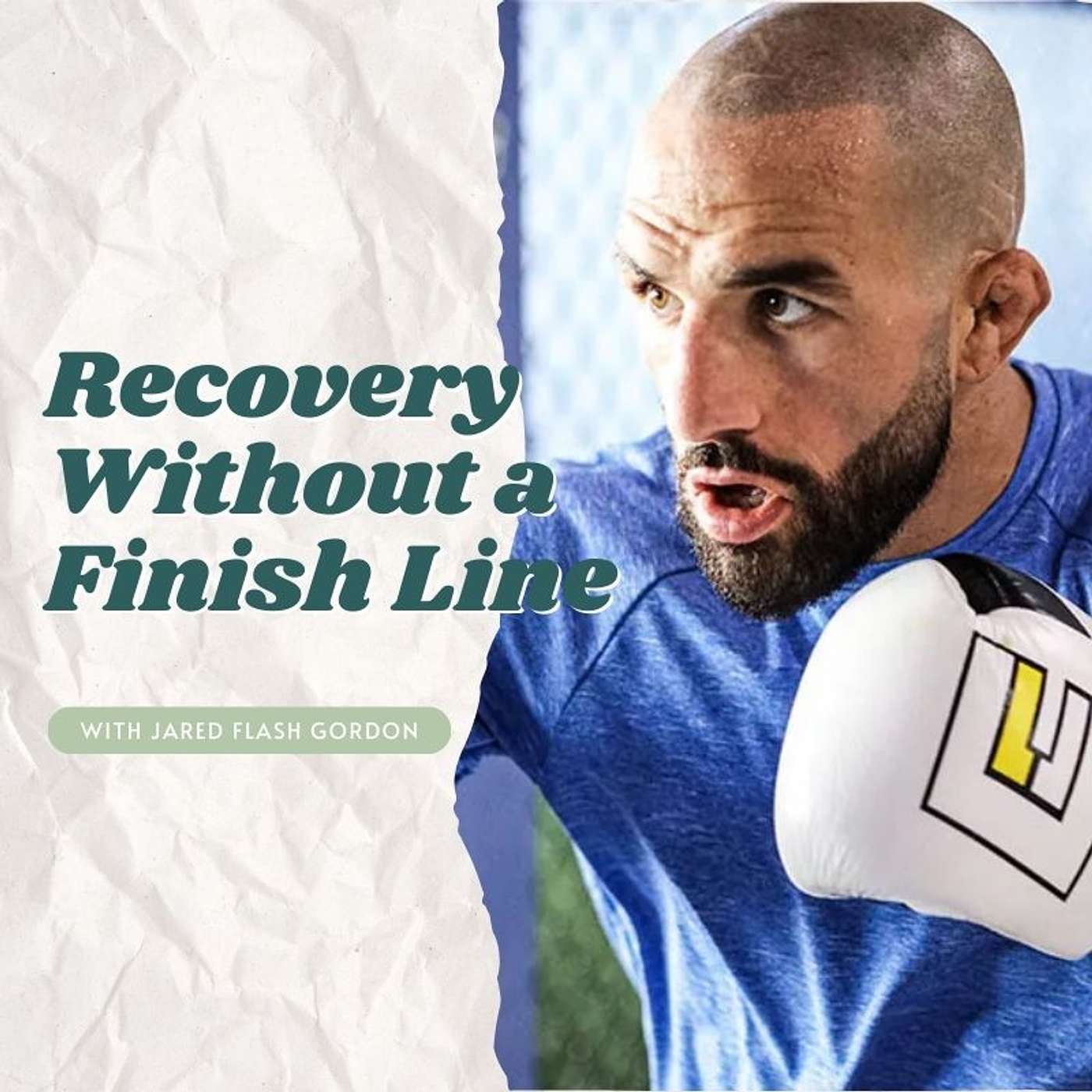
Thriving with Addiction with Dr. Jonathan Avery
UFC Fighter Jared Gordon on Recovery Without a Finish Line
00:36:58
Loading summary
Transcript52 lines
- [00:00]
A
Welcome to the Thriving With Addiction podcast, where we explore how recovery is not just about surviving, but about truly living. Each week, we'll dive into the science stories and strategies that help people and families heal from addiction and build healthier, more resilient lives. I'm your host, Dr. John Avery. Let's get started.
- [00:25]
B
I'm John Avery, and welcome back to Thriving with Addiction. Very lucky to have Jared Gordon join us today. He's an American mixed martial artist who competes in the UFC's lightweight division. A New York native, he began wrestling as a child and transitioned to MMA after a standout amateur career. Known for his durability, high pace, and well rounded skill set, he is widely respected for his work ethic, resilience and longevity in one of the sport's deepest weight classes. He's also open about his recovery journey and has become an outspoken advocate for mental health and addiction, using his platform to challenge stigma in combat sports. Jared, welcome.
- [01:01]
C
Thank you. Thank you for having me.
- [01:03]
B
No, it's great to have you. I'm still recovering from your last fight though, and I still can't believe the circumstances around it. Getting hit by a car beforehand and then that difficult defeat. You know, I was telling you before, I've been a huge fan for so long. How are you dealing with the aftermath of all that?
- [01:19]
C
I mean, I was pretty down on myself for a while, but, you know, it's been, what is it, four or five months now. So, yeah, it was pretty. I had a great camp. Weight cut was pretty decent. And then three hours after the weight cut, I got my leg run over by a car that was backing out of an alleyway. And I was looking down the street, looking this way away from the car, and all of a sudden my foot's underneath the wheel and it buckled my knee in and I sprained my MCL and my acl, and I was like, oh, man, you got to be kidding me. This could only happen to me. And, you know, I was in pain the day after. A knee sprain is probably the worst day because you're so inflamed still, and. But I was like, man, I feel so good still. I had a great camp. I think I could still beat this guy, and I always did. I almost got him out of there. It didn't work out for me, but that's kind of the story of my life and the fight game. And that's okay. It is what it is. I took a shot, I came up short, but I'm okay with it. And I just got to move on.
- [02:42]
B
No Resilience should be your middle name. We'll get into your story in a second. But, yeah, it feels like nothing can. Can really, really knock you down after all you've been through.
- [02:53]
C
It's been a long road. But, yeah, you know, I used to think maybe it's because I'm just stupid and I'm like, oh, like, I'll just keep going. But, no, I think that's just my character and, you know, the way God made me to be, and it's gotten me this far, and I've done some pretty cool things. I've. I've had some pretty great accomplishments and knocking down doors on other things, so I don't see why I should let go of that personality.
- [03:27]
B
Yeah, no way. It's a wonderful personality. And stupid is the last word that I would use to describe it. I mean, you're such an inspiration for so many. And then, since then, you had a milestone. I think you had 10 years. Is that right? Did I see that correctly on Instagram?
- [03:42]
C
We're at December 27th was 10 years in sobriety for me.
- [03:48]
B
Wow, what a. What an. What an accomplishment. And maybe walk me back to the beginning. What led us to pursue recovery and take me back to this journey that led you to becoming who you are.
- [04:00]
C
It's a long story, so I'll try to paraphrase it. But of course, started really young for me. I had a great life. I grew up on the north shore of Long island in a town called Roslyn Heights. Very wealthy area. My father was a blue collar guy, but he did very well for himself. And I never longed for anything. Anything I wanted, I had. I never. It was never hard for us, really. And, you know, I lived in a big house, seven bedrooms, five bathrooms, pool, you know, multiple cars, big property, and life was great. I did go to sleepaway camp, and this was like a pinnacle moment in my life. I was sexually assaulted there. And I bring this up because, you know, addiction and drugs and alcohol abuse are just a symptom, really, of our core issues. So that's why I talk about it. But anyways, I was sexually assaulted by a male counselor, and everything kind of changed for me. I was eight years old. I came home from school, from camp that summer. School started September. I turned nine September 6th. And I kind of just started emotionally spiraling. I remember having flashbacks of what had happened while I was, like, in class, you know, in whatever grade I was in third or fourth, fifth grade at the time, whatever it was. And I remember just, like, thinking to myself, like, all right, I don't want to think about this anymore. Let's just stuff the feelings and I would just forget about it and think of something else. Shortly after that, in like October or November, I smoked pot for the first time. And I have an older brother, Dylan, who also struggled from addiction. And he was like, he's two years older than me. And we had some family friends who lived right around the corner from us who were like 13, 14 at the time. And we used to hang out every day after school and they were smoking pot, you know, drinking beers, being teenagers. So I wanted to quote, unquote, fit in and be cool or whatever it was. So I started smoking pot, drinking alcohol, and it progressed fairly quickly as far as like marijuana use and drinking went. By the time I was 11, I was smoking pot almost every day. You know, by the time I was 13, I had tried cocaine for the first time, benzodiazepines. And high school came, I was partying.
- [07:03]
B
Just to pause for a second. I mean, my heart breaks for the younger version of you who had such a incredible trauma. And it sounds like you were mostly keeping it to your, to yourself. Didn't tell anyone.
- [07:14]
C
Yeah, I stuffed it down. Didn't want anyone to know actually. Obviously at that time I didn't know how to process it. And I thought like that I just could forget about it. And I remember thinking like, oh, I'll eventually forget about this. Of course I never did. And you know, it was like I was scared. I thought something was wrong with me, I did something wrong. Maybe I'm, you know, like as I started getting older, like, am I gay now because of this? So I had a lot of different feelings and emotions that came along with that. And obviously I was self medicating. And I remember thinking like when I first started really smoking pot and drinking, thinking like, okay, like this is good, this is great coping mechanism. Even though I didn't know that that's what I was doing. So it kind of just became my way of escape and getting, you know, not having to feel anymore.
- [08:22]
B
And it must have been confusing for the people around you who didn't know the trauma. I think you were really self medicating and suffering and they must have viewed the behavior as something different or how did your family understand?
- [08:32]
C
I guess they just figured I was acting out and being like a bad kid. And because I also started getting in, into trouble, you know, fighting, doing stupid things in school, getting suspended. You know, I got arrested at a young age for, for beating up a kid with my friends. Over pot. And it was just like, at the time it just felt like we were being knuckleheads. Like, this is what kids do. Normal. I think my parents were also. My parents were, are very down to earth. They were pretty lenient with us. They kind of like, let us be who we wanted to be. Obviously. They tried to direct us the best that they could. And then once you get to a certain age, 15, 16, 17, it's like, what are they going to do? Ground me? You can't keep me in the house anymore. And, you know, I started training in MMA and it's like, what is my, my dad's not gonna, I'm becoming a man. More physical. And yeah, like, I kind of stayed pretty functional and I was able to like, go about my day. Yeah, every now and then I would maybe get in trouble or do something stupid, but I wasn't like out of control committing like crazy felonies or so like I, I and I, you know, I worked, I had a job, I was able to hold down a job. I went to school, I graduated high school. So things were kind of like, all right, he's just, you know, a kid. And then when I turned 18, so I started training MMA when I was 17, I graduated high school.
- [10:18]
B
What, what drew you to MMA? Was it also sort of a desire to escape?
- [10:22]
C
So, ironically, after high school going, I was trying to go to college. I got accepted to LIU for the, for the pharmacy program. So I was going to become a pharmacist, which is funny because I eventually became a pill addict and I was working at a pharmacy. I worked in a pharmacy for like two or three years and the pharmacist was like, you could have a great career in pharmacy. You come, you go to school, it's six years, you know, you get your, do some prerequisites. I think it was a six year program, something like that. And, you know, you could be making decent money and have a great career and own a pharmacy or work in a pharmacy, stable job, healthcare. And I was like, oh, it sounds like a pretty good idea. And I graduated high school, I started training in mma. And I always had this feeling and I, I speak about this often. I always had this feeling in, in like my gut that there was like something bigger for me. When I was a young kid, like when I would listen to music or work out, I always felt like, I'm gonna do something cool and great. And I used to think, like, I just don't feel like it's going to college and then getting a job and doing a 9 to 5. Like, I just always had this feeling like that wasn't meant for me. You know, Go to college, have a good job, get a good job, get married, have kids and have a regular life. Like. And at the time, I directed that feeling into negative things. I thought it was, I'm gonna sell drugs, get rich, and open a business, and I'll. And I'll live a great life. So I started getting a little. I was engaging in criminal activity as I got older. 17, 18. And then I found MMA and things started to spiral. I got. I hurt my neck pretty early on in mma. And I was at a bar one night with my buddy. I was like, 18, and he was like, I was complaining about my neck, and he was like, hey, you want a vike? A Vicodin? And I was like, yeah, sure. Never tried opiates. Took a Vicodin. And I was like, oh, this feels really good. And then I remember the following Friday asking him, hey, do you have any more Vicodin? I bought three of them. And then within a couple weeks, I'm shoveling Vicodin and Percocet into my mouth. And that's when things really start to get bad for me. I eventually found oxycontin. Not. Not that much longer after Oxycodone. I got fully addicted to OxyContin. At the time, you know, they were just handing pills out like it was candy, you know, it was everywhere.
- [13:19]
B
Yeah.
- [13:20]
C
Got fully addicted. Toxicon, which eventually turned into other opiates like Dilaudid and Fentanyl and Ms. I was exploring every opiate there was. And then I found heroin. And I started using needles, started shooting heroin. I was shooting cocaine. Anything I could put in a needle, I would shoot. So my life quickly spiraled out of control. I ended up in multiple treatment centers, crisis centers, homeless shelters.
- [13:59]
B
Wow.
- [14:00]
C
Psych wards, hospital visits for overdoses. Yeah. I went to a therapeutic community. Long term treatment. I was there for like, six months. That was pretty intense. And I got arrested when I was 21 or 22 for a home invasion robbery in Florida, actually. And I was facing 25 to life. Thank God they dismissed the case. And When I was 27, I had my final overdose. Christmas Eve 2015. I woke up in the hospital on the 26th. I was very sick from withdrawal. I left the hospital, got high one more time, and I went to detox in Flushing Hospital in Queens. And I've been sober ever since.
- [15:00]
B
What finally tipped you over into sobriety? It sounds like you were trying everything so many different treatment mechanisms. I'm curious if they were addressing addiction and mental health as you went through it as well. But what finally tipped you over do you think?
- [15:12]
C
So my first treatment center, I was 22. I went to a nice place here in Florida. My parents had, you know, I was on my parents health insurance still. They sent me to a pretty nice place. And that was the, I think one of the first times I experienced going to AA or NA and just hearing the steps and the traditions and about God and higher power and handing your life over to this higher power that will if you let it. And at the M.E. in the meantime, take suggestions from people who have been there and done that your life could change. At the time I didn't want to really hear much, but the seed was planted. So over the next five years of going in and out of treatment and being homeless and panhandling and homeless shelter and the whole whole thing getting arrested between, you know, I was going to meetings in, in between all that, I would, I would try to get sober. I would go away for a month or two, I would go to meetings, I would come out, I would go to meetings and I'd stop, I'd relapse. I had a shoulder surgery one time, I relapsed. And then finally, before I went away the last time, someone that eventually became my first AA sponsor, Tommy, my friend who I still, I was talking to him yesterday. Tommy was, you know, he was trying to get me to go to meetings with him. I would go to meetings and he's like, listen, like if you're going to do this, you got to do the steps, take some suggestions, go to, go to do a 90, 90, 90 meetings in 90 days. But you got to do the steps. You got to actually put some work in and really want to get sober for yourself and let God take the ring. You're not in control. Can't control the future, can't change the past. You can only do whatever you can in the present to get yourself to the next point. So I finally, that night, after overdosing for the last time, I was like, I can't, I just can't do this anymore. I don't want to do it anymore. And in, in the, the buildup to all of that, I was fighting anytime that I had a period of abstinence from drugs and alcohol, I would fight and I would win and win and win. And then I would relapse, I would use for a while and I would do the same thing. So I was able to get a pretty decent Pro record. I was 9 and 1 at the time, so I also had MMA. It was kind of like a reason for me to stay sober, but it was never enough for me to stay sober forever. Anything tangible is just, like, mean. It's almost meaningless. It just doesn't hold enough power and weight for me. For me, in my experience, it didn't. Even though I knew MMA could propel my life to new levels, still wasn't enough. Until I finally said, all right, God, I don't know how you work. I don't know what you do. And I just started talking, praying. And at first, I used my friends who passed away from the disease of addiction as my reason to stay and get sober, because I knew, like, they wouldn't want me to go out the way they went out. And I was like, all right, I'm going to do it for them. And then after a while, I was like, all right, there's something bigger out there than just my dead friends. So I started calling him God. Jesus for me, I'm a Christian, and that's who is the centerpiece for me. So God. Plus, you got to put the work works. You know, faith without works is dead.
- [19:40]
B
So that faith, it sounds like in your 12 step community, that finally clicked it into sobriety. And did that also help with some of the trauma? When did you start talking about that or making your way through that? Because I hear that was at the beginning, but then might have been lost in all this. You were having success and also a lot of trouble and trauma at the same time.
- [20:03]
C
Yeah, I started hearing people's stories and relating to them, hearing about abuse, different kinds of abuse, different kinds of trauma, injuries, sickness, sexual abuse, physical abuse, mental abuse. And I was like, oh, I kind of relate to this. And I remember thinking, like, if these people can do it, so can I. And that's the whole point, really, of the program, obviously, is to relate, not to compare, and, you know, take what works for you and leave the rest and try to get better. So. And then I started learning that, like I said before, that drugs and alcohol are really just a symptom of our disease. It's really what's going on in here that you have to try to fix. So later in my sobriety, the last three, four years, I've really been exploring, like, my trauma that I went through, you know, the abuse, the sexual abuse, anything else that I've gone through, I started realizing, like, this is what shaped my life and what made me who I am. And I could see it now in other people like, all right, you have untreated trauma. I actually recently went away to the Meadows in Arizona. They have the workshops called survivors1. It was great. I learned a lot about myself, and I never realized that, like, I really had untreated trauma. I spoke about it a lot early on in sobriety and even before I got sober. I eventually told my parents when I was like 23. So four years before I really got sober is when I started talking about it. And yeah, it's an ever evolving process for me or I think for anyone who has experienced anything traumatic. Like, my wife is not an alcoholic or an addict, but her father died when she was 12 in a plane crash. And that's trauma. I don't care what you say. My friend is a war veteran. He was in combat trauma. My other friend, his parents got divorced and separated when he was younger. That's trauma and shapes us for who we are. And obviously, you know, it's not like I only have a drug and alcohol issue or had one. I have a thinking issue always. Like, I'll always have a thinking issue.
- [22:53]
B
What do you mean by that?
- [22:54]
C
So when I first started self medicating, I reached for the drug and the drink. Now that I know, like, all right, I can't do drugs and alcohol anymore. I'll act out in other ways. I'll gamble, which I don't do anymore either. Woman pornography. Any way that I can get outside myself, I will. And then so, like, over the course of a few years, when I first got sober, I realized, all right, like, I don't necessarily have a drug and alcohol problem anymore, but I still do things that aren't really good for me. I could get addicted to anything. I get addicted to working out, too much sugar, eating nicotine, whatever, whatever it is.
- [23:53]
B
So
- [23:55]
C
I believe it's all from my childhood and the trauma that I. I experienced and the things that I saw shaped me for who I am today. At the same time that I started smoking pot and drinking, I experienced pornography for the first time. I was 11 or 10 or whatever it was. And then 20 years goes by and my wife's like, what's wrong with you? You know, why are you. Why are you doing this? Like, you know, finding history on my computer that is inappropriate. And I'm like. At first I was like, what do you mean? It's normal? And then I realized, like, wow, I've been doing this for 20 years, since I'm a young child. So my. I was shaped and molded to be who I am. Thank God I was able to Pull myself out of it and, you know, get some help. So I. I'm. Not only do I go to aa, but I go to slaa. I've done ga, Gamblers Anonymous.
- [25:03]
B
Great.
- [25:04]
C
So. And I've spoken to many people.
- [25:08]
B
This is why I'm your biggest fan, is that, you know, I think sometimes there's the thought that when you get into recovery, it's. It's sort of over, but you've been pretty open and honest, that it's an ongoing. There's no finish line. It's an ongoing process.
- [25:20]
C
There's no finish line.
- [25:21]
B
Identifying the underlying reasons, addressing them through different routes, and also being aware of how this thinking takes other forms and that we have to always be vigilant and always, you know, being mindful. And you've done such a great job about that. And also being honest. I mean, your honesty is really, I think, helped so many people through this.
- [25:40]
C
Well, I think that's like, you know, a lot of people will get sober and then talk about the sobriety, but they might not necessarily want to talk about what's really going on. And I realized, like, if I'm gonna really help people, then this is how it's gotta be. I'll get addicted to being depressed. I've done that. Just being in. Just feeling anxiety and depression is, like, almost normal at times. And, like, I. I'll long for it being. I've had suicidal ideations where I'm most comfortable in that feeling. And, you know, if I don't go to meetings or do certain work, I could start acting out in any kind of way that's not positive. And I might not necessarily go drink right away. It might be weeks and months. But if I don't do something to give myself a daily reprieve from my addiction, then I'll fail. And my. My addiction, it's waiting under every rock, under around every corner for me to slip up and come in. And now I don't necessarily say, oh, I'm gonna go get high. I haven't thought about getting high, and I don't know how long, but I'll say to myself, effort. I'll just kill myself. And then I'll get into this suicidal depression. And I started talking about it, and people are like, hey, you were right. What's going on? I'm kind of worried about you. I'm not doing that at this moment, but I had a few years ago, I was having suicidal ideations even in my sobriety. And I realized, like, it's my disease. My disease doesn't care if I drink or do drugs. It just wants me dead. So when I say to myself, oh, I'm just going to kill myself, it's clapping. It's like, yeah, great, we can skip the drugs and the alcohol and you can just go straight to suicide. That's even better. Faster. So it's like my disease. They say in AA all the time, like, your alcoholism is doing push ups outside while you're sleeping at night, just waiting for you to mess up so it can strike. Before you know it, you have a drink in your hand or a needle in your arm again. And I've seen it happen to family members, friends who are sober, and then they just end up back where they were. And I'm like, how did this happen? But that's the disease. You know, it's not a physical disease, it's a spiritual disease. And the only way to combat a spiritual disease is with the spiritual power. So it's a lot of work, but it's worth it. And anyone can change their lives.
- [28:49]
B
That's right. And tell me how. So there's these really challenging emotions and feelings at the same time. Right. When you entered sobriety, your career took off. Right. You entered UFC and became, you know, the superstar that you are. That's also sort of tricky, having success in that way. What was success and fame like for you?
- [29:09]
C
So I came out of rehab. I was actually. I went to Creedmoor, which is on the grand. You know what I'm talking?
- [29:20]
B
Oh, yeah.
- [29:21]
C
Yep. And I came out of there, and my teammates and coaches knew about my problem, so they were all very supportive. And. And Tommy, that guy I was talking about, became my sponsor, and I just hit meetings, I started doing step work, and I got right back in the gym, and I worked my butt off. I got in shape, got back in the cage, I won, and then I fought two more times, and 13 months exactly after getting sober, I fought in Atlantic City. Dana White was there, and he signed me to the UFC that night after I won. So, yeah, 13 months is. I mean, you know, it was a lot of hard work, but that was all it took. I was 13 months before I was. I couldn't keep a needle out of my arm. I had track marks up, and I couldn't be in a T shirt in front of people because I looked horrendous. And. Yeah, just hard work and AA. God. And I was in the UFC 13 months later. So, I mean, granted, I was already a professional athlete, so I just had to, you know, get it back.
- [30:46]
B
Right.
- [30:47]
C
But, yeah, anyone can Change their lives around on the. Whenever they want.
- [30:54]
B
What was fame like for you? What was it like to. To join the ufc? Like that.
- [30:58]
C
I was ecstatic. I was really happy. I always knew I belonged and that I can get in and do well. So it was like. It was kind of like, I was happy, but it was kind of underwhelming, to be honest. I was like, all right. Like, you know, without the uc, I wouldn't be where I am right now. I wouldn't have anything that I have right now. But everyone knows when you first get into ufc, it's not like you're making millions of dollars. So I was still living a normal life, and I still do live a normal life now. But, you know, thank God, now I'm getting paid a lot more than I did in the beginning. But, you know, I was still working, living in Queens. I was still a personal trainer, teaching classes, which is what every fighter should be doing in the beginning, unless you got money. But so. But it was awesome. I made my debut, I won. I was super happy. I can now call myself a UFC fighter. And, you know, I thought it was going to be easy. Didn't turn out that way. I had a lot of ups and downs in my career, which also shaped me to be who I am now. And I. I wouldn't change it because this is just the path that I was chosen to. To walk. So whatever God's plan is for me is apparently the best plan. So, you know, I think also, like, winning a. You, like, even if I won the UC champion, it would be un. Championship. It would be underwhelming. You know, obviously I'd be very happy. But, like, my, my, my. One of my best friends was UFC champion Bal Muhammad. And, you know, we spoke a lot after he won, and I was like, how's it feel? And he was like, dude, I feel the same. No one cares. And he's like, now I just want to get to the next level now, like, I'm the champion, but now I have to be the best ever. And it's like, when does it end? So fighting, really any sport or something that puts you in the spotlight is fleeting. It only fulfills you for a few days. You win a fight, and two, three days later, you're like, how come no one's cheering for me anymore? And you go through these emotional roller coaster up and downs where it's like, all right, now what? And then that's when my disease is like, oh, you can do this. You can go act out somehow. Go do whatever you Want, you deserve it, you know, and then you start getting in trouble, at least for people like me. But I know that for my friend, who is not an alcoholic addict, he's a devout Muslim, felt the same way. Like, yeah, it's like, whatever. And then he lost the championship, and then no one, you know, oh, you suck. Now. The guy was just a champion. Now he sucks. So I think that for me, like, the fulfillment comes from helping others, doing God's work, being of service, and, you know, loving people. My family. I have a beautiful daughter who just turned one.
- [34:28]
B
Oh, congratulations.
- [34:31]
C
I have a wife who I've known since first grade, which is insane. I can't believe she's still with me. And, you know, that's, like, where it's at. Being with my parents, being with my family, and, you know, fighting is awesome. I love it. I owe the UFC everything that I have materialistically. The money, the house, whatever. But, yeah, I think God put me here to help people, so that's what I'm trying to do.
- [35:00]
B
Yeah. No, I love that. How the fulfillment doesn't come from the winds. I think everyone sort of thinks it would, but it comes from your faith and family and purpose and giving back. And you've given back to so many. You're helping folks in the UFC address mental health and substance use just by telling your story. But also countless people around the country and the world hearing your story, hearing your honesty around trauma and addiction, I think you've helped even more than you realize.
- [35:26]
C
That's what I've been told. And, you know, not everyone tells you that. That they've. That you've helped them. So sometimes I'm like, oh, no one cares about me. But someone last night actually messaged me on X that I don't even know, and he was like, man, should be so proud of yourself. You've helped so many people. And I'm like, oh, I forget about. Sometimes. I forget. But, yeah, I'm like, it's crazy because you think, like, oh, like I've done. I've already reached the pinnacle or my pinnacle, and it's like, no, it keeps coming. Good things keep coming. So, yeah, I think it's just like, addiction and recovery. Life is a never ending. What. What could be amazing for you? You could make it miserable, but you could have an amazing life.
- [36:20]
B
Well, Jared, it was great. I appreciate you taking the time to. To come talk with me and to share your story and for all you're doing.
- [36:27]
C
Thank you. I appreciate it.
- [36:28]
B
All right. I wish you continued success.
- [36:30]
C
Okay, thank you. So much.
- [36:31]
A
Thanks for listening to the Thriving With Addiction podcast. If you found today's episode helpful, please follow and subscribe. Wherever you listen to your podcasts and share it with someone who might benefit, you can also connect with me on Instagram, LinkedIn and YouTube, or visit thrivingwithaddiction.com to learn more. Stay tuned for next week's episode and remember, thriving is possible.