← Thru the Bible Daily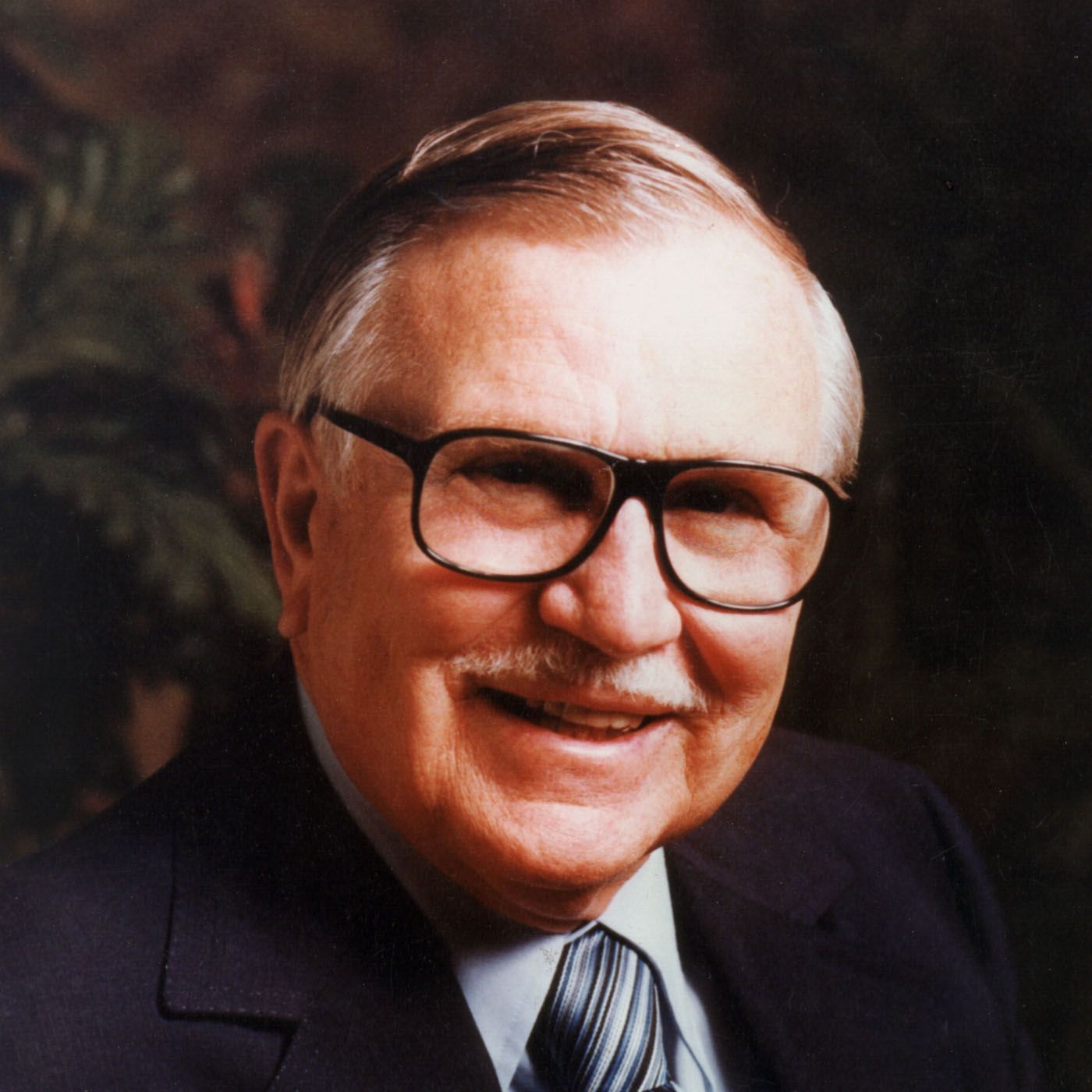
Thru the Bible Daily
Genesis 22:1-18
00:26:01
Are we justified before God by faith or works? That’s the important discussion we’ll have as we walk through Genesis 22. Join us as Abraham willingly follows the command to sacrifice his son, Isaac, and God ultimately stops Him. Rich with symbolism...
Loading summary
Transcript22 lines
- [00:00]
Dr. J. Vernon McGee
How firm a foundation, ye saints of the Lord is made for your faith
- [00:13]
Steve Sweatz
in his excellent work. In Paul's letter to the Romans, he wrote that Abraham was justified before God because he believed God. But James says in his letter that Abraham was justified by his works. So who's right? Welcome to through the Bible. I'm Steve Sweatz, and our teacher, Dr. J. Vernon McGee, investigates this question in this study of Genesis 22. Before we jump into our study, though, it is letter month here through the Bible, so Greg and I have some letters for you. Stories of how God is using his Word in real lives right now.
- [00:47]
Greg
And that's why we have letter month. Dr. McGee started it in May and December. It's just a time for us to say, please tell us your story. Of course it encourages us, but it encourages everybody listening. The entire listening.
- [01:00]
Steve Sweatz
Absolutely.
- [01:01]
Greg
And so let's start with Mary in Buffalo, who shares this thank you for the bible bus passes. Dr. McGee often talks about brilliant men. I don't think I've ever heard a more brilliant man than Dr. McGee. So full of the Spirit. Through his teaching and preaching, I have developed a new hunger for the word of God. I have a new joy looking forward to Jesus in the rapture. I mean, Dr. McGee explains the rapture, the millennium, all these things that really don't get taught. I'm 63 years old, and I've never had it so clearly laid out as he does. The Holy Spirit within me rejoices when I hear Dr. McGee, thank you so much for the vision, for continuing this ministry, and for keeping his voice on the air. I pray for those who run this ministry.
- [01:46]
Steve Sweatz
Well, thank you, Mary, so much for the encouragement. And next we've got Jay, who tells us this while I was living in my van getting off meth.
- [01:55]
Dr. J. Vernon McGee
Wow.
- [01:55]
Steve Sweatz
This is a story. I listen to you daily, over and over again, washing my mind and soul for. From the corruption of my past. Thank you and your staff for being a part of the program. Unlike when I could only listen to Jay Vernon on the radio, the app has been a blessing to me. Thank you for your prayers.
- [02:13]
Greg
I think that's what the Bible calls transformation right there. And that just shows the power of God's word, as he says, to wash his mind and soul from the corruption of the past. Wow. Thank you, Jay. And God bless you, brother, in your journey. And we're happy to be here and to. To just aid what God is doing in your life. Now we have a last note from Beth, and she writes this. Hello, friends. I completed one ride through the Bible bus on ttb.org this summer and presently completed Genesis on my second ride. You are our companions as my husband and I live and travel on our sailboat. The more I read and study the Bible, the more exciting it gets. I love finding unexpected treasures. I love being transformed. I love growing closer to my Lord. Thank you so very much.
- [03:04]
Steve Sweatz
Wow, Beth, you're probably one of the few people who has ridden the five years on the Bible bus on a sailboat.
- [03:09]
Greg
On a sailboat. I, I do remember years ago somebody saying they had the solar Bible bus on a, on a sailboat. But. Yeah, and talk about the, just the, the breadth and the range of the people that God reaches through this ministry. You know, you've got Jay who's coming off of a meth addiction. You've got Beth on a, on a sailboat. You've got Mary who at, at a season of life that you and I are in is just exploring and, and getting exciting insights into God's Word. I mean this, this is why we're here. We want the whole word for the whole world.
- [03:42]
Steve Sweatz
Steve and we do want to remind you that this is letter month as well. And your story, Val, has, has value to us and will hopefully bless listeners when you write in and tell us how the Lord has used the teaching of, of God's Word to faithfully change you and conform you into the image of Christ. So we would love to hear you can write to us at any time. You can call 1-865 Bible and leave a letter via voicemail. It's if you're not a writer, that's the easiest way to do it.
- [04:08]
Greg
That's right. And if you're used to doing email, just send an email to Biblebus tb.org
- [04:13]
Steve Sweatz
yeah Greg, why don't you pray for us as we begin the study?
- [04:15]
Greg
Father, thank you for the way your Word keeps reaching deeply into the lives of listeners here in North America and around the world in a couple hundred languages. Lord, we always stand amazed at what you have built in this humble ministry. And we just want to be faithful and humble as we give out your whole word and we pray you'll help us do that. In Jesus name, amen.
- [04:40]
Steve Sweatz
Now here's our study of Genesis 22 on through the Bible with Dr. J. Vernon McGee.
- [04:45]
Dr. J. Vernon McGee
Now, very candidly, I recall the first time that I saw in this chapter these great truths that depict the cross of Christ. It was breathtaking. And I'm sure that many of you have had this call to your attention. But again, not only in the birth of Isaac. But now in the sacrifice of Isaac, there is a strange similarity. The very interesting thing is that James makes a statement that I'm sure many of us think contradicts the Bible. That is the other part of the Bible. When he says in James 2:21, was not Abraham our father justified by works when he had offered Isaac his son upon the altar? And then Paul makes the statement in Romans 4:1. What shall we say then? That Abraham our father hath found as pertaining to the flesh? For if Abraham were justified by works, he hath whereof to glory, but not before. For what saith the scripture, Abraham believed God and it is counted to him for righteousness. All right, now which is right, James or Paul? Well, my answer is both of them are right. First of all, you need to note that both of them are talking about the same thing. James is talking about the works of faith, not the works of the law. And you find that Paul is talking about justification before God. Now Paul quotes way back in the 15th chapter of Genesis when Abraham was just getting underway in a walk of faith and only God knew his heart and God saw that he believed him. Abraham believed God and God counted it to him for righteousness. But we saw that he failed many times. And I am of the opinion that his neighbors might say, well, we don't see that. But the day that he took his son to be offered on the altar, even the hard hearted Philistine had to say, well, this man has works. And so James says he was justified by works when he offered Isaac. But the question is going to rise, did he really offer Isaac upon the altar? And the answer of course is he didn't. But he was willing to. And that very act of being willing to is the act that James is talking about that reveals that he had the works of faith. And James is emphasizing the works of faith, which is in the 22nd chapter of Genesis. Paul's talking about faith in his heart, which he had way back in the 15th chapter. Now let's turn to this and begin to read. And it came to pass after these things that God did tempt Abraham and said unto him, Abraham. And he said, behold, here I am. Now the word tempt is a little bit too strong here. Actually the word means test. Because James, you know, makes it very clear that God never tempts anyone with evil. God tempts folks in the sense that he tests their faith. And what he's doing here is God did test Abraham and he's asking him now to do something very strange. Will you listen to this. And he said, take now thy son, thine only son Isaac, whom thou lovest, and get thee into the land of Moriah and offer him there for a burnt offering upon one of the mountains, which I will tell thee of. You're going to find, by the way, that right after this chapter that Sarah was 127 years old. Chapter 23, verse 1 says that when she died, and we have the death of Sarah in the next chapter. The very interesting thing is that when you put that down with this chapter, you find out that this boy Isaac wasn't just a little lad. Now remember that 90 years old was the age of Sarah when He was born, 127 when she died. That means that there was 37 years elapsed year. Now, you wouldn't gather that from reading this. So this boy, little lad Isaac, as he's called here, why, he actually was in his 30s, probably around 30 or 33 years of age. Now, God says to him, and it reveals something of the heartstrings that it played upon Abraham and also God himself. Take now thy Son. And the Lord Jesus in the position in the Trinity has taken the position of the Son, thy Son, thine only son. And the Lord Jesus is said to be the only begotten Son, thine only son, Isaac, whom thou lovest. And the Lord Jesus said, the Father loves me, whom thou lovest. And get thee into the land of Moriah and offer him there for a burnt offering upon one of the mountains, which I will tell thee of. Take now your son, your only son, Isaac, whom you love, and get to the land of Moriah. And it's the belief of a great many that Moriah, that is the particular part there, is the place where the temple was built, and it is the place that the Lord Jesus was sacrificed. That is right outside the city walls. I didn't quite get oriented in Jerusalem, but I had a feeling that Golgotha and the Temple area were not very far apart, and they belong to the same ridge. By the way, there's a roadway in times past has been cut through there, and it's been breached, but it's the same ridge, and that is called Moriah. And it is the belief of many that the Lord Jesus died on the same ridge, the same mountain that Abraham offered Isaac. And now he is to be offered for a burnt offering upon the mountains, which I will tell thee of. Now, the burnt offering is the offering up till the time of the Mosaic law, and then a sin offering and a trespass offering was given. But here the burnt offering speaks of the person of Christ and who he is. Now this is an offer of a human sacrifice. And frankly it raises this moral question, isn't this wrong? And the answer is yes, it's morally wrong. But let's look at this for just a moment. I'm of the opinion had you met Abraham that day on the way with Isaac, you would have said to him, where you going, Abraham? He said, to offer Isaac as a sacrifice. And you would have said, well, don't you know that's wrong? And I think he would have said, yes, I've been taught that it was wrong. I know the heathen nations around here, the Philistines, they offer human sacrifice. But I've been taught otherwise. Well, why are you doing it? Well, he said, all I know is God has commanded it. I don't understand it. But I've been walking with him now for 25 years. He's never failed me, nor has he asked me to do anything that didn't prove to be the best thing. And I don't understand this, but I believe that if I go all the way with it, that God will raise him from the dead, because I believe that he'll do that. Now what we have is that Abraham, he goes out and takes this boy with him. And let me read this because this is a tremendous picture. And Abraham rose up early in the morning, saddled his ass, took two of his young men with him and Isaac his son and clave the wood for the burnt offering and rose up and went unto the place of which God had told him. Now he goes with Isaac, takes him with him, takes the wood for the burnt offering. And now let's follow this. Then on the third day, Abraham lifted up his eyes and saw the place afar off. It took him three days to get there. But remember, it was on the third day that Abraham received him alive, back from the dead, as it were. And that's the way Abraham looked at it. He was raised up to Abraham the third day. And Abraham said unto the young man, abide ye here with the ass. And I and the lad will go yonder and worship and come again to you. You see now the transaction that's going to take place is between the Father and the Son, between Abraham and Isaac. And actually God shut man out at the cross. And at the time of the darkness, at high noon, why man was shut out. The night had come when no man could work. And during that last three hours that cross became an altar on which the Lamb of God that taketh away the sin of the world was offered. And the transaction is between the Father and the Son on that cross. And man is outside. Man is not participating at all. Now, the picture is the same here. It's Abraham and Isaac, verse six. I'm reading. Now, Abraham took the wood, the burnt offering, and laid it upon Isaac, his son. Now remember, Christ carried his own cross. And he took the fire in his hand and a knife. And they went, both of them together. And the fire speaks of judgment. And the knife there, the execution of judgment, sacrifice. And Isaac spake unto Abraham his father, and said, my father. And he said, here am I, my son. And he said, behold the fire in the wood. But where is the lamb for a burnt offering? A great many people say, well, shortly after this, there was a ram that was caught in the thicket by his horns. And Abraham got him and offered it. That's right. That's exactly what happened. Let me read that. I drop down to verse 13. And Abraham lifted up his eyes and looked. And behold, behind him a ram caught in a thicket by his horns. And Abraham went and took the ram and offered him for a burnt offering in the stead of his son. Now, the thing is, Abraham said God would provide himself a lamb, but there was no lamb there. It was a ram. And there is a distinction. And the lamb was not provided until 1900 years later when John the Baptist marked him out and identified him and said, behold the Lamb of God that taketh away the sin of the world. God will provide himself a lamb for a burnt offering. That's very important to see. And it's, I think, very important for us to note that at this particular place, because Abraham is now ready to offer this boy on the altar. This man does not quite understand. And they came to the place which God had told him of. And Abraham built an altar there and laid the wood in order and bound Isaac his son and laid him on the altar upon the wood. Now, he's not just a little boy that Abraham had to tie up. Actually, he's a grown man. And I believe that he could have overcome Abraham if it came to a physical encounter. But he's doing this in obedience. And the Lord Jesus went to the cross. Not my will, he said, but thine be done. And he's going to the cross to fulfill the will of God. What a picture we have here. And Abraham stretched forth his hand and took the knife to slay his son. And again, had you and I been there and said, abraham, are you going through with it? Looks like now God's going to permit you. And he would have said, I sure am. Well, don't you know it's wrong? He said, yes, I've been taught that, and I don't understand it, but I've also learned to obey God. And this is a real crisis in this man's life. Actually, God had brought this man through four very definite crises. A real exercise of his soul, a real strain upon his heart. First of all, he was called to leave all of his relatives in Urdecaldes. Just leave the whole group. That was a real test for Abraham. He didn't do it very well at the beginning, but nevertheless, the break came finally. Then there was that test that came of this boy. Lot. His nephew actually loved Lot. He wouldn't have been carrying him around with him if he hadn't. And then the time came. They had to separate, and Lot went down to Sodom. Then we found that this boy of his, the son of Hagar Ishmael, that Abraham just cried out to God, oh, that Ishmael might live before you. He loved that boy. He hated to be separated from him. And now he comes to this supreme test. This is the fourth great crisis in his life. He's asked now to give up Isaac. Now, he doesn't quite understand all the details about this. For the very simple reason God has told him that it's in Isaac your seed be called. You can depend on that. Now, he believed God would raise him from the dead. But as far as Abraham is concerned, he's willing to go through with it. Now, James can write. Don't you see that Abraham was justified by works when he offered his son? But wait just a minute. Did he offer his son? And Abraham stretched forth his hand, took the knife to slay his son, and he plunged the knife into his son. Is that the way your Bible reads? No. Mine doesn't read that way either. And in verse 11, it says, and the angel of the Lord called unto him out of heaven and said, abraham, Abraham. And he said, here am I. And he said, lay not thine hand upon the lad, and neither do thou anything unto him. For now I know that thou fearest God. Now he knows. Now, how does he know? By action, by works. Before it was by faith. Now God sees your heart. He knows whether you're genuine or not. But your neighbor doesn't know. Your friends don't know. They can only know by works. And that's the reason James could say that faith without works is dead. It has to produce something. Now God tests Abraham. Now, may I say that I believe that any person that God calls any person God saves, any person that God uses is going to be tested. God tested Abraham. And God today tests those that are his own. He tests you and me today. And these are tests that are given to us to strengthen our faith and to establish us and make us serviceable for him. That is the important thing that we need to note here. This man, Abraham, is now given the supreme test. And God will not have to ask anything of him after this. Now, he said to Abraham, you're not to do this. And verse 13. And Abraham lifted up his eyes and looked. And behold behind him a ram caught in a thicket by his horns. So Abraham took this ram and he offered it for a burnt offering instead of his son. And that's been the substitution all the way from the Garden of Eden down to the cross of Christ. It was this little animal that pointed to his coming. And God would not permit human sacrifice. But when his son came into the world, his son went to the cross and died. And God spared not his own son, but he delivered him up freely for you and for me. And on that cross it became an altar on which the Lamb of God that taketh away the sin of the world is offered. It's very important to see that friend. Now, verse 14 says. And Abraham called the name of that place Jehovah Jira, as it is said to this day, in the mount of the Lord, it shall be seen. And so Abraham names this place. And as I said before, a great many people believe that it's where Solomon's temple was built. And Golgotha, the place of a skull, is just right there on that same ridge that the temple was on that Abraham offered his son. And it was there that the Lord Jesus Christ was crucified. That is a glorious, wonderful thing to see. Here and now Abraham calls the name of that place, Jehovah Jirah. How wonderful it is. Here's where God intervened in his behalf. Now will you notice as we move along? And the angel of the Lord called unto Abraham out of heaven the second. Now God has a message for him. And he said, by myself have I sworn, saith the Lord. For because thou has done this thing and hast not withheld thy son, thine only son. Now just a minute. I have a question to ask. Did Abraham do it? No, he didn't offer his son. Well, God says to him, because you've done this thing. You see, friends, Abraham believed God. And he went far enough to let you and me know. To let God know. God already knew. But to let the created universe know that he was willing to give his Son. And so God counted it to him that he had done it. You see that he's justified by faith, but he's also justified before man by his works. He demonstrated that he had that faith. Now will you notice? God says to him, because you have done this thing and hast not withheld thy Son, thine only Son. Notice how God plays upon that. Because God gave his only Son that in blessing I will bless thee, and in multiplying I will multiply thy seed as the stars of heaven and as the sand which is upon the seashore. And thy seed shall possess the gate of his enemies. Now notice this. And in thy seed shall all the nations of the earth be blessed. Now that is the fact that today the Gospel of Christ has gone out pretty much to the world. There are many that have not heard that's true even in our own midst. But nevertheless, the blessing has come to all nations. And the only blessing the nations have is through Christ. Because Thou hast obeyed my voice. And that obedience rested upon his faith. And it always will lead to action. Faith without works is dead. So we leave off at this particular juncture today, my beloved. Pick right up there tomorrow and continue on with Abraham's story until then. May God richly bless you. I beloved.
- [24:50]
Steve Sweatz
To share these Bible studies with a friend, point them to our app or visit ttb.org or to find a local station that carries through the Bible, just give us a call at 1-865Bible. We'd be happy to help you out again. You can reach us anytime at 1-800-652-4253, or write to us at Box 7100, Pasadena, California, 91109. In Canada, write to Box 25325, London, Ontario, N6C 6B1. Did Abraham know about the Gospel? We'll explore that question next time as the Bible bus rolls along.
- [25:27]
Dr. J. Vernon McGee
Jesus made it all
- [25:33]
Steve Sweatz
to me My
- [25:34]
Dr. J. Vernon McGee
own sin had left. The Crimson Sam through the Bible exists
- [25:52]
Steve Sweatz
to take God's whole word to the whole world. And we invite you to stand with us with your faithful prayer and financial support. Where will God's Word go today?