← Thru the Bible Daily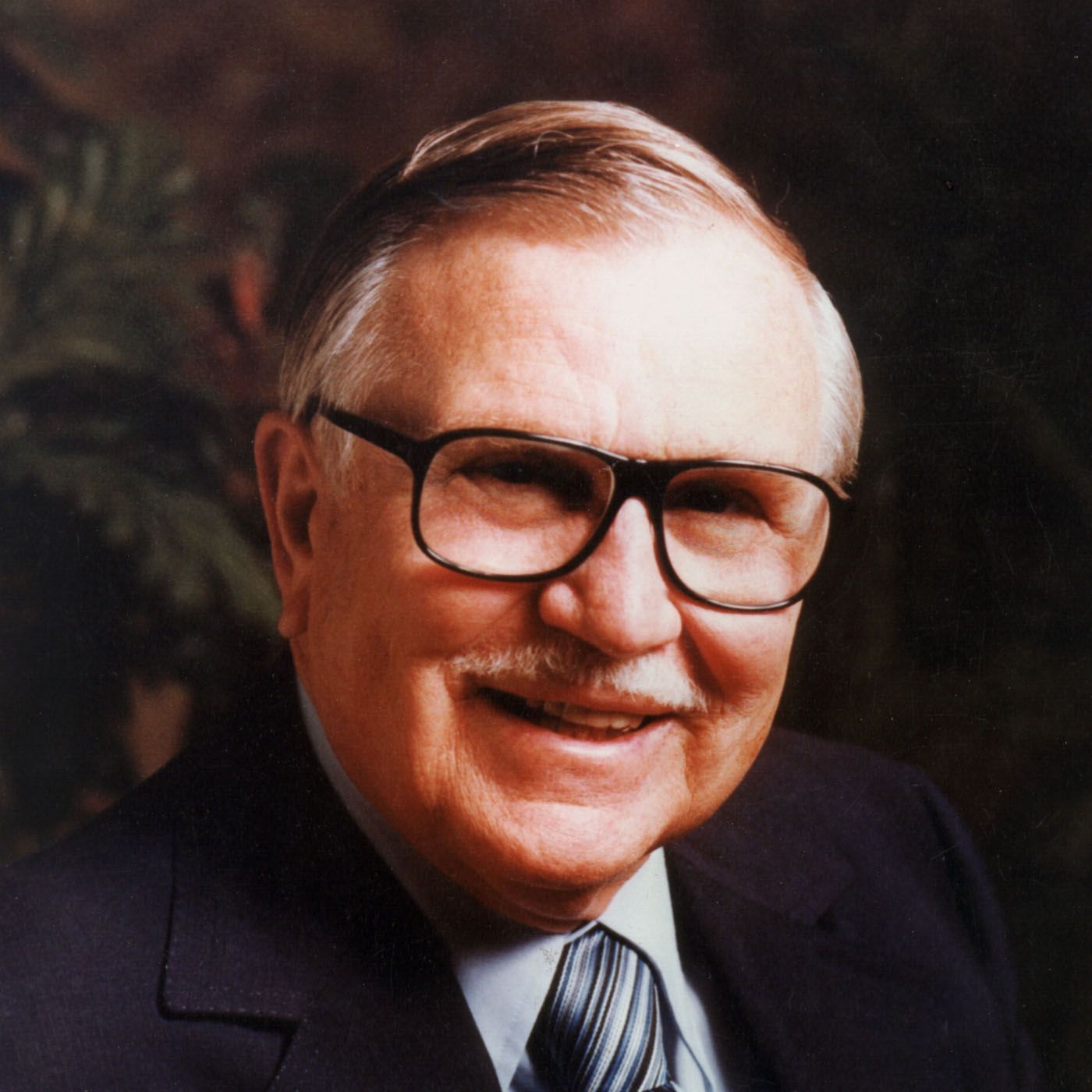
Thru the Bible Daily
Genesis 17:8—18:8
00:26:01
Throughout Genesis we see over and over that when God makes a promise, He sticks to it. In this study, we’re reminded of the details surrounding His covenant with Abraham, see Abraham plead on Ishmael’s (his illegitimate son) behalf, and hear God...
Loading summary
Transcript6 lines
- [00:00]
Worship Leader
How firm a foundation, ye saints of the Lord is made for your faith in his excellent way.
- [00:18]
Steve Schwetz
When God makes a promise, he never changes his mind. He always does exactly what he says he'll do. And that's a truth that our teacher, Dr. J. Vernon McGee, reminds us of as again and again as the Bible bus continues its journey through Genesis. Welcome to through the Bible. I'm Steve Schwetz, and once more we're going to see just how trustworthy God's word really is. Did you know that this is one of our favorite times of year? This is letter month here at through the Bible. It's when we pause to celebrate what God is doing in your life as you spend time in His Word. And we certainly love hearing your stories. And here's one from a listener named Dicta who writes, would you please send me another set of Bible bus passes? They're such an easy way to get people into the word of God. The only thing that can truly change hearts and change our world for the better. I pass them out at work. I work for a very large corporation in stores, in clinics, I have lots of clinic appointments and wherever I meet people. People need peace, comfort, wholeness, wisdom, and direction. These can only be found in a relationship with God through Jesus Christ. The the recipients are excited to learn they can go through the entire Bible with a teacher. Thank you for all that you do. May God continue to bless and keep your families, your ministry, and you. God willing, I will continue to contribute to the headlights of the Bible bus as it rolls through the dark neighborhoods of the earth carrying the light of the Word of God. Well, what a joy to hear that. Thank you, Ditka. Thank you for your faithful sowing of seeds by pointing others to God's Word and for your support that helps keep the Bible bus rolling in more than 250 langu around the world. You know, if you'd like to join Dicta, and I sure hope you would, along with myself and so many other faithful friends who support the ministry of through the Bible. Well, you can give. It's super easy. You can go through our app. You can also do it online@ttb.org or you can always call us at 1-865Bible now let's take just a moment and thank God for his Word, the Word that truly changes hearts. Heavenly Father, thank you for your faithfulness in keeping every promise that you've given to us. In scripture, we ask you to bring abundant spiritual life into our lives and into the lives of all who listen. Fruit grown from the seeds planted through this study, we ask this in Jesus name. Amen. Now open your Bible to Genesis 17. As we go through the Bible with Dr. J. Vernon McGee.
- [02:44]
Dr. J. Vernon McGee
And now today, friends, we return back to the 17th chapter of the book of Genesis. If you have your Bible, will you turn there to the eighth verse? Now, last time you'll recall, we said that the 17th chapter of the book of Genesis is the key chapter of the book. Some think of the Bible, at least it's an outstanding book. That is this chapter is. And the thing that's important here is the covenant. Thirteen times the word covenant occurs. God makes his covenant here with Abraham. Then there are two things that are in the covenant. God promised him a seed, he'd be the father of many nations. And second, he'd give him a land. Now we're looking at that last part, verse 8. And I will give unto thee and to thy seed after thee the land wherein thou art a stranger, all the land of Canaan, and for an everlasting possession. And I will be their God. And again, there's something that's important in this covenant. God tells him what he will do. God says, I will, I will make thee exceeding fruitful. I'll make nations of thee. I will establish my covenant. I will give unto thee and thy seed, and I will give you fruit. This land for an everlasting possession. Now we notice the word everlasting before. And that means God has made a covenant with these people. That's an everlasting covenant. And since it is, it's not one that will be easily broken. It's not one that's going to run out. God gave them an everlasting and everlasting possession. Now, they have been in that land on three occasions. It's theirs. But the important thing is they only occupy it under certain conditions. And God first of all sent them down into the land of Egypt and they were dispersed there. And that's where they became a nation. They went down a family about 70 came out, a million and a half at least. And then they were put out at the Babylonian captivity because they went into idolatry, were not witnessing for God. Then we find that they went out again in 70 AD after they had rejected their Messiah. They went out of that land and actually they've never been back. Three times God predicted they'd be put out of the land. Three times he said they'd be returned. They'd been returned twice. When they return the next time, I take it that it means that they'll never go out of it again. At least that's when the millennium takes place, is when God gathers them and brings them back in the land. I do not consider the present return to the land a fulfillment. I rather regard anyone that makes that statement dealing with sensationalism. And there is so much of that in prophecy today, an attempt to make it very sensational. Well, it is sensational enough if you just take it as it is. But the important thing is we ought not to be adding to it or have God say something he didn't say at all. Now, in verse nine, and I'm reading, and God said unto Abraham, thou shalt keep my covenant, therefore thou and thy seed after thee in their generations. This is my covenant, which ye shall keep between me and you and thy seed after thee. Every man child among you shall be circumcised. Now that's the badge of the covenant. They didn't do this in order to become a member of the covenant. They did this because they had the covenant from God. And there's all the difference in the world. That's the same place that good works occupies for the believer today. You do not perform good works in order to get saved. You perform good works because you have been saved. And may I say, it's all the difference in the world. As a boy, I remember when I went away from home, I did get in a lot of trouble. But the one thing that kept me from going, and I think becoming an absolute renegade was the fact that of my dad. I said, because I'm a son of my father, I won't do this or I won't enter into this. I refrained because of that. Now I didn't become his son because I didn't do certain things. I was already his son, but because I was. Now that's the badge of the covenant is circumcision. The thing that put them under the covenant wasn't circumcision. That was the badge of it, the evidence of it. And God gives this to them now. And verse 12, and he says, he that's eight days old shall be circumcised among you. And if you'll notice how meticulous the record is concerning the birth of Christ, how all the law was fulfilled in connection to the birth of this little baby. That he was the son of Abraham, he was the son of David, he was in the line. And on the eighth day he was circumcised. He was born under the law. Paul says, now will you notice? God says here that he that is born in thy house and he that is bought with thy money must needs be circumcised. And my covenant shall be in your flesh. For an everlasting covenant. That's the badge of it. They didn't have to do that in order to get the covenant. God had already made it for them. And I trust that you see that that's so important to see. The same thing is true today. A great many people think, well, if I join the church or if I'm baptized, I'll be saved. No, my friend, you don't do those to get saved. Now, if you are saved, let me say as a pastor, I think you'll do both of them. I think you'll join a church, and I think you'll be baptized. But you don't do that to get saved. We need to keep the cart where it belongs, following the horse, and not get the cart before the horse. In fact, the horse is in the cart today for the thinking of many relative to salvation. Now in verse 14, and the uncircumcised man shall whose flesh of his foreskin is not circumcised, that soul shall be cut off from his people if broken by covenant. Now you see the fact that there were those that disobeyed, and you'll find out that practically the entire nation had disobeyed when they came out of the land of Egypt. But the thing was, that did not militate against the covenant. It just meant that individual would be put out. But as far as the nation is concerned, no individual or group could destroy this covenant God had made with Abraham and his seed after him. It's an everlasting covenant. That man has broken the covenant he's put out, but the covenant stands. That's how marvelous it is. And God said to Abraham, as for Sarah, thy wife, thou shalt not call her name. Sarai. And I have actually been pronouncing it incorrectly all through here, and I'm not about to change it. It's sarei would be the correct pronunciation before say I. Well, if I'd started saying Seri, somebody would have written to me and said, what's happened to you? You're speaking. You don't seem to be able to speak very clearly. Well, it was Sai before. Now it's changed to Sarah. And I will bless her and give thee a son also of her. Yea, I will bless her. And she shall be a mother of nations. Well, if old Abraham's going to be a father of nations, then Sarah is going to be a mother of nations. Kings of people shall be of her. Then Abraham fell upon his face and laughed and said, in his heart, shall a child be born unto him that's a hundred years old, and shall Sarah that's 90 years old bear? Oh, Abraham, he just laughed. Now, it's not the laughter of unbelief. I think it's the laughter of just sheer joy that this could happen. You know, every now and then in our lives, God does something for us that's just so wonderful. I'm sure you had that experience that you just feel like laughing. You don't know anything else to do but just to laugh about it. Well, this man Abraham didn't dream this type of a thing could possibly happen. You put yourself back in his position and you will find out that this is just something unheard of. Now, it was the deadness of Sarah's womb and he was dead. Have you ever noticed how Paul described that? I think I should turn to Romans 4 right now and share this with you. Verse 17 as it is written, I have made thee a father of many nations. Before him whom he believed even God, who quickeneth the dead, calleth those things which be not as though they were, who against hope believed in hope that he might become the father of many nations. According to that which was spoken, so shall thy seed be. And being not weak in faith, he considered not his own body now dead when he was about a hundred years old, neither yet the deadness of Sarah's womb. He staggered not at the promise of God through unbelief, but was strong in faith, giving glory to God and being fully persuaded that what he had promised he was able also to perform. And therefore it was imputed unto him for righteousness. You see, Abraham believed in God, and he just absolutely is overwhelmed by the wonder and the goodness of God. But then all of a sudden, a thought comes to him and it's like an arrow to his heart. You know what he thinks of a little boy that's his by the name of Ishmael? Let me read verse 18 now of Genesis 17. And Abraham said unto God, o that Ishmael might live before thee. Abraham is saying now, O Lord, this little fellow that's been growing up in my home, he's attached to him. He was 14 years old when Abraham sent him out. And you'll find he sends him out a little later on. And the boy was 14 years old. And I don't think Abraham ever saw him again. Broke his heart to send this boy after all. Friends, I don't care what you might think of Ishmael. He was Abraham's son. And Abraham loved his son. And it is a heartbreak for him to have to give him up. I'm of the opinion that he thought many, many times I made a great big mistake in taking Hagar. You see, that was a sin that not only plagued him. Friends, but look over in that land today. There's been trouble in that land from the beginning. Why? Because Abraham sinned. Don't tell me sin's a little thing or sin is something you get by with, my friend. The fruits of sin. God says, be not deceived. God is not mocked. Whatsoever a man sows, that shall he also reap. Not something similar, but just that. And this man Abraham is certainly reaping. Oh, that Ishmael might live before thee. And God said, sarah, thy wife shall bear thee a son indeed. In other words, God says, no, I won't accept him. That was wrong. And, friends, don't come along now because it's in the Bible and say, well, now, God approved polygamy. He's just condemning it as much as he possibly can. I can't see he's approving of it at all. And thou shall call. I'm reading verse 19. Thou shalt call his name, Isaac. And I'll establish my covenant with him for an everlasting covenant, and with his seed after him. And as for Ishmael, I've heard thee behold I blessed him, and I will make him fruitful. I'll multiply him exceedingly. Twelve princes shall he beget, and I will make him a great nation. But my covenant will I establish with Isaac, which Sarah shall bear unto thee at this set time in the next year. In other words, God holds to the promise that he's made. God is not to be deterred or deferred from this at all. He's going to do the exact thing that he said he would do. And he speaks as if Isaac's already born and already in their midst. But he speaks of things that are not as if they are. And it's going to be the next year. Now we find verse 22, and he left off talking with him, and God went up from Abraham. In other words, Abraham, you just, well, keep quiet. No use any longer. God has already decided this. And, friends, there are times and there are things that you and I just, well, not tell the Lord about in the way of petitioning him. There are certain things you don't need to ask the Lord. There are certain things that you don't need to keep after him. There are times when you've said enough and you don't need to say any more. I'm of the opinion that a great many folk just pester the Lord sometimes in a prayer. And they already have the answer, which of course is no. Now God says to Abraham, let alone, now, this is enough. You needn't mention this anymore. I have not accepted him, and I do not intend to. Now God's going to hear the prayer of Abraham. A little later we're going to find out God listened to Abraham. But there's certain matters, and I find a great many people today, they pray about things that maybe God doesn't intend to hear. Answered all. And I'm very careful. I try to be very careful today about asking people to pray about certain things. I want to at least feel like there's a reasonable chance of God hearing it and answering. Now we find verse 23. And this reveals the interest Abraham had in this boy. And Abraham took Ishmael his son, and all that were born in his house and all that were bought with this money. Every male among the men of Abraham's house and circumcised the flesh of their foreskin in the same day as God had said unto him. And Abraham was 90 years old and nine when he was circumcised in the flesh of his foreskin. And Ishmael, his son, was 13 years old when he was circumcised in the flesh of his foreskin. In the selfsame day was Abraham circumcised. And Ishmael his son. And all the men of his house born in the house and bought with him of the stranger were circumcised with him. Now, this is the badge of the covenant that God has made with Abraham. Now somebody's going to say, well, Ishmael, why was he included? Well, hasn't God promised he's going to be a great nation also, may I say, he's included in it in that sense. But he's not to be the one that God had promised Abraham at the beginning. He's not to be the father of the nation that God will use. And the nation through whom the Messiah will come. That's very important to see at this juncture. In fact, it's all important. Now, that brings us to the 18th chapter. And actually the 18th chapter here is a chapter that this one and the next. You wonder why it's included in the Bible actually, until you get to the New Testament. And I think we'll see why later on. And this is, of course, the destruction of Sodom and Gomorrah. Now will you notice it's a rather lengthy chapter. Well, I say lengthy, 33 verses. But I'm going to hit now some high points in this chapter and probably in the next chapter also. But this is very important to see. You see in chapter 18 what could be called a blessed life. And you could see in chapter 19, down in Sodom and Gomorrah, lot blasted life all because of a decision that was made. Now I'm reading verse one of chapter 18. And here God tells Abraham about the judgment of Sodom and Gomorrah and Abraham's intercession on behalf of the cities of the plain. And this is an illustration, I think, of blessed Christian life in fellowship with God. And the Lord appeared unto him in the plains of Mamre. And he sat in the 10th door in the heat of the day. See old Abraham down there. Now in Mamre is an old man by the way. And he lift up his eyes and looked. And lo, three men stood by him. When he saw them, he ran to meet them from the tent do and bowed himself toward the ground. Notice the hospitality that Abraham extends. Now the little story I told last time, you see, has a basic of fact. At least I don't think it ever took place. But the point is, this man was a very gracious, hospitable man. And he said, my Lord, if now I found favor in thy sight, pass not away. I pray thee from thy servant. Let a little water. I pray you be fetched and wash your feet and rest yourselves under the tree. Now you see what he's doing. Of course that seems very strange to tell a stranger that comes to see you wash your feet and come in. We wouldn't quite say that today, but that was probably the oldest custom that is known. Remember yonder in the upper room, our Lord washed the disciples feet. That's a tremendous spiritual message there. And here you see, Abraham says, wash your feet. That is a token of real hospitality is when someone comes into your home and takes off their shoes. Their feet are washed. And by the way, on that day they didn't take off their hat, but they did take off their shoes. Today we've reversed it. You come in to visit somebody, leave your shoes on and take off your hat. I'm not sure which is right. I like the idea myself of taking off shoes. I like to go in summertime barefooted. I wish it were possible. When I'm out in the Hawaiian Islands, I put my shoes up and I wear these little thongs about and go barefooted as much as possible. I don't even put my shoes back on the whole time I'm there. I'd love to go barefoot. I think this was a great custom. It sure made you feel at home to take off your shoes and wash your feet and rest yourselves under the tree. Abraham's really entertaining them royally, and he says, I'll fetch a morsel of bread and comfort ye your hearts. After that ye shall pass on, for therefore ye come to your servant. And they said, so, do as thou hast said. And Abraham hastened unto the tent unto Sarah, and said, make ready quickly three measures of fine meal, knead it and make cakes upon the hearth. And Abraham ran unto the herd, fetched a calf, tender and good, gave it unto a young man. He hasted to dress it, and he took butter and milk, and the calf which he had dressed set it before them, and he stood by them under the tree and they did eat. Isn't that a marvelous way of entertaining in such a royal way? But we'll have to leave off there and we'll join Abraham's people party next time. May God richly bless you.
- [23:51]
Steve Schwetz
Well, we're going to join Abraham's celebration next time, but in the meantime, there's something we're celebrating right now. And that's your story. And you know that's what Letter Month is all about. And I know how much you enjoy hearing how God is at work because you tell us often how much the letters mean to you. And telling your own story matters too. So if you haven't done that, you can always write. And writing it down helps you to recognize what God is doing in your own heart. It strengthens your faith and encourages all of us here as well. So send that email to BibleBus tb.org or you can always write a letter to Box 7100, Pasadena, CA 91109. And if you're in Canada, send it to Box 25325, London, Ontario N6C 6B1. You can also send a note through our app or call and leave a message at 1-865 Bible. And while you're in touch, take a few minutes to visit ttb.org and explore the resources available there, from notes and outlines to free digital booklets by Dr. McGee. There's so much to help you go deeper in God's Word yourself. And if you need help finding something, just call us. 1, 865 Bible is the number and we'd be happy to help you out. Oh, and one more thing. When you do reach out, let us know how you listen to through the Bible. Is it through the app? Maybe your favorite radio station, Alexa YouTube app? However you do that, this information really does help us make good ministry decisions. Now, as we go, I suggest that you read ahead. Genesis 18 is what we're going to be covering next and then ask God to prepare your heart for our next study. I'm Steve Swetz, and as always, I'm going to save a seat on the Bible bus just for you.
- [25:27]
Worship Leader
Jesus name it all to be my hope. Sin had left the crimson saint he worshiped white as snow.
- [25:51]
Steve Schwetz
Through the Bible exists to take God's whole word to the whole world. And we invite you to stand with us with your faithful prayer and financial support. Where will God's word go today?