Podcast
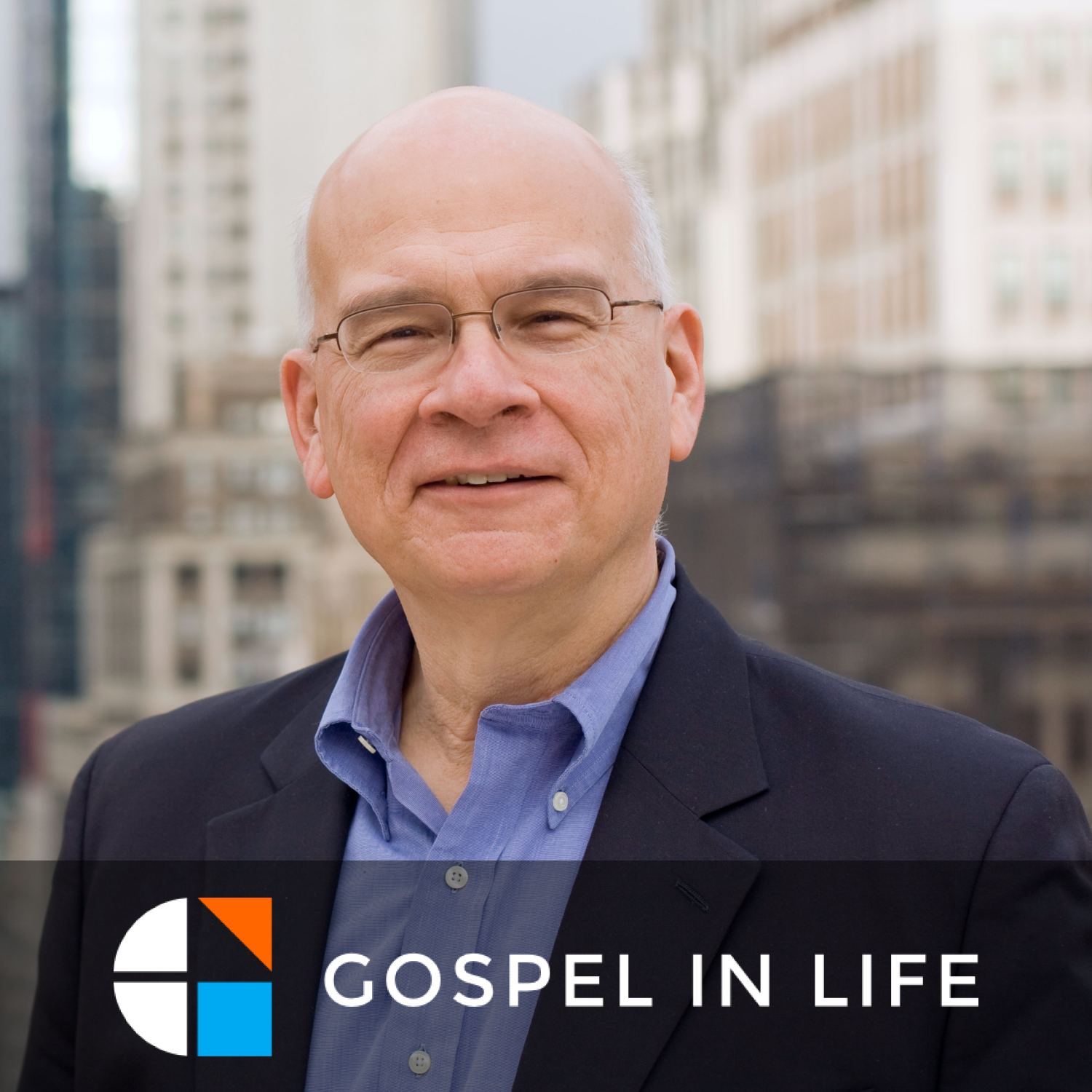
Timothy Keller Sermons Podcast by Gospel in Life
Hosted by Tim Keller · EN
Sermons by Tim Keller, founder of Redeemer Presbyterian Church in NYC and NY Times best-selling author of ”The Reason for God: Belief in an Age of Skepticism.” For more sermons and resources, visit www.gospelinlife.com.
262episodes
Episodes
Newest firstAll episodes
Head Over Everything
Yesterday00:33:36Summary readyThis sermon was preached by Dr. Timothy Keller at Redeemer Presbyterian Church on October 18, 1992. Series: Salvation From the Outside In. Scripture: Ephesians 1:22-23. Today's podcast is brought to you by Gospel in Life, the site for all sermons, books, study guides and resources from Timothy Keller and Redeemer Presbyterian Church. If you've enjoyed listening to this podcast and would like to support the ongoing efforts of this ministry, you can do so by visiting https://gospelinlife.com/give and making a one-time or recurring donation.
SummaryIncomparable Power
3d ago00:48:13Summary readyThis sermon was preached by Dr. Timothy Keller at Redeemer Presbyterian Church on October 11, 1992. Series: Salvation From the Outside In. Scripture: Ephesians 1:19-23. Today's podcast is brought to you by Gospel in Life, the site for all sermons, books, study guides and resources from Timothy Keller and Redeemer Presbyterian Church. If you've enjoyed listening to this podcast and would like to support the ongoing efforts of this ministry, you can do so by visiting https://gospelinlife.com/give and making a one-time or recurring donation.
SummaryHope, Riches and Power (Part 2)
6d ago00:45:41Summary readyThis sermon was preached by Dr. Timothy Keller at Redeemer Presbyterian Church on October 4, 1992. Series: Salvation From the Outside In. Scripture: Ephesians 1:15-23. Today's podcast is brought to you by Gospel in Life, the site for all sermons, books, study guides and resources from Timothy Keller and Redeemer Presbyterian Church. If you've enjoyed listening to this podcast and would like to support the ongoing efforts of this ministry, you can do so by visiting https://gospelinlife.com/give and making a one-time or recurring donation.
SummaryHope, Riches and Power (Part 1)
1w ago00:35:26Summary readyThis sermon was preached by Dr. Timothy Keller at Redeemer Presbyterian Church on September 27, 1992. Series: Salvation From the Outside In. Scripture: Ephesians 1:15-23. Today's podcast is brought to you by Gospel in Life, the site for all sermons, books, study guides and resources from Timothy Keller and Redeemer Presbyterian Church. If you've enjoyed listening to this podcast and would like to support the ongoing efforts of this ministry, you can do so by visiting https://gospelinlife.com/give and making a one-time or recurring donation.
SummaryReceiving the Fullness (Part 3)
1w ago00:39:03Summary readyThis sermon was preached by Dr. Timothy Keller at Redeemer Presbyterian Church on September 20, 1992. Series: Salvation From the Outside In. Scripture: Ephesians 1:13, 14. Today's podcast is brought to you by Gospel in Life, the site for all sermons, books, study guides and resources from Timothy Keller and Redeemer Presbyterian Church. If you've enjoyed listening to this podcast and would like to support the ongoing efforts of this ministry, you can do so by visiting https://gospelinlife.com/give and making a one-time or recurring donation.
SummaryReceiving the Fullness (Part 2)
2w ago00:39:11Summary readyThis sermon was preached by Dr. Timothy Keller at Redeemer Presbyterian Church on September 13, 1992. Series: Salvation From the Outside In. Scripture: Ephesians 1:13, 14. Today's podcast is brought to you by Gospel in Life, the site for all sermons, books, study guides and resources from Timothy Keller and Redeemer Presbyterian Church. If you've enjoyed listening to this podcast and would like to support the ongoing efforts of this ministry, you can do so by visiting https://gospelinlife.com/give and making a one-time or recurring donation.
SummaryReceiving the Fullness (Part 1)
2w ago00:45:08Summary readyThis sermon was preached by Dr. Timothy Keller at Redeemer Presbyterian Church on August 30, 1992. Series: Salvation From the Outside In. Scripture: Ephesians 1:11-23. Today's podcast is brought to you by Gospel in Life, the site for all sermons, books, study guides and resources from Timothy Keller and Redeemer Presbyterian Church. If you've enjoyed listening to this podcast and would like to support the ongoing efforts of this ministry, you can do so by visiting https://gospelinlife.com/give and making a one-time or recurring donation.
SummaryGod’s Plan (Part 3)
2w ago00:39:30Summary readyThis sermon was preached by Dr. Timothy Keller at Redeemer Presbyterian Church on August 16, 1992. Series: Salvation From the Outside In. Scripture: Ephesians 1:9-12. Today's podcast is brought to you by Gospel in Life, the site for all sermons, books, study guides and resources from Timothy Keller and Redeemer Presbyterian Church. If you've enjoyed listening to this podcast and would like to support the ongoing efforts of this ministry, you can do so by visiting https://gospelinlife.com/give and making a one-time or recurring donation.
SummaryGod’s Plan (Part 2)
3w ago00:42:57Summary readyThis sermon was preached by Dr. Timothy Keller at Redeemer Presbyterian Church on August 9, 1992. Series: Salvation From the Outside In. Scripture: Ephesians 1:9-12. Today's podcast is brought to you by Gospel in Life, the site for all sermons, books, study guides and resources from Timothy Keller and Redeemer Presbyterian Church. If you've enjoyed listening to this podcast and would like to support the ongoing efforts of this ministry, you can do so by visiting https://gospelinlife.com/give and making a one-time or recurring donation.
SummaryGod’s Plan (Part 1)
3w ago00:46:15Summary readyThis sermon was preached by Dr. Timothy Keller at Redeemer Presbyterian Church on August 2, 1992. Series: Salvation From the Outside In. Scripture: Ephesians 1:9-12. Today's podcast is brought to you by Gospel in Life, the site for all sermons, books, study guides and resources from Timothy Keller and Redeemer Presbyterian Church. If you've enjoyed listening to this podcast and would like to support the ongoing efforts of this ministry, you can do so by visiting https://gospelinlife.com/give and making a one-time or recurring donation.
Summary