
Podcast
Tomorrow's Cure
Hosted by Mayo Clinic · EN
Tomorrow’s Cure is a Mayo Clinic podcast that is bringing the future of healthcare to the present. Listen to engaging discussions with researchers, doctors and industry experts who are at the forefront of medical innovations. Learn how technology and innovation are changing the healthcare landscape, and how previously unavailable solutions are now improving or saving lives. Tomorrow’s Cure inspires deep thinking as we explore our healthcare future together.
21episodes
Episodes
Newest firstAll episodes

From Big Ideas to Better Care: Live From PlatforMed 2026
6d ago00:56:00Summary readyHow could Mayo Clinic’s Global AI Platform transform personalized care? In this episode of Mayo Clinic’s Tomorrow’s Cure, host Lindsey Seavert reports from PlatforMed in Scottsdale, Arizona, where leaders in medicine, technology, AI, and policy explore how connected healthcare platforms can bring together data, expertise, and innovation to improve patient care around the world. Seavert speaks with Dr. Micky Tripathi about safely scaling AI at Mayo Clinic, including over 450 clinical AI solutions. Dr. Gelareh Zadeh discusses how AI, digital pathology, and automation could democratize access to advanced diagnostics, making specialized expertise and high-quality care available to patients around the world. Dr. John Halamka and COO Maneesh Goyal describe Mayo Clinic Platform’s three-sided model connecting data, innovators and care organizations globally through reciprocal data networks, while collaborators from Google Cloud and Aga Khan University discuss de-identified multimodal data, equity for low and middle-income countries, and AI applications from digital pathology to community health impact. How to listen and stay connected: Subscribe to Tomorrow’s Cure on your favorite podcast app and follow the show so you never miss an episode. Get the latest health information from Mayo Clinic’s experts—subscribe to Mayo Clinic’s newsletter for free today: https://mayocl.in/3EcNPNc Connect with Mayo Clinic: Like Mayo Clinic on Facebook: https://www.facebook.com/mayoclinic/ Follow Mayo Clinic on Instagram: https://www.instagram.com/mayoclinic/ Follow Mayo Clinic on X (formerly Twitter): https://x.com/MayoClinic Follow Mayo Clinic on Threads: https://www.threads.net/@mayoclinic
Summary
How Scientists Hope to Retrain the Immune System After Organ Transplant
2w ago00:38:46Summary readyWhat if transplant patients could one day live free from lifelong anti-rejection drugs? In this episode of Mayo Clinic's Tomorrow’s Cure, host Lindsey Seavert speaks with Timucin Taner, M.D., Ph.D. from Mayo Clinic and Angus Thomson, Ph.D. from University of Pittsburgh Medical Center about one of the biggest goals in transplant medicine: teaching the immune system to accept a donated organ instead of attacking it. From the liver’s unique ability to promote immune tolerance to promising cell therapies and donor-derived treatments, the conversation explores how researchers are working to retrain the immune system, reduce side effects, and improve long-term outcomes for transplant recipients. Along the way, they discuss the future of kidney, heart, and lung transplantation, the promise of xenotransplantation, and how breakthroughs in transplant science may also help advance treatment for autoimmune disease. How to listen and stay connected: Subscribe to Tomorrow’s Cure on your favorite podcast app and follow the show so you never miss an episode. Get the latest health information from Mayo Clinic’s experts—subscribe to Mayo Clinic’s newsletter for free today: https://mayocl.in/3EcNPNc Connect with Mayo Clinic: Like Mayo Clinic on Facebook: https://www.facebook.com/mayoclinic/ Follow Mayo Clinic on Instagram: https://www.instagram.com/mayoclinic/ Follow Mayo Clinic on X (formerly Twitter): https://x.com/MayoClinic Follow Mayo Clinic on Threads: https://www.threads.net/@mayoclinic
Summary
When It's Not MS: Inside the Discovery of MOGAD
3w ago00:42:43Summary readyWhat happens when multiple sclerosis symptoms mask a different condition? In this episode of Mayo Clinic’s Tomorrow’s Cure, hosted by Lindsey Seavert, we explore myelin oligodendrocyte glycoprotein antibody-associated disease (MOGAD), an autoimmune condition often mistaken for multiple sclerosis (MS). Mayo Clinic neurologist Eoin Flanagan, M.D., B.Ch., and pediatric neurologist Brenda Banwell, M.D., discuss how MOG antibodies define a distinct disease, why early recognition and aggressive treatment of acute attacks are critical, and how MOGAD can present with severe optic neuritis, spinal cord inflammation, and brain involvement such as confusion or seizures. They explain the internationally accepted 2023 diagnostic criteria, which integrate clinical syndromes, MRI findings, and antibody testing while accounting for false positives and changing antibody levels over time. The conversation highlights “vanishing” MRI lesions in MOGAD, patient-driven research, emerging relapse-prevention trials, and therapeutic promise in targeting pathways such as IL-6. How to listen and stay connected: Subscribe to Tomorrow’s Cure on your favorite podcast app and follow the show so you never miss an episode. Get the latest health information from Mayo Clinic’s experts—subscribe to Mayo Clinic’s newsletter for free today: https://mayocl.in/3EcNPNc Connect with Mayo Clinic: Like Mayo Clinic on Facebook: https://www.facebook.com/mayoclinic/ Follow Mayo Clinic on Instagram: https://www.instagram.com/mayoclinic/ Follow Mayo Clinic on X (formerly Twitter): https://x.com/MayoClinic Follow Mayo Clinic on Threads: https://www.threads.net/@mayoclinic
Summary
From Joint Damage to Regeneration
4w ago00:43:32Summary readyWhat if repairing damaged cartilage could be done in a single procedure? Using your own cells and the healing signals they need to recover? In this episode of Tomorrow's Cure, host Lindsey Seavert explores RECLAIM, an innovative regenerative medicine approach that combines a patient's own cartilage cells with donor medicinal signaling cells (MSCs) to help repair damaged joints. Joining the conversation are Dr. Daniel Saris and Dr. Mario Hevesi of Mayo Clinic, along with Dr. Christian Lattermann of Mass General Brigham. Together, they discuss why cartilage injuries are so difficult to treat, how RECLAIM works, and why this breakthrough could reshape the future of orthopedic surgery, sports medicine, and joint preservation. The experts also explore the role of stem-cell-inspired therapies, regenerative medicine, hip arthroscopy, knee cartilage repair, and how artificial intelligence may help personalize treatments in the years ahead. How to listen and stay connected: Subscribe to Tomorrow’s Cure on your favorite podcast app and follow the show so you never miss an episode. Get the latest health information from Mayo Clinic’s experts—subscribe to Mayo Clinic’s newsletter for free today: https://mayocl.in/3EcNPNc Connect with Mayo Clinic: Like Mayo Clinic on Facebook: https://www.facebook.com/mayoclinic/ Follow Mayo Clinic on Instagram: https://www.instagram.com/mayoclinic/ Follow Mayo Clinic on X (formerly Twitter): https://x.com/MayoClinic Follow Mayo Clinic on Threads: https://www.threads.net/@mayoclinic
Summary
Could Milk-derived Nanoparticles Change Bile Duct Cancer Care?
Jul 1500:41:39Summary readyWhat if the milk you are drinking could help fight cancer? In this episode of Tomorrow's Cure, we explore cholangiocarcinoma and a surprising new approach to targeting it using milk‑derived nanoparticles and precision aptamer‑based delivery. Host Lindsey Seavert is joined by surgical oncologist Dr. Rory Smoot and long‑term survivor and advocate Melinda Bachini to unpack why this cancer is so challenging, what symptoms and treatment paths patients typically face, and how emerging gene‑delivery platforms and AI‑driven discovery are opening new possibilities when standard therapies fall short. Through Melinda’s 16‑year survivorship story and Dr. Smoot’s lab work that literally starts with skim milk from the Mayo Clinic cafeteria, listeners hear how “chemical antibodies” called aptamers can act as molecular keys to deliver therapy directly to cholangiocarcinoma cells, and how computational tools are accelerating the search for new targets. Together, they discuss the emotional and practical realities of living at the edge of what medicine can do today, the expanding landscape of clinical trials, and why innovation in this rare cancer may ripple out to colon, lung and other hard‑to‑treat tumors. How to listen and stay connected: Subscribe to Tomorrow’s Cure on your favorite podcast app and follow the show so you never miss an episode. Get the latest health information from Mayo Clinic’s experts—subscribe to Mayo Clinic’s newsletter for free today: https://mayocl.in/3EcNPNc Connect with Mayo Clinic: Like Mayo Clinic on Facebook: https://www.facebook.com/mayoclinic/ Follow Mayo Clinic on Instagram: https://www.instagram.com/mayoclinic/ Follow Mayo Clinic on X (formerly Twitter): https://x.com/MayoClinic Follow Mayo Clinic on Threads: https://www.threads.net/@mayoclinic
Summary
Fluorescence-Guided Surgery: Making the Invisible Visible
Jul 800:49:58Summary readyWhat if surgeons could make tumors, blood vessels, and other critical structures visible during surgery? In this episode of Tomorrow’s Cure, host Lindsey Seavert talks with Dr. Stephanie Polites of Mayo Clinic and Dr. Timothy Lautz of Lurie Children’s Hospital about fluorescence-guided surgery and its growing role in pediatric oncology, surgical oncology, and cancer treatment. By using specialized dyes and advanced imaging, surgeons can better identify tumors, protect healthy tissue, and perform more precise, minimally invasive procedures.The conversation explores the latest innovations in pediatric cancer surgery, including tumor-targeted fluorescent imaging agents, clinical trials, and new approaches that may help surgeons remove cancer more completely while preserving healthy anatomy. How to listen and stay connected: Subscribe to Tomorrow’s Cure on your favorite podcast app and follow the show so you never miss an episode. Get the latest health information from Mayo Clinic’s experts—subscribe to Mayo Clinic’s newsletter for free today: https://mayocl.in/3EcNPNc Connect with Mayo Clinic: Like Mayo Clinic on Facebook: https://www.facebook.com/mayoclinic/ Follow Mayo Clinic on Instagram: https://www.instagram.com/mayoclinic/ Follow Mayo Clinic on X (formerly Twitter): https://x.com/MayoClinic Follow Mayo Clinic on Threads: https://www.threads.net/@mayoclinic
Summary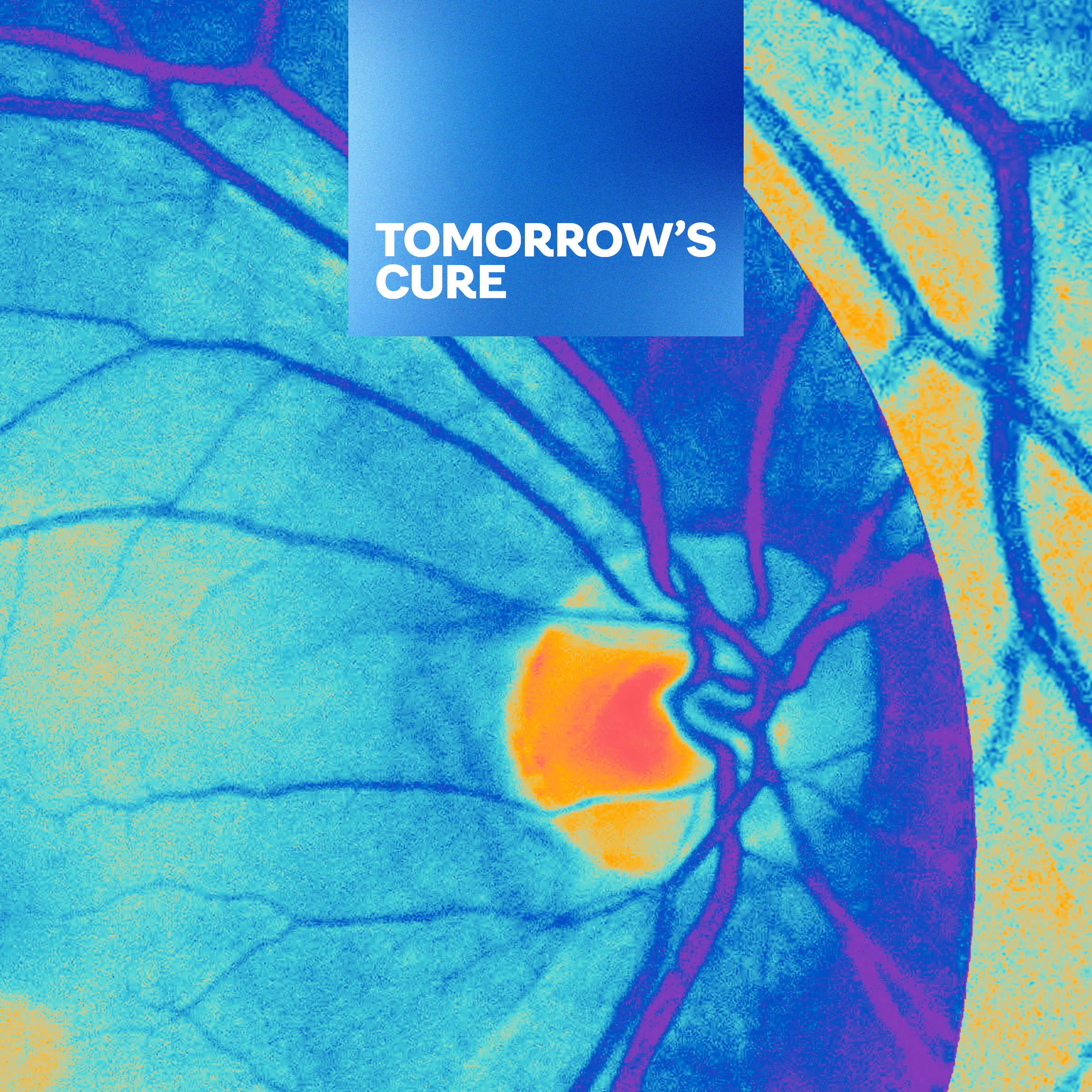
A Window Into the Brain: Retinal Imaging and Alzheimer's Disease
Jul 100:50:17Summary readyWhat if one of the earliest clues to Alzheimer’s disease could be found during a routine eye exam? In this episode of Tomorrow’s Cure, host Lindsey Seavert sits down with Dr. Oana Dumitrascu, a neurologist at Mayo Clinic, and Dr. Yalin Wang, a researcher at Arizona State University, to explore how retinal imaging and artificial intelligence may help identify signs of Alzheimer’s disease years before symptoms appear. Together, they discuss the science behind “seeing the brain through the eye,” how AI can detect patterns invisible to the human eye, and why earlier detection could transform research, prevention, and patient care. This conversation highlights an exciting intersection of neuroscience, artificial intelligence, and preventive medicine. How to listen and stay connected: Subscribe to Tomorrow’s Cure on your favorite podcast app and follow the show so you never miss an episode. Get the latest health information from Mayo Clinic’s experts—subscribe to Mayo Clinic’s newsletter for free today: https://mayocl.in/3EcNPNc Connect with Mayo Clinic: Like Mayo Clinic on Facebook: https://www.facebook.com/mayoclinic/ Follow Mayo Clinic on Instagram: https://www.instagram.com/mayoclinic/ Follow Mayo Clinic on X (formerly Twitter): https://x.com/MayoClinic Follow Mayo Clinic on Threads: https://www.threads.net/@mayoclinic
Summary
Carbon Ion Therapy: A New Era in Precision Cancer Care
Jun 2400:49:36Summary readyThis episode explores why carbon ion therapy is becoming one of the most closely watched developments in radiation oncology. The conversation should connect patient need, the engineering scale behind heavy particle therapy, and the larger research questions now shaping how carbon ions may fit alongside photon and proton therapy in the future. How to listen and stay connected: Subscribe to Tomorrow’s Cure on your favorite podcast app and follow the show so you never miss an episode. Get the latest health information from Mayo Clinic’s experts—subscribe to Mayo Clinic’s newsletter for free today: https://mayocl.in/3EcNPNc Connect with Mayo Clinic: Like Mayo Clinic on Facebook: https://www.facebook.com/mayoclinic/ Follow Mayo Clinic on Instagram: https://www.instagram.com/mayoclinic/ Follow Mayo Clinic on X (formerly Twitter): https://x.com/MayoClinic Follow Mayo Clinic on Threads: https://www.threads.net/@mayoclinic
Summary
Tomorrow’s Cure returns for Season 5!
Jun 1000:00:48Summary readyAward-winning journalist Lindsey Seavert is our new host as we explore the innovations changing the landscape of medicine. Featuring conversations with leading physicians, researchers, and medical experts, the new season looks at everything from AI-powered diagnostics and cutting-edge cancer therapies to surgical technologies improving patient care today.Across a new series of in-depth conversations, we explore the breakthroughs that rarely make headlines and the ways medicine continues to evolve. Becoming smarter, more human, and more connected. Whether you are a patient, clinician, or simply curious about where medicine is headed next, Tomorrow’s Cure delivers accessible, thought-provoking insights wherever you listen to podcasts.How to listen and stay connected:Subscribe to Tomorrow’s Cure on your favorite podcast app and follow the show so you never miss an episode. Get the latest health information from Mayo Clinic’s experts—subscribe to Mayo Clinic’s newsletter for free today: https://mayocl.in/3EcNPNc Connect with Mayo Clinic: Like Mayo Clinic on Facebook: https://www.facebook.com/mayoclinic/ Follow Mayo Clinic on Instagram: https://www.instagram.com/mayoclinic/ Follow Mayo Clinic on X (formerly Twitter): https://x.com/MayoClinic Follow Mayo Clinic on Threads: https://www.threads.net/@mayoclinic
Summary
Things You Should Stop Doing to Improve Your Mental Strength
May 2701:00:32Summary readyHost: Christopher L. Camp, M.D., Creator & Guide | Mayo Clinic Human Optimization Project Guest: Amy Morin, LCSW, Psychotherapist / Mental Strength Coach / International Bestselling Author | Mentally Strong One of the biggest limiters of our mental strength is our very common (usually unintentional) struggle with self-sabotaging behaviors. Since we all feel too busy to do more, maybe the answer is to actually do less? For some behaviors, that is absolutely the case. To help us better understand how we can do less, and be better for it, our expert guest for this episode is bestselling author, Amy Morin. The three big questions she is going to answer for us today are: What exactly is “mental strength?” What are the things we are doing that commonly sabotage our mental strength How can we remove these things from our lives in order to maximize our mental strength? Learn more about the Human Optimization Project at: https://ce.mayo.edu/optimize
Summary