← Totally Booked with Zibby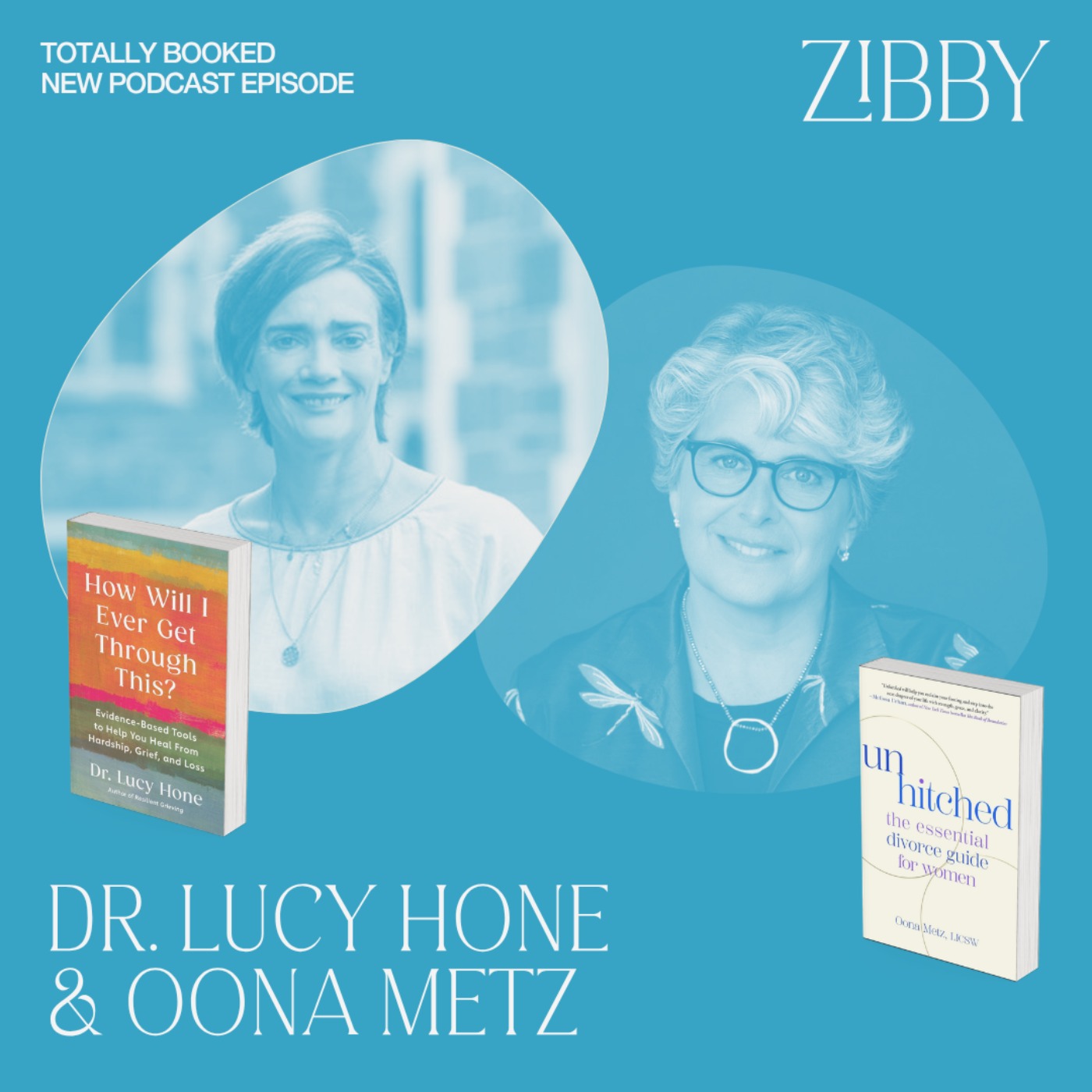
Totally Booked with Zibby
Dr. Lucy Hone, HOW WILL I EVER GET THROUGH THIS? + Oona Metz, UNHITCHED
00:37:04
Loading summary
Transcript117 lines
- [00:00]
Capital One Bank Representative
With my Sapphire Preferred card, we took
- [00:02]
Chase Sapphire Preferred Card User
a trip to a desert Oasis, earning
- [00:04]
Capital One Bank Representative
five times the points on Chase Travel, two times the points on all other travel, plus $100 hotel credit.
- [00:09]
Chase Sapphire Preferred Card User
Chase Sapphire Preferred a card that's preferred for a reason.
- [00:11]
Capital One Bank Representative
Cards issued by JP Morgan J's bank and a member FDIC subject to credit approval. Terms apply with no fees or minimums on checking accounts, it's no wonder the Capital One bank guy is so passionate about banking with Capital One. If he were here, he wouldn't just tell you about no fees or minimums. He'd also talk about how most Capital One cafes are open seven days a week to assist with your banking needs. Yep, even on weekends, it's pretty much all he talks about in a good way. What's in your wallet? Terms apply. See capital1.com Bank Capital One NA Member FDIC
- [00:45]
Grow Therapy Advertiser
the pressure to have a summer worth posting about is real. So is financial stress, social exhaustion, and the anxiety that sneaks in right when things are supposed to feel good. Grow Therapy can help with that. Whether it's your first time in therapy or your 50th, grow makes it easier to find a therapist who fits you, not the other way around. They connect you with thousands of independent licensed therapists across the US Offering both virtual and in person sessions, nights and weekends. Whatever challenges you're facing, Grow Therapy is here to help. Grow accepts over 100 insurance plans. Sessions average about $21 with insurance and some pay as little as $0 depending on their plan. Visit growththerapy.com acast today to get started. That's growththerapy.com acast growtherapy.com acast availability and coverage vary by state and insurance plan.
- [01:49]
Zibby Owens
Hi, this is Zibby Owens and you're listening to Totally Booked with Zibby. Formerly Moms don't have Time to Read Books in my daily show, I interview today's latest, best selling, buzziest or underrated author and story creators whose work I think is worth your time. As a bookstore owner, publisher, author and obviously podcaster, I get a comprehensive look at everything that's coming out and spend my time curating the best books so you don't have to stay in the know. Get insider insights and connect with guests like I do every single day. For more information, go to zibbymedia.com and follow me on Instagram at Zibby Owens we have a double episode today which is designed to help you get through anything from divorce to grief to hardship. So if you're having a day like I don't know how I'm going to get through this. Or you just need a little bit of an upper or a reminder that you can get through anything. This is a good episode to listen to. We'll kick things off with Dr. Lucy Hone. How will I ever get through this? Evidence based tools to help you heal from hardship, grief and loss. Dr. Hone is an adjunct fellow at the University of Canterbury and a sought after professional speaker. A bestselling author and an award winning, internationally published science educator. She is regularly featured in international media including in the Guardian, Hidden Brain and The Washington Post. Dr. Hone is a columnist for Psychology Today. Next up we have Una Metz. By the way, after we recorded this episode, she was so, so nice because I commented on how much I loved her sweater which was just this beautiful color of blue which I wear all the time and seemed like a really cozy fabric and I don't know, I just loved her sweater. So of course I said oh my gosh, I love your sweater. Where did you get it? Which I tend to say to people and she couldn't remember where she got it but said thank you. I forgot all about that exchange. And then two weeks later I'm opening the mail and thinking did I order something from Dillard's? And I open it up and there with a little note was the gift of the sweater. Una Metz had sent me the sweater and that is just the nicest thing. I wore it on a flight to la. I was cozy and warm and just felt so good knowing that our conversation continued because her kindness literally wrapped itself around me and I am so grateful. Not to say you all have to get me sweaters but it was super nice.
- [04:12]
Zibby Owens (Host)
Welcome Dr. Hahn, thank you so much for coming on Totally booked to talk about your book. How will I ever get through this? Evidence based tools to help you heal from hardship, grief and loss. Thank you so much.
- [04:24]
Dr. Lucy Hone
Thank you for having me in your beautiful podcast studio.
- [04:28]
Zibby Owens (Host)
Oh you're so welcome. I have to say I've read a bazillion books about getting through grief. Fiction, nonfiction, whatever and this was so powerful and amazing. Great as a book itself, but also as a tool and I just found myself just feeling so attached to you as a person because you shared so
- [04:48]
Zibby Owens
much in the book and also thinking
- [04:51]
Zibby Owens (Host)
of so many people who I'm going to give this book to and everything. So congratulations.
- [04:54]
Dr. Lucy Hone
Thank you so much. That has been this book has already come out in Australia and the UK and the feedback has been that people have said to me I've read it and gone out and bought Another five copies for everybody else who is going through some tough thing, because we're all going through all sorts of things.
- [05:15]
Zibby Owens (Host)
But you also have things in here that can just make life better.
- [05:19]
Zibby Owens
Like it doesn't.
- [05:20]
Zibby Owens (Host)
You don't have to be suffering and in dire straits to write down lists of the things that make you happy. And like, you know, all these things are. These are ways to live a more happy life. In a way, I think that is
- [05:34]
Dr. Lucy Hone
really true because actually the background of all of my scientific research was in psychological flourishing. That's what I did my PhD in. So that is really what the body of knowledge is about. But also knowing that people go through, even if it's just everyday overwhelm and struggles. And there are ways of thinking, acting and being that will help us navigate those really tough days, tough moments, and find our way to better days ahead. I mean, really, that is what all my work is about, is better days ahead. The promise and hope that we can all find the tools that work for us. And that is different for everyone, of course.
- [06:19]
Zibby Owens (Host)
Well, your book opens with an earthquake. And then you take us through not only sort of the physical instability of the ground literally moving under your feet, but then losing your daughter, Abby, I'm so sorry. Oh my gosh. Not to end her friend and your mom and when you were 30 something and your brother. Oh my gosh, you've just gone through so, so much. And yet look at this amazing attitude. Not to. Not to make it sound all patent perfect, you know, but just.
- [06:48]
Dr. Lucy Hone
It's just, you know, and I think it's funny where our lives lead us and where we end up, isn't it? Because I kind of think that oddly my gift to the world or my contribution is to be able to talk about hard things in a pragmatic, promising, and hopefully kind of beautiful way. You know, that to me is really important too, to write stories that people can read and find empowering, uplifting and hopeful. Because when Abby died, I picked up Joan Didion's Magical Year of Thinking and kind of threw it across the room because it just didn't work for me. I needed to know what I could do, what would be the practical things that I could bring into my life immediately to give us the best chance of surviving her loss. And luckily I had all that resilient psychology to lean on. But, yeah, I think it is. I like the beauty of this book. I like that people tell me it's heartwarming somehow. That's really important to me.
- [08:03]
Zibby Owens (Host)
So based on your own experience and do you mind if we talk about Abby first?
- [08:07]
Dr. Lucy Hone
I'd be delighted to talk about you.
- [08:09]
Zibby Owens (Host)
You wrote about her, she was 12 years old. You had just had like little makeup party with face masks and all of that ever and at the last minute she went in someone else's car to go to the same place as you do. I have a 12 year old girl right now. And how they never ended up making it and you got that horrible phone call and how, you know, there's. There are like so many things you outline here of like what you're not supposed to say to someone. So I'm like, oh my gosh, like, yeah, I don't want to make a mistake. It's like outlined in the book. But how did you go from there to wanting to even contribute to the world again? I know you outlined it in the book, but just like, how do you live in that moment?
- [08:47]
Dr. Lucy Hone
Yeah, that moment when we were told that there was a policeman wanted to talk to us on the phone, that was the first thing. And then he said, I'm coming to see you. And we were in a deeply rural place, so it took 20 minutes for him to arrive, which was just agonizing. And I remember my husband saying, they don't come to bring you good news. And we knew there had been an accident up the road, but of course we never dreamt. So I do feel sybvy that from that moment it's like my life half split. And I remember distinctly in that moment thinking, well, that's your life now, you know, time to sink or swim that you haven't got. In some ways you haven't got much choice. And in many ways it's time to make and take choices. You've got to choose life. And pretty soon after I remember having this voice in my head that said, choose life, not death. Don't lose what you have to watch you have lost. And we have two beautiful now very adult boys who are 28 and 26 now. And they were so young at the time and they needed me. So I think my training came into gear. I did my master's in resilience psychology at the University of Pennsylvania. And so I had the tools, but I was just determined to do everything I possibly could to help our family stay together. And then, I don't know, we sort of find our calling, don't we, in life? And I am a writer, I've always been a writer, and it's how I make sense of the world. So I wrote a book called Resilient Grieving. Straight after Abby died. And then people kept coming to me saying, I've read Resilient Grieving, but nobody has died. I actually can you write a book that is about all of the other big challenges and significant transitions in life. And so that's, that's how will I ever get through this? That's how this book came about. And at the same time, because I'm an academic, I mean, you'll know I don't write as an academic in this way. But at the same time, there was an emerging body of work on non death losses, ndls they call them. And I thought we need a slightly more quippy, better name for this. And I truly think they are living losses, these big life transitions that sadly are universal. And I think people aren't very well equipped for them. So that is really what this is about.
- [11:35]
Zibby Owens (Host)
Wow.
- [11:35]
Dr. Lucy Hone
Giving them the tools and the hope.
- [11:37]
Zibby Owens (Host)
And you have so many useful tools and that you get to, you have QR codes everywhere. You can sign up for more research. I mean, it's just really, really amazing. You write in here about your TED Talk where you ask people to stand up if they had had X, Y or Z happen, not all of which is, was personal loss, but just setbacks in many different ways. And people in the audience felt that sense of community because they realized how many other people had gone through it. And then you had a statistic later, I think you said 70% of people have gone through some sort of trauma.
- [12:12]
Dr. Lucy Hone
Yeah. Some kind of potentially traumatic events in their adult lifetime. But at the beginning of my TED Talk, literally there are 1500 people standing up. And even for me, who knows the science, that was quite, quite a powerful moment to stand in front of them and see that, that proof that everybody struggles and suffers and knowing how ill equipped they are in some ways. So I think that did just really drive me on. And all of those questions are, you know, have you lost someone you truly loved? Have you lived through, you know, terrible relationship breakup, infertility, adoption, abortion, miscarriage, natural disaster, migration, redundancy, mental illness, physical impairment, dementia? There is, you know, I'm not glorifying suffering, and I'm not saying I'm not trying to sell suffering, but it has, in the research I've done for this book, it really has demonstrated to me how many people are struggling and that hopelessness and helplessness is something that as a resilience researcher, I can do, I can help with, because that's my jam.
- [13:36]
Zibby Owens (Host)
Well, you also write about resilience, fatigue and have like, maybe, maybe people are going a little Overboard on the resilience, maybe don't People don't want to feel resilient necessarily right away?
- [13:45]
Dr. Lucy Hone
No. And I think people, that's some misnomer that they don't really understand what resilience is. You know, I would define resilience in lay terms as, you know, crawling forward. Sometimes it feels like you're in quicksand. It's not that kind of toxic positivity or toxic resilience about harden up and just keep going. I think why people like my work is that is kind of the opposite of that. I'm all for lie on the couch, you know, acknowledge how awful it is. Find your ways, your individual, personal ways to sit with the awfulness. Don't push it away because we know from psychology that doesn't work. Give yourself, you know, the self compassion you need. My real, not perfect reset is in this book. And then of course, we do have to pick ourselves up off the floor. And as I say in this book, sometimes that can be just the tiniest things, like, you know, packing the kids lunchboxes, tidying the teaspoon drawer. One of my readers once said to me, but life is short, isn't it? And we are all desperate to be happier, live fulfilled, meaningful, connected lives. And so I guess this book is a bit of a roadmap or finding your personal recipe to do that.
- [15:15]
Zibby Owens (Host)
Well, you divide the book in two and the first half is, is about questions that you hear all the time, like why am I so tired? Why am I crying so much? All of those. And then you have questions you want to ask the rest of us or, you know, things you want us to think about. You have things like is this helping or hurting me? And you have some joke in there too. I don't even know why this comes to mind. But like this woman who just kept making risotto and she's like, it's not helping anymore, is it?
- [15:41]
Dr. Lucy Hone
Yeah, like she looked at her husband finally and went, okay, I get it. Is this helping or is this harming me? The absolute perpetual risotto making when I have just been diagnosed with something awful and delivering and looking after for everyone else that myself isn't helping me. There's some hilarious examples of the things that don't necessarily help us in this book. The firing off drunk texts to your ex doesn't necessarily help your opportunity or chances of getting that divorce that you, the divorce papers sign. So yeah, the question format people really like, I think is it makes, it doesn't have to be a linear read. You can pop in at any question. And I, because I'm a researcher, I like the fact that the first 10 questions came from research. And so these were the questions that people told us they asked themselves when they're going through any kind of tough time. You know, how will I ever get through this? Will I ever be happy again? Why do I feel so lonely and isolated and how did this happen to me and who am I now? Such a big question that was, I
- [17:07]
Zibby Owens (Host)
think, the most emotional of all of them, because what does your identity mean to you? What does that even. Who are you after these things happen? What is, especially if, if someone you've lost is so central to who you are, what does that mean? And where is your place in the world?
- [17:23]
Dr. Lucy Hone
And I think, you know, if you've lost a job, it's the same thing. If your partner has dementia, it's the same thing if you are estranged from somebody in your family. You know, one in four Americans have family estrangement now. And so there is so much pain going on and yet we can find our way through these things. But what it involves is a rebuilding of your identity. And I think what people don't really understand, which isn't frequently written about, is that when some major event comes into your life, it smashes apart your assumptive world. The assumptions that we unwittingly have constructed about how life will work and how we're meant to behave and how other people are going to behave and how our life path will unfold. Then this big transition or change comes into your world and smashes all of those deeply held core beliefs apart. So we are left having to rebuild a new operating system, a new life schema, as I call it in psychology. And that is the reforming of identity. You know, who am I now? What do I think now? What do I believe in? Who can I trust? All of these really big questions which I know your listeners, so many of them will be wrangling with. And the truth is though, that in the struggle to do that, asking to do what we call that deliberate rumination, it's actually really purposeful. And from that struggle is how we rebuild and grow and even experience post traumatic growth, which is so much more common than people ever imagine.
- [19:25]
Zibby Owens (Host)
I think I love the rise in popularity of this post traumatic growth concept and that it doesn't have to necessarily be all terrible, that what if. Not that anyone would wish it any other way, but what if there is something that comes out of it? This, you know, closeness to appreciation or once you know, that life is short do you act differently? Does that inform the rest of your life? How can you help other people and all of that that can come next? Yes.
- [19:54]
Dr. Lucy Hone
And I don't think people really know the stats around that. That actually post traumatic growth is so much more common than post traumatic stress. And you and I both know that. That we're not talking about. It's a good thing, right? None of us want to go through these things, but I think it is really important to understand that it is the struggle to rebuild your life in a. In a way that sort of makes sense to you, to integrate the awfulness in a way that you can eventually sit with it and go, I can see that I'm changed because of this event, and I can see that not all of it is awful. That actually I am so much stronger than I ever thought I was.
- [20:40]
Zibby Owens (Host)
That was.
- [20:41]
Dr. Lucy Hone
That's one of the five dimensions of post traumatic growth. And I really now know who my friends are. I know who I am count on. I know which friendships to maybe put on pause. And I know what matters to me. So it does really change our internal and external operating system.
- [21:02]
Zibby Owens (Host)
What are your thoughts on the question why? I mean, everybody seems to ask, like, why me? Why did this happen to me? And yet it's going to happen to someone. If it's not you this time, it might, right?
- [21:14]
Una Metz
It.
- [21:14]
Zibby Owens (Host)
We are all people, and nobody is like, oh, yeah, I deserve that, right? So how does. How do we make sense of that? That it could be us at any time? I mean, sometimes Instagram is just so depressing. I look at it, I'm like, just like, there's just bad news. Bad things are happening to me all the time. And you can really get in a spiral about that. And then you think about yourself and like, why did that happen? Why? And I, you know, how do we make sense of this? Like, is there a rhyme or reason to this bad luck of life? Is this. Do you. Have you given, like, any thought to, like, well, why?
- [21:48]
Una Metz
I don't know why.
- [21:49]
Dr. Lucy Hone
I think the why me? Question is interesting. And that actually is why. At the beginning of my TED Talk, I asked people to stand up if they had experienced any or a myriad of different losses and changes and transitions. And once you see everybody standing up, and once I look at the research, it does become obvious that everybody struggles and suffers to some degree or another. And that is important because if you know that in your bones, then that stops the why me? Christian? It's really hard to argue with that kind of evidence of 1500 people standing up in front of you acknowledging their suffering. And when I was standing on that little, you know, red dot of a carpet, I remember most the way people looked around and acknowledged each other. And I do a lot of keynote speaking, I'm here in the States speaking and I like to at some point in my keynote get people to do that activity. And it is the looking around and the acknowledgement that really I like most because it just is that silent validation that nobody gets through life scot free, that everybody struggles. And if that is true, then that goes some way to silencing the why me?
- [23:18]
Zibby Owens (Host)
Question.
- [23:19]
Dr. Lucy Hone
Because as I remember thinking, why not me? Everybody struggles and suffers. That is the truth of being an adult. So then you have to find the self compassion and the helping or harming you question to carry on.
- [23:37]
Zibby Owens (Host)
If there's someone listening today and they've tuned in because they really are wondering how am I going to get through this? This is all well and good, but, but really they don't under like I don't think I'm going to be able to manage the pain that I'm in right now. What would you say to that person right now?
- [23:53]
Dr. Lucy Hone
I'd say to them, be kind to yourself. Do what you need, lower the bar. I think so often expectation really heightens the pain and misery. Know that you are not alone and that there are ways of thinking, acting and being that will lessen your suffering. They won't remove it all, but they will lessen your suffering. And even more important, they will put you back in the driver's seat of your life so that you feel less of a victim and more empowered, more hopeful that you can get through this. Just never give up hope.
- [24:36]
Zibby Owens (Host)
Well said. Dr. Hahn. Thank you so much.
- [24:39]
Dr. Lucy Hone
Thank you for inviting me. And thank you to all of your listeners for their time too. I hope you love the book.
- [24:45]
Zibby Owens (Host)
Yes, absolutely love. Thank you.
- [24:48]
Zibby Owens
Today's episode is sponsored by Quince. Summer always makes me rethink what I'm reaching for every day. Lighter fabrics, better materials. Pieces that just feel good the moment you put them on and look effortless. That's why I keep coming back to a bit quite Quince. They focus on high quality essentials. Think breathable linen, soft organic cotton, washable silk, but without the luxury markup. It's that rare balance where everything feels elevated but still easy. Quince has beautiful everyday pieces like 100% European linen pants, dresses and tops with styles starting at $32. Their denim is soft and easy to wear. I wear my jean jacket all the time. And their organic cotton sweaters are perfect for layering on cool summer nights. Everything at Quint is priced 50 to 80% less than similar brands. Quint works directly with ethical factories and cuts out the middlemen so you're paying for quality, not brand markup. And it's not just clothing. Quint has really become a destination for elevated essentials across home, kitchen, bedding and beyond, making it easy to bring a more premium feel into everyday life. In addition, addition to my jean jacket, I recently got a white tank top dress with a beautiful cotton skirt that is absolutely gorgeous and I can't wait for it to be warm enough so I can wear it every day. But it has been a cool spring. Elevate your summer wardrobe. Go to quince.com zibby for free shipping on your order and 365 day returns. Now available in Canada too. That's qu I ce.com zibby for free Shipping and 365 day returns. Quint.com zibby
- [26:29]
Chase Sapphire Preferred Card User
this year's girls trip to Telluride was the best. We one upped ourselves with my Sapphire Preferred card and with 5 times points on Chase Travel plus 3 times points on vacation homes with top brands. We got this incredible cabin. It was a mansion and with three times times the points on dining. We ordered a wagyu steak dinner and that pistachio gelato was too good. So where should we go next year? I've got ideas. Chase Sapphire preferred the card that's preferred for a reason. Cards issued by JP Morgan, Chase bank and a member FDIC subject to credit
- [26:58]
Capital One Bank Representative
approval terms apply with no fees or minimums on checking accounts. It's no wonder the Capital One bank guy is so passionate about banking with Capital One. If he were here, he wouldn't just tell you about no fees or minimums. He'd also talk about how most Capital One cafes are open seven days a week to assist with your banking needs. Yep, even on weekends it's pretty much all he talks about in a good way. What's in your wallet? Terms apply. See capitalone.com Bank.
- [27:32]
Zibby Owens (Host)
Welcome Oona thank you so much for coming on. Totally booked. I'm delighted to have you here to talk about Unhitched the Essential Divorce Guide for Women.
- [27:40]
Una Metz
I am so happy to be here. This is like a dream come true for me.
- [27:44]
Zibby Owens (Host)
That is so sweet. Well, I really could have used this book like 10 plus years ago. But it's never too late, you know.
- [27:53]
Una Metz
Hopefully you won't need it again.
- [27:54]
Zibby Owens (Host)
Hopefully I won't need it again. I write about your own marriages in Here. So thank you for that. Discuss the book. What is it? Why you? How did you become a divorce guru in the first place?
- [28:04]
Una Metz
So I've been a therapist for the last 30 years, and about 16 years ago, I went through my own divorce and I was leading support groups at the time, and I really wish that I could be in a support group and there were none that existed. And so I decided at that point, well, maybe when I have enough time away from my own divorce, I will lead a group. And so for the past 15 years, I have led three weekly divorce support groups. So I've literally seen hundreds of women through the kind of emotional process of divorce. And I finally got to the point where I felt like there was so much good information coming out of those groups that I should write it down. And so I didn't have any writing experience or any publishing experience, but I got to work and this book was born and it's just been. It's been a dream come true.
- [28:58]
Zibby Owens (Host)
Wow.
- [28:58]
Una Metz
Yeah. Yeah.
- [28:59]
Zibby Owens (Host)
So what resource did you, what resources did you rely on when you were going through your divorce from your wife?
- [29:05]
Una Metz
Well, my friends were incredibly helpful. I've been divorced twice and the first time I had a two year old and there was actually something about having a two year old that really kept me going. You can't kind of lie in bed all day if you have a two year old, especially one who's very cheerful. So that helped. And also being a therapist really helped. I loved going to work and just really focusing on other people at that time.
- [29:32]
Zibby Owens (Host)
Was it ever hard to just mask your own emotions? I always wondered.
- [29:36]
Una Metz
There were moments, but I was able to kind of compartmentalize a bit. Yeah, yeah.
- [29:42]
Zibby Owens (Host)
So then when it came time to you helping others, especially with the group and the group format. What, what when you started, were you like, okay, well, I definitely have to cover this or like, this has to be a critical part?
- [29:55]
Una Metz
Well, I think one of the things that I learned when I was doing the groups is the way in which divorce is such an evolution. Right. That it always starts out as like, heartbreaking and terrible and chaotic and stressful, but there's. It doesn't stay there. And for many, many people, it becomes an evolution where I think, especially for women, that they end up feeling stronger, empowered, happier, kind of at the, at the tail end. And so that has really informed the way that I lead my groups and helping people to understand that they're not going to be stuck here forever.
- [30:33]
Zibby Owens (Host)
I remember when I first got divorced, someone was like, you know, in like five or 10 years, it'll all settle down.
- [30:39]
Zibby Owens
And I was like, five or 10 years.
- [30:40]
Zibby Owens (Host)
Like, I need to settle down in five or 10 minutes. Like, I can't do this any. You know, it needs to be finalized fast.
- [30:48]
Una Metz
Yeah.
- [30:49]
Zibby Owens (Host)
What are you hearing these days? Has the. Has the talk in your groups changed from a few years ago to now? Is it all the same themes? Like, have the. The times or social media or like the stressful world? Like, has all of that amplified the reactions to divorce or. Not so much.
- [31:09]
Una Metz
It's interesting because, you know, as therapists, we talk a lot amongst ourselves about what's going on in the world and how that's impacting our practice. And I think one of the things I'm seeing is that for people who are going through divorce, it's almost like they don't even have the. They're not talking about it in the groups, they're not talking about the outside world. I think they don't even have the bandwidth to kind of take it all the way in and. And process it. I think the biggest change that I've been seeing in my groups in the last few years is a number of women who are in their 60s who are coming in. And we do know that gray divorce is the fastest growing population of people. So gray divorce is sometimes defined as over 50, sometimes defined as over 65.
- [31:54]
Zibby Owens (Host)
Depends when your gray comes in. So I know you outlined so much essential, really important information in the book, and if you could pick a few things that you feel like people listening who are going through a divorce, and maybe they haven't picked up a divorce book because they're just totally frantic or they're years in and wondering if things will ever get normal again or whatever. What are some of the things that this book will give them that they can use to settle down? Essentially, yeah.
- [32:23]
Una Metz
I think the book, the way that I structured the book, is so that there are smaller chunks of information, because I know that when people are going through a divorce, they find it very difficult to read. And so I've been told that by my patients over and over and over again. And so I really wanted to break the book down into smaller chunks of information so that they can get the information they need, but then also give vignettes of other people who've gone through something similar. Because women oftentimes feel so isolated, even though so many people are going through it, they often feel like, how come I'm the only one that I know who's going through it right now? So I do want women to know that they're not alone, that there are other people out there, and that it's really important that they find the resources that they need and the education they need, that they are allowed to go at their own pace. Sometimes women feel like their spouse is hurrying them up. And I think it's so important to know that you can be in. In some control of the. Not all control of the process, but that you can have some control of the pace. So that's important to know and not to do it alone, you know, to reach out and people are out there who want to help and want to support you.
- [33:43]
Zibby Owens (Host)
So you had a big section on guilt and how a lot of women feel so much guilt associated, whether it was their choice, not their choice, especially if they have kids, but even without, talk a little bit about how to manage the guilt.
- [33:58]
Una Metz
One of the things that I think is helpful for people when. Especially when they've initiated divorce, because we know that in straight marriages, 70% of those divorces are initiated by women. So why is that? Right? Is that because women don't care about marriage? Is that because women's standards are too. No, not at all. I think oftentimes women end up initiating divorce from marriages that are already over and so helping them determine who actually has left the marriage. Because oftentimes the women I see, their spouse has already left in some way. They've left through infidelity, they've left through financial abuse, they've left through passivity, they've left through emotional abuse. You know, they've left the kind of spoken and unspoken vows and then left the woman to make the decision and have to initiate the divorce when really the marriage is kind of already over. The other thing that I would say is, you know, the old research about kids, because oftentimes women feel very guilty about their kids and what they're putting their kids through. I think the old research about divorce said that divorce is just bad for kids. And now what we know is a divorce is a transition and it's a stressor for kids and they're going to go through it, and they may have some kind of temporary reactions to it. And that what's really bad for kids is conflict between parents is poor maternal mental health. So if parents are able to get along as divorced people or better than they are when they're married, or if people are happier, if the parents are happier, that's going to help kids. And there's so many things we can do to help kids with that transition.
- [35:52]
Zibby Owens (Host)
I remember. And this is probably just going back A little too far. My parents got divorced when I was 14. I know you come from a lot of family divorces as well. And I remember at the time, my parents were like, look, here's the research. You're better off if you have happily divorced parents and unhappily married parents. And at the time, I was like, really? Like, that is not helping me through this moment.
- [36:15]
Una Metz
Right, right, right, right.
- [36:16]
Zibby Owens (Host)
Is that.
- [36:16]
Una Metz
It was helping them through the moment, but it wasn't helping you through the moment.
- [36:20]
Zibby Owens (Host)
Right. But could you just stay married?
- [36:23]
Una Metz
And what about now? When you look back, do you think it was a good idea for them to get divorced? Or do you wish.
- [36:28]
Zibby Owens (Host)
Okay, okay. I'm very glad.
- [36:30]
Una Metz
Okay.
- [36:30]
Grow Therapy Advertiser
Okay.
- [36:30]
Zibby Owens (Host)
Actually, my kids are like, I can't believe your parents were ever married. What about you?
- [36:35]
Zibby Owens
How do you feel about your.
- [36:37]
Una Metz
Oh, my God, I can't even imagine them being married. My parents. It was.
- [36:40]
Zibby Owens (Host)
It's.
- [36:40]
Una Metz
Yeah, yeah. I think it was a good thing that they got divorced.
- [36:43]
Zibby Owens (Host)
So what should people keep in. I mean, I know there are a lot of tips and how do we manage. And you are so nice in the book, too, to be, like, with kids,
- [36:53]
Zibby Owens
without kids, you know, like, here we go.
- [36:55]
Zibby Owens (Host)
But when you do have kids and, like, what are some of the things to keep in mind? There's a lot of attention to how do you tell kids?
- [37:04]
Una Metz
Yes.
- [37:05]
Zibby Owens (Host)
And that is a huge thing to navigate, but there is a lot more after that.
- [37:09]
Una Metz
Right, right. And I think people oftentimes feel so stressed about telling the kids, and I remind them, like, it's really good to be thoughtful when you tell your kids. But also, this is the first conversation you're gonna have of many. This is not the only conversation you're gonna have, so you don't have to get it all right. Or you can have many, many conversations. So I think that's good. I think really taking into consideration each child's developmental stage and their own kind of personality, the way that they work in terms of setting up how the parenting time goes is really important. Oftentimes I'll have people who come in and they say, so we set up our schedule, and the kids are going to go every other day to each parent. They're going to switch every single day. And I say, how does your kid do with transitions? Because that's a lot of training transitions. And they'll say, yeah, my kid doesn't do very well with transitions. And I'll say, can we think about a different kind of schedule so that maybe they're doing two days on two days? Off or two days. And as they get older, looking at longer stretches of time, very, very young children need to see both parents a lot and frequently. But older kids, the older kids get, the longer they can go as a stretch.
- [38:28]
Zibby Owens (Host)
And what about kids and new family configurations? I know you got remarried, but you're new spouse did not have kids. Right. So how do you advise people? Because then you have even sometimes more kids or new kids or half kids, right?
- [38:49]
Una Metz
Half kids, yes.
- [38:50]
Dr. Lucy Hone
Yes.
- [38:51]
Una Metz
So my advice is to go slow, that the parents should go slowly. And oftentimes I think parents are so excited about their own new romance, and it's so much better than the old marriage. And they're so excited and really hopeful that the kids are gonna do that too. The kids will be really hopeful. Oh, I have a new sibling. But oftentimes it takes much longer for the kids to kind of integrate. So I would say go slowly. The other thing I would say about step parenting is I like to use the metaphor of a bank. Like, you have to put so much money into a bank of kind of positive interactions with step kids before you take any money out of that bank. Right. You never want that balance to go low. You always want to be putting in a lot of positive to the bank and to the step kid before you make any, you know, you're in any kind of disciplinary role or anything like that. Yeah, yeah.
- [39:47]
Zibby Owens (Host)
I am now married to a stepdad. So, yes, it can be a thankless.
- [39:52]
Dr. Lucy Hone
It can be a thankless job, so to speak.
- [39:55]
Una Metz
Yes.
- [39:55]
Zibby Owens
As is parenting.
- [39:56]
Dr. Lucy Hone
Yes.
- [39:56]
Zibby Owens (Host)
So there you go. How do you feel about being, like, a divorce expert? Does anyone ever push back and say, like, well, what about reconciliation? Or do you ever help people get back together or any of that?
- [40:10]
Una Metz
I'm, like, a believer in love, and I'm a believer in marriage as long as it's working.
- [40:15]
Zibby Owens (Host)
If there's something you could say to. To someone who is driving in their car today feeling, like, really hopeless, reeling, really just, like, wondering how they're ever going to get through this divorce, what would you say?
- [40:29]
Una Metz
I would say again, don't, like, reach out. Don't do it alone. If you're driving in your car by yourself, make a phone call, call somebody. Don't do it alone. And know that it is going to get better. And I know it's so hard to believe that in the moment, you know, you've been there, I've been there. You know, so many of us have been in that spot and we've kind of come out the other side. And so I would just say like hold on day by day and you will get there.
- [40:59]
Zibby Owens (Host)
Well, thank you for dedicating your life to helping this group of people who really need help going through this time. I'm sure they are all so grateful as you can sort of tell and you know it's really important work and thank you.
- [41:10]
Una Metz
Thank you. Thank you so much for having me. This has been wonderful.
- [41:13]
Zibby Owens (Host)
My pleasure. Thank you. Unhitched.
- [41:17]
Zibby Owens
Thank you for listening to Totally Booked with Zibby, formerly Moms don't have Time to read Books. If you loved the show, tell a friend, leave a review. Follow me on Instagram Iby Owens and Spread the Word. Thanks so much. Oh and buy the books.
- [41:39]
Chase Sapphire Preferred Card User
This year's girls trip to Telluride was the best. We one upped ourselves with my Sapphire Preferred card and with 5 times points on Chase Travel plus 3 times points on vacation homes with top brands, we got this incredible cabin. It was a mansion and with three times the points on dining, we ordered a Wagyu steak dinner and that pistachio gelato was too good. So where should we go next year? I've got a ideas. Chase Sapphire preferred the card that's preferred for a reason. Cards issued by JP Morgan, Chase bank and a member FDIC subject to credit
- [42:08]
Capital One Bank Representative
approval Terms apply with no fees or minimums on checking accounts. It's no wonder the Capital One bank guy is so passionate about banking with Capital One. If he were here, he wouldn't just tell you about no fees or minimums. He'd also talk about how most Capital One cafes are open seven days a week to assist with your banking needs. Yep, even on weekends it's pretty much all he talks about in a good way. What's in your wallet terms apply. See capitalone.com bank capital1na member FDIC
- [42:40]
Zibby Owens
this
- [42:40]
JBL Advertiser
summer, JBL is on a mission to help you tune into what you love audiobooks, podcasts and everything in between with JBL's live headphones. These headphones are perfect because of their high res sound sound making your fave stories and voices come alive with so much detail exactly the way they were made to be heard. Plus they have 80 hours of battery life so you can binge without pressing pause all summer long. Find your pair@jbl.com.