
Podcast
University of Minnesota Press
Hosted by University of Minnesota Press · EN
Authors join peers, scholars, and friends in conversation. Topics include environment, humanities, race, social justice, cultural studies, art, literature and literary criticism, media studies, sociology, anthropology, grief and loss, mental health, and more.
19episodes
Episodes
Newest firstAll episodes
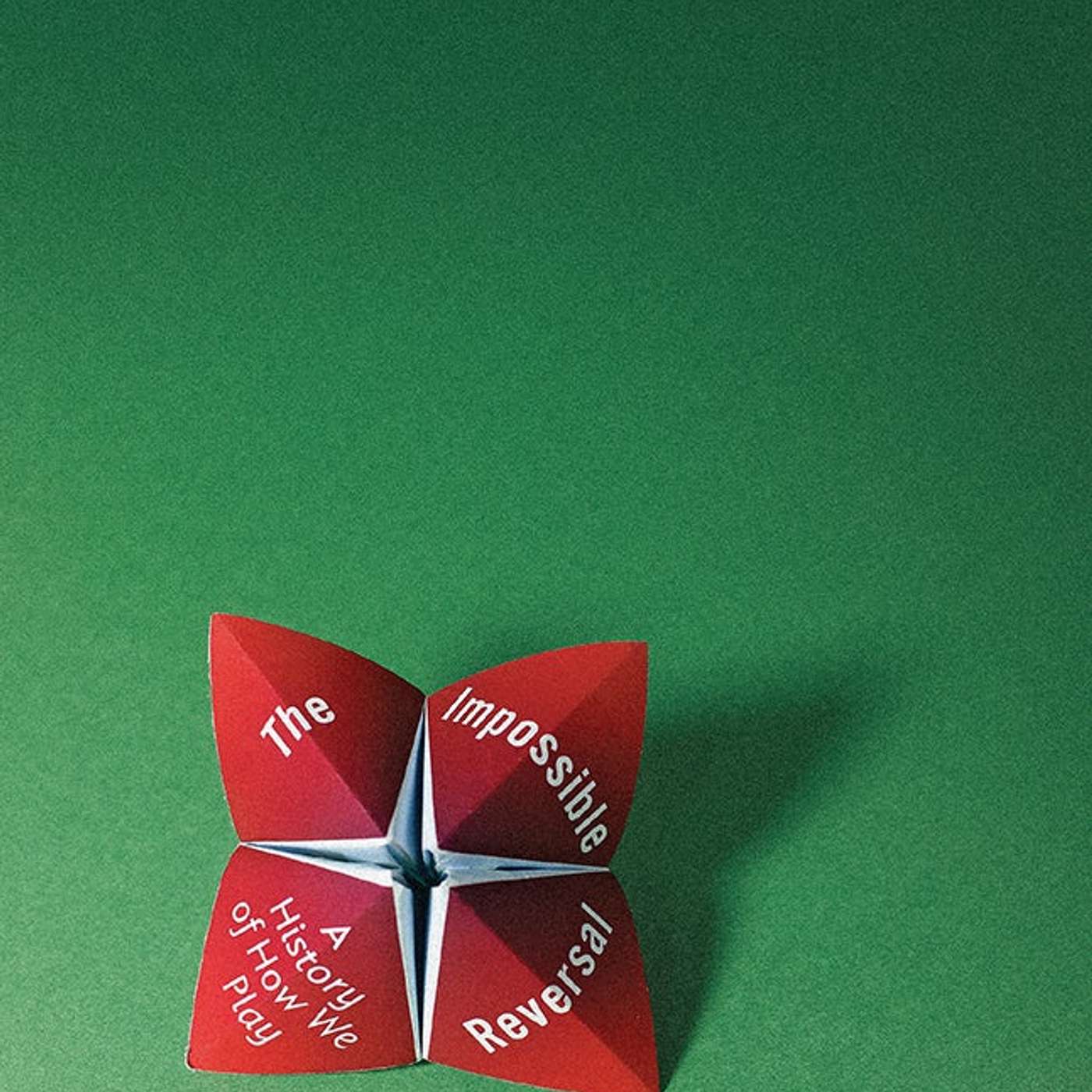
George Brecht to Game Boy: A history of play and playfulness
Jul 1400:44:52Tap to summarizeIn his study of how a new and messy set of codes about playfulness took shape in the postwar US, Peter D. McDonald illuminates how playfulness became essential for understanding cultural, technical, and economic production. From Fluxus to the Easy-Bake Oven to Tetris to SimCity, The Impossible Reversal: A History of How We Play charts the transformation of our understanding of what it means to play. Here, McDonald is joined in conversation with Tiffany Funk and Chaz Evans. Peter D. McDonald is associate professor of design, informal, and creative education in the Department of Curriculum and Instruction at the University of Wisconsin–Madison and author of The Impossible Reversal: A History of How We Play.Tiffany Funk is an artist, critical theorist, and researcher who teaches in the School of Art and Art History at the University of Illinois at Chicago. Funk is editor-in-chief of Video Game Art Reader and author of HPSCHD: Inside John Cage and Lejaren A. Hiller Jr.’s Radical Multimedia Collaboration.Chaz Evans is assistant professor of media arts in the School of Visual Art and Design at the University of South Carolina and author of a forthcoming book in MIT Press’s Platform Studies series.REFERENCES:Hannah Higgins / Fluxus Experience Barbara StaffordRube GoldbergGeorge BrechtYoko OnoSeth Giddings / Toy TheoryFredric JamesonBenjamin Patterson / A Game: Three Capacities and One InhibitionShigeko Kubota / Video ChessBrian Sutton-SmithMarjory Allen and the playground movementMouse TrapSimCityPRAISE FOR THE BOOK:"Offers a new model for thinking about imaginative intellectual engagement with the material world."—Amy F. Ogata"Essential reading for scholars of play and games alike—and perhaps even the seed of a new and exciting field of play studies."—Aaron TrammellThe Impossible Reversal: A History of How We Play by Peter D. McDonald is available from University of Minnesota Press. Thank you for listening.
Transcribe →
Scent and scentsibility: How smell shapes present and possible worlds.
Jul 701:16:21Tap to summarizeHow does smell attune us to possibility? Hsuan L. Hsu studies smell’s capacity to shape our worlds, our futures, and our modes of being and relating—noting that olfactory worldmaking is going on around us all the time. Hsu is joined here in conversation with Ally Louks.Hsuan L. Hsu is professor of English at the University of California, Davis. He is author of Olfactory Worldmaking; Geography and the Production of Space in Nineteenth-Century American Literature; Sitting in Darkness: Mark Twain’s Asia and Comparative Racialization; The Smell of Risk: Environmental Disparities and Olfactory Aesthetics; and Air Conditioning.Ally Louks is an author, literary scholar, and public academic who teaches at the University of Cambridge. Louks has several book projects in progress including Under Your Nose: The Pleasures and Politics of Smell.REFERENCES:Hsuan Hsu / The Smell of Risk Warren CariouRenee StoutAnicka Yi / In Love With The World, Tate Modern exhibitionTanaïs / In Sensorium Bruno LatourErica Fretwell / Sensory Experiments Chanelle DupuisTeresa BrennanJ. Douglas PorteousProust’s madeleine Jhumpa LahiriSaidiya HartmanManu Vimalassery, Juniana Hu Pegues, and Alyosha Goldstein, “Introduction: On Colonial Unknowing,” Theory & Event 19, no. 4.Lisa Lowe / The Intimacies of Four Continents Roshanak Kheshti / We See with the SkinChristina SharpeSylvia WynterOctavia Butler / FledglingLarissa Lai / Salt Fish GirlClaus Wedekind / Sweaty T-Shirt experimentWilliam Carlos Williams / Smell!Elizabeth Freeman / Time BindsByung-Chul Han / The Scent of TimeMilena Popova / DubconKandice Chuh / The Difference Aesthetics MakesOlfactory Worldmaking by Hsuan L. Hsu is available in the Forerunners series from University of Minnesota Press, in print and in an open access edition. Thank you for listening.
Transcribe →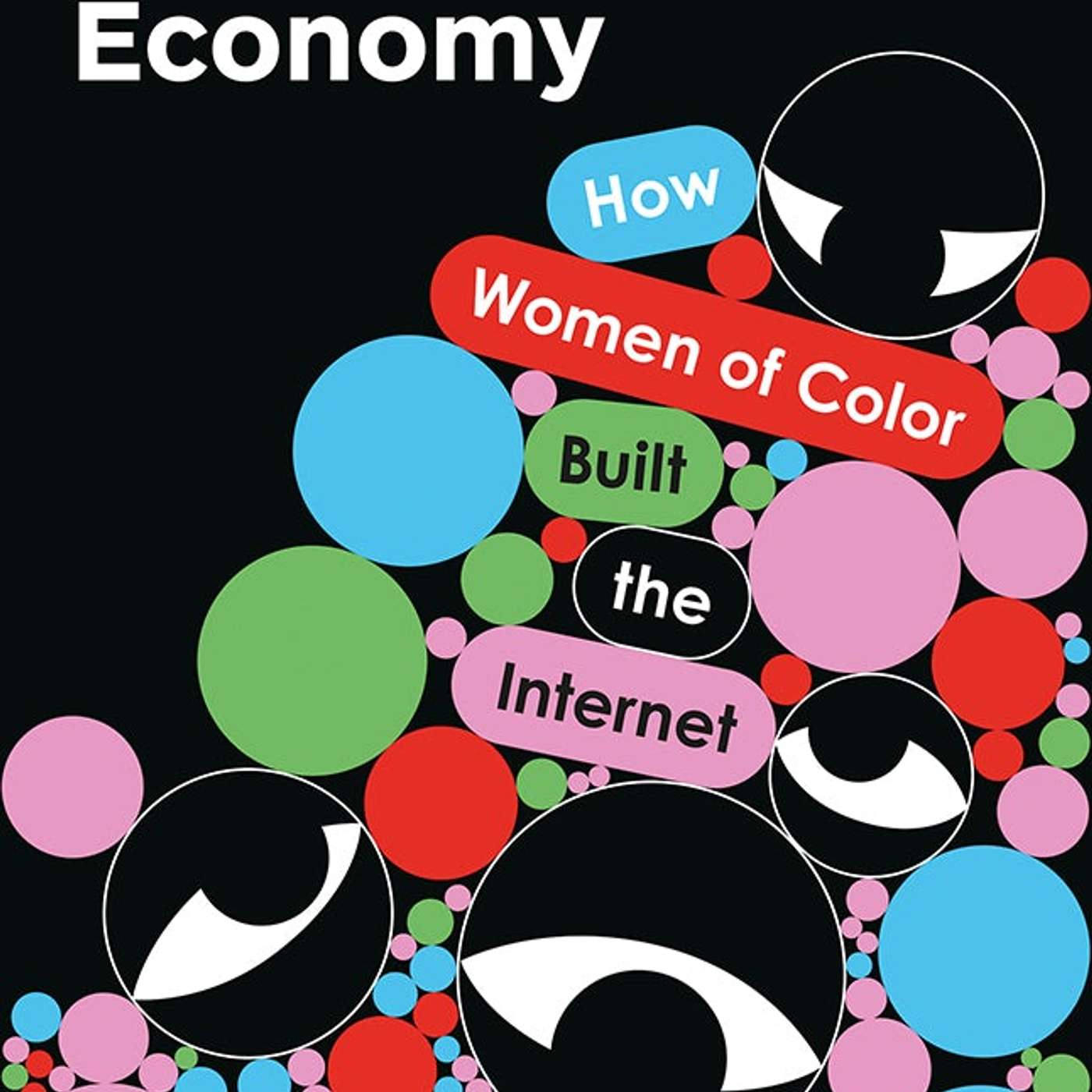
Material labor and the digital economy.
Jun 3001:18:54Tap to summarizeLisa Nakamura offers a powerful counterhistory of Silicon Valley in The Inattention Economy, which argues for both recognition and material compensation for the labor of the women of color who built the internet. Nakamura exposes how these women—including Tila Tequila, the first true internet influencer of the MySpace era—have been structurally excluded from racial capitalism’s benefits and focuses on how their work makes possible the platforms ingrained in our daily lives. Nakamura is joined here in conversation with Cassius Adair, André Brock, Jr., and Wendy Sung.Lisa Nakamura is the Gwendolyn Calvert Baker Collegiate Professor in the Department of American Cultures and the Digital Studies Institute at the University of Michigan, Ann Arbor. She is author of several books, including The Inattention Economy, Cybertypes, and Digitizing Race. Cassius Adair is assistant professor at the School of Art, Media, and Technology, part of the Parsons School of Design at The New School. André Brock, Jr., is an associate professor of Black Digital Media at Georgia Tech and author of Distributed Blackness.Wendy Sung is assistant professor of race, visuality, and digital culture in the Department of World Arts and Cultures/Dance at UCLA.Episode references:-“Indigenous Circuits: Navajo Women and the Racialization of Early Electronic Manufacture,” American Quarterly 66, no. 4.-The Hypersexuality of Race: Performing Asian/American Women on Screen and Scene / Celine Parreñas Shimizu -Race After the Internet / Lisa Nakamura and Peter Chow-White, editors-Glitch Feminism: A Manifesto / Legacy Russell -This Bridge Called My Back / Cherríe Moraga and Gloria Anzaldúa, editors-Distributed Blackness / André Brock Jr.-Violent Virality / Wendy Sung (forthcoming)-Digitizing Race / Lisa Nakamura-”Indigenous Circuits: Navajo Women and the Racialization of Early Electronic Manufacture,” Lisa Nakamura, American Quarterly 66 no. 4.Praise for the book:"A groundbreaking rereading of the entire history of the internet."—Grace Kyungwon Hong"A crucial analysis of the way digital technologies have been systematically built out of the embodied labor of women of color."—Kalindi VoraThe Inattention Economy: How Women of Color Built the Internetby Lisa Nakamura is available from University of Minnesota Press for purchase and also in an open-access edition available for download. Thank you for listening.
Transcribe →
Art, science, and the whale.
Jun 2300:51:48Tap to summarizeRemember ‘Save the Whales’? Can we apply that same fervor to saving other species, or humans, or the planet? Weather and the Whale gets into these questions. A project collaboratively organized by the Institute of the Arts and Sciences and the Friedlaender Bio-Telemetry and Behavioral Ecology Lab at UC Santa Cruz, this exhibition catalog combines artworks, critical and creative texts, and new scientific research investigating the histories and structures that render some lives, both human and nonhuman, more vulnerable to ecological crisis—and highlights collective practices necessary to create a more just world.Speakers:Rachel Nelson is director and chief curator at the Institute of the Arts and Sciences at UC Santa Cruz.Ari Friedlaender is professor of ocean sciences and director of the Friedlaender Bio-Telemetry and Behavioral Ecology Laboratory at UC Santa Cruz.Full book cast:Co-editor, with Nelson and Friedlaender: Alexandra Moore, curator of academic programs at the Institute of the Arts and Sciences at UC Santa Cruz.Artists: Imani Jacqueline Brown, Carolina Caycedo, Sharon Daniel, Yolande Harris, Christine Howard Sandoval, Ashley Hunt, Courtney Leonard, John Jota Leaños, Libia Posada, Mia Eve Rollow, Whale Liberation Front, Sam Williams, Suné Woods.Scientists: Natalia Botero-Acosta, Chloe Lew, Logan Pallin.Other contributors: Guillermo Delgado-P., Cory Diane, Mirra-Margarita Ianeva, LuLing Osofsky, Kailani Polzak, Şebnem Susam-Saraeva, Zac Zimmer.Weather and the Whale is available from University of Minnesota Press. Thank you for listening.
Transcribe →
Absence and asexuality.
Jun 1600:57:13Tap to summarizeWe’ve seen the page that states “this page intentionally left blank” or heard an authority figure declare “nothing to see here, folks”—and yet the so-called blank page has writing on it, and folks definitely have something to see. From the entry point of these and other paradoxical declarations of absence, KJ Cerankowski applies the aesthetics of asexuality to theorize silences, nothings, and emptiness—and ultimately explores new ways of making meaning out of the supposedly meaningless. Here, Cerankowski is joined in conversation with Hil Malatino and Ianna Hawkins Owen.KJ Cerankowski is associate professor of comparative American studies and gender, sexuality, and feminist studies at Oberlin College. Cerankowski is author of Nothing Wanting: Asexuality and the Matter of Absence and Suture: Trauma and Trans Becoming and coeditor of two editions of Asexualities: Feminist and Queer Perspectives. Hil Malatino is associate professor in the Department of Women’s, Gender, and Sexuality Studies at Penn State and a senior research associate in the Rock Ethics Institute. Malatino is author of Side Affects: On Being Trans and Feeling Bad and Trans Care.Ianna Hawkins Owen is an advanced assistant professor in the Department of Gender & Women’s Studies at UC Berkeley.EPISODE REFERENCES:Ross GayIntimacies / Leo Bersani and Adam PhillipsDepression: A Public Feeling / Ann CvetkovichEntangled Life / Merlin Sheldrake“Public Universal Friend,” hosts Rund Abdelfatah and Ramtin Arablouei, Throughline podcastReed EricksonEve Kosofsky Sedgwick, “Paranoid Reading and Reparative Reading” (book chapter, Novel Gazing: Queer Readings in Fiction)Christina Sharpe’s Ordinary Notes and In the WakeRenée GreenParadise Rot / Jenny HvalLauren BerlantAgnes MartinYayoi Kusama“Agnes Martin’s Homework” / The Brooklyn RailPRAISE FOR THE BOOK:"Beautifully written, politically imaginative, and intellectually nuanced, Nothing Wanting uncovers an entirely new horizon for asexual scholarship and trans studies." —Nathan Snaza"Limning the rich, still barely specified horizons between sex, asexuality, transgender, consumption, and relation, this book charts a space between the everything and the nothing, which is so much more, as KJ Cerankowski shows, than in between." —Mel Y. ChenNothing Wanting: Asexuality and the Matter of Absence by KJ Cerankowski is available from University of Minnesota Press. Thank you for listening.
Transcribe →
Translating the near and far worlds
Jun 200:56:26Tap to summarizeWelcome to worlds where cunning foxes outsmart bears and humans, where people are turned into wolves, where ogres (stállus) terrorize communities until outwitted, where undead creatures of the sea (rávgas) lure others to their demise. These worlds are illuminated in more than 300 folktales and legends that make up the most extensive compilation of Sámi narratives recorded from Sámi storytellers ever published in English translation: Sámi Folktales from the Near and Far Worlds, originally recorded by Just Knud Qvigstad and Isak Saba and translated by Barbara Sjoholm. Sjoholm is joined here in conversation with Lise Lunge-Larsen.Barbara Sjoholm is an award-winning translator and author of many books, including From Lapland to Sápmi: Collecting and Returning Sámi Craft and Culture and The Palace of the Snow Queen: Winter Travels in Lapland and Sápmi. Among her translations are By the Fire: Sámi Folktales and Legends, collected by Emilie Demant Hatt.Lise Lunge-Larsen is the award-winning author of The Troll with No Heart in His Body and Seven Ways to Trick a Troll. She lives in Duluth, where trolls can still be found if you really look for them. Praise for the book:"Beautifully written, the introduction to Sámi Folktales from the Near and Far Worlds captivates the reader from the very beginning with poetic descriptions of the Sámi landscape, the historical context and thematic characteristics of the storytelling tradition in Sápmi, and an exploration of the relationship between Just Knud Qvigstad and Isak Saba. This book is a valuable collection of Sámi stories."—Line Esborg, Head of Norwegian Folklore Archives, University of Oslo"For decades, these stories have provided contemporary Sámi literature with drama, detail, and inspiration. This collection is a treasure trove for every writer and reader to explore, and it’s a gift to the English language that these folktales are now translated."—Elin Anna Labba, author of The Home of the Drowned and The Rocks Will Echo Our Sorrow: The Forced Displacement of the Northern Sámi"The deeper you dig into this collection, the more satisfying it gets. Barbara Sjoholm’s introduction is worth its weight in gold."—Lise Lunge-LarsenSámi Folktales from the Near and Far Worlds, collected by Just Knud Qvigstad and Isak Saba and translated by Barbara Sjoholm, is available from University of Minnesota Press. Thank you for listening.
Transcribe →
Political solidarity and state power
May 1900:54:46Tap to summarizeThe thwarted Central American revolutions during the latter half of the twentieth century marked a watershed in what had become a global anti-imperialist movement striving for a more egalitarian future. Examining a range of documentary, literary, and artistic works, including Roxanne Dunbar-Ortiz, Héctor Tobar, Jennifer Harbury, and Horacio Castellanos Moya, States of Defeat looks at how left-wing intellectuals in the United States reckoned with the fallout from these defeats through wide-ranging creative expressions of indignation, cynicism, and grief. Here, author Eric A. Vázquez is joined in conversation with Maritza E. Cardenas and Jason Ruiz.Eric A. Vázquez is assistant professor in American studies and Latina/o/x studies at the University of Iowa and author of States of Defeat: US Imaginaries of Revolutionary Central America.Jason Ruiz is director of institute for latino studies and professor of American studies at the University of Notre Dame. He is author of Americans in the Treasure House: Travel to Porfirian Mexico and the Cultural Politics of Empire and Narcomedia: Latinidad, Popular Culture, and America’s War on Drugs. Maritza E. Cardenas is director of global studies and associate professor of English at the University of Arizona. She is author of Constituting Central American-Americans: Transnational Identities and the Politics of Dislocation.EPISODE REFERENCES:Blood on the Border / Roxanne Dunbar-OrtizEmpire’s Workshop / Greg GrandinThe Ruse of Repair / Patricia StuelkeLas Sandinistas! / filmJesse AlemánJennifer HarburyJean DonovanRigoberta MenchúThe Tattooed Soldier / Héctor TobarHoracio Castellanos MoyaDavid StollMaría Josefina Saldaña-PortilloDon White Committee in Solidarity with the People of El Salvador archive at California State University NorthridgePRAISE FOR THE BOOK:"Insightful and brilliant, States of Defeat uses the defeat of the Central American revolutionaries by US–backed, brutal right-wing militaries to analyze the meaning of revolutionary failure for the United States."—María Josefina Saldaña-Portillo, author of Indian Given: Racial Geographies across Mexico and the United States "Eric A. Vázquez asks hard questions about what is at stake, who benefits, and what matters in the making of alliances across borders. Every chapter is rich with a nuanced account of anti-imperialist creativity and commitment."—Melani McAlister, author of Promises, Then the Storm: Notes on Memory, Protest, and the Israel–Gaza WarThe book States of Defeat: US Imaginaries of Revolutionary Central America by Eric A. Vázquez is available from University of Minnesota Press. Thank you for listening.
Transcribe →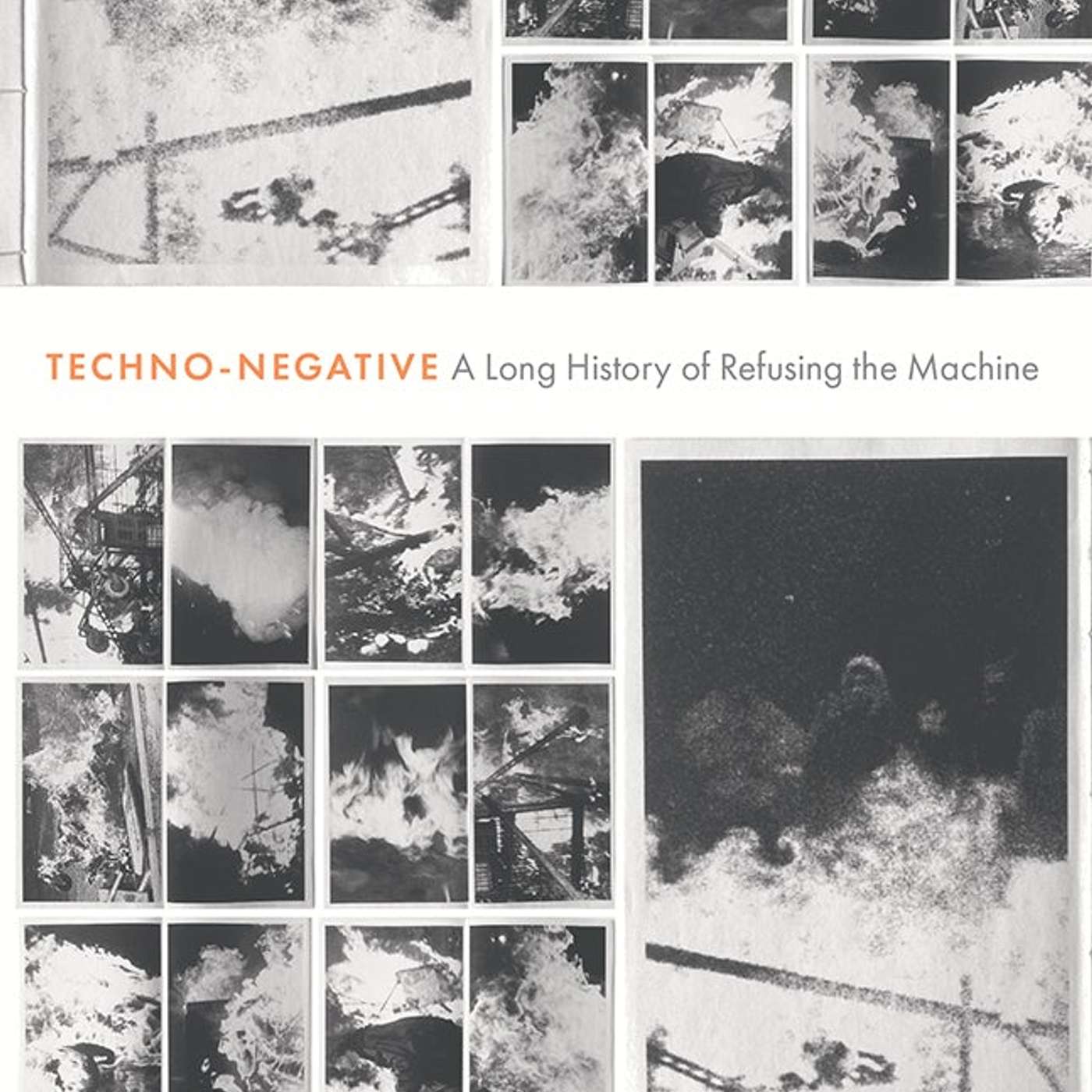
Refusing the machine.
May 600:45:28Tap to summarizeThe history of technology is often told as a history of progress. Thomas Dekeyser turns this story on its head, leading a journey to the critical junctures where people have rejected and tried to undo, rather than adopt, new technologies. In Techno-Negative: A Long History of Refusing the Machine, Dekeyser challenges readers to rethink the terms of our technological present and future. Here, Dekeyser is joined in conversation with Brian Merchant and Sarah Sharma.Thomas Dekeyser is a filmmaker and lecturer in human geography at the University of Southampton and author of Techno-Negative: A Long History of Refusing the Machine.Sarah Sharma is acting Vice Dean, Research and Program Innovation at the School of Graduate Studies at the University of Toronto, where she is also professor of media theory at the ICCIT/Faculty of Information and director of the Institute of Communication, Culture, Information and Technology. Sharma is author of Insufferable Tools: Feminism Against Big Tech and In the Meantime: Temporality and Cultural Politics.Brian Merchant is author of Blood in the Machine: The Origins of the Rebellion Against Big Tech and The One Device: The Secret History of the iPhone. He is a reporter in residence at the AI Now Institute, former technology columnist at the Los Angeles Times, co-founder and editor of Vice’s speculative fiction outlet TERRAFORM, and his writing has appeared in the New York Times, Wired, The Atlantic, Harper’s Magazine, and Fast Company.EPISODE REFERENCES:Donna Haraway’s “A Cyborg Manifesto” (1985 essay)Film: Machines in FlamesTechno-Negative: A Long History of Refusing the Machine by Thomas Dekeyser is available from University of Minnesota Press. Thank you for listening.
Transcribe →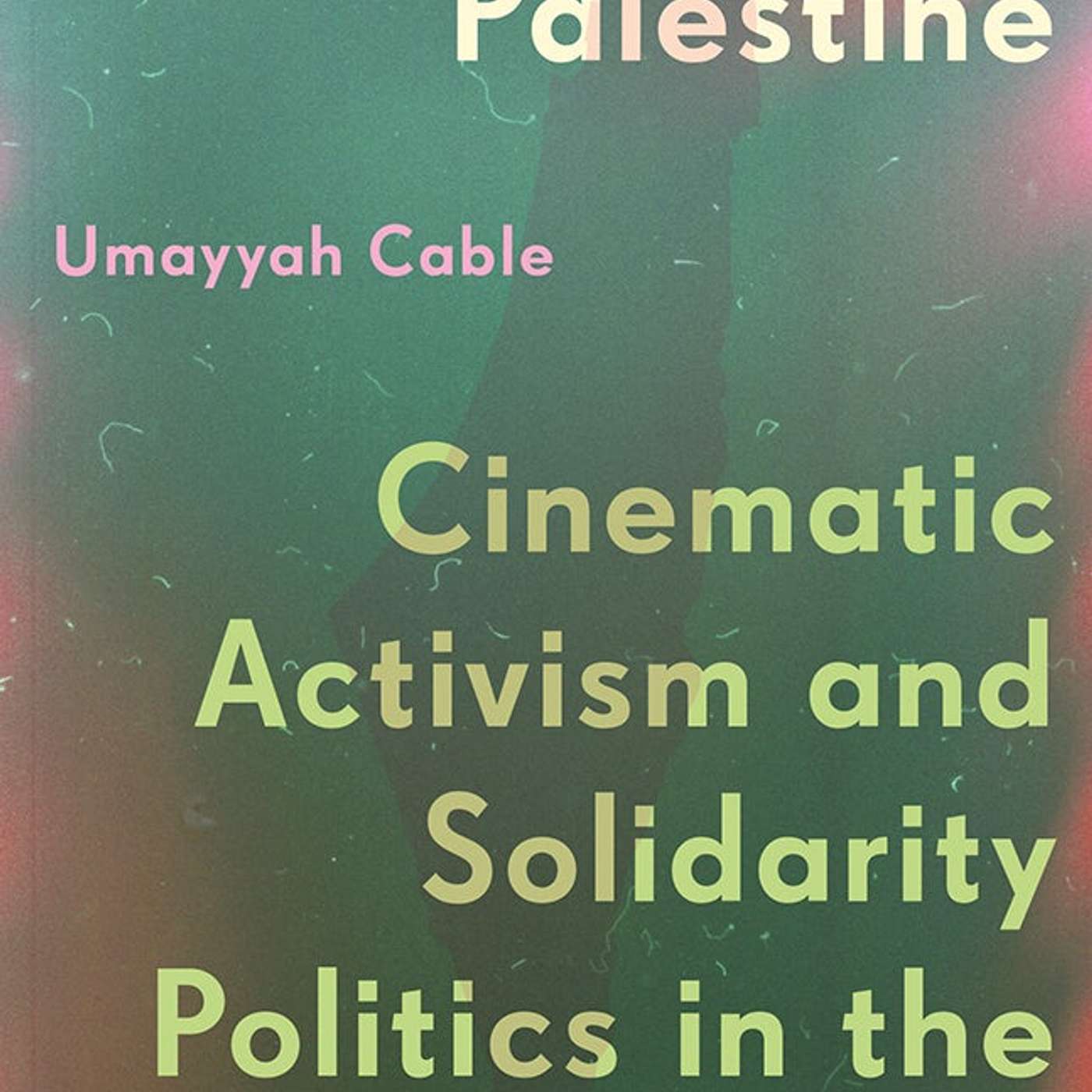
Cinematic activism and solidarity politics in the US
Apr 2800:54:15Tap to summarizeFor decades, Arab American activists and allies have used film, video, and multimedia to mobilize support for the Palestinian cause in the United States. In Mainstreaming Palestine: Cinematic Activism and Solidarity Politics in the United States, a detailed history of cinema’s role within the broader solidarity movement, Umayyah Cable analyzes the various strands of cinematic activism that have helped move Palestinian liberation politics from the periphery and into the mainstream. Cable is joined here in conversation with Evelyn Alsultany, Keith Feldman, and Melani McAlister.Umayyah Cable is assistant professor of American culture and film, television, and media at the University of Michigan, Ann Arbor, and author of Mainstreaming Palestine: Cinematic Activism and Solidarity Politics in the United States.Evelyn Alsultany is professor in the Department of American Studies and Ethnicity at the University of Southern California’s Dornsife College and author of Broken: The Failed Promise of Muslim Inclusion and Arabs and Muslims in the Media.Keith Feldman is associate professor in the department of ethnic studies at UC Berkeley and author of A Shadow over Palestine.Melani McAlister is professor of American Studies and international affairs and director of the Institute for Middle East Studies at the Elliott School of International Affairs at The George Washington University. McAlister is author of Promises, Then the Storm, The Kingdom of God Has No Borders, and Epic Encounters.REFERENCES:-AAUG: Association of Arab American University Graduates-Telegram/Yasser Arafat-Frameline, the San Francisco International LGBTQ+ Film Festival-Erella Shadmi, “Women, Palestinians, Zionism: A Personal View.”-Adrienne Rich, “Compulsory Heterosexuality and Lesbian Existence.”-Robert Mapplethorpe exhibit at Boston’s Institute of Contemporary Art-Jean Baudrillard’s four stages of representation-Jonathan Glazer’s 2024 Oscar acceptance speech for The Zone of Interest-Film Workers for Palestine-BDS: Boycott, Divestment, and SanctionsFILM REFERENCES:David Koff’s Occupied PalestineJan Haaken and Jennifer Ruth’s The Palestine ExceptionMichael T. Workman and Kei Pritsker’s The EncampmentsBasel Adra, Hamdan Ballal, Yuval Abraham, and Rachel Szor’s No Other LandMainstreaming Palestine: Cinematic Activism and Solidarity Politics in the United States by Umayyah Cable is available from University of Minnesota Press. Thank you for listening.
Transcribe →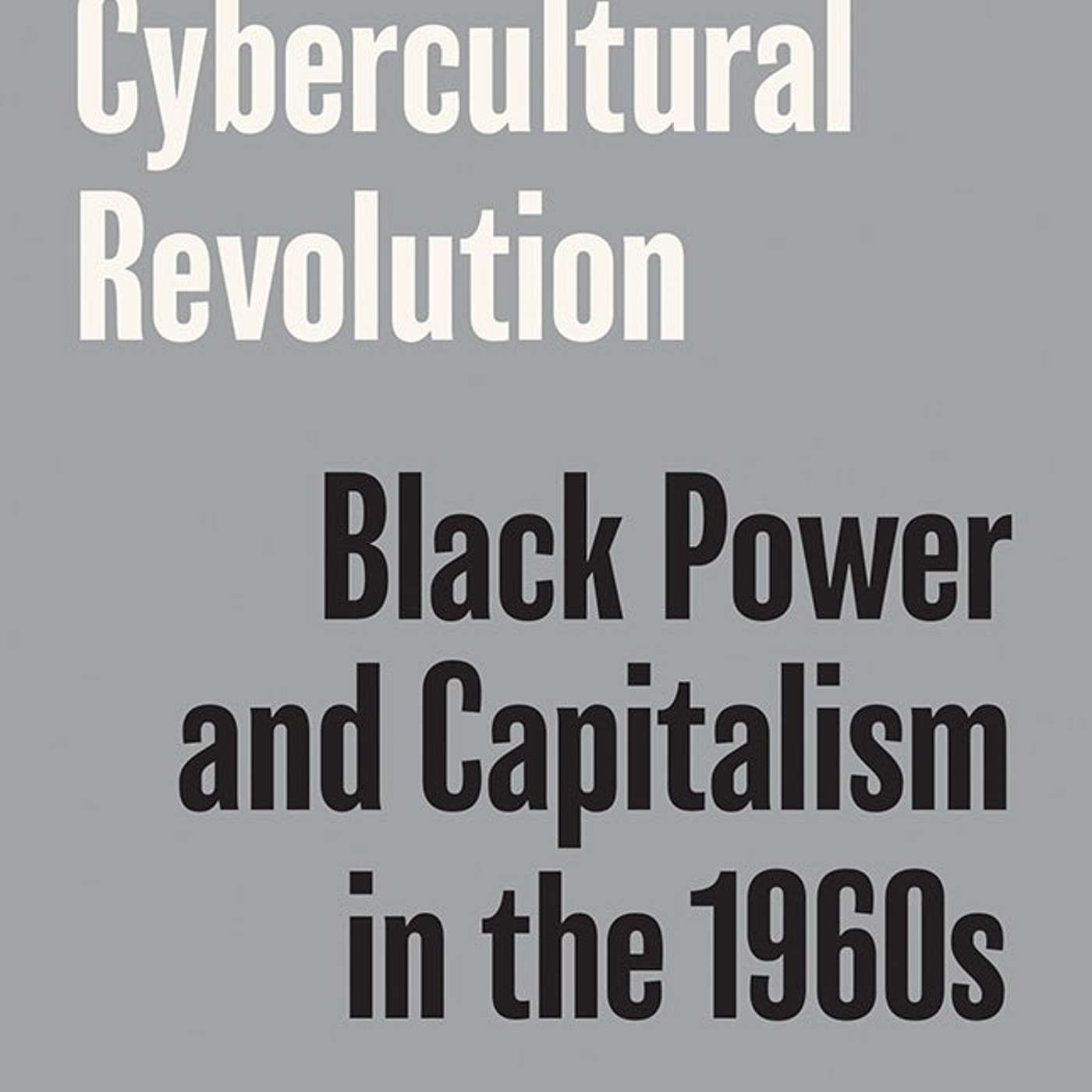
Cybercultural revolution in the 1960s.
Apr 1400:51:54Tap to summarizeIn the 1960s, artists, writers, and activists prefigured the wider discourse around automation and made it a central concern of their politics. Drawing upon James and Grace Lee Boggs’s notion of the cybercultural era, and examining the works of Martin Luther King Jr., Noah Purifoy, and the Black Panthers, Brian Bartell provides a crucial key to understanding the historical dynamics responsible for our technocapitalist, AI-driven present. Here, Bartell is joined in conversation with John Elrick.Brian Bartell teaches courses on politics and aesthetics, media studies, and race and technology studies at Occidental College in Los Angeles and at the California Institute of Technology. Bartell is author of On the Eve of the Cybercultural Revolution: Black Power and Capitalism in the 1960s.John Elrick is visiting assistant professor of geography at Vassar College. EPISODE REFERENCES:-From Counterculture to Cyberculture / Fred Turner-“The Negro and Cybernation,” James Boggs, speech delivered at the First Annual Conference on the Cybercultural Revolution, 1964.-Ad Hoc Committee on the Triple Revolution (AHC), The Triple Revolution (pamphlet), 1964.-National Commission on Technology, Automation, and Economic Progress, Report Vol. 1: Technology and the American Economy, 1966-Revolution and Evolution in the Twentieth Century / Grace Lee Boggs-Club of Rome, The Limits to Growth, 1972-Ten Point Program, 1966 and 1972 (presented at Community Survival Conference, Oakland, CA); particularly, “People’s Community Control of Modern Technology” and Huey P. Newton’s “The Technology Question” within.-The Chosen Place, the Timeless People / Paule MarshallPRAISE FOR THE BOOK:"Incisive, original, and beautifully written, On the Eve of the Cybercultural Revolution exposes the interconnections between race, technology, and capitalism. Brian Bartell shows that the cybercultural revolution was central to the Black Power movement as it opened up avenues for envisioning freedom from the conditions of reproduction and labor under racial capitalism."—Neda Atanasoski"Highly relevant to the present moment, On the Eve of the Cybercultural Revolution presents a vital argument about the Black Power movement’s insights into the relationship between capitalism, technology, and racism. In so doing, Brian Bartell makes a fascinatingly original contribution to conversations about the role of automation in the ‘technocapitalist present.’"—Jonathan FlatleyOn the Eve of the Cybercultural Revolution: Black Power and Capitalism in the 1960s by Brian Bartell is available from University of Minnesota Press. Thank you for listening.
Transcribe →