
Podcast
Upstream
Hosted by Upstream · EN
Conversations and audio documentaries exploring a wide variety of themes pertaining to economics and politics, hosted by Della Z Duncan and Robert R. Raymond
48episodes
Episodes
Newest firstAll episodes
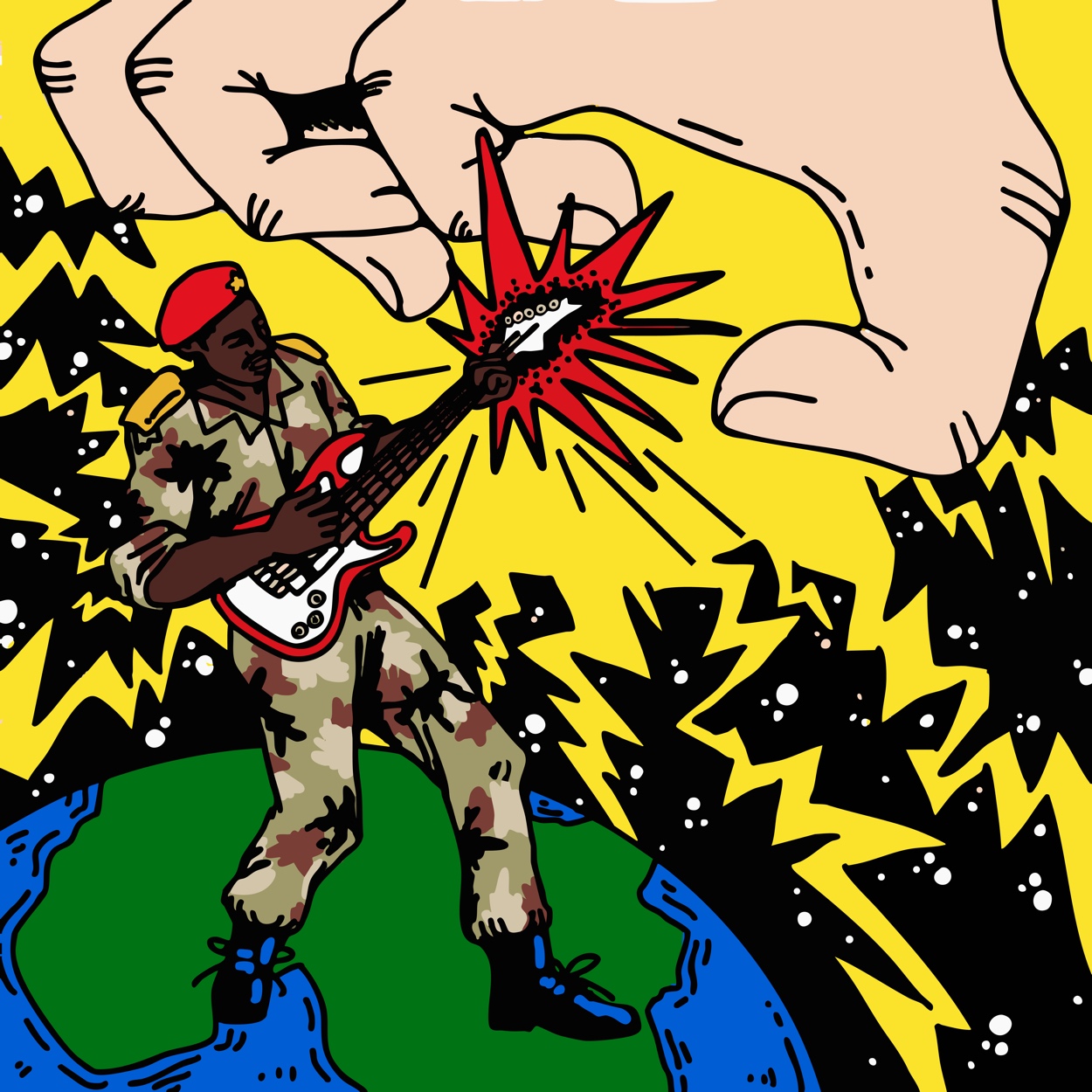
[TEASER] Alliance of Sahel States Pt. 4: The Life, Politics and Legacies of Thomas Sankara w/ Amber Murrey
Jan 2100:22:24Tap to summarizeThis is a free preview of the episode "Alliance of Sahel States Pt. 4: The Life, Politics and Legacies of Thomas Sankara w/ Amber Murrey." You can listen to the full episode by subscribing to our Patreon here: https://www.patreon.com/upstreampodcast As a Patreon subscriber you'll get access to at least one bonus episode a month (usually two or three), our entire back catalog of Patreon episodes, early access to certain episodes, and other benefits like stickers and bumper stickers—depending on which tier you subscribe to. access to bi-weekly bonus episodes ranging from conversations to readings and more. Signing up for Patreon is a great way to make Upstream a weekly show, and it will also give you access to our entire back catalog of Patreon episodes along with stickers and bumper stickers at certain subscription tiers. You'll also be helping to keep Upstream sustainable and allowing us to keep this project going. In this episode, Part 4 of our series on the Alliance of Sahel States, Amber Murrey joins us for a conversation on Thomas Sankara. In this conversation, we discuss Sankara's early life and how his experience with French colonialism shaped his politics and philosophies. We talk about how those philosophies were implemented into policy after a 1983 coup d'etat that put him into the presidency. We explore his fight against French imperialism and for sovereignty of the Burkinabé population. We discuss his assassination, who was responsible, and why it's more important than ever for us to share about his work and uplift his legacy here in the West. Amber Murrey is Associate Professor in Human Geography, Fellow and Tutor at Mansfield College, and Director of Undergraduate Studies for Geography & the Environment at the University of Oxford. taught at universities in Ethiopia, Egypt, Cameroon, the US. Amber is also the editor of 'A Certain Amount of Madness': The Life, Politics and Legacies of Thomas Sankara and Associate Editor of The African Geographical Review. Further resources: A Certain Amount of Madness The Life, Politics and Legacies of Thomas Sankara Thomas Sankara An African Revolutionary, Ernest Harsch The International Campaign of Justice for Sankara Who Killed Thomas Sankara? by Bruno Jaffré Interview with Aziz Fall on the assassination of Thomas Sankara, by Koni Benson and Mukoma Wa Ngugi Thomas Sankara: A Revolutionary in Cold War Africa, by Brian J. Peterson Related episodes: Our onging series on the Alliance of Sahel States A History of the CIA, Coups, and Assassinations w/ Vijay Prashad Artwork: Sanyika Upstream is a labor of love — we couldn't keep this project going without the generosity of our listeners and fans. Subscribe to our Patreon at patreon.com/upstreampodcast or please consider chipping in a one-time or recurring donation at www.upstreampodcast.org/support For more from Upstream, visit www.upstreampodcast.org and follow us on Instagram and Bluesky. You can also subscribe to us on Apple Podcasts, Spotify, or wherever you listen to your favorite podcasts.
Transcribe →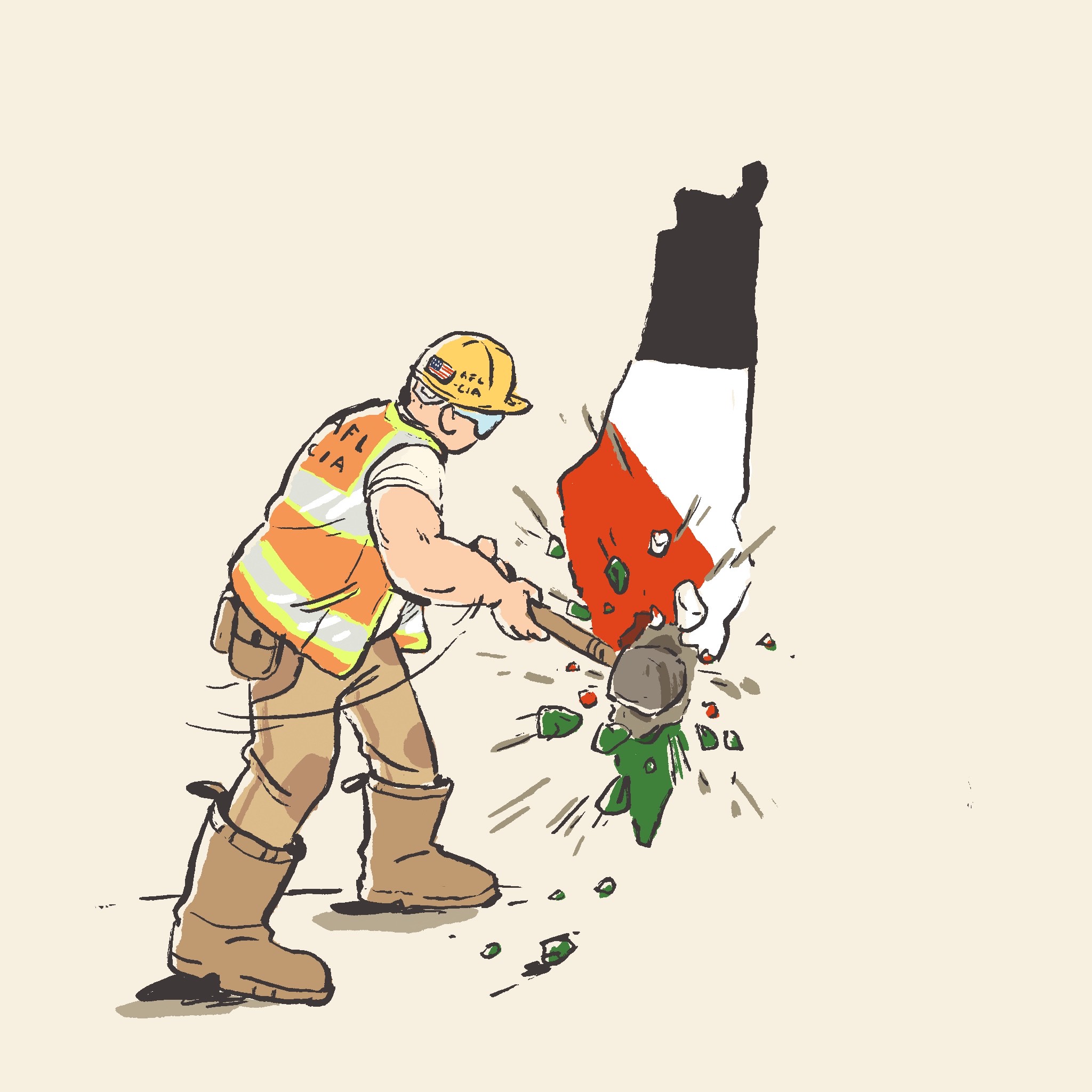
US Labor & Imperialism Pt. 2: Zionism w/ Jeff Schuhrke (Palestine Pt. 16)
Jan 1302:03:46Tap to summarizeIn this episode, part 2 of our 2-part miniseries on US labor and imperialism, Jeff Schuhrke joins us to take a deep dive into his new book, No Neutrals There, exploring US labor's support of Zionism. Jeff Schuhrke is a labor historian, journalist, union activist, and assistant professor at the Harry Van Arsdale Jr School of Labor Studies, SUNY Empire State University. He's the author of Blue-Collar Empire: The Untold Story of US Labor's Global Anticommunist Crusade, and No Neutrals There: US Labor, Zionism, and the Struggle for Palestine. The conversation opens with a history of Zionism, looking at the rise of Zionism and crucially contrasting it to the Jewish Labor Bund and their different approach to Jewish emancipation. We then present a history of the settler-colonial project which became Israel, looking at the labor landscape in Palestine during the first half of the 20th century (the Great Arab Revolt, WWII, the period of the Holocaust) and exploring US labor's role in supporting the Zionist project ideologically, financially, and even militarily throughout the Nakba and the creation of the State of Israel. We then talk about how US labor's support (specifically the AFL-CIO's) for Zionism after the creation of the state of Israel, providing billions of dollars of support and lobbying on behalf of Israel, providing crucial early support. Part 1 of this miniseries took a deep dive into Jeff's book Blue-Collar Empire, looking at US labor's role in supporting imperialism and anticommunism. Further resources: No Neutrals There: US Labor, Zionism, and the Struggle for Palestine Blue-Collar Empire: The Untold Story of US Labor's Global Anticommunist Crusade Donate to ANERA (American Near East Refugee Aid) Donate to MECA (Middle East Children's Alliance) Amazon Labor Union BDS Movement Block the Boat Related episodes: US Labor & Imperialism Pt. 1: the War Against Communism w/ Jeff Schuhrke Listen to our ongoing Palestine series From the Frontlines: Organizing Against Amazon w/ Chris Smalls and Mars VerroneFrom the Frontlines: Organizing Against Amazon w/ Chris Smalls and Mars Verrone What Is To Be Done? with Breht O'Shea and Alyson Escalante Please Donate: Help Ismail and his family survive in Gaza — a note from Ismail's fundraiser: "Ismail is 20 years old and has taken excellent care of his mother and three younger siblings. 'Excellent care' means being threatened by American mercenaries at the GHF "aid" points when those killing workshops were in operation. 'Excellent care' means going without a rumour of food so his loved ones could eat. 'Excellent care' means retaining his astonishing physical strength and agility in conditions that would test the discipline of a spiritual genius. He is deeply loveable and wonderfully funny. He would be ecstatic to know his life is visible to others. Any money that could be appropriately spared would give him and his family such relief as I hope I will never know." Intermission music: "No Rest" by No Rest (Please support their fundraiser for a Palestinian family) Cover art: Berwyn Mure Upstream is entirely listener funded. No ads, no promotions, no grants—just Patreon subscriptions and listener donations. We couldn't keep this project going without your support. Subscribe to our Patreon for bi-weekly bonus episodes, access to our entire back catalog of Patreon episodes, and for Upstream stickers and bumper stickers at certain subscription tiers. Through your support you'll be helping us keep Upstream sustainable and helping to keep this whole project going—socialist political education podcasts are not easy to fund so thank you in advance for the crucial support. patreon.com/upstreampodcast For more from Upstream, visit www.upstreampodcast.org and follow us on Instagram and Bluesky. You can also subscribe to us on Apple Podcasts, Spotify, or wherever you listen to your favorite podcasts.
Transcribe →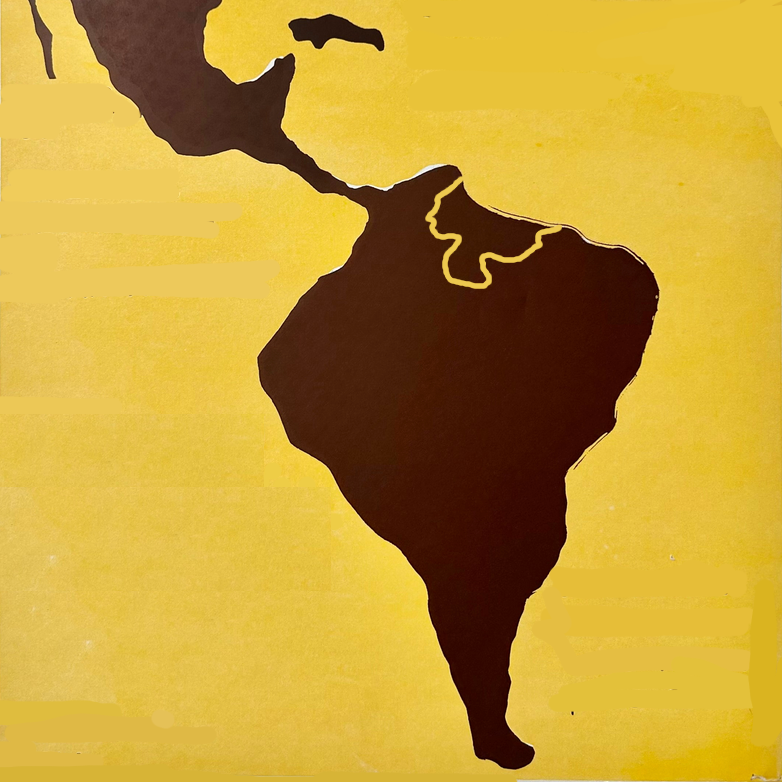
[TEASER] Venezuela Pt. 1: A Socialist Introduction w/ Vijay Prashad
Sep 200:15:02Tap to summarizeThis is a free preview of the episode "Venezuela Pt. 1: A Socialist Introduction w/ Vijay Prashad." You can listen to the full episode by subscribing to our Patreon here: https://www.patreon.com/upstreampodcast As a Patreon subscriber you'll get access to at least one bonus episode a month (usually two or three), our entire back catalog of Patreon episodes, early access to certain episodes, and other benefits like stickers and bumper stickers—depending on which tier you subscribe to. access to bi-weekly bonus episodes ranging from conversations to readings and more. Signing up for Patreon is a great way to make Upstream a weekly show, and it will also give you access to our entire back catalog of Patreon episodes along with stickers and bumper stickers at certain subscription tiers. You’ll also be helping to keep Upstream sustainable and allowing us to keep this project going. In Part 1 of our new, ongoing series on Venezuela, Vijay Prashad joins us to discuss Venezuela’s history, politics, and its ongoing fight against US imperialism. Vijay Prashad is a journalist, political commentator, and Executive Director of Tricontinental: Institute for Social Research. He’s the author of many books, including The Darker Nations, Washington Bullets: The History of the CIA, Coups, and Assassinations, and Red Star Over the Third World. In this episode, we discuss Venezuela's political and economic conditions prior to the Bolivarian Revolution of 1999 when Hugo Chávez came to power. We discuss how oil colonialism kept Venezuela in a state of underdevelopment and poverty. Vijay tells us about the promise of the Bolivarian Revolution and how it was delivered, the obstacles that Venezuela continues to face in its fight against imperialism, the hybrid war of coup attempts, sanctions, and propaganda campaigns imposed by the US, what socialism in Venezuela actually looks like, the most recent escalation by the Trump administration, and much more. Further resources: Tricontinental's work on Venezuela Washington Bullets: A History of the CIA, Coups, and Assassinations, by Vijay Prashad The Fort Bragg Cartel: Drug Trafficking and Murder in the Special Forces, by Seth Harp The Politics of Heroin:CIA Complicity in the Global Drug Trade, by Alfred W. McCoy Related episodes: The Fight for The Congo w/ Vijay Prashad China Pt. 3: Bourgeois Democracy vs Socialist Democracy w/ Vijay Prashad A History of the CIA, Coups, and Assassinations w/ Vijay Prashad The Logical Case for Socialism (and Against Capitalism) w/ Scott Sehon Artwork: Political Repression in Latin America Poster printed by La Raza Silkscreen, 1975. Upstream is a labor of love — we couldn't keep this project going without the generosity of our listeners and fans. Subscribe to our Patreon at patreon.com/upstreampodcast or please consider chipping in a one-time or recurring donation at www.upstreampodcast.org/support If your organization wants to sponsor one of our upcoming documentaries, we have a number of sponsorship packages available. Find out more at upstreampodcast.org/sponsorship For more from Upstream, visit www.upstreampodcast.org and follow us on Instagram and Bluesky. You can also subscribe to us on Apple Podcasts, Spotify, or wherever you listen to your favorite podcasts.
Transcribe →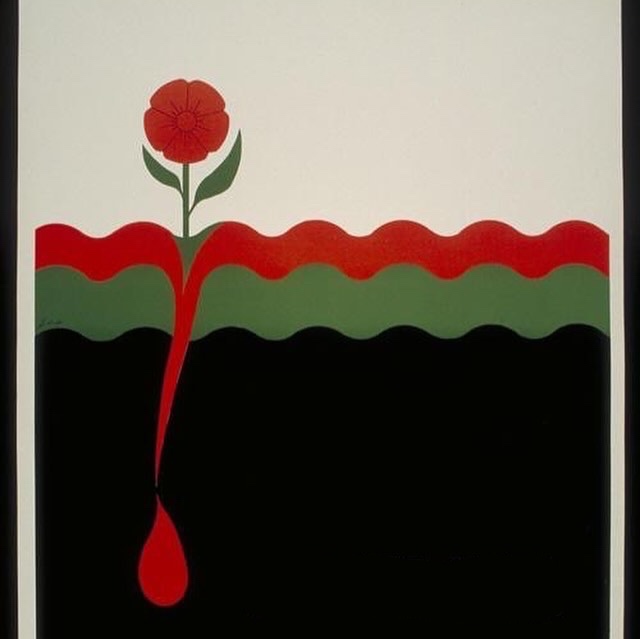
Palestine Pt. 15: The Gaza Freedom Flotilla w/ Chris Smalls & Huwaida Arraf
Aug 2601:50:32Tap to summarizeIn this episode, Part 15 of our ongoing Palestine series, we've invited on two guests for a wide-ranging conversation around the Gaza Freedom Flotilla and the movement it's part of: Chris Smalls and Huwaida Arraf. Chris Smalls is a labor organizer, founder and former President of the Amazon Labor Union, and was a member of the most recent Freedom Flotilla voyage to Gaza. In this conversation, Chris shares about his experience on the Handala—the boat that sailed from Italy to the coast off of Gaza in an attempt to break Israel's illegal siege and blockade of food, medicine, and other lifesaving necessities in Palestine. We talk about the IOF's siege of the Handala in the waters of the Mediterranean just off the coast of Gaza and Chris's treatment after being kidnapped by Israel. We also explore the connection between working class politics in the United States and the struggle for liberation in Palestine, the complicity of the Western labor movement and the Democratic Party in the Palestinian genocide, the need for a labor party in the US, and what's next for the Freedom Flotilla missions. Huwaida Arraf is a Palestinian-American human/civil rights attorney, co-founder of the International Solidarity Movement, and organizer with the Freedom Flotilla. In this conversation, Huwaida tells us about the history of the Freedom Flotilla and the various voyages to Gaza from 2008 to the present. We discuss the framework of international law, whether or not it still exists in a meaningful way, and how Israel and the US routinely violate it. Finally, we talk about a possible future where those responsible for the Palestinian siege and genocide, from Israeli leaders to IOF foot soldiers, are held accountable for their war crimes and crimes against humanity, and what the future holds for more freedom flotillas defying the brutal and illegal siege on Gaza. Further resources: Donate to ANERA (American Near East Refugee Aid) Donate to MECA (Middle East Children's Alliance) Freedom Flotilla Amazon Labor Union International Solidarity Movement The Hind Rajab Foundation Taxpayers Against Genocide Global Sumud Flotilla Thousand Madleens to Gaza US Boats to Gaza Related episodes: Listen to our ongoing Palestine series From the Frontlines: Organizing Against Amazon w/ Chris Smalls and Mars Verrone What Is To Be Done? with Breht O'Shea and Alyson Escalante Intermission music: A section of "Deepwater Horizon Dream" by Robert Raymond Covert art: Palestine Poster Project, Abel El Hameed Upstream is entirely listener funded. No ads, no promotions, no grants—just Patreon subscriptions and listener donations. We couldn't keep this project going without your support. Subscribe to our Patreon for bi-weekly bonus episodes, access to our entire back catalog of Patreon episodes, and for Upstream stickers and bumper stickers at certain subscription tiers. Through your support you’ll be helping us keep Upstream sustainable and helping to keep this whole project going—socialist political education podcasts are not easy to fund so thank you in advance for the crucial support. patreon.com/upstreampodcast For more from Upstream, visit www.upstreampodcast.org and follow us on Instagram and Bluesky. You can also subscribe to us on Apple Podcasts, Spotify, or wherever you listen to your favorite podcasts.
Transcribe →
[TEASER] China Pt. 7: A Socialist Response to the COVID Pandemic w/ Creighton Ward, Kevin Li, and Alessandro Zancan
Aug 1900:22:19Tap to summarizeThis is a free preview of the episode "China Pt. 7: A Socialist Response to the COVID Pandemic w/ Creighton Ward, Alessandro Zancan, and Kevin Li." You can listen to the full episode by subscribing to our Patreon here: https://www.patreon.com/upstreampodcast As a Patreon subscriber you'll get access to at least one bonus episode a month (usually two or three), our entire back catalog of Patreon episodes, early access to certain episodes, and other benefits like stickers and bumper stickers—depending on which tier you subscribe to. access to bi-weekly bonus episodes ranging from conversations to readings and more. Signing up for Patreon is a great way to make Upstream a weekly show, and it will also give you access to our entire back catalog of Patreon episodes along with stickers and bumper stickers at certain subscription tiers. You’ll also be helping to keep Upstream sustainable and allowing us to keep this project going. In this episode, Part 7 of our ongoing series on China, we take a deep dive into one of the most impressive and underreported achievements of the 21st century: China's Zero COVID policy. Zero COVID was a mostly successful attempt by the world's largest socialist state to protect its population (and, as we'll see, the world's population) from the SARS-CoV virus. Creighton Ward, Kevin Li, and Alessandro Zancan are our guests for this conversation. Creighton is a member of the Friends of Socialist China, Qiao Collective, and a Long COVID, ME/CFS patient advocate. Kevin is a member of Qiao Collective working as a writer and translator and is trained in public health and epidemiology. And Alessandro is a Marxist artist and developer, a member of the Iskra Books editorial board and a member of the Friends of Socialist China Britain Committee. In this conversation we unpack the various elements of China's Zero COVID policy—contact tracing, mass testing, border quarantine, and, of course, lockdowns. We talk about the results that Zero COVID had, which could perhaps be characterized as one of the most remarkable achievements of the 21st century. We compare China's socialist COVID response to that of the West—particularly the US and the UK—and discuss how these very different political and economic systems operate and what this means about how they value human life and societal well-being. We explore China’s international solidarity during the initial phases of the pandemic, dispel some of the most common myths about China’s COVID response, explore a bit about China’s overall healthcare system, and analyze the different experiences of living in a country with socialist values versus living in a country where capital accumulation is all that matters. Further resources: Qiao Collective Friends of Socialist China A look back on three years of China’s anti-Covid-19 fight, by Tings Chak Let Them Eat Plague! UCLA Covid Behind Bars Data Project Comparing the response to Covid-19 in China and the US Related episodes: Listen to our ongoing series on China Health Communism with Beatrice Adler-Bolton COVID and the Pandemic with Beatrice Adler-Bolton Upstream is a labor of love — we couldn't keep this project going without the generosity of our listeners and fans. Subscribe to our Patreon at patreon.com/upstreampodcast or please consider chipping in a one-time or recurring donation at www.upstreampodcast.org/support If your organization wants to sponsor one of our upcoming documentaries, we have a number of sponsorship packages available. Find out more at upstreampodcast.org/sponsorship For more from Upstream, visit www.upstreampodcast.org and follow us on Instagram and Bluesky. You can also subscribe to us on Apple Podcasts, Spotify, or wherever you listen to your favorite podcasts.
Transcribe →
Marx's Capital Vol. 2 w/ Richard Wolff and Shahram Azhar
Jul 29, 202501:27:47Tap to summarizeIn our inaugural episode on Marx’s Capital, we took a deep dive into Capital Vol. 1, the first of three volumes on political economy written by Karl Marx in the late 19th century. Capital Vol. 1, though, is just the beginning—and unfortunately most people stop there. But Vol. 1 really just looks at one aspect of capitalism—how surplus value is produced. It doesn’t dive into the entire circulation process—or what we refer to as the circuits of capital. Vol. 2 provides the full picture of how capitalism functions—and we’ve brought on two terrific guests to help us make sense of it all. Richard Wolff is an economist, Professor Emeritus of Economics at the University of Massachusetts Amherst, currently a Visiting Professor in the Graduate Program in International Affairs of the New School in New York, host of the Economic Update and The Dialectic at Work podcasts, and founder of Democracy at Work. Shahram Azhar is a political economicst, musician, Associate Professor of Economics at Bucknell University and host of The Dialectic at Work podcast. In this episode, we talk about the process that went into writing and compiling Marx’s Capital Vol. 2. We talk about how Capital Vol. 2 builds off of Vol. 1, going from an analysis of how surplus is produced in the productive circuit of capital to really looking at the whole process of capital circulation. We talk about capital as a process as opposed to a thing, the various stages it passes through, what the implications are for the concept of the working class, the different antagonisms between the various kinds of capitalists—industrial, merchant, banking—and much more. Further resources: Democracy at Work The Dialectic at Work Capital Volume Two (marxism.org) Contending Economic Theories: Neoclassical, Keynesian, and Marxian, by Richard D. Wolff and Stephen A. Resnickolff On the Question of Free Trade Related episodes: Marx's Capital Vol. 1 w/ David Smith Trade Wars and Tariffs w/ Richard Wolf Inflation with Richard Wolff and Dean Baker Dialectical Materialism w/ Josh Sykes Intermission music: Ultrabonus Covert art: Berwyn Mure Upstream is a labor of love — we couldn't keep this project going without the generosity of our listeners and fans. Subscribe to our Patreon at patreon.com/upstreampodcast or please consider chipping in a one-time or recurring donation at www.upstreampodcast.org/support If your organization wants to sponsor one of our upcoming documentaries, we have a number of sponsorship packages available. Find out more at upstreampodcast.org/sponsorship For more from Upstream, visit www.upstreampodcast.org and follow us on Instagram and Bluesky. You can also subscribe to us on Apple Podcasts, Spotify, or wherever you listen to your favorite podcasts.
Transcribe →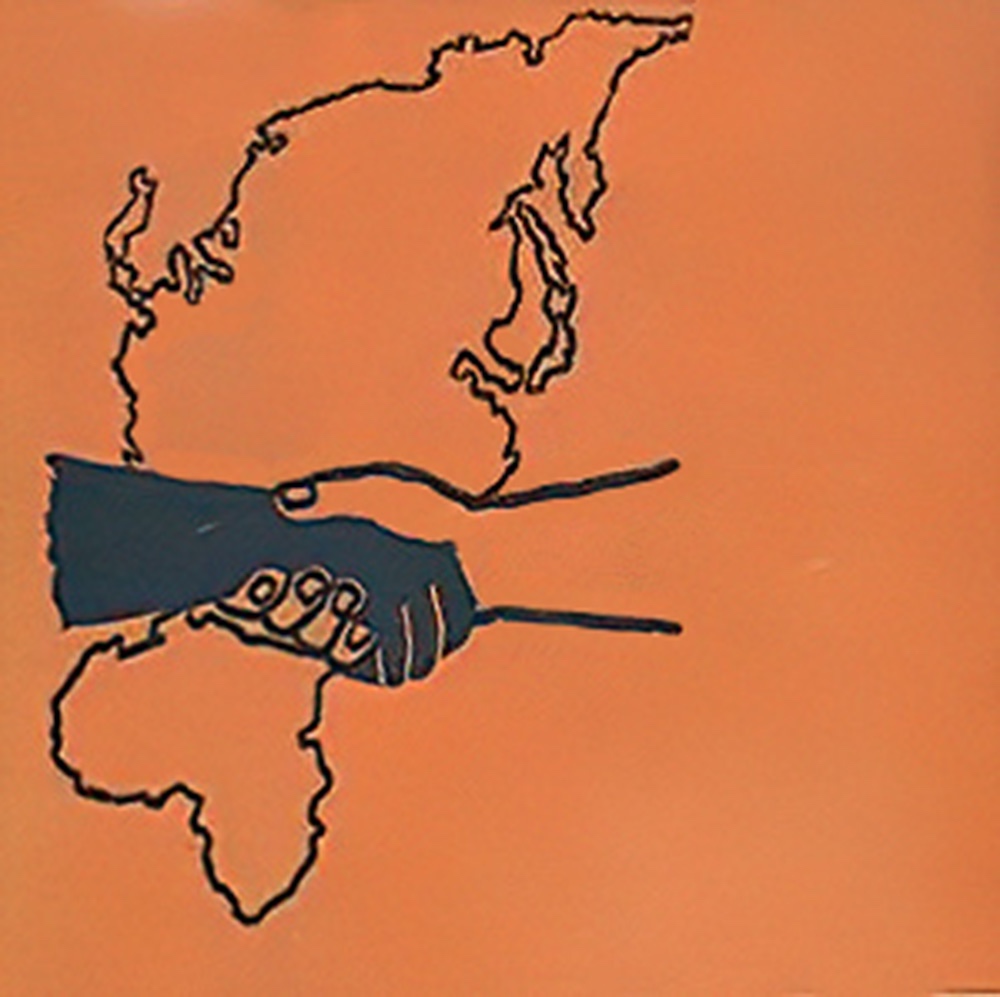
[TEASER] Third Worldism and the Bandung Spirit w/ Pranay Somayajula
Jul 22, 202500:22:39Tap to summarizeThis is a free preview of the episode "Third Worldism and the Bandung Spirit w/ Pranay Somayajula" You can listen to the full episode by subscribing to our Patreon here: https://www.patreon.com/upstreampodcast As a Patreon subscriber you'll get access to at least one bonus episode a month (usually two or three), our entire back catalog of Patreon episodes, early access to certain episodes, and other benefits like stickers and bumper stickers—depending on which tier you subscribe to. access to bi-weekly bonus episodes ranging from conversations to readings and more. Signing up for Patreon is a great way to make Upstream a weekly show, and it will also give you access to our entire back catalog of Patreon episodes along with stickers and bumper stickers at certain subscription tiers. You’ll also be helping to keep Upstream sustainable and allowing us to keep this project going. Third Worldism—a term that might feel outdated but which is anything but—is on the rise. When we talk about the Third World, or the Global South, we are talking about the nations of the world which have been subjugated and exploited by the global imperialist order over the past several centuries. Colonialism, far from ever being abolished, is alive and well in these countries in a new and even more insidious way. And in order to help us understand exactly what this means, and what Third Worldism is, we’re going to take you back to 1955—the year that the Bandung Conference was held in Indonesia—to look at a view of colonialism and imperialism, and the resistance to it‚ from within the Third World. Pranay Somayajula is a writer, organizer, political educator, researcher, and host of the podcast Return to Bandung. He’s the author of several pieces that we’ll be discussing today, including most recently a piece from his Substack titled "this is the human race speaking..." reviving the bandung spirit in a multipolar world." In this conversation, we talk about the Bandung Conference—a groundbreaking and pivotal meeting of many newly decolonized—and we’ll unpack this term much more as we go along—states in Asia and Africa. We’ll explore what was so significant about the Bandung Conference, the global context in which it occurred, the fight by the imperialist powers to keep the Third World subjugated all throughout the 20th century, how the spirit of Bandung lives on, and much, much more. Further resources: Return to Bandung podcast Pranay's Substack "this is the human race speaking..." reviving the bandung spirit in a multipolar world, Culture Shock Bandung's Ghosts, Protean Magazine Decolonization and Its Discontents, Monthly Review Related episodes: Our onging series on the Alliance of Sahel States Our ongoing series on Iran Our ongoing series on China Our ongoing series on NATO Western Marxism w/ Gabriel Rockhill The Fight for The Congo w/ Vijay Prashad A History of the CIA, Coups, and Assassinations w/ Vijay Prashad Upstream is a labor of love — we couldn't keep this project going without the generosity of our listeners and fans. Subscribe to our Patreon at patreon.com/upstreampodcast or please consider chipping in a one-time or recurring donation at www.upstreampodcast.org/support If your organization wants to sponsor one of our upcoming documentaries, we have a number of sponsorship packages available. Find out more at upstreampodcast.org/sponsorship For more from Upstream, visit www.upstreampodcast.org and follow us on Instagram and Bluesky. You can also subscribe to us on Apple Podcasts, Spotify, or wherever you listen to your favorite podcasts.
Transcribe →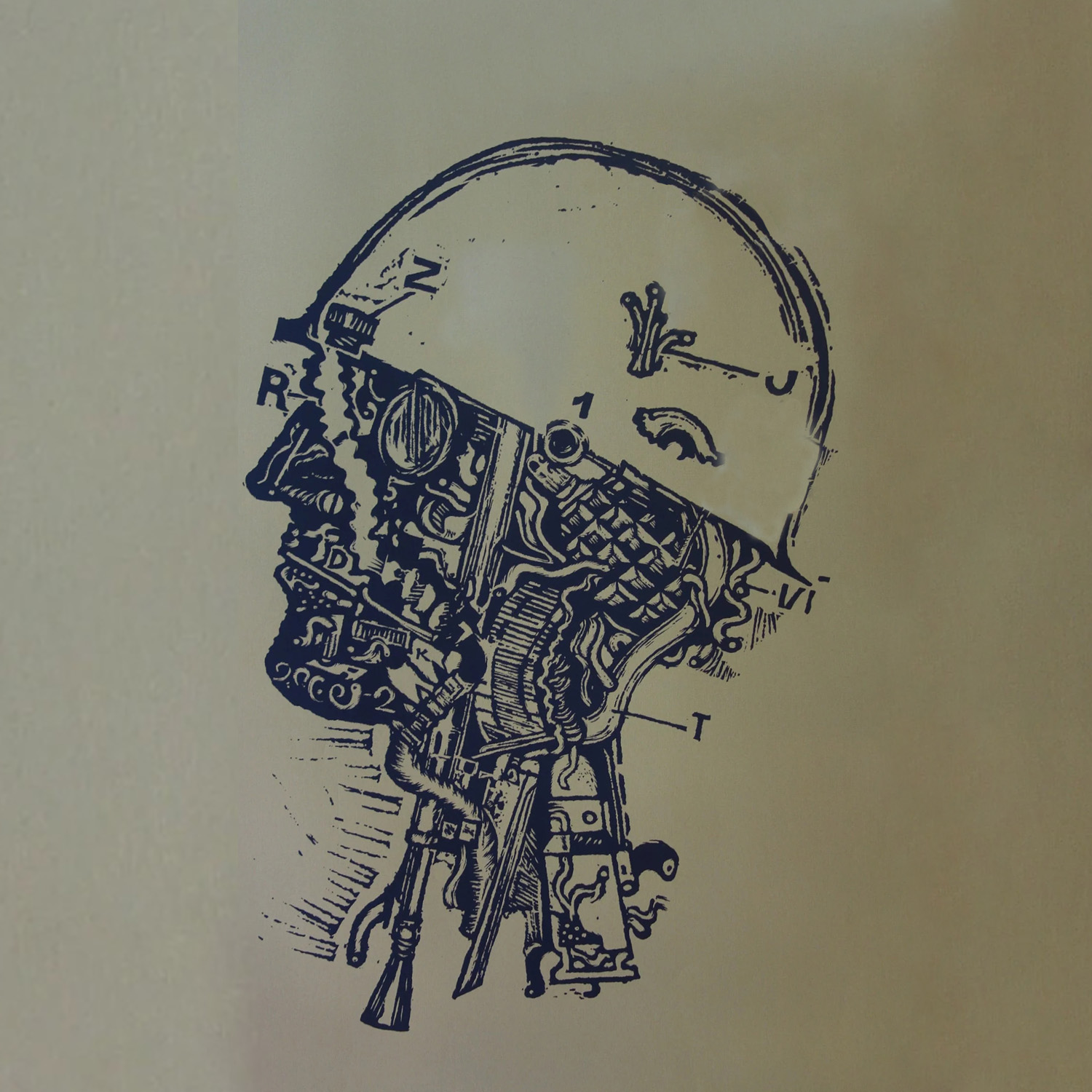
NATO Pt. 2: The Long War on the Third World w/ Pawel Wargan
Jul 15, 202501:19:35Tap to summarizeIt’s not hyperbole to suggest that the imperialist wars waged upon the Global South by the United States and the imperialist bloc that it leads are akin to a protracted genocide. The sheer amount of death, carnage, destruction, immiseration, crushed dreams, is almost unfathomable. But it’s real. And it’s the status quo for what we love to refer fondly to as "Western Civilization." And there’s no other force more responsible for implementing this protracted genocide on the Third World than NATO. And in today’s conversation—Part 2 of our ongoing series on NATO—we’re going to explore the role that this military alliance has played in the long war on the Third World. Pawel Wargan is an organizer and researcher based in Berlin and the coordinator of the secretariat of the Progressive International. He’s the author of the Monthly Review piece “NATO and the Long War on the Third World” which we’ll be focusing our conversation around today. In this episode, Pawel tells us about the fascist roots of NATO, its “dark mandate” which ushered in an era of terror against the populations of the Global South leading to a protracted genocide that has left tens of millions dead and even more immiserated. We talk about the way that NATO operates in Africa, Poland, and how NATO has served as a leading opposition to liberation struggles in the Third World and across the globe. Further resources: NATO and the Long War on the Third World, Monthly Review Progressive International Related episodes: Our ongoing series on NATO Our ongoing series on Iran Our ongoing series on Palestine Our ongoing series on China Our ongoing series on the Alliance of Sahel States Imperialism, The Highest Stage of Capitalism w/ Breht O'Shea and Alyson Escalante The Imperial Boomerang w/ Julian Go Intermission music: "Black Serpent" by Noroth Covert art: Soviet anti-NATO propaganda poster Upstream is a labor of love — we couldn't keep this project going without the generosity of our listeners and fans. Subscribe to our Patreon at patreon.com/upstreampodcast or please consider chipping in a one-time or recurring donation at www.upstreampodcast.org/support If your organization wants to sponsor one of our upcoming documentaries, we have a number of sponsorship packages available. Find out more at upstreampodcast.org/sponsorship For more from Upstream, visit www.upstreampodcast.org and follow us on Instagram and Bluesky. You can also subscribe to us on Apple Podcasts, Spotify, or wherever you listen to your favorite podcasts.
Transcribe →
[TEASER] Alliance of Sahel States Pt. 2: A View from Within w/ Inem Richardson
Jul 8, 202500:23:05Tap to summarizeThis is a free preview of the episode "Alliance of Sahel States Pt. 2: A View from Within w/ Inem Richardson." You can listen to the full episode by subscribing to our Patreon here: https://www.patreon.com/upstreampodcast As a Patreon subscriber you'll get access to at least one bonus episode a month (usually two or three), our entire back catalog of Patreon episodes, early access to certain episodes, and other benefits like stickers and bumper stickers—depending on which tier you subscribe to. access to bi-weekly bonus episodes ranging from conversations to readings and more. Signing up for Patreon is a great way to make Upstream a weekly show, and it will also give you access to our entire back catalog of Patreon episodes along with stickers and bumper stickers at certain subscription tiers. You’ll also be helping to keep Upstream sustainable and allowing us to keep this project going. It can be quite difficult for someone on the left in the United States or the UK—or in any Western state for that matter, to feel patriotic. Patriotic? About what, exactly? I mean, for most of us, the American flag is a symbol that represents nothing but pain, immiseration, destruction, genocide…so it’s hard to imagine what it must feel like to be a part of a state project that you’re actually proud of. One that’s standing up to that blood-drenched American flag—standing up to the flags of all the imperialists and genocidaires across the globe. But there are countries where national pride is well-deserved, where patriotism is appropriate, and where hope for a better future is alive and well. And in Part 2 of our series on the Alliance of Sahel States, we’re going to be in conversation with someone who is right in the middle of one of those countries. Inem Richardson is the President and Co-Founder of the Thomas Sankara Centre for African Liberation and Unity, a member of the All-African People’s Revolutionary Party, and a journalist with African Stream based out of Ouagadougou, Burkina Faso. In this conversation, Inem tells us about the journey which brought her to Burkina Faso and led her to co-founding the Thomas Sankara Centre. We talk about what it was like to live through Burkina Faso’s revolution, some of the undertakings and achievements of Ibrahim Traore’s government, what the Alliance is up against, and what its future might hold, and why the world should be paying attention to what’s happening right now in the Sahel. Further resources: The Thomas Sankara Centre The All-African People's Revolutionary Party The Coalitioin for the Elimination of Imperialism in Africa (Instagram) Africa's Last Colonial Currency: The CFA Franc Story by Fanny Pigeaud and Ndongo Samba Sylla Libyan Arab Jamahiriya Related episodes: Our onging series on the Alliance of Sahel States Our ongoing series on Iran Western Marxism w/ Gabriel Rockhill Listen to our ongoing series on China The Fight for The Congo w/ Vijay Prashad Walter Rodney, Marxism, and Underdevelopment with D. Musa Springer & Charisse Burden-Stelly Upstream is a labor of love — we couldn't keep this project going without the generosity of our listeners and fans. Subscribe to our Patreon at patreon.com/upstreampodcast or please consider chipping in a one-time or recurring donation at www.upstreampodcast.org/support If your organization wants to sponsor one of our upcoming documentaries, we have a number of sponsorship packages available. Find out more at upstreampodcast.org/sponsorship For more from Upstream, visit www.upstreampodcast.org and follow us on Instagram and Bluesky. You can also subscribe to us on Apple Podcasts, Spotify, or wherever you listen to your favorite podcasts.
Transcribe →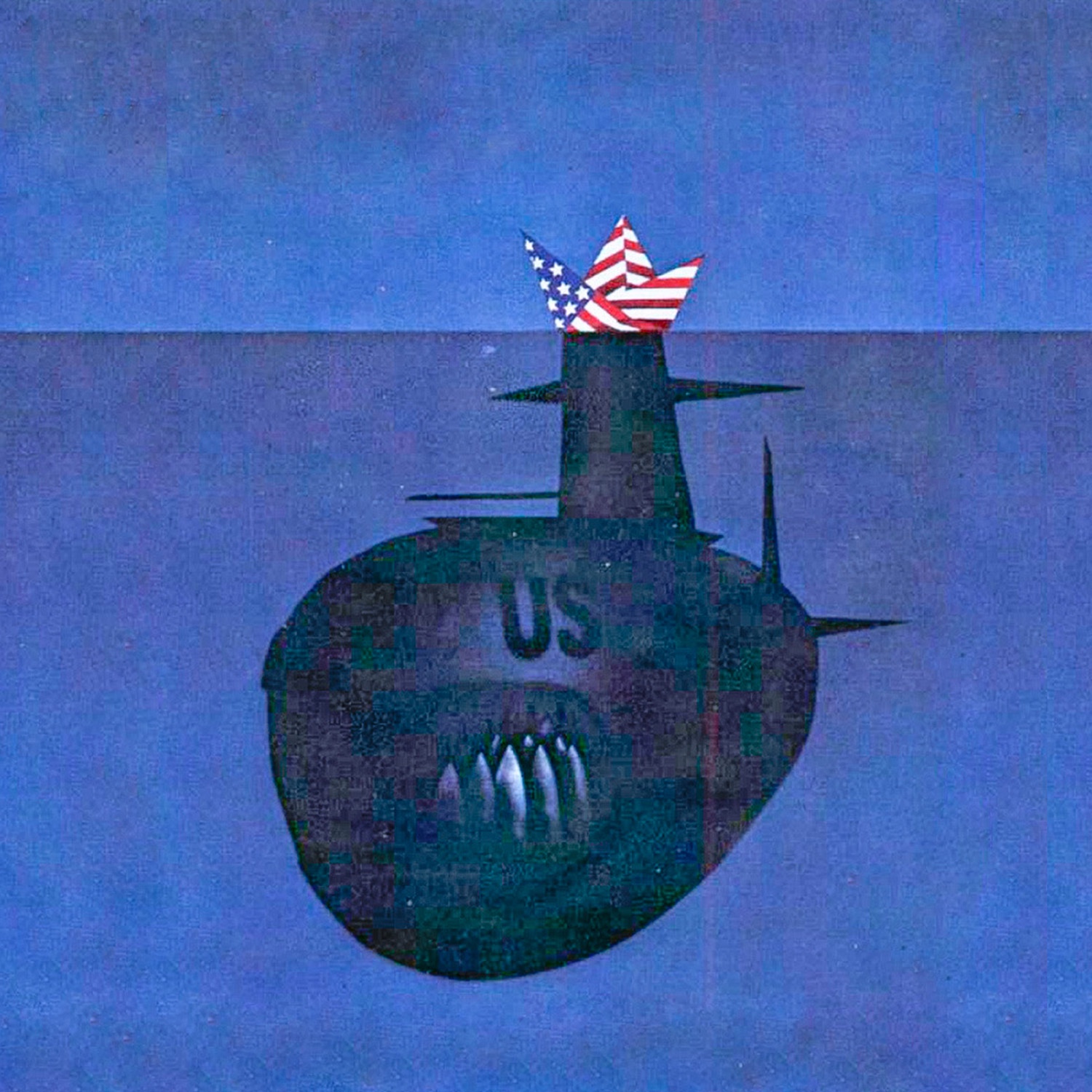
NATO Pt. 1: An Anti-Imperialist Introduction w/ Elina Xenophontos
Jul 1, 202501:33:11Tap to summarizeNATO—The North Atlantic Treaty Organization—far from being just a defensive alliance between the United States and Europe, is actually the spear tip of imperialism’s military arm. It’s the force used to discipline any global actor who dares to defy US hegemony and dominance on the world stage. From Greece to Libya to Ukraine—NATO is where we must look to understand how destabilization occurs and how defiant states across the globe are subjugated and opened up to Western markets and capital. And we’re lucky enough to have a terrific guest on today to tell us all about how it all takes place. Elina Xenophontos is an international law and economic globalisation specialist. She produces much of her own material on her Substack and is also featured regularly on the Colonial Outcasts podcast. In this episode, Part 1 of what will be an ongoing series on NATO, Elina presents a history of NATO, exploring its role as a force against communism and for capitalist discipline in Europe and the Global South and laying the foundations for what will be deeper dives in coming episodes. We explore its expansion during the Cold War and post-Cold War periods as a military arm of imperialism, its role in Yugoslavia, Libya, Ukraine, Iran, and other wars or conflicts, its drive to destabilize any state that refuses to be subjugated under the boot of US imperialism, and why it’s crucial for the Western left to correctly identify NATO’s role in global capitalism and imperialism in order to effectively combat it. Further resources: Support Elina's work on Patreon Elina Xenophontos (Substack) Elina Xenophontos (Youtube) Colonial Outcasts Related episodes: Our ongoing series on NATO Our ongoing series on Iran Our ongoing series on Palestine Our ongoing series on China Our ongoing series on the Alliance of Sahel States Imperialism, The Highest Stage of Capitalism w/ Breht O'Shea and Alyson Escalante Intermission music: "Love Life" by Daily Ghost Covert art: Soviet anti-NATO propaganda poster Upstream is a labor of love — we couldn't keep this project going without the generosity of our listeners and fans. Subscribe to our Patreon at patreon.com/upstreampodcast or please consider chipping in a one-time or recurring donation at www.upstreampodcast.org/support If your organization wants to sponsor one of our upcoming documentaries, we have a number of sponsorship packages available. Find out more at upstreampodcast.org/sponsorship For more from Upstream, visit www.upstreampodcast.org and follow us on Instagram and Bluesky. You can also subscribe to us on Apple Podcasts, Spotify, or wherever you listen to your favorite podcasts.
Transcribe →