
Podcast
USSC Live
Hosted by The United States Studies Centre · EN
Catch up with events produced by the United States Studies Centre at the University of Sydney with USSC Live. These events offer new insights and perspectives on topics including American foreign policy, economics, politics and culture.
13episodes
Episodes
Newest firstAll episodes
Building a more resilient Pacific: The allies and partners agenda
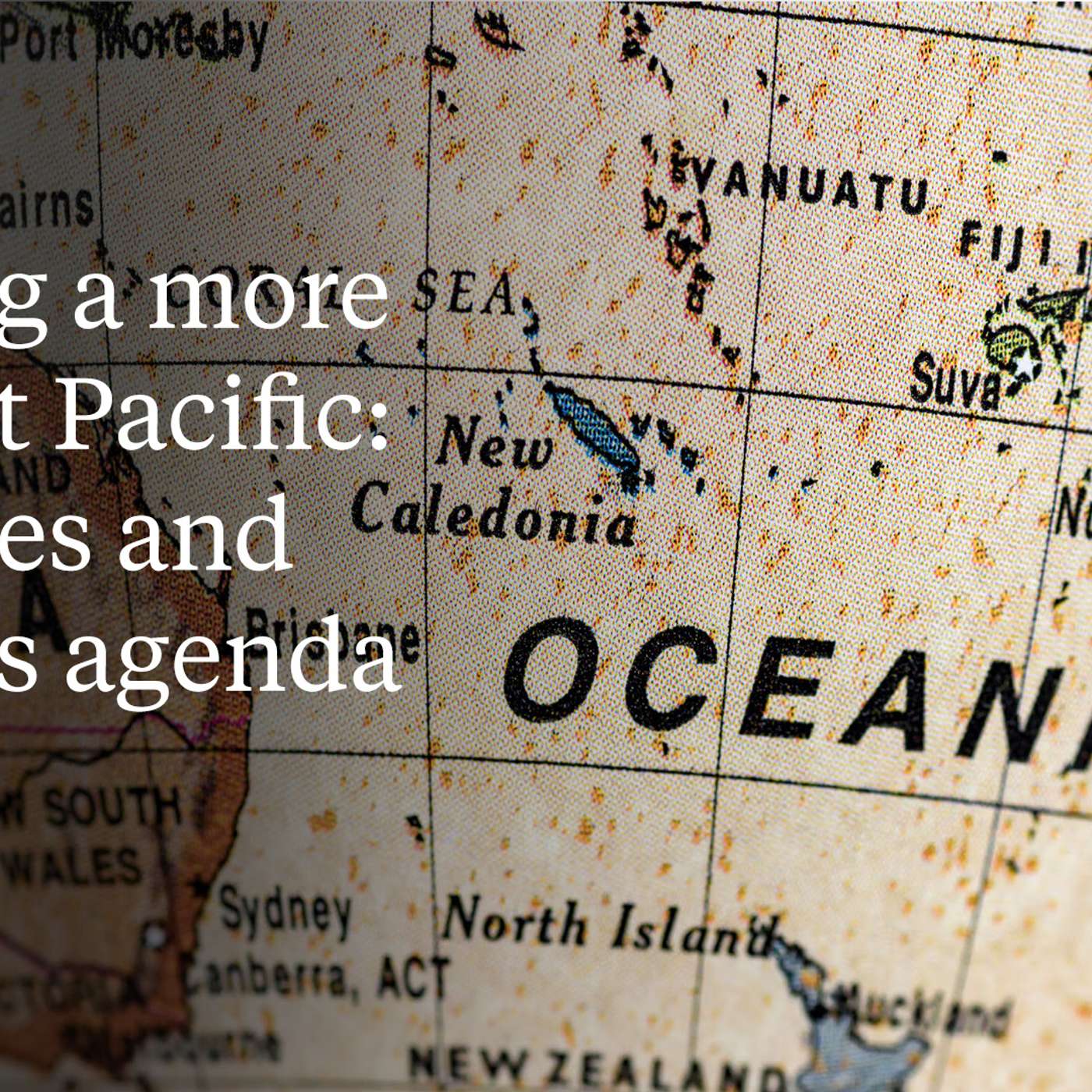
4w ago01:32:13Tap to summarizeThe Pacific Islands are increasingly an arena of strategic competition between global powers. Yet amid these geopolitical circumstances, the challenges the Pacific Island countries themselves face are often overlooked. While many nations provide important development assistance to the region, such efforts are often duplicative, poorly implemented and sometimes even counterproductive.How can regional partners provide better support for the region? What are the challenges to governance in the Pacific? What is needed to build a more resilient Pacific ready to face the challenges of the future on its own terms?To answer these questions, USSC hosted CSIS Senior Fellow and Deputy Director with the Australia Chair Kathryn Paik, Lowy Institute FDC Pacific Research Fellow Serena Sasingian, USSC Director of Foreign Policy and Defence Dr Lavina Lee and Macquarie University researcher Ryosuke Hanada, in a conversation moderated by ABC Foreign Affairs reporter Stephen Dziedzic.
Transcribe →
Asian crucible: Globalisation, geopolitics and the contest for the future
Jun 400:59:10Tap to summarizeAsia's extraordinary economic rise — powered by globalisation and supply chains — lifted hundreds of millions out of poverty, increased the region’s global influence and reshaped the global order. Yet the same forces that drove that transformation define many of the tensions now threatening to undo it. Understanding Asia’s past, present and potential future has never been more critical to defining Australia’s place in a region increasingly defined by strategic competition.How has Asia overcome the challenges of its past? What does the future hold for Asia? What role can Australia play in the world’s most dynamic region?To answer these questions, USSC welcomed Professor Nick Bisley, Pro Vice-Chancellor Research and Professor of International Relations at La Trobe University, for a discussion of his new book, Asian Crucible, with USSC CEO Dr Michael Green.
Transcribe →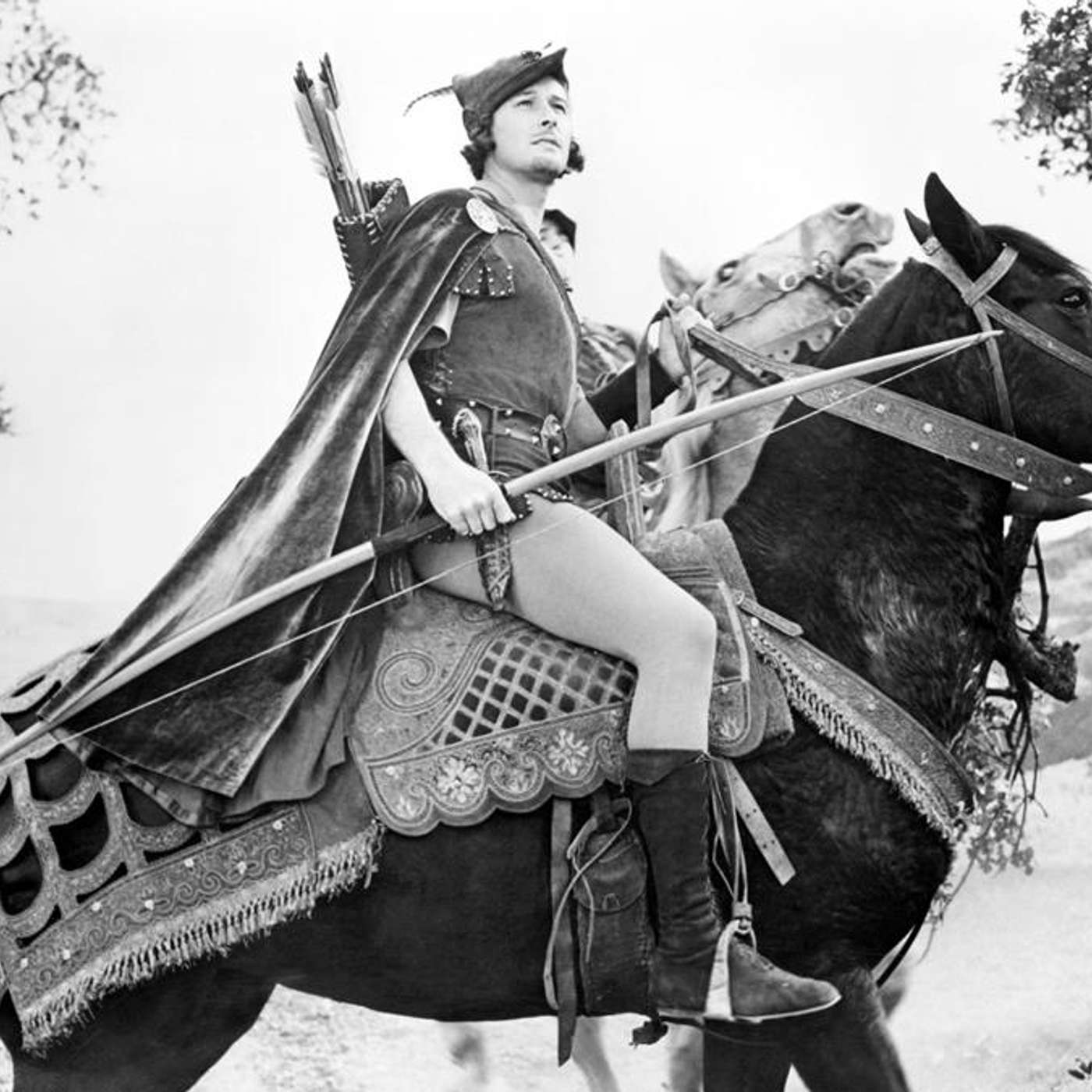
Errol Flynn: The true story of Australia's Hollywood icon
Apr 800:56:39Tap to summarizeErrol Flynn was the first Australian to become a Hollywood icon. His portrayal of Robin Hood in 1938 is one of the most legendary performances on the silver screen. The US Library of Congress selected The Adventures of Robin Hood for preservation in the National Film Registry. From his childhood in Tasmania and London, to his time as a young adult in New Guinea, before he found fame in America, his personal story is as mesmerising as many of the roles he played. Flynn faced trial in 1943 for statutory rape charges and, while acquitted, the trial revealed the sexual trafficking of underage girls in Hollywood on a grand scale.In her new book, Errol Flynn: The true story of Australia’s Hollywood icon, author Patricia O’Brien examines Flynn’s larger-than-life persona and reveals the story behind the well-cultivated Hollywood myths.Who was Errol Flynn behind the silver screen? How did he pave the way for other Australians in Hollywood? How should we think about his legacy?To discuss these questions, USSC was delighted to host a special book launch event featuring Dr Patricia O’Brien, an adjunct professor at Georgetown University, in discussion with United States Studies Centre Senior Lecturer in American Studies Dr Aaron Nyerges.
Transcribe →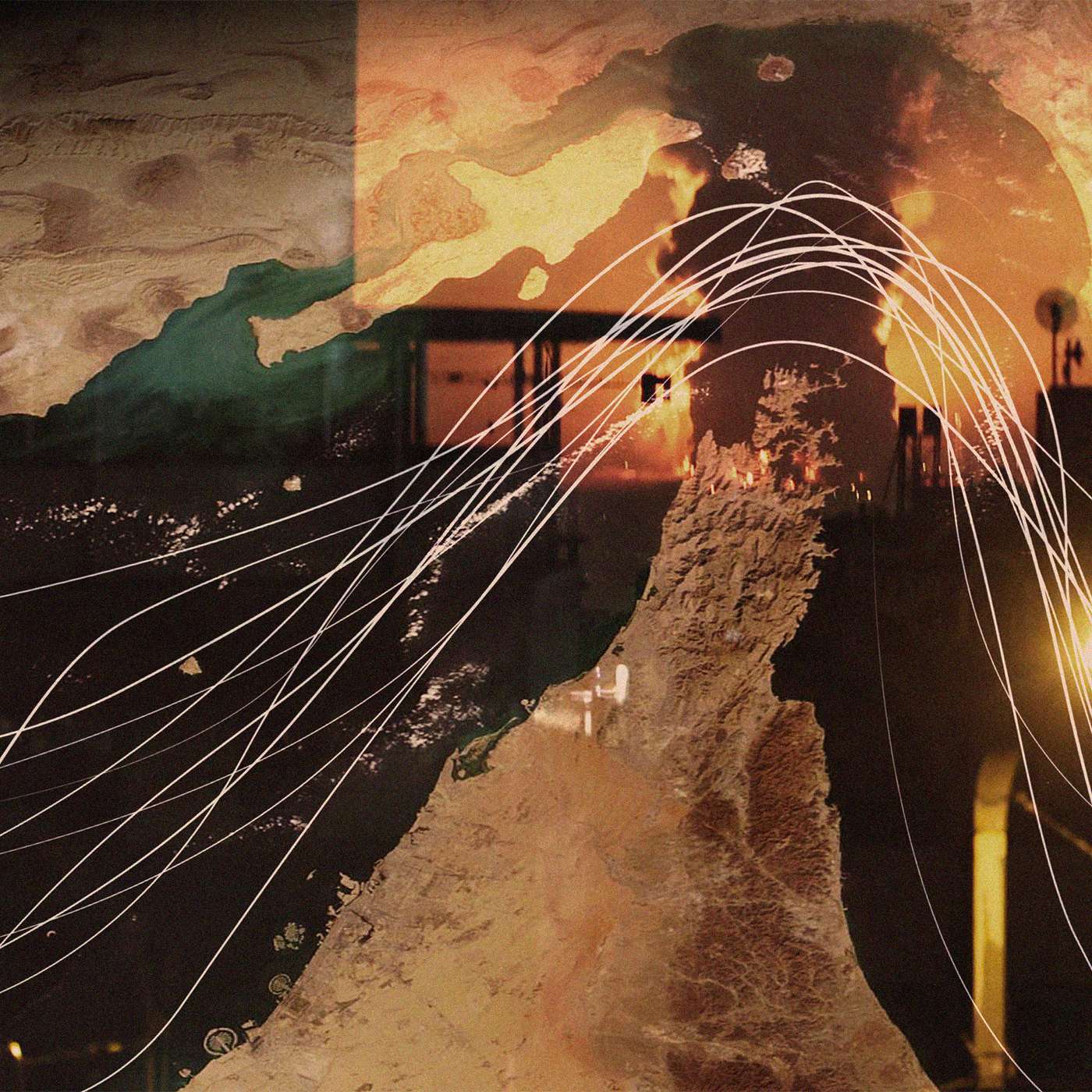
What the Iran war means for the Middle East — and the world
Mar 3001:05:58Tap to summarizeIn February 2026, the United States and Israel launched a surprise attack on Iran, killing former Iranian Supreme Leader Ayatollah Khamenei and triggering a wider conflict that now involves most of the Middle East. Missile strikes have killed hundreds of civilians across the region. The crisis has also caused severe economic disruption, with the closure of the Strait of Hormuz driving up consumer prices globally. Governments around the world, including Australia, are now grappling with navigating one of the region's most destructive conflicts in years — and how its effects could reverberate across the Indo-Pacific.What does this mean for the Iranian people?What are the key US objectives and how may this end?What are the implications for Australia and the Indo-Pacific?To answer these questions, USSC hosted a panel discussion with CEO Dr Michael Green, Founding Director of Australian United Solidarity for Iran Dr Rana Dadpour, and Barrister and member of the National Assembly of Iranian Jurists Faraz Maghami, in conversation with USSC Director of Research Jared Mondschein.
Transcribe →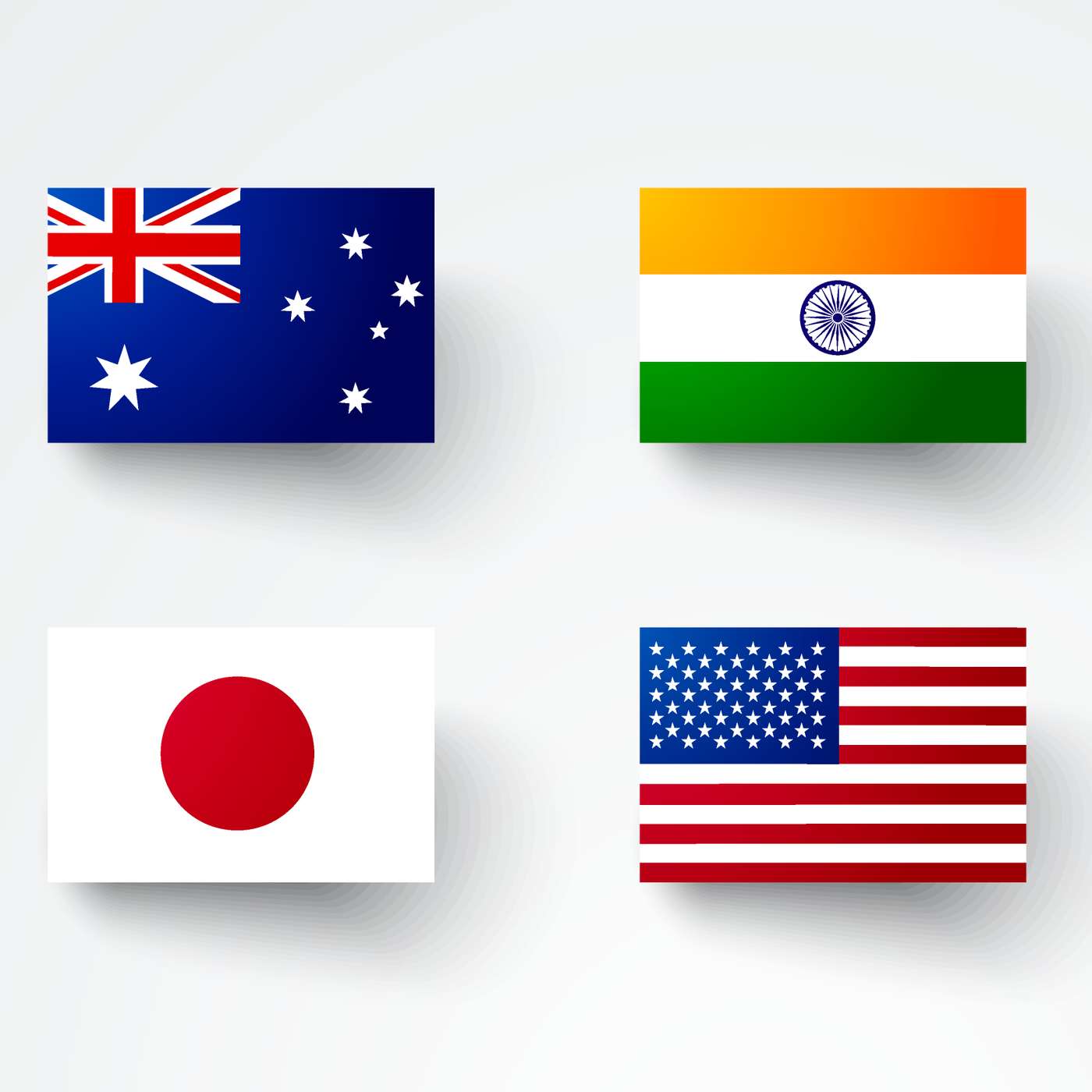
The future of the Quad in the age of Trump
Feb 2601:28:13Tap to summarizeThe Quad partnership between Australia, India, Japan and the United States has emerged as major pillar of diplomatic architecture in the Indo-Pacific with a sweeping agenda from maritime cooperation to economic security and disaster relief. In 2025, two Quad Foreign Ministers Meetings helped consolidate a refreshed agenda between the four countries. However, the lack of a leaders-level summit under the second Trump administration and lingering challenges in the relationship between the US and Indian governments has left some observers uncertain about the future of the Quad in a new era of geopolitical upheaval.The United States Studies Centre hosted this public event following a day of closed-door discussion at the second Quad Leadership Track-1.5 Dialogue. The panel discussed the regional challenges facing the four Quad countries and outlined key areas for cooperation, including on economic security, transnational security and critical technologies — as well as how to deepen the agenda beyond the Quad amongst other regional partners.Panel of experts:USSC CEO Dr Michael GreenUSSC Director of Foreign Policy and Defence Dr Lavina LeeCenter for Strategic and International Studies Senior Advisor and Australia Chair Dr Charles EdelObserver Research Foundation America Executive Director Dhruva JaishankarModerated by Sydney Morning Herald Foreign Affairs and National Security Correspondent Matthew Knott.
Transcribe →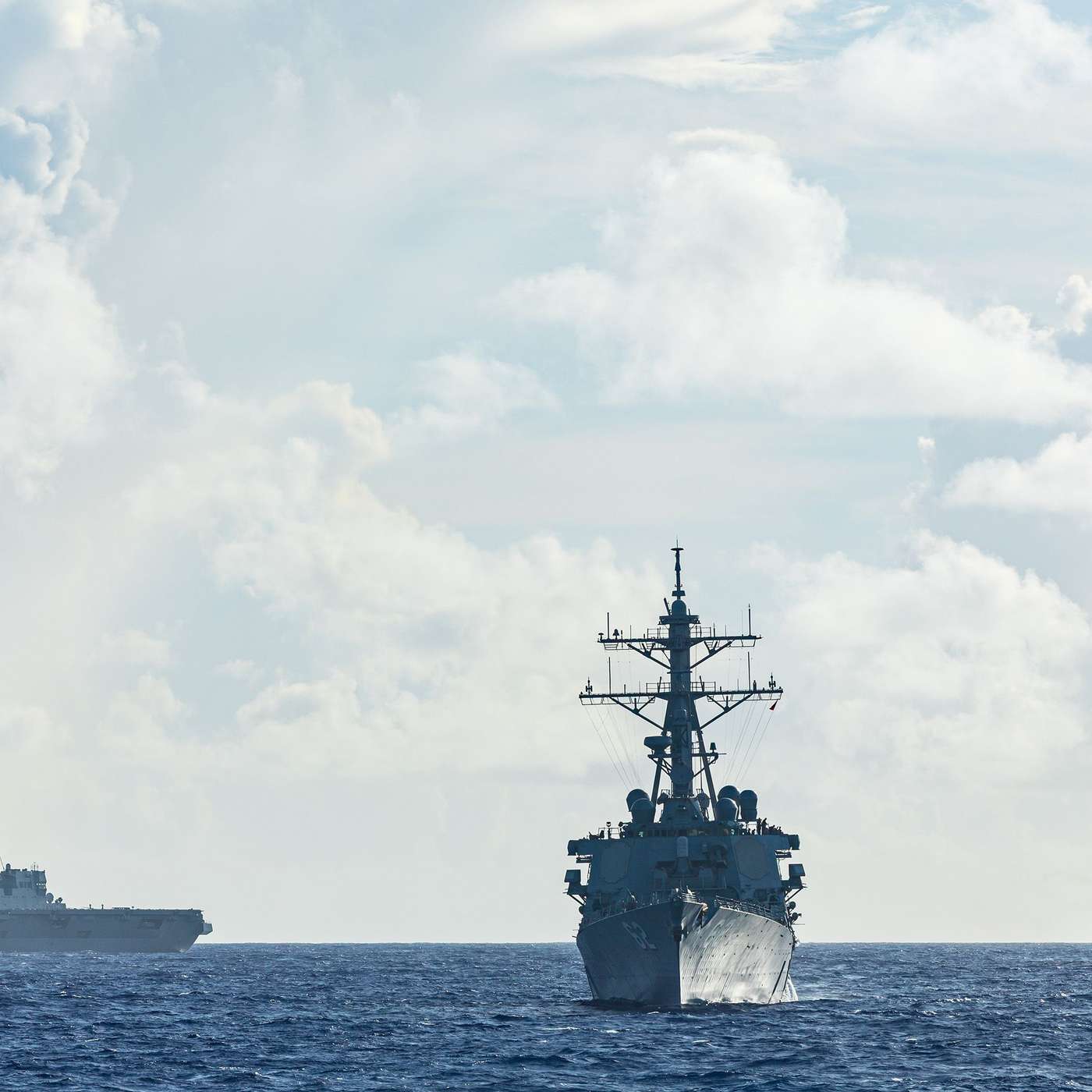
Securing the Indian Ocean: India-Australia maritime partnership
Feb 100:54:42Tap to summarizeThe Indian Ocean is fast becoming one of the world’s most geo-strategically contested maritime arenas. The region’s littoral and island states are grappling with how to respond to this strategic competition but also face multi-dimensional maritime security challenges. These, in turn, are exacerbated by climate change and other economic and social vulnerabilities.As the two largest maritime democracies in the Indian Ocean Region, Australia and India share a stake — and responsibility — in its stability and resilience. Both countries are well-positioned to assist littoral and island states in building their governance capacities to address common maritime security challenges. They can accomplish more by working together than alone, but this is easier said than done. Key questions to address include:What are the most pressing maritime security challenges facing the Indian Ocean region?How well are India and Australia currently engaging with littoral and island states and for what purpose?What practical steps can they take to help partners build sustainable governance capacity?And ultimately, what would a truly well-coordinated India-Australia capacity-building partnership look like?To unpack these issues, the United States Studies Centre hosted a fireside chat with Rushali Saha, USSC Maitri Fellow and Dr Lavina Lee, Director of Foreign Policy and Defence at the United States Studies Centre.
Transcribe →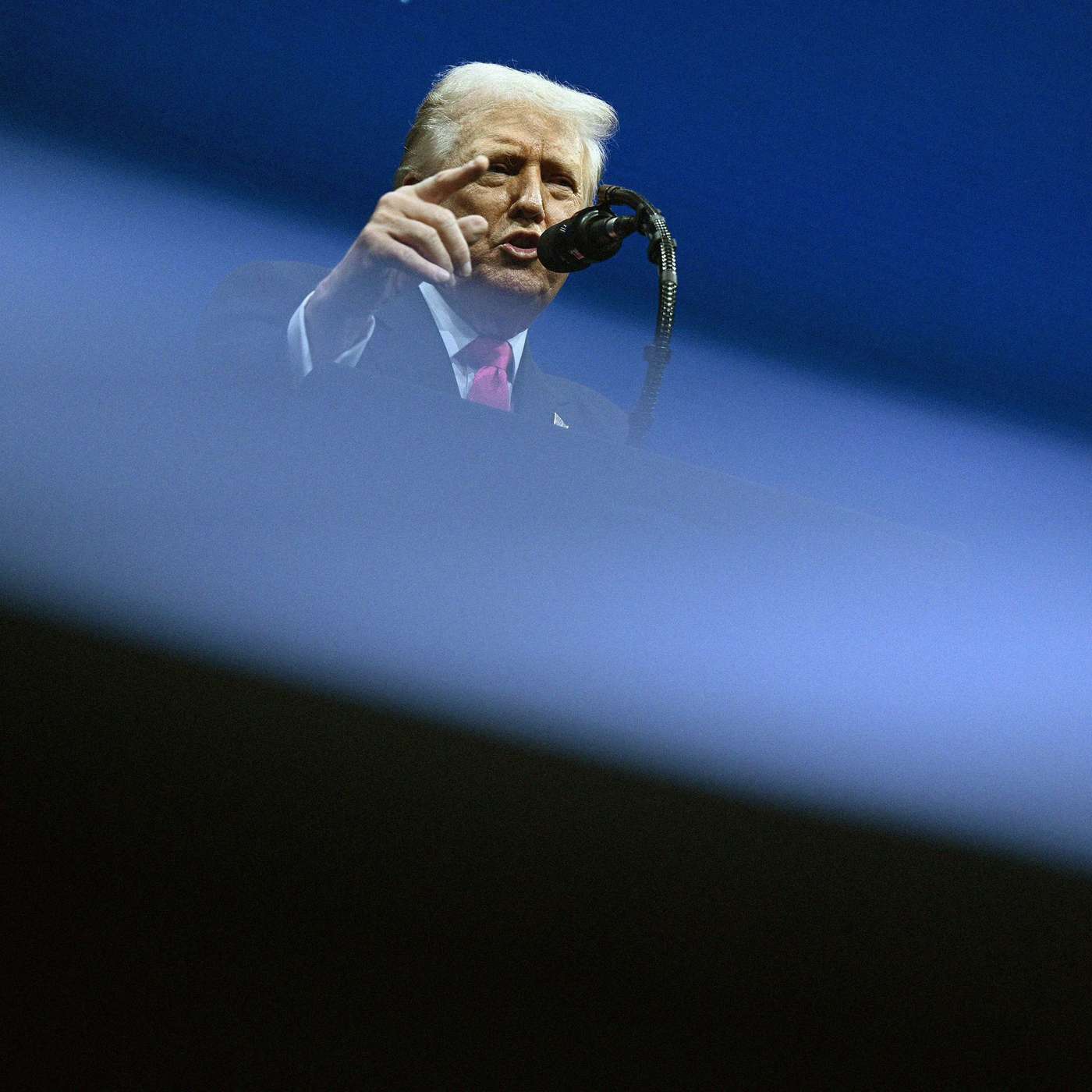
A look back at year one of Trump 2.0
Dec 1701:33:48Tap to summarizeThe last 10 months have seen the longest federal government shutdown in US history, the highest levels of US tariffs imposed in nearly a century, unprecedented actions by US Immigration and Customs Enforcement, and a dramatic reshaping of federal government departments. Meanwhile, USSC polling ahead of the successful Albanese-Trump summit showed that Australians had negative views of President Trump but still didn’t want to walk away from the Australia-US alliance. Additional USSC polling was released ahead of this event.After a historic year in US politics, Australia faces key questions about its most important ally.What have we learned from the year in US politics?How has the second Trump administration measured up to expectations?Which of the administration's actions matter most for the future?To answer these questions and to discuss the full results of the 2025 Allies and partners poll, USSC hosted a panel of experts: Chas Licciardello, co-host of “Planet America” on ABC TV, USSC Lecturer in American Studies Dr Kathryn Robison and Director of Research Jared Mondschein, in conversation with Director of Engagement and Impact Mari Koeck.
Transcribe →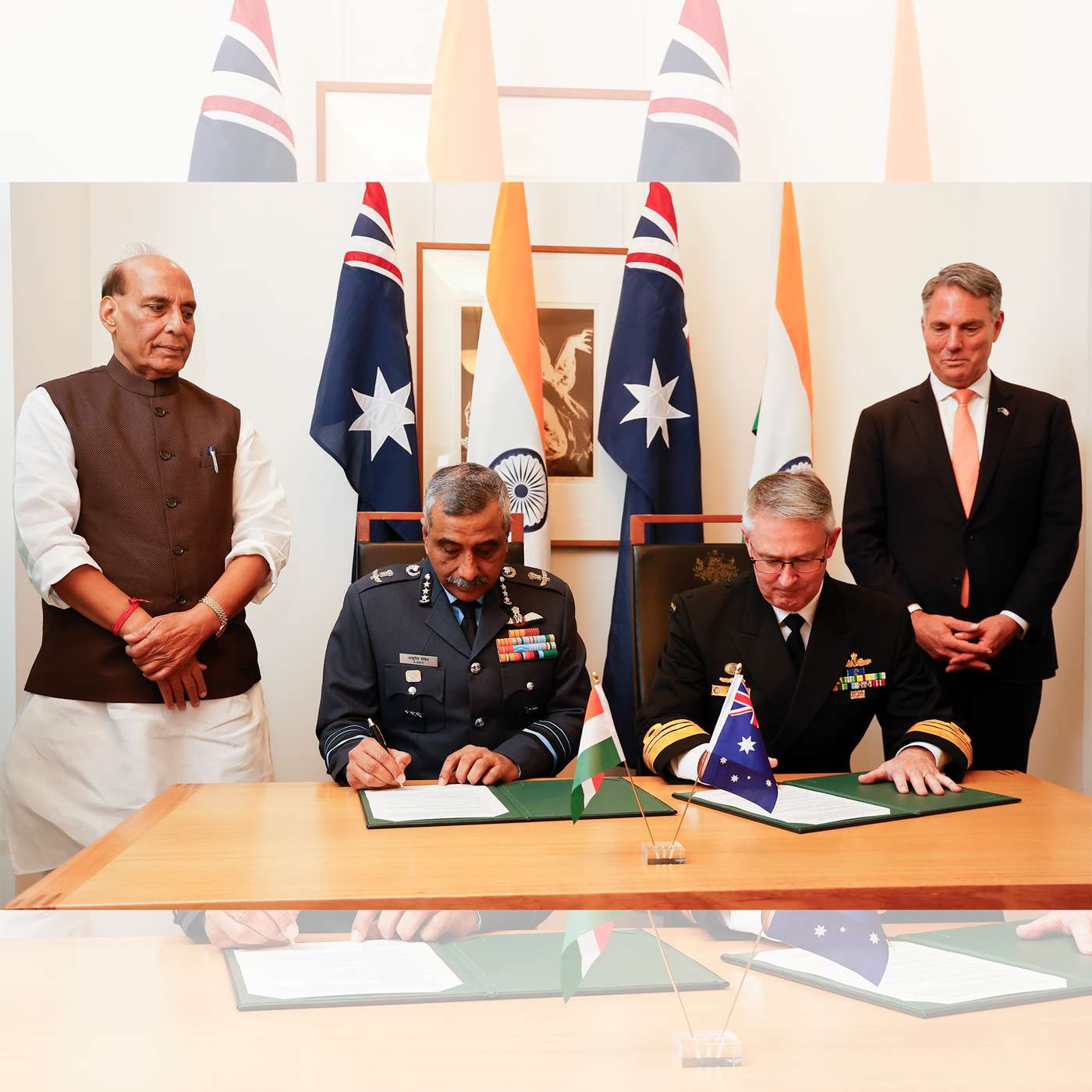
Tides of partnership: Australia-India maritime collaboration in the Indian Ocean region
Dec 1700:56:39Tap to summarizeIn the wake of recent Australia-India Defence and Foreign Ministers’ meetings, the United States Studies Centre and the Observer Research Foundation (ORF) co-hosted a webinar to explore this evolving bilateral relationship.Moderator Dr Lavina Lee, Director of Foreign Policy and Defence at the USSC, was joined by leading voices from India and Australia, including ORF’s Sayantan Haldar and Pratnashree Basu, USSC’s Maitri Fellow Rushali Saha, and ANU National Security College’s Dr David Brewster.The panel explored the progression of the Australia-India relationship towards increased operational maritime cooperation, including in areas such as maritime domain awareness, undersea cable security and the role of the Quad in shaping regional outcomes.The discussion also considered where deeper collaboration may be needed to support a stable, resilient Indian Ocean region.
Transcribe →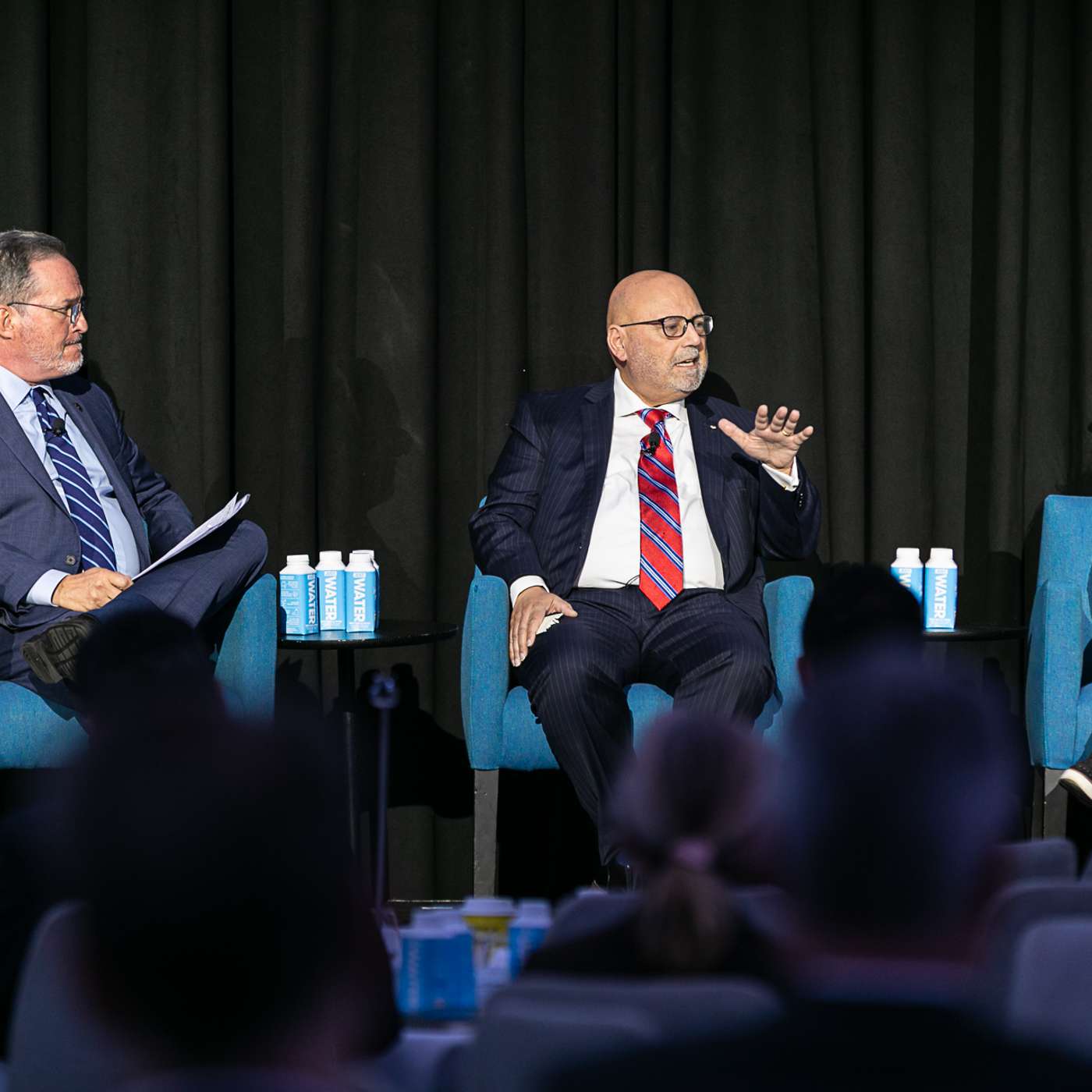
Sydney International Strategy Forum 2025 | Can allies shape US strategy?
Oct 2800:45:59Tap to summarizePanel discussion at the Sydney International Strategy Forum featuring Dr Kori Schake, Senior Fellow and Director of Foreign and Defense Policy Studies at the American Enterprise Institute, General David Berger (Ret’d), former Commandant in the US Marine Corps, Takashi Yamashita, Member of the Japanese House of Representatives, and The Hon Arthur Sinodinos AO, Chairman of the United States Studies Centre. Moderated by Dr Michael Green, Chief Executive Officer of the United States Studies Centre.About the Sydney International Strategy ForumPresident Donald Trump’s first 100 days featured norm-breaking policies at a breakneck pace, often to be overturned days or weeks later. At the same time, the wars in Ukraine and Gaza have entered new eras with high-level negotiations, on-again off-again fighting and a new world order forming in real time to adapt to a changing strategic landscape. The 2024 trend of turfing incumbents has given way to foreign elections that many perceive to be a referendum on US politics.What is the future of the United States’ role in the world? How can governments and businesses plan in the midst of constant change? How should allies and partners approach security challenges in 2025 and beyond?These are the questions we tackled with international experts across government, business and academia at SISF 2025. They shared their insights on the discussions happening in Washington, Canberra and Tokyo, and what they meant for US allies and partners around the world.https://www.ussc.edu.au/sydney-international-strategy-forum-2025
Transcribe →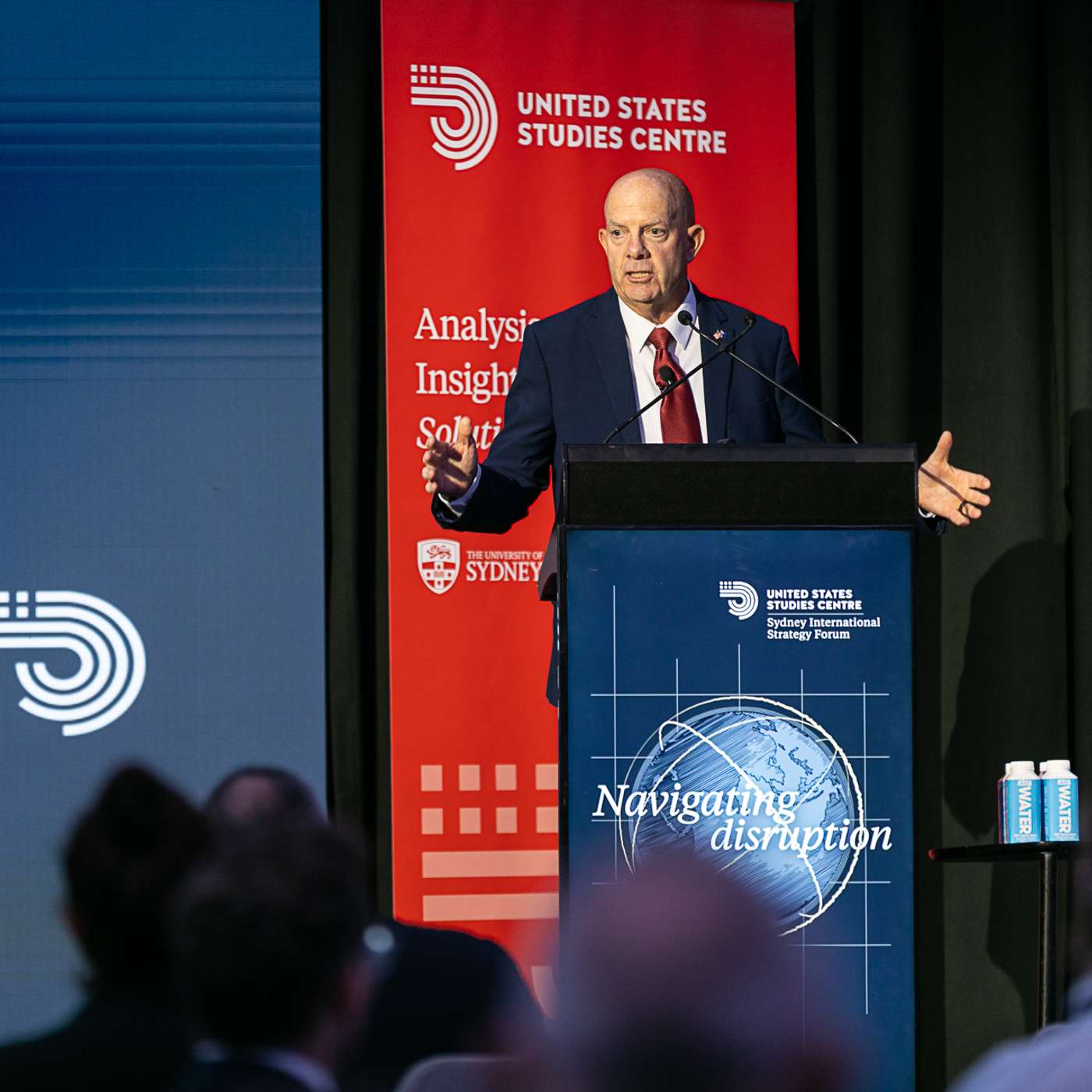
Sydney International Strategy Forum 2025 | Keynote address from General David Berger (Ret’d)
Oct 2800:31:08Tap to summarizeKeynote address at the Sydney International Strategy Forum from General David Berger (Ret’d), former Commandant of the US Marine Corps on the topic of "Can allies shape US strategy?"About the Sydney International Strategy ForumPresident Donald Trump’s first 100 days featured norm-breaking policies at a breakneck pace, often to be overturned days or weeks later. At the same time, the wars in Ukraine and Gaza have entered new eras with high-level negotiations, on-again off-again fighting and a new world order forming in real time to adapt to a changing strategic landscape. The 2024 trend of turfing incumbents has given way to foreign elections that many perceive to be a referendum on US politics.What is the future of the United States’ role in the world? How can governments and businesses plan in the midst of constant change? How should allies and partners approach security challenges in 2025 and beyond?These are the questions we tackled with international experts across government, business and academia at SISF 2025. They shared their insights on the discussions happening in Washington, Canberra and Tokyo, and what they meant for US allies and partners around the world.https://www.ussc.edu.au/sydney-international-strategy-forum-2025
Transcribe →