Podcast
Vikingology Podcast
Hosted by The Art and Science of the Viking Age · EN
Terri and C.J. are first and foremost educators passionate about the Viking Age and Viking history. Theirs was a meeting foretold in the myths of old. Both are historians of Viking history, both live in Oregon in the U.S., and both share the same birthday. It seemed only natural they team up for something epic. The Norns have woven this fate.
vikingology.substack.com
vikingology.substack.com
13episodes
Episodes
Newest firstAll episodes
Treasures of the Vikings
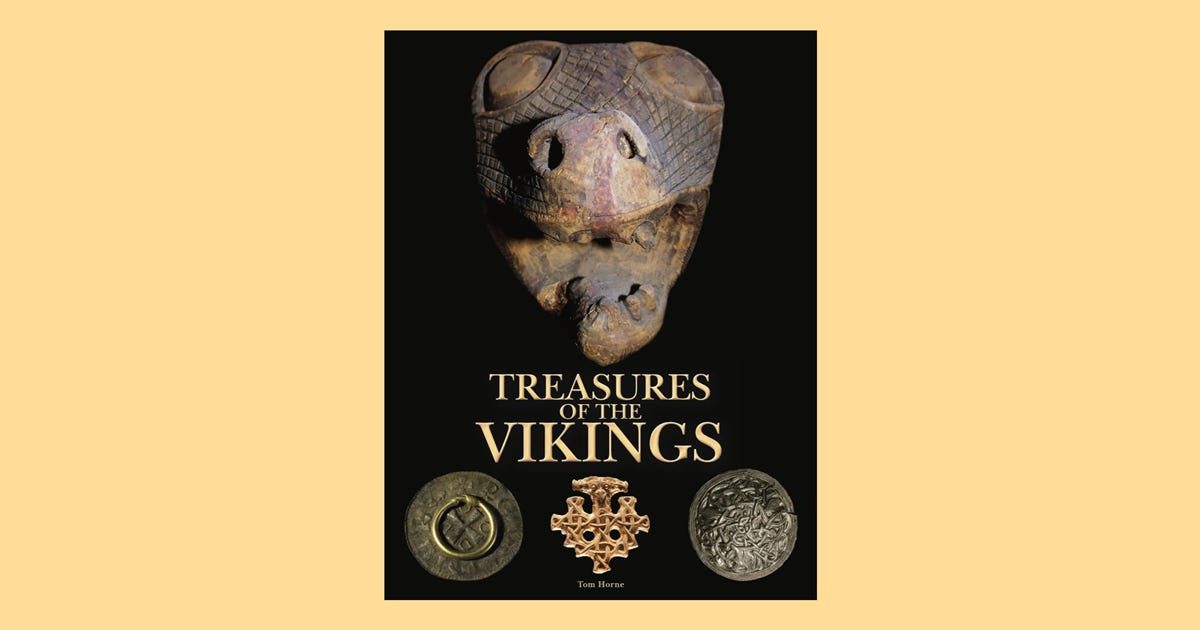
Jul 101:05:38Tap to summarizeIn the spirit of the World Cup, we have a Vikingology hat trick! We happily welcome Tom Horne back to the show for a third time. He’s now in contention with Clare Downham for our Golden Boot, er, shall we say Golden Mead Horn?This time we were excited to hear about Tom’s new book Treasures of the Vikings. This superbly visual book is just what you might expect — or at least hope for — in something written by an archaeologist who also has experience in museum work and other forms of presenting the past to general audiences. If you can’t get to the museums to see these artefacts yourself, this book is the next best thing.The contents span the breadth of the viking presence in their world from north to south, east to west, and cover aspects of their lives from childhood to death and everything in between. What it reveals is an unbelievably resilient and adaptable people — and it also reminds us they were human. Thanks again Tom. We always always have fun with you! Please come back again soon.Check Tom out on his various social media platforms and buy the book!Instagram @tomhorne870Blue Sky @hornesupremacy.bsky.socialTom’s personal website Get full access to Vikingology Podcast at vikingology.substack.com/subscribe
Transcribe →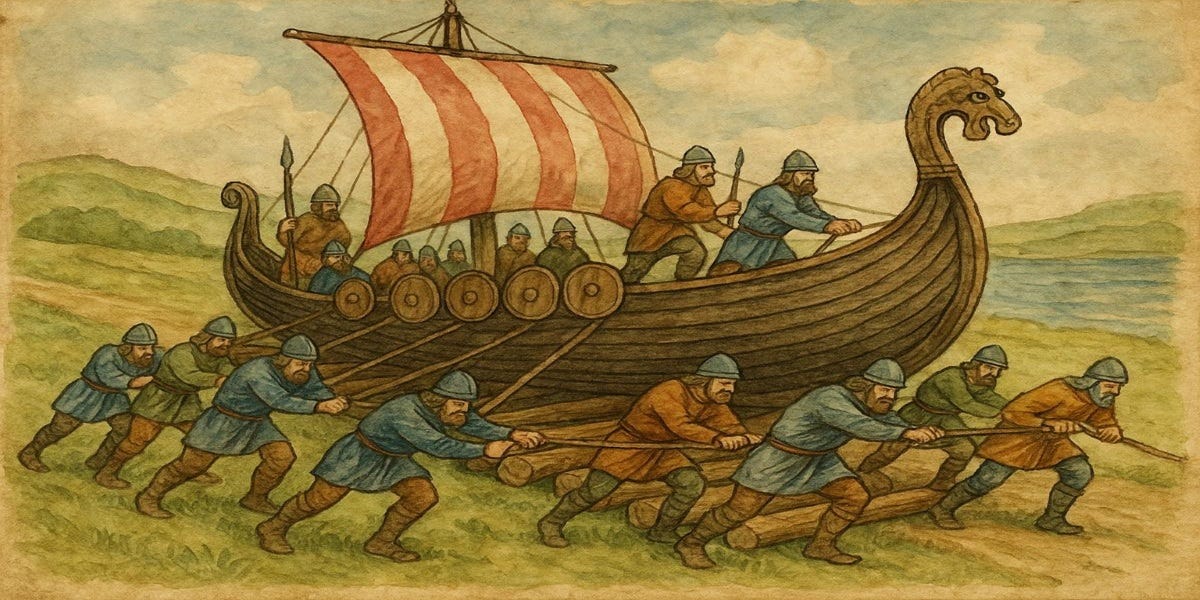
Viking Logistics
Jun 2501:02:59Tap to summarizeThe logistics of what it took to be a good (read: successful) viking are only coming into view in recent years for historians and archaeologists. And what we see is that it didn’t matter if it was how to haul your ship from point A to point B over land or choosing which targets to hit for raids, the level of efficient planning and risk/reward calculation is looking to be much more sophisticated than the standard barbarian warrior trope might allow.Vikings, it appears, were savvy businessmen.In a wide-ranging chat, we talked with Shane McLeod, post-doc research associate at the University of the Highlands and Islands in Scotland, about this and his research on portaging ships in Viking Age Scotland as well as his work on kings and the late-9th century invasion and settlement in England by the ‘Great Army’ of Scandinavian warriors (and, tbh, probably others).Shane’s research is part of the ‘Norse and the Sea’ project, led by Prof Alexandra Sanmark — who has also appeared on Vikingology — and Dr Sven Kalmring. His resulting article, ‘Watching the waters: sentinel sites in the Inner Hebrides and western seaboard of Scotland,’ was awarded the prestigious Murray Prize for History in 2025. You can download the full PDF of the article by clicking the link.He is also the author of the book The Beginning of Scandinavian Settlement in England: The Viking ‘Great Army’ and Early Settlers, c. 865-900, which he encourages you to find at your local library.Thanks Shane! Very interesting stuff. We hope you come back again. There’s still burials, human sacrifice, and shieldmaidens to talk about….Vikingology is reader-supported. Thanks to everyone who reads whether free or paid. We appreciate you all. Get full access to Vikingology Podcast at vikingology.substack.com/subscribe
Transcribe →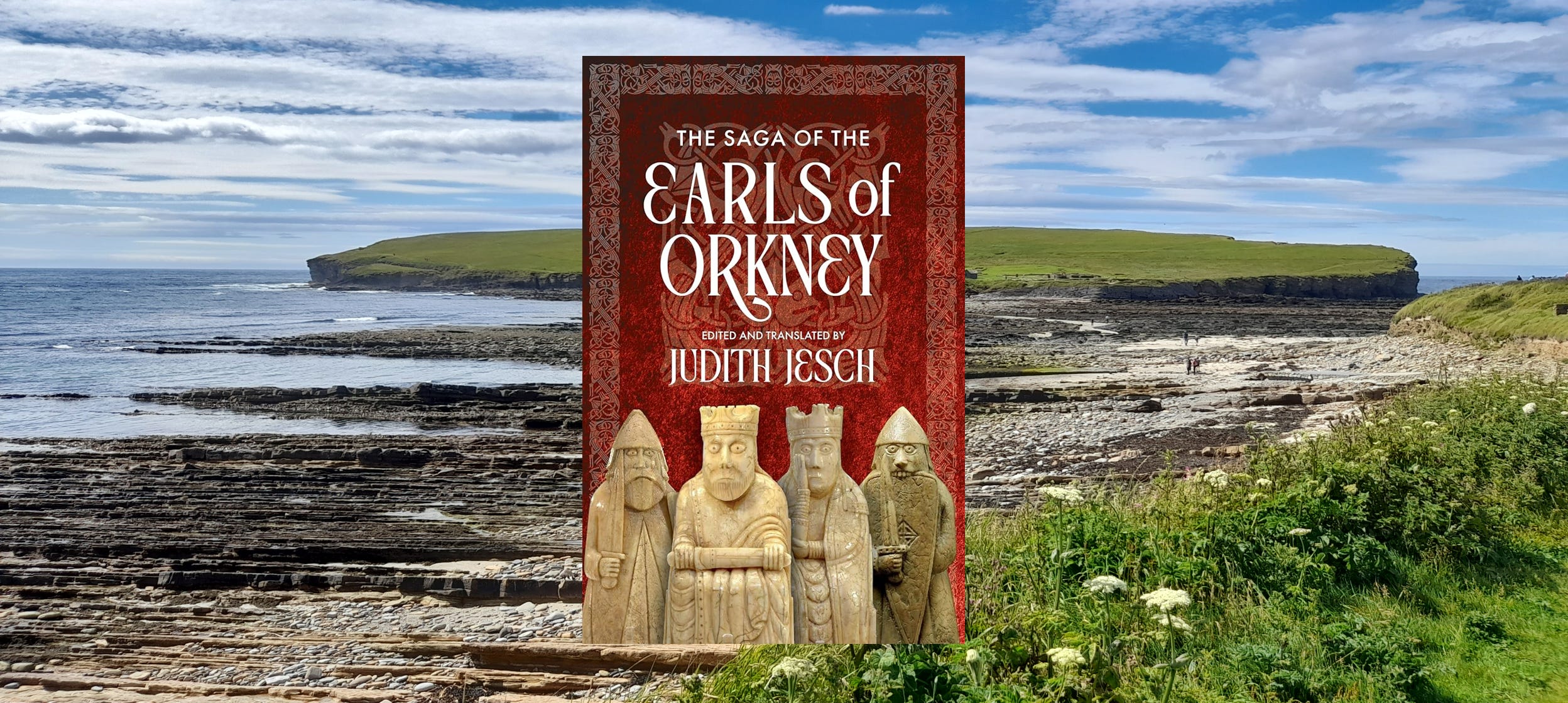
The Saga of the Earls of Orkney
Apr 2901:13:47Tap to summarizeWe are so thrilled to have back on the podcast Prof Judith Jesch, one of the world’s foremost scholars of Old Norse language, literature, and runes. Last time we spoke with her we talked about vikings and their skaldic poetry, and also the years-long project she was working on — a new translation of Orkneyinga saga. Fast forward three years and The Saga of the Earls of Orkney has been completed and was just published in late 2025.It is a beautiful work that recounts the story of the leaders in the Orkney Islands off the northern tip of Scotland during the Viking Age and after, where life was rough, and power and status were coveted. While the saga admittedly has some fictional elements, there is also deep history there. As Judith notes in her introductionYet what it may lack in accurate detail regarding rulers and their dates, it more than makes up for with the picture it paints of politics, adventure and sometimes everyday life in northern Scotland, in a way that is matched by no other source.We talked with her about the stories in the saga but also what it takes to translate such a work involving fact, fiction, and the human condition — all favorite topics to ponder here at Vikingology.If you are interested in the sagas, which constitute one of the most important surviving bodies of medieval literature there is, you’ll not want to miss this one. In the tradition of Norse storytelling during the Viking Age, Judith’s translation does an admirable job of keeping the saga alive.BONUS! If you are interested in learning more about the sagas, you can attend the free online Midland Viking Symposium mentioned in the episode, to be held on May 15, 2026.Thanks Judith! We can’t wait to see what you do next. Get full access to Vikingology Podcast at vikingology.substack.com/subscribe
Transcribe →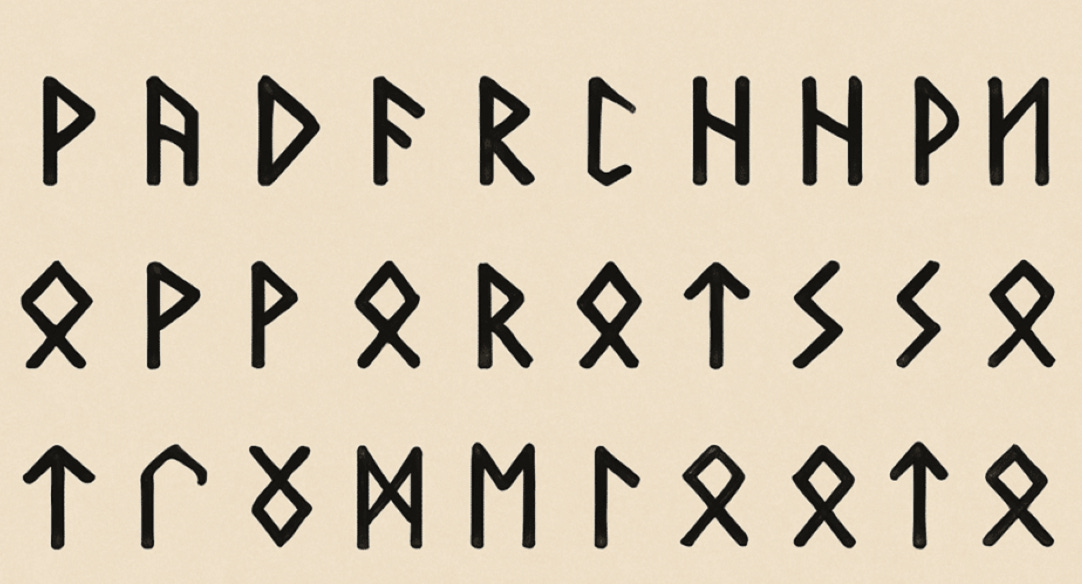
The Secret Code of the Vikings
Apr 1001:10:15Tap to summarizeThis is not your eye doctor’s vision test chart. These are runes — the secret code for unlocking the mysteries of the Anglo-Saxon and Viking worlds. And this time we are thrilled to have on the show Dr. Jasmin Higgs, a runologist from the UK who told us all about them.Jasmin specializes in the runic alphabet and inscriptions from the pre-Old English period but also has training in Old Norse inscriptions as well. As many of you will know, Old Norse was the language spoken and developed during the Viking Age in northern Europe, but runic alphabets — known as FUÞARK (futhark) from the first 6 letters — were used more widely by Germanic peoples in Europe and the UK from roughly 200 AD onward. Their origin is mysterious, contested, and essentially unknown.We learned about some interesting inscriptions — both real and fraudulent — and just how fun it is to try and decipher these alphabetical puzzles from the past. People didn’t write great works of literature in runes, but they left interesting and sometimes mundane traces of themselves in the form of inscribing objects with phrases such as ‘Bjarne made this’ and ‘Halfdan was here’. And these surviving runic inscriptions remind us just how utterly human the vikings, their ancestors, and their Germanic peers were.Thanks Jasmin. Please do come back again! We’ve got so many more questions…Skál! Get full access to Vikingology Podcast at vikingology.substack.com/subscribe
Transcribe →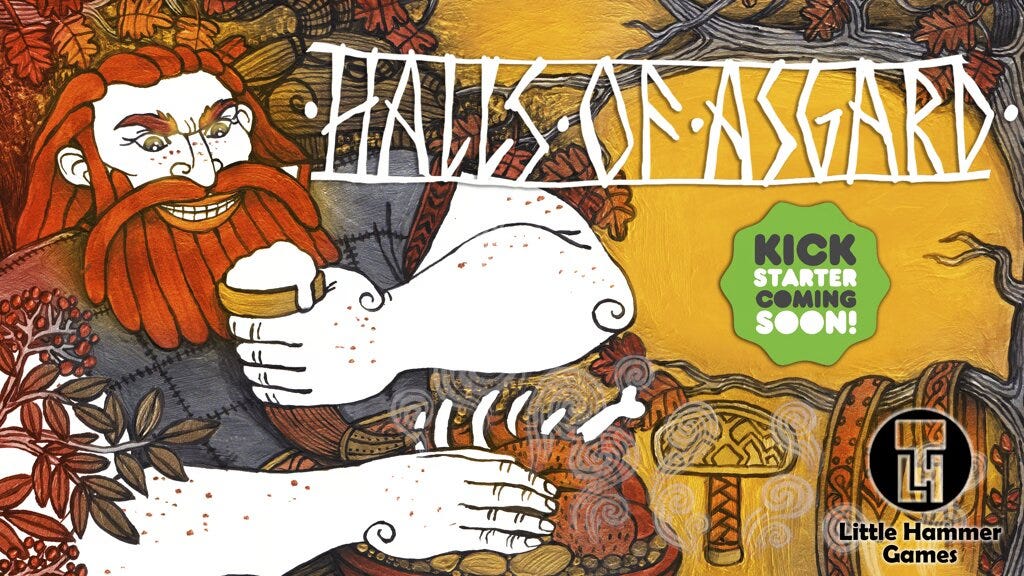
Playing in the Halls of Asgard
Apr 601:01:09Tap to summarizeThere is a special kind of magic that happens when a creator breathes new life into the Viking Age in new forms. For those following the Vikingology journey, we remain fascinated with how the Viking Age continues to resonate in today's world as a source of inspiration. In this latest episode, C.J. sits down with Joshua Gillingham, a true polymath within the "Norse-sphere." While many know him as the author of the Torin Ten-Trees saga or the co-creator of Old Norse for Modern Times, he has recently taken on the role of entrepreneur as the founder of Little Hammer Games. His latest project, Halls of Asgard, is set to release on Kickstarter in a campaign running from April 7 - 30, marking a major milestone in his career.What stands out most about Halls of Asgard is the core "feel" of the experience. Hand-painted art by Helena Rosova brings the semi-cooperative social strategy game to life, giving it an aesthetic that feels natural to anyone familiar with the sagas. The gods of the Norse pantheon are a family and a hird, a group trying to prevent the end of the world, yet they remain individuals driven by huge egos, private grudges, and personal ambitions. In the game, players take on the roles of Odin, Thor, or even Loki, working together to stop Hela before she takes over all of Midgard, while also making sure their personal Hall is the most impressive when the dust settles. It captures the classic Norse tension between the individual’s pursuit of fame and the community’s need for collective survival.During the conversation, we explored the philosophical underpinnings of Joshua’s design. He also shared his intriguing perspective on the issue of "leaky worlds." As both a fantasy author and a game designer, he stays aware of how modern sensibilities can seep into historical or mythological settings.For those interested in more human-made, exceptionally creative Norse projects, Joshua’s Kickstarter campaign provides an opportunity to support a creator who values authenticity as much as gameplay. Listeners are invited to take a seat in the hall and join this deep dive into the connection between ancient fate and modern gaming.Learn more about Joshua Gillingham on his website. Thanks Joshua! Skål! Get full access to Vikingology Podcast at vikingology.substack.com/subscribe
Transcribe →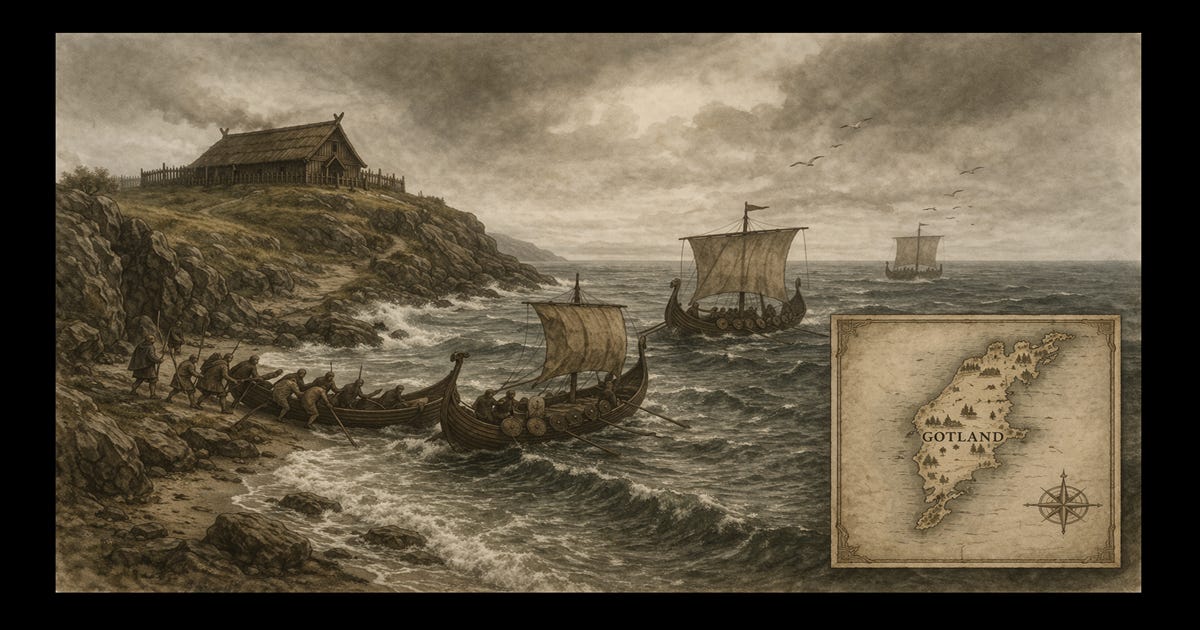
For the love of Beowulf
Mar 2701:20:33Tap to summarizeFor centuries explorers have been searching for El Dorado, the famed ‘city of gold’. Ditto the lost city of Atlantis. Many long believed the historical city of Troy was not real until archaeologist Heinrich Schliemann proved them wrong. And now we have Hans Wanneby and Rikard Evertsson who also hope to prove the unbelievers wrong by finding the home of Beowulf, the famed warrior protagonist of the medieval poem by the same name. They believe not only was Beowulf real, but his home was on the island of Gotland just off the east coast of Sweden, and they’ve written a book about it: Home of Beowulf, just published in late 2025.We sat down with Hans and Rikard to find out about their research and decided to invite friend of the show Rowdy Geirsson along for the ride, since he too is interested in this quest and has written about the Beowulf mystery more than once, including on his own website and recently on Medievalists.net.Whether you believe the poem is a fictional account or true history, you’ll be intrigued by Hans and Rikard’s findings and dedication to finding more. We learned some interesting things about Gotland and its important role during the Migration Period and Viking Age. And a special shout out to our friend Octavia — the unofficial ambassador of Gotland — for putting us in touch! After you watch this episode, revisit our chat with her. If by the end you’re not (a) a Beowulf believer and (b) booking a flight and ferry to Gotland, then we fear you are beyond help!Skál!Vikingology Podcast is reader-supported. To support us and keep the good stuff coming, please consider becoming a paid subscriber. Get full access to Vikingology Podcast at vikingology.substack.com/subscribe
Transcribe →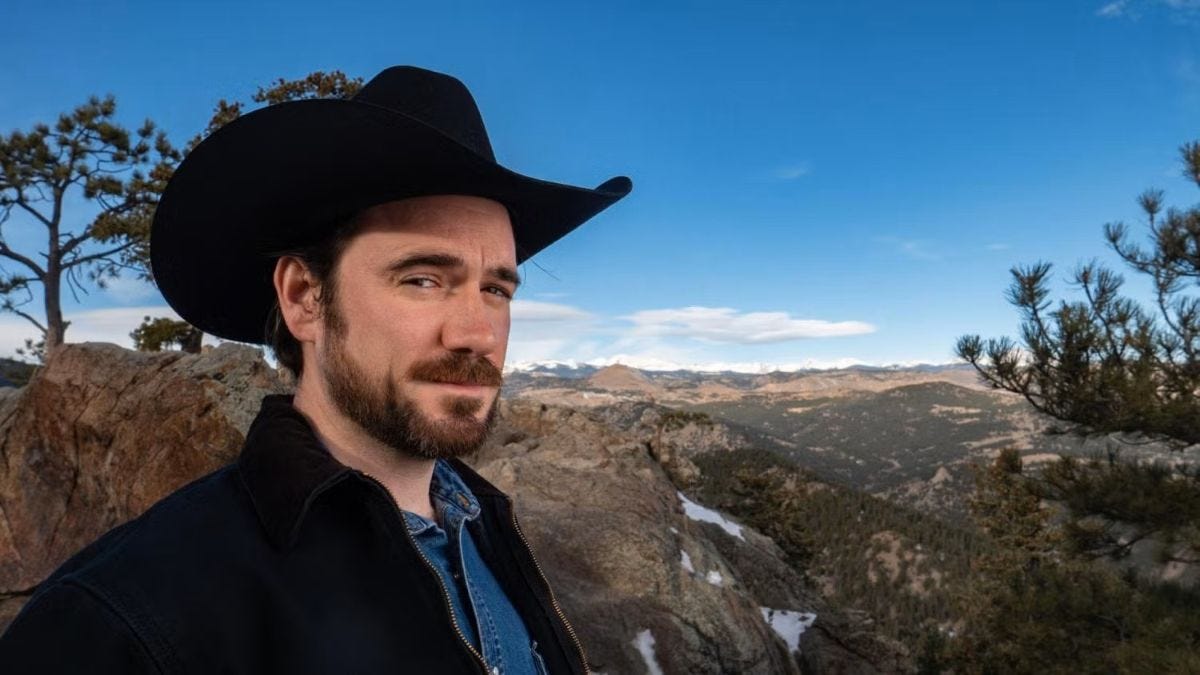
A milestone episode with Jackson Crawford
Feb 1401:32:50Tap to summarizeIt’s our 60th episode! And what better way to spend our Diamond Jubilee than a long-awaited chat with Old Norse scholar Dr. Jackson Crawford?Many of you will be familiar with him through his immensely popular YouTube channel, where you can experience the intersection of cowboy cool and the vikings. He has produced hundreds of videos about Old Norse, history, and the literature of the Viking Age, much of it set in a wild west backdrop. He has also done saga and poem translations, including The Poetic Edda, The Saga of the Volsungs, and Hávamál, and is currently working on a translation of The Prose Edda.We chatted with him about a lot of things, as we tend to do, but we started with the word ‘viking’ and its linguistic origins in the Old Norse words viking and víkingr. Did actual vikings use that word to describe themselves? Did it mean the same to them as it does to us? Was it seen as a good thing to be a viking? Was it a full-time profession, or were they just seasonal violence workers?Watch or listen for the answers to all of that and more!Takk fyrir Jackson for spending some time with us. It was well worth the wait!Vikingology is reader-supported. To support what we do, please consider becoming a paid subscriber. Get full access to Vikingology Podcast at vikingology.substack.com/subscribe
Transcribe →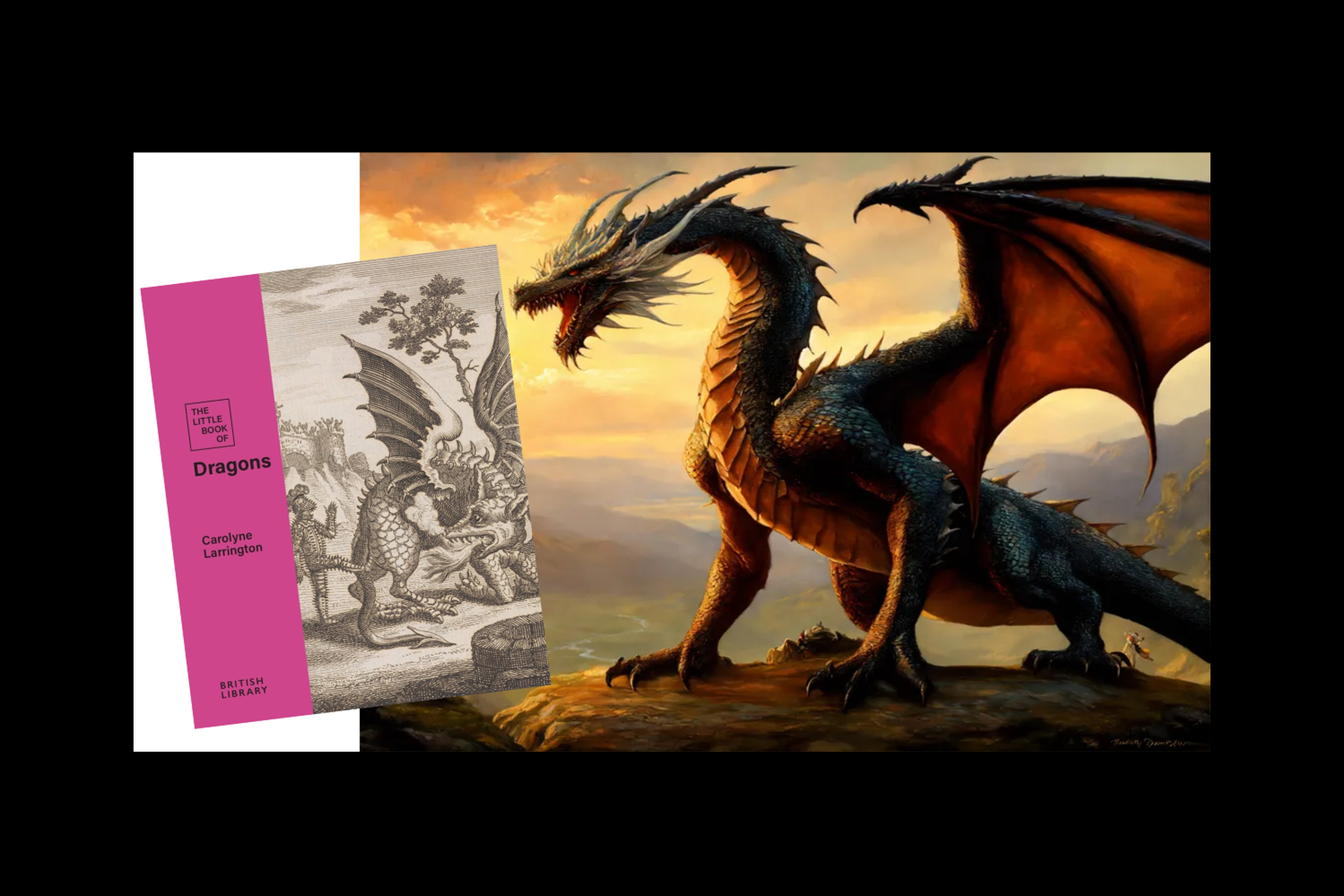
Myth and belief in the Viking Age and beyond
Jan 2401:10:19Tap to summarizeWe were honored to finally chat with Carolyne Larrington, Professor and Emeritus Research Fellow of Old English and Old Norse literature at St. John’s College, Oxford. She is one of the world’s foremost experts on mythology with many many books and publications, including her most recent books The Little Book of Trolls and The Little Book of Dragons. She has also done a translation of The Poetic Edda.Since we are both historians, and C.J. is an historical fiction author to boot, we are hardwired for creating narratives about the past and storytelling in general, so we were delighted to get a chance to talk with Prof. Larrington about what stories and myths mean to us humans as a species. This took us not only to the Viking Age and Norse myths, but much farther afield into the realms of religion, modern medievalism, and the human condition in general.This was a fun and enlightening chat. We could have talked for hours! Thank you Carolyne. We hope you will visit us again in the future!Skál!Thank you to all who watch or listen to us! To further support our work, please consider becoming a paid subscriber. Get full access to Vikingology Podcast at vikingology.substack.com/subscribe
Transcribe →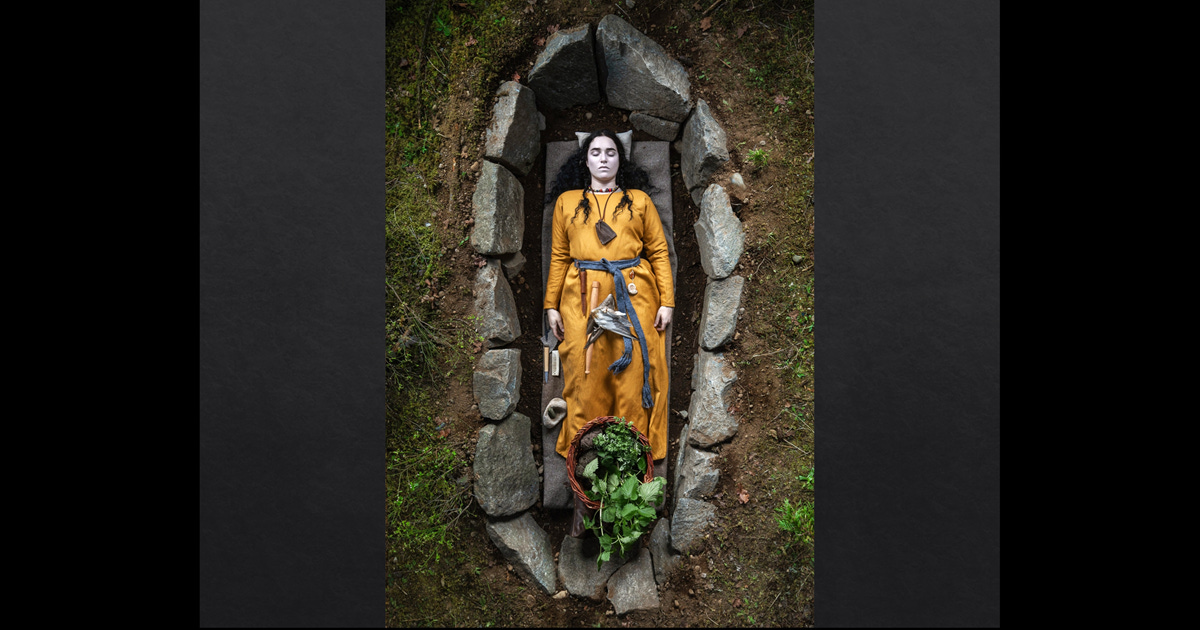
The Art of Viking Death
Jan 1701:06:34Tap to summarizeThis time we are excited to welcome back to the show experimental archaeologists and living history experts Kevin Alexandrowicz and Devon Rawlings of Regia Anglorum and Jarnborg Vikings. They have collaborated on a new book project that brings Viking Age death to life in a stunningly visual and visceral way. Painstakingly staged and photographed, and based on the archaeology of actual burial sites, the graves Kevin, Devon, and their team created give us a glimpse into how the Norse prepared the dead for the next life. You’ll definitely want to watch instead of listen to see some of their amazing photographs as they explain the history and interpretation behind them. Published by Hyldyr in Washington State, which has also brought to life other Norse themes such as the poems Völuspá and Hávamál, the Fuþark runic alphabets, and the Galdrabók, this new book promises to change the way we visualize death and burial in the Viking Age. It even includes introductions by friends of the show archaeologists Leszek Gardeła and Giorgia Sottotetti! If you want to see an intriguing new way to engage with the Viking Age past, please buy the book! You’ll be supporting history, archaeology, artists, and publishers all at the same time.Thanks so much Kevin and Devon for sharing your knowledge and artistry. Can’t wait to see what you do next!Skál!Thanks for reading! This post is public so feel free to share it. And it you like what we do, please consider becoming a paid subscriber. Get full access to Vikingology Podcast at vikingology.substack.com/subscribe
Transcribe →
Viking Ghost Stories
Dec 1101:19:10Tap to summarizeThe Norse during the Viking Age inhabited a world that was both utterly foreign to us and yet humanly familiar. Like us, they believed in ghosts. But maybe unlike us they believed in revenants and other supernatural creatures of all kinds. It seems their world was pretty porous when it came to the line between the living and the dead.In this episode we chatted with Irina Manea, a scholar of Norse myth and the saga literature, to get a sense of the viking mind regarding death and the afterlife. How did they deal with dead bodies? Where did they believe people went after death? Were ghosts and revenants welcomed or shunned? Were the dead scary or benevolent? Did they take steps to protect against them? And how much did the Christianization of Viking Age Scandinavia change those beliefs?It’s a fascinating topic that we hadn’t delved into much on the show. We learned a lot, including the fact that maybe an important way to keep bad spirits away is to cover your anus. To be safe, you’d better watch or listen and find out why :)Thanks Irina! We must do it again soon.You can find Irina on her Shield of Skuld newsletter right here on Substack. Do check it out. Lots of great viking content there.Skál Get full access to Vikingology Podcast at vikingology.substack.com/subscribe
Transcribe →