Podcast
Vininspo! podcast
Hosted by Ed Merrison · EN
A podcast in plain English about connection through wine—linking nature, time, place and people—to unlock its meditative, restorative, inclusive and expansive potential and brighten the experience of anyone with the vaguest interest.
edmerrison.substack.com
edmerrison.substack.com
28episodes
Episodes
Newest firstAll episodes
Vininspo! Episode 48: David Bicknell, Bicknell F.C.
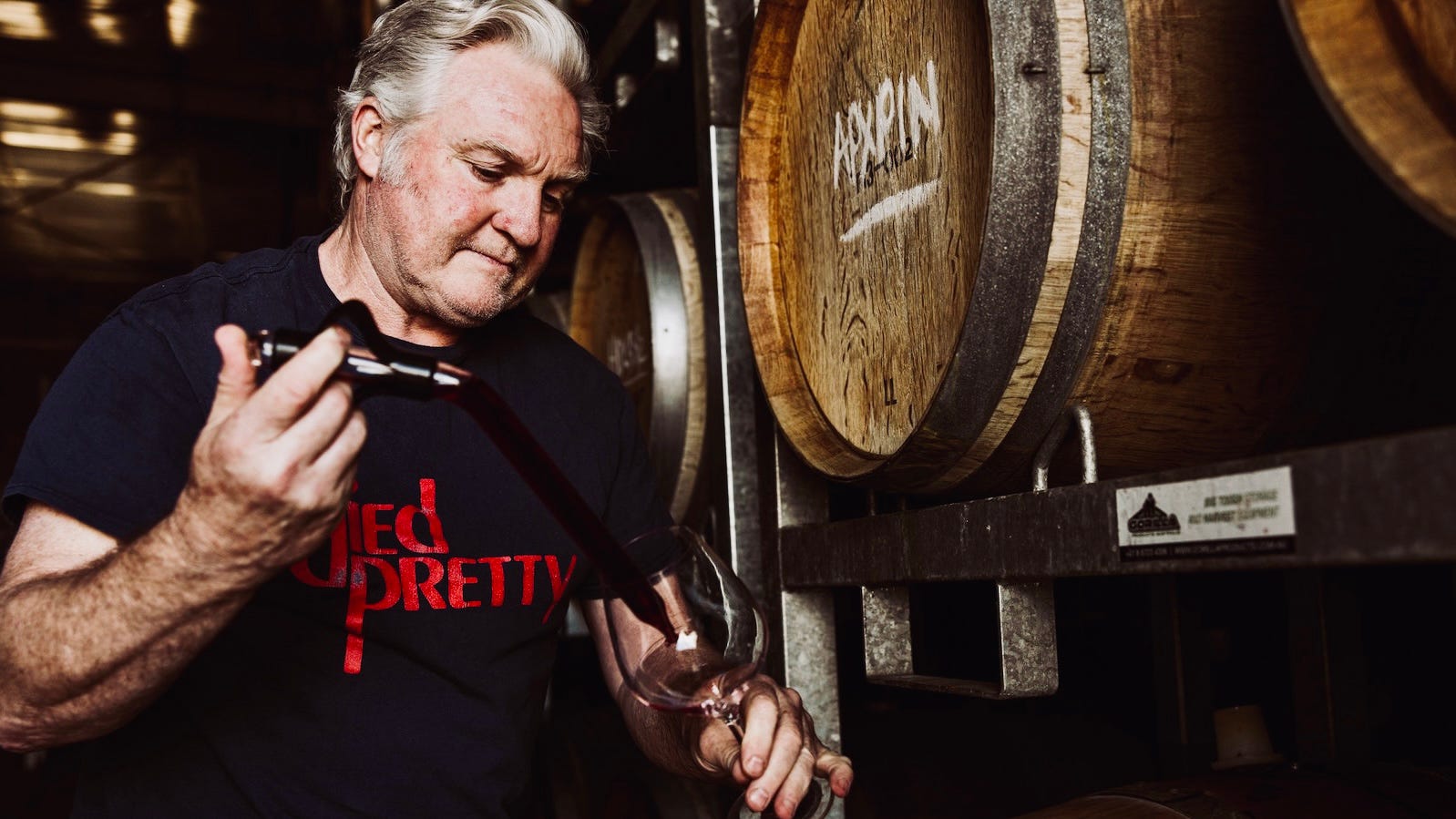
5d ago01:02:01Tap to summarizeDavid Bicknell’s unceremonious axing from Oakridge came as something of a bombshell. The Yarra Valley estate’s owner, Endeavour Group, had announced a couple of months previously that it was selling up. But it seemed improbable that the man who’d led it for a quarter of a century and put it on the map as a trophy magnet for site-specific, cool-climate wines would be tipped out.Given his reputation for forthright opinions and headline-grabbing wines, Dave has hitherto remained a somewhat private person. Indeed, I had never met or spoken to him before lining this interview up. His public profile has risen since news broke of his departure, but it seemed odd to me that very little of what I knew had come straight from the horse’s mouth.Among myriad accomplishments, Dave was dux of the Len Evans Tutorial in 2005, was crowned Gourmet Traveller WINE Winemaker of the Year in 2017, co-founded the influential Pinot Massif workshop and has chaired countless wine shows, including the National Wine Show of Australia.He joined Oakridge in 2002 and led it to countless wins on the wine show circuit. In the wake of the regal trailblazers of the Yarra Valley—the likes of Mount Mary, Yeringberg, Yarra Yering and Wantirna Estate—the likes of Oakridge and Giant Steps seemed to go toe-to-toe in elevating appreciation of the Yarra’s potential to express exceptional vineyards. Sites like Henk, Hazeldene, Willowlake, Lusatia Park and Funder & Diamond seemed to become household names thanks in large part to these efforts.In this episode, Dave and I talk about Oakridge’s trajectory with Chardonnay, Pinot Noir and Cabernet Sauvignon. Adrian Rodda (A. Rodda, Beechworth), Tim Perrin (Port Phillip Estate/Kooyong, Mornington Peninsula), Marty Singh (Precipice, Yarra Valley) and Tim Dexter, son of Mornington Peninsula vigneron Tod, are among team members singled out in our chat.In episode 11, Steve Flamsteed spoke about his student days living with Dave and his viticulturist wife, Nicky Harris (the other half of Bicknell F.C.). Steve is another co-founder of Pinot Massif, and there is plenty more background on this workshop in his episode. The rise of Giant Steps in tandem with Oakridge was in part driven by this rivalry between the best of friends.Not for the first time on Vininspo!, Steve Webber of De Bortoli is given due credit here for his mentorship. You’ll find more about the crop of talent at this Yarra estate in my interview with former alumnus Sarah Fagan. From Dave’s Roseworthy days, Pat Iland garners a special mention. He is serially credited among my interviewees, turning up in conversations with Ginny Willcock and Julian Langworthy, among others. This is a public episode. If you'd like to discuss this with other subscribers or get access to bonus episodes, visit edmerrison.substack.com/subscribe
Transcribe →
Vininspo! Episode 47: Kelby James Russell, Apollo’s Praise
2w ago01:12:49Tap to summarizeKelby James Russell had the air of the whizzkid about him when I first met him, and that’s clearly what he was. It was Melbourne, 2015. Riesling Downunder, a now-defunct triennial trade event, had rolled into town. With it came winemakers from Clare, Eden Valley, Great Southern and Canberra. A couple of Alsatians were there, and Germanophones aplenty from the Mosel, Rhine and Danube. And among them, a sole, studious-looking American.Red Newt was the label Kelby was pouring—one of relatively few Finger Lakes estates I was familiar with. He wasn’t loud, and nor were the wines. But both were captivating. What struck me most was that, without apparent effort, he seemed calmly confident of holding my attention in that crowded room. He duly succeeded.It was great to get up to speed on Apollo’s Praise, the winery Kelby founded on Seneca Lake in 2023 with his wife, Julia Hoyle. (The wines are not yet imported into Australia; it would be wonderful to see that injustice rectified!) Julia is winemaker at Hosmer Winery on Cayuga Lake. Kelby tells us a bit about what’s so special about Julia, and a lot about what’s special about the Finger Lakes as a place to grow wine.Peter Bell is the name of Kelby’s first wine mentor in the region from his time at Fox Run Vineyards. Red Newt Cellars, where Kelby made his name, was founded by David and Debra Whiting in 1998, and is also on Seneca Lake.During his early vintages in the southern hemisphere, Kelby speaks affectionately about his time at Yalumba in South Australia’s Barossa Valley. Louisa Rose, winemaker and head of sustainability at Hill-Smith Family Estates, was one of those he met there, as was now-retired Kevin Glastonbury. Peter Gambetta, meanwhile, has been a frequent visitor to the Finger Lakes, Kelby tells me.Speaking of outside influence, we name-drop Pfalz producer Koehler-Ruprecht and Franken grower Hans Wirsching when we talk about the Scheurebe grape variety. The variety was long thought to be a cross between Riesling x Silvaner, but subsequent DNA analysis refutes Silvaner’s involvement, suggesting a wild vine sampling is the other part of the equation. Scheurebe is regarded as a highly successful grape for its performance in cool climates and its flavour/structure profile. (Dr Georg Scheu did the work, and “Rebe” is German for vine.)The Germans also come up on the subject of the international ideas exchange — the kind that takes place at FLXcursion, the Finger Lakes Riesling Wine Conference. This effectively took the place of Washington State’s Riesling Rendezvous. The Australian equivalent morphed into Riesling Downunder, which was last held in 2018. International Riesling Symposium in the Rheingau, meanwhile, is ground zero.Kelby describes the Knoll—the single-site wine that made his name—as being Grosses Gewächs-style. This refers to a textural, dry style of Riesling from a grand-cru site in Germany. Knoll is also, coincidentally, the name of an exceptional Austrian producer known for ripe, multi-dimensional, dry, aromatic white wines. If you’d like to know more about the other Prädikat styles Kelby mentions, a good place to start is this chat with Erni Loosen.Finally, the name Apollo’s Praise comes from a glee named Glorious Apollo. If you want to hear notes whistling over your head like ghosts, here’s the version I checked out to witness the complex, harmonious heights Kelby and Julia’s wines aim to scale. This is a public episode. If you'd like to discuss this with other subscribers or get access to bonus episodes, visit edmerrison.substack.com/subscribe
Transcribe →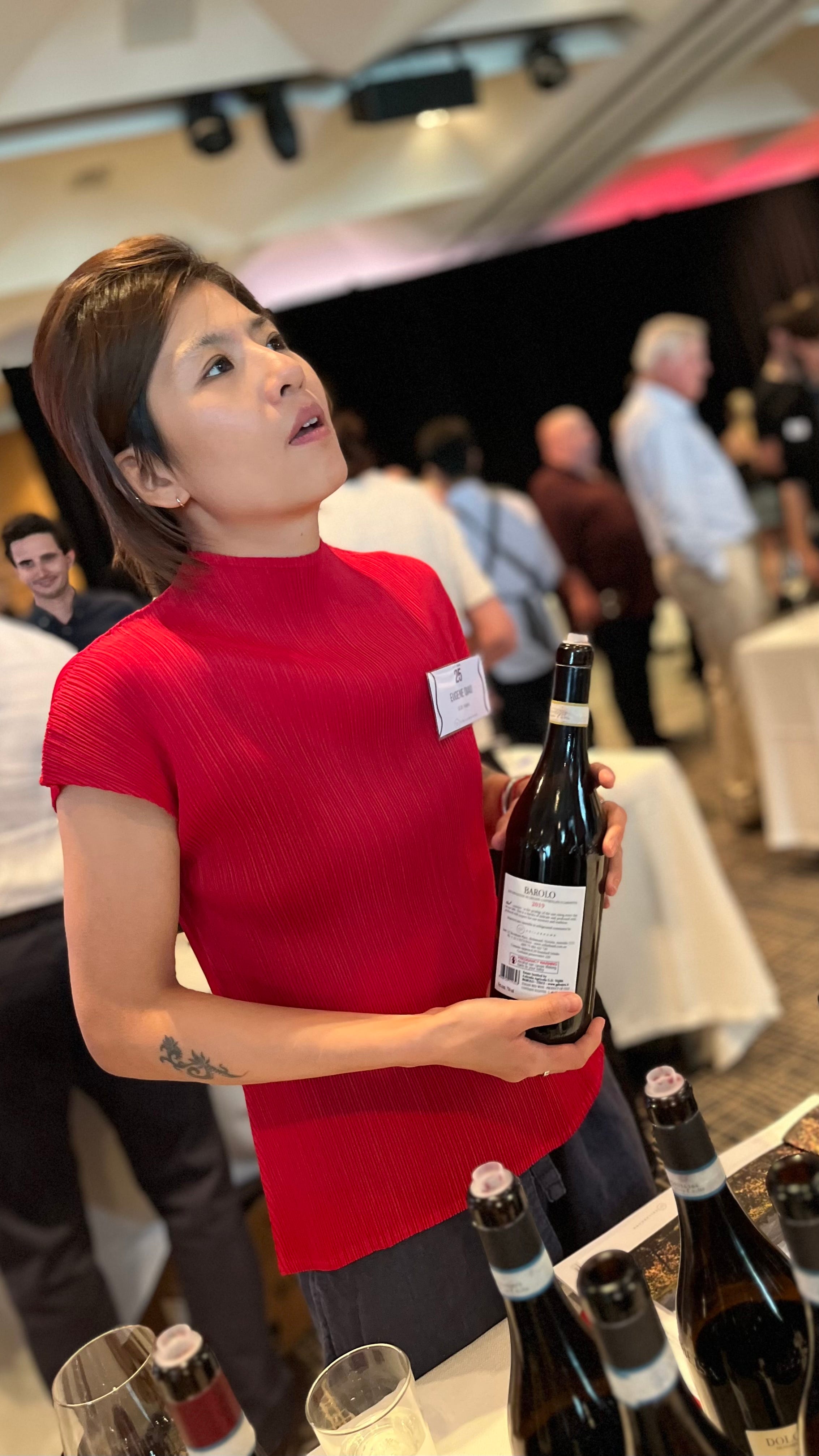
[Vininspo! Alt. Format] Eugene Qiao, G.D. Vajra
3w ago00:40:52Tap to summarizeFor a long time, I’ve been intrigued by Eugene Qiao’s brain—one I’ve picked on several occasions, not least for a reality check and a unique perspective on Italian and Australian wine culture. A Chinese student destined, seemingly inevitably, for medical career, somehow turned up in Barolo and entered the fold of a family where thinking differently is the norm.This conversation with Eugene makes for a nice complement to episode 35, which featured Giuseppe Vaira. She gives an outsider’s take on the customs and people of Piedmont, as well as its wines. There are plenty of new areas to probe and opportunities to delve deeper.I especially enjoyed Eugene’s take on cuisine, climate change, alternative varieties and the versatility of Nebbiolo—including a thoroughly informed impression of how Australia is travelling with this beautiful grape.A little context will help, starting with the Vaira family tree. It was Giuseppe’s father, Aldo, who interviewed Eugene for her role. With his wife, Milena, Aldo founded G.D. Vajra in 1972. It takes its name from Aldo’s father, Giuseppe Domenico Vaira, even though he did not work in the wine industry. (The family name is written with an ‘i’; a printing error in the early days led to the adoption of the ‘j’ styling.) It was, in fact, on the farm of his grandfather, Carlo, that Aldo had his first taste of vineyard work. These days Giuseppe and his siblings, Francesca and Isidoro (Isi), head up the business. They are all mentioned in our conversation.Isi is given credit for the way he assisted Eugene early on, especially thanks to his devotion to Piedmont’s lesser-known indigenous varieties. We talk about his pet project, a vineyard in Farigliano, where this is a focus. The commune lies within the production area of Dogliani DOCG (a Dolcetto appellation), where the Vaira family’s Monterustico wines are grown.Some of the grapes mentioned are the red varieties Freisa, Slarina and Chatus and the white grapes Nascetta, Bian Vert, Manzoni Blanco, Rossese Bianco and Baratuciat. You’ll find these in blends such as the G.D. Vajra Rosso, Luigi Baudana Dragon Bianco and Monterustico Bianco.Nebbiolo features heavily—how could it not?—and among the variations, we speak about the Italian regions of Valtellina and Alto Piemonte, the light, juicy red style the family produces under its Claré J.C. label, and Australian exponents such as Patrick Underwood (Little Reddie), Tess Brown (Vignerons Schmölzer & Brown), Pete Graham (Domenica; read more here) and Stephen Pannell, whose Protero wines are grown in the Adelaide Hills. Steve speaks very affectionately about his time with the Vaira family in episode 30.The G.D. Vajra Barolo vineyards we discuss are Coste di Rose, Bricco delle Viole (both in the commune of Barolo) and Ravera (Novello), while the blended Albe wine is from three sites in Barolo (Coste di Vergne, Fossati and La Volta).Food’s an important subject, too—always, and especially in Piedmont. Apart from the hong shao rou (red braised pork belly) and jaozi dumplings of Eugene’s homeland, the local specialities of carne cruda (raw meat, especially from the Fassona breed of cattle), baccalà (dried and salted cod), finanziera (offal stew) and tajarin al tartufo bianco d’Alba (egg pasta with white truffle) are all on the menu. This is a public episode. If you'd like to discuss this with other subscribers or get access to bonus episodes, visit edmerrison.substack.com/subscribe
Transcribe →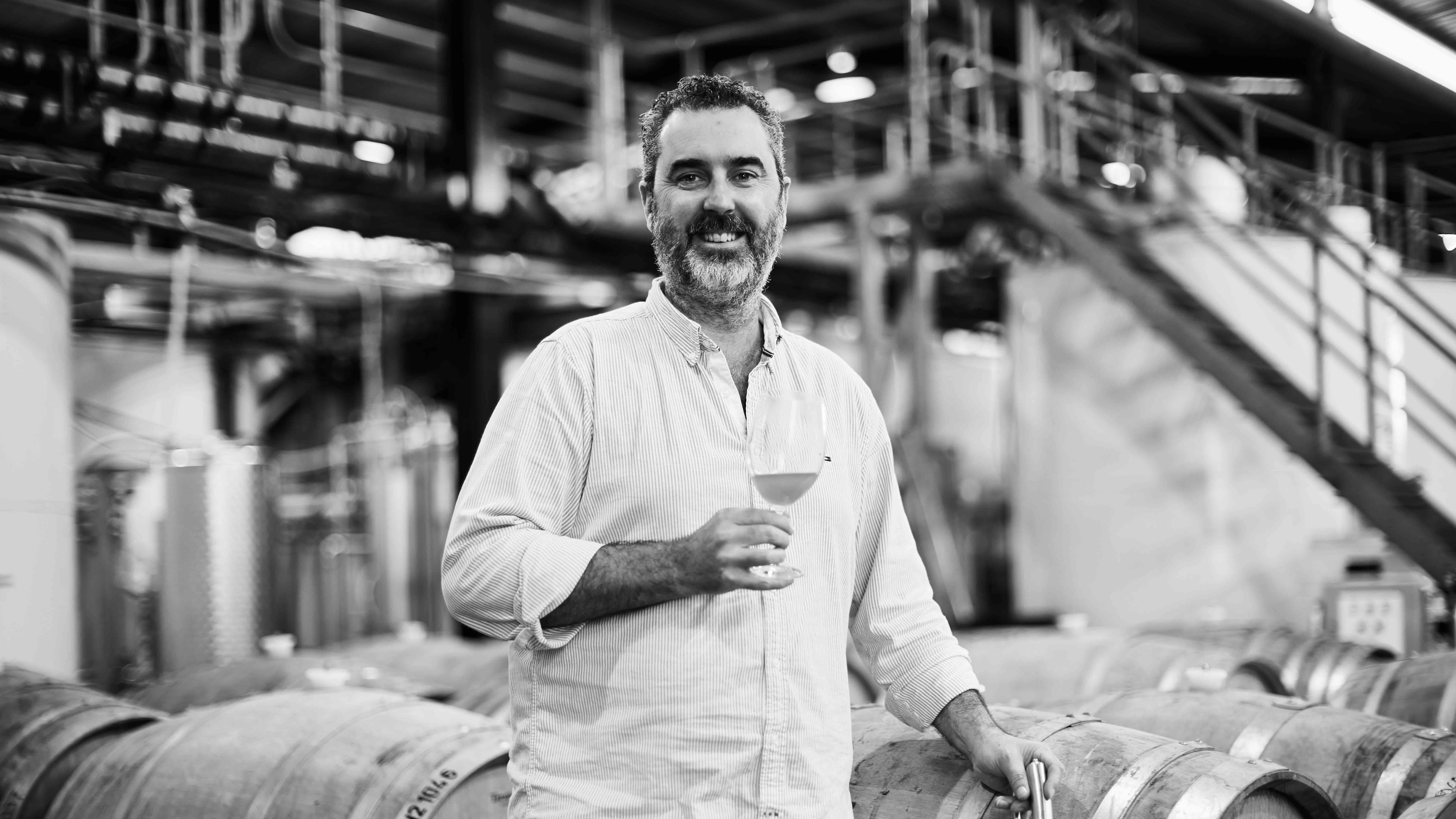
Vininspo! Episode 46: Liam McElhinney, Tasmanian Vintners
4w ago01:03:41Tap to summarizeSubscribe to this Substack and follow on Instagram so you never miss a story!Liam McElhinney’s astonishing show-circuit success at Lowestoft once seemed to me like lightning from a blue sky. The land of the long white cloud had seen it all before—twice over—but I was oblivious. The irreverent, self-effacing bloke I met during the Covid years, who spun a tragicomic tale of lording it up in a Tassie mansion during lockdown while his wife and kids were sequestered in New Zealand, wasn’t obviously a wine wunderkind grown old and wise. But that’s Liam, I guess; one of the most easy-going hard-workers you could meet.This was an enjoyable conversation with a charismatic raconteur. As is always the case, there is plenty of depth, though—both in detail and in the up-and-down, cut-and-thrust of an ambitious go-getter with an open, original mind. And succeeding, mind you, in an agricultural pursuit that is rarely, if ever, straightforward.When Liam and I first crossed paths, he was in Melbourne with Julian Langworthy, who gave a cracking interview—similarly lighthearted with several serious lessons—for episode 26 of the Vininspo! podcast. Liam and Jules are kind of distant cousins within an Australian family winemaking tree, which itself could do with some untangling, not least so you can get to grips with some of the brands mentioned.That family business is called Fogarty Hall Fine Wine Estates. One of its founders, Peter Fogarty, appears in the chapter where Liam is lured to Tasmania. In 2019, Fogarty and a partner, Rod Roberts, acquired the assets and business of the collapsed contract facility Winemaking Tasmania, rechristening it Tasmanian Vintners. Liam became chief winemaker of this new entity.Fogarty Hall’s Tasmanian portfolio now includes the brands Ossa (founded by Rod Roberts and his wife Cecile), Thalia, Strelley Farm and, most famously, Lowestoft. Liam was sitting amid the grandeur of the 1840s-built Lowestoft homestead on the banks of the Derwent River when we recorded the podcast. This label, in particular, has brought Liam head-turning show success, including the prestigious Jimmy Watson Memorial Trophy in 2023.The unrivalled variety—and quality—of grapes that Liam works with in his role has fast-tracked him to being an authority on this small island’s remarkably varied terroirs. We talk about these climatic variations, especially in the Derwent Valley, Coal River Valley and East Coast.On the mainland, Fogarty Hall owns Deep Woods in Margaret River, where Julian Langworthy has made his mark as one of the most decorated winemakers of his generation. Lake’s Folly (Hunter Valley), Dalwhinnie (Pyrenees) and Evans & Tate (Margaret River) are among the wineries in the same stable.Turning back the clock to Liam’s Kiwi days, he mentions formative encounters with Cloudy Bay founding winemaker Kevin Judd, now of Greywacke, and Jane Ferrari, long-serving brand ambassador for Yalumba in the Barossa. The Central Otago pioneers mentioned are Rudi Bauer (Quartz Reef), Grant Taylor (formerly Gibbston Valley, later establishing Valli) and Lois Mills of Rippon.In Hawke’s Bay, Warren Gibson and Trinity Hill are discussed at length with Bilancia’s Lorraine Leheny in episode 44. John Hancock also crops up there, and there’s also an overlap in my conversation with Kym Milne MW for episode 41. The same, in fact, goes for Craggy Range visionary Steve Smith MW (episode 16).Looming large in Liam’s Marlborough years are the figures of John and Brent Marris. Brent played a lead role in launching the Delegat brand Oyster Bay before building up Wither Hills, which was eventually sold to the drinks giant Lion Nathan (now Lion).The Ned is the name of the next Sauvignon Blanc brand to go viral at Marris’s hand, with Liam integral to that growth. Waihopai is the subregion linked to its point of difference, coming to prominence after the Wairau and Awatere valleys.From The Ned, Liam progressed to te Pā, teaming up with its founder, Haysley MacDonald. And one more person who should be acknowledged is Liam’s long-suffering wife, Gemma Lyons. Gemma works for Ossa, but I first came across her during her time with Wairau River, another Marlborough family estate I had the pleasure of working with. This is a public episode. If you'd like to discuss this with other subscribers or get access to bonus episodes, visit edmerrison.substack.com/subscribe
Transcribe →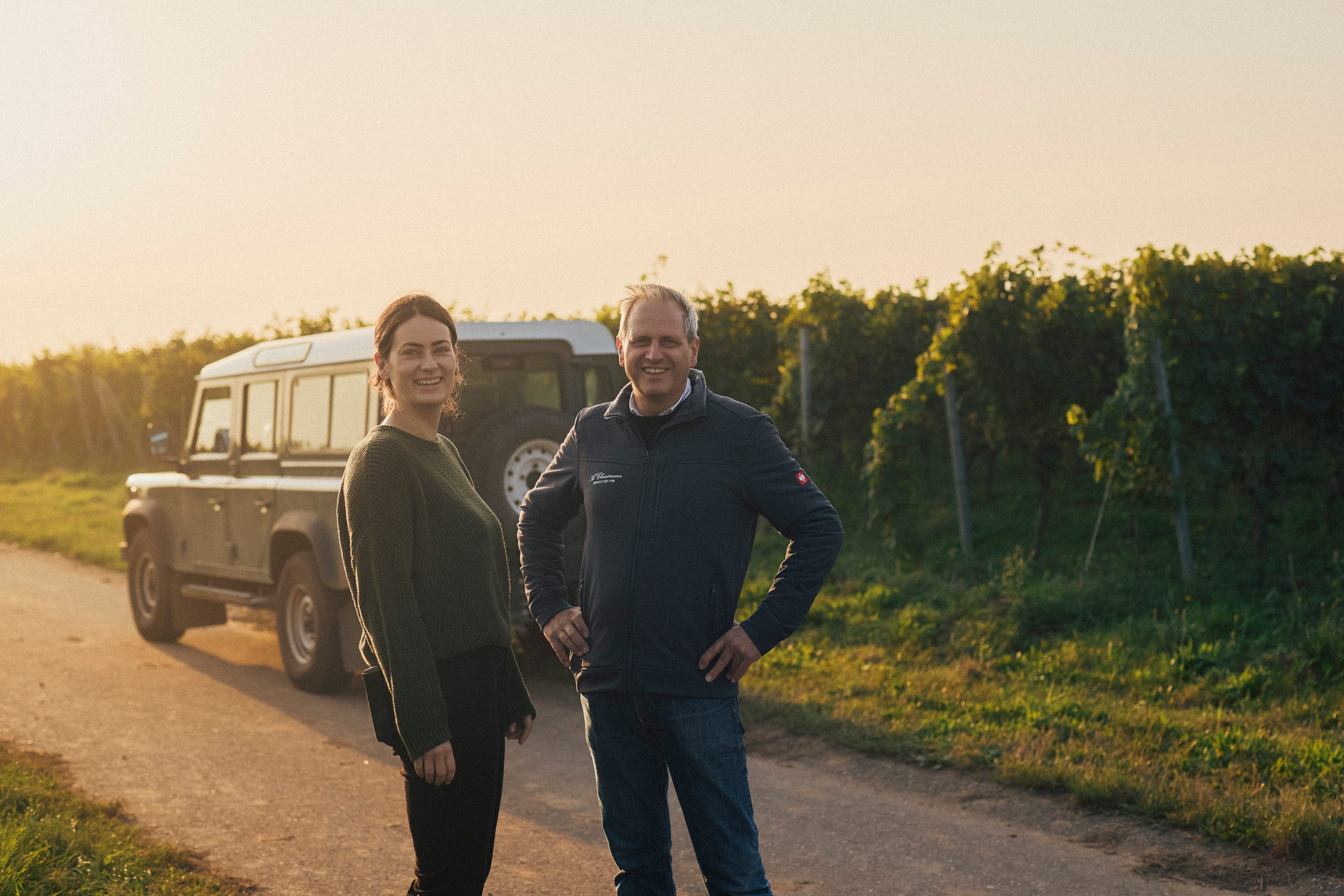
[Vininspo! Alt. Format] Haardt-to-Haardt with Sophie Christmann
Jul 901:02:28Tap to summarizeSometimes it’s easy to confuse classicism with conservatism. On the face of it, 1798-founded Weingut A. Christmann seems to tick both boxes. Urbane 7th-generation patriarch Steffen Christmann read law at Heidelberg and presides over the VDP group of revered growers. The estate’s super-elegant wines grow exclusively on sites classified as premier and grand cru, and their crisp, sharp labels speak eloquently of their breeding. Classic to the core. But conservative? It ain’t that simple.All that class belies a dynamism that has only picked up pace since Sophie Christmann joined her father at the helm a decade ago. I first met Sophie in Melbourne in 2016, when she had come to Australia to work the harvest with Jeffrey Grosset and Stephanie Toole in the Clare Valley, and her drive and articulacy were notable then. She talks about her time at Grosset and Mount Horrocks in our interview.Later that same year, she went on work harvest in Baden, southern Germany, with Julian Huber of Weingut Bernhard Huber in Malterdingen. This is one of the country’s champions of world-class Pinot Noir, and we also discuss Sophie’s formative experience there. Sophie immediately started to transform Christmann into a leading producer of site-driven Spätburgunder, as Burgundy’s revered red grape is known in those parts. Again, we discuss that evolution in detail.I also had the pleasure of visiting Gimmeldingen in 2019, the year that Sophie and Steffen had another carpe diem moment, this time with traditional-method sparkling wine. Again, she shares excellent details on this project, which has become Sektgut Christmann et Kauffmann. Alsace-born Mathieu Kauffmann, the other half of this partnership, was the celebrated chef de cave at Champagne house Bollinger. He was initially lured to the Pfalz by a position at Reichsrat von Buhl before teaming up with the Christmanns on an ambitious initiative inspired by the great terroir wines of the grower Champagne movement.In our conversation, I refer to a couple of other [Vininspo! Alt. Format] episodes: one with Ernst Loosen of the Mosel and another with Cornelius Dönnhoff (Nahe) and Philipp Wittmann (Rheinhessen). Both of those, as well as episode 14 with Gunderloch’s Johannes Hasselbach, will provide the listener with other fascinating detail about fine German wine.Speaking of progressive, the Christmann estate has been certified biodynamic by respect-BIODYN for over 20 years. We talk about the reframing of the range, whose Aus Den Lagen Riesling and Pinot Noir represent the already high-quality jumping-in point. We talk about the Grossen Lagen (grand-cru sites) of Meerspinne in Gimmeldingen, Vogelsang in Neustadt and, in the village of Königsbach, Ölberg-Hart and jewel-in-the-crown Idig.The Ersten Lagen (premier-cru sites) are spread across these same villages plus Ruppertsberg and Mussbach. Sophie also mentions the famous villages of Forst and Deidesheim, also within the Mittelhaardt section of Pfalz. That subregional name is derived from the Haardt mountains (or, as Sophie says, hills), which are the extension of the Vosges mountains (Vogesen in German) of Alsace to the south, the other side of the French border.Other Pfalz friends (geddit?) that crop up are Weingut Rings, Weingut Dr Bürklin-Wolf and Ökonomierat Rebholz, led by Hans-Jörg Rebholz. A touching reference is made to Philipp Wittmann’s father, Günter. Weingut Rudolf Fürst in Franken, meanwhile, is cited as another benchmark Spätburgunder producer.On that note, German Pinot Noir plantings have jumped by 50% in the past 30 years, and Sophie is one of those leading the quality charge. She talks about how the breakdown of her estate’s plantings has shifted over time. For context, in 2024/5, Riesling accounted for 25.2% of vines in the Pfalz (Palatinate in English), while Pinot Noir was just 7.3%. At Christmann, it is shifting towards two-thirds and one-third, respectively.The wines of Sophie, Steffen, Mathieu and the team are imported into Australia by CellarHand, by whom I am employed on a part-time basis. This is a public episode. If you'd like to discuss this with other subscribers or get access to bonus episodes, visit edmerrison.substack.com/subscribe
Transcribe →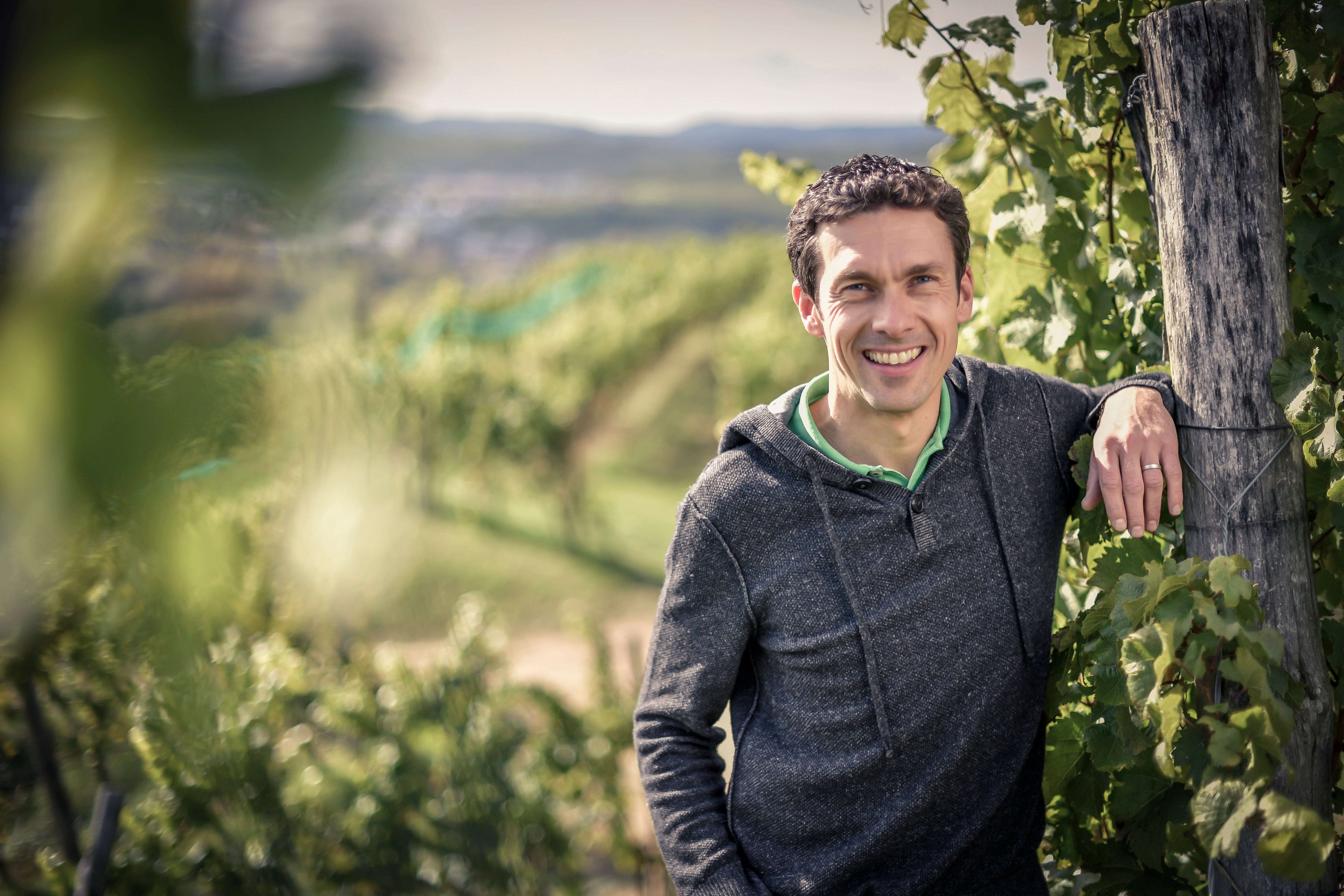
Vininspo! Episode 45: Andreas Wickhoff MW, Bründlmayer
Jul 201:06:46Tap to summarizeAndreas Wickhoff spread his wings and travelled far and wide before coming home to roost in the Danube Valley, not too distant from where he grew up in rural Steiermark. As general manager at the Bründlmayer estate in the Kamptal, he keeps the flame burning at what Jancis Robinson has called “a beacon for Austrian wine”. Not an ounce of his worldly, cosmopolitan background, hospitality training and Master of Wine education is wasted as he goes about pursuing and portraying provenance and excellence in wine.I first met Andreas in Melbourne a year or so after Willi Bründlmayer came for Riesling Downunder in 2015. I had long since fallen in love with the grace and purity of the estate’s Riesling and Grüner Veltliner, and Willi himself is the very image of the worldly, wise, humble gentleman. Andreas seemed the perfect fit for the estate. Lucid, resolute and articulate, he is compelling company and puts you in the picture with consummate ease.In this interview, I deliberately milked Andreas for his Austrian wine knowledge, and needn’t expand much thanks to his thoroughness and clarity. There are a few names and terms that could do with spelling out, however.Andreas grew up in Steiermark (Styria), prime wine-growing territory known for its Sauvignon Blanc and Morillon, which, as he explains, is the local name for Chardonnay. Weingut Sattlerhof is the estate in South Styria that changed his life, first through a single-site wine from the Kranachberg vineyard, and later when he joined forces with Willi Sattler.Premium Estates of Austria is the name of the group Andreas represented. Other members included Fritz Wieninger (Wien), Gernot Heinrich (Neusiedlersee, Burgenland), Fred Loimer (Kamptal) and Alois Gölles, a fellow Styrian famed for his artisanal spirits.You can learn a lot about the Wachau from this video, including prevalent soils such as gneiss and loess, and the implications of the three-tiered classification system spanning Steinfeder, Federspiel and Smaragd. Andreas gives further insight, using as reference points the likes of Alzinger, F.X. Pichler, and Emmerich Knoll towards the east of the valley, and Franz Hirtzberger at its western edge.In the Kremstal region, Lenz Moser, Stadt Krems and Winzer Krems are the larger producers mentioned, all of which provide an accessible reference point. In the Kamptal, meanwhile, the sparkling wine programmes of Loimer, Jurtschitsch, Schloss Gobelsburg and Steininger are held up as exemplars.Staying in the Kamptal, the Bründlmayer winery is in Langenlois and other villages mentioned are Kammern (home to the Lamm Erste Lage, or premier-cru site) and Zöbing (home to the Heiligensten Erste Lage). Note that this area’s classification does not yet extend to grands crus; when it does, you can be sure these will be near the top of the list. Other vineyards we discuss in the Bründlmayer portfolio are Spiegel, Berg Vogelsang, and Loiserberg (for Grüner Veltliner), Steinmassl (Riesling), and Steinberg vineyard (Chardonnay).Willi’s wife Edwige deservedly gets a few mentions, not least for her love of Champagne. Coteaux Kampenois is Andreas’s tongue-in-cheek nickname for his multi-vintage base wine, a Kamptal twist on the French Coteaux Champenois appellation for still wines from that region. In another French reference, Hubert Lamy is the Burgundy domaine where a young Willi Bründlmayer did a stage.Finally, there is a reference to the Austrian wine scandal, the mid-1980s crisis from whose depths the likes of Bründlmayer hauled this nation’s reputation before propelling it into the stratosphere. This involved wine producers illegally adding the toxic chemical diethylene glycol—an antifreeze agent—to cheap bulk wine to increase its richness and body. Needless to say, none of the producers we spoke about had anything to do with it.The powers that be in Austrian wine have since done a superb job in raising standards and awareness of the country’s varied and abundant vinous gifts. This is a public episode. If you'd like to discuss this with other subscribers or get access to bonus episodes, visit edmerrison.substack.com/subscribe
Transcribe →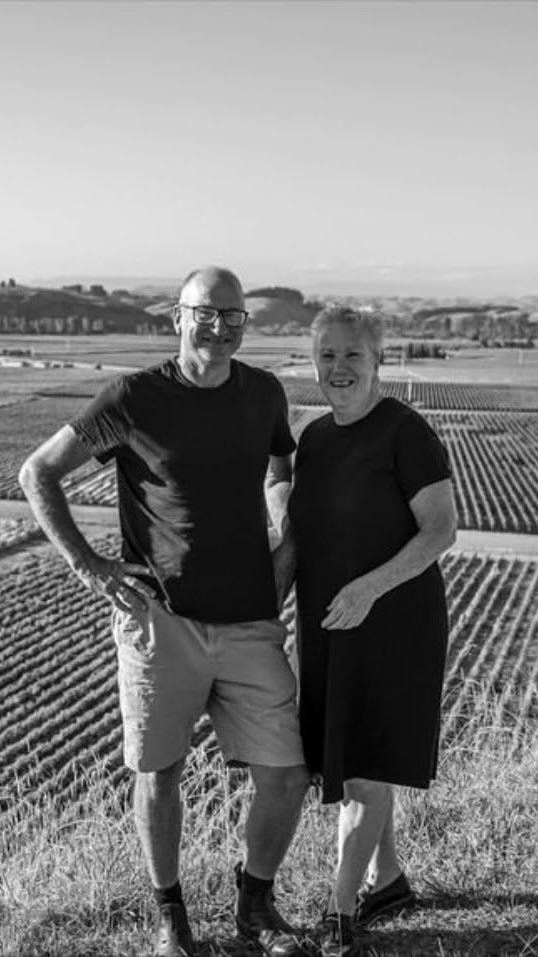
Vininspo! Podcast Episode 44: Lorraine Leheny, Bilancia
Jun 1801:00:45Tap to summarizeLike content like this? Get it straight to your inbox by subscribing to my Substack. Follow on Instagram: @vininspo.wineThe simplicity of La Collina’s label is almost as enchanting as the complexity of the liquid inside the bottle. A slender figure, arms stretched out straight on either side, effortlessly bearing evenly weighted scales. An elegantly compact statement, perfect in form, strong and enduring. The silhouette and the Syrah.I’ve long admired the Bilancia wines from afar without having visited Hawke’s Bay or met Lorraine Leheny or her husband, Warren Gibson. I rectified that, to some degree at least, when Lorraine visited Melbourne in May with a handful of fellow growers from the region.I signed up for a double header: a masterclass featuring wines from Two Terraces Vineyard (Bilancia’s sublime 2024 Chardonnay from here is the current release) and a broader regional tasting where Warren would have fronted a masterclass on Hawke’s Bay reds had he not done himself a mischief on the farm that kept him home.In any event, I got to taste the wines, and Lorraine and I made a date for this conversation. I’m glad we did. There’s plenty to enjoy here from this modest and highly accomplished vigneron. The chat is easy to follow, albeit with a few local references demanding further context.On the craft beer front, there is a reference to influential drinks entrepreneur Phil Sexton, who launched the Mathilda Bay and Little Creatures brands. He also established the Giant Steps winery in the Yarra Valley, and duly crops up in episode 11, which features its founding winemaker.The Traditional Brewing Company pubs in suburban Melbourne that we talk about are the Loaded Dog in Fitzroy North (now closed; named for a Henry Lawson short story), the Geebung Polo Club (after a Banjo Paterson poem; now the Auburn Hotel) and the Sydney Liars’ Club (from a contemporary poem; now called the Doutta Galla). Carlton United Breweries (CUB) is the brewing giant behind Carlton Draught, while Coopers is a now ubiquitous South Australian bottle-, can- or keg-conditioned ale that was hard to track down in Melbourne back in the day.Among Lorraine’s cohort at Roseworthy Agricultural College were Nick Delaforce (now making Port at Niepoort), Brian Bicknell of Mahi (Marlborough), Rebecca Salmond of Odyssey (Auckland), Herb Friedli (Poderi Crisci, Waiheke Island), Matt Harrop (Fowles, Strathbogie Ranges), Mike Gadd and Virginia Willcock (Vasse Felix winemaker Ginny was my guest on episode 32). Lorraine and Warren’s friendship with Tom and Nadège Carson of Serrat (Yarra Valley) dates back to those times, too, likewise Stephen Pannell (episode 30), whose family hung out with Lorraine’s at Tom and Nadège’s wedding.Sticking with the Aussie connections, the late Dr John Middleton and his wife, Marli, founders of Mount Mary, took Lorraine under their wing early on. Mario Marson (Vinea Marson, Heathcote) was their winemaker there at the time. When the conversation turns to Chardonnay, David Bicknell (Oakridge, Yarra Valley) shows up alongside Steve Flamsteed (Decades), my guest on episode 11. Taking us full circle, Steve Flamsteed also makes wine under the Salo label with Hawke’s Bay native Dave Mackintosh.Back in Hawke’s Bay, then, Trinity Hill is the estate that lured Warren and Lorraine to the region in the late ’90s. John Hancock, one of its founders and a former winemaker at Morton Estate, crops up here and also shares some history with Warren in the flying winemaker scene, as discussed with Kym Milne (my guest on episode 41). Other Hawke’s Bay names that appear are Dr Alan Limmer, founder of Stonecroft, Craggy Range (and the person who built that vision, Steve Smith MW of Pyramid Valley, Smith & Sheth and episode 16 fame) and cornerstone estate Te Mata.The lie of the land is, of course, very important, and the map above helps illustrate it. Hawke’s Bay’s three key rivers are the Tutaekuri, Ngaruroro and Tukituki. The La Collina vineyard is situated on Roys Hill, just beyond the western cusp of the Gimblett Gravels. The Bridge Pa Triangle extends behind it, and to the west of that are the Mangatahi Terraces, home to Two Terraces Vineyard. The Heretaunga Plains stretch out to the south.Besides Two Terraces, the vineyards behind Bilancia’s single-site Chardonnays are Trelinnoe, Kaikora and Lorraine’s own Tiratore site. Uvaggio is the name of Bilancia’s Viognier, Marsanne and Roussanne field blend. The excellent Kumeu River, just outside Auckland, is cited as a model for these origin-specific wines.At the other end of the spectrum is the Oyster Bay brand. This Marlborough Sauvignon Blanc phenomenon was just starting to bubble away while Lorraine was working at Delegat in Auckland. Founded by siblings Jim and Rose Delegat, the company’s chief winemaker at the time was Brent Marris, owner of Marisco Vineyards in Marlborough.Finally, Cyclone Gabrielle was the tropical storm that caused devastation in Hawke’s Bay and other parts of New Zealand’s North Island in 2023. This is a public episode. If you'd like to discuss this with other subscribers or get access to bonus episodes, visit edmerrison.substack.com/subscribe
Transcribe →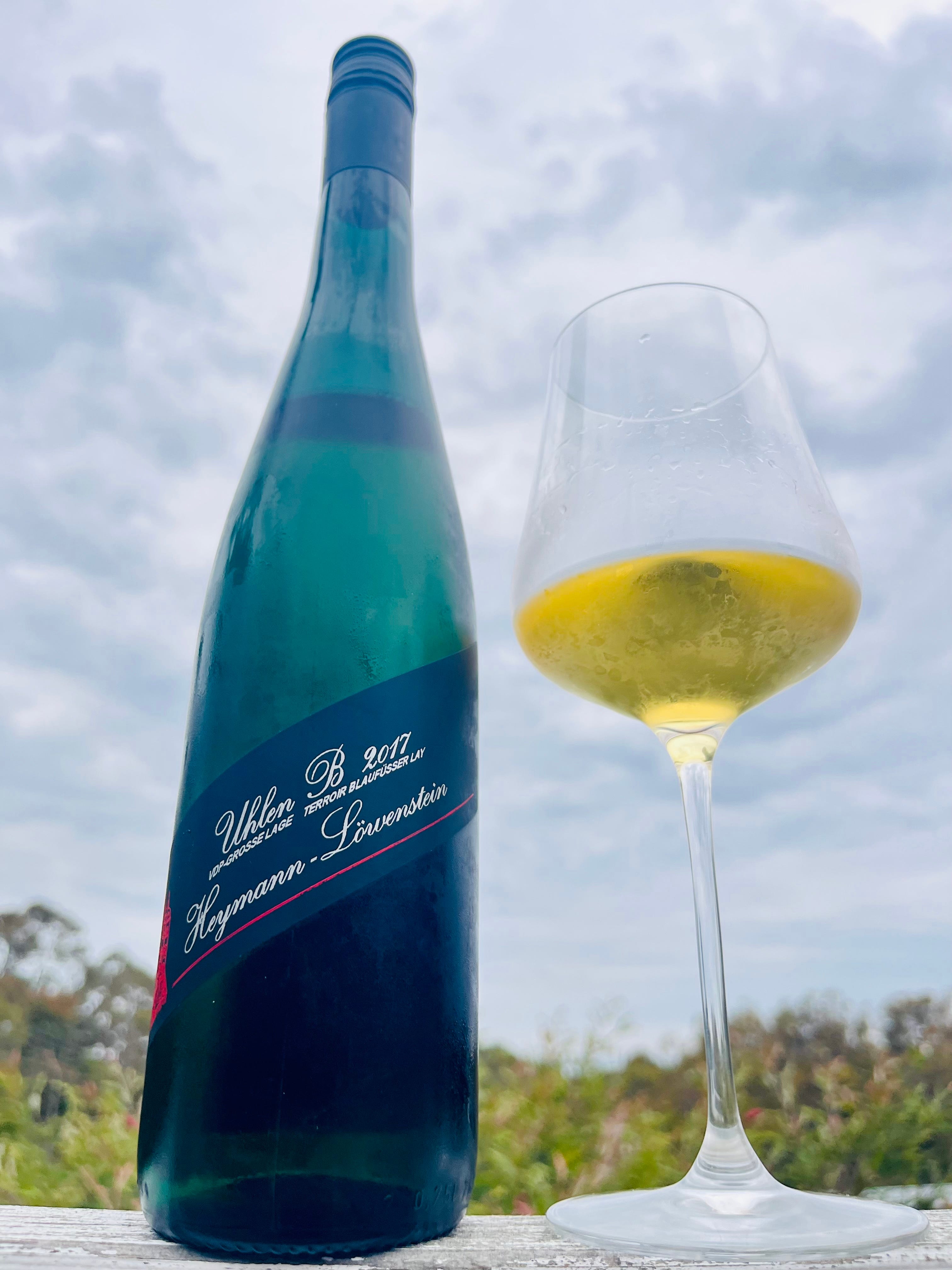
[Hiatus] Ode to Wine: Renegade Reinhard hands over the reins
Jun 1200:13:37Tap to summarizeThe Vininspo! podcast will resume regular broadcasting next week, back with a Bilancia bang when Lorraine Leheny joins me from Hawke’s Bay.I’m taking a little breather and leaving you in the capable hands of Reinhard Löwenstein, and an article penned as a Substack post in November 2025. Read it here.If it sometimes feels like we’re peering into the abyss, it’s worth lifting our gaze to these towering cliffs of slate, where all is substance and possibility… This is a public episode. If you'd like to discuss this with other subscribers or get access to bonus episodes, visit edmerrison.substack.com/subscribe
Transcribe →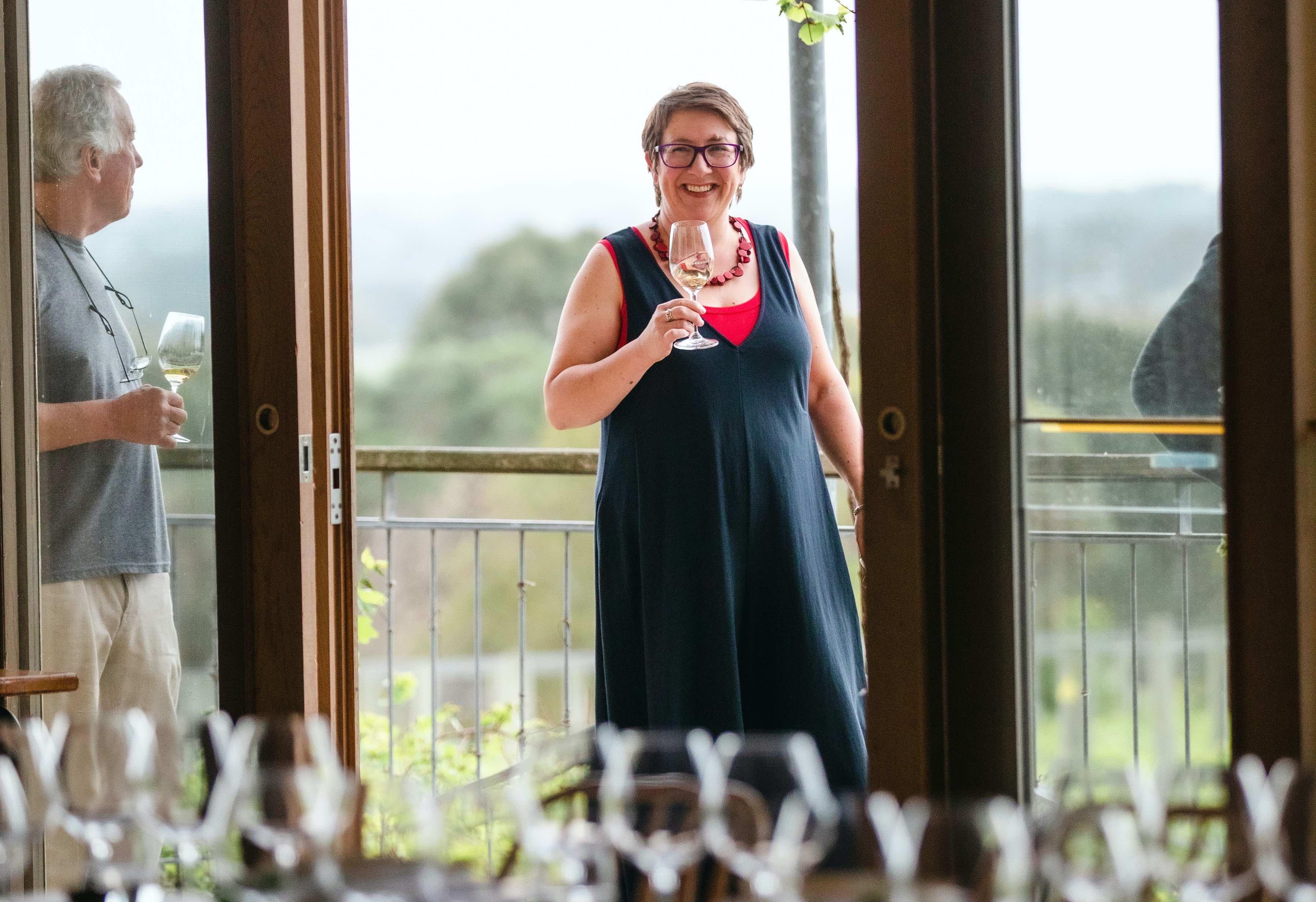
Vininspo! Podcast Episode 43: Kate McIntyre MW, Moorooduc Estate
Jun 401:08:22Tap to summarizeSupport the show and don't miss an episode by subscribing to my Substack: edmerrison.substack.com and follow on Instagram: @vininspo.wineKate McIntyre got a taste for the wonder of travel young. Her earliest memories were formed beneath the dreaming spires of Oxford, and the exoticism of Europe cast an unbreakable spell. It’s hardly surprising, then, that she imagined a leading role that wove this rich tapestry together. And while the key was quite literally on her doorstep, she has unlocked a world of curiosity as a Master of Wine, educator and self-styled in-house style judge for the family business.I first met Kate about a decade and a half ago, among a trio of inspiring women, with Meg Brodtmann MW (episode 9) and Bree Stock MW (episode 42), teaching Wine & Spirit Education Trust qualifications in Melbourne. Another podcast guest referenced in our conversation is Matt Paul of wine importer Trembath & Taylor (episode 29). The company’s founders, Michael Trembath and Virginia Taylor, are central characters in Kate’s forays into Italian wine.In the world of Melbourne wine retail, Philip Murphy is the son of Dan Murphy, who lends his name to Australia’s most famous chain. Philip built a strong reputation before selling his stores to Coles, the arch-rival of Woolworths, the owner of Dan Murphy’s.Philip Rich and Michael McNamara, two other names that crop up in Kate’s retail days, have gone on to shape Australia’s modern fine wine merchant scene, not least through the dynamic Prince Wine Store business. Kate, Meg, Bree and I have all presented WSET courses through PWS, which also administers courses at Moorooduc Estate. I have the pleasure of teaching these with Kate.Which brings us to the Mornington Peninsula, where Kate’s parents, Jill and Richard, established their vineyard in 1982. Pioneers of the region are discussed in this podcast, including Elgee Park, Main Ridge Estate, Merricks Estate, Stonier and Crittenden (well, Dromana Estate, founded by Garry Crittenden).Kate’s official title at Moorooduc is director of wine business, which entails a crossover of vineyard, winery, cellar door, education, export markets and more. Richard is still very much involved in the winemaking, with general manager Jeremy Magyar playing a key role.We also talk about the Mornington Peninsula International Pinot Noir Celebration of 2013. Kate was the event’s ringleader, and Burgundy authority Jasper Morris MW was the star panellist. Another guest that year was the late Josh Jensen of Calera, a cool guy who grappled with “the heartbreak grape” to produce profound wines in California. Staying with Pinot, MV6 is the clone, with roots traced back to a Burgundy vineyard, that has become synonymous with the Peninsula.Kate also mentions the wines of her Peninsula pal Barney Flanders of Garagiste and Coonawarra’s Sue Bell of Bellwether (my guest on episode 31). When talk shifts to Champagne—Kate is a big fan—we also talk of the joys to be found in Tasmanian sparkling wine. Names to look out for there are Natalie Fryar at Bellebonne, Ed Carr at House of Arras and Shane Holloway and Fran Austin at Delamere.Completing the curtain call is Eugène Ionesco, the Romanian-French dramatist Kate mentions, and his play La Cantatrice Chauve (The Bald Soprano). Other works to check out for those with an absurdist curiosity include La Leçon (The Lesson), Les Chaises (The Chairs) and Rhinocéros. This is a public episode. If you'd like to discuss this with other subscribers or get access to bonus episodes, visit edmerrison.substack.com/subscribe
Transcribe →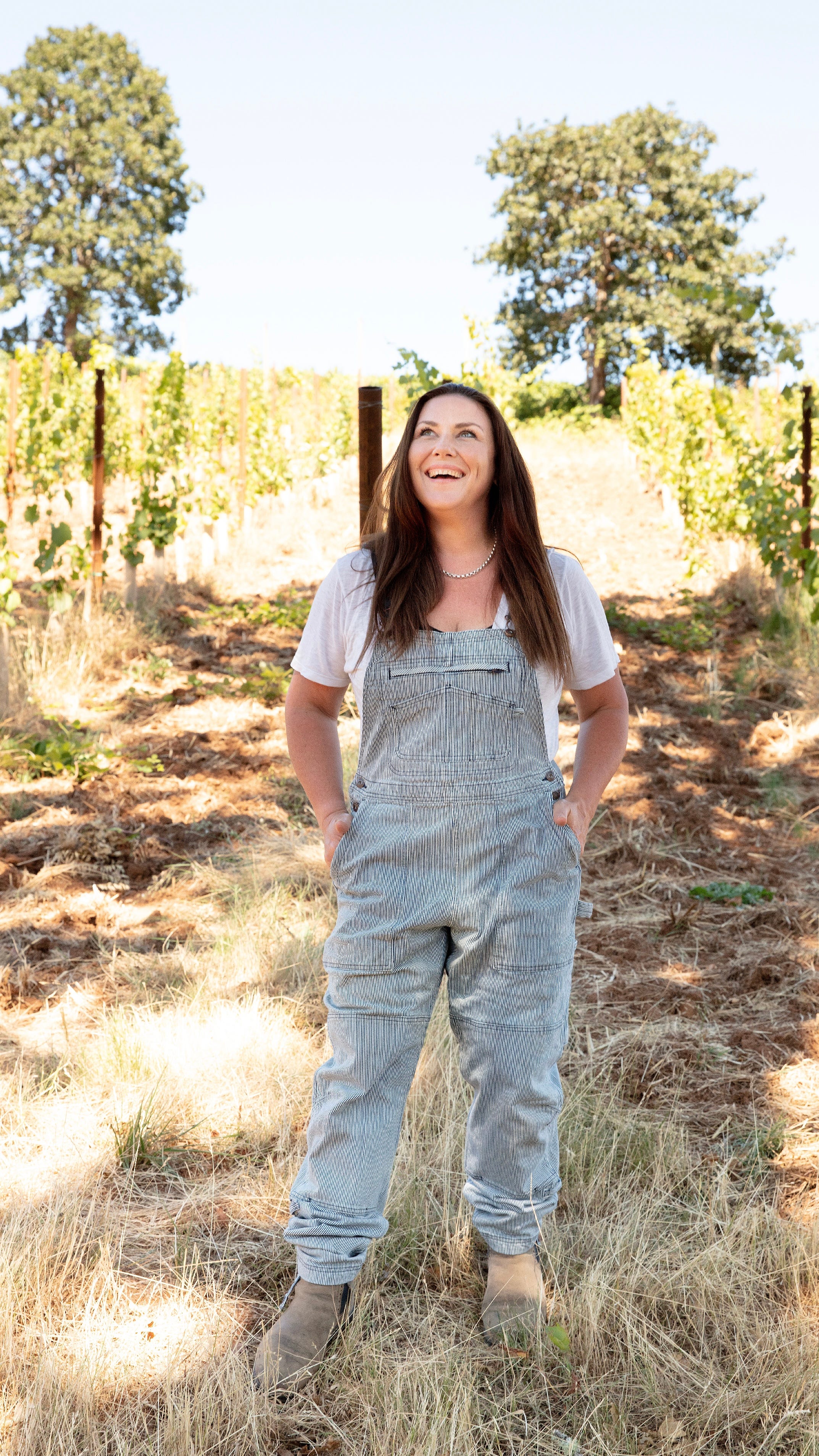
Vininspo! Podcast Episode 42: Bree Stock MW, Limited Addition
May 2101:02:38Tap to summarizeFollow and subscribe to this show and written content on Substack; see what's happening on Instagram: @vininspo.wine.I met Bree Stock in Melbourne a decade and a half ago, and boy, has she gone a long way since then. Some 8,000 miles away now, she’s appended a pair of powerful initials to her new surname, become an authority on the wines of her adoptive home and fomented a mini-revolution in grape-growing in one of the most revered regions in the US.Brisbane-born Bree was back from a first stint in the Pacific Northwest when our paths crossed in the classroom. She was an excellent teacher: engaging, encyclopaedic, perceptive and plain-speaking. She continues to teach, and some of these acronyms and colleagues crop up in our conversation. Like my former guests Andrea Pritzker, Steve Smith, Stephen Wong and Kym Milne, Bree is an MW, or Master of Wine.She talks about the Wine & Spirit Education Trust (WSET), whose qualifications she and I still teach; the two fellow MWs she taught with in Melbourne, Meg Brodtmann (episode 9) and Kate McIntyre, do as well. She also mentions the Court of Master Sommeliers (CMS), which she abbreviates as “the court,” and which offers four levels of professional certification for sommeliers and beverage professionals.Other Australian contacts who crop up include Steve Webber and Leanne De Bortoli, whose influence is palpable in my article on Sarah Fagan. Bree also worked harvest with Yarra Valley winemaker Mac Forbes, who encouraged her to go to the UK to make contact with the likes of Justin Knock MW and Lenka Sedlackova MW.Peter Marchant is a Queensland-based sommelier and podcaster with whom she tasted after her first long stint overseas, and Scott Wasley is the founder of Melbourne-based importer The Spanish Acquisition—and my guest on episode 40. And the Canberra estate Clonakilla is named in reference to a formative wine event Bree attended.In Canada, Bree talks about the Okanagan Valley, a highly regarded wine region in British Columbia, and the Niagara Peninsula in Ontario. Barbara Philip is the MW she learned so much from while working in restaurants. Wine-growing in the cooler climes of northern North America gets us onto the topic of hybrid varieties, with Marquette and Phoenix mentioned in passing. For more on hybrids, check out my chat with Christina Pickard in episode 12.Bree and I also talk a lot about non-mainstream grape varieties in the Willamette Valley, where Pinot Noir and Pinot Gris—both planted here by founding estate Eyrie Vineyards—are mainstays along with Chardonnay, but Bree mentions a whole host of other grapes she’s playing with. Many of them, such as Mencía and Godello, are prevalent in Northwest Spain, and you can learn more about them from my chat with Noah Chichester in episode 5. (Noah turns up in our chat, too.)Bree’s boundary-pushing ideas on suitable grapes for Oregon are shared by her husband, Chad Stock. Chad had previously worked at the likes of Antica Terra in Amity and Johan in Willamette’s Van Duzer Corridor, while Bree worked an early harvest at Bethel Heights.Chad used to make his own wines under the Minimus label, but these days he and Bree run the Limited Addition label, so named for the ideal of not interfering with the wines they’re making from a range of grape varieties and vineyards scattered across the Willamette Valley. This is a public episode. If you'd like to discuss this with other subscribers or get access to bonus episodes, visit edmerrison.substack.com/subscribe
Transcribe →