Podcast
War Studies
Hosted by Department of War Studies · EN
Welcome to the War Studies podcast. We bring you world-leading research from the School of Security Studies at King’s College London, the largest community of scholars in the world dedicated to the study of all aspects of security, defence and international relations. We aim to explore the complex realm of conflict and uncover the challenges at the heart of navigating world affairs and diplomatic relations, because we believe the study of war is fundamental to understanding the world we live in and the world we want to live in.
If you’ve enjoyed this podcast, please rate and review us on your preferred podcast provider – it really helps us reach more listeners.
The School of Security Studies harnesses the depth and breadth of expertise across War Studies and Defence Studies to produce world-leading research and teaching on issues of global security that develops new empirical knowledge, employs innovative theory, and addresses vital policy issues.
Visit our website: https://www.kcl.ac.uk/security-studies
Sign up to our mailing list: https://kcl.us15.list-manage.com/subscribe?u=cc0521a63c9b286223dea9d18&id=730233761d
DISCLAIMER: Any information, statements or opinions contained in these podcasts are those of the individual speakers. They do not represent the opinions of the Department of War Studies or King's College London.
28episodes
Episodes
Newest firstAll episodes
Imaging Peace: Photographing Everyday Peace
Jun 13, 202500:58:40Tap to summarizeIn this episode, Dr Tiffany Fairey, Senior Research Fellow at the Department of War Studies, and Dr Pamina Firchow, Associate Professor at Brandeis University, join Professor Rachel Kerr, Professor of War and Society at the Department of War Studies, to delve into their groundbreaking research that uses photography and community-defined indicators to rethink peace from the ground up. To coincide with the large-scale Imaging Peace street exhibition on The Strand and drawing on their work in Colombia, they explore how participatory methods like photovoice and Everyday Peace Indicators empower communities to shape their own visions of peace—challenging traditional research models and transforming peacebuilding practices in the process. Websites: Imaging Peace: https://imagingpeace.org/ Everyday Peace Indicators: https://www.everydaypeaceindicators.org/ Peace Photography: A Guide: https://imagingpeace.org/index.php/peace-photography-guide/ Articles: Photography and everyday peacebuilding. Examining the impact of photographing everyday peace in Colombia: https://bit.ly/43XGE4F Images and indicators: mixing participatory methods to build inclusive rigour: https://bit.ly/4kIMs9i
Transcribe →
Watching the Jackals: Cold War Terror, Espionage, and Prague’s Secret Role
May 21, 202500:47:49Tap to summarizeHow did communist Czechoslovakia become a hub for Cold War terrorists like Carlos the Jackal and Abu Daoud? And what can today’s intelligence professionals learn from its uneasy covert alliances? In this episode, Dr Daniela Richterova, Senior Lecturer in Intelligence Studies at the Department of War Studies, joins Dorothea Gioe, Visiting Research Fellow at the King’s Centre for the Study of Intelligence, to discuss her new book Watching the Jackals. Drawing on newly declassified archives, she reveals how Czechoslovakia’s State Security Service (StB) navigated its complex, and often contradictory, ties with radical non-state actors—and how those Cold War entanglements still echo in today’s security landscape.
Transcribe →Spying in South Asia: Cold War Intelligence and the Making of Modern India
May 16, 202500:55:16Tap to summarizeHow did Cold War intelligence operations shape postcolonial India’s domestic politics and international alignments? Why did Western agencies prioritise relationships with Indian counterparts while publicly decrying non-alignment? And what can today’s policymakers learn from the legacies of covert cooperation in the Global South? In this episode, Dr Paul McGarr, Lecturer in Intelligence Studies in the Department of War Studies, discusses his latest book Spying in South Asia. He explores the complex, often contradictory intelligence relationships between post-independence India and agencies such as MI5, MI6 and the CIA. From clandestine support to Cold War defections, and from covert propaganda campaigns to today's intelligence partnerships, Dr McGarr traces how secrecy, sovereignty and strategic necessity shaped India’s place in global affairs—and continues to inform the geopolitics of the Indo-Pacific today.
Transcribe →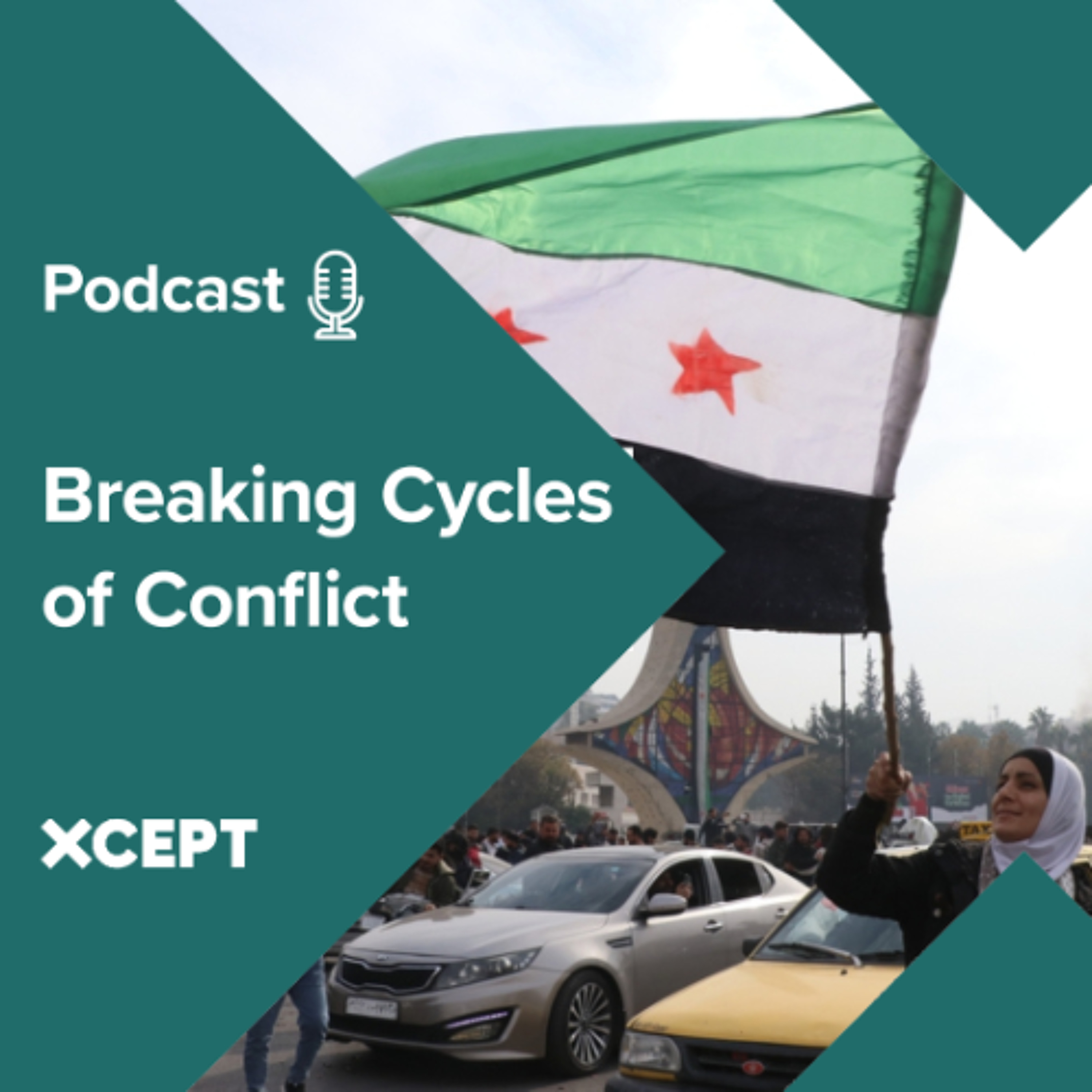
From rebels to rulers: Who are Syria’s new leaders?
Apr 17, 202500:49:38Tap to summarizeIn December 2024, the Assad regime in Syria was overthrown. Today, Ahmed al-Sharaa is acting as the interim president of Syria, at the head of a new transitional government. What will the future look like for Syria under its new leader? Will the coalition of rebel factions be able to work together to build a stable future for Syrians? Dr Nafees Hamid, Dr Rahaf Aldoughli, Nils Mallock and Broderick McDonald discuss their research surveying and interviewing Syrian rebel fighters both before and after the fall of Assad, sharing insights into the motivations and values of Syria’s new rulers. *This episode was recorded before the announcement of the new government. Follow ICSR_Centre on X to stay up to date with this research. This research is being undertaken as part of a project called XCEPT, which is funded by UK International Development from the UK government; however, the views expressed do not necessarily reflect the UK government’s official policies. XCEPT aims to understand the drivers of violent and peaceful behaviour in conflict-affected populations – and to find solutions that support peace. Find out more about XCEPT at xcept-research.org.
Transcribe →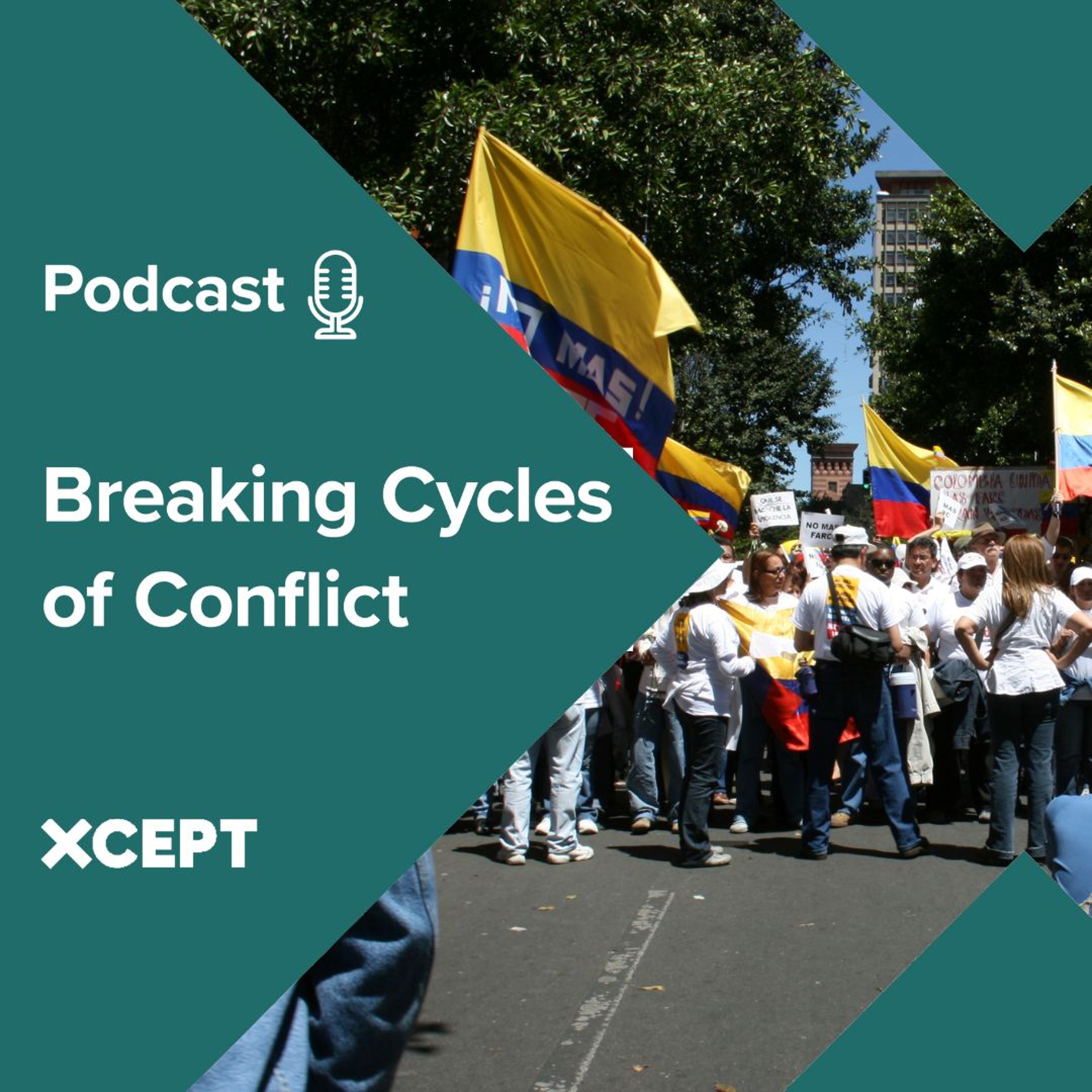
How behavioural science can pave the way to peace in Colombia
Apr 3, 202500:52:49Tap to summarizeIn 2016, the Colombian government signed a historic peace agreement with guerilla group the Revolutionary Armed Forces of Colombia, also known as FARC. The agreement brought an end to 52 years of war, but today, eight years after the agreement was ratified, Colombia is still not at peace. In this episode, Dr Nafees Hamid and Dr Andrés Casas discuss the motivations of guerilla group members in Colombia, public attitudes towards the 2016 peace agreement, and how behavioural science can facilitate peacebuilding efforts. This research is being undertaken as part of a project called XCEPT, which is funded by UK International Development from the UK government; however, the views expressed do not necessarily reflect the UK government’s official policies. XCEPT aims to understand the drivers of violent and peaceful behaviour in conflict-affected populations – and to find solutions that support peace. Find out more about XCEPT at xcept-research.org.
Transcribe →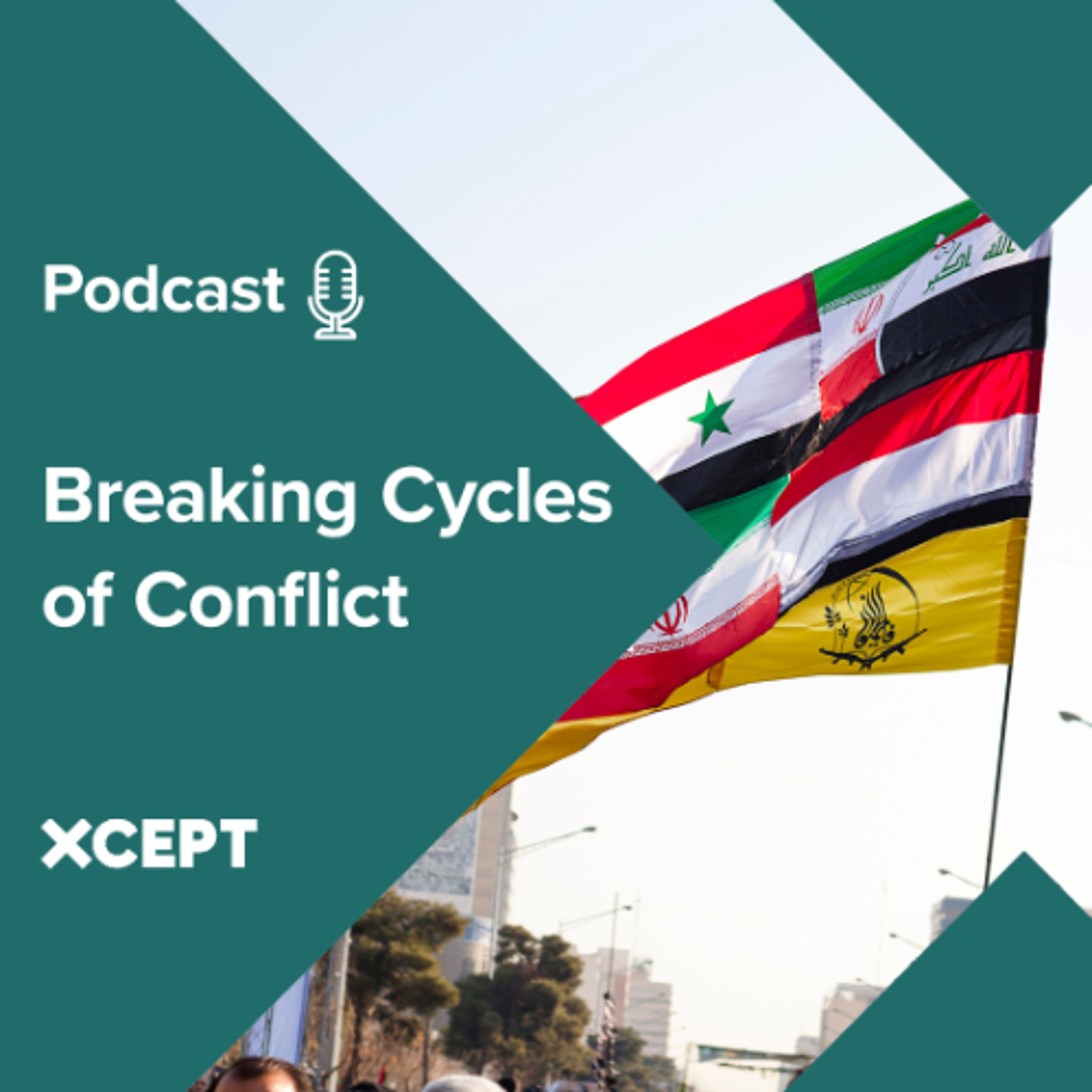
The national and transnational dynamics of Iraq's Islamic Resistance landscape
Mar 19, 202500:42:03Tap to summarizeThe Islamic Resistance in Iraq (IRI) is considered a key player in Iran’s Axis of Resistance, and its connection to the state security forces in Iraq has raised concerns about its access to power and position. But the IRI isn’t a cohesive organisation; it’s made up of armed factions which have their own agendas and domestic interests to pursue, and not all of these align with Iran’s. In this episode, Dr Craig Larkin, Dr Inna Rudolf, and Dr Renad Mansour discuss the domestic and transnational interests of Iraq's Islamic resistance factions and explore the extent to which the IRI can really be considered an Iranian ‘proxy’. This research is being undertaken as part of a project called XCEPT, which is funded by UK International Development from the UK government; however, the views expressed do not necessarily reflect the UK government’s official policies. XCEPT aims to understand the drivers of violent and peaceful behaviour in conflict-affected populations – and to find solutions that support peace. Find out more about XCEPT at xcept-research.org.
Transcribe →Eyes on the Indo-Pacific: Australia’s Defence Strategy
Jan 26, 202500:53:17Tap to summarizeWhat does the future of Australia's defence strategy look like in the face of rising geopolitical tensions? How are shifting dynamics in the Indo-Pacific and Euro-Atlantic influencing Australia’s approach to security? What role do partnerships like AUKUS play in shaping Australia’s military readiness for both the present and future? In this episode, Admiral David Johnston AC RAN, the Australian Chief of the Defence Force, joins Professor Alessio Patalano to discuss these pressing issues. They explore the shrinking strategic warning time, the growing convergence of powers like China, Russia, and North Korea, and how Australia’s geographic position shapes its approach to defence. Admiral Johnston also reflects on the important role of universities in shaping international security. This episode of the King’s War Studies Podcast is in collaboration with Security & Defence PLuS, a trilateral university partnership between King’s, Arizona State University and UNSW.
Transcribe →
The fall of Assad and its impact on international dynamics
Dec 21, 202400:44:32Tap to summarizeWhat does the fall of Bashar al-Assad’s regime mean for the future of Syria and the broader Middle East? How might the rise of Abu Mohammed al-Jolani reshape Syria’s governance and regional alliances? Can the rebel leader overcome immense challenges to stabilise the country, or will his leadership lead to further turmoil? In this episode, Dr Shiraz Maher, Senior Lecturer, Dr Craig Larkin, Reader in Middle East Politics and Peace and Conflict Studies, and Siba Madwar, a journalist from Aleppo and PhD student in the Department of War Studies, discuss the dramatic collapse of Assad’s forces and its implications for international dynamics. They delve into Jolani’s vision for a rebuilt Syria, the power vacuum left by Assad’s departure, and how these developments could reshape alliances, challenge regional stability and alter the global security landscape.
Transcribe →