
Podcast
Warrior Hope
Hosted by Andy Jenkins · EN
Welcome to the Warrior Hope podcast…
The goal = two-fold
#1- Healing from the past
#2- Help identifying the next mission
We believe the enemy that most warriors face is isolation AND/OR the sense that their best days— that their purpose is in the past…
The reality is that the best days are ahead…
In our book, Warrior Hope, we discuss those two objectives…
#1- Finding healing
#2- Finding your mission
Walk with me. We're better together.
10episodes
Episodes
Newest firstAll episodes
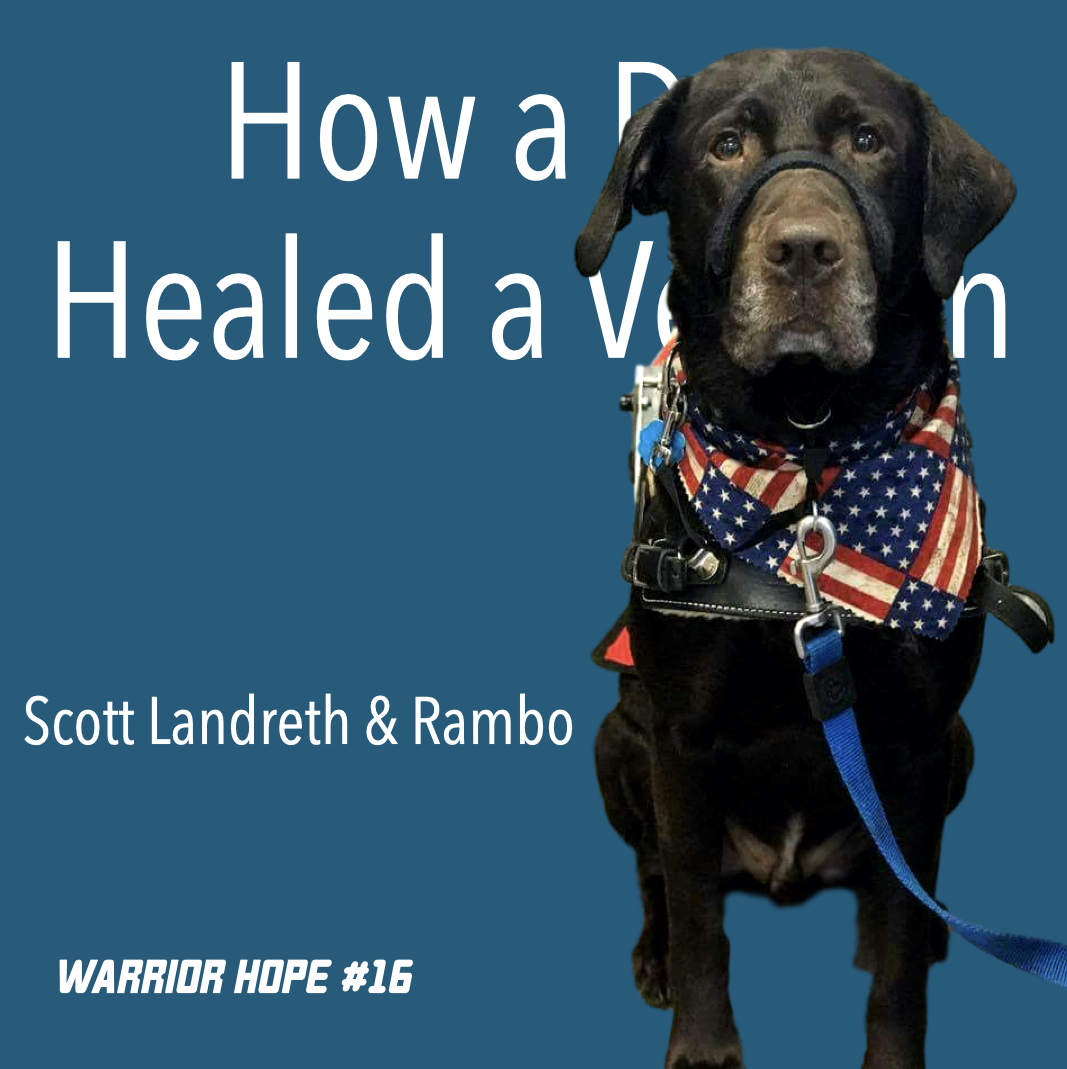
How a Dog Healed a Veteran (Scott Landreth)
Aug 31, 202000:51:03Tap to summarizeI met Scott when he walked through the doors of one of our meetings his service dog. Scott acquired Rambo after decades of living— and enduring— TBI and PTSD on his own. "Rambo really gave me my freedom back," he says. Here's the story… Find the full show notes + more links at https://www.WarriorHope.com/blog/16
Transcribe →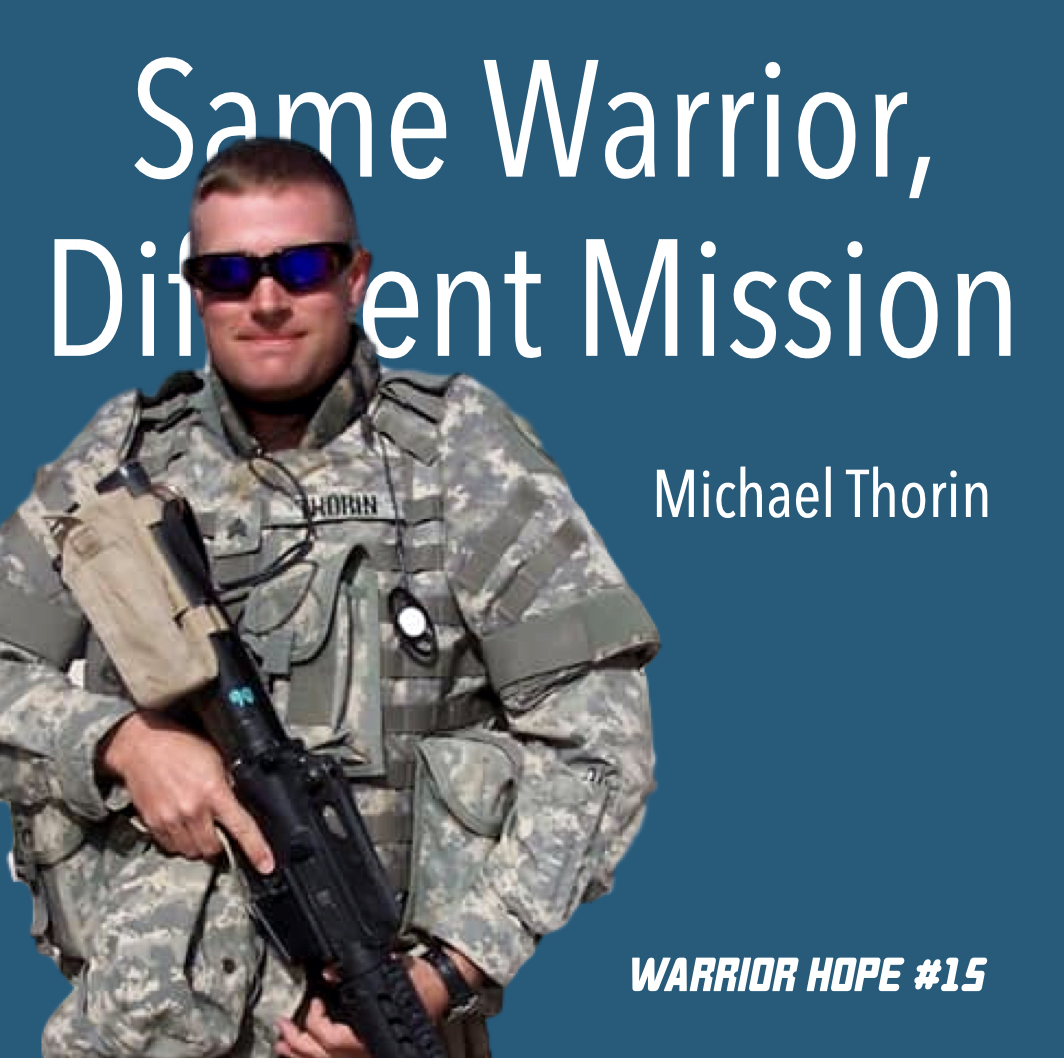
Same Warrior, Different Mission (Michael Thorin)
Aug 24, 202000:56:45Tap to summarize"You remain that warrior," veterans often need to hear. Your training is good for all of life. The discipline is good for anything you do. And, your ability to strategize, to make things happen, and to get it done… it is needed. You may not wear the uniform any more, but you're still a fighter. Find the full show notes + links we discuss at https://www.WarriorHope.com/blog/15
Transcribe →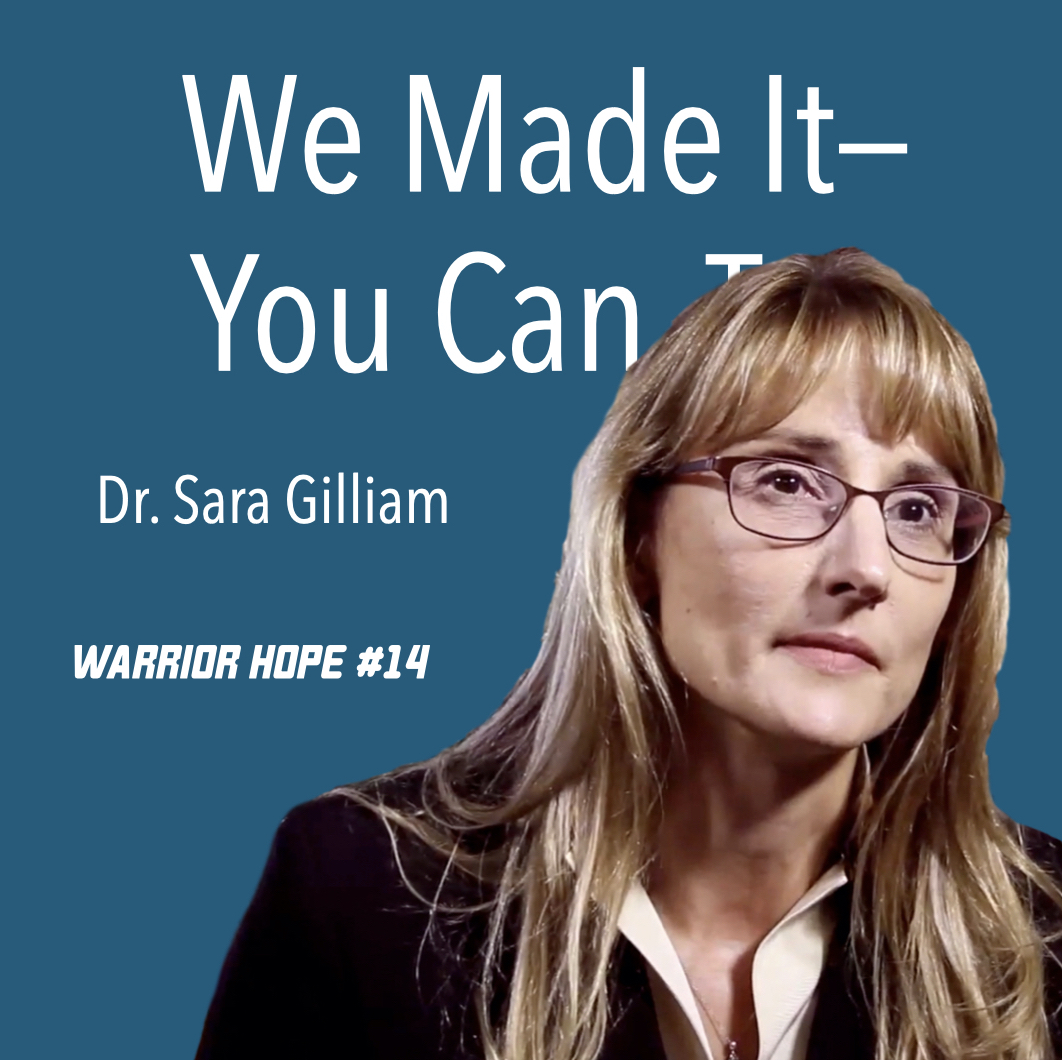
We Made It— You Can, Too (Sara Gilliam)
Aug 17, 202001:29:25Tap to summarizeDr. Sara Gilliam is the spouse of a retired US Army Colonel who served 33 years as an armor officer with five deployments. She and her family share their experience with combat related PTSD and MI in effort to break the stigma and help others find a path toward healing. Find the full show notes + links to other content we discuss at https://www.WarriorHope.com/blog/14
Transcribe →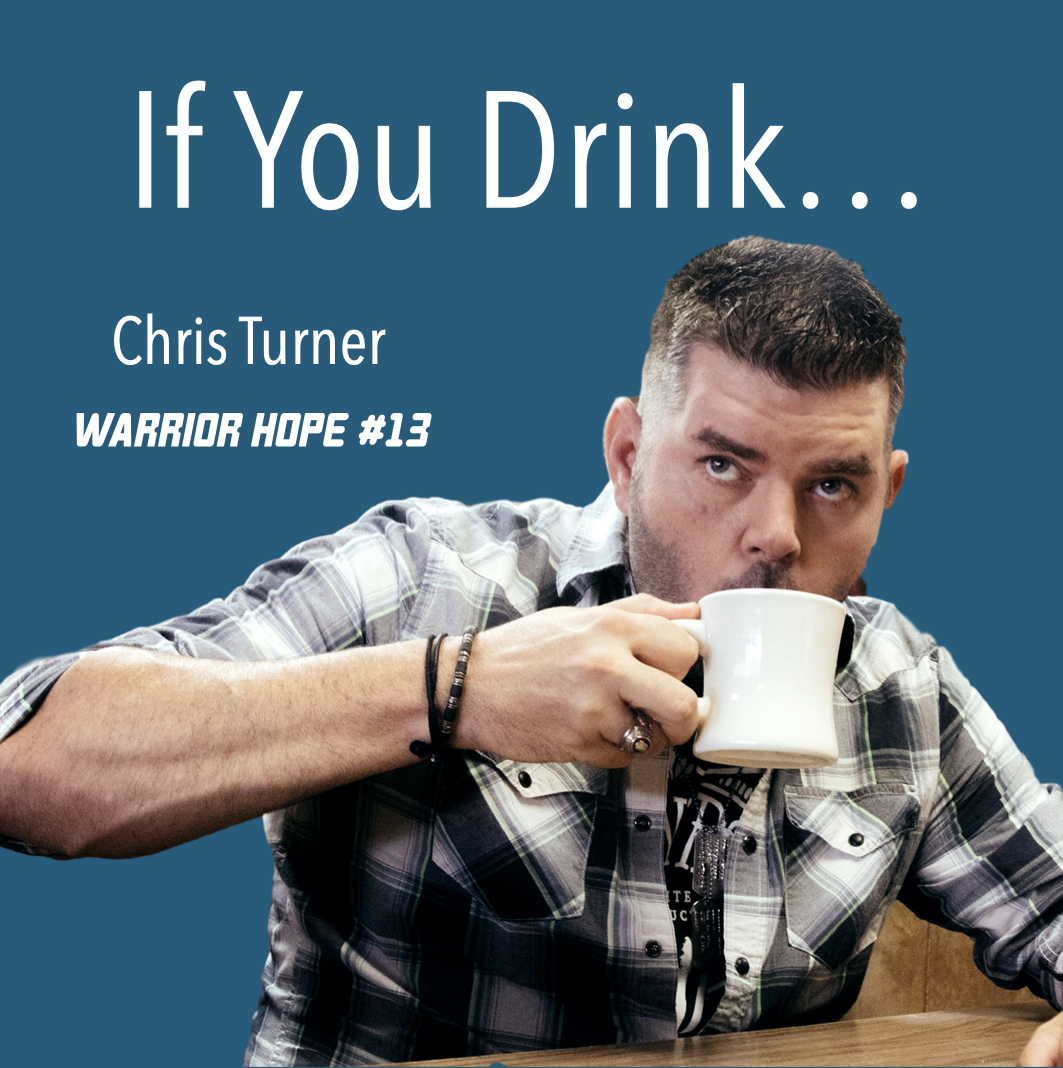
If You Drink… (Chris Turner)
Aug 3, 202000:42:43Tap to summarizeChris' song highlights the struggles that vets deal with when suffering from PTSD. The imagery— and lyrics— vividly show how one vet chooses to deal with his fight. Rather than drinking your sorrows away… or going downhill, he song communicates, come and sit with us. Let's walk this thing out together… Full show notes + links to Chris' website & social feeds at https://www.WarriorHope.com/blog/13
Transcribe →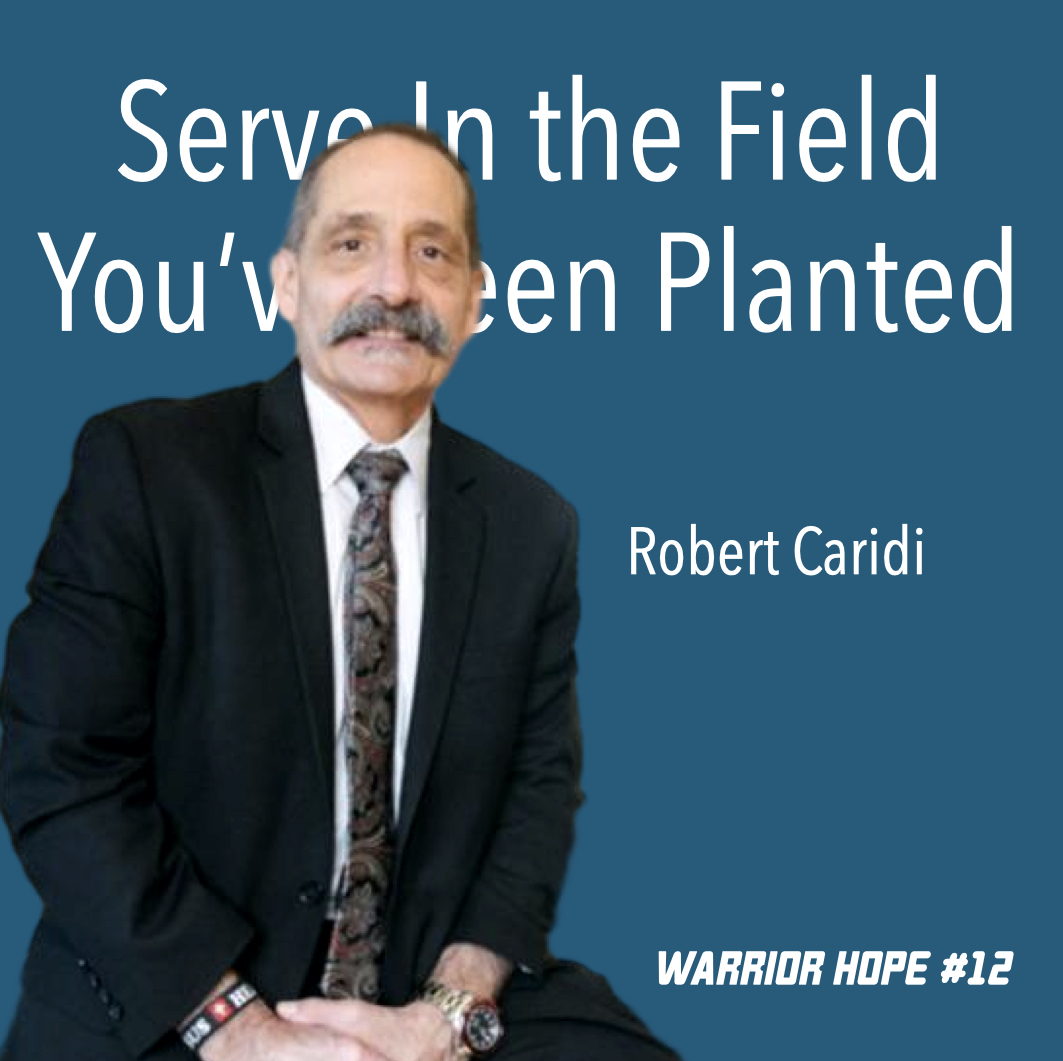
Serve in the Field You've Been Planted (Robert Caridi)
Jul 27, 202000:35:42Tap to summarizePastor Robert Caridi has done a lot of things in life— working in several careers and making a few big transitions. Now, he pastors and serves veterans. Here's how it all happened. Quite simply, he served the people right before him at each step of the way. Find the full show notes + links at https://www.WarriorHope.com/blog/12
Transcribe →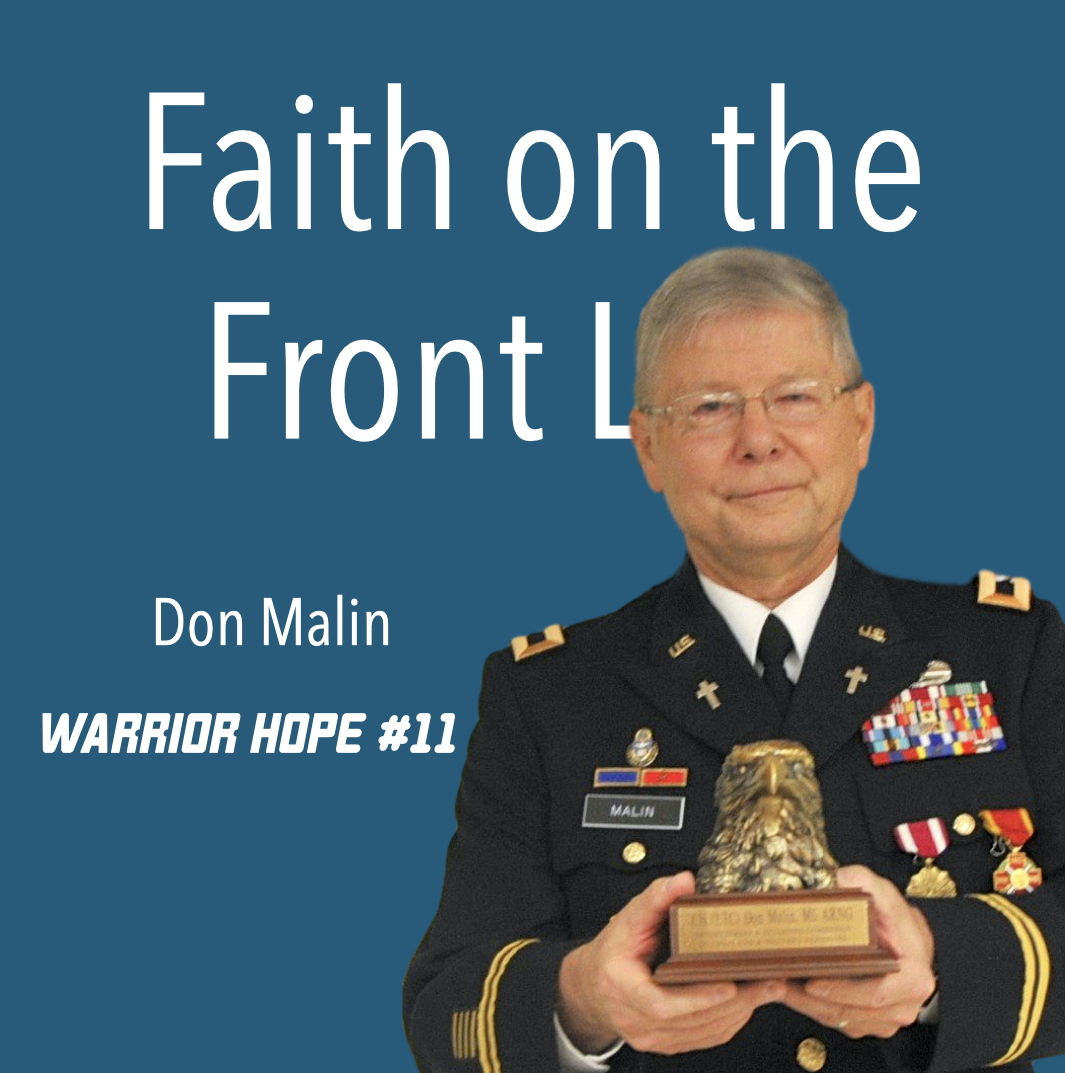
Faith on the Front Lines (Don Malin)
Jul 20, 202000:42:34Tap to summarizeIn this episode, we talk about Don's background and what led him to enlist… And then we talk about the things chaplains deal with daily, as trusted counselors and advisors in the theatre of combat. Full show notes at https://www.WarriorHope.com/blog/11
Transcribe →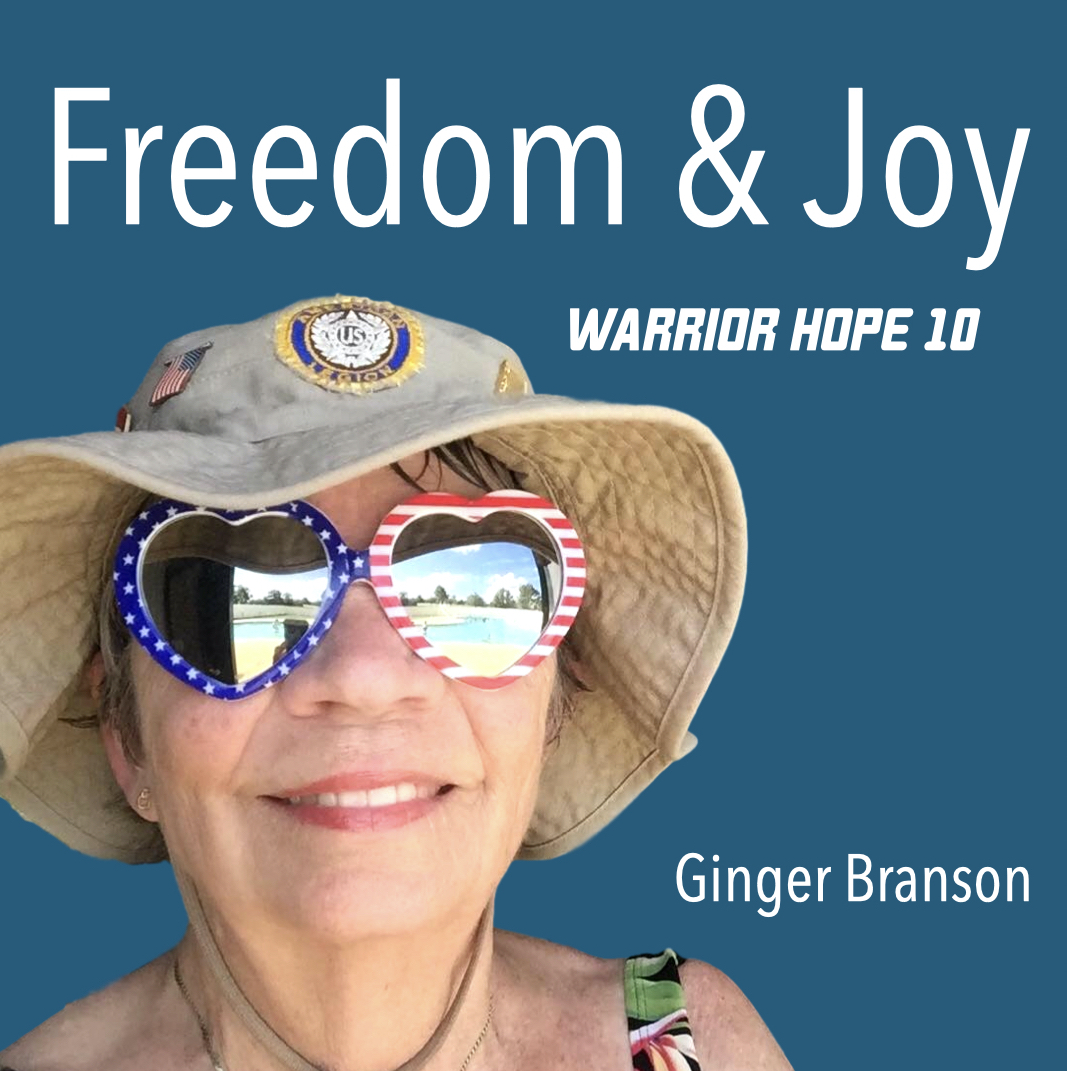
Freedom & Joy (Ginger Branson)
Jul 6, 202000:57:31Tap to summarizeIn this episode of the Warrior Hope podcast, we talk with Ginger Branson, a Desert Storm veteran (relative to this talk) and member of Mensa (probably relative in some way). Ginger (LTC-Ret, US Army) served in Desert Storm with the 251st Evacuation Hospital January 1991 through May 1991. During the 16 weeks the 251st Evac Hospital was operational in Saudi Arabia, they admitted 2,250 patients, performed 428 major operative procedures, and recorded 36,374 outpatient visits. They were told, unofficially, that we were "the busiest hospital in theater." Ginger took a unique background to the Army… She began as a civilian nurse and, in her words, "hated it." Then, after serving in the Army… she loved it. We discuss why there was a difference in this podcast. And, we talk about other things she learned while serving overseas, amidst a "strange" culture…. Why did the women walk behind the men instead of in front? (It's not why you think.) What did men do when they married multiple women? (That wasn't what she initially thought, either.) We also talk through some of the "deeper" issues— like what was really happening with refugees, what they did when the war was over, and how Ginger re-integrated into civilian life… Ginger is— this is my impression—a "joy bomb." She's content, and happy, and it oozes to everyone around her… But, she's realized there's so much to be thankful for… And she's seen just how important the people around you truly are… It's easy to take things for granted until you see the world and see the "other side" of the story— many times realizing that things are "better" than you thought at first glance, yet also realizing that there's so much you possess that you've taken for granted… Ginger has a combined service— in the U.S. Army and in the Reserve— of 22 years. In the time— and since then— she met a lot of people. In this talk she offers a list of resources and organizations who are ready to assist veterans. So, if you're a military family listen for mention of AmVets, DAV, American Legion, and more… And, take a look at Ginger's book on Amazon. The full episode is available at www.WarriorHope.com/blog/10 or your favorite podcast provider.
Transcribe →
Past pain can be a platform to empower others (Willie Hampton)
Jun 29, 202000:44:44Tap to summarize"Hamp," as everyone calls him, is a magnet. With 8 years of military service, 25 years in civiil service, and now leadership at the local DAV chapter (Disabled American Veterans), people are drawn to for life + hope + encouragement. But he hasn't always felt like that. (And, he'll tell you, sometimes he still doesn't feel that way.) In this episode of the Warrior Hope podcast we go way back to Hamp's days on the submarine, talk ab out his time as a Navy police officer, and reflect on the scars of service that were invisible… … the hurts that no one sees. He reflects back on his day's time in Vietman, wondering if perhaps he had the same struggles. At some point, I asked Hamp, "How did you know something was wrong? If it wasn't a physical injury, how did you know…?" He explains it in this talk. And, he describes how he not only found hope + healing through some relationships at the local VA, but how he determined to turn around and help others— encouraging them with the same help he received. Now, Hamp leads the local chapter of the DAV, specializing in helping veterans who were either injured in active duty OR have an injury that was aggravated because of active duty receive their benefits. On Tuesdays, they navigate veterans through the pile of paperwork required to receive benefits. On Thursdays, they function more like "family," and on 1st and 3rd Wednesdays they run a food pantry. Listen in. And pay attention as Hamp talks about the notion that many wounds— some of the deepest ones— aren't seen on the surface of our skin. They mark our souls. Then, notice… … the pain in your past may very well become the platform you use to propel others towards hope + healing, too. Paul explained it like this, "He comforts us in all our troubles so that we can comfort others. When they are troubled, we will be able to give them the same comfort God has given us" (2 Corinthians 1:4 NLT). ++++++++++++ More info at https://www.WarriorHope.com/blog/09
Transcribe →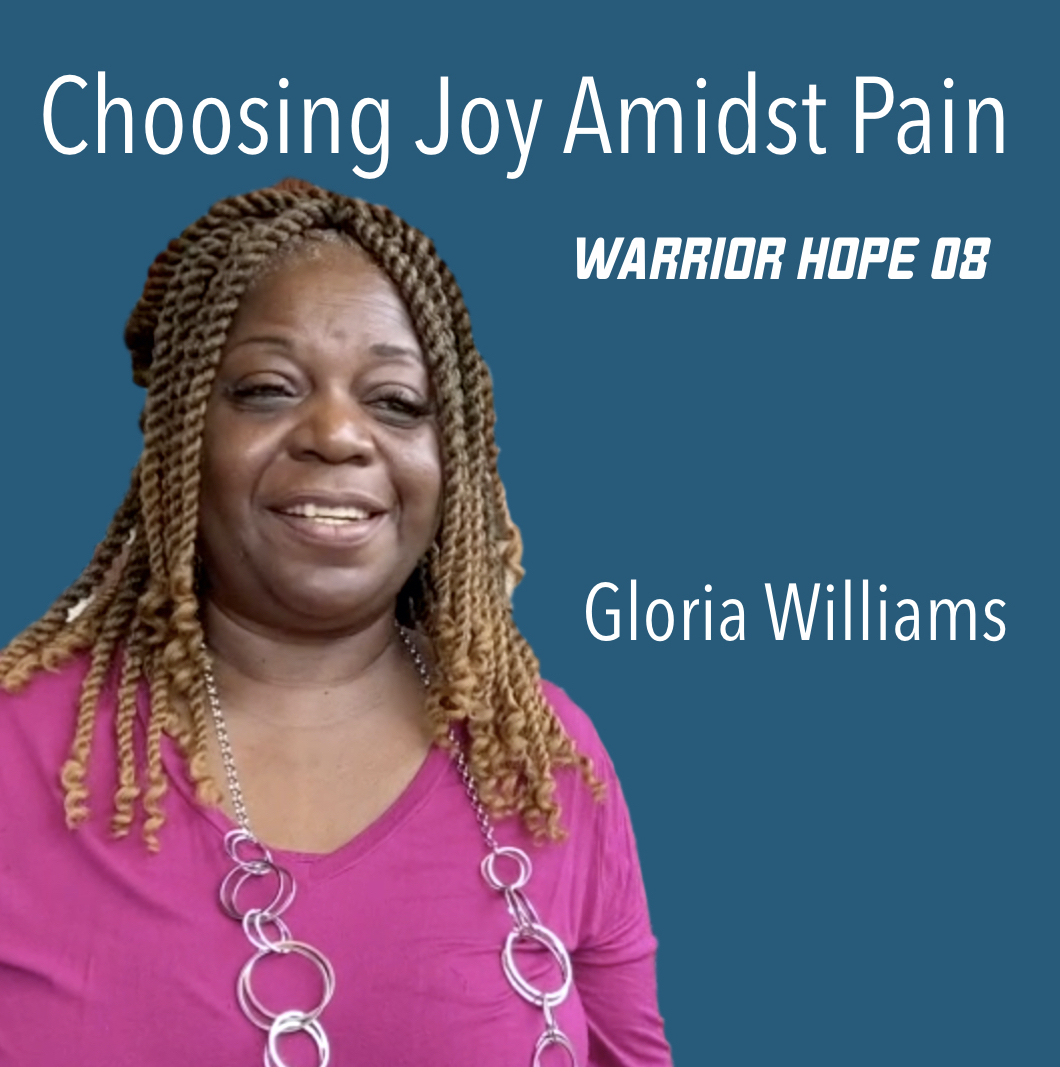
Choosing Joy Amidst Pain (Gloria Williams)
Jun 8, 202000:46:54Tap to summarizeStaff Sgt. Gloria Williams served in the United States Air Force as a communications specialist stationed in Europe, the Philippines and stateside. She gets great joy from sharing her experiences in service as a way of helping others. Gloria is particularly interested in providing help through Mental Wellness forums. In this talk, Gloria opens up about the hurt she experienced in the military, specifically as a victim of Military Sexual Trauma (MST). She talks about how this affected her marriage, and what it means for now…. … Then, she talks about her business— a home-based enterprise which she uses as a platform to encourage, equip, and empower other women with the message of true beauty. In her story you'll see a great example of what it means to live the mission we have of: 1. Finding healing from the past, and 2. Identifying the next mission **** Learn more at https://www.WarriorHope.com/blog/08
Transcribe →
Emotional Health = Part of Total Health (Andy Jenkins)
Jun 1, 202001:01:32Tap to summarizen this talk we discuss the importance of emotional health— as a component of overall health. You see, we're all multi-faceted people, having various parts to us. 1. Physical 2. Spiritual 3. Intellectual 4. Social / relational 5. Emotional We readily identify with the first four- but maybe not the fifth. And, we generally OWN and notice the OBVIOUS issue in any area with the exception of emotional issues. Turns out, though, that you're only as strong as the weakest link. Look at it this way: a 20-link chain with 19 links can carry 1,500 pounds and one link that can hold only 15 pounds will never lift more than 15 pounds. Regardless of how powerful the other 19 are, they're held back by the weak link. That's easy to understand, right? For more info go to www.WarriorHope.com/blog/07
Transcribe →