← We Can Do Hard Things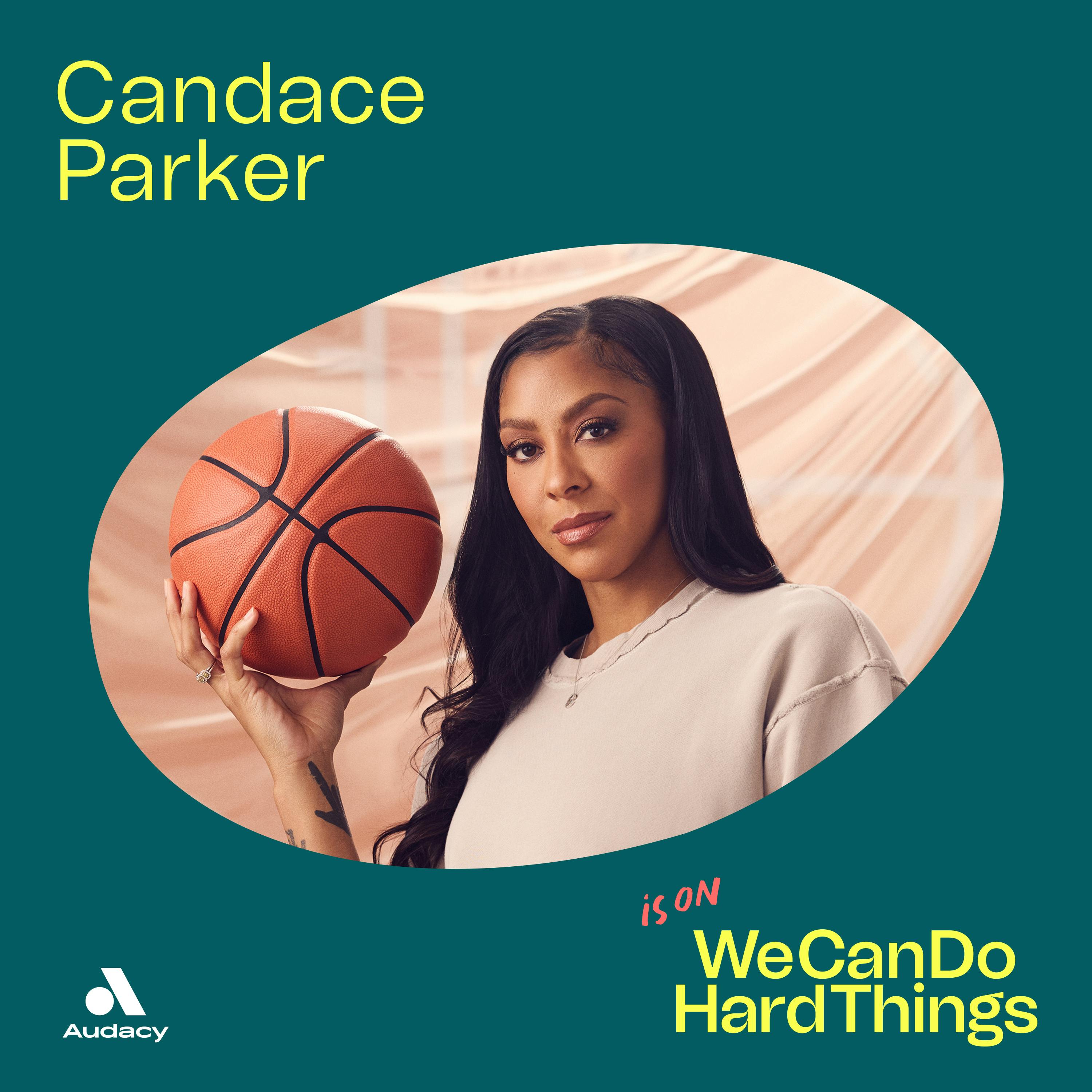
Loading summary
Transcript94 lines
- [00:00]
Glennon Doyle
As the day started getting warmer and longer, I realized I was reaching for the same tired spring staples, same old tank, same sad shorts, just nothing exciting. So I decided it was time for a little seasonal upgrade with Quince, which is a game changer. I picked up a pair of their 100 European linen shorts, under $40 and this breezy linen button up dress that instantly makes me feel like I'm doing something on purpose. Oh, and don't miss their super soft fleece pullover hoodie which is under $35, and the Nappa leather double buckle slide sandals. They go with everything and the quality is well beyond what you would expect from the price. Treat yourself to a little summer glow up with quints. Go to quince.comhardthings for free shipping on your order and 365 day returns. That's Q U I N C E.com hardthings to get free shipping and 365 day returns. Quince.com hardthings Father's Day is coming up.
- [01:05]
Abby Wambach
And if you're looking for a gift that sounds thoughtful, meaningful and actually gets used Masterclass Is It Imagine giving your dad the chance to dive into something he's always been curious about. Whether it's learning how to grill like a pro with Aaron Franklin, sharpen his business mindset with Howard Schultz, or even explore the science of well being with Dr. Lori Santos. She's been on our pod. I gave my dad a Masterclass annual membership and he got totally hooked on Dr. Santos's class. He's always been big on self improvement, but now he feels like he actually has tools to make real lasting changes in his day to day life. For me, I've been loving the class By Malcolm Gladwell on storytelling. Our listeners always get great discounts on Masterclass of at least 15% off any annual membership@masterclass.com hard things. See Masterclass's latest deal at least 15% off at masterclass.com hard things masterclass.com hard things.
- [02:19]
Glennon Doyle
All right, Candace Parker, y' all get ready. First of all, your book is the can do mindset and I have been resisting all the time with our We Can Do Hard Things, making it titled Candace Can Do Hard Things. We're not gonna do that. Cause that's cheesy. Yeah, but note it for the record, okay? You're just great at everything you do. This is just factual. This is not an opinion and I just like to run through some things real quick. Okay? You are one of the greatest to ever play the game. You were the first overall Pick in the draft. You won a championship with every professional team. You played on every team. Every one. Not a one team did you play on that. You didn't win a championship.
- [03:03]
Abby Wambach
Also, I think that you won a championship on every team that you played on. High school, college, professional. Right.
- [03:10]
Glennon Doyle
That's. It's just stupid. It's stupid. In high school, you became the only woman to ever win player of the year twice. You led Tennessee to two consecutive national championships, all while holding down a 3.35 GPA, which. Whoa.
- [03:26]
Abby Wambach
Better than me.
- [03:28]
Glennon Doyle
Just by, like, two point.
- [03:30]
Abby Wambach
Just by 2. 5. 2.5 is right. Yeah.
- [03:34]
Glennon Doyle
Becoming the first woman to dunk in the NCAA tournament. You were selected to six all WNBA teams and were the first player to win Rookie of the Year and MVP in the same season. She was Rookie of the Year and the mvp.
- [03:50]
Abby Wambach
That's crazy town.
- [03:52]
Glennon Doyle
That's crazy town. And you won two Olympic gold medals. Oh, and also, you're a mother of three. So I just have so many questions.
- [04:01]
Candace Parker
Because you're making me embarrassed.
- [04:04]
Abby Wambach
I'm like, well, yeah, I get it.
- [04:07]
Glennon Doyle
I feel exhausted just reading that list, like, deeply to my soul. Exhausted. And I was really appreciative how honest you were in the book. And you talked about understanding being worn down by the need to constantly rise to the occasion. And you said, sometimes the desire to be great is so consuming that even when you are at your best, it's never enough. And when I'm thinking through that list, I'm just wondering, not only where does your desire for greatness come from? Because we've got to understand that, but also, what does that cost you and does it last for you? Because thing after thing after thing that you have done is just. It's a lot.
- [04:55]
Abby Wambach
Yeah.
- [04:56]
Candace Parker
Well, first, I come from, like, an extremely competitive family, and the expectations were always there. My dad always would talk about not setting your bar and letting it be measured by what others can accomplish. Like, let's raise your bar to what you feel like you're capable of. And that didn't just apply to sports. It applied to whenever you set out to try to succeed at anything. And my parents were very intentional about the confidence that they instilled in us, but also the work that I would take to achieve the things that we wanted to achieve. And, I mean, we were probably in today's standards, looked at as, like, a crazy family. On Saturdays, we would get up, my dad would be in the car, and us kids would be, like, running behind the car, like, running after the car and strength shoes. But it Was all, like, what we wanted. We told our parents what we wanted, and then they helped us accomplish it. And so I think from a very early age, I learned about the sacrifice of accomplishing your goals and, like, wanting to succeed. I learned about the cost that it took. But I also learned the feeling that you feel when you accomplish it, how amazing it is, and how when you sacrifice the now, then you can be great in the future and you can reap the rewards of your hard work and things like that. As I got older, you have to decide at what cost. And I think that's the balance of what I talk about. And I'm even learning it now, like, I'm working March Madness. I never stayed a night away from Laila until she was three years old. My oldest daughter, she was three years old. She was traveling all over Russia. She went everywhere. I nursed her till she was 15 months. So it just was like we were a package deal. Now my youngest son, it's like that guilt of, like, okay, I'm away commentating for two weeks, and I actually just got home today, and I leave tomorrow. Cause I just had to come home and smell them. But it's like I ask myself all the time, is this worth the cost? And sometimes it's yes. And sometimes I have to pivot and learn to make other choices in the future. But I think the thing that really stuck out to me is going through motherhood and. And seeing other mothers now from a different perspective. Like the Tennessee coach, right? Her first year coaching Pat Summit.
- [07:30]
Glennon Doyle
You're talking about right now, right?
- [07:31]
Abby Wambach
No, the new one.
- [07:32]
Candace Parker
It's the newest. Oh, the new one.
- [07:33]
Glennon Doyle
Okay.
- [07:34]
Candace Parker
I'm sorry.
- [07:34]
Glennon Doyle
I thought you were talking about in your time. Okay.
- [07:36]
Candace Parker
No, no, no. You're right. Well, Pat was an amazing work. Balance of motherhood and basketball as well. But the new coach at Tennessee, Kim Caldwell, she just was hired. It's her first year. Big opportunity came from Division 2, I believe, and found out she was pregnant. And just in talking to her, every conversation I've had, I keep telling her, this is amazing. It's so exciting to be a mother. And she's like, well, I'll be back. You know, I'll be back. And I remember being like that, like, when I got pregnant with Laila, feeling like I had to. I had to come back, you know, like, I had to prove that I could do this balance. And so, you know, I kind of, through writing the book, realized and watching real time. Her comeback, seven days, basically, after she delivered her son and beat UConn which is our huge rival, which is phenomenal.
- [08:26]
Glennon Doyle
I know that happened to you.
- [08:28]
Candace Parker
But watching her, I said to myself, if coming back in 53 days, which is what I did after I had my daughter to play basketball is seen as strength, then taking your full maternity leave, is that seen as weak? And so it's just kind of like, all of these things that I'm going through within the book of, like, at what cost is it too much? And at what. How much pressure are we willing to put on ourselves? Because women, we always constantly have to prove ourselves. And was I part of the problem? You know, And I think that's kind of my balance right now. I want to work, I want to be great. But I love my family, and I want to have time to spend with them as well.
- [09:13]
Abby Wambach
Okay. So I want to dig a little bit deeper into that, because I want to get into the drive. You said I want to be great. Can you say more about why you want to be great? Because you said in the ESPN doc Unapologetic, you said, people don't know your full story when you step onto the court. So I want to know why you want to be great. And if playing is an attempt to be known.
- [09:44]
Candace Parker
I have always wanted to prove myself. I think it's just that little sibling. I'm the third, and I'm eight and 11 years younger than my older brothers. They're my heroes. Everything they did, I was, like, in the shadows, like, trying to do it. I mean, gosh, they unplugged my remote, my controller for Nintendo, and I was thinking I was beating them, you know? Like, I just have always tried to compete in some ways, in whatever I was doing. I don't like losing. And if I do something, I don't know why I wouldn't want to do it to the best of my ability, if that makes sense, or, like, put the time in. Now, where that drive comes from. My wife and I talk about this all the time. I feel like our kids are just born the way they are born, and we are just trying to be guardrails with them and rewire the things we can. But honestly, we're literally just guardrails. Like, they're going in the direction they're going. We're just trying to keep them from falling off the cliff, you know?
- [10:42]
Glennon Doyle
Right.
- [10:43]
Candace Parker
I feel like my parents did an amazing job of identifying what made me tick, what made me go, and then Pat took the reins, and that's how it was. And so I feel like it fed into my competitive nature and my competitive desire I don't like being known. I'll be honest. I want to accomplish the thing, but I am a little bit resistant of the attention that comes with it. I think that's my biggest thing now. Even I don't want credit. I just want to do it, if that makes sense. And does it feel good? And I'm learning now in moments to embrace, because, Abby, you know, like, you blink and it's over. But I sit here all the time, and I'm like, I don't remember being in the first and second round and going to shoot around. I don't remember those little things. I remember little moments of, like, dinners with teams and stuff like that. But the everyday grind, I think sometimes we forget it. And because we forget it, we almost are a little bit more nonchalant in what we accomplish. And I think in retrospect, as these things come in, I'm learning to embrace them. And to be like, that was pretty cool. Or, you know, mommy has two gold medals. When we're talking about the Olympics this summer, you know, like, I have two gold medals or, you know, and talking about those things because I come from a family that's at the dinner table. I mean, we make fun of one another. We keep each other humble. We try not to let each other get the big head. But there's a time and a place for like, yo, congratulations. Take this, Embrace it, and enjoy it.
- [12:27]
Abby Wambach
Okay, so I've been retired a little bit longer than you. And one of the things that I say now is that I am a recovering professional athlete. And this obsession that I think that you would agree with, that it really is like this obsession with an unknown quantity of how good can I be? How great can I be? And this drive that we've been talking about, this drive to greatness. Can you tell me if there is enoughness in the career that you had, did you ever reach the moment or have the moment where you were able to completely embody the achievements of the totality and the breadth of the success that you had because you won the gold medal? What was that like, winning the gold medal and getting off of the podium? Like, how long did that last for you? Because I'm in the middle of kind of going through the dissection of all of this kind of in the last couple of years, trying to figure out what the hell happened, how the hell did I do all this? And I'm just so eager to understand the psychology of all these different successful leaders, athletes of their process. Like, were you fully satisfied? Could you find satisfaction in winning one gold medal, first of all, we need.
- [13:50]
Candace Parker
To have a side combo. Because this is what I've been saying from the get go, that when you retire, it is almost like a death. Yep, it is. It's a death. Because my first love, I can say without hesitation, was basketball. I picked up that ball in seventh grade and I would sacrifice anything for it. I would play on a banged up knee for I would leave my significant other to go across the country, across the world. I would get on a plane and have no idea where the hell I was going to play. But as long as the basketball was dribbling, I wanted to be there to play. I would stay up late at night. I would be in mourning after we would lose in a playoff, like to the point where I was like, I gotta get out of bed. One of my best friends was like, dude, you gotta get outta bed. So when you have that for. We are counting professionally, but really it's 30 years. I've been. I played basketball for 30 years of my life and then all of a sudden it's gone. And my wife, after she retired, you know, I kind of went through that with her. But she always will tell you, like, I didn't love basketball like you love basketball. Like I loved basketball. It was what I did. But I don't love it as much as you, but we went through that and I saw her and kind of the different ways that she kind of went about it in you grieve a little bit, you miss it. But in actuality, Abby, I am upset that I was injured and had to stop playing. Cause I always said I wanted to walk off the field or the court. I should say I'm thinking of you, the court. But the only way I was going to walk off the court was going to be if it was going to be me being injured. There's no way that I would just put the ball down and be like, I'm done. So I know that in some ways, shape or form, the universe was like, this is what needs to happen to this person. And in a way, I knew my daughter was at my last game. And I remember being like, I cannot keep walking around like this. I can't keep limping and being in pain. And my off days are filled with trying to get back to 50% to be able to limp on the court. Like, I just can't keep doing this. And there was a moment where I knew it. And I say all this to say that I went and had total, you know, reconstruction on my foot. And the next Week I was at my daughter's first high school volleyball game and I looked around and was like, I shouldn't be anywhere else. I shouldn't be anywhere else. So I am grateful for my community because I have always had people around me that have made it my identity. Became less about bouncing a ball and more about showing up for them. And basketball was what I did, but who I was was way more important. And I established that and learned that gradually, especially in the closing years and having a wife and having kids and parents and I mean, my mom boo hooed when I pushed send on that Instagram post. She was like, I just, I just want to see you play. And I just, you know, and you realize how much like your family's involved with like, you know, coming to your games. Like, think about it, your schedule would come out and your whole family's like, we're gonna come to this game. We're gonna come to this, we're gonna travel overseas and see this game.
- [17:20]
Abby Wambach
It becomes their identity. It's their identity.
- [17:22]
Candace Parker
Exactly, exactly.
- [17:23]
Glennon Doyle
They've been doing it.
- [17:25]
Candace Parker
Yeah, exactly. And so I think that that was the biggest thing, but it's also having the time and ability to create other memories and be there and show up for them. So that was a roundabout way of answering your question, but I think as athletes we do miss it. But you have to figure out, you have to somehow separate yourself from the game. Foreign.
- [17:59]
Glennon Doyle
Need contract help for those workload peaks and backlog projects, you're not alone. Robert half found that 67% of companies surveyed said they will increase their use of contract talent. That's why their recruiters leverage their experience and use award winning AI to quickly find the skilled candidates you want. Learn about their specialized talent in finance and accounting, technology, marketing, legal and administrative support at Robert Half. They know talent. Visit roberthal.com talent today. I have been using bokeh for a few months now and it is a feel good part of my daily routine. Bokeh is this toothpaste that doesn't feel like toothpaste. It feels like a sort of little delight. The flavors there is this flavor called lemon lavender. It's so refreshing. It's a little bit surprising and it makes brushing your teeth feel more like a moment of self care and spa than chore. They use this thing that is a fluoride alternative that's inspired by nature and backed by science. It's actually a mineral your teeth are made of. So it helps strengthen and protect your enamel in a gentle way. And if you have teeth like mine, which chip? If you're even looking at them, this is the way to go. For a limited time, Bokeh is offering listeners 15% off its best selling toothpastes on Amazon and bokeh.com with code Glennon15. That's Glennon15. Make the switch to Boca for the whole family. Have you ever hit that moment where your kid asks for help with homework and you're like, I haven't done this since middle school and I've never done it this way? Yeah, same here. You can't teach this old dog to do new math. Whether your kid is struggling or soaring through academics, IXL is a game changer. IXL is an award winning online learning platform that covers math, language arts, science and social studies from Pre K through 12th grade. It's super engaging, gives personalized support and the feedback is actually encouraging, which keeps kids motivated. IXL is used in 96 of the top 100 school districts in the U.S. make an impact on your child's learning. Get IXL now and we can do hard things. Listeners get an exclusive 20% off IXL membership when they sign up today at ixl learning.com wen visit ixllearning.com we to get the most effective learning program out there at the best, best price.
- [20:40]
Abby Wambach
I think it's so fascinating to hear you talk about that you actually really loved the game because after 30 years, I played 30 years also at the end I wasn't in love with the game. I was in love with the game was giving me, so I was paying my bills. It brought me a sense of power, a sense of self esteem, an identity. Like all of these things were really like wrapped up in it. And one of the things you just talked about that I think is really important, I want to kind of dig into a little bit here is this idea of chasing extraordinary because I think that you and I are very similar in this way. Like if I'm going to do it, I want to do it big. I want to win the biggest things. I want to do it at the highest level. And then I got a family, and then I got a family and I was like, hold on a second. This is where it's actually at. Nobody really told me that professional sports in some way feels like a cult. I was like totally obsessed and couldn't see outside of this like little box of professional sport, women's soccer world. Have you figured out the right way to balance your ordinary life in a way that allows you to experience? Because you're still doing extraordinary shit. You're still Commentating, you're an investor. You're president of Adidas Women's basketball. Like, you're doing such big things, but now you have three kids, a family, a wife. How do you work on developing the ordinary in your life so that you can actually experience the extraordinary?
- [22:24]
Candace Parker
Laila Nicole was born in 2009, and that was the first time I put something ahead of the game. I was a young mom, and I'll never forget this moment. And you know what? I might have scored a lot more points if I didn't have my daughter. And I might have won a couple more championships, maybe, but I wouldn't be able to live with myself right now. Like, I wouldn't be the human and the person that I am right now. And I know that without a shadow of a doubt, she was born. And it was so interesting because I remember someone telling me, like, we didn't know that you would be a good mom. And I'm like, whoa. First of all, in the heart, like, geez, you didn't think I'd be a good mom? But guess what? Like, she's the most important thing to me. And she was six weeks old, maybe a little older. I think she was like eight weeks old. We had a new nanny. She came and babysat her. It was during swine flu, when that whole thing was going on. She gave my baby swine flu. She had 104 temperature. She was like, 12 weeks because we had. I had been playing for a little bit. So she was like 12 weeks old. So she was right on the brink of, like, being able to take medicine and not having to go straight to the hospital. Whatever. I'm in the doctor's office. They tell me she has swine flu. I, like, start bawling. Then I just look at her, and I'm like, mama mode. I'm not going to leave her side. I'm there. Da, da, da, da. And it just took over where it's my responsibility to make sure she's good and she's taken care of and she's first. And it just ignited that passion of that mama bear instinct. And I put her first. I missed a game. It was in la. And I remember she was getting better. Her fever came down. Everything was good. And I was like, nope, not leaving her until she's perfectly healthy and basketball can wait. I never did that. I left prom early to go to a basketball tournament. Like, I.
- [24:22]
Abby Wambach
Me too.
- [24:22]
Candace Parker
That's always been the case. So I think Laila was the first introduction to it. Then I read. I don't Know if you've read the book, if you haven't, chop wood, carry water. It's a really short read. It's like, the most amazing book that I could have read at this stage of my life. I was going through everything. My divorce, separation, do I like women? This is kind of crazy. Like, that whole thing. And I read this book, and it was right before our 2016 championship. And it talks about relinquishing results. Like, by living in the moment, you relinquish the results. And it's basically this whole thing about this guy. He wants to be an archer, and he goes. And he's just, like, hurrying up to try to learn how to do it. And the guy's like, no, it's about chopping wood, carrying water in the process. And it basically talks about this golf ball and how in golf, it used to be smooth, but the more the golf ball was hit, they realized the better it traveled. So the dents in the golf ball actually made it travel where you wanted it to and all these things. And so it just had all these concepts in it. And it was at that moment where I stopped staying in bed for three days after losing, and I stopped being that person that was just so hung up on results and whatever. I feel like success comes in different shapes and sizes. And basketball and my family have proven that I feel very successful every time I walk into the door, and my kids love me, and my dogs run up and my wife loves me, and we have date night, and we. Like, I'm giving time, and they're giving time, and my daughter comes and gets in my bed and shares things about her and her boyfriend. And, you know, like, I just. I feel like that's successful. And so much of athletes is measured based off of, like, how many points do you score, how many assists? But what if you get hurt and you make a heroic comeback and that's all you had to give, you know? Or what if things happen in your personal life and you fight through it? Like, that's successful? So I think it changed, like, family changed my identity a lot, and it also changed my perception of what that success looks like. And I don't know if you. I'm sure you guys watched. I don't know if both of you watched, but I'm a Last Dance. Like, I watched Last Dance during COVID You watched it? Okay, good. I looked at that, and I idolized Michael Jordan still. But I'm also just, like, I don't know if I could ever be like that. You know what I mean? Maybe during basketball, but it's not a switch that you can just have during the game and then just turn off. I don't know if I could ever be like that. So that was kind of the roundabout way of saying, I think family changes you, and it's necessary.
- [27:08]
Abby Wambach
Well, and to that point, I would love to hear a little bit about, like, your younger years and, you know, I think a lot about, like, how a leader is built. How for me, myself, like, how did I embody a leader? Like, how did that happen? And I want to ask you, do you have, like, an earliest memory on, like, an AAU team or your high school team where you're in this little cocoon of a family where it seems like your mom and your dad are the leaders, and then you've got your big brothers, Some of go. Go to the NBA. Did both of them get signed to play in the NBA or just one?
- [27:47]
Candace Parker
So one of them went to the NBA. The other one graduated from Johns Hopkins and is a doctor.
- [27:53]
Abby Wambach
Got it.
- [27:54]
Candace Parker
Yeah. He's the black sheep. He's the black sheep.
- [27:57]
Abby Wambach
That's hilarious. Now he's not. Now he's like, I think I might have made a good choice.
- [28:02]
Glennon Doyle
Like, my knees are doing pretty well.
- [28:05]
Candace Parker
Exactly.
- [28:06]
Abby Wambach
Well, there your family is. That's your whole world that you learn how to live right from your dad pushing you guys pretty tough, pretty psychologically, like, getting you prepared for what's to come. When is your first and earliest memory of embodying that for yourself, for your team, as a leader?
- [28:28]
Candace Parker
Ooh, that is an amazing question. Growing up, my dad was extremely tough on us. My mom was a lover. You know, she thought we could do no wrong and pumped us with extreme confidence, which is a great balance because. Because we needed it. I say this all the time. I think my dad has told me I've played well, like, four or five times in my life. He's been like, you had a great game. I'm serious. And honestly, I knew it was time for me to, like, get close to retiring because he was telling me I played well, and I was like, I sucked. Like, what are you talking? You're like, pity. I know. I was like, I don't want your pity. Like, you know, like, I don't want that. You know? Now it may be time to hang it up if you're giving me pity. You played well. But I did have a lot of that as a kid, and I could handle a lot as a kid. But when that voice shifted to me, motivating myself, I honestly would say it was Right after my first knee injury and I tore my acl. I was the number one player in the country playing at a summer tournament. Went up for a rebound, planted girl, hit me. Everything in my knee was torn.
- [29:40]
Abby Wambach
You're in high school, right?
- [29:41]
Candace Parker
I just turned 17 years old and I tore my ACL, my MCL, my LCL, PCL.
- [29:48]
Abby Wambach
Whoa.
- [29:49]
Candace Parker
Cartilage, meniscus. I tore everything in my knee.
- [29:53]
Abby Wambach
Wow.
- [29:54]
Candace Parker
I remember laying in my bed that first night and my mom coming in and climbing in bed and, you know, I was crying and all upset. And, you know, they say people don't come back from this. And I mean, you know, injuries, the psychological impact of just like getting through it. And it's not usually day one, it's usually month three where you're just like, nobody's reaching out anymore. You know, nobody's really kind of worried about it. And I realized, like, I had to be my own motivation. I had to be the one that set goals and figure out other ways to improve. And my dad was big on, like, eating with my left hand growing up. You gotta learn how to use your other hand. Like, you can't just be. They're gonna just force you left. Like that's what you're gonna do. So I'd started that year, like, eating solely with my left hand, brushing my teeth with my left hand, doing pushups. When I got back healthy and could do push ups on my toes, doing pushups every night before I would go to bed, I would do 50, 60 pushups, like, by the time I reached college and I worked my way up from 10. So I just like started really setting my own goals and not necessarily worrying about everybody else. I think something my mom and dad told me when I was younger was bosses push leaders pull leaders. Get to where you want the team to go and pull the team there. Bosses want to push you and tell you what you need to do. And I wanted to be a leader. And so it anything that I was asking of my team and my teammates, I wanted to be doing. Did I do it all the time? No. Did I have periods of time where I struggled? Yes. But overall, that was my motivation. And I think all in all, the thing I'm most proud of is I did learn from my experiences and I became my own voice of reason. Because as kids, when you're working on a team, you know this. Especially with as many teammates as you have in soccer, not everybody gets along. Not everybody ticks the same. Sometimes somebody says something that you're like, hold up, come at me again. Or, you know, whatever. But the more I went through the experience, especially when I reached Chicago, I think that's when I was the most proud of myself, of the leadership that I had developed over time, because I didn't let adversity sway me. I didn't let adversity sway the way that I tried to talk to my teammates and put in the work and just put your head down. Like, we were 16 and 16 that year. I had rolled my ankle at the beginning of the season, missed seven games. We lost seven games straight. We were a six seed, I believe, and came back and won the championship. So I think that's the most proud. I was like, younger Candace is proud of where the leadership is with older Candace.
- [32:37]
Abby Wambach
Okay. I cannot believe in all of my time, especially researching leadership and being, quote, unquote, a leadership expert, having written a leadership book, I cannot believe I've never heard that, quote, about leaders pull and bosses push. That is so emblematic of everything that I try to talk about. We can't not have this conversation and not talk about Pat Summitt as, like, the epitome of leader. Yep, exactly. And something that, when you were talking, that I was, like, feeling in my body is like, we had to learn our leadership. Like, every leader is a little different. They take on some of the leaders that they had as coaches, as parents, as teachers, whomever. And so I think some of the best leaders in the world also know how to follow really well, because we were really observing and learning in order for us to be a great leader down the road, we were observing and learning from the greats in our life. And so I want to talk about Pat and the impact that she had on you and that you've said it before, I think the safety blanket that she offered you in a way, like, sometimes when you have, like, a really amazing coach or an amazing leader in your life, especially when you are the best player or the best, whatever you came in number one, you get injured in the first bit of your time at Tennessee, you need to have a coach that almost gives you some guardrails. And Pat did that for you. Can you talk a little bit about her, the relationship you had with her and, like, what you learned from her as a leader?
- [34:25]
Candace Parker
Pat is still very much alive in every way that I operate now, in the way that I parent, in the teammate that I try to be at work, in the spouse that I am. And a lot of it has to do with the way that she operated at neutral. And I say all that. And leadership is about operating right Here. And we always talk about the warrior dial, right? Like you don't want to be too high, too low. Warrior dial is actually in chop wood, Carry water too. Where? 9, 10. You're like running through a wall. Like you're like ah, like running out there, making dumb plays, probably fouling, getting red cards and stuff like that. Four or five is like too low, you're too calm, Whatever you want to be at like 6, you want to operate at like that 6, 7 area. That's what leadership is. And I found that from coach. Coach was the hardest on us when we were winning. When we were winning, she was the hardest on us about the little things about boxing out, about rebounding, about like she always found improvement in those moments when we felt relaxed. We were at a four because our team is good, right? Like we're chill, we're good. She was like, no, we need to improve this, this and this. And when we sucked, that's when she was. Now mind you, we did have some difficult practices, but that's when she put her arm around you and was like, you can shoot, dribble, pass, you can do all these things. Don't doubt that, don't ever have lack of confidence towards things that you're great at. And as a result of that, that leadership, I feel like when you walk into an environment and everybody's up here and everybody's hyped, yes, you can be hyped with your team, but you still have to be that calm. In the same way when everybody's negative and pointing fingers and this is broken, and this is broken, and this is broken. Leadership is saying what we are and we have continually been. And I just feel like leadership is that like warrior dial. Like you gotta, you know, when your team is too high, you gotta kinda bring em back down. Like, hey y' all, we haven't won anything. And when your team is too low, you gotta be like, hey, look at us in the mirror. We've done this, this and this. And that's what coach did for me consistently. And that's who she was consistently. She was the same human whether she was hanging banners and cutting down nets or battling early onset Alzheimer's. I mean, she was the exact same person. And as a result of seeing her go through adversity, I became better in that because I want to follow someone that does what they say they are going to do, even when the moment passes that they set it in. That's why I want to be as a partner too. Like to my wife, that's what I Owe to my kids at work. And do I misstep? 100%. But that's what I want to try to aim, to be. And coach listened. You hit it right on the head. Like, Coach would come into the huddle, and she would be like, what do you guys think? And I remember the first huddle, I looked around like, does she really want to know? Is this a rhetorical question? Am I supposed to jump in? And she would listen, and sometimes she would do what we wanted to do, and sometimes she wouldn't. But you felt that ownership. And so now, as a mom, I asked my daughter, what do you think I see wrong in what you just did? What would you do if you were me? What would you think? And I just believe in, like, asking questions. You can get to the same answer that you want, as opposed to me telling you, well, you didn't turn in your homework, you didn't do this, you didn't do that. So you're gonna get this, this, and this. As opposed to, like, what do you think is going to happen if you don't turn in your homework? Like, you know, those type of things.
- [38:22]
Abby Wambach
You're calling somebody into a higher version of themselves. I remember being in a lot of huddles, great coaches, great leaders in my life, and the leaders pose the questions, right?
- [38:34]
Candace Parker
And.
- [38:34]
Abby Wambach
And then curated away an answer. Right? Like, she would listen. All right, so here's what we're gonna do. I've heard five things. Here's what we're gonna do. We're gonna do this, this, and this. And then it's like, okay, everybody had a little bit of say, so it feels better.
- [38:50]
Candace Parker
Okay, but you did that, too. Let's not divert and not take ownership of, like, you were an amazing leader, and you commanded a lot of eyeballs and love and all of those things because you did the things that you were asking your team to do.
- [39:07]
Abby Wambach
That's right.
- [39:08]
Candace Parker
So, I mean, yeah, I think you should own that, because you need to own that. Yeah. Like, it's phenomenal, for sure.
- [39:17]
Abby Wambach
And I do. And I think that leadership is such a. There's, like, something that I struggle with it in that it posits me, it positions me in a position of power. And that's the thing that never felt true to me. It never felt true that I was here. You know, I've talked about this on the podcast, but I scored 27 goals in my first three soccer games. Like, it's stupid, right? But my mom said, like, abby, didn't you think about passing? And I was just this arrogant little kid who was trying to get her mother's attention and love through goals. And I just said, well, I don't understand what the big problem is. Like if I can do that better than everybody else. And what's the problem? She said, well, the problem is you're going to have no friends. And she was kind of half joking, but it was serious. It's a team sport. You need to have people. And I never wanted to position myself above anybody else just because I did something more than they did because they were just as important. And I feel like Coach Summitt and you kind of epitomize like that belief system around you were the best player in the country for many years, not only while you were at Tennessee, but prior to that in high school. It is not easy and it's interesting to go to a coach who you know is going to demand the most from you more than you even think that you can give.
- [40:50]
Candace Parker
Foreign.
- [40:57]
Glennon Doyle
Hey everyone. Summer is just around the corner and May is packed with reasons to celebrate. Whether you're grilling in the backyard, celebrating your graduation or enjoying a long weekend with friends, getting the perfect spread for those sunny days doesn't have to break the bank. That's where Whole Foods Market comes in. I love how they make it easy to kick off the season with fresh produce, grilling essentials and so much more at prices that just feel right. I'm talking about things like their no antibiotics ever, ground beef, juicy boneless chicken breasts and those irresistible 365 organic salad kits. Plus keep an eye out for those bright yellow low price signs all over the store. I spotted a few yesterday and it's such a relief knowing I'm getting the best quality at a great price. Their house brand365 by Whole Foods Market is everything you need to host without stress. From organic condiments to chips, salsa and sparkling water. And of course you can shop in store or online for these amazing deals. So whether you're planning a big get together or just grabbing a few snacks for a sunny day, Whole Foods Market has you covered. Let's get this summer started right. Save on May celebrations with great everyday prices at Whole Foods Market.
- [42:01]
Abby Wambach
If you've listened to we can do hard things for a while. You know how important acceptance is when it comes to personal growth. And you know who else is big on acceptance? Discover. You see, Discover is accepted at 99% of places that take credit cards nationwide. That's a whole lot of places and a whole lot of acceptance, which is great for Discover, but even better for you, based on the February 2024 Nielsen report. Learn more at discover.com credit card as a small business owner, I've learned that hiring isn't just about filling a role. It's about finding someone who's the right fit for your team, your culture, and your mission. And let's be real, when you're running a business, you don't get to clock out at 5. That's why I use LinkedIn jobs when I log off for the night. LinkedIn is just getting started, putting my job posts in front of qualified candidates, backed by Deep Insights and Smart Targeting. The last time I was hiring, I posted a job for free using their new job description tool, and within days I had applicants who were not only experienced but genuinely aligned with my business values. It made the whole process smoother and way less stressful. And when I shared the post with my network and added the hashtag hiring frame to my profile, I doubled the qualified applicants. Post your job for free@LinkedIn.com hardthings that's LinkedIn.com hardthings to post your job for free. Terms and conditions apply. Do you think that you gave everything that you had to basketball? Like, do you have any regrets? Anything that you left on the table back there?
- [43:53]
Candace Parker
It's interesting that you talk about I have issues and I had issues. I'm getting better at it, of the vulnerability element. And I think it comes, and it stems from my childhood of like, we gave compliments, but not really, like, we see what you're doing, but you're supposed to do that. Do you know what I mean? And that was the mentality of our family, to be honest with you. And I realized, like, as I got older, I struggled with compliments. I don't compliment myself. I don't take credit for stuff. And I started recognizing it, actually, when one of my teammates was like, no, you need to take this. Like, you need to say thank you or you need to, like, own this. And I started realizing, like, do I give out compliments? I don't know. You said something about that of, like, the vulnerability and having friends and doing teammates. I think my only regret is I closed off some of myself to my team regardless. Like, if I was going through something or whatever, I just showed up and acted tough and was not vulnerable. And as a result, I think people paint pictures of you that aren't the case. Like, who I am now is way different than when I was going through the struggle. I mean, I look at 2016, I was separated from my husband. Pat passed away. I Got cut from the US national team. I was basically told I wasn't good enough, right? And then we go and win a championship. But through that, I just remember, yes, the celebration of winning, but the struggle, the anxiety that I had, like. And I can put a name to it now, you know, because I'm able to open myself up and say, like, hey, that's not normal. Like, you shouldn't be, you know, going to practice and crying in the car and then coming in and acting like everything's fine. And then people are like, well, Candace is weird. Well, yeah, but I never shared it. And so I think my only regret is not being more vulnerable. Because before I, like, fell in love with Brene Brown's philosophy of, like, vulnerability is really power and, you know, it's strength and all that stuff, I thought of it as a weakness. And so I closed myself off. You know, I was a young mom. I would come in with two hours of sleep after nursing Layla all night. I didn't get to hang out with my teammates a lot because I did have a kid and I was married and I was going overseas, and I was literally just trying to make it. So if I were to pick a regret, I would say, I wish I was. I allowed myself to be more open with my teammates, and I allowed myself to be more vulnerable because I think they got to know a version that I was just creating just to get by, just to make it. Just to get by the next day and, you know, whatever. And I wish they would have really gotten to know, like, me, if that makes sense.
- [46:53]
Abby Wambach
Isn't it so interesting, the kind of armor that we have to put on in order to enter the gates of pro sports? We believe, at least this was true for me, that in order to be one, a pro athlete, that I had to. It's almost like a gladiator complex or something that, like, nothing can hurt me. And then, especially if you're a leader, you talk about the warrior measurement. Like, I can't let anybody know that I'm suffering. I suffered a lot throughout the end of my career. I was suffering very privately. I was abusing alcohol, abusing pain medicine. And it's because I thought I believed. The story that I was told about pro sports was that I have to be infallible in my approach to the. Every single day, the grind, right? Like, every day, your job, your literal job, was to produce as much suffering as you possibly could tolerate so that you could gain minimal, infinitesimal amounts of success. Like, gains 1%. Maybe you get that in a Month of a gain. And every day, like, it's the thing that I. I spent two years since I've retired, Candace. I spent two whole years promising myself to try to figure out how to build self esteem without suffering. Because, you know, after a grind, a workout, some, you're just like, I'm going to do this thing and you're done. And you get done and you're like, yes, I am. The shit I promised myself for two years, I couldn't do that because I needed to know if I actually had self esteem without that dude.
- [48:37]
Candace Parker
Now you're like, yeah, it's so funny because I use the peloton a lot, and the peloton, it doesn't feel right unless I'm dying. Like, I can't just go for, like, a casual ride. Even in the, like, low impact and like, the recovery ride, I still am. Like, I gotta be first. Like, I'm pedaling to try to be first. I don't know, I can't turn it off. So I'm. That's an interesting statement and I wholeheartedly agree with you. Where first of all, when I tell you pain meds, I realize, like, issues. I was taking it to survive.
- [49:21]
Abby Wambach
Yep.
- [49:22]
Candace Parker
To just get out of bed.
- [49:23]
Abby Wambach
Yep.
- [49:24]
Candace Parker
To just move, to go to the park with my kids.
- [49:28]
Abby Wambach
Yep.
- [49:29]
Candace Parker
To do all that because I couldn't physically. I mean, degenerative discs in my back from my knees, bone on bone. Need a knee replacement on my left side at 38 foot reconstruction. Like, I was trying to just live life and push through it and grit my teeth. And I think the first realization that things didn't have to hurt was like, my wife was watching me lift weights and she was like, does that hurt? And I was like, yeah, but it's okay. And she's like, but you don't play basketball anymore. Like, you're retired. Like, it shouldn't hurt. And in my mind I'm like, I just. I gotta push through it. And while writing this book, I realized I'm in the position that I'm in because I just grit my teeth, I numb the pain, and I just push through it. So what will it look like if I don't do that? If I do things right? And guess what? I get out of bed without being in pain because now I need to correct the peloton. But in terms of lifting and all that stuff, like, I'm doing Pilates and not lifting, like, massive weight to try to. I'm doing things that make my body feel good. And as a result, I am able to, you know, go play occasional beach volleyball or go. You know. So I think it is like a mindset of getting out of that. Cause you have to be a little crazy to play professional sports.
- [50:55]
Abby Wambach
You have to totally.
- [50:56]
Candace Parker
At least the great ones.
- [50:58]
Abby Wambach
So my last question and a follow up to this one, because I'm. I just. I'm obsessed with this topic. What then will be your enough? Like, you're on your deathbed many, many years from now, decades and decades from now, and you look back, like, what will you have wanted to accomplish? And also, do you have, like, a definition of enough? Do you have that situated? Because, like, my wife and I, we talk about that. Because when you've done it all, you're like, okay, but then am I just going to stay on the rat wheel, keep grinding for what? Like, what is this for? And so we've had to have real conversations of, like, what enough is? And do you and Anya have those conversations?
- [51:48]
Candace Parker
Okay, so I'm a big underliner for books. And this book talks about enough. And the only way, you know, enough is enough is to get to enough. And so the people that master enough, like, meaning stop before. And he gives the example. Like, he gives the example of money and investments and billionaires that have accomplished the feat of being a billionaire, but they want to get 5 billion. So then they risk everything and end up having nothing. Because that was enough. We are finding that balance. And I think every single moment changes. Especially now, where I always tell my wife, I said, I'm willing to grind, like training camp. I call this March training camp. Cause I'm in Atlanta, I'm focused. I'm doing sports. I'm on television every day, every other day. But there's going to be the calm. And I need to look forward to the calm. And when I don't ever have that period of time where there's the calm and we can do what we want to do. That's enough. And I feel like more so than ever, I need to carve out that, especially with extra stuff. But, you know, I really do feel like some of us, I feel like Pat was a martyr. Like she did stuff so that I don't have to. And in some way, shape or form, I feel like I feel a responsibility to the Pat Summits, to the Billie Jean Kings, to the Robin Roberts, to the Abbeys, to do this so that other professional athletes don't have to work their ass off. Like other female athletes that are retired don't have to have 7 million jobs.
- [53:33]
Abby Wambach
I know.
- [53:34]
Candace Parker
I just don't Think we should have to.
- [53:36]
Abby Wambach
We shouldn't.
- [53:37]
Candace Parker
And, you know, looking at the landscape now of sports, I do feel like we had a hand in the way that things are being done now. And that's right. The positions we held and the space we took up allowed for these young ladies to come in now and just play and just hoop and just play soccer. And I'm proud of that and my goal in business. I said from an early age, I was like, I want to be the Magic Johnson for women's sports. I really, truly want to open up doors for female athletes because we have the capabilities. We just have to have the opportunity. So enough for me wavers between the responsibility I have to myself and my family and the responsibility I feel like I have to those that sacrificed and paved the way before me. Like Cheryl Miller. She didn't have an opportunity to play in the wnba. She tore acl and that was it. She coached in the wnba. But, like, where would she be if she had that? And so, I don't know. I just. I feel like enough waivers a little bit because I feel this tremendous responsibility, but also, I owe it to the people that I love so much to be able to give my time. So.
- [54:51]
Abby Wambach
Yo. All right, sister. I'm so sorry that I totally monopolized this whole conversation.
- [54:57]
Glennon Doyle
I've been like, that was the damn joy. It was an honor to be present for this.
- [55:03]
Candace Parker
You all are the best.
- [55:05]
Abby Wambach
I think that you are just so wonderful. I hope that you get your team in Tennessee, your WNBA team in Tennessee. I don't know.
- [55:12]
Glennon Doyle
Let's go. Nashville.
- [55:14]
Abby Wambach
Give me a call, man. Seriously. We're in. I would love. I'd love to help with that process.
- [55:19]
Candace Parker
I'm going to be calling you, and then also I would love to do, like a date night or something. Yes, we're. We're here in la and we would love it.
- [55:27]
Abby Wambach
All right, well, POD Squad, thank you for listening. This has been a damn joy for me. Candace Parker, we'll see you next time.
- [55:34]
Candace Parker
You all are the absolute best. I appreciate you so much.
- [55:43]
Amanda Doyle
If this podcast means something to you, it would mean so much to us if you'd be willing to take 30 seconds to do these three things. First. First, can you please follow or subscribe to We Can Do Hard Things? Following the POD helps you because you'll never miss an episode, and it helps us because you'll never miss an episode. To do this, just go to the We Can Do Hard Things show page on Apple Podcasts, Spotify, Odyssey, or wherever you listen to podcasts and then just tap the plus sign in the upper right hand corner or click on follow. This is the most important thing for the pod. While you're there, if you'd be willing to give us a five star rating and review and share an episode you loved with a friend, we would be so grateful. We appreciate you very much. We Can Do Hard Things is created and hosted by Glennon Doyle, Abby Wambach and Amanda Doyle in partnership with Odyssey. Our Executive producer is Jenna Wise Berman and the show is produced by Lauren Legrasso, Allison Schott and Bill Schultz.