← We Can Do Hard Things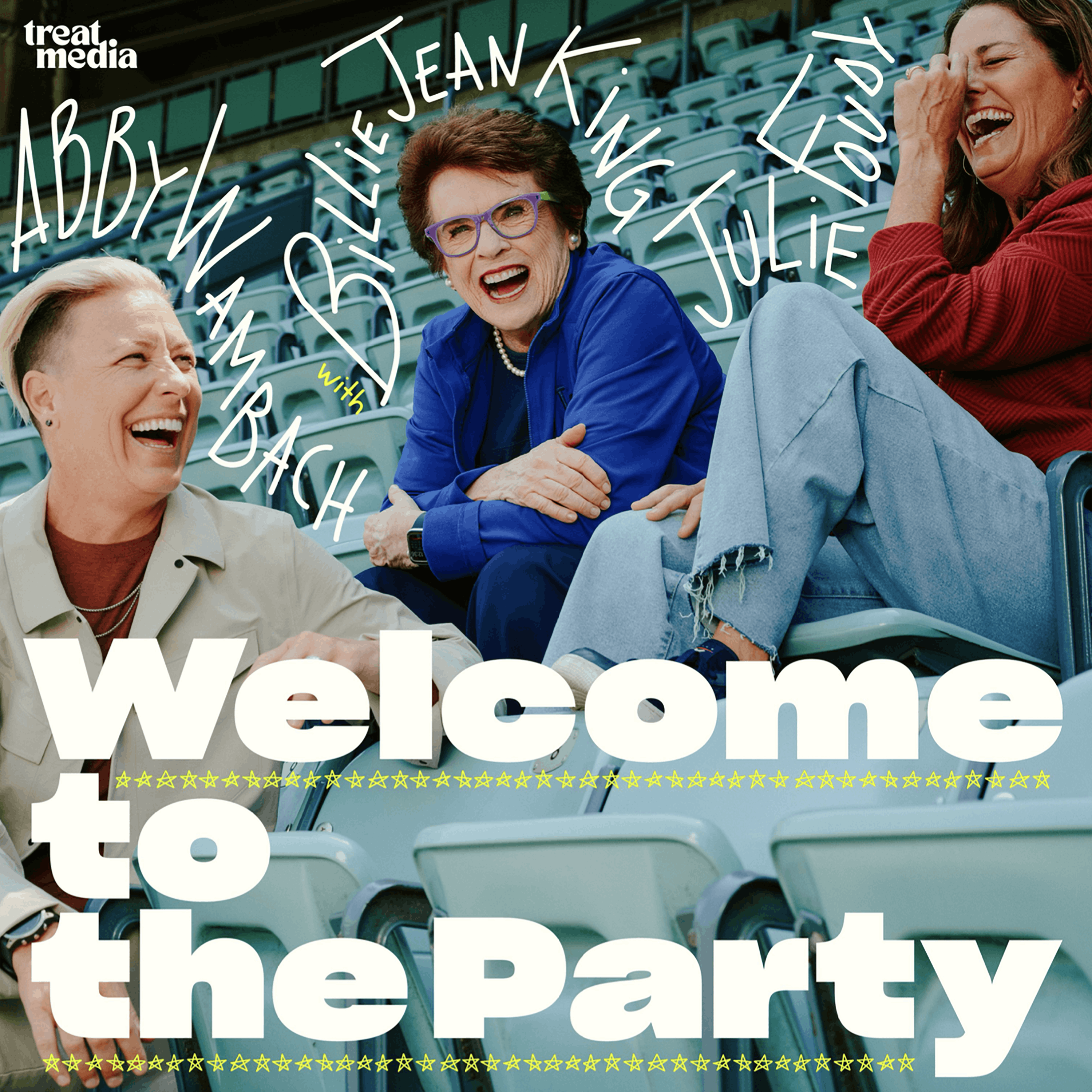
We Can Do Hard Things
WELCOME TO THE PARTY EP1 - Allyson Felix Took On Corporate Sports and Won
01:03:48
Loading summary
Transcript307 lines
- [00:00]
A
It's the beginning of a new school year and also the classroom sniffles and sneezes that go along with it. From home to school and back. Stock up with Kleenex Ultra Soft Tissues. Start the school year off the right way by preparing for the messes that come with it. You don't want to be caught without a tissue on hand to help. Kleenex Ultra Soft Tissues are soft and absorbent to stand up against runny noses to keep you and your family clean and comforted. As the school year starts this back to school season, make sure to get the classroom essential that teachers and students can rely on for whatever happens next. Grab Kleenex. School is officially back in session. And that means yay to routines and boo to homework and test stress. Whether your student needs to catch up, stay on track or move ahead. IXL Learning is a smart solution to support learning at home in a way that's low stress and and effective. It's an award winning online learning platform that helps students truly understand what they're learning. Covers math, language arts, science and social studies from Pre K through 12th grade. And they offer personalized, engaging content that supports real progress. One subscription covers it all. Every subject, every grade, all in one place. I Excel is used in 96 of the top 100 school districts in the US make an impact on your child's learning. Get IXL now and we can do hard things. Listeners get an exclusive 20% off IXL membership when they sign up today at ixl learning.com/ we can visit ixle learning.com we can to get the most effective learning program out there at the best price.
- [01:45]
B
What's up party people? We are beyond excited, as you can see, to get this party started. I'm Julie Foudy.
- [01:56]
C
Hi everybody.
- [01:57]
D
I'm Abby Wambach.
- [01:58]
C
And I'm Billie Jean King.
- [02:00]
B
Yes you are.
- [02:00]
D
Welcome to the party everybody. Perhaps you are wondering, what is this party? Well, this party is women's sports and everyone is invited. Whether you've been here forever, like the three of us have, or maybe you're new to the party or maybe you have some FOMO and like everybody's basically talking about women's sports right now. So you're like, I want to be in that. You all are invited.
- [02:26]
C
Our mission's to celebrate, Elevate, come on, educate. And that's about all of our women's sports. All of them. And you know, we just want to grow this community and we need you guys out there because this is going to be a party like nothing else. We are no party like a women's sports party.
- [02:46]
B
We're no party like a women's sports party.
- [02:48]
C
That's right. I mean, we are the best at parties. So join us.
- [02:53]
B
There will be a mix of interviews across every sport, league and era. We will have commentary. As you know, we're not afraid of that around what is happening in women's sports. And we really, as Kinger just said, want to bring out and build out this community of women's sports fans. And you, the party people who can give us your thoughts on what topics you want us to hit, what guests you want to hear from. And we will be dropping two episodes a week. We are a podcast, video podcast, but we also will be doing live events and watch with us parties and really any opportunity to talk women's sports and wear ridiculous hats, because I'm really good at that.
- [03:32]
C
I'm really. Oh, wait a minute. Wait a minute.
- [03:35]
B
Yeah, Kinger, get your hat on. Come on, sister.
- [03:37]
C
I can't put up. I got a big fat head. I got a melon head.
- [03:40]
B
What do you want? And most important, right here, that's what we're bringing. We're bringing Billie Jean King in her little crowd, the King of Queens. She will be a recurring host. And frankly, Kinger, you come on as much as you damn want. What about the why. Why did you guys want to do this?
- [03:57]
D
Abs, the biggest reason why I did it is the first Angel City game I went to this year was the first time I had a giant exhale. It was the first time I felt any sense of hope around kind of the state of our world right now. And that is why this is in my bones. I love sports, and I want to. I want to bring sports to everyone, and I want to make. I want this community to be and thrive in the most important ways.
- [04:26]
B
Yeah, I had that same reaction, is it's. There's affirmation when you are around female athletes or at a women's sporting event, and there's inspiration and all these things, inclusivity that we love to see in this world. And so we will try and touch on all those things with this party. What about you, Kinger? What's your why behind podcasting?
- [04:49]
C
Well, you know, I was at you with you at that Angel City night. That was amazing to give us hope. You know, I've waited my whole life for this, so. But one thing.
- [04:58]
B
Let's go.
- [04:59]
C
Hey, I'm old, man. You guys are the babies here. Anyway, I really. I think about it because I haven't done podcasts like you guys have. So I really want to. To be number one. I hate losing. I'm the worst finalist. I have bad handshakes. I'm not a good sport. I'm terrible. So I just want us to win, whatever that means. What does winning mean, though? That's a whole nother discussion. But I just want us to be really great. And the people out there, just having a party, having fun, but learning at the same time. Let's just go for it, man. Give me the ball.
- [05:34]
D
I mean, Billy, you're speaking my language here. And you ask, how do you win at this point? It's how we win at everything, Billy. We have a ton of fun.
- [05:45]
B
Yes, we do. Are you ready to rock?
- [05:49]
C
I love it.
- [05:51]
B
Attention. The party is about to commence. Welcome to the party. Okay, the first thing we are gonna do as our party starter is we are gonna give our favorite play or moment of the week to get the party started. But because this is our first episode and we had an entire summer of good plays, we decided we're gonna share our favorite play or moment from the summer. So, abs, what do you got from the summer?
- [06:28]
D
Okay, so you all know Katie Ledecky, right? And earlier this summer, the funniest thing that ever happened to. She broke her own 800 meter freestyle world record. She clocked it at 8 minutes, 4 seconds. Well, I don't know how you read this. 8 minutes, 4.2 seconds. She did this at the Tier Pro sports meet in Fort Lauderdale, Florida. She broke her previous record. That was set in Rio. Honestly, this woman is a beast. She's incredible. And she's the most decorated American female Olympian with 14 medals. Nine gold, four silver, and one bronze. And I just want to make a note that she was wearing the Gator swim caps. I went to University of Florida, so go Gators. But we're going to have to include this in the show clips. She takes off the cap, and then under it was another cap. So we need to have Katie on here to discuss not just this play.
- [07:24]
B
How many cats?
- [07:25]
D
Why are you wearing two caps? Katie Ledecky, congratulations for breaking your own damn record.
- [07:32]
B
That feels really hot at the cat party. That feels hot. You're. Oh. And did you see by how many seconds she actually, she was like, a lap ahead. Yeah, it was like, 20 seconds ahead of the next best.
- [07:44]
D
This is what I don't understand. How do you actually try really hard, so hard that you break a world record when 20 seconds later the next finisher finishes?
- [07:56]
B
How does that.
- [07:57]
D
How does that work?
- [07:57]
B
That blew my mind. When I actually saw the video, because of course you heard about it, and I went watch the video, I was like, where is the rest of the pool?
- [08:05]
C
Katie's amazing, but she just keeps breaking her own record. But I think deep down, probably she thinks, you know what? I can do better, so she does it better the next time. Yeah, I mean, when I was. When I met her, I just.
- [08:16]
B
Katie. Katie, we need you at the party. We have so many questions. Katie, we need you at the party.
- [08:23]
C
She's a really. She's a great human being, though. I like her a lot.
- [08:26]
B
Yeah.
- [08:27]
C
This summer was. Boy, there's so many. But for me, probably Victoria Mboco winning. The Canadian. Of course she's Canadian. You have no idea. They were going crazy.
- [08:39]
B
Crazy.
- [08:40]
C
She beat three Grand Slam people. She beat Osaka in the final. I mean, the place was going crazy, you know, and now she's 19. She was 18 when she won the tournament. I just think she's so much fun to watch. And her footwork is amazing. I love her backhand, particularly when she takes it from defense to offense. And her serve is going to get better and better. So I think she's the one to look for. But it's when she speaks as well, you know, you wonder why she's done so well. She talks about process and how to stay in the process from the juniors. Then you play ITF when you want to start being a pro. And then she's won her first WTA tournament, which is a Women's Tennis association tour, which is the biggie. And, you know, she just. Her ranking just keeps going up and up and up. But I just would tell everybody, watch her. She's fun to watch, but as a human being and the way she speaks, she's just a total winner on and off the court.
- [09:38]
B
How cool too. That. That. Do I have this right, King Ray? I think I do. That Naomi Osaka is her, like, role model, and that was her, like, person. She grew up, you know, watching and wanting to be.
- [09:50]
D
And.
- [09:51]
B
And then she beat her in that final, which is crazy.
- [09:55]
C
Yeah, it was a tough final because Osaka had a challenge. She didn't congratulate her at the end. I mean, she did at the net, but not in her speech, of course. Personally, I think tennis is out to lunch. When we have the finalists have to speak, let them get off the court, just talk to the winners. It's ridiculous.
- [10:15]
D
Listen to me. After we lost the first. The World cup finals in penalty kicks in 2011, I was. I went straight over to the Japanese team and I congratulated them. And that was all I had in me. That's all I had in me in terms of my good sportsmanship. In fact, I was just, like, so upset. And in FIFA, when. When the championship moment happens, at the time they. They. They told the losing team to get in a line so that the winning team would parade through you to go onto the stage and capture your medals. I was bereft. I was like, I'm not doing that. That's so embarrassing. I was, like, actually outwardly having a tantrum privately. And one of my teammates, thank you, Amy Lapelbit. I will never forget. Forget you for this. She looked at me square in the eye. She said, you're going to stand right next to me and you're going to congratulate them as they walk by us. They just beat us. And I said, yes, Amy Lapelbit, you are correct. And I just needed a teammate because I was being such a poor sport. I was so devastated. So I get it.
- [11:23]
B
I. I will add to that. I was calling that game. You had to do an interview with us, right after all of that, and you walked over. You had never won a World cup yet. You had yet to win a World Cup. We had, just before the World cup, done a big, long interview about how you wanted to finish your career on a World Cup. And you were so close. It was in the palm of your hand. It went to penalty kicks. Billy. You did this interview on the sideline. And I remember thinking, oh, my gosh, to have all this emotion in that moment. You were so classy and so nice about what Japan just did, given all that country had been through with the earthquake and tsunami and everything else that had happened there. You did all of that, so you may remember it one way, Abs, but you handled.
- [12:07]
D
It's because of Amy Lapelba. I got my shit together. Amy made me get my shit together. So I understand Naomi may not have handled it, bro. Right.
- [12:15]
C
No. But she apologized. She knew she didn't. She apologized.
- [12:18]
B
Yeah.
- [12:19]
C
And she. I don't know if she remembers, but she beat Serena Williams a few years back, and that was a tough time, too, for everyone.
- [12:26]
D
Yep. Yep.
- [12:27]
B
Yeah. All right. My play of the summer. I'm sure Abby probably saw it. Kanger. I'm not sure if you did, because it was soccer. There's a surprise. It was Marta. It was the Copa America final, which is kind of the continental championship, like, similar to European Championship. It's the South America American championship. Right. Brazil versus Colombia. Marta, of course, a legend and icon in the game. One and only. She's 39 years old. She retired from international soccer after the last Olympics. And then unretired because Brazil is hosting the next World Cup. 20, 27 Women's World Cup. So we're in this final, Kinger. It's two to two, okay? At 39 years old, Marta comes into the game off the bench as a sub in the 82nd minute. She comes in. Let me just show you on a whiteboard what happens, okay? Yes.
- [13:25]
D
I love.
- [13:26]
C
I need this.
- [13:28]
B
Colombia is yellow. Brazil is blue. Okay? In red is Marta. Right here. Okay? So Brazil in blue, plays a ball in. There is no time left. This is 20 seconds left in the game. Brazil plays a ball in. So here's the soccer ball. I drew it for you. It gets better played in Columbia. Heads it out. It bounces, it bounces, it bounces. It falls on a half volley to Marta at 25 yards out. Billie Jean King, she cranks this ball on a half volley, which a ball bouncing, coming out to you. That's ridiculous. She put it on a clothesline. It went upper corner. Two actually tie the game. I lied because Columbia was up by then, 3 to 2. They tied the game to see. Send it into extra time. Then she scores again, sends it into penalty kicks. Marta, all caps.
- [14:23]
D
Marta.
- [14:24]
B
They win. Brazil wins on the two Marta goals and then in penalty kicks, right?
- [14:30]
C
Whoa. And I must say, you did a great job on that. The announcing. You got me in it, man. I was living it.
- [14:36]
D
I was feeling like, wow. Well, I mean, I watched it.
- [14:39]
C
You can live it. You can imagine doing it. I have to just.
- [14:45]
B
If you haven't seen this video, if you're not a soccer fan, that's fine. Go.
- [14:49]
C
I'm gonna watch this.
- [14:49]
B
Our show notes, because we're gonna put.
- [14:51]
C
A sports fan, man.
- [14:52]
B
No, I'm not talking you. I'm talking the party people. I'm talking to the people.
- [14:55]
C
All the party people.
- [14:56]
B
They better. They gotta.
- [14:57]
C
It doesn't matter.
- [14:58]
B
They gotta go behind it.
- [14:59]
C
It's so fun.
- [15:02]
D
I like to think about this moment a lot because people don't understand what it's like to be 30 plus, 35 plus or 39 years old and then you're sitting on the bench. She unretires to play in this tournament for the international team Brazil to play in this tournament. And then at 39, to come off the bench when your team needed a goal in the 82nd and then score in the 20 seconds left in the game to be the one to score with. With in. The way she scored it, it was just Chef's Kiss.
- [15:38]
B
Chef's kiss.
- [15:39]
C
Half volley. I love. Man, I love that half volley because that's like a drop kick.
- [15:43]
B
It's coming at you. It's hard to keep them low because they go flying on you. And she just lasered it from I.
- [15:50]
D
Was like, oh my God.
- [15:51]
B
I would have run off the field straight to the locker room and been like, peace out. I'm done. I'm retiring again. That is all I got. All right, there's our party. Summer. We're going to start every episode with our favorite play or moment.
- [16:05]
A
August 2025 marks 20 years since Hurricane Katrina changed New Orleans forever. There have been many accounts of the storm's devastation and what it took to rebuild, but behind those headlines is another deeply important story. The story that impacted the lives of thousands of children. Which is why I'm excited to tell you about a new podcast called where the Schools Went. Where the Schools Went is a new five part podcast series hosted by former school principal Ravi Gupta about what happened to the city's school after the levees broke and how it led to the most radical education experiment in American history. Where the Schools Went traces the decades of history before Katrina and how the high stakes decisions that followed transformed the entire school system. You'll hear from the voices of the people who lived it. From veteran educators who lost their jobs to the idealists and outsiders who rushed in, to the students and families who lived through it all. Whether you're a parent, an educator, or someone who cares about how communities and public systems can work together, where the Schools Went is a story you need to hear from the branch in partnership with the 74 and Midas touch. Where the Schools Went is out now. Find it wherever you get your podcasts and start listening today. You may have heard of HelloFresh. They send Chef crafted recipes and fresh ingredients to your home. But this summer they made their biggest menu upgrade yet. HelloFresh has doubled its menu. Now you can choose from 100 options each week, including new seasonal dishes and recipes from around the world. Feel great with an even healthier menu filled with high protein and veggie packed recipes. HelloFresh now helps you eat greener with new veggie packed recipes that have two or more veggies. It's also tastier get steak and seafood recipes delivered every week for no extra cost. There's three times more seafood on the menu now and new seasonal produce every week. I I use HelloFresh because it's the easiest way to cook dinner. We can do hard things, but dinner doesn't have to be. Please remember to check out the chickpea tikka masala. It's so good. The best way to cook just got better. Go to hellofresh.com hardthings10fm now to get 10 free meals and a free item for life. One per box with active subscription free meals applied as discount on first box and new subscribers only. Varies by plan. That's hellofresh.com hardthings10fm and get 10 free meals and a free item for life.
- [18:27]
D
Whether you are working remotely or in office, many of us require collaborating with team members on projects, tasks and outcomes. Monday.com is one of our sponsors and a platform that our team at Treat Media has actually used to coordinate our workflow. It is a platform that helps you from planning to execution, thinks ahead to deadlines, assign owners and actions, and allows you to see progress as a team. It actually helps us get some work done. There's a lot of AI out there, but not a lot actually moves the needle. Monday.com's Sidekick is different. It can actually build workflows, spot risks, update the team, you just say what you need and you can consider it done. Sidekick in Monday.com saves so much time using our Sidekick integration. Help to update deadlines, brief teammates, reassign tasks, and it even helps us spot risks before they actually become problems. Stop managing the busy work. Let Monday Sidekick handle it so you can focus on the real work. Try Monday Sidekick AI you'll love to use on Monday.com all right party people, time to get to the partiest part of the party. Do you like my alliteration there Billy? Billy, I got a question for you because you have had the most incredible quotes and one of the all time best quotes of yours is about not settling. You have an awesome, awesome message about not settling. Can you share that with us?
- [19:57]
C
Do not settle for the crumbs. Do. Do not. I want people to think about having all the cake and icing and the sprinkles and the cherry on top. Because girls are always taught, you know, be happy with whatever you get. You should. Don't ask for more. Be careful. No no no no. Do not settle for the crumbs.
- [20:18]
B
In discussing who was going to be our first guest for the party, we knew we wanted it to be someone who didn't settle for those crumbs. So we sent an invite to one of the most courageous and innovative athletes we know and love. She is track and field legend Allison Felix. Because Allison looked at those crumbs and she was like no suckers. I Am not taking this. And went about enacting change. She is the most decorated American track and field athlete, male or female, of all time. Get this party, people. She competed in five Olympics. She won 11 Olympic medals, seven of them. Yes. Seven of them gold. And Alison has 20 world championship championship medals on top of that. Also a record. No surprise. Also no surprise, she was inducted over the summer into the U.S. olympic and Paralympic hall of Fame. Not only is Allison, as we know, an all caps legend on the track, her story as a mother, a business entrepreneur, an advocate who grew to understand that why, yes, I do want that whole damn cake. Has inspired so many people. And much of her incredible journey has been captured in a documentary she premiered at Tribeca Film Festival earlier in the summer called she Runs the World. This woman, in fact, does run the world. She's done it all. Alison Felix, welcome to the party.
- [21:48]
C
Thank you.
- [21:48]
E
I mean, what an intro.
- [21:52]
C
Oh, this is gorgeous beginning. Are you kidding? Can you imagine?
- [21:54]
E
So happy to be here.
- [21:58]
D
I mean, Allison, first of all, it's so amazing to have you here. I have loved, absolutely love following your career, and I admire you for so many reasons, one of which is how willingly, how willing you are to take risks. But here's the thing that stands out for me that I don't understand because I know what it must feel like in your body, like, to be an athlete and to be in the blocks, and then you. You.
- [22:25]
E
The.
- [22:26]
D
The gun goes off and you start running towards the line and. And every tendon of your body and muscle fiber is twitching, yet your face is completely calm. It is the wildest thing. Like, how do you. In my family, we call it fix your face. If. If the children are not having good responses to the world.
- [22:51]
C
How do you.
- [22:53]
D
Are you fixing your face? Like, how do you stay calm under pressure? Or do you just actually feel calm?
- [23:00]
E
Well, we use fix your face in our family, too, so I love that. And also, I have to say thank you guys for having me. I mean, it's like. It's legendary, like, to look on the screen and see Julie, Billy. Like, I just. I can't. You guys are all such inspirations. Okay, so my face. You know what? That's not the way that it feels. It feels like you look a hot mess. Like, it's just crazy. And so I'm glad to hear that it appears to be calm, because within, that is not what's happening.
- [23:33]
B
Wait, Abs, you need to tell her what your face was like when you were running fitness at University of Florida. 800 meters. Your last 800. Did you want to tell Allison about how you had to fix your face? You just told me the story the other day, and I almost fell on the floor and wet my pants. Allison. I laughed so hard.
- [23:49]
D
Yeah. I mean, so the way that it goes in soccer for preseason, you. Back in the day, at the very least, you had to run fitness tests. And we had this grueling fitness test, and it was an 800, then a sprint, then a 400, then a sprint, then another 400, then a sprint, then Another 800. And the last 800, I was just completely suffering, but I. I needed to throw up, and so I couldn't fix that part of my face, and I just had to keep running because I had to pass the fitness test. So, Jules, thanks for letting me tell that story on air, but here we are. I didn't fix my face.
- [24:25]
B
Allison. Picture this. She's, like, running, and then she's just like. You know, like, people usually stop and throw up. Like, this is so Abby, too. She's just like Kinger. You could. You would be doing this, too. Abby just keeps running and throwing up as she's running.
- [24:38]
E
I mean, whatever works. I don't feel like anybody should have to run a 800. Like, you shouldn't have to pass where you started. I mean, I'm such a. A true sprinter. Like, I do not like to go far, so I understand the pain.
- [24:51]
C
Oh, my God. 800 is the gut buster of the world. I only had to run once. And the women's sports superstars, years. A thousand years ago, and you could not do your own sport. You had to do a sport you didn't know.
- [25:04]
B
And that's what you chose. You chose the 800. Kinger.
- [25:07]
C
I didn't have any other thing. I was the last thing I could do that wasn't my sport. And I'm like, oh, I can't never even run an 800 against Kathy Wrigley, who's 3ft 8 inches or something, and her husband's running around the track. Stay loose. Stay loose. Smooth. Smooth. And I kept listening to him. Oh, my God. I thought it was gonna. I thought I was gonna puke. Actually, we're gonna pause that video.
- [25:30]
E
For sure.
- [25:30]
B
For sure.
- [25:31]
C
I should have never told you, but I don't know how you do it, Alison.
- [25:34]
E
I don't do it for that long. I'm smart, you know? 22 seconds. 21 seconds. Yeah.
- [25:40]
B
Yeah.
- [25:41]
C
But the 400. Come on. That's.
- [25:43]
E
Yeah.
- [25:44]
B
Another gut buster. The thing I love, too, Alison, is not only are you calm and collected, as Abby pointed out, you're a total fighter. When Nike threatened to cut your contract when they found out you were pregnant by 70%, I love that you didn't just fight for you as an athlete with them. You said, listen, like, you need to take care of all of the female athletes as it relates, of course, to maternal protections. And when they said, no, you said, okay, bye, bye, bye. And. And not only did you say, bye, bye, which is the thing that blows my mind is you started your own shoe company, as we know, called Seiche. And so my question is, where does one in the middle of their career, pregnant, going through all of this, you know, fighting to make it to the next Olympics, where do you have the courage to stand up to a billion dollar company and industry and say, nah, I'm not taking the crumbs?
- [26:42]
E
Honestly, it didn't feel like I had courage at the time because it was just terrifying. You know, I was. I was so. Honestly, I was so scared. I didn't know what was on the other side of that. I just felt like I deeply believed in it and like I had to. And at the same time, you know, my daughter was just born. She had this stay in the nicu. And so, honestly, it was just looking at her and was like, I have to do this for her, for her generation. And so there was no part that felt brave or courageous. It was just like, this is something that I, from deep within, I feel like I'm. I have to do because we're just all going to be here again if. If I don't. Yeah.
- [27:21]
C
And.
- [27:21]
B
And by doing that, you actually ended up changing policies at Nike, as we now know, and in the industry. And. And you did it for Cami. As you mentioned, you also founded your own agency and always Alpha first management firm fully focused on women's sports. You also were just elected last year to sit on board of directors, the International Olympic Committee. You also have two kids now, both of them under six, Trey as well, and you've done this amazing advocacy work around black maternal health. What I want to know is, what is it like to get an email from Melinda Gates saying, hey, because of all the amazing work you've done, I would like to grant you $20 million.
- [28:06]
E
It was shocking, but the coolest thing. You know, it really, to me, like, validated the work, the advocacy work that I'd been doing. It was like, wow, you know, somebody like Melinda is. Is paying attention. And so many organizations have been doing work in this space, you know, long before my eyes were open to it. And so to be able to come alongside and, and help fund these organizations is incredible. And a lot of organizations that typically wouldn't get funding. So for me, I mean, it's. It's really cool to be on this side of things and get to do things, things I'm super passionate about and, and try to have an impact in, in these new spaces.
- [28:45]
C
What are you most proud of?
- [28:47]
E
I think it's the theme kind of throughout. I think it's. I'm most proud that I found my voice because you guys knew probably me before, like, very shy introvert. Like, I just focused on my sport. I did what I'm supposed to do. You know, I didn't want to ruffle feathers. It just, it scared me to have an opinion on anything. And I think I'm just most proud that finally, you know, I got to this place in my life where I could speak out and I could say, it's okay if people criticize this or if everybody doesn't like me. It's hard being a people pleaser, you know, and to be able to break free from that and say, like, okay, I'm gonna try to create some change, that has been the most freeing thing. And the thing. I'm really proud that I was able to come to this place. And now it's like, okay, what else can we do? Like, let's get stuff done.
- [29:38]
C
How did you finally say, okay, enough is enough, I've had it. I'm gonna do this. Like, you know, there's that moment where you're not, and then there's something that happens and you are. What are you most like? What. What was that specific moment for you?
- [29:52]
E
For me, it was being forced into it. It was the Nike situation. It was never having to. I was good before then, you know, I. I didn't have. It was this real life situation of saying, okay, you no longer are gonna have a contract. You're not gonna be paid, like, your value. I think it was just the slap in the face of, like, you have no value. You created life and you're no longer valuable to us. And to me, it was like, wow. I mean, I think, you know, all of us, you know, we're athletes and we know, you know, it's about performance and it's about, what have you done for me lately and all of those things. But it's hard to separate your worth from the number that they're offering you. And I think when I was hit with that, it really made me do some soul searching about, like, what is actually important. And what is actually real life. And I think when I faced that, it was like, okay, if it all goes away, it matters more to me about the next generation, about what they face, all of that. And so it was. I didn't, like, go willingly. It was being forced into that situation and then getting to the other side of it and saying, like, wow, these companies, they changed their policy because I stood up, because other women stood up. Like, we can do this. There's, like, power in the collective. And so I think all of those things like, that move the needle.
- [31:19]
C
I remember seeing you, and you were talking about this exact thing. You had just heard from Nike, and you were. It was just horrible for you. And I. I felt so much for you that night we were talking. I'll never forget it as long as I live. And I'm so happy what you've done. You're so courageous. It's just. It makes me want to shout.
- [31:39]
E
I have to say, billy, thank you. Because without trailblazers like yourself, I mean, you have been that real life example. Like, I had to look and say, like, wow, you've done this on so many different levels. Like, if you have done this, you know, we can follow behind you. And so just thank you for paving the way, because it continues. Your legacy lives on, and we continue to, you know, be able to stand up for what we feel is right.
- [32:09]
C
It's very sweet, but every generation's got to keep it going. Thank you.
- [32:13]
E
Yeah, absolutely.
- [32:14]
B
It's so true, because Billy had. I mean, my moment, like your Nike moment was when Billy said to me, to your point, Allison, like, obviously, we know what she's done with tennis, but what some people don't understand is how she has gone to every sport and inspired them in a different way. And Billy literally said, what are you gonna do about it? Foudy you, the players? What are you doing about it? And it was this moment where we were like, what are we going to do about it? And when you realize that, when you do actually speak up in a collective way, in a unified way, to your point, you can change policy, you can change laws, you can change things in a way that's meaningful. But until Billy had that moment with me, we weren't speaking up. And so I love that. That was. In some of the hardest times, you learn the most about yourself, for sure.
- [33:06]
C
Yeah, I love it. Sometimes you have to give up something to get something. You have to let go of something to get the better new thing. And like you said, collectively doing it, getting everyone on the. Or at least Enough people on the.
- [33:25]
E
Same page, and it's not about you. Yeah, it's not. I think that's something that I learned. It's like, it's. You're not going to be the one to benefit from it, you know, And I. I know you know that, and I know everybody, you know, here today knows that, but it. It's. That's a hard thing when you're fighting for something that you'll never, you know, experience a benefit from it. But we know we're all, you know, trying to change sports so that the women behind us can experience those benefits, and I think they are.
- [33:54]
D
I have a question for you, Allison. Now that. Did Melinda give you the $20 million yet to. To donate and give away? Have you. Have you done the process? Are you, like, what has been, like, the most interesting thing around that process to be able to, like, have access to that kind of money to make real change happen?
- [34:17]
E
Yeah. I'm actively deploying funds now. It's been fascinating. I spent about a year just learning about organization, sitting back and understanding and seeing what's happening on the ground. Who are those who are being affected? I chose to focus on maternal health. And so really seeing that landscape, I've been familiar, but just really hearing what it's going to take at every different level has been just fascinating. And also other leaders who Melinda selected to deploy funds as well. I think we're learning from each other, and it's. It's just been this incredible learning experience. Yeah.
- [34:59]
C
Melinda Gates is one of my sheroes. I've had the privilege of getting to know her, and she's fascinating, and she truly, truly cares as a human being. I just think she's top drawer.
- [35:11]
B
She's giving 1 billion B.1 billion to help advance women's power globally.
- [35:17]
D
Yeah.
- [35:18]
B
Isn't that incredible?
- [35:21]
C
She just wrote a book, too, not too long ago. Is it called the Next Day? I think I've already read it.
- [35:25]
E
Yes, it is.
- [35:26]
C
And it's just. I love it. I was underlining things. I mean, I'm, you know, I don't want to mark a book. My parents always said, oh, no, don't do that. I'm marking it with a pencil so I could erase it.
- [35:36]
B
She had to return it to the library.
- [35:37]
C
I love that book, but it's a really great book for those people out there.
- [35:40]
D
Well, Alison, I gotta know, like, we are going to have a community of people we call the party people. What can we do for you? What can we do to help you in all of the things you've got your hands in what's top priority in your world right now that, that the party people and ourselves, Billy, myself and Julie can help with.
- [36:04]
E
I love that. I appreciate that. I feel like, you know, it's great to get support. A lot of these initiatives, a lot of these things that I'm building, they need support and they need, especially, you know, in this time that women's sports is experiencing such momentum, support at Seiche. You know, I'm trying to build a company that is specifically for women. We create shoes to fit the form of the female foot and so support there at always Alpha. You know, we are representing only female athletes, coaches and broadcasters. And so really getting the word out there, that's incredible. And then all the avenues, the work around the ioc, listening to athletes, being the athlete voice, wanting to create a better Olympic path for athletes journey there. And all my work around women's health as well just is more about awareness and getting that word out. So I'm grateful to have the support.
- [37:07]
B
I love also as well that at the last Olympics in Paris, you started the first ever nursery for all athletes, which as we know is so damn needed.
- [37:17]
E
So, yeah, yeah, super proud of that and really happy that we could move it forward. It was something that was like, okay, what do I want to see happen? That was it. But I thought it was going to be like, okay, maybe by LA we.
- [37:30]
C
Could get it done.
- [37:31]
E
So now it's like, okay, let's grow it, let's, let's make it bigger. Let's really think about how can we support athletes better, like what are the things that they are needing. There is also a mental health space that was incredible in the village and so always looking to just support so that, you know, you can have your best performances.
- [37:49]
B
Kinger, you brought up the other day. Yeah, track and field.
- [37:52]
C
Yeah, I love track and field and my dad liked, he was, he did hurdles when he was a young guy. And I always feel like there's not the continuity in track and field. We need to understand it to have a season. I get so confused. I know Ohanian started. What is it, different leagues and all that. So what do you suggest that track and field do to help all of us stay? You know, I, I miss. I know I miss things sometimes because I don't really understand the, the landscape well enough.
- [38:25]
E
Yeah. You are not alone. Track and field is a hard sport to follow and we have to do better with our product. And so I think it is going to take new energy. Energy like the league Athlos that you're talking about new investment, new ideas. I think that we've tried to do it the traditional way for a very long time, and in America, it just has not worked. It hasn't taken off. And when we think about some of the. The names that are household names of track and field, they are really names that go back to when we last had an Olympic games and the US all the way to 96 in Atlanta. You know, names like Michael Johnson and Jackie Jordan Kersey and Gail Deavers, like, all these incredible, you know, athletes. And I think it's really exciting because we will have the LA Games, you know, very soon here. And I think it's a huge opportunity to put the sport, you know, really in focus and let people see these incredible athletes and really create stars. I mean, they're such great personalities and stories in track and field, but it's very hard to follow, like Billy said. And so we really have to streamline that and come together to find a new path forward that is interesting and engaging and easier to follow.
- [39:46]
D
Alison, what are the barriers, like, what are the barricades or the roadblocks that you have found in your career and now past your career that is like, is there, like, less unity? Like, what are the. What are the reasons that it feels a little bit confused?
- [40:04]
E
I think the hardest thing is that historically, track and field seasons are. They're all overseas. And so that's what happens is we all go overseas to compete. And so from anywhere from about May all the way till September, we're overseas, we're competing, and. And track and field thrives overseas. And, you know, it's a much different experience than here. And so it's hard to then try to bring that to America. There's a lot less opportunities. And so it's going to take. And there's a number of different initiatives that are happening right now where, you know, investors and leagues and groups are coming in and they're trying to fix that problem, problem. And so I think we're going to have to come and support whether it's Athlos that's, you know, happening. You know, Grand Slam is happening. You know, there's. There's different things that are happening, and so we have to support them. And. But I think it is kind of a different mentality. We're going to have to have a league, a team format where it's, you know, who to root for. You know, this person is either from Los Angeles or there's this other format, you know, where they're running these various events. So something that's really engaging, that grips people to follow it away from just kind of the standard thing that we've been doing in the past.
- [41:21]
C
And I want you to make lots of money.
- [41:23]
B
Yeah. And I was going to say, I imagine that's part of it. Right. Like how hard it is when you don't have a consistent presence, especially in the United States, to get the sponsor backing outside of, obviously, those who have great success in the Olympics every four years, but it's still every four years. So I imagine that is a constant struggle for these athletes to stay competitive and afford to keep running.
- [41:49]
E
Absolutely. All the opportunities have really been overseas and, you know, you can make a good living over there versus, you know, here, where there's not as many opportunities. But now we are starting to see, you know, in kind of this shift of momentum right now that there are new things happening. And so we're just gonna have to be able to back them, support them, show up in the stadiums, watch them on television and really get it going.
- [42:18]
C
Also, I love watching Netflix and Sprint and I watch everything I can on track and field. I loved it. Anyway. I know you did a special interview on that show too.
- [42:27]
E
That's the cool thing. You know, we have to get outside of simply just the competition. I think Sprint was great. It was really engaging. It brought you into some of the behind the scenes stories of what's going on. And I think that's what it's going to take is not just watching the 100, the 200, but learning the athletes and seeing what's happening in their lives. And we know that the sport is engaging. We see it every four years, but how do we translate that to be something sustainable throughout what's next for you?
- [43:01]
B
I mean, you've done all of this, so if you said nothing, I would be like, yes, I get that. But I feel like everything you touch is golden. So what is next for you?
- [43:12]
E
I wish. So, continuing to grow my businesses. But yeah, I had my film premiered at Tribeca not too long ago and so continuing to get that out. And then right now I'm working, working on my book and so I'm really excited for that to. To come in about another year. But working through the editing process of that is. It's the worst.
- [43:37]
D
The editing process of a book is the worst because the only person who can really edit your own book because it's your life is you. So you gotta read it and again, read it. I do not envy you right now.
- [43:51]
E
If any of you want to send me. Yeah, send Me? Tips.
- [43:56]
C
The publisher always takes something out because it's too many pages, at least. How are you finding that? Did you have so many pages? I had, like, 950 pages. And, like, I know that's not gonna work.
- [44:08]
E
I don't have that many pages.
- [44:09]
B
But she wants tips. She wants tips. If only we knew a few authors in the house. I don't know.
- [44:16]
E
Right. Give me your gyms.
- [44:18]
D
That's Glennon's department. I'll. You can talk to Glennon.
- [44:23]
B
Allison, you are a treat, my friend. Thank you for everything you've done. Abs, you want to ask the most important question of all?
- [44:30]
D
I think. I think I do. What is your. What is your party trick? Do you have a party trick? It's the most important question. We. We need to know. Do you have a party trick? What do you. What do you do at a party? Is there something that you could share with us?
- [44:50]
E
What is a party trick exactly?
- [44:52]
D
It's a really good question.
- [44:53]
C
I love it.
- [44:55]
E
What is the definition?
- [44:56]
C
Well, we know who goes to parties here and who doesn't chat. GPT.
- [45:01]
B
What is a party trick?
- [45:03]
C
Some people have a real life and. And children and all these things. I know some of you. I know you do, too, Julie, but I don't know.
- [45:13]
B
I'll give you an example of a party show your. I have. This isn't my party trick, but I would like to steal this party trick if I could actually do this party trick. At the ESPNW summit, there was these two women that used to come every year, and they'd pull out a belt, and they used to go to parties, and they pull out a belt, and they would bet people if they could limbo underneath the belt, and they pretended like they couldn't really do it. And then their party trick was they, like, literally could be parallel to the floor, like, five inches above the floor. Yeah. They could limbo. Like, I. I was like, oh, my God. I don't think my body could ever have done that. What you're doing right now, it hurts just watching you. And so. And the whole party gets into it, but they basically pretend like they couldn't do it, and then they win every contest.
- [46:00]
E
I'm going to the wrong parties.
- [46:01]
C
Like, I think, Allison, you can run really fast. My suggestion is you run really fast away from this.
- [46:09]
D
Yeah.
- [46:10]
E
Maybe my party trick should be, like, challenging people to a race.
- [46:15]
C
Like, that's all.
- [46:17]
E
That's where my talent lies.
- [46:18]
D
Yeah. As soon as a guy, like, starts to mansplain. As soon as a man starts to mansplain at a party, you'd be like, let's go outside and race and see. Because that's where the, that's where the, the ego gets just blown out of the water with dudes like, first one.
- [46:35]
B
To the lamp post, bro.
- [46:36]
E
Yeah, let's take this back to a.
- [46:39]
C
Good old street race.
- [46:44]
B
Well, we just can't thank you enough because through all that you do, and as amazing and tiring and courageous as you are, as I imagine it can be, like, the thing that sticks with us is that you have this incredible grace to everything you do and a humble way of just the way you are with everyone. And it's so beautiful and inspiring and I feel like it is a light that just keeps shining on, on various dark places. And I thank you for bringing that into this world because we know we could use a lot more of that. So thanks for always just coming with such grace and kindness. Alison Felix.
- [47:26]
E
I appreciate that and I appreciate you guys inspirations like each one of you, truly.
- [47:32]
B
I think we should. I used to always finish everything with a power pose picture. I think we should do a freeze frame party pose. Are you ready on three? Allison, whatever your party pose is, we're thinking this might be the way we end up. We end interviews. Are you good with that? It has to be the craziest damn party pose you've ever given, though. Are you ready, Kinger?
- [47:53]
C
What you got?
- [47:54]
D
Party pose.
- [47:57]
B
Okay, ready on three. Three, two, one. Allison, you are always welcome to the party. Thank you.
- [48:13]
D
What does the future hold for business? Ask nine experts and you'll get 10 answers. Bull market. Bear market rates will rise or fall, Inflation up or down. Can someone please invent a crystal ball? Until then, over 40,000 businesses have future proofed their business with NetSuite, the number one AI cloud ERP, bringing accounting, financial management, inventory, HR into one fluid platform with one unified business management suite. There's one source of truth giving you the visibility and control you need to make quick decisions. With real time insights and forecasting, you're peering into the future with actionable data. When you're closing the books in days, not weeks, you're spending less time looking backwards and more time on what's next. Whether your company is earning millions or even hundreds of millions, NetSuite helps you respond to immediate challenges and seize your biggest opportunities. I highly recommend it. Speaking of opportunity, download the CFO's guide to AI and machine learning at netsuite.com hardthings. The guide is free to you at netsuite.com hardThings netsuite.com hardThings how would you like to feel calmer, think clearer and sleep better, all in just two minutes? Meet Truvega Plus, a handheld device that uses gentle vagus nerve stimulation to help calm your body's stress response. In just two minutes a session, Truvega helps shift you out of fight or flight and into a more relaxed, balanced state. By naturally supporting your body's nervous system, you can quiet mental chatter, ease anxious feelings and promote deeper, more restful sleep. So you wake up feeling refreshed and clear headed. There are no pills, no side effects, just safe clinically backed technology developed from decades of neuromodulation research. Ready to try it out? Visit truvega.com and use code WCDHT25 at checkout to receive 25 off your purchase. Take action today and upgrade to feeling better every day with Truvega. Visit truvega.com and use my code WCDHT25 to receive 25 off your purchase. Feel calmer and sleep better with Truvega so our dogs Honey and Hattie are sweet, spoiled and insanely picky when it comes to food. We've tried all kinds of brands over the years. Some would get a sniff and then completely ignored others. Maybe once and never again. But Ollie, it's a total game changer. Ollie delivers clean, fresh meals made with human grade ingredients. No fillers, no preservatives, just real food and the flavors. Things like fresh beef with sweet potatoes or fresh turkey with blueberries. I've caught myself thinking this dog eats better than I do. Dogs deserve the best and that means fresh, healthy food. Head to ollie.com hardthings tell them all about your dog and use code hard things to get 60% off your welcome kit when you subscribe today. Plus they offer happiness guarantee on the first box so if you're not completely satisfied, you'll get your money back. That's O l l I e.com hardthings and enter code hardthings to get 60% off your first box. Ugh.
- [51:39]
B
I love her so much. She's so like her way. Yeah. And when I told her that at the end, like how humble she is in the way she carries herself and I just the kindness that just comes out of her. It's just. I love it.
- [51:55]
D
The thing that stood out to me the most is this idea of her finding her voice and feeling like that. Personal pride in her voice like that. To be doing that even having already accomplished so much in your life. Like to do that in order to, to, to to take that next step and make it to the next level. She's just awesome. I love Al.
- [52:19]
C
Yeah. I met her. Yeah. Because I met her when she was really young, and she was so shy. And then you'd see her a few years later. And then especially after she talked to me about the Nike deal and how bad it was, she was really not sure what she was going to do. And now we've heard her story. And. And to you, what you said, Abby, about her finding her voice is just major accomplishment.
- [52:44]
B
Yeah. And I love when she. She thanked Kinger, because we all should be thanking Kinger every damn day.
- [52:51]
C
That's so sweet of you. I love being with you guys. You're the best.
- [52:55]
B
We should be. I mean, she's spot on. Like, when you understand what you have done for this woman's sports space. My word. I know. You get uncomfortable. We talk. You know, we're just getting started. Kinger always gets uncomfortable when you start talking about it. She's like, stop it.
- [53:11]
C
Yeah, that's true.
- [53:12]
B
Let's go.
- [53:13]
C
Let's win.
- [53:15]
B
All right, Kinger, before we end this party, we have a bit of surprise for you, because we are going to do a recurring segment called Just Ask the Kinger, because everyone is literally asking Billie Jean how to solve their problem. And as I was saying with Allison, it happens in every single sport. And I have watched this process play out for 30 years that I've known her, where she sits down with people and listens and solves their problem. So we thought we should just have a Just Ask the Kinger recurring segment. This one is a little bit special, right? This one is special because it's called Just Ask the Kinger. The Goats Ask Goat Edition. So we put a back call out to a bunch of goats in women's sports and asked them to ask the OG Goat, yes, you, Billy. What? Whatever they wanted. Rapid fire. Are you ready, Billie Jean King?
- [54:15]
C
I have to tell myself, no pressure.
- [54:18]
B
Pressure is a privilege.
- [54:19]
C
Pressure is a privilege.
- [54:20]
B
Let's go. First up is US Open and French Open champion Coco Gauff.
- [54:28]
D
My question for Ms. Billy is, what is your favorite sport to watch, and.
- [54:34]
E
You cannot choose tennis.
- [54:38]
B
Great question, Coco.
- [54:41]
C
I watch so many women's sports and men's sports. Actually, I watch sports.
- [54:47]
B
What's your favorite sports?
- [54:48]
C
Well, I grew up probably basketball because I grew up with my dad. He was a basketball player, and I watched that the most. Probably. Probably. I'd have to say basketball right now, but, you know, I should say baseball, because my younger brother, you know, played 12 years of professional baseball and I used to watch him play Kiwanis T shirt league with the sun going down and they're not finishing a game and they didn't have T ball yet and. Oh, my God. The reason my brother Randy became a pitcher is because he's the only child on the team. At 7, they could kind of get the ball over the, you know, over home play, kind of. Kind of. And that's why he became a pitcher, because he should have been a third base or left field and he has a great arm and he can hit and they didn't let him.
- [55:36]
B
I just want to remind you that you might have two people right next to you that played not basketball nor baseball.
- [55:43]
C
Really?
- [55:43]
B
Played soccer.
- [55:44]
D
Yeah, I played basketball. I scored a thousand points in high school. Julie Foudy.
- [55:49]
C
You. You did?
- [55:50]
D
Yes, I was a basketball player.
- [55:52]
B
Don't take it away from me. Soccer should have been your favorite sport.
- [55:56]
C
What position?
- [55:57]
D
I was a three guard. Four guard. But.
- [56:00]
B
But how many points did you score?
- [56:02]
D
I scored over a thousand points in high. In high school.
- [56:05]
C
That's amazing.
- [56:06]
D
I got college scholarships, offers.
- [56:09]
B
What?
- [56:09]
C
Yeah, Abby's a jock and I chose soccer.
- [56:13]
B
Oh, because it was your favorite sport.
- [56:15]
D
Because you guys were in the Olympics and won an Olympic gold medal. And that was my dream. So I was like, I'll go for soccer.
- [56:21]
C
Oh, wow. Now you have to understand, when I was growing up and you were talking about playing soccer when you were a kid, we didn't have soccer in the United States of America. So soccer was not in my. It wasn't around at all.
- [56:35]
B
Okay.
- [56:36]
C
Okay. So just so you.
- [56:37]
D
Yeah, it's true.
- [56:38]
C
Background here.
- [56:38]
E
Yeah, it's true.
- [56:39]
B
That's true, that's true. All right, you get, you get a pass there. All right, abs, what you got is the next.
- [56:43]
D
All right, the next goat is the most successful skier in World cup history and a two time Olympic gold medalist. It's, of course, Michaela Shifrin. Michaela, a question for Billie Jean. I was just wondering if you actually take a look around and look at.
- [57:02]
E
The momentum that women's sports has started to gather and is gaining day by day.
- [57:08]
B
I wonder if you look around at.
- [57:10]
D
That and actually think like, I was at the forefront of this. I. I started this.
- [57:16]
E
I don't know, I just, I wonder.
- [57:18]
D
If you've ever been able to actually take a step back and look at that big picture and see and truly feel how much of a role you've played. Your legacy is just so powerful and you've really paved the way.
- [57:30]
E
So we're very grateful to you for that.
- [57:34]
D
What?
- [57:36]
C
How?
- [57:37]
B
Chairlift. I know.
- [57:40]
C
She's getting out of the way and she's talking and she's gone very focused.
- [57:47]
B
This is the first time I've seen these. This is so good.
- [57:51]
D
I mean, that was so nonchalant. Like, most people are like, okay, I've got my poles. I gotta get off this chair lift. They're freaking out. And then she's, like, literally taking a video. Michaela, you're the best.
- [58:03]
C
Scared of heights. It was killing me. I said, don't look. Don't look.
- [58:06]
D
Yeah, Billy, like, when you look out in women's sports spaces, in the world of women's sports, do you think I did this? This is what I did with my life. Look at what I did.
- [58:16]
C
No, I don't think.
- [58:17]
D
Like, you should.
- [58:18]
C
Actually. I would if I were you, first of all. Okay.
- [58:20]
D
Okay.
- [58:21]
C
Then you can do that for me. But no, what I think about is I'm not done yet. I'm not done yet. But I'm so grateful to still be alive to see what's happening in women's sports. And as far as, you know, legacy is what other people think about you. But what I care about is what contributions can I make while I'm on Earth. And I think every athlete should think about that. And I want athletes to think about we instead of me. And Julie and I have had this discussion before where the first two generations of a new sport that does really well. Usually the first two generations say we. They think of themselves as a team together to make the sport better. And then by the third generation, as it comes through the locker room, we start saying I. And then I go, oh, it's always been the same. I think probably if you think about soccer, that some of these things came true. Not all of them, maybe, but sometimes some of the players started thinking about I instead of we. And I know they talk about the team all the time. You guys are taught to do that. But in their heart of hearts, I think a lot of athletes, whether they're in a team sport or non team sport, that they do think I a lot.
- [59:43]
B
You always taught us the younger is greater than the me. Yep.
- [59:46]
C
But you guys know better than I. You, because you're younger and you have a different perspective. That's one thing about getting older is we have better and better, I think, perspective.
- [59:56]
D
Yeah.
- [59:56]
C
And nothing shocks you when you get older.
- [59:58]
B
I think that.
- [59:58]
D
Billie, I. I love that you said that, because I think that there's a part of me that agrees with you. And there's this other Part of me that is also seeing the way that the guys do it. Right. And I don't. That's not. That's not a way that I wanted to. To do sport. Like, I, I'm a very much a team first person. But I do think that there is something to be said about getting and. And achieving the same kind of success that men have on this planet in terms of. Of sports, you know, leadership and sports popularity and, and the revenue that's coming in. And so there's this thing that I'm like, yes, the. There's a purity in team sport that I'm like, all here for. And yet I totally understand why some athletes might think or might be led to think that the me first mentality is the way that they should probably do it, because that's what they're seeing in the men's side. It's not for me as fun to watch, but I also think that I understand it, right. I understand their. The process of thought that brings them there.
- [61:10]
C
Oh, I understand it because of the opportunities they have. They don't. Then they don't have the past history. But that's why I like to read history. I love history. I mean, even going back to college now, I was a history major and I, of course I'm going to finish up as a history major and I hope I graduate next May. Please, God, please.
- [61:30]
B
Oh, that's going to be a party right there.
- [61:33]
C
Yeah, baby. We're going to have a big one. I've had to wait a long time.
- [61:37]
B
And Kinger, you do such a good job of reminding us that we're just standing on the shoulders of others and helping. Right. Like, there's always someone that came before you that paved that way. And it's such a great reminder. I love. And we will do a segment on know your history because this is. Maybe this is huge.
- [61:54]
C
Well, we should. I.
- [61:55]
D
But the history is.
- [61:56]
C
But people have to remember living isn't in the past. It's living history. It's living. It's alive. It's, you know, like, I've got my Althea T shirt on. Yeah, she's my first. She wrote she. 75 years ago. She was the. She broke our color barrier in tennis. She's our Jackie Robinson of tennis. And this year we're celebrating like crazy. You know, this year they made it a US Open thing. So it is awesome.
- [62:24]
B
75 years.
- [62:25]
C
Finally she's getting her dues. No, they usually talk about male athletes. They don't talk about, like, without Althea there wouldn't have been Arthur Ashe, for instance, okay. Or there wouldn't have been the players of color that we have now. But even there wouldn't have been a player for this little white girl. Because I watched her when she was number one in the world. I was 13 years old and she was my first hero other than my parents. And I'll never forget she taught me what it looks like to be number one and what it means. And I went, oh, my God, I'm going to have to be better than that. And then I remember my parents saying, every generation gets better. And I'm like, oh, my God, I have to be better than that. But then I got to know her. But I got to know her throughout her life. So I love it, love it, love it.
- [63:09]
B
Love the shirt. All right, our final goat has a question. Yeah, we got one more. She is a two time world cup champion, a two time olympic gold medalist in soccer, and one of the most iconic players ever to play the beautiful game. It's Mariel Margaret Ham, better known as Mia Ham.
- [63:32]
D
Hey there, Billie Jean, you legend.
- [63:35]
C
It's Mia Ham.
- [63:36]
E
Listen, my one burning question for you.
- [63:39]
C
Is, what is your best worst dance? If you don't understand that, just ask Jewel.
- [63:45]
E
She'll explain it to you.
- [63:47]
C
Yeah.
- [63:53]
D
Best, worst.
- [63:54]
C
You better explain to me my worst and best dance.
- [63:57]
B
Oh, this is. This is so perfect.
- [64:00]
D
So the way it works, Billy. So the way that it works is it's gotta be the. The best comma. The very worst dance you've ever danced, but the best one of them.
- [64:12]
B
The best of your worst. Yeah, the best of your worst dance. This was something, Billy, we did in the locker room a lot. So much so that that right before we would go out for national anthem, we would be doing like, you know, our best of our worst.
- [64:27]
C
Our generation, my generation. We're big on the twist, baby.
- [64:32]
B
So. No, it's. It's got to be bad, though. It's like the best.
- [64:34]
C
It was terrible. I was.
- [64:36]
D
I.
- [64:37]
B
So what is your best worst. Let's see it. It's got to be a chair dance because that's all we can see.
- [64:41]
C
I can't stand up. I don't have pants on today, Billy. I don't have pants on. I have shorts on. No, I can't get up. Okay, Abby, you guys save this for our next one. How's that? You don't have to stand.
- [64:58]
B
It's in the chair. Watch. Abby goes first. Abby. Oh. Oh. I can go worse. I can go worse. Ready?
- [65:04]
C
Oh, yeah.
- [65:05]
B
Go, go.
- [65:06]
C
Who did last summer? I am Always good at turning so I can turn.
- [65:13]
B
Julie wins.
- [65:14]
D
Julie wins. Whatever Julie's doing is.
- [65:16]
C
That's real pressure of us. Oh, this is ridiculous. This is great.
- [65:22]
B
Okay, round of applause for Coco Michaela, Shifra Mia Ham. Slow clap.
- [65:26]
D
Love you guys. Thanks for participating.
- [65:30]
C
Thank you. You guys are the best.
- [65:32]
B
Hey, guess what. Guess what, Billy.
- [65:34]
C
What?
- [65:34]
B
Guess what?
- [65:35]
C
First party in the book.
- [65:37]
B
First party in the books. Okay, so a couple reminders to our party people. Please don't forget to subscribe to the welcome to the party YouTube channel. And you know, you can click that little bell icon so you get updates when new episodes go live.
- [65:55]
D
So make sure you while you're at it, you need to rate, review, and subscribe to this podcast on Apple Podcasts or Spotify or wherever you get your podcasts. And it really does matter. So please review us, follow us, and be sure to follow us on TikTok and Instagram @. Welcome to the party show where Julie, Billie, and I will bring the party straight to your feed, y'.
- [66:20]
B
All.
- [66:20]
D
Thank you to our launch partners and to Kate Diaz, who composed our welcome to the Party music. You're the best. We love our theme song.
- [66:28]
B
And most of all, I think more than anything, we want this party to be yours. So we want to hear from you. Once a month, we're gonna do a Give the power to the party people episode where we'll be answering all your questions. We' love your feedback on topics you want us to hit themes you want us to hit, athletes you want us to talk to, sports that maybe aren't getting the recognition they deserve. You get it. All these topics, we will try and get to all of them. And just a reminder as well, please invite your friends or 500 to the party, even those who are not big women's sports fans yet. They're not there yet because everyone is welcome.
- [67:05]
D
Billi, what do you think? How should we close out this party every time? Should we teach them our USA, USA. USA. U.S. women's National Team cheer?
- [67:15]
C
You have to. I'm asleep really quick.
- [67:19]
B
Okay, so going back to the very first national team they were playing over in Italy, and the Italians were, as they do in Europe, instead of calling us usa, they called us OUSA in the stands and they were chanting, usa. Usa. Usa. And we thought that was so funny. Like, wait, what are they saying? So from day one, really early on in the national team lore, the pre game, we're going out onto the field, hands together is usa usa. Usa. They literally still do this cheer. This is the US Women's national team cheer to this day. So I think we should close out every party. Party people, everyone, wherever you are. If you're doing the dishes right, hands in. If you're walking your dog, hands in. Put your paw in. And it's the most important part is it's on three. Usa. Usa. Usa. But like the is from your soul. From your soul. Okay, Abby.
- [68:12]
D
All right, here we go. USA on three. One, two, three.
- [68:15]
B
Usa.
- [68:16]
C
Usa.
- [68:16]
D
Usa.
- [68:23]
C
Give me the ball.
- [68:23]
D
All right, party people, we'll see you next time. Thanks for joining us. Welcome to the Party is an independent production brought to you by Treat Media. Street Media makes art for humans who want to stay human forever. Dog is our production partner and you can watch our full conversations on the welcome to the party YouTube channel and follow us at welcome to the Party show on Instagram and Tik Tok.