Podcast
Weight Loss And ...
Hosted by Holly Wyatt & James Hill · EN
Your go-to hangout for everything weight loss… and beyond! “Weight Loss and…” is brought to you by the University of Alabama at Birmingham (UAB) and hosted by seasoned experts in weight management, Dr. James Hill and Dr. Holly Wyatt.
We’re your friendly guides through the maze of weight loss, but with a fun twist. We’re not here to preach the latest fad diet or promise a miracle workout. Instead, we’re all about embracing the journey, acknowledging there’s more than one way to hit your health goals, and having a good laugh while we’re at it.
We get it: weight loss can be tough, and sometimes pretty serious business. But why can’t it also be enjoyable? With a side of humor, we’ll bring you science-backed insights, real-life stories, and some hard truths. (Spoiler alert: there’s no magic answer - but that doesn’t mean we can’t find what works best for you.)
“Weight Loss and…” is your inclusive space to explore, question, and learn — and to feel part of a community along the way. This isn’t just about shedding pounds. It’s about gaining perspective, building better habits, and enjoying the ride.
So if you’re up for honest conversations about weight loss - spiced with a little science and a whole lot of fun - pull up a chair, plug in those earbuds, and let’s see where this journey takes us.
43episodes
Episodes
Newest firstAll episodes
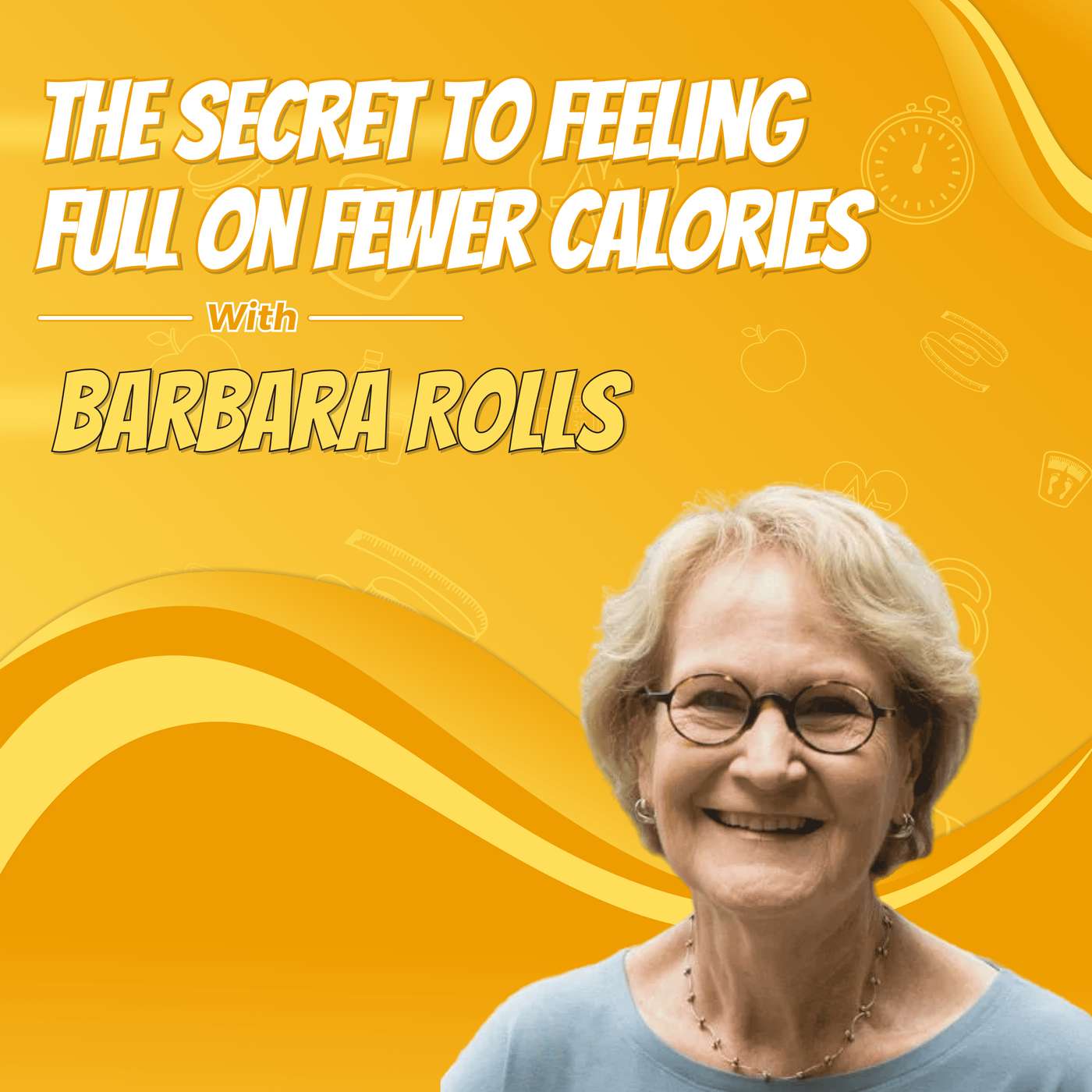
The Secret to Feeling Full on Fewer Calories with Barbara Rolls
Sep 300:45:24Tap to summarizeEver felt like you're fighting a losing battle with hunger while trying to lose weight? You're cutting portions, counting calories, and white-knuckling your way through constant cravings. What if there was a smarter approach that didn't require superhuman willpower?The secret isn't eating less food, it's eating differently. Today's episode introduces you to one of the most powerful yet underutilized strategies in weight management: energy density. This science-backed approach shows you how to feel completely satisfied while naturally reducing calories, using the principles of volume, water content, and food texture to work with your body's natural hunger signals instead of against them.Join Holly and Jim as they sit down with Dr. Barbara Rolls, professor and the Helen A. Guthrie Chair in Nutritional Sciences at Penn State. Dr. Rolls literally wrote the book on this topic, Volumetrics, and has spent decades researching how we can eat more food while weighing less. Her students have gone on to become leading researchers in the field, making her insights both groundbreaking and practical for everyday life.Discussed on the episode:The surprising truth about why people eat a consistent weight of food every dayHow to use water content strategically (hint: you need to "eat your water," not drink it)The "Big Three" factors that control how much you eat and how to use them in your favorWhy soup beats a casserole plus water every single timeThe simple grocery store trick to identify low-energy-dense foods without a calculatorHow ultra-processed foods fit into the energy density frameworkThe fascinating research on variety and "food switching" that explains why you always have room for dessertPractical strategies for making vegetables more appealing than chicken nuggetsHow GLP-1 medications are changing the nutrition game and why it matters more than everWhat parents need to know about portion control and self-regulation in young childrenThe one mindset shift that makes healthy eating enjoyable instead of restrictiveResources Mentioned:Volumetrics book series by Dr. Barbara Rolls“The Big Three” properties of food that drive intake
Transcribe →From Struggle to Success: Maggie's GLP-1 Medication Journey
Mar 12, 2025Tap to summarizeAre you curious about the life-changing effects of weight loss medications? Many people wonder what it's really like to use these powerful new drugs that have transformed the weight loss landscape. What does it feel like to take them? How much weight can you lose? Most importantly, what happens to your mind and your life beyond just the numbers on the scale?Join Holly and Jim as they interview Maggie, who has lost 100 pounds over three years using GLP-1 medications. Maggie's candid story reveals both the physical changes and the profound emotional and mental shifts that accompanied her weight loss journey. You'll discover how she approached her transformation with a mindset focused on health rather than just weight loss and why this perspective made all the difference.Discussed on the episode:The unexpected mental clarity that comes when "food noise" disappearsWhy a 4-year timeline for significant weight loss may be more sustainable than quick resultsHow physical posture changes in unexpected ways during extensive weight lossThe critical shift from viewing weight loss as a "diet" to embracing it as a "health journey"Why giving yourself grace during setbacks may be the key to long-term successThe surprising social changes that occur as you transform your body and mindWhat happens when you temporarily stop taking weight loss medicationsThe debate about whether to stay on these medications long-term
Transcribe →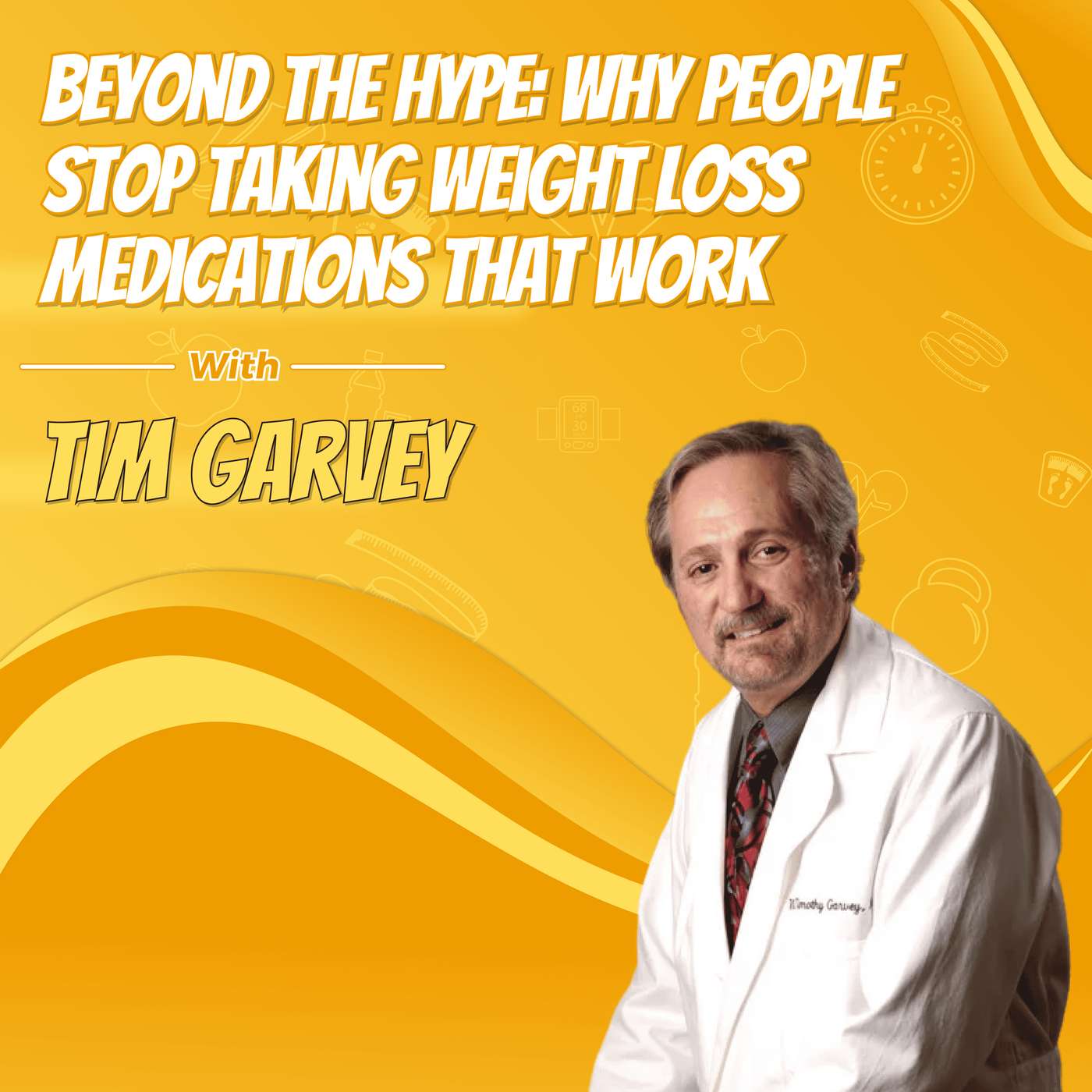
Beyond the Hype: Why People Stop Taking Weight Loss Medications That Work with Tim Garvey
Mar 5, 2025Tap to summarizeWeight loss medications have dramatically transformed obesity treatment, but there's a surprising trend emerging: many patients who find success on these drugs are stopping them. Why? And what happens next?Join Holly and Jim as they welcome Dr. Tim Garvey, endocrinologist and Professor of Nutrition and Medicine at UAB, to explore this fascinating paradox. As one of the world's leading experts on weight loss medications who has been involved in clinical trials for both current and next-generation drugs, Dr. Garvey offers insights into why these medications work, why patients discontinue them, and what the future holds for obesity treatment.Whether you're considering weight loss medications, already taking them, or simply interested in the evolving science of obesity treatment, this episode reveals the complex reality behind today's most talked-about weight management tools and the importance of thinking beyond just weight loss.Discussed on the episode:Why these new medications represent a "landmark in the history of medicine" comparable to insulin and penicillinThe surprising reasons patients stop taking medications that successfully help them lose weightWhat happens to your body when you discontinue weight loss medicationsWhy losing "too much weight" can sometimes create unexpected health challengesHow the medications work—and why they're not "fixing" obesity permanentlyThe critical differences between weight loss and weight maintenance medicationsWhy many physicians aren't prepared to help patients develop long-term strategiesThe unexpected side effects discovered through clinical trials that nobody anticipatedWhat future weight loss medications might look like and how they could change treatment
Transcribe →