Podcast
We're Not So Different
Hosted by WNSD Pod · EN
A mostly Medieval history podcast about how we've always been idiots
patreon.com/wnsdpod
welcometothecrusades.com
patreon.com/wnsdpod
welcometothecrusades.com
27episodes
Episodes
Newest firstAll episodes
Peter Abelard & Heloise
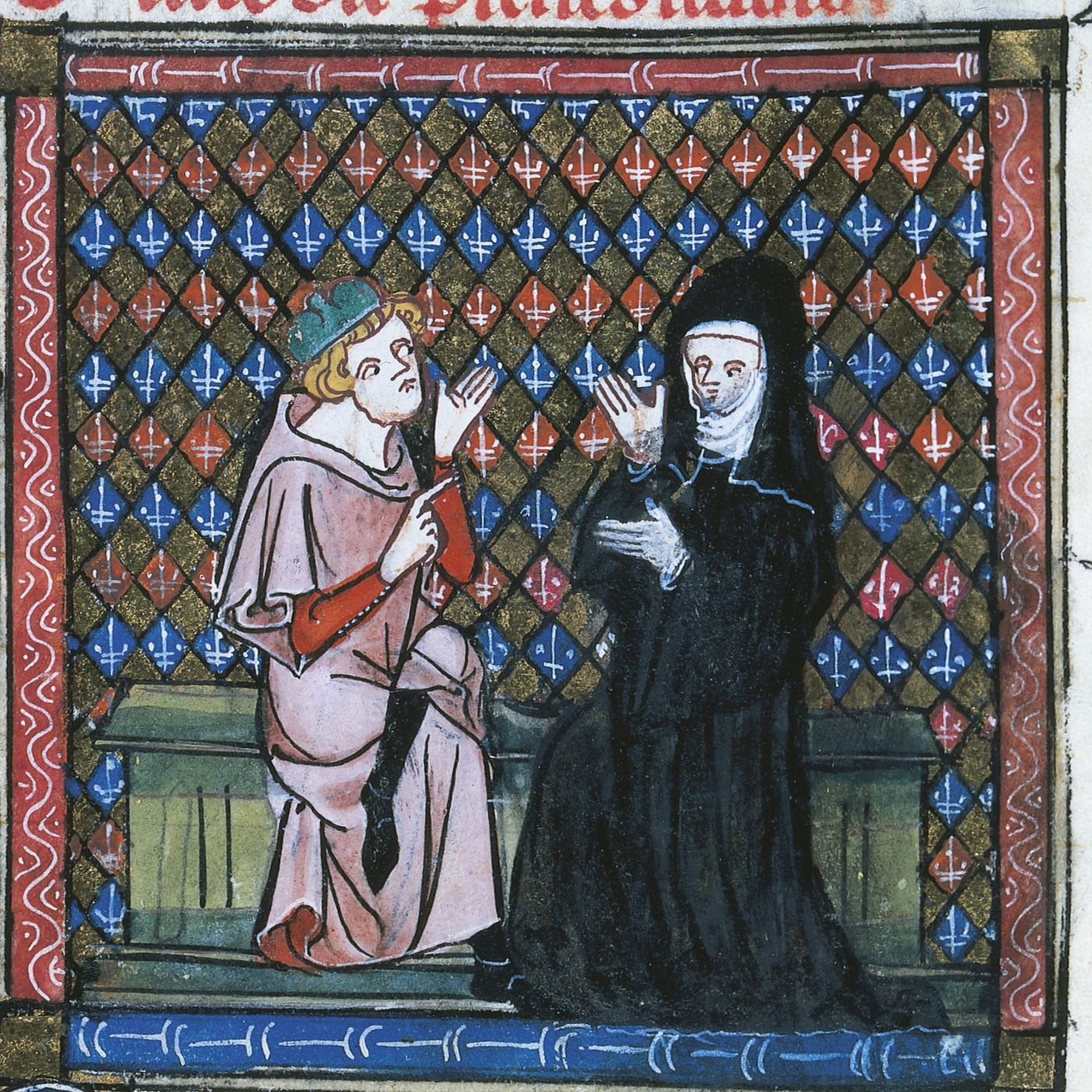
3d ago01:33:21Tap to summarizefolks, today we tackle longtime frenemy of the podcast: Peter Abelard. he's a very interesting historical figure for his positively cutting edge ideas in numerous fields of study and is singled out and oppressed by the Church and clergy but he's also most famous for an extremely problematic relationship with his lifelong love, Heloise, a probably underage girl and definitely his student and underling. it's real land of contrasts hours here, folks.cover image is a medieval manuscript drawing of Abelard and Heloise from the cover of the Penguin classics edition of The Letters of Abelard and Heloise
Transcribe →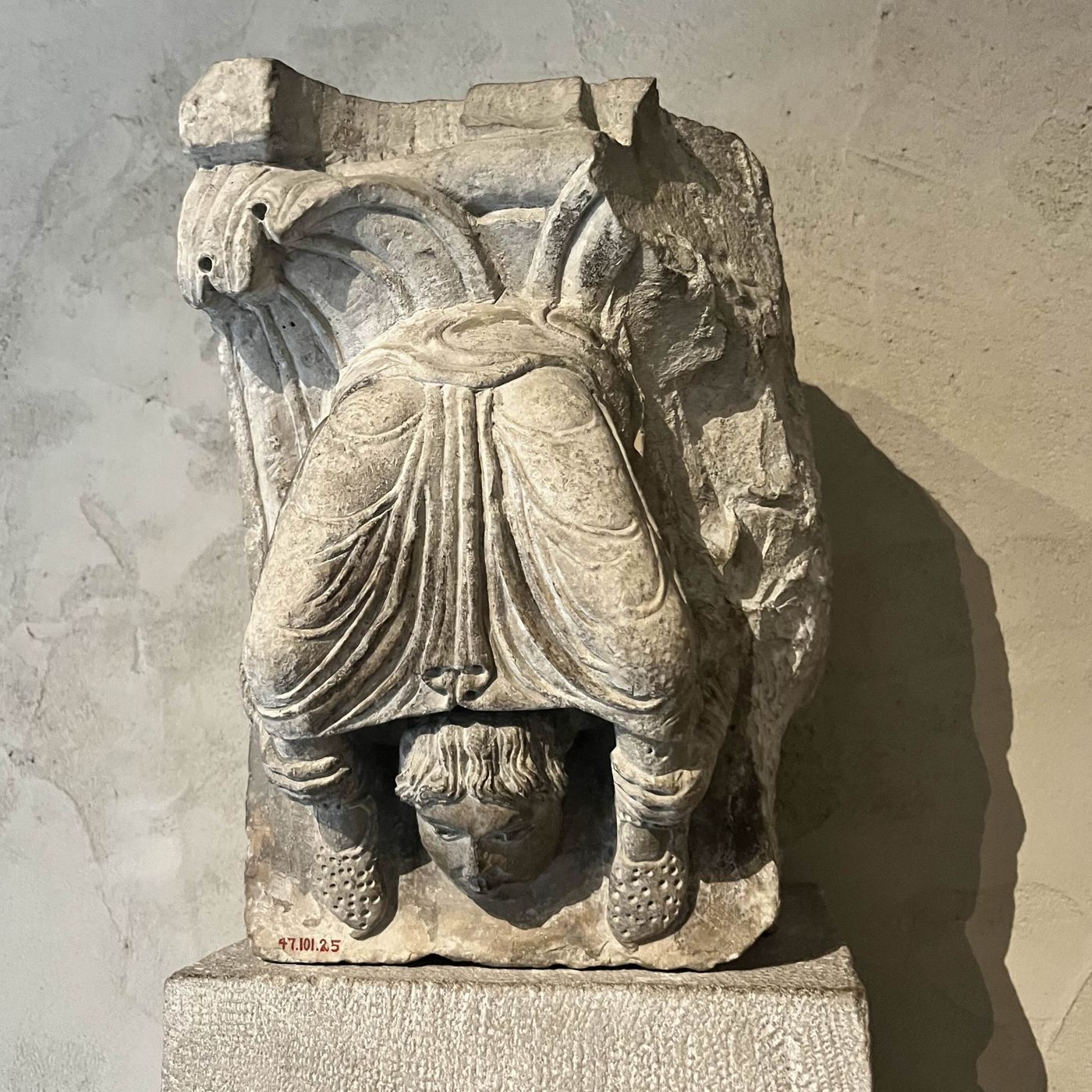
August Mailbag: Medieval Crocs
1w ago01:13:12Tap to summarizefolks, we're back with our monthly mailbag episode wherein we answer questions from our patrons. this time, we talk about what happens if you are shipwrecked in the Middle Ages, depictions of Jesus, Medieval crocs–the shoes, not the giant creatures, though they were around–slaves at the end of empire, noble views on chivalry, getting cut off at the Medieval pub, the worst name I’ve ever heard for a child, and more.cover image is from patron Quixotic from the Met Cloisters
Transcribe →The Odyssey Review
2w ago01:48:46Tap to summarizefolks, it's time to review Christopher Nolan's film adaptation of The Odyssey, which just came out a couple of weeks back. we talk about the good and bad choices Nolan made in his adaptation, his handling of the source material, the stellar production values, Zeus's Law, our Age of Bronze collapsing, the spectacle, Rob Pattinson's masterclass, forgetting how to read, and so much more. enjoy!
Transcribe →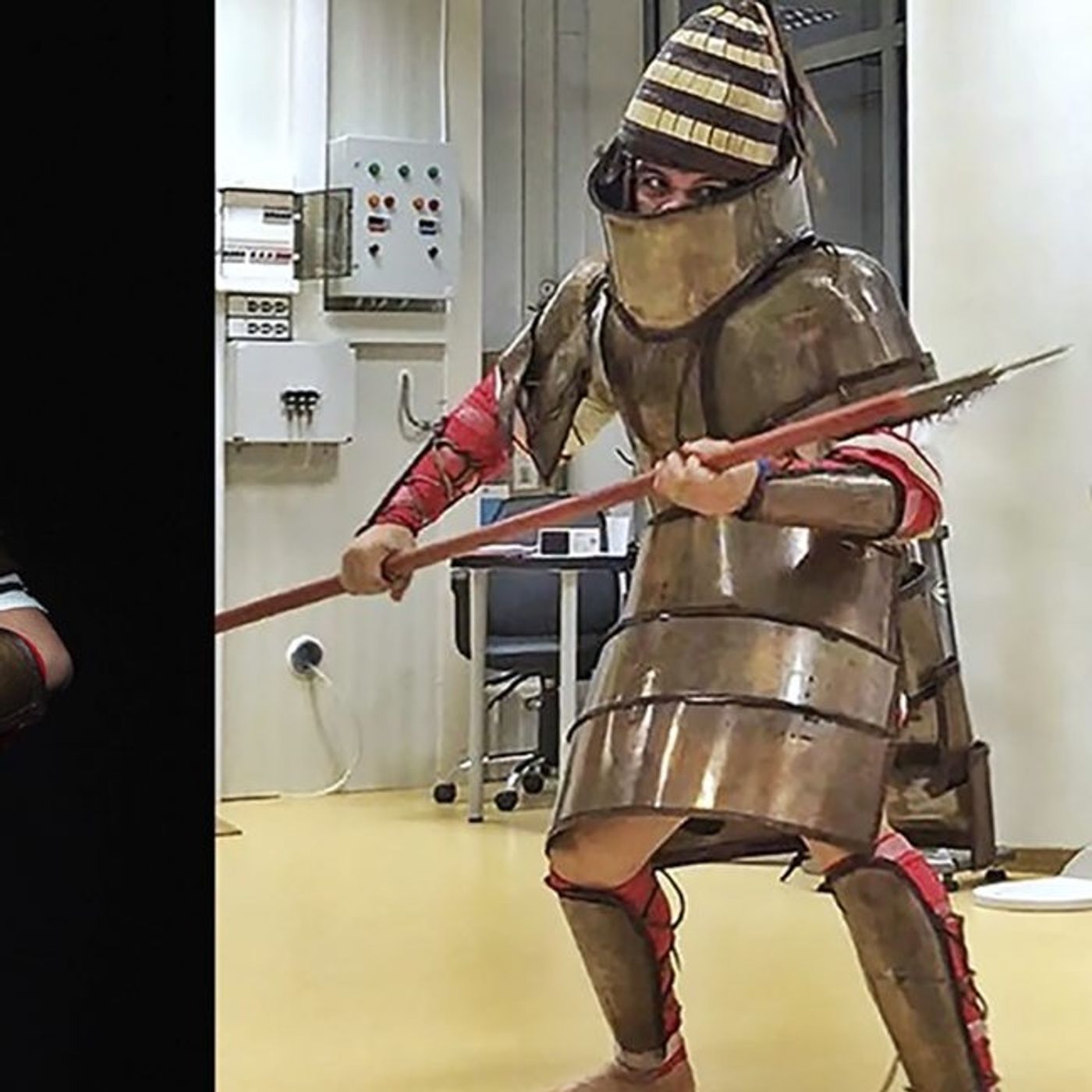
The Fall of Troy Probably
3w ago01:13:44Tap to summarizefolks, everyone has Odyssey fever these days, so we decided to do a little episode talking about Homer, the Iliad, the Odyssey, what they mean, a weirdo named Heinrich Schliemann, the real Fall of Troy, and what it all has to do with the Bronze Age Collapse and the enigmatic Sea Peoples. Tune in next time when we review Christopher Nolan's recently released Odyssey film.
Transcribe →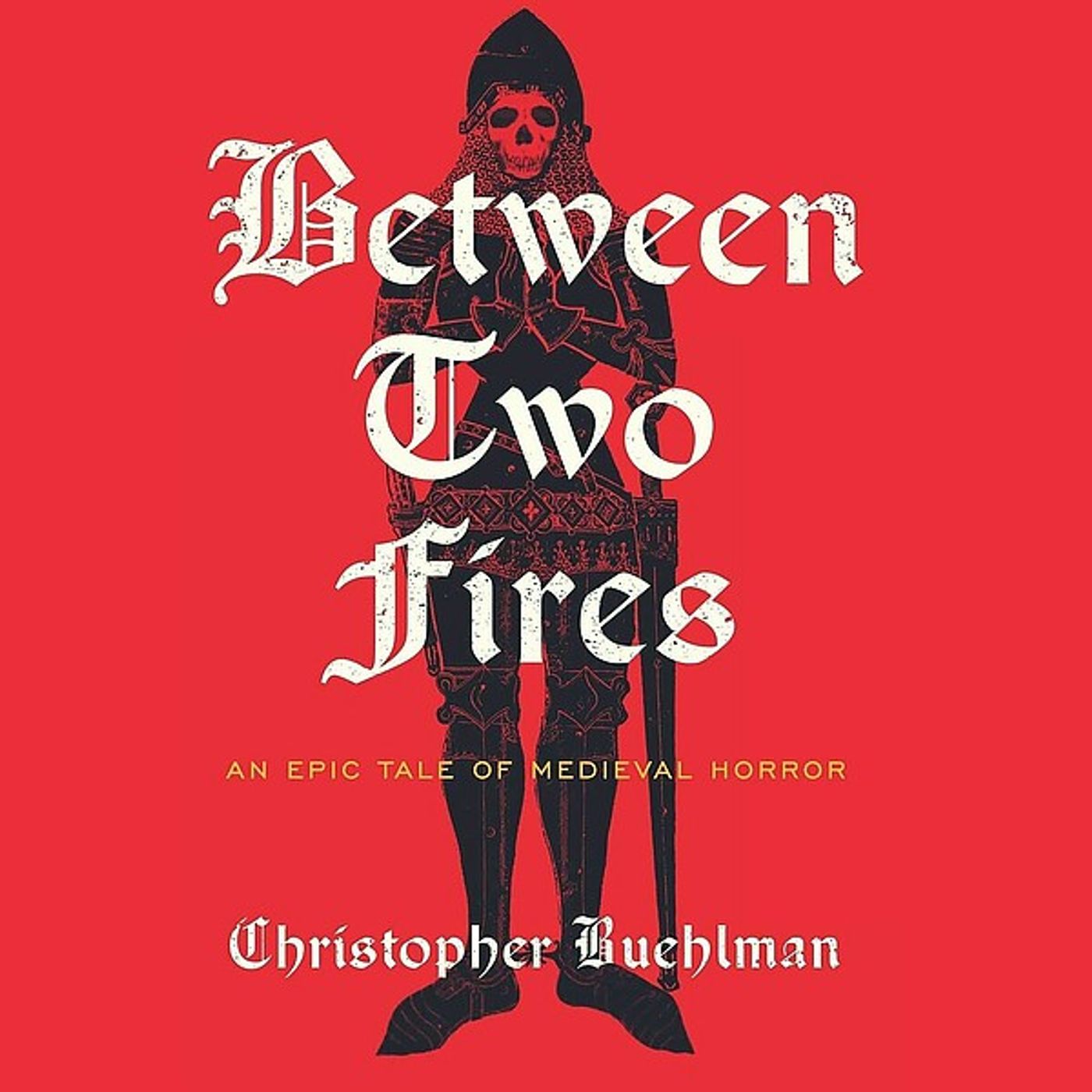
Patreon Ep Unlocked - Between Two Fires 1: Sock the Angel
Jul 1501:26:33Tap to summarizefolks, we start out book club series on Christopher Buehlman's 2012 Medievalist fantasy horror novel, Between Two Fires. we briefly introduce the author and the book and then jump right into the action. we talk plague, a magic kid, a broken man, a Dark Souls boss fight, a few miracles, and an angel named Sock. enjoy!
Transcribe →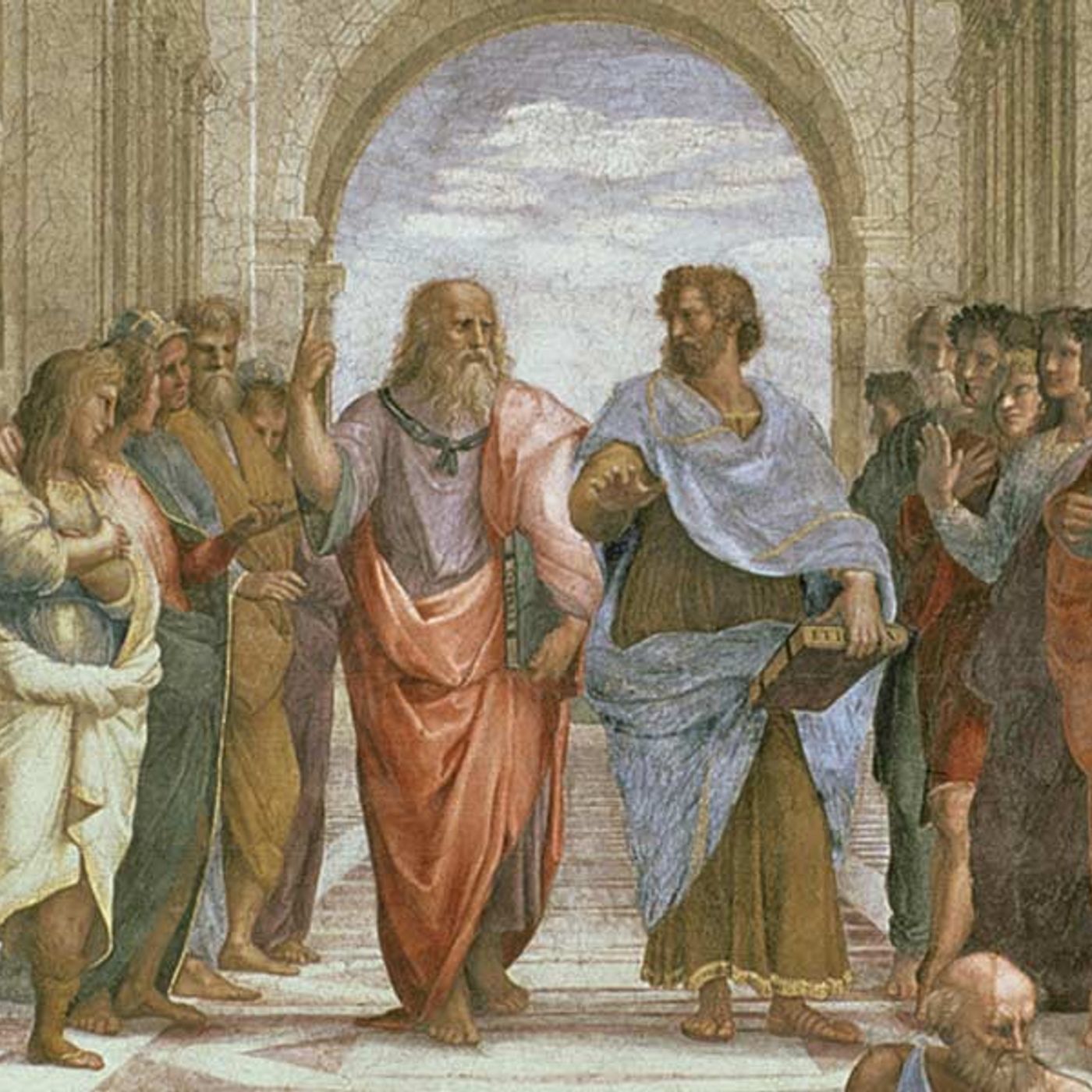
July Mailbag: It's All Greek to Us
Jul 801:31:21Tap to summarizefolks, we are back and diving into our monthly episode of patron mailbag questions. this time, we talk about grain storage, the university at Bologna, Medieval fiction writing, the Greek language, new D&D classes, and more. enjoy!
Transcribe →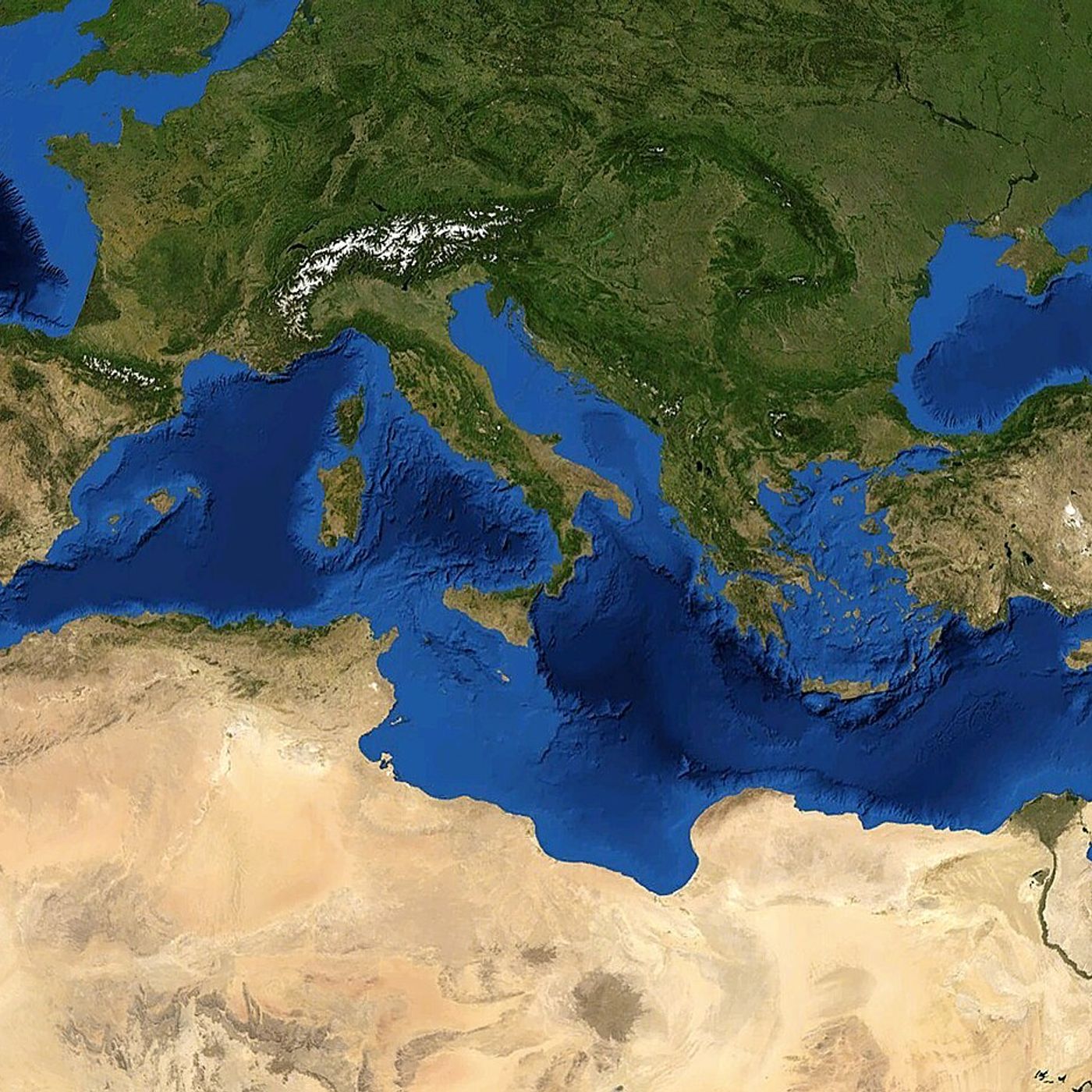
The Wine Dark Sea
Jul 201:03:09Tap to summarizefolks, today we talk about the Mediterranean Sea. you know it, you love it. we discuss how it just looks like a really cool place to set a fantasy series, where we would setup our fictional empire, why it was so conducive to civilization and empire formation, how it served as a conduit for trade, travel, cultural influence, religious syncretism, and more. oh, and how it's always so wine dark and primed for adventure.cover image: satellite view of the Mediterranean Sea surrounded by Europe, Asia, and Africa, taken from wikicommons
Transcribe →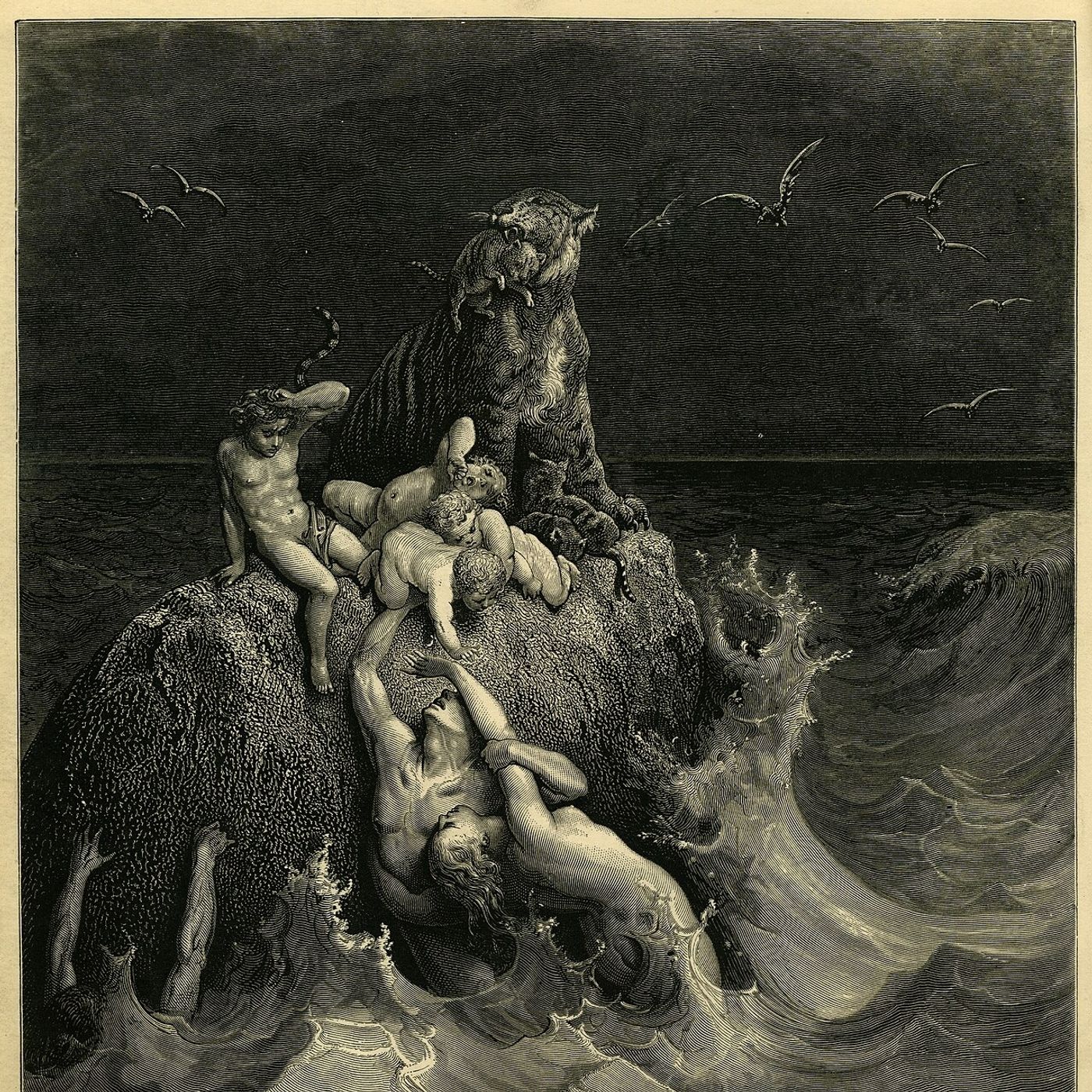
June Mailbag 2: Flood Myths
Jun 2401:21:36Tap to summarizefolks, we are back with another mailbag because we are behind on patron questions. this time, we talk about everything from donkeys to postal services, gendered work to seasoning pans, Hungary to myths and folklore, and even a whole block of questions about peasants running away to the cities and obtaining their freedom by staying for a year and a day. enjoy!cover image: frontispiece from Gustave Dore's illustrations of The Holy Bible showing people clinging to rocks during the biblical Flood, entitled "The Deluge"
Transcribe →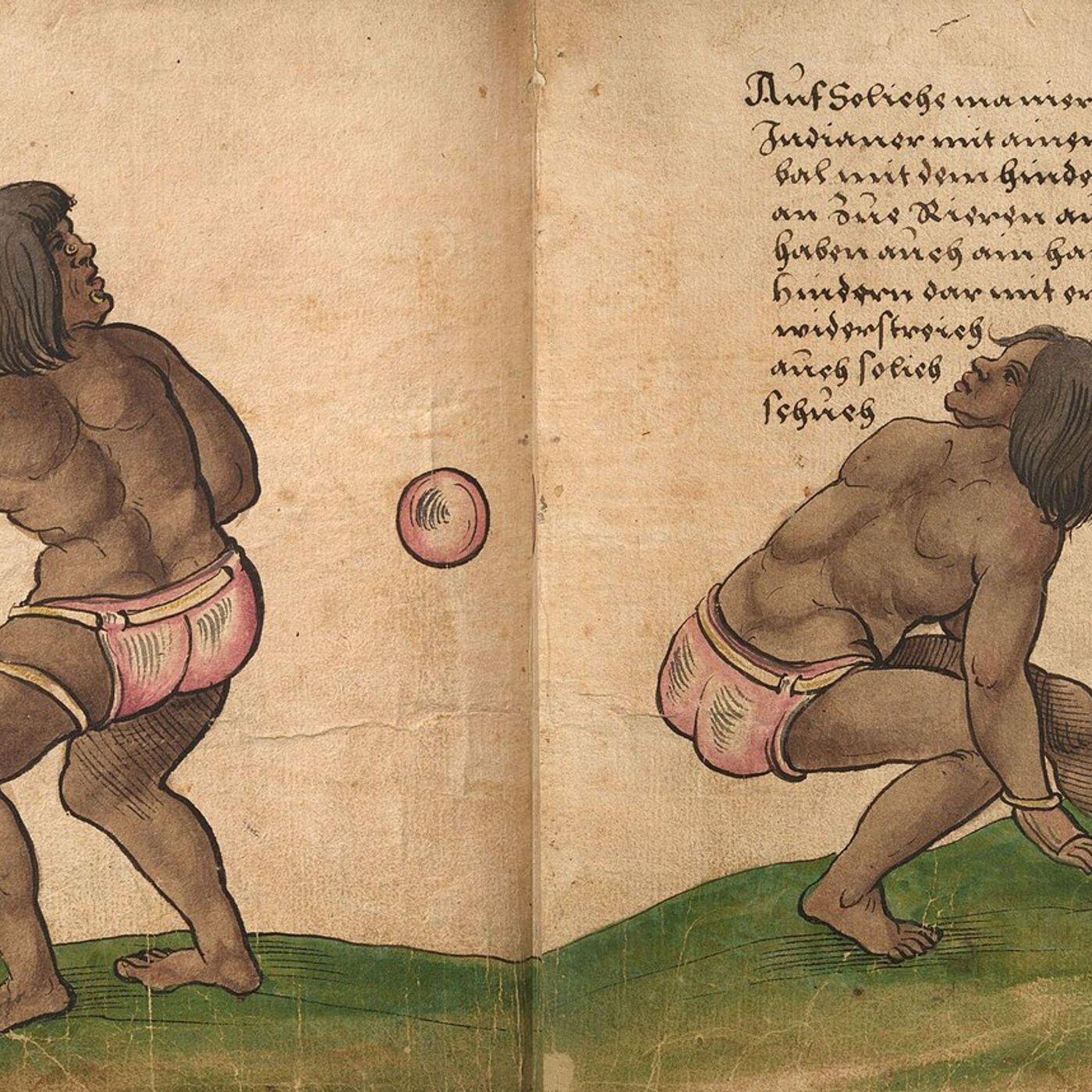
Medieval Sportsball
Jun 1701:21:28Tap to summarizefolks, the World Cup is once again upon us in all of its glory and terror. so we take a look back at sports in the Middle Ages. we talk Medieval football, crossbow competitions, jousts and melees, chariot racing, the Mesoamerican ballgame, and more. we also talk about how sports has always been at the intersection of politics, culture, religion, and communal life for both the regular folks and the elites. also, we've always loved gamblingcover image: drawing made by Christoph Weiditz in 1528 showing Aztec Ullamalitzil players performing for Charles V of Spain
Transcribe →
June Mailbag: Aurora Borealis
Jun 1001:34:23Tap to summarizefolks, we're back and diving into the patron mailbag once again. this time, we answer questions about a host of topics, including: height differences, Aurora Borealis, best Medieval turlet, Traditional Chinese Medicine, battlefield name changes, othering, and spectacular Medieval wizard battles! check it out!cover image is of Aurora Borealis, taken from space.com
Transcribe →