← What I survived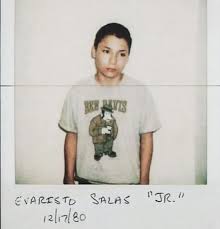
Loading summary
Transcript115 lines
- [00:01]
Mom
Hey honey, it's mom. Did you know if we switch to Verizon, we can get four phones for $0 plus four lines for $25 a line. Call me back me again. That's just $100 a month for four lines on unlimited welcome plus four phones. No trade in needed. Call me. It's mom. America's best network Verizon. That's the one we're talking about. I'll send you text.
- [00:22]
Evaristo Salas Jr.
America's best network based on RootMetric's best overall mobile network performance US second half 2025 four new lines on a limited welcome and autopay. See verizon.com for details.
- [00:30]
BetterHelp Ad Voice
A better help ad. Hold on one second. I just need to. What if you had a room where no one interrupts? No notifications, no expectations, just space to talk with. BetterHelp therapy happens in a space that's yours. Visit betterhelp.com randompodcast for 10% off your first month of online therapy.
- [01:01]
AllTrails Ad Voice
There's never been a better time to get outside and experience the benefits of nature, discover nearby trails and explore the outdoors with alltrails. Download the free app today and find your outside.
- [01:19]
Jack Lawrence
Just answer this question for me as best you can. What were you doing September 13th of last year?
- [01:28]
Evaristo Salas Jr.
I can't remember.
- [01:30]
Jack Lawrence
It's not good enough. That is not good enough.
- [01:38]
Evaristo Salas Jr.
My name is eldest, Losadas Jr. I was wrongly convicted of first degree I premeditated murder when I was 15 years old and I was sentenced to 32 years, 9 months. What do you guys think of gangs? They're awesome, man. They're awesome. Hey, we think that, I would say 94, 95 and 96 is when. That's when they started kind of shooting at us. And then it became really serious. You know, these guys are actually trying to kill us. You know, just because you wanted to get, you know, eyes off for you or whatever reason, you took his life away from him.
- [02:10]
Jack Lawrence
Hello and welcome back to One Minute Remaining. My name is Jack Lawrence, the host and creator of this show. Today is part two of my chat with Evaristo Salas Jr. Arrested at just 15 for murder, Evaristo grew up inside a US prison. And now at 42, that is where he remains, serving time for a crime he says he's innocent of. In our previous episode, Junior talked me through the area of Sunnyside in which he grew up, explaining that towards the end of the 80s and the early 90s, gangs started becoming an ever growing presence in the community. As a young man who came from a broken home, living with his stepfather, who was working 16 hour days, left him searching for, for belonging essentially for another family. Unfortunately, he would find that in a gang. At first, he tells me, it was all stupid kids running around breaking windows, tagging and getting into fist fights. But it wasn't long before it escalated. Knives and guns started appearing and life for Junior and his friends became much more dangerous, to the point he would have to plan his every move outside of his home.
- [03:35]
Interviewer/Host
There'll be people listening to this going, well, you know what, you were in a gang, you were, you were playing up, you've already said you were smashing windows and you know, doing stupid stuff. So kind of you made your bed, your line it type situation. Now I'm not saying that's my opinion. I'm saying that there'll be people listening with that opinion, you know, and there'll be people listening going, why didn't you just leave the gang? And why didn't you just stop doing all that crazy stuff you were doing?
- [04:00]
Evaristo Salas Jr.
In the beginning it was, it was all fun again because it was just, you know, you know, it's adrenaline rush, this kind of stuff, that kind of stuff. But when it got serious and you know, when you started seeing these kind of the level of violence that it was going, there's only so much even as a child you can take, you start to think about it, especially when you're thinking about, you know, death every day, like, am I going to survive today? Am I going to. I got to worry about this, I got to worry about that. You start to question choices you've made. Now your mind is not developed enough to actually, or you don't have enough experience to actually look at things in an objective way and think, okay, this is what I need to do, this is what I've been doing, this is what I need to do to change. Because mentally you're not there. You don't have the experience in life to kind of judge the situation in that kind of way. That doesn't mean that every day I didn't feel like I made a really bad choice, you know, I have to find a way to move away from this lifestyle, you know, and anybody that would say, well, yes, you kind of brought her on yourself, you know, you did this, you did that. I would agree with them. I did. Just like they would, I would look at me as being one of the suspects in that because look, a bunch of delinquent kids, we got a bunch of windows broken, somebody stole some beer over here, somebody, logically, you're going to go to the People that are in those neighborhoods and say, well, yeah, I see these people walking around, and then we treated them with disrespect. They treated us with disrespect. You know, we kind of brought that on ourselves, you know, so anybody that would say, well, you know, you know, like you said, you made your bed lying. I would agree with them to a certain extent. Yeah. Because I don't know what kind of. What level of frustration the officers were dealing with at that time. You know, maybe their budget. Their budget was restrained, you know, that they didn't have enough funds to cover everything, and all they're seeing is an uptick in crime, and they got to protect the community. So if they see a bunch of gang banging kids, you know, they got to be harsh and be that way with them in order to kind of get control of the situation. I can understand that kind of mentality. I can even agree with it to a certain extent. But when you take that kind of to another level and you start saying, well, none of these guys, you know, can be saved from this lifestyle, or you stop sympathizing with the struggles that they have in their lives and say, you know what? They're all gang members. They all deserve to go to prison, that's when it changes. That's when you've crossed the line by saying, you know what? You've gone beyond, you know, your duties of saying, well, I need to protect the community. You have to give every individual, you know, not the benefit of doubt, even though they say that's what they knew. But at the very least, try to understand what they're dealing with and what they're struggling with, and understand that as a child, you know, from 12, 14, 15, you're never going to make the best choices because you just don't have the mentality or the experience to make those choices. And I would have loved to say, you know what, dad? We need to get out of here. I messed up, you know, I hung around the wrong people. We need to go to another town. The problem is my dad can't just find another job somewhere else because guess what? He came from Mexico. He doesn't have the skills. He doesn't have, you know, the right education to sit there and just uproot himself.
- [06:52]
Interviewer/Host
Plus, he can't just uproot your entire family just because, you know, you've made some poor choices. And going back to what I was telling you about that gang that, you know, tapped at my window with the knife, I mean, I was terrified, but I couldn't go to my parents and say, hey, guys, we got to move. Because some shit's happened with these guys, and, you know, I'm terrified.
- [07:11]
Jack Lawrence
Can we.
- [07:11]
Interviewer/Host
Can we sell our house and move? It just doesn't work like that.
- [07:15]
Evaristo Salas Jr.
Exactly. It doesn't. And then the second thing you know is. You know is, did I think about leaving the gang? Yes. Every day. There was even a time that I came to my friends, and this was the worst part about it, because they had just killed one of my friends in front of me. They shot him in the back, and he died right there in front of me. We buried him. I carried his castig. I carried his castiguous and everything. And at that point in my life, I didn't want to be a part of the gang anymore. I stopped wearing the colors. I stopped hanging around with them. And the worst part about it is, when they seen me doing that, instead of having sympathy, instead of saying, well, we understand, they looked at it and they became hostile to me. Yeah. They started calling weak, oh, you're this or you're that. Now, not only do I got all these other individuals from my rival gangs that dislike me and the things I did to them or the fights and all that stuff that are probably going to attack me anytime they see me, but now I got the people that are my. Supposedly be my friends. And I say that in air quotes now. They're against me now. What choices do I have? You know, that was the dilemma. And what hurt me most about it, because I didn't see that coming. I was like, I thought they would understand. Why you guys calling me names now? Why you guys threaten to jump? There was times where I thought I was going to jump by them because I had told them that I didn't want to be a part of this stuff anymore. I thought they would say, oh, it ain't no problem, man. You're a friend, you know, it's all right if you don't want it. It wasn't like that. It was like, oh, you're weak. You know, you're scared. You ain't a part of it.
- [08:37]
Interviewer/Host
You're turning your back.
- [08:38]
Evaristo Salas Jr.
They're gonna jump you. Yeah. And it became. They became hostile. It wasn't a mentality that, oh, you want to do better for yourself. It was a mentality, oh, you're abandoning us. Yeah, you're supposed to protect us, too. And you're abandoning us because you're scared, you know? And then you become almost ostracized by the people that are the only people that you know and that Was a struggle, and that was the dilemma. But I did made kind of attempts to try to push it away by stop wearing the colors. But by then it didn't matter because I didn't need to wore the colors to be identified as that gang. It was already my identity.
- [09:06]
Interviewer/Host
Yeah.
- [09:07]
Evaristo Salas Jr.
And even if I would have left it, I can't go up to my rival and say, you know what? I left the gang. Sorry that I, you know, maybe I jumped you with this time with this other guy, or we got in a fight over here and. And that they're gonna be like, oh, no, we're gonna get ours, you know?
- [09:19]
Interviewer/Host
Yeah.
- [09:19]
Evaristo Salas Jr.
Oh, you ain't got no one to protect enough, you know, so it's that kind of back and forth. And for people that don't live in those. In that environment, it's easy for them to see it like that because the solution seems so simple.
- [09:30]
Interviewer/Host
Yeah, of course.
- [09:30]
Evaristo Salas Jr.
So simple. But it's not. When you look at. When you look at the details of everything, when you're in that moment, it's like you almost feel trapped.
- [09:42]
Jack Lawrence
As Junior mentions there, at the age of just 15, he would watch his closest friend get shot and die in front of him. He talks me through that day.
- [09:57]
Evaristo Salas Jr.
Yeah. So we. It was my friend and he. So he. I met him, like, I think two or three years prior. He was a little bit older than me, and he started actually being a part of the game because I was a part of it. And that was the worst part about it. And I still feel a lot of guilt for it. And he was. You know, we spent every day together. He was always at my house. My dad actually liked him, which. My dad never liked any of my friends, but he would allow them to the house. He didn't allow the other ones into him. And he was just like, real respectful, cool, funny. And we always. We were just. We're literally like brothers. We're together every single day. We got in fights with other rival gangs, all that stuff, and he wasn't. Well, he wasn't part of a game for a while, but then he decided, well, I want to be a part of it. And he became a part of it. And then, you know, we did what we do, you know, we, you know, ran around, you know, you know, went to each other's houses all the time, you know, and just did stupid things. Some other friends of mine that were part of the game, they came to my house and they were like, hey, we're trying to. They were asking me if I had any weed. Basically, you got well, you got any weed? I said, no, I don't have any. They were like, oh, well, we gotta go. Let's go talk to your friend Robert. Maybe he can find. Maybe he has someone that we can buy a little, you know, you know, a couple joints from. Or whatever, you know. So I was like, well, let's go. So we walked over to Robert's house. He lived across, you know, town, maybe a couple blocks away. We headed over there and he was like, no, I don't have. He was there with his girlfriend. He's like, no, I don't. I don't have any, bro. You know what I mean? So we couldn't find any. So we decided it was about eight or nine of us. We decided, well, let's go to the, the store and let's just spend our money, buy something to eat. So Robert, or his name was Robert, he wasn't going to come with us. He was like, no, I'm here with my girlfriend, so I just going to stay here. And we started nagging like, come on, bro. It's just right there. It's not. It's like two houses down from here. We're just going to buy. I told him, we'll buy a burrito or something. All right. So we headed over there. We got to the store, there was a arrival. Gang members are in the car. They pulled up, there's like four across intersection. They pulled up and they stopped and started yelling things at us right there. But I had went into the store and then the eight guys I was with, they started attacking. They attacked the or. They try to fight with the guys in the car. Well, one of them had a gun and he pulled it out, waved it around. Nobody kind of responded to it because I don't think anybody's seen it. And then he shot one time and they sped off. And I came out the store when I heard the shot. And I see my friend lying there on the ground and I ran up to him, he was making a weird sound. Then hit him in the back and pierced his heart. But he was still alive and he was making this kind of weird sound. And I was trying. We were trying to, you know, we didn't know what to do. We were trying, you know, we couldn't even see there was. We didn't know he got shot in the back, so we couldn't see any kind of wound in the front. He wasn't bleeding or nothing and he just wouldn't respond to us. And then there happened to be a cop that just pulled in and so the ambulance got there within two or three minutes and he was already. He was already dead. So my sister, I think, called the hospital and said he had passed away. And I just went home and I see my dad right there. And my dad knows him real good. And I told him, I just walked in the room and I told dad they just killed Robert. And I broke down crying and my dad started. Grabbed me and started crying too. And it was just like. And when that happened, it became really real. And it was like, you know, this was my best friend. I was with him every single day for about three or four years. Not only that, but he only became a part of the game because I was a part of it. So there was a guilt that came with it. And I know his dad, I know his sisters and I had to look at him at the funeral. And if they would have thought, well, you're responsible, they would have been. They would have been right to a certain extent. Because they could have hated me. They didn't. But they could have hated me because I was the one that he started hanging around with. And then he became a part of the game. And that's a guilt that I carry with me for my entire life.
- [13:38]
Interviewer/Host
So what age were you guys when this happened?
- [13:41]
Evaristo Salas Jr.
I was 15 and he was 17.
- [13:49]
Jack Lawrence
Watching someone die is hopefully something that not many of us will ever have to experience, let alone watching your best friend get shot in front of you and take his last breath. This was now reality for 15 year old Evaristo. The perpetrator would be caught and charged and Junior would eventually bump into him in a jail cell.
- [14:14]
Interviewer/Host
Was anyone arrested for his shooting?
- [14:16]
Evaristo Salas Jr.
Yeah, somebody was arrested. I think it was four days after. Four or five days afterwards he was arrested for. And he was a juvenile too. I guess he was 17.
- [14:26]
Interviewer/Host
And do you know if it was the actual person who shot him or.
- [14:29]
Evaristo Salas Jr.
Yeah, yeah, it was actually the one who did it. Yeah.
- [14:31]
Interviewer/Host
Do we know what happened to him?
- [14:32]
Evaristo Salas Jr.
I guess he confessed or something. He got sentenced to. I actually ran into him a few times in prison, but he's already out now. He got sentenced to 30 years. He did 24. 24 years on it and got out. I think got 24 years and then got out on the juvenile parole. And this was. He got out like I think three or four years. Four years ago he got out.
- [14:51]
Interviewer/Host
So you say you ran into him a couple of times inside prison. What was that like the first time you saw him?
- [14:55]
Evaristo Salas Jr.
Well, the first time I didn't. I didn't. The worst part about it so when I got. They put me in a juvenile for three months, and then they declined me as an adult, basically charged me and said that I'm going to be tried as an adult. So they took me out of the juvenile, put me in the county jail, which is, you know, house for adults, but they segregated the juveniles. And so they put us in. In isolation. And so they threw me in a tank. And there he was, the person who killed my best friend. And I didn't know it at the time, but I walk in and he kind of introduced himself and I say. I said, what are you in here for? He said, oh, I. He said, I accidentally killed somebody. That's what he said. Right? When he said that, the officers came running in and they called me out of the tank and they said, hey, are you all right? So. And so's here for doing this and doing that. And I was like, no, I'm all right, because you can't tell them that you're not, because then you'd be labeled as your, you know, your telling or whatever. So you just gotta face it. So they put me back in there and I said I was good. And he just starts telling me about it was an accident, you know, I mean, I was just trying to scare. He didn't know I was there. He just said, I'm trying to scare him. You know, they were rushing the car and I just. I fired a shot. Thought that would scare everybody. I didn't mean to hit him and all that kind of stuff. And I was like, oh. And he came at it, the way he explained it, he was actually crying when he was telling me that too, you know, and he was just saying how sorry he was and that kind of stuff. And then when he realized who I was, seems that was from Sunnyside, he really started. I didn't mean to do it, you know, like I said, I was just trying to scare. I didn't want to. I'd stayed six months in there before I was found guilty and then sent to prison. He went before me and he got. He was. They offered him a plea bargain of 12 years or 10 years, something. And he didn't want to take it, you know, because that. He didn't mean to do it. And so he ended up not. He ended up taking the trial and he loses, you know, and they sent him to 30 years. And he was Hispanic too, and they sent him 30 years, and he was juvenile at the time, and they sent him off to prison. And then I, you know, get sent off, you know, get found guilty you know, six, seven months later. And then I get sent off, and I don't see him until maybe six years later. Actually see him in the Washington State Penitentiary. And when I see him there, he's changed in a lot of ways. He became a Christian. He renounced his gang membership. I mean, obviously, he was really, you know, remorseful about what he did. He would apologize to me, see me again. So it changed the whole dynamic, because I came at it with a certain hatred for the person who killed my best friend. But then here was this person that was, you know, remorseful. He wasn't playing the role. He was actually remorseful. And. And he would never stop being remorseful about it. And then he changed his entire life and renounced the gang stuff within prison, too, which is hard to do. You got to be strong to do that. Yeah, you got to be a strong man to do that. And he never, you know, he. He always maintained that he was sorry about it and that he wished he never did it. And then he gave himself and lived the life, you know, for God and for Christ. I mean, so that. That changed everything. For me. It wasn't. I wasn't mad at him anymore like that. We even spoke a few times. And it was, for me, was strange because, you know, like, you know, I was changing as a person, too, because I was like, well, you know, I got to show some kind of forgiveness, you know, and. And my dad did the same thing. I was telling. I told my dad about it and everything, and my dad was like, look, you know, you know, people make mistakes. You know, sometimes you guys are in those moments, and sometimes it just can make you do things and you don't realize you do them, you know, so. So that. That. That. That was. That was. That was an experience, you know?
- [18:20]
Interviewer/Host
Yes. To say the least.
- [18:22]
Evaristo Salas Jr.
Wow. Yeah. Yeah.
- [18:35]
Jack Lawrence
So we're going to take a quick break, and when we come back, we'll discuss the events that would change Junior's life forever.
- [18:41]
Evaristo Salas Jr.
I told him, look, I didn't have anything to do with this. I don't know who's saying what, but I'm telling you that. Right? And I'm already in tears because this is freaking me out, because I can see by his demeanor, he's not playing.
- [18:57]
Verizon Ad Voice
Now more people than ever can bring in their bill for a better deal at Verizon. Got AT&T or T Mobile. We got you Xfinity or Spectrum.
- [19:03]
Evaristo Salas Jr.
You, too.
- [19:03]
Verizon Ad Voice
So tell your friends, your family, your quirky neighbor Jeff, grab your megaphone and yell it from the rooftop. Get a better deal at Verizon because chances are anyone in shouting distance is included. Bring in your AT and T T Mobile, Xfinity or Spectrum bill and we'll give you a better deal. Deal on the best network Come by Verizon today. Best Network based on RootMetric's best overall mobile network performance US 2nd/2025 all rights reserved. Must provide recent Consumer Mobile Bill in the name of the person redeeming the deal. Additional terms, conditions and restrictions apply For
- [19:27]
Progressive Insurance Ad Voice
a small business owner, every day is full of surprises. Some great, some not so great, like when a client cancels their order at the last minute. But here's a surprise you will like. Progressive provides small business owners with 30 customizable coverage options to help keep their business going strong. So go ahead, surprise yourself. Get a quote in as little as 8 minutes@progressivecommercial.com Progressive Casualty Insurance Company and affiliates and third party insurers. Coverage is not available in all states or for all vehicles and coverage selections
- [19:56]
AllTrails Ad Voice
we all belong outside. We're drawn to nature. Whether it's the recorded sounds of the ocean we doze off to or the succulents that adorn our homes, nature makes all of our lives, well, better. Despite all this, we often go about our busy lives removed from it, but the outdoors is closer than we realize. With Alltrails, you can discover trails nearby and explore confidently with offline maps and on trail navigation. Download the free app today and make the most of your summer with Alltrails.
- [20:30]
Jack Lawrence
Just a quick reminder that One Minute Remaining now has a subscription option available via Patreon or Apple plus.
- [20:38]
Interviewer/Host
You can now.
- [20:38]
Jack Lawrence
I would, however, like to assure you that the show you enjoy each week is and will always remain free. There's been some concerns over the last couple of weeks from certain people about the subscription service, but this is purely if you would like the option of getting some bonus monthly content as well as gain access to these episodes early and ad free. If you don't, then that is totally fine and you can continue listening to the show if you each week for free.
- [21:07]
Interviewer/Host
The thing that actually amazes me about you, junior, is I know you're older now, you know you're in your 40s, but you come across as a very calm individual. I'm assuming that's taken you a while
- [21:22]
Jack Lawrence
to cause were you would you consider you were an angry kid?
- [21:26]
Evaristo Salas Jr.
Oh yeah, I was an angry and explosive kid. Yeah.
- [21:29]
Interviewer/Host
Yeah. And I mean that would be because of, you know, what you went through.
- [21:34]
Jack Lawrence
So.
- [21:35]
Interviewer/Host
So it wouldn't take much for you to get In a fight, I would imagine, when you were a kid.
- [21:39]
Evaristo Salas Jr.
No, it was. Yeah, it was. It took very little, you know, back in the days. And, you know, I was just so, so emotional about everything, you know, and I. I didn't really understand that until later on in life when I, you know, I forced to look at myself and kind of reflect on the person I was and, and was becoming and how I wanted. And that came as I grew older, you know, and then it became like, wow, you know, I mean, I can be a little out there, you know, and it was just, like I said, all that was was just. It was just. It was bottled up trauma. That's all it was. It was trauma that I hadn't dealt with, trauma with my mother, the traumatic events I dealt with as a child growing up and the way I lived and the conflicts that came with that lifestyle. And I just didn't know how to filter it in a positive way or how to release it. And so when I released it, I always released it on the wrong people. Usually the ones closest to me always said the wrong things, you know, and I just didn't have the ability or the discipline not only to see my actions in real time, but to actually, you know, kind of discipline myself not to be that way. And that came later in life, a lot later in life, you know, and it was through a lot of bad choices I made, you know, So I
- [22:46]
Interviewer/Host
think, you know, we all make bad choices when we're younger. I mean, I know I made plenty of young, you know, bad choices when I was younger. I mean, I was drinking at the age of 30, 13, and, you know, doing stupid stuff. And, you know, I. I've. I've been behind the wheel of a car when I've been drunk and, you know, things that I'm certainly not proud of. And I'm just. The only difference between you know, me and someone like yourself who's in prison is. Is luck, you know, that I didn't end up hurting someone by accident or, you know, and I know you. We will talk about the crime you were convicted of, but what I'm saying is that, you know, we all make stupid decisions when. When we're younger. I think most people would make stupid decisions when they're younger. Obviously some people make bigger silly decisions. I think most people when they're younger are just one bad decision away from getting themselves in trouble.
- [23:32]
Evaristo Salas Jr.
I always look at it this way, too. I'll say one more thing, but I always look at it, I always say, well, at the age that I Understood the difference between right and wrong. I became responsible for those choices. Now the argument could be made. I didn't fully understand the consequences of those choices. Yeah, and there's, where there's a little bit, you know, like, okay, well then you can kind of. I knew what this is wrong, but I didn't understand the consequences and the repercussions of what was going to come from that bad choice. You know, I wasn't mentally, you know, there yet, so.
- [24:02]
Interviewer/Host
And no one is at that age, you know, no one is. They just, you know, when you're younger you think you're 10 foot tall and bulletproof and you don't think about, you know, but when you're older it's, and you know, when you know, myself now I've got, I've got two kids and I look at them and it terrifies me, you know, it terrifies me that they're gonna probably do what I did when I was a kid. I hope not. You know, you hope that they won't but you know, you know, there's every chance they will. And it just, you look at it now and you just want to be able to grab them and say to them, you know, don't do what I did, don't be an idiot. But then my parents said that to me when I was a kid, you know, and it just exactly, you know, this never ending cycle of, you know. Well, you understand when you're older and when you're a kid you're like, oh whatever, shut up old person. And then you get older and you're like, they were so right, you know, if only I could go back and tell younger me now, don't be a fool. And hindsight's a wonderful thing, you know, if we could all, if we all had a crystal ball, you know.
- [25:05]
Jack Lawrence
It's November 14, 1995, 6:20pm on a cold night in Sunnyside, Washington. Ophelia Gonzalez is driving. Her partner, 24 year old Jose Aurelio is in the passenger seat and their baby is in the back. Ophelia parks the car and gets out with the baby. All of a sudden two shots ring out, hitting Jose twice in the head and killing him instantly. There are multiple witnesses who are around at the time of this shooting, which takes place right opposite a number of homes. You have three kids, 12 year old girl and two brothers who are 9 and 10, playing in a yard of a home just opposite where the shooting happens. You also have another witness who is in the balcony of their home nearby. The witnesses seem to have Conflicting opinions as to the age and appearance of the shooter. One witness would say the shooter was white, another that they were Mexican, and another, the shooter had a light complexion. More troubling is the fact that half the witnesses say they believe the shooter looked young, but the other half believe the shooter to be a much older person. The gentleman on the balcony says the shooter looked to him to be an older person who, who was over 18. The younger children who were nearby all said they saw an adult. Not only this, but a number of witnesses also say that they hear an argument taking place prior to the shooting, some claiming that they heard a lady yelling, with one saying they specifically heard the lady shout, leave him alone. Ricardo Jose's partner, Ophelia, says that she managed to get a quick look, look at the shooter and is subsequently shown a book of potential suspects. And at the time, she's unable to pick anyone out from the lineup she's shown. This will become an important factor later on in our story. Six months would pass by. So far, the sergeant in charge of the investigation, Jim Ravard, has had no leads whatsoever on the case. Until one day, a chance tip off from a police informant, Bill Braun, puts Everiso Salis as the number one suspect. Braun tells Brevard that he overheard Junior bragging to friends about committing this shooting. And police go and pick him up. This is the day after he's just buried his best friend.
- [27:44]
Evaristo Salas Jr.
When it began for me was on the 22nd of May, when they came at 9 in the morning. I said, we want to talk to you about Robert, who we just buried the day before. And then pull me on and then just. They just dump it on me. And that's how it begins. That's how this, this horror prior to that, that person wasn't even a thought in my mind. You know, it's not something. I didn't know him, so I didn't. I heard about his death, but it was like, oh, okay, somebody got killed. You know what I mean?
- [28:10]
Interviewer/Host
Yeah, yeah, yeah.
- [28:11]
Evaristo Salas Jr.
But it was, you know, not to be disrupted for the family, that kind of stuff, you know. Yeah, person died and that kind of stuff, but I was okay, you know, me.
- [28:18]
Jack Lawrence
Once he's picked up, he's taken to the police station to be interrogated. He's placed into a room and told to explain where he was on the day of the murder. A murder that had occurred six months
- [28:29]
Evaristo Salas Jr.
prior that happened in 1995. And I actually don't even. Didn't even know where I was that day. I had to really kind of think Back of the. Because they came, when they charged me was six months after. And they told me, well, someone said you killed somebody in 95, in November of 95. And it was May 22 of 96 when they were asking me this, and they were like, where were you at? And I was like, home probably. You know what I mean? I couldn't really. I couldn't think, well, what the hell? I mean, every day at that point was pretty much the same. You know, I was like, I know I wasn't in school, but. But I said I was home if it happened at. You know, they didn't even tell me the exact time when it happened. But when I went back and when I got. When. When they locked me, I had my lawyers like, you need to try to, you know, whatever you got to do, try to remember where you were at at least around that time.
- [29:15]
Jack Lawrence
This situation is something that has come up in a few cases that we've discussed in this show, most notably with Anthony Duke. He also was picked up months after the crime had been committed and was asked to recount his whereabouts on the day. Now, a number of people have questioned his confusion over this, stating that if they were up on murder charges, they'd like to think that they'd be able to remember because it was such a serious situation. I personally have the worst memory known to man. In fact, my wife's major gripe with me, there are many, but the major one is that I forget everything. So for me, this is easy to understand. There is no way on God's green earth that. That I would be able to remember what I did six months ago. So I wanted to put this to the test with others and see if put on the spot they could recall where they were and what they were doing six months ago. So I spoke with three people. Dom, my audio genius, my wife, who prides herself on her memory, and my brother, a former police officer turned security expert, to see how they would get on. Just answer this question for me as best you can. What were you doing September 13th of last year?
- [30:34]
Evaristo Salas Jr.
I can't remember.
- [30:35]
Jack Lawrence
It's not good enough. That is not good enough. If I was to say to you,
- [30:39]
Interviewer/Host
what were you doing on this date
- [30:42]
Jack Lawrence
six months ago, September 13th?
- [30:45]
Evaristo Salas Jr.
Probably weren't.
- [30:46]
Security Expert
I have no notes or any real recollection of what I was doing on 13th September last year, other than it being a weekday. I was likely at work to some description in London. But as to what I was doing exactly, I would not have a clue.
- [31:03]
Jack Lawrence
I'll help you Out. It was a Monday.
- [31:05]
Interviewer/Host
I'll help you out. It's a Monday. No idea now why I'm doing it is because this bloke that I'm talking to at the moment, he said he was pulled in six months after this crime had taken place and was told to tell them exactly where he was and what he was doing.
- [31:16]
Jack Lawrence
And he's like guys, it was six months ago.
- [31:20]
Interviewer/Host
Yeah.
- [31:20]
Evaristo Salas Jr.
How are you supposed to remember?
- [31:21]
Jack Lawrence
How are you supposed to track your day?
- [31:23]
Interviewer/Host
Like he needed to tell him where he was throughout the day on that date.
- [31:26]
Evaristo Salas Jr.
No, I'd have to go to the calendar as a starting point and if the calendar didn't have anything there, I wouldn't have a clue. I know how I could find out exactly what I was doing. Well first of all I'd go through my work calendar. Yeah.
- [31:39]
Interviewer/Host
Cause this is a 15 year old boy, he doesn't have a work.
- [31:41]
Evaristo Salas Jr.
I'd go through my social media messages.
- [31:43]
Interviewer/Host
This was in 1996.
- [31:44]
Evaristo Salas Jr.
No idea.
- [31:45]
Interviewer/Host
No such thing as social media. So no idea if you had any meetings with anyone you saw anyone in particular, any. Nothing at all about that day.
- [31:53]
Security Expert
I have no recollection at all of any meetings of what I was doing. If I was to try and recall it, I'd obviously go back through my emails and my diaries, probably my emails to start with because that would have given me an indication of what I was doing in and out from the inbox, you know, I'd then probably look at WhatsApp for around that date. That probably helped me. And the family calendar, we run a family diary that could help but yeah, that's it. No other record.
- [32:18]
Jack Lawrence
It's so true, isn't it?
- [32:20]
Interviewer/Host
Like I've got no idea.
- [32:21]
Jack Lawrence
I know it's the week before this show launched.
- [32:24]
Interviewer/Host
I possibly would have been at the radio station because I think I was still working there at the time. So. But I don't know if I don't.
- [32:31]
Jack Lawrence
Did I quit that?
- [32:33]
Interviewer/Host
See, I don't know. I don't even know.
- [32:34]
Jack Lawrence
And that's a, that's a big, a big moment in my life. I quick to quit a full time job that month. I just can't remember, remember what date.
- [32:40]
Evaristo Salas Jr.
It was a little bit stressful.
- [32:43]
Jack Lawrence
That's insanity.
- [32:44]
Evaristo Salas Jr.
Who can remember what they were doing six months ago?
- [32:55]
Jack Lawrence
So each person would need to turn to some form of technology, calendar, emails, social media, which is fine for an adult in the 21st century, text messages even. But this is a 15 year old boy in 1996. This is how he did it.
- [33:12]
Evaristo Salas Jr.
And so the way I did that was like, okay, on December 1st, my mom bought me some shoes because it was. She was doing it for my birthday, and that's the day she got her check. Okay. On October 31st, I went to a little Halloween thing that they had at the. One of the churches. Okay, what happened after that? And then I was like. And then I remembered, okay, wait, I remember we went to 7 11. Me and, like, two or three of my friends. And then the store clerk there was talking about, hey, somebody had just got killed somewhere on this side of town by this store or whatever. And I didn't pay much attention to it. She was just like, oh, my mom. I just. My mom just called me, or I just talked to my mom right now, and she just started sharing all this stuff. I didn't know her personally, but I was in the store so much that she seen me all the time. Yeah, she was nice to me and everything. And so we didn't really. Like. I didn't talk to her a lot, but she would see me. So she was like, oh, did you guys hear about it? And I said, no, I didn't hear anything about it. And I was like. I was like, who was it? Who was it? Or something. I said something like that. She was like, well, I don't know. My mom just said that she. The cops are there right now, and all that kind of stuff. It's a small town, so that's kind of how, like, you know, things spread around. Yeah, all that kind of stuff. So. And I was like, oh, yeah. I just didn't pay much attention to it, you know, I mean. And I just. When me and my friends were there, I think it was two or three of us walk. We bought some burritos, and I think I bought a. A couple pops. And that was normal. That was the routine I did almost every day and went back to my house. And prior to that, if I look back on prior to that, we were there and we were smoking weed, so that's why we're buying burritos. And we went and bought. And pretty much the day I was home the whole time because I remember I had got kicked out. I got kicked out of school because I got in a fight. I think. I think it was late October, and my dad was pissed off about it, and so he grounded me and said I couldn't really go anywhere. He would let me go to the store and stuff, but he won't let me go to my friend's house or kind of leave the block. So I. I Think. I'm not positive. I might. On November 14, I might have been grounded at that time, but I'm not sure. Maybe it ended before that, But I'm positive. We went to 7 11. That store clerk said this kind of thing. I remember telling my lawyer that. Then he finds the store clerk, and she confirms that. Yeah, that. I remember telling you that that was actually the day. But that's how I came to remember that day. But I didn't. I didn't. It didn't come because it's just another day. I mean, it's not like something special happened on that I remember. And the day that they actually talked to me about it was 5-22-96. So this is six months later. I'm like, home.
- [35:28]
Jack Lawrence
So Junior is being interrogated about a murder he says he knows nothing about. He's alone, scared, and says when he realizes these detectives are mean business, he breaks down.
- [35:41]
Evaristo Salas Jr.
What made it worse is, who is. I didn't even know the person that was actually killed. You know, I mean, I. I had heard him, but I didn't know him personally. Like, you know, I mean, and I heard people talk about him here and there, that kind of stuff. And so that they were like, oh, this person. And they said his name. And I was like, who the hell is that? And then they said, oh, his gang name and supposedly his gang name. And I was like, oh, what are you guys talking about? I mean, that. Heard about that, but. And then I was like, look, I'm telling you right now, I had nothing to do with this. And at first I thinking they're just making up stuff because, you know, that's what they did. They always stash me up, took me to the police station and interrogated me the same exact way. And it was always those two officers or another two. So it was almost routine. And at first I laughed. I was like, what? I was like, come on, man. I mean, I told Ruvard. I said, you know me my entire freaking life. Are you serious right now? And he didn't laugh. He goes, no, I'm serious. And then I got scared. I was like, oh, shoot. And he goes. And he looks at me, goes, I told him, look, I didn't have anything to do with this. I don't know who's saying what, but I'm telling you that round. And I'm already in tears because this is freaking me out, because I can see by his demeanor he's not playing. You know what I mean? And I'm like, oh, shoot. You know? I mean, nah, look, by then, I'm in tears. And he looks at me and he goes, I'm telling him over and over, I didn't do it. I didn't do it. You know, I'm telling you right now, you know me my entire life, I didn't do it. I'm telling you. And he just didn't. Didn't even care. He just looked at me and he goes, you didn't think we were ever gonna catch you, huh? And I knew. I was like, I'm speaking to a wall here. You have one minute remaining.
- [37:05]
Jack Lawrence
And that's where we'll end it today. Coming up in our next episode, detectives have picked up Junior. Six months after this crime was committed. They had absolutely no leads to go on, no murder weapon was found, and no key witnesses. Until, of course, the informant that we mentioned previously, who just so happens to name Junior. The bizarre circumstances in which this happened would raise more than just a few eyebrows.
- [37:33]
Evaristo Salas Jr.
When I was already walking out, he just stops him out of nowhere, and he just. He don't really even say nothing. Just. He stopped right there. I gotta take pictures of you. And I said, for what? And he just took the picture. Told me to turn to the side, took that picture, and then took another one. And then I felt kind of. Kind of weird. And he just walked away. Didn't say nothing else.
- [37:47]
Jack Lawrence
Next time on 1 minute remaining. 1 minute remaining is a mash pumpkin production, produced, hosted and created by Jack Lawrence. Editing and sound design by Jack Lawrence and Dom Evans. This show is part of the ACAST Creator network.
- [38:13]
Verizon Ad Voice
Now more people than ever can bring in their bill for a better deal at Verizon. Got AT&T or T Mobile. We got you Xfinity or Spectrum.
- [38:19]
Evaristo Salas Jr.
You too.
- [38:20]
Verizon Ad Voice
So tell your friends, your family, your quirky neighbor, Jeff, Grab your megaphone and yell it from the rooftop. Get a better deal at Verizon because chances are anyone in shouting distance is included. Bring in your at&t t Mobile, Xfinity or Spectrum bill and we'll give you a better deal on the best network Come by Verizon today. Best network based on RootMetric's best overall mobile network performance. US second half 2025. All rights reserved. Must provide recent consumer mobile bill in the name of the person redeeming the deal. Additional terms, conditions and restrictions apply.
- [38:45]
Interviewer/Host
ACAST powers the world's best podcasts.
- [38:49]
Security Expert
Here's the show that we recommend.
- [38:53]
Lara Marie Shainhals
I'm Lara Marie Shainhals.
- [38:55]
Carrie O'Donnell
And I'm Carrie o'. Donnell.
- [38:56]
Lara Marie Shainhals
And together we are the host of Sexy Unique podcast, a podcast for geniuses about reality tv, pop culture, and every once in a while, a tangent about 9 11.
- [39:08]
Carrie O'Donnell
I mean, it really affected all of us.
- [39:10]
Lara Marie Shainhals
On Sexy Unique podcast, we insist on discussing the creme de la creme of reality television.
- [39:16]
Carrie O'Donnell
From the current season of Vanderpump Rules to tried and true classics like early seasons of Real Housewives of New Jersey to underrated gems like VH1, Rock of Love, and even Gallery Girls, we're talking about all of it.
- [39:29]
Lara Marie Shainhals
So what are you waiting for? Listen to Sexy Unique Podcasts now on itunes, Spotify, and wherever podcasts matter.
- [39:39]
Evaristo Salas Jr.
ACAST helps creators launch, grow, and monetize their podcasts everywhere. Acast.com.