Podcast
What I survived
Hosted by Jack Laurence · EN
What I Survived explores the extraordinary true stories of people who survived the unthinkable. Each story takes you back to who these people were before everything changed, then inside the moment their lives were pushed to the edge, shipwrecked at sea for weeks, held captive by terrorists, falling 15,000 feet from a plane after a parachute failure, and other extreme, life-or-death situations.
Through first-hand accounts, we follow the ordeal as it happened, the decisions made under unimaginable pressure, and the will it took to survive.
Then what came after, the physical and psychological recovery, and the process of rebuilding a life forever altered.
From the creator of award winning shows One Minute Remaining, Wanted and more.
Hosted on Acast. See acast.com/privacy for more information.
59episodes
Episodes
Newest firstAll episodes
Getting Jnr Home - P14
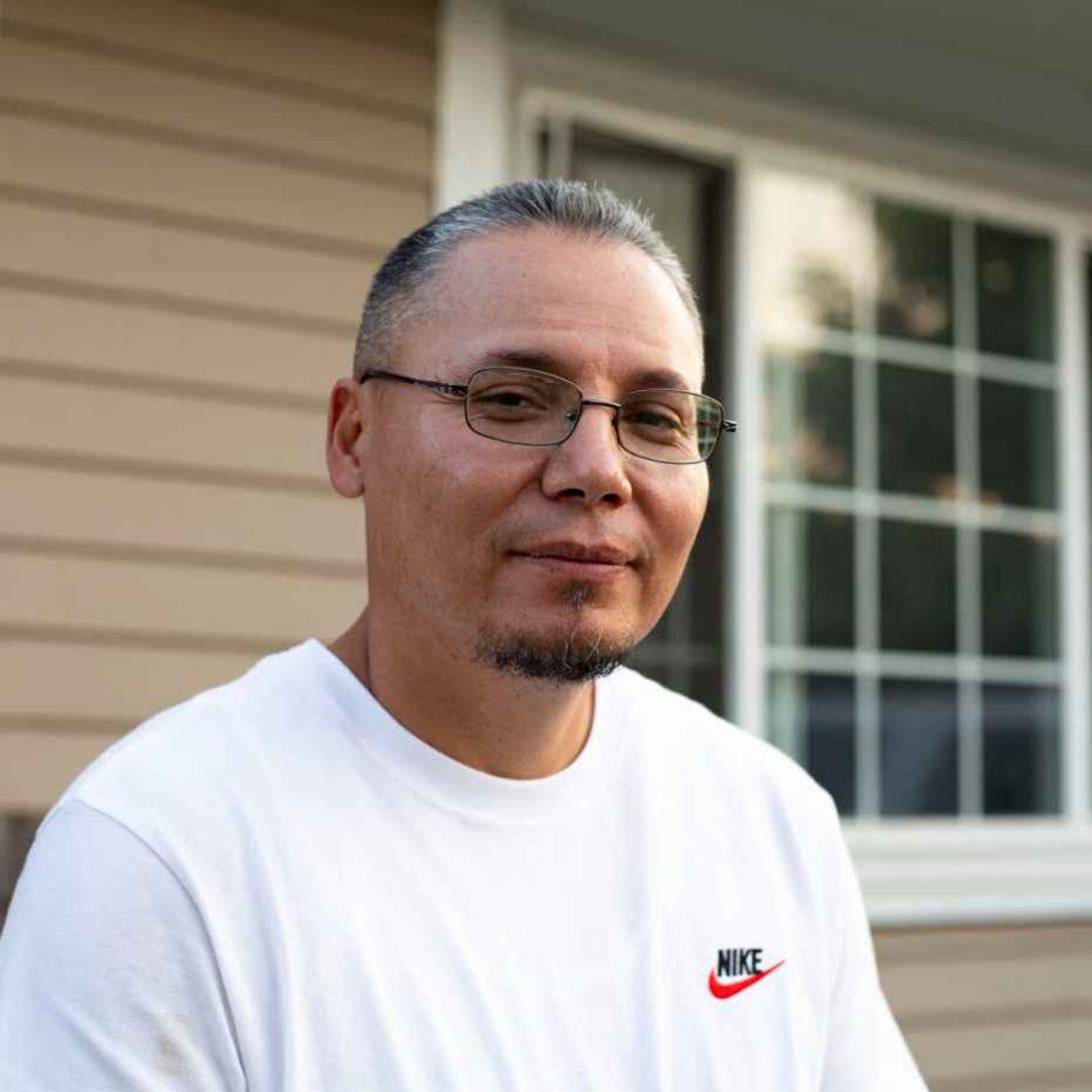
Jun 900:30:15Summary readyI don't think a week goes by when someone doesn't mention to me the name Evaristo Salas Jnr.Evaristo's story has touched so many people, it's had us in tears of sadness and of joy and today is most certainly the latter as I sit down with Jnr after almost 8 months of freedom to hear how he's going and what's next for the man who lost 27 years of his life because of a lie.Become a member of the OMR family and start enjoying the benefits NOW. Hosted on Acast. See acast.com/privacy for more information.
Summary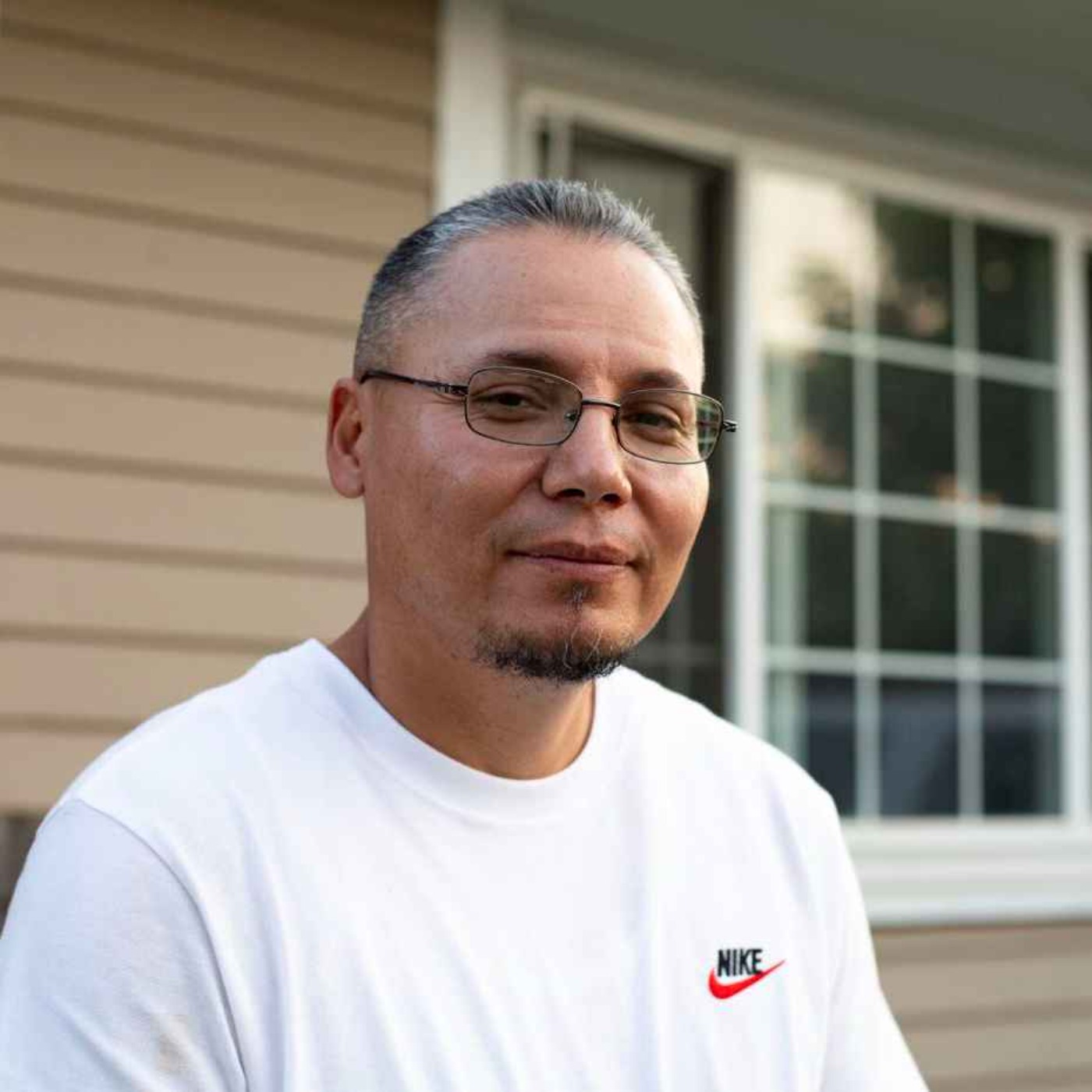
Getting Jnr Home - P15
Jun 900:20:43Summary readyFreedom looks good on you Hosted on Acast. See acast.com/privacy for more information.
Summary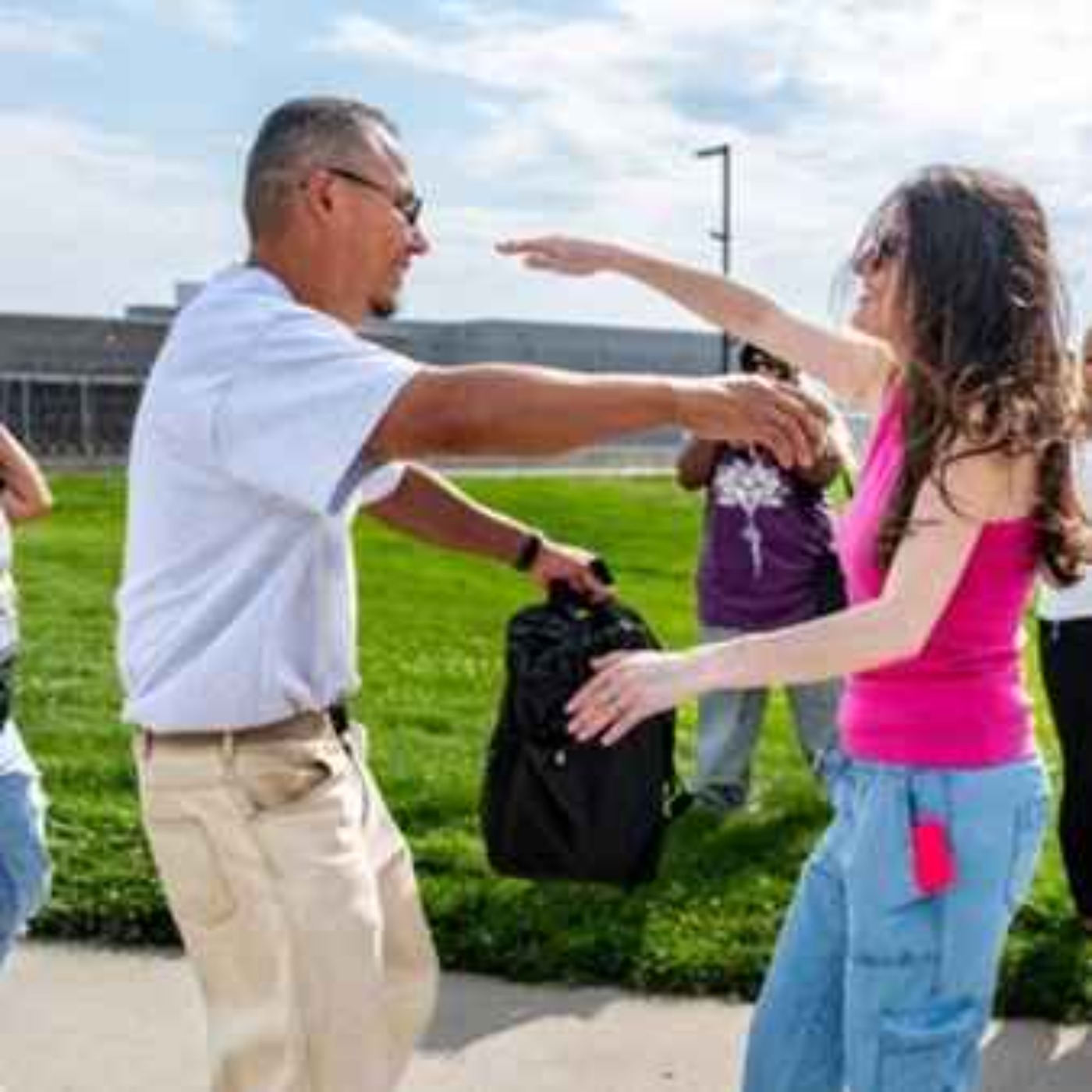
Getting Jnr Home - P13
Jun 900:30:33Summary readyAfter 27 years incarcerated for a murder he always maintained he was innocent of, finally the courts agree! Evaristo Salas Jnr is a free man!Evaristo Salas was accused of firing two shots into Jose Arreola’s head in Sunnyside in November 1995.He was tried as an adult and convicted by a jury of first-degree murder three days after his 16th birthday and was sentenced to nearly 33 years in prison. The gun used in the murder was never recovered and there was no physical evidence linking Jnr to the killing.His conviction was based on the testimony of a police informant, Bill Bruhn, and Arreola’s girlfriend, Ofelia Cortez (formerly Gonzalez), who was there when her partner was shot.Many TV shows have uncovered horrific truths about the so called 'evidence' in this case, yet Jnr still remains incarcerated.This is his story, as told by him. Hosted on Acast. See acast.com/privacy for more information.
Summary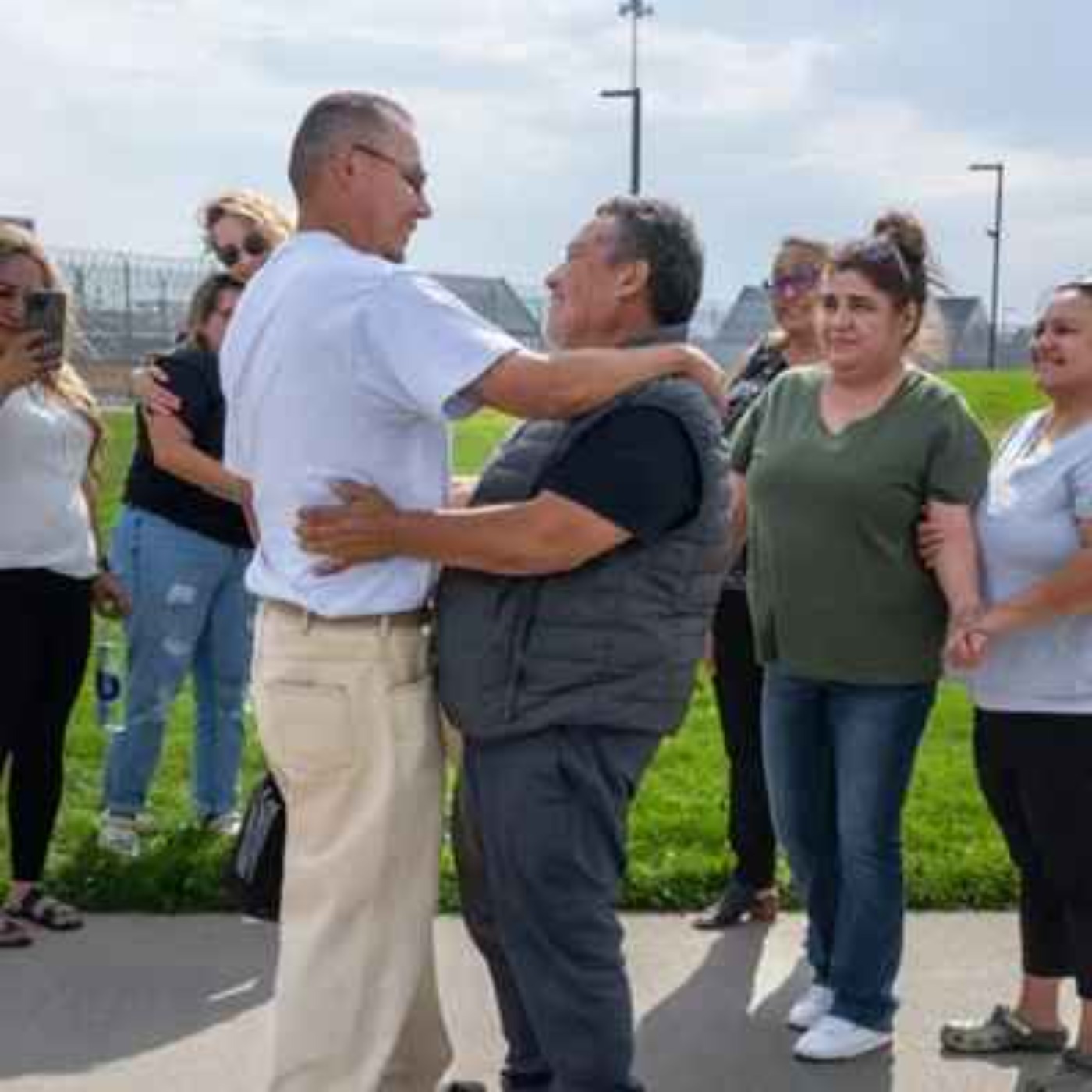
Getting Jnr Home - 12
Jun 900:29:39Summary readyAfter 27 years incarcerated for a murder he always maintained he was innocent of, finally the courts agree! Evaristo Salas Jnr is a free man!Evaristo Salas was accused of firing two shots into Jose Arreola’s head in Sunnyside in November 1995.He was tried as an adult and convicted by a jury of first-degree murder three days after his 16th birthday and was sentenced to nearly 33 years in prison. The gun used in the murder was never recovered and there was no physical evidence linking Jnr to the killing.His conviction was based on the testimony of a police informant, Bill Bruhn, and Arreola’s girlfriend, Ofelia Cortez (formerly Gonzalez), who was there when her partner was shot.Many TV shows have uncovered horrific truths about the so called 'evidence' in this case, yet Jnr still remains incarcerated.This is his story, as told by him. Hosted on Acast. See acast.com/privacy for more information.
Summary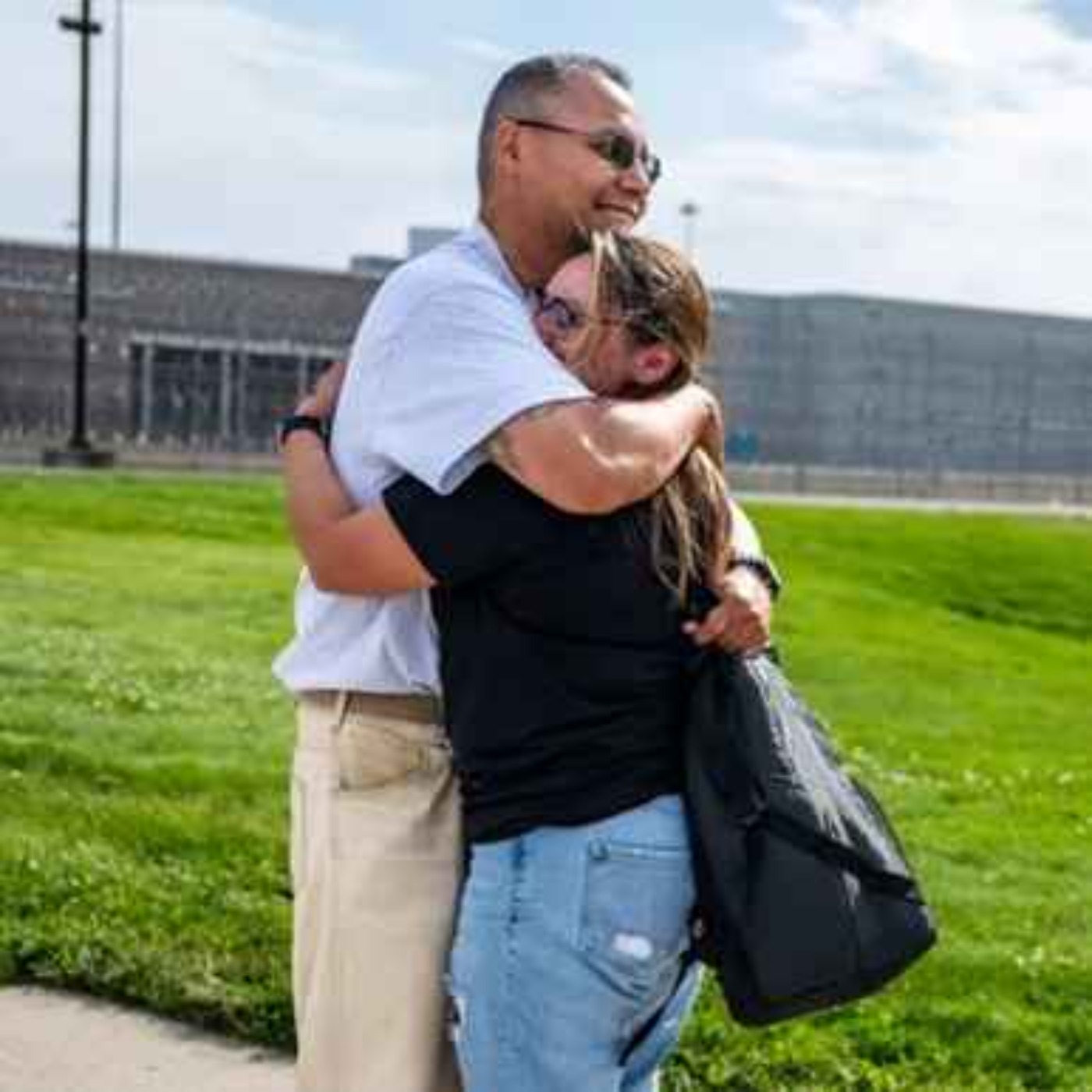
Getting Jnr Home - P11
Jun 900:12:10Summary readyAfter almost 30 years of incarceration Evaristo Salas Jnr is going home. Hosted on Acast. See acast.com/privacy for more information.
Summary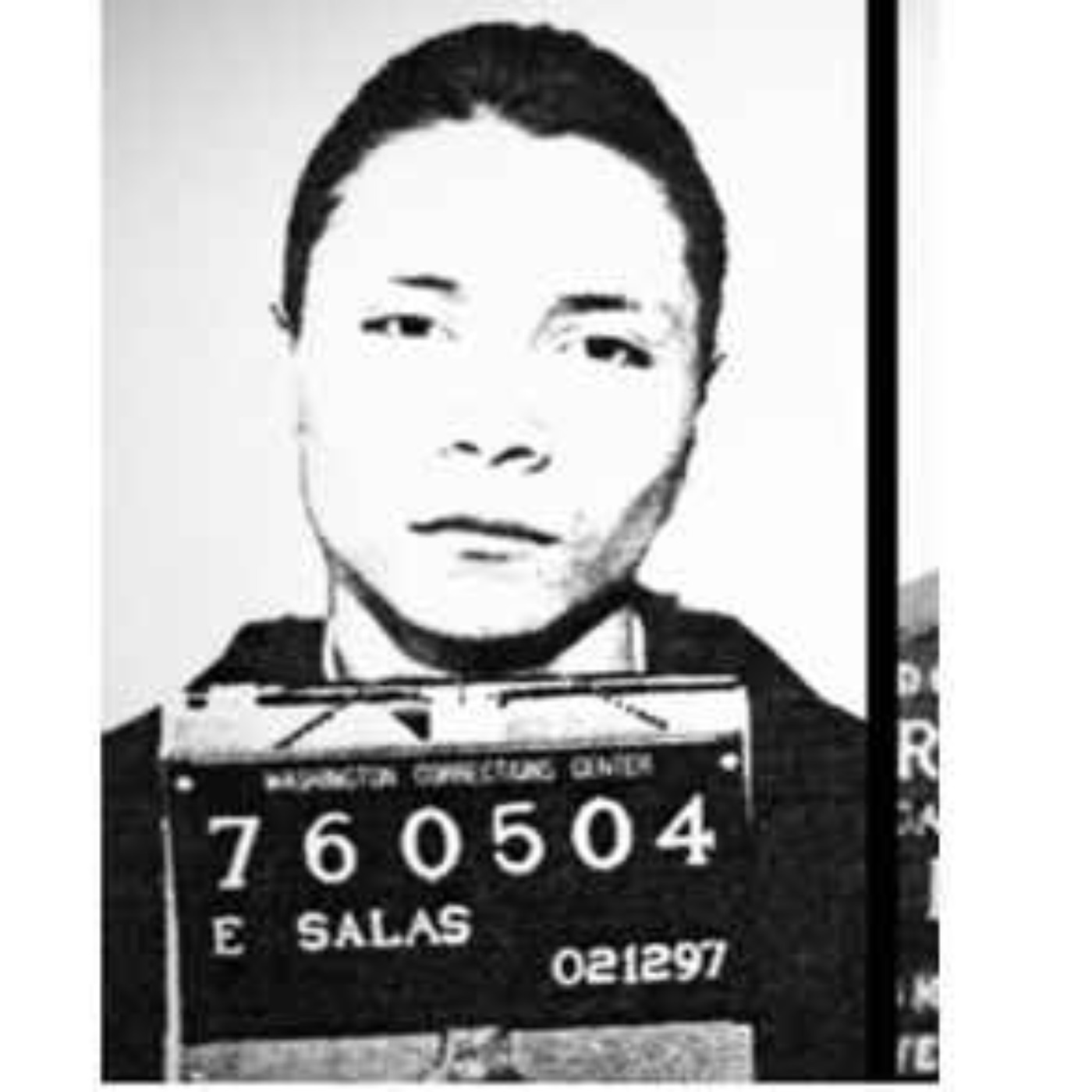
Getting Jnr Home - P10
Jun 900:22:19Summary readyRecently I caught up with Jnr Salas after a massive decision was recently made in the court of appeals and it seems some in this case will be forced to answer some seriously tough questions.Evaristo Salas was accused of firing two shots into Jose Arreola’s head in Sunnyside in November 1995.He was tried as an adult and convicted by a jury of first-degree murder three days after his 16th birthday and was sentenced to nearly 33 years in prison. The gun used in the murder was never recovered and there was no physical evidence linking Jnr to the killing.His conviction was based on the testimony of a police informant, Bill Bruhn, and Arreola’s girlfriend, Ofelia Cortez (formerly Gonzalez), who was there when her partner was shot.Many TV shows have uncovered horrific truths about the so called 'evidence' in this case, yet Jnr still remains incarcerated.This is his story, as told by him. Hosted on Acast. See acast.com/privacy for more information.
Summary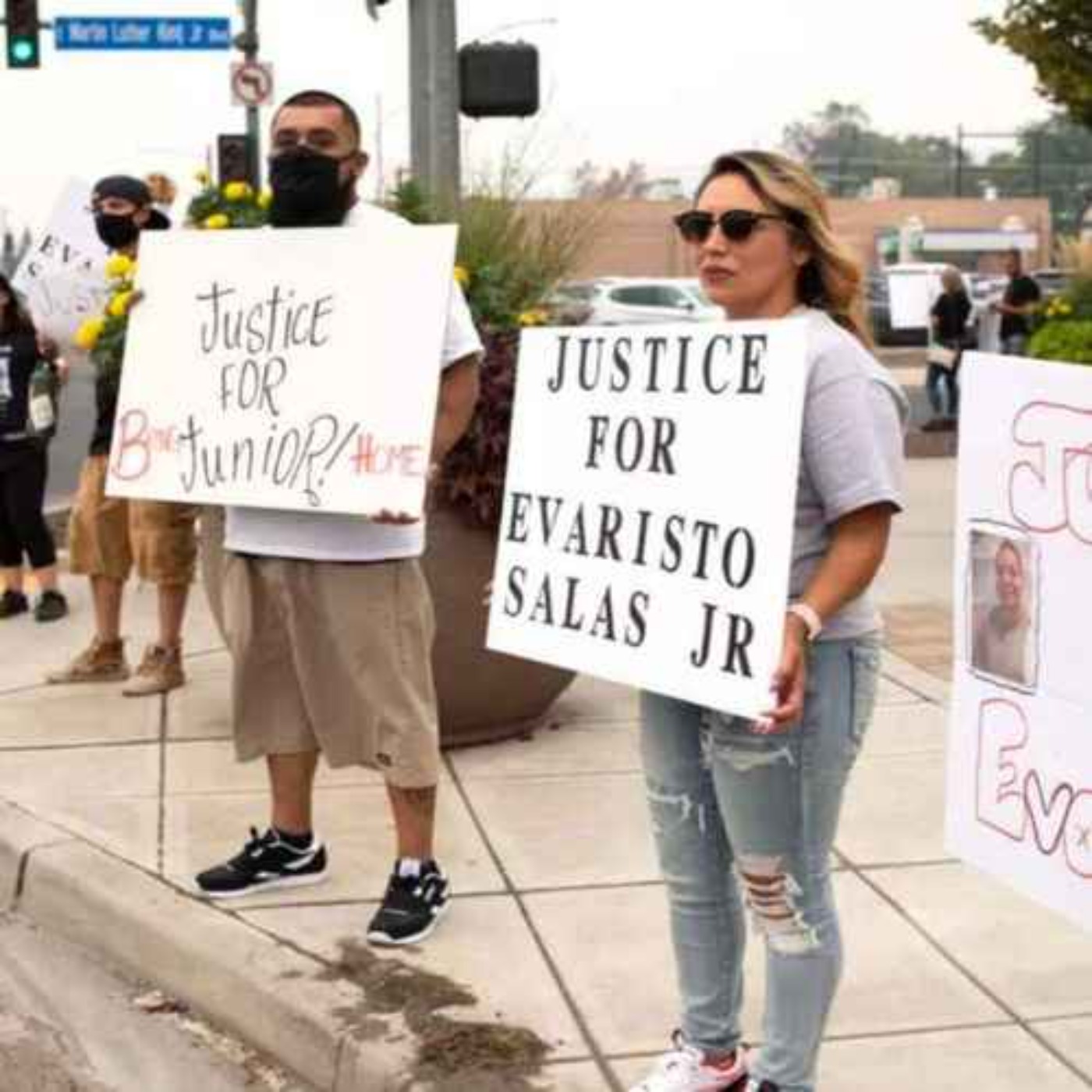
Getting Jnr Home - P9
Jun 900:24:53Summary readyRecently I caught up with Jnr after I got word that he had a recent hearing that was the most positive yet!Evaristo Salas was accused of firing two shots into Jose Arreola’s head in Sunnyside in November 1995.He was tried as an adult and convicted by a jury of first-degree murder three days after his 16th birthday and was sentenced to nearly 33 years in prison. The gun used in the murder was never recovered and there was no physical evidence linking Jnr to the killing.His conviction was based on the testimony of a police informant, Bill Bruhn, and Arreola’s girlfriend, Ofelia Cortez (formerly Gonzalez), who was there when her partner was shot.Many TV shows have uncovered horrific truths about the so called 'evidence' in this case, yet Jnr still remains incarcerated.This is his story, as told by him.Join the OMR family and get bonus extras HERE Hosted on Acast. See acast.com/privacy for more information.
Summary
Getting Jnr Home - P8
Jun 900:31:55Summary readyEvaristo Salas was accused of firing two shots into Jose Arreola’s head in Sunnyside in November 1995. He was tried as an adult and convicted by a jury of first-degree murder three days after his 16th birthday and was sentenced to nearly 33 years in prison.The gun used in the murder was never recovered and there was no physical evidence linking Jnr to the killing. His conviction was based on the testimony of a police informant, Bill Bruhn, and Arreola’s girlfriend, Ofelia Cortez (formerly Gonzalez), who was there when her partner was shot. Many TV shows have uncovered horrific truths about the so called 'evidence' in this case, yet Jnr still remains incarcerated.This is his story, as told by him. Hosted on Acast. See acast.com/privacy for more information.
Summary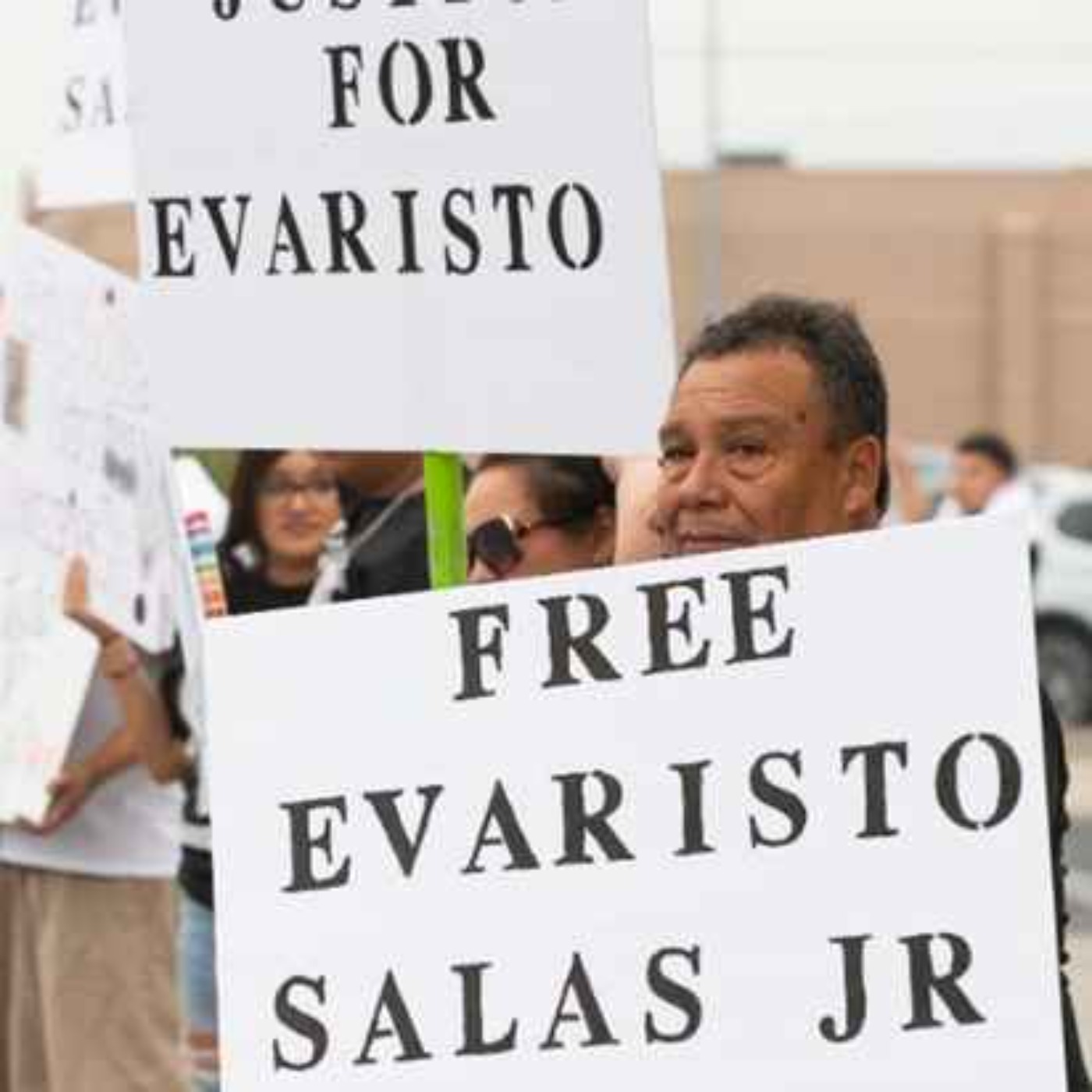
Getting Jnr Home - P7
Jun 900:29:09Summary readyEvaristo Salas was accused of firing two shots into Jose Arreola’s head in Sunnyside in November 1995. He was tried as an adult and convicted by a jury of first-degree murder three days after his 16th birthday and was sentenced to nearly 33 years in prison.The gun used in the murder was never recovered and there was no physical evidence linking Jnr to the killing. His conviction was based on the testimony of a police informant, Bill Bruhn, and Arreola’s girlfriend, Ofelia Cortez (formerly Gonzalez), who was there when her partner was shot. Many TV shows have uncovered horrific truths about the so called 'evidence' in this case, yet Jnr still remains incarcerated.This is his story, as told by him. Hosted on Acast. See acast.com/privacy for more information.
Summary
Getting Jnr Home - P6
Jun 900:31:04Summary readyEvaristo Salas was accused of firing two shots into Jose Arreola’s head in Sunnyside in November 1995. He was tried as an adult and convicted by a jury of first-degree murder three days after his 16th birthday and was sentenced to nearly 33 years in prison.The gun used in the murder was never recovered and there was no physical evidence linking Jnr to the killing. His conviction was based on the testimony of a police informant, Bill Bruhn, and Arreola’s girlfriend, Ofelia Cortez (formerly Gonzalez), who was there when her partner was shot. Many TV shows have uncovered horrific truths about the so called 'evidence' in this case, yet Jnr still remains incarcerated.This is his story, as told by him. Hosted on Acast. See acast.com/privacy for more information.
Summary