Loading summary
Transcript113 lines
- [00:00]
Verizon Advertiser
Now more people than ever can bring in their bill for a better deal at Verizon. Got AT&T or T Mobile. We got you Xfinity or Spectrum.
- [00:07]
Evaristo Salas Jr.
You too.
- [00:07]
Verizon Advertiser
So tell your friends, your family, your quirky neighbor Jeff, grab your megaphone and yell it from the rooftop. Get a better deal at Verizon because chances are anyone in shouting distance is included. Bring in your at&t t Mobile, Xfinity or Spectrum bill and we'll give you a better deal on the best network Come by Verizon today. Best Network based on RootMetric's best overall mobile network performance US 2nd/2025 all rights reserved. Must provide recent consumer mobile bill in the name of the person redeeming the deal. Additional terms, conditions and restrictions apply.
- [00:30]
BetterHelp Advertiser
A BetterHelp ad hold on one second. I just need to. What if you had a room where no one interrupts, no notifications, no expectations, just space to talk with BetterHelp Therapy happens in a space that's yours. Visit betterhelp.com randompodcast for 10% off your first month of online therapy
- [01:04]
Skyrizi Advertiser
as a fitness coach. My active psoriatic arthritis can slow me down. With skyrizet, rizankizumab, rza, I'm treating my skin and joint symptoms so I can keep moving. Skyrizi, a prescription only injection for adults, helps me move with less joint pain, stiffness, swelling and fatigue. And for those who have plaque psoriasis, 90% clearer skin is possible with Skyrizi. There's no daily dosing, it's just four doses a year after two starter doses.
- [01:30]
Skyrizi Safety Information Announcer
Don't use if allergic to Skyrizi. Serious allergic reactions, increased infections or lower ability to fight that may occur before treatment. Get checked for infections and tuberculosis. Tell your doctor about any flu like symptoms or vaccines.
- [01:42]
Skyrizi Advertiser
Thanks to Skyrizi, there's nothing like clearer skin and better movement. And that means everything. Ask your doctor about SkyRizi, visit Sky or call 1-866-SkyRizi to learn more.
- [02:04]
Evaristo Salas Jr.
He don't really even say nothing. Just he stopped right there. I gotta take pictures of you. And I said for what? And he just took the picture, told me to turn to the side, took that picture, then took another one. And then I felt kind of, kind of weird and he just walked away, didn't say nothing else.
- [02:19]
Jack Lawrence (Host/Narrator)
By day, Sunnyside is as peaceful as its name. But when the sun goes down, youth gangs roam the street.
- [02:26]
Evaristo Salas Jr.
I would say 94, 95 and 96 is when. That's when they started kind of shooting at us. And then it became really serious you know, these guys are actually trying to kill us. You know, my mom doing that messed
- [02:36]
Verizon Advertiser
with my, my brother's mind a lot.
- [02:38]
Evaristo Salas Jr.
He's the one, I think that took
- [02:39]
Verizon Advertiser
it the hardest because he felt rejected.
- [02:42]
Jake Stauch (Interviewer)
This is for like the excitement.
- [02:44]
Evaristo Salas Jr.
It's just for a while. You can call it a temporary job while you're a kid.
- [02:49]
Jack Lawrence (Host/Narrator)
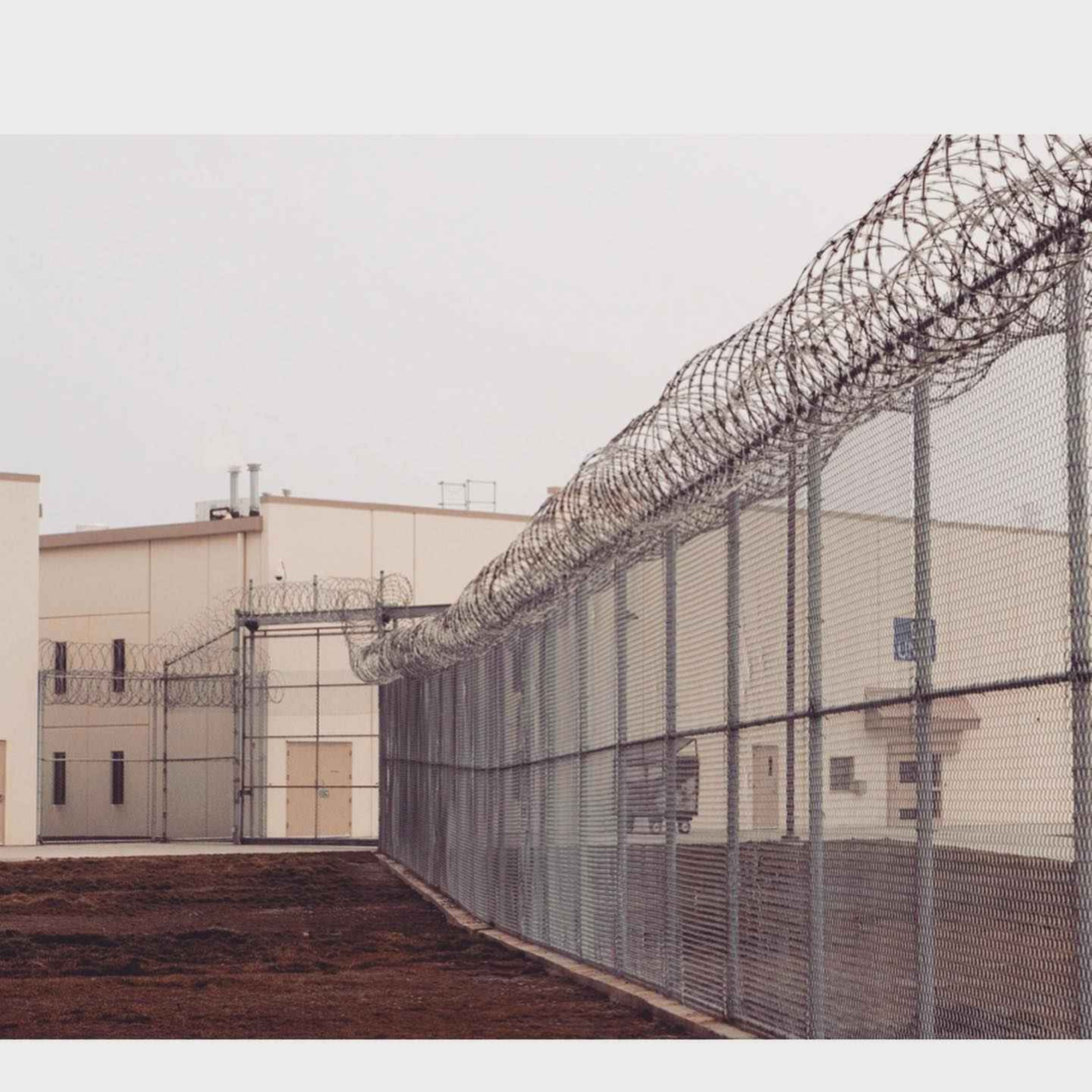
Hello and welcome back to One Minute Remaining. My name is Jack Lawrence, the host and creator of this show. Today is part three of my chat with Evaristo Salas Jr. Now 42, Junior was arrested and convicted for murder at the age of just 15. He's now served over 26 years behind bars for a crime he says he didn't commit. So the facility where Junior is at the moment is what's called a camp. It's a far cry from his previous prison where gang fights, stabbings and riots were commonplace. The camp allows the men a bit more freedom and some very small creature comforts, rewards for good behaviour, which sees these men also allowed out of the prison for work detail. This particular evening, Junior and I caught up. He just got back from a hard day in the community shoveling snow.
- [03:47]
Evaristo Salas Jr.
Start the conversation now.
- [03:49]
Jake Stauch (Interviewer)
Hey.
- [03:50]
Evaristo Salas Jr.
Hey Jake, how you doing?
- [03:51]
Jake Stauch (Interviewer)
Good mate. How have you been going last couple of days?
- [03:54]
Evaristo Salas Jr.
Everything's been all right, just been working and then had the little two day break. But today we've got a bunch of snow dumped on us so we had a lot of work today shelling snow for about six hours. That was lovely.
- [04:04]
Jack Lawrence (Host/Narrator)
Oh, damn.
- [04:05]
Evaristo Salas Jr.
Yeah, I take it as exercise though. It's going to keep me young, you know.
- [04:07]
Jake Stauch (Interviewer)
Yeah, yeah, true.
- [04:08]
Evaristo Salas Jr.
I do my, I do my actual extra like you know, weight lifting, everything later on during, like towards the night and then when I work I take that as my cardio so it positive
- [04:21]
Jake Stauch (Interviewer)
way somehow that's it. No one likes cardio so at least you can say, well that's my cardio done.
- [04:25]
Evaristo Salas Jr.
Exactly. I usually run summertime but not in the wintertime.
- [04:28]
Jack Lawrence (Host/Narrator)
Oh, you're.
- [04:29]
Jake Stauch (Interviewer)
I see. I'm, I'm a runner too. I like running. I think it's really great. You know, I, I use it to clear my head.
- [04:34]
Evaristo Salas Jr.
Oh yeah, I love it. And then you get that kind of runner's high afterwards and everything feels kind of, they're like, oh yeah, yeah.
- [04:41]
Jake Stauch (Interviewer)
So, so how many, how many, how far can you run within the, the place you're at?
- [04:45]
Evaristo Salas Jr.
Well, we're just basically in a circles. It's been so the, the before I came out, the camp, the main institution, what they call it, that yard is two laps around is a mile.
- [04:54]
Jake Stauch (Interviewer)
Right?
- [04:55]
Evaristo Salas Jr.
So two laps around the track. Yeah, it's a huge yard. It's probably the biggest one in the state.
- [04:59]
Jake Stauch (Interviewer)
Yeah, that's huge.
- [04:59]
Evaristo Salas Jr.
But the one out here, it's four lapses a mile or. No, three and a half laps around is a mile. It's kind of the same, but it feels like you're running more because you're hitting more laps.
- [05:08]
Jake Stauch (Interviewer)
Yeah, totally. It'd be more frustrating because you're like, you do three laps and you're like,
- [05:12]
Jack Lawrence (Host/Narrator)
I haven't even hit a mile yet.
- [05:15]
Evaristo Salas Jr.
Exactly. And then the track out here is pretty terrible. So you got to avoid potholes. It's really crowded, you know, small. And so we got to run around people and they over water the lawn. So it's horrible.
- [05:31]
Jack Lawrence (Host/Narrator)
The year is 1996. The Macarena was burying itself into the world's brain as it spent 14 weeks at number one. Kids had forgotten about living, breathing pets as we all stood around the playground trying to keep our tamagotchis alive. And 10 year old Jack was just hoping for the latest console for Christmas, the Nintendo 64.
- [05:54]
Evaristo Salas Jr.
You know who everybody's after, you know, who are the games of Nintendo 64?
- [06:05]
Jack Lawrence (Host/Narrator)
Meanwhile, as most kids my age were worrying about those things, 7,000 miles away, a young 15 year old boy was facing the rest of his life behind bars. Everesto Salas Jr. Has been picked up by Sgt. Jim Ravard of the Sunnyside Police Department after he apparently receives information from a known informant that said Junior was overheard by him bragging about committing this crime. Junior arrives at the station and is taken into an interrogation room. Surprise, surprise. Without any legal representation or a guardian of any sort.
- [06:49]
Jake Stauch (Interviewer)
I'm going to assume you didn't have any legal representation when they were questioning you.
- [06:53]
Evaristo Salas Jr.
No, not at all, not at all. I mean they read me my rights. They were like, do you understand that? And I was like, yeah. Do you want to talk to. Yeah, I ain't got nothing to hide. And but as a juvenile, you know, they're supposed to have a parent there or that's what I thought. But they, they never kind of. There was no pushback on that.
- [07:08]
Jake Stauch (Interviewer)
To have two officers, adult officers in a room interrogating a 15 year old and accusing, you know, over what they are saying, they believe you to have committed a murder. It just, to me just, it blows my mind that they can just sit there and you know, because you know, I'm pretty sure in, in this country or the uk, two countries that I'm more familiar with like having, having an underage person in an investigation, you know, interrogation without at least having an adult there on their side is just a massive.
- [07:41]
Jack Lawrence (Host/Narrator)
No, no.
- [07:42]
Evaristo Salas Jr.
Yeah. And it's commonplace in the United States.
- [07:44]
Jake Stauch (Interviewer)
Oh, no. So it happens a lot. And I mean, you. You've even got. I mean, one of the most famous cases that I was watching about the other day was the Central Park Five. I mean, there were 16 year being interrogated and they ended up confessing to
- [07:55]
Jack Lawrence (Host/Narrator)
a crime they didn't do.
- [07:56]
Evaristo Salas Jr.
Yeah, exactly.
- [08:10]
Jack Lawrence (Host/Narrator)
Junior's being interrogated about the murder of a man by the name of Jose Aurelio. Police claim that Junior shot him twice in the head as he sat in the passenger side of his vehicle. Junior continues to plead his innocence, explaining that he had nothing to do with it, but his cries of innocence fall on deaf ears. The police in their minds, have their man or child and it's case closed. Were you let go after a certain
- [08:39]
Jake Stauch (Interviewer)
amount of time or what happened after your first lot of questioning?
- [08:42]
Evaristo Salas Jr.
No, they charged me right then and.
- [08:44]
Jake Stauch (Interviewer)
Oh, they charged you right then and there?
- [08:45]
Evaristo Salas Jr.
Right then and there, yeah. So they stayed, interrogated me for maybe 20 to 30 minutes, basically, me arguing, telling them I didn't do it. I don't know what you guys are talking about, you know, in tears, you know, asking for my dad, that kind of stuff. And they just looked at me and said, well, we're going to charge you. And that's. That was the beginning of the nightmare right there.
- [09:09]
Jack Lawrence (Host/Narrator)
So Junior's just been charged with murder and instantly he's given a glimpse of what the next 30 plus years of life will look like as the police lock him up with adult offenders.
- [09:21]
Evaristo Salas Jr.
I just could not believe in my head, I was thinking in my head, how did. What. And I was literally in shock. I just, I remember kind of, I was crying and I was like, no, this can't be real. And then these guys, these cops who I know in my life, they throw me into this cell in the Sunnyside jail, which is like a dungeon. I mean, it's nasty, it's dirty. They throw me with. There's an adult in the other one, and they just throw me into one of those cells. And I'm thinking, what the. What. What am I doing here? You know, I mean, they throw me in a suit that doesn't even fit me. And then to make matters worse, when they put me in the police station, they're not telling me anything. They say, oh, we're gonna charge you with murder. I'm like, what the. I called my dad. I'm crying to my dad. And my dad's like. He asked me, because you had anything to do with. I said, dad, I don't know what they're talking about. I don't know anything. He said, all right. He said, look, I'm gonna figure it out. Just. It's gonna be all right. And that was. And then they took me to the. Instead of taking me to the juvenile, which you're supposed to. They took me to the county jail, which is the adult county jail for. For adult fenders. And I'm like, what the. And I'm scared. I'm like. And then the. The. The. When we get there, they process me in, and the staff that's there looks at me and said, what the hell you bringing him over here for? He's a jewel now. And the guards like, oh, well, he's going to come over here anyways. You know, they're going to charge him as a doll. And so he's doing this. And when I look back at it to scare me, I'm not even supposed to be there. And the guy looks at him again, he goes, look, I can process this. But it's. He's not supposed to be here. He's supposed to be in the juvenile. At the juvenile. He's like, well, go ahead and just do it. So they kept me in there for about two hours in the booking area. And I'm like. I was like, oh, my God. They put him in the county jail. And then two hours later, they take me to the juvenile, and I'm like, what the. You know, and that's how it began for me. That was my day. And I'm just like. And the whole time, I'm just like. I can't for the life of me think, what the hell's going on here? And then I kept thinking, no, it's just a mistake. They'll figure it out. They just, you know, I mean, it's gonna be over. And that was the opposite of it. That was the opposite. That was the way I kept myself from freaking the hell out, you know? I mean, I was just like, okay, they made a mistake. They're gonna see it. They're just trying to, you know me. But it just got progressively worse and worse.
- [11:34]
Jack Lawrence (Host/Narrator)
Eventually, he's taken from the county jail and placed in juvenile detention, something he had experienced before.
- [11:41]
Evaristo Salas Jr.
Well, I've been. I had an old juvenile prior because that one was relatively new. They had just built that one. I was in an old one that was pretty grimy, and I was only there for, like, Five or six days. And I was there for, I think it was malicious mischief or something. I can't remember what it was. It was one of those charges. I was kicking a board off a fence or something. I got under trespass or something. And then I ended up, I got angry at this, I brought this on myself. You know, Judge probably wouldn't have put me in there, but I got angry with them and I was like, oh, I ain't coming back and this and this and that. And he goes, oh, he's not going to come back. Okay, well I'm just going to detain you. And I was like, oh shoot, you know, I mean, and that was kind of my first kind of, you know, realization that maybe I should better off keeping my mouth shut, you know. You know, so I did about six days on that and then my dad came, picked me up and you know, I tried to explain maybe, look, I don't know what you're doing, but you live started acting right, you know, and then there was a, it was, right, it was like In February of 96, I did I think 30 days in the juvenile that I was in right there. So I had, I had that kind of experience. But I was never kind of sent away for anything longer than the longest I did was 40 days. And that was only the second time I'd been in juvenile.
- [12:53]
Jack Lawrence (Host/Narrator)
So this isn't completely unfamiliar territory for Junior. Although he says the violence in juvenile is aggressive and frequent.
- [13:01]
Evaristo Salas Jr.
The juvenile was really violent, but the program was nice. So the problem with Divine is, has the gang because basically you have a bunch of youngsters that are part of one gang or another and they're kind of mixing you all together and they're literally fighting non stop over and over every day. You know, they're two on one, one on two, one on ones. You know, people that are my age, they're impulsive so they're harder to control. So they're, they're not like, you know, they're not going to reason about things. So there's constant fights, constant lockdowns. But the program was nice. So they, you know, the juvenile is pretty clean because it was brand new. They fed us good. We went to school from the morning all the way to about 2 or 3. They didn't allow us to be in the cells. They were dry cells. They had a shower, they provided us all we need and snacks sometimes. And it had a kind of level based system. So if you behaved and everything, you got more time out of your cell later. The way the guards treated You. They didn't really kind of harass you. They kind of just kind of watched over you. And whenever there was a fight, they would break it up. We had yard throughout the day, we went to school, that kind of stuff. Like I said, the only thing that was so bad about it was it was just the level of violence when it came to the gang stuff. And by that time, I had already made the decision that when I got there, I wasn't going to be part of the gang no more. So I declared that as soon as I got there, even though some people came in, knew me from the streets, once I declared that, they pretty much kind of just left me alone. And I was able to kind of just function by myself.
- [14:26]
Jake Stauch (Interviewer)
Right.
- [14:27]
Evaristo Salas Jr.
And I had some moments where some people were aggressive, but it wasn't over the game. It was mainly like, basketball and that kind of stuff. And I got in, like, one fight over. I think it was one or two fights over basketball game. And so it was. It wasn't. It wasn't too bad in that sense. You know, like I said, it was. It was more like. It wasn't like a prison setting. It was. I mean, you're in your cell and that kind of stuff, but it's. It wasn't what you see, like, on TV and that kind of stuff. So, yeah, it was. By prison standards, it was. It was like the Hilton, you know. Yeah. Compared to the prisons still on the county. Jesus. But it was. For me, it was. I. I was always telling everybody how I didn't do it. I couldn't really. It didn't matter who it was. I explained to them I didn't do that. I didn't. I didn't feel right that they seen that charge on me or they've seen it in news or whatever. And I felt like I had to kind of tell everybody that I ran into, you know.
- [15:21]
Jack Lawrence (Host/Narrator)
It isn't long before the decision is made that Junior will be removed from juvenile detention and once again shipped off back to the county jail.
- [15:29]
Evaristo Salas Jr.
And some of the officers that were there, you know, I got to know him pretty good. There was one female that was really, really nice to me. And I used to always kind of do extra stuff, like, you know, fold up the laundry, that kind of stuff. And I remember when they had decided that they were going to send me to the county jail, I was actually getting transported out. They were cuffing me up in there. And she was right there because she worked in the booth and she was crying, you know, and I think she felt really sad because Like I said, I was heading to an adult prison. I looked like I was 10 years old. And maybe she kind of. I was too young to kind of comprehend the magnitude of the situation.
- [16:00]
Jake Stauch (Interviewer)
Yeah.
- [16:00]
Evaristo Salas Jr.
So the fear really developed, you know, because I just didn't really know what to expect. I couldn't really, you know, understand it. But I think that her being older, she knew that I was about to head into an environment that was really hostile and pretty bad things were probably gonna happen to me. But there was a lot of compassion in her eyes, you know. And so. But I spent only about three months there and then they decided to transfer me as an adult. And that right there was like. It was a strange thing. It was a hearing, it was like a mini trial. And they got up and basically they have to just say if I was it. So the state hired a psychologist and then my. On a probation officer and they did these interviews with my family, you know, how I grew up. If, you know, if I function as an adult, that would give them kind of justification to send me to an adult, you know, prison or tribe as a. Bell. Yeah. Well, the psychiatrist came back and he testified and said that, you know, that, that I function mentally as like a two or three year old, even though I was emotionally, you know, kind of mature for my age. But, you know, when it comes to math, reading, those kind of things, I function almost, you know. He said it. Well, he said a. Not two here, but a second and third grader. And he said that I wouldn't. He goes, I would do. He said he would do good in a setting that has to do with a juvenile because there they kind of, you know, you go to school, you get degrees, that kind of stuff. It's, it's foster, it's. It's organized towards, you know, rehabilitation.
- [17:28]
Jake Stauch (Interviewer)
Yeah.
- [17:29]
Evaristo Salas Jr.
While the adult system is based on punishment and punitive stuff. And so in that sense, he argued against actually trying as an adult. Keep him in a juvenile for this reason. This reason. And then the probation officer who kind of went talk. Interviewed all these people in my life, came back with the same conclusion and said, you know, he was living with his dad. You know, he hung around people his age, sometimes younger. He didn't have. He had a girlfriend, but it was a girlfriend that was his age. You know, he didn't live at other people's house, he didn't provide for himself. And so she actually voted against it too, saying these are both people hired by the state. The judge overruled that said because of serious of the crime. I wanted to transfer him to adult court and tried as an adult. And so they sent me to the county jail.
- [18:36]
Jack Lawrence (Host/Narrator)
So we're going to take a short break. When we come back, we need to hit rewind and take a closer look at just how Evaristo Salis Jr became suspect number one in a murder investigation.
- [18:47]
Evaristo Salas Jr.
And I got a real bad feeling when it did that too. I was thinking what the. I don't know. That just didn't seem right, you know?
- [19:00]
Skyrizi Advertiser
As a fitness coach, my active psoriatic arthritis can slow me down. With Skyrizi, rizankizumab rza, I'm treating my skin and joint symptoms so I can keep moving. Skyrizi, a prescription only injection for adults, helps me move with less joint pain, stiffness, swelling and fatigue. And for those who have plaque psoriasis, 90% clearer skin is possible with Skyrizi. There's no daily dosing, it's just four doses a year. After two starter doses,
- [19:26]
Skyrizi Safety Information Announcer
don't use if allergic to Skyrizi. Serious allergic reactions, increased infections or lower ability to fight that may occur before treatment. Get checked for infections and tuberculosis. Tell your doctor about any flu like symptoms or vaccines.
- [19:38]
Skyrizi Advertiser
Thanks to Skyrizi, there's nothing like clearer skin and better movement. And that means everything. Ask your doctor about SkyRizi, visit skyrizi.com or call 1-866-SkyRizi to learn more.
- [19:58]
Mom (Verizon Caller)
Hey honey, it's Mom. Did you know if we switch to Verizon, we can get four phones for $0 plus four lines for $25 a line. Call me back. Me again. That's just $100 a month for four lines on unlimited welcome plus four phones. No trade in needed. Call me. It's mom. America's best network Verizon. That's the one we're talking about. I'll send you text.
- [20:19]
Evaristo Salas Jr.
America's best network based on root metrics Best overall mobile network performance us second half 2025 four new lines and a limited welcome and autopay. See verizon.com for details.
- [20:28]
Jake Stauch (Cerval CEO Advertiser)
I'm Jake Stauch, co founder and CEO of Cerval. We built Servl to automate the IT work that slows companies down. Onboarding, password resets, access to applications. My laptop stopped working. While employees wait for help, their real work is put on hold. It desperately wants to automate this work and that's why they need Serval. You just tell Servil what you want to automate in plain English and it's built. No drag and drop workflows, no expensive consultants. Employees get unblocked and IT teams go from drowning in tickets to building what actually matters. With Cerval, it becomes the AI engine powering the entire company. This is a new way to run it. We guarantee you'll automate 50% of all tickets and we'll prove it to you in a free four week pilot. Go to serval.com acast that's S-R-V-A L.com acast.
- [21:27]
Jack Lawrence (Host/Narrator)
All right, couple of announcements in our break here. Firstly, we've joined the rest of the world and we have a website, oneminuteremaining.com au that is live right now. The main reason we have a website, it's not just because everyone's got a website. Because you'll need somewhere to be able to purchase your one minute remaining merch.
- [21:48]
Jake Stauch (Interviewer)
That's right.
- [21:50]
Jack Lawrence (Host/Narrator)
It's been asked for for a while now. I finally got around to sorting some of it out. So you'll be able to buy merch from the website. But there's always a but. It won't be available all the time because what I'm going to have to do is limited releases purely because, as you know, I'm a sole creator so I can't be going out and buying thousands of T shirts and mugs and that sort of stuff because one, I got nowhere to put it and two, I just don't have the funds for it. So we will do limited releases. You'll be able to get them from the website. How will we know when the limited releases happen? That's a very good question. Facebook. Make sure you're on the one minute remaining Facebook page because you will get plenty of notice of when we're going to be doing merch drops. Whenever someone is arrested, there's always the discussion regarding bond or as we call it, bail. Depending on the severity of your crime, the courts can offer offenders the chance to be released until their case is heard. After all, innocent till proven guilty, Right? If you're given this opportunity as part of your bail or bond conditions, the magistrate or judge may demand a surety. A surety is a person who agrees to give an amount or forfeit a sum of money or property if you don't show up at court when you're supposed to. Junior says this hearing took place, but there was just no way he would be getting out anytime soon.
- [23:19]
Evaristo Salas Jr.
When I, when I, when I was transferred to adult corps, that's what they do. The first thing they do bond bond hearings. So the first hearing I go to is a bond hearing.
- [23:25]
Jake Stauch (Interviewer)
Yeah.
- [23:25]
Evaristo Salas Jr.
So they set bond at A hundred thousand, which.
- [23:28]
Jake Stauch (Interviewer)
There's no way to make it.
- [23:30]
Evaristo Salas Jr.
Yeah. That I could even come up with that. So they. Here in the States. In the United States, that's what they do. You know, they set these outrageous bonds where they might as well not even give you bonds. Yeah, that's what it is. Yeah. You know, and so for me, it was like, my dad, he was telling me one day, he was crying, he's like, man, I wish I could get you out, but I have nothing. My whole life is not even worth 100,000. I got nothing, literally, that would even come close to that. And I told him, dad, look, I understand. It is what it is. You know what I mean? And then when they sent me to the county jail, which was horrific, and because I was a juvenile, they put me straight into isolation. I didn't go into, you know.
- [24:11]
Jake Stauch (Interviewer)
Oh, because of protection for you because you were so young.
- [24:14]
Evaristo Salas Jr.
Exactly. So they had to separate us from the adults because we'd be preyed upon and either, you know, in one form or another. And so the only way they can do that is to put us in isolation. And there was other juveniles in there, you know, and so. And it was horrible. You know, we were in a little small tank, and, you know, we're just stuck in there. We're not in our cells, but the tank is so small, it might as well be a cell, you know, and so there. They housed us. And there was. There was five other juveniles there with me. Three of them are charged with murder, three or four of them charged with murder. And so there's what they're. That's where we say just the isolation alone, that experience is. It almost stunts your emotional development because you're just stuck in isolation. You're over here trying to survive that, and you develop all these things that you kind of don't see until later on in life. Social anxiety. Those kind of things come later. And you kind of, kind of trace it all the way back to these long periods of isolation that you were stuck in.
- [25:06]
Jake Stauch (Interviewer)
And again, that makes absolutely no sense. It's like, well, everyone's saying, oh, he should be in juvenile. And then the judge saying, no, no, I'm going to try him as an adult. He can go to the adult jail. But then they can't put you in with the population anyway, so they're essentially putting you into a juvenile section. It's like, well, why not just. There's something already creative for that. Just put them in the juveniles.
- [25:23]
Evaristo Salas Jr.
Yeah, why not just leave them there and just put them in Their own section in the juvenile. Yeah, I mean, it's. It's really no different, but I think it's. That whole aspect is during, like, the 90s, they were tough on crime. They had this myth about the. It was called the juvenile or these juveniles that were. That were maniacs that could never be changed and all that stuff. And they were getting younger and younger. 14 and 12 and 13, you know, and they're passing all these laws at that time, and I think it's mainly for public consumption.
- [25:51]
Jack Lawrence (Host/Narrator)
Yeah.
- [25:52]
Evaristo Salas Jr.
Oh, we're whipping them to the county jail. So we're hard and tough on crime. And Yakima, that whole area is a conservative place. You know, Know, it's a rural area, so it's conservative. And so they love that tough on crime kind of approach. We punish them. You know, they shouldn't. They shouldn't eat nothing but bread and water. Yeah. You know, you go to these bigger cities, you know, like Seattle or, you know, Olympia or, you know, Vancouver, Spokane. They're liberal. They're more like, you know, well, we got to treat, you know, certain people a certain way. But you go to these. Rule small towns, and they're just like, man, throw the. You know, throw the key away. They're guilty. We don't care about them. You know what I mean? And then being Hispanic, being a minority, it's even worse. It's like, you know, everybody that's in a position of power in those places, they're white. And I don't say that to say, well, everything's racist. No, not everything is racist, but there is a sense of racism that's implanted in the system, you know, that you don't really notice, but it is there when you look around you. Yeah. And so. And it's just. It's for public. Public consumption. And it's like, okay, we're tough on these guys.
- [26:57]
Jack Lawrence (Host/Narrator)
So Junior is locked up. He's been arrested for murder, a crime which happened six months prior, a crime where detectives had no leads at all. Ophelia Gonzalez, the victim's partner, says she saw the shooter, but so far has been unable to pinpoint the perpetrator from photo lineups. There were a number of witnesses at the scene, but all seemed to have conflicting opinions as to what the shooter looked like. So just how does Evaristo Salas Jr. Become the kid arrested for this crime? Well, it is the 90s, so it's time to put the tape back in the deck and hit rewind. The lead detective is an officer, as we know, by the name of Jim Ravard. Mr. Ravard has since retired from the police, but at the time he arrested Junior, they already had a long history together.
- [28:11]
Evaristo Salas Jr.
And at first, I laughed. I was like, what? I was like, come on, man. I mean, I told Ruvard, I said, you know me my entire freaking life. Are you serious right now? And he didn't laugh. He goes, no, I'm serious.
- [28:22]
Jack Lawrence (Host/Narrator)
Junior talks me through his first run in with Jim Ravard.
- [28:26]
Evaristo Salas Jr.
The first encounter I had with him was I was, like, five or six. You know, we were throwing rocks in this creek or something, and I accidentally hit one of these kids. They called the cops. For whatever reason. He came in, and I was in somebody's house next door to my house, and they came in. It's like, oh, the cops want to talk. And I was scared. I was like, no, I'm not going out there. And Ravard came in and literally grabbed me by the neck and pulled me off of the couch. And by the time I'm screaming and, you know, trying to get away, squirming and everything, and he kind of chokes me out. I remember I was in front of the yard, and he's trying to apologize, and I'm bleeding from my nose. My mom's yelling at him, what did you do to him? You know? And he's like, oh, you know, he was trying to fight me or something like that. But I was. So that was my first memorable encounter with that cop.
- [29:05]
Jack Lawrence (Host/Narrator)
So just how does Jim Rivard end up arresting Junior for this crime? Well, you may remember that we already stated, all of a sudden, during a chance encounter with a known informant, Jim Rivard gets told that Junior was overheard bragging by the informant about the murder. This is how it plays out. One day, Evaristo is at the police station being questioned on an unrelated matter, when all of a sudden, as he's about to leave, Rivard comes out of nowhere and tells Junior he needs to take his picture. Here's Junior on that.
- [29:41]
Evaristo Salas Jr.
Yeah, yeah, I was being. I was being questioned because, remember, I took. They always dragged me in to question me for things, that kind of stuff. So there was an incident that took place in the town before where somebody had got killed, and a bunch of my friends from the gang were all there, so they came. They came to swoop us all up, and they wanted to speak to all of us, so they came in and interrogated us. Their normal little thing, you know, okay, what happened here? What happened there? Some people were there, and they were asking all these questions and stuff like that. And then before When I was already walking out, he just stops him out of nowhere, and he just says, hey. He don't really even say nothing. Just. He stopped right there. I gotta take pictures of you. And I said, for what? And he just took the picture, told me to turn the side, took that picture, and then took another one. And then I felt kind of. Kind of weird. And he just walked away, didn't say nothing else. And then I just walked off. And I'm just thinking in my head, like, what the hell was that about? You know? And I got a real bad feeling when it did that, too. I was thinking, what the. I don't know. That just didn't seem right, you know? And then just didn't really. After that, I didn't think nothing of it.
- [30:40]
Jack Lawrence (Host/Narrator)
Now's the time to listen closely, because this is how Jim Rivard says the whole thing plays out. Jim is sitting in his office paying his informant for some other information he's been given. Nothing unusual about this. Informants who give police information that lead to arrests get kickbacks in the form of money sometimes. The informant with Jim was one of his regulars, and he'd already asked him if he could see what he could find out about the Jose Aurelio shooting. As Jim is sitting in his office, he says another police officer walks in and tells Jim he has Junior Salas with him and he's about to let him go. Did Jim want to talk to him about anything? Jim replies, yeah, actually, I will. Jim says he picks up his Polaroid camera and goes to find Junior. When he sees him, he decides he actually has nothing to ask him and instead takes the three Polaroids of Junior front on and one on either side, just like you do when you arrest someone. Now, Jim has been asked why he decided to take Junior's photos that day. And his response to that was, and I quote, you know what? To this day, I still don't know why. Jim says he then heads back to his office where his informant is sitting, and he casually just chucks the Polaroids on the table. The informant sees the photos and says, and I quote from Jim, what do you need me for? You already got the guy who shot Aurelio. That's him. Well, what a stroke of luck that was. Not only do we now have this snitch who confirms that he overheard Junior admiring admitting to the crime, but also Jose Aurelio's partner, Ophelia Gonzalez, the one who couldn't pick anyone from a photo lineup. Well, she's now shown another one. And apparently as soon as she spots Junior's photo. She screams, that's him. So after six months without a single lead, the police have what they need to make an arrest and take Junior Salas to court.
- [33:16]
Evaristo Salas Jr.
I was so confident that the truth would be so easily be seen. And I always tell my dad, said, look, I really didn't do this, so there's no possible way. And that kind of thought process gave me a sense of comfort. I was like, there's no way. It just won't happen. Not in America. Because up until this point, whenever you go to school, when all the movies you watch, it's. America has the best justice system in the world. We're the envy of the world when it comes to this. We don't put people away for prison. Every movie you watch, they cast a criminal. And that's ingrained in us as children. And so my mindset was the same way. Even though I lived, you know, in a certain way and, you know, I was a gang member and that kind of stuff, I still believed in that kind of inflated version of what the American justice system was. And that gave me a certain amount of comfort. And my dad. But we learned very quickly that that's not the case, you know. So it was just like when I finally started going to trial, you know, and, you know, I was. First of all, I'm kind of an introvert to a certain extent. I don't like to be the center. I don't like to be in crowds. I'm more comfortable being alone. That kind of stuff, you know. And so they thrusted me into this, where I was kind of the center. And the worst part is to hear these. To hear them, you know, say these. These things that I did that I know I didn't do. And I can't just get up there and yell, I didn't do it, you know, or this and this. That's not the way the courts work. You know, you do that kind of stuff, and you don't want. You look horrible. You just. You don't look like you, you know? And so I sat there in a submissive way, you know, and when I went to court, you know, it took about six months. So I was tried, charged in May 22. I was sent to the county jail in August of 1996. And then I was. I had my trial start in December. I think it was December 1st of 1996. So it was relatively a short time, which is really strange. And in the. In the system of the American system, because usually they drag it out for long periods of time. But I didn't want to stay in jail longer. I was like, look, we got to get this in front of a judge or a jury before they can hurry up, you know, find me not guilty, I can go home. And so that was. And I kept pushing and pushing and so we had trial within about six months. You have one minute remaining.
- [35:28]
Jack Lawrence (Host/Narrator)
And that's where we'll end it today. Coming up, next time, Evaristo has his day in court. And after the so called snitch gets up and testifies, well, let's just say it doesn't go according to plan. And the whole case will end up relying solely on the testimony of one person, Ophelia Gonzales. A key witness's information that will put Junior Salas away.
- [35:53]
Evaristo Salas Jr.
But I said very few words. I just told the judge, I said, look, I didn't kill anybody. Someday, someday you guys are gonna see that.
- [36:00]
Jack Lawrence (Host/Narrator)
But it's what Ophelia did prior to Junior's trial that would raise the most questions of all. Questions that would seemingly go unanswered.
- [36:10]
Evaristo Salas Jr.
They actually had the charges and they forwarded to it. I got the paperwork on that. They forward those charges. Attorney for rendering criminal assistance, which is helping, you know, the killers. And then there's nothing on it. Not a single thing.
- [36:21]
Jack Lawrence (Host/Narrator)
Next time on One minute remaining. One minute Remaining is a mash pumpkin production produced, hosted and created by Jack Lawrence. Editing and sound design by Jack Lawrence and Dom Evans. This show is part of the ACAST Creator Network.
- [36:48]
Skyrizi Advertiser
As a fitness coach, my active psoriatic arthritis can slow me down. With Skyrizi risankizumab rza, I'm treating my skin and joint symptoms so I can keep moving. Skyrizi, a prescription only injection for adults, helps me move with less joint pain, stiffness, swelling and fatigue. And for those who have plaque psoriasis, 90% clearer skin is possible with Skyrizi. There's no daily dosing. It's just four doses a year. After two starter doses.
- [37:14]
Skyrizi Safety Information Announcer
Don't use if allergic to Skyrizi. Serious allergic reactions, increased infections or lower ability to fight them may occur before treatment. Get checked for infections and tuberculosis. Tell your doctor about any flu like symptoms or vaccines.
- [37:26]
Skyrizi Advertiser
Thanks to Skyrizi, there's nothing like clearer skin and better movement. And that means everything. Ask your doctor about Skyrizi. Visit skyrizi.com or call 1-866-Skyrizi to learn more.
- [37:48]
Jake Stauch (Interviewer)
ACAST powers the world's best podcasts. Here's a show that we recommend.
- [37:57]
Jameela Jamil (Wrong Turns Podcast Advertiser)
What if you laughed all through your commute? Or if you heard the funniest story while at the gym.
- [38:02]
Skyrizi Safety Information Announcer
Well, now you can.
- [38:03]
Jameela Jamil (Wrong Turns Podcast Advertiser)
I'm Jameela Jamil and guests on my new podcast, Wrong Turns share their most mortifying and hilarious disaster stories. I'm talking people like Mae Martin, Bob the Drag Queen, Katherine Ryan, Jake Johnson, Margaret Cho, Simon Pegg, Penn Badgley, and so many more. So listen wherever you get your podcast. Wrong Turns Where Dignity Goes to Die
- [38:27]
Jake Stauch (Interviewer)
ACAST helps creators launch, grow and monetize their podcasts everywhere.
- [38:33]
Verizon Advertiser
Acast.com now more people than ever can bring in their bill for a better deal at Verizon. Got AT&T or T Mobile? We got you Xfinity or Spectrum. You too. So tell your friends, your family, your quirky neighbor Jeff. Grab your megaphone and yell it from the rooftop. Get a better deal at Verizon because chances are anyone in shouting distance is included. Bring in your at&t t Mobile, Xfinity or Spectrum bill and we'll give you a better deal on the best network come by Verizon today. Best network based on root metrics Best overall Mobile Network Performance US Second Half 2,025. All rights reserved. Must provide recent consumer Mobile bill in the name of the person redeeming the deal. Additional terms, conditions and restrictions apply.