← What I survived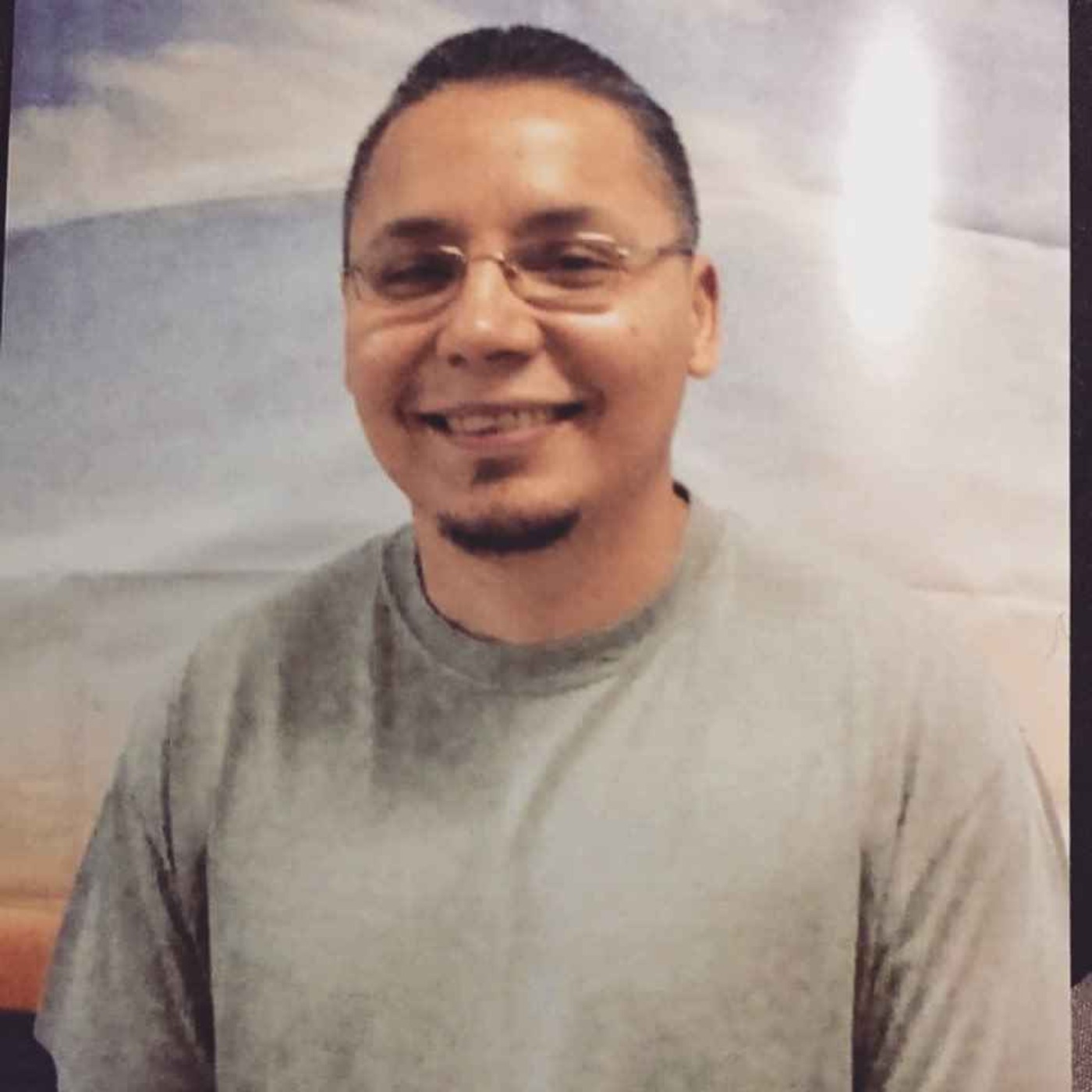
Loading summary
Transcript83 lines
- [00:00]
Knox
Hey, this is Knox from the podcast. The youth mental health crisis is growing and social media is a major driver. Kids are spending up to nine hours a day on screens, often unsupervised, and studies show a direct link to anxiety, depression and even suicidal thoughts. That's where Gab comes in. Gab offers safer phones and watches for kids with no social media. Tailored to every age, offering the right tech at the right time or tech in steps. From GPS tracking enabled watches for younger kids to phones with parent enabled apps for teens, each device allows kids to more safely grow their independence. Visual visit gab.com getgab and use code getgab for an exclusive offer. That's gab G-A-B-B.com getgab gab tech and steps Independence for them, peace of mind
- [00:45]
Alltrails Advertiser
for parents we all belong outside.
- [00:48]
State Farm Advertiser
We're drawn to nature.
- [00:49]
Alltrails Advertiser
Whether it's the recorded sounds of the ocean we doze off to or the succulents that adorn our homes, nature makes all of our lives, well, better. Despite all this, we often go about our busy lives removed from it. But the outdoors is closer than we realize. With Alltrails, you can discover trails nearby and explore confidently with offline maps and on trail navigation. Download the free app today and make the most of your summer with Alltrails.
- [01:19]
Acast Announcer
ACAST powers the world's best podcasts. Here's a show that we recommend.
- [01:29]
James Richardson
Hello there, I'm James Richardson and I host the Tony Football Show. Now this summer, the biggest sporting event in the world, the Football Men's World cup, is heading to Canada, Mexico and especially the United States. We're going to be there too. We are packing up and heading to Los Angeles for the duration. Which means that every day straight after the last match has concluded, you can catch some hot takes, instant reaction and and insightful analysis from ourselves sat around the pool in la. Sounds like we're going to have a lot of fun doing it. I hope you're going to be joining us too. It's from June 10th all the way up to July 19th, the day of the final. Just search for the Totally football show wherever you get your podcast.
- [02:19]
Acast Announcer
ACAST helps creators launch, grow and monetize their podcasts everywhere.
- [02:24]
Evaristo Salas Jr.
Everywhere.
- [02:24]
Acast Announcer
Acas.com
- [02:28]
Evaristo Salas Jr.
well see all that too. I didn't even know about that stuff until I actually got the discovery file, which was six years later.
- [02:34]
Jack Lawrence
So this was never brought up in your trial either? This whole cleaning of the car?
- [02:38]
Evaristo Salas Jr.
No, never brought up.
- [02:45]
Jack Lawrence
By day, Sunnyside is as peaceful as its name. But when the sun goes down.
- [02:50]
Evaristo Salas Jr. (continued or emotional testimony)
What's 04 have Sunnyside.
- [02:52]
Evaristo Salas Jr.
What's going on, guys? Attempted entry.
- [02:55]
Jack Lawrence
Youth gangs roam the streets.
- [02:57]
Evaristo Salas Jr.
That happened in 1995. And I actually didn't even know where I was that day. I had to really kind of think back of when they charged me was six months after.
- [03:04]
Investigator Ira Todd
You know, it was enough to show that this. This boy was railroaded. Like you said, they didn't have enough. So they manufactured. He manufactured something just to get it over the edge.
- [03:19]
Jack Lawrence
Hello and welcome back to one minute remaining. My name is Jack Lawrence, the host and creator of this show. Today is part five of my chat with Evaristo Salas Jr. The now man who was incarcerated for murder as a child. At just 15, Junior would be arrested and at 16, found guilty of murdering Jose Aurelio and sentenced to over 30 years in a men's prison. Having just under three years left, Junior has always maintained his innocence and continues to fight to clear his name. So in our previous episode, we heard the shocking revelation that was discovered during the TV show the Wrong Man. That one of the two main witnesses in this case came forward to admit that his entire testimony was false and that he was made to lie by the lead detective in the investigation, Jim Ravard. Now, again, I must state that Mr. Ravard has always maintained that this is not true and that the entire investigation was done above board.
- [04:27]
Evaristo Salas Jr. (continued or emotional testimony)
But to sit there and watch somebody, just somebody you don't even know that you never met, that you don't know anything about this person, to sit there and just look at you and say these things that you know are not true, and every part of you screaming, you know, because usually when someone says something about you that's not true, your first instinct is to defend yourself. You know, not.
- [04:48]
Evaristo Salas Jr.
Not to sit back and let somebody
- [04:49]
Evaristo Salas Jr. (continued or emotional testimony)
else do it, but to get up and be like, hey, you're lying, or what do you mean? You know, just confronted in a certain. Certain kind of way, I couldn't do that. You know, first of all, scared, because where I was at, you know, I didn't. And. And then second, I knew, you know, that. That. That if I would have got up and started yelling, what they were going to do is just tackle me or, or, you know, you know, handcuff me or spray me or something along those effects, you know, because I was in the county jail, I was in an adult jail. I wasn't in a juvenile, so. And I was only five foot, you know, and maybe £110 at the most. And so everything was pretty much bigger than me and I was intimidated by everything, especially the guards, and they were humongous compared to me. It was just. It was hard to sit there and accept that when somebody looks at. I think when someone looks at it from the outside looking in, they would say, oh, I would have got up and said this. I would got up and said that. That's your first instinct. But when you're surrounded by individuals that are a lot larger than you, when you're in a county, county jail kind of setting, you know your place in that place, and when you step out of line, there's going to be consequences that come after that. Yeah, you're going to go to strip cell isolation, or they're going to punish you some kind of way. They may even tackle you. Because they didn't treat us as juveniles and they treat us as adults. We got out of line, we were going to hit that floor or we're going to spray or they're going to put us. They're going to put us on a thing called Nutriloaf, where they just mash all your food together and they give it to you. You know, it's just. It was a weird punishment they had back then, but mainly it was just. It was anxiety. And I. I wanted so bad to say some. Everything was screaming, but I was. I kind of had the sense to know that, you know, I just. I gotta just sit here and take it, you know, I mean, which was horrible. You know, the strange thing about is there's. There's a part of me that thought, okay, they're gonna get up there and they're gonna look at me and realize they got the wrong person. I know it. And there was a party that kept saying. And as soon as they got up
- [06:38]
Evaristo Salas Jr.
there, I was like, oh, this is for sure. They're.
- [06:40]
Evaristo Salas Jr. (continued or emotional testimony)
Because I don't know this person at all. And they got up there, said the complete opposite. You know, I was so in shock
- [06:46]
Evaristo Salas Jr.
by the whole situation.
- [06:47]
Evaristo Salas Jr. (continued or emotional testimony)
I just couldn't really. I couldn't make sense of it because it was almost like I was screaming,
- [06:52]
Evaristo Salas Jr.
you know, telling everybody I didn't do
- [06:53]
Evaristo Salas Jr. (continued or emotional testimony)
it, but nobody cared or it didn't matter, you know, like they couldn't see me. It was like they just painted a picture and that's what they just accepted and went with, you know, and it was like. It seemed to them that it was easy for them to believe that rather than believe that, you know, this person is lying or they got it wrong or some kind of way, you know, it just. And all the way up and towards the End I assumed, you know, like I said, well, I didn't do it, really didn't do it. So there's no way they can possibly convict me. And when that happened, it was just like, what?
- [07:32]
Jack Lawrence
But let's not forget, we have a child in an adult's world sitting in a courtroom being tried for murder. Junior talks me through his feelings at that time.
- [07:42]
Evaristo Salas Jr.
The worst part about it all is just the emotional struggle of it all, you know, from my end, you know. You know, the family, they suffered, you know, they lost their child, they lost their brother, they lost their father, those kind of things, you know, and no one can really understand the suffering of a mother or brother who loses their family in that kind of way. And so. But the suffering that someone feels when they're wrongfully convicted as a child and sent to prison and that family suffers through that is pretty traumatic, too. And, I mean, when I was going through the trial, you know, and the fear that I felt at the time, you know, the anxiety that I felt was overwhelming. I remember I got really distinct memories of my trial because I remember going in there, and I remember me and my dad, we had this kind of this little ritual that we did, you know, and it was his way of giving me strength. We couldn't talk, we couldn't yell because he was sitting, you know, on the back part, and then I was sitting up front. But I would come in, and he would look at me, and I would sit down. I would look back at him, and he would kind of voice it to me. I couldn't hear his voice, but he would kind of mouth it to me and say, hey, pick your shoulders up. Be strong. And that was all the comfort I needed because that was my father telling me, look, it's going to be all right. That was the comfort I needed. And that was our routine every time that I came in. You know, whenever you look at a child and they feel scared to look back at their, you know, their parents, you know, for comfort, you know, for encouragement in order to push forward. And that was my dad. That's what my dad was doing every time that I went into trial, because I needed that. I was scared. I didn't. I didn't know how to kind of really function in that kind of environment. I didn't really know how even to carry myself and my dad sit up straight, you know, be strong. You got this. And I remember. I think it was after they had got found guilty and they were going to sentence me or something. I remember coming in and looking at my father and looking for that reassurance, you know? And my father's always been my hero. He's always been my Superman. He's my. The man is still my life, you know. You know, he's not immortal, you know, to me, he's a person that. You know, that's how I looked at my father when I came in that last time. You know, I think I was going to get a sentence or something, or right after I got found guilty. I can't remember which one it was. But I come out and I looked at my father. I look back, and he had this. This look on his face, and he had. It was the look of a man that looked like he was about to see his son devoured by lions. Just a blank stare. For the first time in my life, I seen fear in my dad's eyes. I felt like he was scared, you know, And I remember feeling this kind of lightning bolt of emotion of fear. And then at that moment, as soon as I felt it, you know, it was a split second, but I felt that my dad caught himself and he tried to shake it off and kind of give me that smile, but it was too late. At that moment, he became mortal and he became human. And I realized then that whatever I was about to face, that I wasn't have to face it alone. That my father couldn't protect me no more. And that from that point on, that whatever they gave me, he was going to be off in the distance while I was in whatever place I was suffering. And then that scared me. That was. I think that was the first time that I felt real fear. Real fear. Because here I am gonna be embarked on this journey of, you know, of who knows what's coming. Prison. The horrible, most horrible prisons, you know, that's all you hear about, prison. And here I am, I can't defend myself. I'm five foot, barely £100. What am I going to do if these people try to attack me?
- [11:28]
Jack Lawrence
So we know that the snitches said he lied. His testimony in court was less than convincing and bordering on laughable. However, what about the prosecution's other main witness, Ophelia Gonzalez, the wife of the man who was killed that night? By all accounts, she says that she catches a glimpse of the shooter that night. But Junior tells me her version of events that night change on more than one occasion.
- [11:58]
Evaristo Salas Jr.
And the strange thing about it is her. So there was another eyewitness that was on top of a balcony that watched a kind of. When they pulled in with their truck, he watched another car Pull up behind them, and an older guy, heavier built, had a mustache, come out, argue with her first. And then I think he said they. He went over and then he shot her boyfriend. And then he jumps back in the car and leaves. And then there's three other. They call them, they're not eyewitnesses, they're ear witness because they heard everything. There's these kids that were right next to it in this yard, and that's what he's. The one of them said they heard her yell. Everybody said there was an argument first, then the shots, then the lady scream. And they heard her yell and leave him alone, Ricardo. And that they had seen that car that pulled up, that it was there before. And so did the other. The other actual eyewitness said that too. And he actually looked at me in trial, it was an old older Mexican guy, and looks at me, says, that's not the guy. It's a guy that's older, heavier built. It's not a kid. Yeah, and he said that in trial. And they kind of dismissed what he said because apparently he had about five, four or five beers, you know, prior to that, making those statements. So they kind of just impeached him with it. And they said, oh, well, you're. They just kind of brushed over it, so, well, you were drunk or something like that. He said, look, you know, this is what I seen, you know. And so her, her version of what happened was totally different than everybody else, you know, that heard it and seen it. And she just said that she pulled in, they were talking, her and her boyfriend were talking. It was dark, it was foggy. And she kind of looks in the rearview mirror. 1 she says she looks in the rear view mirror and sees some kids approaching. On another statement, she says that she actually got out of the car, looked back, seen a taller one that looked about 15 and a shorter one that was 9. 9 years old or 7 years old, and he was in the back. And then she looked down at Barbara and saying, that's him. She said she looked at the killer for three seconds, looked down at boyfriend, said, motioned to look over there, thinking they were his friends, walked away, and then heard two shots.
- [14:03]
Jack Lawrence
So as we know, Ms. Gonzalez is shown multiple lineups and has not once been able to point out Junior as the shooter until, of course, six months later, she's shown a lineup again and apparently screams out, that's him. So what happened in that time that meant she all of a sudden picked Junior out of this lineup? Well, yet another TV show covered the story of Evaristo Salas Jr. In the show Reasonable Doubt, they discovered something else that was very interesting. It would appear that months after Ophelia Gonzalez is unable to pick anyone from a lineup, police have her undergo hypnosis. And after that, she then points out Evaristo Salas Jr. As the one who shot her partner. This information is never brought up in trial and is, in fact, never even disclosed to Junior's defence attorney. Why? Well, on June 7th of 1984, State versus Martin, the Supreme Court of Washington stated, and I quote, in accord with recent and persuasive case law and the overwhelming consensus of expert opinion, we conclude that testimony by a witness as to a fact which became available following hypnosis is inadmissible in the trial of criminal cases in this state. Essentially, this means that had the court been made aware of Ophelia Gonzalez's hypnosis, her testimony about seeing Junior that night as the shooter would be thrown out.
- [15:50]
Evaristo Salas Jr.
And then six months later, after seeing countless montages of photos, she picks me out of the photo.
- [15:58]
Jack Lawrence
Yeah.
- [15:58]
Evaristo Salas Jr.
And so there was a little, Little. Little small note that was written by Ravard that said Ophelia Gonzalez is open to being hypnotized. Says she's open to be hypnotized. Yeah. And so then the. My lawyer talked to the only other person that was with Ophelia that day when she got questioned, which was Jose Arriola's mother, spoke to her. And her mother said this, and I have a statement, everything said that while they were in there, that a bunch of people went in with Ophelia. And when she came out and they were driving back, Ophelia told her that they hypnotized her and that she picked out the person. After that, she picked out me as being the killer. That's what his own mother said, that it was there.
- [16:48]
Jack Lawrence
Junior, if this wasn't so serious, it would be laughable, to be honest. I mean, it's. It's just. I mean, what. What are they doing hypnotizing this woman?
- [16:59]
Evaristo Salas Jr.
And then that's what I'm. That's what I'm like. So none of that stuff was even known. That is definitely new discovered us because we never heard. It was just a single little line written by Rivard. He said that he wrote that.
- [17:09]
Jack Lawrence
So we're going to take a quick break, but when we come back, the hypnosis of Ophelia is not the only concern around Ms. Gonzalez. Because what's even more interesting is that in the six months prior to Junior being arrested for murder, the police's only potential suspect was in fact Ophelia herself.
- [17:30]
Evaristo Salas Jr.
Didn't even mention it, didn't even hear
- [17:32]
Evaristo Salas Jr. (continued or emotional testimony)
about it, didn't know nothing about it, that she went in there and cleaned the truck up.
- [17:42]
Knox
Hey, this is Knox from the podcast the youth mental health crisis is growing and social media is a major driver. Kids are spending up to nine hours a day on screens, often unsupervised, and studies show a direct link to anxiety, depression and even suicidal thoughts. That's where Gab comes in. Gab offers safer phones and watches for kids with no social media. Tailored to every age, offering the right tech at the right time or tech in steps. From GPS tracking enabled watches for younger kids to phones with parent enabled apps for teens, each device allows kids to more safely grow their independence. Visit gab.com getgab and use code getgab for an exclusive offer. That's gab G-A-B-B.com get gab gab tech and steps independence for them, Peace of
- [18:27]
Alltrails Advertiser
Mind for Parents we all belong outside.
- [18:29]
State Farm Advertiser
We're drawn to nature.
- [18:31]
Alltrails Advertiser
Whether it's the recorded sounds of the ocean we doze off to or the succulents that adorn our homes, nature makes all of our lives, well, better. Despite all this, we often go about our busy lives removed from it, but the outdoors is closer than we realize. With Alltrails. You can discover trails nearby and explore confidently with offline maps and on trail navigation. Download the free app today and make the most of your summer with Alltrails.
- [19:05]
Jack Lawrence
As we know, Jose Aurelio was shot in the passenger side of his truck. Upon police arriving at the scene, that car is of course, seized. After all, it's now effectively a crime scene. The car is then taken away and placed in an impound. Ophelia Gonzalez arrives at that impound where the truck is being held and informs the gentleman working there that she has been told that she's allowed to take possession of the vehicle. Now, again on the show Wrong man, investigators in fact called the owner of the towing company that had possession of that vehicle, and Mr. Morrow, the owner, told them that Ophelia had said that she had spoken to the city police and that they had informed her that it was okay to get the truck back. Now, six members of the investigation team, including the main detectives, Jim Ravart and Detective Trevino, all stated that they did not authorize the release of that truck. The owner of the towing company said to investigators that he had a little trouble with it, but he ended up taking her word for it he says he did not want to release it to her, but it wasn't illegal, so he did so as she was, and I quote, very insistent. This was all just four days after the murder of Jose Aurelio. Ophelia then takes the truck to a separate location to be cleaned and then sold. All before police had even had an opportunity to examine the vehicle for further evidence.
- [21:01]
Unknown Court Official or Narrator
I mean, there was charges pending against her because of the truck.
- [21:04]
Jack Lawrence
Yeah.
- [21:04]
Unknown Court Official or Narrator
And so she went and got the truck out without permission. She took it, had it washed, cleaned, whatever, and sold it the next day. They never got evidence off that truck whatsoever. So she basically had charges on her endings, but they were never filed against her. So we found paperwork where it says that there was charges pending on her, but they disappeared all of a sudden. Now, I mean, to me, honestly, like, what a coincidence. Like, you know, why are those disappearing? Then she, you know, she gets hypnotized. Then all of a sudden he's, you know, he's. He's picked up in a lineup by her. Like, I mean, it was just. There's a lot of stuff.
- [21:43]
Jack Lawrence
An incident report is created and states that they are looking into Ophelia for obstructing police officers and the charge rendering criminal assistance in a homicide, so essentially helping the person or persons who committed the murder of Jose Aurelio. So four days after the murder of her partner, Ophelia essentially becomes a main target of the investigation. In Jim Rivard's notes, he states that he is going to refer the information to a prosecutor for possible charges. The Yakima County Prosecutor's Office did not file charges against Ophelia, and Jim Rivard eventually drops her as a suspect. None of this information again was made available during the trial. Investigator Ira Todd from the show Wrong man spoke to the detective in charge of the crime scene and for processing the evidence, Jose Trevino. He states that as part of his report, there was no authorisation for the truck's release, and that the only people who had that authority in which to do so would be the lead detective or the prosecutor. Now, the interesting thing about Ira's chat with former Detective Trevino is that anytime Ira asked him a question, he's extremely careful with how he words his answers, always stating, according to this paperwork or according to what is here, it appears that here's Ira on the truck and
- [23:19]
Investigator Ira Todd
the real light bulb moment is not just her taking the car, them letting her take that car, they allowed her to take that car. And I really believe that was intentional too. I believe they, you know, that that's the most important evidence. The guy was killed in that car. You know, you're gonna go over that car forensically, and you're gonna keep it
- [23:38]
Jack Lawrence
for a long time, I'd imagine.
- [23:40]
Evaristo Salas Jr.
Oh, yes.
- [23:41]
Jack Lawrence
You don't.
- [23:41]
Investigator Ira Todd
You don't sign that car over till it's been processed. And that car hadn't been processed, you know. You know, for all they know, it could have been somebody else shot in that car. The back. The blood could have been different in the back seat than, you know, in the front seat or something. You know, that car had to be processed, and they know that they weren't that small townish, you know, and even when I talked to the one detective that kind of tried to justify that, I could just tell he was lying about something, too.
- [24:05]
Jack Lawrence
This entire situation raises so many questions. Why would the victim's partner want to take the truck, clean it, and then sell it just four days after the crime, before police have even had an opportunity to. To examine it? Did she, in fact, get assistance in getting that truck out of the impound? Why was she dropped as a suspect? Why were charges of rendering criminal assistance never followed up on? And just how does your only potential suspect become your number one witness?
- [24:43]
Evaristo Salas Jr. (continued or emotional testimony)
The weird thing about it, too, is, like, say, so that situation took place in an actual, you know, room or a building or whatever. If she came in there and sanitized that whole room prior to them even looking at it, they.
- [24:54]
Evaristo Salas Jr.
They would have treated that whole situation
- [24:56]
Evaristo Salas Jr. (continued or emotional testimony)
different, it seems like, because it's like it's the same exact thing. But they seem to, like, just brush over like it was nothing, you know, and they didn't even. And proud. They didn't. Literally didn't even mention it, didn't even hear about it. They know nothing about it. That she went in there and cleaned the truck out and all that kind of stuff that came later. And so it's like, had the jury
- [25:13]
Evaristo Salas Jr.
heard that, that would have made a
- [25:15]
Evaristo Salas Jr. (continued or emotional testimony)
difference, because then it had been like, well, she did all these things. She was a suspect. And then she lied. Even said right there that she's lying, she's making up stories, all these kind of things. Then the image of her just being this, you know, the victim and everything and just, you know, seeing things that. That would have changed because now you have her doing these things that don't make sense for a person to do.
- [25:43]
Evaristo Salas Jr.
So.
- [25:43]
Jack Lawrence
I know what you're thinking. Well, with all of this new evidence, why hasn't Junior been granted at least a new trial? Surely the courts have wanted to investigate why none of this was made known to them at the time. Junior and his legal team did take it to a judge.
- [26:00]
Evaristo Salas Jr.
And so when we actually presented this, you know, recently to the, you know, trying to get this, you know, case tossed out to the prosecutor, attorney, and then we asked the judge, you know, to, you know, vacate the conviction or grant us evidential hearings and call Ocular so we can question her on this call, you know, the mother, so we can kind of present it to the courts, call reward. The judge denied all that. He said, no, he said the, the police station said that's not a common practice and that's enough for me. Enough for you, that you're, you're all right with that. And he could just. The judge kept saying, well, this happened 25 years ago, you know, so you can't just start bringing things up, you know, and that's how you put this
- [26:39]
Jack Lawrence
hearing that we had just stopped bringing things up. That's the whole point of this, my friend, is to bring these things up and say, what on earth is going on?
- [26:49]
Evaristo Salas Jr.
And that's literally what he said when we, because we, we filed a 7.8, which is a motion to vacate the conviction and, or to present or to give us evidentiary so we can present this newly discovered evidence and then he can rule on it whether to, you know, to vacate the conviction or grant me the trial and that kind of stuff. And so we filed that after we got. It took us two years to get all this, you know, documents together. And then when we filed it, Covid hit and postponed it for another year and a half. And then once we finally got in front of the judge, the judge, the first thing he did, he accepted the review, which made it a direct appeal. So he accepted the review, which meant that it had merit. And so when he accepted it, the first thing he did at that hearing, instead of, you know, talking about, you know, the evidence for that kind of, he just went on about 20 minute rant about Hollywood and about, you know, the media and, you know, false news and all this kind of stuff. And it was like. And I knew then I was like, oh, no, this is not good, because he's already laying the foundation. Yeah, why he's going to do this, why? He pretty much just brushed everything off. He denied our request to question Rivard. He denied a request to question Ophelia. He denied a request to bring the mother in so we can kind of figure out the facts of the situation. He denied a request to bring Bill Bruin in. He literally Just gutted it and didn't allow us to have an evidentiary. And so we just. Right there, we just appealed it to the court, the court of appeals, and those two. So the informant and Ophelia, those are the only pieces of. That's. That's what that was, the whole case, based on their testimony. It was just, well, this person said that. This person said that. And guess What? You're guilty.
- [28:29]
Evaristo Salas Jr. (continued or emotional testimony)
30 plus years.
- [28:30]
Evaristo Salas Jr.
And that's all it took.
- [28:32]
Jack Lawrence
A couple of the jurors have been spoken to who were on Junior's trial, and they say that a guilty verdict was not an easy one to reach. And it took seven attempts for them all to reach the same conclusion. And more than one of them has stated that had they known all the facts of this case at the time, there's a high probability that they would have found Evaristo Jr. Salas innocent. As we know, Evaristo Salis Jr. Was not found innocent. He was found guilty and sentenced to over 30 years in a men's prison. It was literally an execution. And that's why it was a good verdict.
- [29:24]
Evaristo Salas Jr.
I remember the judge, he calls me up and he's like, they have these victim impact statements, right? And they come in and they say these most horrible things of their feelings. They're expressing their feelings because what they're doing is they're voicing what they feel to the person that they think committed the murder. And you have to literally sit there, you know, And I was able to get through that because there were horrible feelings. I get it. I understand you lost someone that you love, but it wasn't me that did it. And the way I shielded myself from that was because I said to myself, I didn't do this. They're not speaking to me. They're speaking to the people that actually. The person or persons that actually killed, you know, their loved one. That was how I got through that. But I remember the voice of his mother, Jose Orilla's mother. Yeah. She didn't get up there and she didn't. She didn't say, you this, you that. She didn't. She spoke in a real humble voice in Spanish, and she only said a few words, and they were heartbreaking. She said, you have no heart for yourself, for anybody else, and you took my son from me. And those words, they were the voice of a mother who lost so much. And I could feel it. Anybody that has any kind of humanity left in them or in their selves are going to feel that kind of emotion. And I thought to myself, I hope Someday that the person who committed this murder will hear those words and that he has any kind of compassion in him, that it will affect him in that kind of way, that he'll feel the pain, what that woman feels right there. And I felt sadness for her, I felt sadness for the family. But at the same time, I didn't commit the murder. So what do I do? Do I get up and say, I didn't do it? You know, that's not gonna help the situation. So I took it unjustly, you know, and then I get up there and I give my statement. This is the only time I spoke. The whole time I get up there and, you know, I'm scared. I've never spoken in front of people. I don't really have the voice for this or this understanding for it. But I said very few words. I just told the judge, I said, look, I didn't kill anybody. Someday you guys are gonna see that. And I feel bad for the family, but I didn't do it. And the judge looks at me and with the stone, you know, just this face of just almost anger in his, in his eyes, he looks at me and says, I'm sentenced you to as much time as I can sentence you to. Wow. And the only reason I'm not sentenced to a life sentence is because I can't by law. But he goes, when you get out of prison, if you so much as miss one time paying your fine, I'm gonna send you back to prison. And I didn't really understand what that meant because I didn't understand the whole fine situation, all that kind of stuff. But that was a level of indifference he had. And maybe he thought maybe, you know, maybe that's his way of, okay, I'm sensing this cruel hearted person, but I didn't do it. And I had to, I had to endure that kind of, you know, that kind of emotional, you know, kind of brutality to a certain extent. Because it was like, here I was, I didn't do it. I know I didn't do it. And yet all this stuff is being directed towards me. And it's just an hour of just, you're this, you're that, you did this, you did that. And the brother got up there and says, well, I hope you guys kill him. I wish you guys give him the death penalty. I want this and this and this. I get it. That's meant for the killers, you know what I mean? Yeah. But I didn't do it. And so it was, it was that those moments right there were the most you know, you know, the most hard for me because it was like, that's a lot to take in, you know, that's a lot. And I remember my dad came to see me after that, after that, already sensed me and all that kind of stuff when he came to visit me that first time after they sensed me, or I think it was after they had found, I can't remember which one it was, but he was crying. I mean, he couldn't even speak. He was literally just couldn't even say my name or look up at me. He was, you know, I just looked at him and I have never in my life seen my dad like that. And it was then that the roads reversed, you know, it was then that I had to be strong for him. And I looked at him and I said, dad, it's going to be all right. I kept saying it over and over and slowly he came back, you know, and it was a strength that he gave me my entire life that allowed me to do that at that moment. Because here I was, I just got sentenced to 30 plus years. I'm on my way to prison. There's nothing going to stop that. My dad's a broken man right now. He knows he can't protect me from whatever's coming my way. He knows he can't do anything and he's broken. I have to be strong for him. And that's what we did for each other this entire time. Some days I was weak, he was strong, and that's how kind of we survived all this. And I think that it's easy when people look at the documentary, they don't realize the emotional trauma that was a part of all that. The suffering, the tears, the anxiety, the pain. Not just the physical, the physical you can deal with, but the emotional that came with it and the sense of loss that he had. I can't imagine losing my son at 15, being torn away from me and being sent to some horrible prison and I can't even do anything to protect him.
- [35:21]
Unknown Court Official or Narrator
You have 1 minute remaining
- [35:26]
Jack Lawrence
and that's all we got time for, for this week coming up next week. What happens when a 16 year old turns up at a men's prison? How does he survive in prison?
- [35:38]
Evaristo Salas Jr.
The yard is where pretty much everything is handled or like when you talk to and everything, it's always done in the yards.
- [35:43]
Jack Lawrence
Junior talks me through his life growing up behind bars.
- [35:48]
Evaristo Salas Jr.
There was other individuals that were coming in that were, you know, white or black, mainly white, come in and they used to prey upon their own people. They would take that little 18 year old, give them a weapon and tell them to go do this or hey go do that or or do any worse things to them because they didn't really care about what happened to them.
- [36:04]
Jack Lawrence
Next time on One Minute Remaining. One Minute Remaining is a Mash Pumpkin production produced, hosted and created by Jack Lawrence. Editing and sound design by Jack Lawrence and Dom Evans. This show is part of the Acast Creator Network Network.
- [36:30]
Knox
Hey, this is Knox from the podcast. The youth mental health crisis is growing and social media is a major driver. Kids are spending up to nine hours a day on screens, often unsupervised, and studies show a direct link to anxiety, depression and even suicidal thoughts. That's where Gab comes in. Gab offers safer phones and watches for kids with no social media tailored to every age, offering the right tech at the right time or tech in steps. From GPS tracking ENAB enabled watches for younger kids to phones with parent enabled apps for teens, each device allows kids to more safely grow their independence. Visit gab.com getgab and use code getgab for an exclusive offer. That's gab g-a b b.com forward/getgab gab tech and steps independence for them Peace of mind for parents Finding ways to
- [37:16]
State Farm Advertiser
be financially savvy is a smart move. And knowing you could be saving money for the things you really want, like that dream home or new ride is a great feeling. That's why the State Farm Personal price plan can help you save when you choose to bundle home in auto bundling. Just another way to save with a personal price plan.
- [37:34]
Alltrails Advertiser
Head to statefarm.com to get a quote.
- [37:36]
State Farm Advertiser
Prices are based on rating plans that vary by state. Coverage options are selected by the customer. Availability, amount of discounts and savings and eligibility vary by state.
- [37:47]
Acast Announcer
ACAST powers the world's best podcasts. Here's a show that we recommend.
- [37:55]
Danny Pellegrino
The Real Housewives is a guilty pleasure for most, but if you're looking to not feel guilty about that pleasure, tune in to Everything Iconic with me, Danny Pellegrino, where I break down all the messy moments and behind the scenes antics of Bravo's popular franchise. On Everything Iconic, I also interview celebrity guests like Kelly Ripa, Keke Palmer, Drew Barrymore, Cameron Diaz and more about their guilty pleasures, their past work, and so much more. So if you're pop culture obsessed and find yourself watching way too much reality TV like me, tune in to Everything Iconic with Danny Pelham Pellegrino. Wherever you listen to podcasts,
- [38:29]
Acast Announcer
ACAST helps creators launch, grow and monetize their podcasts everywhere. Acast.com.