Loading summary
Transcript205 lines
- [00:00]
Sarah Gibson Tuttle
Raise your hand if you want your nails to look perfect all the time. Me too. I'm Sarah Gibson Tuttle from Olive and June. And this is exactly why we created the Mani system. We wanted to make it possible for everyone everywhere to give themselves a beautiful manicure at home with our tools and our long lasting polish. Each manicure with our Mani system comes out to just $2. That's right, $2. No more. 30, 40, $50 manis that you get at a salon and they take hours. Now you can paint your nails on your time and love them more than ever. And by the way, when people ask who did your nails? Where did you get them done? You're gonna proudly say, I did them myself. Get 20% off your first mani system with code perfectmanny20@oliveandjeune.com perfectmanny20 that's code perfectmanny20 for 20% off@oliveandjune.com perfectmanny20 hi, I'm Kristen.
- [00:57]
Kristen Bell
Bell and if you know my husband Dax, then you also know he loves shopping for a car. Selling a car, not so much.
- [01:03]
Julian Morgans
We're really doing this, huh?
- [01:04]
Kristen Bell
Thankfully, Carvana makes it easy. Answer a few questions, put in your van or license and done. We sold ours in minutes this morning and they'll come pick it up and pay us this afternoon.
- [01:15]
Julian Morgans
Bye bye Truckee.
- [01:16]
Kristen Bell
Of course, we kept the favorite.
- [01:20]
Julian Morgans
Hello other Truckee.
- [01:21]
Kristen Bell
Sell your car with Carvana today. Terms and conditions apply. Ready to elevate your everyday. Quince has the luxe staples insiders swear by, minus the markup. From 100% European linen styles and 14 karat gold jewelry to gorgeous leather bags and elevated home finds, Quint's has it all. And by partnering directly with top artisans and ethical factories, Quince delivers premium quality at half the cost of similar brands. Discover everyday luxury without the markup at quinte. Go to quint.com styleupgrade for free shipping and 365 day returns. Quince.com styleupgrade.
- [02:05]
Mary McGriff
Subaru I had fallen asleep in the van and by the time I woke up I saw that it was nighttime and we were going in the wrong direction. I looked all over to see what I could find to protect myself and I saw a wooden stake. And I picked it up and pointed it to him and said, you're taking me in the wrong direction. Turn around now. So he pulled over and while he was going out to do whatever he's gonna do, I opened the door and got out of the van and he hit me over the head with a steel sledgehammer and then I woke up in his van.
- [02:59]
Julian Morgans
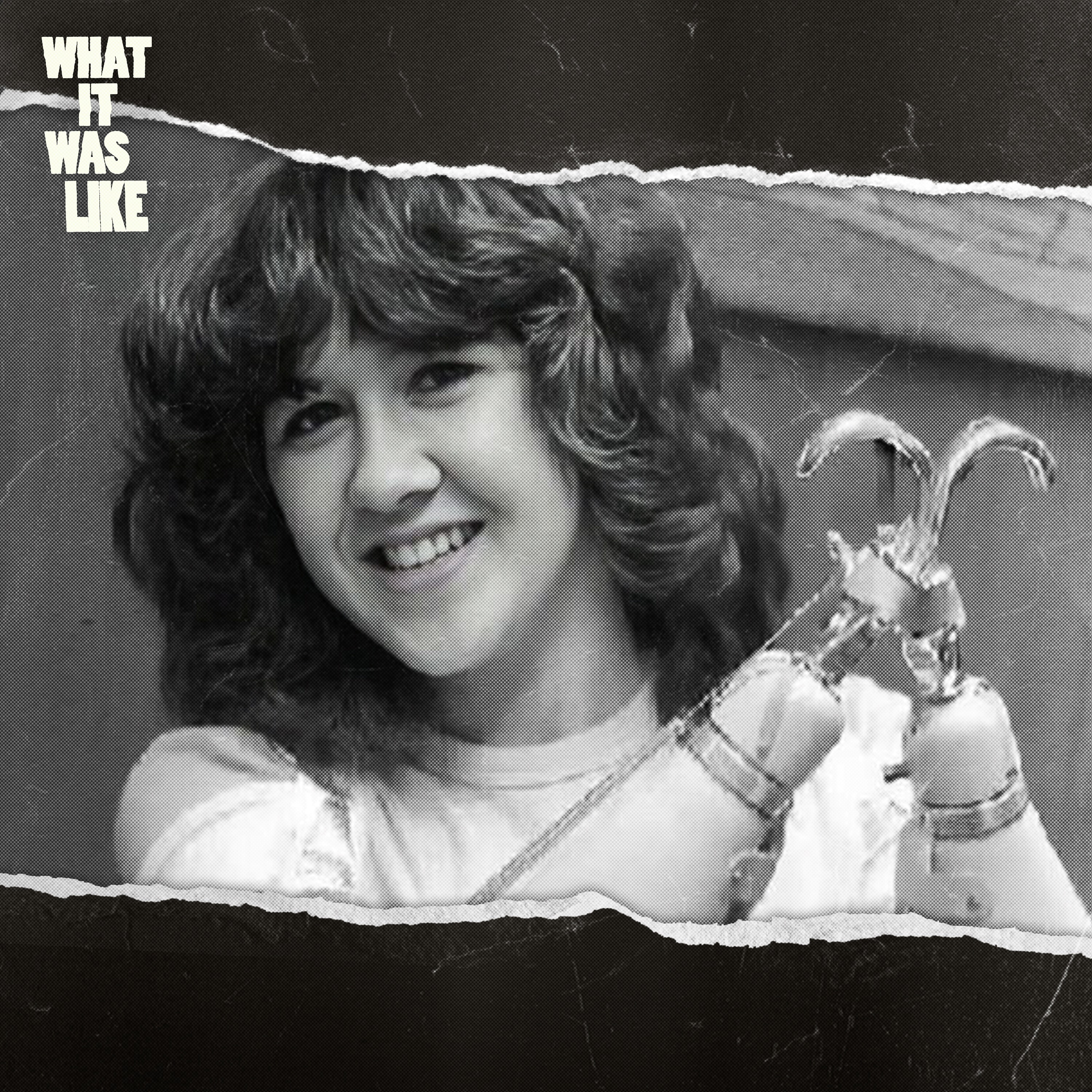
Hey, I'm Julian Morgans, and you're listening to what It Was like, the show that asks people who have lived through big dramatic events what it was like. Pop culture is saturated with serial killers. I mean, I know I'm kind of contributing to this, but between Netflix documentaries and podcasts, it feels like serial killers are just everywhere, which I think is interesting because in real life, they're actually not everywhere. In fact, they're kind of nowhere. In terms of serial homicide, we're now living in a very quiet period. That's true here in Australia, but it's true for Americans as well. And actually, most of the big names that we obsess over, you know, Ted Bundy or the Night Stalker, they did their damage during a very concentrated window of time between the mid-1970s and the end of the 1990s. And not just that, but there's one particular region that seems to be a real hotspot. For about 25 years, the US West coast between Los Angeles and Seattle became a hunting ground for dozens of serial killers. This is actually a whole thing I'm getting into. For this week's bonus episode, we're unpacking this so called golden age of serial murder. But what you need to know is that there are a few factors at play. Firstly, hitchhiking was an extremely common, even accepted way to travel. And there was almost no public awareness of serial killers. I mean, in the mid-1970s, the term serial killer itself was just beginning to trickle out of FBI's profiling labs. And vulnerable young people, especially women, were tragically easy targets. And that is the background to Today's story. Mary McGriff, born Mary Vincent, was just 15 years old when she started hitching rides around California in 1978. And again, she had no idea that serial homicide was a thing she hadn't heard of. Ted Bundy, who'd only just been arrested. She was just trying to get to her grandparents place. And then she got a lift from a guy named Lawrence Singleton. And what happened next is just truly horrifying. Singleton assaulted her, cut off both of her arms, and left her for dead. But Mary survived. And thanks to her courage and quick thinking, Singleton was caught. And then years later, when he was released and he killed again, it was Mary who fought to make sure that he was thrown back in prison. Now, these days, there's not that much about Lawrence Singleton online. He's not famous like Ted Bundy, but he was almost certainly a serial killer. As you'll hear the police investigators working on Mary's case linked him to multiple homicides. But thanks to Mary, he was put away for good. And I think undoubtedly there are people who are alive today thanks to her strength. Now, before we start, I need to flag. Today's story is really graphic. It contains a horrific description of rape and torture. But I don't think the story's not really about rape and torture. It's not really about violence. Ultimately, today's episode is about not letting the monster win. It's about rebuilding a life against the odds. So I hope you enjoy my conversation with Mary McGriff. Hey, Mary. Welcome to the show.
- [06:31]
Mary McGriff
Thank you for having me.
- [06:33]
Julian Morgans
Thanks for joining me today. Where did you grow up and how would you describe yourself as a kid?
- [06:40]
Mary McGriff
Well, I grew up. We traveled a lot because my mother's husband was in the military. So I was born in El Centro, California. But then the day after I was born, we went back to the Philippines. So I remember a nice portion of my childhood in the Philippines. But wherever we went, I never knew my mother's husband Till I was 2 years old. And he was the first white person I ever saw because we're in the Philippines and everyone looks the same there. And he was the first white person that I saw. And I thought he was ghost, and I thought he was bad. Well, he was bad because he was always abusive physically, mentally, and sexually to me and my brothers and sisters. So that's how my childhood was.
- [07:44]
Julian Morgans
Okay, so it'd be fair to say that your experience with men was pretty negative from a young age?
- [07:52]
Mary McGriff
Yes.
- [07:54]
Julian Morgans
Okay. And did how did this experience kind of flow on into your adolescent years?
- [08:02]
Mary McGriff
It got worse because when my brother's and sister and I would get hurt by our mother's husband, we wouldn't be able to do certain things at school, like go to PE because you'd have to get into a uniform, which is shorts and short shirt, and we'd have bruises. So it got to the point where it was interfering with our lives. Our mother's husband targeted me more than any of my brothers and sister, which, you know, gave them a little leeway so that they can be with their friends. But I didn't want to be at home with just him there. So I started going to my friend's house and hanging out with my friends and their family until my family got home. And it was around junior high when that started.
- [09:09]
Julian Morgans
Okay.
- [09:10]
Mary McGriff
All right.
- [09:10]
Julian Morgans
And you were hitchhiking to get around?
- [09:14]
Mary McGriff
No, I never hitchhiked until the last abuse that I took from my Mother's husband and my sister heard it, and she came and told me that I had to get a ride as far away from the house as possible. And she told me how to do it, where to go, you know, truck stop, find out where someone's going to California, because our grandpa lived there.
- [09:47]
Julian Morgans
Okay, so I understand that you kind of left home and ended up living on the street, you know, sleeping in parked cars and that kind of thing.
- [09:55]
Mary McGriff
Yeah.
- [09:56]
Julian Morgans
And how long were you doing that for?
- [09:59]
Mary McGriff
I'd say about a month. It was very hard for a child. I was only 14 years old. I didn't even turn 15 yet. I was terrified all the time because I didn't know where my next meal was going to be or what it was going to be. I didn't know where I was going to sleep, if it was safe, if I was going to be attacked by a dog or if I was going to be caught by adults and sent back. Because if I got sent back, I know I wouldn't be able to survive because I almost didn't survive the last abuse that I took from my mother's husband.
- [10:47]
Julian Morgans
Mary, hearing this story is. I mean, I really feel for you in so many ways. I'm feeling kind of protective. You know, I wasn't alive back then. This is before my era, but I just. It feels to me like there's so many predators and just like really irresponsible adults in this story. And it's wild to me that you were the kid living on the street and none of the adults were sort of stepping up to take care of you. No, it's frustrating.
- [11:17]
Mary McGriff
Yeah, it was very frustrating. And the more the days went on, the more I believed that all adults are like this and there's no hope for any child, and all the children are going to be grown up worse or meaner because of what they've been having to go through.
- [11:44]
Julian Morgans
Can you tell me how Lawrence Singleton came into your life?
- [11:50]
Mary McGriff
It was when I found this one really big junction area where all the vehicles went to different freeways going east, south, north, west, everywhere. And all these people on the side of the sidewalks had these signs up of their destination where they wanted to go. And I saw two guys that had a sign of where I wanted to go because. Because my grandpa lived there. We were all just. You know, I asked if I can stand with them because they were going in the same spot. And I said, yeah, we do this all the time. That's when Lawrence Singleton pulled up on in his van, which was completely empty, but it had no seats in the back. And he said, did we want to ride? And we all started going to the van. And he says, no, I only have room for her. And both. The guy says, I wouldn't go in there if I were you. But I was desperate. I was a child. I was scared. I wanted to get to my grandpa. And I thought this was. I was one step closer to getting to my grandpa. And. And that's all I could think of.
- [13:19]
Julian Morgans
Could you describe the man's face? Lawrence's face?
- [13:24]
Mary McGriff
He was old. His hair was leaving, and he had pock marks, a big nose, glasses. He was chubby.
- [13:37]
Julian Morgans
And so you got into this van with this guy, and do you remember the mood in the car? What did you guys talk about?
- [13:46]
Mary McGriff
He wanted to stop. He was moving, and he wanted to stop at his place to get the last couple of bags that he had. But he basically wasn't concentrating on anything else. He had his own personal agenda. And I just wanted to get to where I wanted to go. So when we got to his place, I went in to go and use his restroom. But I panned the whole house to make sure what I saw. I'll keep in my memory banks for an emergency. The place was empty. No furniture. Just three big black bags in the living room and a sewing kit box in the windowsill. And that was it. Then we left, and we drove for a while. And this was in the morning when we started, and it was nighttime. I had fallen asleep in the van. And by the time I woke up, I saw that it was nighttime and we were going in the wrong direction. We were going further north, and we ended up in the Modesto area or Sacramento, somewhere around there. But that's where the attack took place.
- [15:27]
Julian Morgans
So what went through your mind when you realized you were heading in the wrong direction?
- [15:34]
Mary McGriff
I looked all over to see what I could find to protect myself. And I saw a wooden stake, the kind that you hammer in the ground to build, like, a little cheap fence. And I picked it up and pointed it to him and says, you're taking me in the wrong direction. Turn around now. He made an excuse that he had to go and relieve himself. So he pulled over. And while he was going out to do whatever he's gonna do, I noticed my shoe was untied. So I went and tried to. I opened the door and got out of the van so I could tie my shoe because there was no room in the front seat. And he hit me over the head with a steel sledgehammer. And then I woke up in his Van.
- [16:36]
Julian Morgans
Oh, my God. Do you remember getting hit over the head or did it suddenly just go black?
- [16:41]
Mary McGriff
No, I remember getting hit on the head and then I saw white and then I saw black. And that was it. He split my skull. I have a little crack in my skull, so usually it's a dent. And when I start getting a headache, the dent starts to become a bump because my brain is trying to swell up and push out of my skull, so.
- [17:11]
Julian Morgans
Oh, Mary. Yeah, I mean, it sounds like you were probably horribly concussed, like he probably did some damage.
- [17:21]
Mary McGriff
Yeah, he did a lot of damage. He didn't just rape me and cut my hands off. He bashed my head in with a sledgehammer. He shoved a butcher knife up inside me and ripped my insides to where they were like shredded wheat.
- [17:41]
Julian Morgans
What?
- [17:41]
Mary McGriff
The doctor said. And then after all of that, he threw me off a 30 foot cliff and I landed on sharp boulders, breaking over 72 bones in my body. I didn't know you had that many bones in your body to break.
- [18:02]
Julian Morgans
No, no. Okay. I mean, I feel after. After that brief synopsis, I feel sort of like it's rude of me to ask you to just keep going. But I don't know, I guess. I guess that's what we're here for. Could you. Could you just tell me what happened next after you woke up?
- [18:22]
Mary McGriff
When I woke up, I realized I was tied with my hands tied behind my back, and he was pouring some liquid into a half empty milk carton that had milk in it. And then he started pouring it down my throat and I knew it was alcohol mixed with milk, which made me throw up. Gosh. Who puts alcohol in milk?
- [18:56]
Julian Morgans
Yuck. Yeah. Plus you were 14 at the time.
- [18:59]
Mary McGriff
Yeah, but after that I was in and out and he was cutting my clothes off and then trying to rape me. But he couldn't because I was just this little kid and he was a big slob. And that's when I took the butcher knife and rammed it up inside me three times. Then he. Then he had his way with me for a good while. It was starting to. It was just barely starting to get light out. So that was. It was pretty close to 24 hours because the whole day was gone. The night was gone. Now it's morning coming up again and he pulls me out of the van and he cuts the ropes off of my hands. And when he did that, he grabbed a hold of my one arm and I tried kicking him. And he had sliced my left arm off swinging two times, which made me fall. And I Knew I was going to go into shock. So instead, I meditated, and I stopped my blood from gushing out. I can slow my heart rate down by meditating. I've been meditating since I was a little girl, and that's what saved me. But when that happened, he started cutting my right arm off, and I started fighting even more. And I. I had. My feet had ripped his shirt to where I could see he had a scar on his right side of his belly. So I knew he had his appendix taken out. And it took three times to chop off my right arm. So he did more damage. And by that time, I just kept meditating and not moving and pretending I was dead. And then he had dragged me and pushed me off the cliff, And I fell 30ft. And I didn't want to move. I was aware of everything, but I didn't want to move, and I didn't want to breathe. And I thought he was going to leave. It seemed like forever. But he came back again. And then he dragged me into the culvert where he had dropped me off the cliff, because there was a little drainage culvert. And he dragged me in there, then he left.
- [22:15]
Julian Morgans
So he clambered down the cliff to retrieve you after throwing you off?
- [22:20]
Mary McGriff
No, he had to walk a mile down the road and then walk down to where. Where he dropped me. Because when the. When the fire department and the police came to find out where I came up the cliff, the fire department could not propel down the cliff because it was too treacherous and too dangerous.
- [22:46]
Julian Morgans
Sure.
- [22:47]
Mary McGriff
They said the only way you can get down there is by walking a mile down and then walking back. And they tracked the blood, and as if she didn't walk that way, she walked up the cliff and walked three miles to find help.
- [23:07]
Julian Morgans
Okay, so I want to get to the part where you got some help in a minute, but for the moment, I'm really curious. You're describing this nightmare, this absolute nightmare in such sort of lucid detail. You know, you were able to observe the scar on this man's body while he was cutting your arm off. And I'm curious, do you feel like you went into this sort of, like, adrenaline fight or flight sort of mode where time slowed down?
- [23:36]
Mary McGriff
Yes, definitely. I was at a higher awareness of everything. I felt like the Matrix movie with me showed something going fast, but everything is in slow motion. Yeah, the bullets, that's how I felt. And I was. I don't know. I have a photographic memory. And for some reason, the little voice inside me said that it was Very important that I have this memory because it's going to come in handy someday. And so far it's been coming in handy my whole life because I remember everything.
- [24:26]
Julian Morgans
Yeah. Did you feel pain?
- [24:30]
Mary McGriff
I felt the pain. It was so excruciating. I didn't know if I was breathing. I didn't know if I was standing or sitting or laying down. I felt like I was floating. And if I touched anything, it would be. The pain would be so intense, it would feel like an electric shock that feels like a nuclear bomb went off inside you.
- [25:10]
Julian Morgans
Aside from the pain. Aside from the pain, what I'm hearing here is you were otherwise kind of calm. Is that right? Or were you feeling panicked as well?
- [25:21]
Mary McGriff
No, I was calm because I was being nagged at the whole time.
- [25:27]
Julian Morgans
What do you mean?
- [25:28]
Mary McGriff
When I was pulled into the culvert and I knew he was gone, I was cold, I was tired, I wanted to go to sleep. But God told me that I had to get up and stop him, that he was going to do it to another person. And I told him, I'm going crazy because I'm talking to nobody and I'm going to go to sleep now. He would not shut up. He just kept telling me I had to get up, had to get up. Got to stop him. Like, I'm tired, I'm cold, I'll do it tomorrow. Leave me alone. And he wouldn't stop. So we sat there and argued for a while because I wanted to point out, okay, smarty pants, how the heck do you think I'm going to be able to stop him? I can't even get out of here. Can't climb up this cliff. Can't do anything. I don't have any hands, by the way. And all he says, I'll help you. And I. I managed to get up the cliff and he walked with me. Would.
- [26:40]
Julian Morgans
Do you. Would you classify this as like an actual religious experience, or was this you just sort of arguing with your subconscious?
- [26:48]
Mary McGriff
No, it's. It's a religious experience. I've. I've been talking to God since I was four. I actually special ordered my husband from God, and he promised me that he would deliver because of what I'm gonna go through.
- [27:05]
Julian Morgans
Wow. That's amazing. This is your husband, Tony, who brought you to the studio today?
- [27:11]
Mary McGriff
Yes.
- [27:12]
Julian Morgans
Yeah, well, he delivered me an incredible guest on the show. So big thanks to. Thanks to God and Tony.
- [27:19]
Mary McGriff
Yes. I thank God every day.
- [27:23]
Julian Morgans
Okay. Okay. So God said he was going to help you. He or she was going to help you up this cliff. Do you remember getting up the culvert?
- [27:34]
Mary McGriff
I remember saying I had to wait before he helps me because I remembered in my meditating and surviving lessons that I had to stop the bleeding from my arms because I'm moving now and my blood is leaking and I only have so much blood in my body. So I stuck my arms in the dirt and it packed it to where it acted like mud because it got gelled with the blood, but it stopped me from bleeding. And then he helped me up the cliff and then we walked for three miles, actually for 3.9 miles. And the first people that stopped, they were in a red T top sports car and they had cowboy hats on. One had a white felt hat, cowboy hat. And the other one had a straw cowboy hat. One was blonde and one was redhead. And I'll never forget their faces and they'll never forget mine, but here I am. Well, I was 15 then because I had a birthday and I'm all naked, covered in blood, but I have no hands. I look like something out of one of those horror movies. And those two guys freaked out and peeled out. You could see the tire marks because they peeled out so fast. And I said pleased when I asked them to help me. And they left. And I'm like, oh God, do I still have to keep walking? Yep, we kept walking.
- [29:41]
Julian Morgans
So they just drove off. They saw you, a naked bleeding 15 year old, and thought, oh, she's a threat. Let's get out of here.
- [29:47]
Mary McGriff
I don't know what they thought. I think they thought that they went into the Twilight Zone, you know, got into a Harry Cary movie. But I kept.
- [29:57]
Julian Morgans
What a bunch of assholes. That's so unimpressive.
- [30:01]
Mary McGriff
Well, I'll never forget them. But I kept walking. And just a few minutes later, a white pickup truck, a beat up white pickup truck comes pulling in. And apparently the road I was walking down is an abandoned road that a lot of people get lost. And these people were on their honeymoon and they got lost, so they spent the night on the road. And then when they were coming back, they found me, excuse me. And I told him, I told God, okay? I asked nicely the first time for somebody to help me and I said, please, this time they're going to help me or not. They're going to have to run me over. And I stood right in front of the road and screamed as loud as I could to help me. And the guy came out running real fast and picked me up. And his wife opened up the passenger door. She got into the back of the truck and Then they drove me to a few minutes down the road to a nearby hospital where they did meatball surgery till they can get me to a big hospital.
- [31:27]
Julian Morgans
Meatball surgery is kind of like battlefield surgery where they're just trying to patch you up so you can survive them.
- [31:33]
Mary McGriff
They just want me to stop bleeding to get me to the next hospital.
- [31:40]
Julian Morgans
I mean, I'm just curious, like when you got in the car, were these other people like, hey, what happened to you? Was there any conversation?
- [31:49]
Mary McGriff
They were just trying to keep me awake and keep me talking. They wanted to know what happened. They wanted to know if the person's still around, if they're in danger, what's going on. And all I could think of was, I don't feel very well. I want to go to sleep. And I heard the wife say, no, don't go to sleep. Keep talking, keep talking.
- [32:24]
Julian Morgans
Hey, we're going to take a quick ad break here, but stick around because we'll be right back.
- [32:33]
Sarah Gibson Tuttle
Hi. Who here loves when their nails are perfectly done?
- [32:37]
Mary McGriff
Me.
- [32:37]
Sarah Gibson Tuttle
I'm Sarah Gibson Tuttle and I started Olive in June because let's be real, we all deserve to have gorgeous nails. But who wants to spend a fortune or half their day at the salon? And that's why I created the Mani system. So you can have that salon perfect manicure right at home. And guess what? The best part, each mani only costs two dollars. Yup, you heard me. Two dollars.
- [32:59]
Mary McGriff
No more.
- [33:00]
Sarah Gibson Tuttle
30, 40, $50 salon trips that eat up your day. Now you can paint whenever you want, wherever you want. And trust me, you're going to be obsessed with your nails and everyone is going to ask you, where did you get your nails done? And here's a little something extra. Head over to oliveandjune.com and get 20% off your first mani system with code perfectmani20@oliveandjune.com perfectmanny20. That's code perfectmanny20 for 20% off@oliveandjeune.com perfectmanny 20. You're all set for a nail glow up. Let's get those nails looking fabulous, shall we?
- [33:33]
Kristen Bell
Hi, I'm Kristen Bell and if you know my husband Dax, then you also know he loves, loves shopping for a car. Selling a car, not so much.
- [33:39]
Julian Morgans
We're really doing this, huh?
- [33:41]
Kristen Bell
Thankfully, Carvana makes it easy. Answer a few questions, put in your van or license, and done. We sold ours in minutes this morning and they'll come pick it up and pay us this afternoon.
- [33:52]
Julian Morgans
Bye bye, truckee.
- [33:53]
Kristen Bell
Of course, we kept the favorite. Hello, other truckee Sell your car with Carvana today. Terms and conditions apply. Ready to elevate your everyday Quince has the luxe staples insiders swear by, minus the markup. From 100% European linen styles and 14 karat gold jewelry to gorgeous leather bags and elevated home finds, Quince has it all. And by partnering directly with top artisans and ethical factories, Quince delivers premium quality at half the cost of similar brands. Discover everyday luxury without the markup at Quince. Go to quince.comstyleupgrade for free shipping and 300quince.com styleupgrade if you're running a business.
- [34:39]
Julian Morgans
You know that every time you miss a call, you're leaving money on the table. When every customer conversation matters, you need a phone system that keeps up and helps you stay connected 24 7. That's why you need OpenPhone. OpenPhone is the number one business phone system that streamlines and scales your customer communications. It works through an app on your phone or computer, so no more carrying two phones or using a landline. Plus, say goodbye to voicemail. Their AI agent can be set up in minutes to handle calls after hours, answer questions and capture leads so you never miss a customer. OpenPhone is offering our listeners 20% off of your first six months at openphone.com business that's O P-E-N-P-H-O-N-E.com business and if you have existing numbers with another service, OpenPhone will port them over at no extra charge. Open Phone no missed calls, no missed customers. So I'm guessing that there was a period of recovery. You were in the hospital, they were trying to keep you alive and you were just trying to get your health back. Can you walk me through that?
- [35:50]
Mary McGriff
Well, when they were wheeling me to the emergency room, I grabbed the first cop I could with my foot. I grabbed his belt loop and kept pulling on him while they were wheeling me to the emergency room and yelled that he needs to get a pad of paper and a pen and write this down because I'm going to talk fast. I don't know how long I've got until I die. So you better get this and you better get it now because he's going to do it to somebody else. So he started right in the way and that took place for a while. He didn't want them to operate on me because I was still talking and they had to boot him out and then put me in and they started operating on me. And that took a while because there was a lot of doctors in there. But for some Reason? I was able to hear one of the doctors, they said that I had bled over half the blood of my body out, and the remaining blood in my body was at a toxic level, and they were losing me, so they said I was going to die soon, so they had to flesh that out and give me new blood. But they gave me the wrong blood. But my body accepted it, but it mutated it. So I have mutated blood now.
- [37:31]
Julian Morgans
What, like they gave you the wrong blood type?
- [37:33]
Mary McGriff
Yes.
- [37:35]
Julian Morgans
Damn.
- [37:35]
Mary McGriff
But my body took it. Now it's. I have really red blood.
- [37:43]
Julian Morgans
Okay, you've got a sort of hybrid.
- [37:45]
Mary McGriff
Yeah, but.
- [37:49]
Julian Morgans
So you gave. You gave a description to this police officer who just happened to be at the hospital? I guess, yeah.
- [37:54]
Mary McGriff
Oh, the cops were there. Everyone was there when they found out because the 911 calls came in, and nobody has ever heard of anything like this happening in the United States. So it got everyone's attention.
- [38:12]
Julian Morgans
Okay. Okay. And so you gave a description. I'm guessing you described the man's face as you were describing to me earlier, and you just told this cop what had happened to you.
- [38:23]
Mary McGriff
Not just that, when we were driving, because I have a photographic memory. I just have to look at something once, and I'm not even paying attention. But if somebody were to ask me to describe what I saw, I would be able to do that. And I saw his itinerary card on his dashboard, and I knew exactly where he was going that day. And they caught him that day. He was going to do this to his daughter. Oh, God.
- [38:59]
Julian Morgans
And he'd written us in an itinerary?
- [39:01]
Mary McGriff
Yes.
- [39:02]
Julian Morgans
He's not the sharpest tool in the shirt, is he?
- [39:04]
Mary McGriff
No. No. I found out when it came to court to put him away. His daughter was in the courtroom, and he had cut off her left ear because she heard something that he and her mom were talking about that she shouldn't have heard, and she kind of looked like me, and she was in the courtroom. That freaked me out.
- [39:33]
Julian Morgans
Oh, Mary, that's. Yeah, that's freaky.
- [39:35]
Mary McGriff
Mm.
- [39:37]
Julian Morgans
Okay, so you. You gave a description. This guy was picked up. He was arrested. Can you. Can you take me through to the trial? Cause I understand you were pretty instrumental. Your evidence really, really helped to put him away. Can you walk me through that?
- [39:52]
Mary McGriff
Well, he had this attorney that tried to trip me up so many times by asking five different questions, all at the same time and expecting me to answer one, which was stupid. And other times, he would bring up one instance of the investigation and then switch it and try to make me Say something else. And that wasn't working. So I had to ask the judge to instruct the attorney to please stick to one question at a time. And if you're referring to details, ask one detail at a time and I'll be able to answer it. After that, the judge had warned him and told him, you know, treat her like a human being, not like some stupid idiot. And I told him, yeah, I lost my hands, not my brain. After that he had said, well, how do you know that he was the one? And where's the evidence of if he, if he was the one who did this to you? I described my jeans that I wore, which were bell bottom jeans, but these particular jeans had brass buttons on them in the shape of a lion's head. And they were in his fireplace, burnt up with my jeans and the rest of my clothes and the blood stuff. All in his house.
- [41:53]
Julian Morgans
Yeah, he's, he's really not a forward planner, this guy. But I mean, that's, that's pretty compelling evidence. So when he was convicted, how did, I mean, when, when this, when the judge sort of read out the sentence, how did you feel?
- [42:11]
Mary McGriff
I felt a little relief because I knew, well, there's not all adults are bad because now he's being punished. But it's a bummer because he's only getting this, you know, so many years. He should have been sentenced a lot longer.
- [42:37]
Julian Morgans
How many years did he get?
- [42:40]
Mary McGriff
I think he was supposed to get 16 years. But what really pissed me off was it was years later that I found out that he was going to get out early. Like half. He won't. He wouldn't even spend half his time in jail because of the law where he's a law abiding prisoner because he didn't cause any trouble. Like, how much trouble can somebody get when they're put in solidary confinement because everyone else is making all these rights on wanting to kill him for what he did to me.
- [43:30]
Julian Morgans
Yeah.
- [43:32]
Mary McGriff
So that's when I decided to start fighting Congress and making him change the laws so that the United States could be safer.
- [43:43]
Julian Morgans
So how did you lobby the government to get him locked up again?
- [43:48]
Mary McGriff
Well, it wasn't me getting the government to lock him up again. He ended up locking himself up again because after they let him go, he tried to find me. And he was in the next town where I lived in Washington, and I had to uproot and start hiding again. Well, because he couldn't find me, the cops found him and shipped him back to Florida because that's the only place that would have him. And he got frustrated to where he killed another woman. So I had to go and put him away in court again and do that show. Cause why he should not be released this time, because he's just doing it over and over again. And during that whole time, I found out that he had done. He had killed 14 women total.
- [44:49]
Julian Morgans
He'd killed 14 women?
- [44:50]
Mary McGriff
Yeah.
- [44:51]
Julian Morgans
How do you know that?
- [44:54]
Mary McGriff
The investigator that was dealing on my case, his name is Matt Grease, he was the one who was locating all the bodies that he had killed. And through DNA and all the other stuff, they found out that it was him that killed all these other women.
- [45:16]
Julian Morgans
Geez. And was his M.O. always the same sort of stuff? He'd pick up young women hitchhiking and then use an axe?
- [45:24]
Mary McGriff
No, no, it'd be different all the time. And sometimes he would chop them up, sometimes he would stab them. This last victim that he killed, he's. He's. What he said in court was he accidentally stabbed her 87 times. How can you accidentally stab someone 87 times? I'm sorry, but you think the judge is brainless?
- [45:56]
Julian Morgans
Yeah. I'm surprised that he's got such a kill count. I mean, when you look him up these days, just, you know, you Google his name. There's. He's not widely reported to be a serial killer. There's. He's. The one fatality that is mentioned is this woman in Florida.
- [46:16]
Mary McGriff
Yep. But what I found out from my detective that was on this case, he. He was a very, very evil man. And it took me months to prove it because they wanted to lock him up in an insane asylum. Now, last I checked, that's not maximum security, and he can get out and do it all over again. I had to prove. Three months it took me to prove that he was evil, not crazy. There's a difference. Yeah.
- [46:53]
Julian Morgans
Yeah. I mean, tell me a little bit more about that. So you. You know, you met him, you looked him in the eyes. So I'd really love to hear your take on the kind of man that he was.
- [47:05]
Mary McGriff
The man that he was. Well, the best way to describe it is a very mean sociopath, someone who does not care about anyone or anything, but he's worse. He wants to hurt everything and everyone. Someone like that, I don't know what makes a person become like that, but it's ugly. And I can see that and recognize that because I've seen it my whole life, and it's taken God and myself many, many years just to not hate people and not get to the point where, gee, can I be like that? Be that hateful? I don't want to be that way.
- [48:14]
Julian Morgans
Yeah, yeah, yeah. I mean, for a long time, did you believe that humanity was basically just bad?
- [48:23]
Mary McGriff
Yes, I did. For the long time, I did. Because of the court system, because of the legal system, everything. It took a while. There was one adult that I cared about when I was in the hospital, and I knew she was an adult, but that was the first adult that I actually warmed up to. I didn't cut them off before. Every adult they were. It was a bad word in my mouth. But slowly through the years, I started meeting once in a great walk, a good person, a decent person who is an adult who actually cares and wants to help out and doesn't want anything in return. Hmm.
- [49:24]
Julian Morgans
Who was this person?
- [49:26]
Mary McGriff
Well, this one was the occupational therapist at the hospital. Or would this happen? And everyone was saying that I was going to end up being in that hospital for two years. It's going to take me two years just to heal with all of this. And I don't like hospitals. And I know everyone I met do not like hospitals, especially the food. And I tell them I'm not going to. I don't want to be in this hospital for two years. I'm getting out. So they sent her in to see if she can get me to where I don't end up being there for two years. So she wheels me around the hospital to see other people who had minor injuries, like a little pinky blown off or their thumb blown off from a firework or a firecracker. I know that's bad, but it was minor compared to what I went through. But these people, they were a complete wreck in the hospital, and it looked like all their life was gone and they were feeling sorry for themselves. And I'm looking around, oh, I don't want to become like this. I got too much to do, too many people to see. I got kids to have. She wheels me back to my room and introduces herself to me, and we became friends. And I tell her, I'm getting out in less than a month. She goes, I don't think so. Well, I wrecked every room in that hospital. And they kept having to change me from one room to the next room to the next till I got to the end of the hospital. Then they said, okay, we gotta let her go. Our hospital is going to be broken down if we don't let her go. She's healed. She managed to throw out a wheelchair out the window, and it crashed on the lawnmower. From the worker that was mowing the lawn.
- [51:33]
Julian Morgans
Oh, God.
- [51:38]
Mary McGriff
Okay, you're free to go.
- [51:43]
Julian Morgans
How did you retain this fire? How did this not beat you?
- [51:51]
Mary McGriff
I think I was born to where I don't know the meaning of quit. I'll never give up. And I guess I'm too bullheaded. Yeah, that's it. I'm bullheaded. Someone tells me I can't do something, I'm going to show them I can.
- [52:13]
Julian Morgans
Yeah. Yeah. Well, it seems like that approach kept you alive.
- [52:19]
Mary McGriff
Yes.
- [52:22]
Julian Morgans
And how did that approach help when you were, you know, because I'm looking at you and, you know, you've got these sort of, like, metal hooks on your arms these days. I guess there was a period of acclimatization where you were sort of learning to use these things. And I think a lot of people would have really struggled with that. I think I'd have been like, this is. What the hell happened? How is this my life now? Did this kind of, like, bullishness, this reluctance to quit keep you going through that process of acceptance? Of acceptance of your new life and your new body?
- [52:53]
Mary McGriff
Well, I wanted to do a lot more than what the prosthetics were allowing me to do, so I designed my own arms so I could do more.
- [53:06]
Julian Morgans
Oh, yeah.
- [53:07]
Mary McGriff
I built the flexibility and the rotation of the wrist, whereas regular prosthetics, it's just a hook that opens and closes. He'd have to build forks that are two feet long just to eat, so.
- [53:21]
Julian Morgans
Right. Yeah.
- [53:22]
Mary McGriff
I tinkered with them, and I didn't have to learn how to use them. I built them and I know how to use them, and it became natural for me.
- [53:33]
Julian Morgans
Yeah. But I guess what I'm saying is, was there a period where you resented having to have prosthetics?
- [53:45]
Mary McGriff
I don't think I ever got to that point. I was too busy. I was too busy because I had a lot of emotions I had to deal with. I mean, I kept going into a. My sunken place, and I'd have other places that I'd go where I had to sort out all these mixed up, jumbled up emotions that messed me up because of too much abuse in my life that I couldn't think of that.
- [54:19]
Julian Morgans
Yeah. So it was kind of like the least of your problems.
- [54:22]
Mary McGriff
Yeah. By far.
- [54:27]
Julian Morgans
You describe it as your sunken place. What is that place?
- [54:31]
Mary McGriff
It's where when things get so overwhelming and you feel like you're gonna die, you can't go through the pain, you can't go through anything anymore, and you want to detach your soul from everything, from the world. That's my sunken place. I don't feel anything and I'm just going through the motion.
- [55:01]
Julian Morgans
And when you're in that place, what keeps you going or what helps you to get out?
- [55:08]
Mary McGriff
Hope. Yeah. It's hopeful. I will never give up hope.
- [55:17]
Julian Morgans
Yeah?
- [55:18]
Mary McGriff
Yeah.
- [55:19]
Julian Morgans
Hope for what?
- [55:22]
Mary McGriff
That God will help me and we'll fight and everything. I'll get angry at him, but I'll always believe. And that gives me hope.
- [55:40]
Julian Morgans
Yeah. Did you. I'm imagining that this was hard for you. Accepting what had happened and maintaining hope. But I'm guessing it was hard for the people around you as well. You know, your sister, your mum. How did they handle it?
- [55:56]
Mary McGriff
Well, it hit everybody harder than it hit me. To where I couldn't deal with, oh, this happened to me. Even though I was trying to tell everyone, hey, oh, this happened to me. I was too busy helping everyone else because they were falling apart. My own family, the people who I love, were falling apart and I had to help.
- [56:24]
Julian Morgans
As in they were feeling sorry for themselves. Like, oh, my God, this happened to my daughter and that's bad for me. And you had to hold their hand.
- [56:34]
Mary McGriff
It wasn't necessarily about my mother or her husband. It was more my sister and my sisters and brothers, they were falling apart and I needed them because they were. We were all in this together. We were our, you know, we're peers and we were being abused by our mother's husband. So we know about all this. And I needed them to be strong, but they weren't strong. So I had to help them and hope that when they do get strong, they could be there for me.
- [57:17]
Julian Morgans
Maybe this is a weird question, but did. Did what happened to you affect your. Your mother's husband's behavior at all? You know, did it give him like, pause for thought or any sort of reason for self reflection?
- [57:29]
Mary McGriff
No. If anything, it made him more evil, more wicked.
- [57:36]
Julian Morgans
What's that about?
- [57:38]
Mary McGriff
I don't know, but I wish he was in hell.
- [57:43]
Julian Morgans
Is he in hell?
- [57:45]
Mary McGriff
No, he's in Belize.
- [57:50]
Julian Morgans
Belize is a fairly comfortable place.
- [57:52]
Mary McGriff
I don't think he's coming here anytime soon. No one can leave there now. There's been a coup.
- [58:00]
Julian Morgans
Yeah, yeah, yeah. Okay, well, fingers crossed. He dies and goes to hell pretty soon.
- [58:05]
Mary McGriff
Yeah.
- [58:08]
Julian Morgans
Hey, we're going to take a quick ad break here, but stick around because we'll be right back.
- [58:17]
Mary McGriff
Hi, I'm Darina, co founder of OpenPhone. My dad is a business owner and growing up. I'll never forget his old ringtone. He made it as loud as it could go because he could not afford afford to miss a single customer call. That stuck with me when we started OpenPhone. Our mission was to help businesses not just stay in touch, but make every customer feel valued, no matter when they might call. OpenPhone gives your team business phone numbers to call and text customers, all through an app on your phone or computer. Your calls, messages and contacts live in one workspace so your team can stay fully aligned and reply faster. And with our AI agent answering 24. 7, you'll really never miss a customer. Over 60,000 businesses use OpenPhone. Try it now and get 20% off your first six months@openphone.com business and we can port your existing numbers over for free. Open Phone. No missed calls, no missed customers.
- [59:16]
Kristen Bell
Who says luxury has to come with a steep price tag? Quince brings you hotel quality sheets and linens without the markup. From breathable bamboo bedding to spa worthy bath towels, Quince makes every corner of your home look and feel luxur. And by partnering directly with top artisans and ethical factories, Quints delivers premium quality at half the cost of similar brands. Upgrade your home for less at quints. Go to quints.com homeupgrade for free shipping and 365 day returns. Quince.com homeupgrade.
- [59:57]
Julian Morgans
So, I mean, the years went past and you, you had children.
- [60:02]
Mary McGriff
Yes.
- [60:02]
Julian Morgans
But I'm guessing this stayed with you. You know, you were sort of working through this one way or another. But can you just describe how this journey has been over the last few decades?
- [60:13]
Mary McGriff
Well, after I had my kids and then I find out that my attacker was released, I had to do the hiding thing all over again. And when I had to worry about my kids being abducted by his brother, then I changed my whole thinking pattern and I didn't mind so much that he would die. And for other people. In the past couple decades, I've been hurt to the point where I just kind of gave up on the world and everyone. I wanted to be left alone. I knew God had promised me my husband, but I shut everyone off and I was tired of it and I wanted everything to stop. I was just going to focus on my kids and that's that. And I did for a while. And then one of my co workers found out that I was a good pool player and she hated her boyfriend's boss because her boyfriend would never leave his house after working. And she figured if I kicked his butt at pool, she could have her boyfriend back. So she bugged me for six weeks and I kept Telling, no, I don't want to go out with anyone. I don't want to see anyone. I don't want to. Just leave me alone. She went beyond stalking. The sixth week, she was at my door, and she calls me to ask me if I'm going to go with her. It's a really nice time. It's the weekend. Like, oh, gosh, if I go, will you leave me alone? Oh, yeah, sure. Well, I have to take a shower. How long will it take you to get here? Oh, I'm at your front door right now. What? How long have you been there? A half an hour. So she took me, and I met Tony for the first time. And it was. I was in love at first sight. He was gorgeous. And I keep peeking into his house. It's all nice and clean. Something not right about this man, because no man's clean.
- [63:11]
Julian Morgans
Yeah. Yeah.
- [63:13]
Mary McGriff
Not unless they're of a different gender. But I'm sitting there thinking, oh, I don't have a chance. And my colleague's boyfriend starts laughing because he thinks I'm thinking that Tony's gay. He's like, no, he's not gay. Who's this other guy here? That's his kid brother. And after that, I knew. Oh, God sent me to him. This is it. This is it. And ever since then, it's been exactly what I wanted. Since I was four. I wanted Tony. And Tony needed me.
- [64:03]
Julian Morgans
Mary, that's beautiful. I'm so glad that you guys found each other. Has Tony helped to restore your faith in humanity?
- [64:11]
Mary McGriff
Oh, yes, definitely. He got me a dog. Well, I was.
- [64:20]
Julian Morgans
There you go.
- [64:20]
Mary McGriff
I was pretty mean. I was pretty mean for a while when we first met that if anyone were to look at Tony wrong or do something that was not appropriate, I'd come running out there with a samurai or a tomahawk or something. Every one of his workers was so scared of me, right? Oh, my God, Tony. I'd rather you beat me up than have your wife come after me. She's gonna kill me. She's scary. And he just. He just kept working with me and making me feel loved and really, really loved and adored. And it made me. It made my heart warm to her. I started being nice to his workers, and I started being nice to other people in general and started socializing. So he's turned my life around.
- [65:32]
Julian Morgans
Is he looking at you right now and smiling?
- [65:35]
Mary McGriff
Yeah, he's holding his thumbs up.
- [65:42]
Julian Morgans
Romantic. Okay, before. You know, before we hit record on this thing, we were just sort of talking off mic. I asked you if you get sick of doing interviews and you said no because you've got a message that you want to deliver to people. So what is that message?
- [66:00]
Mary McGriff
The message is for everyone to stop, really stop long enough to care. Because we become so detached with ourselves and everyone else that we don't realize that someone could be in hurt, someone could be in trouble. You don't know. And why wait until you lose it? Stop long enough to care.
- [66:36]
Julian Morgans
And what is it about your experience that's taught you this?
- [66:45]
Mary McGriff
About what's happened to me and my brothers and sisters? No one stopped to notice. And when we tried to make somebody notice, we were shunned away. We were sent back to the parents to beat us more.
- [67:05]
Julian Morgans
Yeah, right.
- [67:06]
Mary McGriff
So.
- [67:11]
Julian Morgans
Okay, so. So you just feel like we. We should all talk a bit more freely, really check in and care?
- [67:17]
Mary McGriff
Very much so.
- [67:21]
Julian Morgans
Do you feel like you've been unlucky in life?
- [67:28]
Mary McGriff
No, I just had a lot of bad things happen at the worst times. But no, I've never thought of myself unlucky. I thought of myself, and still do as the luckiest one because I have a wonderful relationship with God and I was able to talk to him and he talks back to me since I was a kid. I thought it was. I thought everyone was like that, but apparently not. I had a great life with my husband, my brother in law, my two kids, my dog, my friends. I'm really, really lucky. And a lot of people, I tell people, in spite of what's happened to me, you wish you had my life. Because I don't want for anything. My husband makes sure I don't want for anything. I have everything I want and need.
- [68:27]
Julian Morgans
That's so good. He sounds like such a nice guy. What a. What a role model for all. All aspiring boyfriends and husbands out there. I just have one or two last questions before we finish up here. So. First of all, I know Lawrence Singleton died a few years ago. He died of cancer in prison.
- [68:45]
Mary McGriff
Yes.
- [68:46]
Julian Morgans
And when you found out that he was dead, how did you feel?
- [68:52]
Mary McGriff
Happy. For the first time I felt happy and relieved. I didn't have to worry about him trying to find my sons or anyone who I love and try to hurt them. So I was very happy that he was gone. I mean, for a long time I didn't believe in the capital punishment thing and I didn't believe in people dying that should. But after everything that I went through. Yeah, I'm a believer on that too now.
- [69:28]
Julian Morgans
Yeah. Yeah. As in capital punishment. As in like execution is probably a good way to deal with these people.
- [69:35]
Mary McGriff
He died with cancer because he was being punished. And now he's going to hell.
- [69:41]
Julian Morgans
Yeah. Yeah. I mean, I certainly hope so. Last question. I'm wondering if you've got any advice for people listening about how they can move past trauma or things in their lives that haven't gone to plan.
- [70:02]
Mary McGriff
Well, now I tell everyone who has been through anything hard that, okay, you can't get over it, then don't get over it. But you can get past it. The way you get past it is by looking at the things that make you want to live, the reason why you want to live until you're old and gray and strive for those, whether it be a puppy, a family, just a better life or calmer life. Use those to get past what you went through.
- [70:50]
Julian Morgans
Yeah. Focus on the positives.
- [70:52]
Mary McGriff
Yes.
- [70:53]
Julian Morgans
Or feel gratitude for the positives. Well, Mary, thank you so much for coming into the studio telling me your story. It's not an easy one to tell. So I really appreciate your generosity and your courage here.
- [71:08]
Mary McGriff
Thank you very much for having me.
- [71:14]
Julian Morgans
Hey, thanks for listening to my chat with Mary McGriff. She's pretty amazing, right? What a story. So I just wanted to flag that we've got a bonus episode available for subscribers that dives deeper into how our modern idea of the serial killer, both the psychology and the pop culture image, it was largely shaped by what happened in the US and particularly the US West coast, between the mid-1970s and the end of the 1990s. Many of the most infamous names in true crime came from that exact time and place. So what made the US West coast through the 1970s, 80s and 90s such a breeding ground for serial killers? And just as intriguingly, why did it end? Where did all the serial killers go? Today's episode was produced by Rachel Tuffery. It was mixed by Jimmy Saunders, who also did our theme music. Ellie Dickey is our intern. And this whole thing has been a super real production.
- [72:27]
Kristen Bell
Ready to elevate your everyday. Quince has the luxe Staples Insider swear by, minus the markup. From 100% European linen styles and 14 karat gold jewelry to gorgeous leather bags and elevated home finds, Quince has it all. And by partnering directly with top artisans and ethical factories, Quince delivers premium quality at half the cost of similar brands. Discover everyday luxury without the markup at quints. Go to quince.comstyleupgrade for free shipping and 365 day returns. Quince.comstyleupgrade when you're ordering food for your workplace, are you still using a spreadsheet. Not with EasyCater, the online platform for ordering and managing food for the workplace.
- [73:12]
Mary McGriff
Come on.
- [73:13]
Kristen Bell
Manually inputting lunch requests in all those little boxes? You don't need that kind of sheet in your life. Easycator was built for business. It's simple, smart, and way more powerful than the old sheet you're used to. So drop the sheet and go with EasyCator, the easy place to get food for your workplace. Order now@easycator.com.