← What It Was Like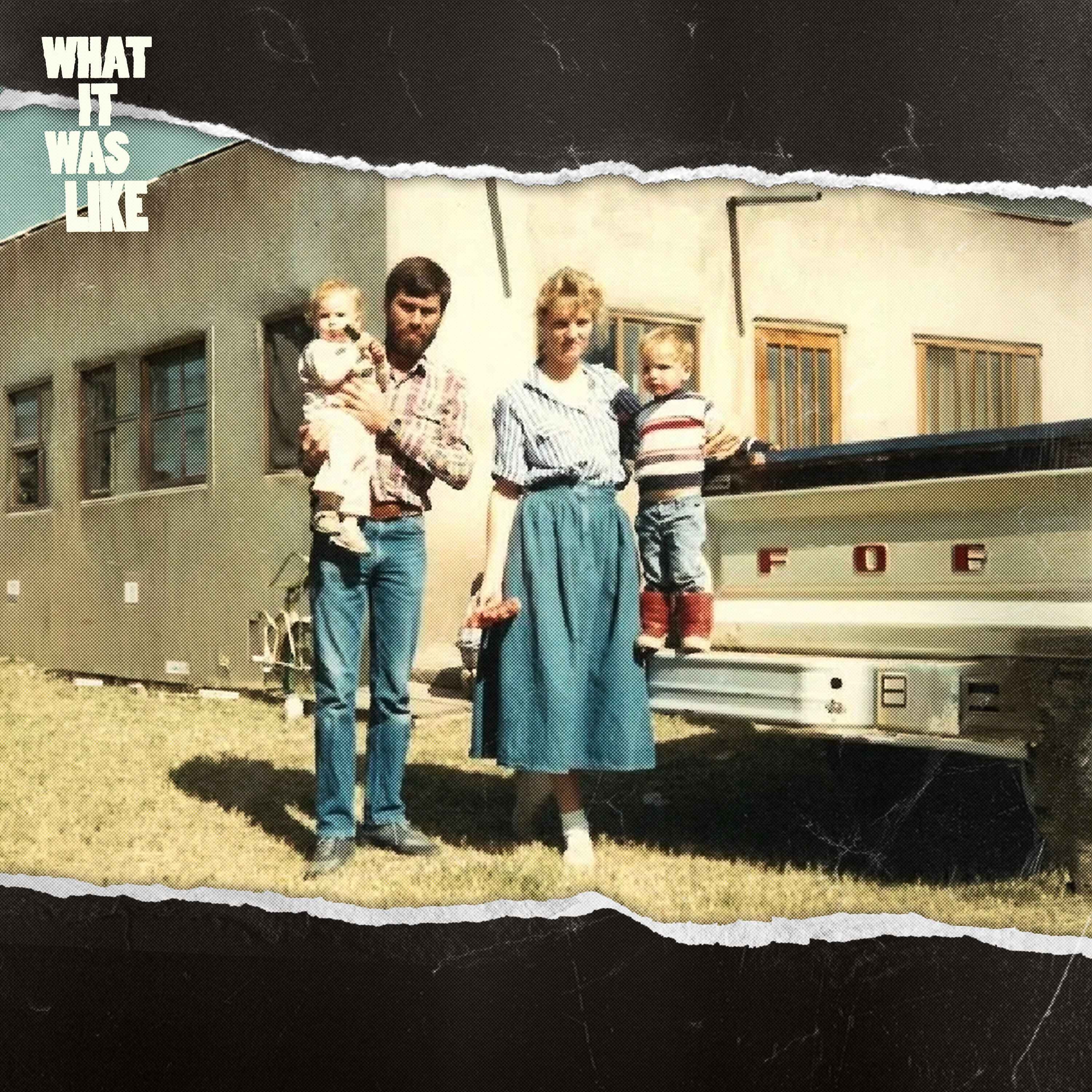
Loading summary
Transcript85 lines
- [00:00]
Weight Loss by Hers Advertiser
If you've felt stuck trying to lose weight, you're not alone. Enter Weight Loss by Hers. It's designed to support you in reaching your goals, and hers now offers access to an affordable range of FDA approved GLP1 medications, including the Wegovy Pill and the Wegovy Pen. Even better, with a range of affordable GLP1 options, hers makes it simple to find an approach that fits your needs and your budget. If eligible, you'll get a treatment plan personalized to you and unlimited dosage changes as needed. It's weight loss designed to work with your life. Ready to reach your goals? Visit forhers.com eligible to get personalized affordable care that gets you that's f o r h e r-s.com eligible forhers.com eligible weight loss by hers is not available in all 50 states. WeGovy is the registered trademark of Novo Nordisc as to get started and learn more, including important safety information, WeGovy clinical study information, and restrictions, visit fourhers.com Instacart
- [00:59]
Instacart and Grow Therapy Advertiser
makes grocery shopping easier and just because you're not doing the shopping yourself doesn't mean you don't care how it's done. With Instacart Shopper notes, you can get particular about what you want right in the app, like rotisserie chicken that's extra crispy steak with marbling the Romans would have loved, and lettuce you'd actually pick yourself. Just leave a note for your shopper so that they can get it right for you without having to ask. That way, you can get groceries just how you like. Download the Instacart app and shop today. The pressure to have a summer worth posting about is real. So is financial stress, social exhaustion, and the anxiety that sneaks in right when things are supposed to feel good. Grow Therapy can help with that, whether it's your first time in therapy or your 50th. Grow makes it easier to find a therapist who fits you, not the other way around. They connect you with thousands of independent, licensed therapists across the US Offering both virtual and in person sessions, nights and weekends. Whatever challenges you're facing, Grow Therapy is here to help. Grow accepts over 100 insurance plans. Sessions average about $21 with insurance, and some pay as little as $0 depending on their plan. Visit growththerapy.com acast today to get started. That's growththerapy.com acast growthherapy.com acast availability and coverage vary by state and insurance plan.
- [02:32]
Pamela Jones
Subaru. He would carry around this little notebook in his pocket where he kept all his wife's menstrual cycles and all that kind of stuff so he could keep track of who needed to get pregnant and when or not. He would tell me that every time one of my wives is pregnant, it buys me two years. So I knew that he was going to force himself on me and I would be stuck and not be able to escape. So I started making the plans and I purchased birth control, which that was the sin of sin. And I took that chance and got it anyways. It took me about six months to do all this work to get ready. And then February, I loaded up my children into my Plymouth voyage vehicle and I grabbed my baby, put her on my hip, put my hand on the screen door, and I had it out with God and I told him, hey, take my life. Go ahead and do it, but until you take my life, I'm leaving. I'm taking my family and giving them a better life.
- [03:35]
Julianne Morgans
Hey, I'm Julianne Morgans and you're listening to what It Was like, the show that asks people who have lived through big dramatic events what it was like. Hey, welcome back. Today's episode is tragic but inspiring. It's a rags to riches story. A woman escapes her cult upbringing and emerges into the real world penniless and almost illiterate, but then builds a business and becomes a multi millionaire. It's the kind of story that you might hear on Diary of a CEO, but with a true crime twist. So my guest, Pamela Jones, she was born into this polygamous Mormon cult, right? Except it was like, it was like a fringe splinter group that had broken off when mainstream Mormonism abandoned polygamy. And her dad, in addition to being a very enthusiastic polygamist and violent alcoholic, was also a petty crooked. So the family was often on the run. Meanwhile, through the 1970s, the group was tearing itself apart with one cult member having his rivals assassinated in an effort to hold onto his power. This is the environment that Pamela grew up in along with her, get this, 61 siblings. And she absorbed the group's beliefs as most children do in these kinds of environments. And she was married off at 15, and then by her early 30s, she had nine children of her own. And she was living her own version of poverty stricken housewife hell. Her partner was also violent and manipulative, and he had five other wives. And one day, Pamela decided she'd had enough. She made a bold escape from Mexico, where they'd been living, to the United States with all nine children. And there she learned English, she learned how to read, and she started a business. And seriously, I walked away from this interview feeling very inspired, which isn't often the feeling I get from cult stories. So we'll get into it in just a moment. But a quick note for subscribers. This week we're going to revisit Australia's most infamous serial killer, Ivan Milat. He was convicted in 1994 of murdering seven backpackers, seven south of Sydney. And that area still has a large cluster of unsolved missing persons cases. And a new inquiry is underway. Right now I'm speaking with criminologist Dr. Xanthi Weston, who suggests that Milat may have had as many as 11 additional victims. That's our subscriber only episode this week, but for now, here's Pamela Jones with her story of a childhood in a cult to her escape to America and how she manifested the American dream. Hey, Pamela, welcome to the show.
- [06:44]
Pamela Jones
Thank you. Thanks for having me.
- [06:47]
Julianne Morgans
Can you tell me what are some of your earliest memories?
- [06:51]
Pamela Jones
Well, I was born in Baja California, Mexico. My father at the time would send his wife into Mexico to have their children because it was cheaper. So therefore I'm a dual citizen and I was born in Mexico, but I didn't live in Mexico, we lived in the United States. So I lived an average life in San Diego, went to school up to fifth grade. And of course, my father moved around a lot from compound to compound.
- [07:19]
Julianne Morgans
Can you tell me about your dad? What sort of a man was he?
- [07:23]
Pamela Jones
Well, my father was a cowboy, root and tin cowboy. He logged when he was young. His father had nine children with two different wives. My grandfather was excommunicated from the Mormon Church for living polygamy. So they moved into Mexico and started farming and they were actually very wealthy. He was a known to be a little bit of a troublemaker and he really loved the women. He couldn't get dates for school events or whatever was going on because he was considered a plague kid. So my grandfather had told him, well, if you get those young ladies in a motherly way, they'll have to let you date them. That was his advice. He was some somewhat of an alcoholic, unfortunately. So yeah, fast forward. It's going to be a lot of trouble in his life due to those choices he made as a young man.
- [08:23]
Julianne Morgans
And can you give me a sense of day to day life in this religious framework? You know, what did your world look like?
- [08:31]
Pamela Jones
Well, my world was a scary world. My father at that point when I was little had about five of his 11 wives and I was his 11th child. So he had about 20 some odd children by the time I went to school. My father was very abusive when I was a child, so most of my childhood was just trying to be a good girl. I don't like to go into this story much, but I'll give you a little bit of a insight. I tell people that I truly understand what being waterboarded is and what it entails at the hand of my father. So my early years was trying to stay out of his way through his alcoholic rages and raise my brothers and sisters. So I was six years old when I was handed the responsibility of raising and taking care of my mother's children. At the age of six, I was responsible for a five year old, a four year old, a three year old and a one and a half year old. And then the baby. It was a very scary time, very abusive. And the church was a very rigid church with lots of rules. And there was five brothers that went and established this church in Mexico and they started fighting for power amongst each other. And with all that said and done, the Mormon Manson was born. His name was Herbal lebaron. And I lived in the wake of his murders as a little girl.
- [09:57]
Julianne Morgans
Let's, let's zoom in on that for a moment. So you're calling this guy the, the Mormon Manson, and I'm guessing that's a reference to Charles Manson.
- [10:05]
Pamela Jones
Well, I didn't give him that name. That is just what he's known for. So the first murder that I ever knew about, I was six and he had murdered his brother, the prophet Joel. And he. So the Mormon beliefs is there's a thing called the Blood Atonement. And what it means is that if you commit certain sins, you're in danger to receive the blood atonement, which means they would murder you or slit your throat to atone for your sins. But it had never been practiced until Irva LeBaron. And so he started the Blood atonement and he started on his brother. So the reason why he's referred to as a Mormon Manson because of the brainwashing and the manipulation and the trail of blood he left in his wake.
- [10:53]
Julianne Morgans
I understand that there was a time that you saw a big puddle of blood on the ground, the remnants of a recent massacre. Can you tell me about that?
- [11:02]
Pamela Jones
Yes. So I was nine years old and my father came in and he picked a couple of my mom's kids up and myself and drove us back down to Mexico to this colony, Los Molinos. And when we got there, there was soldiers everywhere. So I knew something terrible had happened, but I didn't know what. And there was buildings that were smoldering still, homes that were burnt down. There was men, women and children and bandages, missing fingers, pieces of their face. I think they had been shot by those shotguns. So they were all disfigured a little. And as a little girl, that was something super scary. And so my father pulled up to where the building that had burned down, where they had sent all the men and women to put this fire out. They didn't realize that the massacre was going to happen. And the shooters were actually 13 year olds and 12 year olds and a couple of 17 year old children that had been groomed and prepared to do such an act by Herbal himself. And they took out these guns and opened fired on all the public that was there. So my father took me over to the building with my mom and a couple of the kids to show us what had all happened. And then that's when he pointed to the puddle of blood on the ground to show me where one of the young men had been murdered. I was just a little girl, I was super scary. And the way it looked to me was like a puddle of oil because I didn't know what blood would look like, you know, besides you know, cutting your finger or whatever you thought that looked like. But this wasn't that. So it was just Erval is his name. Just showcasing what he was willing to do to regain power of the church.
- [12:52]
Julianne Morgans
Pamela, I think, I mean what I'm hearing is that this, this world within this cult just sounds so aggressively patriarchal to me. It sounds like you and maybe your mother were, you know, you sort of did all the work and did all the manual labor and the men just sort of like danced around and murdered each other. It sounds, it wasn't quite very misogynistic.
- [13:14]
Pamela Jones
It for sure, it's misogynistic, but it wasn't quite. They didn't dance around. But yeah, the, the men had all these children. The women were to get one, two and three jobs to provide for the children. And you know, you never saw the fathers. They were never home. And yet they had the authority, the power. And the men would have their meetings and argue about who was the leader. And several occasions a lot of these men would go off and try to convert other members of the church. And when they would home, their wives and children would have moved in with Herbal. And he had received a revelation and they had become his wives. So it was, he was very power hungry. It was really crazy. Hence he got excommunicated. From the church and his brothers, all the other four of them kind of kicked him out of town. And then he was angry and he started his new church. But for us, we just lived in the aftermath of his rage. And, you know, I know he was super upset with my father because my dad had kicked him out of his homes and told him to stay away from his wives. Ervil had a hit list, and our family was on the hit list. So I lived in perpetual fear of being murdered or that my father would be murdered. But the early years of my life were definitely full of scary, scary times. A lot of fear. I was just an obedient child and helping my mother and obviously trying to be a good girl and go to heaven. We went down to that Los Molinos to this funeral, and that was my first taste of Mexico. And had someone told me then that that would become my home, I would have never believed it.
- [14:58]
Julianne Morgans
Why did you move to Mexico?
- [15:00]
Pamela Jones
Because my. My father and my mother were wanted for welfare fraud.
- [15:06]
Julianne Morgans
Okay, so it wasn't a. It was a get out of jail card.
- [15:09]
Pamela Jones
Well, see, my father would force his wives to commit all these. I mean, they would do, like, there was medical bills they never paid. They would back up these big trailers up to these job sites and haul off with all the carpet and tile and hot water heaters, whatever they were going to put into these big, you know, beautiful hotels and haul it into Mexico and sell it. They would do all kinds of things, and it caught up with them, and they were wanted.
- [15:39]
Julianne Morgans
Okay, so tell me about life in Mexico and take me into your early adolescence.
- [15:45]
Pamela Jones
Okay, so I moved into Mexico when I was 11. As I said, all my mom's children went to school except for myself. So I stayed and helped raise the kids. You know, the cooking, the cleaning. Every bit of the water we used came from the well. We had kerosene lamps, and we were extremely poor. You probably can't tell by the camera, but I am five, six, big, beautiful, blonde, and all of the suitors and men down there were little tiny natives. So I really felt like I stood out and didn't belong. My father had strictly told me I could not intermarry with any of the Hispanic men of the church. My dad had about 20 of his children there. They were my best friends. We grew up. I had a lot of fun. I was active, played volleyball, and we would go to the. It's called Gancha and Spanish, which is a slab of cement where we could roller skate out there. And I thought I was the cat's meow. Because I could rollersgate in this little godforsaken one horse town. Dirt everywhere. But but as far as that went, I had a great childhood. At the age of 14 I probably looked more mature than my age and it was just about in like 1982 ish. This men from Sinaloa would have come into town and I started getting a lot of attention. But I had made a vow that I would never marry a married man. But there was always, I mean there was times when my uncles would come around and I wasn't sure, do they like me? Like I couldn't tell if it was just my uncle being kind or if he was trying to get me for his fifth wife or whatever. So it made it really hard and confusing because I didn't know who was prospects who wasn't, you know. And my mom appreciated it because she got her house wired, she was able to get electricity, she was able to get running water from these men trying to get her daughters. And I just had decided I wanted to marry as soon as I could to get out because of my father's abuse.
- [17:51]
Julianne Morgans
Hey, this bit of music means it's time for an ad break. But please don't go anywhere. We'll be right back.
- [18:02]
Weight Loss by Hers Advertiser
If you felt stuck trying to lose weight, you're not alone. Enter weight loss by Hers. It's designed to support you in reaching your goals, and hers now offers access to an affordable range of FDA approved GLP1 medications, including the Wegovy pill and the Wegovy Pen. Even better, with a range of affordable GLP1 options, hers makes it simple to find an approach that fits your needs and your budget. If eligible, you'll get a treatment plan personalized to you and unlimited dosage changes as needed. It's weight loss designed to work with your life. Ready to reach your goals? Visit fourhers.com eligible to get personalized affordable care that gets you. That's f o r h e r s.com eligible forhers.com eligible weight loss by hers is not available in all 50 states. WeGovy is the registered trademark of Novo Nordisk as to get started and learn more, including important safety information, WeGovy clinical study information, and restrictions, visit forhers.com the
- [19:01]
Instacart and Grow Therapy Advertiser
pressure to have a summer worth posting about is real. So is financial stress, social exhaustion, and the anxiety that sneaks in right when things are supposed to feel good. Grow therapy can help with that. Whether it's your first time in therapy or your 50th, grow makes it easier to find a therapist who fits you, not the other way around. They connect you with thousands of independent licensed therapists across the US offering both virtual and in person sessions, nights and weekends. Whatever challenges you're facing, Grow Therapy is here to help. Grow accepts over 100 insurance plans. Sessions average about $21 with insurance and some pay as little as $0 depending on their plan. Visit growththerapy.com acast today to get started. That's growthherapy.com acast growtherapy.com acast availability and coverage vary by state and insurance plan mom, can you tell me a story?
- [20:02]
Carvana Advertiser
Sure. Once upon a time, a mom needed a new car.
- [20:05]
Instacart and Grow Therapy Advertiser
Was she brave?
- [20:06]
Carvana Advertiser
She was tired mostly. But she went to Carvana.com and found a great car at a great price. No secret treasure map required.
- [20:13]
Pamela Jones
Did you have to fight a dragon?
- [20:14]
Instacart and Grow Therapy Advertiser
Nope.
- [20:14]
Carvana Advertiser
She bought it 100% online from her bed actually.
- [20:17]
Pamela Jones
Was it scary?
- [20:18]
Carvana Advertiser
Honey, it was as unscary as car buying could be.
- [20:21]
Pamela Jones
Did the car have a sunroof?
- [20:22]
Carvana Advertiser
It did actually.
- [20:23]
Instacart and Grow Therapy Advertiser
Okay, good story.
- [20:25]
Carvana Advertiser
Car buying you'll want to tell stories about. Buy your car today on Carvana. Delivery fees may apply. There's enough needless nonsense in the world already. Your phone plan shouldn't add to it. Verizon's new Simplicity plan cuts down on the nonsense in your life. Now there's just one plan. One price, $30 a line per month even for a single line. And everyone gets our best 5G network. It's a phone plan designed to do exactly what phone plan is supposed to do. Isn't that a lot simpler? Switch today@verizon.com or at your nearest store for new customers. $30 per line includes autopay and switch discount. Additional taxes, fees and terms apply. Unlimited data is restricted to on device, smartphone usage, domestic Data roaming at 2G speeds.
- [21:10]
Julianne Morgans
And you got married. Who was the. Who was the man?
- [21:12]
Pamela Jones
Yep. So I met the father of my children. He was a a bad boy, long haired, pot smoking, half hispanic man. A beautiful man at that. He wore hip hugger jeans and silk shirts unbuttoned with long hair and I didn't think in a million years my father would let me date him because he was Hispanic, at least half Hispanic and I wasn't to marry into the Mexican blood but my father gave him permission and he was very kind man. I tell my children that when I was born and left my mother's body once they said it's a girl, I was predestined to have the life that I had, that I lived solely for men and that I was supposed to raise their posterity. And I lived to be their helpmate and handmaiden, and that was that. I met him and I thought I was gonna go off in the sunset, but I was sorely mistaken. And we married when I was 15 and he was 21. We had our first child just over a year later. And then life got really hard.
- [22:18]
Julianne Morgans
Yeah, just. Just take me through those years. So why did life get hard?
- [22:23]
Pamela Jones
Well, because I was taken away from my mom and my then husband was racist. And as you can tell, I'm very white. And that was a struggle to him. And I was born to the, according to the church, the Jones family, which was considered the more classy end of the religion. And I felt like that was a challenge to him to kind of humble me in a way. Anyways. And he started dating one week after I married him and went through several, several different women and constantly told me I would never be good enough for him, that he needed more and more women, more family, and I was never going to be able to be enough. And that always bothered me. Being the first wife, my responsibility was to take care of the family, which he ended up marrying five other women. And I delivered several of their babies and I took care of them. They were all good to me, so thank goodness for that. But it was just a lot of heartache, a lot of rules, and. And they would use hunger to control and. Or his dad had taught him the way you control women is you keep them wanting for everything. So if he could keep me wanting for everything you can think of, and I could only come to him to get what I needed, therefore he would control me. And that means water. I mean, you name it. He minimized everything. So you're going through that, and then there's other women and then there's children, and then all the necessities of a huge family. And we always lived the bare necessity. And not because he didn't have it, but it was all by design. So that made it really hard to feel like, you know, in love, to feel safe, to feel all the things that you should feel when you're married. So I became just a servant and his handmaiden, and I needed to walk a certain line and. And obey. My dress was changed, so I had to wear the long dresses. I could do nothing to my hair, no makeup, no anything, because that was all of Satan. Anything that would bring joy or make life a little easier, that was not to be done. It's not from God. So my life was purposely made really hard on top of the fact that it was just a hard place to be. So we lived. My first home after I married him was a sheep pen. I think it's like two feet by three feet, little door. The sheep would go in, had these two cutouts where it would be the windows. The floor was manure. So he poured the cement in for the floor, cut out the door so I could get in. And I'd had my first child, and he took me to his property, and that was my first home. And had. Yeah. Had someone told me that I'd be sitting here telling you that I actually lived. Lived in a sheep pen, I would have never believed it. But that's how I started. Those were my humble beginnings. And I was just so determined to. To be this virtuous woman and get to heaven. So no matter what he'd give me, no matter what he did, I'd have a way of just turning it into gold. I don't know how I did it, but I. I just. He gave me this little sheet pen. I turned it in the most beautiful little house. And no matter what he gave me, I had a way of making it. Just polishing it up and making it super nice. I went outside because I'm really tall. I dug a hole in the ground, and I jump into the hole, and I'd have my rock inside of my galvanized tub and water, and I'd wash my baby's clothing on in this tub. And it wasn't because he couldn't have bought me a washboard or done something better. It was just all to humble me and to keep me feeling like I. I never was going to be able to have the good things of life. But it didn't matter. I'd figure it out. And so I lived there in this sheet pen until my second child was born. And he had gone off and married two other women during that time. At that point, he's married to two Hispanics, and he's half Hispanic, and I'm white, and he's racist. So what Kept just getting harder and harder. But my attitude was just like, you know, whatever God wants, I want to go to heaven, kind of, you know, you're brainwashed at the time. You don't. You can't even see anything different than that or think of anything different. And anytime I try to read something, I remember it would make him a little bit mad. Like there would be a. A back of a bag of cement, and someone had ripped it up to do some work. And I could read words. And he would ask me, what are you doing that for? And I just thought, well, because I can. I can read, you know, I had gone to fifth grade and, like, what for? You don't need that. So I just felt like he didn't value education. All I was there for was to serve him and be his handmaiden, to help him and his posterity. And I did a really good job. I'd end up making cheese, and I. Before you know it, I'd be making money. And he'd take that from me and say, go take care of the chicken. So I'd have all these chickens, and pretty soon I'm selling eggs. Like, no matter what he'd give me or what he'd tell me to do, I would just turn it around and make money. I don't think he liked that. And then whenever I made money, all I would do is buy food for the family, his family. But, I mean, the whole year, all the years that I was married to him, I. My only goal was to make it to heaven, be a good mother and take care of his family. And I think I did a pretty good job. Until I didn't.
- [27:57]
Julianne Morgans
I mean, it sounds like you were actually a hell of a lot more capable than he was.
- [28:01]
Pamela Jones
I actually was. Not to toot my own horn, but if I don't toot it, who will? I actually was. And I think that's what he didn't like, is that I was someone that could do a lot of the things that I had done, and it intimidated him. So he would constantly take things from me to, you know, like, he'd buy a washing machine, give it to his other women, and I'd still be positive, and I'd be figuring it out. And he'd kept trying to find a way just to hold me down, and I would just. And I think it's the secret sauce to who I am, that no matter what where I am and what I'm going through, I will, you know, overcome it and do great things with that. So I think that he loved that about me, but he hated it because he was intimidated that this. This girl from nowhere, before you know it, I was delivering his babies. He wanted to be a midwife. He couldn't figure it out. And pretty soon I started delivering his kids. And then when I told him, hey, I. I want to go to midwifery school and learn about all this stuff, oh, no, no, no. You just got to do what God says. And I told him, well, if you're not going to let me go to school and learn, then I don't want the responsibility of other women's lives. So I stopped delivering children. But at that point, I delivered 15 of his kids. And I don't know, whatever it was, I was able to just. Just, you know, master it and figure it out. And I would excel in it, and then he'd take it from me or whatever it was. But at the same time, I started questioning the religion and their beliefs, and I just didn't understand how God would create his children. And yet, you know, the women were to be treated a certain way and men another way. So I. I caught on real quick that it wasn't true. And once I figured that out, then I started my journey on figuring out why I was here and what I was going to do with my time on Earth. And it was a lot of work, and I feared for my life. And as the kids got older, they started to struggle with hunger. If you ask the kids now, they'll say, oh, we didn't know we were hungry, but I would go out in the field and pick pigweed and bring that home and make the most amazing meal and make goat cheese. And I took darn good care of the kids. But we struggled. And I kind of forgotten those days, to be honest. The kids have to remind me because I'm in La La land now, but back then, it's like, oh, yeah, that was hard. But, like, my attitude was just like, roll up your sleeve and raise your kids. They didn't ask to be born. They're my children. And I knew that I couldn't count on him, and it had to be me. And I'd be dinged if they weren't going to have what they needed. So I would figure it out.
- [30:39]
Julianne Morgans
Where does that strength come from? I mean, you sound like a. Like a pretty badass woman.
- [30:45]
Pamela Jones
I've been told that several times. I don't know where it comes from because it's hard for me to even understand it. I feel like I do what any mother would do. Up until I became a mother, I had not experienced true love. I'd had a father that I feared, my husband. Husband who had other women. And. And no matter what happened in the church, the fact of feeling safe and having someone to love you was an iffy thing. And once I had my. My son and he was placed in my arms, there was this determination that I would never, ever let him go or let him suffer. And I think that that was where my determination came through my suffering, that I was determined my kids wouldn't go through that. I was so young. I was 16 when I had him. And I went on to have another eight more children. But at the time, I just was. It's like survival. It's like if someone threw you in the ocean right now and you had to swim to shore, you're not paying attention how you're getting it done. You just have this innate desire to live, and you keep doing what's needed. And you probably have strength that you can't even fathom that you could have until you need it. And I feel like that's what it was like for me. I didn't know how strong I was because every single day I needed it. I feel humbled when people point out that I must have been so strong. But I just think that any person, if you get put into a situation, you find out what you're made of real quick. And so I think that's why I'm so strong, is because of the circumstances
- [32:28]
Julianne Morgans
you eventually escaped. Can you tell me about the catalyst that made you think, okay, no more, I need to leave?
- [32:36]
Pamela Jones
Well, I wanted to leave every day. Every day. I thought about it every day. And I dream, like, you know, how it would be and where I would go and what would happen. But then I was. You know, I was still in the brainwashed era of my life, and I just thought that God would kill my children because that's what they told me. And I didn't want to take that chance. So I would stay. And I just numbed myself, numbed the things that I needed, and I just thought that I had to keep the family together. And one day I was in my living room, and my second oldest son, he was 15 or 16, and he needed to get his braces on, so he was going to get some teeth braces pulled so he could get his braces on. And he's sitting on the couch and I see a puddle of water, or I say mud because there was dirt and everything down there for me and on the floor. So I realize he's crying. So I jump up and I run over to him, throw my arms around him to tell him, you're going to be okay. It's not going to hurt. And I'm thinking he's concerned with the braces. And he tells me, mom, I just can't see you like this anymore. And when he said those words, I. I'm getting the chills as I'm telling you. When he said those words, something in me just kind of woke up. And I. And I realized that I had been living this lie and that If I stayed, my children were going to suffer. And that's when everything in me decided no more like when it came to me, I was willing to give up everything and anything when it came to the kids well being when I realized that my kids were suffering. And then that's when I woke up and I said no way. And I started the, the plan to escape. And there was just this burning feeling in my gut that I had to save their lives. I realized right then that if I didn't get out that I would have five little me's running around because I have five daughters and four of my ex husbands running around. That scared me. Like all of a sudden when I thought of them as women being treated, how I was being treated and making those choices, I couldn't do that to them. So I started the, the whole thing to leave that very day. And it took me a few months because I had to plan. And if I got rebellious and my husband would force himself on me because then I would end up pregnant. And then he could keep me longer because every time I ended up pregnant that would give him about two years of my time being pregnant. You know, you can't, you know, you don't have the strength and then a new baby on your hip, you can't go to these places or do the things I needed to do. And he knew that and he would tell me that every time one of my wives is pregnant, it buys me two years. So I knew that he was going to force himself on me and I would be stuck. So I started making the plans and I was in the United States and I purchased birth control, which, that was the sin of sin. And at that time I wasn't sure, but I believed I'd be on the blood atonement for doing that. And I took that chance and got it anyways. He, he would carry around this little notebook in his pocket where he kept all his wife's menstrual cycles and all that kind of stuff in code in his pocket so he could keep track of who needed to get pregnant and when or not. And he would just show up at the right time. And I sometimes think, man, he knew all about it better than I did. So he was keeping track. And he showed up a few times and did, you know, whatever he thought to make sure I'd get pregnant? Well, of course I didn't. So during that time I started the things I needed to do to be able to leave. And they take you to these meetings. So when a woman gets rebellious, the men take you to these council and all these men judge you. So he took me to this meeting and I wouldn't give in. I just wouldn't give. I just told him that I no longer could support him and how he believed and what he was doing. At the time I suspected he was sleeping with his dead brother's wife. And there was just things he was doing that wasn't right. And then he threatened to take me to my dad. And that was always the biggest fear I had because I feared my dad. So he took me down to my dad and my dad advocated for me and basically told him to get his together that he was losing me and that I deserved better. Which I was shocked that my dad advocated for me. So it made me stronger. And I started the plan. I found a five dollar bill in his laundry. I found two credit cards that had my name on it. I didn't know how to use credit cards. And I started the process of getting my children naturalized because my children are American citizens born abroad. So I started doing that paperwork and that's what I did. It took me about six months to do all this work to get ready. And then February I loaded up my kids, got permission from my then husband to go on a little vacation. He didn't think I really was going to go because I had no money, I had nothing. But he didn't know that I had been plotting and, and planning. So I loaded my children into my Plymouth voyage vehicle and I grabbed my baby, put her on my hip, put my hand on the screen door and I had it out with God. And I told him, hey, if you are going to take my life, go ahead and do it. But until you take my life, I'm leaving. I'm taking my family and giving them better life. And when you do take my life, we'll talk about it.
- [38:02]
Julianne Morgans
Hey, we're going to take a quick ad break, but stick around because we'll be back with more. What it was like.
- [38:13]
Weight Loss by Hers Advertiser
If you felt stuck trying to lose weight, you're not alone. Enter weight loss by hers. It's designed to support you in reaching your goals. And hers now offers access to an affordable range of FDA approved GLP1 medications, including the Wegovy pill and the Wegovy pen. Even even better, with a range of affordable GLP1 options, hers makes it simple to find an approach that fits your needs and your budget. If eligible, you'll get a treatment plan personalized to you and unlimited dosage changes as needed. It's weight loss designed to work with your life ready to reach your goals, visit fourhers.com eligible to get personalized affordable care that gets you that's F O r h e r-com eligible forhers.com eligible weight loss by hers is not available in all 50 states. WeGovy is the registered trademark of Novo Nordisk as To get started and learn more, including important safety information, WeGovy clinical study information, and restrictions, visit forhers.com the
- [39:11]
Instacart and Grow Therapy Advertiser
pressure to have a summer worth posting about is real. So is financial stress, social exhaustion, and the anxiety that sneaks in right when things are supposed to feel good. Grow Therapy can help with that. Whether it's your first time in therapy or your 50th. Grow makes it easier to find a therapist who fits you, not the other way around. They connect you with thousands of independent licensed therapists across the US offering both virtual and in person sessions, nights and weekends. Whatever challenges you're facing, Grow Therapy is here to help. Grow accepts over 100 insurance plans. Sessions average about $21 with insurance and some pay as little as $0 depending on their plan. Visit growtherapy.com acast today to get started. That's growtherapy.com acast growtherapy.com acast availability and coverage vary by state and insurance plan.
- [40:17]
Pamela Jones
And what's so funny? I'm getting the chills as I'm telling you this. The truth was that on that day that little quiet, meek, scared little girl did die. And in her place was born me, this strong powerhouse that I am and a survivor and thriver. And so in a roundabout way it was true. That fear that I had that I would die actually did happen, but not the way I thought it would be. I ventured out into America and I felt that any moment I would be stopped and I felt that possibly the blood atonement would be administered to me. But I took that risk Anyways.
- [40:56]
Julianne Morgans
Tell me about crossing the border because I remember this is a wild story and it made me feel so anxious listening to you tell this story. I was on the absolute edge of my seat. So please tell me about how you got across the border.
- [41:09]
Pamela Jones
So I loaded my children as I mentioned and we went into Juarez to the American consulate there to see see if I could get the paperwork for the children to cross them across the border and they didn't have everything they needed. So the answer was no. So what I decided to do was to go and get I had done this spiel several times with my ex husband or my then husband. You created distractions. So I went in and I bought the Kids food because they hadn't eaten for since the day before. And I bought two bags of oranges and I put one bag of oranges in the van and then I put one in the truck with my sons. And my son, the oldest son that was with me at the time was 16. He had no legal documents and no driver's license and no insurance. And he had a Toyota pickup vehicle. And then I had the Plymouth van with no insurance and I did have a driver's license. So I devised a plan. I told my sons to stay on the Mexican side of the border, to wait an hour and then get in line and I would come back and drive the vehicle across. I put a bag of oranges in their vehicle and so left them. And then I had the other six children with me and we had our bag of oranges. And so when we got to the border, out comes the agent we had been practicing with the children, the address that was on my driver's license. And I kept telling them, this is what you're going to say. And my kids are all little strawberry blonde fair children. They wouldn't thought that they were illegals at all. So I get to the crossing and the agent comes out and he asked my citizenship. I said American. He looks in and asks the children what is their citizenship. They all say American citizen. Where are you going? They said they're going home. What did you do in Mexico? We were on a vacation. And then he asked, what are you bringing back from Mexico? Well I told him, oh, just some bread and whatever and oranges. And I knew that it was ill illegal to cross fruits and vegetables across the border. So that was my distraction. So he said, oh ma', am, you can't take those oranges. So the kids all humdumbed around to find the oranges. Oh, we can't. And they were like, you know, talking up like oh, we can't take the oranges out and making a little bit of a deal. And I don't know if he felt compassion or what, but so I handed him the bag of oranges, he dropped it in the garbage and he told me to come on into the United States. So I crossed over, went over and parked the van on a side street with my six children. I had a breastfeeding baby at the time, so I nursed her. I gave orders to my 14 year old daughter. I said, keep everyone in the car, just stay here, don't get up, don't make a ruckus and I'll be back. So this is when I Made my first mistake. So I walked back across the border. I can only imagine what I look like, have this little red wallet. I have my driver's license in there. And I walk back. And my mistake is I walked in on the American side of the. The border. Instead of walking in on the Mexican side and going through the Mexican border patrols, I came through the American side. I don't know why I did that. And I'm walking through the building and all these people are walking in opposite of how I'm walking in, which is so dumb when I think about it. But anyways, and lo and behold, there's the same agent, and he's standing, checking people in, coming in from Mexico, walking in, and he looks at me and we make eye contact, and he knows it's me. And he says, what are you doing? He says, I know you're. You're up to something. And I said, I made up a silly story. I don't even. Can't even believe I said what I said, but I made up some story about my husband being on the opposite side, breaking down, and I had to go get him. None of it made sense. And he says, go, go, go, go. And I. I can only imagine what he thought. You know, I'm wearing sandals that don't fit me. I'm in this dress. I'm obviously panicking. He told me to go ahead. So I walked across. And, you know, it's all glass windows, and I'm looking to see if I see the boys truck, and I can't see him. I don't know if you've ever been to that border, but when you cross into the United States, there's like, you know, seven or eight, maybe 10 rows of vehicles coming into the United States. So I get out of the building and I start walking up and down the lanes trying to find my kids. And sure enough, I see them way off, and I get so excited, I. And I see the boys. So I get over to where they're at, I tell them to scoot over, and I have a legal license so I can drive. So I get in and we rehearse again. This is the address, you know, whatever it was on my license. This is where we're going. This is what we're doing. So we're going through the lines, and as we get closer, as the sun is starting to go down and I'm getting panicky, you know, I left my breastfeeding baby, so six little kids over on some dirt road right there by the border. So we get into up to the line. It's time for us to go through the border patrol. Ask us, you know, what are you doing? We did the same thing I'd done with the other kids. What are you bringing back from Mexico? I'm bringing oranges. Oh, ma', am, you cannot take the oranges. Oh, darn. One of my kids say, they get the oranges. I hand them to him. He says. And instead of saying, come on in, he sends me over to secondary. And I thought, oh, my goodness. Because I had a bunch of suitcases in the back of this little Toyota vehicle. So we get over there to secondary. He goes through everything. They go through the glove box, through all the suitcases. They're looking at everything. They find some medicine that I had under the seat for my baby, who was kind of sick. And they asked me about that. And I make up some story about my daughter, whatever the story is. And I'm getting scared because it's starting to get dark. And they go through everything, and all of a sudden they finish up and they. Out comes from the door, comes the German shepherd. I'm a little bit afraid of dogs as it is, but I see this dog on a leash coming out. There's several different men walking around, whatever. And there's this guy with the leash. Well, I look down, and lo and behold, if I'm lying, I'm dying. I promise you, it's the same Border Patrol B. McGuire. And it's him. And he's walking with this dog on this leash, and they're sniffing all these vehicles for drugs. So he comes over to me and his dog sniffing. He sees me and he pokes his head into the vehicle. I'm sitting in my vehicle. He pokes his head in, and he looks me right in the face, and he says, you're up to something. And just then the dog yanked on the leash and yanked him. So he kind of got out of the car and he went on with his dog duties. And they blew the whistle and let me go. But it was the most scary thing I'd ever done. And when I got to where my kids were, I swear, I've never felt like I could kiss the soil in my life until that day. And I was in America. I could see the green road signs and English, and I just was like, get the hell out of here. So I rearranged the kids. I got in my vehicle, went to a gas station, got the kids to snacks and whatever, and we drove all night to get me as far away as I could get away from that colony. And I was surprised when I had gotten to the border that there wasn't posters of me and my children plastered all over and putting me as a fugitive, kidnapping my children. But I had decided that whatever happened at any point, that all I would do is scream for help, because I knew that if I went back, my. My. The life that I knew would be over. So I never went back. And here I am today.
- [48:51]
Instacart and Grow Therapy Advertiser
Wow.
- [48:53]
Julianne Morgans
My God.
- [48:54]
Pamela Jones
And obviously, that's the short version of the story. There's lots of details in there I left out.
- [48:59]
Julianne Morgans
That's. That's okay. The short version gave me severe anxiety in a very pleasurable way. So where did you go? I mean, you're. You've got this huge family. It sounds to me like you can't read and write that well. What do you do?
- [49:15]
Pamela Jones
So I head to Utah. So I had gone to Utah once a year, every year with my husband to help him harvest pine nuts from Nevada. So I knew a little bit of the. The layout of the city. And I had a girlfriend there. So I called her and told her I had left. She says, great. So I went straight to her house and within hours realized we were way too big a bunch of people to impose on her. So I figured out another thing. There was someone else I knew had an empty trailer home, and we went and stayed there. So I stayed there for two weeks and started looking for a place to rent. My son started working in drywall. And then I started looking for house cleaning at the time.
- [50:02]
Julianne Morgans
So house cleaning became a pretty big part of your life. I mean, did you tell me about this? How did you get into this?
- [50:09]
Pamela Jones
So to start off with, I just did a couple of side jobs because I had all these little children and I didn't know what I was going to do. So I went with a niece. We did a cleaning. I made a little bit of money and then did another one and did another one, and I realized there was money in it. Then we moved to Minnesota. So that was pretty far, which is where I live now. We moved to Minnesota, and my sons were working in drywall. But I knew that I needed to make money, so I ended up passing out flyers for cleaning and got my first job. It was just quite the nightmare, to be honest, to start with. People would have me walking their dogs, mowing their lawn, cleaning up after their pets, babysitting their kids. Like, so many things that I didn't get paid for. But I didn't know how to say no. And I was desperate, and I was just building this business. So I Worked really hard, and I got to where I could clean 11 houses a week. At that point, I started picking up my daughters after school, at their school, and they would help me finish the last house. And little by little, we would just, you know, I'd sit down every month, I do a calculation of how much money I needed to make, and then I just, you know, pray, God, I need your help, whatever. And no matter what the numbers were, I always made a little more. So the first time it was, you know, let's. Let's make enough to pay my car payment and an insurance. So I made that money and had a little extra. And then the next month, it was, you know, I'd add all these bills that I had to pay. And it took a long time because as the kids grew, they had more needs and there was more things to do. But before you know it, I built this amazing house cleaning company, brought on all my daughters, and started my first hire. And I just never said no. I learned a lot about valuing myself, valuing my time. I can't tell you how many times I felt like I was so disrespected by people out there because you're just a cleaner. That's all you are. That's all you'll ever be. But I was a very smart woman. And I remember so many times my clients would follow me around while I'm cleaning their house. They're following me around, hearing about my story because I'm an amazing storyteller, and I had such a big story. So they would follow me around for the whole three hours I'm at their house asking so much questions.
- [52:34]
Instacart and Grow Therapy Advertiser
I.
- [52:34]
Pamela Jones
And I would internally think, why aren't you cleaning your own house? You have all this time, and I'm. You're paying me. And I. You know, and I could. I could multitask. I. I had raised my kids. I. I'm a perfectionist. And I ran an immaculate house, and I could get so much done because that's how I did my own home. I remember one amazing woman, and she's from the uk. She comes to Minnesota for the summers. Very well off, wonderful girl. And she asked me, why don't you write your book? And I just thought, oh, yeah, yeah, I will someday. And whatever. And then just left it out there. Well, one day she had me over and gave me a gift, and she had a recorder. This is long before iPhones and all. And she told me, just record your story in that. And so I got all prepared. I was so gonna do it. And I get in my garage, in my vehicle. Because there was never no quiet in my house. I had all these kids everywhere and life happening. And I turn on the recorder and I just start crying. And it was just so emotional. There was so much pain. I didn't know how to start. So I turned it off. And it took me a long time to be able to get to a place where I could share my story of all that I had gone through. It was quite the journey. But as fast forward to now, I think it was like in 2014, my accountant let me know I was a millionaire and I just kind of like, okay. At that time I thought I have a million dollars and a million dollars of bills. So I didn't really know that I was as successful as I was until later on down the road being the sole provider and the only parent to my children. There was a constant strain on me. It's only been recent that I've been able to let that loose. Not because the children are needing me is just the way I had identified for so long. But it took some work to. To get where I'm at to be as successful as I am. And I think that I went to the school of hard knocks. And I can tell you firsthand how to deal with the irs. I can tell you how to deal with complaints, how to value your time. I learned it first handed, so not too bad for a woman with the fifth grade education. Anyways, went out and found out that I actually was super smart and that I had very intelligent children. But I like to tell people that when I was in the cult, they limited everything they can limit and they couldn't limit my imagination. They could do a lot to me, but they couldn't limit that. And in my wildest imagination, I never could have imagined a life that I live now and that I've been living for a long time. Like I feel like now the tables have turned. And I love using my voice and my platform to open the space for other women that are going through similar things or maybe not the same of what I've gone through, but finding their value and their voice and understanding that we all have a purpose. And that's why the desire of speaking with you and sharing my story has, has been created and affected so many is because I feel like in my story people can relate. Maybe they didn't, weren't married into a cult. Maybe they, you know, didn't do a lot of the things that I might have gone through. But there still is a warrior and there's a mother And a woman that's saying, I can do all things. And I am just so thankful, and my family. The Fourth of July is a huge holiday. I know that it is a holiday for every American, but for some reason, it's a little bit more flavorful for us because we actually celebrate the day we received our freedom from the cult and came to America. And we love this country and the opportunities, the people. You know, you can come here. We have every excuse to be the great podcasters that we want to be, or the great authors or the street sweepers or bed makers. I don't know. Whatever it is that every. Every person wants to do or be. I'm just so grateful for the opportunity to live in a country. And I don't know anything about where you're from, but I'm assuming it's the same. But living in a country that supports that, that supports your dream. If you can dream it and you're willing to do it and work at it, you can have it. And I'm living proof. But that's what I love about being here in America and on your podcast and on this platform is sharing with your audience and your listeners. Maybe a piece of my story will resonate with someone and saying, you know what, whatever you're going through, whatever your challenge is today, you too, can be great, and you can overcome this and you can dream. Yeah, now you got my spiel.
- [57:25]
Julianne Morgans
I loved. I loved that spiel. That was a great spiel. I just want to, like, zoom in on a few details there. So you really are just like a human embodiment of the American dream. You came from nothing. You're now a multimillionaire. I want to know two things. First of all, do you think anyone can do that?
- [57:44]
Pamela Jones
Absolutely.
- [57:45]
Julianne Morgans
And I think the second part of that is, is the secret. Only hard work. Like, if you're willing to work hard enough, anyone can achieve the American dream.
- [57:54]
Pamela Jones
No, I don't think it's just hard work. Some of us believe it's just hard work, and therefore we put in hard hours. But I've been in places where I've escaped Mexico. Everyone out there worked hard. They still lived in their little tiny hut and never were able to grow. But I don't think it's just hard work. I think it's important. But I think. I think what I would say if I was to answer that, I would say doing the things that scare you. Like, I don't like podcasting. You wouldn't know that, because I've done probably 200 podcasts I don't know how many of my own you wouldn't know that. It's not like I love it, but I do the things that are hard to get, the result that I'm trying to get, which is getting my story out there. But it's not hard work that gets you there. It's doing the things that, that scare you, the uncomfortable things. It's calling the IRS if you're trying to have a business, you know, it's sitting down and having the difficult conversations with your wife or with your children. And I believe that anytime you're at the place of fear or uncomfortable, right on the other side is greatness. Most people will turn, turn away, they'll turn down. They'll say, no, nope, I can't. But if you just push through, stay with it and push through, greatness is on the other side of that. And that, to me is a secret of success.
- [59:12]
Julianne Morgans
Hey, that was really good. I, I thought that if I asked you about what the secret to success was, that, that you might say something I've heard before. But no, that was fresh and it rings true.
- [59:22]
Pamela Jones
What have you heard before? I'm curious now.
- [59:25]
Julianne Morgans
Well, I, I think I brought up the hard work thing because I wanted to tap it on the head because it, I, I hear it all the time. It's like the secret to success is just work your ass off. And I don't think that's true.
- [59:35]
Pamela Jones
No, that is not true. And in fact, that bothers me because you're going to try to tell me that everyone else is not in success that are paying, you know, two mortgages, raising a bunch of children, and whatever they're going, going through didn't work hard. They did work hard. I don't think that hard work is the secret to success. I think is doing the things like I mentioned earlier, that scare you. And obviously don't be afraid. If I was to tell you I don't know anything about you, but if I was to tell you, some little tool, I would say whatever you're thinking about, whatever your dream is, dream, make it bigger, whatever it is, whether you're dreaming that you want to have, I don't know, a million downloads a month or month, do a million and a half, dream bigger so that you can, you know, you push through that dream of a million downloads or whatever it is that you want. And if you don't make it, say you don't, you're real close to that. But more than likely you're going to make it and you're going to go above that. But it's when you dream small and you say, I can't, and you say, I don't know, and no one value, and you do all these, these I can'ts. You can work real hard at that, but you're not giving yourself a fighting chance. So I would say dream bigger and don't be afraid to dream bigger. What was your other question?
- [60:45]
Julianne Morgans
Has money changed you, or is there still a woman who's able to live
- [60:50]
Pamela Jones
in a sheet pen in that comparison? No, I could never live in a sheet pan. Why would I? Any more than I'd crawl back up in my mother's uterus? What would I do that for? There'd be no reason for that. I've learned. I found a way out. But yes, for sure, money has changed me. My goal is to make millions, to affect millions, and to give millions. And you can't do it by playing as small. So money has absolutely affected me. Until I met my husband, I didn't even know how to enjoy money, but he taught me how. But for me, I still feel equal to all my peers of any sorts. But now I feel like I take really good care of myself, and rightfully so, because I have a lot that I would like to continue doing, and I can't do that unless I'm healthy and taking good care of myself. But for sure, money has changed me.
- [61:43]
Julianne Morgans
You seem so happy and confident these days. Do you think that you've retained or your children have retained any of the. Of the pain that you escaped?
- [61:56]
Pamela Jones
So that was my children. It was quite the journey. I kept the kids from all the stories. Most of the time they didn't know the abuse that I went through. But once they were married and grown, I started sharing some of the stories. And it's been kind of hard on me to be so vulnerable. But I feel like they need to know the price that was paid. And I've noticed in my sons that they haven't got there yet. They just feel anger and too much pain. So they have not read my book. And it's hard for them because it bothers them what their mommy went through. And I keep saying, but you know how it turns out, but they just can't seem to read it. But my daughters have all read it, and it just brought us closer. And I think it opened up a door where they could understand me more as the. The way I am and why I was the way I was. But I feel like for sure, when it comes to my children, there's a sense of gratitude of what we've overcome. And there's a sense of pride, you might say, or joy for the family that we are, because, you know, we had a little bit of an accent and a huge family, and it was hard to fit in. And I feel like now, and probably been this way for about 10, 15 years, that all of my children have taken ownership of who we are and have shared that story and, like, realize that we all have a story, how we got where we're at. And I feel like it definitely has affected the kids, but in a positive way. And I still have bad dreams or I have to go back to the drawing board and unlearn something or overcome a certain fear. I just roll up my sleeves and say, okay, let's learn more about this. You know, I pretend to my kids I know it all, but I don't claim to know it all. And up until right now, I've been able to. To get through whatever it is. But, yeah, I hope that that answers your question.
- [63:50]
Julianne Morgans
It certainly does. I really just have one more question, and that is, how has your journey affected your understanding of. Of God?
- [64:02]
Pamela Jones
So this is my best way of giving you. I use metaphors, but picture right now, I don't know if you're sitting in your office or where you're at, and I want you to picture that God, he's standing by your computer right now. You visualize what he looks like, and now I want you to ask him who he is. What are you? Are you Christian? Are you Catholic? Do you have a lot of wives? I mean, you. I can ask him every religious question you can think of, and I visualize that he would answer, I've told you that I am the I am. And I feel like, for me, that is my faith. I can't figure out what church to believe in and who's got all the truth. And whether I should go to church on Sunday or go to church on Friday, if I should wear purple or wear red, I don't know. Obviously, I was brainwashed. And so when I left the cult, the way I started my journey is, first of all, I started the journey of falling in love with myself. And that sounds selfish. And everybody says, oh, yeah, that's just so selfish. But, no, if you can't love yourself, you sure in the heck can't love anybody else. And so I started to fall in love with myself and figure out who I was. And anything that didn't align with that, like, oh, I need a man to get to heaven. Is that true? And I think, no. What God would make a woman that you need a man to get to heaven. That's not true. And there was a lot of things that I had to throw out that weren't truth. But as I went on my journey, which I'm 27 years out of the cult, I believe that if Jesus was here in my life, he would tell me he was the son of God. And if God was here, he'd tell me he was the great I am. And that's good enough for me. So my faith, my religion and my spirituality is individual between me and God. I do not belong to any organized religion whatsoever.
- [65:44]
Julianne Morgans
Good answer. Great answer, Pamela.
- [65:47]
Pamela Jones
Thank you.
- [65:48]
Julianne Morgans
And thanks so much for telling me your story. This has been absolutely fascinating.
- [65:53]
Pamela Jones
Oh, well, great. I'm glad you enjoyed it.
- [65:59]
Julianne Morgans
Hey, thanks for listening today. If you've enjoyed our time with Pamela, there's plenty more to dig into. She has a memoir called the Dirt Beneath Our Door, My Journey to Freedom After Escaping a Polygamist Cult, and it goes much deeper than we could fit into this episode. Pamela is also a guest speaker, so if you're putting on an event and you're looking for someone with a good story, you should book her. I'll drop a link to the book and a link to her keynote speaking page in the show notes. And don't forget to check out our subscriber only episode this week. I'm speaking with Dr. Zanti Weston, who's a criminologist and behavioral scientist who is giving evidence into the parliamentary inquiry happening on right now to determine whether several clusters of long term missing people across New South Wales and Queensland here in Australia might be connected to our most infamous serial killer, Ivan Millard. This is a live case. Lots of families of long term missing people have come forward to give evidence and Xanthi is one of the leading behavioral experts attached to the inquiry. She's really across the details, so it's a fascinating conversation. That's for subscribers only. So if you're not a subscriber, hey, you know what to do. Go and have a listen. It's well worth your time. And I'll see you again next week.
- [67:31]
State Farm and TextNow Advertiser
Finding ways to be financially savvy is a smart move. And knowing you could be saving money for the things you really want, like that dream home or new ride is a great feeling. That's why the State Farm personal price plan can help you save when you choose to bundle home and auto bundling. Just another way to save with the personal price plan. Prices are based on rating plans that vary by state coverage options are selected by the customer. Availability, amount of discounts and savings and eligibility vary by state. Every wireless service comes with a cost, right?
- [68:01]
Pamela Jones
Wrong.
- [68:01]
State Farm and TextNow Advertiser
The TextNow lets you do your thing for free. Get real talk, real text and 5G data for must have apps with no monthly bill. Need more data? Add it right from the app. Done. Go back to free. No long term contracts, no pressure, no surprises. Just wireless that works around you. TextNow, we've got your back. Download TextNow in your app Store today. Wireless plans require the purchase of a sim card. Visit textnow.com for terms and conditions.