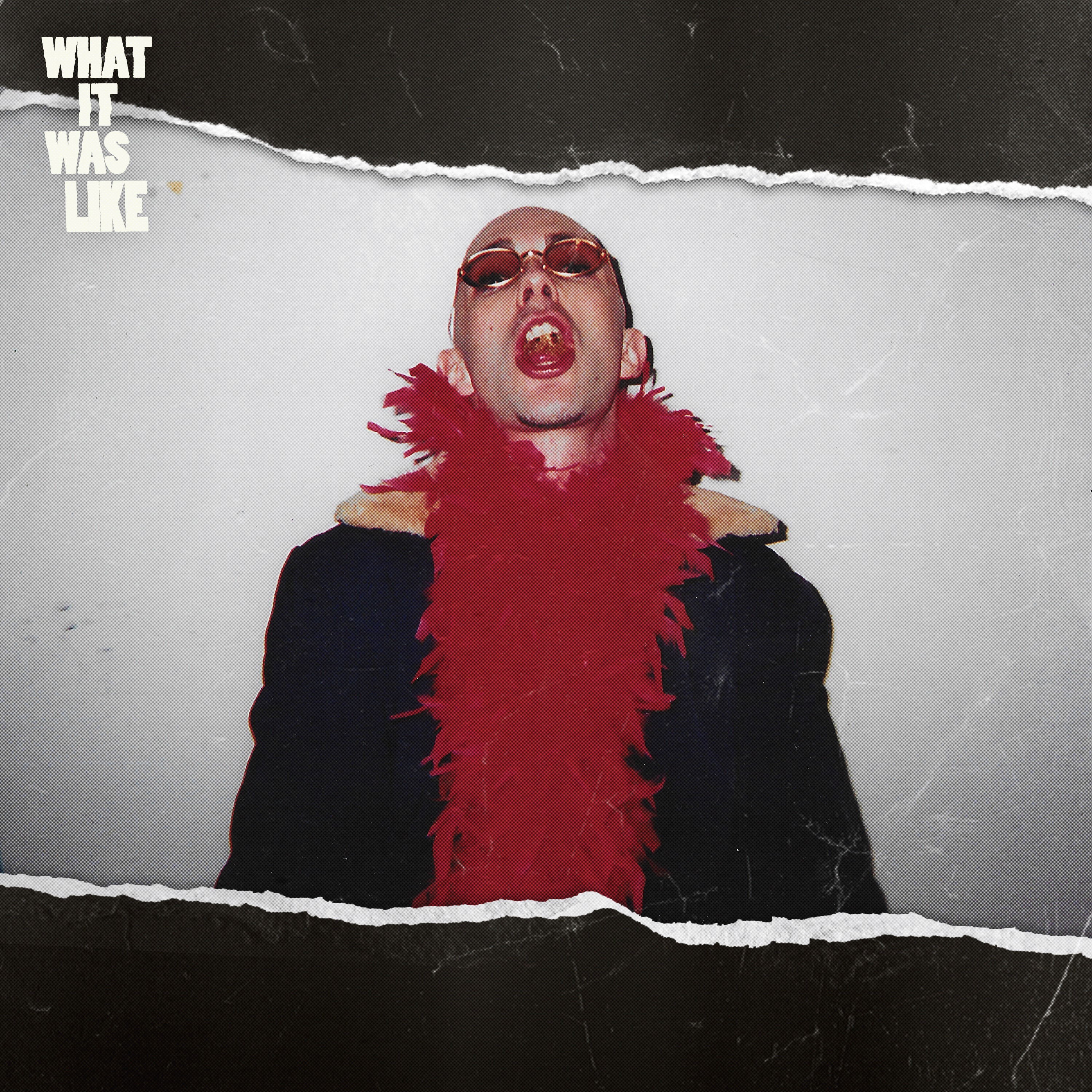
Loading summary
Transcript104 lines
- [00:00]
Frances
Hi, this is Frances from Fixable, a podcast from ted. These days, every finance leader is under pressure to save money. But you can't beat the competition just by cutting costs. To win, you need to spend smarter and move faster. You need Brex. Brex is the modern finance platform that breaks the trade off between control and speed with intelligent corporate cards, high Yield Banking and AI powered Expense Management. Join the 30,000 companies that spend smarter and move faster with Brex.
- [00:33]
Unknown
Learn more@brex.com grow 1-800-flowers.com knows that a gift is never just a gift. A gift is an expression of everything you feel and helps build more meaningful relationships. 1-800-FLowers takes the pressure off by helping you navigate life's important moments by making it simple to find the perfect gift. From flowers and cookies to cake and chocolate, 1-800-flowers helps guide you in finding the right gift to say how you feel. To learn more, visit 1-800-flowers.com acast that's 1-800-flowers. Com acast this summer, Instacart is bringing back your favorites from 1999 with prices from 1999. That means 90s prices on juice pouches that ought to be respected, 90s prices on box Mac and cheese, and 90s prices on ham, cheese and cracker lunches. Enjoy all those throwbacks and more at throwback prices only through Instacart. $4.72 maximum discount per $10 of eligible items. Limit one offer per order. Expires September 5th while supplies last discount based on CPI comparison.
- [01:44]
Sean Atwood
SuperU we're in the twin Turbo coming out of LA from Freeway 202 or something. The pill kicks in. And I know it's kicking in because I'm feeling the fur on the back of the seat start to tickle my head. Flew back at like, you know, over 100 miles an hour listening to the greed and Sasha dancing our asses off all the way back. And those pills, we sold them one weekend. So I had to make a decision then. Do I want to keep working in the rat race up at 6 o' clock in the morning sales meeting, or do I want to try and make money off the party scene? And that was the fateful decision where I thought, right, I'm gonna sack all my hard work off and just start making money from the party scene. It's way more fun.
- [02:30]
Julian Morgans
Hey, I'm Julian Morgans, and you're listening to what It Was like, the show that asks people who have lived through big dramatic events what it was like.
- [02:46]
Sean Atwood
Foreign.
- [02:52]
Julian Morgans
Hello from Melbourne, where it's the middle of winter. And I'm not that happy about it. I'm really not. I think as I get older, I seem to suffer more and more from seasonal frustration. It's not depression, it's milder than that. I just get kind of annoyed all the time. You know, I look out the window, out at the gray sky, and I'm like. And I just have this feeling all the time like I. I don't want to work. I just want to throw in the towel and just go drink a cocktail on a beach somewhere. Anyway, that's me. That's how I'm doing. And. And I think my desire to drink cocktails brings us to this week's theme, which is hedonism. And the reason for that is that our bonus episode this week follows the wild times of a master art forger. You should listen to that. It's very good. He's quite a hedonistic character. And in today's episode, this episode, the thing that you're listening to right now, we're going to meet another passionate hedonist, a man who helped to introduce rave culture to the United States. His name is Sean Atwood and he was born in Northern England in 1968. And at first, as a young man, he was kind of a maths guy. He became really into the stock market until he discovered something that was easy, even more intoxicating. Ecstasy. And then Sean became a devoted member of the Manchester rave scene, which he then imported, along with large commercial quantities of ecstasy to the usa. And this is the kind of story where at first everything goes really well for Sean. You might listen to the first two thirds being like, oh, God damn, maybe I should have just got into selling drugs. But parents listening to this with young ears around, you don't need to worry because the tale takes a sharp moralizing turn in the third act. If you've seen the Johnny Depp movie Blue, you'll kind of know where this goes, you know, you know how drug stories end up. So this is a true crime drug story with all the usual elements. Fast money, warm weather, wild parties, followed by a truly harrowing comedown. And let's get into it. Here is Sean Atwood. Hello, Sean. Welcome to the show.
- [05:14]
Sean Atwood
Hey, good morning, man. Thank you for having me on.
- [05:17]
Julian Morgans
It's a pleasure. Good evening. Good evening to you in the uk.
- [05:21]
Sean Atwood
Indeed.
- [05:23]
Julian Morgans
So, look, we've got a few things to get through. I'm really excited to talk to you. I've been looking forward to this for a while, but we're going to start with a sort of probably more civilized end of your story, which is your upbringing, know your childhood. Can you take me back there? You know, what am I imagining?
- [05:42]
Sean Atwood
Well, I grew up in a town between Liverpool and Manchester, Chemical manufacturing towns. They didn't have much money. And I was, you know, I studied the stock market at a young age. A really weird thing. I was only about 14 when I got interested in it, and I started investing when I was 16. But simultaneously, I had a friend who was a maniac, complete opposite of me. And his name is Wildman, Rip Wildman. He was my best mate. He died a couple of years ago. Okay. And we used to sit at a tree at the top of our town, overlooking a quarry. You know, like, what are you gonna do when you grew up? That kind of thing. Yeah. And I say, I'm gonna go to America, make a million in the stock market, fly you over and get you a job as a wrestler. And you fight Hulk Hogan and Andre the Giant and a British bulldog. And I'd ask him, you know, what's your plans? And he said, well, I've got red dots in my head telling me to hurt people, so I'm gonna go to prison.
- [06:46]
Julian Morgans
Yeah, he's a wild man.
- [06:48]
Sean Atwood
Those prophecies both came true. So I went to America, made the money, he went to prison. And then when he got out of prison, I flew him over. And my life completely changed because of his visit. It went a completely new direction. Yes.
- [07:04]
Julian Morgans
Okay, well, we'll get there in due course. But I guess what I want to establish here is that you grew up kind of, I don't know, lower class, you know, you didn't grow up rich, but you had big dreams. Does that sound about right?
- [07:16]
Sean Atwood
Yeah. So my mom, in the beginning was a stay at home mom of two kids, and then she went on to work in education. And my dad was a door to door salesman. Yeah, we didn't have much money at all. This was like back in like the 70s, I was growing up. And the stock market thing was just completely out the blue because when I asked my parents for money for the stock market, they were like, bugger off, we're not bloody Tories. We don't support Margaret bloody Thatcher.
- [07:49]
Julian Morgans
Got it?
- [07:50]
Sean Atwood
We're not like your nan. I think that light bulb went off over my head. Then I jogged down to my nan's house and said, margaret Thatcher's prioritizing British Telecom, can I borrow 50 quid? And she said, yeah, because she loved Maggie. And it doubled on the first day of dealings and I was hooked. I Went down to the library, ordered dozens of books on the subject. I watched that movie Wall Street. Greedy's Good Garden Gecko.
- [08:14]
Julian Morgans
Yeah, yeah.
- [08:15]
Sean Atwood
So that became a mantra. They arrived in Arizona in 91 after doing a business studies degree at Liverpool University.
- [08:23]
Julian Morgans
Okay, so which came first, the stock market or ecstasy? I mean, like, my understanding is that you sort of tasted your first pill when you were still living in the uk.
- [08:35]
Sean Atwood
Yeah. So the ecstasy thing began when I was at uni and this was like 88, 89, 90. It was what was called the Summer of Love here in England. And the rave scene just swept the entire country on the news TV shows at the weekend. Young people breaking into warehouses, young people breaking into airplane hangars. And I'm seeing this on the tv. I'm like, what is going on in this country? And it was a mate out of my economics class at uni out of Manchester said, come and check this out. So I went to the club, tried ecstasy, tried speed. And you know, we were in this like warehouse room. All these people are stood around the perimeter, just. It was just really boring. I couldn't understand the music or anything.
- [09:27]
Julian Morgans
So this was your, this was, this was your first rave. You know, like when you show up, you first arrive and you're like, I don't get the appeal.
- [09:33]
Sean Atwood
Didn't get it at all. All these people staring at the dance floor as if like expecting an elephant to materialize or something. Nobody's really doing anything. Anyway, it starts to fill and fill and fill. And my mate, he hooks us up with some XC and some speed. And then about 40 minutes in, he's got like this face, like just. He's having an orgasm. He's just smiling at me and he tries to get me to go and dance. And I'm like, I was terrified of dancing, I was so self conscious. And about 10 minutes later, my knees just buckled and I sat down and the club's full by now. And all these people are walking past me with their baggy jeans on and their sneakers and I'm smiling at home and they're looking down at me with the same big eyes and I'm looking up at them and then everyone's. You don't even have to say anything. Everybody just knows. And you're in the same zone. But Mary found me, grabbed me, pulled me up and that was in there. I just didn't stop dancing all night long. I didn't even want to take a pee break. I just started to copy the mood from the people around me. The room was just Pulsing. It was just going right through me. My T shirt was melting into my neck. I just felt I was at one with God and I never wanted the party to end.
- [10:49]
Julian Morgans
Yeah, it's funny how ecstasy is a drug that just makes sense to some people. You know, some people don't like it. They don't like the rush. Other people are just like best thing in the world. So tell me about how you divided your time between raving and, you know, buying and selling shares.
- [11:08]
Sean Atwood
So as a teenager then, you know, going into university, what happened was that it went from me just doing the privatizations that Margaret Thatcher was doing in my name now all my family members were jumping on. They all wanted to invest. This was all before I went to America. So when I went to America, then there wasn't a rave scene as such. They were still listening to UB40 and Michael Jackson and Prince. This was like 1991. They had like country and western channel, heavy metal channel. There was no rave channel or anything. So I was like struggling to find good music. But anyway, I buckled down into my job. It was like Wolf of Wall street style. Basically. Six o' clock in the morning, power sales meetings for the rookie brokers. They bring these heavy hitters in and they had this huge board on the wall where everybody's numbers were for the month, the gross commissions. And these heavy hitters would be like, you're only as big as your numbers on this board for the month. Smiling brokers make the most money. So we all have to have mirrors on our quads. Pacing brokers make the most money. We had these like multi foot curly cards. So there were times when all the brokers are just pacing left and right and almost hitting each other on the floor. And I was the top grossing broker, grossing half a million a year in commissions. This is about 95, 96 now. And I had enough money to retire, put that money in tech stocks. They jumped up during the dot com bubble and that was how I became a millionaire and fulfilled my, my dream. That had set with Wildman at the beginning. But I've got no common sense in my late 20s, no emotional maturity. The money goes to my head and I started to throw rave parties with it and distribute ecstasy.
- [13:07]
Julian Morgans
Okay, all right, so. So at this point, has raving reached the United States or is it still a distinctly Manchester kind of scene?
- [13:17]
Sean Atwood
So what happened was there was a gay bar called the Silver Dollar Club that I managed to find in my first few years and connect with the DJs. And these DJs were just like local DJs who were starting out who later on became internationally. They were gigging all over the world. Sandra Collins is one of them and Eddie Amador was another one. The Silver Dollar Club was where I scored my first ecstasy in America from a guy called Bam. He's deceased now. Most of my associates are deceased. And that's how I started to make the initial connections, but only as a consumer and a raver, not as a distributor yet.
- [14:06]
Julian Morgans
Okay, all right, that makes sense. Okay, cool. So you sort of claiming that you were a bit of a. Like a conduit for brave culture to reach the U.S.
- [14:20]
Sean Atwood
So I was just a participant in the beginning. And what happened was, as I found out more venues, more events were being thrown. A rave clothing store started called Swell, which started to throw up events. And DJ Eddie Amador, he started a thing out of his studio in South Central Phoenix in. In a really dodgy area called Chupa. So I'd pull up at chupa, like one in the morning. I've got a twin turbo Mazda RX7. Oh, fast and furious one. It's got the Bose surround sound system. It looks like a spaceship. And they nicknamed me the bank of England because I was still working in the stock market then. So they started to ask me to invest in the rave party ideas. And these again are some of the incipient connections and forming that are later incorporated into the criminal enterprise. That's how I connected with the locals.
- [15:22]
Julian Morgans
So what was. What was the sort of the bolt of inspiration? What was the light bulb moment that made you think, hey, I'm going to start selling ecstasy in Arizona?
- [15:32]
Sean Atwood
So Wildman's visit transformed everything. So when Wildman came, I put him in a shared house by the Georgian Dragon British pub in Central Phoenix, thinking that he'd just have a beer with the expats and he'd behave himself and I could get him this job as a wrestler. Very idealistic. Me and my girlfriend go over there a couple of months later and a bunch of Mexicans answer the door and we're like, where's Peter? Because that's Wildman's name, Peter. And they're like looking at our shaking. No Peter here. No Peter. And I'm like, yeah, Peter lives here. Anyway, they start displaying guns and me and my girlfriend backtrack across the road. Wildman comes bouncing over the road, all smiles, like, what the hell's going on over your place, Peter? We almost got shot. He said, they're the local crack dealers. They like to move around a lot. So I'm letting Them stay in my place. They're giving me as much free crack as I can consume. They're buzzing off it. And I'm in the place over the street and the guy at the back there, he's from Colombia, he's running them and he wants to invest in the stock market. And I'm like, oh, my God, Peter, what have you done? So fortunately, I was able to move him to Tempe, Arizona, with one of the females he lived with in this huge apartment complex called the Quadrangles. But this apartment, he just starts having Everybody in there, 24 7. Homeless people, transgender, Native American, street walking, sex workers, gang bangers, Russian mafia, Mexican mafia, you name it, they're all in there, 24 7. And it's through him I meet all these, really, some of them extremely dangerous people and other people who are quite connected in the drug scene. And we do an experiment. We can only get 50 to 100 people off the locals through a guy called Acid Joey, who knows all the locals. And he says to us, I know where they're getting them from out of la. So two carloads of us go out to la. There's me and Wildman on the spaceship, and then there's Seth, another big guy. And I said, joey, in the other car. And we're in like West Hollywood. We're waiting for this guy, he's not even home. And Wellman's like, why has this guy got us waiting and he's gonna smash his door in and take his shit? And I'm like, peter, that's not good business. You know, give him a chance, blah, blah, blah. Anyway, the guy shows up, goes in his house with some surfer gangster guys straight out of Point Break, that movie. I go in, I tell the guys, keep Wildman under control, will you? At least for 15 minutes from now. In 15 minutes, then you can come and smash the door in and rescue me because I've got a lot of cash on me. So I go in there then, and I'm crapping it because I've never done anything like this before. And the guy says, do you want to. You know. I asked him, can I try one of the pills first? I think it was a Mitsubishi. This is about 96, 97. So I flicked the pill in my mouth. He asked me if I want to drink. I said no, I like to chew it because then I can taste if it's good or not. And he's looking at me like I'm crazy.
- [18:35]
Julian Morgans
That's an interesting detail. Like what? What does a good Ecstasy tablet Taste like. Because I've heard. My friends have told me they all taste like crap.
- [18:45]
Sean Atwood
Yeah, but there's a good. There's good crap and there's bad crap. So a good ecstasy pill should be 100-125mg of MDMA and clay. And usually if they're out of Holland, which they were predominantly back then, they're like a beige press. Maybe they've got some speckles on them. And you taste it and you just get this, you know, you know, the correct crap chemical taste for a good high. Because you've. You've chewed it so many times by then. Well, at least I had. And then later on, we got testing kits from a website called Dance Safe, because I couldn't go to get them in Holland because I was in the country illegally. So I had to send people testing kits to get them from Holland. We were buying tens of thousands at a time, but that was later on. So I throw this pill in my mouth, I'm chewing it up and I'm like, yeah, it tastes good, man. He goes and gets the biggest bag of pills I've ever seen in my life. 500 or 1,000, whatever it was. So I hand over the bills, he hands over the pills. I leave the. I get in my twin Turbo and it's got like a first seat, so I put the Sasha John Digweed CD on Renaissance, which is one of me and Wildman's favorites. And we're in the twin Turbo coming out of LA. What's it, Freeway 202 or something. And the pill kicks in. The pill kicks in. And I know it's kicking in because I'm feeling the fur on the back of the seat start to tickle my head. And then my eyes are just starting to roll into the back of my head. I'm like, I've got this. This music cranked up. And we just. And this sounds insane. We just danced our asses off, flew back at like, you know, over 100 miles an hour listening to Dick Weed and Sasha dancing our asses off all the way back. Later on, once I knew security protocol about not getting busted with drugs. I mean, I'm a completely different person, but I'm naive at this point. And those pills, we sold them out of that Rancho Marietta complex in one weekend. So I had to make a decision then. Do I want to keep working in the rat race up at 6 o' clock in the morning sales meeting, or do I want to try and make money off the party scene? And that was the fateful decision where I thought, right, I'm gonna sack all my hard work off and just start making money from the party scene. It's way more fun.
- [21:00]
Julian Morgans
Hey, we're just gonna stop here for a quick ad break, but stick around. We'll be right back with more what it was like.
- [21:15]
Darina
Now at Verizon, we have some big news for your peace of mind. For all our customers, existing and new, we're locking in low prices for three years guaranteed on MyPlan and my home. That's future. You peace of mind and everyone can save on a brand new phone on MyPlan. When you trade in any phone from one of our top brands, that's new phone peace of mind. Because at Verizon, whether you're already a customer or you're just joining us, we got you. Visit Verizon today. Price guarantee applies to then current base monthly rate. Additional terms and conditions apply for all.
- [21:44]
Unknown
Offers at 1-800-flowers.com we know that connections are at the heart of being human. Whether celebrating life's joys or comforting during tough times, 1-800-FLowers helps you express what words can't. For nearly 50 years, millions have trusted 1-800-FLowers to deliver thoughtful gifts that help create lasting bonds. Because it's more than just a gift. It's your way of showing you care. Visit 1-800-flowers.com acast and connect today. That's 1-800flowers.com acast hi, I'm Darina, co founder of OpenPhone.
- [22:18]
My dad is a business owner and growing up, I'll never forget his old ringtone.
- [22:22]
Sean Atwood
He.
- [22:22]
Unknown
He made it as loud as it could go because he could not afford to miss a single customer call. That stuck with me. When we started OpenPhone, our mission was to help businesses not just stay in touch, but make every customer feel valued no matter when they might call. OpenPhone gives your team business phone numbers to call and text customers all through an app on your phone or computer. Your calls, messages and contacts live in one workspace so your team can stay fully aligned and reply faster. And with our AI agent answering 24. 7, you'll really never miss a customer. Over 60,000 businesses use OpenPhone. Try it now and get 20% off your first six months@openphone.com business and we can port your existing numbers over for free. OpenPhone. No missed calls, no missed customers.
- [23:15]
Buying a car in Carvana was so easy I was able to finance it through them.
- [23:18]
Sean Atwood
I just. Whoa, wait.
- [23:19]
Unknown
You mean finance? Yeah, finance. Got pre qualified for a Carvana auto loan, entered my terms and shot from thousands of great car options, all within my budget. That's cool. But financing through Carvana was so easy. Financed, done. And I get to pick up my car from their Carvana vending machine tomorrow. Financed, right?
- [23:35]
Sean Atwood
That's what they said.
- [23:35]
Unknown
You can spend time trying to pronounce financing, or you can actually finance and buy your car. Today on Carvana financing, subject to car credit approval, additional terms and conditions may apply.
- [23:57]
Julian Morgans
Was. Was the party saying well established at that time, or were you kind of selling a product that was somewhat new to the culture?
- [24:05]
Sean Atwood
All right, so we're talking now 96, 97. So I entered the country in 91. So by 96, 97 does. Swell are throwing more parties now, like nearly every weekend. The Sounds Factory out of Tucson, another raving clothing store has popped up. They're throwing parties as well. And there's a number of different crews that are also throwing parties. And these crews are competing against each other, some of them having beefs. And meanwhile, men are adjudicating over these beefs. And through doing so, we're incorporating all these crews into the criminal enterprise. And that's how it evolved organically until at the peak of it, all, the locals are fully incorporated. We've got about 200 people working for us. We're now investors in Swell Clothing and Sounds Factory. We're using those outfits along the money because if they're throwing a rave at the weekend and they're putting cash into the bank on Monday, yeah, who knows where that money's come from?
- [25:12]
Julian Morgans
It's brilliant.
- [25:13]
Sean Atwood
Plus, I also flew loads of different people over from the uk, Opened bank accounts, stock market accounts, credit accounts, rented cars, houses in their names, and created this spider's web of accounts that once I got the money into the banking system, I could just funnel it into the stock market and it could just go all over the place. And these accounts, you know, went back to these people who were back in the uk. Houses, cars got busted. The people were in the uk. So it kind of insulated me.
- [25:44]
Julian Morgans
Was it hard to keep track of this spider's web, or did you kind of, like, know, if we put money in here, it's going to pop out on this side? Or like, you know, how did you. How did you map this out?
- [25:55]
Sean Atwood
So I had access to all of the accounts, so I would just log on and look at how the accounts were doing. I didn't want to keep, like, written records or anything like that because I was cognizant if the cops do come, they're going to get that, however, I did keep a little device, I don't know what you would call it these days that I could do calculations on and it would store things. And in code words and numbers, I did keep track of all of the debts of what people owed me. And I think the cops did seize that when the SWAT team came May 16, 2002. But they never put two and two together. That was a record of my debts.
- [26:36]
Julian Morgans
Okay, okay, can you just sort of briefly run me through the whole sort of vertical integrated thing that you've built here? Like, how are you getting the Ecstasy from the Netherlands into the U.S. all.
- [26:50]
Sean Atwood
Right, so let's go back to 96, 97. I'm getting 50 to 100 pills through acid Joey. And then we do the trip to LA. That's about 97. And from 97 we establish. We've got about three different suppliers out of LA, including my good friend Mike Hot Wheels we ended up living with for 10 years after my incarceration because he got deported as well back to the UK so out of LA then, you know, we could usually get like one to 2,000 pills, maybe sometimes up to 5,000 pills at the most. But the demand was such we needed to get more. And some of those supplies out of L. A got busted. So I started to send people on exploration trips to Holland. And these people were taking the testing kits. And from Dancesafe, whereby you test the pill, it goes like purple, blue color in the kit. And then, you know, it's the 100-125mg of MDMA and it's pure stuff. And then they would bring these samples back. And then over the years, we explore different methods of smuggling them back, which range from people strapping them to the bodies, shipping them in FedEx by FedEx in hollowed out stock market annual reports. Yeah, we put them in those.
- [28:14]
Julian Morgans
They're pretty boring. I can imagine why no one opened those up.
- [28:19]
Sean Atwood
Indeed. But those methods, again, it's limited. So this is before 911, people could actually put them in their luggage in pillowcases. Yeah. And if you wanted to be even more secure, screwed into computer towers. So in the beginning, some people coming directly from Europe into America, we did lose a couple of people. We lost one guy in France, we lost one guy coming into America. Both of those guys got incarcerated. Anyone who got arrested, we assigned them legal benefits. So we give them bail money if we could. We give them a lawyer, get the. Get the best deal we could. So that, you know, that was part of a lot of People came and worked for us, part of the deal, as opposed to Sammy the Bull Gravano, because those guys didn't give legal benefits. But I consulted somebody, an expert in smuggling methods, a lawyer. And the lawyer said, sean, why don't you start bringing them in through Mexico? So the route then was. I invested in property in Puerto Penasco, Rocky Point. And, you know, a lot of people go down there during spring break and stuff, which was an ideal time to smuggle. And we would send someone on a plane from Hermosillo Airport, which is near California side of Mexico, over to Mexico City, and then they'd get France to Paris, and then they jump on a train from Paris over to Holland, and then they'd come right back. And when they came back to Hermosillo, we pick them up. Those smugglers would be relieved of their duties. We'd take the pills down to Rocky Point, and then we transfer them to other smugglers in SUVs with all these stickers on them, like University of Arizona. And they'd have scuba diving stuff, diving tanks, all this tourist bric a brac. And we never lost anyone. Yeah, we never lost anyone who was bringing them in over the border into Arizona from Mexico using that technique.
- [30:24]
Julian Morgans
Mm, that's smart. What were you. I'm curious, what were you paying someone, like one of these sort of mules per trip?
- [30:33]
Sean Atwood
So it would depend on the number of the pills. And, you know, they're probably a lot of them. I mean, we were such a tight knit community. You know, people were competing just to have a holiday in Holland. That's how everybody was so motivated, like, to just put work in. So probably the most they got was like, they got the free trip or everything. Paid for them a couple of grand, spending money off. They were in debt to me. You know, I take a couple of grand off the debt, stuff like that. It wasn't massive amounts of money. I think the guy who brought 40,000 pills over, which was the most, he probably got something like five grand, if I remember rightly. Something like that.
- [31:26]
Julian Morgans
Oh, man, they're. They're loyal workers. I got to admit, I wouldn't come in from Holland with a whole bunch of ecstasy pills strapped to my stomach or even in a, like, computer terminal or whatever for less than at least a hundred thousand dollars. Like 5.5k is a budget mule.
- [31:45]
Sean Atwood
Well, this was the 90s as well. Bear in mind. So prices were a lot different back then. Two to five grand back then, it's probably worth a lot more now. Imagine.
- [31:54]
Julian Morgans
Yeah, yeah, yeah, yeah. Okay, okay. And you were making a lot of money. I mean, can you give me a sense of what you were making in a year doing this?
- [32:03]
Sean Atwood
So we just did a documentary came out on hbo, Max, in America called Sons of Ecstasy. I don't know if you've seen it, but the lawyer had to go over all of the legal paperwork and interview me to calculate what the profit and sales were over the years. Because I went, I had a run from 97. SWAT team came May 16, 2002, but I had quit about a year before they came the importation. So I had about. What was that? About four year run. Yeah. So they calculated that my profit was at a minimum, it was $5 million. And the street value of the drugs sold was in the tens of millions.
- [32:44]
Julian Morgans
Damn, that's huge. Huge. Okay, so what does it look like to live on $5 million a year?
- [32:53]
Sean Atwood
Well, I don't think that was a year, that was over four years. So I was living in a million dollar house on the side of a mountain in a gated guarded community called Sinvacas in North Tucson, which was beautiful. Wake up, jump in the swimming pool naked. This is just in time to go down to the Indian restaurant and have our lunch. And I had a guy called Cody Bates, he's also dead now. He's my right hand man. He rented an apartment just for the cash and the product. He was the only one who knew where it was. So he'd do the rounds, come to me and speak to me in person. Because we were cognizant of the cops trying to listen in on us. If everything was running smoothly, I'd just stick to my routine. Swimming pool, food, you know, hanging out at the house, shooting pool, whatever. If there was a problem, then Wild man and my other bodyguard, main bodyguard, a guy called G Dog, whose brother was in the new Mexican mafia. They would take care of business. And what I mean by that is people were certified, are well known. He didn't beat people up. If people owed money, he would just move in with them. And if he moved in with you, you'd see all your furniture getting carried out. You know, the Mexicans would be taking it. There'd be like pimps and sex workers in your kitchen cooking up crack 24 7. And there'd be this rave, music blasting, there'd be ravers, gang bang all day long, all day long. So people, people were terrified. Wildman became unhousable because houses were blown up that he lived in set on fire by accident. And he was banned from all of the hotels. During his first visit, he ended up living under a tree in Tempe beach park with his stripper girlfriend with a Rambo knife and a baseball bat. And there were some people who were coming and were brutalizing the homeless people. And he handled those people and the homeless people hailing him as their king. But him and the stripper went on a crime spree like Bonnie and Clyde. And they got arrested and he was deported. And the judge said, you are a menace to society. I'm never allowing you back into America. But a few years later, he was back. I had to send Mission Impossible style teams of people around the world to keep smuggling him in through Mexico and Canada. Every time he got arrested, he was deported again.
- [35:22]
Julian Morgans
You're a very loyal friend, Sean. I think a lot of people would be like, oh, you're just too much trouble, Pete.
- [35:28]
Sean Atwood
But that's it, though. We were all really loyal. We would do anything for each other. It was more of a community thing and a fun thing. Then I'm going to make X amount of money and do this and that. It was like we found this belonging. We were all social misfits, really. I was beaten up by the rugby players in high school, and I had social anxiety as a teenager. And we just created this community where we all fit in. And we all were just so close. Because when we did get arrested, over 100 of us, only 4 cooperated with the cops. They thought everybody would. In Sammy the ball Gravano's case, 57 people arrested, and they all cooperated right away. And that reflects how loyal everybody was in our community.
- [36:21]
Julian Morgans
Okay, so let's shift over to how you got arrested. Like, what was the cause of coming undone? Where did you go wrong?
- [36:30]
Sean Atwood
So they had 10 witness statements had come forward to the police over the years. I learned that from a grand jury indictment.
- [36:38]
Julian Morgans
Just people who'd been burned. People who had it in for you for whatever reason.
- [36:43]
Sean Atwood
Well, some of those were property owners. The Wildmans had destroyed their properties that I put them in, had housed them in there, and concerned citizens. And the one that got us the most, nine of them were irrelevant. There was only one who was an insider, and that was a guy called Schooley. So what happened was, while man goes home after his first visit, I'm introduced to Schoolie, and he wants to sell ecstasy for me. And people are warning me, saying, no, don't. He's a crackhead, he's living out of dumpsters, blah, blah, blah. But my motto back then was, give everybody a chance. I would say all people must be given a chance to flourish in our garden. And I did give him a chance and he quickly became my top selling ecstasy person. Like he was handing over tens of thousands a night sometimes doing all these big deals. And he had a badass girlfriend, they had a baby, they got a house together and he really rose up the ranks rapidly. And I used to call him my little brother. And yeah, his girlfriend, I'll call her Marie, she was quite wild as well. Anyway, Wild man comes over again. This is his second visit now and he's my big brother. So now there's competition between big brother and little brother and little brother's feeling a bit left out and little brother's on these drug cocktails, he's smoking crack, meth, sherm, embalming fluid. And he's getting really paranoid about, about Wildman because Wildman's got a reputation, you know, he's a big guy. When he died he was 29, half stone and six foot two and one stone is 14 pounds if you want to calculate that. So he was, he was a huge scary guy. His fists were twice the size of mine and just all human teeth marks from all the people he just punched in the face over the years. Yeah. So this tension built to the point where Schooley was scheming and Wildman was rearrested and put in a deportation prison yet again. But we'd brought over Wildman's fiance, Wild Woman, who was hard as nails Woman from Liverpool and she was a tiny little blonde woman, but she was fierce, fierce. So while Woman now was established and she's moving product, Wildman's in deportation prison and Wild Woman's at home and a firebomb comes through her window, almost hits her in the face. And then all of a sudden these guys on the south side pull up in the car and they say they're with the English, you know, with us. And they've come to save Wild Woman and take her to safety and tell her to grab her product and jump in the car. And she sees through that right away, she's like, who do you fucking think you're talking to? I'm from Liverpool, I just didn't get off the fucking banana boat. I'm all this stuff and they're just like shaking that. They're like, what the hell have we got into? And they just took off. But the whole thing was a setup by Schoolie whereby they were going to rob the product and yeah, we found out. So when Wildman found out, he's like, get me out of this deportation prison. Right now. So I pay a lawyer like five or ten grand and he expedites the process. Wildman gets sent back to the UK and then we smuggle him back in through Mexico or Canada. I can't remember which time this was. And then he's just got a one track, mine then, whereby he's going to kill Schoolie and Wild man is on all kinds of. He's staying up for two weeks at a time smoking meth and crack, and his eyes are red. And I'm saying, look, Peter, you can't kill anyone. We're just ravers. We're peaceful people. This is a death penalty state. And he's like, that guy tried to firebomb my woman. I'm gonna do what f how effing want. You ain't gonna tell me what to do. And I couldn't stop him. So Schooley got so scared he went to the cops and left the state. But he turned us in and he had the inside scoop.
- [41:02]
Julian Morgans
Ah, shit. Okay, what happened after he turned you in?
- [41:06]
Sean Atwood
So, May 16, 2002. You know, I'm living comparatively different life now. I've met a woman, she's terrified of my mates, doesn't want me in Porto next anymore. I've stopped it for almost a year. I'm in college doing Spanish and I'm back at the gym and everything. So we're looking to move to LA. And then May 16, 2002, on the door, I'm just sat at my computer. Look at the stock market again. Tempe, please, we got a warrant. Open the door. So I'm thinking, is it the cops or someone pretending to be the cops has come to rob me. Go to the bedroom. So my girlfriend, like, oh, we better let him in. And then we're walking through the living room and just boom. Door just flies off the hinges. Hands above your head. Get on the ground now. Don't move. And you see them through the Plexiglass goggles. They've got these very intense expressions. And, you know, one false move, they open up on you and your life is over in seconds. So time slows down. You're looking at them, you're like, get on the ground. You fall on the ground. And then I got hoisted up by this detective who I learned from the paperwork later on was my nemesis, Detective Reid. He was elated. After all these years, he'd finally got me.
- [42:27]
Julian Morgans
Did you sort of feel like, ah, okay, I'm going to prison for a long time, or were you operating at that point?
- [42:35]
Sean Atwood
I was in shock. I was in shock because I quit and I thought I got away with it. Next thing I'm screaming at my girlfriend. I'm exercising my right to remain silent. So they dragged me down outside, put me in this cop car in the back of this cop car and we're driving across the desert and I'm all handcuffed and sweaty. My adrenaline's going because I've just been swatted. And I'm looking out over the desert landscape and he's got this hard rock plane. And I figured, oh shit man, your karma's finally arrived. All the shit you've done, the price, the pay is here. And you thought you got away with it. I was still clinging to the false hope though that because there wasn't any drugs in my apartment, they might have to let me go. But once I got into the jail and more and more of my co defendants started to arrive and I got charged with conspiracy, running a crime syndicate, continuous criminal enterprise. And my bail bond was $750,000 cash only. Then I started to understand how much time I was facing and the seriousness of it.
- [43:39]
Julian Morgans
Hey, we're just going to stop here for a quick ad break but stick around. We'll be right back with more what it was like.
- [43:53]
Darina
Now at Verizon we have some big news for your peace of mind. For all our customers existing and new, we're locking in low prices for three years guaranteed on MyPlan and my home that's future you peace of mind and everyone can save on a brand new phone on MyPlan. When you trade in any phone from one of our top brands, that's new phone peace of mind. Because at Verizon, whether you're already a customer or you're just joining us, we got you. Visit Verizon today. Price guarantee applies to then current base monthly rate. Additional terms and conditions apply for all offers.
- [44:23]
Frances
This is Hannah Burner from Giggly Squad. Opill is the first over the counter daily birth control pill available in the US. Let's be real, getting a birth control prescription is not always easy and it's so much admin. In fact, about a third of women face barriers to access prescription birth control. Between scheduling appointments, missing work class or just trying to exist. It's a lot. But now Opill is putting birth control in our control. Opill is a daily birth control that's FDA approved, full prescription strength and estrogen free and 98 effective when used as directed. Grab it online or at most major retailers. No prescription or doctor's appointment needed. So if you're Thinking about birth control. Check out OPILL to see if it's right for you. Use code giggly for 25% off your first month of opill@o-p I l l dot com. That's code GIGLI@p I l l dot com. Birth control in your control. We love to see it.
- [45:26]
Julian Morgans
I mean, they, they, they were really chasing you like, you're a big fish. Why didn't you just leave the us? It, I mean, like, you know, I haven't walked your Jenny before, but I like to think that if I had became a big time drug dealer and I made a bunch of money and I was on the cusp of getting away with it, I'd be like, right, I am out of America. I'm going to go home to my little village and just keep my head down for the rest of all eternity. Like, why didn't you do that?
- [45:51]
Sean Atwood
Because I violated Scarface's law. Don't get high on your own supply. Once you start getting high in your own supply, it scrambles your decision making processes and puts a cloud in your head that you do not even know is there. It took a couple of weeks in the county jail for that cloud to lift and me to look back on my life and to think, wow, how on earth are you still alive? What have you just done for the last 10 years of your life? Why didn't you get out when you had a chance? All these things hit you from the sober perspective. So, yeah, you know, I had been given a heads up by our lawyer. She said that she had someone in the DEA and they were hot for me.
- [46:40]
Julian Morgans
Okay, so tell me about prison. I mean, how was that?
- [46:44]
Sean Atwood
Yeah, so I ended up in the jail run by Sheriff Joe Arpaio, America's toughest sheriff, which has got the highest rate of death in America. This was the environment I landed in. So as soon as I got into Towers jail, medium security was my first year. The Neo Nazi guys come up to me, you know, they've got Hitler, Zeke island on the chest, swastikas, SS lightning bolts, all this stuff. And they're like, hey, wood. Like, wood is what they say for white boy. Like, mate. And they're like, you know, what are you in for? You need to come and have word of us in that cell over there. So I go in the cell, they close the door behind me, and the biggest one gets in my face is like, what are you charges? What are your charges? Conspiracy. Crime syndicate. I don't understand what all that stuff means properly. So I say to Them. I'm not exactly sure what my charges mean now. That is not a good answer. This is how naive I was at the very beginning. So now they got me against the wall about to attack me. What do you mean all your charges mean, are you a chomo? Are you a chomo? I don't even know what a chomo is at this point. So chomo is child molester. So what I did was I pulled my charge sheet out and they saw I had all these fancy challenges, and My bail was $750,000 and they were buzzing. $750,000. God damn, dude. Who did you guys kill? You guys? The Mafia? I was like, no raves, Ecstasy. We were very peaceful. And then they explained all the rules you must follow as the whole gang will attack you if someone calls you a punk or a bitch. You got to fight them on the spot or else whole gang will attack you. You must take showers or they'll smash you for bad hygiene. You can't go make your friends in the cars. They'll smash you for snitching. Can't sit at the table of the other races. They'll smash you for that. And on and on and on it goes.
- [48:34]
Julian Morgans
So what were you. What was your sentence?
- [48:37]
Sean Atwood
So I got sentenced. In the end, I was facing 200 years, and we fought the case for 26 months. These prosecutors are like used car salespeople. So when I did sign a plea bargain for nine and a half years, you know, I felt relieved. And getting sentenced to nine and a half years was one of the happiest days of my life. They had serious drug offender status on me, which carried 25 to life. After a year of fighting my case because I wouldn't cooperate, they doubled my charges and doubled my bail to 1.5 million and moved me to maximum security. And they were just putting more and more pressure on me every single month until my lawyer managed to get the deal of nine and a half years. And I was. I've done a TED Talk called what facing 200 years taught me About Happiness. And I created that second year when I was facing 200 years, when I was pushed to the brink of suicidal insanity with actually crushing that English Sean Persona out of me and sending me on a new positive direction, where I started to help the prisoners, where my activism began, where my writing was smuggled out, my blog began, which led to the YouTube channel, and it was one of the first prison channels. And my writing, my blogging was my writing, which led to my books. I've written 17 books now and completely transformed my life and sent me on this positive path. Well, you know, I spoke to hundreds of thousands of school kids now and I feel blessed to have this job where I just interview people, interesting people who've been involved in true crime.
- [50:01]
Julian Morgans
What was it about maximum security that drove you to the brink of suicide?
- [50:05]
Sean Atwood
Oh, my goodness. So I arrived about 2 in the morning. There were some lights slanting into the cell from the day room. I noticed my celly is on the top bunk. I'm wondering, why is he on the top bunk? Where I come from, people fight over the bottom bunk. So walking some more, something drops off the ceiling and bounces off my shoulder like, what the hell was that? Then I'm looking at the walls and I'm seeing this weird movement, like a swirl effect. Think my eyes are playing tricks. So I put my face right up to the wall and it's covered in.
- [50:41]
Julian Morgans
These guys in cockroaches.
- [50:46]
Sean Atwood
The American cockroach.
- [50:48]
Julian Morgans
That is a monster cockroach.
- [50:51]
Sean Atwood
Well, that's a blown up mouse path. They're actually about the size of an almond nut. They're very skinny and they can get through all the cracks very easily because they had these huge ones, sewer roaches, which were orange and were big and they would peep at us through the cracks and they couldn't get through them. But basically 8 at night is locked down, 10 is lights out. And as soon as the lights went out, you've seen them before, lights out. Actually, they'd line up in the cracks doing this movement with their antennae sticking out, waiting for the lights to go out. As soon as the lights went out, they would just flood the room. Now you've got a choice. You can wrap the sheet around, you leave a breathing hole like the mummy. But this is the Sonoran desert. It's almost 50 degrees on the UK temperature scale, which is like 120, 130 on the American temperature scale. So there's a swamp cooler, which only works on the day the county health inspector comes through. The rest of the year, it's like as warm as your breath. So we're all stinking and sweating like dogs and we've got all these skin infections and bedsores that are itching and bleeding. And when you scratch yourself, because you're sweating day after day, your skin's turned soggy, so clumps of your own skin detach under your nails. So when you put the sheet around you to stop the roaches, the heat is trapped and you get so unbearably itchy, you can't possibly sleep. You can tolerate it for a little bit, and then you just end up throwing the sheet off. And that's when the roaches come. So I was on the bottom bunk, the bracket bolted to the wall. All of the plaster was coming undone, and they were pouring out of the wall onto my bunk. That's why my somme, it was asleep above me. So I'm trying to, you know, shield myself from this, and I can't sleep. They started out tickling my feet. So many nights I'm drifting off asleep, and then I feel just something tickling my hands. And look at my hands, and there's one that I just flick it away. To this day, if my partner tickles my hand, she does it on purpose sometimes just to make me flinch because it just takes me right back to them, crawl on me. They get on your face, mouth, nose. But the favorite place of all is going into your ears to eat your earwax. It's like honey to them. Oh, yuck. I had a neighbor who was asthmatic, wakes up one morning, out of breath, grabs his inhaler, shoots a cockroach inside himself, starts freaking out, saying he can feel it moving around, and he's trying to throw it up, and somehow it's stuck inside him. It won't even come out in his lungs. Yeah, Even in the daytime, the guys are doing cockroach races on the tables in the day room, betting on the winner. And if I dug in my ears with the flannel to get the earwax out, because I had big clots of earwax periodically. So I'd rip off some sheet, make a flannel, and then I'd hang it to dry under the combination sink, toilet. The roaches would find it, and they'd be pulsing on the earwax, trying to get the earwax out of the rag. So I was in maximum security for 14 months, which was cockroach infested. Occasionally, you know, we had two meals a day. Red death, mystery meat, Stop. Occasionally had a dead rat in it. I remember for about two months straight, they just gave us eggplant in the evening, which was just like leather. I couldn't eat it. The. The only alternative was the breakfast. Two meals a day, which was moldy bread and green baloney. So I tried to play the system, converting to the Hindu religion to get a vegetarian religious diet. And I got this peanut butter in the morning, but it was burnt instead of the slop with the dead rats in it. In the evening, there was some potatoes, and I was so excited. But then I saw the lesions in them and the strands of the hair, and they gave me like a veggie burger. It was hard as a discus. I had to put it in water to get it in my mouth and be able to begin to chew it. I don't know what chemicals were in it, but I had bad breath for about three days. If my girlfriend was visiting me, I couldn't even eat it because I would just. My breath would be stinking. So it was all this food garbage that society was throwing away. Sheriff Joe Arpaio, he prided himself. He said he was getting all this stuff, boxes. There was cans in there from the 1970s that had expired food with boxes not fit for human consumption. He'd go to neighborhoods where there were rat infested and pick up all the old fruit and bring it to us. And he boasted, he said it cost him more to feed his police dogs than his prisoners. And his police dogs were working for a living. He says it costs 50 cents or less per day to feed the prisoners the rotten food. Yeah. So to get to your point, then it was the cockroaches. It was the heat. I had a pink eye infection. My eyelid was down here and these yellow pus coming out my eyeball. I've got all these skin infections and bed sores. I can't sleep at nights with the cockroaches crawling on me. My girlfriend's my lifeline. She's visiting me three times a week. They charge you with a prescription pill found on the day of the SWAT team raid that didn't have a written prescription next to it, which is a Class 6 felony. CO defendants can't visit co defendants. So they cut her off. They tell me, you're facing 200 years. There's a guy who's facing a similar sentence to me. His case is running a bit before mine. He refuses to sign for a 15 year plea bargain, goes to trial, and they give him 200 years. And I'm listening to the prosecutor in the court and she's like, yeah, Atwood's next. If he doesn't sign a plea bargain, he's going to get 200 years just like that guy. So I'm thinking, f this, do I want to spend the rest of my life like this? I'm just going to slash my wrists and bleed out. So what I did was I waited for a guard to do a security walk. I'm just going to bleed out. I've got 30 minutes before he comes again. Just lay here with the Cockroaches. But before I want to do it, I'm going to say goodbye to my family and friends. And what I mean by that was I was allowed seven photos. So I got these photos of my mum, dad, girlfriend, sister. And I'm looking at them and I'm thinking, oh, my God, my mum's going to get a call saying, your son's just killed himself in a foreign prison. And to be honest, Julian, I started crying. I couldn't have burned a four, put my mum through that. And that's what pulled me back from the brink of doing it. But it was like I said, I credit it with being this huge turning point in my life. A guy comes into my cell in the following days. He's got a rod in his leg and the screws loose. He's in agony. He's got hepatitis C, he's got syphilis and he's got stomach cancer so advanced he's going to die in there. And he's telling me his story. I'm thinking, God, I was feeling so sorry for myself the other night. There's always somebody worse off. And prior to this, I thought, prisoners lock him up in front of the key. They're pedophiles, rapists, murderers, because that's what the news had led me to believe. But the average person in there was like a low level drug offender, black kid, Mexican kid, getting arrested with weed. Prior convictions, they give them two to five years. The mentally ill. It was the biggest house of the mentally ill. More than half of my friends in prison were veterans of wars who come back given no help. Ptsd, got on street drugs, ended up in prison. A third of them couldn't even read or write. So I started to help them read their legal paperwork. I was teaching a class for the Mexicans, how to write letters home in Spanish. They couldn't write properly. My education became my currency and it got me some respect that I could read the guy's legal papers, paperwork and, and fit in. So whatever your skill set is, they try and find, try and find a way to fit in. If you ever end up in prison, you know, there might be some way, because if you don't fit in, you're just going to get brutalized. It's raw survival of the fittest. I saw so many people, teeth just flying out and bouncing on the floor. I saw a guy with his leg pointing in the completely wrong direction. Every day there was violence, there was someone's head getting smashed against the wall. I got used to the sound of it, you Would hear it and just become familiar. You knew what the sound of her head getting bashed against the wall was like versus the sound of her head getting bashed against the toilet. What?
- [58:36]
Julian Morgans
That was like, what a horrible place.
- [58:39]
Sean Atwood
Did me good.
- [58:41]
Julian Morgans
Well, I want to hear about that. But, you know, you were there for 10 years, right? That's. That's a decade.
- [58:46]
Sean Atwood
No, so I was in. I was in multiple facilities. So my census was nine and a half years. But my lawyer from the New Mexico mafia was a loophole lawyer and he got me what's called a halftime release for prisoners who are nonviolent drug offenders who are not U.S. citizens. So my county jail time was 26 months, which was my back time. And then I got half time on the remainder of the sentence. So I served exactly five and three quarter years.
- [59:18]
Julian Morgans
Okay, and you say that that period did you a world of good. And how is that?
- [59:25]
Sean Atwood
I know looking back now, I wish it had been much worse. Would it have done me even more good or would have ended myself? I don't know. So, yeah, I mean, right? So first year, I'm still wild. If I'd have beat my case or got out somehow, by some miracle, I would have gone back to the lifestyle. But second year, facing the 200 years, my million dollar house on the mountain didn't matter anymore. That's all gone. It immediately becomes raw survival fittest. Who can harm me, who can help me, who can I make alliances with? You're just in that mode. How can I get through this? And then when they tell you you're going to take your life, that your complete life away, your thought process going on a new trajectory, then where everything's amplified, you're just concentrating on everything possible to try and get your life back. So that haunts you day in, day out. And then when you do get sentenced to nine and a half years, it's like, hallelujah, hallelujah. I can finally see when I'm going to get my life back. But now I've been transformed from a person who was materialistic and hedonistic. It was just completely not a party time. And people can read the insane levels we went to in my book. Party time about that. Now it's gone to like helping other people and becoming an activist. My aunt is coming into maximum security visitation, smuggling out what I've written and hiding it in letters and legal paperwork I'm releasing through the visitation officers. She's risking herself smuggling the L, the activism, typing those letters up, emailing them to my parents in the uk and mostly what I was writing about, what was documenting was my cohabitation and the habits and my cockroaches. People finding this very entertaining. And the blog got recognized. This was when I was in supermaxicology after I got sentenced. I was in supermax for a bit, for about three months. And the BBC ran it and the Guardian ran it. And the activism then was starting to get recognized all over the world. My parents were getting comments and emails coming in and they were printing things out and sending me things and telling me things on the phone and it just. Yeah, that was my life path. The YouTube channel started in 2007 when it got released and I've never looked back. So I'm a speaker, author, activist, YouTuber. I met my partner, she was my co host after Wildman was my co host after he died. And we had Baby Ziggy, who's the chap who's been keeping me awake at nights recently. But so full of love. He's called Zigmund Wilder. Wilder, middle name after Wild Man. And he is as big. Came out at 10 pounds. He's not stopped growing. He's in size, age four, clothes. He's almost 40 pounds. I've gone the gym my whole life to try and gain some weight, carry him around, almost 40 pounds, go to the flight, just throwing him in the air, catching him. I've gone up 2 inches on my chest. Gained a couple of stone. I've gained a couple of stones.
- [62:26]
Julian Morgans
So it sounds, it sounds like your life is very different now. You're a wholesome man. Do you ever still take ecstasy?
- [62:35]
Sean Atwood
No. But I did take one thing and that was with the blessing of my family because it was my sister's idea. And that was ayahuasca. And that was something else. All of my dead friends came and spoke to me. Nearly all my male friends who were close to me in the crime family have passed and they all came to spoke to me in a group setting. And Wild Man's at the front of him, leading the pack, talking to me when I was on the ayahuasca, saying he was so proud of me having a family and having Baby Ziggy and Jen and doing all these good things and being a family man and you know, the YouTube channel and everything thriving. And he said that he was still protecting me from above. And it's so real to this day my brain thinks I really spoke to my friends. Perhaps I did. It's almost as if ayahuasca took me through a portal where you could speak to the dead. Yeah. Yeah.
- [63:37]
Julian Morgans
Okay. Well, this is going to be a hard question to answer then, but I feel like we've gone through this journey with you and I'm curious. So where have you arrived now? What do you feel like you learned?
- [63:47]
Sean Atwood
So I say one of the most important things for me is to learn how to manage an addictive personality type. Because neuroscience is showing that people can be born with these things or they can be triggered and switched on. And what I've learned from interviewing a lot of people as well is people who are hardcore addicted. This is something I have to recognize in myself. Predominantly a root cause of that is childhood trauma. So I was almost beaten to death by some drunks when I was a teenager and I had social anxiety, which was compounded by what happened with those guys. And I wouldn't go out and dance and talk to strangers and, you know, I was at a nervous disposition. And then when the rave scene began, I took ecstasy and I wouldn't stop dancing and hugging and talking to strangers all night long and telling them my life story. And I was doing that for over 10 years. People saw me as this wild and crazy party person, but I was, according to the therapist, I was self medicating for social anxiety and trauma caused by that incident. It's a complex thing, but they were contributory factors. So once I sobered up as a person in my late 20s, 30s, that anxiety would hit me again and I'd stay at home. I was a bit of a loner. But then when the SWAT team came and I was forced to live with people for over six years, some of whom were maniacs in close quarters, the therapist said, if you're going to confront something like that, if you've got an anxiety over something, you've got to confront it head on by exposing yourself to it. But you've also got to address the root causes of why, you know, you're so addictive and you've got to face your demons. But people won't go in there, take this inner journey because they're afraid of what they might find. So they continue to take drugs or alcohol or do whatever it is to self medicate. But it can often lead to the premature demise. As we saw with Wildman. He died in his 40s from multiple organ failure. He had a stent put in his heart right away. He had a lot of hospital heart situations in America. I mean, he was on the hospital beds in America with all the tubes and the measuring devices and he'd take drugs on the hospital bed. He just didn't occur. It was like he had a death wish. Yeah. So I've lost so many friends and I've had to learn to channel that addictive energy into other things because the therapist said if you give something up, there's a space inside you and you've got to fill it. Yeah. So my point here is that you want to get this adrenaline spike because you've got this addicted personality type. But the therapist said you can choose to put your energy into stuff that's going to bring SWAT teams about or put your life in danger, or you can choose to put the energy into positive stuff, martial arts, public speaking, etc. So that was key for me to learn to do was a. To identify. I've got this addictive adrenaline junkie personality type to face my demons, to resolve that trauma and to channel energy into constructive things.
- [67:04]
Julian Morgans
That makes perfect sense. That makes perfect sense. And I think it's really good advice. Okay, so for anyone who has enjoyed this as much as I have, how can they follow you?
- [67:15]
Sean Atwood
Yeah. All my socials, my YouTube channel, all my books, they're all just under my name, Sean Atwood. S H A U N a t t wood. So go on YouTube, you'll find me there. Or if you go on Amazon, if you want to read any of my books. My life story is the trilogy. It's Party Time, Hard Time, Prison Time. I've written a series of books about Pablo Escobar, series of books about the war on drugs. I've written about Epstein. I got banned on YouTube a few times for covering the Epstein case. I've written books about him. And then more recently, I've written a series of books based on some of my most fascinating podcast guests. The first one was Sit Downs of Gangsters. Then we've got Sit Downs of Female gangsters. And the next one due to be released is Sit Downs of Serial Killers and Murderers.
- [67:58]
Julian Morgans
Sounds intense. Okay. And we'll definitely put those links in the show notes. Well, Sean, this has been such a pleasure. Thank you for talking with me. Thanks for your. For your learnings and your wisdom, too.
- [68:10]
Sean Atwood
Thank you for your interest, Julian, and good luck with what you guys are doing. Cheers.
- [68:14]
Julian Morgans
Thanks, mate. This episode was produced by Rachel Tuffery. It was mixed by Jimmy Saunders, who also did our theme music. Our art is by Rich Akers. Our intern is Ellie Dickey. And this whole thing has been a super real production.
- [68:47]
Unknown
At 1-800-FLowers.com. we know that connections are at the heart of being human. Whether celebrating life's joys or comforting during tough times. 1-800-Flowers helps you expand express what words can't for nearly 50 years, millions have trusted 1-800-Flowers to deliver thoughtful gifts that help create lasting bonds. Because it's more than just a gift. It's your way of showing you care. Visit 1-800-Flowers.com acast and connect today. That's 1-800-Flowers. Com acast.
- [69:17]
Julian Morgans
Ready to level up your everyday Quince makes premium essentials without the premium price tag. From quality clothing and stylish accessories to travel staples and high end home goods, Quince has it all. And by partnering directly with top artisans and ethical factories, Quince delivers high quality at half the cost of similar brands. Shop elevated essentials without the markup at quints. Go to Quince.com LevelUp for free shipping and 365 day returns. Quince.com LevelUp.