← What It Was Like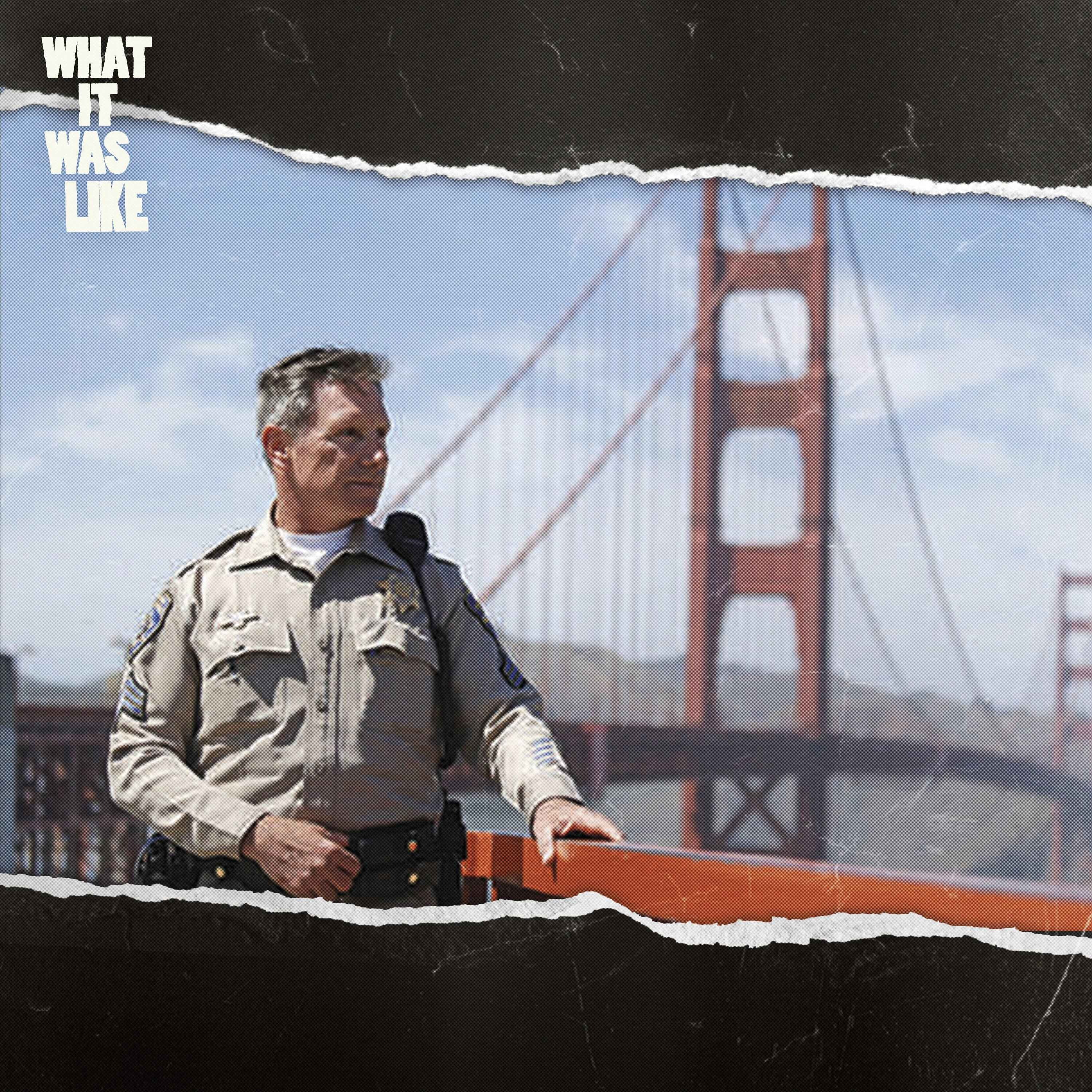
Loading summary
Transcript176 lines
- [00:00]
Verizon Representative
Now at Verizon we have some big news for your peace of mind. For all our customers, existing and new, we're locking in low prices for three years guaranteed on MyPlan and MyHome. That's future youe Peace of mind and everyone can save on a brand new phone on MyPlan. When you trade in any phone from one of our top brands, that's new phone peace of mind. Because at Verizon, whether you're already a customer or you're just joining us, we got you. Visit Verizon today. Price guarantee applies to then current base monthly rate. Additional terms and conditions apply for all offers.
- [00:30]
Mia
Have you ever wondered how your body naturally repairs and rejuvenates itself? It all comes down to your stem cells. Your body's built in repair system that renews tissue, restores balance and helps you feel your best. But by age 30 you have up to 90% fewer stem cells in circulation. That's where Stem Regen comes in. Founded by stem cell scientist and health pioneer Christian Dropo, Stem Regen products are designed to support your body's natural repair system by by using science backed plant based extracts. Just two capsules of stem regen releases an average of 10 million of your own stem cells into your body. No injections, just two capsules empower your body to rejuvenate from within. Whether you're focused on recovery, longevity or just overall wellness, Stem Regen can help release more of your health, more life and more of the best version of you. Try it now at stemregen co and use code pod15 for 15% off your first order. That's 16 stem regen codepod15.
- [01:29]
Acast Representative
Acast powers.
- [01:30]
Verizon Representative
The world's best podcasts. Here's a show that we recommend.
- [01:37]
Julian Morgans
This.
- [01:37]
Kevin Briggs
Season on the Dream. Supplies are being by nurses who run out in the middle of the night and purchase diapers but the hospital is still charging as if they still have these items. We are digging into every topic we've ever wanted to cover on this show. It's a spinning plate analogy. The second that you stop spinning those plates that crashes.
- [01:59]
Julian Morgans
So you can never stop working.
- [02:01]
Kevin Briggs
The Dream Season 4 comes at you weekly. Starting Monday, January 20th, Acast helps creators.
- [02:10]
Verizon Representative
Launch, grow and monetize their podcast everywhere.
- [02:14]
Julian Morgans
Acast.com.
- [02:19]
Acast Representative
Super Room.
- [02:23]
Julian Morgans
Hey, this episode is all about suicide. If that's not what you need right now, that's totally fair enough. Maybe just skip this one. And if you need help you can call lifeline Australia on 13, 11, 14. And if you're in the US please call the Suicide and Crisis Lifeline on 988.
- [02:44]
Acast Representative
One guy that sticks out, he was over the rail. We were talking to him for a while, for a little while, maybe 40 minutes. And he was just a really nice guy. But eventually he shook my hand twice, which is very, very unusual. Usually, folks, you don't touch folks. But on the third time, he turned around and he shook my hand and he said, thank you, Kevin, for everything, but I have to go. And he did jump. So it's just terrible. Just breaks your heart.
- [03:15]
Julian Morgans
Hey, I'm Julian Morgans, and you're listening to what It Was like, the show that asks people who have lived through big, dramatic events what it was like. So every year, it's estimated that about 700,000 people die by suicide globally. That's more than one in every 100 deaths. And in cities all over the world, many of these people die by jumping off bridges. So I live in Melbourne. Melbourne, Australia. I think I've mentioned that before. And our big bridge which attracts people considering suicide is the Westgate Bridge. And up until the government installed suicide prevention barriers in 2009, one person was attempting suicide every three weeks. Meanwhile, over in the US in San Francisco, the Golden Gate Bridge is really America's ground zero for suicides. Since the 1930s, they were seeing more than one person a week attempt suicide. Here's a sad little historical fact that you might know. The man who founded Victoria's Secret, you know, the lingerie company, he actually died from jumping off the golden gate in 1993. Now, finally, after almost 100 years of suicides, the city installed netting underneath the bridge, basically to catch people. This was in 2023, and it's really dropped the number of people dying. And this netting was installed after a pretty long public reckoning that was pushed along by a man named Kevin Briggs. Kevin was a California Highway Patrol officer, and for 23 years, his jurisdiction included the Golden Gate. And that meant that whenever someone was spotted climbing out onto the railing and looking like they might jump, it was Kevin who got the call. When he started in 1990, there was no real training. No one in the government or the police force was really willing to talk about what was happening. As you'll hear today, Kevin didn't even know why the other officers didn't want to work the bridge shift. But he was a new recruit, and so when someone was spotted on the bridge climbing up over the railing, he'd just have to turn up and figure out what to say to them on the fly. So what do you say to someone who wants to die. And just as importantly, what do you not say? Over the years, Kevin learned what worked and what didn't through trial and error. He developed a kind of process, a kind of a. Kind of a framework. And in doing so, he helped to save literally hundreds of lives. In this episode, you're going to hear stories of the people that he managed to literally talk off a ledge and some of the people that he didn't. And he's got some really interesting insights into the kinds of people who end up considering suicide at the Golden Gate. He says it's mostly men, usually in their 40s, but he also shares some pretty heartbreaking stories involving teenagers. And he talks about how just listening, you know, like. Like really listening can change everything. I think Kevin also has some really practical advice on just how to support someone who's suffering or how to start a difficult conversation. I know this is stuff that I feel kind of lost in, so I found this conversation really instructive. I found it useful as well as illuminating. So I hope you do, too. Here is Kevin Briggs. Hey, Kevin. Welcome to the show.
- [06:43]
Acast Representative
Hi, sir. Thank you for having me. Pleasure to be with you.
- [06:46]
Julian Morgans
Thanks so much for joining me. Really. I've been. I've been looking forward to this one. This is. I think you've got a very unique story. So let's start with your background. You grew up in California, right?
- [06:58]
Acast Representative
I did, yes. So I grew up in Novato, California. It's north of San Francisco, 30 miles or so, and have one brother and two sisters. And my father was, I would say, upper middle income, had his own business, printing business in San Francisco. We all went to a Catholic school, and then when we got out of that, we went over to. I went to a Catholic high school for a year, and then just over to one of the local high schools and graduated there in 1981. And, you know, everything was good.
- [07:35]
Julian Morgans
Would you say that? Because it just feels to me like the headline in this story is empathy. Do you feel like you were a particularly empathetic child? You know, were you good at just sort of understanding what others needed from you from a young age?
- [07:50]
Acast Representative
You know, I didn't really recognize it until later on when I started working the highway patrol. Really? A little bit. When I was working in corrections, I worked at Soledad and San Quentin state prisons, but I really didn't get it until when I started working with the highway patrol.
- [08:09]
Julian Morgans
So what does a highway patrol officer do? I'm imagining you drive around in your car, and if you see some sort of transgression You. You stop it. Is. Is that kind of right?
- [08:21]
Acast Representative
Well, pretty much like a police officer, but in the United States, we have the city police. And then in the county areas that are unincorporated, you would have the highway patrol that has. Handles the vehicle code for the most part, and the shell sheriffs to handle the penal code. So that's how we would divide that. So, you know, we have some pretty large areas throughout California that are off the freeway that are unincorporated areas.
- [08:45]
Julian Morgans
Okay. Okay. How old were you at this time?
- [08:48]
Acast Representative
I started with the highway patrol when I was 27.
- [08:52]
Julian Morgans
Okay. All right. So take me to your first experience finding someone threatening suicide on the. On the bridge. The Golden Gate Bridge, sure.
- [09:06]
Acast Representative
I'd like to first say that I wondered why officers, a lot of them, did not want to work on the Golden Gate Bridge. Well, I found out really quick. It's because there were quite a few people who come to the bridge contemplating suicide. It was the number one spot in the United States for loss of life to suicide. I had no idea. And my father's business was in San Francisco, and I crossed that bridge many, many times, but I had no training.
- [09:34]
Julian Morgans
So when you say that other officers were avoiding it, were sort of avoiding being rostered onto that area, like, what did that look like? Do you have a memory of this happening?
- [09:43]
Acast Representative
As far as officers who didn't want to work the bridge? Everything's done by seniority in the highway patrol for the most part. So they would pick their beats, and sometimes the last beat would be working down at that bridge.
- [09:55]
Julian Morgans
Do you remember asking the other guys, like, hey, why is everyone avoiding working this shift?
- [10:02]
Acast Representative
I didn't really ask anybody because I didn't know many people here. And being the new guy, I just kind of went with whatever I was told. But I found out real quick why a lot of people didn't want to work down there. It was because the suicide calls.
- [10:17]
Julian Morgans
Okay, so walk me through it.
- [10:21]
Acast Representative
Yeah. So my first one, which I hadn't been working down on that bridge too long when I received a call of a lady, female, over this pedestrian rail, standing on what we call the cord, which looks like an I beam, on the other side of the pedestrian rail. I responded, down there. And mind you, I had no training in this. I didn't know what to say, how to act, what to do. Kind of clueless on this. But I approached and started talking with her. And this poor lady, I believe she was late 20s, mid-30s, but she had abused drugs and alcohol a lot of her life, and she was just tired of the Whole process of in and out and being homeless and everything else. But I could just see the look in her eyes. There was just this little piece of hope or this little piece of her that wanted to live. So we talked for quite some time, but if I remember right, of myself, which was quite a long time ago, I was pretty scared. I was scared for her, and I think she may have had empathy for me and part of the reason why she did eventually come back over that rail. We didn't chat for too long, and she decided to come back. We then take folks to one of the local hospitals where they can get some assistance, hopefully. But I truly do think she had some empathy for me and said, you know what? I don't want to put this guy through this.
- [11:54]
Julian Morgans
Do you remember a particular phrase or some sort of counter argument that you offered her that convinced her to step back over the rail?
- [12:03]
Acast Representative
You know, I think it was more of, I want you to come back. You'll have an opportunity for things to get better. But if you decide to jump today, there goes those opportunities. I realize you're struggling. You're going through a really tough time right now, but it can pass now. I don't know if it will, but at least you'll have the opportunity for things to get better. So I kind of went off of that.
- [12:30]
Julian Morgans
Okay, so you. You took this woman to the hospital, she received some care, and then I'm guessing you went home that night. And I guess I'm curious about just the first one. You know, that first sort of novice experience where you've never done this before, and then you've got to get home and, you know, you have a shower or you crack open a beer and you think to yourself, geez, you know, that was pretty close. And I'm just. I'm wondering what that mindset was like.
- [12:52]
Acast Representative
Yeah, and that's almost exactly. I think. I think you called it there. It was like, whew, I don't know if I want to work down on this bridge anymore. That. That was a lot. Especially with no training. You know, what a disservice to those people. And I love the highway patrol, but you just don't do that to people. You don't throw people out there with no training and to try to help folks who would. This is their life in front of you here. And I'm thinking, well, if she jumps, am I responsible? All these things are going through my head. That should have been some training before that. You just don't do that to people. We're supposed to Be providing safety and security. Well, we need to get trained in how to do that also. So I did. Every single person that I spoke with, I would ask them after, what did I do that helped the situation? And what did I do that maybe wasn't so good, that hurt the situation? So I really learned, I'd say, off the backs of those folks that I spoke with. But I eventually did get training. We call it cit, Crisis Intervention Team Training. And then way later in my career, before I retired, I went through the FBI crisis negotiator school.
- [14:03]
Julian Morgans
Okay. Okay. So it sounds like initially you were kind of annoyed. You're a little pissed off with the lack of training. It seemed like a very obvious hole in the. In the induction program to you.
- [14:15]
Acast Representative
100%. I still am, actually. Yeah. You don't do that to people, especially when it's life and death like that. Yeah, you know, that's something that should have been addressed. And they knew. They knew the suicides, and I love my department, but, you know, there should have been training. I think it's getting better nowadays.
- [14:36]
Julian Morgans
I just want to take a moment just to just sort of set up the bridge, you know, the scale of it. Just for anyone listening who's. Who's not a California native, you know, like, what does it look like? What does it feel like? And also, what happens if you jump? Can you. Can you just sort of talk me through it a little bit?
- [14:53]
Acast Representative
Yeah. With regards to the bridge, it's about, oh, 1.7 miles long. You know, it's not real long, but it connects San Francisco to Marin County. There's six lanes on it. It's about. From the roadway down to the water, it's about 220ft. It's a really neat place to work, but it's also. It's cold. Ooh, as it gets cold. And the summertimes, I will tell folks, if you're coming out here in the summer, June, July, or August, always bring a jacket, say, anytime you're coming out here. But those are the foggy months. June, July, and August tend to be really foggy on that bridge. And that is our summer.
- [15:29]
Julian Morgans
Okay. Okay. And at that height, what happens to the human body when you jump? Like, does it. Does it actually kill you on impact?
- [15:39]
Acast Representative
You know what it sounds. It sounds horrible, but I've seen both. I've seen people that have jumped and died on impact. From what the coroner tells me, you travel about 75 miles an hour, four or five seconds, something in that area, and then you hit that water, and it's terrible to say, but when they do hit, I have. It's just a huge splash. All you see is like, white foam. Takes a while before you see that body. A lot of them will die on impact. Some if we don't get the call and we just get there and they jump. And we haven't been able to call the Coast Guard, who will usually come and stand by. They will hit that water, break a lot of bones, and then drown. So I've seen it both. Typically what happens, though, if we get a call, somebody over the rail, we immediately call the Coast Guard, who was very close. They come out and stand by in their boats. So in case that individual does jump, they are right there to pick them up.
- [16:34]
Julian Morgans
Damn, that's. That's so heavy. And the way that you just say, you know, I've seen both, tells me that you didn't avert your eyes. Can you just tell me about that? Like, I think. I think if I was there standing, watching someone and they jumped, I'd be like, oh, God, no. And I look away.
- [16:49]
Acast Representative
Yeah, yeah, there's. There's a few of those, unfortunately. But one guy that sticks out, he was over the rail. We were talking to him for. For a little while, maybe 40 minutes. And during that time, he had turned around. For the. Most of the time he was facing away from us, which isn't a good sign. But he wasn't under the influence. And there is no real way to tell if somebody's on the bridge, hey, that's a jumper, just based on their clothing or something. You know, we're always looking for solo.
- [17:20]
Julian Morgans
People, like a jumper, as opposed to just a stander. You know, they actually have somebody or.
- [17:26]
Acast Representative
Just somebody that's truly out there by themselves, that wants to be there, that is going to take pictures and go away and have a great life, you know. But this gentleman was dressed just like anybody else, but he was over the rail, not under the influence of anything. Spoke with him for about 40 minutes or so, and he wouldn't provide his name or what was going on so much, but he would answer questions and we'd have a little bit of a conversation. And he was just a really nice guy. But we couldn't figure out quite what the reasoning was, why he was up there, what had been going on. But eventually he shook my hand twice, which is very, very unusual. Usually folks, you don't touch folks, and I don't grab folks. I don't want to do that. I want them to be able to come over on their own. But on the third time he reached around, shook my hand and also I just go by my first name, just Kevin. And if they will give me their first name, I'm going to use that. Everything is just, I want to develop as much rapport as I can. So there's a lot of reasons for this, but he wouldn't provide his first name. But he turned around and he shook my hand and he said, thank you, Kevin, for everything, but I have to go. And he did jump. So it's just terrible. Just breaks your heart.
- [18:44]
Julian Morgans
And when that guy jumped, you stayed with him. I guess you stayed in that moment, in that experience and you watched him hit the water.
- [18:55]
Acast Representative
Yeah, I remember on this particular when I was tearing up, I felt just, just horrible. And it's always in your mind, you know, what could I have done different? What could I have done better? But there's the other part that you know what, he chose this path, but he probably chose it with an unhealthy mind.
- [19:13]
Julian Morgans
Hey, we're just going to stop here for a quick ad break but stick around. We'll be right back with more what it was like foreign.
- [19:27]
Verizon Representative
Now at Verizon, we have some big news for your peace of mind for all our customers, existing and new, we're locking in low prices for three years guaranteed on my plan and my home. That's future you peace of mind and everyone can save on a brand new phone. On MyPlan, when you trade in any phone from one of our top brands, that's new phone piece of mind. Because at Verizon, whether you're already a customer or you're just joining us, we got you. Visit Verizon today. Price guarantee applies to then current base monthly rate. Additional terms and conditions apply for all offers.
- [19:57]
Mia
Say hello to Mia.
- [19:58]
Kevin Briggs
Hey there.
- [19:59]
Mia
Mia runs a pet grooming service in Chicago. But getting new clients was rough until.
- [20:03]
Kevin Briggs
I started using Acast. I recorded my ad targeted pet owners in the area and let ACAST do the rest. Now people all over the city know about my grooming services.
- [20:12]
Mia
Mia's business is looking sharp. What's your secret for happy pets and happy clients?
- [20:16]
Kevin Briggs
A fresh cut, a friendly vibe and a well placed podcast ad.
- [20:20]
Mia
Get the word out about your business through Acast. Visit go acast.com advertise to get started.
- [20:35]
Julian Morgans
Okay, so you've given me two examples there. You know your first experience where you did talk this woman back over the rail and she lived and then this other experience where this young man jumped. And I'm guessing that as you were going through your career, you Tried a couple of different techniques. You tried some stuff that worked, maybe you tried some stuff that didn't. Can you just talk to me about how you evolved as you learned this kind of negotiation skills?
- [21:06]
Acast Representative
Yes, and I think mine might be a little different than a lot of negotiators. I want to do this solo, and it's not a claim to fame. It's nothing else. I try to think what is the best way we, as far as the highway patrol, could do this and develop rapport with our mission of getting this individual to come back over the rail? So this is, you know, it's nothing about, let me do it solo so they know who I am. And no, it's nothing to do with that, but just in talking with people and I tried to imagine myself over that rail, what would I want? Well, I certainly don't want three people coming up on me and talking to me in three different conversations and all of that, because I think, you know, this is a life altering event for these folks, I would think, and that's what they've told me. But to have someone come up who truly is there to listen. And I will tell you, if I go up and initiate a conversation with these folks who are actually up and over this pedestrian rail, and it seems like I'm not developing rapport, if we have enough people, I'm going to get somebody else. That's how this goes. It is never going to be or never was the Kevin Briggs Show. It is always about that individual. But what I have learned is, or what I do anyway is I walk up and I stay back 10, 15ft, get that individual's attention. I raise my right hand and I just say, hi, I'm Kevin. Is it okay if I come up and talk with you for a while? I want to empower them because I think they're at a very, very, very low point in their life. And by me walking up slowly and introducing myself and asking their permission, I think it starts it off on a really good note. So that's how I would start this anyway.
- [23:01]
Julian Morgans
Okay. Do you remember, and I'm guessing that, like, when you say this, when you like, hey, I just put my right hand up and I empower them. I say, hey, can I come and talk to you? It's because you tried it once and it worked or it was well received, Is that right?
- [23:18]
Acast Representative
Yes, I tried it a few times. But I also asked the folks at the end, you know, is there a different way of approaching because you just don't want to walk up on these People, you might frighten them. If you're scared, they might fall off from being scared. So stand back, get their attention. But also the bridge, you have to be mindful because it is so loud up there. We. We may block one lane of traffic, but. But all the others are open. So you're getting a lot of vehicle traffic going through, which is very, very noisy. Then you're getting the wind and the cold, and it's. The bridge itself is really, really cold. It's all steel. So it is an extremely tough place to do any kind of negotiation.
- [24:00]
Julian Morgans
Yeah, absolutely. Bringing any human warmth into a cold, steel environment like that would be pretty hard. Okay, so this kind of stuff works. Did you ever try stuff that didn't. That you just thought later, geez, that. Not doing that again.
- [24:18]
Acast Representative
I did try to grab an individual one time. I was actually the only time that I worked with a sheriff's deputy who was trained in this, who was very, very good. But we were there for eight hours with a gentleman over the rail, and the sheriff's deputy and I made a plan to try and grab this individual. But we reached through and grabbed him, and he had been out there so long, he was cold and clammy and damp, and our hands just slid right off him. And he kind of lurched back. He didn't fall. But I decided then that I am not going to grab anybody anymore. I want to get them to want to live and to come back over. Now, once they decide, you know what I do want to live, I want to come back over. I am going to help them come back over because I do not want to lose them then. But it was just my way, you know, doing it one person at a time up there, or maybe another person that's listening, another officer that's listening, maybe taking some notes. This is what I found to work. And everybody has their own way and their own path of doing things, but this has worked for me, and I think it's worked for the folks who were up on that bridge.
- [25:27]
Julian Morgans
Yeah, yeah. Did. Did this guy survive the one that you tried to grab?
- [25:33]
Acast Representative
He did, yes. And then you lose some rapport when you do that. So now you got to start not brand new, but you have to kind of reload and go back and go through a lot of things then. But we did get him back over. That was the longest one I had, was eight hours. That's a long time to be up on that bridge.
- [25:52]
Julian Morgans
Can you tell me about the power of listening? I know that you've spoken before about how you just Listen to these people and how that's pretty effective.
- [26:00]
Acast Representative
Yes. That's probably our number one thing that I teach is the power of listening. It's about being there for those folks. And I go by 80, 20, 80% of the time I'm going to be listening and then I'll be speaking 20% of the time. Now that's going to change as we develop rapport. But if that individual is willing to speak, just take it in. And we have what we call minimal encouragers, one of the active listening skills. And while somebody is speaking, you would throw out just, wow, is that right? Really? Things like this to let them know that you're there, you're paying attention, and you're there for them. So that really helps a lot. But you have to be a good listener if you want to get into this line of work. And not to judge or hold things against them, but to try to see things from their point of view, even if it might be wrong. To try to see things from their point of view is critical.
- [27:11]
Julian Morgans
So you said before that you asked for feedback. Can you give me an example of some feedback that surprised you? That maybe you tried something that you thought was going to be really good and the feedback was actually like, no, that didn't work for me. Or, or maybe it went the other way where you just on a whim tried something and they were like, that meant the world to me. Just an example of surprising feedback.
- [27:34]
Acast Representative
Well, the biggest one is what you've stated before. Listening, not trying to fix anything. You can say, well, you know, have you tried this? And then I have kind of a colorful past with a lot of things that have happened. I was not trying to use that with folks. Well, here's what I've been through. No, it is all about them. But sometimes, like, I had the cancer. If somebody would say, oh, I have cancer, you know, and this is really hitting me hard, and this is what I'm going through. Well, I had cancer. And sometimes commonalities can create comfort. So depending on how that individual is, I may bring something like that up. But I have been told, you know, in years past, hey, you walked up too fast. I saw you coming up and I thought you were going to grab me, so I almost jumped right then. So I have learned so much just by watching the people and, you know, by. By just asking them afterwards, what could I have done better? And taking those things into consideration. But the big ones are listening, not trying to fix anything, coming up pretty slow, letting them know that you're coming up. Because A lot of people are facing away from the bridge and the water, and you don't want to scare them. This is a critical time in their lives, and they have a lot going on. Another one is to slow things down. And what I have found is if I slow things down, after a while, they will slow down also, because I feel they have so many things going on in their head. I want them to really think about what's going on and what we look for, what we call hooks, things that we can talk about, whether that's kids, pets, sports, you know, reason, purpose, and hope is what I'm looking for.
- [29:23]
Julian Morgans
Reason, purpose, and hope. Okay. I mean, that. That makes sense. And you think of it as a hook. Like, if you make them reflect on. On, I don't know, whatever's coming up in the future or their kids or something, they're more likely to stay in the present.
- [29:37]
Acast Representative
Yes, yes. Because sometimes they forget about these things. They're in so much emotional pain that they don't want to hurt anybody else. I've done too many of these. They don't want to hurt anybody else. They just want that pain to end. So, for instance, if you and I walked across that bridge, we'd be looking down and we would see porpoises and seals once in a while, a whale or some pretty cool cruise ships and different ships that go in and out. But when someone is suicidal up on that bridge and they look down, they see peace. They see an end to their pain. So it's quite different than what we see.
- [30:18]
Julian Morgans
I mean, you are a reservoir of wisdom and knowledge in this area. So let's get some advice for people. If anyone listening to this show wants to talk to a potentially suicidal family member or a friend or something, we're told all the time to, you know, check in with people, ask if they're doing okay. Can you just sort of set me up with how you would approach a conversation like that? Let's say, for example, a friend of mine is struggling. I'm like, hey, you know, are you okay? Can you just give me a bit of a script to work with?
- [30:47]
Acast Representative
Sure. Briefly. I would say, okay, please don't do this over the phone. It's. It's, you know, please don't do this over the phone. But ask them, hey, can we meet somewhere and talk for a little bit? And I would say, don't do this in a coffee shop or a restaurant, because that person may break down, and you don't want that happening in public. So if you can have this conversation somewhere where they are comfortable. Remember, this is about them. It's not about us. Yes, we're scared. Yes, we don't want to do this. Nobody wants to do this. But if we don't do this. Just in the United States. Just in the United States, we're losing over 49,000 people a year. We're losing a lot of people.
- [31:28]
Julian Morgans
That's huge.
- [31:29]
Acast Representative
So have that conversation where that individual is comfortable and then say, hey, and don't have any barriers between you. If you can not a table or if you want to go for a walk. You know, sometimes, guys, we have this. If we can get out and walk side by side, then that's something else kind of taking some of the tension away.
- [31:47]
Julian Morgans
Yeah.
- [31:49]
Acast Representative
So we're going to tell them what we've seen, what we've heard, and we go by talk, behavior and mood. What have we seen, what have we heard? And explain that and say, I want to let you know that I'm here for you. I know you're going through a lot, but you do not have to go through this alone. You can call me 24 hours a day. If I can't pick up the phone right then I will as soon as I can. Because so many people think that they are going through everything alone, and it's very, very lonely, and they feel like they're stuffed in the corner all by themselves. So by having somebody with them, that is a big spark, that's a real positive thing to do. But if it does get to where you think it may go down the path to suicide, simply by asking them and say, you know what? I'm going. You're going through so many things, man. Have you been thinking about suicide? Don't say, you're not going to kill yourself, are you? But if we normalize it, hey, Bob, I know you have cancer. I know you're looking at losing your job, your wife left you. All these things are horrible. Anybody going through all of that might be thinking about suicide. So you just normalize what they're going through, and then you can ask them if it gets to it, have you been thinking of suicide? And then just be quiet. Just be quiet. So that's exactly what I would do, something along those lines.
- [33:23]
Julian Morgans
So something that you just said there was. You were sort of talking about observations, you know, like, maybe it's a good way to kick off that conversation by saying, hey, I've just noticed that, I don't know, at the social event the other day, you were pretty quiet, you were pretty withdrawn. Or is that kind of what you were suggesting that you should just give reflections of their behavior back to them.
- [33:46]
Acast Representative
You know, that's what I think, anyway. Otherwise, how are we going to have this conversation? So if somebody told me something or, you know, their spouse said something, it could be just one thing. It could be a cumulative number of things that happen. But, you know, and most of the time, it's not going to get to the point to where you have to get into the suicide thing. But if you need to, I think we need to be prepared, really. So by normalizing what someone might be going through, because they feel more than likely, they feel very, very alone. The only one going through this. By normalizing that and then validating that. You know what, man, that sounds really tough. I want you to know you do not have to go through this alone. That makes a world of difference for people.
- [34:32]
Julian Morgans
Okay, so we're kind of jumping around a little bit in the chronology here, but sort of roughly where I'm imagining the chronology is up to is that you've been doing this job for a little bit, you've had some success, maybe you've had some failure. But I'm wondering, when you started doing this, were you at first taken aback? Were you surprised? You were kind of like, oh, God, every time I do the bridge, part of the jurisdiction here, I'm ending up with a suicide. No one told me about this. Were you surprised to discover that it was part of the job description?
- [35:09]
Acast Representative
It was part of the job, but wasn't written down anywhere, and people didn't talk about it. So I would handle four to six cases a month of this. Now, that wasn't every person over the rail, but that would be some over the rail, some on the sidewalk, some may be in a parked car. They've been sitting there for hours writing a note or contemplating what to do. So this ran the whole gamut of things.
- [35:34]
Julian Morgans
Wow. So you must have been. I mean, do you remember a conversation going to one of your seniors and being like, hey, you know, I'm doing one of these a week, and you guys didn't mention it?
- [35:44]
Acast Representative
Yes. And then they finally went out and brought some people in for us to do training, which is very famous here in America called, like I said, cit, Crisis Intervention Team Training. And it's a good starter. But I. If you're going to do this type of negotiation work, I would ask for more.
- [36:02]
Julian Morgans
Yeah. Do you remember that conversation that you had that you had with your boss?
- [36:07]
Acast Representative
I did, and they didn't have an answer for me. Here, check this out. Hey, Sarge, this is what's going on. Look, I handled six suicide cases this month and no training. And I'm not the only one working down there. At the time we had eight hour shifts. There's three people at least working down there for an eight hour shift. So that's a lot of people that we're talking to. We need to get some training on this. Can you bring this up to the lieutenant or the captain and see what you can do? And eventually it finally did. So it is getting better. It's. It's slow, but it is getting better.
- [36:43]
Julian Morgans
Why was this such a neglected area for the police force? I mean, was there just a kind of like implicit ickiness about it?
- [36:52]
Acast Representative
I think so, because a lot of folks, you could go to a talk, I go to presentations. And I could tell sometimes people aren't interested in it because they haven't been affected or they haven't had a friend or family member affected with mental illness. So a lot of people don't believe in it. But then something happens and all of a sudden, oh, you know, they have a kid that suffers or a family member or a family member was lost to suicide. Now all of a sudden they want to get involved in everything.
- [37:18]
Julian Morgans
Yeah, yeah, I'm sure. So if no one's talking about it, why did you lean in?
- [37:24]
Acast Representative
Because the look on people's eyes that, that were getting ready to jump and you could just, you know what, this is somebody's life. If we can get them past this, a lot of times they won't attempt again. If we can get them past this, don't they deserve that? You know, if, what if it was me over that rail, who would I want speaking to me? What if it was my boy over that rail, who would I want speaking to them? I want the best. There is somebody who studied this and wants to do it now. You know, of course we're no PhDs in this, but I just started studying and learning and talking to the folks more. So I wanted to be the best that I could at that. And I'm still learning and I'm still going to different classes and learning about this. So it's a never ending thing. You want to keep up with this. Now that I'm teaching it and traveling and presenting on this, I want to give the best information I can to folks.
- [38:21]
Julian Morgans
Can you give me a bit of a snapshot of what kind of people you would find tangling off the, off the Golden Gate Bridge? I mean, is. It is a pretty broad spectrum of people from around the country or was there a particular age group or particular gender?
- [38:37]
Acast Representative
Most of the time it was somebody from the Bay Area in the area and it was a male, probably in their 40s. But it did start to get younger and we saw people in their 20s and even in their teens and it has gotten younger throughout the years.
- [38:55]
Julian Morgans
That's interesting.
- [38:56]
Acast Representative
Yeah, I think I put probably social media on that and before social media, I think we were a lot tougher as, as people.
- [39:08]
Julian Morgans
What do you mean?
- [39:10]
Acast Representative
I think because bullying is so prevalent and kids these days aren't taught to kind of to take a hit and carry on and there's going to be tomorrow. Yeah, they're. Because their brain isn't fully developed until they're 25, 26, 27. Their frontal lobe for reasoning isn't there. And I don't think they're, they're outside enough to be able to, I'm not going to say take a hit in the face from someone, but to be able to bounce back. So whatever has happened, they think their life's over with and they just come up and they jump. So we do see that. Whereas years ago you would take the hit, go home, go to bed, come back the next day and you're around for the next day.
- [39:54]
Julian Morgans
Hey, we're just going to stop here for a quick ad break, but stick around. Will be right back with more what it was like.
- [40:09]
Verizon Representative
Now at Verizon, we have some big news for your peace of mind. For all our customers, existing and new, we're locking in low prices for three years guaranteed on my plan and my home. That's future. You peace of mind. And everyone can save on a brand new phone. On MyPlan, when you trade in any phone from one of our top brands, that's new phone peace of mind. Because at Verizon, whether you're already a customer or you're just joining us, we got you visit Verizon today. Price guarantee applies to then current base monthly rate. Additional terms and conditions apply for all offers.
- [40:49]
Julian Morgans
Can you, can you just give me a bit of a snapshot of like, what was the youngest person that you ever saw?
- [40:56]
Acast Representative
I believe 14. That's young. A young lady. Yeah. And if it's an adolescent, most of the time we don't even get a chance to speak with them. They're set in their mind because like I said, they're seen just a few years into the future, whereas we're looking way far down the line. They think their life's over with and they come up and they look around a little bit, and they jump and they're gone.
- [41:18]
Julian Morgans
Did. Did she survive?
- [41:20]
Acast Representative
No.
- [41:21]
Julian Morgans
No, Kevin. That's horrible.
- [41:24]
Acast Representative
We've had several like that. Yeah, they're just gone.
- [41:29]
Julian Morgans
But you get enough time to arrive.
- [41:33]
Acast Representative
As far as when we get the call to get there.
- [41:38]
Julian Morgans
Yeah. Well, as in, you know, these. These young kids, these teenagers, they get like. Obviously someone reports it, someone calls them in, and then you get enough time to arrive, but then you don't even really get to talk to them.
- [41:49]
Acast Representative
Or before we even get there, they jumped and there were some witnesses there, or we have it on camera or something. You know, could you imagine coming from the bridge from, let's say, Italy, and you've never been before. You're celebrating a phenomenal vacation or somebody's birthday, whatever it may be, and you're walking across and somebody jumps in front of you, loses their life, you know, look what they saw. It's horrible.
- [42:11]
Julian Morgans
Yeah. Yeah. Oh, that'd be awful. It really. It would affect you forever. You would never.
- [42:18]
Acast Representative
Absolutely.
- [42:19]
Julian Morgans
Can you tell me about a case that's affected you for a long time? Like, what's a case that stood out to you and why?
- [42:26]
Acast Representative
Well, the one that stood out to me, that carries with me every day, and it's reason why I'm doing this, reason why I'm here, is the case with Kevin Berthea.
- [42:36]
Julian Morgans
Tell me about Kevin Berthier.
- [42:38]
Acast Representative
He's a black male. I believe he was 19 at the time. I believe he was on the sidewalk. And I get the call of a man on the sidewalk saying that he's going to jump, but I don't know where he is on the bridge, and he's on a cell phone. So I'm on my motorcycle. I did ride a motorcycle for the highway Patrol. And I start at the north end, and I'm working my way south going towards San Francisco. And like I said, I'm on the sidewalk when I near the North Tower, I see the description of him. I see this guy, and he's still on a cell phone. So I said, well, that's got to be him. So I stop about 50ft away or so. I don't want to ride up on him. And as I'm getting off of my motorcycle, to me, he looks over at my direction, and then he runs and he jumps over the rail, just leaps over it. But I yelled something at him and to him, and I don't remember what it was, but he reached out, grabbed the rail, swung around, and just made it onto this little bitty pipe. So on the bridge, there is this I beam that's on the other side of the pedestrian rail we call the cord, but around the two towers, it's just a very small little pipe. And he landed on this and that's where he was. I thought he was gone, but I ran up there and then I could see he was wearing a white T shirt. Only I ran up there and I saw his white T shirt. So then I backed off and I just raised my right hand, told him who I was and asked him if I can approach. And he was screaming at me, screaming at me, if you come one step closer, I'm jumping. He's mad at the world. He wanted nothing to do with me. Just leave me alone. He wanted a couple of minutes or whatever he needed, and then he, he was going to go. Well, I kept persistent with him and introduced myself again, kept asking him, I said, nobody's going to touch you. The only person coming up is me. It's just going to be me. Nobody's coming on the sides to get you. I just want to come up and talk to you. Can you allow just a few minutes for me to come up and talk to you? And I kept at this for 10, 15 minutes and then he did allow me to come up. Now, mind you, he's below me a few feet for the majority of this time that we were there. He's looking straight down. He's good because he's facing in towards me, but it's bad because he's looking down at the water. But I just said, hey, my name's Kevin. I did it a third time. I said, can I get your name? He said, his name is Kevin. Ah, perfect. You know, I can remember this one. So we started chatting and I'm just going to listen. I just listened to him speak and he wanted to. To talk. He talked about all sorts of things over the next hour and then I would repeat them back to him, kind of summarizing it to make sure I get what he's talking about and how he feels. But he was adopted and that comes with a lot of issues. Many times as someone gets older, his birth mother gave him up. His adopted family loved him very much. But they divorced when he was around 13. And it wasn't explained to him why the family divorced. He thought he broke up this family unit. It really hit him hard. He had to change schools. He went from a really neat school to a school where there was a lot of fights and police presence all the time. He did suffer from mental illness and it hit him really hard at night. But what he would do as a coping mechanism was to play sports and just run himself ragged every day. So at night he could go and get some rest and just kind of fall and pass out. Well, this was great during school, but once it ended, he didn't know what to do. So he got one job, then another job, and then entered college to take up his time. And then he thought, you know what, if I start a family, things will get better. So he started a family and had a child with his girlfriend. But his baby was born premature, so had to stay in the hospital. Now what he's telling me how he feels is, once again, I blew it. What did I do to cause harm to this family? So I'm listening to all this as we go along. And then he says, my baby had to stay in the hospital for a couple of months, and when she was able to come home, so did a bill for around $250,000. He says, on top of this, I lost my jobs. So now you have this huge bill. So I think I hurt my family. I can't help my family financially. He's all, this is it. This is the last straw. I have had enough. And mind you, it's really cold out on that bridge. Another thing I do is if they're not wearing a jacket, I'm not going to wear a jacket. So we have all the road noise of the cars going by. We have to hold the pedestrians back. Nobody can walk across the bridge. Then like I said, it's really, really cold out. You're on this metal bridge and it's just a very precarious place to be. They got a lot of noise from the wind. It's very hard. You almost have to yell just for him to hear me. So it's, it's hard. You can hardly think of a worse place to, to conduct this negotiation, so to speak.
- [47:47]
Julian Morgans
Yeah, yeah. Why, why don't you wear a jacket if, if the other person isn't.
- [47:51]
Acast Representative
Because I want to feel what they're feeling. I'm not going to be living this life of luxury all bundled up while they're suffering.
- [47:58]
Julian Morgans
How did Kevin respond when you took your jacket off?
- [48:01]
Acast Representative
I, you know, I never had one on that day. I have it on my back of my motorcycle, but I never put it on. So.
- [48:07]
Julian Morgans
Wow, that's brave.
- [48:08]
Acast Representative
But he's, in short, he's even. He's even worse because he's in a short sleeve T shirt and it, you know, it could get down 50 degrees. Wind blowing like hell, gets foggy and.
- [48:17]
Julian Morgans
Yeah, yeah. And he's wrapped around a steel pipe. I'm guessing it's a small steel pipe.
- [48:22]
Acast Representative
It's a steel pipe that runs horizontal along the bridge around the two towers. So he's hanging onto that. His left hand is in his pocket, in his left pocket. His right hand is up between his T shirt and his skin because he's so cold. And he's just kind of tripoding in on his feet on this little pipe and his head touching the slats of the bridge. So here we are, and we're talking for an hour, and then I started focusing on his child. We have to find a hook. For me, it was his baby. Well, found out her birthday was the next month. So I said some different things. And I will preface this with some mental health professionals will say, well, that's shaming. You shouldn't do it. Well, I'm going to tell you, come up and try my job and be in that instant. It is a lot different than being in an office in a more secure and safe area. I need to get folks to think. It really bothers me when people come up and say, well, you shouldn't do that. Well, let me tell you, I've been doing this for a while, and I don't claim to be an expert, but I'm pretty sure I've done more than a lot of folks. So I want him to think about everything because they have this huge negative bubble around them, I think, and maybe they've forgotten some of the things that are very, very special. So I focused on his child and said, brother, don't you want to be there for her first birthday? Her first birthday is the next month. So I'm doing this because I want him to think about if he does come over, you know, we can get him some help. And I also tell them because most of the people I dealt with do not have a warrant for their arrest. They haven't done anything wrong. They're just suffering. And I tell them, when you come back over, I have to place you in handcuffs. And that's only because that's our policy. I don't want them to think that they're in any trouble because a lot of times they'll think, you know what? Now I'm trespassing because I'm over this pedestrian rail. So if I come back, first thing you're going to do is arrest me. And now it's compounded everything I'm here for anyway. Well, we're going to blow that out of the water. So I tell them all these things and then I said, kev, we've been talking for quite a while now. I want to take a break and I'm going to give you a break. But I'm only going to step back if he promised not to do anything until I come back up here. Because I think there are so many things going on in their head. I want to give them a chance to really think about the positive things. So he said yes, and I stepped back about 15ft or so and just gave him a break for a little bit. Gave him a few minutes. And then I raised up my right hand and asked his permission to come back up. And I went back up and we spoke for about another half hour. We are getting silence in there, and that's okay. Nothing wrong with silence. I would rather have silence than somebody saying, you know what? Everything's going to be fine. You're going to be great, you're going to pull through. We don't know that. We don't know that. So, yeah, there's silence. But I would tell him, he would look down, he's looking down most of the time and say, I'm right here for you and I'm not going anywhere. I'm here for you today and we're going to get somebody there for you tomorrow. I just want you to make the choice to want to live today. So after about an hour and a half, he said, hey, I want to come back over. He wanted to see his kid again, so I helped him come back over. But just before this, there was a helicopter out in the bay that took a photo of us. And that photo has been all around the world. He came back over. I shook his hand and then I asked him, kev, what did I do that helped this situation? And what did I do that maybe wasn't so good, that hurt this situation? And he said, you listened. You let me speak, and you listened. So why did it take this guy to get from Oakland over to San Francisco on the Golden Gate Bridge where he's never been in his life before? He's thinking he's the first one to come up here and try suicide on the bridge. There's been many, many others, unfortunately, but that's his thought. I'm the first one.
- [52:25]
Julian Morgans
Yeah, yeah.
- [52:26]
Acast Representative
So anyway, he went down to San Francisco General Hospital. His mother wrote me a very nice note a couple weeks later. And how we met years and years later was I had done some work still continuing on with my suicide prevention work on the bridge, but some things with Yahoo News and a couple of different things and it caught the attention of American foundation for Suicide Prevention. So they wanted me to come out to New York City and get awarded this lifesavers award, this event they have every year. And I turned it down three times. I didn't want to do this. And there's other people do the same work that I do, and I didn't really want to fly all the way out to New York. But then they went and talked to my commander, and, yep, I'm going out to New York. Boss says, you're going, so you're going. So then they asked me, is there anybody you said saved that we could bring out and they can present you with the award? And I thought, that's really crappy. Why do I want to have somebody relive that experience? Nobody wants to relive that. So they bugged me and bugged me, and then they went to my commander, and he said, hey, he knew about the letter. He said, can you go over to their house and maybe talk with the mom and see if she can get him to go out? So I did that. I went over to Oakland, knocked on the door. She answered, and she didn't ever knew who I was. You know, she'd say, why is this cop at my front door? Nobody wants that. So we spoke for a long time. Next thing you know, we're both out in New York City. We met, and I didn't realize something. As I was getting this award, Kev was on stage speaking, and he's never spoken to an audience before. He hated that photo. To me, it was another day at work. Now, mind you, I put my heart and soul into this, but it was another day at work. He hated this photo because, according to him, it shows a black man at a very weak point in his life. And coming from Oakland, you do not show a weakness. So people would see that and they recognize him and they say, recognize his tennis shoes and call him out on it. So he hated this. But that night, in front of all these mental health professionals and audience members, he got a standing ovation. So he thought, you know what? I can come out and talk about this in the hopes of helping folks. So we have our own things that we do, but we also get the opportunity to present together. And it is a lot of fun. It's a horrible, crappy subject. But we cross the race barriers. We talk about all these things that have happened to us personally. We both have a lot of trauma that has happened to us. And we tell folks. How can we talk to folks, you know, who may be struggling how do we get it? So they don't show up to that bridge, so they don't have that gun to their head, so they don't go to the top of the building. That's what this is about. It is never the Kevin Briggs and Kevin Berthea show. You know, might be us speaking, but is it about the audience and the takeaways that happen? Wow.
- [55:28]
Julian Morgans
So how's Kevin doing these days? What's his life?
- [55:31]
Acast Representative
He's doing well. He is doing well. I am actually going to be speaking to him later on this evening for a couple of events that we have coming up. But even if we don't have anything coming up, we are still speaking two, three times a month, just checking on each other so things can really turn around. You never know who you might be able to help out here. You have Marin county and then you have Oakland, and there is a bridge that separates us, and you just. We don't go to Oakland. And those folks that live over there generally don't come over here. It's just two different worlds. It really is. So to have a white guy from Marin and a black guy from Oakland be together and be best of friends, be brothers, you simply don't see that. So it's very unique and I cherish it.
- [56:18]
Julian Morgans
So how long did you serve in traffic management and how long were you a police officer for?
- [56:24]
Acast Representative
So I was with the highway patrol for 23 years. I left early.
- [56:28]
Julian Morgans
23?
- [56:30]
Acast Representative
Yes. I left early to come out and do what I do now. So. Yeah.
- [56:35]
Julian Morgans
Okay. And what was the catalyst for leaving to just get into public speaking full time?
- [56:43]
Acast Representative
I was asked to after a Yahoo News segment came out on the news for whatever reason that got a lot of popularity. And I got a lot of cards and notes and calls at the office. And one of them was for a TED Talk, Technology, entertainment, design. And that's huge. And I really didn't realize what it was. So much I had to ask a mentor. Hey, I got this. And he said, you hang up the phone right now and call them back. Tell them you're going to do it. So they choose 50 people a year in the world to do these TED Talks. And I was one of them. So I did this TED Talk and it just launched a whole nother career. And it was a hell of a risk. But it's been, what, 12 years now? And I've been very busy ever since.
- [57:25]
Julian Morgans
That's great. So in 23 years, how many people did you help to save? I don't want to say save, because I know you said you didn't like that, but.
- [57:38]
Acast Representative
Well, Yeah, I averaged four to six a month, and I did that for around 10 years. You know, I had some time when I wasn't working on the bridge, and then when I promoted a sergeant, then I really wasn't patrolling on the bridge. I was in the office more. So, you know, you take those 10 years times averaging five. I mean, that's a lot of people. Unfortunately, there's no claim to fame and nothing about that. It sucks. I wish it wasn't any, but that's a lot of people.
- [58:06]
Julian Morgans
Yeah, you're not kidding. That's if you gathered all those people up in a room together and hosted a party. I mean, that's a. That's a big party.
- [58:14]
Acast Representative
Yeah, yeah. I mean, 60 a year, roughly, for 10 years. You know, you're looking at. Yeah, yeah, that's a lot of people, unfortunately.
- [58:22]
Julian Morgans
And I mean, this is a bit more of a morbid question, but if you had to put a number on it, do you. Would you say it's sort of like 1 in 5 jump or less?
- [58:31]
Acast Representative
No, I would say a lot less. I really would. Very few compared to the numbers. Let's say, for instance, if we spoke with 100 people, three to five.
- [58:44]
Julian Morgans
Wow. I would think most people, somewhere in their minds, they still want to live.
- [58:50]
Acast Representative
Yes, absolutely.
- [58:53]
Julian Morgans
Yeah. I mean, when you lose someone and you think about it later, do you often arrive at a conclusion that they were sort of always going to do it and there was little that you could do, or. I mean, how do you rationalize it to yourself?
- [59:09]
Acast Representative
I try to think I did the best that I could with a knowledge that I had at the time. But I also think that if they do jump, they did so with an unhealthy mind. They're just going through so much that they can't see the future, they don't see tomorrow a lot of times, and they just want that pain to end?
- [59:30]
Julian Morgans
Yeah. I know that you said earlier that you started to see more teens towards the end of your career, just younger people, but did the numbers just overall remain pretty steady or did they fluctuate depending on what was happening in the economy and what was happening? And was 911 a bit of an uptick in suicides?
- [59:52]
Acast Representative
Yeah. So it does kind of depend on the year and maybe things that have been going on. 911 things dropped a bit really, after that here, anyway. Yeah, that I recall on that. So what we did start to see people younger in age as compared to previous years. But it is generally white males that do it out here anyway.
- [60:20]
Julian Morgans
If you had to put a number on it, would you say that it skews sort of like 60% male or more?
- [60:27]
Acast Representative
No, I would say vastly more. At least without looking at the figures, I would say at least 90%.
- [60:34]
Julian Morgans
Oh, wow. So it's vastly male.
- [60:36]
Acast Representative
Yes.
- [60:37]
Julian Morgans
Yeah.
- [60:37]
Acast Representative
Wow.
- [60:39]
Julian Morgans
I want to finish up in a minute, but I just got one or two last questions. So I've seen you referred to as the Guardian angel of the Golden Gate, and I was wondering how you feel about that nickname.
- [60:53]
Acast Representative
I don't particularly like it because I think it takes away from the other people who do this kind of work. And I think there's people all over the world who are guardians of their Golden Gate, whether that be their home, their workplace, wherever that may be, if that sticks. And that helps folks to understand things or even helps me to get more presentations to go out and talk about this. You know, I told folks it's cause first for me and then business. It's about the cause of this. So that's what I'm about, is cause first and then the business after this. And that that helps to get me out, or, you know, me and Kevin. Kevin Berthea and I out to talk about this, to help folks. Then that's great. Then that's fine. But it sounds a little egotistical. Hey, hi, I'm Guardian of the Golden Gate. I don't like it. I just don't like it.
- [61:49]
Julian Morgans
Yeah, that's pretty lame.
- [61:50]
Acast Representative
Yes.
- [61:52]
Julian Morgans
Yeah. But, you know, you introduced yourself before as Kevin, and you said. When's it. When you said that when people are sort of hanging off various pipes, you just. You say you're Kevin. First name only.
- [62:03]
Acast Representative
Yes. You know, if I came home and said, hi, I'm Sergeant Kevin Richard Briggs, California Highway Patrol. Who cares that you think they care at that point?
- [62:11]
Julian Morgans
No, no, they don't care. They do not care. I want to finish with. It's kind of a broad question, and it's something we've already touched on, but it's about cut through. You know, it feels to me like if you're trying to reach a friend, it's often about trying to cut through the noise, cut through the. The anxiety, or all the stuff that's already going on in someone else's life. How do you cut through? What. What is your overarching thesis?
- [62:41]
Acast Representative
You know, I think it's about being there for them, recognizing what is going on around them. We all, including me, we're dwelling on our life. Having that support group, having people that you can talk to who are not going to judge you, who are not going to shame you, are not going to tell you, suck it up and handle it. That's vital. But I truly believe in that. Having a reason and purpose, but then being able to recognize someone that isn't doing so well and having the courage to have that conversation. Hey, I want you to know, man, I'm here for you. You don't have to go through this alone. I am here with you. And if it takes the time, if they're calling you at 12 midnight, well, okay, I'm up for a couple hours and we're chatting.
- [63:28]
Julian Morgans
Yeah, yeah, yeah. But you don't use your own personal tragedy or experiences with cancer or something as a means to cut through, which I think is really interest, because I think I do that all the time. On the podcast, for example, when a guest is sort of reluctant to share their own information or they're being a little cagey for whatever reason, I often try to, you know, all right, I'll go first. I'll share something about me that's a little uncomfortable. But you said before that you don't do that.
- [63:57]
Acast Representative
But you know what? If that works, man, that's great. You know, if somebody, for instance, says or hints at, well, you don't know what it's like to be me. You don't know what I've been through. I don't. But I'm happy to sit and listen to you. If they talk about, for instance, abuse. And we see that with a lot of people that don't talk about it. I only started speaking about my own when I was 8 to 10 years old. Some very, very, very severe abuse from a neighbor. I waited 45 years to talk about this. Nobody knew. Not one soul knew about this. And it was extremely. I still, I saw a lot of stuff on highway patrol. Nothing affected me like this. The cancer, the heart surgeries I've had, the head traumas. Nothing affected me more than this trauma from when I was a kid, from 8 to 10 years old. Still does. It kind of took my soul. But I waited 45 years to talk about this, and I did get help, and I did go through therapies, and they helped tremendously. But, boy, did I suffer, you know, and still do in ways. If somebody didn't want to talk about it, if. If I hear something along those lines, I can say, you know what, man? This is what happened to me, and I'm not telling you I'm any better. Anything else. But especially, guys, we don't want to talk about things, especially things like this, were thinking, oh, man, I'm gonna lose friends. I'm gonna get laughed. I'm gonna. People think I'm weak. Whatever else, you know, I. I'm. I had these macho jobs, military corrections, motor sergeant, highway patrol, where we really don't show a weakness. It's kind of built into those systems. But I did. And I did get therapy, and, you know, it's. It's been a hell of a journey. Yeah, it sucked. It was horrible. But I think it's better since I did start talking about it and people understand, you know what? This is why this guy is kind of like this. It forms you. You're a different person.
- [65:59]
Julian Morgans
Yeah. Yeah. I mean, it feels like this space for so much more conversation about that, but I guess. Is it possible that that moment in your life sort of helped to set you on this path where you were able to understand the pain that others were going through and able to sort of reach out?
- [66:25]
Acast Representative
You know, I think it was a combination of all these different things and that. And having lost members of suicide in my family, that we all get into things. And even, you know, in law enforcement, there's a lot of different things. If you want to fly a helicopter, an airplane, a motorcycle, a bicycle, the dogs, commercial units, you know, there's all these different things. I just happened to fall into this and not really, really liked it. I mean, it was a. It was a purpose for me to do this and to want to be better. So even though it's ugly and it's horrible and it's sickening, it's something I'm extremely interested in and. And still want to do and. And talk about and learn more about. So I can't say I'm happy doing this line of work because, yeah, it's crappy, and it's a lot of emotions and. And that, but it's kind of what I was built for, I guess.
- [67:17]
Julian Morgans
Yeah. Yeah. Yeah. Well, thanks for doing it. I think that's. That's just the best.
- [67:23]
Acast Representative
Absolutely. Absolutely. Thank you for having me. It's a tough subject, but, you know, if we don't talk about that, we're gonna lose more people. So. Yeah, let's talk about it. Yeah.
- [67:32]
Julian Morgans
Yeah, let's talk about it. All right. Well, thanks so much, Kevin. This has been amazing.
- [67:36]
Acast Representative
Yes, sir. My pleasure. Happy to do it.
- [67:40]
Julian Morgans
I just want to end this episode by reminding you that if you need help, you can get it. Right now. If you're in Australia, you can call Lifeline on 13, 11, 14, and if you're in the US please call the Suicide and Crisis Lifeline on 98 8. If you've enjoyed this conversation and you're interested in having Kevin speak at your event, you can find him on LinkedIn. We'll put a link in the show Notes Today's episode was produced by Rachel Tuffrey. It was mixed by Jimmy Saunders who also did our theme music. Our cover art is by Rich Akers. Ellie Dickey is our intern and this whole thing has been a super real production.
- [68:35]
Verizon Representative
Now at Verizon we have some big news for your peace of mind. For all our customers existing and new, we're locking in low prices for three years guaranteed on MyPlan and my home. That's future you peace of mind and everyone can save on a brand new phone on MyPlan. When you trade in any phone from one of our top brands, that's new phone peace of mind. Because at Verizon, whether you're already a customer or you're just joining us, we got you. Visit Verizon today. Price guarantee applies to then current base monthly rate. Additional terms and conditions apply for all offers.
- [69:07]
Acast Representative
ACAS powers the world's best podcasts.
- [69:11]
Verizon Representative
Here's a show that we recommend.
- [69:15]
Julian Morgans
This.
- [69:15]
Kevin Briggs
Season on the Dream. Supplies are being provided by nurses who run out in the middle of the night and purchase diapers but the hospital is still charging as if they still have these items. We are digging into every topic we've ever wanted to cover on this show. It's a spinning plate analogy. The second that you stop spinning those plates that crashes.
- [69:37]
Julian Morgans
So you can never stop working.
- [69:39]
Kevin Briggs
The Dream Season 4 comes at you weekly. Starting Monday, January 20.
- [69:46]
Acast Representative
Acast helps creators.
- [69:48]
Verizon Representative
Launch, grow and monetize their podcasts everywhere.
- [69:52]
Acast Representative
Acast.
- [69:53]
Julian Morgans
Com.