← What Your Therapist Thinks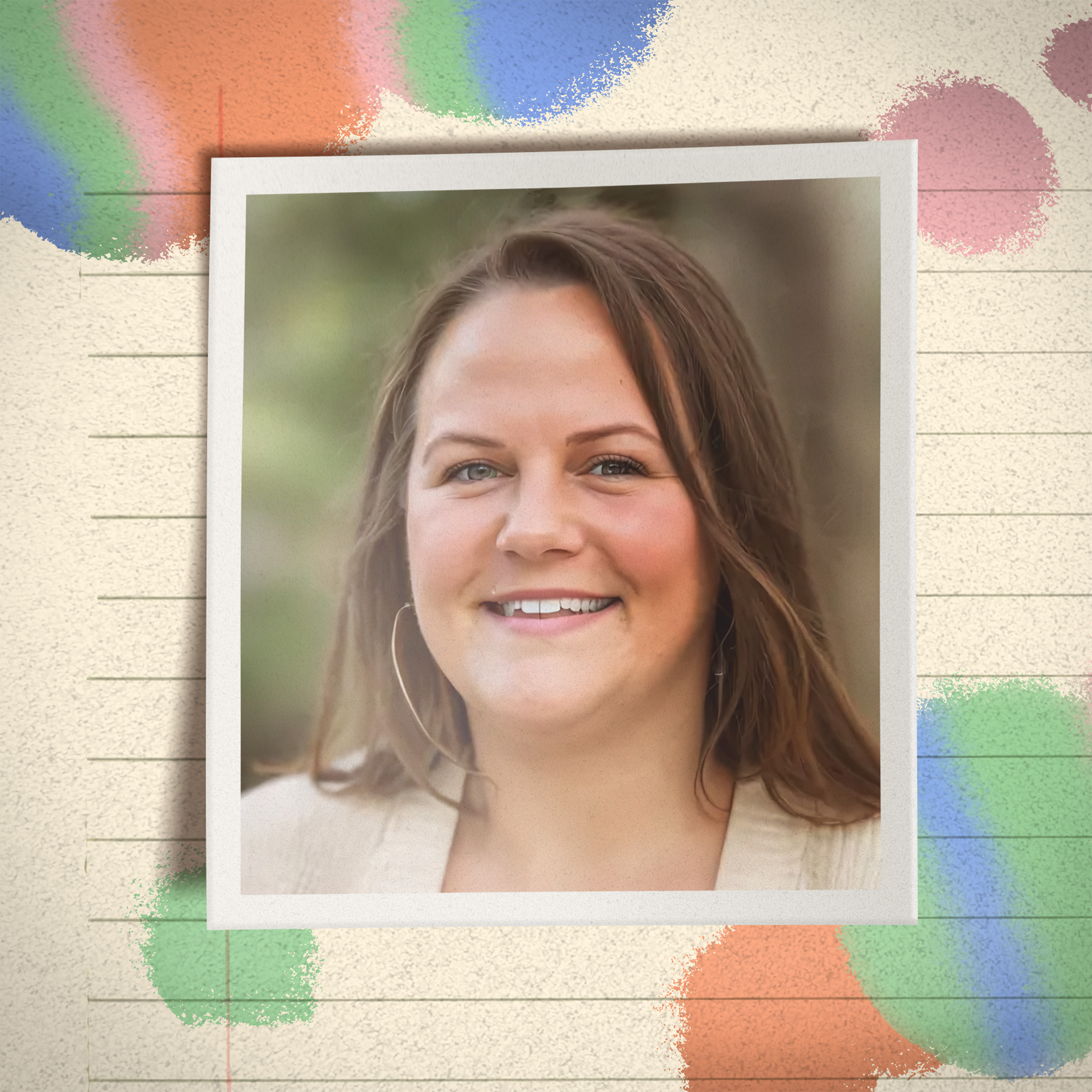
Loading summary
Transcript272 lines
- [00:00]
A
Even yourself when you go on to therapy. No one wants to be doing this for a long time. You want to be better now and move on with your life. It sucks because life doesn't work that way. And it is hard and messy and complicated.
- [00:11]
B
It's such an isolating disorder. You're so in your own head and in your own experience. Very cerebral, but also like very somatic. Right. Like, it's very body based as well.
- [00:22]
C
This is the value of the therapeutic relationship. When you're like, I cannot tell this to anyone. Your therapist has heard it all.
- [00:30]
A
Reassurance is kind of one of the wor things people with OCD can receive from others. No way.
- [00:36]
B
Say more about that.
- [00:37]
A
So basically.
- [00:42]
C
We are so grateful to have been featured in Apple Podcast new trailers.
- [00:46]
B
Yes, it has been amazing and we're so glad that you're here too. Make sure to review and rate the show so that new listeners can find it easily.
- [00:55]
C
Thank you so much.
- [00:56]
B
Apple Podcasts.
- [00:57]
C
Welcome to what your therapist thinks. Thanks. I am Christy Plantinga. I've been to a lot of therapy.
- [01:03]
B
And I'm Felicia Keller Boyle. I'm a licensed somatic therapist.
- [01:07]
C
We are joined today by Katherine Wood. Katherine Wood is a multicertified and licensed therapist with 14 plus years of experience helping teens and adults with anxiety, OCD and ptsd. Along with being a therapist, Katherine is also a musician. She can be found in Nashville and around the country performing her own music. Katherine, welcome to the show.
- [01:32]
A
Hi. Thanks for having me all.
- [01:34]
B
Yes, we are so excited for you to be here. This is such an important topic.
- [01:39]
C
Yeah, today we are really excited for this topic. We think that there are a lot of misconceptions around both of these things and that is OCD and intrusive thoughts and how those two things interact. So I'm excited to get some definitions down for this stuff so we can have that understanding. And then we're going to jump into some excellent questions that I found on Reddit. Sounds good.
- [02:06]
A
Sounds great. I'm excited.
- [02:07]
C
Let's do it. Let's do it. Okay, so first things first, what is ocd? Actually, it gets thrown around a lot. You know, people say, oh, I have to have, you know, a clean counter at the end of the night. I have ocd, that sort of thing.
- [02:24]
B
What actually is OCD and maybe what isn't? Because again, yeah, like, this is something people say a lot. And it fires me up, to be honest, because I understand that OCD can be such a debilitating disorder and the fact that folks casually throw it around I know they're not trying to be, like, unkind, but it kind of hurts my heart a little bit because I'm like, there are people out there who genuinely have this, and it makes life pretty hard in some cases. So what is OCD and what isn't it?
- [02:59]
A
Sure. Absolutely. Well, for your listeners who may not know, it stands for Obsessive Compulsive Disorder. And OCD is absolutely a mental health condition that is quite serious. You might see more mild cases, but a lot of times internally, it feels very severe. I want to start things. It's not just because, you know, why not? And that's fun. But you often hear people say, I'm so ocd. Like you said, I want to have a clean house. Things have to be a certain way. I'm so type A ocd, like the way things are organized in my work. There's nothing inherently like dangerous, bad, or distressing to be an organized person, to have your preferences or your routines to like things to be clean. Right. OCD itself is when those kind of habits, needs, or preferences start to really affect how you live your life and the ways in which you show up. So a great example, since a lot of people like to say, oh, I'm clean, so I have ocd. No, it's okay to be clean. The difference is, if you cannot have a spot on the floor, you will not leave your house on time for an appointment. You might be in a call just like this. And the whole time inside, your intrusive thoughts are like, there's spot on the floor. You're failing. You're screwing everything up. You're a dirty, disgusting person. You're gross. You have no value. Right. It escalates. And those thoughts are so repetitive. There comes the intrusive thought piece that you kind of hook into it. And so the compulsive part of OCD is those behaviors to try to shut those thoughts down. Now, again, cleanliness is that most common theme people think of. But OCD can hit all kinds of themes in your life. You talked about perfectionism, things being just right. Nothing wrong. To want to do your best job. Right. To be your best contributor. However, if you were losing significant time, sleep, stress hours, think about emails, proofread email. Sure. Once or twice. Sure. Not 20 times. People who struggle with OCD will do that and more will spend hours checking other things, comparing information. Did I make a mistake here? I did. I'm a failure. I have to do everything I can to fix it. Moving forward.
- [05:12]
B
If two people have clinical diagnoses of ocd, no two people's obsessive thoughts or compulsions are going to be exactly the same. So what I'm hearing is that's an example, right? It's not that every person with OCD is going to display checking their email 20 times, but that is an example, right? And for some people, people, it is that thoroughness and shows up as perfectionism. But other compulsions are maybe not that at all. It could be something that's totally internal, like counting things as another way that can show up and correct me if I'm wrong here, Katherine, but one of the other things that can happen with ocd, one of the other common things is sometimes thoughts are about our self worth and things like that. But also there can be intrusive thoughts about preventing, you know, maybe scary or harmful or dangerous things from happening, which gets into the sometimes delusional nature of obsessive compulsive disorder. So can you talk a little bit about that?
- [06:13]
A
Well, to your point, there's so many different themes of ocd. OCD is an umbrella and there's so many trickles. And it is case by case, ultimately, OCD praise oftentimes when the things you value the most or care about the most. So they talked about things that. It's called magical thinking, ocd. If I do this thing a certain way, someone I love is gonna die, right? I've learned that if I don't do X, Y and Z, there's gonna be a car accident today. So there's that piece which can lean toward a bit of a. Feels like an illusion, even though that person having that experience feels very convicted, you know, and will go out of their way to do every compulsive act. Like, I did this routine one day and nothing bad happened. So that has to happen in the same order every time.
- [06:57]
C
And is it worth the risk, right? If, like, my loved one could die in a car crash, why would I not do this? Even if it's like in the back of my mind, I know maybe it's not true, but is it even worth.
- [07:08]
A
The risk of not doing it? Exactly. Exactly. Yeah, exactly. And oftentimes it may not make logical sense on the outside world. Like, to your point, my fear is a loved one will car die in a car accident. So today I have to make sure I wake up at exactly 605, as I've done for the last year, when no one died in a car accident. And from there I have to go to the bathroom first. Then I can take a shower. Then from there I only have to eat these three things, because that's the same thing I've had every day. If I don't log on to this call by this time, it could happen. Right. So, like, very regimented into. These are the steps. But OCD can run lots of things. We know there's pedophilia, OCD of am I a pedophile? Do I love children? And we also hear, unfortunately for people, things feel even more. They see themselves as deranged and challenge their ability. Like, am I a murderer? I thought about pushing my grandma down the steps. I want to kill. I want to kill her.
- [08:03]
B
You know, Maria Bamford talked about this in her book. Sure, I'll join your cult. So for folks who don't know, Maria Bamford is an incredible standup comedian who does a lot of her comedy around mental health issues. And she has a form of OCD in which she has a fear that she's going to harm people.
- [08:25]
A
Right.
- [08:26]
B
But she doesn't. Right. But there's this. There are these obsessive thoughts about fears of harming people. So it's really interesting that you bring that up. And then the behaviors that sometimes show up is things to prevent them from acting on it.
- [08:41]
A
Right.
- [08:42]
B
What's interesting is oftentimes it's not even. They don't actually have the impulse to hurt people. They have the feeling fear that they're going to have the impulse to hurt people or the fear that they're going to take action to hurt people. So, yeah, I mean, I feel like we're kind of going all over the place here with all these different forms of ocd. But like you said at the beginning, it is really kind of a bit of an umbrella term. And then there are different ways that this can show up in terms of the types and the nature of the intrusive thoughts, the different types of repetitive behaviors, and then the severity.
- [09:12]
A
Right, right, right. Well, now, in the diagnostic manual for clinicians, OC is an umbrella term for other things like hoarding, phobias, panic disorders, trichotillomania, dermatillomania. So hair pulling and skin picking excessively, which are very compulsive in their nature. And even if you think about things like hoarding, it is the fear that there something bad is going to happen by not holding on to these things. Most of the times, the people know there's some part of them has that wise voice that's like, well, probably not. But almost always those other intrusive thoughts and fears outweigh. Right. So there is so many different ways OCD manifests and that anxiety spectrum. Now.
- [09:55]
B
So if someone suspects that they might have ocd, what should they do? What should they do? How do they find out if they, if they have this disorder or not?
- [10:08]
A
That's a great question. Because one compulsion can be excessive research and I see it a lot in my clinical practice. In fact, a lot of times with clients we have to set timers like you stop at five minutes, you stop at one article. It's not a bad thing to be informed. So I say this all, I couch this because obviously the Internet is a great tool and I recognize that it can be costly to invest in an assessment upfront. Clinically speaking, if you have a concern that it might be ocd, there are several free screeners. You know that if you a great resource is treatmyocd.com they have a whole bracket of drop down menus of free screening tests and they're all clinically sound. There's a dimensional OCD exam, there's the Y box, there's. I could go on and we can.
- [10:57]
B
Make sure that these are listed in our show notes so that folks know how to find the effect.
- [11:01]
A
Great, thank you. But really you want to go through a trusted resource, I would say for anyone who's even a little curious, start with the International OCD Foundation. That is very sound research and information. It's also a site that is not going to feed OCD with catastrophes and scary things and what if it's this and that? But start there. And if you're concerned you can also access free screeners there. There's quite a few articles that are very clinically sound, um, support groups, things like that. I think curiosity is where it goes. Then as you read things or take some screeners and if the information's showing up, you're like, hmm, it's really feeling like ocd. Then it's time for you to start working with a professional and, and get a little deeper clarity there.
- [11:47]
B
Great, thank you for that.
- [11:50]
C
Yeah, the OCD community on Reddit ask great questions probably because of the research oriented nature of.
- [11:58]
B
It's funny that you mentioned that because that is related to one of the things that we are going to bring up today.
- [12:04]
C
Yeah, definitely. I'm all for it and I, I see that a lot in the comments is like I could tell you're researching.
- [12:09]
B
A lot but interestingly I feel like that comment gets into like a bit of the pop psychology thing where we're looking at one aspect of someone's behavior and then going, oh, that's so ocd. And I think it's so important for us to understand that that's not enough to say it's ocd. And that's where, like, the sort of popularization of psychology and like mental health speak, getting out into the world, it's part of what's led to this issue, I think, of, oh, this person's toxic, or they're narcissistic or OCD or whatever, without actually having a deeper understanding of what the disorder is. So I just want to say, like, comments that are just like, oh, this proves you have ocd, is like, no, it doesn't. That in and of itself does not prove you have ocd.
- [12:58]
A
So, yeah, absolutely. And sometimes OCD can develop almost situationally. It's really common to see it postpartum and maybe last six to 12 months at most. Like, there's a lot of hormonal changes, especially first time parents. Hey, Christy. Just like, developing those fears and you naturally care about, watch out for your child, but other things can happen.
- [13:22]
B
And then my mom actually shared that she had symptoms when my sister and I were little, that she felt compelled to count things. And I never knew this about her, but she was like, I would, I would be counting the tiles on the walls because I was worried if I didn't, you guys would get hurt. And I was like, whoa, that's. I had no idea that was happening. And then eventually it went away.
- [13:42]
A
Right, right. So, and that adds that point. Like, it can be situational, can be a biological shift. Traits of OCD and symptoms develop after, like a, a specific trauma that really, once you address the trauma, the OCD aspects kind of reduce or diminish. So there's also nuances in is this a chronic issue? Is this a life debilitating issue? Is this situationally specific and how do we need to address that?
- [14:07]
C
Before we get into the Reddit questions, I do want to clear up another common, you know, thing that's thrown around and that is intrusive thoughts. What actually is an intrusive thought? Let's clear the air. So everyone knows what actually is an intrusive thought?
- [14:28]
A
Yes. I love this because it is so in the lexicon of pop psychology now and very frustrating as a provider and for a lot of clients. So a lot of people who live with this, it's frustrating. There is a difference between intrusive thought and impulsive thought. Impulsive is random, unexpected, and it fleets.
- [14:49]
B
Right.
- [14:50]
A
You might have a thought like, oh, my God, what if I killed my grandma? And then you never think about it again. Right. It just Came out of nowhere. We have zillions of thoughts racing in our brain all day long. That was a moment of attention, right? Intrusive thoughts are repetitive, excessive. They're not willed to exist. No one's saying, I think a relationship. OCD is a really tricky one. So I'm gonna use that as an example of, like, I don't love my partner. I'm failing them. I'm gonna cheat on them. I'm a terrible person. Right. That could be an impulsive thought that's coming up. If you're. There's actually some marital discontent when we're looking at ocd. And this is an example that would be. There's nothing disconnected. But here's this thought. This person doesn't want it. It's uncomfortable, and it keeps coming back and coming back and disrupting your attention, your focus, your ability to be present in that scenario. And then it might lead to internal compulsions, like monitoring how you feel physically when you're around that person, monitoring how your responses are to that person. Right. So I'm using examples, but hopefully that kind of helps the listener understand what an impulsive thought cycle looks like versus. Or excuse me, intrusive thought cycle versus impulsive.
- [16:08]
C
So as an example, maybe. Maybe I'm like, ooh, maybe not everyone has had this, and I'm about to come off as a total weirdo. But you're, like, standing, you know, on the edge of a high place. You're like, what if I just jumped?
- [16:22]
B
Yeah, definitely have had that thought.
- [16:25]
C
Which one is that? Not alone.
- [16:27]
A
It could.
- [16:28]
C
And that's a tricky.
- [16:29]
A
It could be one or the other. However, in your context, I'm understanding it as an impulsive thought. Like, it just came out of nowhere. You're on the edge of a precipice. Like, yeah, haven't I've had the thought of, like, what if my car crashed in the street? And then I move on with my life? Right? And that was the moment. Like, if you're standing on this mountain, Christy, and you don't go in mountains.
- [16:49]
C
To be clear. And I live in Denver, so let's. Let's say it's a.
- [16:54]
B
It's a skyscraper.
- [16:55]
C
That's.
- [16:55]
A
You want to scry. Okay. You were looking over sky. What if I jumped off the skyscraper through. Okay, sure. Could be an impulsive thought. Just a casual musing. Your brain was like, oh, this is really high up. Kind of a novel experience.
- [17:09]
C
Little weird.
- [17:09]
A
There's some risk here. All right, then. But the intrusive thought cycled. Say, what if I jumped off of this. Oh, my God, do I want to die? Do I want to kill myself? I need to get back. I need to get down now. I might be with other people, but they're just going to have to stay here without me. I'm never going up on a height again. I will not walk over a bridge. I'm not. And then it can escalate to anything that looks like risk because I thought about jumping off this skyscraper and causing harm.
- [17:35]
B
Maybe I can't drive cars anymore because what if I accidentally get the impulse when I'm driving to drive the car into something?
- [17:42]
A
Yeah. And this means I want to die. And if I do that, I'm going to cause my own life and, and then harm for all these people around me. And it just snowballs.
- [17:51]
C
So it's almost like a distrust of self.
- [17:54]
A
OCD boils down to that 98% of the time. It's not trusting in oneself and kind of your inner compass of like, maybe it's true, maybe it's not. These are my values and this is what I want to live. Yeah.
- [18:10]
B
It seems like another theme with OCD can be like, really strong fears that, like, I'm a bad person at my core. Like, I'm a bad person. I'm not safe. Other people might be unsafe around me. Like, it can also be like, really related to our loved ones. Right. So it's like, I've got to keep my loved ones safe, so I have to do this in order to keep them safe. And maybe like, if we go down a bit deeper, it could be like a good person would do that. A bad person would not keep their loved ones safe. So there's, there can be a lot of focus on that. And I'm assuming that's not all, that's not the case for 100% of people who have OCD diagnoses. But I imagine that a lot of people, that is a, that is a core feature of it.
- [18:51]
A
Absolutely. There's a series of, like, pretty common core fears and beliefs that underlie a lot of ocd. The work in therapy is understanding it first and softening, peeling the layers. And a lot of times, you know, and I, I would say I take a more eclectic approach than maybe some other OCD therapists. But I believe that we have and have seen where you need to kind of treat that stuff first. And you don't need to know if you're definitely a good person or a bad person, but they are acting in the way that you, you know, feel is a value based life that's really important.
- [19:22]
B
So can you. Can you say again, what aspect do we need to treat first, in your opinion, when someone's coming into therapy for ocd?
- [19:29]
A
Almost always there's very few circumstances where I start. Right. With exposure work with folks who are struggling. It is peeling the layers of how the OCD is presenting. What does this feel like? What's the core drive like? Okay, so you feel. Let's use this example about jumping on the skyscraper. Okay. What scares you about that? Well, if I do that, I'll die. Okay, well, what's scary about that? Like, obviously death. Right. But maybe that person's like, I'll hurt everyone I love and cause massive pain for everyone. And then also, I don't know what happens after death. And that's scary.
- [20:05]
B
Right.
- [20:05]
A
And peel it back some more. And peel back some more. And the ball rolls into I again, I'm going to hurt everyone I care about. And I. There's so much unknown, and I can't handle the unknown. There's too much uncertainty. I can't handle it.
- [20:22]
B
So it sounds like. I think, yeah, one of our maybe commonly held misconceptions about their treatment of OCD is that it's all just exposure therapy or like, it's almost similar to, like, phobias. How we imagine phobias are treated as, like, let's just put you in front of a bunch of these things that scare the crap out of you. And you're saying it's maybe much more based in healing. And we haven't said this yet, but, like, healing the underlying trauma, you know?
- [20:49]
A
Absolutely.
- [20:49]
B
And the thoughts that arose out of the trauma that we experienced. Like, we've talked about trauma on the show before, but trauma isn't necessarily just like one event that is really hard. It can be developmental trauma. It can be something that is more subtle.
- [21:04]
A
Right.
- [21:05]
B
But kind of getting at those underlying core beliefs that are driving the absolutely obsessive and thoughts and compulsive behaviors.
- [21:17]
A
Right. Well, and to your point. So I also don't want to ignore that there's a high level of OCD that starts in early childhood. 4, 5, 6 years old, 10, 11, like, those brackets. And oftentimes with that, there may not be, like, an explicit trauma. The trauma is, ooh, I had a weird thought. I don't know much about the world. It's bad that I had that weird thought, ooh, that's scary. I'm weird. I'm not like these other people. The OCD can sometimes be its own trauma, and it is one of those Tricky things of like treating it, the intrusive thoughts in a way of like, that's a thought. Just as much as I can think the sky is purple. Maybe it is, maybe it isn't. I mean, we deep down know it's not, but it is what it is. Right? But absolutely. Working from looking at the core fears, the core roots first, and managing ways to practice a lot more compassion, understanding, softening towards it, including those forms of OCD that feel really taboo and scary to talk about. And I have certainly worked with those clients who are like, my thing is so disgusting and gross that I can't tell you what it is. I have to write it down.
- [22:26]
B
I love that there are therapists who specialize in this and that folks can go and share those things. No one should have to keep these things to themselves or be in danger of losing their well being, their lives, the lives they've built just to be able to talk about this. Because when we keep these things like inside, there's no one we can share em with, really. There's just so much more suffering. It's such an, it seems like it's such an isolating disorder. You're so like in your own head and in your own experience, very cerebral. Very cerebral, but also like very somatic.
- [23:02]
A
Right.
- [23:02]
B
Like a lot of these things, like it's very body based as well. But to your point about like when it arises early in childhood, it's like, you know, you think you're like this little weirdo and you're like, I can't tell anybody about how I'm feeling. Like it just, I sound kind of like crazy. And if I said any of this out loud or I would imagine there are probably sometimes cases where kids do say something out loud and their parents don't realize what's going on. They're like, oh, that's not gonna happen.
- [23:26]
C
It's not a big deal.
- [23:27]
A
Right.
- [23:27]
B
Like, don't realize the gravity.
- [23:29]
A
Yes.
- [23:30]
B
Of like what their child is experiencing. And it's probably hard to tell initially. Like, is this just like, oh, funny thought my kid is having and I can just encourage them and say, oh, it's not a problem, sweetie. Versus when a child is really going, beginning to develop these symptoms that may be with them for, you know, a lot of their life until they get help?
- [23:50]
A
Absolutely. And to your point, it's interesting you bring that up because reassurance is kind of one of the worst things people with OCD can receive from others. Yeah.
- [23:59]
B
Wait, say more about that.
- [24:01]
A
Yeah. So basically, the way these intrusive thoughts function is even though, like consciously, you know, it's uncomfortable, you hate it, it sucks living, like you said, isolating feeling, crazy feeling, deranged feeling, whatever your brain gets dopamine chemicals worrying. And so when it's like, here's this intrusive thought, let's figure out a way to answer this question. That reassurance she seeking, which is a compulsion, is one way you get the dopamine boost of. I briefly answered this question, even if it was only for two minutes. And now the thought's back, right? So a kid who's like, oh, gosh, yeah, I. If I eat this piece of meat, I'm gonna choke and I'm gonna die and my brothers and sisters will never know how to live their lives again. Right? Okay, So a kid might say, like, I'm really afraid of eating this meat, I might choke. And the parent could be like, well, you've never choked before, so go ahead and eat the meat. You're going to be fine. That you're going to be fine as a reassurance. And that might help in that moment. But then in the brain, the brain's going, well, yeah, but this could be the time that it isn't. And maybe it's the type of meat and it's maybe the way I eat it.
- [25:10]
B
He would go down the rabbit hole even further. It's like, oh, if that's okay, then what else do I have to control about this situation?
- [25:18]
A
You get 30 seconds of dopamine, the brain's like, we want more dopamine. So how else can we make a problem here?
- [25:23]
B
It's creating the problem so that it can get the hit from fixing it.
- [25:27]
A
Exactly. Yeah, exactly.
- [25:29]
B
That makes me think of biting my nails and I'm not here to be like, oh my God, I bite my nails. I have ocd. Like, that's not what I'm saying. But I have struggled with biting my nails my entire life. And what you, what you just described there, like, that is the experience of biting your nails. You're like finding a rough skin spot. And so you bite it. You bite your nail only to create a rougher spot, only to bite your nail again. And it is a never ending cycle.
- [25:55]
C
Never.
- [25:56]
B
With brief, teeny tiny moments of satisfaction immediately followed by the need to do it again.
- [26:01]
A
Yeah, I mean, that's an excellent example too, because I mentioned earlier in that ocd, umbrella pulling, hair, skin picking, and that's like, oh, I got all this out, but now there's more. So I have to go here, right? Or this Like, I got this thing relieved. I don't know, a blemish, whatever. Now it's another blemish. So we need to dig deeper, you know, and it's kind of the most tangible way. I think you can kind of illustrate that dopamine cycle. Like you said, it's a.
- [26:26]
C
There is a hit.
- [26:27]
A
It's a fleeting hit, though. And really, OCD is not unlike struggling with other types of addictions.
- [26:34]
B
I was just gonna say that.
- [26:36]
A
Right.
- [26:37]
B
Like, we can kind of zoom out and be like, oh, this. What does this have in common with other things that humans struggle with? And what are the other ways that we can have compulsions to repe behaviors even when they are harmful in other ways to us?
- [26:49]
A
Absolutely. And I want to, you know, make the disclaimer, too, for folks who are listening. It doesn't mean that you are an addict if you have OCD or something under that.
- [26:59]
C
Right.
- [27:00]
A
But your brain functions in the same way. And you're absolutely right, Felicia. It's basically the same cycle. And it's also similar to eating disorders. So they're all in that same wheelhouse of.
- [27:11]
B
Right.
- [27:11]
C
There's.
- [27:12]
A
There's that pattern, that need for a chemical boost inside. You go to all lengths. We know it's bad. We know it's uncomfortable. We know it sucks. We do it anyway. Got the relief. That's not enough. Go more.
- [27:23]
B
Yeah. A process addiction, like, in many ways, this is similar to a process addiction or a chemical dependency. It just shows up. I feel like oftentimes this is just like a pretty human thing. Like, so many humans have experienced some version of a cycle like this, whether it's been for many, many years or something that's temporary. But that experience of I feel compelled to do a behavior repeatedly, even though it's causing other problems in my life, is something I think probably most people are going to experience, even if it's on a very small scale. It's like, it may be almost imperceptible or maybe very, very brief, but you can probably relate to that. And again, that doesn't mean that if you've ever had an experience like this, you absolutely have OCD or you absolutely have an addiction disorder. But there about that experience that I think is so fundamentally human, you know, absolutely well.
- [28:20]
A
And it goes back to that scene you brought, really, of, like, impulsive versus intrusive thoughts. Like, we all go through things. We're like, am I a bad person? Am I unworthy? Am I causing harm? Am I imperfect? Right. And what are these things? But it's really, how we respond to those inner worlds, that creates more of the aspect of a disorder.
- [28:43]
C
Yeah.
- [28:44]
B
Great distinction.
- [28:46]
C
Thank you for that. I'm glad that we have some standard definitions. And I want to say, before we get into the Reddit stuff, too, this is the value of the therapeutic relationship. When you're like, this is so weird. I cannot tell this to anyone. Your therapist has heard it all. You know, like, my comparison in my mind is like, when you get a pedicure and you're like, my toes are so weird. Like, they're so weird. This person's gonna be, like, so grossed out by me. They've seen it all. They've seen all the toes. You know, they're not bothered by your toes because they've seen all the varieties. And I think that's the value of getting help from a therapist, especially for something like ocd, because it is a no judgment space where you can do.
- [29:32]
B
It or it should be. It should be. Right. And if you do show up in a room with a therapist where that is not what you're experiencing. Right.
- [29:42]
A
Fire them.
- [29:45]
B
Move on. Move on. I just want to say that because, you know, people do have bad experiences with therapists, and in my practice, I specialize in substance addiction, and I am so protective over that.
- [29:57]
A
Right.
- [29:57]
B
And I imagine you're very protective over OCD and that you really want your clients to have work with therapists who get this experience, because there is a lot of misunderstanding sometimes even among clinicians. And so finding someone who specializes in the thing that you've got going on can be hugely beneficial. Right. And I'm not trying to throw therapists under the bus. I mean, there's a lot for us to know. Right? Like, even though we have our degrees and we have our experience, like, there's a lot of disorders, and you can't actually specialize in every single one. It's literally. It wouldn't be a specialty if you did. Right. So of course. So finding somebody who really gets your thing can be just so beneficial.
- [30:39]
A
Yeah, 100% agree. I think it's funny as much as, like, the pop culture use of terms frustrates me. The clinicians who say they treat ocd, but they're just, like, straight up doing cbt, like, checking facts with clients, and, like, you're making it so much worse. And that's the kind of stuff that fires me up. Like, if they say, well, this is my lens, I'm like, no. Exposure and response prevention is like a subtype of a cbt, but there is no yes or no. Right or wrong, we're not gathering evidence. It. That is a compulsion. It reinforces a dopamine cycle. It is so clinically unethical to work from that framework. And I would say the clients who I see are the ones who tried therapy before and left feeling worse. And why isn't this working for me? And in this demographic is really susceptible. Because if you're an anxious person, there's always doubt. Is it me? Am I doing something wrong? I must be screwing something up. So I think this population.
- [31:35]
B
So if they're not getting the results in treatment, it's my fault. There's, like, maybe an even stronger chance that they're blaming themselves for that. And they just think, well, I just need to be a better. Be a better client. They may not think at first, oh, I need to find a different therapist, actually.
- [31:51]
A
Oh, yeah. I've heard stories where they've done numerous sessions with a clinician to the point where, you know, they tell me things, and I'm like, that clinician. What? How? You know, like, they spoke about themselves for 45 minutes, they fell asleep, they had someone in the room. Like, really stuff that, like, we know as clinicians should not occur. But people who don't know otherwise, and they're like, I guess this is what it is, and it's on me to pick as a client.
- [32:17]
B
Right? Right.
- [32:18]
A
It's your time, it's your money. You are the customer. It should be working for you.
- [32:22]
B
Absolutely. I mean, and that's one of the reasons why, @besttherapist.com, like, we do have a vetting process for therapists. Because as much as, again, I want to be so careful not to throw our fellow therapist under the bus, because I think just as much as, like, with ocd, folks may need to, like, be more likely to leave if it's not a good fit. I feel like there are other diagnoses where, like, there is a strong impulse to leave. Like with borderline personality Disorder. Right. Where, like, maybe the medicine for them is, like, actually, you might want to lean more towards staying because you tend to want to leave. Right. But OCD is almost like the opposite end of that spectrum, where their medicine might be to leave until they really find someone who's going to fit. So want to be careful about that. But because there is such a wide range out there, this is one of the reasons why, at best, therapists, we have a vetting process. Right. So we make sure it's not. It's not enough that you're just licensed. You actually need to have evidence that you're a good clinician, other people are going to vouch for you. Right?
- [33:22]
C
Yeah. Thanks for saying that, Felicia. And you know, we check for any disciplinary action and stuff like that, and it's pretty rare in our experience. I think if you are applying for the directory, you know, you probably don't want to have skeletons in your closet. But we catch up. So let's get into it. This was posted in the OCD subreddit. I'm sure this is like a very active and actually fantastic subreddit to be on just for finding community. And again, like the comments are popping off. You can tell a lot of these people have been in therapy and getting professional advice about all of this. So from the subreddit, OCD from Pinktree5, everyone gets intrusive thoughts. How are OCD ones different? I was recently diagnosed with ocd and I'm still trying to understand it. I'm kind of doubting my own diagnosis because I don't have hardly any physical compulsions. I just had a quick question. Do people with OCD just have more frequent, intense, intrusive thoughts than typical people, or is it just the way we react to those thoughts that makes an OCD diagnosis? I just keep searching for the reassurance that I do have ocd, but even when I do, I can't get relief. I think hearing your opinions might help me.
- [34:48]
A
I'm already hearing like some OCD behaviors. I'm sure you guys are.
- [34:51]
C
That's what all the comments were saying. They're like, whatever you like. The stuff that you're saying, you know, that is like a really good signal that, yeah, this is probably happening for you.
- [35:02]
A
Yeah. In the clinical world, OCD is like the doubting disorder. And she legit was like. Or he. They were like, I have my doubts. And like, huh, light bulb. And I think it's totally justified to want to consider second diagnoses because to that point we do have folks who are maybe not well trained or well informed. And there are misdiagnoses all the time. I think I see it all the time. I get a lot of clients with OCD who have adhd because neurodivergence is a precipitating factor often for ocd, but get misdiagnosed with bipolar. Right. So I'm going off the rabbit trail a little bit. But it's.
- [35:35]
C
It's fair to.
- [35:36]
A
For that person to want to get a little bit more feedback. But already, like, they are absolutely reassurance seeking. I'm definitely relying of doubt and question I want to assume the best of how they receive that diagnosis. So hopefully they did go through a battery of screeners and went through, like, a substantial clinical exam before receiving that. Their question about is it external or internal? I think we kind of talked about this earlier. OCD can be a very internal experience, and it can all be about your mental testing and monitoring. And mental checking does not have to be external behaviors in any way. And really, internal OCD is much more difficult when there is no externalized place, because it's just you up here all the time, and trying to break that cycle is really hard. And if I think I recall her, you know, this person talking about, like, repetitive, intrusive thoughts.
- [36:30]
C
Yeah.
- [36:31]
A
I mean, if it's frequent and there is distress, I want to emphasize, like, distress is a key component here, and this is happening a lot. And you're like, yeah, whatever. It's probably not turning into the ocd. It is just on its way. But I'm hearing this person kind of get hung up already on what it could or could not be. And I think we're getting a lot of science here for them, you know, and it's clearly causing them enough distress that they feel they need to post and get information.
- [37:02]
B
Christie, what did some of the top comments say? I want to get your thoughts, Katherine, on, like, whether or not you agree. Because part of our goal on the podcast is to, you know, be the experts in the room of the Internet and kind of see, like, is the advice out there that folks are giving things that we agree with, or do we have some, you know, some updates that we want to show how. Some notes.
- [37:29]
A
Yeah.
- [37:29]
C
Again, I'm really impressed by the users on this subreddit. You can tell they're very educated because these are the researchers.
- [37:36]
A
Right.
- [37:36]
C
So it makes sense that they have a lot of, like, info in their backpack, back pocket. This is from Tommy151. He says both, really. Any given intrusive thought tends to be a lot stickier, for lack of a better term. So for someone with ocd, that thought tends to be stickier. Someone without OCD has the thought flash past and they move on, while someone with OCD has it stuck in their head for longer, often leading to compulsions to try to get rid of it. And on the note of compulsions, they're way subtler than you might think. I thought I didn't have any, and yet I realized I did when I learned stuff like moving a sharp object away. When having intrusions of harming someone is actually a compulsion, it can also Be that you fall further on the pure O side, which has very little physical compulsions.
- [38:26]
B
Oh, my gosh, I don't know. 100%. Wow. I'm telling you, nailed it.
- [38:32]
A
I mean, whoever that is. Jace repeated a lot of things we've already talked about.
- [38:36]
C
Yeah, I know. He's a pro.
- [38:39]
A
Absolutely. And you know, to. To his point, almost every person I worked with in those CB spectrum thinks they have like one or two versions of it. And then as we go further, they're like, oh, OCD is my entire life. It comes out in ways you don't know. So I think this, the original poster, is probably as they go through their daily life, they're going to see other ways that it is manifesting instead of, is this right or wrong? They're going to start to learn, oh, well, that's an example of my own.
- [39:07]
C
And this is from Unraveling Nicely. The primary difference isn't the thoughts of themselves, but your relationship with them. OCD involves significant distress, time consumption, which you mentioned, Catherine. One plus hours daily, and efforts to neutralize thoughts that non OCD folks can dismiss. Pure O is common, and mental compulsions like reassurance seeking and rumination count just as much as visible rituals. Notice how you're seeking certainty slash reassurance about your diagnosis. That pattern itself is quite telling. Constantly needing to verify your diagnosis but never feeling satisfied is exactly the kind of mental compulsion that defines many OCD cases, including my own. Early on.
- [39:52]
B
I love it.
- [39:53]
A
I have no crate, no criticism. And I do agree, Christy. Actually, Reddit is one of the resources I send clients to, and they're like, I feel weird. I'm like, please go down this, like, not as research, just as, like, this is a virtual community. You're anonymous. But, like, all these people are living in this world. There's very few instances I've seen in the time I've spent there where it's been, like, really harming and concerning. It is almost always people trying to be like, you're not weird. This is part of life. We're all struggling. That user.
- [40:24]
B
Amazing.
- [40:25]
A
Excellent response.
- [40:26]
B
Yeah, yeah, I. I agree. I think, I mean, I definitely noticed some things in that comment that seem directly taken from the dsm. Like there was some language and some criteria specifically that they were referencing. Yeah. And they've referenced so many things that we've already talked about.
- [40:44]
A
Yeah.
- [40:45]
C
Well, let's get into our next question then. And I really, really like this one. Also in the elite OCD subreddit. This is from Freemind 213. Is it true that all intrusive or obsessive thoughts are lies. I've seen a lot of people say that every intrusive or obsessive thought you have with OCD is not true, that it's a lie, that it goes against who you really are and so on. But honestly, I think that's a misconception. In my opinion. Saying every intrusive thought is false just makes people seek reassurance more, which doesn't help at all. After living with OCD for a few years, I've discovered that some intrusive thoughts might have some truth in them, even if others are clearly not true. That doesn't mean the doubts or questions themselves are true, but it's not helpful to think of them as always.
- [41:38]
A
Lies either.
- [41:39]
C
We need to learn to be okay with uncertainty in order to live a more normal life as humans.
- [41:46]
B
Yeah, we were both just like, yes.
- [41:51]
A
The crocs of ACT therapy. ACT therapy it is or it is not. We don't know. I mean, it's interesting. That post sounds like someone who posed a question, but really was just giving their own experience and a personal statement. And it break ties back to that topic we talked about earlier about intrusive versus impulsive thoughts because there are. Without knowing the context. I would have loved to hear some examples. And this seems to be a thread sometimes with ocd, like for that person struggling. The deeper you get into it, any thought that feels out of the ordinary can start to feel like an intrusive thought versus just being an out of the ordinary thought. So yes, I think it's fair to say some could be true, some could be not. But it really, I think it would so depend on the context. And without having more information and example, I, I don't know that I like comfortably clinically can say a certain answer to that question.
- [42:40]
B
Yeah, it kind of seems to me like that is really couched in the reassurance seeking and the wanting to be like certain finding. Finding the black or white answer, like the truth and the discomfort with sitting in the ambiguity and being able to not interrogate that question, not make interrogating that question or attempting to control the outcome like your whole life.
- [43:08]
A
Right.
- [43:09]
B
But being able to say, like, I don't know, like there could actually be some truth in this. But I'm not going to live my life as if, like it is my one mission to answer this question because when that becomes my one mission, everything else suffers.
- [43:24]
A
Right? Absolutely. Yeah. I do appreciate how the poster ultimately comes to that final piece of like certainty is kind of A delusion anyway, which is true. Like nothing is truly certain. You can wake up and have your whole day planned out and then the roof falls in on your house. You know, we don't know. So I love that they came back to that at the end. I would have loved to hear them lead with that. Maybe, but that's just me.
- [43:50]
C
Yeah.
- [43:50]
B
Christie, what were the comments on this post?
- [43:53]
C
Yeah, so a lot of agreeing. This is a deleted user, but they said totally agree. Calling all intrusive thoughts lies can just increase doubt and reassurance seeking. It's better to accept uncertainty and not fight every thought. Sitting with discomfort helps more than trying to prove or dismiss them. And that to me, correct me if I am wrong, because I am no therapist. That almost sounds kind of like mini exposure response prevention therapy. So you're not, you know, doing the whole like, I don't get on planes cause I'm afraid they're going to crash type thing. But it's just like this mini moment of like, what does it feel like to sit with this thought that doesn't feel good. I'm not going to get that resolution that dopamine hit. Is that true? Accurate at all?
- [44:44]
A
Yeah, absolutely. And I love your examples, really. I think a lot of the clinical work and you'll see this kind of bar none, even with like pure ERP OCD therapist. It's a lot of that internal building tolerance to the unknown and uncertainty. First. We do a lot of imaginal exposures, scripts, narratives, practicing. We have a lot of like statements that lead that are very neutral.
- [45:11]
C
And.
- [45:11]
A
Yeah, like you can stop a compulsion before it starts. If you learn how to not engage with the thought. Again, a thought is a thought. That's all it has to be.
- [45:23]
B
Right. Beginning to decouple, like from if I have this thought, I have to behave in this particular way. But the kind of process of decoupling to break down the series of behavior and maybe eventually the thoughts start to loosen a bit. They start to become less sticky over time because you're learning perhaps slowly because we're not just talking about like pure exposure therapy. Right. But you start to learn slowly that like, oh, I didn't do this behavior and the scary thing I was worried about didn't happen. Right, Right.
- [45:55]
A
Yeah. You're basically just breaking that chemical tie. The way the neurons light up to respond. Yeah.
- [46:01]
B
You're new pathways in your brain. Like, this is something I would always say to my clients is like our brains are plastic. Like, they are very, very changeable. And all of these habits that we have are like these deep, deep grooves in our brain. It's like walking down a street with, like, you know, freshly paved sidewalks and, like, lots of lights and, you know, there are no trees overgrown. It's just so easy to take that path. But when you're forming something new in your brain, it's like you're trudging through the jungle with a machete. Like, there is not an easy path through it. It's overgrown. And it feels like there's a lot of effort and work that has to go into making that new connection and that new pathway. But the more you walk down it, you know, new trails are much harder to walk on than trails where they've been walked on many, many, many times. We do have the innate ability to change our brains, to change our nervous systems, to change our behaviors, and to change our thoughts throughout the course of our lifetime. And with really good therapy, that can become even more possible. Catherine, I'm curious what you think about this, if you feel like this is relevant to the treatment of ocd. One of the ways that I think therapy can be really helpful to folks is the way that therapists can co regulate with their clients. So when someone is having, like a hard experience, the fact that there's another nervous system in the room or sometimes even online, can actually create a larger capacity, in my opinion, in my experience of working with clients. So I'm curious when folks may be sitting in that discomfort of the ambiguity of holding this thought and they're. They're testing out, what happens when I don't try to resolve that or get reassurance, but I just sit in the discomfort. Do you find that having yourself as a therapist in that relationship, in that connection with the client can increase the capacity?
- [47:51]
A
Absolutely. I mean, and you had brought this up earlier how isolating, lonely, living with this, you know, diagnosis, disorder, whatever you want to call it, can feel. So just be able to have another space where it's in the room and it's being returned back to you and there's nothing attached to it. There's no meaning, there's no judgment. It just is. And I will say I. I love dark humor. I'm a bit grass in that way, but.
- [48:20]
B
Same, same.
- [48:21]
A
Good, then we're in the room. Yeah.
- [48:24]
B
This is a safe place for your twisted humor.
- [48:27]
C
Yes.
- [48:28]
A
And I'm telling you, like, I let folks have a few sessions for our show. That's. I'm like, you need so much of that in this work.
- [48:34]
C
Yes.
- [48:35]
A
You know, and like, turning into, like, that's Funny. Like, your brain is a really good comedian. It's so clear, like, you are gonna do a thing and everyone's gonna die. Wow. You know, and like, yeah, being able to echo that back and it. Sometimes it's just taking. You can see posture shift, affect shift. Just like energy shift of like, oh, yeah. Huh. You know, just kind of.
- [49:00]
B
You're not freaked out by that. Like, when you respond to a person where you're like, and this has to be done really, really skillfully. Right. Because I know, you know, when you can do that with a client and when it's not time. Right. When you don't have the rapport, when the trust isn't totally there yet for you to do that slightly edgy thing, or maybe very edgy thing, you know how to sense that because you're paying attention. But when you have that experience with a therapist where you're saying the thing that you. For your whole life, or maybe for many years you've thought is like the craziest, wildest thing, the grossest thing, and you say it out loud and someone's just like, oh, yeah, totally. Yeah, like, everyone's gonna die and they're like, not being freaked out. Sometimes you're like, oh, wait a minute. Oh, maybe that's not true. Or maybe I'm not gross. Like, right. So knowing, depending on, like, what the person's makeup is, like, what is the right medicine for them? So, like, yeah, absolutely. For somebody who's dealing with ocd, it's like, no, that's not reassurance seeking. Like, we're not gonna do that. That wouldn't actually be helpful for them long term. And like, again, working with a therapist, developing that relationship so that they really, really know you well, they have that deep connection with you and they're an expert and the thing that you are there to get help for is such a powerful combination.
- [50:17]
A
Absolutely. Yeah, absolutely.
- [50:19]
C
I think if I were to empathize with our friends who are getting therapy for ocd, I would just be so pissed that it's like, we just have to sit in this uncertainty. I would be mad about it. I'd be like, I need something. Because, like, the treatment often is, you're not gonna get that. That just sounds like obviously very healing. But as the non therapist in the.
- [50:45]
B
Room, I'd be like, you're like, that's what I'm gonna pay for.
- [50:48]
C
Oh, no, I'm just gonna go there.
- [50:50]
B
Are you gonna tell me?
- [50:52]
A
I get it. It's so annoying. Especially when they're like, I just have to like. Like a lot of our initial work is like, really just people notice name loss of mindfulness pract. And they're like, no, I came here for you to tell me what's right and wrong, you know, And I've had my own therapy. I had a therapist once who I know I love homework and worksheets. And they were like, I'm not giving you homework. You know, that is your homework. And I was like, no, that sucks.
- [51:19]
B
No.
- [51:20]
A
And I did.
- [51:20]
C
I was like, I'm not. I'm gonna see a different therapist.
- [51:22]
A
The difference is I don't have ocd, you know, And I knew that, like, that's how I wanted to work in that framework. But if I was an OCD therapist and that was my thing, I'd be like, well, this sucks and it's annoying, but it is the counter to literally everything I ever do. And that is hard. The homework is going to be whatever is hardest for you right now.
- [51:40]
B
Yeah.
- [51:41]
A
So it's really hard to sit in uncertainty. Yikes. Here we are.
- [51:46]
B
And again, the therapist lending their nervous system to that process can be really powerful. And developing that relationship with a therapist, which takes time. Like, it's not instant. Although I will say you do occasionally get lucky. And the first therapist you meet, you fill that bond and you're just like, wait, I think this is the person for me. But if you don't, I do recommend going on several, like, first dates with therapists in, in quick succession. Like, don't do a bunch of therapy with one person and then go try a bunch of therapy. Like, go do a bunch of first sessions with different therapists and you're going to feel the difference. And it's not the case that, like, if you find a therapist you like, you're never going to have an issue with them ever. Because here's the thing. Your relationship with a therapist is a real relationship between two human beings.
- [52:38]
A
Right.
- [52:39]
B
And it is not the purpose of therapy that therapists only ever do things that are going to make their clients feel comfortable all the time. Discomfort in relationships is normal. And I always say, like, therapists are not intentionally trying to like aggravate our clients. And we are people, right? And things may happen. So what I always said to my clients is like, this is a relationship and if anything happens that is hard for you or is a disturbance, like, please do bring it up. And the cool thing about that happening in the context of a therapeutic relationship is I have a vested interest in your well being. And I'm not just some random person in Your life. Like, my duty is to care for you. Like, that's the benefit of working with a therapist. And yes, I'm gonna be a whole human with my own boundaries and my own feelings, but my explicit purpose is to be here to support you. So all of that, like, that feels just like therapy in general, like, for folks to know. But I just want to say in terms of, like, folks who are looking for support with ocd, like, do go try to meet with different therapists. And yeah, there may be times when you're a therapist, especially if you're working with Katherine, might be like, yeah, we're gonna try to sit in this discomfort together. And you might be like, I hate that.
- [53:59]
C
Right.
- [53:59]
B
And you could probably tell her and then you'd have a talk about it. And that would be part of the work as well. Right?
- [54:05]
A
It is a big. Yeah. Our minds are very complex, so we need to look at it from more of a. A wide lens. Yeah.
- [54:12]
C
Yeah.
- [54:12]
B
100. It's not a quick fix situation, is it?
- [54:16]
A
I mean, very few mental health conditions are. Right.
- [54:20]
B
It took a while for. For things to get this way. Right. It's gonna take a minute for us to engage in the healing process. And it isn't. It's never as simple as a therapist handing you the answers and saying, oh, just do this. Right.
- [54:32]
A
Absolutely. Yeah, yeah, yeah.
- [54:34]
B
That's the beauty of that intimate relationship over time.
- [54:39]
A
I agree.
- [54:41]
B
Okay, last one. So great. Last one.
- [54:44]
C
Therapy is so great. From a non therapist. Friends not there.
- [54:47]
B
Yes, please.
- [54:48]
C
Hey, that sucks. Kind of.
- [54:53]
B
It totally does.
- [54:54]
C
But it's the right thing, you know, it definitely is the right thing. Okay, last one. And I think this is definitely where we get more to the advice. And there's really good advice in the comments, but I think I want to hear more from you, Katherine, for the really, you know, we know, evidence based treatment for this kind of stuff, so. Also in the fabulous OCD subreddit. I don't know if I could even pronounce this username Trushvesti. Yeah, good job on a creative name. But how does one just let an intrusive thought be. The more I say maybe, maybe not to try and quell my disorder the way everyone says to, the more it just stays locked in my head. I've been two days resisting doing any compulsions, yet my anxiety is still here all the time. It just makes me want to give in.
- [55:52]
A
Ah, I see. Okay. That's such a real experience for people, especially early or in the process. And it is one of the hardest ones to get through. Sometimes you'll see people stop at this point in the work because it's so uncomfortable and it's. I'd rather just keep living in the turmoil. I feel for that person a lot. Maybe, maybe not is like a very mantra phrase that is rampant in this community. However, it's not the only one. Um, and I think understanding how intrusive thoughts gain power is the amount of attention we give to them. You know, even if we're trying to approach them. A neutral, neutral mindset. If the mindset is. I'm telling you, this thing sort of finally stops bothering me. That's another issue we're running into. It's not. I'm telling my brain this thing, and it is what it is. I'm gonna feel uncomfortable for weeks or months. That sucks. You will often see that the anxiety starts to subside when you start to accept that this is uncomfortable, this is difficult, this is maybe painful. Right. What I'm hearing this user speak from is I'm doing this thing because it's what I'm told is right. Right. So I'm not trusting. I'm trusting everything else I'm doing this thing that I know is the prescription. These thoughts are still here. And I'm just. Maybe, maybe not has now become their compulsion. Like, it's not fixing it. The thoughts are here. I'm still anxious. It's not fixing it. The thoughts are here. Am I screwing up? I need feedback from people. How do I fix this? The point of this work with the intrusive thoughts is not to say I'm definitely not gonna feel anxious anymore. And there's a reason that with that exposure piece, there is a ratchet up to more and more distress. You're not saying it's gonna finally stop. You're teaching your brain and body that you can. Can tolerate it. I think maybe what this user is getting latched on is like, well, okay, but it should be better now, right? Cause I tolerated it for two days. You had mentioned this point with Alicia earlier. Like, it can take weeks, months, years to undo some of these responses. So that user will be needing to tolerate that for a long time. And really, as much as it probably feels like they can't access that, I would advise them to, like, lean into. Like, this is uncomfortable and this sucks, and I hate it. And I guess I'm just gonna have to hate it. Like, I hate it a lot. I'm gonna think how shitty my life is gonna be. I don't know if I can curse or not. Oh, well, like, how shitty my life. Four weeks, like, or months are. Like, maybe, maybe not. Doesn't work for me. And like, this thought is never going away. Yeah, okay. The thoughts never going away. Okay. I'm always gonna be anxious. Yeah, could be true, might not be, but we don't know.
- [58:42]
C
Yeah. So what are some ways then to. You know, I want to use the wording that they did let an intrusive thought be. And there are some suggestions in the comments. Maybe I just want to share one that was kind of interesting and I hadn't really heard of or thought before this user said, this might not be helpful for everyone, but my personal motto is I don't care. If I tell myself I don't care enough, it gives the thought less power. Again, just something that works for me. I like it.
- [59:16]
B
I'm about it too.
- [59:17]
A
I mean, just that approach makes sense for that person. And ultimately, like dealing with intrusive thoughts is they are distressing and painful and frustrating because we are making meaning with them. So that person is trying to do the opposite and be like, yeah, I'm a max murderer. Yeah, I'm a pedophile. My God. Well, whatever. Guess I'm a pedo, right? Guess I'm going to kill everyone in this town. Maybe. Guess I'm going to jump on the skyscraper. Who cares, right? It's almost like posturing, playing a role. Eventually that role becomes real with the.
- [59:52]
B
Practice and you start to realize that you're not going to actually act on these thoughts. Right. It's a bit of a fake. It till you make it is what I'm hearing. Like, what would it be like if I were a person who didn't care about these thoughts? And it might feel again like carving those new pathways in the brain. At first it is going to feel disingenuine. Like, I remember working with clients and we'd be trying out new things and I'm like, well, it doesn't feel like me. I'm like, yeah, no shit. You've never done this before. It would be weird if it did feel like you. Like, it's not like you yet, but that's like part of how you change is to do a thing that doesn't feel like you is to try something else on. And that's a version of this. Like, yeah, what would it be like if I were a person? Like, I spent my whole life believing these thoughts. And what would it be like if for just for this moment, I pretended like I was a person who didn't believe these thoughts? And maybe you Feel like, yeah, like, I can really tell I'm acting right now. Like, that doesn't feel true to me at all. And then you're like, what if I was a person who didn't care if it felt true or not? And you're like, right. It's not about, like, getting there on day one or even, like, this person day two. It's about this, like, very slow, incremental progress, which can feel like no progress at times.
- [61:14]
C
Right.
- [61:14]
B
And I think. I think what you're saying here, Catherine, too, is like, we need to make the scale much bigger for change.
- [61:22]
A
Absolutely. To quote the great Miley Cyrus, it's the climb, stimulus, response. You need a lot more of it in between.
- [61:32]
C
Right.
- [61:33]
A
It's the climb.
- [61:38]
C
Very Nashville of you, Katherine. Yes.
- [61:40]
A
Thank you, Miley. Way to go.
- [61:44]
C
Sponsor.
- [61:44]
B
This episode has been sponsored by Nashville. It hasn't, but it could be.
- [61:51]
A
It definitely hasn't.
- [61:52]
C
It could be they might not want to get behind.
- [61:54]
B
Reach out to his Nashville.
- [61:55]
C
Yeah, Nashville. Nashville. Of Nashville.
- [61:59]
A
Anger. Of converse. To your point, like, there's so much distance in practice, and I think that was probably think about any person, even yourself, when you go on a therapy, no one wants to be doing this for a long time. You want to be better now. Right now. You want that first session to give you all of your eureka moments and move on with your life. And it sucks because life doesn't work that way. And it is hard and messy and complicated and.
- [62:24]
B
And there are ups and downs. It's not like steady progress. Like, some of the progress is just simply increasing your pain tolerance, which. It sounds so shitty, but, like, that's a big part of it is D is increasing pain tolerance. And as you were talking earlier, like, that's what kept on going off in my mind of, like, oh, well, what is the experience of pain? Like, physical pain? There's both, like, the. The actual physical, like, ouch. But then there's, like, neurologically, what happens, how we perceive pain. And it seems like there are a lot of similarities here.
- [62:57]
A
Yeah, I mean, I think. Okay, let's be, like, a little dark here, but I was out with friends yesterday, and we're not even three sessions in Catherine.
- [63:07]
B
I know, but we're feeling it. We're feeling it. We feel like you can get dark.
- [63:12]
A
With us, especially for people listening, like, to. To gave a frame of reference. Right. In the pandemic, I was working in hospital system. I got Covid in Nashville, and I got Covid. Not because I was being irresponsible, because I was literally working in hospitals all the time. And the plasma banks here were asking for people in healthcare. But Covid to come donate blood because it was part of, like, developing. Is this going to help with development? And I was like, yeah, sure. I have probably done it 30 times, you know? And, like, I don't care. It's fine.
- [63:47]
C
Chill, whatever.
- [63:48]
A
But I was out with a friend the other day. He was like, oh, my God, you've done that. Isn't it, like, the worst pain you ever felt in your life? And I was like, it just goes in and you forget and it's over. It's like a bee sting.
- [63:57]
C
Yeah.
- [63:57]
B
See, Felicia, your response where I'm like, I. I faint, it doesn't hurt, but I will. I will faint. It is not a choice. If there is blood, I am.
- [64:06]
C
I'm out.
- [64:06]
B
I can't handle it.
- [64:08]
A
Well, and even. Okay, so I'm gonna use my little lens here. But even saying, like, if there's blood, I can't handle it already as a precipitator to. I'm not gonna be able to do it. I can't do it.
- [64:16]
B
Oh, right. You know what's so funny is, like, my partner is like, he doesn't get it. And so he's like, couldn't you just, like, expose yourself to blood that it would get better? And I was like, I don't want to.
- [64:30]
C
Like.
- [64:32]
B
Like, I'm okay with fainting at the sight of blood. That works for me.
- [64:37]
A
Okay.
- [64:37]
C
And you're pro. If that's fine with you, that's fine.
- [64:39]
B
And it doesn't scare. It doesn't scare me. I come out of it really quick. Other people are super freaked out, but I'm like, it's fine. I've been doing this forever.
- [64:48]
A
If that's your M.O. like, your M.O. and that's your mindset, that's all good. Like, my friend was like, oh, my God, that's gross. I. Like, every time I had ever had to have a knee on me, like, I just think about the pain is, like, never going to stop. Like, that's interesting because it is so mental. And there's just so many studies that show, like, the pain experience is so mental. Right? And it's the same with how we're approaching ocd. Like, how distressing is this. This person who's like, I don't know how to deal with these intrusive thoughts is, like, part of the distress is because, I don't know. I'm putting the onus on me to figure out how I have to deal with this. I Ha. This is a problem to solve. It is the only thing I can focus on right now. It is the issue you instead of like, okay, well, now that's your whole life, and that's your lens. Like, this fear of the bladder, the needles or whatever. Like, I know I have a doctor swimming day, and they're probably gonna draw a lab. So it's literally all I can think about. Even though this is gonna take 20 minutes of my time and I'm awake for so many other minutes throughout the day, and I think that I need to. But now I'm keyed up about it. It's a problem. It's my problem for the day. Right. Instead of like, you might.
- [65:49]
B
I would be calling you if that was my experience.
- [65:51]
C
Right.
- [65:52]
A
But you probably don't. You're probably like, I have to go to this doctor appointment. It sucks. I know. I'm gonna get labs drawn.
- [65:56]
B
I'm just gonna let them know I need to lay down, and I'll lay down and I'll look away, and it'll be over in a minute. And, like, if I faint, I'll be. I'll come out of it in 30 seconds, and they'll. They'll just be like, it's fine.
- [66:07]
A
That. That maybe it's the worst thing ever, and it sucks and I hate it, and I just faint and then I never wake up. Or, like, maybe it is what it is, and I go, and I need to do this because I care about my health and my well being. Yeah. And that matters more than me than avoiding this process.
- [66:22]
B
Exactly.
- [66:23]
C
Yeah.
- [66:23]
B
Honestly, weird fact about me, I think fainting is super fascinating, and I actually kind of enjoy it. These are the sorts of thoughts every time people are like, felicia, tell me. Tell me more about how you like fainting.
- [66:42]
C
Yeah, I mean, I don't think I ever have, so.
- [66:46]
B
Oh, I just did it recently. That one was weird because I saw a movie and. And I actually. This was so gross.
- [66:52]
C
You guys, I'm the oldest of 10.
- [66:55]
A
So nothing freaks me out.
- [66:58]
C
Oh, nice. I love that. And that's therapists, and that's especially Katherine. Nothing freaks her out. So there you go.
- [67:05]
B
Go tell her all the things.
- [67:06]
C
Go tell her all the things.
- [67:07]
A
Tell me everything.
- [67:09]
C
Katherine, it was such a pleasure having you on the show. I learned so much. I hope everybody listening learns so much. And we like to ask at the end of the episode what you really think about this topic? So if you could just get out your really mini little TED talk on OCD and intrusive thoughts, what would that be?
- [67:30]
A
Okay, sure. Well, thank you for having me. Of course. This has been really enjoyable. I've been looking forward to it and it did not disappoint. OCD is a serious and real illness that can gravely affect lives. It does encompass many themes. It's not just cleanliness or checking. It can also be things like panic attacks, hoarding physical body, repetitive behaviors, social anxiety, the whole name of it. But it is also very treatable. It is very accessible to live a lighter way of being, to feel more confident, to feel more calm. And I think there are fortunately numerous people in the Reddit sub threads who can speak to that. Who are those people posting originally and freaked out and then years later like these things happened to me. But it's whatever, I move on my life. So I just hope that folks know like no matter how gnarly, gruesome, whatever self judgment you're telling yourself how deranged you are, whatever, you know, maybe that is true and maybe it's not and this is a time to like not perpetuate the self judgment cycles, the isolation, the loneliness. Please, like start talking with someone. It is so possible to feel another way about yourself and the world and to reduce this anxiety. It's almost not fair how reasonable and possible it is to get there with the work. You are not doomed.
- [68:59]
C
I love it.
- [69:00]
B
Amazing.
- [69:00]
C
Great message to hear. I think that there's hope at the end of the tunnel because I imagine that it, you know, just reading some other things I didn't include in the episode but feels like it can be really hopeless for people at times. So to hear from an expert that hey, I've seen this done, I've done it myself, there's hope. I think that's absolutely incredible. If people want to work with you, you are licensed in Tennessee. Any other states?
- [69:28]
A
Actually I just renewed my stuff for.
- [69:30]
C
California, so gosh, amazing.
- [69:32]
A
I'm licensed in Tennessee and California. California. I hold national certifications as board certified music therapist and rehabilitation counselor. So I do have some portability in how I can treat people from a different lens. I have to be very conscientious around the boundaries and ethics with that. But I have used music therapy to help work with OCD in the past. So that's a little great and it.
- [69:52]
B
Can be more creative.
- [69:54]
A
So yeah.
- [69:54]
C
Yeah.
- [69:55]
B
That seems like really, really cool work.
- [69:57]
C
Yeah. People can find you at your website, I believe. It's emboldenedtherapy.com we'll link it in the show notes. You're also a verified therapist on Best Therapist so people can find your profile there as well. Awesome. Thank you so much, Katherine.
- [70:12]
A
Thank you all for having me.
- [70:13]
B
Thank you for being our guest. This was such a fun conversation about such a, like, serious topic. But we are so grateful that we got to, I don't know, bring some lightness to something that could. That is so often so dark and heavy. So thanks for having the conversation with us.
- [70:32]
A
Thanks for having me, y'. All.
- [70:33]
B
I appreciate it.