
Podcast
What Your Therapist Thinks
Hosted by Felicia Keller Boyle & Kristie Plantinga · EN
A mental health show where actual, licensed therapists open up about what they’re really thinking, while answering the internet’s most burning mental health questions. And by burning mental health questions, we mean the stuff you’re posting about anonymously on Reddit in the middle of the night.
These therapists aren’t holding back. They’re telling you what they really think including the things they’d never actually say in session. Each week, you’ll hear from expert therapists to break it all down: from emotional numbness and trauma, to self-worth and healing.
What Your Therapist Thinks is a weekly, limited run podcast hosted by Kristie Plantinga, founder of Best Therapists, and Felicia Keller Boyle, a licensed somatic therapist in private practice.
Brought to you by BestTherapists.com—a directory that vets mental health professionals so therapy-seekers can focus on fit, not quality.
Produced by PodVision.
Subscribe wherever you get your podcasts or watch full video episodes on the “What Your Therapist Thinks” YouTube channel. https://www.youtube.com/@WhatYourTherapistThinks
24episodes
Episodes
Newest firstAll episodes

How Can Mother-Daughter Relationships Heal? Building a Deeper and Healthier Connection
May 800:48:22Summary readyBrittney Scott, licensed therapist, joins Kristie and Felicia to unpack the dynamics of mother-daughter relationships ahead of Mother’s Day. They discuss everything from why this is a specialized therapeutic focus to the ethics of going no-contact. Some takeaways: Why a healthy relationship is defined by clear boundaries and autonomy. How to foster a deeper mother-daughter relationship through vulnerability and accountability. How mutual curiosity plays a role in improving your personal connections. How to tackle the decision of going no-contact. Use our promo code "WYTT" for up to 20% Off at CozyEarth.com.For sponsorships, please reach out to wytt@besttherapists.com Join our Substack community Follow WYTT on Instagram Follow Felicia on Instagram Connect with Brittney:Follow Brittney on Instagram. Listen to Brittney’s Podcast: The Mother Daughter Relationship Show Podcast. Brittney’s Free Resource Library. *Hosts: Kristie Plantinga and Felicia Keller Boyle *Watch full episodes on YouTube: What Your Therapist Thinks *Brought to you by BestTherapists.com *Produced by PodVision. If you found this episode helpful, please subscribe, rate, and leave a review, or share it with a friend who might need it! This podcast is for entertainment purposes only and is not a substitute for professional mental health care. If you’re struggling, please reach out to a licensed therapist or call your local crisis line for support.
Summary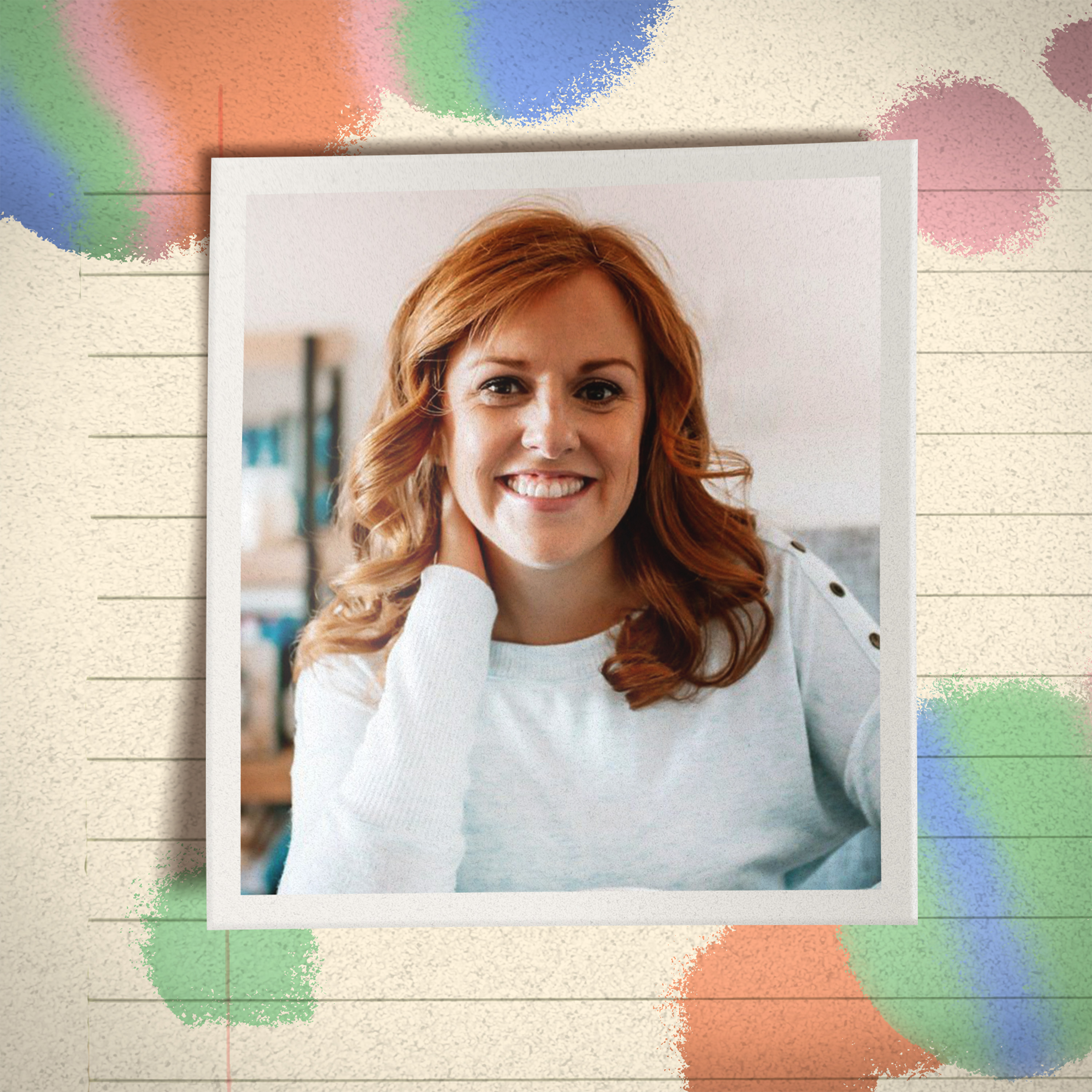
How Can We Get The Spark Back? Strategies for Long-Term Relationship Intimacy
Apr 1500:57:23Summary readyDr. Lindsay Cavanagh, psychologist and marriage expert, joins Kristie and Felicia to unpack the strategies for long-term intimacy. They discuss the emotional aspect of desire: how mental load and systemic stressors can make or break the spark in parenthood. Some takeaways: • Why spontaneity fails when it meets the exhausting logistics of parenthood. • The difference between intentional pursuit and weaponized incompetence. • How to start integrating emotional safety into your connection. • How mental load influences your libido more than "lost attraction" does. For sponsorships, please reach out to wytt@besttherapists.com Join our Substack communityFollow WYTT on Instagram Follow Felicia on Instagram Connect with Lindsay. Follow Lindsay on Instagram. Listen to Lindsay’s Podcast: Married After Kids. *Hosts: Kristie Plantinga and Felicia Keller Boyle*Watch full episodes on YouTube: What Your Therapist Thinks*Brought to you by BestTherapists.com*Produced by PodVision.If you found this episode helpful, please subscribe, rate, and leave a review, or share it with a friend who might need it!This podcast is for entertainment purposes only and is not a substitute for professional mental health care. If you’re struggling, please reach out to a licensed therapist or call your local crisis line for support.
Summary
How Do I Regulate My Nervous System? Resetting Your System & Managing Stress
Apr 801:01:40Summary readyTherapists Julie Goldberg joins Kristie and Felicia to unpack the mechanics of nervous system regulation and offer a practical, somatic perspective on mental health. They explore the range of human response from fight-or-flight to shutdown. This episode reframes anxiety and burnout away from personal failures to adaptive physiological responses designed to keep you safe.Some takeaways:• The differences between safety, mobilization and shutdown.• Why the goal isn't permanent calm but building resilience and flexibility.• How our bodies naturally find safety in the presence of another regulated human.• Changing the narrative from "What's wrong with me?" to "What is my body trying to tell me?"• Simple somatic techniques to help navigate your stress.For sponsorships, please reach out to wytt@besttherapists.com Join our Substack communityFollow WYTT on Instagram Follow Felicia on Instagram Connect with Julie. Follow Julie on Instagram.Join Julie’s Course: Regulate with the Nervous System Reset Course*Hosts: Kristie Plantinga and Felicia Keller Boyle*Watch full episodes on YouTube: What Your Therapist Thinks*Brought to you by BestTherapists.com*Produced by PodVision.If you found this episode helpful, please subscribe, rate, and leave a review, or share it with a friend who might need it!This podcast is for entertainment purposes only and is not a substitute for professional mental health care. If you’re struggling, please reach out to a licensed therapist or call your local crisis line for support.
Summary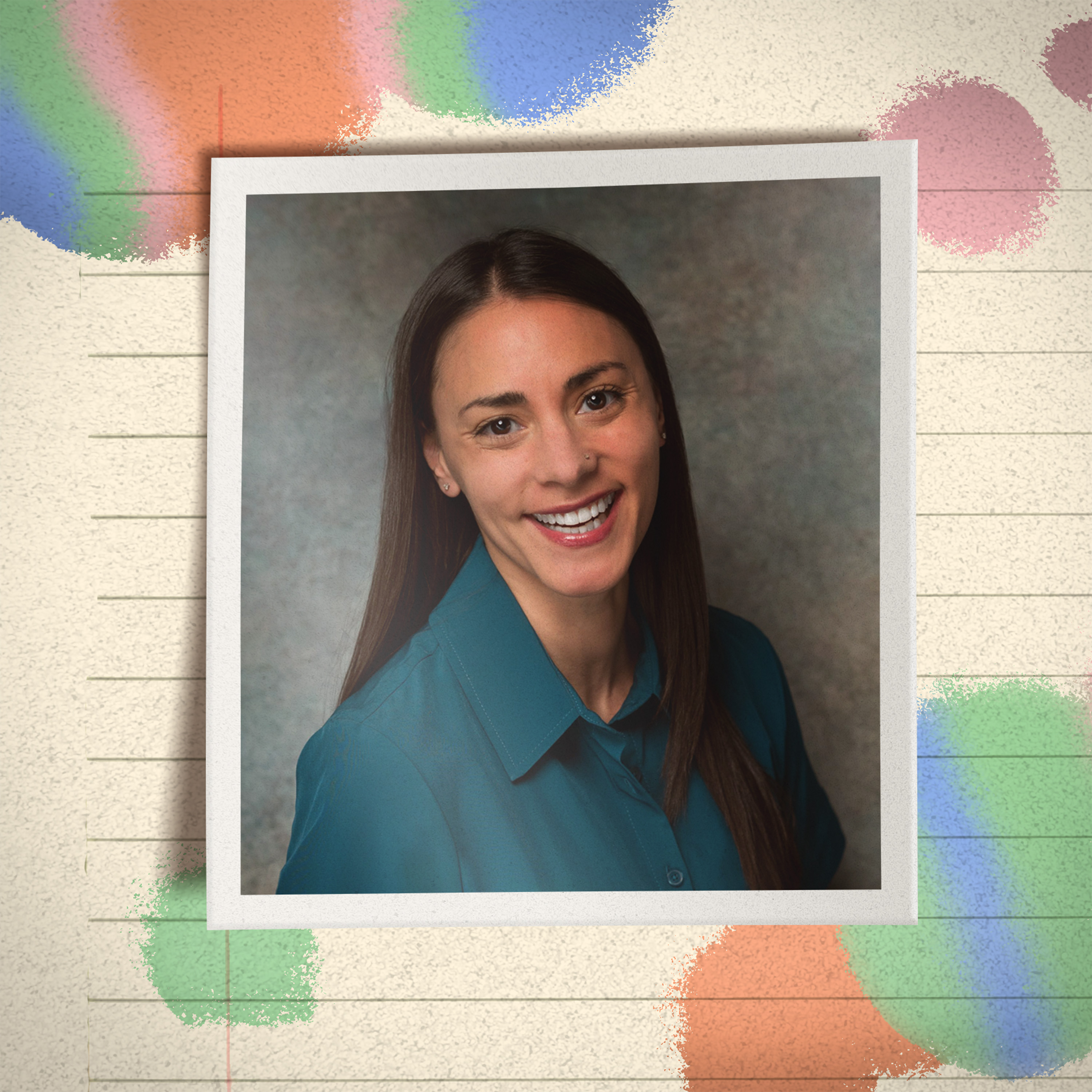
Why Am I Anxious About Money? Healing Your Financial Psychology
Apr 100:59:51Summary readyFinancial therapist Lindsay Bryan-Podvin joins Kristie and Felicia to unpack the psychological roots of our bank accounts. They center the conversation on the emotional landscape of money: how one’s childhood and systemic failures, not personal incompetence, shape financial anxiety.Some takeaways:• Why "logic" fails when it crashes with childhood narratives and fears.• The difference between functional planning and toxic guilt.• How to stop restricting pleasure and start integrating joy into your financial plan.• How socioeconomic factors influence your wallet more than "bad habits" do.For sponsorships, please reach out to wytt@besttherapists.comJoin our Substack communityFollow WYTT on InstagramFollow Felicia on InstagramConnect with Lindsay.Follow Lindsay on Instagram.Get Lindsay’s Book at Your Local Bookstore: The Financial Anxiety Solution.Lindsay’s Recommendation: debtcollective.org.*Hosts: Kristie Plantinga and Felicia Keller Boyle*Watch full episodes on YouTube: What Your Therapist Thinks*Brought to you by BestTherapists.com*Produced by PodVision.If you found this episode helpful, please subscribe, rate, and leave a review, or share it with a friend who might need it!This podcast is for entertainment purposes only and is not a substitute for professional mental health care. If you’re struggling, please reach out to a licensed therapist or call your local crisis line for support.
Summary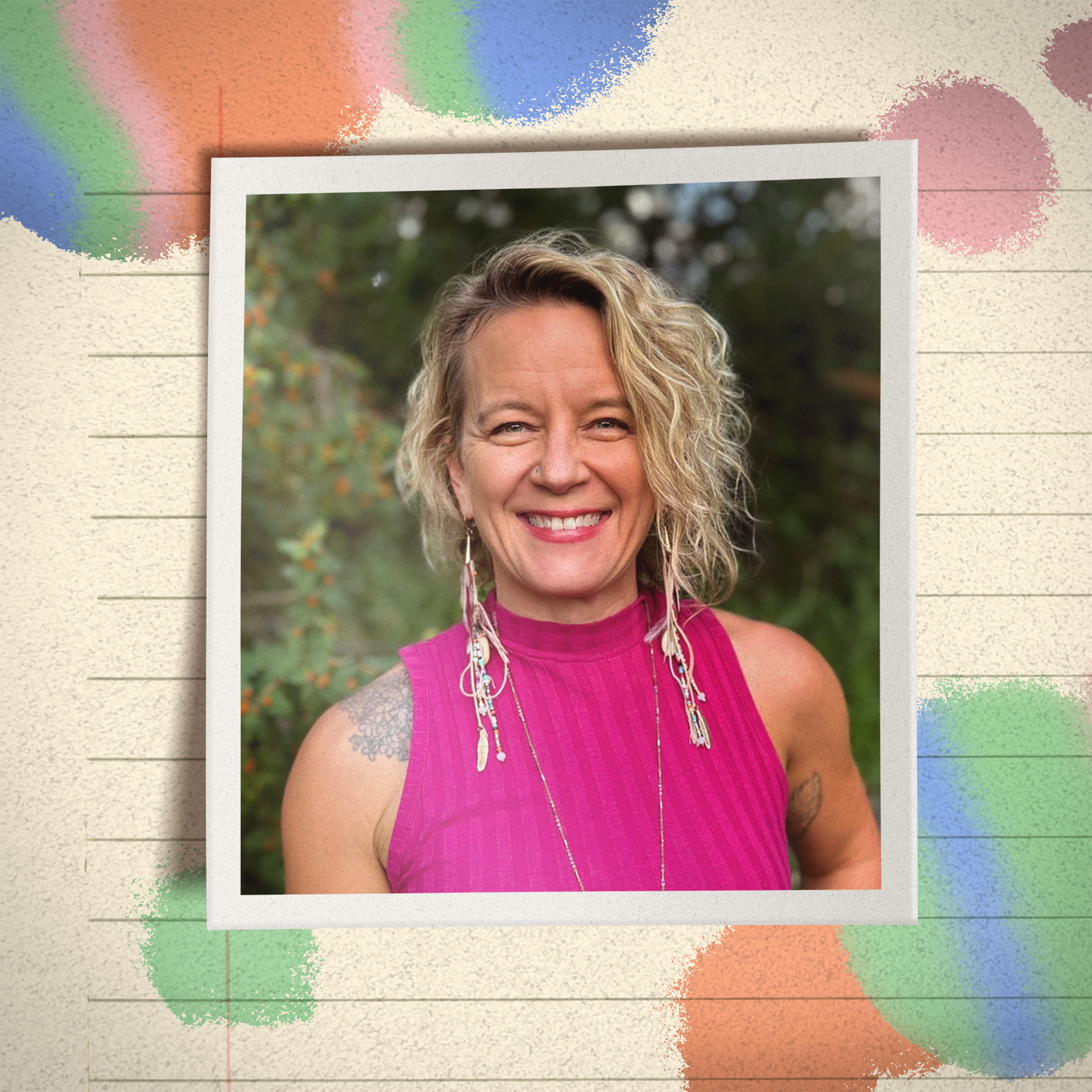
Talking in Therapy isn’t Enough? Reprocessing Trauma with EMDR
Mar 2500:58:32Summary readyErica Bonham, LPC, MA joins Kristie and Felicia to demystify EMDR therapy and how it actually works to heal the brain. They explore how bilateral stimulation mimics REM sleep to "unstick" traumatic memories trapped in the nervous system. Erica advocates for a bottom-up approach to recovery to address the somatic and emotional roots of distress.Some takeaways:• How bilateral stimulation helps the brain reprocess• Why a somatic approach is often more effective than cognitive insight• How to develop compassion for the internal mechanisms that try to keep us safeFor sponsorships, please reach out to wytt@besttherapists.comJoin our Substack communityFollow WYTT on InstagramFollow Felicia on InstagramEpisode referenced: What Type Of Trauma Do I Have? Understanding TraumaUse our promo code "WYTT" for up to 20% Off at CozyEarth.com.Connect with EricaFollow Erica on Facebook, Instagram, LinkedIn and YouTubeRead Erica’s Book: Always Enough, Never Done.*Hosts: Kristie Plantinga and Felicia Keller Boyle*Watch full episodes on YouTube: What Your Therapist Thinks*Brought to you by BestTherapists.com*Produced by PodVision.If you found this episode helpful, please subscribe, rate, and leave a review, or share it with a friend who might need it!This podcast is for entertainment purposes only and is not a substitute for professional mental health care. If you’re struggling, please reach out to a licensed therapist or call your local crisis line for support.
Summary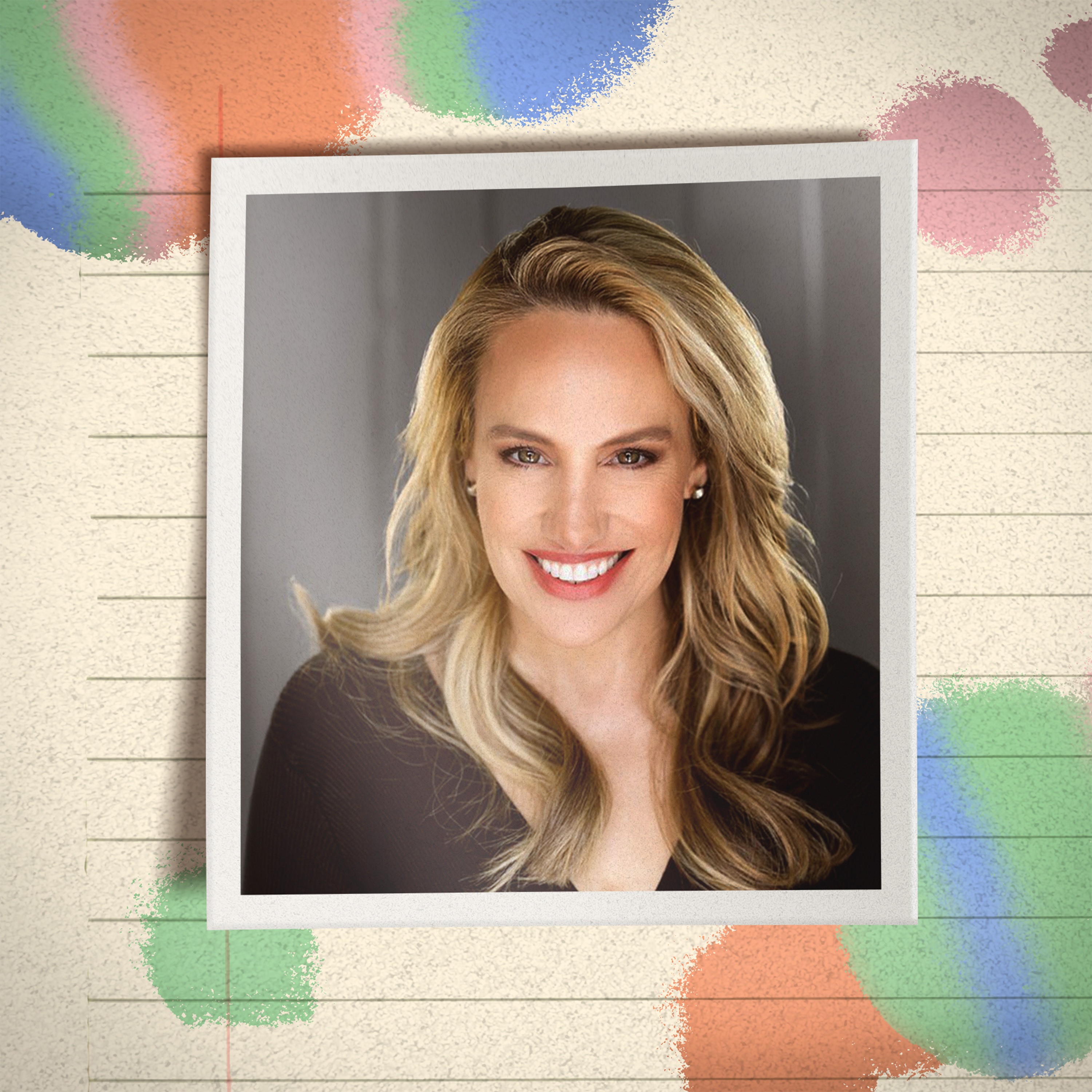
How Do I Get Over Someone? The Science of Heartbreak with Colette J. Fehr
Mar 1801:01:06Summary readyRelationship expert Colette J. Fehr joins Kristie and Felicia to unpack the messy, neurological reality of moving on. They explore why breakups feel less like a simple goodbye and more like overcoming an addiction, creating a need for a strategic "reset" of the brain. Colette advocates for “no-contact” as a vital tool for nervous system regulation and reclaiming your sense of self.Some takeaways: Why missing an ex mirrors an addiction cycle and how to break it.How creating distance allows your nervous system to detach from an ex.How to move from waiting for closure to finding an internal resolution.The dangers of "rebounds" and why reclaiming self-worth should be a priority.For sponsorships, please reach out to wytt@besttherapists.com Join our Substack community Follow WYTT on Instagram Follow Felicia on Instagram Connect with Colette Follow Colette on Instagram and TikTokListen to Colette’s podcasts, Insights from the Couch, Real Talk for Women at Midlife and Love Thy Neighbor.Read Colette’s Book: The Cost of Quiet: How to Have the Hard Conversations That Create Secure Lasting Love.Listen to Colette’s TED Talk: Secrets of a Couple's Therapist*Hosts: Kristie Plantinga and Felicia Keller Boyle*Watch full episodes on YouTube: What Your Therapist Thinks*Brought to you by BestTherapists.com*Produced by PodVision.If you found this episode helpful, please subscribe, rate, and leave a review, or share it with a friend who might need it!This podcast is for entertainment purposes only and is not a substitute for professional mental health care. If you’re struggling, please reach out to a licensed therapist or call your local crisis line for support.
Summary
Why Am I So Messy? Reasons You’re Messy with KC Davis
Mar 1101:00:05Summary readyAuthor and counselor KC Davis, LPC joins Kristie and Felicia to break down the shame often associated with a messy home. They unpack the life-changing mindset of moral neutrality, meaning that your ability to do laundry is not a reflection of your character. KC supports shifting away from society’s standards of "tidiness" to a sustainable approach that prioritizes your mental health.Some takeaways:• Why struggling with dishes doesn't make you a "bad" person• How to look at house chores as a way to make your space livable instead of a never-ending to-do list.• Using hacks like larger trash cans or paper plates to manage your home during difficult mental health seasons.• Why self-compassion is better motivation than guilt when you're feeling overwhelmed.For sponsorships, please reach out to wytt@besttherapists.comJoin our Substack communityFollow WYTT on InstagramFollow Felicia on InstagramUse our promo code "WYTT" for up to 20% Off at CozyEarth.comConnect with KCFollow KC on Instagram, Facebook and TikTokRead KC’s books: How to Keep House While Drowning and Who Deserves Your Love*Hosts: Kristie Plantinga and Felicia Keller Boyle*Watch full episodes on YouTube: What Your Therapist Thinks*Brought to you by BestTherapists.com*Produced by PodVision.If you found this episode helpful, please subscribe, rate, and leave a review, or share it with a friend who might need it!This podcast is for entertainment purposes only and is not a substitute for professional mental health care. If you’re struggling, please reach out to a licensed therapist or call your local crisis line for support.
Summary
How Can I Enjoy Dating? Dating Advice From Therapy Jeff
Mar 401:00:14Summary readyJeff Guenther, LPC, also known as TherapyJeff, joins Kristie and Felicia to unpack everything on modern romance. They break down the dating world as a space that requires nervous system regulation and radical authenticity. Jeff advocates for a shift away from performing for validation to a more grounded approach focused on genuine curiosity instead of the pressure of finding "the one."Some takeaways:Why looking at first dates as fun instead of as a job interview leads to better matchesHow to check in with your nervous system to avoid performing for validationUnderstanding how dating apps gamify rejection and how they lead to burnoutThe difference between healthy vulnerability and trauma dumping and how to spot early signs love bombingFor sponsorships, please reach out to wytt@besttherapists.com Join our Substack community Follow WYTT on Instagram Follow Felicia on Instagram Connect with Jeff Follow Jeff on Instagram and TikTokListen to Jeff’s podcast, Problem SolvedRead Jeff’s book, “Big Dating Energy”*Hosts: Kristie Plantinga and Felicia Keller Boyle*Watch full episodes on YouTube: What Your Therapist Thinks*Brought to you by BestTherapists.com*Produced by PodVision.If you found this episode helpful, please subscribe, rate, and leave a review, or share it with a friend who might need it!This podcast is for entertainment purposes only and is not a substitute for professional mental health care. If you’re struggling, please reach out to a licensed therapist or call your local crisis line for support.
Summary
Do I Have ADHD? What ADHD Looks Like In Women
Feb 2500:54:57Summary readyDr. Rebeccah Lyle, a psychiatric nurse practitioner, joins Kristie and Felicia to explore the nuanced reality of ADHD in women and AFAB individuals. Together, they break down how social expectations of "good behavior" sometimes mask ADHD symptoms in girls, leading to life-changing diagnoses in adulthood when the pressures of career and motherhood reach a breaking point.Some takeaways:Reframing neurological differences as strengthsUnderstanding the psychological toll of masking and how it inevitably leads to burnoutShifting the narrative from self-blame for a "lack of discipline" to advocating for systemic accommodations and self-compassionFor sponsorships, please reach out to wytt@besttherapists.comJoin our Substack communityFollow WYTT on InstagramFollow Felicia on InstagramConnect with RebeccahMentioned in this episode: Am I Emotionally Numb? Signs Of Emotional Numbness and What To Do Next (WYTT, Season 1)*Hosts: Kristie Plantinga and Felicia Keller Boyle*Watch full episodes on YouTube: What Your Therapist Thinks*Brought to you by BestTherapists.com*Produced by PodVision.If you found this episode helpful, please subscribe, rate, and leave a review, or share it with a friend who might need it!This podcast is for entertainment purposes only and is not a substitute for professional mental health care. If you’re struggling, please reach out to a licensed therapist or call your local crisis line for support.
SummarySeason 2 is here!
Feb 1100:02:51Summary readyWelcome to Season 2 of What Your Therapist Thinks. We were absolutely mind-blown by all the love we got from you in season 1 and so after some life changes like Kristie having a baby… we’re back!A mental health show where actual, licensed therapists open up about what they’re really thinking, while answering the internet’s most burning mental health questions. And by "real-world," we mean Reddit posts. Incognito Google searches. And the stuff you think about bringing up in therapy… but maybe don’t. Each week, you’ll hear from expert therapists to break it all down: from dating advice and body dysmorphia to ADHD and EMDR therapy.First episode drops February 25.For sponsorships, please reach out to wytt@besttherapists.comWatch full episodes on YouTube.Connect with us on Instagram.Subscribe to our Substack.Hosts: Kristie Plantinga and Felicia Keller BoyleBrought to you by BestTherapists.comProduced by PodVision.This podcast is for entertainment purposes only and is not a substitute for professional mental health care. If you’re struggling, please reach out to a licensed therapist or call your local crisis line for support.
Summary