← What Your Therapist Thinks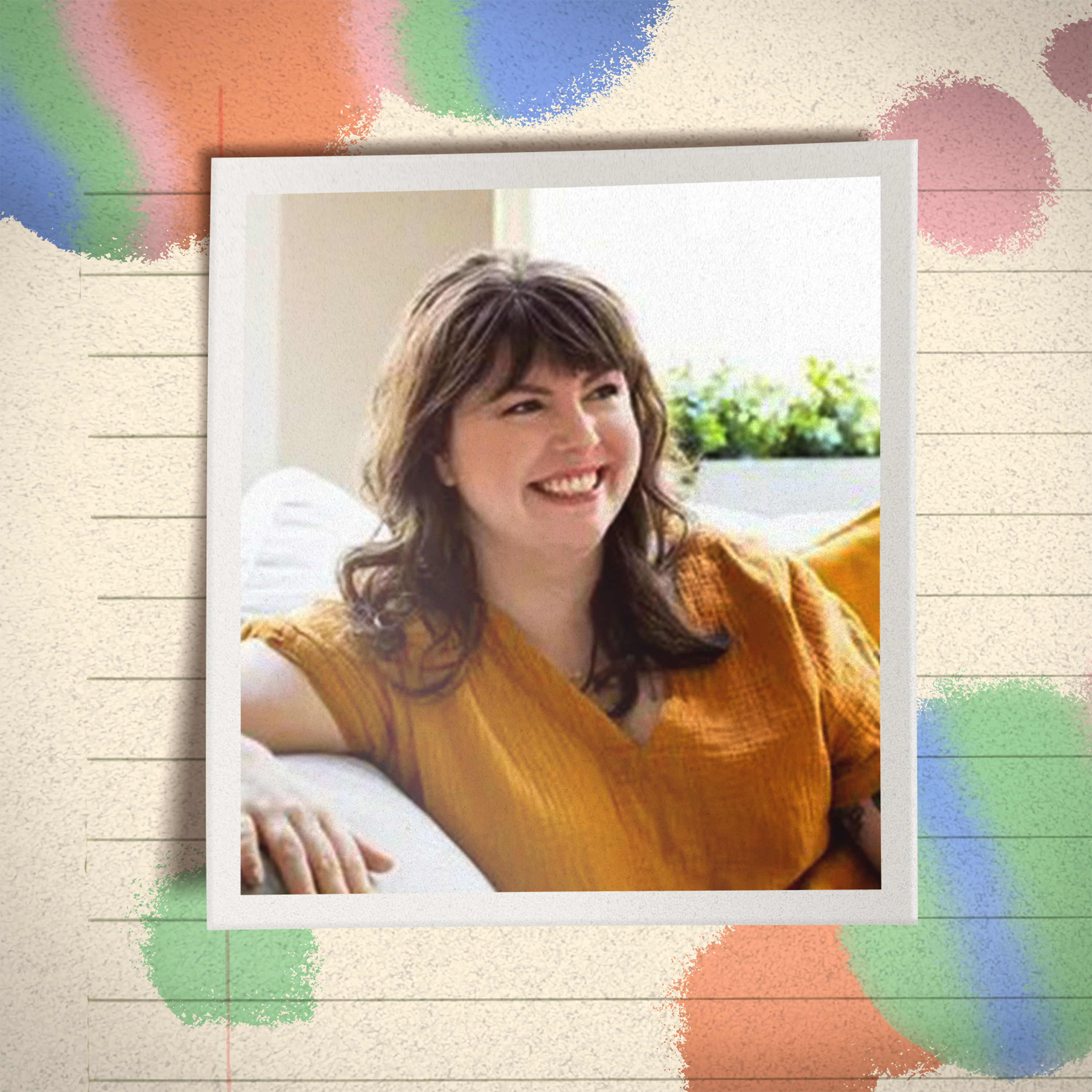
Loading summary
Transcript123 lines
- [00:00]
Casey Davis
Is it bothering you because it is functionally impacting your life in a negative way? Or is it bothering you because someone told you you should feel ashamed about it?
- [00:09]
Kristi Plantinga
To have to always start new things all the time. Living is a full time job.
- [00:14]
Casey Davis
Someone who has a perfectly organized laundry room that is a hobby. It does not make you morally superior to a person that is not interested in that as a hobby.
- [00:25]
Felicia Keller Boyle
The person who's more tidy, the person who tends to shut down. There are all of these different kind of polarized dynamics in relations, relationships where one person sets the tone.
- [00:35]
Casey Davis
And the truth is, if I was that person's therapist, I would tell them.
- [00:42]
Felicia Keller Boyle
If you're new here, welcome. I'm Felicia Keller Boyle, a licensed somatic therapist and clinical advisor at Best Therapists.
- [00:49]
Kristi Plantinga
And I'm Kristi Plantinga, founder of Best Therapist and Therapy Connoisseur.
- [00:54]
Felicia Keller Boyle
This is what your therapist thinks. A mental health show where actual therapists open up about real world stories and the questions people wish they could ask them.
- [01:02]
Kristi Plantinga
And by real world we mean Reddit posts, incognito, Google searches, and the things you want to bring up in therapy.
- [01:09]
Casey Davis
But maybe you don't.
- [01:10]
Felicia Keller Boyle
You'll hear conversations on everything from the best dating advice to adhd, EMDR therapy,
- [01:16]
Kristi Plantinga
body dysmorphia, and more. Sometimes it will make you feel seen
- [01:20]
Felicia Keller Boyle
and sometimes it'll make you laugh out loud.
- [01:22]
Kristi Plantinga
We're so glad you're here.
- [01:24]
Felicia Keller Boyle
Now let's get into the episode.
- [01:26]
Kristi Plantinga
Today we are joined by Casey Davis. Casey Davis is a licensed professional counselor, author, speaker and and the person behind the mental health platform StruggleCare. Casey's compassionate and practical approach to self and home care for those dealing with mental health, physical illness, and hard seasons of life has drawn over a million followers on social media in less than a year. Her book how to Keep House While Drowning has sold over 300,000 copies and is currently an Amazon bestseller. And I am here if it matters to personally endorse this book. I've sent it to so many people it truly is amazing. We will link to it. Casey began her therapy journey at 16 when she entered treatment for drug addiction and mental health issues. After getting sober, she became a speaker and advocate for mental health and recovery. Professionally, Casey has worked most of her career in the field of addiction in roles such as therapist, consultant, and Executive director. She lives in Houston with her husband and two daughters. Casey, welcome to the show.
- [02:24]
Casey Davis
Hi. I'm so happy to be here.
- [02:26]
Kristi Plantinga
I am obviously thrilled to have you here and so happy that you agreed to come on today. We are going to talk about messiness and all that that involves. I wouldn't say I'm like this super messy person, but I still have like, I see my mom's house, right? And I'm like, how is this lady so clean? She cleans her bathroom every weekend, you know what I mean? And you see people in your life, friends, family, and it's just like, why can't I be like that? Like, why is it so hard for me to maintain that level of cleanliness or organization? Why do people struggle to keep their houses clean?
- [03:03]
Casey Davis
So I think there's a couple of reasons there. One is that there are people that have just like genuine barriers in their life, internal, external. Like they struggle to do the very basic self care, whether it's like a mental health issue or maybe they're neurodivergent, they're ADHD and autism, autistic, and their brains just kind of like work differently or they struggle with details or routine. Sometimes you have people that are just really, really busy or really, really burnt out, or people that don't have enough support. You know, they're a single parent or they're taking care of elderly parents, and they just. It's like there's just not enough energy and time to go around. Like sometimes it's that. And I wouldn't even say a deficit, but it's like they, there's something that they need more of in order to feel, quote unquote, on top of everything. And then I think in addition to that, we have really moralized care tasks. And by what I mean by care tasks are things like cleaning dishes, laundry, tidying, even things like cooking for ourselves or taking our medicines and hygiene. For sure. Like there's definitely an aspect where we've over moralized those things in our society, especially for women, where we equate a woman's worth or a mother's worth to whether they're able to run a household or, you know, things really clean. And so I think it's both, right? And then some people have sort of a combination of both. Like there's kind of this mental societal belief that we buy into where we feel a lot of shame if we're not someone who, you know, cleans our bathroom every weekend, or we're not someone who it seems easy to just clean as we go. Like we feel a lot of shame when we struggle with it. And sometimes we really do struggle to take care of ourselves. Other times we can take care of ourselves, but we struggle with almost unrealistic expectations about like, what, what our house should look like.
- [04:58]
Felicia Keller Boyle
And it's just not realistic like Marie Kondo.
- [05:01]
Kristi Plantinga
Right.
- [05:01]
Felicia Keller Boyle
I feel like your book is almost. I don't know if this is fair to say, but the opposite of that. It's so gentle. I still got in the habit of folding my clothes in a way that was Marie Kondo esque. And when I read your book, it was like not about what sparks joy in trying to achieve this aesthetic, this like platonic ideal of cleanliness and order, but it's about what is functional in your space, right? And that really being the goal, about what makes your life better, what helps you function in your space, and totally letting go of moralistic, platonic ideas of the highest form of cleanliness.
- [05:40]
Kristi Plantinga
And it's just.
- [05:41]
Felicia Keller Boyle
Yeah, I really enjoyed it. It was super helpful for me and I've been putting it into practice in my house personally.
- [05:46]
Casey Davis
What I actually really love about Marie Kondo is like, when you look at anybody in the kind of like organizing tidying space and in some aspect, in any kind of self help space, there's a difference between someone's philosophy and then someone's like techniques, right? Marie Kondo's techniques have never worked for me. Like I trifolded my underwear for 10 days and then didn't do it, right? That being said, just because her techniques don't work for everyone. I have always really respected her philosophy because I think at its core, thinking about your space as being about your relationship to yourself is a much healthier way of going about it than thinking of it as like a measure of your worth. She actually was kind of an influence on me, especially around what she talks about, about gifts where like we feel guilty getting rid of gifts. And she's like, hey, but like the gift was what was transmuted in the giving. It's not like in the object. You know, I think that being able to create a philosophy for myself that centered on self compassion, centered on moral neutrality and. And then the techniques that flow from that for me are really specific to my personality, right. Like I think is a naturally really tidy person. And I'm a naturally very messy person. And I find a lot of people that do like, here's how you tidy are kind of like naturally tidy people. And so we try to adopt their techniques and it doesn't work for our brains or our lifestyles or our budgets. And we feel so much shame, like, oh, I've failed, I've fallen off the wagon. When am I gonna get it all together? And I think that's the cycle that I want. People wanna help People stop. Like, regardless of whose techniques you embrace getting out of that self help cycle, and whether it be with housekeeping or frankly, I think we do it with all kinds of self help where it's like we get to this place where we're like, ugh, I'm so sick of it. I've gotta stand up. I'm gonna wash my face, I'm gonna have some self respect. Tomorrow I'm turning over a new leaf. And then like tomorrow we're gonna eat our leafy greens and run and wake up early and meditate and go back to yoga and organize and pick up as we go.
- [07:55]
Felicia Keller Boyle
And I'm feeling stressed out just hearing this list right.
- [07:58]
Casey Davis
And we do it for three days or a week or a month and then we stop and we think, see, I failed it. And I think that's the cycle that I want to help people stop.
- [08:08]
Felicia Keller Boyle
I love how you're distinguishing between the philosophy and the technique and really finding the right combo for you when it comes to creating the spaces and creating the life that you really want to inhabit. And it's not necessarily that any one philosophy is like better than another or any one technique is better than another, but like you said, finding the right set for yourself, like the way that you operate in the world. So. Yeah, thank you for bringing that in.
- [08:35]
Kristi Plantinga
Yeah.
- [08:35]
Casey Davis
I think any philosophy that is based on self compassion is a great philosophy. I do think that there are people out there that have philosophies that really are based on shame as motivation. I would disagree with those kinds of philosophies.
- [08:50]
Felicia Keller Boyle
Right. So maybe not any philosophy. We're like staying away from shame based motivation.
- [08:56]
Kristi Plantinga
And that was one of my questions because I think for many of us, shame is the motivation. You know, it's like there's a clean pile of laundry on my dresser right now, and it's clean and it's ready to be hung up. Haven't done it in like 10 days or something. And so eventually, before I read your book, but also still, sometimes, let's be real, shame is the motivator. I'm like, that'll take you 10 minutes. Maybe like that thing will take you 10 minutes. But I do find that shame is often not a good motivator, but it's work sometimes. But I definitely don't think it's sustainable. It's not a nice way to live. So how do we find the motivation to get this stuff done if shame isn't really the best way or most compassionate way forward?
- [09:43]
Casey Davis
Yeah. And I think some of this comes from my Background as being an addiction counselor and working in addiction. And like, a lot of people think that shame is a powerful motivator for behavior change. It is. In the short term, you can get someone to assent to that. You can get someone to be so afraid of rejection, even just almost like an existential rejection of the invisible audience that isn't even in your room looking at your dresser and your laundry. Right. But it doesn't really make long term results because at the end of the day, like, nobody is in your room looking at your dresser. And it's interesting that you mentioned the like, hey, that's gonna only take you 10 minutes. Because that's true. And yet, like, you can have that same approach without the shame. Like, if you switch it to like, hey, I really. I deserve to have a low stress morning where I wake up and I know where all my clothes are. And I know that even though it feels like putting those clothes away feels like putting my hand on a hot stove, that is my brain sort of like misinterpreting it. And it will only take me 10 minutes. And so I don't have to listen to that part of my brain. And there are some techniques out there to help you get over that. Like on ramp. When we think of task initiation, think of like a super highway. It's really intimidating to be at a dead stop and being like, I need to merge onto this highway. And you can sit frozen on the on ramp forever and ever and ever. But if we like lengthen that on ramp and we can go and we can get up to speed, and then all of a sudden it's not intimidating to merge. And so there are things we can do to help us not just talk ourselves into the truth. So, like, that's only gonna take 10 minutes. But, you know, how can I. Whether it's turning on some music, whether it's having like a certain time of the day, like when I come home from work, if I walk into the house and I spend the first 30 minutes just picking some things up. And the big key is I don't take off my shoes and I don't sit down. Because once I sit down or take off my shoes, my. My brain kind of wants to rest for the day. If I'm laying in bed and scrolling and I'm going, oh, I should get up and do that, it's hard to go from zero to a hundred. But what I could do is sit up in bed for a little bit and then what I could do is like turn and put my feet on the Ground and keep sitting in bed and scrolling for a little bit and then I could just go stand by that pile and lean and scroll for a little bit and then you know what, I'm already here. Why don't I just do this? It's going to take 10 minutes. And so anything that shame is motivating for you, like self compassion can motivate even better.
- [12:12]
Felicia Keller Boyle
There's our quote for the episode. Already? Yeah.
- [12:15]
Casey Davis
For real.
- [12:16]
Felicia Keller Boyle
That's so good.
- [12:17]
Kristi Plantinga
I love the merging on the highway and I just want a quick share. I don't like bumper stickers, but I did see a bumper sticker on a car once that said let me merge or I'll cry.
- [12:27]
Felicia Keller Boyle
That's so real.
- [12:28]
Kristi Plantinga
Yeah, I think the idea of just kind of maintaining any kind of momentum, God, it's just life is so tough, tiring and then to have to always start new things all the time. It's just living is a full time job. So it just feels good to relax, right? Like we all, we all deserve that. We all deserve just to be able to relax. But yeah, life goes on.
- [12:51]
Casey Davis
And I think that it's okay that some things are hard, but something being hard doesn't automatically give it more moral value. And sometimes I think we shame this idea that like oh, I made it easier for myself. But here's what I mean by that. My life. And I think a lot of this has to do with being ADHD and just kind of my personality. I work from home, I work for myself, I write, I do videos, I write both fiction and nonfiction. And so like I have to structure my own day and which is like a kryptonite for somebody with adhd. And I'm also really messy. And so what I can do though is like non judgmentally observe what my tendencies are and then work with those things to make momentum because like that's what my life is about when it comes to productivity, self care, like any of those tasks, it's about how do I create momentum. And one great example of this is I have a kid that rides the bus to school and I have a kid that I have to drive to school. And I've always in the back of my mind been like, oh, I can't wait till these kids are at the same school so they can both take the bus. Then I just have to like roll out of bed in my pajamas, help them get ready and put them on the bus versus like get my ready to get in the car, to get out to fight the traffic. Right? And so on the one hand it's like, yes, I want things to be easier. But what I have noticed is that having to get in my car and take one of my kids to school means that when I wake up, if I take my ADHD meds upon awakening, by the time I've gotten my kid to school and back, it's been about 45 minutes, which is when the medication kicks in. I'm already up, I already have clothes on. I can walk immediately into my house to my desk, sit down and start working. And it rolls like words can roll off the tongue. That action rolls off of the momentum. It's easy to do that when I don't do that when one of my kids has a day off and the other one can just get on the bus. Like being able to roll out of bed in my pajamas and put one kid outside on the bus, yes, that's easy. But it doesn't give me the break in feeling tired. I will want to get back in bed. The medication doesn't hit at the same time and so I start scrolling. I think when we talk about like choose to do the hard thing, it doesn't mean like, hey, washing dishes by hand is harder. And so choose to do it harder because that's what builds character. That's not what I mean. I can sit down and be honest with myself and be like, hey, yes, in some ways it's harder for me to get up and have to drive them. That kind of sucks. It would be more convenient, it would be nicer, it would be all these things. But. But the best way for me to create momentum in my life is to take my kids to school in the morning by car. It is less convenient, but it creates a structure that doesn't depend on me making decisions. Right? Like I'm that kid who could ace every test but could never do homework because I can't create my own structure. And so if I'm left to just roll out of bed in my pajamas and then create some kind of structure, I'm not going to do it. And I'm not ashamed of that. I just have to know what I'm working with and make that decision that like, okay, next year when my kids both go to the same school, I think that it would behoove me to drive them to school so that I can maintain this momentum for myself. And that's really what it's about. And you can't get to those kind of solutions unless you approach these things with complete non judgment.
- [16:15]
Felicia Keller Boyle
I completely agree with that so much. Like what I'm really Hearing is like, knowing yourself so well and accepting who you are instead of trying to shame yourself into being this idealized version of yourself. Like, Like, I've been biting my nails since I was a child, and for so long, it was just like, I should not be doing this. And eventually it got to the point where I'm like, okay, in an ideal world, I wouldn't bite my nails. Like, obviously that would be great, but I do. And so what helps me not do that? Like, oh, getting my nails done, that really helps. And sure, I would love for it to not be that way, but what would it look like for me to just accept that that's an aspect of who I am and work together with that rather than trying to, like, shame myself into not doing it? Because that never, ever, ever worked.
- [17:01]
Casey Davis
Yeah. And I think also. And you'll probably relate to this as a therapist, like, anytime someone comes to me with, like, hey, I have this behavior that I want to stop, or this behavior I want to start, I think people jump really quickly into, like, okay, let's figure out how to make that happen. And I think it's important to stop and give ourselves a minute to even analyze. Like, why do you want to stop that thing? Why do you want to start that thing? Chewing your nails is such a perfect example because it's a really big difference in how we approach that pairing with you as a therapist. If your answer to like, why do you want to stop doing that? Is like, because my hands hurt all the time, my cuticles are bleeding, and, like, I can't stop myself, and it's really distressing, and there's pain and distress involved versus someone whose answer is like, it's just so gross. Like, it makes me feel not feminine. Like, my nails are always chewed up, blah, blah, blah. Right. Like, those two things are very different because on one, it's like, well, where did that message come from about it being so gross? Well, my mother always used to shame me about it, yada, yada.
- [18:00]
Felicia Keller Boyle
Right.
- [18:01]
Casey Davis
The other part of it is, like, backing up and looking at what else is going on, because if someone comes to me and says, I want to stop chewing my nails, I feel so bad about it. Well, is that person, like, mostly a super functioning person who, like, this is a thing that's just really been bothering them for a while, and, like, they have the energy and the capacity and the support to really center their energies on this thing, that's going to be hard for them. That's really different than someone that's like, hey, I got sober five minutes ago. Or like, I'm in the middle of a messy divorce. Like, I don't know, Carol, just chew your nails like it's okay. Like, that is not the biggest fish to fry. Right. And so I think that that's what's so cool about, like, being able to talk to one person instead of, like, trying to give general advice online is. It's so different compared to, like, I. Because I'm always about functional. Like, why is this thing bothering you? Is it bothering you because it is functionally impacting your life in a negative way? Or is it bothering you because someone told you you should feel ashamed about it?
- [19:03]
Felicia Keller Boyle
Yeah. So really having that discernment on, like, how this is functioning in your life. And you didn't say this yet, but like, the harm reduction perspective, you know, like, there's so much in addiction about being sober, which obviously has its benefits, but there are other things that are also helpful, you know. And so I also work in addiction. That's been my specialty, Very near and dear to my heart. So, like, even if in an ideal world this person want to be sober, they'd want to have an immaculate house. How can we just make it a little bit better and then call that a win? Because that is going to be more motivating. You're talking about that momentum like that on ramp. Anything is better than nothing. Anything that makes your life a little bit more functional, makes you a little bit happier, a little bit more comfortable, reduces the shame, creates momentum. Like, that is 100% a win. And we should be proud of that.
- [19:53]
Casey Davis
Yeah. I'll never forget, like, the dad we. I worked with independent living, like young adults who were in recovery. And this dad came in and was like, when is he going to get a real job? Like, when is he going to go back to college and finish his degree? Like, don't get me wrong, I'm proud of him. Glad he's been sober nine months, but, like, he's working at a sandwich shop. And one of the things that we had to explain to this dad was there are things, especially in early recovery, and this is true of like, anyone depending on, like, what they're dealing with. For you, dad, getting out of bed in the morning when your alarm goes off and getting dressed and throwing in a load of laundry before you leave, drinking a cup of coffee, but not too many cups of coffee, and managing your anger towards your boss, that's kind of a jerk. And sitting down and structuring your day to day, be productive and dealing with the feeling of being bored but kind of managing that like all of those things are so automatic to you that they don't take a lot of energy. And for your son, getting up when the alarm goes off takes like three times more energy than it does for you. Because he's like, never lived a life where he had to self impose structure. Going to work and dealing with a boss that makes him angry, where he has to not pop off on that boss or walk out. Like that takes ten times more energy. Your kid is exhausted by the end of the day. They are working their butt off. But we never know what kind of cognitive capacity and emotional capacity a person is working with. That's where a lot of like non judgment towards others comes, but also self compassion for ourselves. Like you talked about your mom really cleaning her bathroom every weekend. And I always say like, well, number one, like I don't. You don't know what kind of like cognitive and mental capacity she's working with and how maybe that's different in your life and you are just at this point you have to like put those cognitive units of energy somewhere else that has just taking more priority at that time. And like at some point, like cleaning becomes a hobby.
- [21:55]
Felicia Keller Boyle
It is for me, right? Like definitely.
- [21:58]
Casey Davis
If you think about this in terms of running and exercise, it becomes way more clear. All of us would agree that there are functional reasons that we need to be thinking about and paying attention to, like our cardiovascular health. Like we want to be moving enough that our heart gets enough exercise. We know that being too sedentary can have a negative impact. And so we want to be thinking about, okay, I want to take the stairs today or hey, it'd be good for me to take a walk. But like there's a level at which running a 10k is not about health, right? Like people who are like bodybuilders, like, that's not about health and that's okay. But like that's their hobby. That is their hobby. And someone who has a perfectly organized laundry room where they're decanting all of their fabric softeners and Tide pods into glass containers with labels with scripts on them, with those like cork tops, like, that is a hobby and it is a fine hobby to have, but it is not, it does not make you morally superior to a person that is not interested in that as a hobby.
- [23:05]
Kristi Plantinga
What if you want to be that person so bad?
- [23:08]
Casey Davis
Why. But that's what so interesting about that question is when we ask ourselves, like, why do I want to be that person? What most of us find is that when I look at videos and pictures of laundry rooms like that. My question would be like, what feeling do you get when you look at it? And some people will say jealousy this, that and the other, like, great. But what I'm talking about is that most of us would say there's this feeling of like, peace. Just like if I were to show you a picture of someone sitting in a log cabin with a fleece blanket on their lap and a book and they're looking out the window and it's raining outside and they have a fire on and they're in a cabin. There's no electricity, so there's just the fire.
- [23:53]
Felicia Keller Boyle
And you're just Christie's fantasy to a T right now.
- [23:57]
Casey Davis
You look at that and you think like, wow, if I was there, I would feel and then fill in the blank. That's what's happening. If I had that laundry room, I would feel peaceful. I would feel as though I had it all together. I would feel as though I was productive. But what I think is so funny and maybe it's just me, right? If I was in a cabin with no heat, I would not be feeling peaceful. When I watch like farm life tiktoks, I'm always like, I want ducks, I want a slow, big farm where all the cute animals and I'm making sourdough in the mornings. But like, I just told you a story about how I have a hard time getting out of bed in the morning. Like, if I actually had to get up at 6am every single day to feed animals, I would not be feeling peaceful or relaxed. Animals would be dead. I would not feel that way. And it is kind of that like expectation versus reality. It's like we look at these beautiful organizational aesthetics and we tell ourselves, if I could do that, I would feel fill in the blank. But when you do do that, do you feel that way? And if so, do you feel it for the moment or do you feel it forever? Like, are you actually stressed out at like keeping up this ridiculous organizational system that does not bring you joy?
- [25:18]
Kristi Plantinga
Felicia, what's your favorite place on earth?
- [25:20]
Felicia Keller Boyle
That's a tough one. It's a toss up between a fancy pants hotel or camping in the great outdoors.
- [25:25]
Kristi Plantinga
Well, my favorite place on earth is bed. That's why I'm thrilled to share more about our sponsor for this episode, Cozy Earth.
- [25:30]
Felicia Keller Boyle
Have you tried their sheets yet? Oh my God, yes.
- [25:33]
Kristi Plantinga
The morning after I put them on the bed, my husband turns to me wide eyed and goes, these are so soft.
- [25:38]
Felicia Keller Boyle
Like unreasonably soft.
- [25:39]
Kristi Plantinga
I'm Also obsessed with their classic cuddle blanket.
- [25:42]
Casey Davis
It's plush.
- [25:43]
Kristi Plantinga
Also ridiculously soft and weighted.
- [25:45]
Felicia Keller Boyle
I love being outside, but I also love my fancy indoor comforts. And the bamboo pajama set is the ultimate sleepwear upgrade. They're so cozy, but they actually sleep cooler than cotton, so I don't get too hot at night.
- [25:57]
Kristi Plantinga
Believe it or not, this is actually our second pair of matching pajama sets. You're actually the one who introduced me.
- [26:02]
Felicia Keller Boyle
Aw, I love that for us.
- [26:04]
Kristi Plantinga
So whether you're looking to give yourself a little extra love and care this
- [26:07]
Felicia Keller Boyle
season, or gift something high quality and indulgent to a loved one, try Cozy earth.
- [26:11]
Kristi Plantinga
With a 100 night sleep trial and a 10 year warranty on their products,
- [26:15]
Felicia Keller Boyle
use our promo code WYTT for up to 20% off@cozyearth.com.
- [26:21]
Kristi Plantinga
yeah, what I've noticed about that too. I don't know if either of you can relate, but when I do have something, like I have this really nice coffee grinder. This is the second time in an episode where Felicia and I are once again asking Fellow to sponsor us.
- [26:34]
Felicia Keller Boyle
Please sponsor us, Fellow.
- [26:35]
Kristi Plantinga
Please sponsor us.
- [26:36]
Felicia Keller Boyle
We already love you.
- [26:38]
Kristi Plantinga
It's this beautiful grinder. My husband gave it to me and I love it. And I wasn't unplugging it after I was using it. I was really hurting my husband's feelings. Cause he was like, I bought you this fucking thing and it seems like you're not taking care of it. And I was like, you're right, you're right. So he put tape on it and
- [26:53]
Casey Davis
it was like, unplug this shit, like
- [26:55]
Kristi Plantinga
when you're done with it to remember. But then eventually I took off the tape and then I was trying to clean it. And I use rubbing alcohol instead of the right kind. Cause I didn't feel like looking up which one. And then it looks kind of janky now. So I think part of it is like, when I think about having that perfectly esthetic laundry room, I know that if it did get messy or like, if I wrote a label wrong because my handwriting sucks, that would bother me so much more, I think, than just having that beautiful room. Because then the standard is, well, you have to keep it this perfect.
- [27:27]
Casey Davis
Yeah.
- [27:28]
Kristi Plantinga
And that sounds awful.
- [27:29]
Casey Davis
When it's a reflection of your, like, ability or your worth or your identity, like, it gets really messy. And I always tell people, man, just embrace, pretend like I know that I don't want to actually like live in a log cabin. It's okay to like have a morning where you wake up and Put on your little House on the Prairie dress and make sourdough. You don't have to commit to, like, a life of making sourdough every morning because that's what's so great. Like, you could just do that on a Saturday morning. Right? Like, you can take an organizational project and do it because it makes you happy and because you like to walk in and go woohoo. Without it being this, like, lifelong. It has to look this way. This is how really good women or moms or wives or adults do things.
- [28:17]
Kristi Plantinga
Yeah, I think now would be a great time to get into some stories from Reddit because some of them are nice and practical. I think just being able to use some of these tools about relationships and messiness because most of us have roommates or partners or whatever. So this is from the subreddit Homemaking. I'm disgustingly messy and cluttered.
- [28:39]
Felicia Keller Boyle
I need serious help.
- [28:41]
Kristi Plantinga
I'm losing my mind right now. Lately, living in my apartment has been causing me so much unnecessary anxiety, and it's all my fault. My depression makes it hard for me to get up and do something, which results in the mess I live in. I've always been the type of kid to have a messy room, but ever since I've been living on my own, it's gotten worse. Right now my place is clutter everywhere, and my bathroom and kitchen need some serious work. Every few months, I manage to get so sick of the mess that I do a huge cleaning spree within a week. It's just as messy as before. When I look at the mess, I'm so overwhelmed and don't know where to start. So I just don't. I can't keep living like this. I have the next few days off work and I want to fix this. Has anyone ever been like this?
- [29:24]
Felicia Keller Boyle
How did you get out of these horrible habits?
- [29:27]
Kristi Plantinga
How do I keep my place tidy in between cleanings? How can I get myself started when I'm too overwhelmed? How do I stop being so disgusting? Living like this is creating so much stress for me, and I just don't know how to fix it.
- [29:40]
Casey Davis
Oh, I love this person. Here's the thing. So my head's going a million miles a minute. What we want to start with is just having some of those perspective shifts go around the word disgusting, right? This idea that, like, I'm not as good, like, messiness is morally neutral. You are not better or worse of a person because you're messy or you're tidy. Like, those are just personality styles and brain styles. And so, like, really Having that shift from, like, you deserve a functional space. Like, we're not making these changes because, like, ugh, you're so disgusting, and you need to get better so that, like, you're not such a disgusting piece of junk. We're looking to make some gentle changes because you are a person who deserves to function in your space regardless of your, like, mental health, right? And this idea that, like, you deserve kindness regardless of your level of functioning, even on days when you can't get out of bed, you deserve that. So we want to work to move some of those perspectives. Then the second thing I want to do is I want to address environmental changes. Are there things in our environment that we can change? Is there. Are there things in this person's environment that we can change to increase the quality of life immediately? So before we get into behavior changes, before we get into organizational systems, anything like that. So, like, the first thing I would say is, how big is this person's trash can? Because the biggest bottleneck for people like me is when the trash gets full and we don't take it out. And so now we start putting trash on the counters. And now we can't prepare our food because there's trash on the counters. And so now it's like a spiral. That's bottleneck. Instead of jumping right to, like, how can I make myself take out the trash every day? I mean, this person's having a hard time getting out of bed sometimes. How big is your trash can? Make it bigger. Make it bigger. Make it so that you can go three days before that trash can gets full. And then people like, whoa. But it smells. Okay, but, like, this is a person who's not taking out their trash, but every four days already, no matter where it is, it's smelling. Also, an open trash can does not smell as bad as a closed one. Just FYI, if you're someone who takes out your trash every day, yes, it's gonna smell better if you are not. A open trash can is going to disperse those smells and not going to be as bad as you keeping it contained if you're only taking it out, like, every four days. So I want you to get bigger trash cans. I want you to put a trash can in every single room in your apartment, including your toilet room. I want you to get laundry baskets, and I want laundry baskets in every single room of your apartment, even the kitchen, so that anytime you take off an article of clothing or dirty a dish towel, it is is only two steps to get to a place you can chuck it in There. And then I want you to put a second laundry basket in every room. That is for like random things that are in your way. Anything that takes more than a couple of steps to put away so that there's somewhere for it to go and you can continue like your spaces are usable. That is going to increase our quality of life quickly. I also, depending on where this person's mental health health is and whether we're truly looking at clutter or if we're looking at some sanitation issues, are we leaving our dishes out and we're getting bugs, we're getting mold, things like that. This might be somebody that I am going to immediately have shift over to paper plates and paper and plastic utensils for a time so that we can just immediately get like. Regardless of your level of mental health, you deserve a sanitary environment. I want to look at this person's hygiene and go like, where's our hygiene? What are the barriers there? Because it might be that you just need to put a toothbrush at every sink so that as you think of it, you can do it. It might be that you need a little hygiene station next to your bed so that when you're not getting out of bed you can still clean yourself. The more we change this environment to make it easier, more one step instead of the multi step processes that kind of get you stuck and overwhelmed, our quality of life's going to go up, our care of ourself is going to go up, up, our self confidence is going to go up. Those things are things we can change immediately. And they don't require this person to undergo these huge behavioral changes. Right now it sounds like they want to make some behavioral changes. But before we move into what behavioral changes they want to make, let's get real clear about what type of person they are. Because if they are a messy person, normally they are not going to be able to turn themselves into a tidy person. Especially if they're already dealing with mental health issues. It's okay if you're not a person who can clean as you go. If this person is naturally spending a whole day cleaning and then it goes back a week later, that tells me that they are the type of person who prefers to do things in that way. They would prefer to not touch a dish for three days and then just spend 30 minutes doing the dishes. The problem is some people ra like, you know, I pick it up as soon as I do it and I clean it as soon as it's dirty and that's fine. Some people are not. But that cycle of like, I spend a little more time cleaning at once and then I spend more time not cleaning at once. Does that make sense? As opposed to like shifting back and forth all day? The problem isn't that that's your personality or your style. The problem is, is that that cycle's too long to maintain a livable environment. So you are spending an entire day cleaning everything once every six months. And it's being fueled by shame. You get to a point where you go, ugh, this is gross. I hate myself. I don't want to hate myself anymore. Okay, well, let's replace that shame part with the self compassion of mess is morally neutral, but I deserve a functional environment. And then let's work with your brain instead of against your brain. All we have to do is create a rhythm with a smaller cycle. So instead of doing that once every six months, can we do it once a week? Can we have a Sunday afternoon where that's where you go through and do a whole big thing and then you don't worry about it for the week? Or can we have. At the end of the day you have kind of like closing duties, like you work at a restaurant where there's just literally three or four things you do so that it's at least functional the next day. And then like, it's okay to be that kind of person. But let's get a rhythm. Let's look at your life and see where the natural momentum spots are. Like, are you working from home? And if so, like, when are you leaving your house? What's making you leave your house? And can we shove something in for when you're coming back? It might be the case for some people that we go, hey, maybe working from home isn't the best thing for you right now. Maybe getting out of your apartment for a certain amount of hours a day not only is going to bring down how messy the apartment's becoming, but is going to give you some natural rhythm to the day. Right? Like, exactly. Like my example with dropping my kids off to where like when you come home from working, you're already on your feet, you've already got your shoes on. It's going to be much easier for you to come in, do 20 minutes of something before you sit down. And that would be how I would approach that situation.
- [36:28]
Felicia Keller Boyle
So good. We are definitely going to post a link to this episode on that post because like, you just gave us like an entire plan for how to.
- [36:38]
Casey Davis
There's your treatment plan.
- [36:40]
Felicia Keller Boyle
Yeah, there's the treatment plan for this person. I love all the practical tips that you just shared from, like, the laundry baskets everywhere, like, something so simple, like a bigger trash can. Like, so obvious, but when you say it out loud, but honestly, like, wouldn't have thought about that because it's. It's so weird how, like, we attach morality to so many things around this. Oh, I can't get a bigger trash can because I really should just be a person who takes out the trash more frequently. And it's like, no, just get a. A bigger trash can because this isn't a moral issue.
- [37:11]
Casey Davis
Yeah.
- [37:11]
Kristi Plantinga
You know, I hope some listeners out there feel this way too. It feels like making those choices is almost like giving in to yourself in a bad way. And again, I am not saying this from a place of judgment for whoever is dealing with this. It's like, judgment for myself, where it's like, well, then I'm a person who needs a bigger trash can. Or, like, I'm losing part of myself because I'm choosing to get paper plates right now. And that's something that is coming up for me. I don't know, it almost feels like you're losing something else when you make these, like, very helpful, important, like, good things to do. I agree with you. But then in my mind, I'm kind of like, well, but then you're giving up.
- [37:46]
Casey Davis
No, totally. That's one of the biggest pushbacks people have. And I would say that, like, oh, but then I'm someone who needs a big trash can. It's like, babe, you're someone who needs a big trash can no matter what you do, whether you get it or not. Like, you are someone who can't take their trash out. That doesn't change because you're sitting around in your overflowing trash can. Well, it's just like radical acceptance. Like, hey, I get that there are some feelings associated with being a person that has a big trash can. Currently, you're a person that has trash on the floor. Let's be so for real right now. Like, currently you're a person who has bugs or whatever it is. And, like, I don't even say that with judgment. Like, I am a person who will have trash on the floor if I don't have a big trash can. Again, being really honest with ourselves. And I think when it comes to the environment stuff, like, the tagline I always use is like, you can't save the rainforest if you're depressed. And when I talk about switching someone to paper plates for a time, because I'm looking at sort of like the severity of where they are. It goes back to this idea that, like, we have a finite amount of cognitive and mental energy to spend on things. And, like, I need this person to spend those things on some things about behavioral change that, like, we need to kind of get out of this hole. They can't spend it on everything. Something has to give. And the truth of the matter is, you using paper plates for six months or however long it takes you to get into a place where you feel like you can handle dishes, that is not going to make or break the environment. And the truth is, like, if I was that person's therapist, I would tell them they need to be looking at these paper plates like they are a disability accommodation. And I don't think anyone stands in the same kind of judgment about disposable syringes for people with diabetes. They don't stand in that same kind of judgment about paper masks for people that are immunocompromised. They don't stand in that kind of judgment for straws for people that, you know, need that because of a disability. The truth of the matter is, is that our environmental concerns are not going to be changed by forcing depressed people to not use paper plates. Like, they are going to be changed at a corporate and governmental level. And you will not have the capacity to participate in corporate and political pressure. If you can't get out of bed, if you cannot take care of yourself, if you actually care about the environment, then you need to be very honest with yourselves about what disability accommodations you need right now. Because if you're unwilling to do that, is this really about the environment? Or is this about you holding on to a way of thinking about yourself that makes you feel like a good person because you don't want to deal with all the shame you feel about everything else like that. It's the driftwood you're clinging to in a sea of insecurity of, like, okay, at the end of the day, like, you can hang on to that, or, like, you can. You can make changes that is going to help you be someone who can participate in this cause you actually care about.
- [40:39]
Felicia Keller Boyle
This makes me think about just again, that energy allocation and who. Who are we really? Like, who am I really dealing with? And then what are my goals? So if you're saying, like, hey, my goal is to have an impact, a positive impact on the environment, then really getting clear on, like, how can I actually do that? Am I really having as big an impact as I would like to have by holding myself to some standard that I can't achieve and not using paper plates, but drowning in, like you said, the sea of insecurity and therefore not able to take maybe actions that would be more impactful, or would it be better for me to, like, like you said, get myself out of this hole, take the pressure off myself, and then see how I want to contribute after that? You know, like, this is temporary. I, I'm hearing that a lot in what you're saying. Like, so much of, like, the pressure comes from achieving a certain ideal. But I'm really hearing in a lot of the techniques is, like, what can we do right now to help take the edge off and help create that momentum? Like, anything we're doing right now doesn't even necessarily have to be forever. Let's just try to make it more functional right now, and then we'll reassess and we'll see what you need and what you're capable of after that.
- [41:50]
Casey Davis
Yeah, like when I tell people to stop folding their laundry and just put it into the drawers, like, wrinkled. Like, but then it'll be wrinkled. Okay, but like, it was already wrinkled. Like, it was in a pile on the floor. It was sitting on your dresser. Like, it was already wrinkled. Cheryl. But now we're going from wrinkled and disorganized to wrinkled and organized, right? Like, we had to have slow, gentle changes because one of the things from that person that they said that is a really common thing, is, like, we try to change everything at once and we can't maintain it. And a week later everything goes back to normal and we stay in that cycle.
- [42:24]
Kristi Plantinga
I love this next one because this is about, like, a relationship and navigating cleanliness, which is super interesting. And I know you talk about this in your book as well, which has really helped me in this season of
- [42:36]
Felicia Keller Boyle
my life as I've just had a baby.
- [42:38]
Kristi Plantinga
This is in the subreddit Marriage Clean versus Messy Partner, for those who hold their home to a certain standard of cleanliness and are married to partners who are messy. Does it bother you? How do you go about maintaining a nice home amidst their messiness. Trying to navigate this before I become resentful. I used to clean up after my husband, wipe his whiskers out of the sink, put his dishes in the sink, wash, dry, fold, put away his laundry, take out the trash, etc. But lately I've just stopped. I have no interest or energy in being his maid. Curious how others feel and deal with this topic.
- [43:14]
Casey Davis
I love this. And it's so nuanced. It's really common. Right? You get someone who has A different standard of cleanliness versus tidiness or messiness or whatever. And I really feel for both people. I think we're very quick to jump to the person with the higher standard as being the better one or the moral one, or the one who gets to set the standard. What I think is difficult is that for every couple that I know, and I'm just going to be very heteronormative about this, because it's often heteronormative, right? For every couple I know, where the man is acting entitled, not doing the basic. To care for himself and therefore creating way more work, and he's sort of exploiting the domestic labor of his partner, and the partner is drowning and trying to do everything for themselves. And, like, they're just. They just don't care. They know that they don't have to do it because their partner will do it. Like, that's obviously a situation that's very unfair and a situation where we would say, hey, this person needs to step up for every situation like that. I have seen situations where the partner with the higher level of standard cleanliness is going above and beyond what is functional, and they have a preference that they want their other partner to change and adhere to, and the other partner just simply doesn't care about that love. Like, they care about their partner, but they want to be able to come home and feel like they're an adult in their home that can rest when they want to rest, get up and be productive, and they want to be productive without feeling like their partner is their mother who's saying, you know, you need to do this, and you need to do this. And if you're a person who goes, I just. I don't care what the baseboards look like. I don't care that there's a little bit of dirt in the toilet. I don't want to clean it every day. I don't care that there's some dishes in the sink for a couple of days. I'm not going to make anything unsanitary. I'm not going to make anything unsafe. And I personally am that person. I don't want to do the dishes every day. I'm fine with dishes in the sink. I don't know why I should have to feel like I'm living with a drill sergeant. Because you can't manage your anxiety over half a sink of dishes. Like, I am an adult. I don't want to do that. I get that you want to do that, but it's not like I'm out here Being unsanitary, but, like, I don't care that my clothes are on the floor by my bed. That doesn't bother me. And, you know, it's hard when you're together because you refect your behaviors affecting each other. But I'm just saying, like, I see both of those situations where you have someone who. They need the house to look perfect. And really what's driving them is this unchecked anxiety and perfectionism, this belief that, like, my identity is this and I can't relax unless this. And they want everyone else in the house to be as frenetic and frantic with these standards as they are, and other people just don't want that. Right. And yet I, again, I see the other side too, where someone's like, hey, like, we can't live this way. This is unsafe. This is unsanitary. Or like, this drives me crazy and I can't get you to even participate a little. So it's very hard to make these widespread judgments because what else is going on in that? Like, when she says, I'm always picking up his dishes, like, that's a clue. Like, I think it's reasonable that we should ask someone to not leave dishes, like, around the house. She did exactly what I would tell someone in this to do, which is like, then stop. Like, stop doing their laundry. Yes. There are some things that you might have to do if they're truly so under functioning that, like, you know, you're gonna have an unsanitary environment if you don't do it. And that's frustrating. And we'll have to process that frustration in therapy and decide if that's a deal breaker you on this relationship. But I always say, like, if you have to say to your partner, like, I am overworked, I am overburdened, and my quality of life is in the tank because of how much I have to do around here. And I'm unwilling to live that way anymore. Like, I'm going to start creating some time for myself, some space for myself to rest and to recreate. And that means that some things are going to have to fall off the back of the truck and they're not going to be my things. I am going to continue to feed myself. I am going to continue to have clean clothes to wear. I am going to continue to, you know, to have a space that. That I enjoy. But, like, I'm not gonna do your laundry if you wanna participate at a different level so that I have extra space and time to throw your laundry in with me. Like, I'm happy to do that. And it's just so hard. Especially you get kids involved where it's like, hey, like, our kids deserve better, and I don't have the choice to, like, drop this ball. Totally agree. It's a very nuanced situation. But I think I see so many tiktoks where a woman will be like, my husband made dinner, and look at the mess he left. And I look at it, and I think to myself, am I a man? Because I'm like, that I relate more to, like, who they're griping about. There is a frying pan on my stove right now from when I made spaghetti two days ago. It does not bother me. It will get cleaned eventually. Probably the next time I need to use that frying pan. And some of this is just luck. Like, I'm married to someone, and it doesn't bother him. We are able to do dishes frequently enough that we don't have bugs, we don't have mold. We don't have sanitation issues. There are always clean dishes for everyone to eat off of. But a dirty frying pan doesn't bother us, and a sink full of dishes doesn't bother us. And I tell people this, like, it's not important that you never have dirty dishes, but it is very important that you always have some clean dishes.
- [48:51]
Kristi Plantinga
Dishes.
- [48:52]
Casey Davis
It's not important that you never have dirty clothes, but it is very important you always have some clean clothes. These things are very hard to navigate, honestly, without a therapist that knows your exact situation that can help you go, hey, this is a scenario where, like, you're gonna have to think of some other ways to deal with your anxiety that don't include, like, freaking out every time there's a little bit of dust or whether this is like, hey, you're gonna have to step it up, or, like, this person, like, your marriage might dissolve over this. And sometimes, most of the time, there's, like, a little bit of both.
- [49:28]
Felicia Keller Boyle
Well, I think on this matter, I really like how you put it, Casey. I really liked that you refrained from just making a judgment, but just really understanding the dynamic of the couple here. I think you're right. There's so many different dynamics where one person on one end of the spectrum tends to create the standard. So, like, uncleanliness, it's usually like, the person who's more tidy. It's like, that becomes the idealized standard. Or in arguments like, the person who tends to shut down and stonewall, they kind of drive whether or not the conversation gets to happen. So There are all of these different kind of polarized dynamics in relationships where one person kind of default sets the tone. That's a really great thing to acknowledge here. Especially when you take the position that no one's like morally superior or inferior because of any of these preferences and really distinguishing between whether or not we're creating like hazardous environments in our homes, like, those are really, really different things.
- [50:30]
Casey Davis
There's a really big difference between partners with different preferences that are conflicting over this versus someone who is exploiting their partner. Right. Like, there's 100% difference between someone that's like, well, I shouldn't have to do that. That's women's work. Or well, I worked all day, so I don't need to do that. Or frankly, just being like, I don't want to do it. They may not say this out loud, I don't want to do it, but I know that like, they'll do it if I don't like. There's a really big difference between when you assessing a relationship and it's like there's some straight up exploitation happening here versus just we have a different, like, other way to think of that is like, you see this a lot with sex where it's like someone has a high desire, someone has low desire.
- [51:16]
Felicia Keller Boyle
That was just. That was another dynamic that was on my mind when I was talking about it. It's like always the person who doesn't want to have sex who sets. I mean, I really sometimes, yeah, hopefully.
- [51:27]
Casey Davis
It's really big difference though between this person has really high desire, this person has really low desire, and they're conflicting over it versus a relationship where there's some like coercion and shaming. There's a difference between. I wish we were having more sex. This is really bothering me. This is really frustrating to me. I wish you would work on this with me versus someone who's going, I'm going to punish you in certain ways because you're not doing it the way I want. I'm going to pressure you, please. I'm going to go, I'm going to walk around on you. This is your job. They might say it out loud, but like, those are very different scenarios. And I think sometimes both with the sex situation and with housekeeping, people try to give advice as though those are the same thing. It's like, that's a very different scenarios. Like when you have power dynamics, when you have coercion, exploitation. That's very different than just two people who are conflicting over genuine authentic preference differences.
- [52:31]
Felicia Keller Boyle
I'm so Glad that you brought that up. Like highlighting the power dynamic in this. It's not all scenarios are created equal. The other thing that really comes up for me in this is like, I believe, you know, when we decide to partner with somebody that we have like a degree of responsibility to caring for their well being. Part of partnering with somebody is like taking up the responsibility of, of, of giving a, about this person. You know, I think that has to be taken into account here when it comes to cleanliness. Like, yes, maybe it is that this person has a preference, but if it's driving them crazy and this is something that like, helps them feel a little bit better, then like, that might be a good reason to get outside of your comfort zone and contribute more. Right. Or Casey, I love how you talked in your book about like how to split labor at home and how we need to take into account like several different factors. It's not just the amount of time spent working, but it's the type of work that's being done or how exhausting it is to each person. And just because someone is at home all day and someone's at work and comes home doesn't mean that the person who worked a 40 hour workweek at home necessarily gets to do no housework. Right. It really is about negotiating that in that particular couple and understanding both of their contributions, but also both of their needs.
- [53:53]
Casey Davis
You know, because I do so much stuff with neurodivergence where like, there's a really big difference between if I was with a partner that was like, no, like I want everything clean like right after it's done, yada, yada, yada, yada, right? There's a big difference between me going, I just don't care, like, sorry, I don't care versus someone going, I care. But the amount of mental and emotional like, energy reserves it's going to take for me to be that person for you every single day, I can't do it. But there's a big difference there between going, I can't do it, but I want to make this work. Like, how can we collaborate? How can we move things around down? What if I stopped buying Starbucks and instead we got a housekeeper? What if I used paper plates because it really bothered? I know, because that's the other thing is like my neurodivergence isn't more or less important than your struggle with anxiety. It's not about who has to change and who has to live this. Like now I feel like I'm performing all the time because this isn't how I Naturally am. And I'm having to put every second of every day, like, I feel like I'm at work. Obviously, we don't want to do that to anyone. Some people, it really is just effort. Like, get off your butt and do it. But when we run into some of these more, like, nuanced situations, it's like, okay, I get that you can't make yourself a person like that overnight, but, like, what are you willing to do to care for this person? And that's when we begin to see, okay, if we cleaned together, I could do that. Or, you know, my goodness, I'll use paper plates so that I could just throw them away so you'll never see a dirty dish. But I really don't think I could be a person who puts it in the dishwasher every single time. Or, hey, I could do that if maybe these things back here weren't on my plate. Like, if you can help that, I can focus on this. Maybe I'm the one who needs to go to work and you're the one who needs to stay home. Right? It really is going to show up in, like, what are they willing to do? Are they willing to collaborate? In my new book about relationships, I talk specifically about, like, what are they willing to do to mitigate the harm so even if this is an issue they can't change about themselves? What are they willing to do to mitigate your distress? And if you're getting someone who's going, let's huddle up. Let's do it. Let's figure this out. That's a very different relationship than someone going, deal with it. This is who I am. The preference mismatch. That's just a strategy game. But if we start looking at, you know, and usually when you get the, like, I'm just unwilling. That usually is going to show up in other areas, too, where there's just like, some. Some basic lack of consideration between the two of you.
- [56:39]
Felicia Keller Boyle
So we always love to ask people on the show, is there anything that you've wanted to say to a client in session when they're grappling with something around this issue, but you don't say it exactly that way because you're their therapist and you're not their friend, you're not their buddy? What is the thing that you're, like, really thinking in a session, but maybe you wouldn't actually say to a client?
- [57:01]
Casey Davis
It. Yeah, I'm pretty good about being unfiltered in a professional way, But I think what I run into sometimes is, like, if we're trying to sort of like figure out something where it's like, well, what if we did this? No, I can't do that. Well, what if we did? No. And it's like every single thing has a excuse for like, why that won't work, why I can't try that. Like, I often feel myself being like, well, I mean, I guess you're screwed.
- [57:24]
Kristi Plantinga
I love that.
- [57:25]
Casey Davis
I guess you're gonna be miserable forever. Like, I get a little frustrated by like, hey man, you've gotta be willing to do something here. And so that's probably the thing I don't say is like, wow, guess she'll be miserable forever. Honestly, I'll just be like, maybe get over it. I'll maybe get over it. Sometimes I want to say that too.
- [57:43]
Felicia Keller Boyle
Sometimes I feel like with the right sort of relationship, the right client, like something like that could actually be clinically really useful. Obviously it's a risky move, but I love that. And so thank you so much for sharing that unfiltered thought with us and for everything today. We enjoyed talking with you so much and yeah, so how can people find you if they want to learn more about you, your work, your books, your Struggle Care community?
- [58:10]
Casey Davis
Yeah, so you can go to strugglecare.com that's my website for all my self help stuff. You can get links there. How to buy my books, how to keep house while drowning and who deserves your love or on sale on any of your favorite bookstores. I'm at Domestic Blisters on TikTok and StruggleCare on Instagram and Facebook and you can find all that information on the website.
- [58:28]
Felicia Keller Boyle
Great. Thank you so much for being here today.
- [58:30]
Kristi Plantinga
Thank you Casey.
- [58:31]
Casey Davis
Thank y'. All.
- [58:33]
Felicia Keller Boyle
Thank you so much for listening to this episode.
- [58:35]
Kristi Plantinga
We're so glad you're here and we hope you got a lot out of it.
- [58:38]
Felicia Keller Boyle
If you're not already following, hit the follow button or subscribe. If you're watching on YouTube, you'll be the first to know when we drop another episode if you have questions for us, topics you'd like us to talk about or or a comment about what you've heard in this episode, drop a review in your listening app or comment on YouTube.
- [58:55]
Kristi Plantinga
You can also find us on socials, yttpodcasts for show updates and behind the scenes content.
- [59:01]
Felicia Keller Boyle
Our DMs are open and now you
- [59:03]
Kristi Plantinga
can join our new substack community for
- [59:05]
Felicia Keller Boyle
bonus content like what we really thought
- [59:07]
Kristi Plantinga
about an episode and monthly posts with the books, music, podcasts and products that Felicia and I are loving. Go to what yout Therapy to subscribe
- [59:18]
Felicia Keller Boyle
what your Therapist thinks is hosted by me, Felicia Keller Boyle, and me, Christy Plantinga. What your Therapist Thinks is produced by Podvision.
- [59:26]
Kristi Plantinga
See you next time.