← What Your Therapist Thinks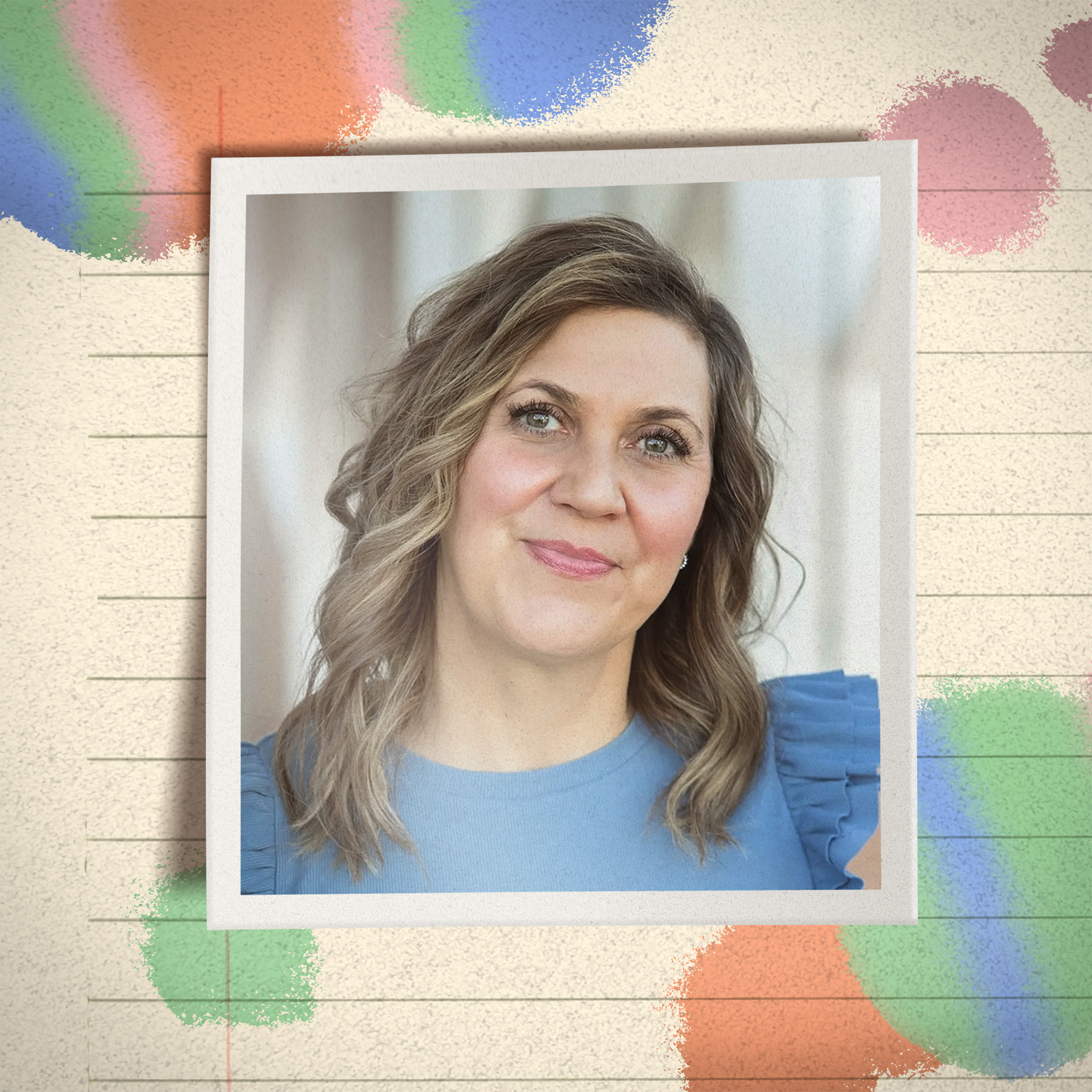
What Your Therapist Thinks
How Do I Overcome Performance Anxiety? The Fear Behind Performance
01:06:04
Loading summary
Transcript153 lines
- [00:01]
A
Hope is not a plan. And we can hope that we're going to win millions, but not going to get us very far.
- [00:05]
B
That sounds like such a difficult balance to strike. How do you find that in between?
- [00:11]
C
It's really important to understand the difference between fearful thinking, intuition, and deep knowing.
- [00:18]
A
One of us could be saying I'm anxious and the other one of us could be saying, I have butterflies in my stomach. Your body responds exactly the same in excitement as it does in anxiety.
- [00:30]
B
Shelly, what's your most absurd tip for performance anxiety?
- [00:34]
A
Oh my gosh.
- [00:40]
C
Hey everyone, it's Felicia. Believe it or not, this is our last episode of the season. First, we want to say a really big thank you for all of the love and the support that you've shown us. We really could not have anticipated the flood of attention the show would receive and we are truly so grateful to have a platform and to get more mental health information from actual licensed practitioners out into the world. But don't worry. Even though this is our finale of the season, we are far from done. Season 2 is already on its way and we are cooking up new ways for you to connect with us right now. You can join our sub stack where we will be sharing news and behind the scenes content. We'll also be ramping up our social media accounts in season two so you can join the conversation between episodes. Believe me when I say that Christy and I could have never guessed that what your therapist thinks would have such a huge impact so, so quickly. We are honored that so many of you have tuned in and genuinely excited to connect with you more before season two drops. You'll also find some bonus episodes will be coming your way. We're going to be covering, surviving and even enjoying the holidays with your family because we all know we need that plus an opportunity to get to know Christy and I even better as we share about our own mental health journeys. We have learned a lot this season and we are excited to incorporate your feedback, answer your burning questions, and keep building this community with you. Now, please enjoy our season finale. The Internet loves throwing around words like gaslighting, narcissist, and toxic, but most of the time they're getting it wrong.
- [02:09]
B
In this podcast, we unpack the Internet's most asked anonymous mental health questions that you wish you could ask a therapist. And by anonymous we mean the Reddit questions you post in the middle of the night.
- [02:21]
C
If you're new here, welcome. I'm Felicia Keller Boyle, licensed somatic therapist and clinical advisor@besttherapist.com and I'm Kristy Plantinga.
- [02:31]
B
Founder of Best Therapists and I've been in a lot of therapy. This show is brought to you by BestTherapist.com, a therapist directory that vets therapists so you can focus on fit, not quality. You can find your best therapist@besttherapist.com it's time to find out what therapists are really thinking. Well, today we are discussing performance anxiety and we are so lucky to have Shelley Qualtieri. Shelley Qualtieri is the owner and founder of Shelley Qualtieri and Associates Counseling and Coaching, a group practice based in Alberna, Canada, where she leads a multidisciplinary team offering personalized therapy and assessments for individuals, couples, families, first responders and athletes. With more than 30 years of experience in social work and 16 years in clinical practice, Shelley brings a rare combination of compassion, expertise and real world perspective to her work. Shelly holds a Master of Investigations Management and a Bachelor of Social Work. And she's also a Master Assist and SafeTalk Trainer, partnering with the center for Suicide Prevention to equip communities and professionals with vital suicide intervention skills. Her work has been featured in Forbes, the Globe and Mail, and Health Today. Shelley, welcome to the show and thank you for being here.
- [03:46]
A
Thank you. Thanks for having me, ladies. I'm super excited to be here today.
- [03:50]
B
Obviously you work with athletes. Performance anxiety is a big, big part of that. So you're just the perfect person to come on today and teach us all about performance anxiety, even though it shows up in many contexts, as I have learned from some research online. But just to get started with a definition, what is performance anxiety?
- [04:11]
A
Well, I mean, when we think about performance anxiety, a lot of people, it's a bit of a buzzword, you know, in today's day and age, we're talking a lot about anxiety. So anxiety and performance anxiety is actually a fear based emotion. It comes out of uncertainty, it comes from a feeling of threat, it comes from a feeling of being out of control. So when we're talking about performance anxiety, there's a whole bunch of components that it rolls into and comes out of it as we're moving forward and as we're thinking a little bit more about it. So when we're thinking about anxiety, it is not necessarily when we're thinking about a definition of how to fix it. It's about how we can change, adapt and respond.
- [04:55]
B
That makes because I think a lot of people can kind of hear performance anxiety and like imagine, you know, Felicia and I used stage fright as kind of example, is it referred to differently in different contexts. So, like work, academic performance, athletes, other areas that we'll get into later.
- [05:14]
A
Nope. Everybody refers to it the same. I feel anxious, I feel scared, I'm feeling nervous, I'm feeling worried about this. But there are three components to it. So whether we're thinking about test anxiety, whether we're thinking about doing a presentation at work or an interview for a job, whether we are thinking about an athlete on the field, or whether we're thinking about other performance anxieties, such as in the bedroom, where sometimes people might be struggling. There's three components. One being what we call the threat, the second being our perception, and the third being our response. And so no matter what context we are in, the situation comes across to us as a threat. It's fearful. It causes that anxious, worried, nervous response where we might start getting a little bit sweaty, our heart might start racing, whatever that threat looks like to us. So whether we're going into the gold medal match, whether we've got the pressure on us to do well in the interview, or whether we're with our partner in the bedroom, that threat is going to look different. The situation is what we're looking at. And then when we're moving into the next phase of it, the perception. What are my thoughts and feelings around this? How am I processing this situation? What are my worries, fears, anxieties around this situation, the what ifs, the what could go wrongs in this situation? As humans, we always look for the worst, and that creates that anxious response. We even have statements, you know, plan for the worst and hope for the best. So our perception around the situation, and we often build stories around that. Again, I didn't do well in practice last week, or I wasn't able to perform with my partner last night, and I'm concerned about that, or I didn't get the job during the last interview. So our perception comes from the backstories we tell ourselves, and then it's how we respond to it. So when we're thinking about anxiety in our responses, we're gonna have a somatic response, a body response, but then we're also gonna have a cognitive processing response, and it's gonna impact how we behave.
- [07:30]
B
That makes a lot of.
- [07:31]
A
A lot of sense.
- [07:32]
B
And, you know, my own experience with performance anxiety, I used to. Well, I guess technically I still am a singer.
- [07:39]
C
I don't do it anymore.
- [07:40]
B
But when I was doing that, it's kind of interesting thinking about the triggers. So for me, it was just like, I don't like people looking at me. I would just rather you not. You know, it's like I don't like that kind of attention. I noticed that one of the things that people are interested in when it comes to performance anxiety is what triggers it in your experience. Are the triggers the same? What are different triggers of performance anxiety?
- [08:06]
A
We have four different types of triggers that we can look at and where it comes from. Oftentimes it is from something that's happened in the past or a story or situation that someone has talked to us a little bit about. So the first thing is our thoughts and our perceptions around the situations. So there is a bunch of different ways that people might talk to themselves or have those thoughts, ideas, perceptions. So one thing could be what we call fortune telling. I know I'm gonna mess this up. I know I'm not gonna be able to be as successful or get that goal. I know that I'm gonna fail this test. And so we start reading our own fortune and it's actually a myth because we haven't tackle this new situation today. Another thing that can get in our way of our thoughts and our perceptions is all or nothing thinking. If I don't do well in this, then I'm going to totally fail. If I don't succeed on the court or on the ice this time, I'm going to get kicked off the team. If I am not able to connect with my partner in an intimate way, we're going to break up. It's that very black and white, all or nothing. We can also do what we call filtering. So that basically means if I do poorly in this particular situation, then I know moving forward nothing is going to work out for me. So we filter our responses and even if we have a blank moment, it sort of catches us and creates an over processing. But with that anxious thoughts and behaviors, a lot of times people also overgeneralize. I always, I never. And so those are a few of the things that we can get caught up in. The next thing could be our emotional state that could create some performance anxiety. So maybe it is disappointment from the previous game, the previous situation or relationship, job interview presentation. We might feel a sense of being not able to control our laughing or crying. So that emotional state feels overwhelming to us because some people when they're nervous, they do burst into tears.
- [10:29]
B
Can't relate. You know, that's not, that's not my one response to everything. So you know, can't relate.
- [10:37]
A
Yeah. So our emotional response can have a huge impact on how that that is showing up. And then if we Start coupling it with some of those thoughts and perceptions. It can feel tricky. Then we have our physical sensations. So what is actually happening within our body, those somatic responses can have another big impact. Right. This is where we might hear people talking about panic. Right? It goes from just some of that general mild anxiety that we all might feel going into a new situation that we've never been in before, to where people can be completely overwhelmed, panicking and hyperventilating. So our heart rate changes, our breathing changes. We might get the sweaty cold chills or sweaty palms. We might get a really dry mouth. Right. We sometimes see people who are having to have lots of drinks of water or because they're feeling so nervous about things. So then once we get this overwhelming sense, you know, maybe on the more intense end of panic, this is where we might see people even passing out or just not able. They're almost frozen in time. And now imagine if you have all of these things happening at the same time.
- [11:52]
B
So overwhelming.
- [11:53]
A
I think one thing really, really important to mention and note is we all need low levels of anxiety in our lives to function. No. Anxiety is what I refer to as the meh emoji. If you don't have any anxiety, you actually will not perform at your best. If you're in that gold medal match or you're in that, you know, the last stages of the interview or you're doing a race, you need a little bit of anxiety to actually perform to finish. So having no anxiety, one, is not realistic, and two, it's a natural part of life, but we name it differently. We call it, we're excited about it, we've got the nervous energy. It's amazing.
- [12:42]
C
Maybe butterflies in your stomach feeling.
- [12:45]
A
Yes, absolutely. And so what's really interesting, when we're thinking about performance anxiety, there's another big part of how we label it. Any one of us could go into that gold medal game and one of us could be saying, I'm so anxious. And the other one of us could be saying, I have butterflies in my stomach. I'm so excited. Physiologically, your body responds exactly the same in excitement as it does in anxiety. But it's how we cognitively label that that also gets in our way.
- [13:19]
B
It's quite, quite fascinating. That's very interesting. Felicia, somatic therapist, specialist in that. What is your take on performance anxiety? I mean, obviously it's like the somatic part is very real. It's like sweating and, you know, we've all had that. But yeah, what's been. What's your experience with that, yeah, 100%.
- [13:40]
C
I just really agree with Shelley here about how our body responds to the stimuli in a similar way, whether we're excited or nervous. And I don't know how scientific it was. I can't recall. Like, this was just, like, something I heard maybe on, like, NPR years ago, where there was some sort of study where people were asked to relabel their nervousness as excitement prior to completing a task or taking some sort of action. And their performance was measurably better when they relabeled their anxiety as excitement. I think that's really interesting, what you shared about how there's a certain level of anxiety that is helpful. And when I think about anxiety physiologically, I think about a certain level of energy in the body. I think about a certain level of, like, tone. Like, literally, tone in the body, muscular tone. There's a way that hyperarousal sort of wakes us up, and there's gotta be a sweet spot where we're nice and awake and aware and we're kind of, like, buzzy and excited, but not so far that we're actually panicked. And now we're, like, not functional. Right. We're, like, fully in that fight or flight where we're just like. You know, Christy, in your case, it's like the difference between maybe being excited and, like, ready to sing and being like, I have to get off this stage right now. Right. It's like there's somewhere along that spectrum that can actually help us perform better. And if you walk up to that starting line or you walk on that stage and you're like, whatever. It's like, that's probably not going to be a very good performance. Like, people will be able to tell that you don't really care. And that's not good either.
- [15:26]
B
That sounds like such a difficult balance to strike. You're the expert who teaches people how to do this. But to me, that seems like, how do you find that? That in between.
- [15:37]
A
Yeah. And I think that that's where, if we're talking, you know, let's just drill in on athletes specifically for a moment. And that's where like, that sports psychology piece comes in. And the visualization and practicing, you know, when you're actually out there on the court or on the field or on the ice, where you're excelling at and remembering visualizing when you got that goal or when you were in practice. Because there's a lot less pressure oftentimes when we're in a practice situation than when, you know, the heat is on in that Match with the competing team. So that visualization piece of it and that sports psychology around being able to manage how much energy, as Felicia was saying, is taking over our body. And what we don't want is that emotion to start running the show over us, having power and control over that anxiety. So I do an activity and sessions with clients around what power and control do you have over this anxiety? So just really quickly and you can do this whether you're on the field, whether you're in school and an exam, whether you're, you know, with your partner, imagining what your anxiety looks like as an actual image. So sometimes people have said to me, it looks like a lightning bolt. Or imagine this stick figure with like a wet wool blanket on me. Like, that's what my anxiety feels like. So we imagine what this anxiety feels like, and then we name it. We actually give it a human name. So let's just call it Bob. And I want you to imagine that Bob is showing up at the field or at the test beside you or at the job interview. And Bob is trying to, you know, push you out of your chair and is trying to tell you and whisper in your ear how you should answer those questions. And Bob is trying to really take over. When we can imagine this human or this figure, would we allow another person to control us in that way? So sometimes when we can have this. This different type of visualization, other than just being, you know, on the field and remembering how well we performed at the last game or in our practice, sometimes if we just have this little visual with a name to it and being like, Bob, you and I are going to chat later. Right now I've got something else that I need to do. When we can create this tangible, it helps us reduce some of that pressure that we might feel and sometimes makes it even a little bit humorous. If we're like, I can see this little stick figure walking around with a wet blanket that doesn't need to run the show right now. So those are just a few really quick little ideas. Obviously, we make them a lot longer and more fulsome in our sessions, but that's just a general idea of how we can manage it a bit.
- [18:31]
C
That was a really great example I. I heard in that externalizing, right? Like making the problem separate from yourself. Because I can imagine when people are feeling this performance anxiety, one thing that might be going on is, gosh, why am I doing this again? Come on, get it together. Get over it. God, I'm so sick of this happening. And you can be like, really beating Yourself up. You're not only having, like, the bad experience of being, like, overly anxious, but now you're upset with yourself about doing it. But this externalizing exercise helps you to separate from that experience and see it as something that maybe isn't you, but something that's happening to you and maybe even something that's trying to keep you from getting what you want. And that allows you to engage with it differently and get a little bit of space. And then there's also this spin. I love this idea of giving it a human name, which, yeah, really just kind of reinforces that point that it's different, it's not you, and different things can happen. Like, maybe you start to feel some compassion towards that part. There's also maybe like a bit of parts work here, right? Yes. Depending on what's most helpful for you in that moment, you could see it as something you're gonna battle and you're gonna defeat and you're not gonna let it take you down. Or it could be something where you're like, oh, you're so sweet. You're actually really scared and you're trying to protect me. So there's a lot of ways that this opens up possibilities where you might have been feeling, like, really constrained before.
- [20:03]
A
Yeah. And it goes back to those initial things that we were chatting a little bit about, of creating those thoughts and perceptions and that fortune telling and that all or nothing type of thinking and that emotional state. It kind of entangles all of those pieces. The other thing that we will often do and talk with people about is once the situation has occurred, if you're not able to kind of get a hold of it right in that moment, I want you to invite Bob over to sit down at your kitchen table with you and have tea and ask some questions. Why are you showing up? What are you trying to do? For me, Is it around safety? Is it around control? Where is that showing up with. And it's pretty powerful when we sit down with, whether it's an athlete or a university or high school student with exams and test anxiety, that it's a very quick, easy thing that they can do. When they're sitting in class, nobody knows that they're looking and talking with Bob.
- [20:59]
C
You know, and you might develop a relationship with, like, it becomes Bob. You know, you're like, yeah. And it makes it into something that can be a lot more workable instead of this, like, intractable thing that is just. You're just stuck with.
- [21:17]
A
Yeah, absolutely. And because anxiety is actually a normal, healthy part of our life in low doses, we actually do need it to be able to function and sometimes win or be successful. But again, it's about how we're naming it. So the things that become concerning to us is, is it impacting our everyday life? Is it impacting how we're walking through the world? Is it escalating? Or does the level of anxiety I'm feeling actually match the situation? Because probably any one of us going into a new uncertain sit, whether that's, you know, with a new partner, whether that's on a new team, whether that's the first time on the field with the gold medal match, whether it's doing your diploma exams for university, if it's a situation of uncertainty, we can really get stuck.
- [22:14]
C
You talking about a certain level of anxiety being optimal and being necessary for human development and growth and health makes me think about the fact that usually when we're anxious, I mean, not always, right, There are times when anxiety is just like very not helpful. But oftentimes it accompanies something that's new or challenging or is going to expand us in some way. And so that's not bad. That's actually a really normal part of growth. And there's a difference between the level of anxiety that's going to kind of knock us out of our window of tolerance into a place where our nervous system is in fight or flight, freeze, whatever it is in that panicked state versus some anxiety that's slowly nudging our window of tolerance into something that creates more and more and more capacity. Because that's kind of what we're going for with human development, is we're trying to slowly open that window of tolerance so that you have more capacity to do things that are risky but helpful for you, like getting out on that field and playing the game and killing it.
- [23:26]
A
Right?
- [23:26]
C
Or really knocking that interview out of the park. It's actually just a normal part of growing and you're gonna have a hard time, I don't know, changing your life if you're not willing to experience some level of anxiety.
- [23:42]
A
And it is inevitable it's going to be part of us, no matter what, we are all going to feel it. But again, if it is becoming so distressing that you're not able to to perform, that it's impacting your day to day living, that it is holding you back from doing new and different things, that's when we really need to start paying a lot of attention to it. But oftentimes, like when I'm working with athletes or teenagers or you know, Family members. When we're talking about anxiety, we actually start talking a little bit about how can we get out of those worry loops and how is it actually serving you and benefiting you? Because imagine, you know, you've got that little jolt of adrenaline to do that last run down the field or across the ice, or have that hard conversation with your partner about what's going on. We really need that to just take us to that next level. Anxiety as well. It is a fear based emotion. And when we put it in sort of that bucket, that emotional container of fear, it also is, as you're saying, Felicia, something that can push us towards growth. The first experience we have with whatever our anxious situation is will never be as hard the second time or the third time. The more we grow, the more we develop, the more we're placed in difficult situations, whether that's a game or whether that is a test or an interview or intimate intimacy. The next time will never be typically as hard, overwhelming or challenging because we've already had the experience once, twice, five times. That's why maybe when we're doing the task or the event, the fifth time, it's excitement labeled rather than worried and anxious labeled.
- [25:45]
B
Well, one thing that we try to do on this show is debunk some pop psychology stuff. And I think there are obviously a lot of terms that get thrown around like toxic and narcissism that maybe have lost their true meaning when they're talked about a lot online or we're not consulting professionals on this stuff. So what are some myths around performance anxiety? Whether that's, you know, people who suspect they experience it or just what are just some myths around performance anxiety?
- [26:18]
A
One, that I'm never going to be able to get over it. I'm not going to be able to get past this and I'm not going to be able to control it. It's about finding the right tools and supports to unpack what that looks like. With performance anxiety in whatever facet it's coming up or showing up for you in, we can always navigate how to manage it. For some people it might be bigger. For some people it might be smaller. But the very first thing we need to think about is creating that awareness. When's it showing up for me? How's it showing up for me? Finding the right supports, whether that's talking to your coach, your teachers, a therapist, and then developing skills. A lot of times, what we often hear with people coming into our clinic who have maybe worked with other therapists or been trying to deal with it on Their own is. Well, here I try to avoid it. I just try to put it to the back of my mind. I try to maybe put my music on or do something different so that I don't have to deal with it and just hope that I will feel better. So a couple things in that I always say hope is not a plan. And we can hope that we're going to win millions, but that's not going to get us very far. We really need a tangible plan and skills. Anxiety actually is something that we want to look straight in the eye and we want to directly deal with it. The more we try to avoid it and the more we try to run from it, the worse it gets. So this is often what I will hear from people is I've tried journaling, I've tried listening to my music. I've tried doing something to distract myself. I've tried putting my hands in cold water. That works in the moment, but I'm.
- [28:01]
C
Still really struggling and it's getting worse.
- [28:04]
A
Yes, it will. I've used the analogy as like the monster under the bed, it feels so big and so scary. Then it feels even bigger and scarier when you hear a little bang and then you're hiding under your covers and you're terrified. But then you actually look under the bed and realize it is just a piece of paper that's fluttering with the fan. There's no monster under there. So I think that's one thing is it is solvable. There are tools and strategies. We don't want to avoid it. We want to look it in the eye. And we need to find the right supports and tools for us in our situations.
- [28:46]
B
So the never going away piece is kind of interesting. In our episode on People Pleasing, we made a distinction between it being a habit versus a trait of personality. Do you think performance anxiety is similar? Does some people, they're just like, this is who I am. You know, I'm a shy person, or I'm anxious, or I'm, you know, whatever. Versus is this just a habit that you have that can be broken?
- [29:13]
A
I think it can be a little bit part of who you are. We do know anxiety can be biochemical. There are some people that do need medications to manage it, but. But we can also learn that it doesn't need to make us who we are. So there's this quote by Matt Haig that I really love. It said, like, mental health problems or anxiety does not define who you are. It's something we experience. So, for example, if you're out walking in the Rain. You can feel the rain, but you're not actually the rain. I just love using that quote because we can feel the anxiety. We can feel that sense of overwhelm. But you are not anxiety. There are all these other components to who you are. And it's one little piece of your puzzle that you can learn tools and strategies and ways to manage and cope with, but it does not define in any way, shape, or form who you are.
- [30:13]
C
It's Bob.
- [30:14]
A
It's Bob.
- [30:15]
B
It's Bob.
- [30:17]
C
It's been Bob the whole time.
- [30:19]
B
Absolutely.
- [30:21]
C
So many thoughts are coming to mind. I was thinking throughout this conversation, I've been thinking about Pema Chodron's book, When Things Fall Apart. And she tells this story of. Forgive me, Pema, if I get this wrong, please. A person is studying and preparing to do battle with fear. And one day, the day has come. It's time to do battle with fear. And they go to fear and they meet it, and they first ask for permission to do battle with it. And fear is like, well, thank you so much for asking. Sure. And then they say, well, how can I defeat you? And fear says, well, I'm gonna get really, really loud and I'm gonna get up in your face. I'm gonna say a bunch of things to you, but if you don't do what I tell you to do, then I can never. I can't win. And that's kind of what I'm hearing here.
- [31:12]
A
Right.
- [31:12]
C
In this story. The person prepares themselves and they go to meet fear. They face it head on, and then they basically have a conversation with it, you know, and they're. They're able to recognize that this fear is going to tell me all sorts of things. It's going to tell me to do certain things, to not do certain things, but I don't have to do what it's telling me to do. And I think it's really important to understand the difference between fearful thinking and, like, intuition and deep knowing. As a person who's dealt with a lot of fear throughout my life, sometimes I've been worried, well, if I'm not as fearful and I maybe don't pay attention to those thoughts that are, you know, are fearful and maybe trying to keep me safe, will I still be able to keep myself safe? Like, is there a difference between my deep knowing and ability to protect myself and just, like, chattery fear?
- [32:05]
A
Right.
- [32:06]
C
And so over time, like, I. I think I've done a pretty good job of distinguishing between those things. And, like, being an entrepreneur, like Christy and I both Are we face a lot of fears all the time about taking risks? I mean, you too, Shelley, right? Like, this is part of our journeys. And so we've literally had to face those fears and keep on going. Like, being an entrepreneur is kind of its own form of, like, performance. You know what I mean? Like, every day we show up to that, like, race and are like, okay, we're doing it. And there are fears and challenges all the time. And part of what allows us to keep on showing up is that we're. We're essentially not listening to those fears, but it doesn't mean we're taking on risk without any consideration.
- [32:50]
A
Yeah, I love that. It's kind of like Bob showing up for tea or showing up on the field or wherever you are. You're having that conversation with Bob.
- [32:59]
C
You're like, bob, let's get into it. What you got for me today?
- [33:01]
B
Get into it. What are you gonna tell me today?
- [33:04]
A
And the thing that's always interesting about Bob is, you know, that anxiety usually pulls us into the past and those situations that have happened in the past, or it starts telling us these stories, this narrative that is false about the future. Anxiety is something that's from our past or our future. It's not actually grounded in our present moment, in what is happening for us right now. And so that's why a lot of times we can do those visualization strategies. If we're working with athletes or if we're working with students, you know, what do you see yourself doing? How do you see yourself succeeding? Those positive thoughts and what are you feeling in your body? Let's change that. Anxious to excitement and seeing yourself get that 90% on that tester or gaining that goal. There's a lot of research that talks about the what if? It's called the 937 rule. I don't know if you. If you ladies have heard about the 93. 7 rule. So there's been quite a bit of research around, obviously, anxiety and worries. But I believe it was the University of Alberta that did this study. So 93% of the time, we what if? And we worry about something that actually will never happen. Only 7% of the time, the worries that we have become reality. I'm sure both of you.
- [34:38]
C
Wow, those odds.
- [34:39]
A
Yes, that's both. Ask myself, you know, you've worried about the outcome of something. The future. What if, what if? What if? And then you're like, why did I spend all that time worrying about something? Another little strategy that we use along with the research behind it, because our clinic we love using the research along with providing the tools is that, let's just use a very simple example of. Let's say we're sitting here today and one of you is saying, my ear is really hurting, my jaw is sore, I'm feeling a little bit sweaty and like, my stomach is upset and I've got a headache. I'm worried that I might be getting a cold and an ear infection. That is a logical, anxious worry that is rooted in fact. You go to the doctor and they say, yes, you need antibiotics, you are getting an ear infection and you may get the flu along with it because of the fever and things like that. It's rooted in fact. So that worry that what if that anxiety is based in fact? So you're okay to worry about that, but what if we're all sitting here today and you're thinking, what if my ear starts aching because I've had an ear infection in the past and I was outside in the wind yesterday, and what if I start getting a little bit more headache? I have a little bit of one today, but what if that turns into the flu? And what if I'm going to start missing work and what if I'm not able to attend the podcast? All of those things are not based on fact in this moment, in this present moment. And so you're spending 93% of your day or your hour worrying about something that actually never comes to fruition. And so we talk a lot about the facts versus the feelings with anxiety as well. What are the true facts? Has your partner ever said to you, I am not happy in this relationship because you're not able to perform in the bedroom? No, they've never said that. Has your partner ever said to you that they need this in relation to your performance? No. Okay, so what's the story you're telling? You're creating additional anxiety, which is probably impacting your situation even more. And so we spend so much time as, as humans worrying about the future or even the past by telling ourselves these stories 93% of the time that are rooted in fact.
- [37:13]
C
It's like, I cannot get over that at this. I mean, I know this. I know that human brains are like, sticky for negative information. So it doesn't surprise me that will ruminate and will worry about the things that are not positive or uplifting. But, like, 93%, that's staggering. It's actually encouraging to hear that then, because, like, if that's consistently our false positive rate, 93% false positive for, for bad things happening, I would like to think that after hearing this, I'm gonna go through this week and dismiss a lot more.
- [37:53]
B
Yeah, I'll take those odds. Right.
- [37:55]
C
It's like, okay, 7% of the time this is true, but, like, 93% of the time it's not. This is really not a good use of my energy.
- [38:03]
A
Yes.
- [38:04]
C
That being said, of course we can know this, but our bodies are biologically wired to be like. But don't get too relaxed. So I really appreciated your invitation, Shelly, of like, getting in touch with what's happening right here, right now. And I think that speaks to how do we distinguish between anxiety, which is usually past or future focused, and really touch into what's true right now. And so that's where we can actually begin to fill our intuition, where we can connect with our deep knowing. And we can do that by beginning to access our bodies. For a lot of us, that's like the fastest way into the here and now and out of our brains.
- [38:48]
A
Yes.
- [38:49]
C
I would take my clients or I would invite my clients to take the elevator down from their head into their body. Because sometimes when I'd ask my clients how they felt, they'd be like, well, and I could see them, like, I could see them, like, thinking the words. And I'm like, no, no, no, no, no.
- [39:05]
B
Not there.
- [39:06]
C
Down there, down. Lower, lower. Like, all the way out. But it can be really hard to get into the body, but it's really useful. So whenever I talk about people getting more connected to their bodies, I always want to give a caveat for folks who have experienced, like, physical trauma, where the body can be a really activating place to go. So always practice this with, you know, your own discretion. It's helpful to work with somebody who knows this. I like to start with places of the body that might feel a little bit more safe, like fingertips, tips of toes, maybe experiencing that sensation of your hand touching something else, rather than immediately trying to sense the interior of your body.
- [39:52]
A
Yes.
- [39:52]
C
So you're on your own journey. I always want to be careful about inviting folks into their body.
- [39:59]
A
Yeah. And I think, too importantly, that anxiety is a spectrum for all of us and for everyone. And some people who experience anxiety, it's a bit more mild and manageable, and it's in, you know, certain targeted moments for other people, that anxiety is so far at the other end of the spectrum that it almost freezes them to be able to do anything, problem solve, have conversations, and that that is a very unsafe place for them to feel like they are, are at. And then there is that biological piece of it, that sometimes it truly is a chemical imbalance where we need medication to be able to actually process and talk through that anxiety before we can even get into this place of right now. You know, I've worked with some clients where their anxiety has been so extreme and we do our assessments on them and see where those numbers are, but they don't want to go into medication because they really want to do the work, which is amazing. So we do five or six sessions and then we will do the scales again. If those numbers are dropping and they're getting into a more manageable range, then we know we're on the right track. The practice is working that they're taking away. But for some people, they just feel really stuck in therapy. And I find this a lot when people have that more extreme end of anxiety that sometimes it is a medication that is needed. You don't have to be on meds forever, but in order to process this situation, we can't do that because you're in your fight, flight or freeze state and you're not actually able to do that processing until we can manage that past. Typically in these situations, it's the past events that have come up and then maybe we can go off the medication. But there's so many tick boxes that we need to look at. And I do want to just be mindful that anxiety is different for everybody. And sometimes medication is needed and that's totally okay because it is chemical.
- [42:20]
C
I'm really glad you brought that up because we don't. We haven't talked about medication that much on the podcast. And so I'm really glad that you're naming that because medication can absolutely be helpful for folks. And to your point, it can be really hard to do some of this, this deeper work, some of the like psychological therapeutic work if we cannot get you into a place where you are, are at least slightly more regulated. Because we're essentially trying to work on a brain and on a system that isn't fully available. So if we can't begin to access that, it makes a lot of sense that medication can be an option. But I also want to say to folks, medication isn't a bad thing, right? You don't necessarily have to be like at a place where you've tried these different things and you're like, medication is my last ditch effort, like work with a prescriber to find out if medication is right for you. Because there's no point in needlessly suffering. And oftentimes medication and therapy can be great. Can Be a great combo.
- [43:26]
B
Well, I would love to get into some examples from Reddit and I was wondering how to paste these different examples, because 90% of the content I saw coming up around performance anxiety on Reddit was around male performance in the bedroom specifically. So I know, Shelley, you were saying performance anxiety, the core of it is kind of similar, you know, across all these different settings, from stage fright to, you know, performance, bedroom, all that kind of stuff. So I thought we would start there, if that's okay.
- [44:02]
A
Yeah.
- [44:03]
B
So this is from the subreddit, Ask Men how do you cope with performance anxiety? Yeah, skipping the details. I had a very bad experience with performing anxiety the last time I dated. It kind of ruined the whole thing too, since it was the first time we were going to have sex anyways. I'm back to dating after a couple months off and I'm meeting this girl for a second date this Friday and we pretty much said we're going back to hers. Ten have sex. Now, obviously I'm really hyped since I generally like her and I think she's super hot. The problem is I'm terribly worried about this happening again. Did anyone have a similar problem and did you overcome it? So how does he cope with this?
- [44:43]
A
Yeah, so I love this, and I'm going to jump right on back into our thoughts and our perceptions. And he's already telling himself a story of what happened in the past and. And he's building on that scenario and he's now creating this future story for himself about what could potentially happen. So he may be jumping into that catastrophizing things like, I couldn't do it last time, and what if it's going to happen again and how am I going to be able to manage and cope with this? So it jumps right back into those thoughts and those perceptions and maybe even doing a little bit of overgeneralizing last time this happened. I wonder what that emotional piece was for him, because was it in that past relationship or that past, you know, scenario that he had where actually was that sense of emotional safety? Men often talk about just wanting to be able to, you know, have sex with women, but some men are very much into that emotional connection piece of it. And if he's feeling and putting all this pressure on himself that I have to be like guy's guy and a man and I have to perform, maybe that's actually just not how he wants to connect with a partner. Does he have disappointment in how he performed or didn't perform the last time? Is he feeling like he doesn't have control over his own physical body in this situation. What is that conversation and what's the pressure that is being put on him to perform in this situation? So I think goes back to thoughts and perceptions, the storytelling he's doing, the 93% of the what ifs. There's no fact behind it in this situation. And his emotional state is impacting him, which will then drop us into those.
- [46:42]
B
Physical states of the nervousness.
- [46:45]
A
Feeling a little bit, you know, uncertain around. He's probably got a lot of butterflies and uncertainty around that, which is if we were to be in this present moment, connect with that person and just.
- [46:58]
B
See how the night goes, performance might.
- [47:01]
A
Be a little bit better.
- [47:03]
C
I'm really curious what the comments say on this post.
- [47:07]
B
Part of it too is some of this is more explicit. So I'm going to A lot of.
- [47:12]
C
We do have the E on our podcast.
- [47:15]
B
Yes, we do. But yeah, a lot of times the answer is like, have you tried this medication? They don't know the one that we are referring to. But in this case the top comment. I find every kind of performance is easier when at least while you're doing it, you don't think about the other person as above you. There are harsher ways to say this idea that I think are more helpful but might sound a bit toxic. So that's what I can give you. Lower their pedestal, raise your own, worry less about them, and learn to take your own capacity to succeed for granted. A healthy egotism. Thoughts?
- [47:52]
C
I kind of like this. I just read Esther Perel's book Mating in Captivity.
- [47:58]
B
I love that book.
- [47:59]
C
So good, right?
- [48:00]
B
So good.
- [48:01]
C
And I feel like she talks about this at some point. Like there's. During sexual encounters there is a bit of like a selfishness and a dropping into our own experience that can actually make it more exciting, more fun and weirdly like more connected.
- [48:19]
B
Right.
- [48:20]
C
And I hear what this poster, this commenter is saying about wanting to be careful about their language and making sure we're not talking about like actually degrading women but, like mentally. You know, oftentimes performance anxiety can come with the sense of like, yeah, pedestalizing the other person and being super, super, super concerned about impressing them or what their experience is. And again, we want them to have a great experience, especially in like heterodynamics. Like historically there's such a thing not caring about women's experience during sex. So makes sense that we don't want to repeat that. But at the same time, when you're caring about that so much that you can't even enjoy yourself. Ironically, you end up not having a great experience together. So I, I actually really like what this commenter is saying about this.
- [49:09]
A
I think I have two sort of schools of thought on this. So one, probably lots of us have heard the analogy of put your own oxygen mask on first. First, you know, really focus on what it is that you. That you need. And once you know what you need, you can be so much more help to the other people in your world. Right. And I think that this rings true for this situation as well. If we feel confident in ourselves and we know what we need to be able to perform, we can probably provide our partner with much more of what they're needing. But I think there's another side of this as well is what does respect look like in that connection? What does that connection look like? Are we just meeting up for, you know, a one and done kind of thing, or is there a real intimate connection here? And I think that performance anxiety in this realm can look really different if it's the second or third day or if we've been with our partner for 20 years and we're in a very different place because of maybe other life stressors that are going on. So I think there's a whole spectrum here around connection, but also knowing ourselves well enough. So I think that this really could be a whole. A whole episode.
- [50:31]
B
Yeah, maybe we'll have you back just for this because I'm telling you, it's a very prevalent topic topic. But maybe let's get into something that I know that you work with in your practice, which is more around test anxiety.
- [50:47]
A
No?
- [50:48]
B
Okay, so this is from the CPTSD community on Reddit. I have crippling performance anxiety at work even when I do well. What the hell? This will sound lame to anyone who doesn't have cptsd. According to my manager, I'm doing well in my job. I am a software engineer at a new job six months in, and while I've never received any negative feedback, but I have received positive feedback on multiple occasions, I'm constantly worried that I'm not doing well enough. It's so annoying to be this way and sometimes literally debilitating. If I think that I'm spending too much time on a task, I will start flailing internally and worry that I'm doing a terrible job. This then makes it impossible for me to focus and make any progress and I enter this cycle of doom. Not making progress because I am panicking and panicking because I am not making progress. If I am stuck for a full day or more, I typically go into a strong emotional flashback, not quite sure what I am flashing back to, where I need to cry and disassociate for all of my free time. I then start the next day extremely worried and the cycle continues and gets worse. I'm sure others have been here as well, so I'm hoping some will have found ways to deal with it.
- [52:00]
A
This.
- [52:01]
B
Sometimes this feels like it's literally ruining my life.
- [52:05]
C
I think it meets the criteria. Shelley, like you were saying, for impacting day to day life, this is serious, right? This is taking this person out for multiple days essentially. And they've got feedback that they're doing a good job, but it's really hard for them to believe it. So to me this really sounds like a great candidate it for therapy because the poster is suffering a lot.
- [52:34]
A
Yeah. And especially when we're looking at like that complex PTSD piece of usually is medicated and depending on, you know, they said that they're a software engineer. Complex PTSD comes from repetitive ongoing exposure to very high stress situations and oftentimes not only medication but also exposure. Therapy tends to work really well with this type of PTSD when we're working with first responders in particular. I do a lot of work with first responders, but this is something that will likely be an impacting part of their life long term. Once we have this sort of complex PTSD in our worlds, it can be manageable, but it's not sort of like a generalized anxiety that we can cope with really easily. And like Felicia was saying, definitely therapy, finding the right person to be able to support you, looking at medications, just being really honest. It's sometimes some really hard work when we're in this place and finding your safe people that are professionals to help you through this because there are ways to manage. But the unfortunate part is sometimes when it's at this end, it's gonna be part of our life.
- [54:08]
B
Okay, I love this one. This is from the subreddit Piano. So I'm assuming pianists are on this subreddit it and it's asking for the most absurd tips for performance anxiety. And I think I want to read some of the suggestions that are on here as well. Drop the most absurd advice that you use to help you with performance anxiety. Not practice a lot, but rather your most unusual advice. So some of the things that I see, look in the mirror, put your arms up high like a cheerleader, dance around like an idiot for a little bit, then say some self assuming Shit, like, oozy, goozy, cheesy stuff. Proms. It helps the nerves. Might feel silly, but it's confident silly. And it helps make confidence serious. A lot of people recommend practicing drunk as their most absurd advice.
- [55:02]
C
That's really funny.
- [55:03]
B
Which, you know, like, I think there's so much to be said about that from, like, a therapist, this point of view. A lot of people are recommending exercise. So, like, calf raises and squats backstage to just burn off some adrenaline before, of course, like, the audience naked is, you know, thrown out there as well. But, Shelly, what's your most absurd tip for performance anxiety?
- [55:28]
A
Oh, my gosh. My most absurd tip. This is going to be a tricky one. Maybe you should just. Just dance around naked and to combine all of those things in the bathroom mirror. I mean, sing, dance, be naked. Imagine everybody else naked.
- [55:46]
C
Okay, here's my, like, morbid darkness coming out. I really like just taking my fears to the very extreme and seeing how bad they can get. Like, one time I was scared to buy a Roomba. I. I really.
- [56:04]
B
What a common fear. Robot vacuums.
- [56:09]
C
You all can relate. No, I was scared to buy a Roomba because I was like, I'm not making a lot of money. This is expensive. Like, I really want a Roomba. I had a roommate who had a Roomba, and then he moved out and took the Roomba with him. And I really miss it.
- [56:24]
B
Damn it.
- [56:25]
C
It was so useful. But I recognized I was just thinking about this again and again and again, rethinking about it. And finally I was like, okay. I still really wanted that. So what's going on here? What's the fear underneath the fear? Underneath the fear? And they were pretty ridiculous, you know, like, on a super fundamental level, if I just kept on, like, digging that hole, going all the way down to the center of the earth. Like, really? It was like, I'm afraid I'm going to be destitute. Like, I will never recover from.
- [56:54]
B
I will never financially recover from this.
- [56:57]
C
Room, from this room of purchase. Like, everyone will desert me. I will have no other options. It'll just be me and my roommate on the streets, you know? Like, and, like, when I really thought about it, I was like, okay, well, that's not realistic. Like, yes, this is a lot of money considering how much money I'm making right now. But, like, those fears aren't true. It's a little bit like having a conversation with Bob, really. I sat down, was like, okay, Bob, I want this Roomba.
- [57:26]
B
Give me your worst. Have a lot to say about what Are you thinking?
- [57:30]
C
And I'm like, bob, honey, no, that's not going to happen. We have other options here. We're not gonna be 65 years old, looking back at our life and being like, it all started with that Rimba downhill from there.
- [57:45]
A
And it goes into that 937 rule. Right. What if, like you said, I dug down to the, you know, the core of the earth, we can what if forever. But what were the real facts around that situation for you?
- [58:00]
C
Right, exactly.
- [58:01]
A
The fact was, will I be destitute and living homeless with the Roomba in the back alley? Probably not when I look at the facts. But you can what if forever?
- [58:10]
C
Well, and you can also what if in a way that is not particularly conscious? Like, that's the thing about a lot of this anxiety. It's kind of this swirling physical sensation, half baked thoughts that you never really fully sit down and look at. But, but having a fear inventory, having a really conscious conversation with Bob, it's like all of those thoughts become crystallized and then you have the opportunity to ask yourself, is this true or not? Yeah, like, is this actually accurate? And maybe part of what came out of that thought process is like, oh, you know what, I really, really do want this.
- [58:44]
B
But you know what, it is expensive.
- [58:46]
C
So I need to figure out a way to make more money over the next couple months or maybe I need to cut down my expenses in some other areas. So it's not this kind of black or white thing. It's not like, okay, well I'm going to blindly spend money on this or I'm not going to do it at all. Taking a look at your fears and having the conversation with Bob might actually point you in the direction of some things that you do need to change and would be helpful to change. And then you still also get to grow in a new direction as well. It doesn't have to be completely stuck or mindlessly rushing ahead.
- [59:19]
A
Yes, we do. In our clinic, we use a whiteboard a lot with clients so they can see what's in their head and their heart and they can actually see what their worries are. And so we use another little strategy that we say, if you're going to worry and you're going to what if? Let's worry well and let's figure out how we can worry well. And worrying well is what is telling you that this thought, this belief is actually truth. What steps can I take to understand if there's truth behind this worry? What information do I need to unpack, resolve, or dissolve this worry? What support do I need. How can I problem solve this worry so we can what if in a positive well way just as much as we can all of the negative. And that's a hard part of therapy. And I say this to people all the time. This is where the messy in the middle comes, and this is where the hard work comes in. If you want to worry and you want to have this anxiety in your life, let's flip that around to worry well, because you have just as much power and control to have Bob in your life as you are to have. Have John, who is your worry well person and looks at everything from a positive lens. We have just as much power and control to do that. But as humans, we're programmed to look for the scary, bad things, the fear. And that is where the hard work and therapy comes in of what can you worry well about to change your situation?
- [60:57]
B
So empowering. I, like, feel better hearing that, you know, because I do think anxiety just. It just, it runs on its own. It's got its own life sometimes, but it's like that. You can bring in John, our new friend.
- [61:11]
C
Oh, hey, John.
- [61:12]
B
He can be just as present.
- [61:14]
C
You know, honestly, I feel like Bob probably is not just Bob. You know, I feel like Bob needs a little loving care and maybe his middle name is John.
- [61:25]
B
You know what I mean?
- [61:26]
C
Like, Shelly, it's been so great to get your feedback on all of these Reddit questions and helping us really understand performance anxiety. Is there anything that you've, like, wanted to say in session that maybe you haven't? Because you're this person's therapist and we all know that therapist. As therapists, like, we're not friends, we're not buddies, and you might be sitting there being like, oh, man, if. If you were my buddy, I would say this, but you're not, so I'm not going to. Is there anything about performance anxiety that you've wanted to say in session, but you've been like, ugh, this is your chance on the podcast to say it.
- [62:02]
A
Sounds kind of cliche, but you don't need to let the small stuff get in your way. Don't sweat the small stuff. Honestly, this thing that you're feeling so anxious about, is it really gonna matter? In five weeks, in five months, in five years, are you actually gonna remember this math test that you failed or the game that you didn't win, or that partner that maybe you're only going on the second date with? Is this really going to change the.
- [62:35]
C
Course of your life or is it just a Roomba?
- [62:40]
A
Exactly.
- [62:41]
B
So Just a Roomba. Wow.
- [62:44]
C
Sponsored by Roomba.
- [62:45]
B
Sponsored by Roomba.
- [62:46]
C
No. If you do want to sponsor us, I love your product.
- [62:49]
A
Sucks.
- [62:50]
B
But we love Roomba. Don't get us wrong. Wow.
- [62:56]
C
Thank you.
- [62:57]
B
Thank you.
- [62:57]
C
That is so, so helpful to hear. I love that message of like, yeah, let's really put this into perspective. Of course we can't know the future, but like, take a step back. Imagine this from the outside, 60. Imagine a 60 year old. And if you've ever had a conversation with a 60 year old, 70 year old, 80 year old, and if they're like, like, I remember when I bought that Roomba and then my life was never the same, or like, I failed that test in third grade and like, it was all downhill from here.
- [63:27]
B
My life on a terrible course.
- [63:29]
C
You're probably not going to hear that from somebody. So, yeah, take a step back, get a little bit more realistic and just go to therapy too, if that feels flippant. And like, go work with a therapist, because that can be something so helpful.
- [63:46]
A
And the right one for you.
- [63:48]
C
Exactly. If you're looking for a therapist, then head to besttherapist.com where you can find therapists who have been vetted so you can focus on fit and not quality.
- [63:59]
B
Yeah. Thank you so much for being here, Shelly. You're just the perfect person to come talk to us about all of this. So thank you so much for your time.
- [64:06]
A
Thanks for having me. I appreciate it.
- [64:08]
C
And if people want to learn more about you and your practice, how can they find you?
- [64:14]
A
Well, they could find me on Best Therapist. That's one of the places they can find me. They can also find us on our website and they can also find us on Instagram, LinkedIn and Facebook.
- [64:26]
C
So you're everywhere. Okay, go find Shelly and her practice. Connect with her online. Thanks for being here. We'll see you next time. That's all for this week's episode.
- [64:36]
B
If this conversation resonated with you, the best way to support us is to follow, rate and and review the show. Wherever you're listening right now, are you watching on YouTube? Subscribe and drop us a comment.
- [64:47]
C
Have a friend in mind who could use the advice in this episode? Text them the podcast. You can also connect with us on Instagram yttpodcast. We want to hear from you, so slide into our DMs with your mental health questions. They just might be featured on a future episode.
- [65:03]
B
What your therapist thinks is hosted by me, Christy Plantinga and Felicia Keller Bole. This show is brought to you by besttherapist.com a therapist directory that vets therapists so you can focus on fit, not quality. You can find your best therapists@besttherapist.com Our.
- [65:20]
C
Show is produced by the team at Podvision.
- [65:23]
B
See you next time.