← What Your Therapist Thinks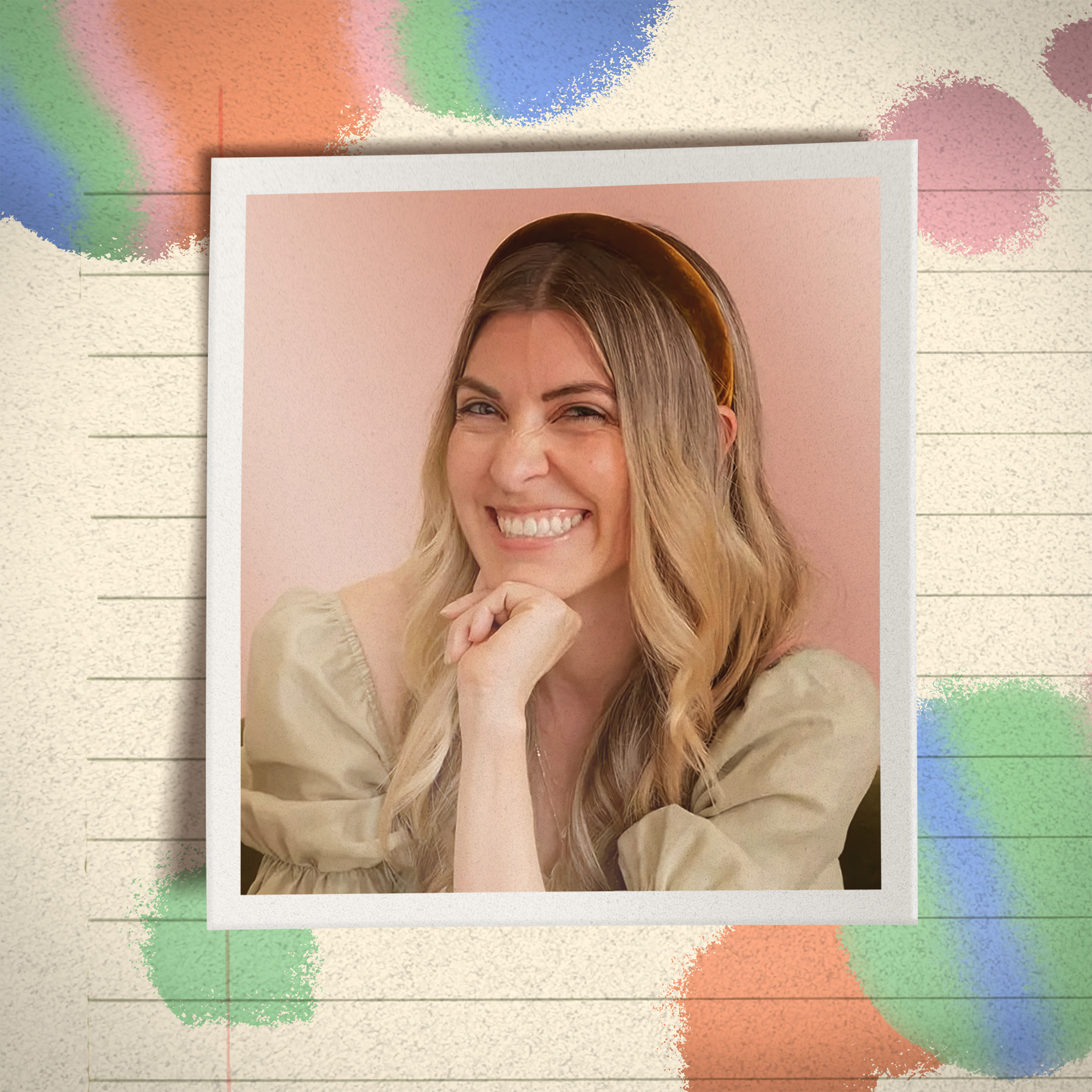
What Your Therapist Thinks
What is Coregulation & Parenting? How Coregulation Helps Build The Best Child-Parent Relationships
01:00:26
Loading summary
Transcript115 lines
- [00:00]
A
What children require for feeling safe is boundaries. They need to know that someone here is in charge.
- [00:07]
B
We're raising children not just to be children, but we're raising them to be adults ultimately.
- [00:12]
A
And the reason I think that that's so powerful is that a child is a lot more likely to say, this must be about me than the adults in the room.
- [00:20]
C
The common misconception about it is that gentle parenting means no boundaries. It means you don't push your kids to do hard things. It means you don't have to listen to other people.
- [00:29]
A
It's so key to recognize that what your kid needs.
- [00:36]
B
The Internet loves throwing around words like gaslighting, narcissist, and toxic. But most of the time, they're getting it wrong.
- [00:43]
C
In this podcast, we unpack the Internet's most asked anonymous mental health questions that.
- [00:49]
B
You wish you could ask a therapist.
- [00:51]
C
And by anonymous, we mean the Reddit questions you post in the middle of the night.
- [00:55]
B
If you're new here, welcome. I'm Felicia Keller Boyle, licensed somatic therapist and clinical advisor at BestTherapist Doctor and.
- [01:03]
C
I'm Kristy Plantinga, founder of Best Therapists, and I've been in a lot of therapy. This show is brought to you by BestTherapist.com a therapist directory that vets therapists so you can focus on fit, not quality. You can find your best therapist@besttherapists.com it's time to find out what therapists are really thinking. Today we are talking about CO regulation and parenting, which is a fascinating topic. Super excited to get into it and we have just the perfect guest for this topic. Truly, truly an expert on this. We are joined today by Dr. Cassidy Freitas. She is a licensed marriage and family therapist, mom of three, and host of the Holding Space podcast. So if you like anything that we talked about, you like hearing from Cassidy, please go subscribe to her podcast. She's the owner of Dr. Cassidy and Company, a group practice serving parents in California and New York. Through her work, she supports parents in navigating the messy, beautiful realities of raising kids while staying grounded themselves. Kassity, welcome to the show.
- [02:06]
A
Thank you so much for having me. And I have loved getting to know you, Christy. Over the years, you have really supported my business. We've done a few podcast episodes before. Yeah, I know.
- [02:19]
C
The roles are reversed now.
- [02:20]
A
Yes, right. So glad to be here and talking about this subject today. It is one of my favorite things to talk about in all the world.
- [02:31]
C
I am super excited because I think co regulation is one of those things. That comes up and is an aspect of gentle parenting which it seems like everyone has an opinion on because everyone has been parented assumedly in some way or another. And just looking around online on this topic, it's like teachers are talking about it, occupational therapists are talking about it, parents are talking. It's just everyone is really, really interested in this new and maybe have some like not so hot takes in the sense that they don't like this idea of dental parenting. And there is a really interesting Reddit post that I do want to get into.
- [03:10]
A
Love, love the Reddit, the Reddit holes we can, we can find ourselves in. And I turn to Reddit all the time. Right. We just recently got a cat and I was like trying to find like different breeds because we've got some allergies in the house and was like looking for information. And I just, I learned so much on Reddit and, and it's a place where I think parents can also get kind of stuck in, in terms of, wow, there's so much information coming in. And then it's hard with, amidst all that noise to figure out like, where do I land and like what is actually like really aligned with my values and how I want to show up here and what I believe and then also bringing in the nuance of their own family system and their own child's needs. It's, this is the era of intensive parenting. So I don't know if that's where you want to start. That's, that's a real thing is just all the information overload which is such a double edged sword. There's so much support now like readily available and information that, you know, generations before us didn't have access to. And there's also so much information. Yeah. And with that like feeling like pressure and expectation that we're supposed to like be our child's occupational therapist, speech therapist, nutritionist. Right. Like educator therapists. And it's a lot. It's a lot. Yeah.
- [04:38]
C
And I think with Reddit too, part of the issue is it's great to hear from other parents, but to hear from a professional is very different because sometimes you are in situations where it is going to be best to speak to a professional about some of this stuff. So yeah, I'm thrilled that you know, you're already talking about this, you're coming out with a book which we'll get to later. But yeah, I definitely think the information overload in so many parts of life because there's always another opinion. They're like, well, that sounds Good.
- [05:12]
A
But that sounds good. And that sounds good.
- [05:13]
C
It's just, it's really tough to even make a decision now. I would like just cards on the table. What is CO regulation again? Felicia talks about this a lot in a therapy setting, but, you know, what is it? And then what does that look like in a parenting context?
- [05:30]
A
Yeah. So my, my thoughts on this is that CO regulation is the process of really helping our kids nervous systems return to a place of calm by offering our own calm presence as a bridge or as an anchor. And so we see this a lot in the actual, as you mentioned, therapeutic process. Right. Where one thing that. And the reason why I don't think that AI will ever take our jobs is that both of our brains at the same time in this space with each other. And the sort of mirroring that happens where when somebody is coming in just really dysregulated or triggered, and, and if I as a therapist can be steady and this, like, sturdy presence for them in that. Where I'm not getting wrapped up into the whirlwind with them and getting really anxious with them or getting really angry with them, like, and I'm not just being like, oh, I'm a blank slate. I'm a human being that like, shows my feelings on my face, right. And is feeling it with them. But. But I can also stay in that space with them and have a regulated nervous system that then what mirror neurons do in that moment is when they're in the presence of that, they'll find themselves beginning to reclaim some regulation for themselves too. And turning that dial of that dysregulated turn up a little bit down and feeling more safe and rooted. So I feel like we have to kind of also then define, like, what is dysregulation and regulation mean? And so to talk about that, we want to explore our stress response. So we are animals, you know, we are at our core, you know, animals. And when an animal is out in the wild and there's a predator or some sort of threat around them, their nervous system, sympathetic response, which is that fight, flight, freeze. It's also fawn and flock, that response will turn on and they will either. They'll make a kind of quick decision. It's sort of like a tunnel vision happens. It's sort of like all or nothing thing happens where everything becomes either like life or death. So they can make kind of quick decisions. If I just freeze, will that keep me the most safe in the situation? If I can I fight this predator, can I run faster than this threat or this predator should I flock to a group so that I could be safe within the group. And then there's a fawn response which, you know, I think we could talk more about how that shows up in, in the human relationship. That's like the kind of people pleasing as a way to kind of keep ourselves safe. Maybe if I just meet everyone else's needs, then I'll be safe. And so we have this same response to stress. And the thing about though an animal like a zebra, there's actually a book called why Zebras don't get Ulcers. And the reason zebras don't get, because once they get away from the threat, they turn it off. And now their parasympathetic response turns on which is that like rest, digest or for us that kind of like calm connect space. Or we can be in where we feel regulated and in that you feel safe, you feel grounded, you know, we're able to now turn on, get out of that kind of tunnel vision and think about things more broadly. We can access, you know, things in our like prefrontal cortex, like making plans and you know, that's, that's a really beautiful part of our brain to help us in problem solving and creativity.
- [09:14]
C
To get your brain back, basically.
- [09:16]
A
Yeah. What some people say was like, you know, when you're in that kind of like fight flight, like reactive response, it's like the lizard brain. And then it's kind of getting our full access all what we're capable of, like getting all of that back online. And zebras don't get ulcers because they don't spend their time then grazing the grass, thinking about and worrying about the predator from last week. But we as humans have anxiety which can turn on that same response even though there isn't a threat right here. It's all the potential threats. Right. And so we, we have things a little bit more complex, but we at our core are still animals that still have these responses. And so bringing this all back to parenting, when a child is born, they are born with some pretty remarkable and pretty just the body is so wise like responses. Right. And that can lead to some really beautiful things like the ability to know how to breastfeed, although that they're still brand new humans and we're doing it for the first time. So that relationship of the feeding journey can be really challenging too. That's a whole other topic. But there's some like natural kind of responses there. Right. But there's still a lot in which their brain has not fully developed. And so as that baby turns into a toddler and turns into a child, you are with a beautiful child who is going to be dysregulated often, right? They don't have all the skills and tools yet to know how to regulate their nervous system. So they're going to have meltdowns and tantrums, they're going to struggle with transitions, they're going to push back on boundaries, they're going to do whatever it is that they know how to do in their body to try to get what they want, right. And to get their needs met or to get what they want. And oof, that's tough as a parent because if we didn't necessarily learn when we were growing up how to find safety in co regulating. So sort of being able to return to a place of calm by having a calm presence around us, right? Another a caregiver who's a calm presence around us. If we didn't learn how to do that as kids. Now we're adults trying to kind of figure that out and maybe we can white knuckle through and manage before we become parents. But kids have this way for so many of the parents I work with and for me as well, bringing out all of the triggers, it's like I, I am a recovering kind of people pleaser, perfectionist like Hyatt. Someone who really wants to achieve as a way to keep myself perfect, protected and safe. And you know what that kind of looks like is holding a lot of the messy feelings inside for, you know, that was a big part of my life. What happened when I became a parent was my daughter came into the world with no like nothing holding back all of her feelings, right? And because she hadn't learned to do that yet. Oh, that was triggering. I, I noticed especially like when we're out in public or with around family members, like when she would have tantrums.
- [12:31]
C
Or meltdown, she's making a scene, right? And then it's like, oh my God, my kid is making a scene, therefore I'm making a scene. That is the opposite of how I've lived my life so far, right?
- [12:41]
A
Like oof, this feels messy. And then shame would kind of creep in. And that's that voice that's like, oh, there's something wrong with you that she's acting this way. There's something wrong with her maybe. Which is scary. What, what I initially did right is I was like, we gotta shut this shit down, you know. And so what the brain does is it will just in moments of stress like this, it'll Pull on the most familiar paths to surviving the moment and what that looked like for me in the very early years of my parenting. She's 14 now, so we've had a lot of time to repair and to, you know, to talk about things. And. And I do often talk to her about, like, hey, you know, this is kind of. I handled things when you were really little. And. And what I would do is get really sharp and get really firm and loud about, like, making her stop, right? It was a mix between that and just, like, escape, right? It's like, okay, well, we just need to get out of this. Get out of this target. Or we need to, like, leave the situation. Because I can't handle. I can't handle you. I can't handle this. Like, shame is telling me that, like, people are going to see how messy I am, and we are, and there's something wrong with us here, and that's such a threat, especially as a, you know, human being. Belonging is so core to what we need, right? To feel safe and protected. And if, in my mind, I had learned that if she lets this out, then we don't belong, and then that's not safe, that's a huge risk. Right? But just do whatever it took to shut that shit down. You know, whether it was, like, bribing or getting really loud and sharp with my tone and my voice place, or just avoiding and leaving, and that was impacting, functioning, right? Like, feeling like you can't be in certain places without just leaving, feeling horrible, or just feeling like you have to leave. It was affecting my sense of self. Like, it just did not feel aligned with how I wanted to show up as a parent for her and support her. It didn't feel like we were, like, learning anything. You know, it was like, in these moments, it just felt like we were surviving. We weren't learning from this. Like, she wasn't learning skills. Like, she was just learning to have, like, she'd get, like, the big. She already has big eyes like me, but, like, even bigger eyes where it was just, like, you know, I could just see her little body shutting down. There was something really familiar in that, too, that didn't feel good. And I knew we had to do something different. We knew we had to do something different.
- [15:19]
B
Yeah. I wanted to ask you a question, Cassidy. You. You said that you were noticing I have this belief that comes up whenever we're in and she's melting down or whatever the case may be, and that really threatens the sense of belonging. When do you feel like you became aware of that. Because obviously, in the moment, right. When things. When we're dysregulated, when our kids disregarded, it's. Right. It's so hard to notice that. But clearly, at some point, you became aware of that.
- [15:44]
C
So.
- [15:45]
B
Yeah. What was your process for becoming aware of that?
- [15:48]
A
And I think this is probably something that a lot of parents could relate to. It's like, after they go to bed, you lay in bed, and this is something I love to talk about, which is just margins in space where our nervous systems get a chance to kind of take a beat, take a breath and reset. And then your brain starts to do. It's sort of like reflection of the day. And it just was like, that did not feel good. It didn't feel right. But I didn't know. Like, at the time I had gone through my master's program, I was like a baby therapist, like, just trying to get my hours. So I had some sense of, like, child development development, you know, parent family system dynamics and, like, you know, generational trauma. And I had this sort of sense of, this doesn't feel right. This feels really, like, just reactive. And I. But I also don't know what to do instead, because I don't have that familiar path in my brain. Right. In these moments of stress, my brain's going to what feels most familiar. So. And I think this is why, like, Reddit threads and such kind of become this place where people turn to. Because, you know, after your kids go to bed and you start to feel, like, confused, anxious, like. Like, you know, like guilty. Guilty. We have these handheld devices now that has, like, all of these different places where other parents are maybe showing up. And so I think that can be a place where people go to for answers. You know, at the time, there wasn't Reddit. Their Instagram was just kind of a thing where people were posting really, like, you know, filtered.
- [17:26]
C
Lots of, like, pics.
- [17:27]
A
Yeah.
- [17:27]
C
Of, like, nothing meaningful going on on Instagram. Yeah. Yeah.
- [17:32]
A
So at the time, there wasn't all of that. And I turned to Dr. Dan Siegel, actually, who. He has written a ton of incredible parenting books. Whole brain, child parenting from the inside out, no drama. Discipline is something that came a little later, and I started to read. And his really rooted in looking at, like, the neuroscience of parenting, which is absolutely part of what we're talking about here. And it just slowly but surely what I. So what I did right was turned to an expert, also started going to my own therapy, where I was both learning from, you know, Dr. Dan Siegel's books. About, like, okay, here's just another framework, right? Like, here are some scripts that I can begin to absorb but then turn into something that feels more like my own voice and that felt more aligned with, like, also context for why this works and why this actually makes sense. And it really did start to make sense to me. Right. And in addition, in parallel was doing my own therapy, where I was beginning to really unpack my own kind of history and the generational trauma within my family system connected to things like perfectionism and people pleasing, which is really just a mask of, like, I'm fine. I've got it all together. What do you need? So you don't look too close to me, which didn't give any space for me to ask for help or get support. And also. Right. Just looking more at how my parents disciplined and also understanding their context for, like, you know, they had broken some cycles. Like, I was never hit as a child, and my dad was definitely hit many times as a child. But there was. They replaced that more with what I think a lot of our generation probably experienced, which was punishment, timeouts, maybe some silent treatment here and there. And so there was a lot of, you know, just spending time in my room with the feelings, not knowing what to do with them, because we don't come into this world knowing how to name and understand and regulate feelings. And so how do we learn that when we're by ourselves? And not to say that we as parents don't need space. I literally love space.
- [19:57]
C
But it's.
- [19:58]
A
It's. It's how we. It's how we claim it, how we communicate it, what we do with that space. Right. Cause our kids need space for sure, too. And then deciding I need to do something different. So expert support, along with personal therapy to kind of work through my own stuff, which is more nuanced than what a book. Right. Or a podcast episode or, you know, Reddit, a workshop, or Reddit can offer.
- [20:24]
B
Yeah, I think that's a great thing for our listeners to hear because this might be their, like, expert moment. In the same way that you found Dan Siegel's work.
- [20:32]
A
Right.
- [20:32]
B
You were like, oh, wow, there's all of this information out there. This person knows what they're talking about. It makes sense to me. And that was really just the beginning of the journey. You know, there was all of this other work you needed to engage in. And I'm also hearing there was kind of two main things that happened. There was the practical, almost like strategic things that you learned. The very, like, this is what I'm going to do in practice. And then there was all of this depth work that you did around going inside yourself, looking back into your history, the sort of practical piece and then the depth work you did. So, like, practical tools mixed with insight.
- [21:09]
C
So the co regulation piece comes in where instead of reacting from this place of lizard brain, you try your very hardest. As difficult as it is in the moment when you're feeling, like, frustrated or embarrassed or exhausted, to kind of take a step back and be like, I'm going to be the model for how we can deal with these kinds of moments. The stress and the frustration or the sadness or the panic or, like, whatever little kids feel when you're like, that's just one little thing off and you're just going nuts right now.
- [21:47]
A
Right?
- [21:48]
C
That's the co regulation then.
- [21:49]
A
Yes. And so, like, let me just walk through, like, an example. So my oldest was really slow to warm up. And that's. That's. Oh, that's beautiful, actually. Right? Like, I'm like, now that she's a teenager, I'm like, I am so glad you are slow to warm up to something and that you'll take a moment to pause and think, do I. I like this. Do I want to be here? Does this feel right? I love that now. But when she was a toddler, let's say we would be, like, walking into, like, a birthday party. She would not want to go through the door and then just, like, cling to me. And there was something, I think about that, that triggered for me this feeling of, like, wait, you need friends. I want to make friends with people, too. Because, like, motherhood's so lonely. Like, we need to belong here. And if you're just glad, clinging to me and, like, look at all these other kids, like, running around and playing, like, is there something wrong with you? Like, it was anxiety, right? It was an anxiety of worry about her, worry about us in the situation, like, wanting to push her and how it would come out before all before my work was, like, taking her hands off of me. Like, you're fine, you're fine. Look at so and so playing like, you'll be fine. This is gonna be fun. This will be great. Just do it. This will be great. Just do it now. Now that she's 14, I'm like, oh, my gosh, could you imagine? The message in her body is basically, something about this doesn't feel right yet. I'm uncertain. And what I'm basically telling her is, don't trust that.
- [23:21]
C
Like, yeah, don't trust yourself.
- [23:23]
A
Don't trust what your body's telling you. Like, go do it. You're gonna have fun. It's gonna be great. Oh, my gosh. Now I'm like, no, I. I want her in that. In those situations, like, something in my body is saying, pause, hold on. Does this feel right? Do I feel safe? Do I want to do this? I want her to listen to that. And so that making that connection for myself back then became huge because I was like, okay, wait, we're not playing the short game here. We're playing the long game. And what I want her body to wire, actually, in these moments is I can regulate my own shit so that I'm not so triggered and dysregulated in this situation that I'm pushing her to abandon her own body and, like, what her own cues are. And. And so in that situation, later on, what that might look like. I have three kids, and my youngest is five now. And she's also really slow to warm up. So now she gets a version of me that has. My attention is spread, but she also gets the most healed version of me. Right from. From the. From the beginning looks like now, as we walk into a new place, she looks really anxious. She's clinging to me. I get down to her level, even ideally below her eye level. That was something that I remember Dan Siegel talked about. Below eye level. I get down below eye level, and I'm like, hey, honey, are you feeling nervous right now or giving her language? Now she has language because we've done this so many times. So she'll either give me the look or she'll say, like, I don't want to, or I just know her. And so I just. I can see that her little body, that she's nervous, right? And so now it's like validation of, like, yeah, you feel uncertain. This is new. And that's okay. And I trust you to know when you're ready to jump in, and I'll be right here. It's like a steady presence where I'm like. I am regulating myself, that I'm like, you know what? If we're not going to be super involved in this situation, this party today, that doesn't mean that this is going to be her forever and us forever. And I have that perspective now with my oldest, who is very confident in her social life, right? And. And I know that I can make friends and make connections outside of this moment, but I'm choosing in this moment to prioritize her, right? And, like, being there with her. But here's. There's so many things I want to say about this because this is just like one little scene. And what else? Here's all the other things that go into that one moment and seeing where I'm able to stay regulated and like be this like kind of steady presence for her. Because over if as. As long as she feels that and she feels heard and validated, she's actually so much more likely to maybe not that time, but maybe the next time like run off, which she does now sometimes, you know. But there's so much else that goes on outside of that moment. Me taking care of myself, me protecting space and margins for myself and my friendships and the things that I. That give me life so that I can be in that moment and not feel like I need this because I never get to make any connections or do anything for myself. So can you just go off and be by yourself with or with play with the kids so I can like.
- [26:43]
B
Download, talk to some other adults, right?
- [26:45]
A
Like, I protect that space for myself. Like it is one of the most precious things I have to offer the world, which is my resource and time. And I deserve that, right? And so I protect that for myself. Outside of the moment, inside those moments, sometimes am not calm and not collected. Because sometimes there's just certain days hormonally, like stress wise with other things where I'm just like a little sharper. And that happens too. It's so not perfect. And so what I do is a ton of repair, right? And so maybe if like that day I was just like, stop touching me, right? And I just like made that face and like I know that she saw that and was like, you know, then that night when we were laying in bed after I've like reflected and like regulated myself for a moment, I'll come back and I'll say, hey hon, Remember earlier today when we were at that party and I told you I didn't want to be touched? I was wondering if we could talk about that. And kids love storytelling. So how I'll say it is like, can I want me to tell you the story of what happened? She always eats that up. All my kids did, right? Like, so I start with like getting to the party and then I'll share like kind of what was going on in my body and what I said. And I wonder if maybe then you did this and maybe that's, maybe that made you feel this way. I'll check in, see if that's right. And I'll say, and then, you know, I was thinking later on and I really Wanted to say that I'm so sorry for the way that I handled XYZ situation next time. I think I really wish I could have done it this way. I'm going to work on that. And it's like letting them in a little bit to our world of not just like, how we regulate, but also that, like, we will dis. Be disregulated and how move from disregulated moment to, like a repair. Right. And what that process looks like. And I do it by, like, storytelling. And there's lots of ways we can play with that when our kids are younger, right through, like, play through books. There's tons of incredible children's books out there that kind of support, you know, exploring some of these different topics. But yeah, repair is huge because it's going to be imperfect. Like, that's. That just comes with the territory of our humanity.
- [28:57]
C
But then you get to teach something. I think a parent just being perfect wouldn't be good enough to almost teach that. But to be able to come back later and say, hey, I wasn't the best here. And also to hear sorry from your parents at 5 years old.
- [29:13]
A
Oh, my gosh. Congratulations to your children for every, every single day. I have a story in my book that I share about this one moment with my son. And all the details will be in the book of this messy moment with him. But he looked at me after I had snapped at him, and he's like, you'll be saying the S word soon. And I was like, say what? And he was like, you'll be saying sorry. And he stomped off and, you know, slammed the door. And I was like. And I remember that whole moment felt really, really yucky situation. But what I came to later on was like, even in the midst of that really dysregulated storm between the two of us, there was no co regulation going on. He knew something in him, what was familiar was that I would say sorry that I come back and repair. And so what that means in that moment, which is not something I think a lot of us had when we were little, is I could. He could in that moment identify, oh, this isn't about me. This is actually mom's thing. Like, she. This is. And this something that she will own up to later on. And the reason I think that that's so powerful is that when little ones who rely on us for everything, when there's a moment where they feel, like, scared or unheard or like, there's like, a lot of stuff going around, overwhelmed a child is a lot More likely to say, this is. This must be about me than they are to say, oh, this is about the adults in the room. Right. Because I rely on them for everything, like my. My safety, my home, my food, like, my security, everything. And I can't control them because I don't have that power as a child. What I can control is myself. And so I will just internalize that. Like, this must be because there's something wrong with me. I have to shut these things down. Or a child's much more likely to kind of put that in their body. So the fact that in that moment he was able to identify like, mom is being really dysregulated and like, that the situation feels really shitty, but this isn't something that I have to take on and that there will be repair later. And the fact that maybe he could bring that into his future relationships, like with his future spouse or his.
- [31:32]
C
Oh, my God, that's gonna be like, an amazing partner. Like, what a king. That he just has all this emotional intelligence. How old did you say he was now?
- [31:41]
A
He's. He's 11 now. He's 11 now? Yeah. Other times where, like, maybe it's like a swimming lesson that they don't want to go into, and that actually feels really important that even though it's a new situation, they're feeling anxious. I want my kids to learn how to swim. That's a safety thing. I'm still going to step in with my boundaries of you need, like, now I am going to leave you here with this teacher at school, right? Or we're going to. We're going to do this lesson because it's important for your safety. Or I'm going to pick you up now even though your bot. You don't want me to. Like, yes, it's your body, but I'm also going to pick you up right now because you aren't able to cross this street safely. And it. It is my job, first and foremost, to keep you safe and to do that in a way that still feels like we can maintain connection, you know? And so when you've built up connection capital with your kids, like, outside those hard moments, then in these moments when you really have to step in with your, like, sturdiness as a parent, then, you know, it's a. It's something that might not feel great for them in that moment because they don't want you to have a boundary, you know, like on screen time or other things. But, you know, if you have the connection capital outside of the moments, it goes a Lot smoother. I mean, it's still, maybe still a little messy, but you don't lose connection because you still have that capital with them.
- [32:57]
B
One of the themes that I heard was that we're raising children not just to be children, but we're raising them to be adults ultimately. Like our, our children are going to be adults way longer than they're going to be children. And that doesn't mean that they can't be children while they're children, but what are the things that they need to learn while their children so that they can be more functional, happy, healthy adults? And so I heard so much of that in what you shared and such a keen attention to developmentally appropriate ways of relating to your children. So you just gave so many great examples about, I'm going to pick you up as we cross the street. Even though this is your body, but I'm responsible for you and your safety in such a way that that overrides your preference in this moment. And you having to be okay with that anger and the dysregulation that might come on their end, but that, that's less likely to happen when you've built up this connection. Capital.
- [33:56]
A
Right? Right. My son will still fight on. On screen time boundaries because he loves, he's such. He loves gaming. He. I think he's going to be a game designer one day. He, like, loves. He's like doing coding now and stuff too, because we've like leaned into this interest. I play Fortnite with him. I fought it. And you know what? Like, I really looked into it.
- [34:19]
B
Capital.
- [34:20]
A
Right?
- [34:20]
C
That's major connection capital. Yeah.
- [34:23]
A
My, my strategy in Fortnite is I just hide in a bush until I'm like in the top 10.
- [34:27]
B
That would totally be my main.
- [34:30]
A
Yeah. And then. But he thinks it's hilarious. Right? But like the other day he won this game that he really cares about. And it sounds like brain rot to me right. As he's talking about it, but I have to just like, identify. This is really important to him. And this is, this is an entryway into his world. And I so want to be in there. Like, I want to be one of those people. Right.
- [34:55]
B
Like, that he trusts, that he feels like he can be honest with. If he's like, hey, Mom, I really love this. And if your reaction, not that it would be this is like, that's stupid. It's like what happened. Right? Exactly. As his interest evolve, it sounds like it's important to you as a parent to be someone that he can bring that to in the off chance that you do need to intervene and be like, hey, we need to discuss this. Like, I am concerned about this. Right? But if you're dismissive, you're uncaring, if, like, your own stuff comes up and you're not able to, like, handle that, that could really prevent you from ultimately getting what you want in your relationship with him over time.
- [35:34]
A
Totally. And the thing is, is, like, I have said those things, right? Like, dude, like, you can't handle this, or, like, this is literally brain rot. Like, I have said all the things, and then I come back and like.
- [35:49]
C
Hey, yeah, he's expecting the S word.
- [35:51]
A
He's like, yeah, he's like, you'll be back. I got really reactive to that. And, like, I want to look into this with you. I want to learn more. And I wonder if we could do that together. Could you search up some stuff? I'll search up some stuff. Can I play it with you? So it's like a messy, roundabout way, but that's human. That's being human.
- [36:13]
B
Exactly. Whether you're an adult or a child, in so much of our relationships with other people, and maybe especially with our children, is rupture. I remember, like, coming across this statistic when I was in grad school that, like, most caregiver child interactions are actually ruptures. They are a lack of attunement. Most of our time together is spent between rupturing or repairing. And then there's a small portion that is attunement. But what was so cool about this information is that even with a relatively low attunement ratio, as long as you know how to repair well, like, that's a good thing. And we're not out in the world trying to intentionally, I don't know, aggravate other people, whether they're strangers or children or unless you're one of those people, strangers on the Internet, like, most people aren't trying to do that, but it's just a normal part of human relationships that we're not always going to totally get it, but we can have great relationships if we know how to repair. And it sounds like that is a skill you have so honed with your children, and they trust you with that.
- [37:31]
A
It's really important to me. My mom never said sorry. And, you know, now I talk about this in my book. Right. But she is a Hispanic woman who's now a judge and like, to. To survive the, like, primarily predominantly white male spaces that she was in. She really felt like she had to be perfect. There was no room for Mistake. And that followed her home. There was no room for mistakes. So in my eyes, she was perfect. She wasn't, of course, and she never said sorry. And it wasn't until my adulthood and writing this book and sharing the book with her, like, the things I wrote and doing a lot, having heads up.
- [38:08]
C
Mom, like, stuff's gonna come up.
- [38:11]
A
Oh. And she. And like, I can't even tell you how, how powerful it was for me then to get that call from her of how supportive. And I know that not everybody gets to have that with their person. Right. That there were those ruptures or generational stuff with. A lot of times this repair happens, you know, in therapy, it happens like your own internalized repair. Right. But I'm, I'm really grateful I got to have those conversations with her and, and with my grandmother too, because it's.
- [38:38]
B
A lot of work. I really heard that in what you shared. You know, I don't.
- [38:42]
C
Yeah, it sounds exhausting, to be totally honest.
- [38:44]
A
Yeah.
- [38:45]
B
I don't want people to feel daunted because, like, it sounds like it's so worth it. But I also think if they don't go into this expecting that it's a lot of work and they're. When it becomes a lot of work, interpreting that as like, oh, I must be especially messed up or whatever. But it's like, no, this is genuinely like challenging, deep work to do. And so if it's taking a while, if you peel back a layer and what's underneath is yet another layer, if it takes effort to like, change your relationships, that's not at all evident that you are somehow like, doing it wrong or uniquely messed up 100%.
- [39:22]
A
And I also want to say, just like, I think it's so key to recognize that like, what your kid needs is you to be fully human, which means you're going to mess up a ton. You're going to have super messy moments in days, and there's always that chance that I think is actually the most bang for your buck moment where you actually come back and talk about like this, this narration of what happened or this was the process. And this is kind of what I learned. And now my kids know how to repair because they're not perfect either. Right. And like, they'll say sorry to me because it's not just me that's like walking around like a grumpy, like, snappy person. You know, I have a teenager now, I have a tween now, and I have a, you know, five year old who are all have grumpy Snappy days where they like, bark at me or they forget to do something I ask. Or. My son forgot his shoes the other day at school. He got. Drove all the way to school, had no, no shoes. And you know, my first reaction was like, dude, go to school without shoes then. But that day I happened to not have, like, clients that morning.
- [40:31]
C
Yeah, you're like, I had my, like, calm, like 20 minutes to myself. I was in a good place.
- [40:37]
B
And now you're a shoe chauffeur.
- [40:39]
A
No, I'm a chauffeur. I went back and I got the shoes. If it was homework, I would not have. That's a boundary that we've identified. Like, if you forgot homework, I'm not gonna, I'm not gonna rescue you there. But shoes, okay. Like, I went back and got the shoes and he was like, he's like, I'm sorry, mom. I know, like, I need to, like, get more organized in the morning. Oh, and like, if my, if we're in the car, like, my 11 year old would be like, mom, I just need to say the F word. I'm like, like, okay, the F word is all about, like, situations. Are you using your purpose? Are you using it to, like, hurt someone? Is it the right scenario? Is it gonna offend someone? In this instance, yeah. Like right here in this car, it's you and me. Go for it. Like, let's scream out the F word. You know, get it out of your body. Take away the power. Take away the power of these.
- [41:28]
B
It kind of like takes away the taboo. Because so much of like, rebellion is like, I'm gonna do something my parents don't want me to do. I'm gonna do something. You try something on. Maybe for the first time, like having no sense of how that might impact your life or other people. But I love that he can't really rebel by saying this word. It's like, taken away. He'll have to come up with other ways to rebel. Or with your younger one, like, she gets to simulate the impact of saying something and then be like, oh, wait, do I want this? I was maybe thinking this was going to be like, really cool or interesting. Or I would like this. But let me sit with how it feels to hurt someone with this word.
- [42:07]
A
And do I want that or not? She's like, let's wants to take turns with it. So then I do it to her where I will like, yell, shut up. And then, oh, what did that feel like? And she'll be. And she'll like, not good, you know?
- [42:21]
C
Yeah.
- [42:22]
A
And Then I'll, and then I'll say sorry. So we like, it gives us these chance to like practice these things. Right. Which I think is, is really important. And then like the next time when like I literally say shut up maybe to my kids, then they've also, we've also role played this where I know that you know that I know that this isn't how I wanted to show up. They also know I'll come back and say sorry. And so I love how it makes.
- [42:47]
C
You human because I imagine a lot of parents, you know, just learning about CO regulation and gentle parenting, they're probably working with very young kids. But to see your parent be human, to hear them make mistakes and own up to it. I imagine as they get older, into the teenage years and they run into messy stuff, maybe like drinking or complicated relationships, they're like less afraid to come to you because they know that you're a real one, you know, because you mess up and you owe up to it or you own up to it. So that just seems like such a positive thing too when you think about the, the entire relationship with them.
- [43:27]
A
Yep. Yeah, we're playing the long game.
- [43:29]
C
So there's one Reddit post I really want to get into and it's interesting because it's not from a parent, it's from a teacher. So this is from the subreddit Preschool how to handle a child who has Parents confusing Permissive Parenting with Gentle Parenting.
- [43:44]
A
Hello.
- [43:45]
C
I work with three to four year olds. I just had a new round of students come as the school year started. We have one student that is making me and my other teachers want to quit our jobs due to how his parents are raising him. It is clear at home that they let this child hit, attack and get his way without any repercussions nor consequences. He is constantly attacking us, refuses joining activities, and does whatever he wants when parents are informed. Dad asks us to handle him gently as they do gentle parenting at home. And mom just says, oh, okay. They never make him apologize. They never apologize, nor do they try to speak to him in any way about his actions. His mom actually gives him gifts even when he is screaming, running around the classroom and hiding in our shells because he doesn't want to listen to her. My bosses know this. All the other teachers in the school always tell me, God bless you, I'm so sorry. And they shake their head when they pass my classroom because every time they pass, he is not listening. We have two plus instant reports on him a day which always involve him attacking us at this Point, I don't know what to do. I go eye level with him, discuss his feelings and try to give solutions, try to figure out how he can better express his emotions more positive way along with asking him to apologize to whoever he has harmed, he just freaks out. Another teacher who comes to my class, we do not have another teacher, just follows his orders, but he will not learn from him. My boss told me just to let him do what he wants for peace, but it's unfair to the other students and they begin to follow him and want to do what he does. It's just clearly not the way to go. And he will never learn. But I cannot educate him when his parents are tainting his ability to know his actions will have consequences or at least knowing right from wrong. So, any advice? I love my job. I don't want to quit, but this is causing me to want to find other jobs.
- [45:32]
A
Well, I. I definitely want to speak a name that I don't obviously know this teacher. I don't know the family. I don't. And I think when it comes to these sort of things, all of that really matters. I think it's really important to be able to, when you're working in a system, like an educational system, to work collaboratively where folks are really getting the input from parents and the teachers right, and looking at the whole system, the whole classroom as a whole, and what the classroom needs right. In order for there to be safety. Somewhere along the way, these parents felt like this was the way for them to navigate and survive parenting. And we don't know what that context is. We don't know if these are parents who experience harsh, punitive parenting growing up or abuse. We don't know if these parents experience their own permissive parenting growing up. And that's what is the most familiar path for them. We don't know if this child has anything else going on in terms of, of neurodiver, like neurodivergence or other needs that have not been assessed or identified yet. And I really feel for this teacher because she's spot on that like her job is in the classroom is to keep all the kids safe. And this is creating like, safety concerns, not only for herself and other educators, but for the kids. When I think of gentle parenting, and I don't identify as like, I do gentle parenting, but when I think of it, my own interpretation of it is we're going to try to soften the sharpness and the harshness and the punitiveness that maybe was more historically how parenting was navigated. And that we're going to work on trying to build a secure attachment with our children. Now, what secure attachment requires is for a child to feel safe and connected. And what children require for feeling safe is they need boundaries. They need to know that somewhere, someone here is in charge. And that when it comes to both my body and other people's bodies and feelings and all of that, that there's someone here who can be regulated. And to keep us safe, I need to know where, like, I start and stop and where someone else begins. Like, I need to know that, like, if, if, if I come in and my body is feeling so out of control that it's hurting someone, that it's leading me to want to kick or hurt someone else. I need someone to protect not only the other person, but also to protect me. If I come in and my child is hitting me or kicking me and I firmly grab them and I say, I'm not going to let you hurt me right now or I'm not going to let you hurt your brother right now. I'm telling them both that I've got this, I'm going to keep them safe. And also I'm keeping you safe because I would also not let them do this to you. Like, that's the message there, as it should be. And also there can be so much shame that gets built up in these sort of scenarios where there's like out of controlness, like dysregulation does not feel good. This child having people walk by the classroom and shake their head and like all these people have this sort of feeling about this child. A kiddo picks up on that. That doesn't feel good either. I need to know that someone is going to contain this for me when I don't have the skills yet to contain it for myself. And so that's also part of CO regulation is being that sort of secure containment for a child. And sometimes that also means saying, I'm not going to let you do this. This. Right. I, this is the boundary.
- [49:26]
B
Is that what you would recommend this teacher do? Like, not again, given that you can't. Like, of course. But assuming that maybe we had a bit more information, do you think that would be something that would generally be appropriate for this teacher to do?
- [49:44]
A
Yeah, I just don't feel like that's my expertise. Like, I, I'm not a teacher. I don't know what it is to be in a classroom with all those children and navigating that, that teacher, parent relationship. So I don't want to speak out of, out of turn here with like, I would be so curious to hear what someone who's an educator and how they would explore navigating this. Because what I just described is like, I will use my body for containment when I need to. I don't know really what a teacher's role is in that case, but if.
- [50:17]
B
It'S happening at home, that would be a different case. Or you're like, if this was my child, I would, if I were working with these parents, I might suggest, yes.
- [50:27]
A
Like this sort of parenting, it doesn't mean that your voice is soft and gentle and you're always only soft. Like if, if they're hitting, I'm going to be firm enough to make sure that they cannot hit or hurt someone else. Because that is both what I need for safety, what the other person needs for safety and what they need. Need to feel contained and safe, to feel like someone here has got this under control, grounded and regulated. Because this feels I'm out of control of my body. It's coming out of my body in these, in these ways. I need for there to be some sort of containment. And if outside of those really hard moments, like I'm building up that connection capital with them, right? Like one on one time, like really getting into what their interests are. Like, like your kid knows that you are safe from all the other experiences and actually this is at the end of the day creating a more safe environment. And so that's what I would say.
- [51:25]
B
And it sounds like explaining that to them or stating that like, hey, this is the reason why because left to their own devices it could so easily become law. I'm bad, I'm wrong. And really clarifying, like I'm doing this because it's an issue around safety. And like you said before, this child, when they're so dysregulated, that's not like a, a fun like hyper arousal. Like this is like a very uncomfortable experience likely. And they, kids are picking up on all sorts of things. So they're, I'm sure they're aware on some level that some people don't like them. And of course that's normal. Not everybody's gonna like everybody. But like, and then you, you don't know how to regulate yourself, so then you probably just act out more. It becomes this vicious cycle.
- [52:08]
C
I think connecting with a school therapist would be a great thing. And if the teacher can be involved in some way. And I've learned so much. Thank you, Cassidy. But I think the common misconception about it is that gentle parenting means no Boundaries. It means you don't push your kids to do hard things. It means you don't have to listen to other people. So that kind of sounds like maybe that's what's going on, is these parents from a great place are like, I want to try this new way of parenting for whatever reason, but there may be missing that part that it's like, if you don't have the boundaries, though, it does not work. Like, you need both.
- [52:48]
A
Absolutely. And I'm thinking about the teacher. She's going to Reddit because this, the system around her doesn't feel like it's containing her. Right.
- [52:57]
C
Like, the principal is like, we just.
- [52:59]
A
Gotta let it slide to keep the peace. Like that, that's like, that's like permissive leadership maybe, you know, and again, I don't know, the whole context, like, these, these people could just be like, under resourced and like burnt out and exhausted and like, that's not because they're bad. That's bigger system problem. Right? Yeah. But what it sounds like this teacher is needing is containment, to feel safe in her classroom too, and to help create containment and safety for other students. And that is so important. And so I think, yes, like, involving a school counselor, bringing leadership in in a way where that's communicated, this isn't working for, like, what our goals here are. Right. And maybe tying that back to whatever the school's like, values are or mission statement is. Right. And like, to advocate for something to happen in the classroom that is different.
- [53:50]
B
Dr. Cassidy, thank you so much for all of the wisdom that you've shared today. I feel like we could probably talk to you forever. It's a really good thing you're writing a book because there's just each one of these topics, like, we probably could have spent an hour on.
- [54:04]
A
These are. These are chapters. Okay.
- [54:07]
C
Yeah.
- [54:07]
B
Just so helpful. It like, really put me right in the room and felt it in my own body. So before you go today, we want to ask you a question about what do you really think about co regulation? Like, I don't know, like, how important is this really that parents care about this? Once you've answered that question, then we want to know how important is co regulation in gentle parenting? And should parents be, like, doing gentle parenting?
- [54:33]
A
Okay. I think co regulation is literally everything because what I love about it is it's taking into consideration both parts of the relationship, where you're at and where your child's at and how these trigger and impact each other. Right. It's exploring, like, getting to know what your triggers Are that your child's behavior what kind of really triggers you? It's identifying that it is really hard to be a parent because when your child is really dysregulated, that's going to be dysregulating to you. So like, of course it's going to be trickier in those moments. I think that a big takeaway for me on it though is that you don't have to be perfect at all. Just like present. And by present, I don't always mean like with your child in that space. Sometimes what you're asked, what you're saying is instead of like time out for you, like go deal with this with your on your own time.
- [55:32]
B
It might look like time out for me.
- [55:35]
A
I am needing a little bit of space right now to calm my body down. I love you. You're not in trouble. I'm gonna come back, but I need to take a beat, take a moment for myself, right? And. And then we get creative because sometimes we're solo parenting or right. And we don't have there's other kids involved and how do we take that beat? Like I've hidden out in the bathroom, I've given my kids a screen so I can take that moment to myself. You have to get creative sometimes, and that's okay. It's messy. We want to tend to our own regulation. Like we can't, you know, pour from an empty cup, as they say. Like you just. But you just like literally can't. Like, if my nervous system is fried, it's going to show up in my parenting. And so I'm really protecting those margins of space for myself and then repairs. Is. Is everything too in. In that because you're not always going to co regulate perfectly. So repair becomes a big ingredient. And what do I really think about gentle parenting? I think that it's misunderstanding understood. Maybe it needs rebranding or like a language shift. Like, I love talking about soft landings and softness and softening and. And I think that that aligns with this idea of like being of like gentleness. I don't think that that gets enough respect. I think that it's more commonly thought of as a more of a feminine trait, which if you look at our history of patriarchy, is not something that's oftentimes respected or valued is softness or gentleness. I think there's something really beautiful and powerful about softness, softening or in gentleness, especially when it comes to connection, relationships, vulnerability. And I just think that it's misunderstood. It's sort of thought of as this More permissive, but it's actually more like just permissive parenting. So when it comes to parenting, because what that looks like more for me is like being real, being vulnerable, which like repair is quite vulnerable. It's getting down to their level, below their eye level even, and slowing down a little bit just to tune into what's going on for my kiddo. Right. What can I validate in their body right now that's real, that can coexist for me with still being firm and grounded and boundaried when I need to?
- [57:51]
B
Beautiful. So good. Thank you. And where can people find out more about you and your practice?
- [57:59]
A
Yeah, so I'm a licensed family therapist. I have a group with a lot of like minded therapists that take a very similar approach to mine but have their own magic too. And we are@drcasidymft.com and I'm also on Instagram at Dr. Cassidy and I have a, a podcast holding space. And I also just recently got on substack and my substack is called A Little Space Please, which is like so relevant. Just a little Space, please. And because I'm obsessed with space and margins and so my book, it's coming out in June 2026, we don't have a title yet. I just turned in the whole manuscript to my editor and we're working on.
- [58:40]
B
Congratulations.
- [58:42]
C
Congratulations.
- [58:43]
A
That'll probably be something about space, I'm guessing, and parenting and yeah, it's all about breaking cycles, nervous system work triggers, and carving out protecting space for ourselves as parents.
- [58:58]
B
Amazing. We're going to make sure that all of that is in the show notes so it's easy to find. And of course, when your book comes out, please let us know so we can update this and make sure everyone can find it easily. And yeah, in the meantime, thank you for coming on and sharing all of your wisdom and stories with us.
- [59:14]
C
Thank you so much.
- [59:14]
B
It's been such a gift.
- [59:15]
A
Gift. Oh, thank you so much for having me. I could talk about it for hours, but I, I think we, we covered a lot of the. Yeah.
- [59:22]
C
Covered a lot of ground.
- [59:23]
B
We did. All right, thank you. That's all for this week's episode.
- [59:28]
C
If this conversation resonated with you, the best way to support us is to follow, rate and review the show. Wherever you're listening right now. Are you watching on YouTube? Subscribe and drop us a comment.
- [59:39]
B
Have a friend in mind who could use the invite advice in this episode? Text them the podcast. You can also connect with us on Instagram @wyttpodcast we want to hear from you, so slide into our DMs with your mental health questions. They just might be featured on a future episode.
- [59:55]
C
What YOUR THERAPIST THINKS is hosted by me, Christy Plantinga and Felicia Keller Boyle. This show is brought to you by BestTherapist.com, a therapist directory that vets therapists so you can focus on fit, not quality. You can find your best therapist@besttherapist.com.
- [60:12]
B
Our show is produced by the team at Podvision.
- [60:14]
C
See you next time.