
Podcast
whistlekick Martial Arts Radio
Hosted by whistlekick Martial Arts Radio · EN
whistlekick Martial Arts Radio is the only bi-weekly podcast devoted to the traditional martial arts in all forms. We dig into what makes martial artists tick, their history and experience… and tell some great stories in the process. It's all about bringing martial artists together and learning from one another. Our guests include the famous and the unknown, from taekwondo, karate, hapkido, capoeira, kungfu, FMA, HEMA and everything else you can imagine.
63episodes
Episodes
Newest firstAll episodes

Episode 1102 - Sensei Ronnie Cimorosi
Feb 1600:58:27Tap to summarizeSUMMARY In this episode, Sensei Ronnie Cimorosi shares his journey into martial arts, starting from his first encounter with martial arts at a VA hospital in 1984. He discusses the profound influence of his sensei, Grandmaster Toby Cooling, and emphasizes the importance of respect, etiquette, and community in martial arts training. Sensei Cimorosi reflects on his teaching philosophy, the legacy he aims to uphold, and the personal growth he witnesses in his students. Through heartfelt stories, he illustrates the impact of martial arts on life and the values he strives to pass on to future generations. He discusses the role of competition in building respect among peers and how martial arts has helped him overcome personal challenges, including health issues. Looking to the future, he expresses hope for the next generation of martial artists and the legacy of his teachings. TAKEAWAYS Sensei Cimorosi started martial arts in 1984 after witnessing a confrontation at work. His first sensei was Grandmaster Toby Cooling, who passed away in 2022. He emphasizes the importance of dojo etiquette and respect in martial arts training. He believes that martial arts is not just about fighting but about building a community and family. He feels a strong obligation to his students and the legacy of his sensei. His teaching philosophy is influenced by his sensei's natural ability to teach in any situation. He values the personal growth of his students over trophies and accolades. He aims to pass on the values and integrity taught by his sensei to the next generation. He shares a touching story about his sensei's support for a student recovering from a stroke. Teaching is about more than just martial skills; it's about instilling values. Competition can foster respect and recognition among martial artists. Martial arts can provide a sense of purpose and community. Overcoming adversity through martial arts can lead to personal growth. Building a legacy through the success of students is a key goal. The future of martial arts lies in nurturing the next generation.
Transcribe →
Episode 1101 - Evolving Reasons for Martial Arts Training
Feb 1200:36:44Tap to summarizeSUMMARY In this episode, Jeremy and Andrew discuss the evolving reasons for martial arts training, emphasizing the importance of soft skills, community, and emotional resilience. They explore how societal trends have shifted perceptions of martial arts, moving beyond self-defense to focus on personal growth and community building. The conversation highlights the value exchange in martial arts training and the necessity for schools to provide compelling reasons for students to engage in their programs. They explore the evolving landscape of martial arts, emphasizing the importance of redefining success beyond physical skills. They discuss the shift towards non-physical benefits, such as mindfulness and community, and how these elements can enhance the martial arts experience. The conversation highlights the need for instructors to communicate these benefits effectively to attract and retain students, ultimately fostering a more supportive and engaged martial arts community. TAKEAWAYS The reasons people train in martial arts have evolved over time. Community and emotional resilience are key benefits of martial arts training. Traditional martial arts offer more than just physical benefits. Meditation can be a significant aspect of martial arts practice. Youth programs teach discipline and focus that benefit adults too. Performance anxiety is a common struggle that martial arts can help address. Martial arts training provides a sense of belonging and community. The value exchange in martial arts is crucial for student retention. Schools must compete with various activities for students' time and money. Success in martial arts is often misdefined by physical outcomes. Non-physical benefits are becoming increasingly important in martial arts training. Martial arts can serve as a healthier coping mechanism for stress. Traditional martial arts can adapt to meet various personal needs. Effective marketing should highlight the holistic benefits of martial arts. Students should recognize the value of their training beyond physical skills. Instructors must balance physical training with emotional and mental support. Engaging students in mindfulness practices can improve retention and satisfaction. Join our EXCLUSIVE newsletter to get notified of each episode as it comes out! Subscribe — whistlekick Martial Arts Radio
Transcribe →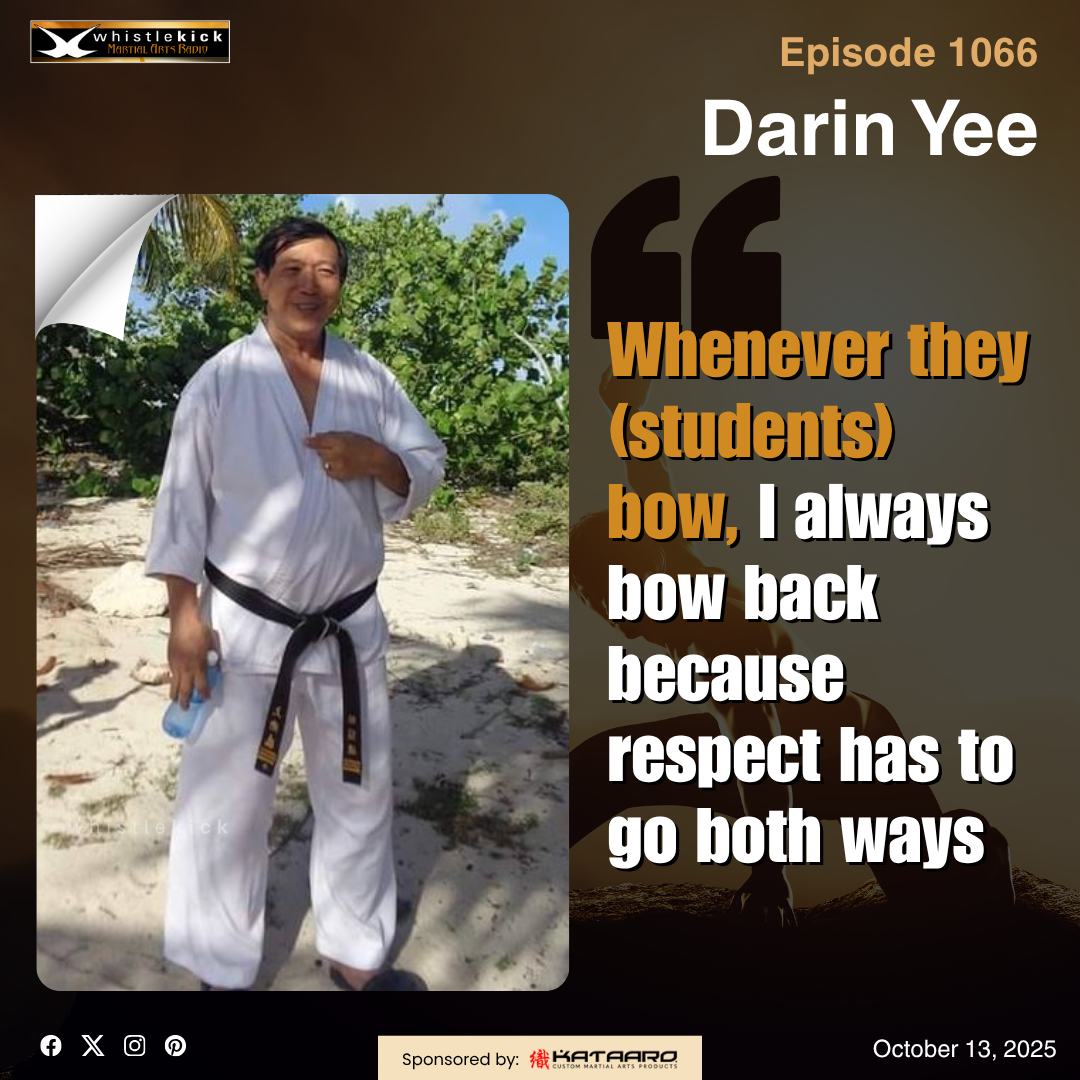
Episode 1066 - Darin Yee
Oct 1301:09:51Tap to summarizeSUMMARY In this conversation, Jeremy Lesniak and Darin Yee explore the multifaceted world of martial arts, discussing its historical context, teaching philosophies, and the evolution of techniques. They emphasize the importance of respect, individualism, and practical application in martial arts training. The dialogue also highlights the significance of understanding the science behind movements and the necessity of hard work in mastering the art. Ultimately, they advocate for a purpose-driven approach to martial arts, encouraging students to engage deeply with their practice. TAKEAWAYS Martial arts has a rich history that differs from modern perceptions. Respect in martial arts is reciprocal between teacher and student. Teaching should focus on helping students exceed their own limits. The evolution of martial arts techniques is essential for growth. Understanding the balance between hard and soft techniques is crucial. Individualism in martial arts allows for personal growth and mastery. Practical application of techniques is necessary for effective training. The science behind movements enhances martial arts practice. Experience in fighting is vital for teaching martial arts effectively. The spirit of martial arts persists even as physical abilities decline. This episode is sponsored by Kataaro. Please check out their site at Kataaro Custom Martial Arts Products - Kataaro. The month of October is Breast Cancer Awareness Month and Kataaro is donating 50% of profits from all breast cancer awareness products to breast cancer research! And use the code WK10 to save 10% off your first order. And be sure to ask them about a wholesale account for school owners!
Transcribe →
Episode 1065 - The Use of the Title "Master" and "Grandmaster"
Oct 900:17:54Tap to summarizeSUMMARY In this episode of Martial Arts Radio, Jeremy and Andrew discuss the implications and controversies surrounding the use of the terms 'master' and 'grandmaster' in martial arts. They explore cultural connotations, the subjective nature of mastery, and the relevance of these titles in today's martial arts community. The conversation emphasizes the importance of language and its impact on perceptions within the martial arts world. TAKEAWAYS The term 'master' carries significant cultural implications. Many martial arts schools have moved away from using the term 'master'. Mastery in martial arts is subjective and ongoing. Titles can create barriers in the martial arts community. The term 'master' can imply a finality that doesn't exist in martial arts. Cultural translations of martial arts titles can be misleading. Master is gendered term and should be considered. There is a growing preference for using original language terms in martial arts. The conversation around titles is important for community growth. Feedback and discussion on this topic are encouraged.
Transcribe →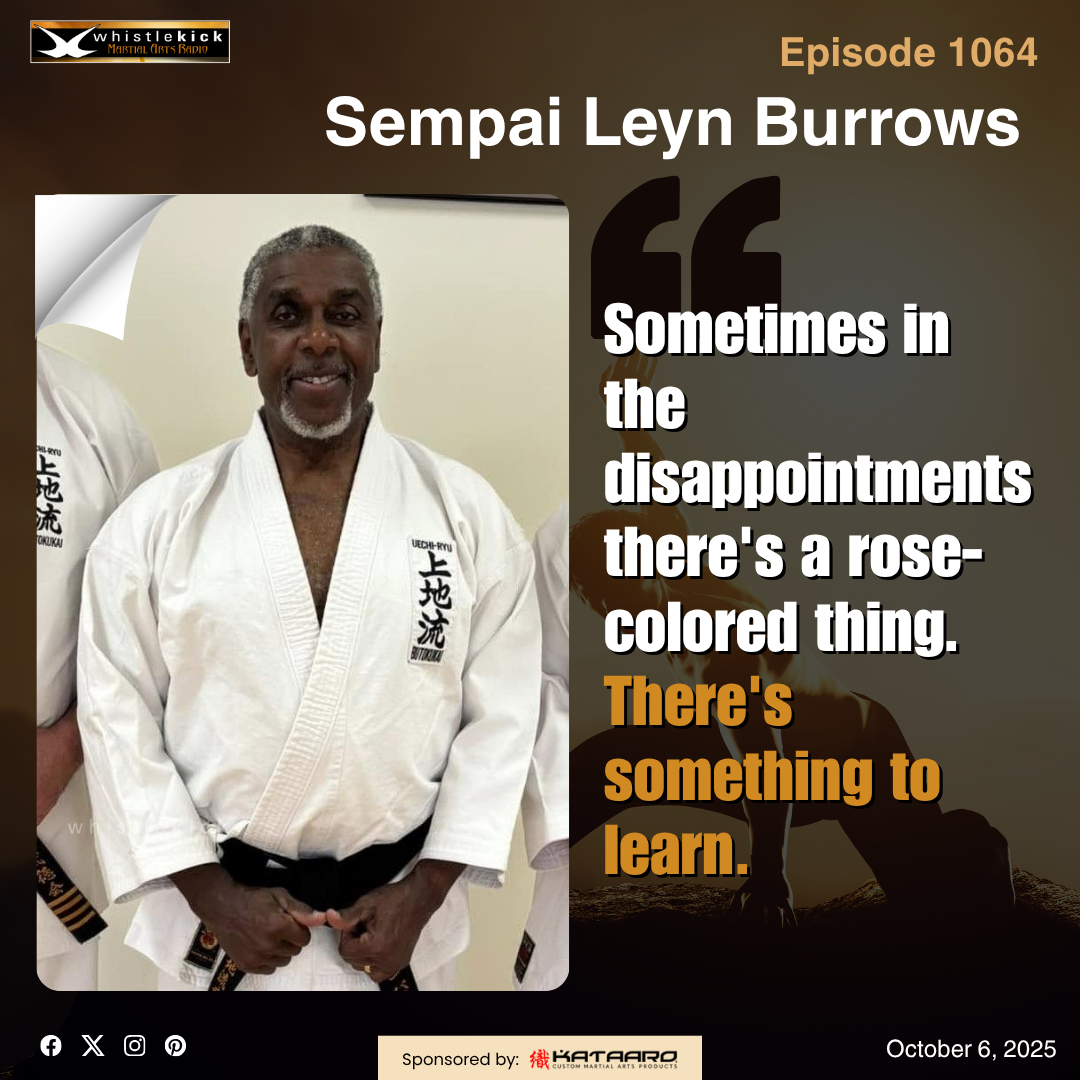
Episode 1064 - Sempai Leyn Burrows
Oct 601:00:13Tap to summarizeSUMMARY In this conversation, Jeremy Lesniak sits down and chats with Sempai Leyn Burrows at the 2025 Uechi Convention. Listen in as Sempai Burrows explores the profound connections between martial arts, personal growth, and community. He reflects on his life experiences, emphasizing the importance of empathy, understanding, and giving back. The discussion delves into the challenges of racial identity, the evolution of martial arts, and the impact of technology on human connection. Ultimately, Sempai Burrows advocates for a compassionate approach to leadership and the necessity of seeing others as human beings, fostering a sense of community and shared humanity. TAKEAWAYS Martial arts teach us about connecting with humanity. Personal growth often comes through adversity and challenges. Community and connection are vital for personal development. Giving back is essential for a fulfilling life. Racial identity can shape our experiences and perspectives. Leadership in martial arts involves nurturing and supporting others. Technology can hinder genuine human connection. Flexibility and understanding are crucial in relationships. The essence of martial arts is self-control and personal mastery. Building bridges of empathy is key to overcoming differences. This episode is sponsored by Kataaro. Please check out their site at www.kataaro.com The month of October is Breast Cancer Awareness Month and Kataaro is donating 50% of profits from all breast cancer awareness products to breast cancer research! And use the code WK10 to save 10% off your first order. And be sure to ask them about a wholesale account for school owners!
Transcribe →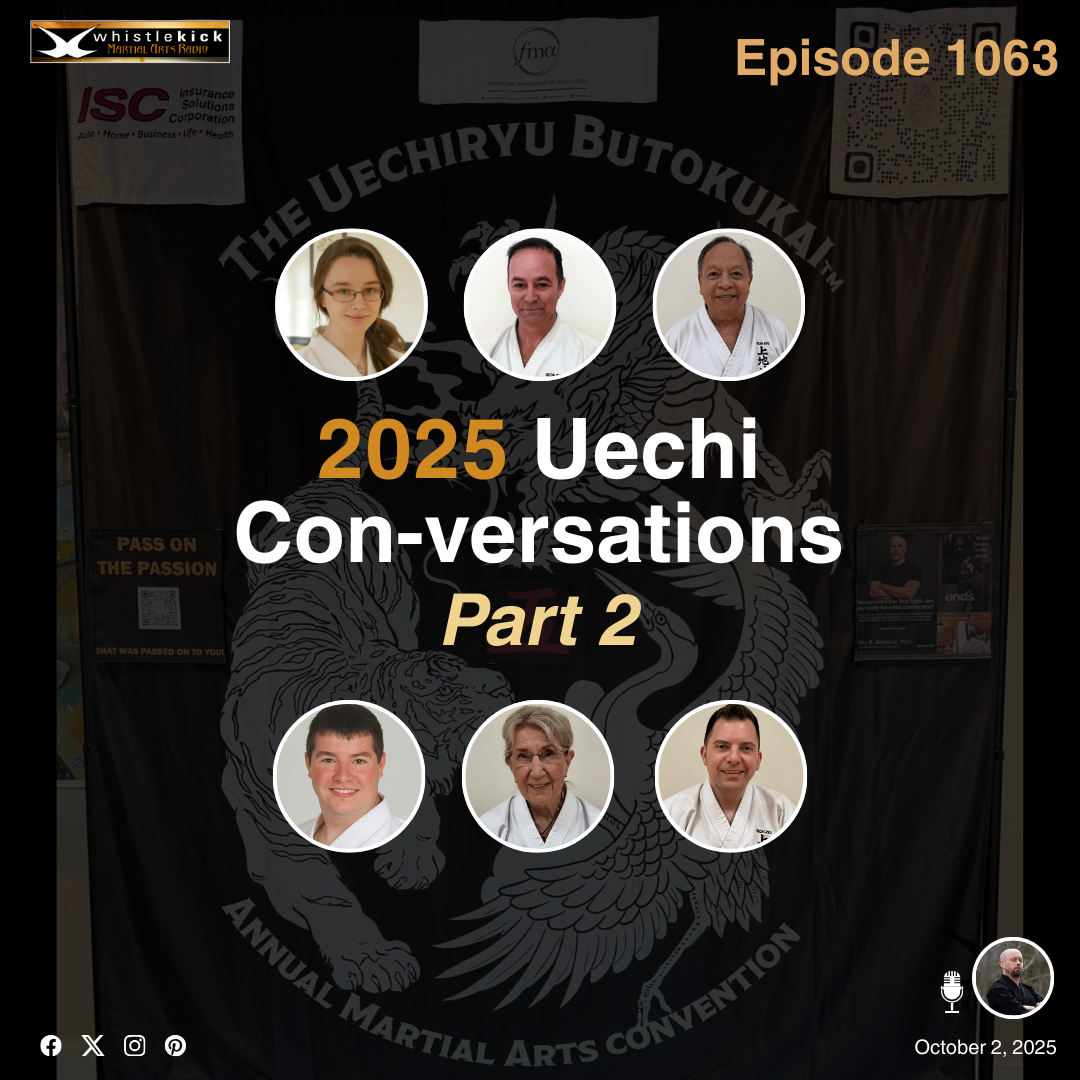
Episode 1063 - 2025 Uechi Con-versations Part 2
Oct 200:23:42Tap to summarizeEDITORS NOTE: There was an issue with the audio. We cleaned it up as best we could and felt that, even though it’s not the best audio, the content and message given during their interviews warranted being released, even if with not so stellar audio. We thank you for understanding SUMMARY This part 1 conversation was recorded at the 2025 Uechi-Con, in Manchester NH and was with students that tested for their Master level ranks within their organization. They explore the profound impact of martial arts training on individuals' lives, emphasizing the sense of community, personal growth, and the importance of maintaining a lifelong commitment to learning. The participants share their experiences of how martial arts has provided them with a constant in their lives, helped them navigate challenges, and fostered a supportive environment for improvement and camaraderie. The discussion also touches on the themes of addiction, intent, and the generational transfer of knowledge within the martial arts community. Guests include: Michael Boudreau (Hachidan), Johnathan Shepard (Nanadan), Stephanie Rodenhiser (Rokudan), Jose Sanchez (Rokudan), Dottie Endress (Rokudan), Chad Dow (Rokudan) TAKEAWAYS Life is unpredictable, and martial arts provides a constant. The dojo atmosphere fosters community and personal growth. Training helps clear the mind and relieve stress. Martial arts can be seen as a healthy addiction. The skills learned in the dojo translate to everyday life. Intent in training impacts behavior outside the dojo. Prioritizing training is essential amidst life's challenges. Learning is a lifelong journey, both in and out of martial arts. Mistakes are part of the learning process. Generational knowledge transfer enriches the martial arts community.
Transcribe →
Episode 1062 - Master Jenny Pless
Sep 2900:58:22Tap to summarizeSUMMARY In this engaging conversation, Jeremy Lesniak interviews Master Jenny Pless, a seasoned martial artist and instructor, who shares her journey from starting martial arts in Malaysia to teaching in the United States. Master Pless discusses her philosophy on teaching, the importance of discipline, and the challenges of working with children and seniors. She emphasizes the life lessons learned through martial arts, the significance of competition, and her commitment to community service, particularly in supporting veterans. The conversation highlights the transformative power of martial arts in personal development and community building. TAKEAWAYS Martial arts is more than just physical training; it's a way of life. Teaching children requires a balance of discipline and fun. The journey of martial arts is ongoing, even after achieving black belt status. Community service is an integral part of being a martial artist. Competition in martial arts helps build character and resilience. Martial arts can be adapted for all ages, including seniors. Encouragement and support are crucial for children's development in martial arts. Discipline in martial arts translates to discipline in life. Martial arts training fosters self-confidence and personal growth. The impact of martial arts extends beyond the dojo into the community.
Transcribe →
Episode 1061 - 2025 Uechi Con-versations Part 1
Sep 2500:18:15Tap to summarizeEDITORS NOTE: There was an issue with the audio. We cleaned it up as best we could and felt that, even though it’s not the best audio, the content and message given during their interviews warranted being released, even if with not so stellar audio. We thank you for understanding. SUMMARY This part 1 conversation was recorded at the 2025 Uechi-Con, in Manchester NH and was with students that tested for their Master level ranks within their organization. They explore the profound impact of martial arts training on individuals' lives, emphasizing the sense of community, personal growth, and the importance of maintaining a lifelong commitment to learning. The participants share their experiences of how martial arts has provided them with a constant in their lives, helped them navigate challenges, and fostered a supportive environment for improvement and camaraderie. The discussion also touches on the themes of addiction, intent, and the generational transfer of knowledge within the martial arts community. Guests include: Michael Demers (Kudan), Neil Stone (Kudan), Freddy Cicerchia (Kudan), Robert Beal Jr. (Kudan), Jen Patashnick (Hachidan), Matthew Saindon (Hachidan), and John Mahaney (Hachidan). TAKEAWAYS Life is unpredictable, and martial arts provides a constant. The dojo atmosphere fosters community and personal growth. Training helps clear the mind and relieve stress. Martial arts can be seen as a healthy addiction. The skills learned in the dojo translate to everyday life. Intent in training impacts behavior outside the dojo. Prioritizing training is essential amidst life's challenges. Learning is a lifelong journey, both in and out of martial arts. Mistakes are part of the learning process. Generational knowledge transfer enriches the martial arts community.
Transcribe →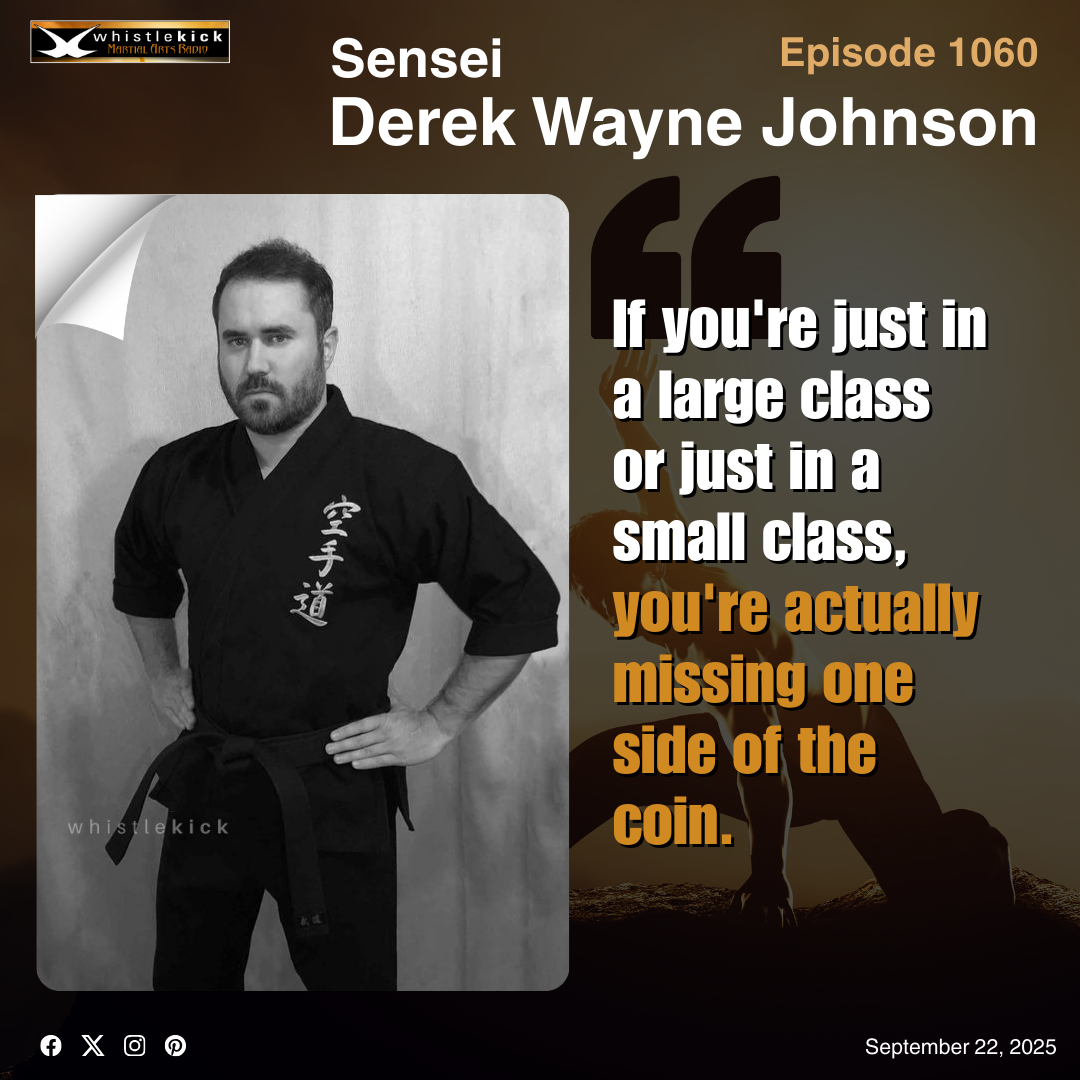
Episode 1060 - Sensei Derek Wayne Johnson
Sep 2201:18:18Tap to summarizeSUMMARY In this engaging conversation, Jeremy Lesniak is joined by Sensei Derek Wayne Johnson who explores the rich landscape of martial arts, touching on the cultural significance of Texas as a martial arts hub, the evolution of training styles, and the profound impact of instructors on students' lives. They delve into the philosophy of martial arts as a language, the connection between martial arts and film, and the legacy of iconic figures like Mr. Miyagi. The discussion also highlights the importance of community and the future of martial arts in a modern context, emphasizing the need for practical application alongside theoretical knowledge. TAKEAWAYS Texas is a significant hub for martial arts. Martial arts can be viewed as a language with accents. Training in different styles enriches martial arts experience. The role of a sensei is crucial in a student's journey. Martial arts can profoundly impact personal development. The connection between martial arts and film is deep and meaningful. Instructors often embody the spirit of martial arts. The evolution of martial arts reflects changes in society. Community support is vital for martial arts schools. Practical application of techniques is essential for mastery.
Transcribe →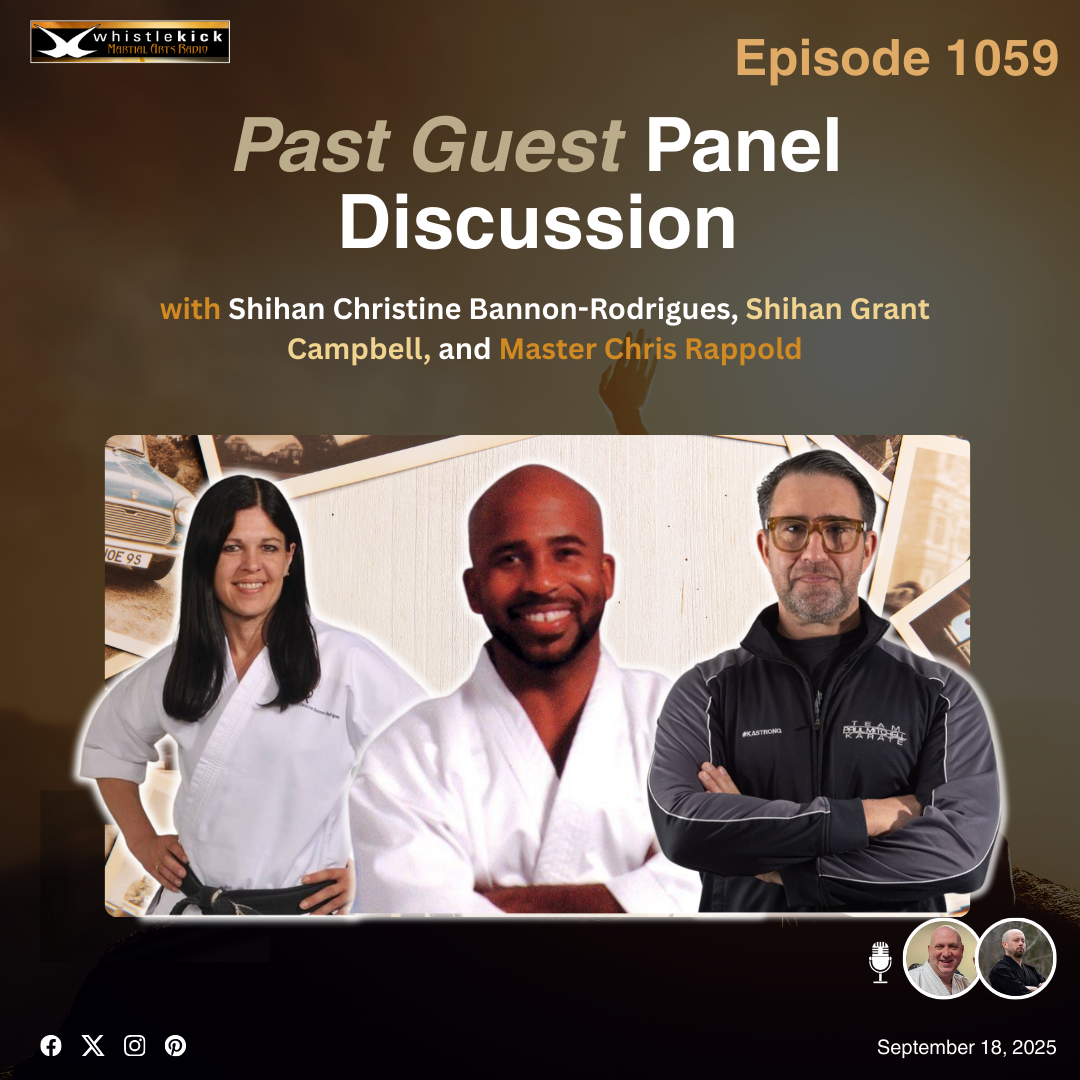
Episode 1059 - Past Guest Panel Discussion
Sep 1800:34:32Tap to summarizeIn this episode of Whistlekick Martial Arts Radio, host Jeremy Lesniak welcomes back three past guests, Shihan Grant Campbell (#124), Shihan Christine Bannon-Rodrigues (#26) and Master Chris Rappold (#950), to discuss the evolution of martial arts, the impact of technology on training, and the importance of relationships in coaching. The conversation explores how communication and collaboration have changed within the martial arts community, the role of technology in enhancing training, and the significance of fostering trust and overcoming self-doubt among athletes. The guests share their insights on the current state of martial arts and how it has transformed over the years, emphasizing the need for adaptability and support in the journey of martial artists. TAKEAWAYS The level of competition in martial arts has significantly increased due to technology. Communication among martial artists has improved, fostering collaboration. Technology has changed the way martial artists train and learn. Building relationships with students is crucial for effective coaching. Self-doubt is a common experience among athletes, regardless of their level. Surrounding oneself with supportive individuals can enhance performance. The importance of trust between coaches and athletes cannot be overstated. Online training has become a valuable tool for martial artists. Maintaining original intentions can help overcome challenges in training. The evolution of martial arts requires adaptability and openness to new methods.
Transcribe →