Podcast
Who Am I Really?
Hosted by Damon L. Davis · EN
Adoptees telling their own stories of life in adoption, their search for their birth family, and how their reunion attempt turned out. Stories that make you laugh, cry, or simply say "wow".
This podcast has two purposes:
1) To help you explore your own feelings about your adoption, accept your desire understand your own personal history, and decide for yourself whether reunification with your biological relatives is right for you. It will help you understand how others have dealt with issues related to protecting the feelings of their adopted families who may be supportive of your search, or question your motives and present challenges.
2) For non-adoptees, this podcast will help you understand some of what is in the minds of your friends, family members, or others who are adopted. Perhaps you had questions for them but you didn’t know if you should ask.
The stories will make you smile or bring you to tears, but they’re all true as told by the people who lived them. In them, I hope you’ll find something that inspires you, validates your feelings about wanting to search, or motivates you to have the strength along your journey to learn “Who Am I Really?”
22episodes
Episodes
Newest firstAll episodes
140 - I Wanted To Be My True Self
Mar 2800:45:28Tap to summarizeDarryl, from Australia, admits he had a challenging childhood from his relationship with his adoptive father, to their family's need to move around a lot because they were so poor, and his experience learning he is a late discovery adoptee.Darryl describes himself as a person for whom the truth is very important, so as an adult he discharged his adoption setting his personal record straight.This is Darryl's journey.
Transcribe →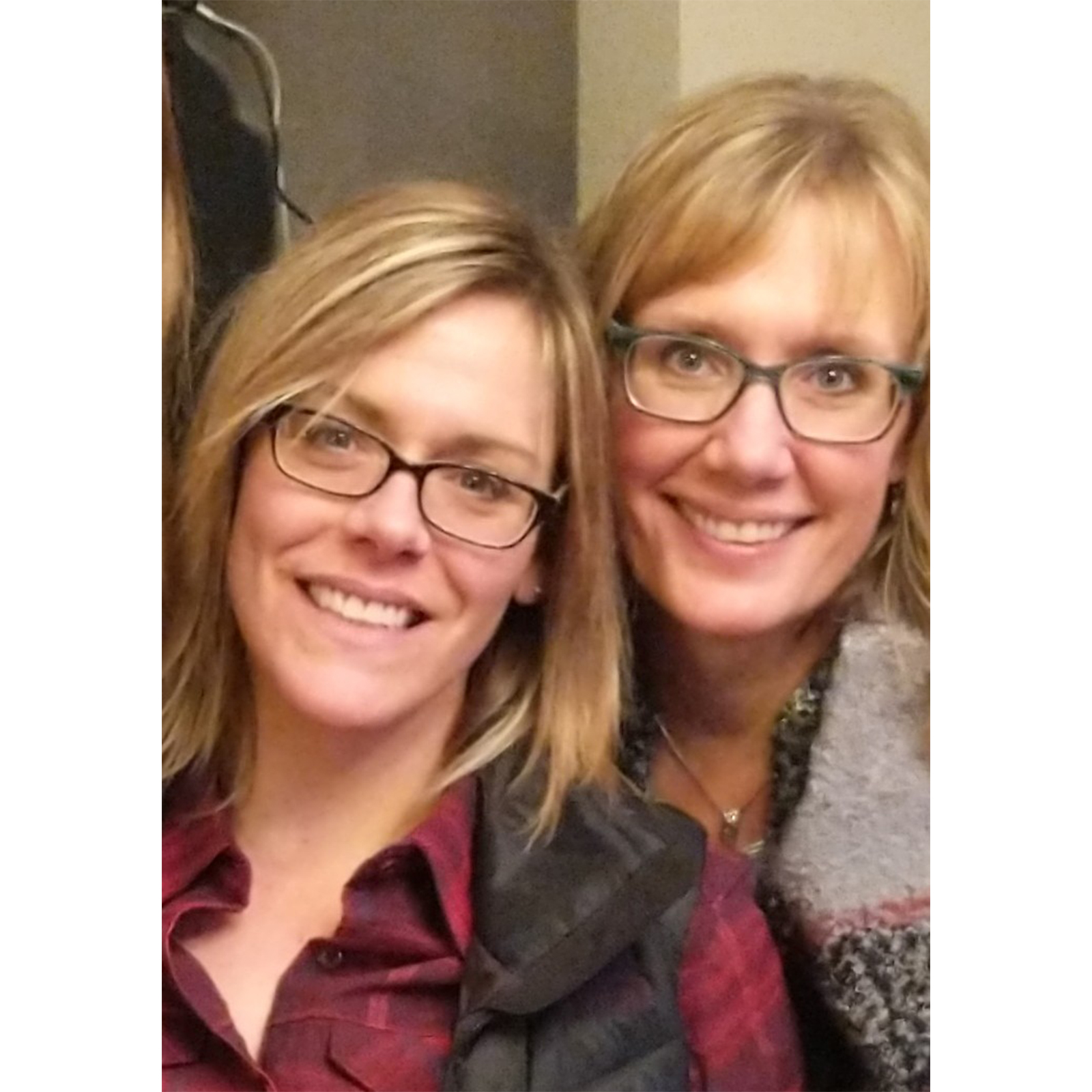
139 -A Sense Of Peace And Calm
Mar 1400:38:38Tap to summarizeWendy, from Minnesota, had a lot of information about her natural mother and assumed the woman would want to know her, but that wasn't the case. They corresponded once, solely for her natural mother to share clinical information, then the door closed.Wendy said finding her paternal sister Jen, a woman she could have met years earlier at church, has been a redemptive blessing that's brought Wendy peace.This is Wendy's journey.
Transcribe →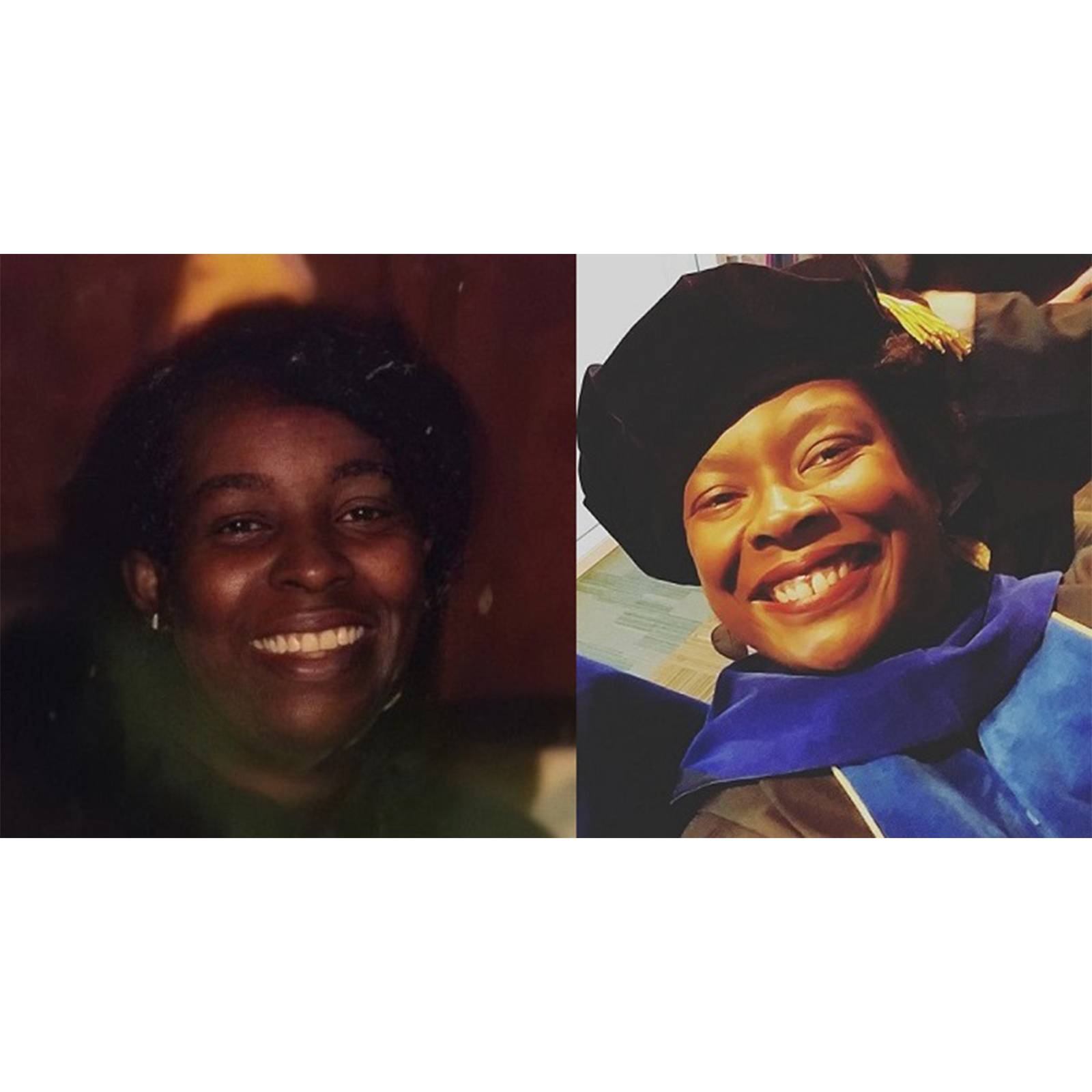
144 – Gullah Girl
Mar 700:28:17Tap to summarizeBrandi, who called me from myrtle Beach, South Carolina, is an inquisitive person adopted in to a family with a history of scholars, which is rare for a black family in the south. DNA led Brandi to a cousin who was determined to help her figure out their biological connection and which of two men were her birth father. Coincidentally Brandi studied the music of a uniquely east coast southern diaspora of African people, only to learn she was studying the music of her own roots.This is Brandi's journey.
Transcribe →143 - He Really Stepped Up
Feb 2800:42:27Tap to summarizeWhen Susan, from Irving, Texas, found her natural mother, she learned she was conceived in transit when two young lives collided, then never saw one another again. Her birth mother's life seemed too chaotic the women to make a deeper connection. The woman ended things abruptly when Susan didn't behave the way she wanted. Susans's paternal connection, while a complete surprise, was filled with joy and acceptance for a father who needed to fill a void, and a daughter who craved the same. This is Susan's journey.
Transcribe →136 – Your Absence Has Gone Through Me
Feb 2101:26:49Tap to summarizeTo date, I’ve only interviewed a few guests who weren't adoptees, and this will be another one. Today you're going to meet Anne-Marie from Southern California who drafted an impassioned submission to be on the Who Am I Really podcast. At first I wanted to stay true to the focus of the show, sharing adoptee voices. But I quickly realized there is no place, that I know of, for natural mothers to tell their stories and Anne-Marie was trusting me with hers. When she got pregnant in her teen years, she placed her daughter for adoption despite every fiber of her being wanting to keep her baby. When she turned 18 years old, Anne-Marie’s daughter Alex found her and they reunited. When Alex went to college she slipped out of her studies and into rehab where Anne-Marie was part of her and many other rehabbing adoptees recoveries. In the end Anne-Marie lost Alex twice, feels lucky to have known her at all, and wants every adoptee to know that we are loved. This is Anne-Marie’s journey.
Transcribe →134 – Destined To Be Unique
Feb 1400:51:00Tap to summarizeLiz, from Michigan, grew up in a neighborhood full of adoptees, so it wasn’t until years later in the Dominican Republic teaching a class with a lot of adoptees in it that her own adoption sunk in. After finding her natural mother through an intermediary they reunited during a sleepover in a hotel room where they stayed up all night. Their bond solidified when Liz’s daughter was born bringing them closer as they marveled at the next generation of their family before them. After more than a decade in reunion, Liz played an emotional farewell to her mother on her viola to say goodbye. This is Liz’s journey.
Transcribe →
127 – I Think I Was Afraid Of Knowing
Feb 700:46:29Tap to summarizeJim, who now lives in Delaware, said growing up he had no desire to search for his first family. After his parents passed and he found his adoption name change form, his feelings about a search changed. While he missed his biological mother, one of her lifelong friends shared some intimate pieces of the woman’s life, including his birth father's name. Jim made the trip to Texas to meet his birthfather, who felt re-energized in his final months by Jim’s emergence. This is Jim’s journey.
Transcribe →
141 - That Wasn't The Real Me
Jan 3100:56:37Tap to summarizeGloria called me from Texas where she grew up with Mexican parents. In younger days she tried to find the ways she looked like her family. In adulthood, following the whim of some co-workers, Gloria did a DNA test naive to what it could possibly reveal. In a matter of months she was plunged into the deep end as a late discovery adoptee. She began drinking to cope, accidentally pushed away her paternal sister, but managed to hang onto her relationship with her biological mother.This is Gloria's journey.
Transcribe →125 – You Can Forgive People From Afar
Jan 2400:49:59Tap to summarizeLisa called me from New Jersey to share her story of growing up in an abusive home. She had one unrelated adopted sister who didn’t have the same experience in their house that Lisa had. Lisa always felt like the odd person out and hoped that reunion with her birth mother would be a rescue from those feelings.The opposite was true with her maternal connection which fell apart twice, but Lisa’s paternal ties have made her feel accepted for her nature versus how she was… or wasn’t nurtured. This is Lisa’s journey
Transcribe →102 – It’s Always Maybe
Jan 1700:37:03Tap to summarizeBreanna learned that she was fostered then adopted but for financial gain and she described her home as a hostile environment. Her adopted mother was abusive, and Breanna ultimately ran away from home to the military. But before bootcamp she contacted her birth mother, and learned the hard truth about her conception. In reunion, she was forced to watch her birth father’s judgment for his actions.The post 102 – It’s Always Maybe appeared first on Who Am I...Really? Podcast.Breanna (00:05):She feels really guilty and I think that's why she doesn't want me to hate her. She thinks that I should hate her and I don't hate her. It does make me angry now that like you're wasting time. We could be like, we could be going forward, but like I don't hate you for giving me up like I really don't hate her.Damon (00:32):Who am I? Who am I? Who am I? Who am I? Who am I? Who am I? This is who am I really a podcast about adoptees that have located and connected with their biological family members.Damon (00:53):I'm Damon Davis and on today's show is Breanna who called me from Jacksonville, North Carolina. Breanna learned that she was fostered then adopted but for financial gain. Her adopted mother was abusive and Breanna ultimately ran away from home to the military, but before bootcamp she contacted her birth mother and learned the hard truth about her conception in reunion. She was forced to watch her birth father's judgment for his actions. This is Breanna's journey. The weekend I spoke to Breanna. She was teaching her six year old daughter to ride her bicycle. When she spoke of her parents, she said they never really talked about adoption, but she remembers a time when she was six years old at church when her status as an adoptee stood out in her mind.Breanna (01:41):When we joined the church, they introduced themselves and they said, we adopted four kids and we have two of our own. So they didn't talk about it and they didn't really want to talk about it. My dad was more like, Oh, we're your parents we raised you and are the ones who who've taken care of you, you know? So we left it alone. It wasn't like a topic.Damon (02:02):Breanna's siblings who were biological to her parents were many years older than the adoptees in their home. You heard Breanna say she has four adopted siblings. Breanna is in the middle of the adoptees. They were all foster children. First adoptees who didn't know their own stories. Her parents had adoption folders for every child, which Breanna found in their garage. They had pictures and photo books for every child. She learned that some of her adopted siblings were children of drug addicted parents. Breanna located everyone's folder except her own, which was frustrating. She talks a bit about why her parents fostered them. FirstBreanna (02:43):they said that they adopted us because they needed money and there was money to foster care and they got paid for us and then they were offered more money if they adopted us. So they actually got paid up until we were, we graduated from high school. So originally that's why they went into foster care. They, so I don't, I guess eventually it wasn't like a need.Damon (03:08):So did you, could you feel that need like were, how were they as parents? I guess what I'm asking is when I think of parents who choose to foster out of financial need, I have a, I'll admit I have a little bit of a negative feeling in my gut about that. Tell me about your home in terms of this particular stereotype that I have.Breanna (03:34):I say like the home was really a hostile place to be. Like I avoided my, my house. And I think like now that I'm older, I know that my dad of what at the house because of like my mom, I think I'm pretty sure she struggled with mental illness, but like my dad, I told you like he always lived away. He always worked away. Like he only came to visit us on the weekends and like he would tell us like once we got like to teenagers, we'd be like, why can't, like, why won't you like divorce her? Or why won't you like, let us move in with you? Or something. He was like, you know, this could be like, you guys could be worse off if you were with like your biological families or if you were somewhere else. Like it could be worse, you know? And he kind of left it at that and he was really like soft spoken. Like he didn't say very much. So I can't say like, he was horrible, but my mom, like, she did really horrible things to us and would say things to us. So, no, I can't say my childhood was great and, um, at all. And I was a very depressed child. Um, now that I'm older, I can realize, I realized thatDamon (04:43):Breanna describes herself as a quiet keep to herself kind of child, so people may not have recognized her depression. She's a writer and a poet, not really much for talking. Her siblings were more boisterous, outspoken, throwing tantrums and that kind of thing. Breanna describes herself as a people pleaser who earned straight A's in school.Breanna (05:04):Like I tried to do everything perfect and like I was a helper to like, to like avoid, um, um, like we never knew how she was going to be, like when we walked in the house, you know, like from school, like how was, how was she going to be today? I, and she would tell us like, if it wasn't for my medication, you know, so like you could tell like they didn't, I don't think they adopted because they wanted us, you know, I do think, I'm pretty sure. I know that they love us. Um, like they, they, they, I, my dad loved us. I know and I'm pretty sure my mom loved us, but I think because whatever it is going on with her mentally like something was wrong, you know?Damon (05:47):Interesting. Did you say something? Tell me what you were about to say with regard to her saying you can tell when I'm not on my meds or something like that. What was that?Breanna (06:00):My mom was really abusive so I don't, I don't think I should get into the abuse that she would do, but like she would do stuff and then she would be like, if it wasn't for my medication, like you guys would probably be dead type of thing. You know? Like if it wasn't for my medication,Damon (06:16):Breanna's adopted father stayed away from their home a lot, working in other cities, coming home on weekends to visit, but never staying in that environment. He died when she was 16 years old. She said she remembers her mom having a boyfriend a short time thereafter. I asked Breanna when she got the urge to search.Breanna (06:37):I'm pretty sure I had this feeling since I was a little kid, but I always felt that my mom would come back from me or she w...
Transcribe →