Podcast
Why, Dad?
Hosted by Andrew Stolpestad, Paul Wandrey · EN
Andrew, an aspiring dad, and Paul, a dad of two, dig deep to find out what it means to be/become the best dad possible, why it matters, and how to do so.
29episodes
Episodes
Newest firstAll episodes
Episode 46: Are We Overstimulating our Kids?
May 1201:00:45Tap to summarizeThis episode of the YDad Podcast is a “duosode” conversation between Paul and Andrew exploring whether modern kids are being overstimulated into passivity. They begin with light banter, then shift into a deeper discussion about how the number of toys, screen time, and constant stimulation may affect creativity, attention span, independence, and social development. Andrew references small-scale observational studies suggesting that children given fewer toys (such as four instead of sixteen) demonstrated longer focus, greater creativity, and deeper engagement. He also shares an example of a German kindergarten that removed toys from the classroom; after an initial adjustment period, students reportedly became more imaginative, collaborative, and focused. The hosts emphasize that these findings aren’t definitive conclusions, but they raise interesting questions about stimulation and development. The conversation expands to screen time. Both agree that excessive digital use may be more impactful than physical toys, especially given how addictive screens can be for some children. They discuss how video games and instant-reward systems can reduce perseverance and critical thinking compared to more open-ended play. They also note that while technology is not inherently bad, it requires intentional boundaries. They reflect on outdoor play, recalling their own childhood experiences with imaginative, unstructured time outside. They contrast that with modern trends showing children spending very little time outdoors and significant time on screens. They emphasize that boredom is not something to eliminate, but a skill children need to develop—because learning how to sit with boredom can foster creativity, independence, and resilience. The hosts also discuss gift-giving culture, suggesting that instead of accumulating more toys, families can prioritize books, board games, art supplies, and other tools that encourage long-term engagement and imagination. They highlight examples such as board games, competitive tabletop games, and educational kits that promote hands-on learning and family interaction. They also stress that gifts should be intentional rather than excessive, helping avoid clutter, entitlement, and overstimulation. Toward the end, the conversation briefly touches on education and AI, raising questions about screen-based learning and whether overreliance on digital tools could weaken foundational thinking skills. They acknowledge that technology is unavoidable and can be beneficial when used purposefully, but it should not replace critical thinking development. Overall, the episode centers on intentional parenting in a consumer-driven, screen-heavy culture. Rather than concluding with rigid rules, they encourage reflection: reducing unnecessary stimulation, promoting outdoor play, fostering boredom tolerance, choosing thoughtful gifts, and helping children develop creativity and independence. The tone remains conversational, self-reflective, and focused on growth rather than expertise.
Transcribe →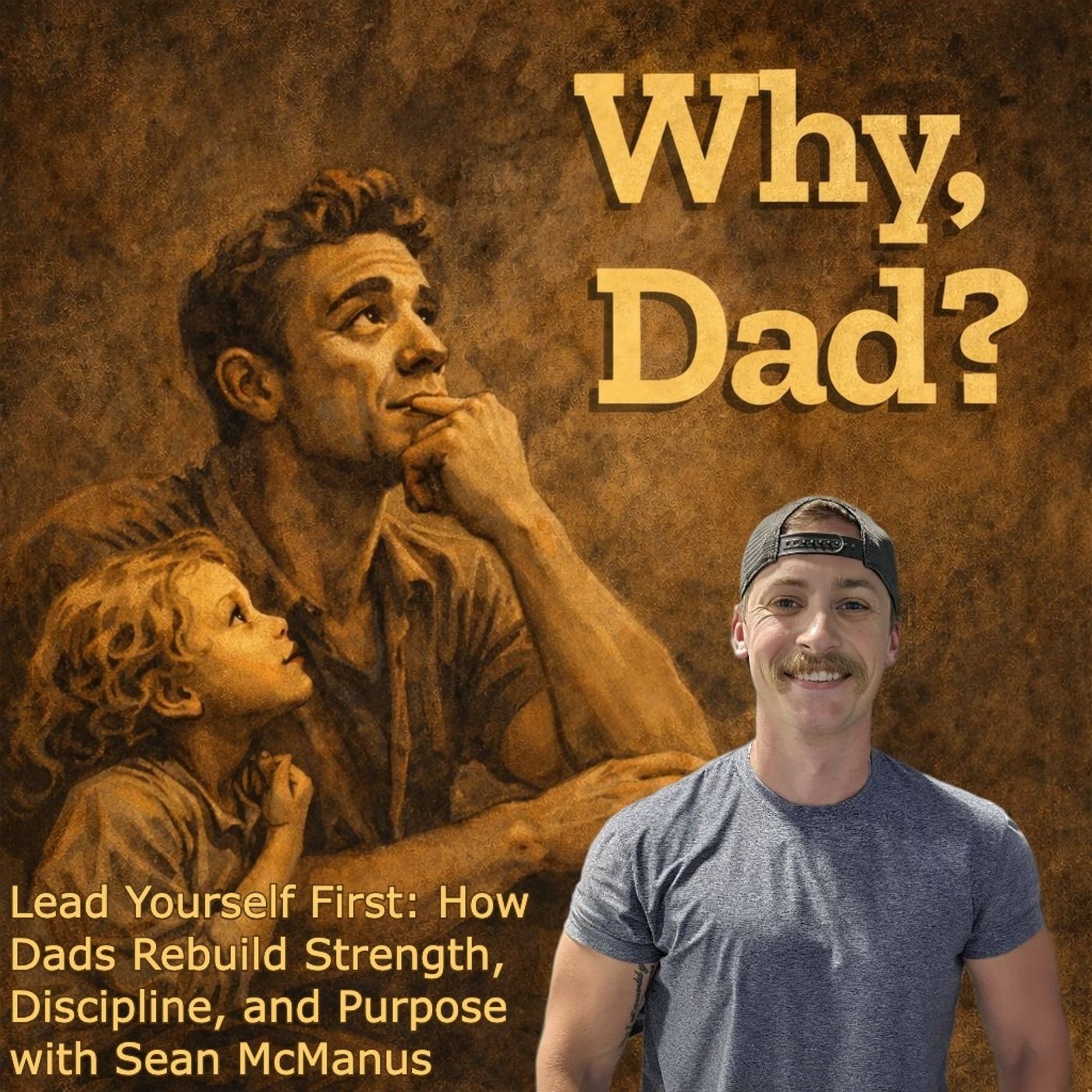
Lead Yourself First: How Dads Rebuild Strength, Discipline, and Purpose with Sean McManus
May 500:42:31Tap to summarizeSean McManus shares his journey from feeling overwhelmed, impatient, and uncertain as a new father to becoming a coach who helps men rebuild themselves physically, mentally, spiritually, and relationally. This conversation explores how dads can stop relying solely on discipline and instead build practical systems that create consistency, strength, and leadership in their homes. Sean opens up about marriage struggles, escapism, mentorship, biblical masculinity, and why investing in yourself can radically change your family’s future. If you’re a dad or aspiring father who wants to lead with greater strength, clarity, and purpose, this episode offers practical wisdom and powerful perspective. Episode Overview: Sean McManus joins Why Dad? to discuss how men can rebuild themselves from the inside out through faith, fitness, systems, and intentional leadership. Key Topics Covered: 💪 The reality shock of new fatherhood 🧠 Escapism vs ownership 🔥 Why mentorship accelerates growth 🏡 Leadership starts with self-leadership 📅 Systems over motivation and discipline 🙏 Biblical masculinity in modern fatherhood 🍎 Nutrition and physical stewardship 🤝 Brotherhood and accountability ⏳ Redefining consistency ❤️ Building stronger marriages through personal growth Key Takeaways: You can’t lead your family well if you don’t lead yourself first Motivation fades, systems sustain Consistency is how quickly you return after falling off Investing in yourself pays dividends for your family Brotherhood and mentorship matter Fitness and nutrition are stewardship, not vanity Guest Info: Sean McManus Men’s Strength & Nutrition Coach Socials: @theseanmcmanus
Transcribe →
Just a quickie...
Apr 2800:22:50Tap to summarizeIn this reflective episode of Why, Dad?, Paul and Andrew take a step back after 43 episodes and over a year of conversations on fatherhood, virtue, and growth. Rather than introducing a new topic, they revisit the moments, lessons, and guests that have shaped the podcast—and their lives. They highlight the power of gratitude, recalling how a simple daily practice—especially within the family—can shift perspective even on the hardest days. What started as a concept became a lived habit, reinforcing the idea that formation happens in the small, consistent choices. The conversation also centers on community—not just talking about it, but building it. From their first small gatherings to what they hope will grow into something lasting, they reflect on the deep need men have for authentic brotherhood: a space not just for venting, but for accountability, challenge, and growth. They revisit impactful guest conversations, including: A discussion on intentional fatherhood and marriage, emphasizing that a strong marriage forms the foundation of the family. The idea of “fridge rights”—creating a home that welcomes and forms not just your kids, but others who may need guidance. The concept of “reverse engineering” your child’s life, giving them opportunities and support to become who they’re meant to be. And the importance of a personal “starting five”—the men you intentionally surround yourself with to help you grow. Throughout the episode, a common thread emerges: intentionality. Whether it’s in marriage, friendship, fatherhood, or personal growth—what isn’t chosen deliberately will be filled passively. This episode is both a look back and a call forward: To be more present. To build stronger relationships. To pursue virtue with purpose. And to never do it alone.
Transcribe →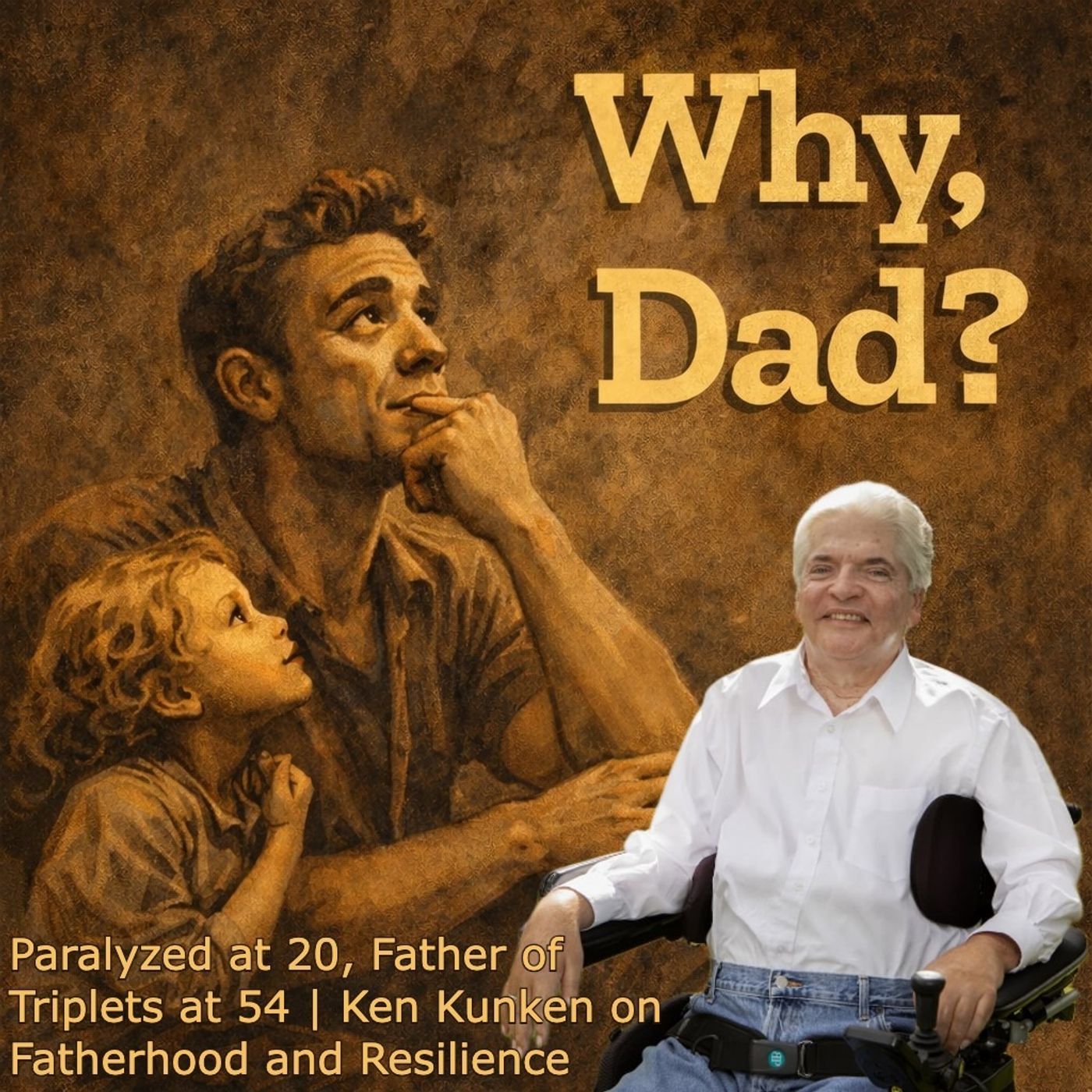
Paralyzed at 20, Father of Triplets at 54 | Ken Kunken on Fatherhood and Resilience
Apr 2100:48:36Tap to summarizeIn this episode, Paul and Andrew sit down with Ken Kunken to talk about how a life-changing football injury at age 20 led him down a completely unexpected path. Ken shares how paralysis reshaped his identity, why he never thought marriage or fatherhood would be possible, and how meeting his wife Anna changed everything. He opens up about becoming a dad to triplets at 54, raising sons with empathy and strong values, and why family, patience, and presence matter far more than physical ability. The conversation also touches on disability, faith, diversity, resilience, and Ken’s book, I Dream of Things That Never Were. Episode Description At 20 years old, Ken Kunken’s life changed forever after a football injury left him almost completely paralyzed. He never thought he would get married. He never thought he would become a father. Then he met his wife, Anna. Years later, through IVF, they became parents to triplet boys. In this episode, Ken shares his unbelievable story of resilience, identity, disability, marriage, faith, and fatherhood. He talks about learning to redefine what it means to be a dad when you cannot do things the way you once imagined, why presence matters more than perfection, and how raising his sons changed his life forever. This is a conversation about overcoming impossible odds, building a meaningful life, and becoming the father your family needs, even when life looks nothing like you expected. In This Episode Paul and Andrew sit down with Ken Kunken to hear the incredible story of how a football injury changed his life forever and how he still built a life full of purpose, family, and fatherhood. Ken talks about paralysis, identity, marriage, IVF, becoming a dad to triplets, and what he learned about being present for his kids despite severe physical limitations. Topics Covered Becoming paralyzed at 20 after a football injury Learning to redefine identity after losing athleticism Meeting the woman who changed everything Becoming a father through IVF Finding out they were having triplets Parenting with physical limitations Why presence matters more than physical ability Raising empathetic and resilient sons Teaching kids patience, diversity, and family values The importance of community and support Ken’s book and the meaning behind its title Memorable Moments Ken finding out all three embryos took and they were having triplets Feeding one of his sons using his lap board and balancing a bottle on his arm His boys checking whether places had ramps so dad could come too His son calmly helping him through a low blood pressure episode in the grocery store Ken explaining why he wanted his sons to know they could do anything they set their minds to The story behind the title of his book, inspired by a quote from Robert F. Kennedy Connect with Ken Website: kenkunken.com Book: I Dream of Things That Never Were Audiobook narrated by Ken
Transcribe →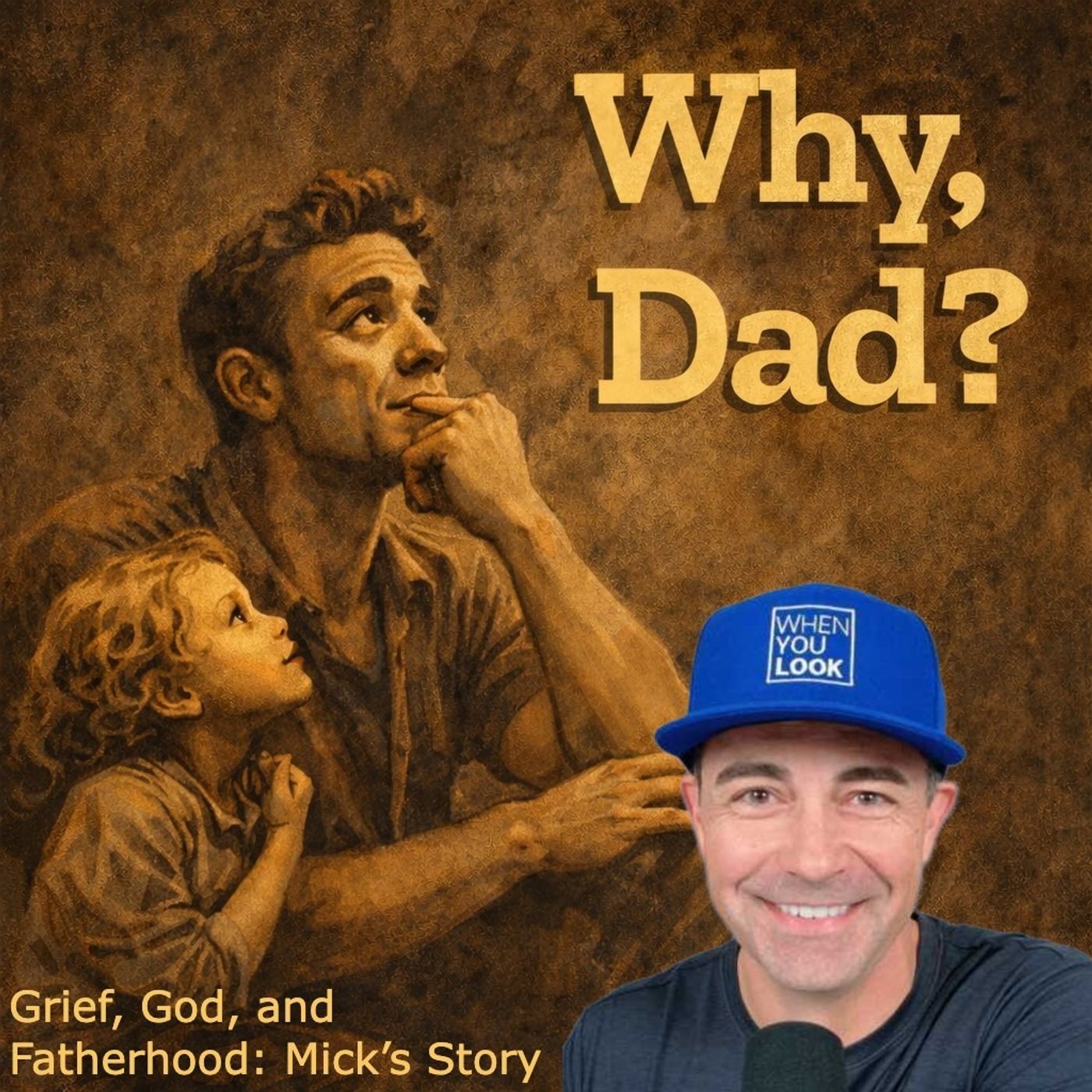
Grief, God, and Fatherhood: Mick’s Story
Apr 701:12:48Tap to summarizeThis episode is different. We sit down with Mick Wienholt to talk about fatherhood that begins with loss. Mick and his wife lost their firstborn son, Luke, at full term. What followed wasn’t a clean or simple healing process. It was grief, questions, anger, surrender… and eventually, transformation. In this conversation, we talk about: What it feels like to become a dad and lose your child in the same moment How grief reshapes your identity as a man and husband The difference between moving on and moving forward How to support someone walking through loss And how Mick carries Luke into his family today This isn’t about fixing grief. It’s about learning to live with it… and who you become because of it. Guest Mick Wienholt Host of When You Look podcast Connect with Mick 🌐 https://whenyoulook.com 📱 https://www.instagram.com/whenyoulookshow 🎧 Podcast: When You Look (Spotify, YouTube, Apple)
Transcribe →
The Routine Struggle
Mar 3100:45:33Tap to summarizeIn this reflective and unscripted episode, Paul and Andrew dive into a personal tension many men face: the balance between structure and presence. What begins as a casual conversation quickly unfolds into a deeper exploration of routines, habits, and the danger of letting them become the end goal rather than a means to something greater. Paul shares his struggle with relying on routine to stay disciplined, only to find that those same systems can pull him away from what matters most—being present as a husband, father, and man. Andrew relates, reflecting on how even well-intentioned habits can unintentionally crowd out meaningful moments with loved ones. Together, they unpack the paradox: routines are necessary for growth and stability, but when overemphasized, they can become rigid, self-serving, and disconnected from one’s deeper purpose. The conversation moves beyond productivity into identity—shifting the focus from “Did I check all the boxes?” to “Did I live in alignment with who I want to be?” Drawing on analogies from coding, combat, parenting, and even dance, they emphasize the need for adaptability. Life isn’t a fixed program—it’s fluid, unpredictable, and requires constant reassessment. Systems provide a foundation, but they must be flexible enough to serve the bigger mission: becoming better men and guiding others—especially children—toward that same pursuit. The episode closes with a powerful reminder: success isn’t perfection or flawless execution of a plan. It’s progress. It’s presence. And it’s the willingness to continually reflect, adjust, and move forward with intention. A thoughtful and honest conversation for any man striving to lead his life—and his family—with purpose.
Transcribe →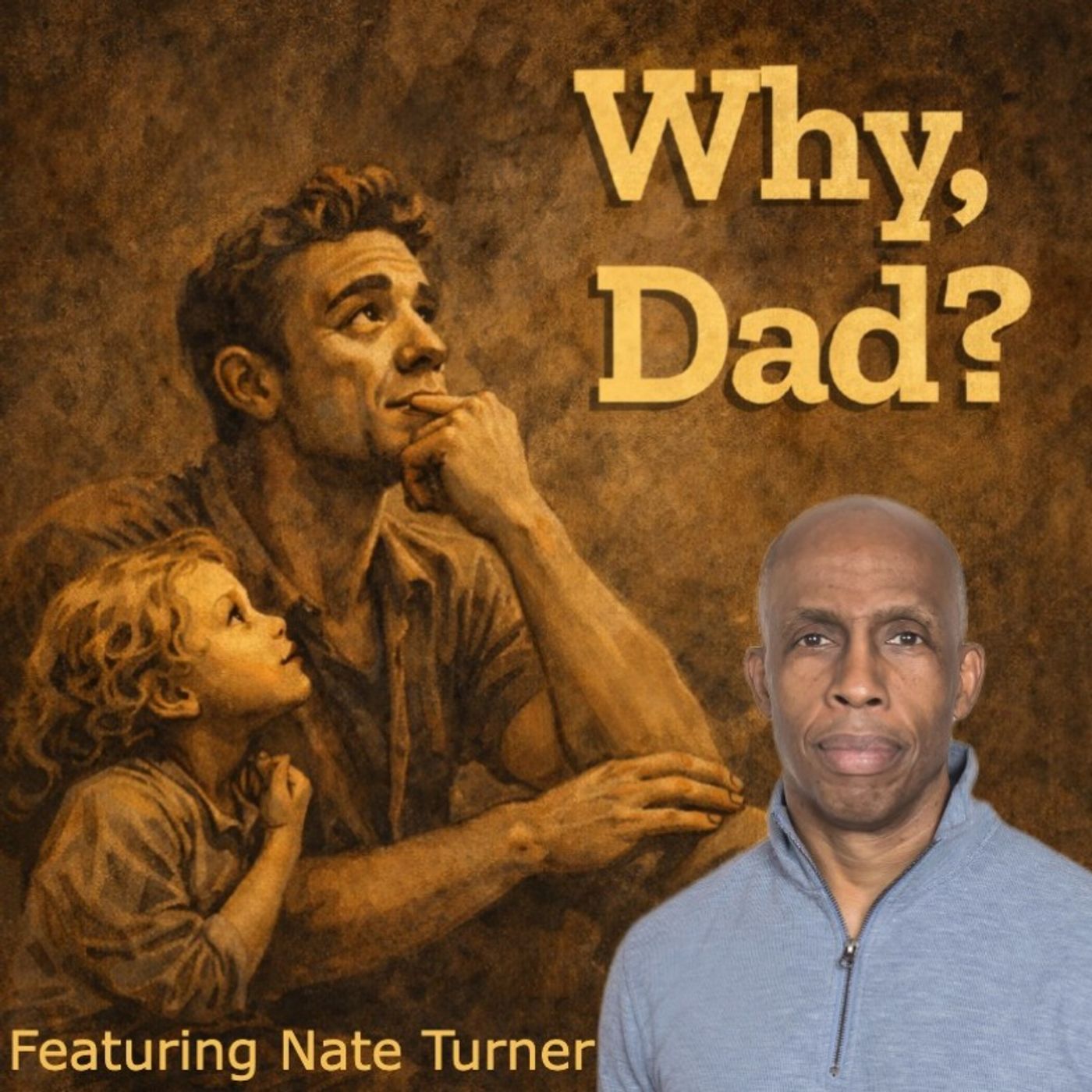
Raising a Child on Purpose with Nate Turner
Mar 2400:57:09Tap to summarizeMost dads don’t have a plan. They just try to do their best. Nathaniel Turner challenges that completely. In this episode, we explore what it means to raise a child intentionally by working backward from who they should become. From building a “starting five” of mentors to writing letters that shape identity, this conversation pushes beyond surface-level parenting into legacy-level thinking. If you’ve ever wondered whether you’re just reacting… or actually leading your family forward, this one will hit. Guest Nathaniel A. Turner Educator, speaker, and author focused on intentional parenting and legacy-building. Books by Nathaniel Turner 📘 Raising Superman https://a.co/d/0buvkWP7 Connect with Nate 🌐 Website: https://www.nathanielaturner.com/ Instagram: https://www.instagram.com/nateaturner/ 💼 LinkedIn: https://www.linkedin.com/in/nathaniel-turner-5557952b5/
Transcribe →
When Pride is a Good Thing
Mar 1700:52:35Tap to summarizePride gets a bad reputation. Most of us have been taught that pride is something dangerous—something that leads to ego, arrogance, and selfishness. But is all pride actually bad? In this episode of Why, Dad?, Paul and Andrew explore the difference between destructive pride and healthy pride, and why that distinction matters for men, fathers, and the next generation. The conversation dives into questions like: What does it actually mean to take pride in your work? Can someone take pride in what they do if they don’t take pride in who they are? How do we teach kids to care about everyday responsibilities like chores or school? Are we accidentally raising kids to seek approval instead of purpose? Paul and Andrew unpack the idea that pride isn’t something that can simply be taught through lectures or instructions. Often, it has to be experienced through effort, ownership, and responsibility. It’s the feeling that comes when you step back after doing something difficult and realize: "I did that." Whether you're a dad, planning to become one someday, or simply trying to become a better man, this episode explores how effort, identity, and responsibility shape the kind of pride that builds character instead of tearing it down. Because the goal isn’t to eliminate pride. It’s to cultivate the right kind of pride.
Transcribe →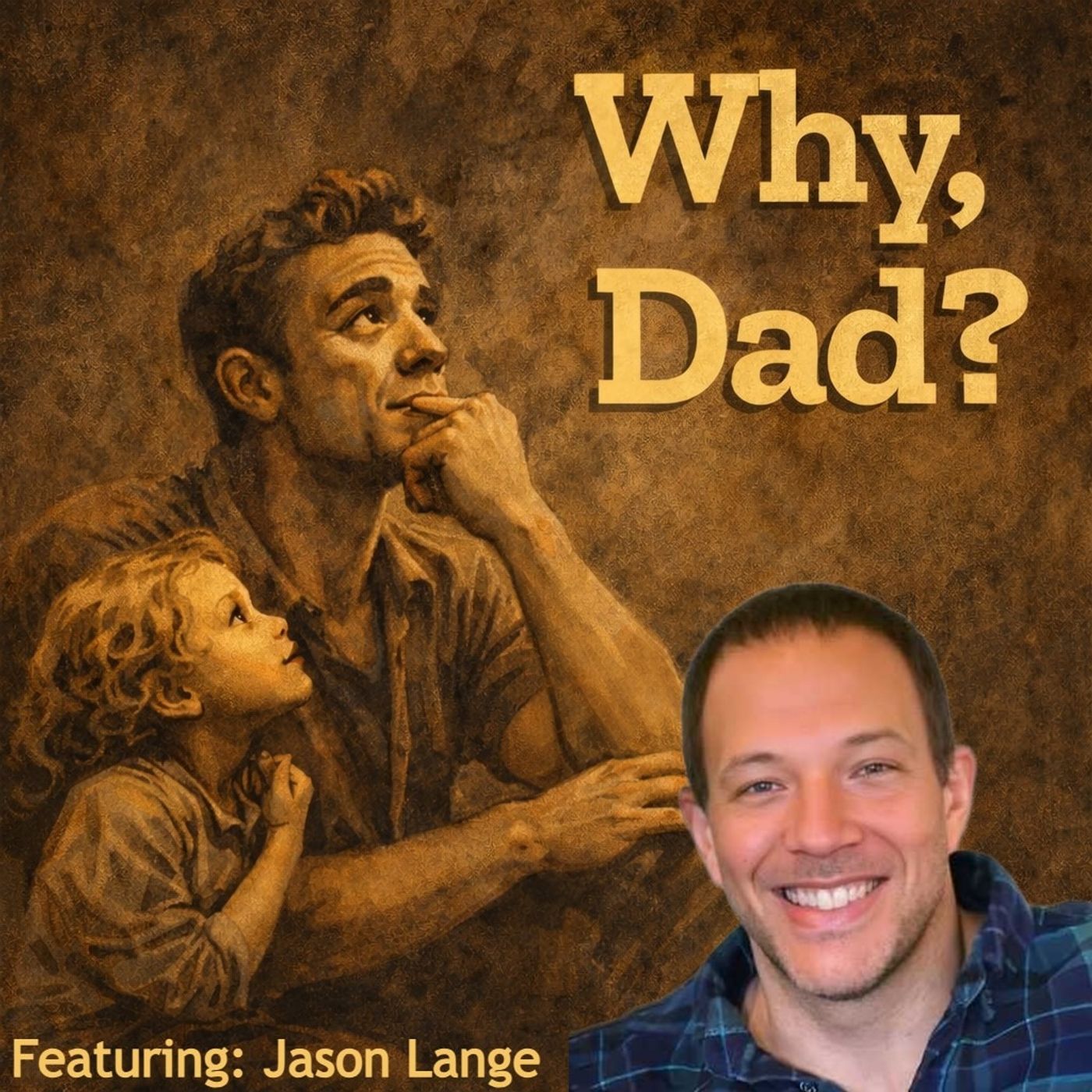
What Happens When Men Stop Doing Life Alone with Jason Lange
Mar 1000:57:41Tap to summarizeThis episode explores the transformative power of men's groups, emphasizing support, accountability, and emotional connection for men and fathers. Jason Lange shares insights on how community impacts personal growth, parenting, and identity shifts, offering practical advice for men seeking deeper connection and self-awareness. Key Topics The importance of men's groups for support and accountability How community influences men's personal growth and parenting The role of vulnerability and emotional expression in masculinity Chapters 00:00 Introduction to Men's Work 01:10 The Importance of Men's Groups 02:40 Support and Accountability in Men's Groups 07:34 Self-Care for Fathers 09:31 Identity Crisis in Fatherhood 10:30 Navigating Life's Transitions 12:24 The Role of Community in Parenting 15:51 Diverse Role Models for Children 19:08 Normalizing Help and Growth 21:37 Integrating Family and Men's Groups 25:53 Virtual vs. In-Person Groups 29:14 Addressing Skepticism About Men's Groups 33:19 The Importance of Genuine Connection 35:16 Men's Groups: A Space for Vulnerability and Growth 39:33 Parenting and Emotional Regulation 43:06 The Role of Men's Groups in Personal Well-being 48:43 Finding the Right Men's Group 56:37 Conclusion and Resources for Men's Groups Resources Evolutionary Men Podcast - https://evolutionary.men How to Start a Men's Group - https://evolutionary.men/start-a-group Instagram - https://instagram.com/evolutionary.men
Transcribe →
Should Men Be Dangerous?
Mar 300:44:16Tap to summarizePaul Wandrey and Andrew Stolpestad unpack the popular idea that “men should be dangerous” through the lens of Wild at Heart. They explore what the phrase gets right, what it risks communicating, and where a better target might be “capable and intentional.” The conversation threads through human nature, adventure, protection, taking calculated risks, and the crucial difference between dangerous and reckless. They land on a practical challenge: define what you stand for, then take small daily steps that build strength, clarity, and character. In this episode • The “be dangerous” idea: truth underneath it, and how it gets misread • Dangerous vs reckless, and why the distinction matters • Why “powerful” may communicate the goal better, but also has limits • Adventure, risk, and responsibility as part of mature masculinity • Why knowing what you stand for comes before “being dangerous” • Small daily challenges that build a man who can lead and protect Practical takeaways • Pick one small challenge today (fitness, food, focus, or courage) • Reduce “easy dopamine” that keeps you timid (scrolling, binging, avoidance) • Define what you are protecting and building (values, mission, family culture) • Build capacity on purpose so you can use it wisely Resources referenced • Wild at Heart by John Eldredge • Jordan Peterson (mentioned in context of modern “be dangerous” framing) • Supercommunicators by Charles Duhigg • Crucial Conversations (book referenced) • Socratic method (referenced) • Fathers With Daughters and Russ Kimura (mentioned) • Boundary Waters Canoe Area Wilderness (mentioned) • Oregon Coast Trail (mentioned)
Transcribe →