Podcast
Will We Make It Out Alive?
Hosted by Will We Make It Out Alive? · EN
Join two crazy cats as we take you on a journey of environmental restoration, GIS, and citizen science!
10episodes
Episodes
Newest firstAll episodes
S3E7: Success Starts at the Root
Aug 30, 202200:50:47Tap to summarizeWelcome to Season 3, Episode 7, Success Starts at the Root: all about the Roots of Success program! Season 3 features the Washington Sustainability in Prisons Project (SPP), how they bring education, nature and training into the prisons to reduce recidivism and protect and enhance our environment. This is the seventh and final episode of Season 3. If you’ve missed any episodes, you can root around in our archives and listen. So far, we’ve brought you how it all started; a background on the prison system and an introduction to SPP; how SPP is a network of partners working to bring education and nature into the prison system; we’ve also learn more about the SPP Conservation Programs and the Native Plant Nurseries; and rearing endangered Taylor’s Checkerspot Butterflies at the Mission Creek Correctional Facility; as well as some of the Peer-led education programs, including gardening and beekeeping.In this episode we will learn more about the Roots of Success program from Grady Mitchell, a former participant and current Corrections & Reentry Program Director at Roots of Success. Guests in this EpisodeEmily PassarelliEmily Passarelli is the Education and Outreach Manager at The Sustainability in Prisons Project (SPP). She first worked with SPP as a graduate student from 2015-2017 as the Green Track Program Coordinator. While there she helped coordinate Roots of Success and helped develop the framework for the statewide Beekeeping Program. After she graduated, she went on to work with Centralia College at the Washington Corrections Center as their Education Program Manager. In 2021, she rejoined the SPP Team as the Education and Outreach Manager.Grady MitchellGrady Mitchell is the Corrections & Reentry Program Director at Roots of Success (ROS) Environmental & Job Readiness Curriculum. He is also a motivational speaker and consultant with Grady Mitchell Consulting. Mitchell has taught and mentored hundreds of students in the ROS program and trained men incarcerated in Washington’s prisons to teach ROS classes. Mitchell volunteers for the Washington Department of Corrections in developing volunteer and re-entry policies and continues to mentor.Roots of SuccessRoots of Success is a 10-module curriculum that teaches about the environment and prepares people for jobs. It is focused on those individuals who have traditionally been left out of environmental policy and planning, and is taught in prisons, juvenile facilities, schools, and youth and job training programs across the US. The program has even expanded to the UK and South Africa! It was developed by Dr. Raquel Pinderhughes of San Francisco State University. The program provides a green jobs and career pathways guidebook containing 125+ jobs students will be qualified for once graduating from Roots of Success. Graduates can not only obtain better paying jobs, but can improve their communities.Grady’s Story After Emily briefly explains what Roots of Success is, Grady shares his experience learning about Roots of Success and becoming a facilitator. He really believes in the program and has taught and mentored hundreds of students in the Washington State prison system. Grady tells us several stories of what it’s like in the classroom, how seriously everyone takes it, and how in his years of facilitating they have never had an incident in the classroom. He relates sharing knowledge he gained from the classes with his family to save on energy and to conserve water. They were able to bring their electric bill from $380/month down to $120/month! Many students shared their knowledge with each other, and Grady shares how some students even did a water-use study that led to a campaign to reduce water usage in prison.Re-entry can be a hard process and Grady tells us a bit about his current role as Corrections and Re-entry Program Director. So often people are on their own and don’t get mental health or other services to transition back into society, and Grady is here to help his contacts through the process, as well as to advocate for all people going through the re-entry process.Grady talks about a Yale sponsored conference he attended (I believe it was this one) where he learned just how many organizations are doing work similar to Roots of Success and SPP. He also mentions the Taking Nature Black roundtable with the Audubon Society and how much he appreciates nature now.We ask Grady to share what he wants us to know about re-entry. He wants us to know it’s traumatic on all sides. The only way to heal is for people to keep open minds. It’s important for formerly incarcerated people to hold each other accountable but help each other out. It’s one thing for volunteers or counselors to give advice or try to help, but to hear it from someone who has shared the same lived experience is much more impactful.“It’s one thing to tell someone they’re great, show them their greatness; and then to have it stifled by hate… always remember that hate is louder than love, but love is bigger than hate.” - Grady MitchellUntil Next Time…Thank you so much for joining us this episode!This episode featured Emily Passarelli, Grady Mitchell and the Roots of Success program. Roots of Success isn’t an SPP program, but SPP does help administer it in the 12 Washington prisons. Grady speaks passionately about Roots of Success and believes it is very empowering and magical. The peer-led education program promotes leadership, cooperation, and science and sustainability education in prisons. The program also fosters relationships, even across racial and political lines, with graduates helping each other during re-entry and throughout life, encouraging each other to stay successful.This season we learned about how the Sustainability in Prisons Project all started, to how SPP supports and facilitates their partnerships, to more of the details of some of the conservation and education programs. If you missed anything, there are six other episodes of inspiration just waiting for you! We also heard from SPP staff, partners, and former participants about how important science and sustainability education and programs are in prisons. The people we interviewed this season have all learned from their experiences with SPP, whether it was realizing they had what it takes to learn and be successful, or breaking down preconceived notions about incarcerated individuals and prisons. I know I have learned a lot this season, and I hope to be able to make time to become involved in the future. I’d really like to help bring GIS education into the prisons in some way! If you have similarly been inspired, contact spp@evergreen.edu.Once again, we’d like to thank all of our interviewees this season. We are very grateful that so many people opened up and shared their lived experiences with us. It’s a testament to the impact of the SPP programs and we are glad that we were able to share this wonderful program with you this season. We will be taking a break before starting work on Season 4. If you have ideas for an upcoming season, please leave them in the comments or email us at outalivepodcast@gmail.com.Please don’t forget to rate, review and subscribe on Apple Podcasts, Google Podcasts, Spotify, Stitcher, or wherever you get your podcasts (like<a href=...
Transcribe →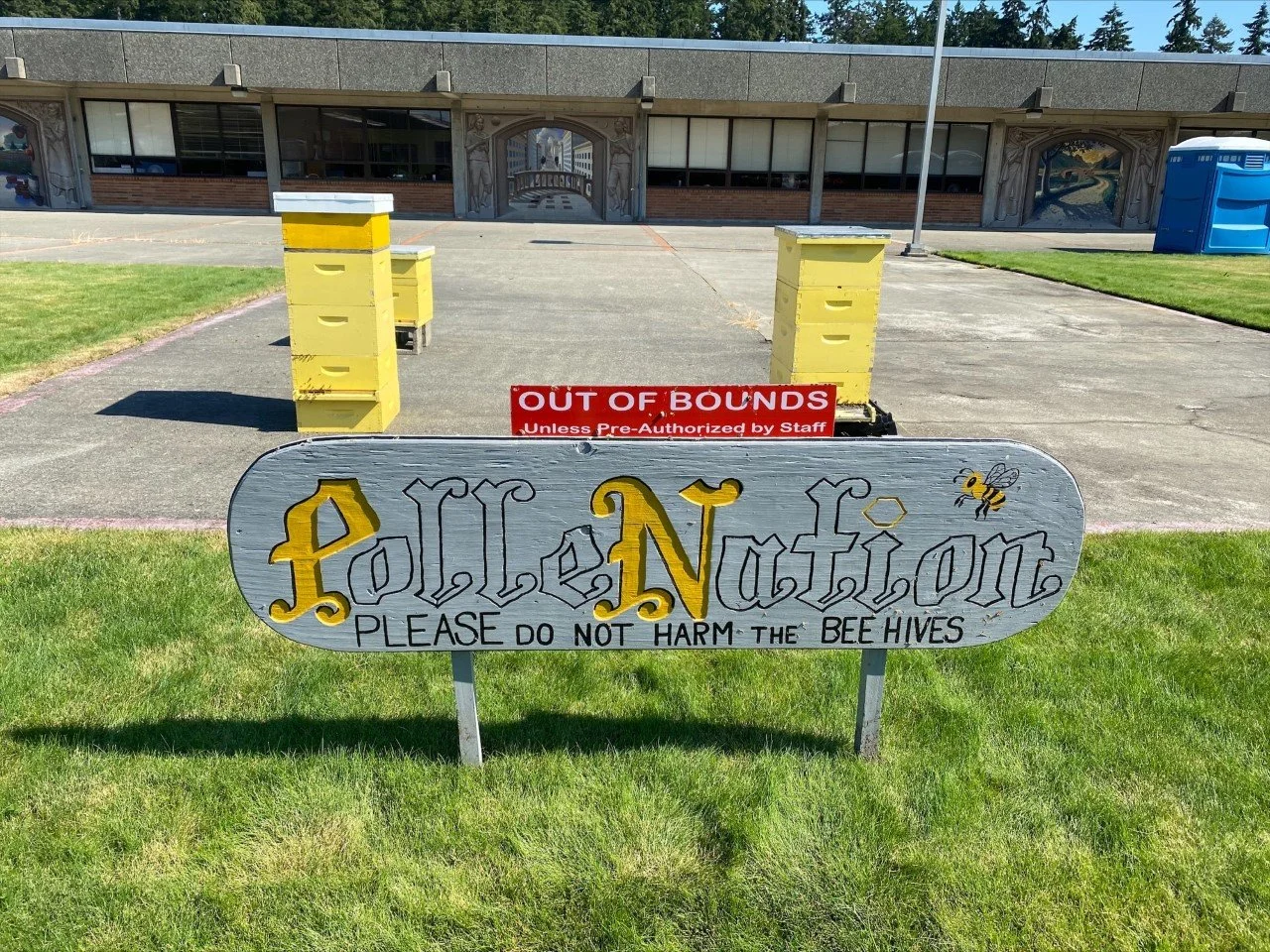
S3E6: Letting Knowledge and Nature In
Aug 16, 202200:49:30Tap to summarizeWelcome to Season 3, Episode 6, Letting Knowledge and Nature In: Science and Sustainability Education in Prison. This season is all about the Sustainability in Prisons Project (SPP), how they bring education, nature and training into the prisons to reduce recidivism and protect and enhance our environment. This season is seven episodes long. If you’ve missed any episodes, you can go back in our arc-hives and listen. So far, you’ve heard how it all started; a background on the prison system and an introduction to SPP; how SPP is a network of partners working to bring education and nature into the prison system; we’ve also learn more about the SPP Conservation Programs and the Native Plant Nurseries; and rearing endangered Taylor’s Checkerspot Butterflies at the Mission Creek Correctional Facility.In this episode we will have our final interview of the season with Kelli Bush, SPP Co-Director and introduce Emily Passarelli, Education and Outreach Manager for SPP. We’ll be chatting with them about SPP’s science education programs in Washington prisons.Guests in this EpisodeKelli BushKelli Bush is the Co-Director of the Sustainability in Prisons Project. She helps bring nature, science and environmental education into prisons in Washington. She also leads staff from The Evergreen State College that coordinate programs in the prisons. She has a Bachelor's degree in Agriculture Ecology from The Evergreen State College.Emily PassarelliEmily Passarelli is the Education and Outreach Manager at The Sustainability in Prisons Project (SPP). She first worked with SPP as a graduate student from 2015-2017 as the Green Track Program Coordinator. While there she helped coordinate Roots of Success and helped develop the framework for the statewide Beekeeping Program. After she graduated, she went on to work with Centralia College at the Washington Corrections Center as their Education Program Manager. In 2021, she rejoined the SPP Team as the Education and Outreach Manager.SPP Education ProgramsKelli Bush starts us off by explaining what the Education Programs portion of SPP is. While all of SPP’s programs include education, there were some programs they weren’t sure how to categorize so they created a catch-all Education bucket. Some of the programs in this bucket include peer-led gardening and composting, beekeeping certifications, and the environmental engagement workshop series. Education in Prison Offering education in prison definitely has its challenges, because prisons weren’t designed with education in mind. Finding classroom space, accessing technology, lack of internet, and the difficulty of bringing traditional science labs into prisons are some of the major barriers. SPP is creative and is developing science curriculum and labs that work in a prison setting. They are also looking into ways of developing secure internet within prisons, as other states have done. Having hard copy materials is the most resilient way to deliver content, because it can be broadly shared and even consumed by incarcerated individuals who need to be separated from others and are unable to attend regular classes.The workshop series is a program where scientists, professors, nonprofits, and others with knowledge to share come into the prisons to share 90 minute presentations on a variety of topics the incarcerated population is interested in learning about. The program has been very popular and workshops were always filled to capacity. The program has unfortunately been put on hold due to the pandemic, but SPP hopes to start it back up in the future. In the meantime, SPP is working to develop education modules, which are presentations of 5-20 pages that can be delivered through printed materials. We wanted to tap into our listener hive mind, so if any listeners (or blog readers) feel like they have science or sustainability educational content they would like to share, SPP welcomes idea pitches! If they are interested in your idea, they will even guide you through creating content by providing the format and tips on making the content most effective for the prison audience.Kelli rounds out her time with us by telling us about a new composting curriculum currently being developed and giving us an update on how those individuals participating in some of these science education programs can earn college credit. They are working to offer college credit for more of the programs and to offer transferable credit while still incarcerated rather than individuals getting a certificate that they can “redeem” for college credits if they attend Evergreen.We’d really like to thank Kelli for being such a big part of this season by not only being interviewed for 5 out of the 7 episodes, but also for helping us produce this season and introducing us to all of our amazing interviewees. She is the bees’ knees! We really couldn’t have brought you this season without Kelli Bush!Gardening Program Emily Passarelli joins us next to talk more in depth about some of the Education Programs offered by SPP. The Foundations in Gardening Course has a robust manual and can be taught in a peer-led classroom environment, or through self study. Peer-led education means classes are facilitated by other incarcerated individuals, and can take different forms. Classes can have one peer instructor, or they can trade off and each teach a different module to each other. This model really draws people in and shows them that if their peers are learning and teaching that they can see themselves doing the same and people start to bee-lieve in themselves.Emily shares that there are gardens in each of the 12 prisons. These can take different forms, such as flower gardens, food gardens, native plant gardens, gardens with culturally significant meaning to different populations, and planter boxes people can rent in some of the prisons to grow anything they want (within reason). There are huge therapeutic benefits to gardening, or even seeing gardens (I can personally attest to this) and studies have shown that gardens can reduce stress and tension and improve cognitive ability, among other benefits. In this vein, there is a Nature Imagery program where incarcerated people who are in intensive management units (or IMUs) can go into a room with a television for an hour and view nature imagery. These people are stuck in a cell for 23 hours a day (luckily not for punishment anymore) and aren’t able to experience nature directly, so at least being able to view images of nature can have similar stress-reducing effects. Emily shares a lot more information about gardens, including who can participate in gardening, how much time incarcerated people who work in the gardens spend there, and what happens to produce grown in the gardens.Beekeeping Program Some of the prisons in Washington have beekeeping programs. These are offered in partnership with local beekeeping associations. Expert beekeepers train new beekeepers and help facilities get new hives and materials. Washington has certified 507 beekeepers! Emily “schools” us on our misconceptions of prisons being gray, concrete behemoths and educates us on the beekeeping program. We learn that bees eat lots of sugar, not just plant nectar! We are also shocked by the fact that a lot of the hives are lost over the winter. They are always trying new things to try to make the hives more successful, so hopefully they will make strides and be able to share that knowledge with others. If they are succes...
Transcribe →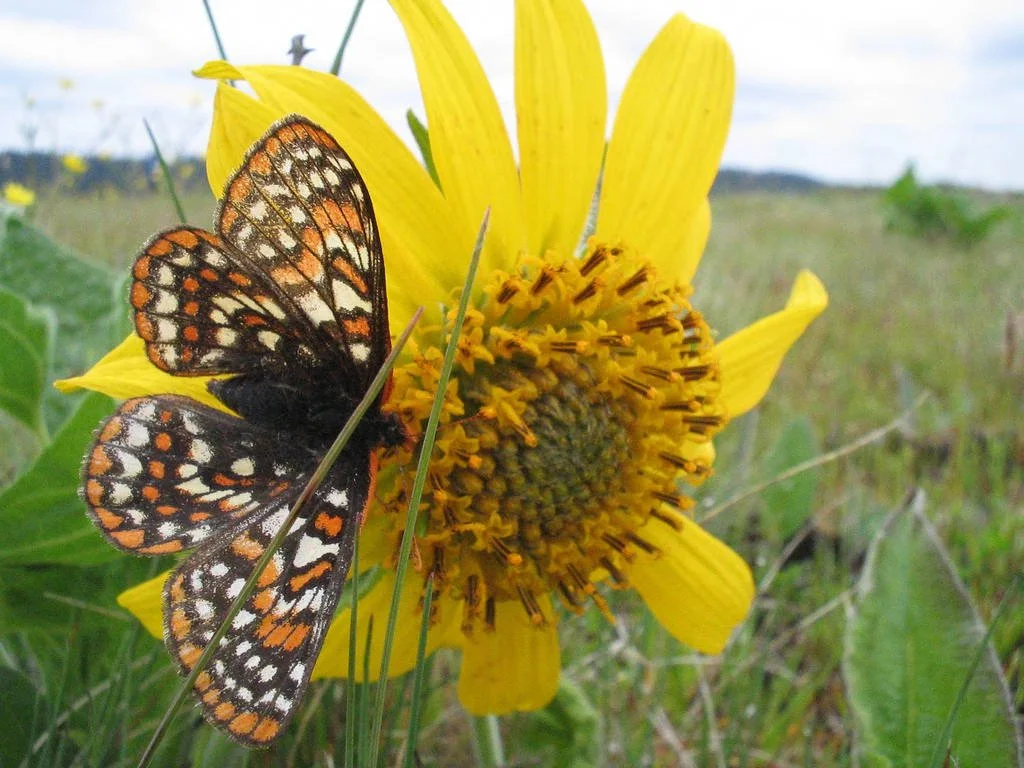
S3E5, Why did the Caterpillar Cross the Road? To get to the Artillery Range
Aug 2, 202200:53:23Tap to summarizeWelcome to Season 3, Episode 5, Why did the Caterpillar Cross the Road? To get to the Artillery Range. A story about the metamorphosis of a prison into a butterfly rearing facility for endangered species recovery. This episode is all about the Sustainability in Prisons Project’s (SPP) Taylor’s Checkerspot Butterfly Program. In this episode, we learn more about the program with Mary Linders, endangered species biologist and we talk with Liz Louie, former butterfly technician, about her experience rearing Taylor’s checkerspot butterflies. This season is all about the Sustainability in Prisons Project (otherwise referred to as SPP), how they bring education, nature and training into the prisons to reduce recidivism and protect and enhance our environment. This season (we now know) is 7 episodes long. In the first episode we got into how it all started; Episode 2 provided a background on the prison system and an introduction to SPP. Episode 3 was all about partnerships, which is really what SPP is, a network of partners working to bring education and nature into the prison system. Last episode provided an overview of the Conservation Programs at SPP and then we got into more of the details of the Conservation Nursery Programs and how they are involved in prairie restoration.We start off the episode with a few fun facts, including:A group of butterflies is called a kaleidoscope, although sometimes referred to as a flutter, flight or swarm. A group of caterpillars is called an army.According to the Smithsonian: There are about 18,500 butterfly species worldwide (except Antarctica). Of those, around 750 are found in the US.Interviewees this EpisodeMary LindersMary has worked as an endangered species recovery biologist for the Washington Department of Fish and Wildlife (WDFW) since 1994. For the past 18 years she has worked to protect and recover populations of five at-risk prairie and oak-associated species in the South Puget Sound region. As the lead biologist overseeing captive rearing and population re-establishment of the federally endangered Taylor’s checkerspot butterfly, Mary has grown the project from a captive rearing test trial to a program with two captive rearing facilities, 14 field sites, and nine conservation partners. All told, this effort is transforming 1000s of acres of degraded grassland to high quality native prairie benefitting a multitude of other species. Mary holds a Master’s degree in Wildlife Science from the University of Washington-Seattle and a Bachelor’s degree in Anthropology from the University of Wisconsin-Madison.Liz LouieLiz is currently the manager of the FareStart Restaurant Program. She was previously a butterfly technician with the Taylor’s Checkerspot Butterfly Rearing program. According to their website, “FareStart transforms lives, disrupts poverty and nourishes communities through food, life skills and job training.” We hope to have a future mini-sode where we share more about Liz’s experience with the FareStart Program. Stay tuned for more info on that!Taylor’s Checkerspot ButterflyAccording to the WDFW Website:“Taylor’s checkerspot is a Pacific Northwest endemic butterfly. It is currently restricted to a small scattering of 8 populations in Washington, a single population in British Columbia, and 2 populations in Oregon. The decline of this butterfly has accompanied the loss of open, prairie and grassland habitats…it has declined dramatically due to widespread habitat degradation and loss of prairie-oak ecosystems from development, invasive species, and loss of beneficial disturbance mechanisms. Habitat enhancement efforts for Taylor's checkerspot since 2006 have been significant, however, the amount of fully-restored habitat relative to need is low, and the configuration of habitat remains fragmented and isolated.”TAYLOR'S CHECKERSPOT BUTTERFLY ON BALSAMROOT - PHOTO CREDIT: USFWS/K. REAGANTaylor's Checkerspot was listed as an endangered species by the Washington State Fish and Wildlife Commission in 2006, the Committee on the Status of Endangered Wildlife in Canada in 2011, and the U.S. Fish and Wildlife Service in 2013. The federal listing means that basically that no harm can come of the butterfly.Joint Base Lewis-McChord (JBLM) includes the largest remaining intact prairie (which happens to be a live artillery range) in the South Salish Sea Basin. The artillery impact area at JBLM contains some of the highest quality prairies in the Pacific Northwest and some of the few remaining natural populations of Taylor’s checkerspot butterflies. Out of all of the glacial outwash prairie that previously existed there is only 3% remaining and of that, JBLM is home to about 95%. If you want to learn more about butterfly identification in the South Salish lowlands, check out, A Region Specific Guide to Butterflies of South Puget Sound, Washington.The Cascadia Prairie Oak Partnership has a lot of great resources related to prairie oak restoration in the Salish Sea basin and Willamette Valley, including various field and landowner guides.WDFW asks that you share Taylor’s checkerspot butterfly observations on their WDFW wildlife reporting form. Providing detailed information such as a photo and the coordinates will improve the confidence and value of your observation.Taylor’s Checkerspot Butterfly ProgramIn this episode, Mary Linders shares more about the Taylor’s Checkerspot Butterfly Program. She talks about their lifecycle and their unique ecological niche within the Salish Lowland Prairies. The ultimate goal of the program is to rear butterflies to be reintroduced into the wild to help restore the few remaining native populations. The easiest way to do that is to try to reduce their mortality in captivity. Mary says that one of the biggest challenges to rearing Taylor’s checkerspot butterflies is weather. On the habitat side, it means that they may or may not get green up after a fire, or germination, which is impacted by weather and management techniques. While on the butterfly side of things, it is very plastic in its behavior to the climate; if there is an early spring, it will shift its flight habits.We learn that in the wild, the Taylor’s checkerspot butterfly has a survival rate of 1-5% from egg to adult, while in captivity they see about a 65% survival rate. They try to keep every stage at 90% survival rate.While GPS and GIS have not been used on the incarcerated side, Mary does share how GIS and GPS are used for all aspects of conservation from habitat assessments to recording release locations and tracking movement.This project is having an impact on species recovery. Where they were down to a single population, they have now established two other populations and there is a third that is doing okay. There are also a couple of sites that have not fully taken off yet.Mary discusses some of the benefits of bringing a project like this into a prison setting. One of the benefits is that you get an intimate look at captivity and another is that they have been very successful at minimizing mortality in captivity. She says one of the...
Transcribe →S3E4 - Plugging Away at the South Salish Lowland Prairies
Jul 19, 202200:53:14Tap to summarizeWelcome to Episode 4, Plugging away at the South Salish Lowland Prairies, all about conservation programs with the WA Sustainability in Prisons Project. In this episode we will learn a little about the umbrella Conservation Programs with Kelli Bush, and then we chat with Carl Elliot about the Conservation Nursery Program.This season is all about the Sustainability in Prisons Project (otherwise referred to as SPP), how they bring education, nature and training into the prisons to reduce recidivism and protect and enhance our environment. We now know that this season is at least 6 episodes long and it still could be 7 episodes long. In the first episode we got into how it all started; Episode 2 provided a background on the prison system and an introduction to SPP. Episode 3 was all about partnerships, which is really what SPP is, a network of partners working to bring education and nature into the prison system.According to an article “Conservation Projects in Prison,”“The pace of habitat destruction and loss of biological diversity globally exceeds the current capacity of societies to restore functioning ecosystems. Working with prison systems to engage inmates in habitat conservation and ecological science is an innovative approach to increase our ability to reestablish habitat and at-risk species, while simultaneously providing people in custody with opportunities for reciprocal restoration, education, therapeutic activities, safer conditions, and lower costs of imprisonment. We present the benefits of working with prisons to conduct habitat conservation through nursery production of plants and captive rearing of animals, combined with educational experiences...”Interviewees this EpisodeKelli Bush is the co-director of the Sustainability in Prisons Project. She helps bring nature, science and environmental education into prisons in Washington. She also leads staff from The Evergreen State College that coordinate programs in the prisons. She has a Bachelor's degree in Agriculture Ecology from The Evergreen State College. Carl Elliot is the Program Manager of the Conservation Nursery Programs with the Sustainability in Prisons Project. Carl has a B.S. and a Masters of Environmental Science from The Evergreen State College. Prior to his work with the Sustainability in Prison Project, he had over twenty years of experience in horticulture and sustainable agriculture. He was a founding board member of the Seattle Youth Garden Works, which trains homeless children and other at-risk youth in skills for employment and healthy living. He began working for SPP in 2011 as the Conservation and Restoration Coordinator and has expanded the Conservation Nursery Program from one to four prisons in Washington.SPP Conservation ProgramsIn this episode we chat with Kelli Bush about the overarching Conservation Program, its goals and some of the different types of programs. She also shares a little about some conservation programs on the horizon; like the Sagebrush in Prisons Project, which grows sagebrush in prisons to help restore sagebrush habitat. We get off on a little tangent, but it leads us to talking about another potential partnership with UC Davis Center for Community and Citizen Science.Next we talk to Carl Elliot about the Conservation Nursery Programs. He starts with some background in the South Salish Lowland Prairies (say that five times fast!) and the work over the last 20 years or so to restore this habitat. He also shares how he got his start with SPP and why he was ultimately the ideal candidate to help further develop the Conservation Nursery Program (spoiler alert, it was because he was not just looking at it as cheap prison labor). He also talks about what is grown at the nurseries and why. He also shares about how biological technicians participate in the program, including a discussion about how ideas are shared and how he fosters and encourages new ideas from all people involved. He shares some of the benefits of participating in the program; technicians are learning, they can get college credit and in the end those things ultimately benefit our communities. He also shares about his personal experience working with a program in a prison and what working with incarcerated individuals is like.“I rarely meet an incarcerated individual that can not add something to the conservation community.” -Carl ElliotCarl provides a solid foundation to the restoration of South Salish Lowland Prairies. This includes discussion about some of the locations of remaining prairie near Olympia, WA.Wolf Haven is working with many partners to help restore 36 acres of Mima Mound Prairie found on their property.JBLM includes the largest remaining intact Prairie in the South Salish Basin (which happens to be a live artillery range). The artillery impact area at JBLM contains some of the highest quality prairies in the Pacific Northwest and some of the few remaining natural populations of Taylor’s checkerspot butterflies. Out of all of the glacial outwash prairie that previously existed there is only 5% remaining and of that, JBLM is home to about 95%!!!Glacial Heritage Preserve, a 1,134-acre preserve, including 650 acres of grassland, located in Thurston County south of Olympia, Washington. In 1988, Thurston County purchased the land, recognizing the potential for restoring several native ecosystems on the variable site. The Nature Conservancy began managing the land in 1995, a role that was taken over by the Center for Natural Lands Management in 2014. Today, CNLM sees to all aspects of maintenance on this private preserve: managing controlled burns, removing invasive plants by pulling or herbicide use, and reintroducing native plants through seeding and planting. They open up the prairie each spring to the public for Prairie Appreciation Days.Did you know that there’s a Prairie Landowner Guide for Western Washington?!Western Washington Prairies BackgroundDid you know? Prairies are one of the rarest ecosystems in Washington State! Only 3% of the original prairies remain.Prairies west of the Cascade Mountains were created by glaciers. When the glaciers started to recede about 15,000 years ago, they left behind dry gravelly soils perfect for prairies. These prairies were a natural landscape habitat in this area during the earlier dryer and warmer climate. Between 6000 and 5000 years ago the pollen signature shifted to a wetter and cooler climate, resulting in a natural plant succession that shifted the ecosystem to oak and then Douglas fir dominated forests. However some of the prairies persisted and this has been attributed to the Coast Salish tribes, who likely grew to depend on the prairies and so they continued to maintain them through burning. This type of landscape management was used to maintain prairie areas from Vancouver Island south to Eugene. The prairies in the South Salish Lowlands were traditional use areas for the Nisqually, Squaxin Island, Upper Chehalis and Cowlitz tribes. Prairies in the South Salish Lowlands have faced many ecosystem pressures. Current restoration efforts are as varied as the sites they are trying to restore. Typical methods include invasive species removal methods (mowing, herbicide, hand pulling), prescribed burning, and native plant restoration (seeding, plugging, planting). Adaptive management is the name of the game as they try to improve their restoration techniques. <p class="" style="white-space...
Transcribe →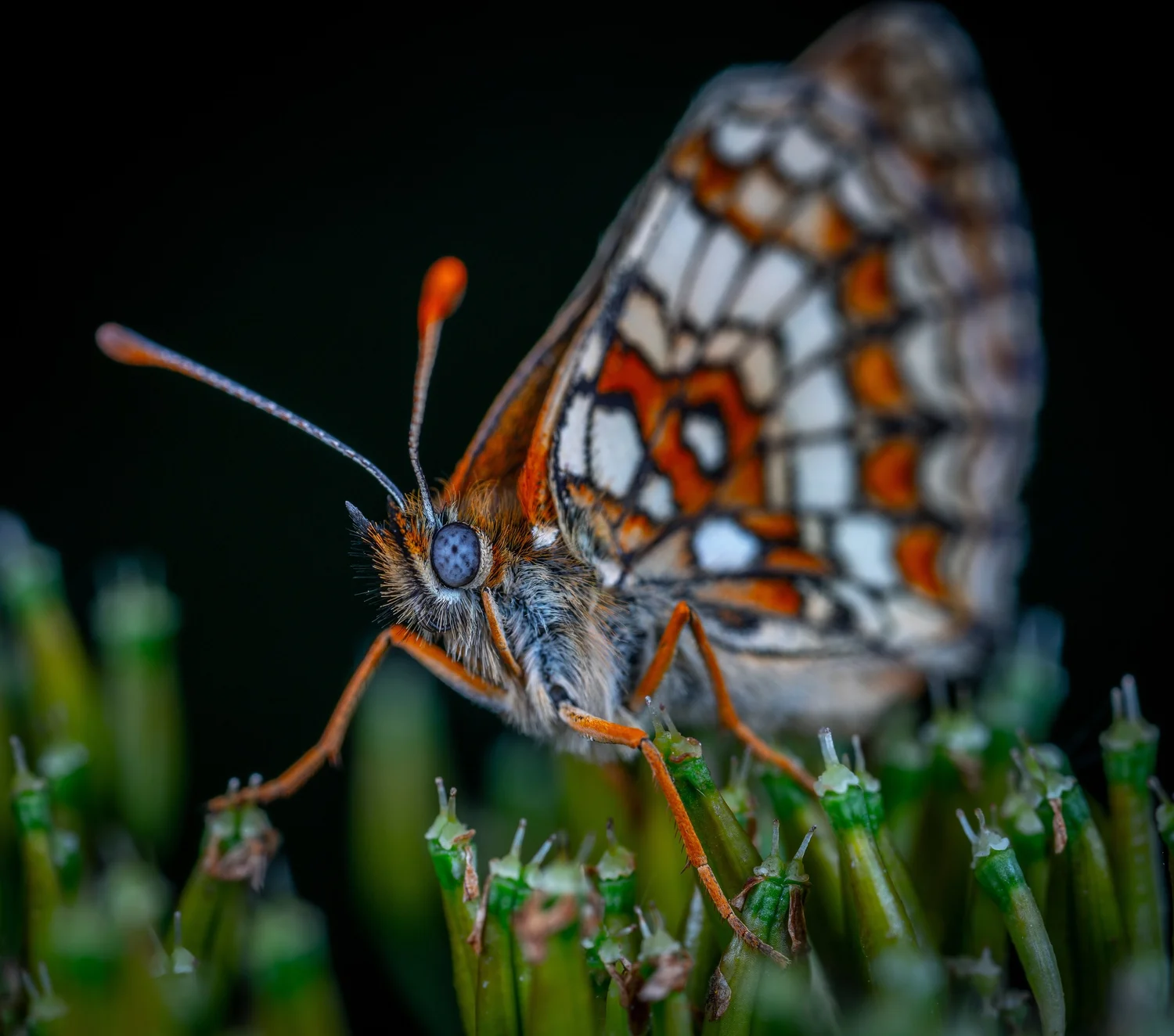
S3E3: If You’re not a partner of the solution, you’re a partner of the problem!
Jul 5, 202200:52:43Tap to summarizeWelcome to Season 3, Episode 3, If You’re not a Partner of the Solution, You’re a Partner of the Problem; Partnerships and Programs with the Sustainability in Prisons Project (aka SPP). This season is all about the Sustainability in Prisons Project, what they do, why they do it and how you might be able bring your skills and knowledge to incarcerated individuals. For this episode, we interviewed Kelli Bush, the Sustainability in Prisons Project Director; Mary Linders, WDFW Wildlife Biologist; and Carolina Landa, a former butterfly technician. In this episode we dive into the complex web of partnerships that SPP maintains for their various, changing and growing programs. At the heart of this whole organization is a web of partnerships that keep everything moving forward and also ensure that projects are safe and appropriate for the prison environment.Interviewees’ Background and ExperienceKelli Bush is the co-director of the Sustainability in Prisons Project. She helps bring nature, science and environmental education into prisons in Washington. She also leads staff from The Evergreen State College that coordinate programs in the prisons. She has a Bachelor's degree in Agriculture Ecology from The Evergreen State College. Mary Linders has worked as an endangered species recovery biologist for the Washington Department of Fish and Wildlife (WDFW) since 1994. For the past 18 years she has worked to protect and recover populations of five at-risk prairie and oak-associated species in the South Puget Sound region. As the lead biologist overseeing captive rearing and population re-establishment of the federally endangered Taylor’s checkerspot butterfly, Mary has grown the project from a captive rearing test trial to a program with two captive rearing facilities, 14 field sites, and nine conservation partners. All told, this effort is transforming thousands of acres of degraded grassland to high quality native prairie benefitting a multitude of other species. Mary holds a Bachelor’s degree in Anthropology from the University of Wisconsin-Madison and a Master’s degree in Wildlife Science from the University of Washington-Seattle. This background has served her well in a field where conservation values mesh with competing human values. Outside of work she enjoys gardening, hiking, camping, paddling and playing music with her husband and son. Carolina Landa MPA, identifies as a Mexican-American woman. She currently works at the Office of the Corrections Ombuds as the Assistant Ombuds focused on Gender Equity and Reentry. She is a graduate of The Evergreen State College where she received her Bachelor’s degree with a focus on Law and Policy followed by her Master’s degree in Public Administration. Her three areas of specialized work are in Social Justice, Disabilities and Immigration. She currently serves as a member of the Washington State Developmental Disabilities Council. She strongly believes that people with lived experiences have the power through voice to impact the most effective change in our society. Partnerships and Programs, oh my!This episode is all about partnerships and programs in the Sustainability in Prisons Project (SPP). When we first started researching this topic, Amy the Poop Detective was amazed at the breadth of different organizations and project types that fall under the SPP umbrella.SPP was initially formed as a partnership between The Evergreen State College (Evergreen) and the Department of Corrections (DOC) to bring science, nature and education into prisons in Washington State. It has since grown to almost 200 partnerships. The breadth and depth of the programs that they help facilitate is impressive, to say the very least. While we are most interested in conservation, nature and education programs, we learn that there are so many other types of programs/projects.SPP Perspective on Partnerships and ProgramsIn this episode, Kelli Bush shares more about how partnerships form and function. One of the main points that she makes is that these programs can be started at any level, whether it be an idea from an incarcerated individual, DOC staff, Evergreen graduates or partners in the community (that could mean you!). She also describes how each project is evaluated to make sure that there is benefit to all involved parties. They especially do not want projects that are just looking for free or cheap labor. The primary types of benefits to incarcerated individuals are educational, therapeutic and/or job skill related. She also shares more about how new projects also must be vetted by the DOC to ensure that they meet their safety and risk reduction considerations associated with the prison environment. We chat about how some projects are relatively easy to implement, for example education programs, where other programs are more difficult to implement such as the Taylor’s checkerspot butterfly program, which required a greenhouse to be built and potential risks to be considered. She uses the composting program at the Monroe Correctional Facility as an example of how programs can start and grow. In this example, incarcerated individuals worked with DOC staff to develop an internal composting program. Over time, this program has grown into an award winning composting program and they have expanded their composting methods to include Bokashi composting (basically fermenting compost) and Black Soldier Fly Larvae composting, similar to vermicomposting, where the larvae eat through and break down food waste quickly. Here are some additional links to learn more about the SPP Bokashi and Black Soldier Fly Larvae composting programs.She shares more about several programs that are not so science based, including:A dog training program, where dogs live with and are trained by incarcerated individuals. They train dogs for children and adults for a variety of conditions. They also host foster animals, sometimes difficult to adopt animals, from many different agencies including the Kitsap Humane Society and Purrfect Pals.A bike refurbishing program, which reduces waste by salvaging and restoring bikes that otherwise might be headed to the landfill. Then those newly tuned up bikes get awesome paint jobs and they are donated back to someone in need in the community.There are lots of other cool partnerships that we did not get into. If you want to learn more, head over to SPP’s website and you can look through the many partners and projects.Kelli shares a little about potential project gaps. One of the projects she hopes that the Magical Mapper might pursue is bringing more technology, like GIS, into the prisons. The other one that she feels is important is a program that supports successful reentry, and that includes housing and employment opportunities. She discusses how she initially thought this work might be done outside of the prison by another organization, but now she thinks it might be something that SPP should help develop. She wants partners to consider if organizations are willing to invest in previously incarcerated individuals once they are outside of the prison as well; helping them grow their environmental careers once they are released.We talk about some of the barriers to new program development such as:A general lack of space; prisons were not set up as educational facilitiesTechnology, computer and internet accessGeneral capacity at SPP to take on and facilitate additional projectsKelli also discusses how a big part of SPP’s work is to try and identify the roles and responsibilities for the involved partners. She talks about how communication, clarity of roles, community time investment and who gets recognition for the work are all important aspects to making the partnerships function and ensuring that all partners feel valued and needed.She also shares a little bit about a new program on the horizon, the Evergreen Coalition for Justice, which just received funding for a year that starts this July. It will provide an opportunity to expan...
Transcribe →S3E2: Reducing Recidivism Through Education, Science and Nature
Jun 21, 202201:02:25Tap to summarizeSeason Three is all about the Sustainability in Prisons Project (or SPP), and how they bring education and training into the prisons to reduce recidivism and protect and enhance our environment. In this episode we interview James Jackson, who serves as an education reentry navigator at The Evergreen State College. He shares some of his experiences with the prison system and the importance of education in breaking the cycle of incarceration. We will also hear again from Kelli Bush, Co-Director of the Sustainability in Prisons Project, who shares more about what SPP is all about.IntervieweesJames JacksonJames is the Education Reentry Navigator at The Evergreen State College. He works to match formerly incarcerated students with colleges in the South Puget Sound that best meet their needs, and helps them transition from prison to life on campus.Kelli BushKelli Bush is the co-director of the Sustainability in Prisons Project. She helps bring nature, science and environmental education into prisons in Washington. She also leads staff from the Evergreen State College that coordinate programs in the prisons. She has a Bachelor's degree in Agriculture Ecology from The Evergreen State College.The Prison SystemJames (JJ) Jackson was formerly incarcerated in the US Federal prison system. He graciously shares some of his experiences with the prison system and with education in and out of prison. James starts out by providing some statistics indicating that formerly incarcerated people who earn a college degree are much less likely to recidivate. Similar reports can be found here and here. He then talks through his experience and motivations while incarcerated, including education he had access to and programs such as the Residential Drug Abuse Program (RDAP) that he could have participated in (listen to the episode to find out why he chose not to participate in this program). He also shares a bit about his experience with reentry and some of the challenges people face with reentry, including housing, substance abuse, and jobs. James says education is something the Washington corrections system is doing well. Washington is unique in hiring education navigators to help incarcerated students navigate the college system and the transition from prison to college campuses. Federally, education grants, that were stripped during the Tough on Crime legislation in the 1980’s and 1990’s, for all currently and formerly incarcerated students are scheduled to be fully reinstated in 2023. We discuss some of the systemic changes needed to improve outcomes for formerly incarcerated people, some of which Washington has implemented including removing the felon checkbox on college applications. James mentions a book, The New Jim Crow by Michelle Alexander. He discusses several of the author’s ideas, including how being charged with a felony follows people throughout their lives, even after they have served their time and paid their debt to society.We have a great discussion about language and how certain terms like convict, offender, and inmate can cause stigma and bias and dehumanize people. Using terms such as incarcerated individuals can help change the narrative and reduce stigma, while making it harder to treat people as numbers and distance yourself from other individuals.What is SPP (and what isn’t it)?Kelli talks about some of the benefits participants receive, such as exposure to nature and science, education, training, networking, and college credits. The program also benefits the community, particularly by breaking down barriers. It brings community members inside the prisons and helps break down biases by letting them interact with and get to know incarcerated people. Kelli discusses what SPP is (environmental education and training for incarcerated individuals) and what SPP isn’t (cheap labor or sustaining the prison system). She shares that the program does have some constraints, namely that the prison system isn’t designed for programs like this so the infrastructure just isn’t there. SPP don’t let these constraints stop them; they had around 199 projects or programs last year! Some of these are led by the Department of Corrections, and some are led by Evergreen. Others have unfortunately been suspended because of Covid-19 but will hopefully be brought back soon. A large portion of the programs are funded through grants and donations. We encourage our listeners to start thinking about potential projects that might be a good fit for SPP and listen to future episodes for ideas on how to plug in!Coming up nextJoin us in two weeks (July 5) for our next episode, where we will hear more in depth about some of the great partnerships at SPP. We will be talking to Mary Linders, a SPP partner and scientist at WDFW, and Carolina Landa, a former butterfly technician with SPP. We will also hear more from Kelli Bush because she’s awesome.Please don’t forget to rate, review and subscribe on Apple Podcasts, Stitcher, or wherever you get your podcasts (like Tune In, Castbox, Himalaya, iheartradio, etc). Please let us know what you think in the comments below or on our Facebook page.
Transcribe →S3E1: From the Tree Canopy to the Prison Grounds
Jun 7, 202200:34:53Tap to summarizeSeason 3 is all about the Washington Sustainability in Prisons Project (otherwise referred to as SPP). SPP brings education and training into the prisons to reduce recidivism and protect and enhance our environment. This season will be six or seven episodes long (we’re not sure yet because numbers and math or something) and we will be interviewing a variety of people from SPP, as well as partners and individuals that have participated in the program. Unfortunately, we are missing the Department of Corrections perspective because we were unable to connect with them.In this episode we are honored to interview Dr. Nalini Nadkarni, whose curiosity and out of the box thinking led to the formation of SPP. She’s so amazing she even had a TreeTop Barbie made in her likeness! We will also hear a little bit from Kelli Bush, current Co-Director of SPP. Kelli will be joining us most, if not all, episodes this season. Kelli helped us out a great deal this season, helping us make connections with interviewees and providing a lot of background information and assistance. We couldn’t have created this season without Kelli! Thanks Kelli!!!IntervieweesNalini NadkarniNalini is currently a professor of Biology at the University of Utah, and is a former professor at the Evergreen State College in Olympia, Washington. According to her website, “Nalini’s research interests are on: community and ecosystem ecology of tropical and temperate forest canopy organisms and interactions; the effects of forest fragmentation on biodiversity and community function; and the development of database tools for canopy researchers.” She has also “pioneered bringing science education, conservation projects, and nature imagery to the incarcerated.”Kelli BushKelli Bush is the co-director of the sustainability in prisons project. She helps bring nature, science and environmental education into prisons in Washington. She also leads staff from the Evergreen State College that coordinate programs in the prisons. She has a Bachelor's degree in Agriculture Ecology from The Evergreen State College.Sustainability in PrisonsNalini talked about the origins of SPP, which started with an idea of having incarcerated people help her learn how to grow moss, so sustainably grown moss could be used for horticultural purposes instead of gathering moss from the wild. This idea came about because of Nalini’s scientific work, as well as that of Pat Muir from Oregon State University. It turns out people don’t know how to propagate moss, even in the famous moss gardens of Japan! After shopping the idea around to several prisons, she got a bite from Dan Pacholke, who was the prison superintendent at the Cedar Creek Corrections Center at the time, and the two of them founded SPP. This has led to more scientific study, seminars, environmental training, and education in prisons in Washington State. Nalini has since moved on to Utah (where she’s started a similar program called INSPIRE), but SPP has continued to grow. Nalini remains involved with SPP and often collaborates with Kelli Bush and others, including writing peer-reviewed papers published in scientific journals. One of these describes a collaboration between NASA, SPP, INSPIRE, as well as similar programs in Ohio and Florida, where NASA brought astrobiology education to prisons.Since we forgot to ask Nalini, we had Kelli join us to explain what an IRB is. She also shares more about some similar programs around the US and around the world that SPP shares ideas with and learns from.Coming up nextJoin us in two weeks (June 21) for our next episode, where we will be hearing from James Jackson, who works with SPP and the Department of Corrections as an Education and ReEntry Navigator. We will also hear more from Kelli Bush about what the Sustainability in Prisons Project is (and isn’t).Please don’t forget to rate, review and subscribe on Apple Podcasts, Stitcher, or wherever you get your podcasts (like Tune In, Castbox, Himalaya, iheartradio, etc). Please let us know what you think in the comments below or on our Facebook page.
Transcribe →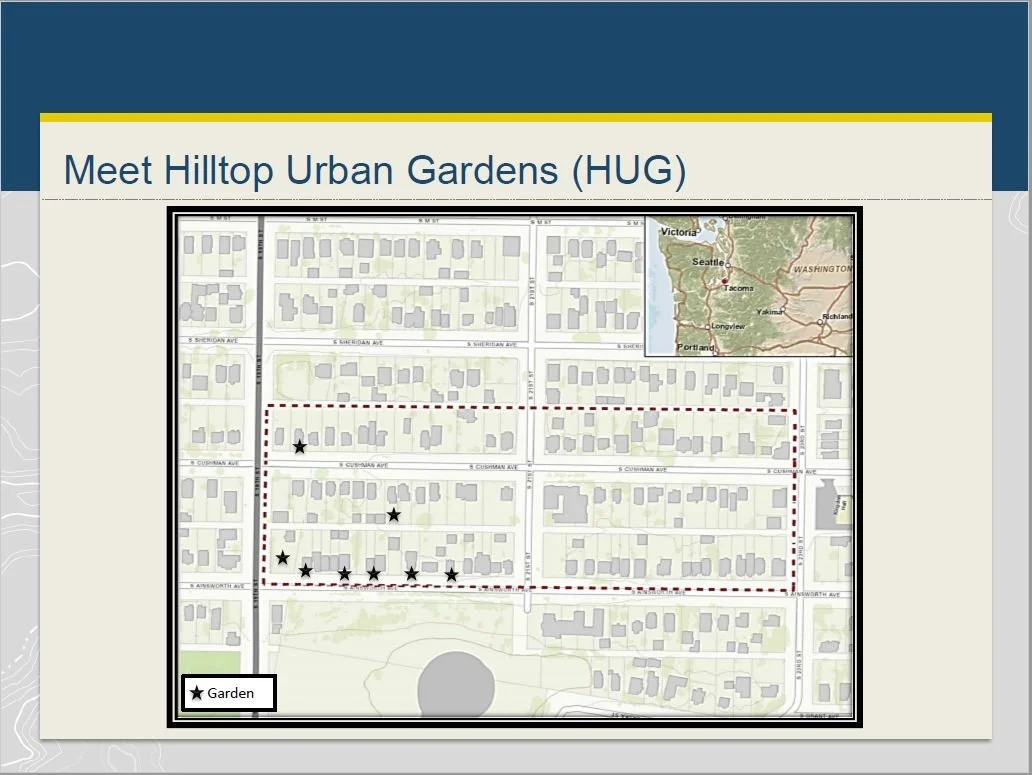
S2E5: A shady way to use your skills for good!
Mar 1, 202200:35:09Tap to summarizeWelcome to Season 2, Episode 5, A Shady Way to Use Your Skills for Good. Season 2 has been all about our food system and some ways that alternative food systems can help our communities be more self-sufficient and sustainable while growing local, culturally relevant food. We’ve also discussed lots of ways that you can get involved in these types of projects in your own communities. For our final episode this season, we interviewed GIS (and all around) superstar Tonya Kauhi. We chatted with her about how she volunteered to help her community with her GIS skills. While on the surface, this episode appears to be pretty GIS focused, it’s also about thinking outside the volunteer box to identify unique projects where you can share your skills to make your community a better place. We talked to Tonya about how she volunteered her GIS expertise to help Hilltop Urban Gardens in Tacoma. She also shared more about other volunteer activities she is involved with.Tonya KauhiTonya has a BS in Environmental Science from the University of Washington Tacoma and over 20 years of experience with GIS and geospatial analysis. She recently moved from working as the GIS Programs Manager with the Port of Tacoma to becoming a GIS Developer for the City of Tacoma. She also spent many years working with the private consulting group GeoEngineers as the Senior GIS architect, working on a variety of GIS and data analysis projects. When she’s not busy working, she is still out there sharing her love of GIS. Tonya manages the Washington Women in GIS and Technology Group, volunteers to teach GIS and has taught girls to code in an after school program. Hilltop Urban GardensHilltop Urban Gardens (HUG) is located in Tacoma, Washington. The gardens are located in the Hilltop neighborhood and their HUG Farm is at South 19th Street and S Ainsworth Avenue. We had hoped to interview someone with Hilltop Urban Gardens, but unfortunately were not able to connect with them. To be honest, we are not sure of HUG’s current status. Unfortunately, their last Facebook post was in October, 2020. However, we still wanted to provide a little more information about their organization. The following information was gleaned from their Facebook page:HUG was founded in late 2010 by long-time organizer Dean Jackson. Hilltop Urban Gardens is a community-based urban agriculture, justice, and equity organization. Their mission is to develop systems for food sovereignty and create racial and economic justice. HUG uses an Urban Farm Network to help those most impacted by food insecurity to grow, eat, share and control their food supply. The Urban Farm network consists of a farm owned by HUG, neighbors donating a portion of their yard, and the use of parking strips. HUG builds and manages the gardens, and these garden sites make up an urban farm. In the past, HUG shared the produce through the HUG Grub farm stand. Anyone from the community could come and pick up a bag of HUG produce. They asked that you share something in exchange; that something could be time, treasure or talent. Some of the things that have been exchanged in for HUG produce in the past included work hours at the Farm or at HUG Grub, hosting a HUG garden site, monetary donation, letting neighbors pick blackberries, love for the community, or cooking a nutritious meal for one's family instead of fast food. In 2019, HUG shared over a ton of healthy produce from 12 Urban Farm Network Sites, they served 18 households weekly, engaged over 300 volunteers and held 64 community and service events. Check in with HUG through Messenger for current programs, hours or volunteer opportunities.Using Shady Skills for Good - Performing a GIS Sun/Shade Analysis for the Hilltop Urban GardensIn this episode we learned more about how Tonya Kauhi got involved in volunteering with Hilltop Urban Gardens and how she figured out a way to share her skill sets for good. She helped HUG identify and prioritize garden growing areas, based on the hours of sunlight the yards, parking strips and gardens received each day. She also created maps that shared location information with garden volunteers. If you want to learn more about the ins and outs of a new ESRI solution for sun shade analysis, check out Jen’s write-up on that. Tonya shared how her own involvement in her neighborhood community garden is where she first became more interested in community gardens. She originally created simple site maps that showed access, hose bibs, garden beds and plantings and later performed a sun-shade analysis to identify and prioritize areas for planting. If you aren’t looking on a neighborhood or city-wide level and don’t want to go to the trouble of using GIS software, we found some other resources on the web that may help you determine where the sun shines on your property. SunCalc doesn’t provide the shade from buildings and vegetation, but does show the course of the sun over the day and the year.We also found this great permaculture website that helps you plan out how to determine sun/shade on your property. Sun Surveyor and Sun Seeker are apps that use your phone's GPS and compass to display an accurate representation of the sun’s path through the sky at your location.How do Hilltop Urban Gardens and Food Sovereignty Tie Together?Being able to grow food in your own community, especially when there is a lack of access to land, is a great way to help develop community and help minimize the environmental impacts of industrialized agriculture. Hilltop Urban Gardens is a great example of food sovereignty. It puts growing, harvesting, and processing fresh produce in the hands of underrepresented residents in this urban area. It keeps decisions about what food to grow locally. It helps build community through gardening. Tonya found a way to contribute her skills, first through the development of simple maps and later with the sun/shade analysis to identify best places to garden from the properties that they had access to.Other Ways to Be CoolIn addition to talking about her volunteer work with Hilltop Urban Gardens, Tonya also talked about other ways she volunteers in her community and shares her love for nerding out…er, um, I mean GIS and technology. And I think one of the most important messages in this episode is finding ways to share your skills to make your community better.Tonya shared how she helped start and currently leads the Washington Women in GIS and Technology group. According to their website, “The Washington Women in GIS and Technology (WWGT) group empowers women to learn, teach, and promote GIS and technology.” They host monthly meetings to network, learn and be social.She also talked about volunteering with Girls Who Code, where she participated in an after school program that taught girls how to code. She even said she was no coding expert at the time, but was able to get the girls excited and engaged. Tonya has also helped teach elementary aged students about GIS. She tells a story about talking to the teacher to try and find a way to connect GIS to what they were currently learning about. Since GIS is very diverse, this typically does not present much of an issue, but in this case the students happened to be studying sound. At first she was a little perplexed, but then found that the National Park Service has a Sound Map Project and that there are noise level monitoring apps that could be used in the classroom and on the playground, so students could collect their own data. She was able to add value to what the students were already learning about and teach them about GIS at the same time. Just another WIN = WIN for Superstar Tonya!All these examples are just to show the variety of ways that Tonya has found to use her skills and knowledge to improve her community, while sharing her love and knowledge of GIS. Hopefully, these ideas will inspire you to find a new and different way to share your skills and knowledge to improve your community.Until Next Time…<p class="" style="white-space:pre-...
Transcribe →S2E4: Bartering With Slugs
Feb 15, 202200:32:41Tap to summarizeTales From A Garden Collective Slugs were wooden barter coins. It’s all digital now, unfortunately. In this episode we learn more about community gardens with a twist. We speak with Holli Prohaska from the Urban Farm Collective in Portland, where you don’t have to own land or even rent a community garden spot in order to participate in growing your own food, and where you may have been excited to see slugs in the past. We say, bring back the slugs!This interview was recorded in July of 2021, so some information may be slightly out of date. Again, thank you for pudding up with our long delay in getting Season 2 ready for you! It took much more thyme than we expected.Holli Prohaska Holli, out and about. Holli Prohaska is the Director of the Urban Farm Collective based in Portland, Oregon. Holli is originally from Portland, OR! She grew up in SE, went to college and worked for the Forest Service as a Hot Shot in Eastern Oregon and has lived in N and NE Portland for the last 23 years, where she still currently lives with her partner and two dogs. She is a Physical Education and Health teacher by trade and has been teaching for 20 years. She loves being involved with her community and has done a TON of volunteering with different organizations over the years. She loves gardening, hiking, biking, cooking, live music and drinking a good IPA!Urban Farm CollectiveThe Urban Farm Collective is a fairly unique form of community gardening where people can volunteer at the farms and get “barter bucks” in return, which they can trade in for fresh produce or products made with items grown or raised on the urban farms, such as eggs, jams, or honey. The Barter Market is located at their Bakari Garden and is open on Tuesday evenings June through October.This model gives people who don’t own land and either don’t want to or can’t rent a community garden space the opportunity to still play in the dirt and have a hand in growing their own food. Since land access can prevent many people from being able to garden or grow their own produce, this provides an alternative to other pay to play community garden models. The Urban Farm Collective focuses on community building, education, and improving access to fresh and healthy food, and their goal is to grow twice as much as they need so 50% of their harvest can be donated to those organizations working to end hunger. The Urban Farm Collective provides land access; currently they operate 7 farms, located on previously vacant lots in Portland, most in <a href="https://dsl.richmond.edu/panorama/redlining/#loc=13/45.551/-122.698&city=portl...
Transcribe →S2E3: If You Were A Fruit...
Feb 1, 202200:41:44Tap to summarizeWelcome to Season 2: Episode 3, If you were a fruit…you’d be a fineapple. Season 2 is all about our food system, food access and food justice. In this episode we are joined by Tiare Gill and Jordyn Egbert from City Fruit in Seattle to talk about gleaning, Seattle’s historic fruit trees and orchards, and what trees drink.To quickly define gleaning, it is the act of harvesting excess produce that would otherwise go to waste and redistributing it throughout the community. If our local food is wasted, this has a lot of environmental impacts! Gleaning is a very important piece of the food sovereignty puzzle, and we discuss these topics and more in our interview.As with the previous episode, we recorded the interview in May of 2021, so a few of the items are a tiny bit out of date. Again, any references made to ‘last year’ mean 2020, while ‘next year’ indicates 2022. A couple of updates are in the notes below.IntervieweesTiare Gill is from Oahu, but has spent time in Washington over the past 6 years. She graduated from the University of Puget Sound in Tacoma, WA with a bachelor's degree in Biology and Environmental Policy and Decision Making. Post graduation, she was an educator and volunteer mentor at the Slater Museum of Natural History. She currently works for City Fruit as the Community Growth and Impact Manager. In addition, she is currently enrolled as a Master's student in Urban Environmental Education at Antioch University in Seattle. She believes that food is not only a vital component of individual identity, but also community identity and hopes to be able to contribute to food sovereignty efforts in the community.Jordyn Egbert is from both Leavenworth and Seattle, WA. She received a Bachelors of Arts in Environmental Studies from Western Washington University and is pursuing a certificate in Fundraising Management from the University of Washington. She became interested in working with organizations dedicated to addressing food insecurity and reducing food waste while working for the gleaning program at Upper Valley MEND in Leavenworth, and is currently working with City Fruit as the Development and Fundraising Specialist. Jordyn believes access to healthy food is a human right and should be available to every member of our community.PS - you can see actual pictures of Tiare and Jordyn on City Fruit’s about us page.City FruitCity Fruit is a gleaning organization in Seattle, WA. They do a lot of work to maintain Seattle’s public orchards as well as harvest 45-50 thousand pounds of fruit each year from the public orchards as well as private fruit trees (although they harvested closer to 37 thousand pounds in 2021). They distribute the harvest within the community to both food banks as well as their Fruit-for-All, free fruit pop-up stands. Due to increased demand they went from 16 free fruit pop-up stands in 2020 to 19 in 2021. They also try to distribute fruit within 5 miles of where it was harvested, keeping it hyper local. The free fruit stands are placed in areas that are federally designated food deserts. They also offer education on food systems and STEM. In addition to the free services they offer, private fruit-tree owners can hire City Fruit staff for mulching, pruning, and tree trimming services which helps them fulfill their mission to maintain the health of Seattle’s orchards. Tiare and Jordyn define gleaning and talk about why gleaning groups are so important. We discuss the environmental and social impacts of gleaning and how this practice fits in to our larger topic of food sovereignty. Jordyn mentions a 2016 study performed by Ample Harvest discussing just how much food from private gardens is wasted each year in the United States (11.5 BILLION pounds!!!), and how many millions of people that wasted food could feed each year if it were shared (28 million!!!). We’re just talking about garden produce here, which is a little mind blowing.Tiare shares bit about the history of Seattle’s fruit trees and the stories are fascinating! Some people may not even be aware that Seattle has public orchards. Tiare recommends visiting Piper’s Orchard in Carkeek Park to see their wide variety of heirloom apples. The Poop Detective’s mind is also blown by the fact that an orchard isn’t always a large group of trees planted in rows. We also learn that Jen and Amy never argue… I mean discuss… :) Tiare talks about a mapping project the City of Seattle is working on tracking the location of fruit trees and the Magical Mapper maybe gets a little too excited about the human geography of it all. City Fruit is a small nonprofit organization. Funding comes from their private tree care services, individual donations, and their membership program. City Fruit relies a lot on volunteers, so if you’d like to help out you can find more information or sign up here. There are not only options for harvesting, but for peer-to-peer fundraising, tabling at farmers markets and other events, and becoming community ambassadors. If you live inside Seattle city limits, you can register your tree with City Fruit which helps them track historic orchards and document the abundance Seattle’s fruit trees. If you’re interested, you can offer your fruit tree for gleaning. If your tree is registered it may or may not be harvested, based on staff resources as well as community demand for the type of fruit you have.If you’re not in Seattle, there are gleaning groups all over. There’s even an interactive map to find a group near you! There’s also an app where you can share your excess bounty with local hunger relief organizations - it’s called Fresh Food Connect.To wrap up and tie things back to our topic this season; in Seattle, this program alone saves about 45-50 thousand pounds of fruit from going to waste each year (closer to 37 thousand pounds in 2021); it is hyperlocal so uses fewer resources for packaging, transport, advertising, and other environmentally harmful aspects of the traditional commercial food system; fruit is typically distributed within 5 miles of where it was harvested, and is distributed in federally recognized food deserts; and food that would otherwise go to waste is now making it to people experiencing food insecurity. By the way, you’ll have to listen to the episode to find out what trees drink!Please join us on Tuesday, February 15 for episode 4 of this season. We’ll be talking to Holli Prohaska of the Urban Farm Collective in Portland, an organization that turns vacant city lots into urban farms where volunteers can barter their time for fresh garden produce.Please don’t forget to rate, review and subscribe on Apple Podcasts, Stitcher, or wherever you get your podcasts (like Tune In, Castbox Himalaya, iheartradio, etc). Please let us know what you think in the comments below or on our Facebook page. Also, if you have story ideas please feel free to share them on our Facebook page or in the comments below. If you heard (or read) anything in this episode that doesn’t mesh with science and facts, please let us know and we will make a correction in a future episode and in the blog post. Because we care about facts and don’t want to spread misinformation.
Transcribe →