Podcast
Words on a Wire
Hosted by Words on a Wire · EN
Words on a Wire is a radio show about fiction, poetry, the writing community, and whatever other issues concern literary writers and readers of books. Hosted by Daniel Chacón and Tim Z. Hernandez. Originally broadcasted on www.ktep.org Write to us: soychacon@gmail.com
10episodes
Episodes
Newest firstAll episodes
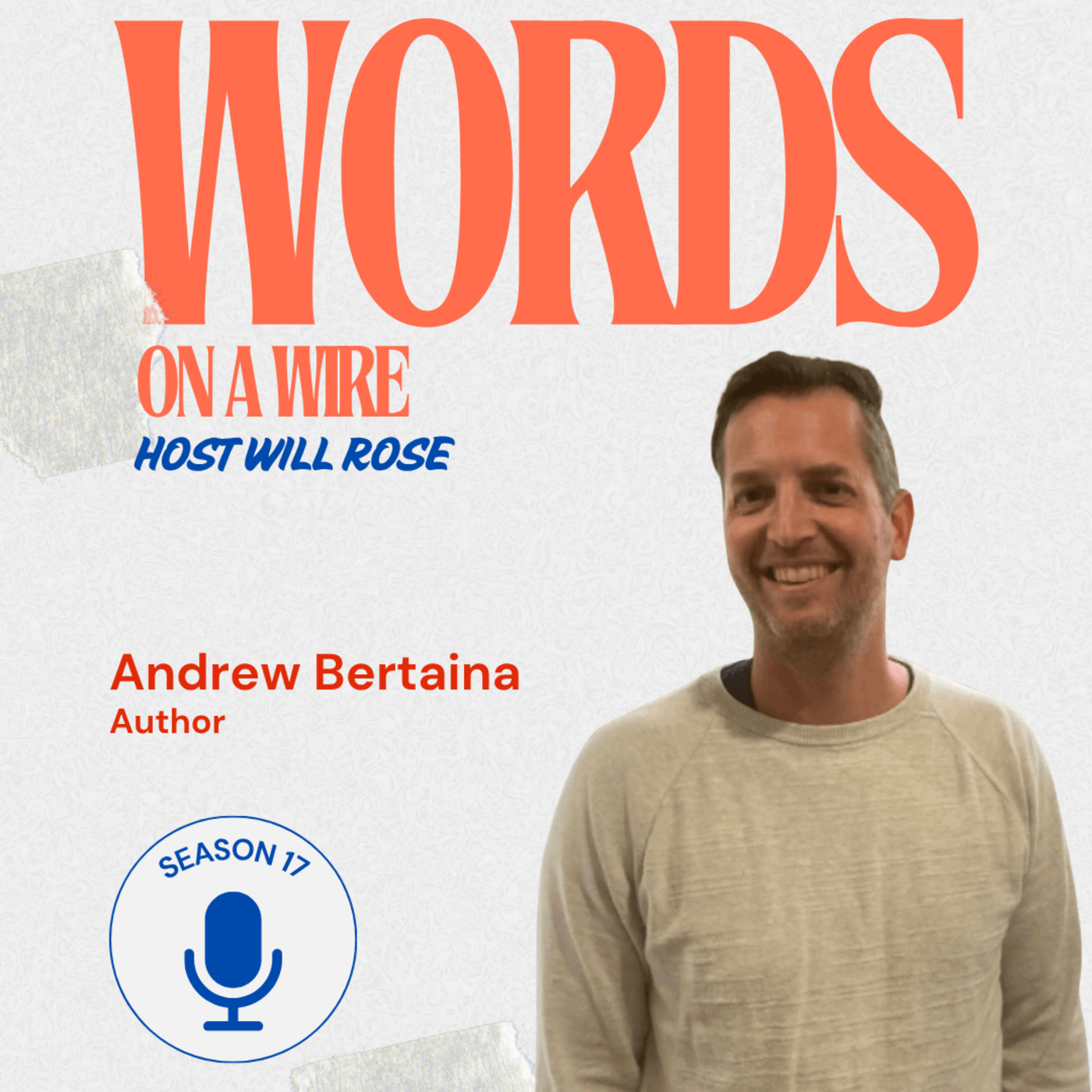
Episode 35: Andrew Bertaina
Jun 1400:29:45Tap to summarizeIn this episode of Words on a Wire, host Will Rose speaks with writer Andrew Bertaina about his book-length essay, Ethan Hawke and Me, which was inspired by Richard Linklater's acclaimed Before trilogy. Blending memoir, literary criticism, and cultural reflection, Bertaina explores how the films shaped his understanding of romance, relationships, marriage, divorce, and the often complicated journey into adulthood.Their conversation ranges from the enduring appeal of Before Sunrise, Before Sunset, and Before Midnight to the role art plays in helping us make sense of our lives. They also discuss writing, memory, creative ambition, and the ways books and films can become companions through different stages of life.Andrew Bertaina is the author of One Person Away From You, The Body Is A Temporary Gathering Place, and The Way We Find Each Other.
Transcribe →
Episode 34: Chris Walker
Jun 700:30:00Tap to summarizeArtificial intelligence is transforming the way we work, raising difficult questions about expertise, creativity, and the future of professional life. In this episode of Words on a Wire, host Will Rose speaks with Chris Walker, author of The Frequency Era, about his argument that society is entering a new economic age.Walker contends that as information becomes increasingly abundant through AI, the qualities that make us uniquely human become more valuable. Drawing on history, psychology, neuroscience, and economics, he explores why creativity, judgment, discernment, emotional resilience, and human connection may emerge as the defining skills of the future.
Transcribe →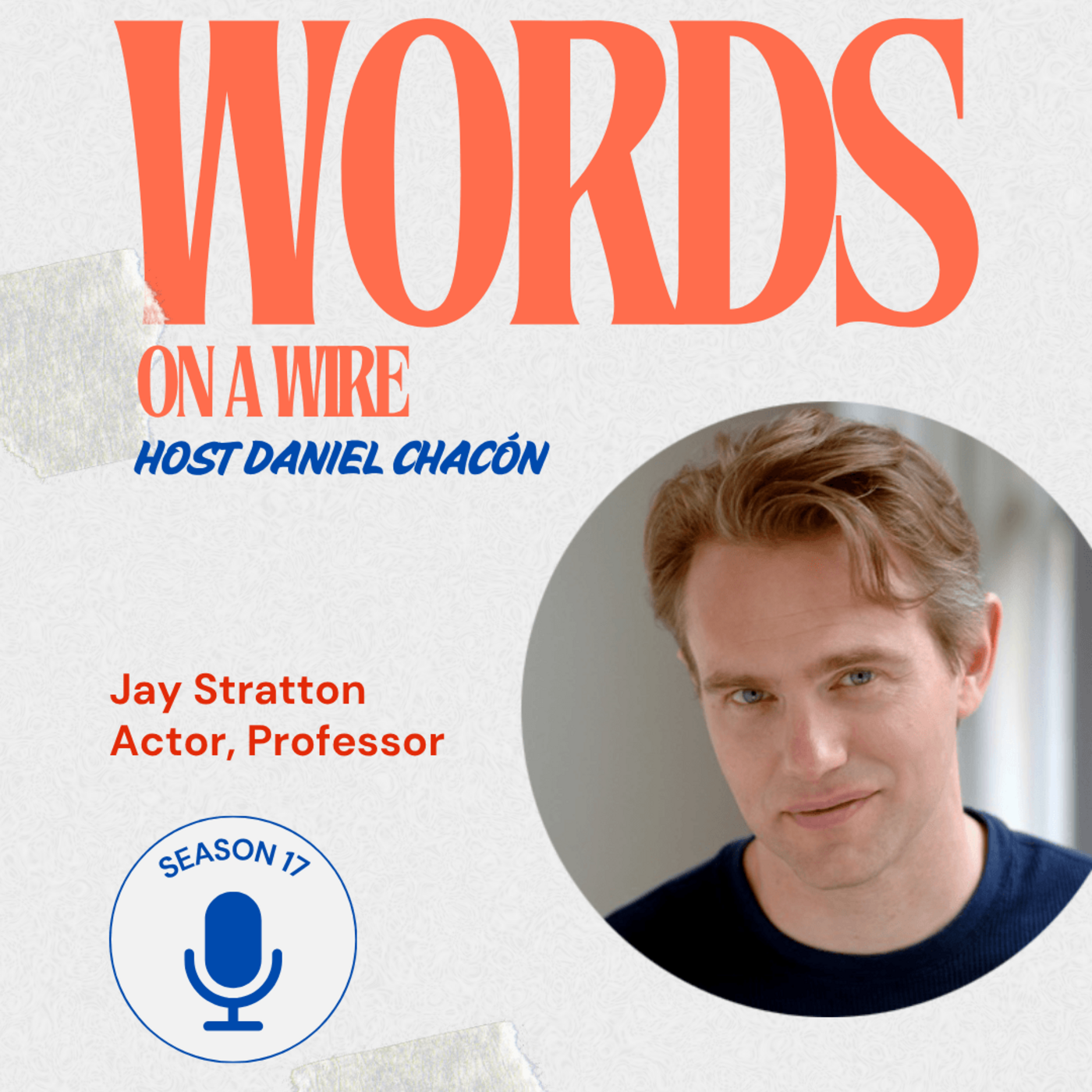
Episode 33: Jay Stratton
Jun 700:58:39Tap to summarizeIn this episode of Words on a Wire, host Daniel Chacón sits down with actor, director, and The University of Texas at El Paso theater professor Jay Stratton for a wide-ranging conversation about creativity, performance, teaching, and life in the arts. Stratton reflects on his years as a working actor in New York City, his journey from business student to theater artist, and the realities of building a career in regional theater. Along the way, the discussion expands into larger questions about storytelling, boredom, childhood imagination, academia, parenting, and the pressures of modern productivity. Thoughtful, funny, and deeply personal, the episode explores how art shapes the way we connect with community, culture, and ourselves.
Transcribe →
Episode 32: Reyna Grande
Jun 700:29:10Tap to summarizeIn this episode of Words on a Wire, host Daniel Chacón speaks with acclaimed author Reyna Grande about her latest book, Migrant Heart: Essays About Things I Can’t Forget. Their conversation explores the lasting emotional impact of migration, family separation, motherhood, memory, and the vulnerability of writing memoir. Grande reflects on the difference between fiction and nonfiction, the deeply personal process of revisiting trauma, and how essays allowed her to experiment with form and move freely through time and memory. Together, they discuss storytelling, identity, language, and the complicated inheritance of love, sacrifice, and survival across generations.
Transcribe →
Episode 31: Gabriela Baeza Ventura
Jun 601:17:09Tap to summarizeHost Daniel Chacón sits down with Dr. Gabriela Baeza Ventura, director and publisher of Arte Público Press—widely recognized as the nation’s leading publisher of U.S. Latinx literature.Their conversation begins on the U.S.–Mexico border, tracing Dr. Ventura’s upbringing between Ciudad Juárez and El Paso, and quickly expands into a deeper exploration of how literary worlds are built, sustained, and preserved. She shares the unexpected path that led her into publishing—from a graduate research fellowship to discovering a passion for editing through a stack of “damaged” books—and how that moment evolved into a lifelong commitment to amplifying Latino voices.Dr. Ventura reflects on the mentorship and vision of Arte Público founder Nicolás Kanellos, offering insight into the challenges and responsibilities of running a nonprofit press dedicated to cultural preservation. The discussion highlights the press’s mission to recover and elevate U.S. Hispanic literary heritage, bridging gaps between diasporic communities and their countries of origin while ensuring these works are recognized as part of the broader American canon.
Transcribe →
Episode 30: Jazmine Ulloa
Apr 2500:29:00Tap to summarizeIn this episode of Words on a Wire, host Will Rose sits down with Jazmine Ulloa, national political and immigration reporter for The New York Times, to discuss her powerful new book, El Paso: Five Families and One Hundred Years of Blood, Migration, Race, and Memory.Ulloa traces the lives of five families across more than a century to tell a sweeping, deeply human story of migration, identity, and belonging. Through these interwoven narratives, she repositions El Paso—not as a peripheral border city, but as a central force in shaping American history and immigration policy.The conversation explores Ulloa’s own journey from a high school newsroom in El Paso to the national stage, as well as the formative reporting experiences that shaped her approach to storytelling. She reflects on covering the 2019 El Paso Walmart shooting in her hometown, a moment that became the emotional and intellectual catalyst for her book.Drawing from years of reporting and archival research, Ulloa reveals how today’s immigration debates are rooted in a long and often overlooked history—one marked by cycles of enforcement, resistance, and resilience. Throughout the episode, she brings a journalist’s rigor and a storyteller’s sensitivity to the question of how borders shape not only policy, but people’s lives.This is a conversation about history, memory, and the enduring role of migration in defining what it means to be American.
Transcribe →
Episode 29: Josh Korwin
Apr 1900:29:20Tap to summarizeIn this episode of Words on a Wire, host Will Rose sits down with graphic designer Josh Korwin to explore the often unseen craft behind book and literary magazine design. With a career rooted in typography and a passion for shaping how readers encounter text, Korwin has worked on the identities and interiors of journals like Zyzzyva and Huizache, bringing a careful balance of aesthetics, readability, and respect for the writer’s intent.Their conversation pulls back the curtain on the design process—from the technical challenges of typesetting poetry to the collaborative relationship between designer, editor, and author. Korwin reflects on how even the smallest visual decisions can influence meaning, especially when translating work from a manuscript into the fixed space of a printed page. He also shares insights for writers navigating the design side of publishing, particularly those working with small presses or independently.This episode offers a thoughtful look at the intersection of visual art and literature, and how design quietly shapes the way stories are read, felt, and remembered.About Josh KorwinJosh Korwin founded the design studio Three Steps Ahead, which he has operated since the late 1990s. Josh is a veteran graphic designer, font designer, and typographer, specializing in the visual identity of brands, websites, books, and literary journals (including past work for ZYZZYVA and Huizache). Throughout his creative career, he has brought a unique perspective to the evolving intersection of analog craft and modern technology. Beyond the digital screen, Josh dabbles in printing, hand lettering, woodworking, and runs a laser-powered custom sign shop. He lives in Oregon.
Transcribe →
Episode 28: The Writer's Pick #2: María Esquinca
Apr 1500:53:14Tap to summarizeIn this episode of The Writer’s Pick, hosts Luis Marquez and Charissa Wong welcome poet, educator, and journalist María Esquinca for a conversation on writing, identity, and the power of storytelling. Esquinca discusses her award-winning collection Where Heaven Sinks, a deeply personal reflection on her upbringing between Ciudad Juárez and El Paso. She explores how her work is shaped by themes of immigration, family, and the U.S.–Mexico border, blending journalistic research with emotional, lived experience. The conversation highlights her unique approach to “documentary poetry,” where news, history, and personal narrative intersect. Writing during a time of heightened immigration tensions, Esquinca felt an urgency to respond to real-world events while also processing her own relationships and memories. She also reflects on the responsibilities of writers, acknowledging the limits of poetry alone and emphasizing the importance of community engagement and action. Throughout the episode, she offers thoughtful advice to students on navigating imposter syndrome, developing a writing practice, and trusting their voice.
Transcribe →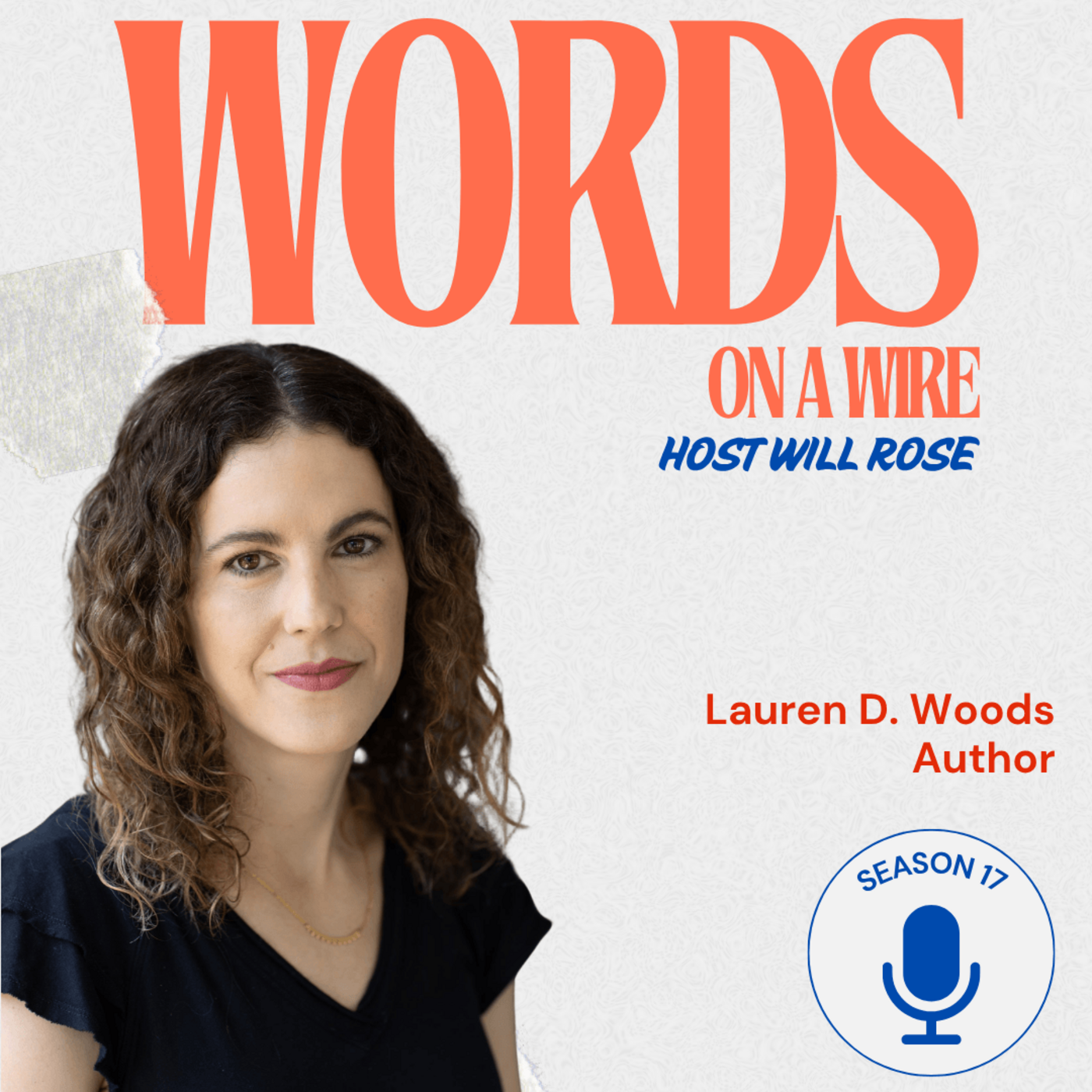
Episode 27: Lauren D. Woods
Apr 1200:29:00Tap to summarizeIn this episode of Words on a Wire, host Will Rose sits down with author Lauren D. Woods to discuss her debut short story collection, The Great Grown-Up Game of Make-Believe—a book that moves fluidly between realism and the surreal, blending sharp emotional insight with inventive, often unexpected forms.Woods talks about the long and winding path to publishing her first collection, including stories that span decades of her life as a writer—from early work written in college to more recent pieces shaped through years of revision. She reflects on learning to trust her instincts, the discipline of writing in small windows of time, and how balancing a demanding career outside of writing has influenced both her process and her voice.The conversation also explores the unique possibilities of short fiction—why it can be such a powerful form for capturing intense, fleeting moments—and how Woods approaches everything from flash pieces to longer, more layered stories. Along the way, she discusses the role of imagination in her work, her blend of the familiar and the strange, and the writers who have shaped her along the way.
Transcribe →
Episode 26: The Writer's Pick #1
Apr 600:59:41Tap to summarizeJoin hosts Jack Bishop, a father and veteran from the Appalachian Mountains, and Luis Marquez, a Mexican American writer based in the borderlands, as they navigate the vibrant and challenging landscape of creative writing. This first episode of the Writer's Pick is a deep dive into the minds of emerging writers.Jack and Luis explore the creative writing community at the University of Texas at El Paso, emphasizing the importance of fostering a supportive network for undergraduates in discovering their artistic identities. Their conversation touches on the essence of being a writer, how inspiration strikes, and the significance of discipline in honing one's craft. Delve into intriguing discussions about how politics, culture, and even mundane daily occurrences fuel the creative process.
Transcribe →