
Podcast
Yin Yoga Podcast
Hosted by Nyk Danu · EN
Welcome to A Yin Yoga Podcast with your host Nyk Danu - Certified Yoga Therapist, Mentor of Yoga Teachers, Yin Yoga Teacher trainer and total Yin Yoga Geek.
If you have a crush on Yin Yoga and are ready to dive deep, you are in the right place.
My guests and I will discuss all things Yin Yoga, including anatomy, philosophy, Traditional Chinese Medicine, Meditation, Taoism, teaching tips, and so much more.
You can expect these conversations to be long format, informal, lo-fi and delightfully imperfect.
Welcome to the Yinside!
35episodes
Episodes
Newest firstAll episodes
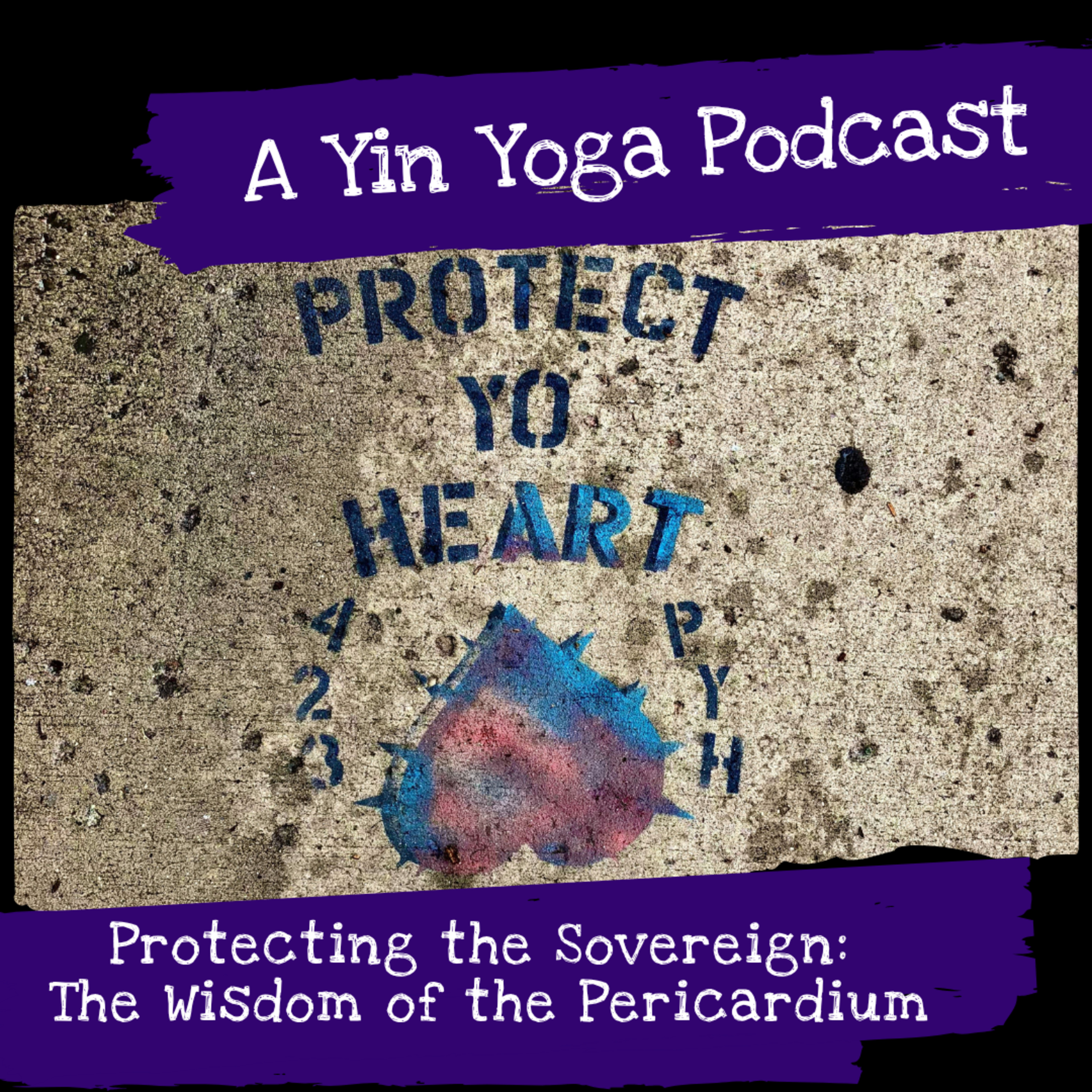
Protecting the Sovereign: The Wisdom of the Pericardium
Jul 300:36:28Tap to summarizeSeason 8 | Ep. 12Episode Title: Protecting the Sovereign: The Wisdom of the PericardiumThis is the last episode of the season, and we're going out on one of my favourite topics: the heart and the pericardium in Chinese medicine.The heart is the sovereign, the seat of our Shen (spirit/mind). The pericardium is its protector. But what happens when that protection goes too far, and the fence becomes a wall? Or when there's not enough, and we're giving it all away?We also get into how Yin Yoga creates the conditions for the Shen to settle, and I leave you with some journal questions to take this deeper.In this episode: the Shen and why it matters, signs of scattered or disturbed Shen, the pericardium as heart protector, boundaries versus walls, emotional armour, and how stillness reveals what we didn't know we were carrying.Quote: "Wide open, gentle heart. Big fucking fence." Danielle LaPorteTaking a summer break, back in September 2026. See you then.Want to support my work? Leave me a tip.See all episodes at a glanceYoga Teachers: Join The Waitlist for my Therapeutic Yin Yoga Training at the bottom and top of the PageTo Join my Yin Yoga Classes on ZoomTo subscribe to my On-Demand Video Library:Anatomy for Yoga with Paul GrilleyHang Drum Music by Fred Westra Find me on Instagram @nykdanuyoga@YinYogaPodcast
Transcribe →
What Makes You Qualified To Teach Yin?
Jun 2600:48:40Tap to summarizeSeason 8 | Episode 11A comment in a Yin Yoga network group stopped me in my tracks. Someone said they were "already certified to teach Yin," and I couldn't get that out of my head. So this episode is all about what certification actually means, whether it equals qualification, and what only time and humility can teach you that no training ever could.In this episode:Why a certificate marks the beginning of teaching, not the completion of learningThe problem with weekend intensives and fast-track certification cultureThe shadow side of collecting certifications without integrating the materialWhy the deeper you go into Yin Yoga, the less certain you becomeHumility as a Yin quality and why staying teachable matters more than arrivingIf this episode resonated, please rate and review on Apple, leave a five-star on Spotify, or drop a comment on YouTube. I read them all.My 100 Hour Therapeutic Yin Course. Full details and sign up here.https://nykdanu.com/teachers/yin-yoga-teacher-training/Also mentioned in this episode: What is Therapeutic Yin Yoga: https://nykdanu.com/teachers/yin-yoga-podcast/what-is-therapeutic-yin-yoga/Why Yin Yoga Teachers Need a Home Practice: https://nykdanu.com/teachers/yin-yoga-podcast/yin-yoga-teachers-home-practiceUnearthing Trauma - Yin Yoga for Release and Resilience with Janis Isaman: https://nykdanu.com/teachers/yin-yoga-podcast/unearthing-trauma-yin-yoga-for-release-and-resilience-with-janis-isaman/What is Yin Yang: https://nykdanu.com/teachers/yin-yoga-podcast/yin-yoga-podcast-what-is-yinyang/Want to support my work? Leave me a tip. https://www.paypal.com/ncp/payment/78PEVR5WF3ZSASee all episodes at a glance: https://docs.google.com/document/d/1NOyRZM7cKC-h9kOMT-rIIeuatJgOf1CKT63LjAHk2LU/edit?usp=sharingYoga Teachers Get on the Waitlist: https://nykdanu.com/teachers/yin-yoga-teacher-training/ at the bottom and top of the PageTo Join my Yin Yoga Classes on Zoom https://nykdanu.com/students/yoga/online-yoga/To subscribe to my https://nykdanu.com/students/yoga/video-library/Anatomy for Yoga with Paul Grilley : https://pranamaya.com/courses/anatomy-for-yoga/?ref=20 (affiliate link)Find me on Instagram Nyk Danu Yoga: https://www.instagram.com/nykdanuyoga/Yin Yoga Podcast: https://www.instagram.com/yinyogapodcast/
Transcribe →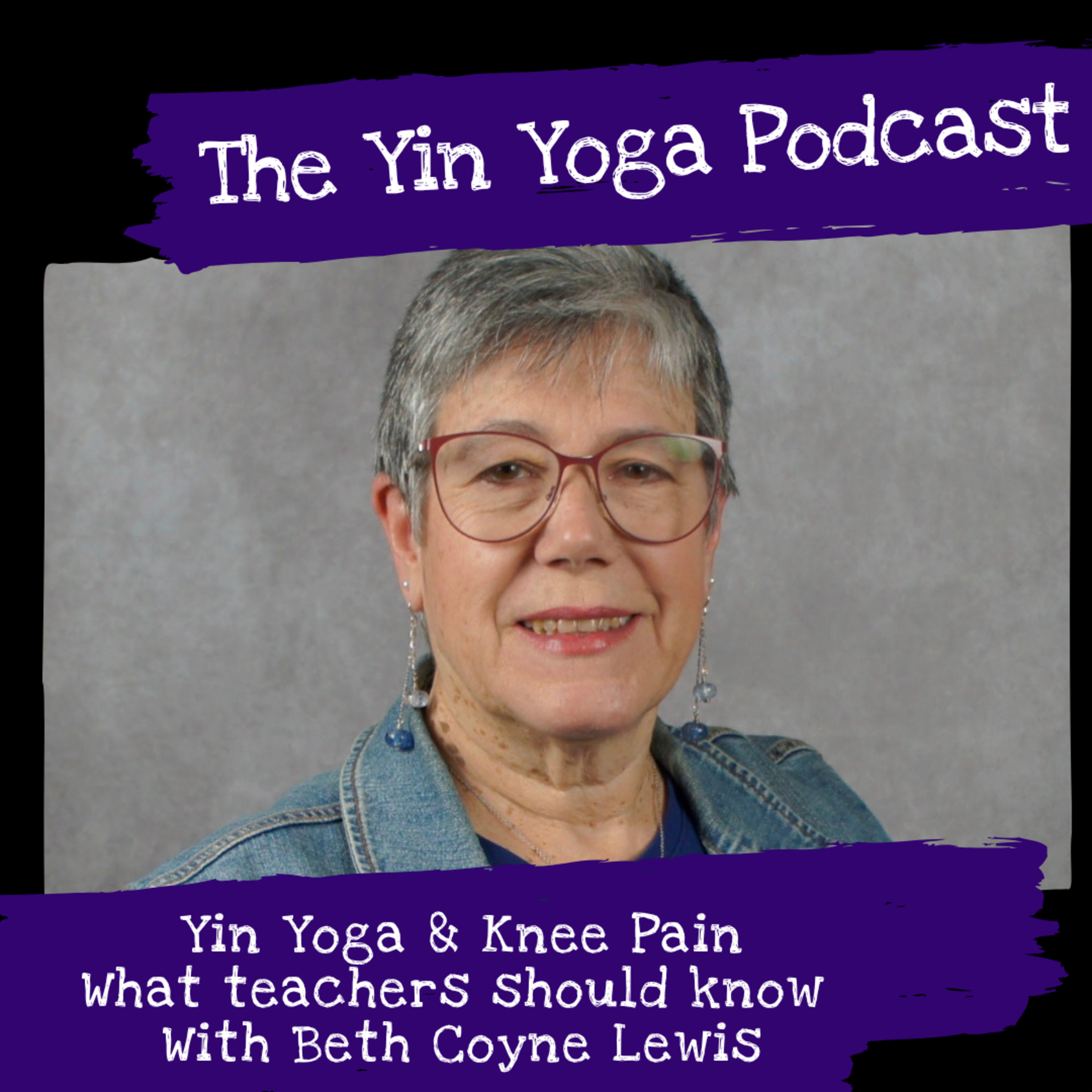
Knee Pain and Yin Yoga: What Teachers Need to Know
Jun 1901:11:53Tap to summarizeSeason 8 | Ep. 10Knee Pain and Yin Yoga: Modifications, Surgeries, and What Your Teachers Need to KnowHey Yinies! Welcome back to the Yin Yoga Podcast. This one is near and dear to my heart because, honestly, I've been living this topic in real time. Between the X-rays, physio appointments, knee braces, and, yes, the electric scooter I bought to get myself to the studio, knee pain has been my main concern lately. So, I brought back Beth Coyne Lewis, a physiotherapist and Yoga teacher, to help me (and all of you) make sense of it all.If you missed our last episode with Beth on hip pain, go back and listen to that one first. But if your knees are what's on your mind right now, you're in exactly the right place.In this episode we cover:A breakdown of the main structures of the knee: bones, cartilage, meniscus, ligaments, the IT band, and why all of it matters for Yin teachers and studentsThe difference between acute injuries (ACL tears, falls, sports injuries) and gradual wear-and-tear issues like arthritis and meniscal degenerationTracking issues and what they actually mean, including my own 20-plus-year journey with themHypermobility and connective tissue disorders like Ehlers-Danlos, and how to safely support those students in your classesCommon knee surgeries, including meniscal repair, partial and full knee replacements, and what recovery actually looks like today (way better than you might think)Beth's own experience of having a knee replacement 12 years ago and returning to teaching YinPose-by-pose modifications and alternatives for students with knee pain, including saddle, sleeping swan, child's pose, sitting cross-legged, seiza, squatting, and kneelingWhy figure four on your back is not just a modification, it is a variation that works better for a lot of bodies (including mine)How to talk to students about their medical history without overstepping your scope as a Yoga teacherWhy Yin is so much more than the physical shapes, and how that matters especially for students in recoveryLinks and resources mentioned:Also mentioned in this episode:Hyper mobility and Yin YogaTeaching Saddle pose Help In On The WayDeepening Yin - The Power of PropsBlog post for this episode with an anatomy image on my websiteIf this episode was helpful to you, please leave me a five-star rating and review on Apple Podcasts. And Spotify or a comment on Spotify. You can also find a blog post with more details and images on my website, and there's a comment section there too. And if you want to suggest a topic or send me a note, Instagram DMs are always open.See you in the next one, YinniesWant to support my work? Leave me a tip.See all episodes at a glanceYoga Teachers: Join The Waitlist for my Therapeutic Yin Yoga Training at the bottom and top of the PageTo Join my Yin Yoga Classes on ZoomTo subscribe to my On-Demand Video Library:Anatomy for Yoga with Paul GrilleyHang Drum Music by Fred Westra Find me on Instagram @nykdanuyoga@YinYogaPodcast
Transcribe →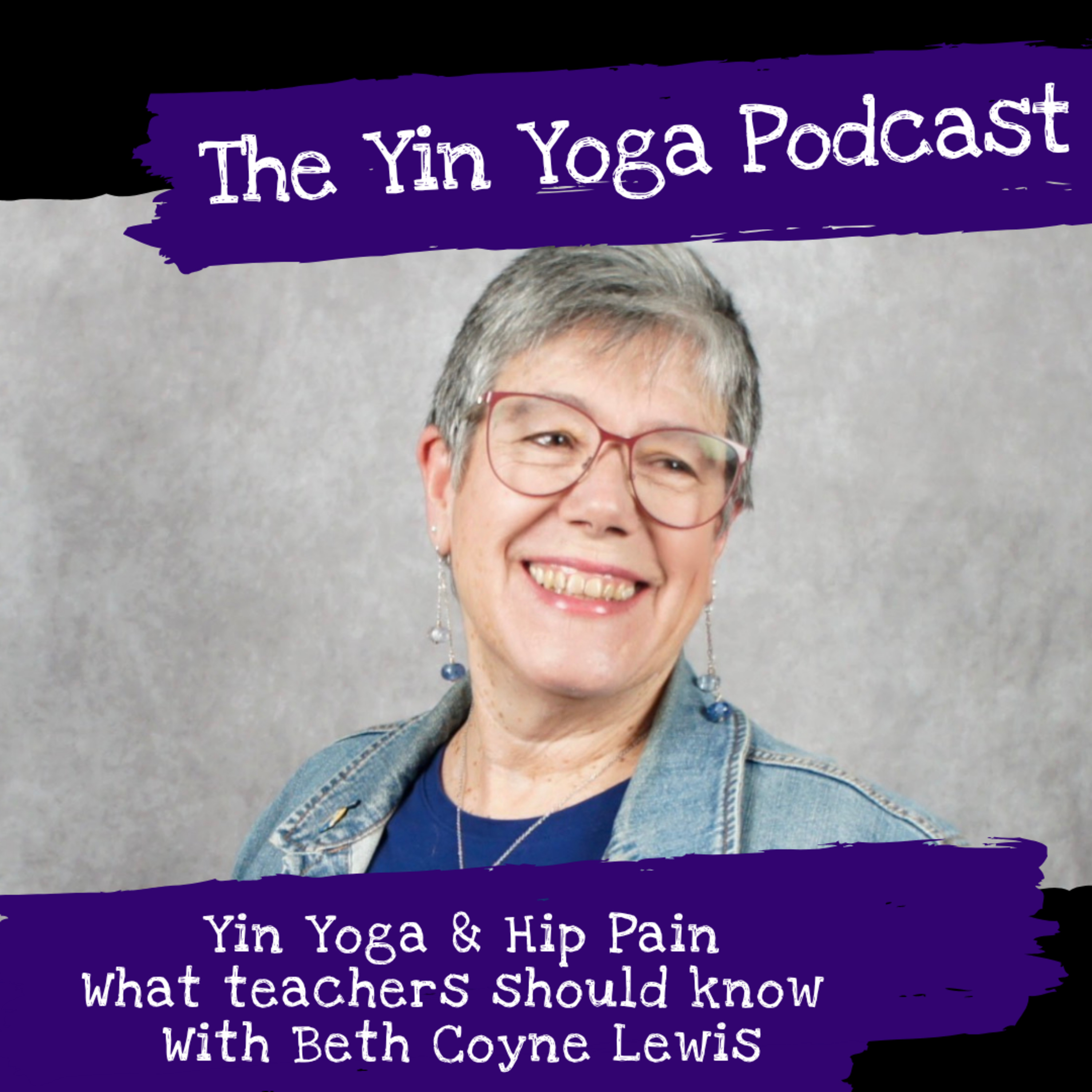
Yin Yoga and Hip Pain-What Teachers Should Know
Jun 1201:10:36Tap to summarizeSeason 8 | Ep. 9I am excited to share this conversation with you. In this episode, I sat down with Beth Coyne Lewis, a recently retired physiotherapist, Yin Yoga teacher, and someone who has personally navigated a knee replacement and a hip labral repair. Beth also completed my 100-hour Yin training, so we already knew each other going in, which made for a really easy, honest conversation.This episode came about because of a question that popped up in the Yin Yoga Network Facebook group (not my group, just one I help admin!) about knees or hips, and I thought, most Yoga teachers, especially those with just a 200-hour, have not been given the tools to support students dealing with hip issues. Beth was the obvious person to call.What We Talk About: The difference between true hip joint pain and outer hip pain, what to actually do when a student tells you they have had a hip replacement, and why the type of surgery matters so much when it comes to movement restrictions. We also talk about props, asymmetry, scope of practice, and the shadow side of certain Yoga traditions when it comes to pushing through hip pain. And we spend some time on something I feel really strongly about: Yin Yoga is not just a physical practice, and sometimes the breath and mindfulness aspects are exactly what a student needs most.A Little More About Beth:Beth is currently teaching Yin, Vinyasa, Nidra, chair, aqua, and Yoga for grief. She teaches at a studio and at the Jewish Community Centre through a grant program for people over 60. She is also an advanced clinical aromatherapist and a level one and two Reiki practitioner. When she is not doing all of that, she is probably baking sourdough and spoiling her cats, McCartney and Harrison.Part two is coming, and we are tackling knees, which feels very timely for me personally right now. Stay tuned.Want to support my work? Leave me a tip.See all episodes at a glanceYoga Teachers: Join The Waitlist for my Therapeutic Yin Yoga Training at the bottom and top of the PageTo Join my Yin Yoga Classes on ZoomTo subscribe to my On-Demand Video Library:Anatomy for Yoga with Paul GrilleyHang Drum Music by Fred Westra Find me on Instagram @nykdanuyoga@YinYogaPodcast
Transcribe →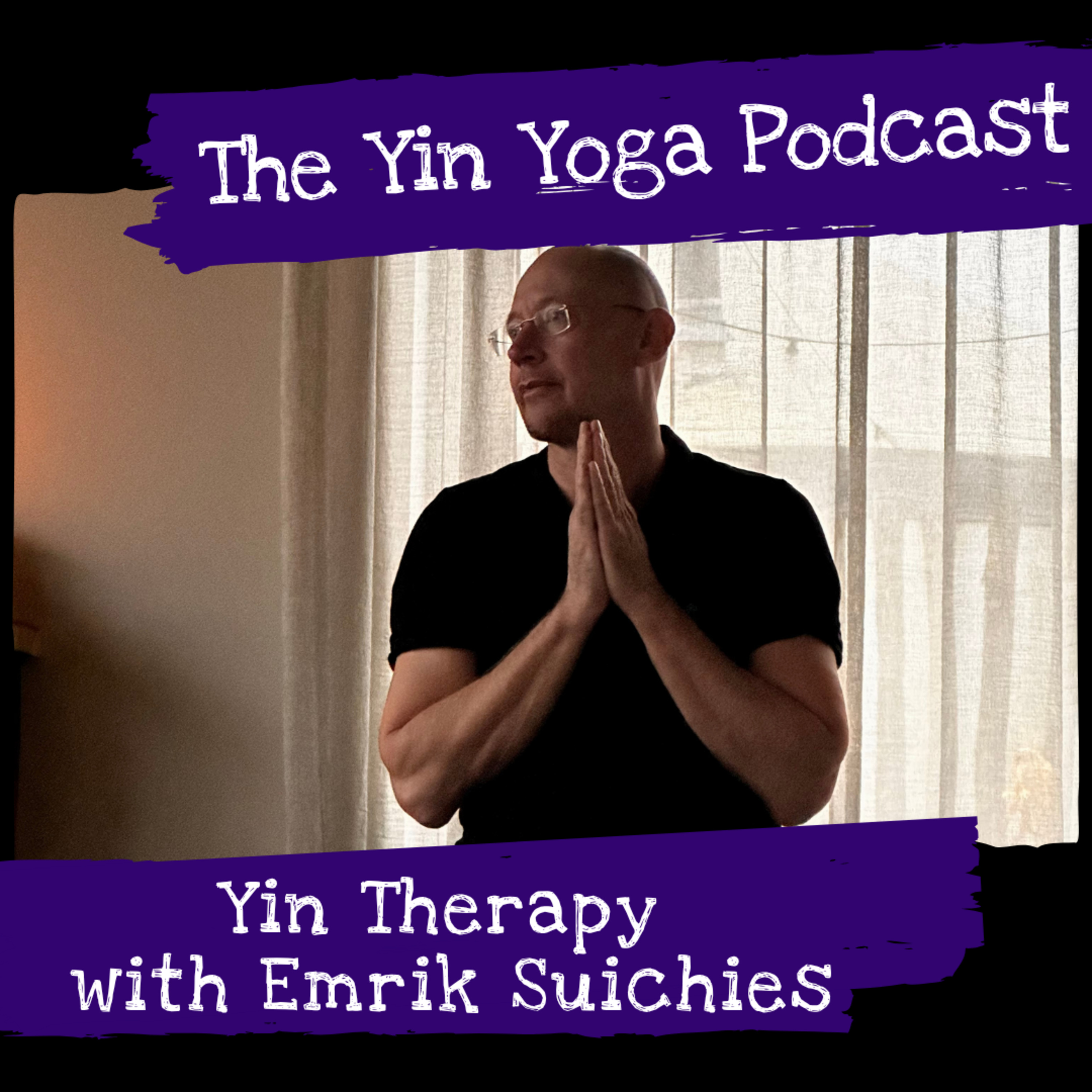
Yin Therapy with Emrik Suichies
Jun 501:15:02Tap to summarizeSeason 8 | EP. 8I had such a good conversation with Emrik, and I honestly could have kept going for hours. Emrik is a Yin Yoga teacher and therapist based between the Netherlands and Hungary, and what he has built over the course of his career is unlike anything I've come across in the Yoga world.We're talking about a formally accredited bachelor's degree in Yin therapy. Not just a certification. Not just a teacher training. An actual bachelor's degree, recognized by insurance companies in the Netherlands. It's the kind of thing that makes you go, "Wait, why isn't everyone doing this?"But beyond the credentials, what really got me in this conversation was Emrik's philosophy. About learning, about healing, about what Yin Yoga actually is and what it's capable of.What we talked about:How Emrik built a bachelor's degree program in Yin therapy and got it officially accreditedWhy insurance companies in the Netherlands now cover Yin therapy sessions, and what that actually means for the professionThe Yoga licensure debate and why getting licensed isn't necessarily the golden ticket people think it isEmbodied, experience-based learning and why Emrik tells his students they don't have to remember anythingDNA methylation and how Yin Yoga can actually help "close" gene expressions that are causing noise in your nervous systemWhat he's currently studying with neurosurgeon Jack Kruse around light, magnetism, and the mitochondriaHis upcoming English master's program in integrative medicine and Yin therapyOne thing Emrik said that I haven't stopped thinking about: Yin Yoga is the missing part of being alive. I felt that one right in my heart.If you're a Yoga teacher, a therapist, or just someone who loves going deep into the why behind the practice, this episode is for you.Resources and links mentioned:Website: https://yinassociation.org Instagram: https://www.instagram.com/yinassociation/Facebook: https://www.facebook.com/YinAssociationBook in Dutch: https://migems.nl/over-leven-met-yin/Enjoyed this episode? Please subscribe, leave a review, and share it with a fellow Yin Yoga lover. It really does help more people find the show, and I appreciate it more than you know.Want to support my work? Leave me a tip.See all episodes at a glanceYoga Teachers: Join The Waitlist for my Therapeutic Yin Yoga Training at the bottom and top of the PageTo Join my Yin Yoga Classes on ZoomTo subscribe to my On-Demand Video Library:Anatomy for Yoga with Paul GrilleyHang Drum Music by Fred Westra Find me on Instagram @nykdanuyoga@YinYogaPodcast
Transcribe →
What We're Not Talking About in Yin Yoga (but should be)
May 2900:57:12Tap to summarizeSeason 8 Ep. 7What We Aren't Talking About in Yin YogaWe talk a lot about fascia, long holds, meridians, and the nervous system in Yin Yoga. And those are all valuable conversations. But in this episode, I wanted to go a little deeper and explore the quieter, subtler parts of a Yin practice that don't always get airtime, the things that are harder to measure, harder to teach, and maybe harder to talk about.These are some of the most important conversations I think we can be having as teachers and dedicated practitioners, and I'm so glad you're here for it.In this episode I cover:The rebound (what I call the resonance or linger) and why it's one of the most skipped and most valuable parts of a Yin classThe difference between a rebound and a counterposeHow my nervous system as a teacher shapes the entire room, and the role of co-regulation in a group Yin practiceThe difference between teaching students to stay still versus stay presentWhy physical stillness does not automatically create awarenessPractical cues I use to guide students inward during holdsSilence as a teaching tool, and why I think many of us teachers are more uncomfortable with it than our students areHow over-talking can interrupt your students' processThe role of boredom in Yin Yoga and why it might be a threshold worth crossingHow Yin can challenge achievement-oriented students, and how I like to reframe it for themWhy less intensity can actually create more awarenessThe real gifts of a consistent Yin practice that have nothing to do with flexibilityEpisodes I mention:Honouring the ReboundHow to teach exceptional classesHow to hold brave spaceTrauma, the Nervous System and Yin Yoga- with Alyssa StefansonMindfulness in YinInteroception Do we need to go deeper Accessible YinYin Yoga is not entertainmentConstructive restWant to support my work? Leave me a tip.See all episodes at a glanceYoga Teachers: Join The Waitlist for my Therapeutic Yin Yoga Training at the bottom and top of the PageTo Join my Yin Yoga Classes on ZoomTo subscribe to my On-Demand Video Library:Anatomy for Yoga with Paul GrilleyHang Drum Music by Fred Westra Find me on Instagram @nykdanuyoga@YinYogaPodcast
Transcribe →
Yin Yoga Lessons: Learning To Stay
May 2200:35:42Tap to summarizeSeason 8 | Ep. 6Yin Yoga Lessons: Learning to StayIn this episode, I'm diving into something I've been thinking about a lot lately, the lost art of staying. Like, actually being able to sit with yourself without immediately reaching for your phone or looking for the next distraction.I talk about how Yin Yoga, with its longer holds and quieter pace, is honestly one of the best tools I know for learning how to stay with sensation, with boredom, with restlessness, with whatever's showing up. And why that matters way beyond the Yoga mat.As a mid-Gen Xer, I have a pretty clear memory of life before smartphones, and I think that frame of reference has been really eye-opening for me lately. I've been craving a more analog life, and I think a lot of us are feeling that, even if we can't totally name it.We also get into:Why boredom isn't actually the enemy (spoiler: it's where creativity lives)The rebound/resonance after a Yin shape — and why it's actually the hardest part of stayingHow the inability to stay shows up in our bodies, our emotions, and our attention spansA little guided reflection you can use yourself or with your studentsIf you're a Yin teacher, there's also some good stuff in here around how to weave this theme into your classes, either as a full theme or just in little cues you drop in throughout practice.Enjoying the pod? You can support the show through PayPal Here: Want to support my work? Leave me a tip.Or leave a five-star rating and review on Apple Podcasts, leave five stars and drop a comment on Spotify, or share this episode with someone who needs a little reminder to slow down.See all episodes at a glanceYoga Teachers: Join The Waitlist for my Therapeutic Yin Yoga Training at the bottom and top of the PageTo Join my Yin Yoga Classes on ZoomTo subscribe to my On-Demand Video Library:Anatomy for Yoga with Paul GrilleyHang Drum Music by Fred Westra Find me on Instagram @nykdanuyoga@YinYogaPodcast
Transcribe →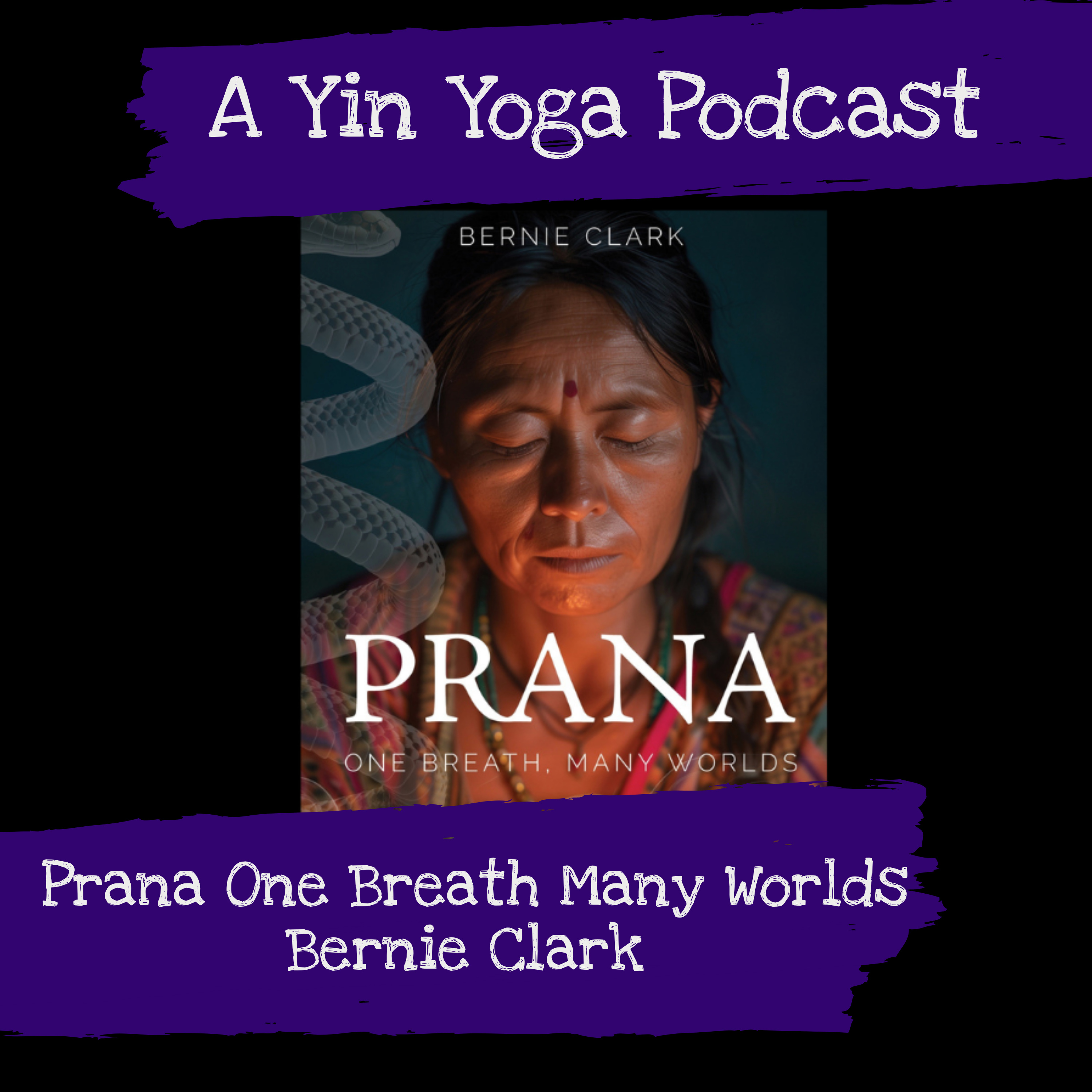
Prana One Breath Many Worlds - Bernie Clarke
May 1501:02:04Tap to summarizeSeason 8 | EP. 5Bernie Clark Returns: Prana, Fascia Science, and the Art of Slowing Down (Part 2)Part two with Bernie Clark is here, and we are going deep into his newest book, Prana: One Breath, Many Worlds. This one is equal parts storytelling, history, and science, and there was so much to unpack.We get into: Helene Langevin's research and how it builds a real bridge between ancient Eastern practices and modern Western science. Dr. Motoyama's AMI machineThe history of how prana has been understood across the ages Bernie's very personal story of burning out from too much yang and what finally brought him back into balance. We also talk about pranayama safety and what Yin teachers need to keep in mind when including breath practices in class.If you haven't listened to part one yet, go back to the last episode and start there. And if this book isn't on your shelf, go get it.Find The Book HereWant to support my work? Leave me a tip.See all episodes at a glanceYoga Teachers: Join The Waitlist for my Therapeutic Yin Yoga Training at the bottom and top of the PageTo Join my Yin Yoga Classes on ZoomTo subscribe to my On-Demand Video Library:Anatomy for Yoga with Paul GrilleyHang Drum Music by Fred Westra Find me on Instagram @nykdanuyoga@YinYogaPodcast
Transcribe →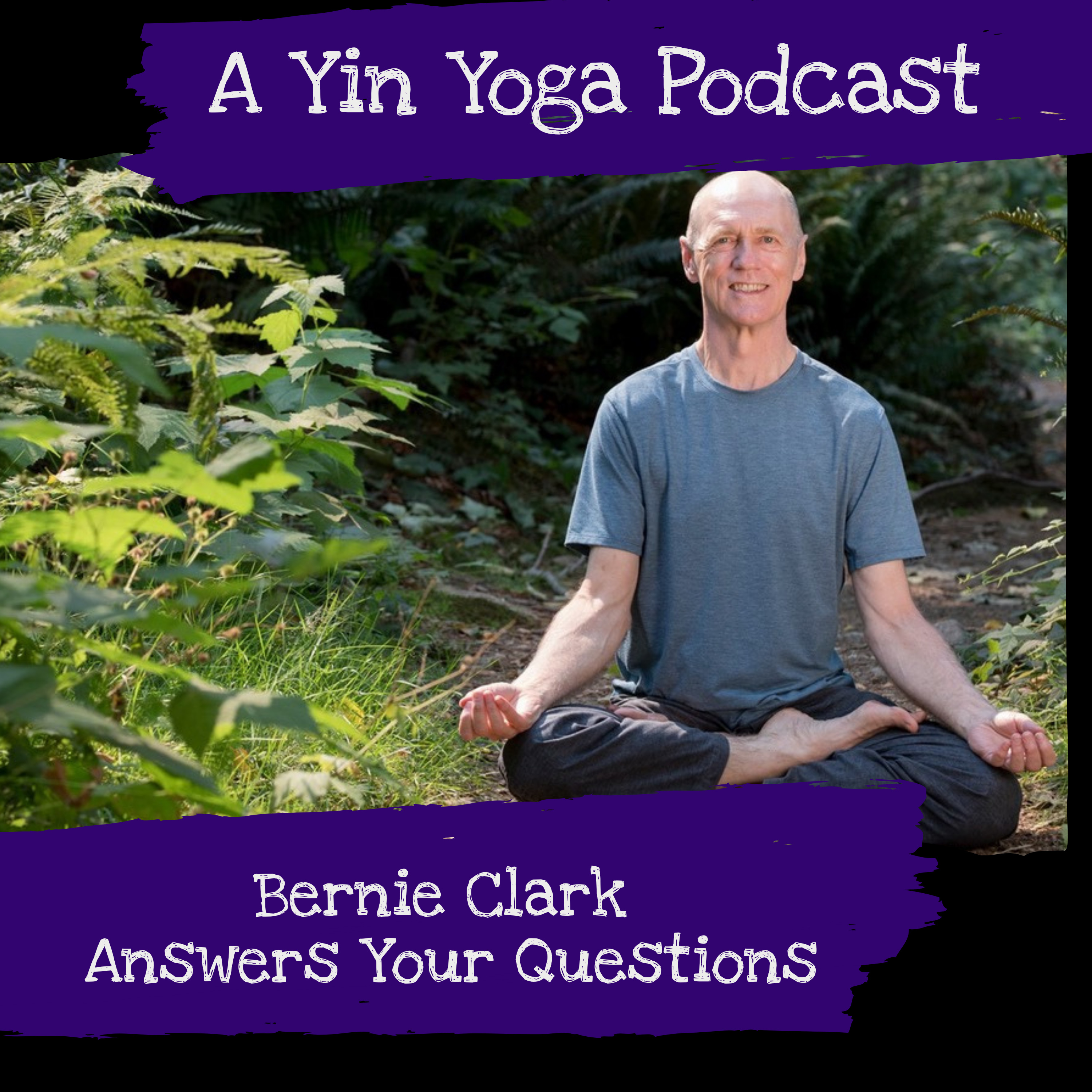
Bernie Clark Answers Your Questions
May 801:19:18Tap to summarizeSeason 8 | EP. 4Your Questions Answered with Bernie ClarkSo excited to share this conversation with Bernie Clark, one of the most well-known voices in the yin yoga world. Bernie and I got talking and, true to form, it went long — so I split it into two parts. This first episode is all about your questions. You sent them in, I asked them, and Bernie delivered in the most thorough and nuanced way possible.We start with a catch-up on Bernie's anatomy course, which is now available on demand after its final live run. If you learn better by watching than reading (same), it's worth checking out.Then we get into the good stuff:Can yin yoga increase bone density?Bernie takes us into the biology lab for this one. We talk about Wolf's Law, the mechanostat theory, osteoblasts vs osteoclasts, and what the research actually says about how bone grows. Short version: yin probably won't actively build bone, but it may help slow resorption — and more importantly, it can reduce fall risk, which is where most osteoporosis-related fractures actually happen.Does flexing the foot in swan/pigeon protect the knee?Bernie breaks down why this cue has more validity than he originally thought (fascia is involved), but also why we need to stop using it as a fear-based universal correction. The knee isn't the target in swan — the hip is.The Lizzie Lasseter postA lot of you sent me this one. We go through it point by point — GOGI tendon organs, proprioception, neural drive, end range of motion. Bernie cites actual research. I rant a little about pitting yoga styles against each other. We both agree: let's stop using pseudoscience to make one practice seem superior to another. Bernie wrote a full response article and I've linked it in the show notes.How long is too long to hold a yin pose?Minimum around two minutes for the tissues to actually start releasing, with about 95% of the physical benefit happening by four minutes. Beyond that, the reasons to stay longer are more psychological, emotional, or energetic than physical — and that's totally valid.We also take a detour into scope of practice as yoga teachers, which honestly could be its own episode.Part two is coming next — Bernie and I dig into his new book, Prana: One Breath, Many Worlds. Can't wait for you to hear it.Links mentioned:Bernie's anatomy course (Functional Anatomy for Yoga Teachers)Bernie's response to Lizzie's postPrevious Bernie Clark episode (split into two parts)Yin yoga for athletes episode with TiffanyEpisode with Niamh on osteoporosisHypermobility and Yin Yoga- Libby HinsleyWant to support my work? Leave me a tip.See all episodes at a glanceYoga Teachers: Join The Waitlist for my Therapeutic Yin Yoga Training at the bottom and top of the PageTo Join my Yin Yoga Classes on ZoomTo subscribe to my On-Demand Video Library:Anatomy for Yoga with Paul GrilleyHang Drum Music by Fred Westra Find me on Instagram @nykdanuyoga@YinYogaPodcast
Transcribe →
The Quiet Shift: From Yin Yoga Intructor to Teacher & Guide
May 101:01:56Tap to summarizeSeason 8 | EP. 3The Quiet Shift: From Yin Yoga Instructor to Teacher and GuideThere's a transformation that happens when you've been teaching Yin Yoga for a while, and most people don't even notice it's happening until they're already on the other side of it. In this episode, The subtle but powerful evolution from instructing to truly teaching and eventually stepping into the role of a guide.In this episode, I cover:The real difference between a Yin Yoga instructor, a teacher, and a guide and why it mattersWhy most Yoga teacher trainings are actually instructor trainings (and what to do about it)The class where I forgot my lesson plan turned out to be the best class I ever taughtWhy I ignored my intuition for years before I finally started chanting to my students during ShavasanaWhat it means to hold brave space for your studentsThe power of bookends in your classes and why repetition is actually good for your students' nervous systemsHow to know which student feedback is worth listening to and what to let go ofWhy being a great Yin Yoga teacher means you're forever a studentEpisodes mentioned In This Episode:How To Hold Brave SpaceHow To Teach Exceptional Yin ClassesYin Yoga for the Upper BodyWhen Less Is More: Do you Need to Go DeeperThe #1 poseAlso MentionedBook mentioned Buddha's Brain by Rick Hanson Being a Bodhisattva Bodhisattva Prayer Video Monty Python Black Night If this episode resonated with you, I'd be so grateful if you took a moment to leave a five-star rating on Spotify or Apple Podcasts, or a written review on Apple.On Spotify, let me know in the comments how this landed for you. And if you know a Yin Yoga teacher who needs to hear this, please share it with them. Sharing is caring, as they say.Want to support my work? Leave Me a Tip See all episodes at a glance To Join my Yin Yoga Classes on ZoomTo subscribe to my On-Demand Video Library:Anatomy for Yoga with Paul GrilleyHang Drum Music by Fred Westra
Transcribe →