
Podcast
1001 Classic Short Stories & Tales
Hosted by Jon Hagadorn · EN
A huge collection of beautifully narrated and carefully chosen short stories from golden age authors (1850-1930) who knew how to deliver stories that reach the heart and soul of the reader and listener.
Here you'll find short masterpieces from the likes of Charles Dickens, Edith Wharton, Edgar Allan Poe, Ernest Hemingway, Kathleen Norris, Jack London, Henry Lawson, Arthur Conan Doyle, Agatha Christie, O. Henry, and many others. Great reviews and high ratings here and a host who chooses stories that entertain and enlighten.
87episodes
Episodes
Newest firstAll episodes
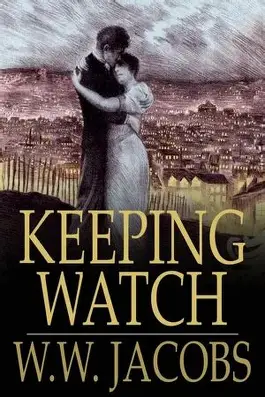
KEEPING WATCH by W.W. JACOBS
Apr 1200:22:12Tap to summarizeSUMMARY OF 'KEEPING WATCH' A boat captain with a pretty daughter aboard leaves two crewmen 'on guard' whilem he heads for a night at the local tavern. His suspicion has been aroused after finding a pile of love letters wrapped with a pink ribbon nin his daughtyers possessions. The young girl proves to be wilier than either of them expected.... Check out all of our shows at www.bestof1001stories.com
Transcribe →
ROCKET SUMMER by RAY BRADBURY
Apr 1000:36:01Tap to summarizeTaken from Bradbury's novel, 'Rocket Summer' takes a futuristic look (from 1947 to future) at a businessman who spends two years designing a rocket which can take men to the moon but cancels the mission within a few days of the launch, fearing that this new technology will bring more problems than good to the world. New Twitter address- Give is a Follow! @1001Podcast Get all of our shows at one website: www.bestof1001stories.com REVIEWS NEEDED . My email works as well for comments: 1001storiespodcast@gmail.com SUPPORT OUR SHOW BY BECOMING A PATRON! https://.patreon.com/1001storiesnetwork. Its time I started asking for support! Thank you. Its a few dollars a month OR a one time. (Any amount is appreciated). YOUR REVIEWS ARE NEEDED AND APPRECIATED! Learn more about your ad choices. Visit podcastchoices.com/adchoices
Transcribe →
HORATIUS AT THE BRIDGE, THE BRAVE THREE HUNDRED and CROSSING THE RUBICON
Apr 800:17:25Tap to summarize⚔️ 1. Horatius at the Bridge Source: James Baldwin's retelling of the Roman legend from Livy. Summary Rome is under sudden attack by the Etruscan army led by Lars Porsena. Their forces advance rapidly toward the city, and the only thing standing between them and the Roman capital is the narrow wooden bridge over the Tiber River. Horatius Cocles, a Roman soldier, realizes that if the enemy crosses the bridge, Rome will fall. He orders the other soldiers to destroy the bridge behind him while he alone holds off the entire Etruscan advance. Two companions briefly join him, but soon Horatius is left fighting single‑handedly, shield shattered, armor broken, refusing to retreat. When the bridge finally collapses, cutting off the enemy, Horatius leaps into the Tiber and swims to safety under a hail of spears. Rome is saved, and Horatius becomes a symbol of courage, sacrifice, and patriotic duty. 🛡️ 2. The Brave 300 Source: Baldwin's retelling of the Battle of Thermopylae. Summary King Leonidas of Sparta leads a tiny force of 300 Spartan warriors, supported by a few hundred allies, to block the Persian invasion led by Xerxes. They choose the narrow pass at Thermopylae, where the Persian numbers count for little. For two days the Spartans repel wave after wave of attacks, fighting with discipline, precision, and absolute fearlessness. Eventually, a Greek traitor reveals a hidden mountain path, allowing the Persians to surround the defenders. Knowing they are doomed, Leonidas dismisses most of the Greek troops and keeps only his 300 Spartans and a handful of loyal allies. They fight to the last man, buying precious time for Greece to prepare its defenses. Their stand becomes a lasting emblem of valor, loyalty, and resistance against overwhelming odds. 🏛️ 3. Crossing the Rubicon Source: Baldwin's retelling of Julius Caesar's fateful decision. Summary Julius Caesar, returning from his conquests in Gaul, is ordered by the Roman Senate to disband his army before entering Italy. The message is clear: if he crosses the border river Rubicon with his troops, he will be declared a traitor and enemy of the state. Caesar pauses at the river, fully aware that stepping across will plunge Rome into civil war. After a moment of reflection, he utters the famous line "The die is cast" and leads his legion across. This single act shatters the fragile Roman Republic. Civil war follows, ultimately ending with Caesar's victory and the rise of imperial rule. Baldwin frames the moment as a study in leadership, ambition, and the irreversible consequences of bold decisions. New Twitter address- @1001podcast Follow Us! Get all of our shows at one website: https://.1WWW.BESTOF1001STORIES.COM SUPPORT OUR SHOW BY BECOMING A PATRON! https://.patreon.com/1001storiesnetwork. Its time I started asking for support! Thank you. Its a few dollars a month OR a one time. (Any amount is appreciated). YOUR REVIEWS ARE NEEDED AND APPRECIATED! Learn more about your ad choices. Visit podcastchoices.com/adchoices
Transcribe →
SREDNI VASHTAR & ST. VESPALUUS by H.H.MUNRO (SAKI)
Apr 500:38:22Tap to summarizeHector Hugh Munro, also known as Saki, was born in British Burma, . Saki was the son of Charles Augustus Munro, an Inspector General for the Indian Imperial Police, and his wife, Mary Frances Mercer,, the daughter of Rear Admiral Samuel Mercer. After his wife's early death Charles Munro sent his children, including two-year-old Hector, home to England. The children were sent to Broadgate Villa, in Pilton village near Barnstaple, North Devon, to be raised by their grandmother and paternal maiden aunts Charlotte and Augusta in a strict and puritanical household. It is said that his aunts were most likely models for some of his characters, notably the aunt in 'The Lumber Room' and the guardian in today's first story 'Sredni Vashtar': In this story a young boy, tormented by his insular life, and, not being allowed to keep a pet, has secreted a polecat ferret outside in the back of the barn. If raised with love, these hybrid ferrets make good pets and hunting companions. But they hate to be caged, And so do young boys. Our second tale, the story of St Vespaluus, takes place on a rainy afternoon in a fictional kingdom ruled by a pagan king who finds himself challenged by the rising tide of Christianity.. Both stories are from Saki's The Chronicles of Clovis. STORIES BY SAKI SAKI PODCAST YOUR REVIEWS AT APPLE/ITUNES ARE NEEDED AND APPRECIATED! Copy and Paste the highlighted links to your Apple or Android Devices for free listening: Catch ALL of our shows at one place by going to www.1001storiesnetwork.com- our home website with Megaphone. Learn more about your ad choices. Visit podcastchoices.com/adchoices
Transcribe →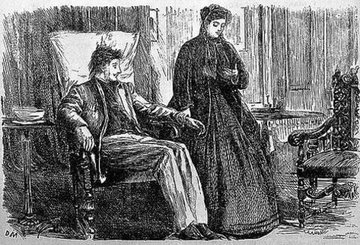
MIGGLES by BRET HARTE
Apr 300:30:27Tap to summarize"Miggles" by Bret Harte Bret Harte's "Miggles" is one of those frontier stories that begins with rough humor and bad weather, then quietly shifts into something far more human and memorable. A group of travelers, stranded on a storm‑soaked night in the Sierra foothills, seek shelter at a lonely cabin. What they find there is not what they expect. Inside lives Miggles, a woman whose past is hinted at only in fragments, yet whose strength, generosity, and unconventional life immediately command attention. She cares for a paralyzed man with a devotion that surprises the travelers, challenging their assumptions about respectability, sacrifice, and what it means to live a good life on the margins of society. Harte blends frontier realism with a gentle emotional pull, revealing character through small gestures, unexpected humor, and the stark honesty of life lived far from polite company. The story becomes a portrait of compassion in a place where compassion is rarely found, and of a woman who has carved out her own kind of dignity in the wilderness. It's a tale that lingers—quiet, touching, and unmistakably Bret Harte. Get all of our shows at one website: WWW.BESTOF1001STORIES.COM REVIEWS NEEDED . My email works as well for comments: 1001storiespodcast@gmail.com SUPPORT OUR SHOW BY BECOMING A PATRON! https://.patreon.com/1001storiesnetwork. Its time I started asking for support! Thank you. Its a few dollars a month OR a one time. (Any amount is appreciated). YOUR REVIEWS ARE NEEDED AND APPRECIATED! Learn more about your ad choices. Visit podcastchoices.com/adchoices
Transcribe →
THE RUBE by ZANE GREY
Apr 100:32:57Tap to summarize⭐ Show Notes Summary — "The Rube" by Zane Grey Zane Grey's "The Rube" is a lively, character‑driven baseball tale that blends humor, heart, and the classic American love of the underdog. The story follows a small‑town country boy—awkward, wide‑eyed, and underestimated—who steps onto the baseball field with more grit than polish. To the seasoned players around him, he looks like nothing more than a harmless "rube," a farm kid out of his depth. But Grey uses that setup to turn expectations on their head. As the game unfolds, the newcomer's raw talent, unshakable nerve, and surprising instincts begin to shine through. What starts as a joke at his expense slowly becomes a lesson in humility for the veterans who misjudged him. Along the way, Grey captures the energy of early American baseball—the noise, the dust, the rivalries, and the thrill of watching someone rise to the moment. At its core, the story is about hidden potential and the quiet satisfaction of proving yourself when no one expects you to. It's spirited, good‑natured, and full of the kind of character moments that made Zane Grey a favorite far beyond the Western genre. Get all of our shows at one website: www.bestof1001stories.com REVIEWS NEEDED . My email works as well for comments: 1001storiespodcast@gmail.com SUPPORT OUR SHOW BY BECOMING A PATRON! https://.patreon.com/1001storiesnetwork. Its time I started asking for support! Thank you. Its a few dollars a month OR a one time. (Any amount is appreciated). YOUR REVIEWS AND SUBSCRIPTIONS AT APPLE/ITUNES AND ALL ANDROID HOSTS ARE NEEDED AND APPRECIATED! LINKS BELOW... Learn more about your ad choices. Visit podcastchoices.com/adchoices
Transcribe →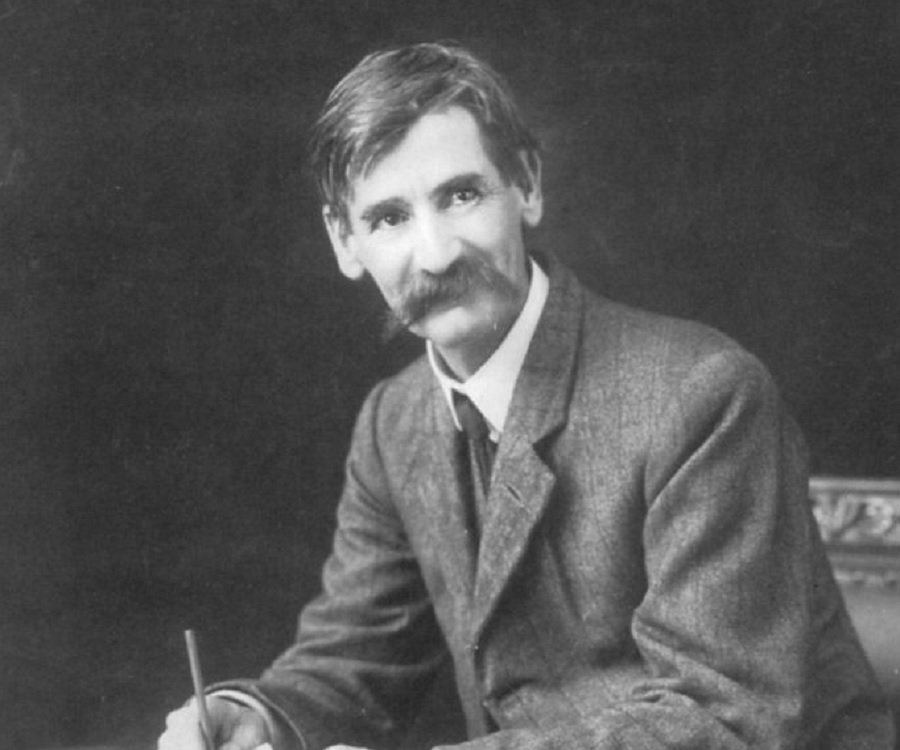
THE PRETTY GIRL IN THE ARMY by HENRY LAWSON
Mar 2900:46:01Tap to summarize"That Pretty Girl in the Army" by Henry Lawson In this light, good‑humored tale, Henry Lawson turns his attention to the small misunderstandings and quiet vanities that make everyday life so entertaining. The story follows a narrator who becomes intrigued by a striking young woman dressed in a military-style uniform—an unusual and eye‑catching sight that sparks curiosity and a bit of harmless speculation. As he observes her and tries to make sense of her role, Lawson gently pokes fun at the assumptions people make based on appearances. The narrator's imagination fills in the gaps, building a picture of who she must be and what her "army" position might involve. But as the truth gradually comes into focus, the situation proves far more ordinary—and far more amusing—than the narrator's initial theories. Lawson's trademark charm is on full display: dry wit, affectionate character sketches, and a warm appreciation for the quirks of human nature. The story offers a playful reminder that people are rarely what they first appear to be, and that sometimes the smallest encounters leave the biggest smiles.
Transcribe →
THE LAST FIGHT IN THE COLISEUM by CHARLOTTE YONGE
Mar 2700:24:06Tap to summarize"The Last Fight in the Coliseum" — Charlotte Yonge Episode Summary In this episode, we bring you Charlotte Yonge's powerful historical tale "The Last Fight in the Coliseum," a story that blends imagination with the fading echoes of ancient Rome. Set during the final years of the Roman Empire, the narrative follows a young Christian who finds himself thrust into the brutal world of the gladiatorial arena—not as a warrior, but as a witness to the clash between old Rome and the rising Christian faith. Yonge uses the grandeur and cruelty of the Coliseum to explore themes of courage, conviction, and the moral transformation of a civilization. The story captures the moment when the old pagan world, built on spectacle and violence, begins to crumble, and a new spiritual worldview takes its place. ⭐ What the Story Is About • A Christian hermit named Telemachus is brought into the Coliseum during one of the last gladiatorial spectacles. • Instead of a traditional gladiator's duel, the confrontation becomes a symbolic struggle between the old Roman order and the new Christian faith. • Yonge highlights the contrast between physical might and moral courage, showing how one person's steadfastness can echo louder than the roar of the crowd. • The story reflects the broader historical shift as Christianity spreads and the gladiatorial games fade into history. ⭐ Fact vs. Fiction While the characters and specific events in the story are fictional, the historical backdrop is real: • By the 4th century, the gladiatorial games were declining due to cost, political instability, and the growing influence of Christianity. • Early Christian writers recorded accounts of believers who were executed in the arena for refusing to renounce their faith. • The idea of a final symbolic confrontation in the Coliseum is poetic rather than literal, but it reflects the genuine cultural transition taking place in Rome. Yonge's story is not meant as strict history—it is a moral and emotional portrait of a world in transformation. ⭐ About Charlotte Yonge Charlotte Mary Yonge (1823–1901) was a prolific Victorian author known for her historical fiction, moral tales, and character‑driven narratives. Deeply influenced by her Anglican faith, she wrote more than 100 works, many of them exploring themes of virtue, sacrifice, and spiritual courage. Yonge had a gift for taking historical settings and using them to illuminate the human heart. In "The Last Fight in the Coliseum," she blends history with imagination to create a story that is both dramatic and reflective—a reminder of how individual acts of bravery can shape the moral memory of a civilization.
Transcribe →
THE CHEST OF BROKEN GLASS and FEDERALIST No. 55 by JAMES MADISON
Mar 2500:10:00Tap to summarizeThe Chest of broken Glass is an old folk tale about a father who has grown old- to old to care for himself, and in order to gain more time from his three sons who only visit now and then, fills an old locked chect with broken glass. The sons, upon seeing the chect, and hearing the content inside, believe their father has filled it with gold, and decide to take turns living with and caring for their father further into his old age. In Federalist No. 55 one of our nations founders James Madison, admits that for our democratic republic to work, its elected leaders must be honest and virtuous- otherwise,it will become ruled by tyrants.
Transcribe →
AN O.HENRY DOUBLE PLAY! AFTER TWENTY YEARS and BRICKDUST ROW
Mar 2200:30:51Tap to summarize"After Twenty Years" — Summary Set on a quiet, rain‑slicked street in early‑20th‑century Manhattan, After Twenty Years explores loyalty, fate, and the unexpected turns life can take. Two friends—Jimmy Wells and Bob—made a pact twenty years earlier to meet again at the same spot, no matter where life had taken them. When the night finally arrives, one man keeps the appointment… but the reunion that follows is not the one either of them imagined. O. Henry delivers one of his most famous twist endings here—an ending that raises questions about duty, friendship, and the choices that define us. "Brickdust Row" — Summary In Brickdust Row, O. Henry shifts from the streets to the shabby boarding houses of New York's working class. Here we meet Blinker, a shy, lonely clerk, and Florence, the gentle young woman who lives across the hall. Their lives unfold quietly—two people navigating poverty, pride, and unspoken affection. O. Henry paints the world of Brickdust Row with tenderness and humor, showing how small acts of kindness can brighten even the most worn‑down corners of the city. And, true to form, he delivers a twist—one that reveals the hidden hopes and quiet sacrifices of ordinary people trying to find connection in a big, indifferent city.
Transcribe →