Podcast
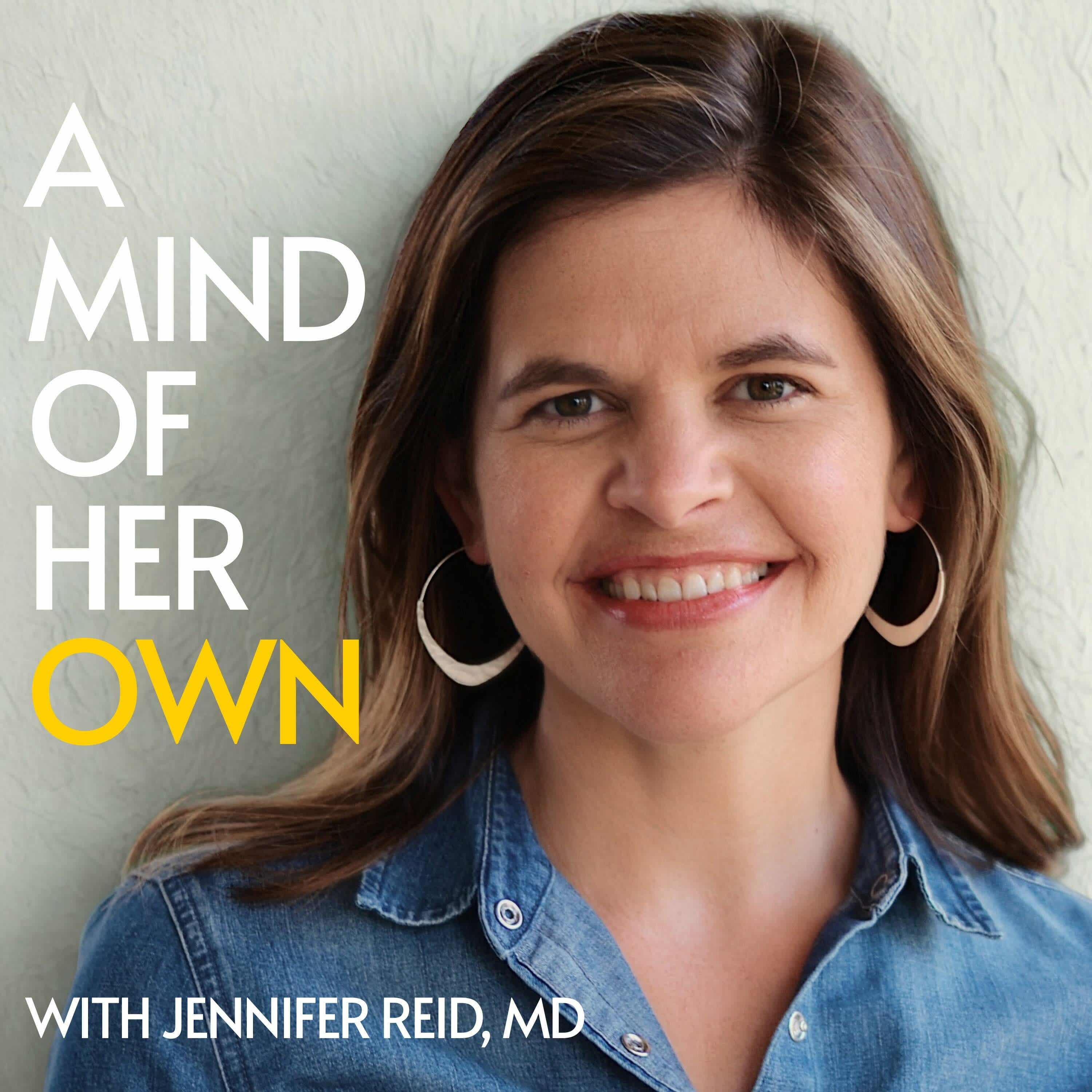
A Mind of Her Own
Hosted by Jennifer Reid, MD · EN
A Mind of Her Own is a science-backed podcast dedicated to women's mental health, hosted by Dr. Jennifer Reid, MD, a Columbia and UCLA-trained psychiatrist, award-winning educator at the University of Pennsylvania, and author of Guilt Free: Reclaiming Your Life from Unreasonable Expectations. Dr. Reid sits down with clinicians, researchers, and writers to explore topics that matter: invisible labor, reproductive mental health, physician burnout, guilt, identity, and the forces that shape how women seek care and how they thrive. Now available for CME credit!
amindofherown.substack.com
amindofherown.substack.com
23episodes
Episodes
Newest firstAll episodes
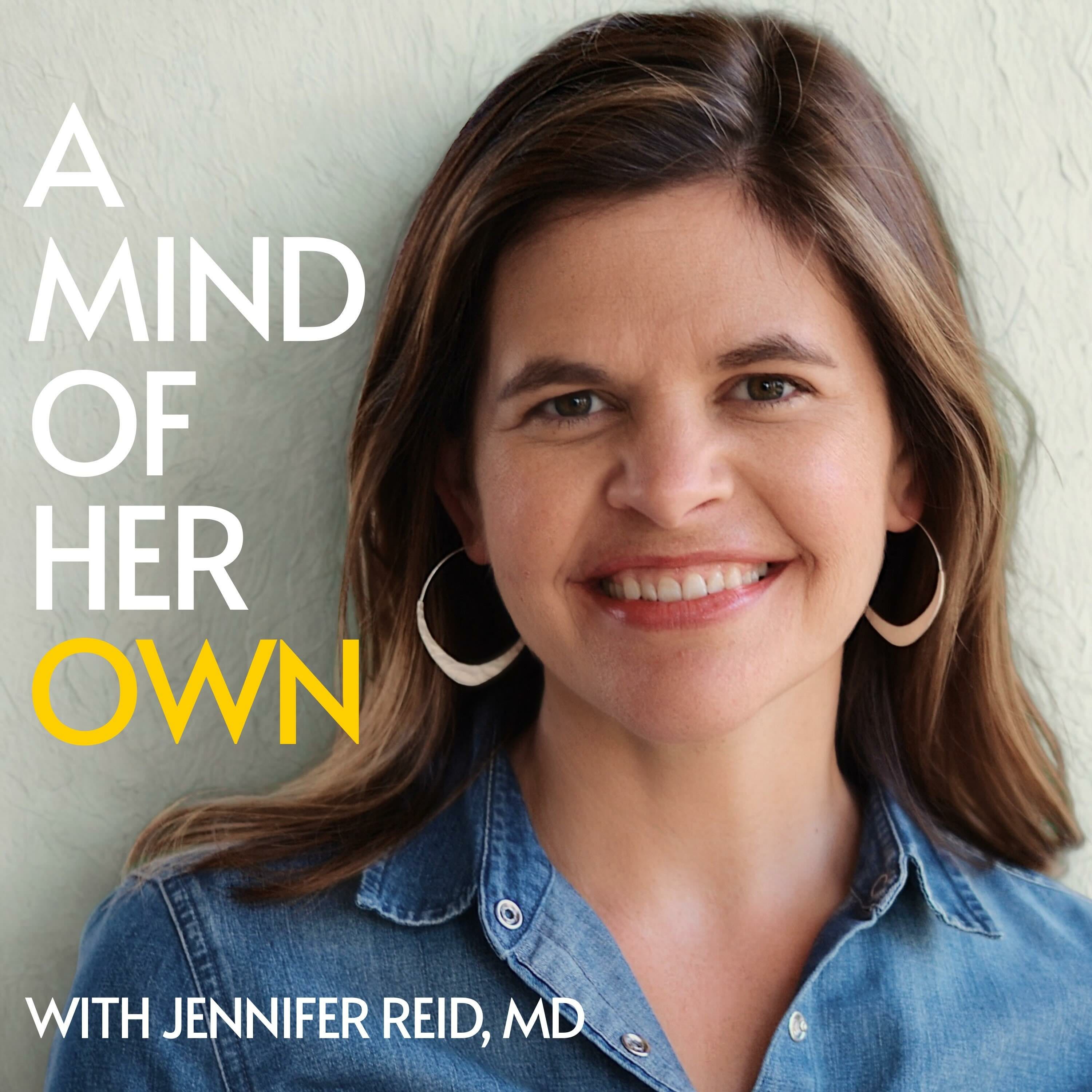
“I Can’t Not Do This”: Finding Your True Calling in Uncertain Times
Oct 2100:53:37Tap to summarize“If I didn’t have hope defined as an action—defined as every day doing something to try to close the gap between what is and what could and should be—I don’t know what else I’d do.”In this profound episode, legendary educator and activist Dr. Parker Palmer (author of Let Your Life Speak) joins Dr. Jennifer Reid to explore what it means to live an authentic life aligned with your deepest calling—especially during times of political and social upheaval.At 86, Palmer shares hard-won wisdom about recognizing your true vocation, not by emulating heroes or following society’s script, but by paying attention to your own inner voice. He explains why burnout often comes from “trying to give what we don’t have to give” and offers the powerful question he poses to young people struggling with direction: “Is there anything you feel you can’t not do?”The conversation takes on urgency as Palmer addresses our current political moment, explaining why he’s been calling out fascism since 2016 and how face-to-face encounters across America’s struggling small towns have deepened his understanding of why people vote against their own interests. Most powerfully, Palmer speaks to maintaining hope as an action—something we practice daily by “closing the gap between what is and what could and should be.” About Our GuestDr. Parker Palmer is a writer, speaker and activist who focuses on issues in education, community, leadership, spirituality and social change. He is the founder of the Center for Courage & Renewal and the award-winning author of ten books. He is also the creator of the Substack, Living the Questions. He has a PhD in sociology from the University of California at Berkeley, and 14 honorary doctorates, among many other accolades.Find Dr. Reid on Instagram: @jenreidmd, LinkedIn, and YouTube You can also preorder Dr. Reid’s book, Guilt Free! (If you are in the UK, you can order here and here.)Thanks for checking out A Mind of Her Own! Subscribe for free to receive new posts and hear about upcoming events.Also check out Dr. Reid’s regular contributions to Psychology Today: Think Like a Shrink.Seeking a mental health provider? Try Psychology TodayNational Suicide Prevention Lifeline: 1-800-273-8255Dial 988 for mental health crisis supportSAMHSA’s National Helpline - 1-800-662-HELP (4357)-a free, confidential, 24/7, 365-day-a-year treatment referral and information service (in English and Spanish) for individuals and families facing mental and/or substance use disorders.Disclaimer:The views expressed on this podcast reflect those of the host and guests, and are not associated with any organization or academic site. Also, AI may have been used to create the transcript and notes, based only on the specific discussion of the host and guest and reviewed for accuracy.The information and other content provided on this podcast or in any linked materials, are not intended and should not be construed as medical advice, nor is the information a substitute for professional medical expertise or treatment. All content, including text, graphics, images and information, contained on or available through this website is for general information purposes only.If you or any other person has a medical concern, you should consult with your health care provider or seek other professional medical treatment. Never disregard professional medical advice or delay in seeking it because of something that have read on this website, blog or in any linked materials. If you think you may have a medical emergency, call your doctor or emergency services (911) immediately. You can also access the National Suicide Help Line at 1-800-273-8255 or call 988 for mental health emergencies. This is a public episode. If you would like to discuss this with other subscribers or get access to bonus episodes, visit amindofherown.substack.com
Transcribe →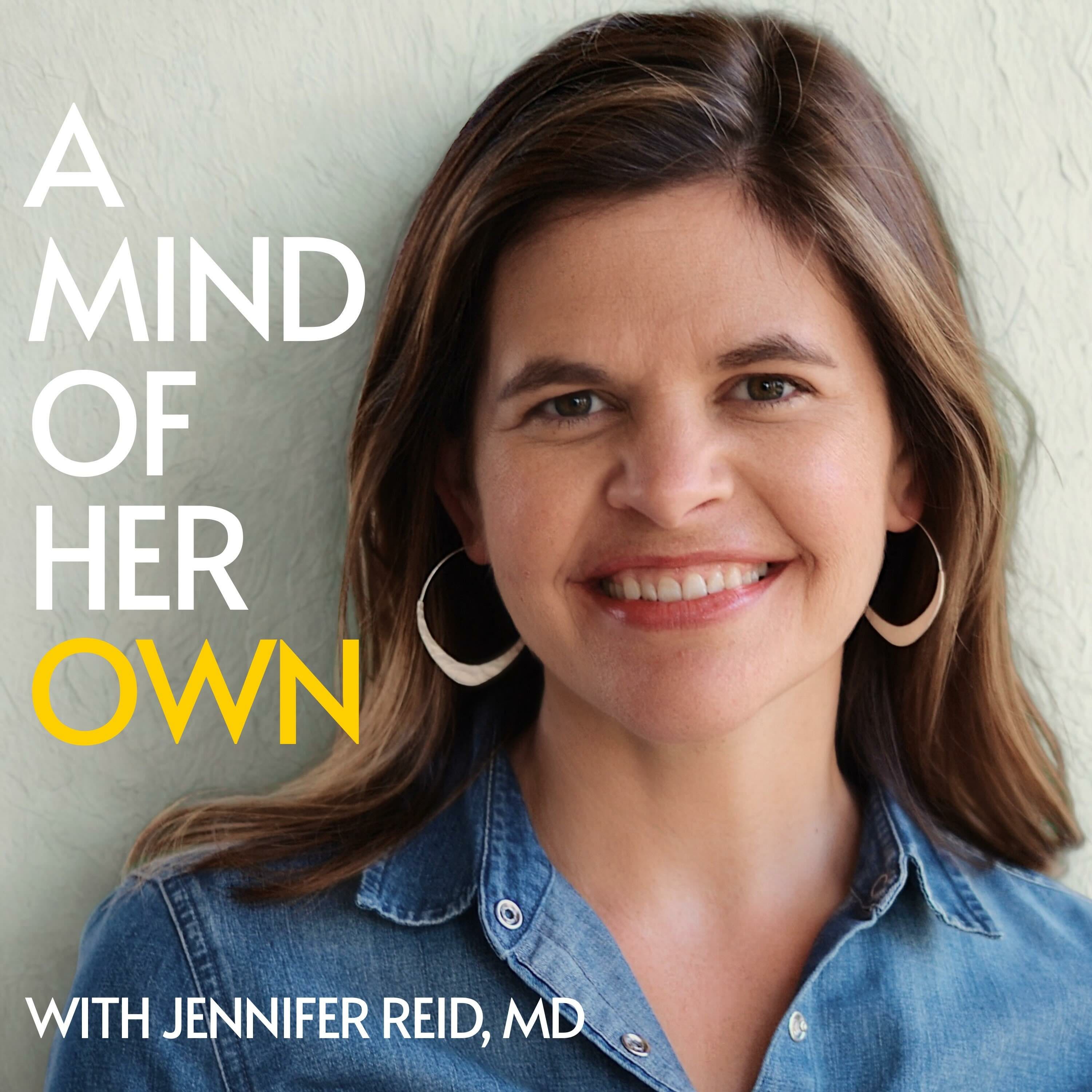
"If You're In Sync with Your Kids 30% of the Time, You're a Pro."
Oct 1400:39:37Tap to summarizeIn this thoughtful conversation, Dr. Jennifer Reid welcomes back an old friend and UCLA training colleague, Dr. Marissa Caudill, to explore one of parenting’s most pervasive emotions: guilt. Dr. Caudill, who specializes in coaching parents of tweens with anxiety and ADHD, brings both clinical expertise and personal vulnerability to a discussion that every parent needs to hear.The conversation begins with a fascinating dive into the neurobiology of new parenthood—how becoming a parent literally grows your amygdala (the brain’s fear center) and creates a new baseline of anxiety that never quite returns to pre-baby levels. Both doctors share their own experiences with postpartum intrusive thoughts, the kind that almost no one talks about but nearly 90% of new mothers experience. (More on the topic of postpartum intrusive thoughts and OCD in Dr. Reid’s interview with Jenna Overbaugh, LPC)From there, they tackle the heart of parental guilt: the gap between our sky-high expectations and the reality of raising imperfect humans in an increasingly competitive world. Dr. Caudill offers a refreshing reframe—that pushing our kids to meet our script rather than honoring their story can actually undermine the attunement they need to develop resilience. She shares practical wisdom on distinguishing between anxiety that needs gentle pushing and resistance that deserves respect, and why sometimes doing “nothing” (just being present) is exactly what struggling kids need most.You can also hear Dr. Caudill’s earlier conversation with Dr. Reid about Key Parenting Tips for the 21st CenturyAbout Today’s GuestDr. Marissa Caudill, MD, PhD is a child and adolescent psychiatrist, mother, and parent coach. She focuses on coaching and education of parents of tweens with anxiety and/or ADHD (about 11% of kids have one of these diagnoses), empowering them to step up to minimize the chances their kids will suffer mental illness in adolescence. Parents have so much influence and power over their kids’ development, we just need guidance to cut through the noise. Find her on all of the socials as The Parent Doctor. Find Dr. Caudill on Instagram, LinkedIn, Facebook, and YouTubeFind Dr. Reid on Instagram: @jenreidmd and LinkedInYou can also preorder Dr. Reid’s book, Guilt Free! (If you are in the UK, you can order here and here.)Thanks for checking out A Mind of Her Own! Subscribe for free to receive new posts and hear about upcoming events..Also check out Dr. Reid’s regular contributions to Psychology Today: Think Like a Shrink.Seeking a mental health provider? Try Psychology TodayNational Suicide Prevention Lifeline: 1-800-273-8255Dial 988 for mental health crisis supportSAMHSA’s National Helpline - 1-800-662-HELP (4357)-a free, confidential, 24/7, 365-day-a-year treatment referral and information service (in English and Spanish) for individuals and families facing mental and/or substance use disorders.Disclaimer:The views expressed on this podcast reflect those of the host and guests, and are not associated with any organization or academic site. Also, AI may have been used to create the transcript and notes, based only on the specific discussion of the host and guest and reviewed for accuracy.The information and other content provided on this podcast or in any linked materials, are not intended and should not be construed as medical advice, nor is the information a substitute for professional medical expertise or treatment. All content, including text, graphics, images and information, contained on or available through this website is for general information purposes only.If you or any other person has a medical concern, you should consult with your health care provider or seek other professional medical treatment. Never disregard professional medical advice or delay in seeking it because of something that have read on this website, blog or in any linked materials. If you think you may have a medical emergency, call your doctor or emergency services (911) immediately. You can also access the National Suicide Help Line at 1-800-273-8255 or call 988 for mental health emergencies.This episode is part of the “A Mind of Her Own” podcast series called Guilt Free: Real Women, Real Voices, exploring how guilt shows up in women’s lives and how to move away from its painful influence. This is a public episode. If you would like to discuss this with other subscribers or get access to bonus episodes, visit amindofherown.substack.com
Transcribe →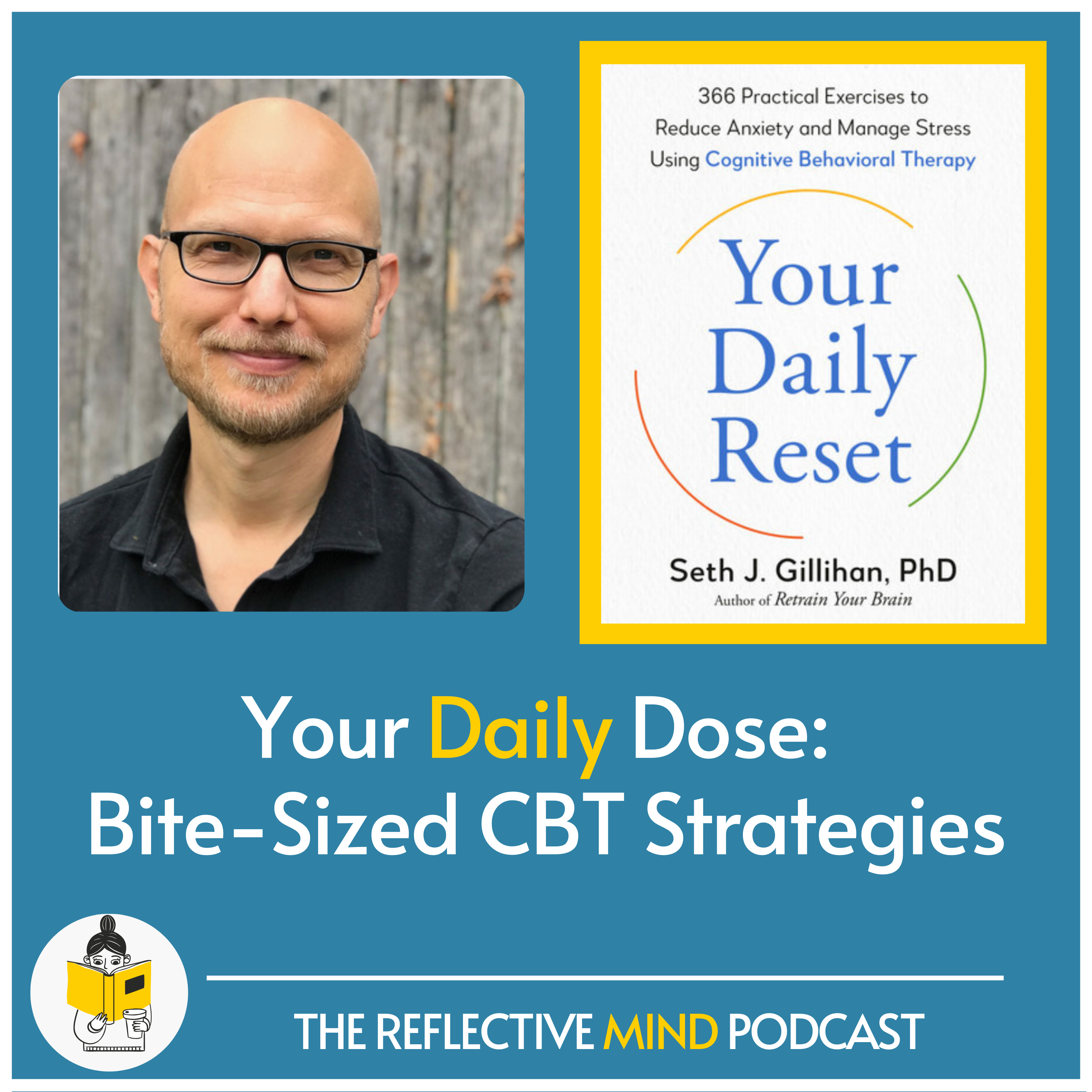
Your Daily Dose: Bite-Sized CBT Strategies
Sep 8Tap to summarizeEpisode OverviewLicensed psychologist Dr. Seth Gillihan returns to discuss his latest book, Your Daily Reset: 366 Practical Exercises to Reduce Anxiety and Manage Stress Using Cognitive Behavioral Therapy. In this candid conversation, Dr. Gillihan shares practical strategies for building sustainable mental health habits, explains why mindfulness and CBT work better together, and even opens up about his own parenting anxieties and recent psilocybin journey.Key PointsBuilding Daily Practices That Stick* Brief, consistent practices (40 words average) can create significant change* Focus on functional analysis: what's actually preventing the habit?* Small environmental changes (book placement, timing) matter more than willpowerCombining Mindfulness and CBT* Mindfulness addresses how our minds work (the process)* CBT addresses what our minds tell us (the content)* Together they create a more flexible relationship with thoughtsFacing Fear Through Values* Identify what you value more than your fear* Use values to guide action even when anxiety is present* Model courage for children by not avoiding what scares usKey QuotesOn making room for natural anxiety:"Of course, of course you're a parent. You're going to feel anxious about these things. And feeling anxious in and of itself is not a bad thing. It's not a problem that we have to get rid of."On the power of small daily practices:"If I can just remember that once a day, I think that that can be a big deal... the thoughts that my mind is telling me aren't necessarily true, and they're probably more helpful ways of looking at things."On self-compassion in mental health:"I think it's really one of the main things I want to do... it's just really wanting people to go easier on themselves, you know, like to not be overly critical of themselves and especially in the area of their own mental health."Daily Reset Strategies* Keep practices brief (1-2 sentences)* Focus on awareness and perspective shifts* Make the book/practice visible in your environment* Don't aim for perfection—consistency matters moreAbout Dr. Seth GillihanDr. Seth Gillihan is a licensed psychologist, host of the Think Act Be podcast, and author of multiple books on mindfulness and CBT. He completed his doctorate at the University of Pennsylvania and has been in private practice since 2012. His latest book, Your Daily Reset, provides 366 brief exercises combining cognitive behavioral therapy techniques with practical daily applications.Dr. Reid on Instagram: @jenreidmd and LinkedIn and her upcoming book, Guilt Free.Thanks for listening to The Reflective Mind podcast and reading A Mind of Her Own! Subscribe for free to receive new posts and learn about upcoming book events.Also check out Dr. Reid's regular contributions to Psychology Today: Think Like a Shrink.Seeking a mental health provider? Try Psychology TodayNational Suicide Prevention Lifeline: 1-800-273-8255Dial 988 for mental health crisis supportSAMHSA's National Helpline - 1-800-662-HELP (4357)-a free, confidential, 24/7, 365-day-a-year treatment referral and information service (in English and Spanish) for individuals and families facing mental and/or substance use disorders.Disclaimer:The views expressed on this podcast reflect those of the host and guests, and are not associated with any organization or academic site.The information and other content provided on this podcast or in any linked materials, are not intended and should not be construed as medical advice, nor is the information a substitute for professional medical expertise or treatment. All content, including text, graphics, images and information, contained on or available through this website is for general information purposes only.If you or any other person has a medical concern, you should consult with your health care provider or seek other professional medical treatment. Never disregard professional medical advice or delay in seeking it because of something that have read on this website, blog or in any linked materials. If you think you may have a medical emergency, call your doctor or emergency services (911) immediately. You can also access the National Suicide Help Line at 1-800-273-8255 or call 988 for mental health emergencies. This is a public episode. If you would like to discuss this with other subscribers or get access to bonus episodes, visit amindofherown.substack.com
Transcribe →