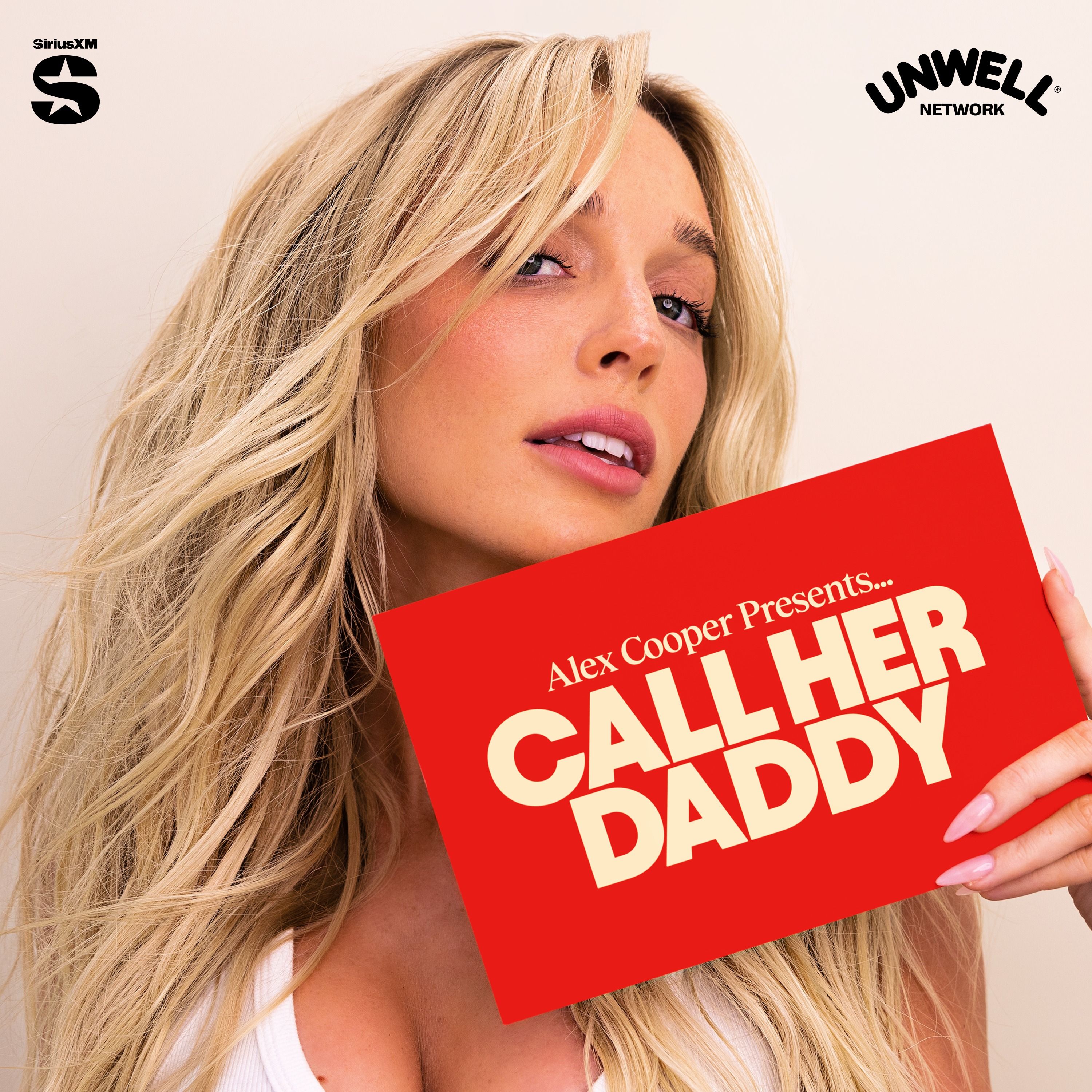
For the first time, Alex opens up about what she endured while playing Division 1 soccer at Boston University and how she’s worked to find healing through Call Her Daddy ten years later.
Loading summary
A
Hi Daddy gang. So there is no new Call Her Daddy episode this week because I just officially released my documentary Call Her Alex on Hulu. I cannot believe I'm finally getting to say that I'm feeling extremely proud and emotional. But if I'm being honest, I also feel nervous and scared. Most people obviously know me as the host of Call Her Daddy, right? But I realize in releasing this new documentary, the world is gonna learn about the one thing I've never really talked about before, which is the years of traumatic sexual harassment I endured from my college soccer coach. It took me a decade to tell this story, and I'll be honest, even saying the words to you right now. I was sexually harassed by my college soccer coach. I still feel uneasy and uncomfortable and anxious with all of it. There is no right way to talk about it and open up about this, but if I have learned anything from Call Her Daddy, there is such power in conversation. So why now? You may be asking. Over two years ago, I went on my first live podcast tour and I thought it would be fun to just have a documentary crew follow the journey so I could share some of the chaotic behind the scenes moments along the way for anyone that couldn't come and enjoy. But the entire direction of the film changed after my opening tour stop in Boston. I had told the director that I wasn't sure I wanted to get into what happened to me in college. In this documentary, I figured let's keep it light, let's keep it fun, let's just approach it with a more positive energy. And she was obviously extremely supportive and understanding, but she did encourage me while we were in Boston. Go back to bu, visit campus for the first time since I graduated, go back to the soccer field and just see what came up for me. And the minute I stepped on that field, I felt so small. Money, power, status, followers, years of therapy. None of it mattered. I felt like I was 18 years old again, completely powerless, with no voice. And the minute I I saw Nickerson Field, I broke down and I started sobbing. I didn't realize how much I had suppressed and how much I was still carrying with me. And I think I've hesitated to share my story for various reasons. I think the first obvious is that it's really painful to talk about. And I think a part of me also feels embarrassed that this happened to me. The Call Her Daddy girl. In coming forward, I was also afraid of retaliation. I also worried people would downplay or dismiss the severity of what I experienced because the abuse wasn't physical and with a Podcast that focuses on empowering women. I felt shame that my abuser happened to be a woman. And I was worried that sharing my story could quite literally undermine everything I stand for. The patriarchy, Fuck misogyny. And so I kept going back and forth, back and forth to tell the world would happen, to not talk about it. What do I do? But then something happened where I immediately knew without a doubt that it was time for me to speak up. Towards the end of filming this documentary, new information came to light. I found out that other women had stepped onto that same field and experienced the same harassment I did. I discovered that the abuse and trauma I had been subjected to at Boston University was still actively happening on that campus in 2025, a decade after I left and I spoke directly with one of the victims. Everything changed for me that day. And it really put in perspective that the harassment and abuse of power was and is so much bigger than me. It is systemic, and it's happening everywhere. And so I realized that if a woman in my position who has power and a platform is still fearful, is still scared of speaking out about my own lived experience of sexual harassment, how the hell will any other woman feel safe and confident to come forward? Opening up about this in the documentary, yes, it is a way for me to share not only what I've endured, but what women continue to endure everywhere, every single day. So I'm here, Daddy Gang, today, to say to any other victims, you. You are not alone. I see you, I believe you, and I stand with you. I know that this experience doesn't define me. And there are so many beautiful moments of my life that I also got to share. Over the course of filming this project, you will see parts of my wedding, my family, my closest friends. I'm showing it all. But it was extremely important for me to come on today and say just thank you, Daddy gang, because I. I wouldn't be able to heal and grow and be sitting on this fucking couch and release this type of documentary if. If I didn't have you. Literally, I wouldn't be here without all of you. So thank you so much for always fucking supporting me. And I hope you know the support is mutual. So with that said, I love you guys. Go watch Call her Alex on Hulu. Love you. Bye.
Call Her Daddy: Episode Summary – "My College Soccer Trauma"
Introduction
In the poignant episode titled "My College Soccer Trauma," released on June 10, 2025, Alex Cooper, the host of the widely acclaimed podcast Call Her Daddy, delves deep into a personal and harrowing experience that has long remained in the shadows. This episode marks a significant departure from her usual content, focusing instead on her journey of overcoming trauma and advocating for systemic change.
Releasing "Call Her Alex" Documentary
Alex begins the episode by announcing the release of her documentary, Call Her Alex, on Hulu. This milestone is both a proud and emotional moment for her:
“I cannot believe I'm finally getting to say that I'm feeling extremely proud and emotional.” [00:10]
She acknowledges the mixed emotions surrounding this release, highlighting the nervousness and fear associated with unveiling a story she has kept private for over a decade.
Unveiling the Hidden Trauma
For the first time, Alex opens up about the traumatic sexual harassment she endured from her college soccer coach during her time at Boston University. She reflects on the difficulty of sharing such a personal story:
“It took me a decade to tell this story, and I'll be honest, even saying the words to you right now, I was sexually harassed by my college soccer coach.” [00:45]
Alex emphasizes the complexity of discussing her experiences, touching on feelings of unease, embarrassment, and the struggle to find the right words to convey her pain.
The Making of the Documentary
Originally intended to capture the lively behind-the-scenes moments of her live podcast tour, the documentary's direction shifted dramatically after her opening tour stop in Boston:
“I had told the director that I wasn't sure I wanted to get into what happened to me in college. In this documentary, I figured let's keep it light, let's keep it fun.” [02:15]
However, revisiting her alma mater and stepping onto Nickerson Field was a catalyst for Alex, bringing her suppressed emotions to the surface and compelling her to confront her past.
Confronting the Past
The moment Alex returns to Boston University is transformative. The overwhelming emotions she experiences lead her to an emotional breakdown:
“The minute I stepped on that field, I felt so small. Money, power, status, followers, years of therapy. None of it mattered. I felt like I was 18 years old again, completely powerless, with no voice.” [03:30]
This powerful realization underscores the long-term impact of the trauma she endured and the persistence of such abuse in institutional settings.
Fear and Empowerment
Alex candidly discusses the internal conflict she faced in deciding whether to share her story. She grapples with the fear of retaliation, concern that her experiences might be dismissed, and the shame associated with her abuser being a woman:
“I kept going back and forth, back and forth to tell the world would happen, to not talk about it. What do I do?” [05:00]
Despite these fears, a pivotal moment during the documentary's filming — discovering that other women had faced similar harassment — reinforces her decision to speak out. This collective realization highlights the systemic nature of such abuse:
“I discovered that the abuse and trauma I had been subjected to at Boston University was still actively happening on that campus in 2025, a decade after I left.” [06:20]
A Call to Action
Recognizing the broader implications of her story, Alex emphasizes the importance of using her platform to empower other women:
“If a woman in my position who has power and a platform is still fearful, is still scared of speaking out about my own lived experience of sexual harassment, how the hell will any other woman feel safe and confident to come forward?” [07:45]
Her message is clear: sharing her experience is not just a personal healing process but a necessary step towards societal change.
Building a Supportive Community
Alex extends a heartfelt thank you to her listeners, the "Daddy Gang," acknowledging their unwavering support as instrumental in her healing journey:
“I wouldn't be able to heal and grow and be sitting on this fucking couch and release this type of documentary if I didn't have you. Literally, I wouldn't be here without all of you.” [09:30]
She invites her audience to watch the documentary and continues to foster a sense of mutual support and community.
Conclusion
"My College Soccer Trauma" is a deeply personal and courageous episode where Alex Cooper confronts her past, sheds light on ongoing systemic issues, and reinforces the power of community support. By sharing her story, Alex not only paves the way for her own healing but also empowers countless others to speak up and seek justice. The episode serves as a testament to resilience, the importance of addressing trauma, and the enduring strength of the Call Her Daddy community.
Key Takeaways
Personal Trauma Disclosure: Alex Cooper opens up about the decade-long struggle with sexual harassment from her college soccer coach.
Documentary Impact: The release of Call Her Alex serves as a platform for her to share her story and highlights ongoing issues of abuse in educational institutions.
Empowerment and Advocacy: Alex emphasizes the role of her platform in empowering others and advocating for systemic change.
Community Support: The unwavering support from her listeners, the "Daddy Gang," plays a crucial role in her healing process.
Notable Quotes with Timestamps
Final Thoughts
This episode is a compelling exploration of personal trauma, the challenges of speaking out, and the responsibility of those with platforms to advocate for broader change. Alex Cooper's vulnerability and strength provide listeners with both inspiration and a call to action, reinforcing Call Her Daddy's role as a significant voice in contemporary conversations about women's empowerment and societal issues.